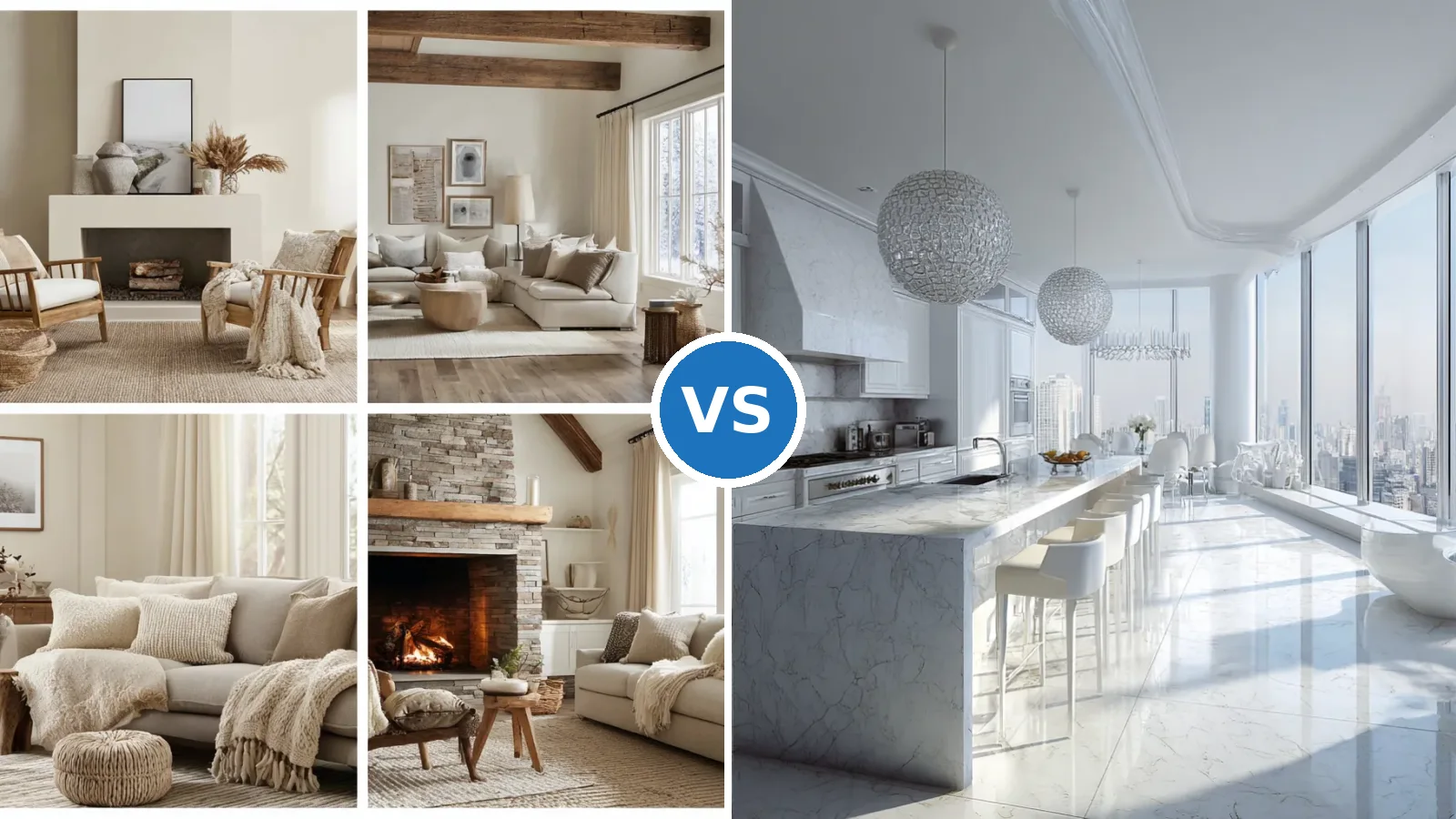
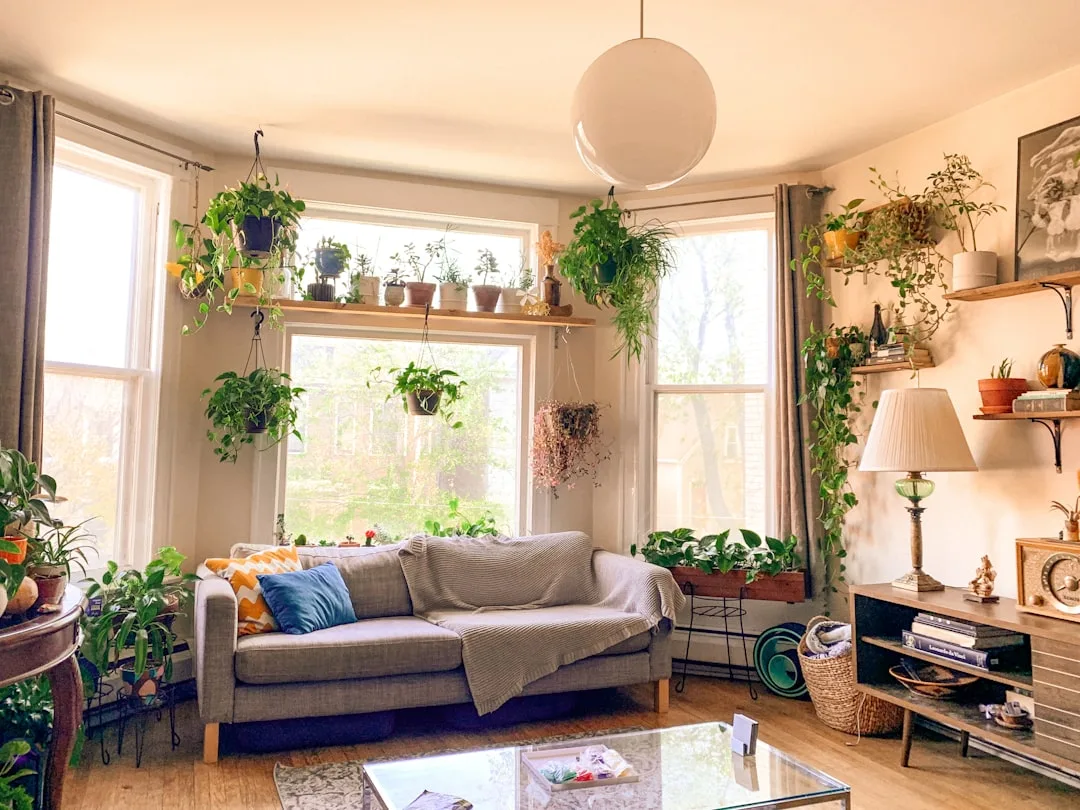
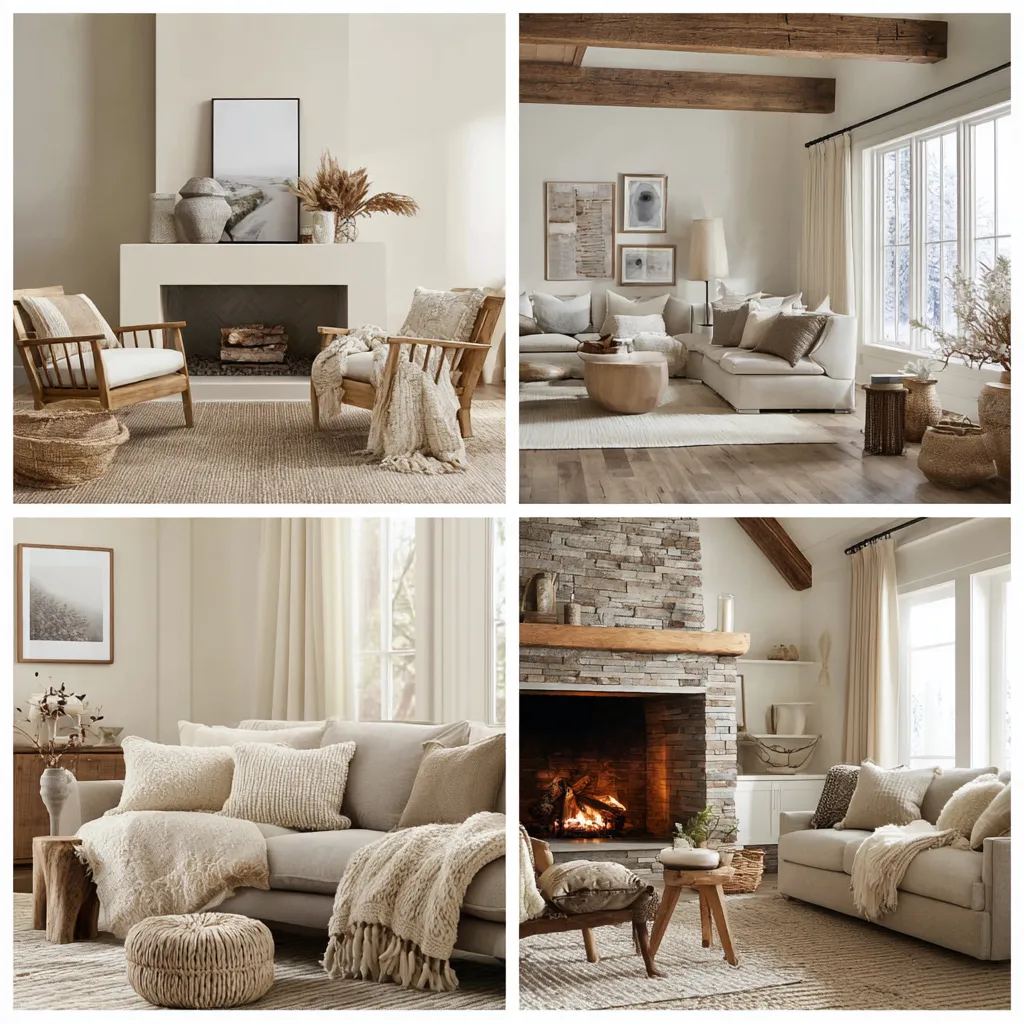
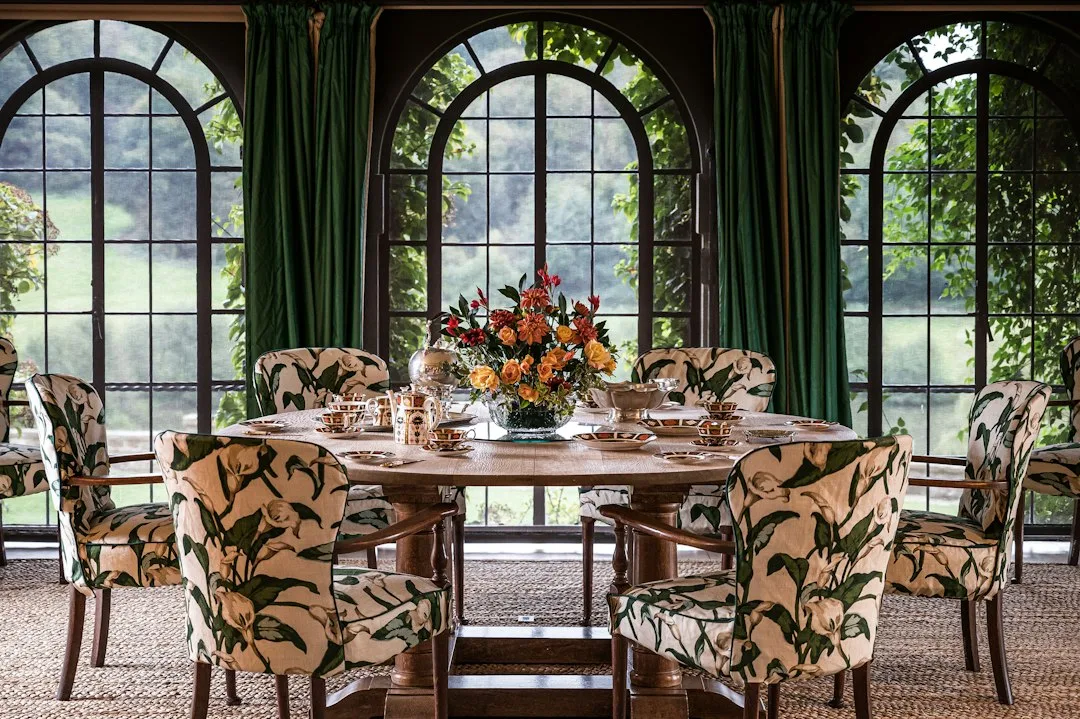
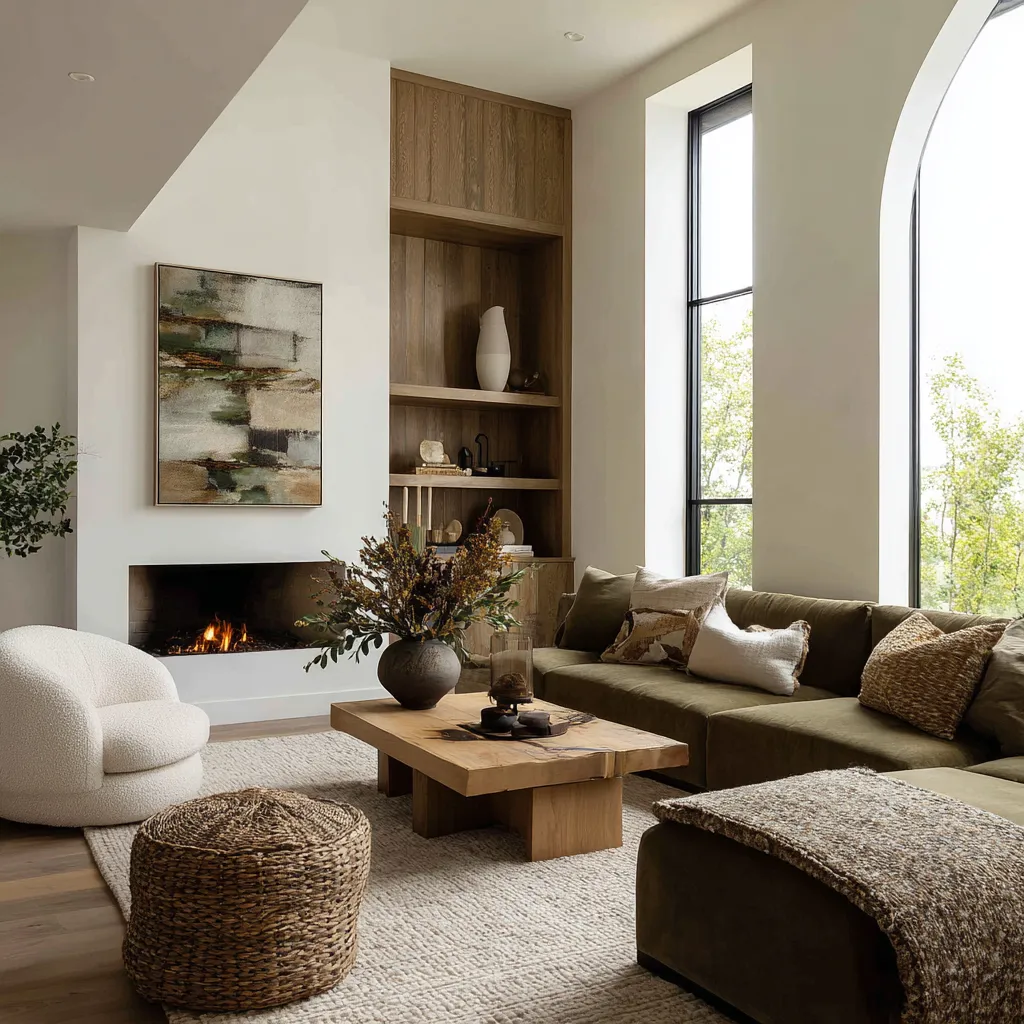
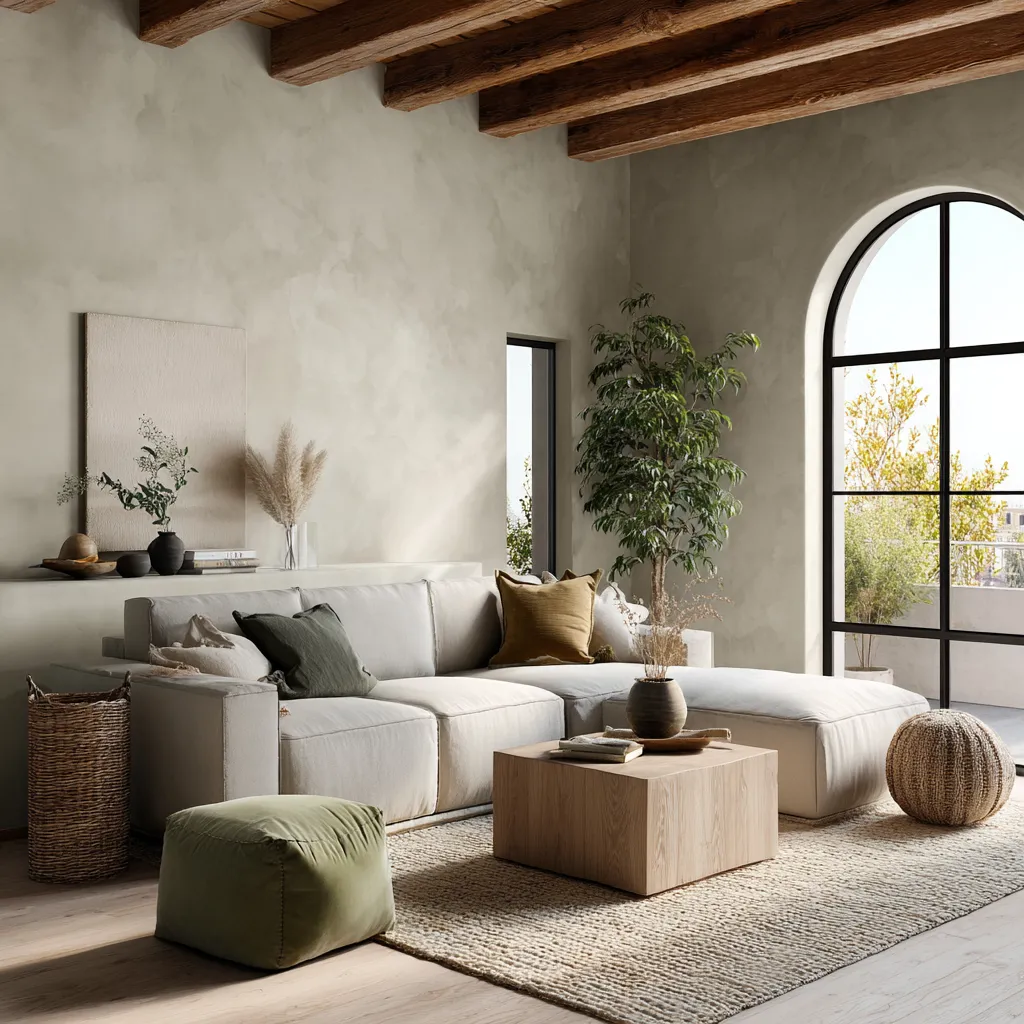
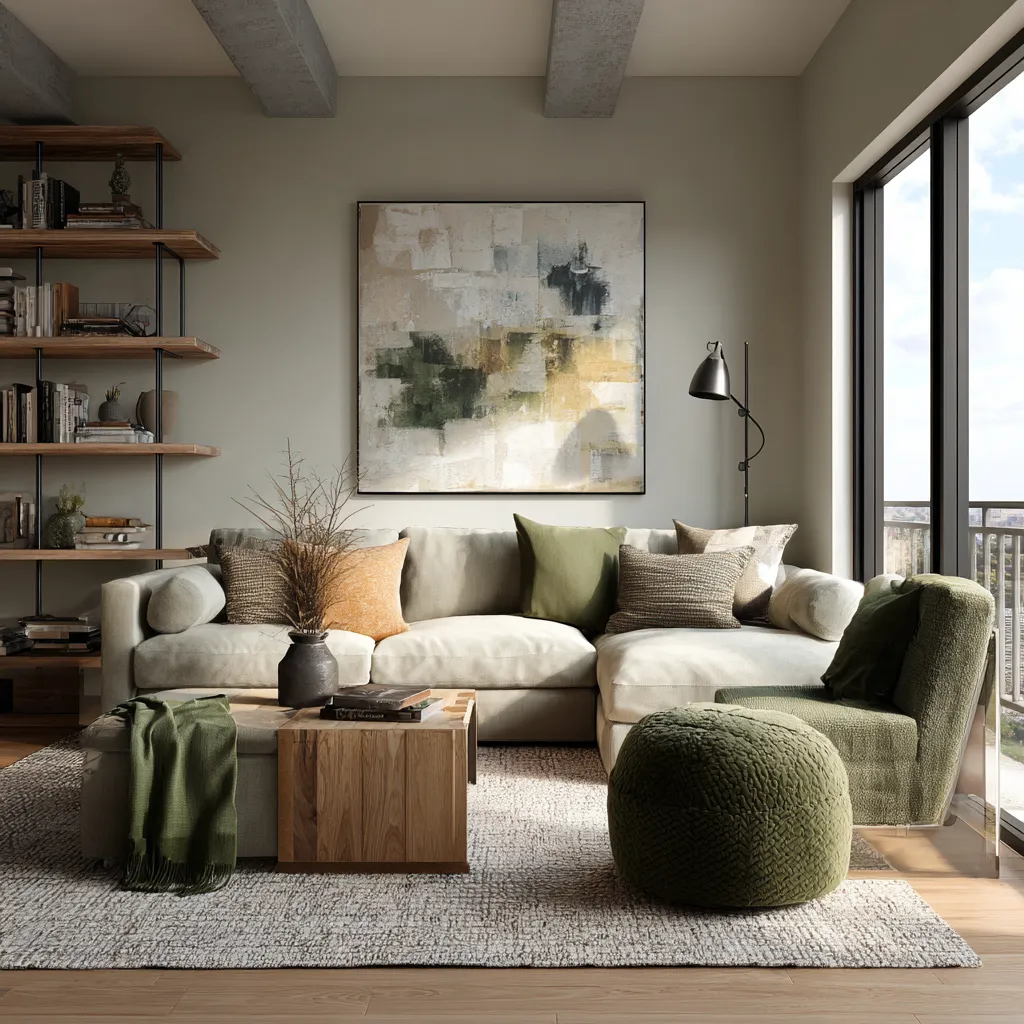
The spaces we inhabit profoundly influence our daily rhythms, making the choice of interior palettes more than just a visual preference. Moving away from stark, clinical whites and cold greys, contemporary design is embracing a grounding, earth-inspired aesthetic. By layering rich, subtle greens over a foundation of soft, heated undertones, interiors achieve a harmonious balance that feels both sophisticated and inherently soothing.
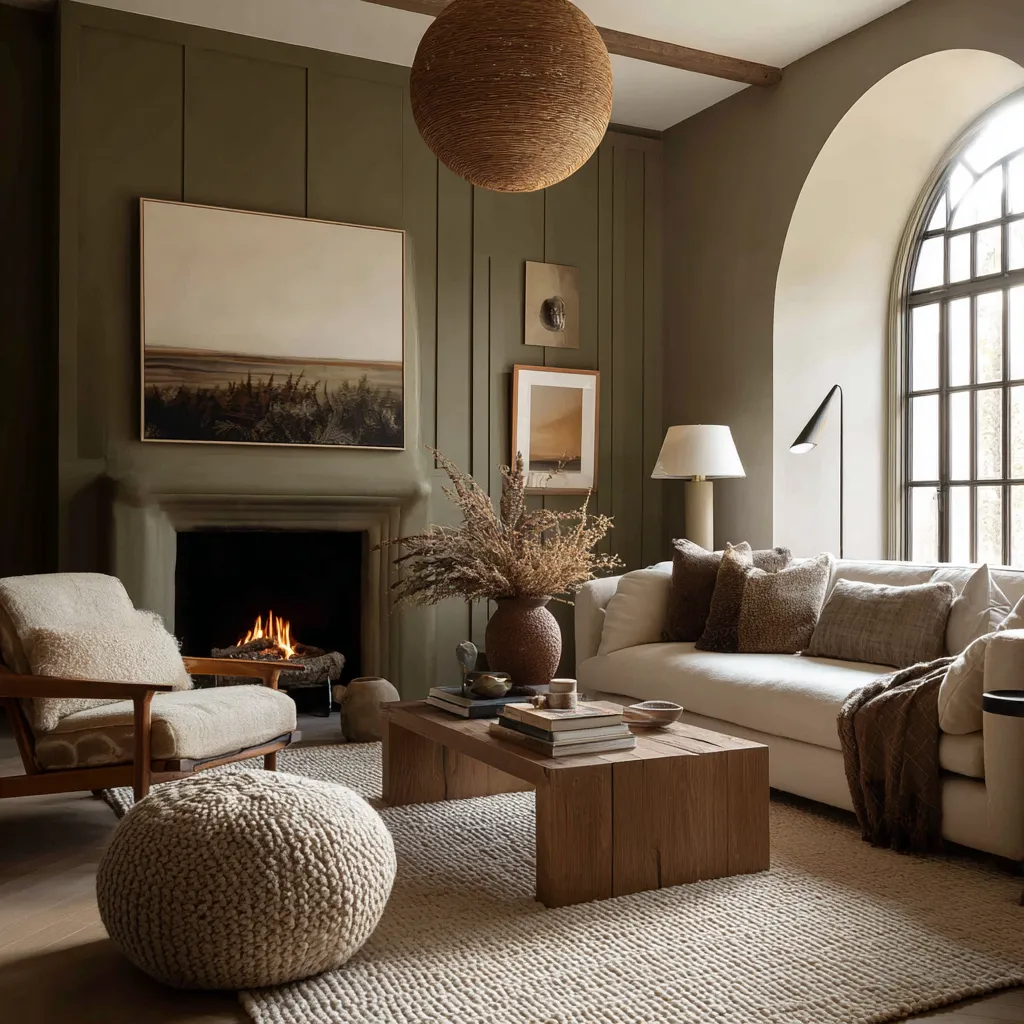
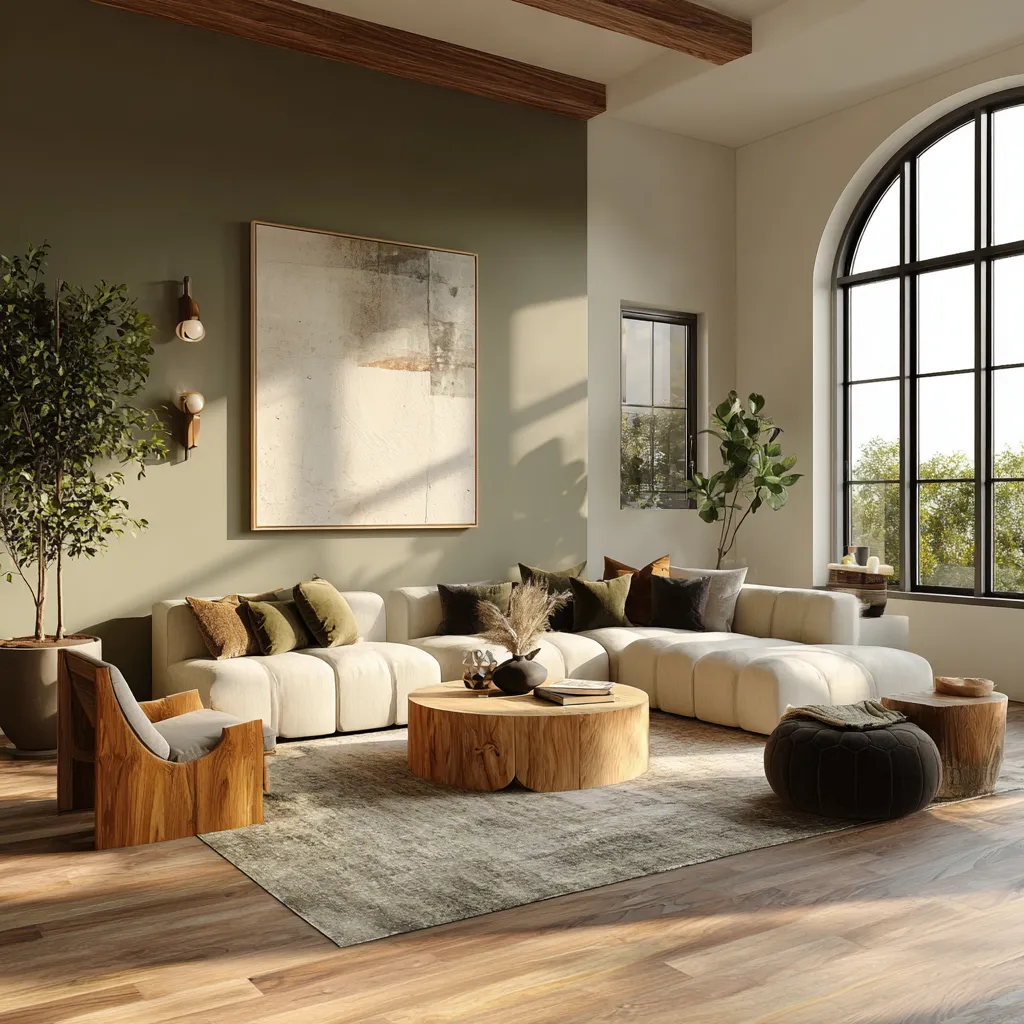
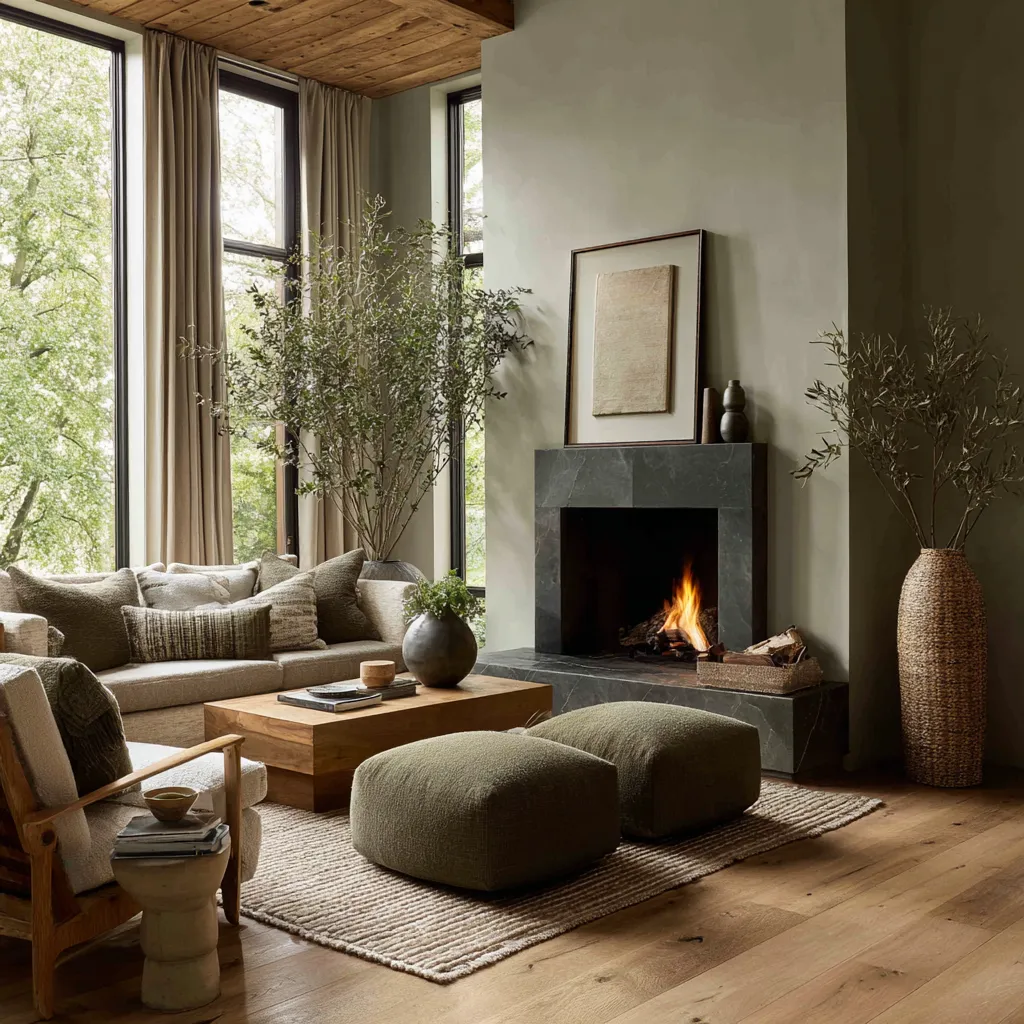
Infusing Organic Modern Kitchens With Warm Neutrals And Muted Olive
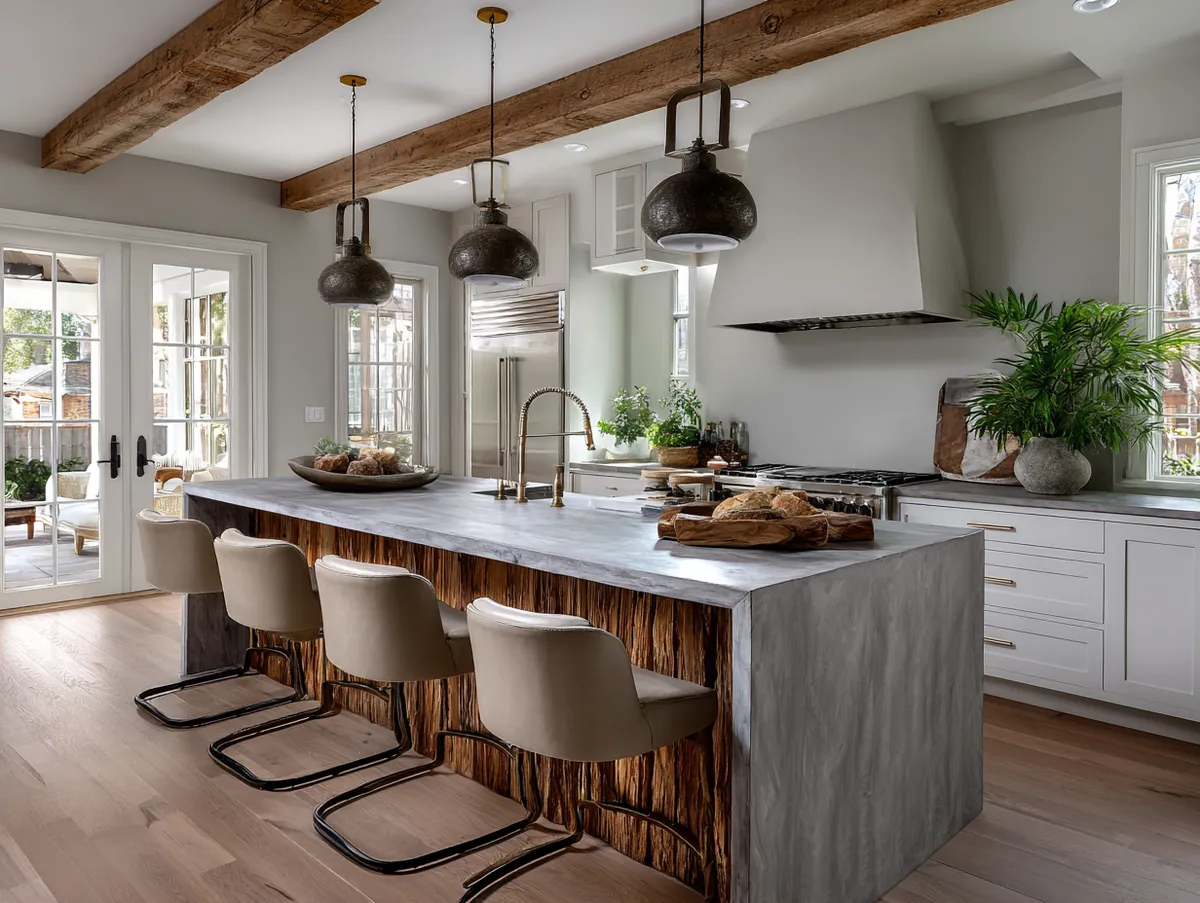
The kitchen is universally recognized as the heart of the home, a bustling hub of culinary creativity, family gatherings, and morning rituals. Designing this space requires a delicate balance between high functionality and an inviting atmosphere. When employing an organic modern style in the kitchen, the goal is to seamlessly merge the sleek, clean lines of contemporary design with the raw, imperfect beauty of nature. This aesthetic thrives on restraint and intention, ensuring that every element, from the cabinetry to the hardware, serves both a practical purpose and a visual one. The foundation of this look relies heavily on a carefully curated color palette. Establishing a base of warm neutrals is crucial. These are not the flat, sterile whites of the past decade. Instead, think of complex shades like creamy alabaster, soft taupe, mushroom, and pale oat. These tones possess an inherent warmth that instantly makes a sprawling kitchen feel intimate and welcoming. They reflect light beautifully, creating a sense of expansiveness without feeling clinical.
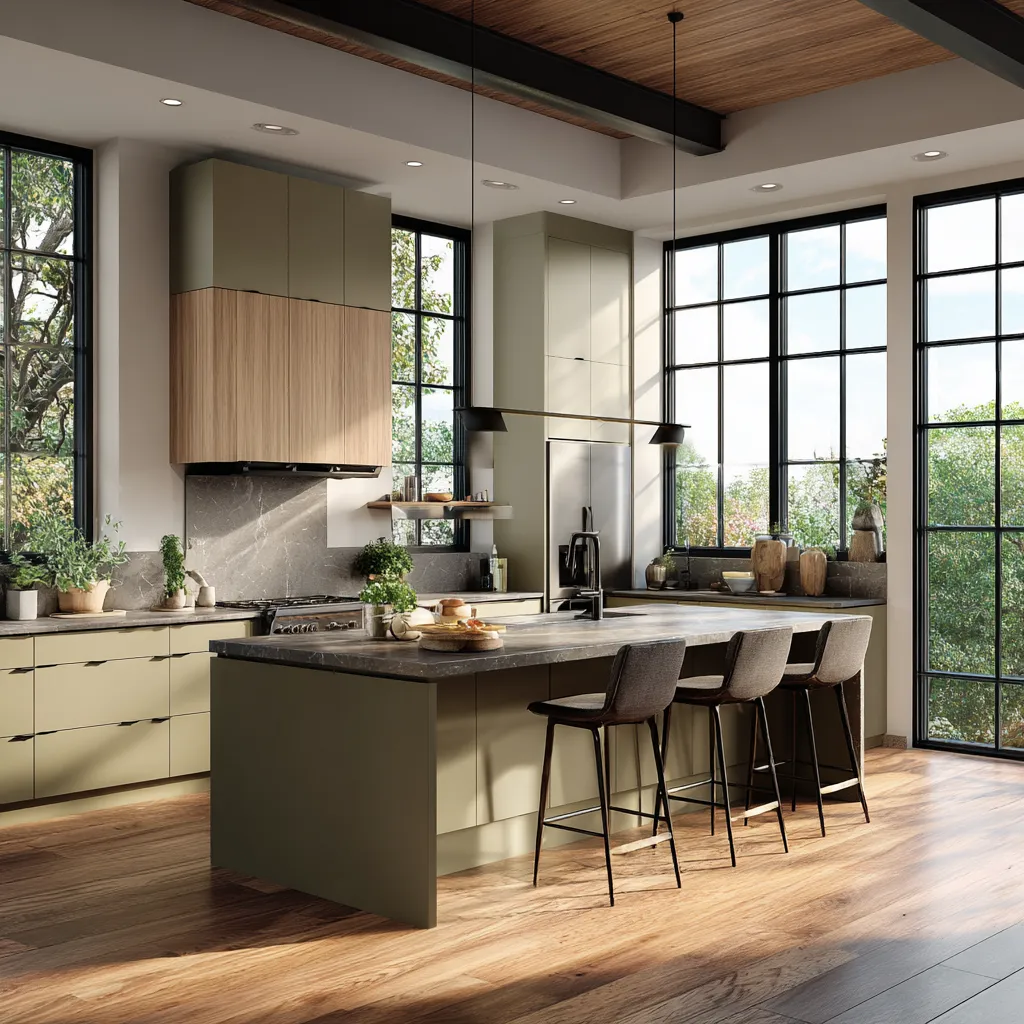
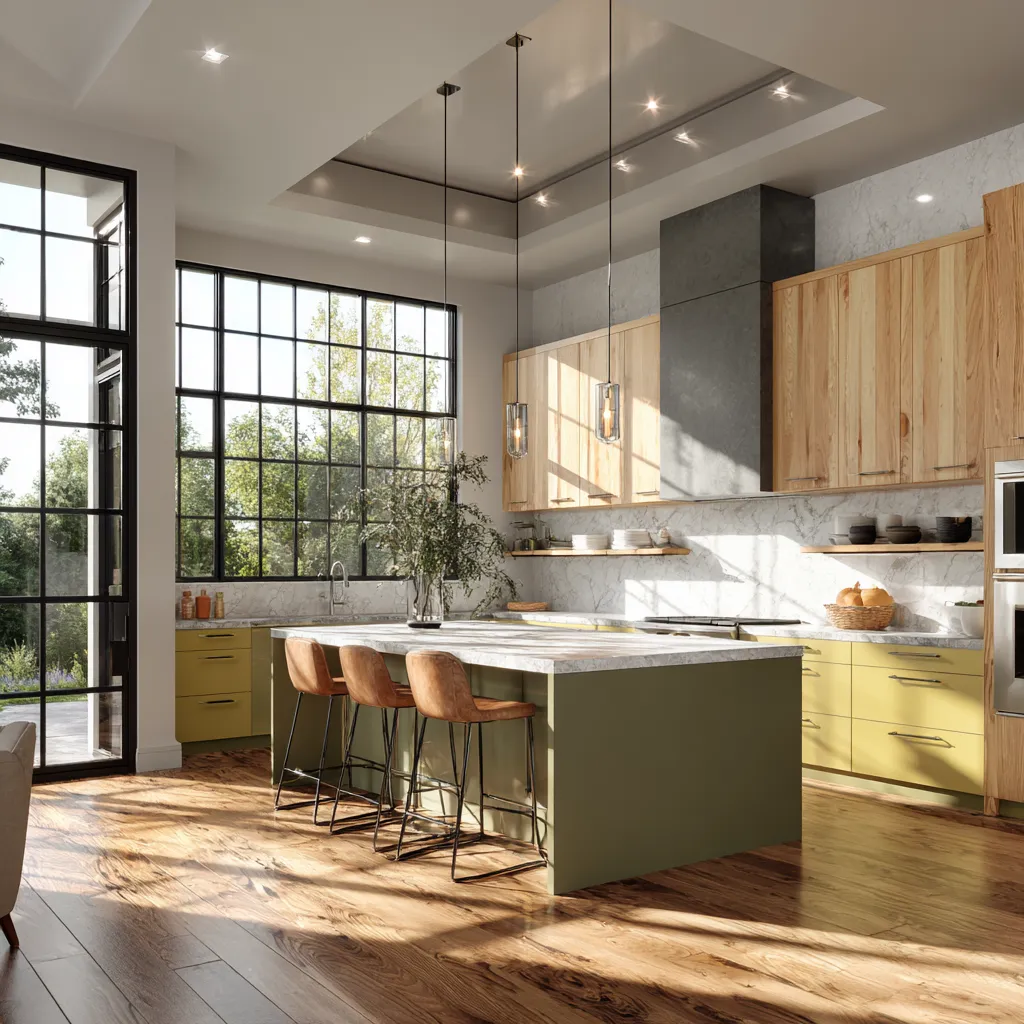
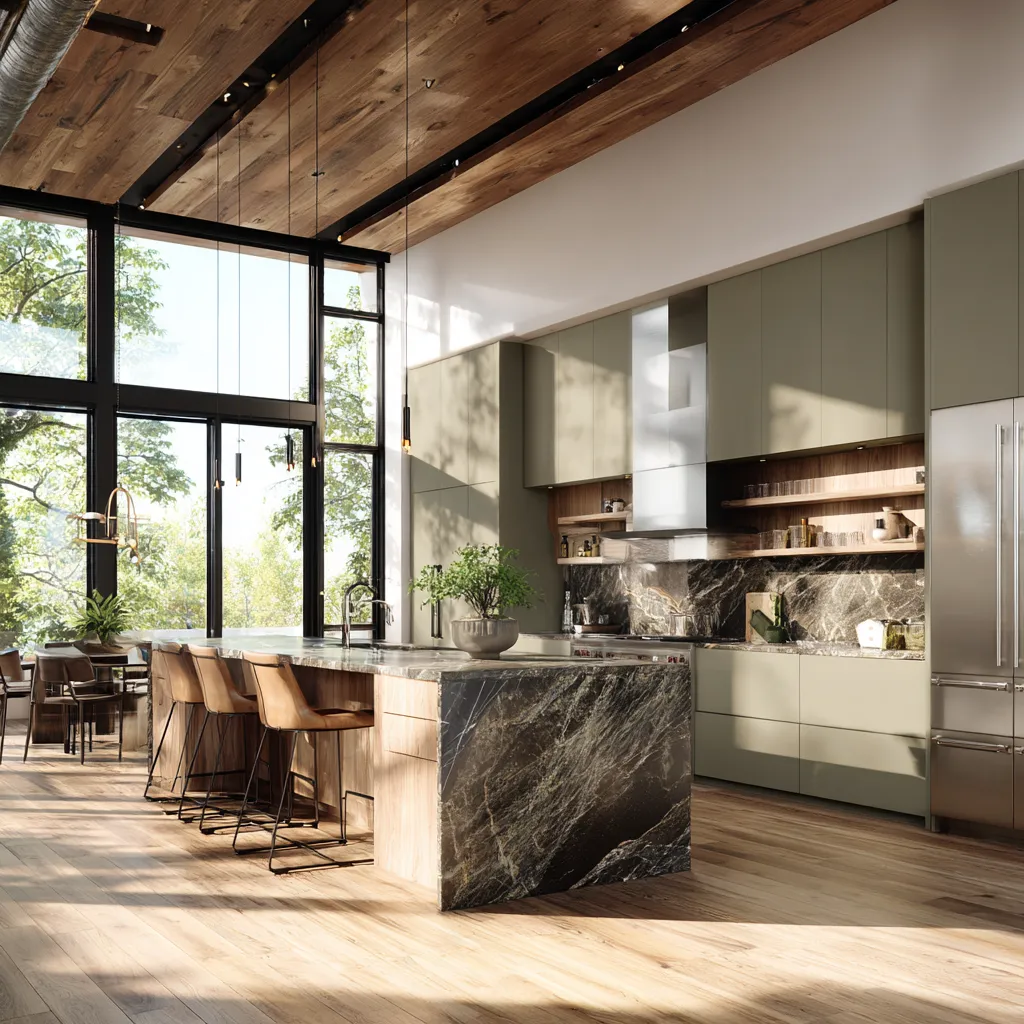
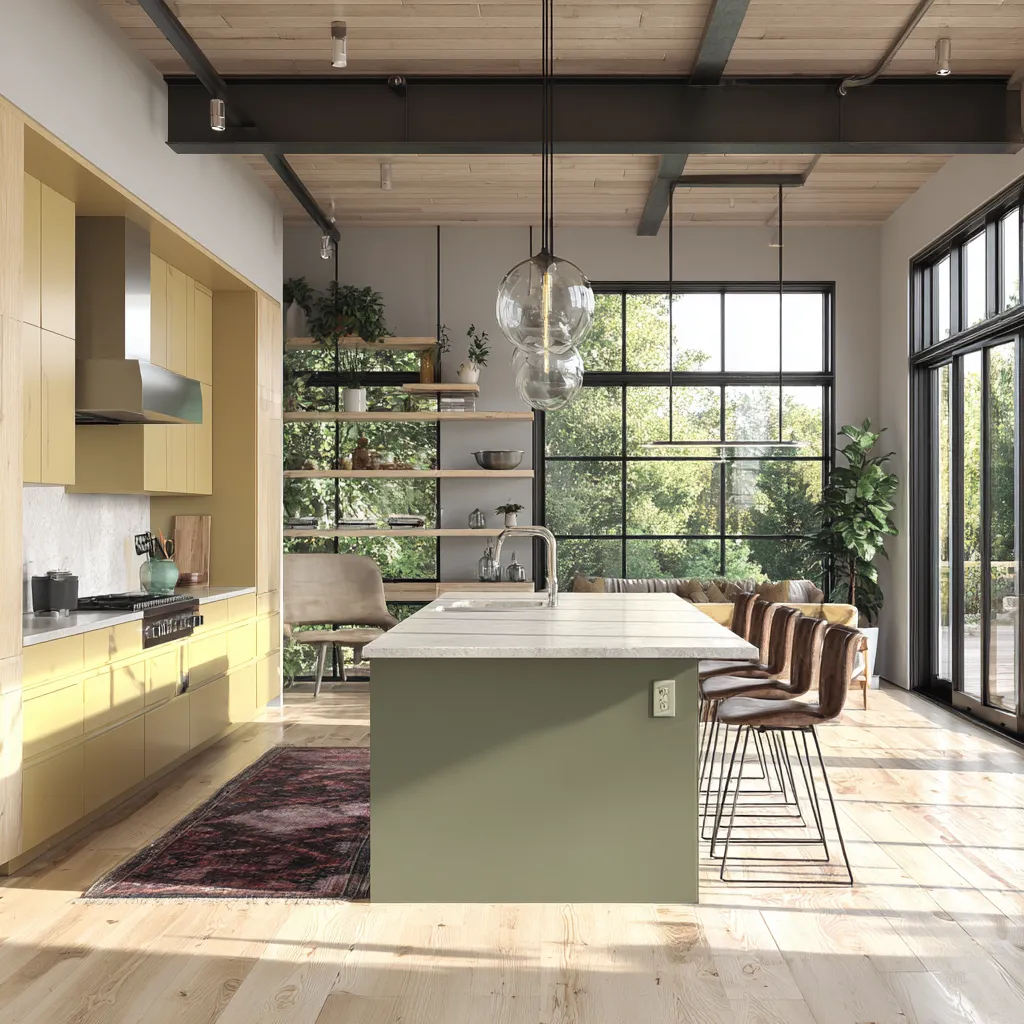
When warm neutrals are applied to the primary structural elements of the kitchen, such as perimeter cabinetry and wall colors, they create a serene, unobtrusive backdrop. This is where the magic of incorporating a contrasting yet harmonious hue comes into play. Muted olive acts as the perfect counterpoint. It is a shade deeply rooted in the natural world, evoking the tranquility of a dense forest or a sun-dappled grove. Unlike vibrant emeralds or stark lime greens, muted olive possesses a grey or brown undertone that grounds it, preventing it from overwhelming the space. Introducing this specific green into the kitchen can be done through various strategic applications. A highly effective method is utilizing it for the kitchen island. As the central anchor of the room, a green island against a backdrop of soft taupe or alabaster creates an immediate focal point that draws the eye and anchors the room.
The interplay between these colors is further enhanced by the introduction of tactile materials. Organic modern style demands texture. For the countertops, heavily veined marble or honed quartzite in pale, creamy shades adds movement and a touch of organic luxury. Alternatively, a matte soapstone counter introduces a deeper, more rugged element that pairs exceptionally well with green cabinetry. The backsplash offers another opportunity to reinforce the palette and texture. Handmade zellige tiles in a soft, pearlescent white or a subtle beige introduce subtle variations in color and a beautifully uneven surface that bounces light in unexpected ways, contrasting brilliantly with the smooth, flat panels of modern cabinetry.
Wood tones are non-negotiable in this aesthetic. To maintain the warmth of the palette, opt for woods with natural, unstained finishes. White oak, bleached walnut, or lightly whitewashed ash provide necessary organic texture without clashing with the subtle green. These woods can be integrated through floating shelves, flooring, or even wooden bar stools pulled up to the island. The grain of the wood acts as a natural pattern, breaking up the solid blocks of color.
Hardware and fixtures serve as the jewelry of the kitchen, and their finish can dramatically alter the room’s tone. To complement the earthy, grounded feel of warm neutrals and muted olive, unlacquered brass or aged bronze are unparalleled choices. Over time, unlacquered brass develops a living patina, aging gracefully and adding a layer of history and authenticity to the space. The golden hues of the brass sing against the green, while adding a touch of understated elegance to the lighter cabinetry. Lighting should follow a similar philosophy. Pendant lights over the island featuring matte ceramic shades, woven rattan, or frosted glass continue the theme of natural materials and diffuse light softly, avoiding harsh glares.
Styling the counters should be an exercise in minimal curation. Everyday items should contribute to the aesthetic rather than detract from it. Displaying wooden cutting boards of varying heights, a handmade ceramic bowl filled with fresh produce, or a simple vase holding a few leafy branches brings life and everyday functionality to the forefront. By focusing on these deliberate choices, the kitchen transforms into a space that feels deeply rooted in nature, yet perfectly equipped for contemporary living, proving that the combination of these specific hues is a masterclass in balanced interior design.
Restful Organic Modern Bedrooms Featuring Olive Tones And Warm Neutrals
Designing a sanctuary for rest requires a deep understanding of how color and texture impact human psychology and physiology. The bedroom is the ultimate retreat, a space where the sensory input of the outside world should fade, replaced by an environment that actively promotes relaxation and rejuvenation. The principles of organic modern style are exceptionally well-suited for this purpose, as they prioritize comfort, natural materials, and an inherent sense of calm. The foundation of a truly restful sleeping quarter lies in its base color palette. By anchoring the room in warm neutrals, you immediately establish a soothing baseline. Shades reminiscent of unbleached linen, warm sand, and soft clay provide a visual quietness. These hues do not demand attention; rather, they gently recede, allowing the mind to unwind.
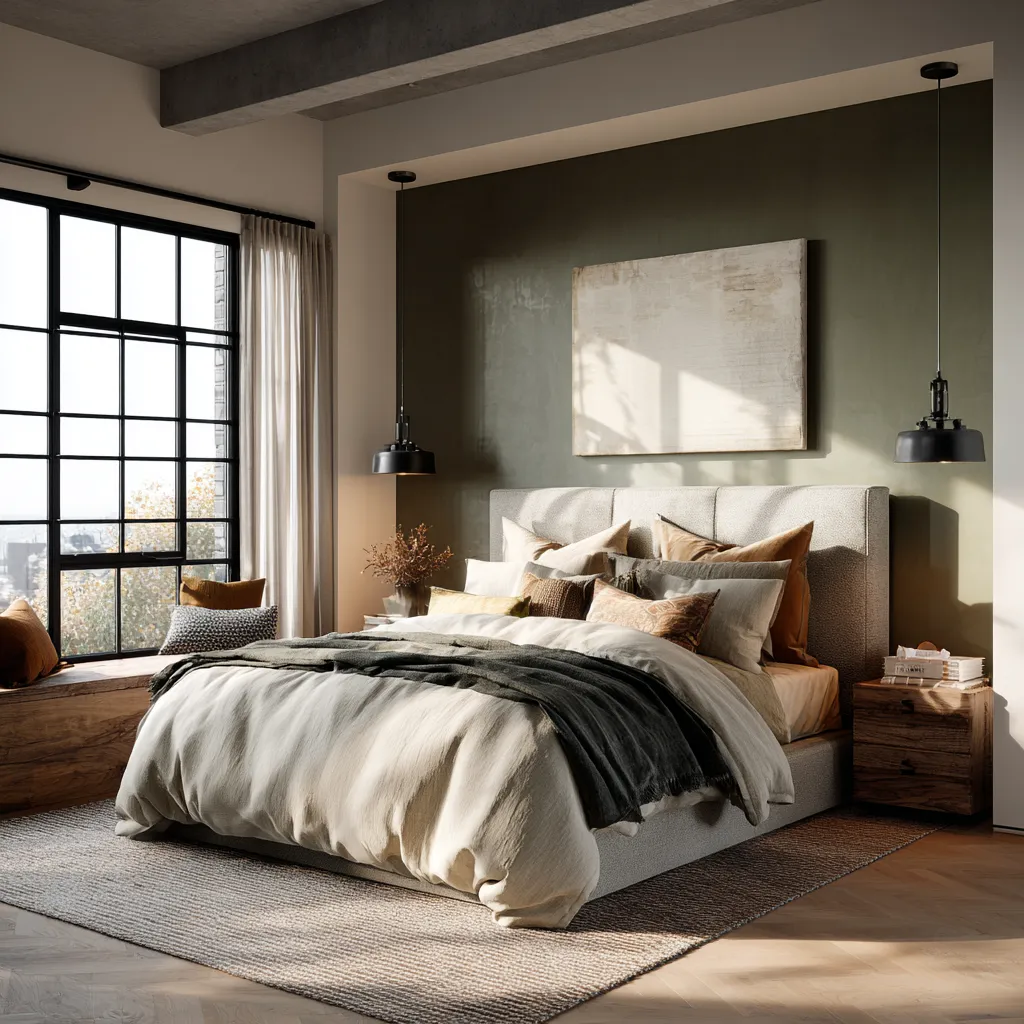
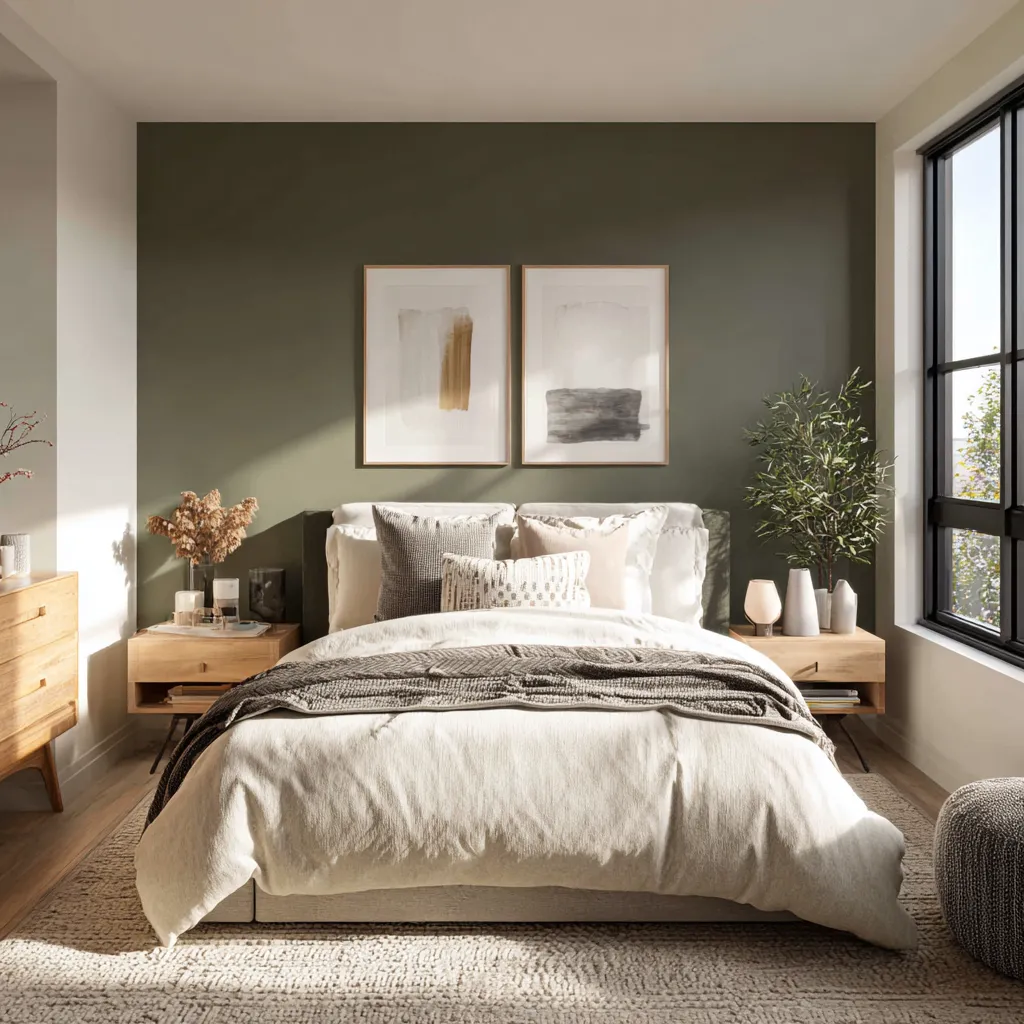
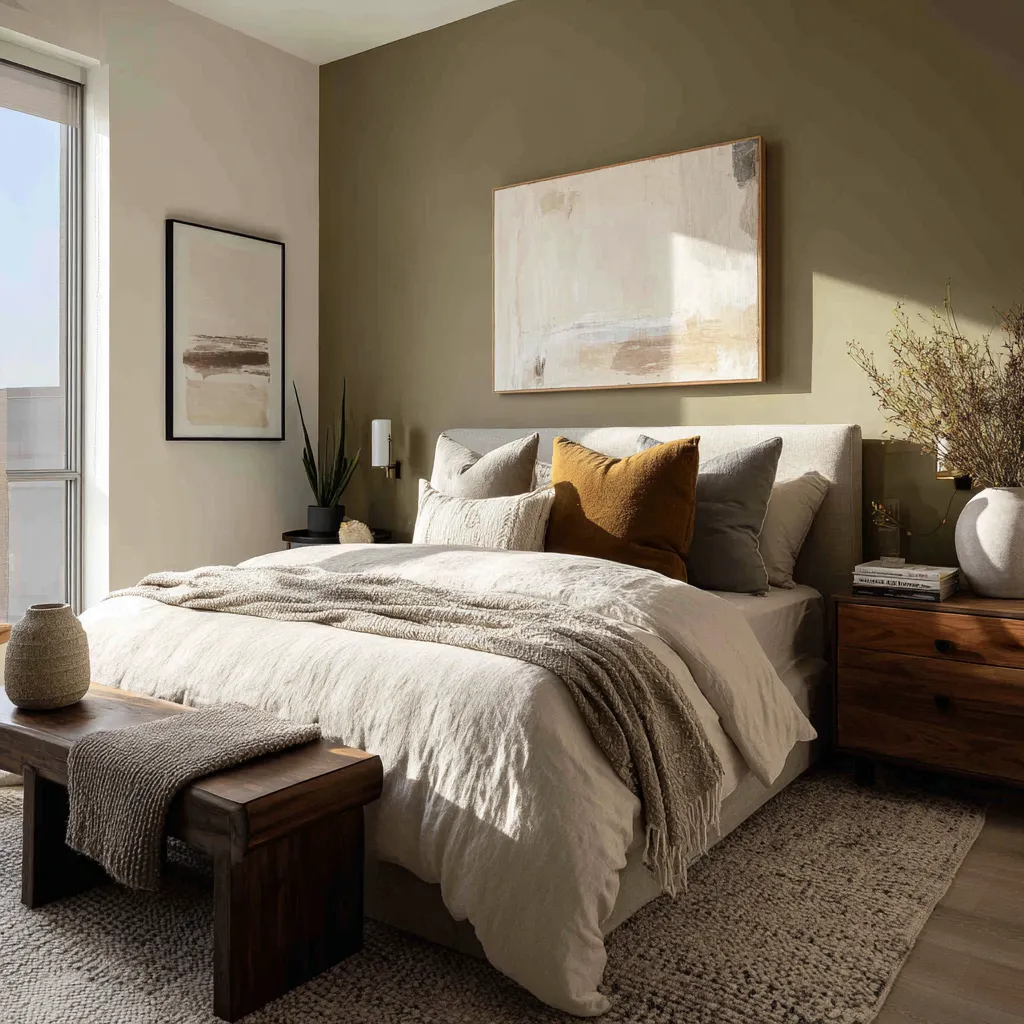
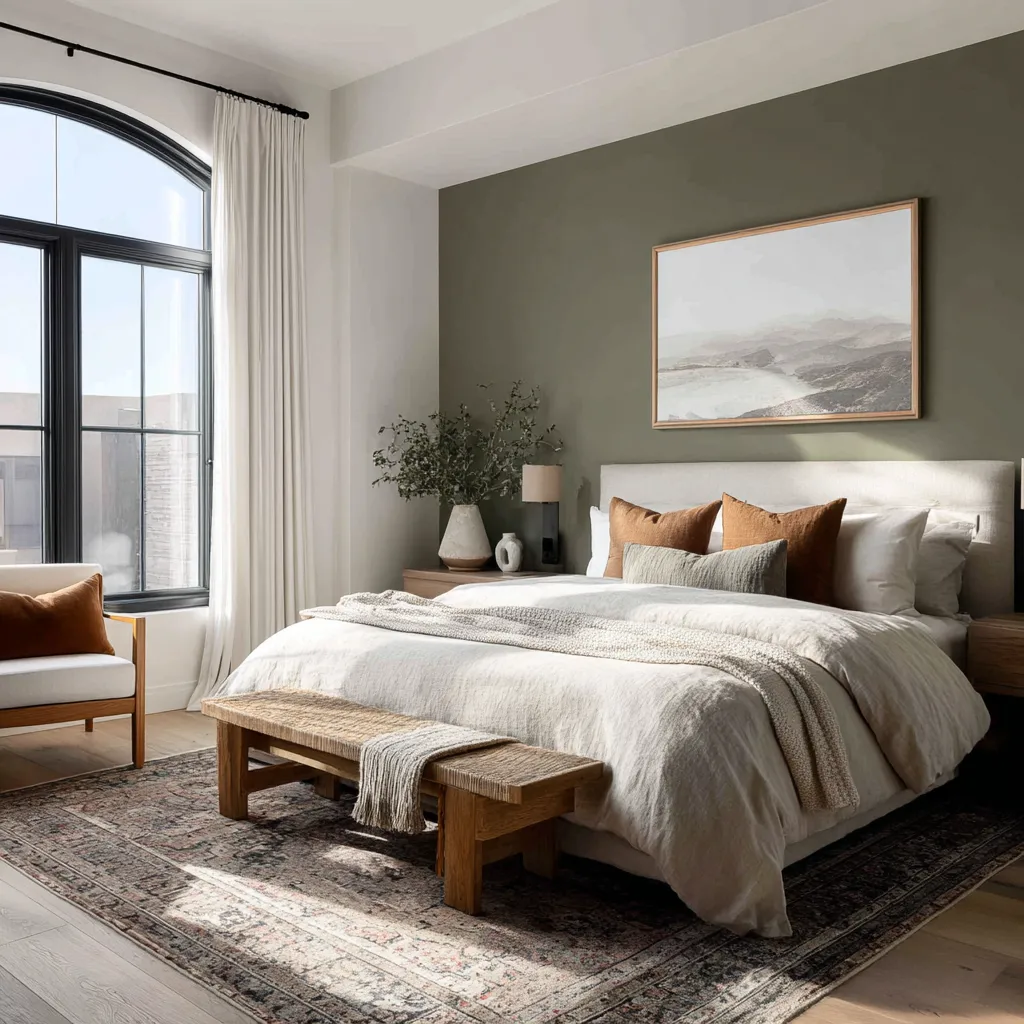
However, a room entirely composed of soft beige can risk feeling flat or uninspired. To introduce depth, character, and a connection to the outdoors, muted olive is the ideal addition. This specific shade of green is uniquely positioned to act as a bridge between the indoors and the natural environment outside. Green is universally recognized by the human eye as a restful color, requiring no adjustment to perceive, which inherently lowers stress levels. The muted quality of the olive ensures that it remains a sophisticated neutral rather than a loud statement color. Incorporating this hue into the bedroom can be approached in several impactful ways.
An accent wall behind the bed, painted in a flat or lime-wash finish of muted olive, instantly grounds the bed frame and creates a cocooning effect. The subtle texture of a lime-wash finish adds movement and depth, reminiscent of ancient plaster walls, which perfectly aligns with the organic modern aesthetic. Against this rich, earthy backdrop, the bed itself becomes a textural masterpiece. This is where warm neutrals truly shine. Layering is the key to creating an inviting bed. Start with high-quality, breathable sheets in a soft ivory or bone color. Add a duvet cover in a slightly deeper shade of oat or pale taupe, utilizing materials like European flax linen or percale cotton. These natural fibers not only regulate temperature for better sleep but also offer a relaxed, slightly wrinkled appearance that epitomizes effortless contemporary style.
To bridge the gap between the green wall and the neutral bed, incorporate throw pillows and blankets that pull from both palettes. A chunky knit throw in a deep forest shade or a faded moss color placed at the foot of the bed adds visual weight. Furniture selection should lean towards low-profile silhouettes and natural materials. A platform bed frame crafted from solid, light-toned wood like ash or maple maintains a visual lightness in the room. Nightstands should complement rather than perfectly match the bed, perhaps featuring subtle curves or woven cane detailing to soften the straight lines typical of modern design.
Lighting in the bedroom is just as critical as the color palette. Overhead lighting should be secondary to ambient and task lighting. Wall-mounted sconces in aged brass or matte black, flanking the bed, free up space on the nightstands and provide a focused, warm glow for reading. A central pendant light, if used, should feature a soft, diffusing material like paper or linen to cast a gentle, flattering light across the room. The interplay of warm light against the green and neutral surfaces enhances the cozy, enveloping atmosphere.
Window treatments also play a vital role. To maximize natural light during the day while ensuring privacy and darkness at night, a layered approach works best. Sheer curtains in a warm white allow sunlight to filter through softly, creating a dreamy, ethereal quality. Behind them, heavier drapery in a complementary earthy tone or blackout roller shades woven from natural fibers ensure the room can be plunged into darkness for optimal sleep.
Finally, grounding the space with a large rug pulls all the elements together. A vintage-inspired rug with faded, muted tones, or a heavily textured wool and jute blend in a solid neutral, provides a soft landing for bare feet in the morning. Minimalist artwork featuring abstract landscapes or simple line drawings, housed in thin wood frames, adds personality without cluttering the visual field. By meticulously combining the soothing qualities of warm neutrals with the grounding presence of muted olive, the bedroom transcends mere functionality, becoming a deeply restorative haven that honors both contemporary design and the natural world.
Designing A Playful Organic Modern Kids Room Using Muted Olive And Warm Neutrals
When conceptualizing spaces for children, the traditional route often involves an explosion of primary colors and highly specific, character-driven themes. However, there is a growing movement towards creating environments that are visually cohesive with the rest of the home, fostering a sense of calm and adaptability as the child grows. Applying an organic modern style to a children’s room is a brilliant way to achieve this. It offers a backdrop that is sophisticated enough to please adults, yet playful and stimulating enough to nurture a child’s imagination. The combination of warm neutrals and muted olive is particularly effective here, providing a gender-neutral, timeless palette that evolves effortlessly over the years.
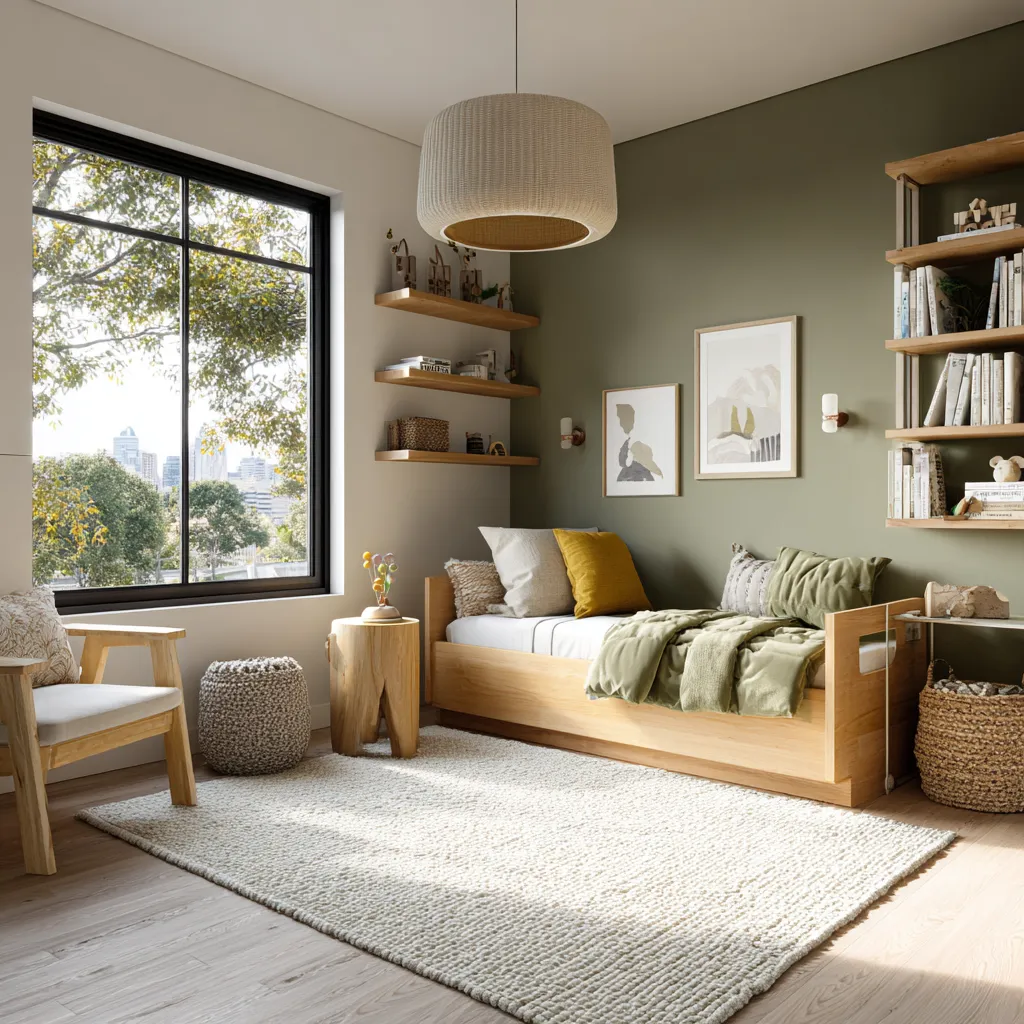
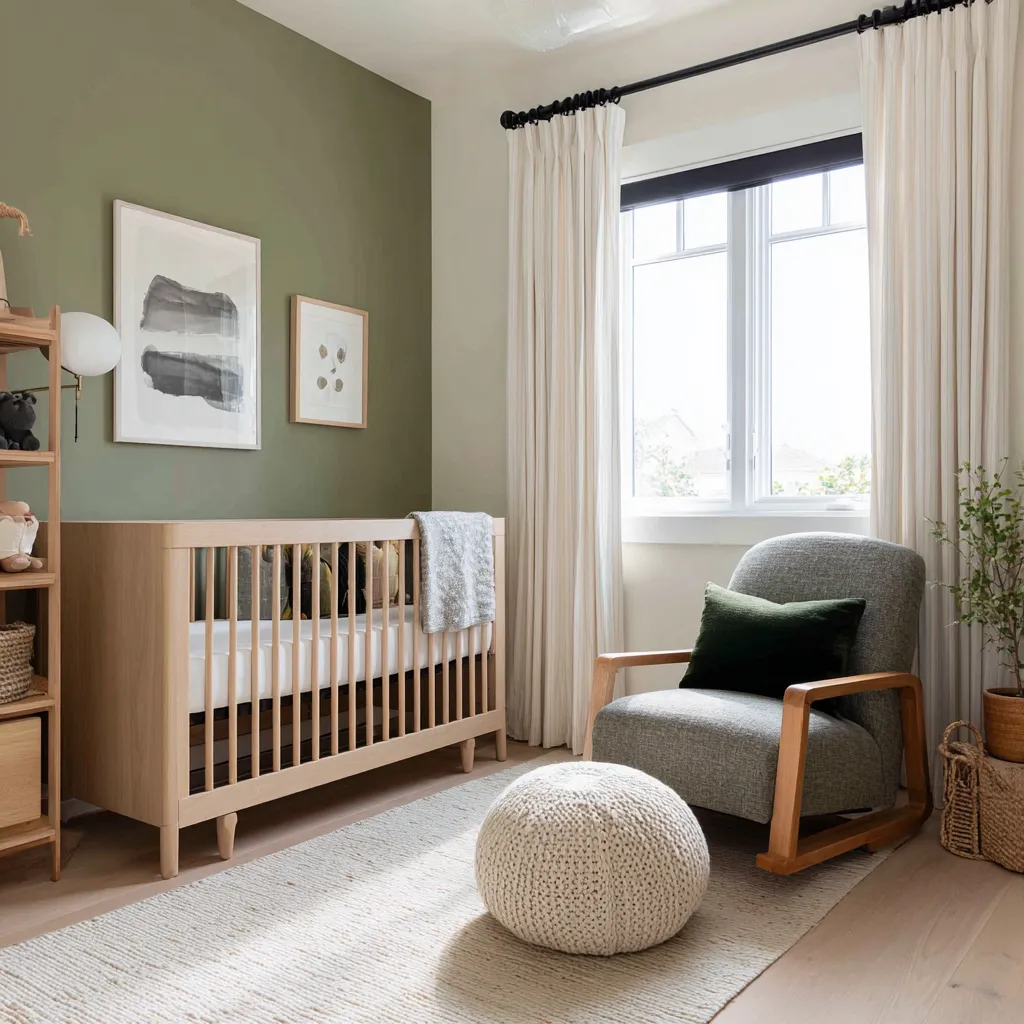
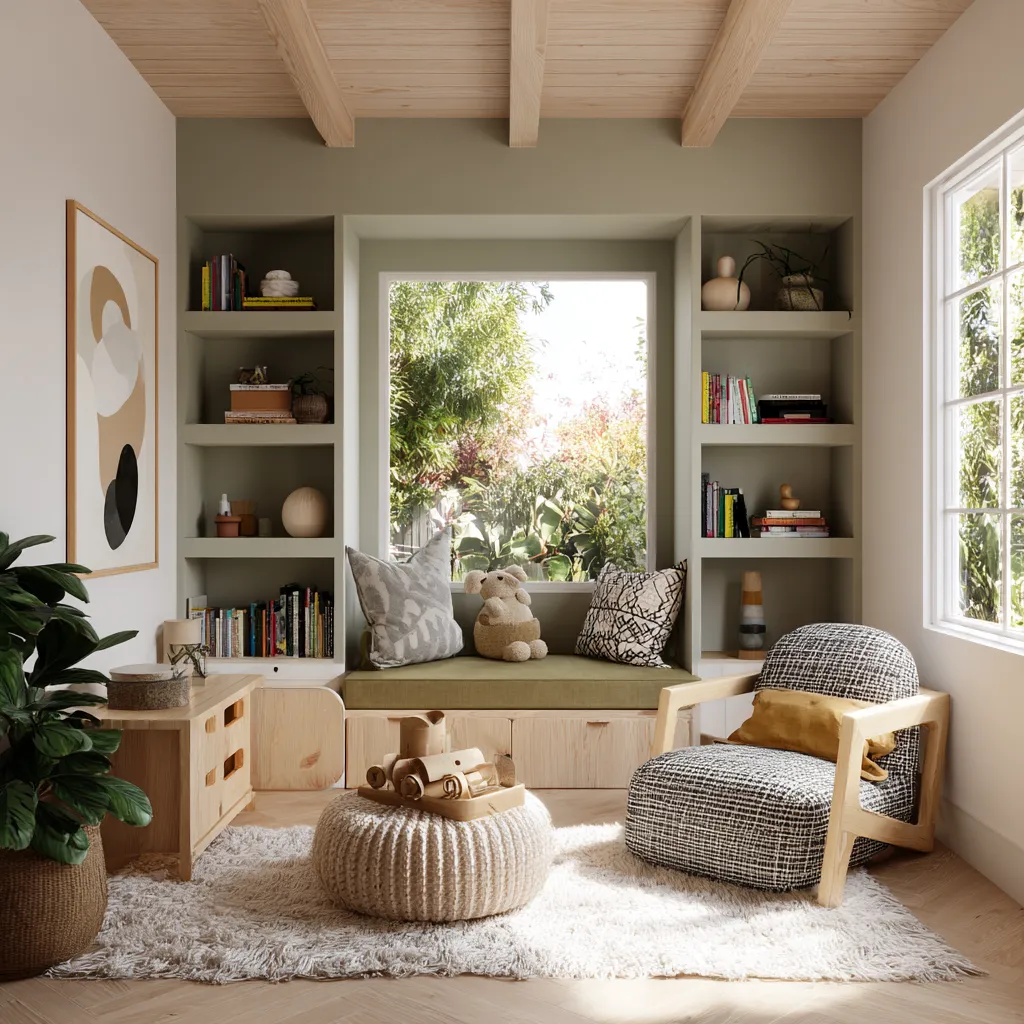
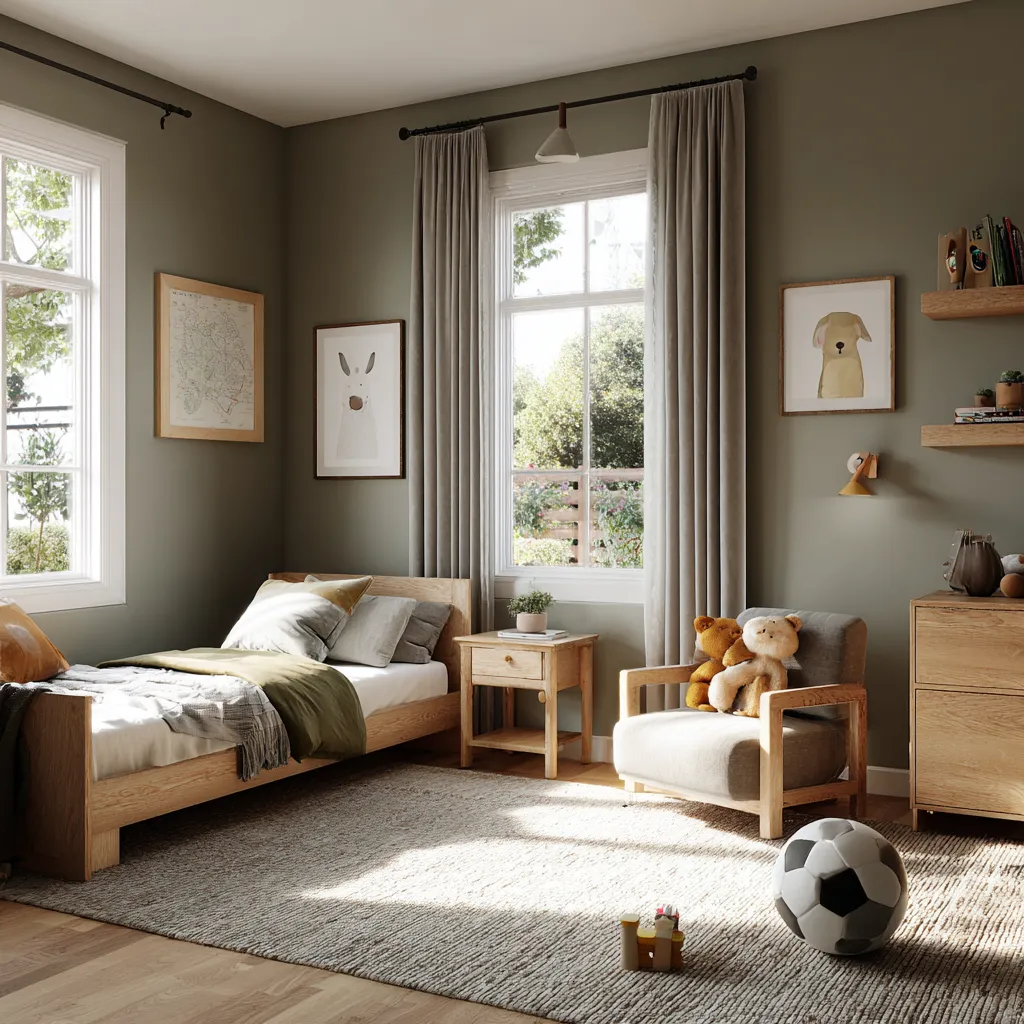
The foundational concept for a child’s room using this aesthetic is creating a blank canvas with profound depth. Warm neutrals serve as the perfect wall colors. Shades of warm white, soft biscuit, or a very pale, sandy beige create a bright, airy environment that maximizes natural light. These colors provide a gentle visual stimulation that is not overwhelming, creating a peaceful environment crucial for both playtime focus and restful sleep. Unlike stark whites, which can feel cold and show every smudge and fingerprint, these warmer tones are forgiving and inherently cozy.
Introducing muted olive into a child’s space brings a touch of the outdoors inside, sparking a subtle connection to nature. This green is incredibly versatile in a youthful setting. It can be applied through larger architectural features, such as painted wainscoting or a playful geometric mural, or introduced more softly through textiles and decor. The beauty of this specific green is its ability to act as a neutral backdrop for a child’s brightly colored toys and books, allowing those items to pop without creating visual chaos.
Furniture selection in an organic modern kids room should prioritize longevity, safety, and natural materials. Instead of plastic or heavily painted pieces, opt for solid wood furniture in pale finishes like birch or white oak. A classic wooden crib that transitions into a toddler bed, paired with a simple, clean-lined dresser, establishes a timeless foundation. These warm wood tones harmonize beautifully with the earthy palette, adding necessary warmth and organic texture. Open shelving is a hallmark of this style, encouraging independence by keeping toys and books accessible. Using woven baskets made of seagrass or water hyacinth on these shelves not only provides essential storage to contain the inevitable mess but also introduces a tactile element that aligns perfectly with the aesthetic.
Textiles are where the room can truly embrace a playful spirit while maintaining its sophisticated palette. Layering is essential for comfort. A washable cotton rug in a subtle pattern or a solid warm neutral provides a soft play surface. For bedding, mix and match patterns within the established color family. Sheets featuring tiny, hand-drawn botanical prints in green against a cream background, paired with a solid, quilted blanket in a deeper earth tone, add visual interest without being loud. Floor cushions or a cozy reading nook canopy in a soft, washed olive fabric create inviting zones for quiet activities.
Lighting should be adaptable to the various functions of the room. A central fixture made of woven rattan or a playful, oversized paper lantern casts a soft, diffused light for general play. A dedicated reading lamp near a comfortable chair or a whimsical, low-wattage nightlight in the shape of a woodland creature provides the necessary glow for bedtime routines.
Art and decor should foster creativity and a love for the natural world. Instead of commercial posters, consider hanging framed nature photography, simple watercolor paintings of animals, or even pressing leaves and framing them. Interactive elements, such as a large wooden abacus or a beautiful, naturally finished wooden rocking horse, serve as both toys and sculptural decor pieces.
The genius of using warm neutrals and muted olive in a child’s room lies in its remarkable adaptability. As the child grows and their interests change, the foundational colors remain relevant. It is incredibly easy to swap out artwork, bedding, or small decor items to reflect a new phase without needing to completely repaint or refurnish the room. This approach not only creates a beautiful, calming space in the present but also represents a thoughtful, sustainable approach to interior design that respects the evolving nature of childhood.
We hope these insights inspire you to bring the tranquility and sophistication of earthy palettes into your own living spaces.
FAQ
How do I balance dark green shades with lighter tones in a small space
What wood finishes work best with an earthy green palette
Can these natural shades transition well through different seasons
Related: Nature-Drenching: The 2026 Outdoor Trend That Erases the Line Between Garden and Home
Related: Nature-Drenching: The Outdoor Design Movement Rewriting What Gardens Are For