PVC wall panels run $1 to $8 per square foot and install in a weekend with basic tools. That’s the real draw. Paint and wallpaper fade, crack, and demand repainting every few years. PVC doesn’t.
Three panel styles dominate living room projects right now: 3D textured panels that throw shadows across a wall, wood-grain panels that fake oak or walnut without the price tag, and decorative molded panels that mimic plaster trim. Each one changes the feel of a room fast.
I’ve seen homeowners glue cheap foam-backed panels from no-name sellers onto drywall and regret it within six months — warping, yellowing, visible seams. Brand matters here. Stick with panels at least 8 mm thick, and skip anything that bends easily in your hand at the store. Thin panels telegraph every bump in your wall.
Below are real setups showing how each panel style works in a living room, what they cost, and where people mess up.
Quick Summary
Best for drama: 3D textured PVC panels — monochrome walls, shadow play from side lighting, $2–$5/sq ft.
Best for warmth: Wood-grain PVC panels — faux oak or walnut look, pair with 2700K bulbs, $2–$5/sq ft.
Best for formal rooms: Decorative molded PVC panels — wainscoting or plaster-trim look, satin finish preferred, $4–$10/sq ft.
Install time: One accent wall in a weekend. Full room in 2–3 days.
Tools needed: Construction adhesive, utility knife or fine-tooth saw, level, measuring tape.
Avoid: Panels thinner than 8 mm, glossy white finishes under single overhead lights, printed (non-embossed) wood-grain films.
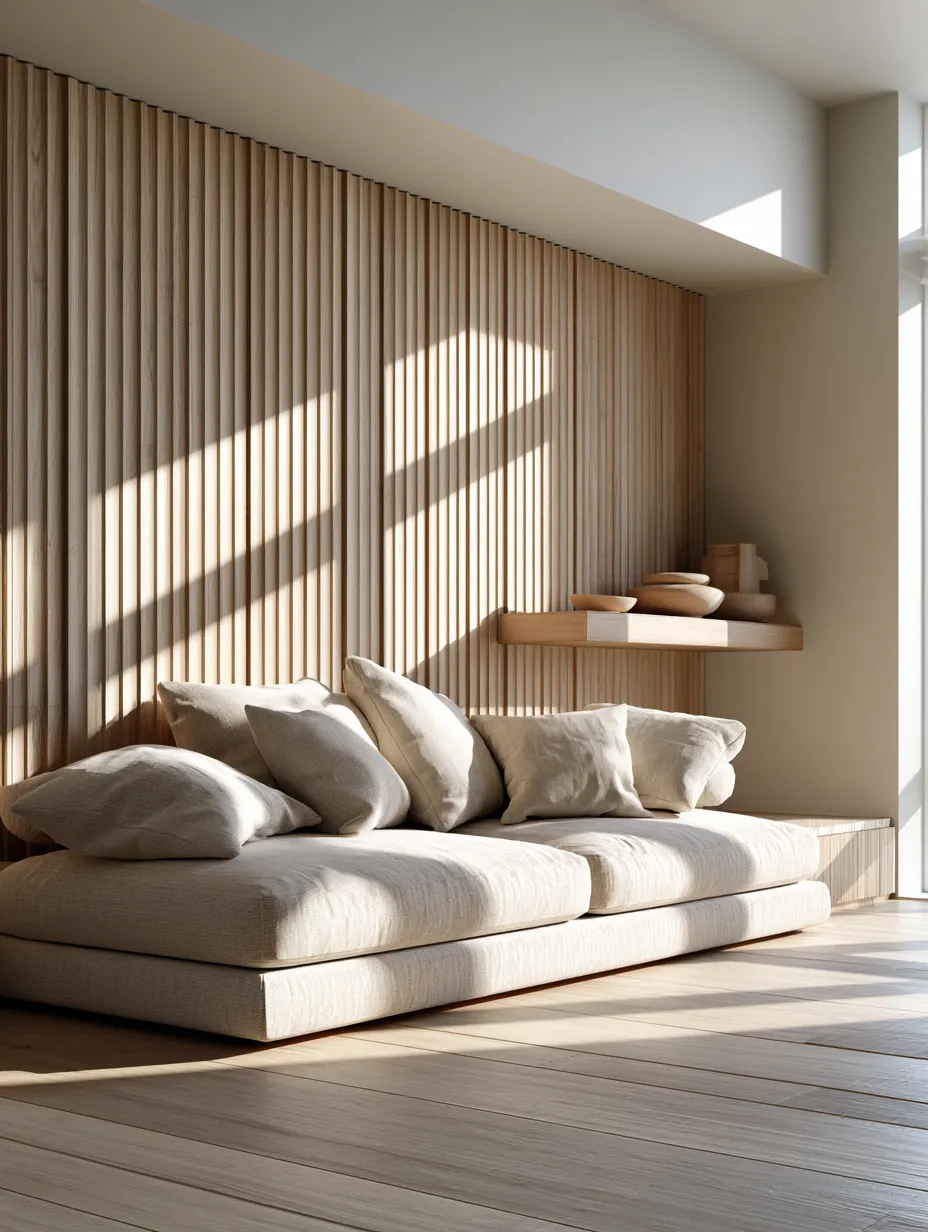
3D Textured PVC Wall Panels in a Black-and-White Living Room
The biggest mistake with 3D panels is picking a pattern that’s too deep for a small room. Anything over 3 cm of relief turns a 12-by-14 living room into a cave. I picked wave-pattern panels from Art3d for my own accent wall — $3.20 per tile on Amazon, matte white — and the shadow play during sunset made the wall look twice as expensive as it was. Flat daylight? Less dramatic, but still solid texture.
Monochrome works because it forces the panel shape to do all the talking. The second you add color to a 3D wall, the eye can’t decide whether to read the shape or the hue. Keep the panel white or off-white, paint the opposite wall charcoal, and let contrast handle the rest. Black furniture against white 3D panels reads modern without any extra effort.
One thing nobody warns you about: dust collects in the grooves. A standard duster won’t reach inside a wave or diamond pattern. You need a soft brush attachment on a vacuum, or you’ll be staring at gray lines in every ridge within three months. Worth it? Absolutely. Just budget five extra minutes per cleaning session.
Cheap 3D panels crack at the seams if your wall has any flex — plywood backing or older drywall with soft spots. Test by pressing your palm flat against the wall. Feel movement? Add a thin plywood backer before gluing anything, or you’ll see hairline splits at every panel joint within a year.
How to Install PVC Wall Panels in a Living Room
A step-by-step walkthrough for mounting PVC wall panels on a living room accent wall using construction adhesive. No special tools required beyond what most homeowners already own.
Tools & Materials
- Measuring tape
- Level (4 ft or laser)
- Utility knife or fine-tooth saw
- Caulk gun
- Construction adhesive (Loctite PL Premium or similar)
- PVC wall panels
- 220-grit sandpaper
- Clean damp cloth
Prep the wall
Clean the wall surface with a damp cloth. Remove nails, hooks, and loose paint. Sand any glossy areas with 220-grit so the adhesive bonds properly. PVC adhesive won’t stick to dusty or flaking paint.
Measure and mark a level line
Measure the wall height and width. Snap a level chalk line or use a laser level to mark your starting row. Starting crooked means every row above will be crooked too.
Dry-fit the panels
Hold each panel against the wall without adhesive to check the layout. Mark where you need cuts at edges, outlets, and light switches. Cut panels with a utility knife (thin panels) or fine-tooth saw (thick panels), face side up.
Apply adhesive and mount
Apply construction adhesive in a zigzag pattern across the back of each panel. Press the panel firmly against the wall, starting from the bottom row. Use painter’s tape or small brads to hold panels in place while the adhesive sets.
Seal edges and let cure
Run a thin bead of color-matched caulk along panel edges, corners, and where panels meet the ceiling or floor trim. Let the adhesive cure for 24 hours before hanging anything on the wall or pushing furniture against it.
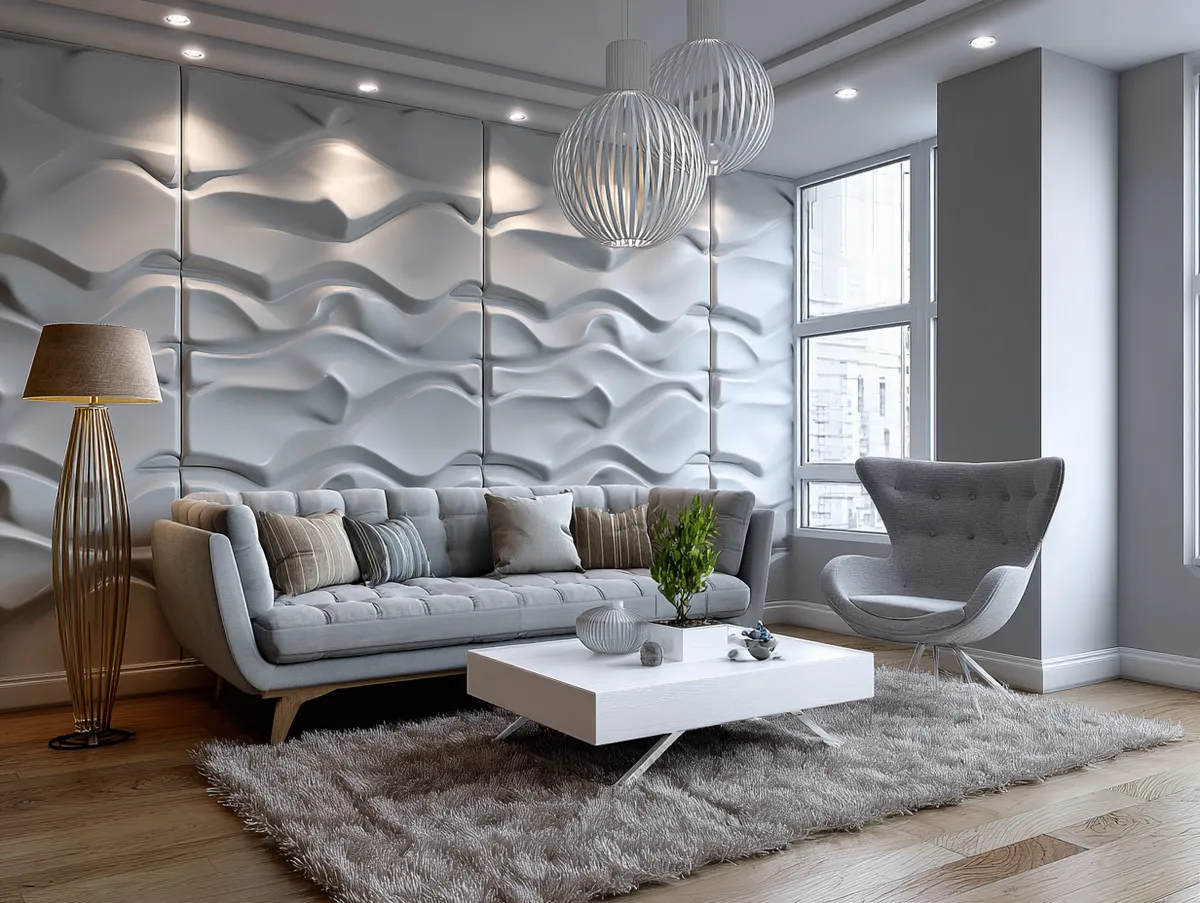
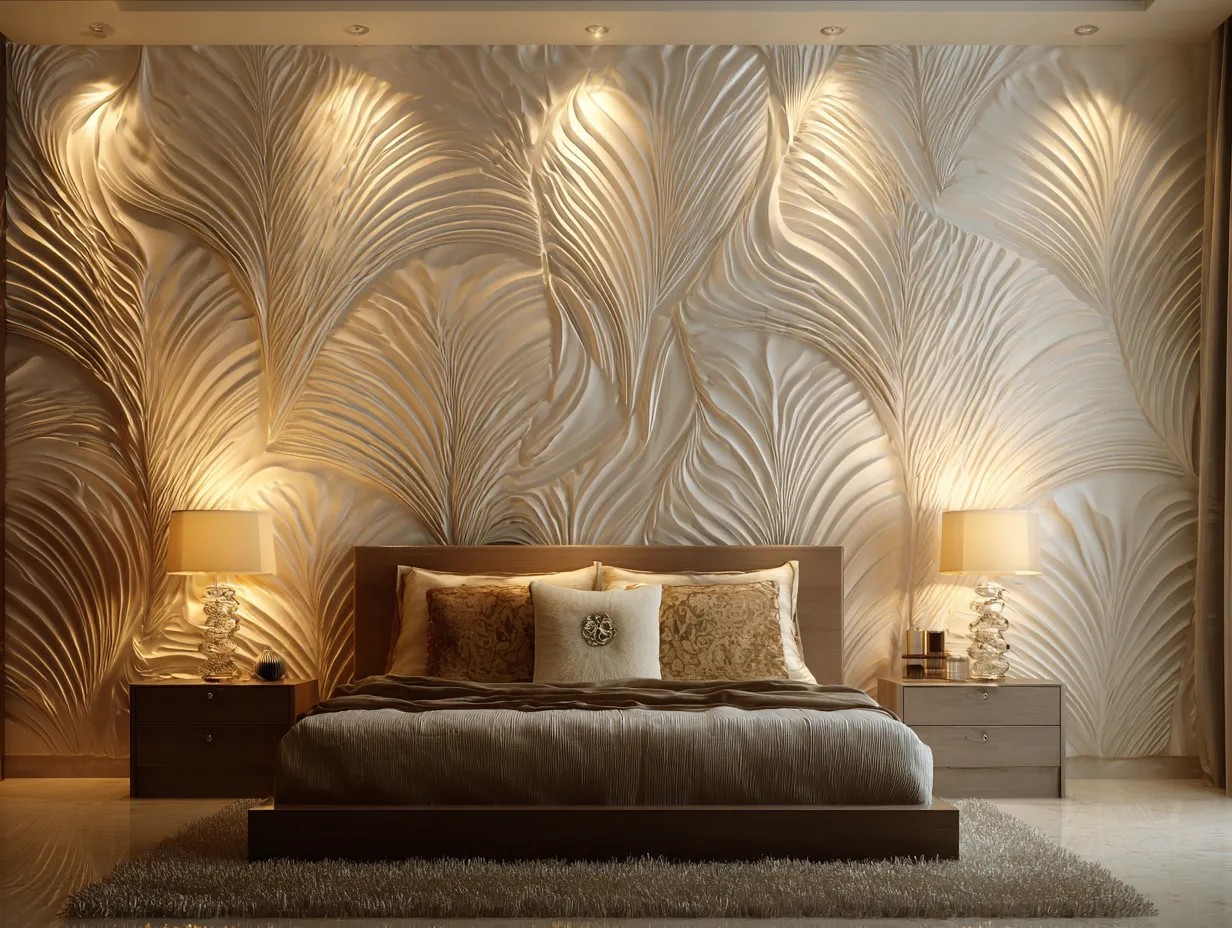
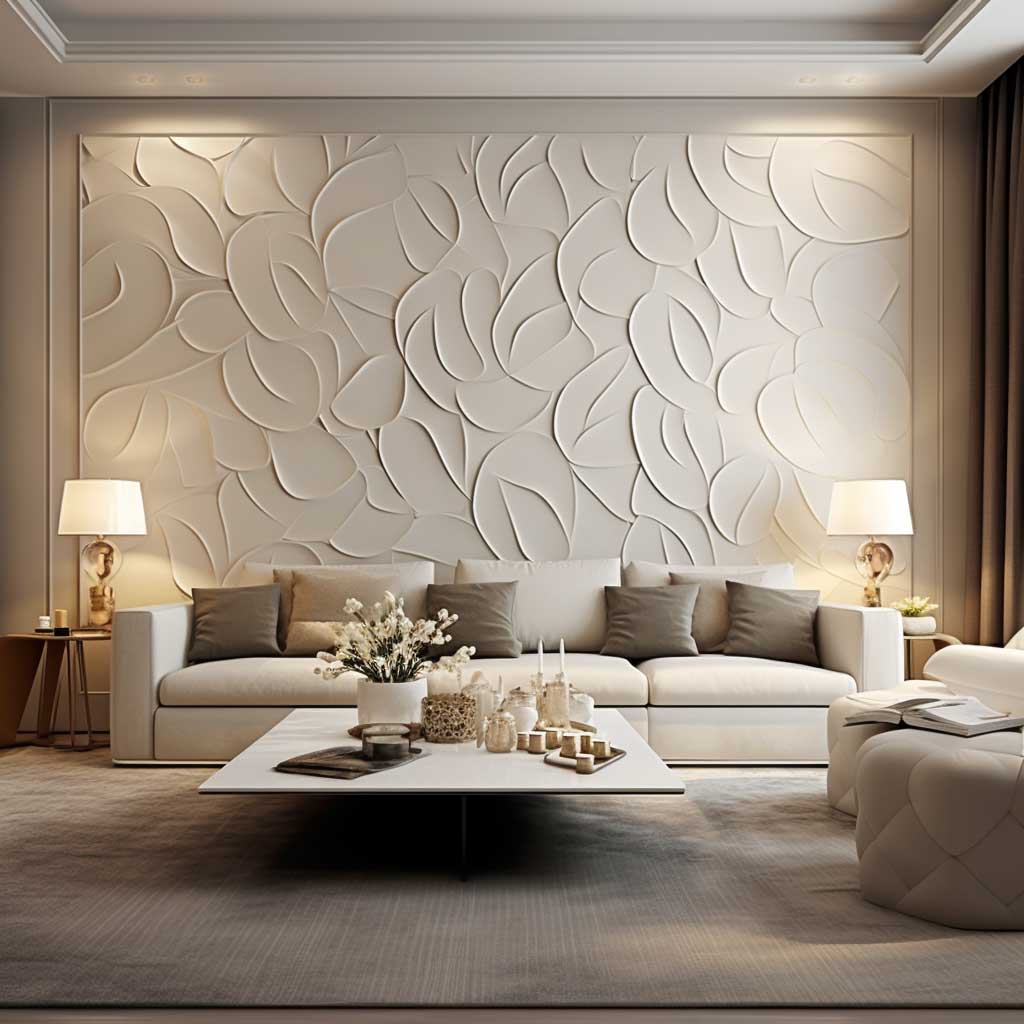
In the first photo, we see a stunning example of a living room enhanced by the strategic use of PVC wall panels. The design has taken on a three-dimensional form that transforms the entire space. By applying this unique, futuristic design, the living room gets an immediate aesthetic boost.
The decision to use PVC wall panels designs for living rooms like this one isn’t just about aesthetics; it’s about functionality too. PVC panels are known for their durability and resistance to water and fire, making them a practical choice for any home.
The 3D effect of the panels in this living room design is a noteworthy aspect. Not only does it add depth and texture, but it also creates an interesting play of light and shadow across the room.
| Feature | 3D Textured | Wood-Grain | Decorative Molded |
|---|---|---|---|
| Cost per sq ft | $2 – $5 | $2 – $5 | $4 – $10 |
| Best room style | Modern / minimalist | Rustic / Scandinavian | Formal / traditional |
| Lighting needs | Side lighting required | Warm 2700K–3000K bulbs | Multiple light sources |
| Cleaning difficulty | Medium — dust in grooves | Easy — flat wipe | Medium — small brush for molding |
| DIY friendliness | High | High | Moderate — alignment matters |
| Common mistake | Pattern too deep for small room | Printed film peels in sun | Glossy white shows every seam |
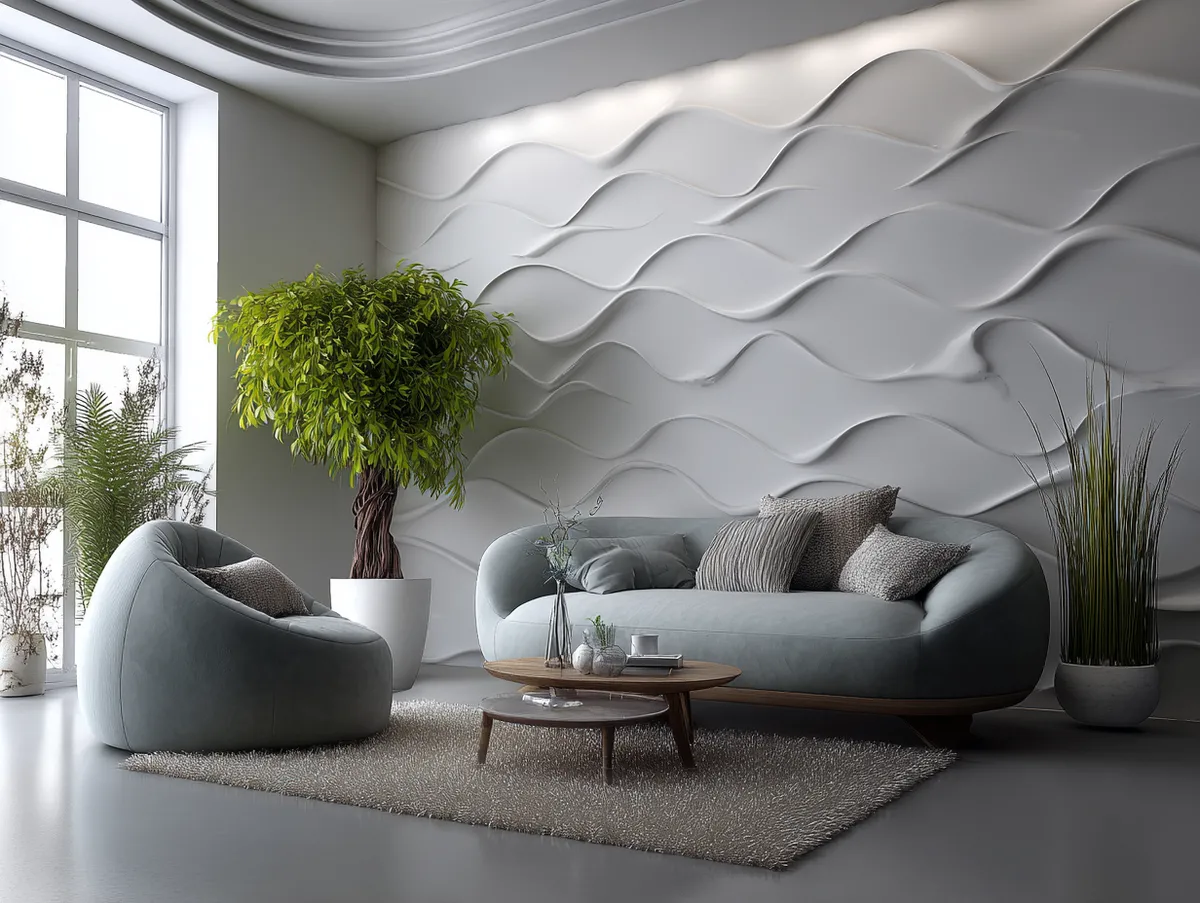
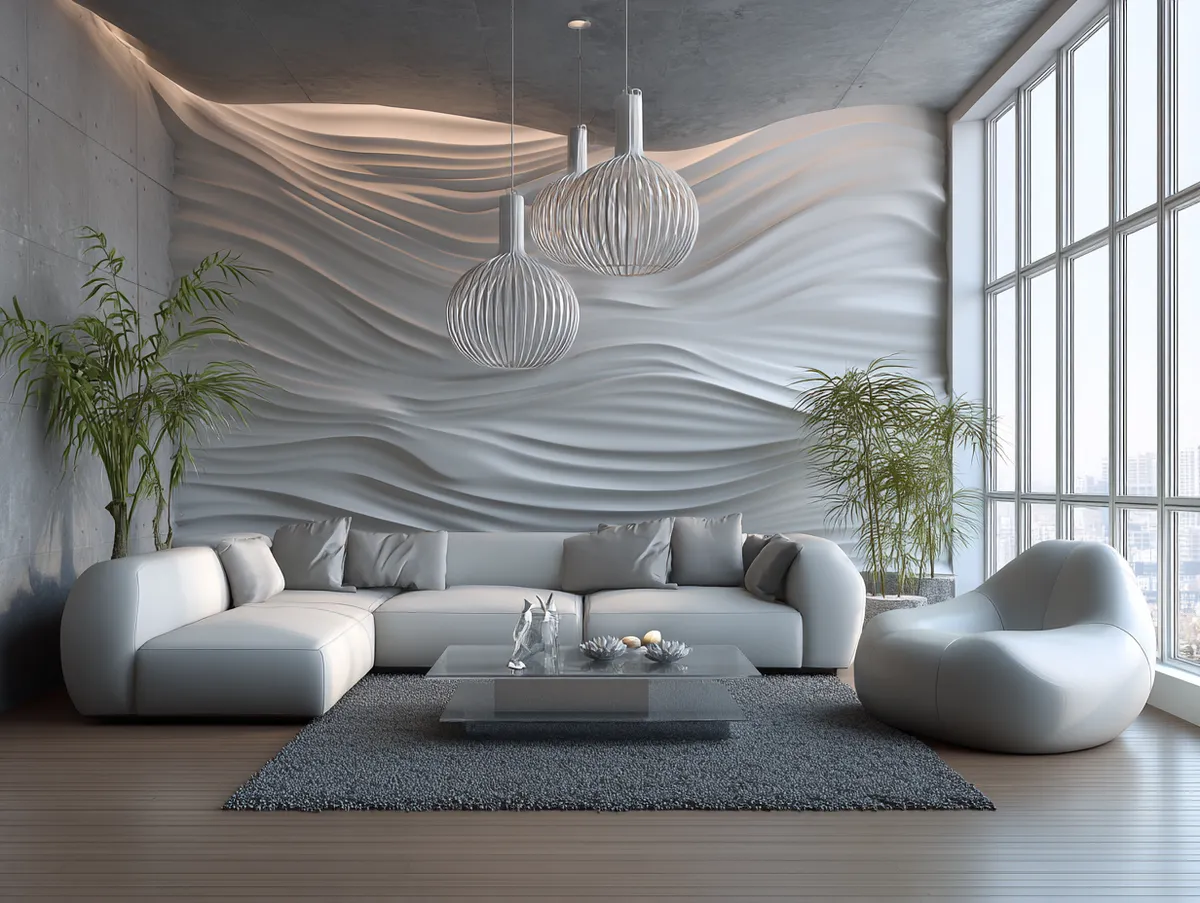
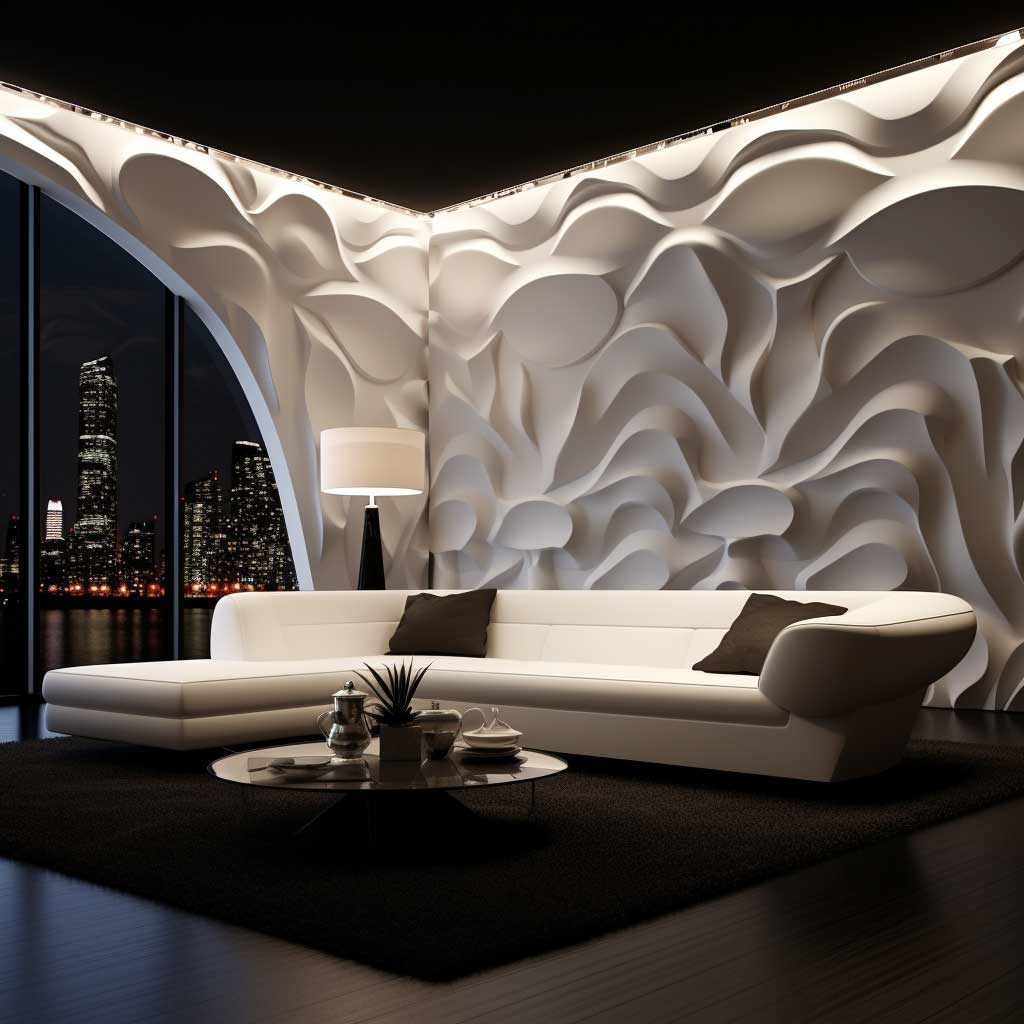
Additionally, the monochromatic color scheme allows the 3D design to shine. The use of black and white brings out the details of the panels, emphasizing their three-dimensional aspect.
The choice of lighting is crucial when using PVC wall panels designs for living rooms. As seen here, strategic placement of lights can dramatically enhance the depth and design of the panels.
Importantly, the PVC panels in this design are low maintenance. Their smooth surface can be easily cleaned, keeping your living room looking fresh and new for longer.
The affordability of these panels is another highlight. Despite their high-end look, PVC wall panels designs for living rooms are a budget-friendly option, allowing homeowners to upgrade their spaces without straining their wallets.
While this particular design leans towards a modern, minimalist aesthetic, PVC panels come in many forms. You can find similar dimensional effects in creative PVC wall panel design solutions for elegant living rooms, from textured waves to geometric cutouts that suit different room sizes and layouts.
Lastly, the installation process of PVC panels is relatively simple, making it a feasible DIY project for many homeowners. This contributes to their overall affordability, making them an excellent choice for home renovation projects.
Wood-Grain PVC Wall Panels: Faux Timber That Fools Everyone
Real walnut wall cladding runs $15 to $25 per square foot installed. Wood-grain PVC? $2 to $5. The kicker is that from four feet away, most guests can’t tell the difference — until they knock on it.
Cheaper wood-grain panels have a printed surface that peels at high humidity. I pulled a panel off a friend’s bathroom wall after eight months and the “grain” was literally a sticker bubbling off the substrate. For living rooms this matters less, but if your room gets direct afternoon sun through a west-facing window, buy panels with an embossed texture, not just a printed film. The embossing hides wear marks and reflects light the way actual wood does.
Color temperature is everything when you’re faking wood. Cool-toned LED bulbs make warm oak panels look pink. Swap to 2700K or 3000K bulbs and the same panel suddenly reads like natural timber. This is a $4 fix that transforms the entire wall.
Pair wood-grain panels with a matte black shelf bracket or floating shelf and the whole setup punches way above its price range. Shiny chrome hardware against fake wood screams “budget.” Black hardware against warm grain reads “Scandinavian catalog.” Same panel, wildly different result depending on what you screw into it.
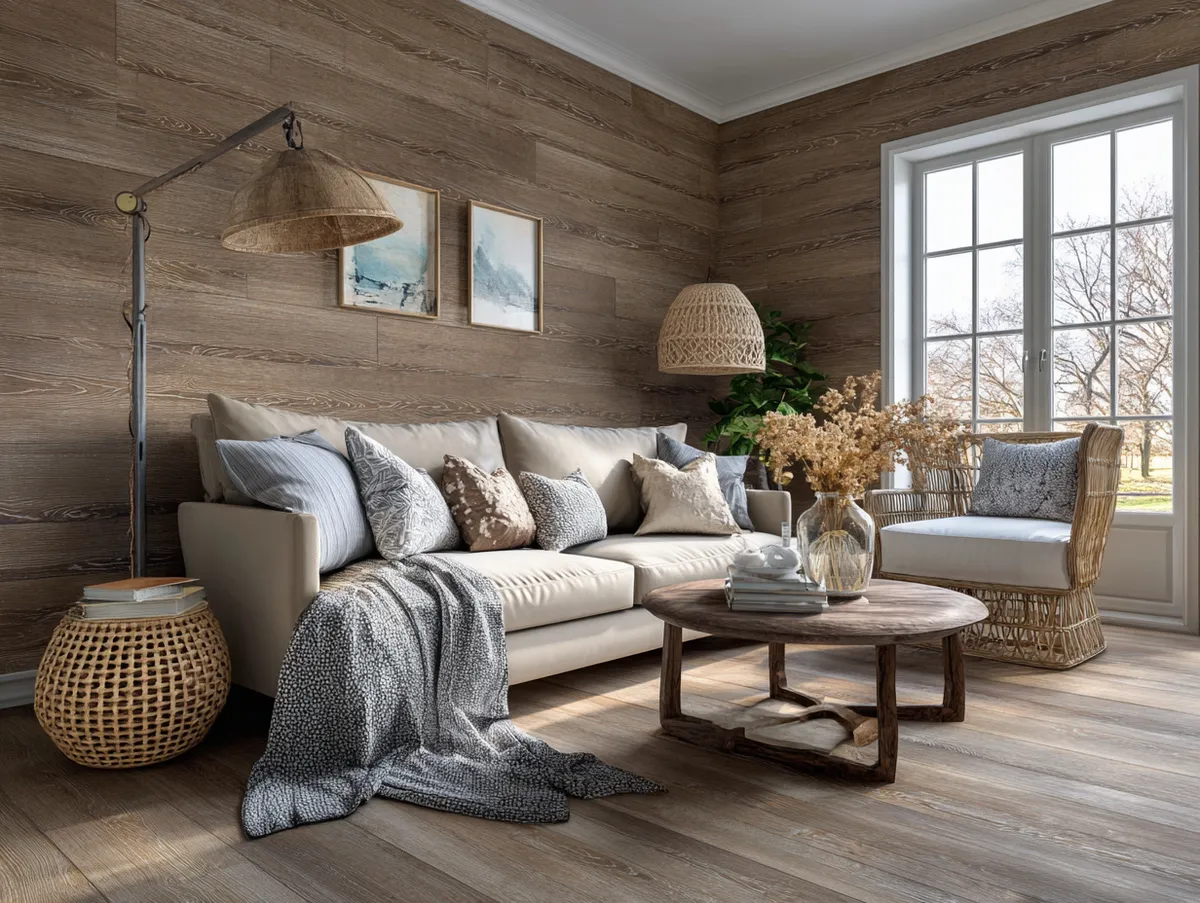
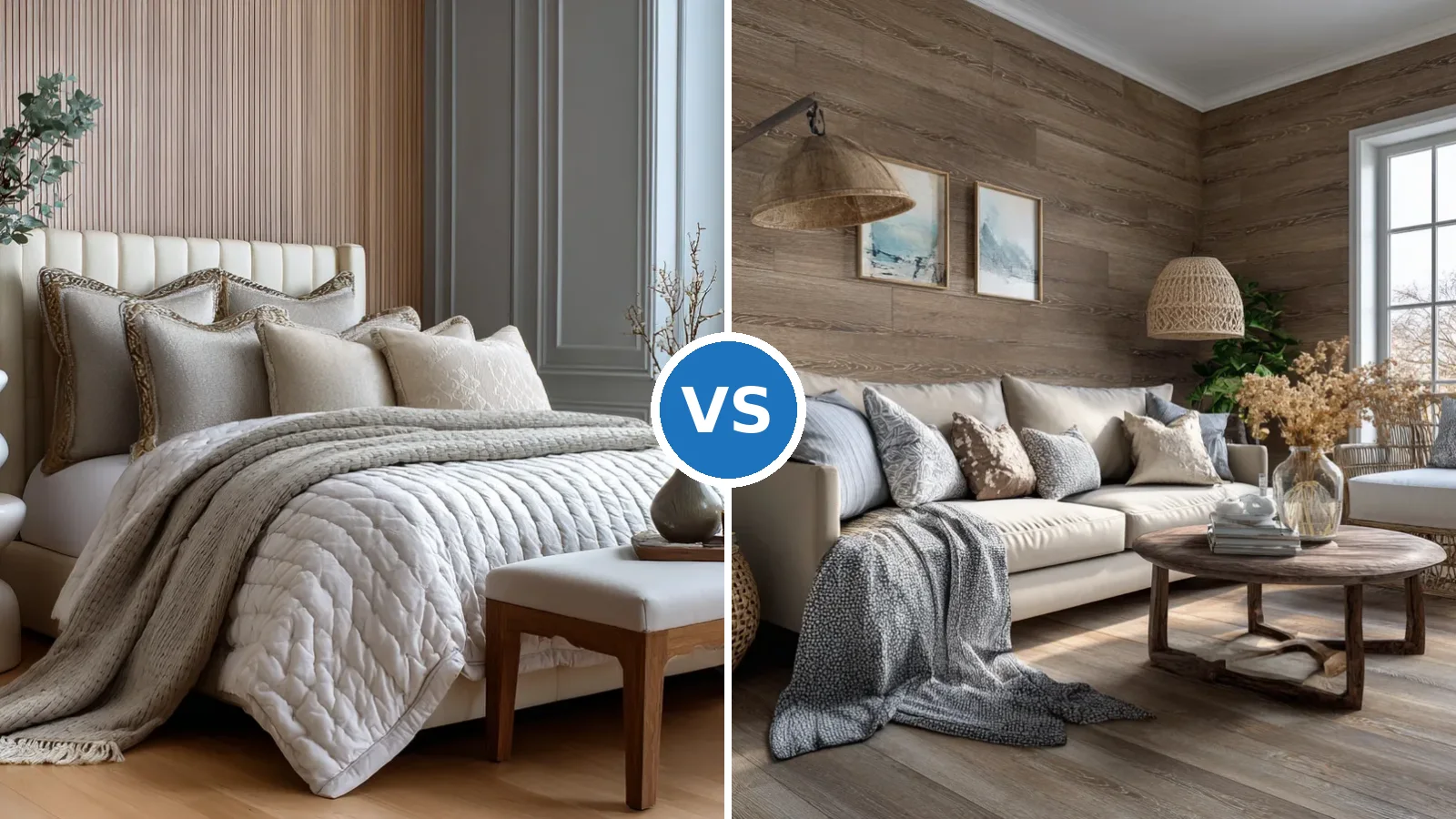
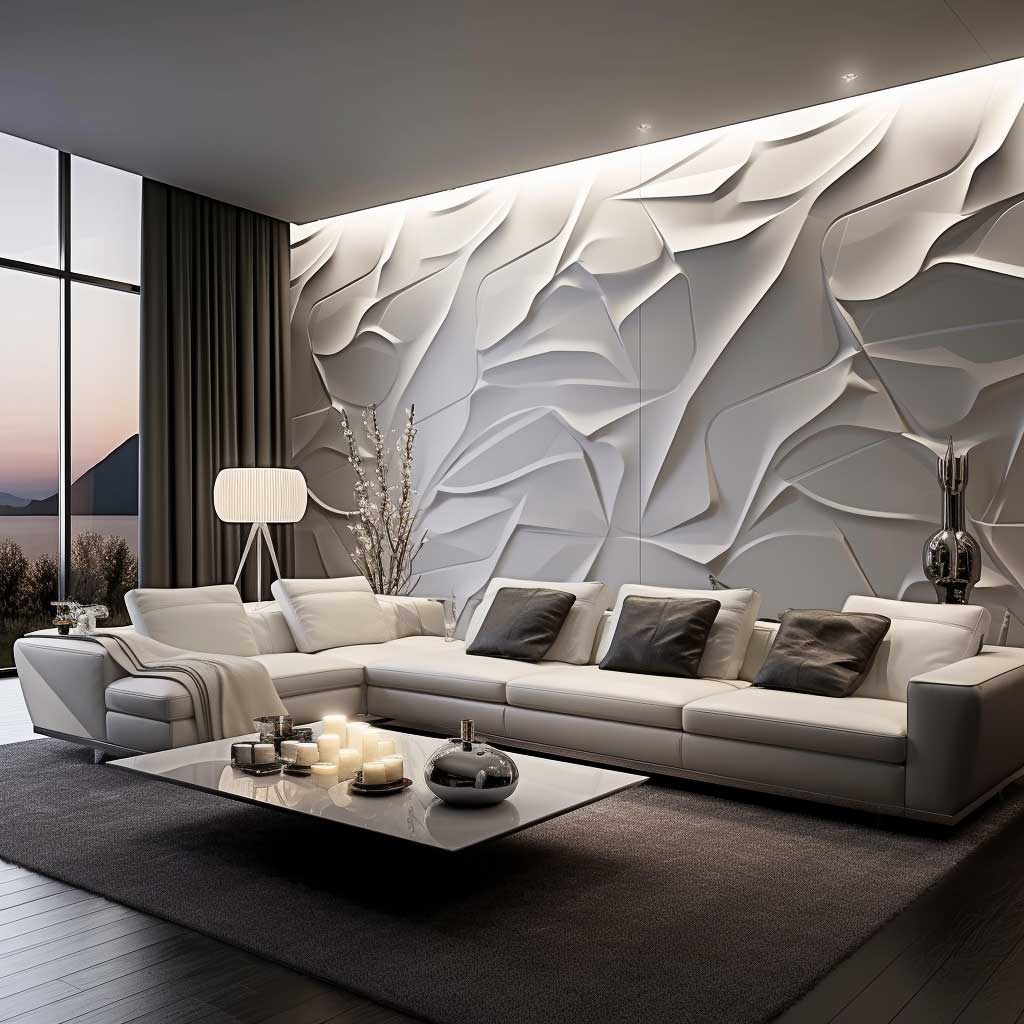
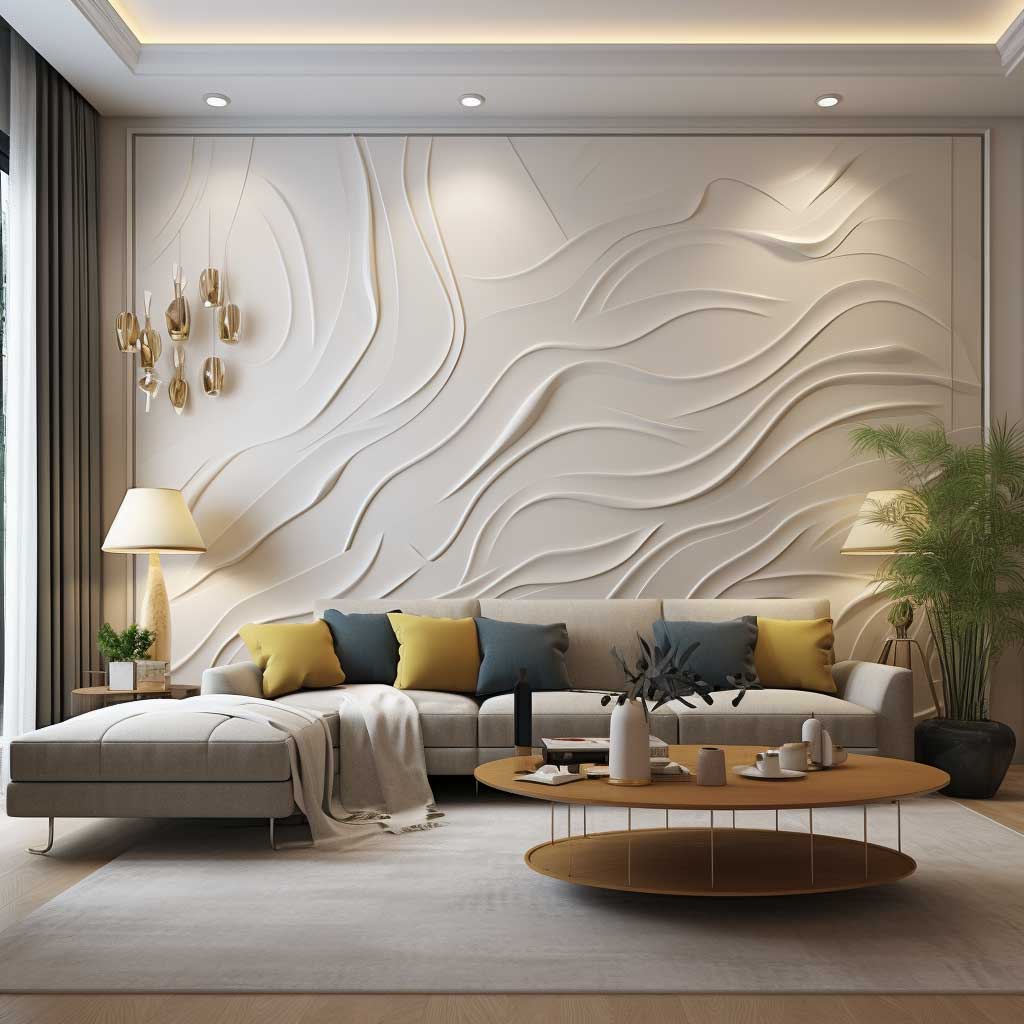
The second photo takes us to a warm and cozy living room setting. The PVC wall panel design here mimics the texture and color of natural wood, lending a rustic charm to the living room.
In this photo, we can see the versatility of PVC wall panels designs for living rooms. Despite being made of plastic, these panels can convincingly replicate the look of natural materials like wood.
This wood-grain PVC wall panel design creates a sense of warmth and comfort in the living room. The warm tones of the panels, paired with the comfortable furniture, make this room a perfect space for relaxation.
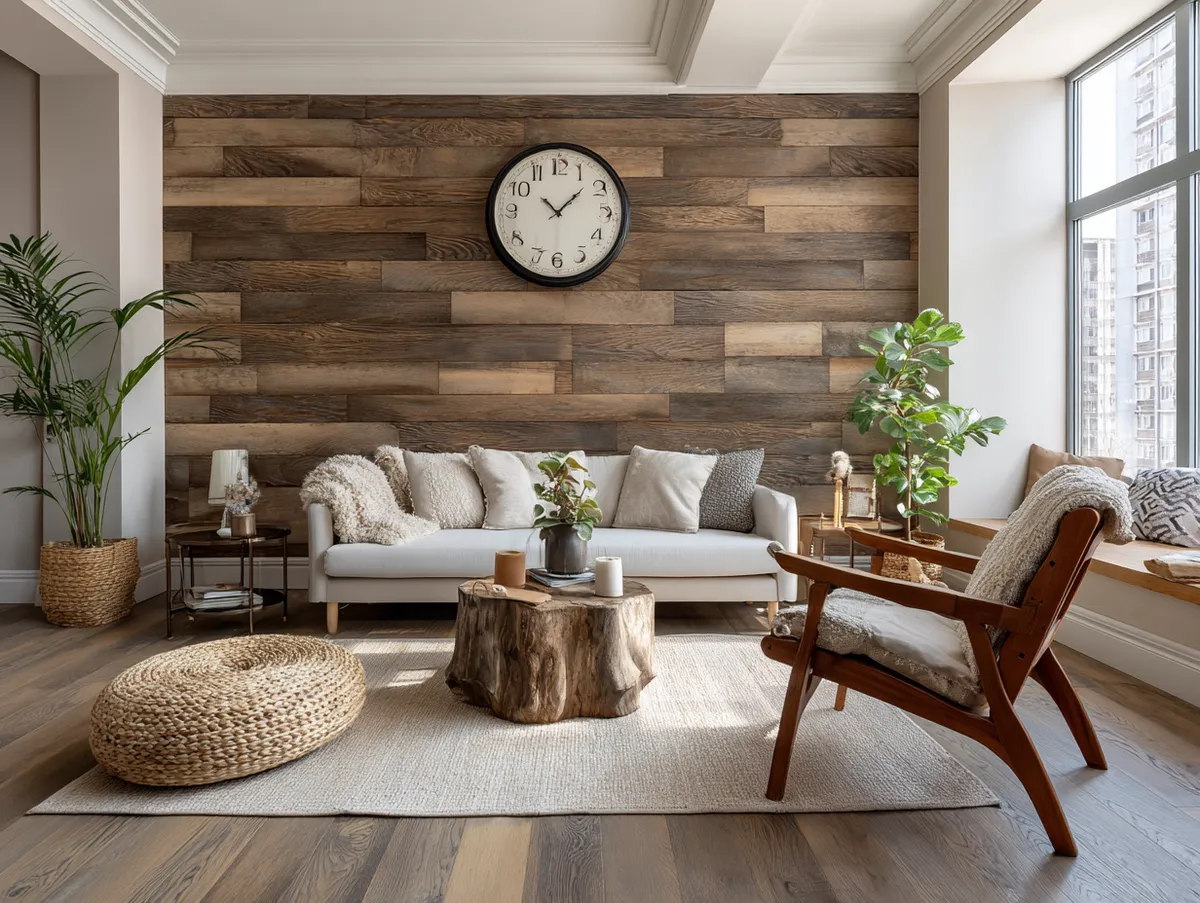
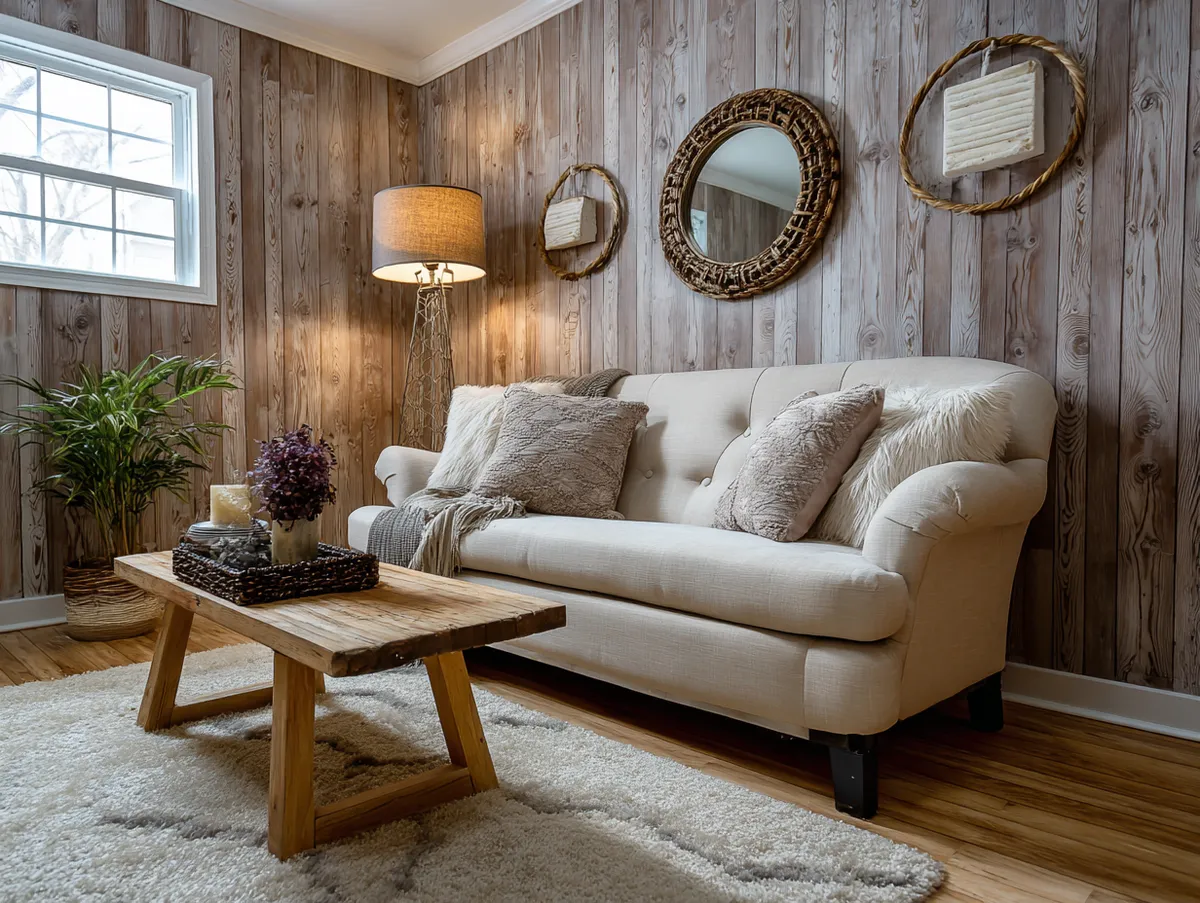
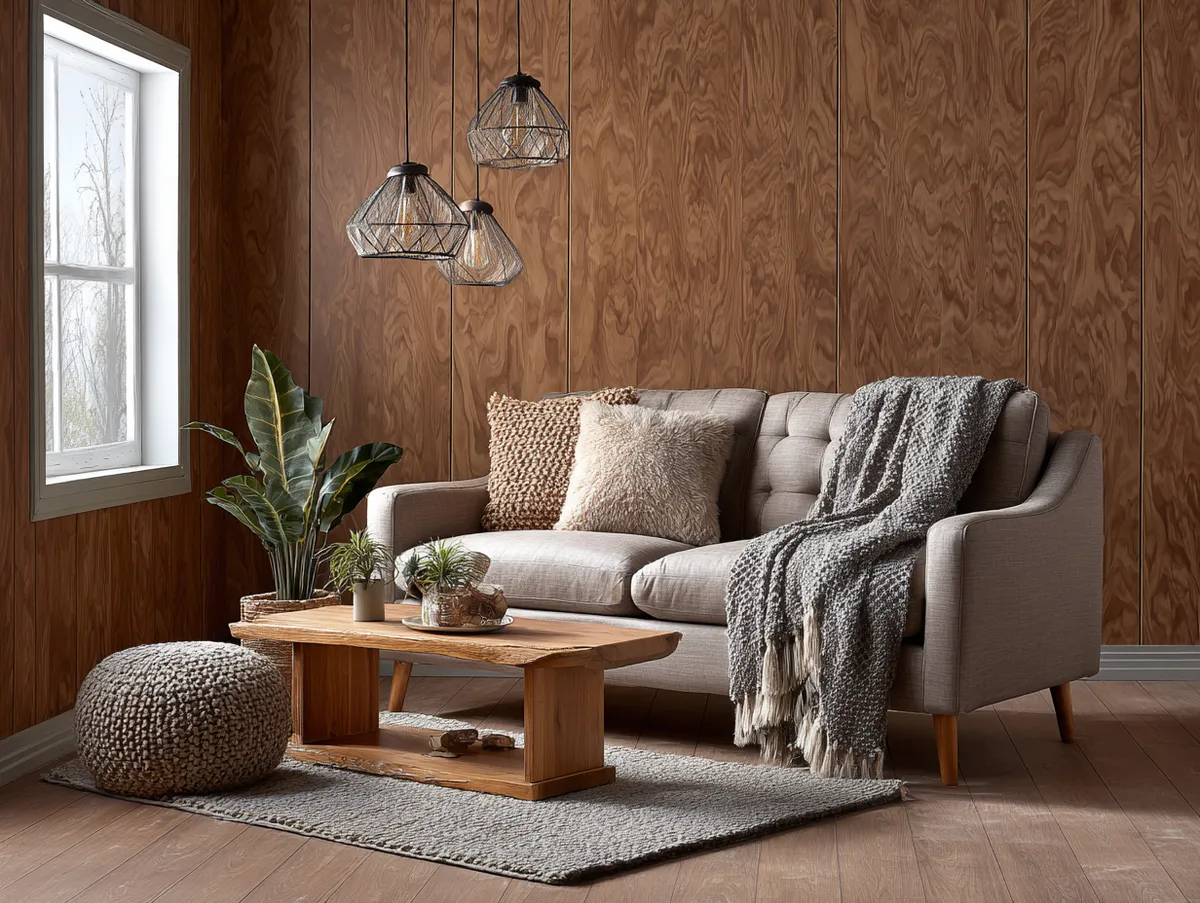

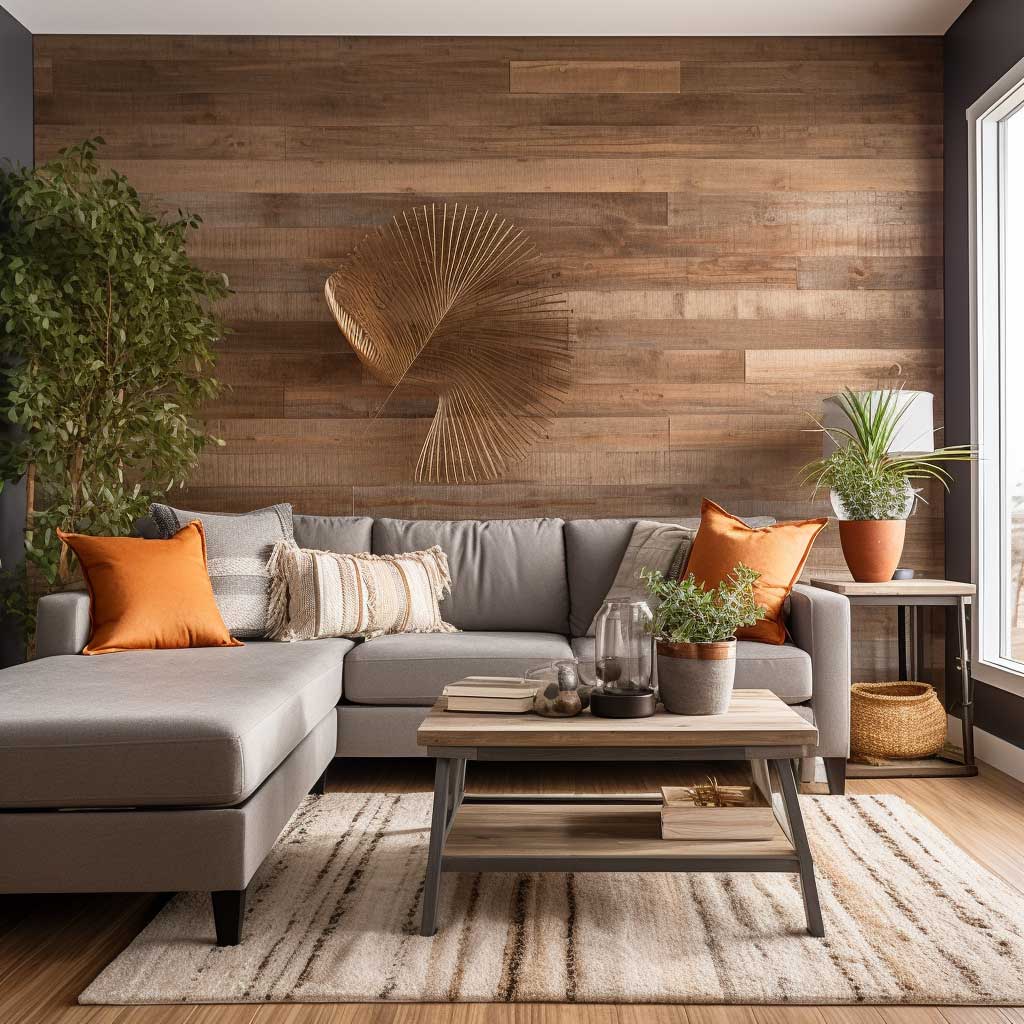
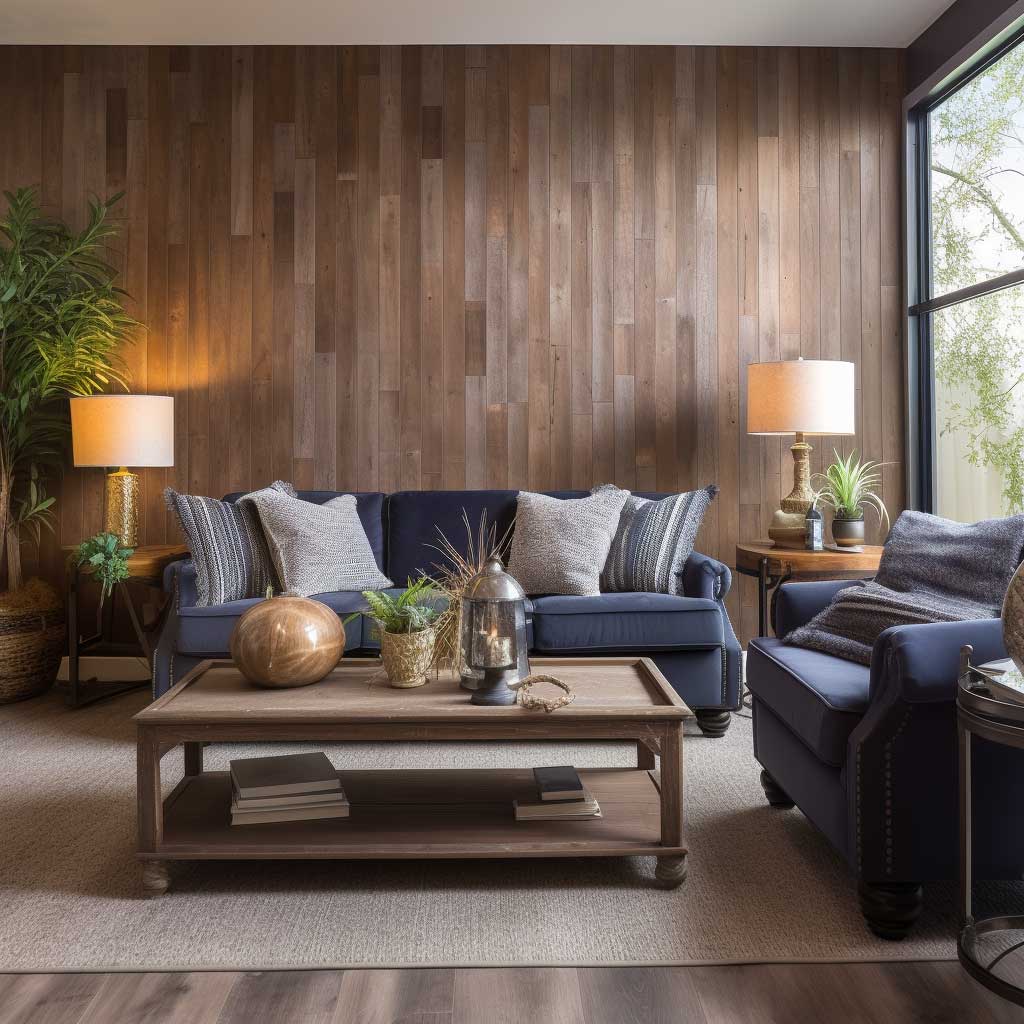
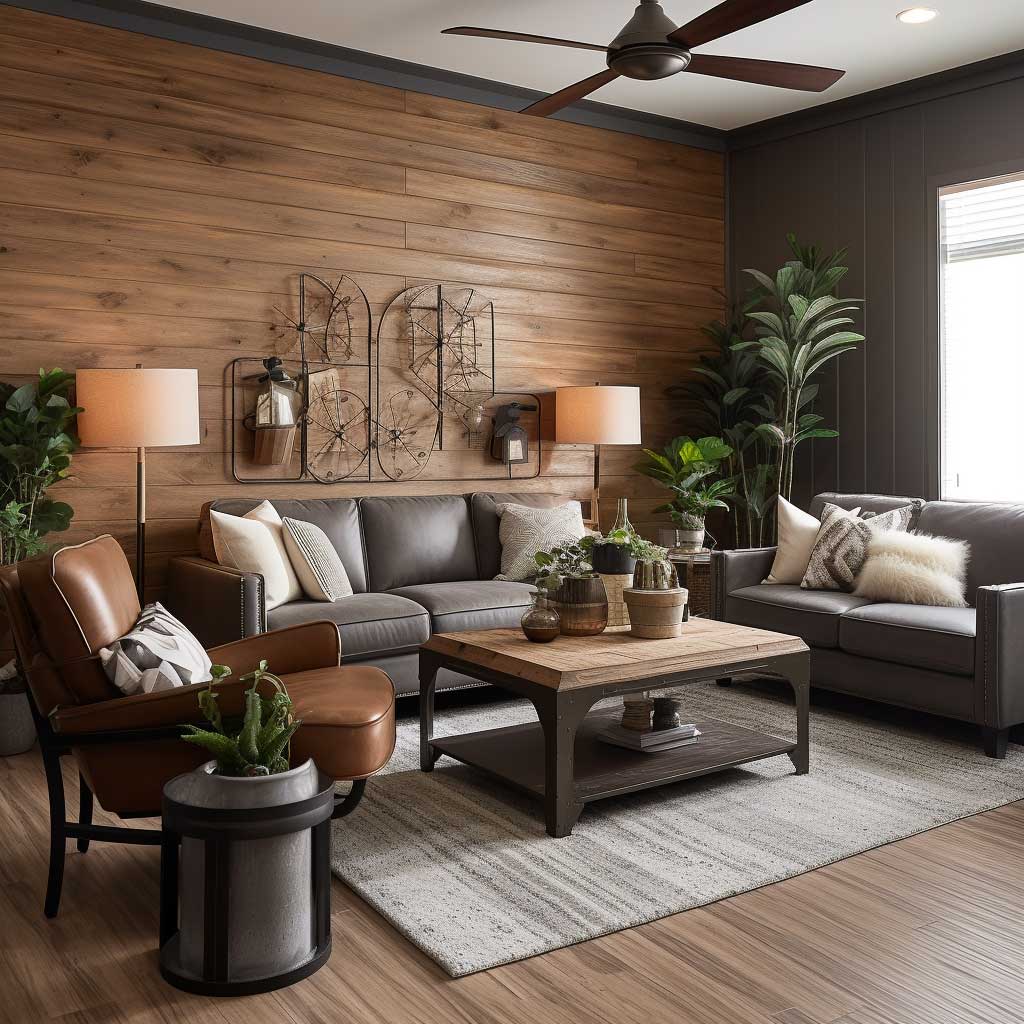
The panel design also adds a tactile element to the room. The textured surface of the panels can create a sensory experience that can make the living room feel more inviting.
Moreover, the wood-grain design contributes to the cozy, rustic aesthetic of the room. It matches perfectly with the rest of the room’s decor, creating a harmonious look.
Despite their realistic wood appearance, these PVC panels are far more durable and easier to maintain than actual wood. They won’t warp or rot over time, and they can be easily cleaned with a damp cloth. For a broader look at wall panel material options — including PVC, bamboo, and reclaimed wood — Family Handyman’s rundown of budget-friendly wall panel ideas covers cost per square foot for each type.
The installation of these panels is also simple and straightforward. You can easily install them on your existing wall, saving time and money on the renovation process. For more ideas on how PVC materials can reduce remodeling costs, see this breakdown of how to use PVC for a budget-friendly room design.
Furthermore, these PVC panels are eco-friendly. Despite their wood-like appearance, no trees were harmed in the making of these panels!
Lastly, as seen in this photo, PVC wall panels designs for living rooms are an excellent way to create a focal point in the room. The eye-catching design draws the viewer’s attention, making the room more visually interesting.
Decorative Molded PVC Wall Panels for a Formal Living Room
Decorative molded panels try to replicate the look of Victorian plaster molding or French wainscoting. The good ones pull it off. The bad ones look like the inside of a wedding cake.
Avoid ultra-white glossy decorative panels unless your living room has museum-level lighting. Flat white panels under a single overhead fixture throw harsh, unflattering shadows that highlight every seam and imperfection. Satin or eggshell finish panels absorb just enough light to soften those lines. I learned this after mounting a glossy panel behind my sofa and immediately hating how the ceiling light made every joint visible.
Cost for quality decorative panels ranges from $4 to $10 per square foot. Below $4, the molding depth is too shallow to cast real shadow and the whole wall reads flat. Above $10, you’re entering territory where actual MDF molding strips would give you a sharper result for less money.
Neutral color works best because the pattern is already doing the heavy lifting visually. Painting decorative PVC panels is possible — most accept latex paint without primer — but you lose the factory finish, and brush marks show in every groove. If you must paint, use a foam roller followed by a small artist brush in the recesses. Spray paint is even better, but you’ll need to mask off the entire room.
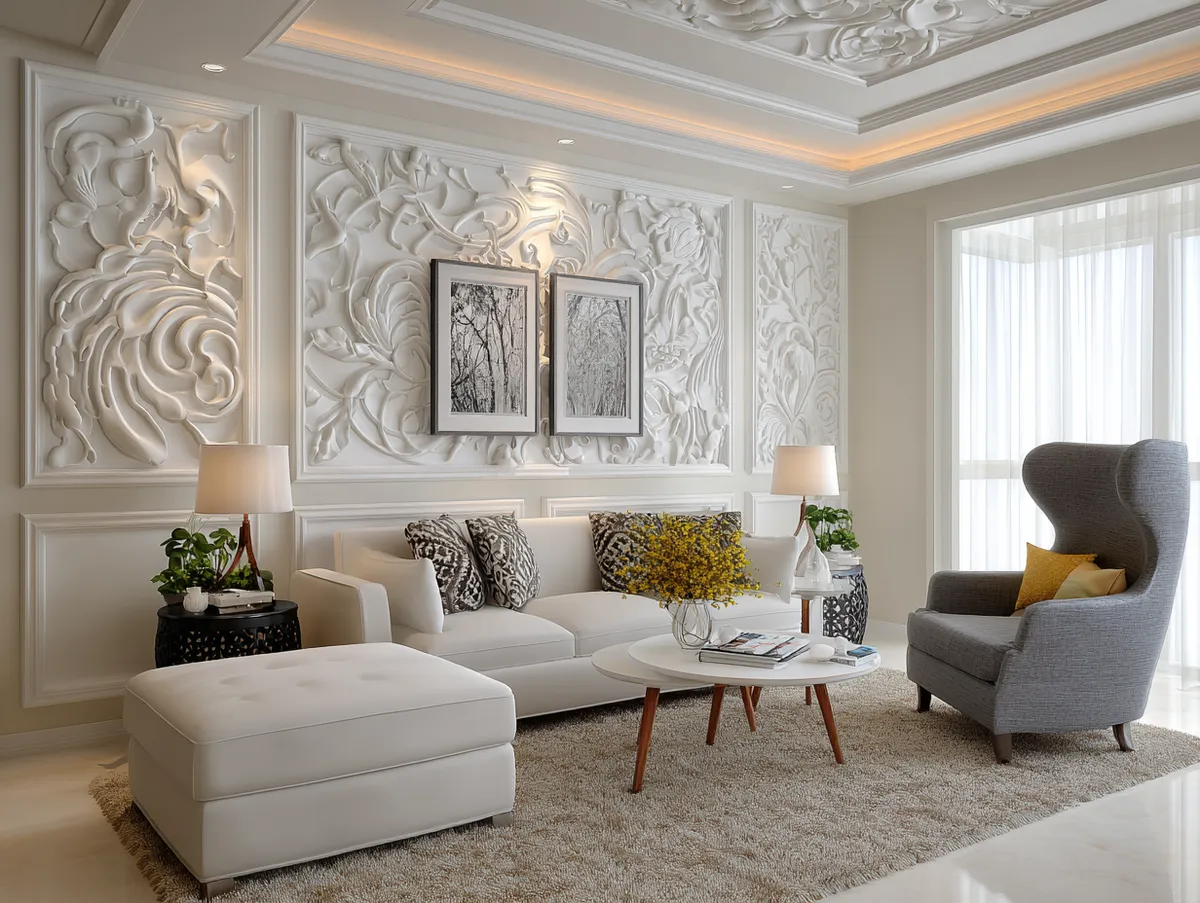
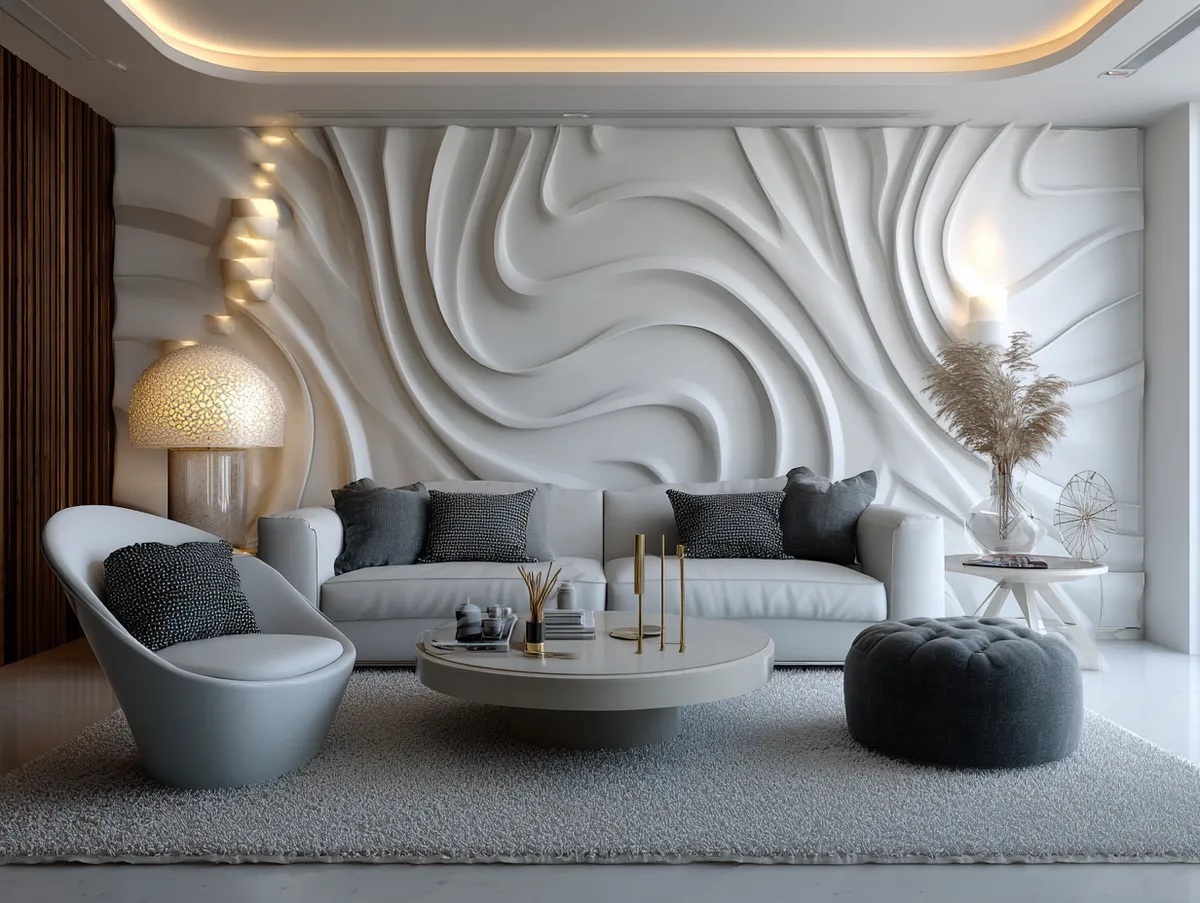
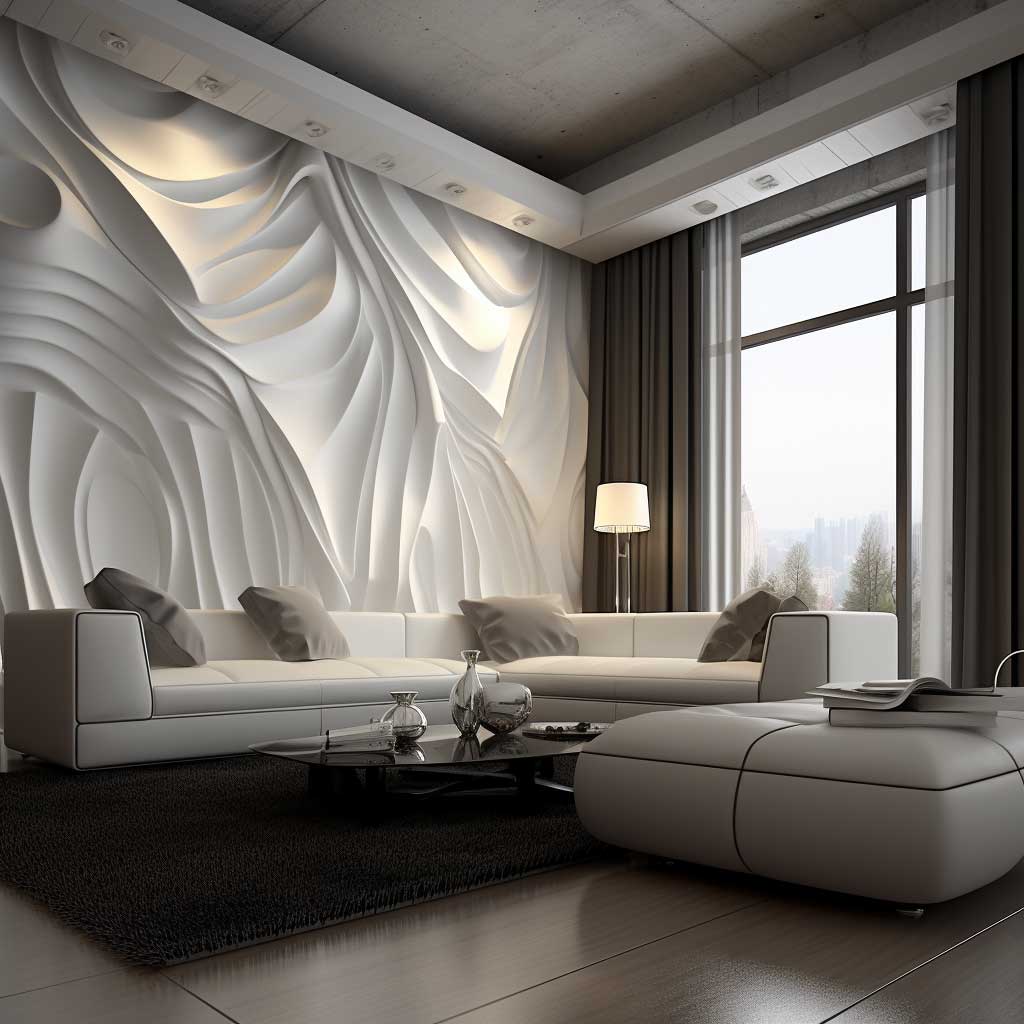
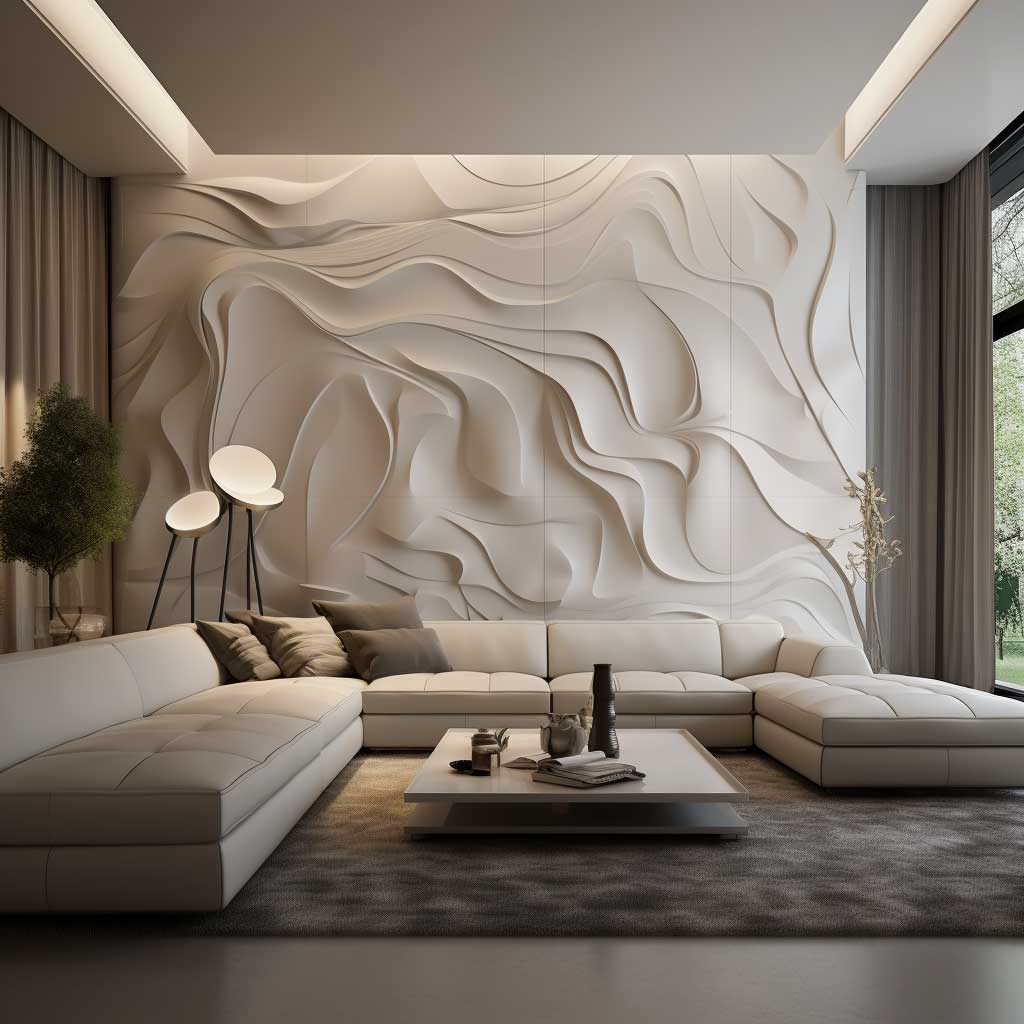
The final photo showcases a sophisticated living room, complete with an intricate decorative PVC wall panel design. This is a stunning example of how PVC wall panels designs for living rooms can add elegance and style to a space.
This decorative PVC wall panel design adds a touch of luxury to the living room. The intricate design is reminiscent of classic architectural elements, giving the room a timeless appeal.
Despite their ornate appearance, these PVC panels are highly durable. They can withstand everyday wear and tear, ensuring that your living room stays beautiful for years to come.
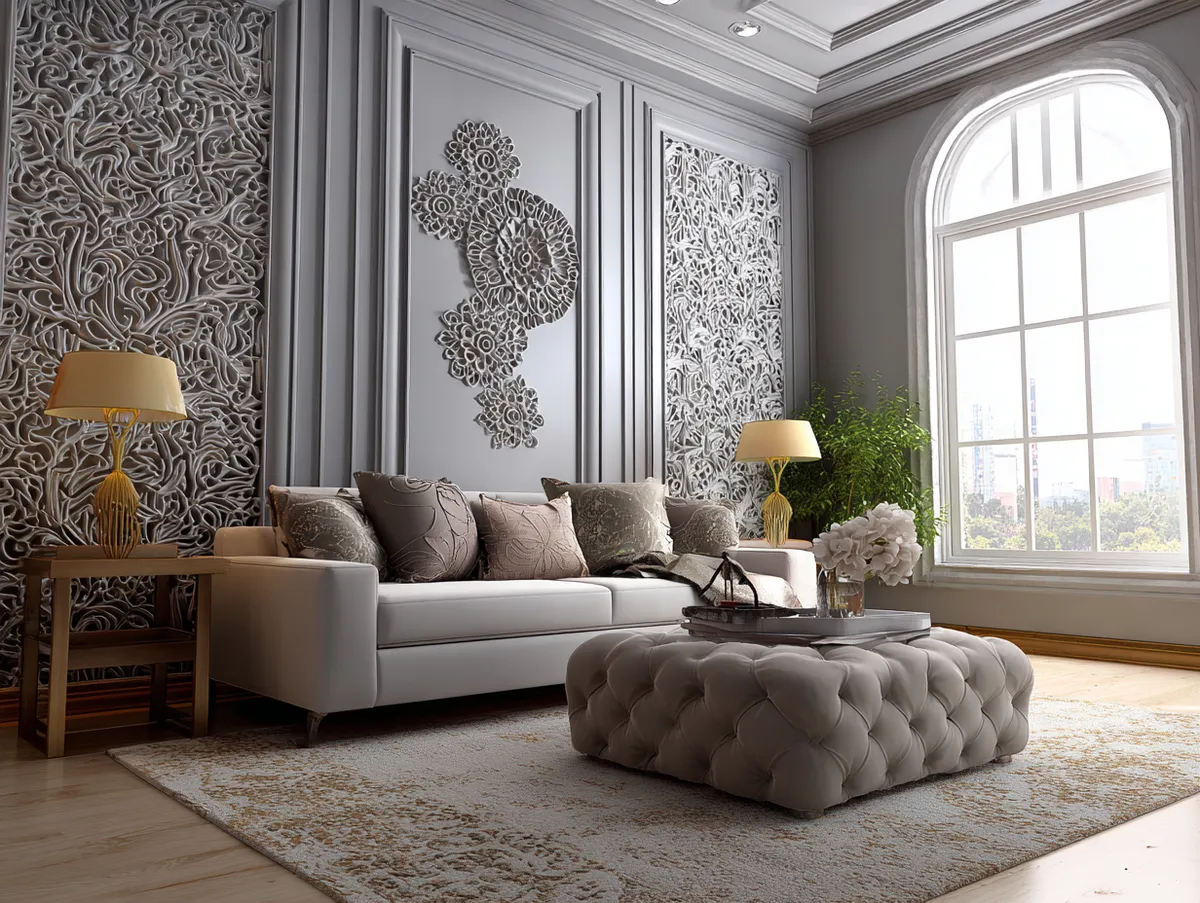
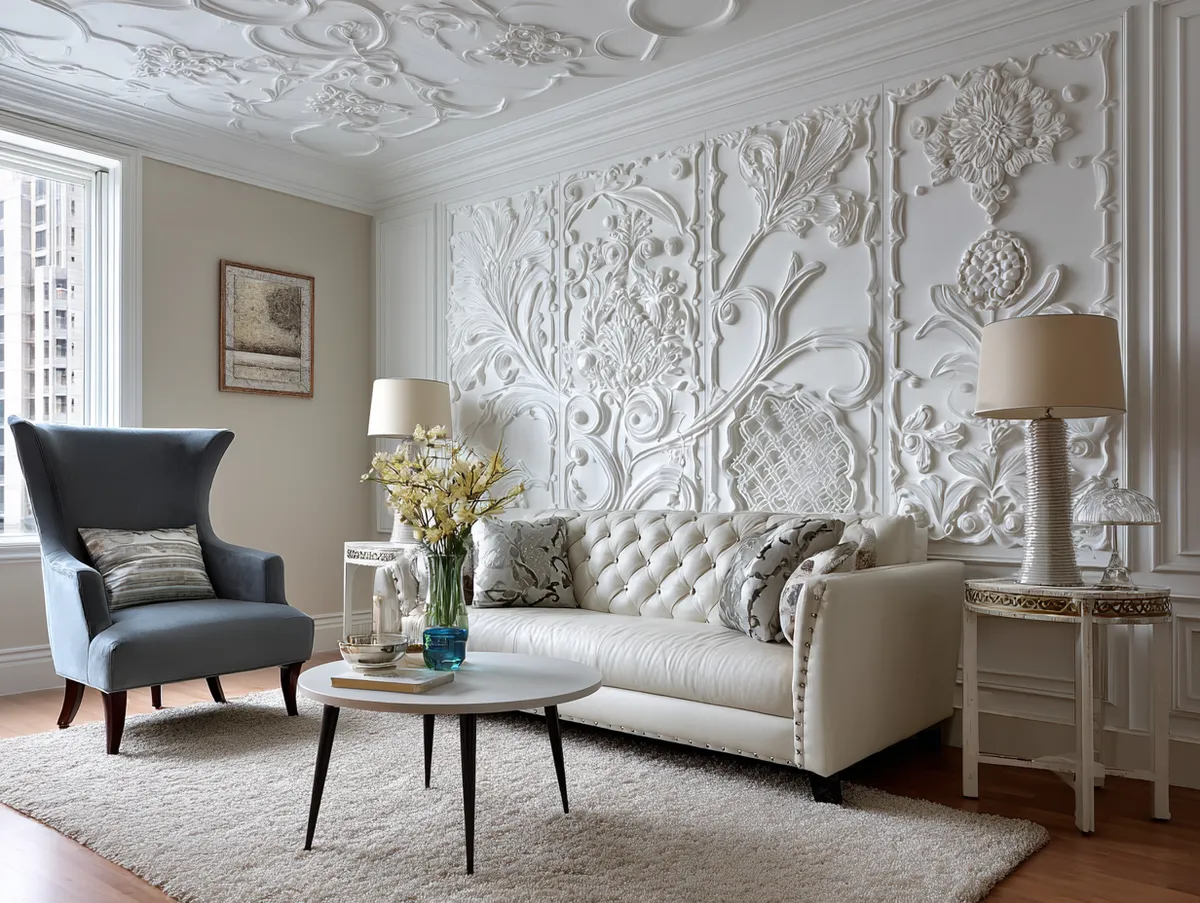
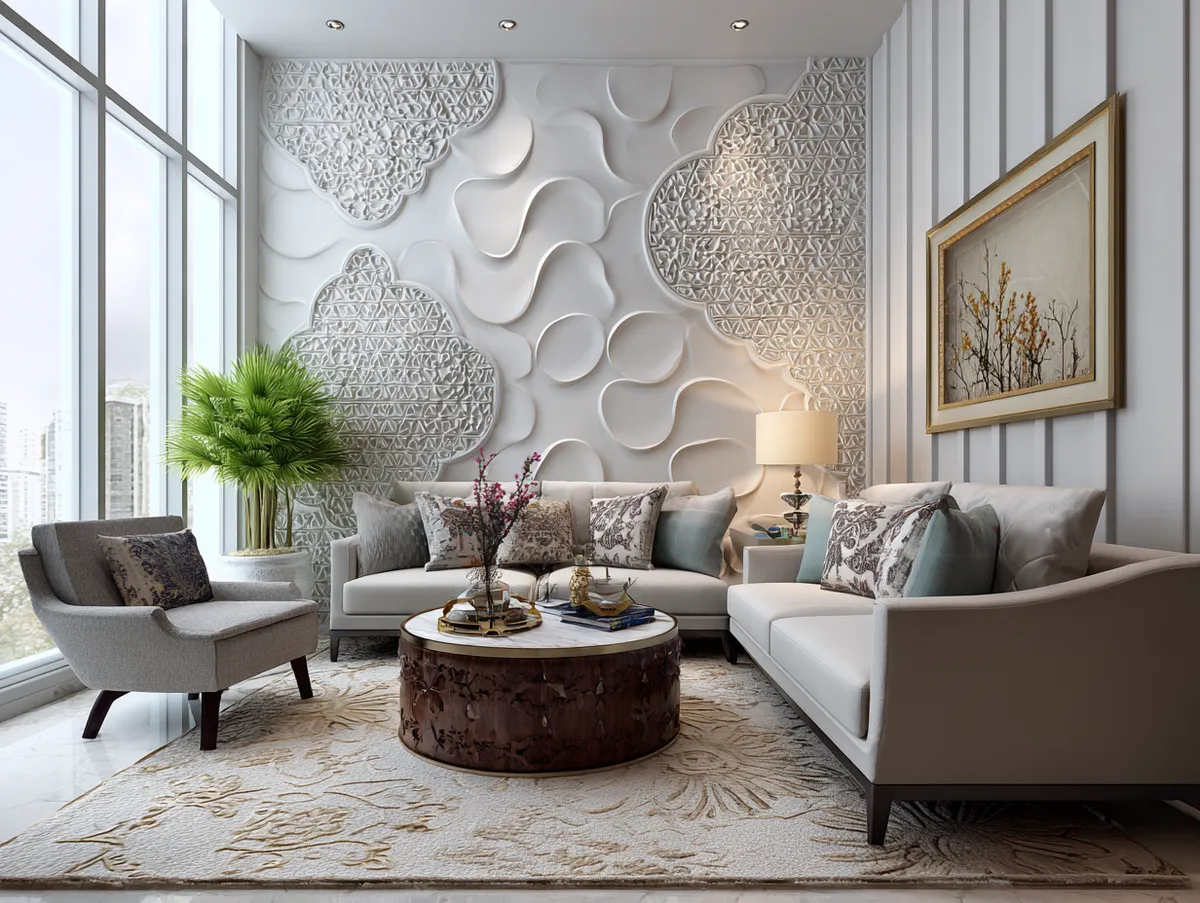
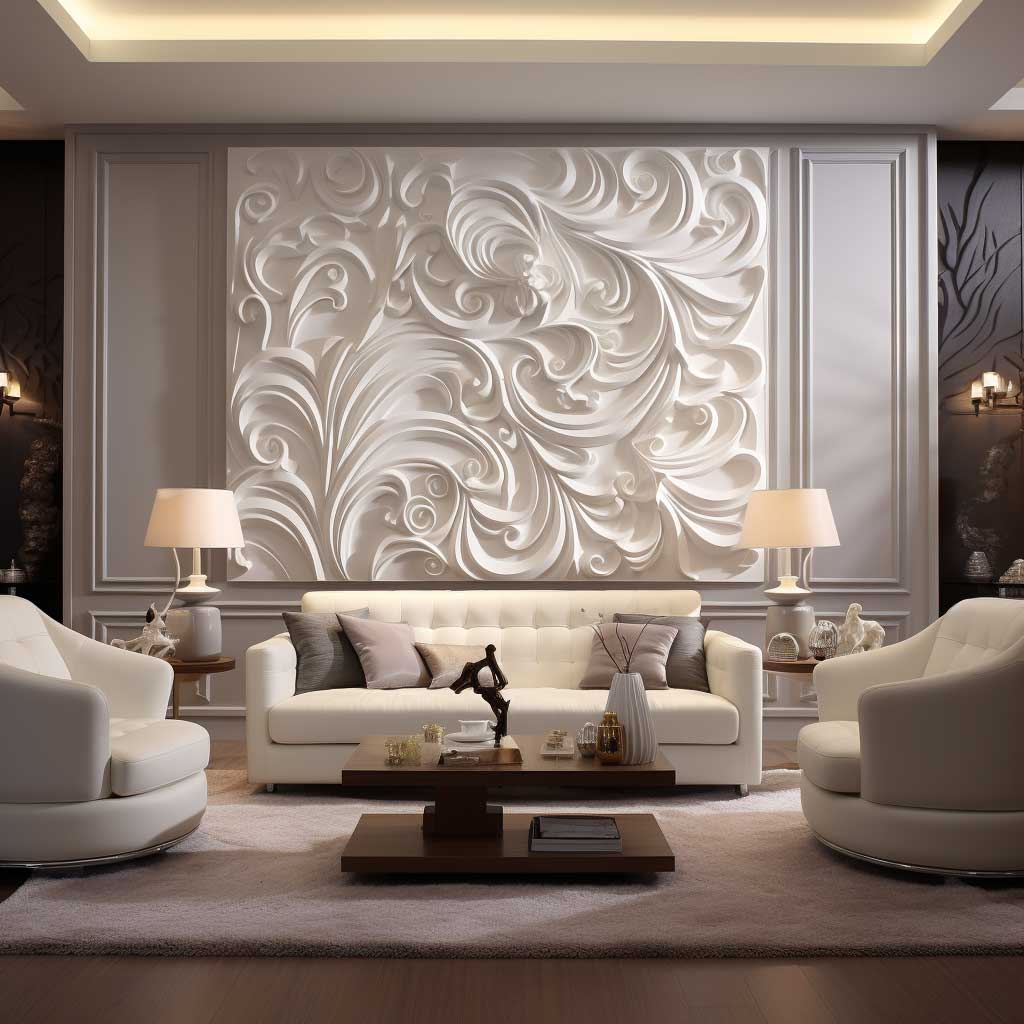
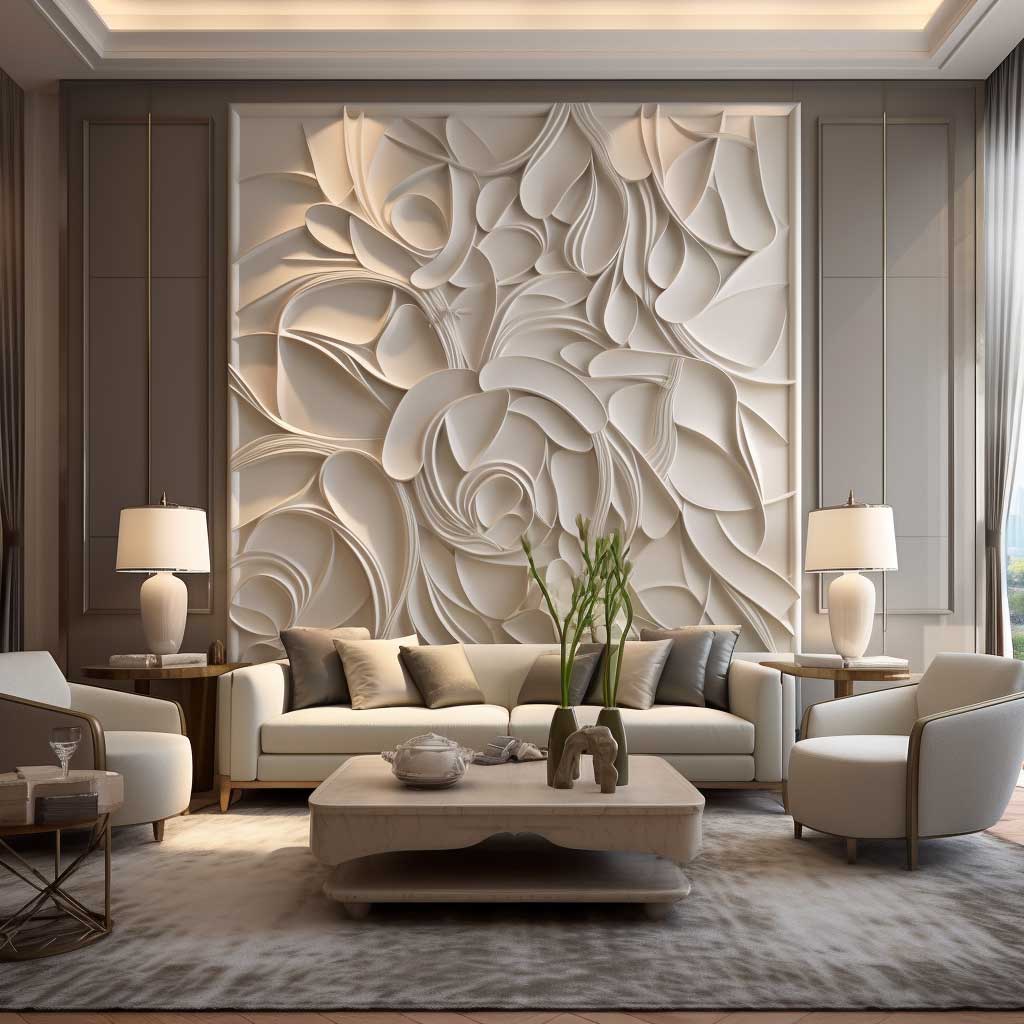
The use of a neutral color palette in this room allows the panel design to stand out. The contrast between the white panels and the darker walls creates a visual effect similar to what you’d see in modern wall panelling designs for living room projects, where light-dark contrast drives the entire composition.
Lighting is also an essential factor when using decorative PVC wall panel designs. In this living room, the lights have been placed strategically to highlight the panel’s details, making the design pop.
Maintenance of these panels is also simple. Unlike traditional plaster or wooden elements, PVC panels can be easily cleaned with a cloth, keeping your living room looking polished without much effort. The Home Depot’s wall paneling guide covers additional material comparisons if you’re weighing PVC against MDF or faux stone options.
The affordability of these panels is also a significant advantage. Homeowners can achieve a luxurious look in their living rooms without the hefty price tag usually associated with high-end design materials.
Lastly, as seen in this photo, decorative PVC wall panels designs for living rooms can transform a room from ordinary to extraordinary. They are a fantastic way to bring character and style to your living room, setting it apart from the usual.
Bottom Line on PVC Wall Panels for Living Rooms
PVC wall panels cost a fraction of real wood, stone, or plaster molding, and they install in a day with construction adhesive and a utility knife. That alone makes them worth considering for any living room refresh under $500.
The three styles shown here — 3D textured, wood-grain, and decorative molded — each solve a different design problem. 3D panels add drama to a flat wall. Wood-grain panels warm up a cold, modern space. Decorative panels fake architectural detail that would cost thousands in real plaster.
Skip the cheapest panels you find online. Thin, flexible PVC warps, yellows, and shows every seam within a year. Pay an extra dollar or two per square foot for rigid, embossed-surface panels and you’ll avoid a redo. The wall behind your sofa is the first thing guests see — it deserves more than a $0.80 tile.