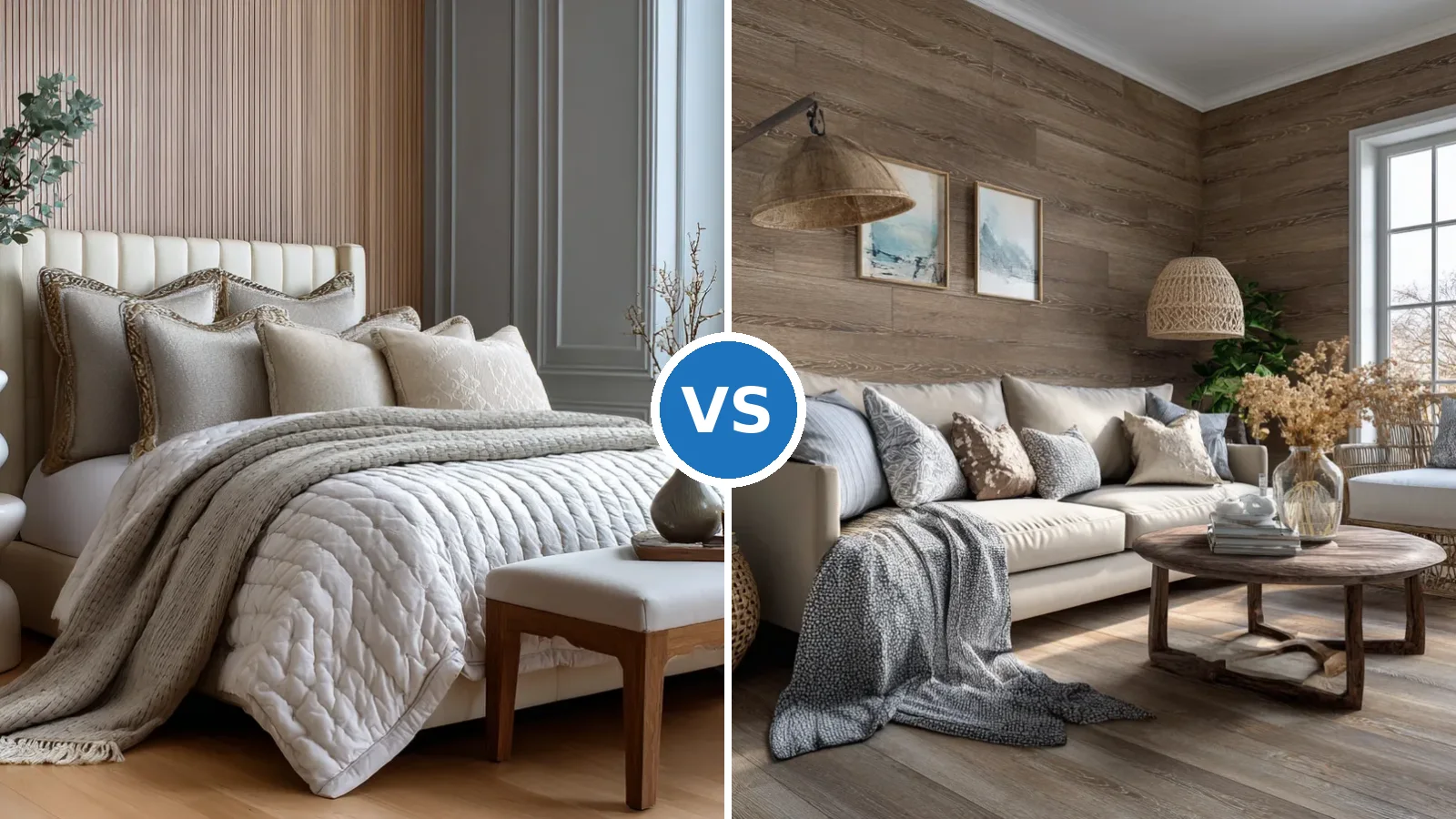
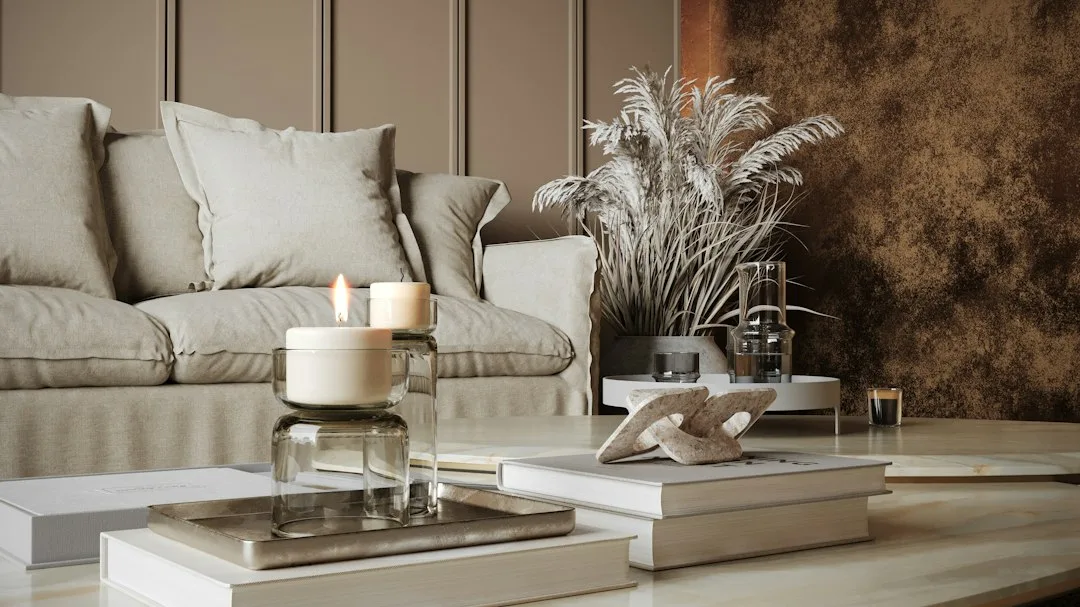
Imagine trading the concrete jungle for the rolling hills of Tuscany right from your downtown high-rise. Bringing that warm, sun-drenched atmosphere into a metropolis might seem like a daunting design challenge, but blending rustic elegance with contemporary architecture is entirely achievable. By focusing on specific textures, organic materials, and thoughtful layouts, a sterile living space can easily echo the romance of the Mediterranean coast. This guide explores the foundational elements needed to merge these two distinct worlds, creating a sanctuary that feels miles away from the bustling streets below.
Translating Tuscan Warmth For Urban Living Spaces
Creating an inviting living room that bridges the gap between metropolitan sleekness and rural charm requires a deliberate approach to texture and color. When you live in a building defined by straight lines, glass, and steel, the interior needs to counteract that coldness with profound warmth. The foundation of the Italian villa aesthetic begins with the walls. Traditional Mediterranean homes rarely feature flat, stark white drywall. Instead, they rely on plaster, limewash, or Roman clay to create a subtle, mottled finish that catches the light beautifully. Applying a limewash treatment to your apartment walls in shades of warm cream, soft parchment, or pale ochre immediately softens the acoustics and the visual harshness of a standard room. This textured approach mimics the passage of time, a crucial element in achieving this specific design goal.
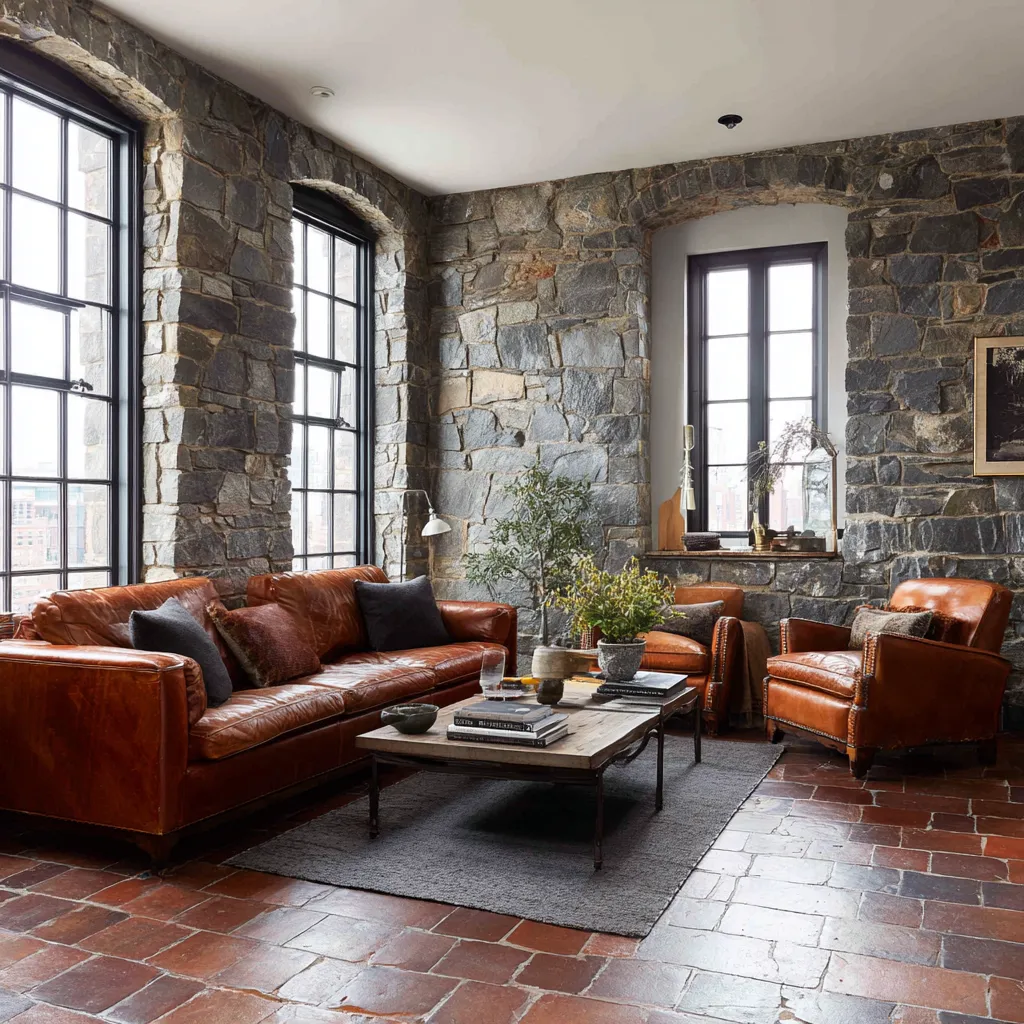
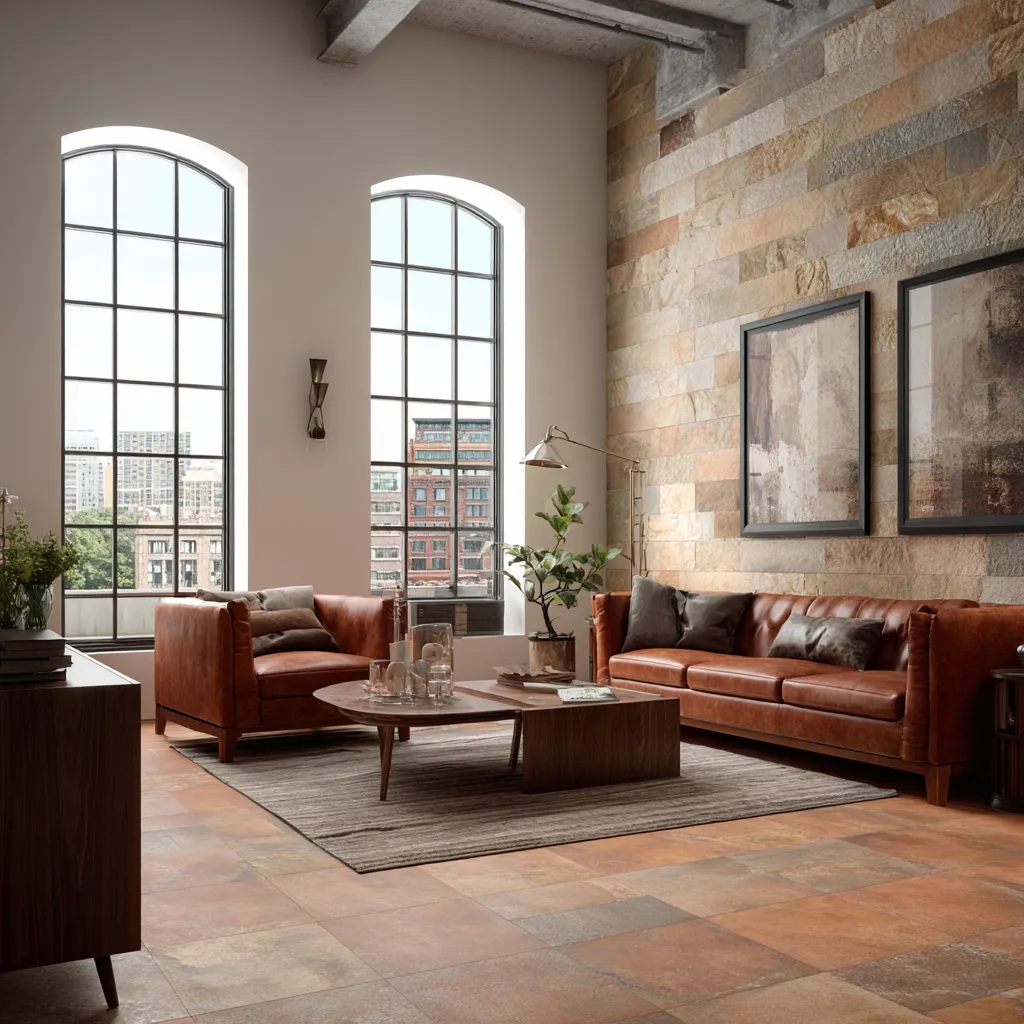
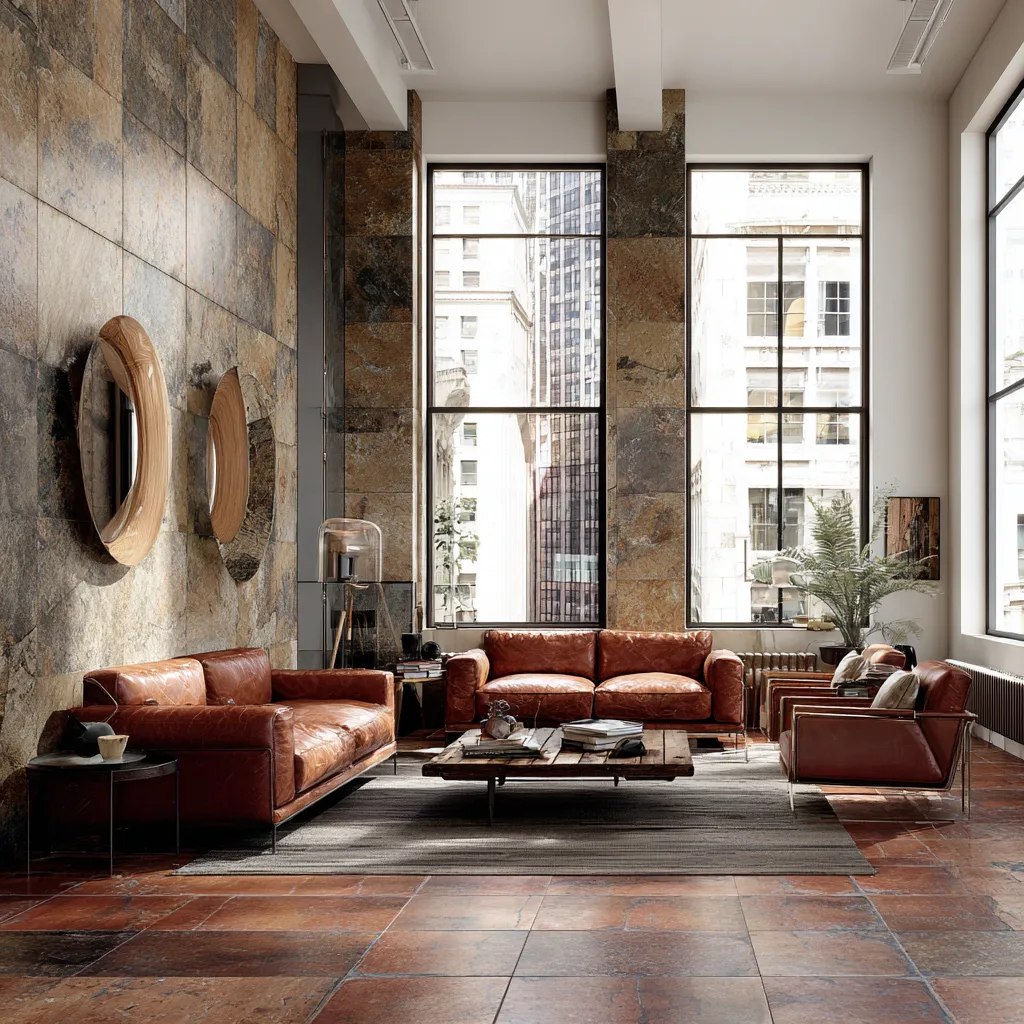
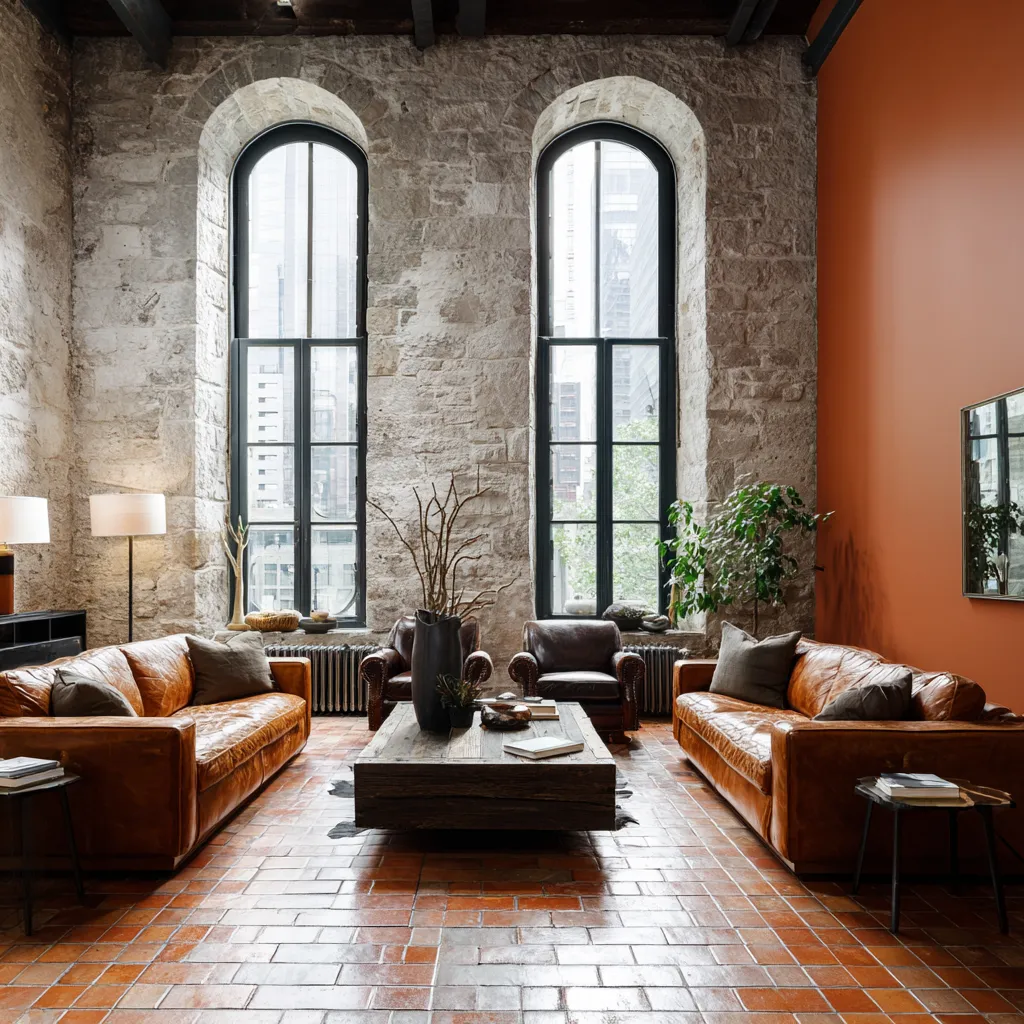
Flooring is the next major hurdle when establishing this style in a contemporary high-rise. While you may not be able to install authentic reclaimed stone floors, there are highly realistic alternatives that bring in the necessary earthy element. High-quality porcelain tiles designed to look like aged terracotta or wide-plank engineered hardwood with a matte, distressed finish can ground the room perfectly. If changing the flooring is out of the question, layering large, textured rugs made of natural fibers like jute, sisal, or heavily faded wool can obscure modern flooring and introduce the necessary tactile warmth. The goal is to create a base that feels solid and enduring, characteristics synonymous with an Italian countryside interior.
Once the structural canvas is set, furniture selection plays a pivotal role in merging these two worlds. Tuscan design in modern spaces thrives on the juxtaposition of old and new. You do not need to fill your apartment with heavy, ornate antiques to capture the mood. In fact, doing so might make a metropolitan apartment feel cramped and out of touch with its surroundings. Instead, focus on a few statement pieces that carry visual weight. A deeply distressed cognac leather sofa, for example, pairs beautifully with a sleek, minimalist coffee table forged from wrought iron and raw wood. This balance ensures the room remains functional for contemporary life while paying homage to traditional craftsmanship. Incorporate accent chairs upholstered in heavy linen or muted velvet to add layers of softness.
Lighting is perhaps the most transformative element in this design journey. The glaring, cool-toned overhead lights typical of new builds will instantly shatter the illusion of a European retreat. To foster a Mediterranean home style, lighting must be layered and exceptionally warm. Replace standard fixtures with pieces featuring forged iron, seeded glass, or woven rattan. Rely heavily on ambient lighting from floor lamps and table lamps equipped with warm amber bulbs. The way light pools in corners and highlights the textured walls is what gives a room that coveted sunset glow, regardless of the time of day outside.
Finally, the finishing touches are what solidify the urban Italian decor vibe. This is where you can bring in the organic, imperfect shapes that contrast beautifully with straight architectural lines. Display oversized, aged terracotta vases in empty corners. Drape thick, woven throw blankets over the arms of chairs. Incorporate natural wood bowls filled with fresh fruit on your tables. Even the window treatments matter; opt for flowing, sheer linen curtains that flutter with the breeze rather than rigid, automated blinds. By carefully curating these tactile, earthy elements, your living space will transform into a restorative haven that honors centuries-old design philosophies while perfectly accommodating your current lifestyle.
Cultivating A Mediterranean Courtyard Oasis Above The Streets
The concept of indoor-outdoor living is central to Southern European architecture, where life revolves around the central courtyard or the sun-drenched terrace. Replicating this exact architectural feature in a metropolitan apartment requires a bit of imagination and a strong commitment to biophilic design. You can carve out a specific zone in your home—perhaps an enclosed balcony, a sunroom, or even just a large corner near floor-to-ceiling windows—to serve as your personal cortile. Establishing this green sanctuary is essential for breathing life into the Italian villa aesthetic and counteracting the gray skyline outside.
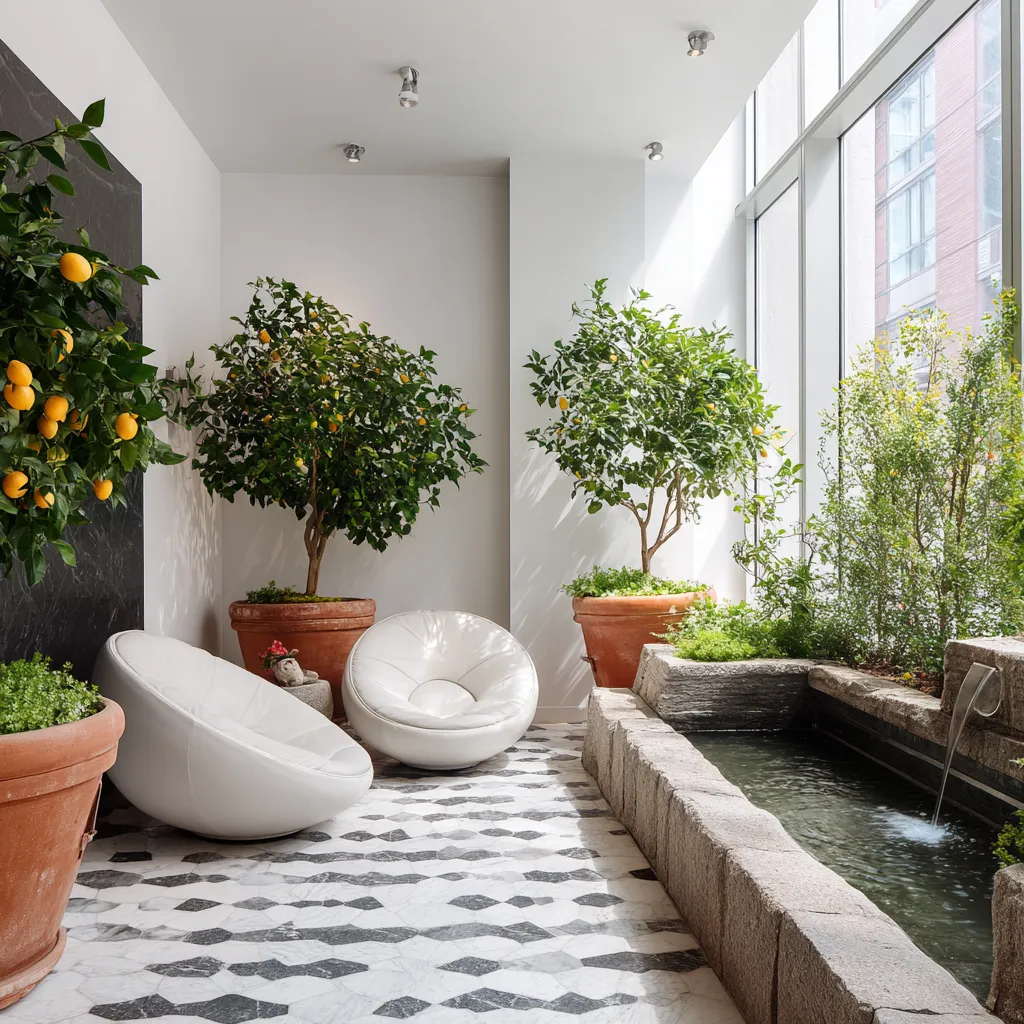
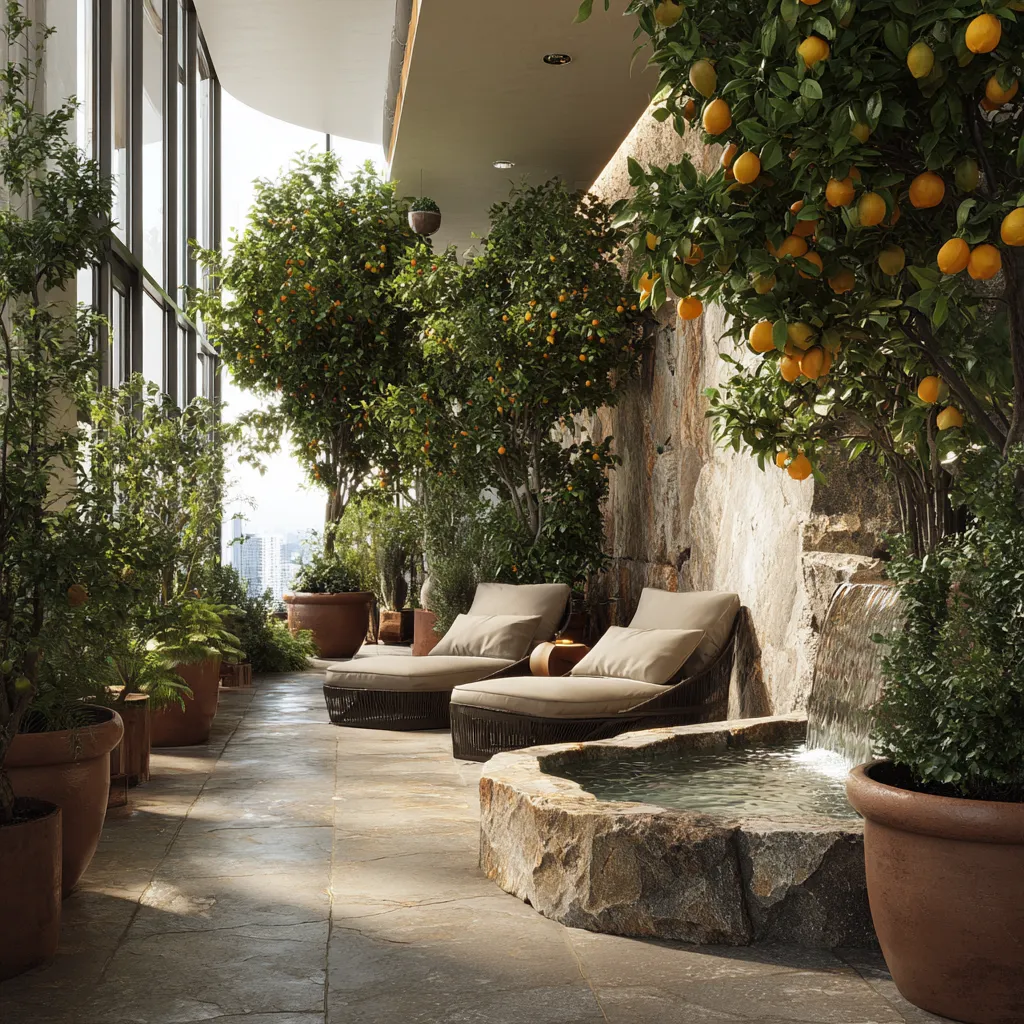
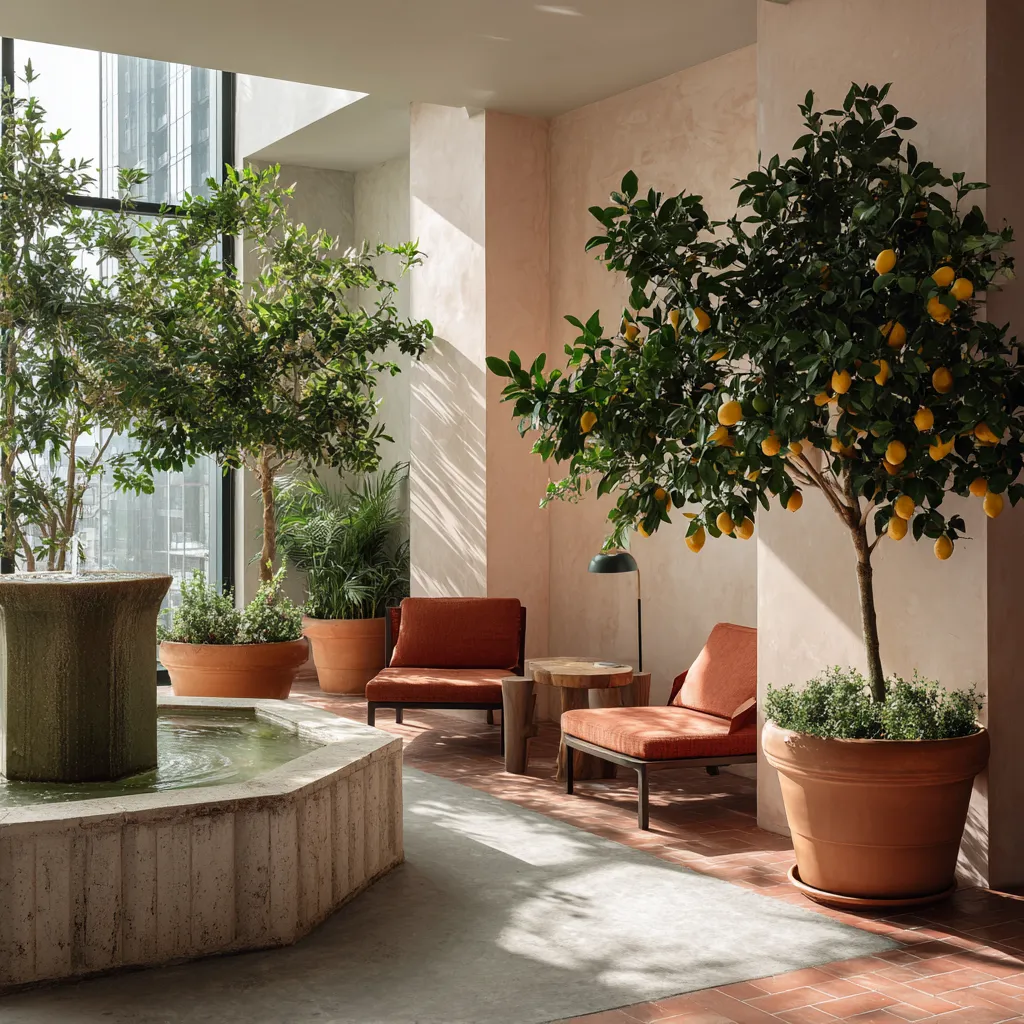
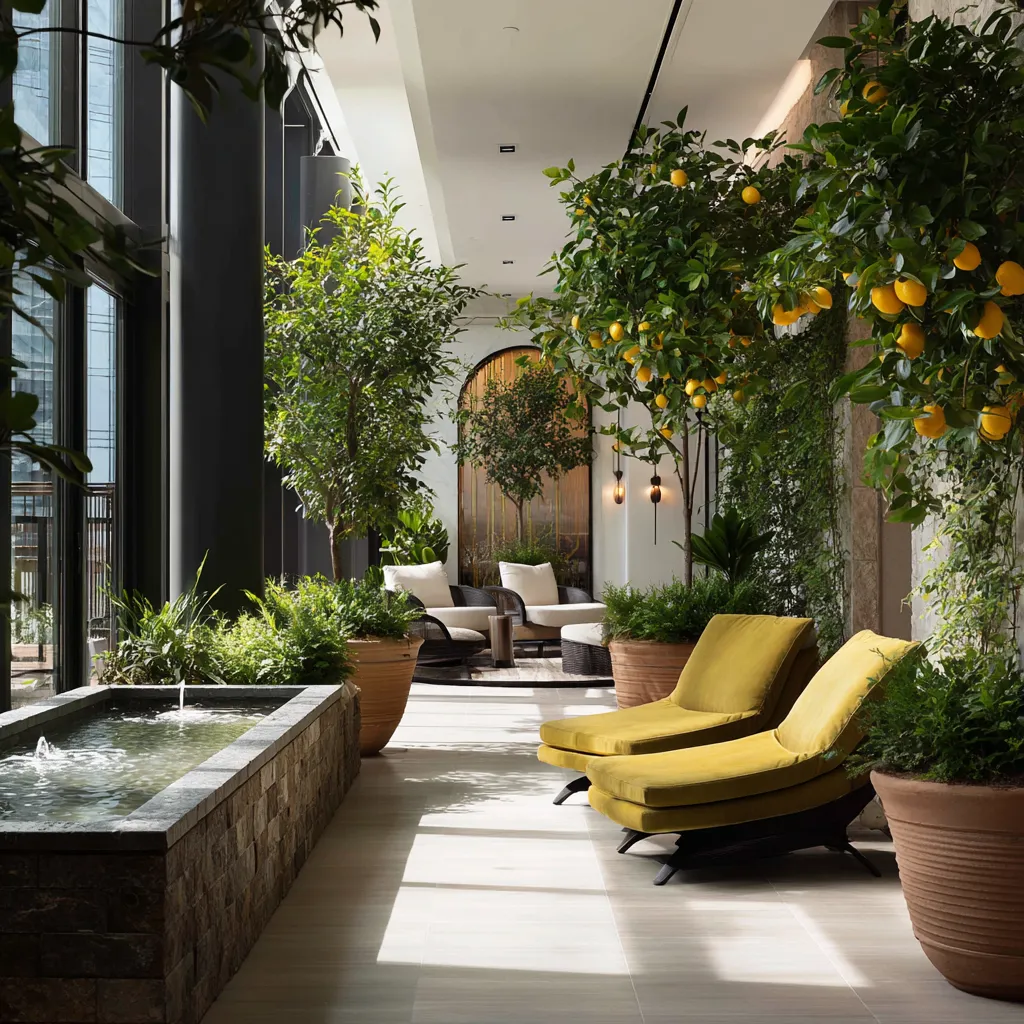
The undisputed stars of any such courtyard are the plants. To truly capture an Italian countryside interior feel, you must look beyond standard houseplants and focus on species native to the Mediterranean basin. Potted citrus trees, particularly Meyer lemons or Calamondin oranges, are spectacular additions. Their glossy green leaves, fragrant white blossoms, and vibrant fruits provide an immediate visual and olfactory connection to the Amalfi coast. Olive trees have also become a staple of Tuscan design in modern spaces. Their silvery-green foliage and slender, elegant branches soften harsh window frames and add a sophisticated, wispy texture. While these trees require significant sunlight and careful watering, their presence in a metropolitan setting is breathtaking. If natural light is scarce, high-quality artificial olive trees can provide the silhouette without the demanding upkeep.
To house your greenery, the vessels you choose are just as important as the plants themselves. Flimsy plastic pots will instantly diminish the illusion. Instead, invest in substantial terracotta planters. Terracotta is deeply tied to Mediterranean home style, and its porous nature is actually healthier for plants like citrus and rosemary that prefer well-draining soil. Do not shy away from pots that show signs of wear. The white mineral deposits, or efflorescence, that bloom on the outside of aging terracotta add an invaluable layer of authenticity and rustic charm. Grouping these pots in clusters of varying heights creates a lush, layered look reminiscent of a casually maintained rural garden.
Beyond the foliage, a true courtyard engages multiple senses, particularly hearing. The constant background hum of traffic can be jarring, but it can be effectively masked by the introduction of a water feature. A tabletop stone fountain or a freestanding wall fountain crafted from cast stone or copper introduces the soothing, rhythmic sound of trickling water. This acoustic shift is remarkably powerful, instantly lowering stress levels and tricking the mind into feeling far removed from the city. The presence of water also helps slightly increase the ambient humidity, which your indoor plants will appreciate.
Furnishing this oasis requires a departure from standard, plush living room seating. To sell the concept of an outdoor terrace brought inside, opt for furniture traditionally meant for the garden. A small bistro table paired with wrought iron chairs creates the perfect spot for morning espresso. If you have the square footage, a slatted teak lounge chair adorned with weather-resistant linen pillows encourages afternoon reading in the sun. Accessories should bridge the gap between interior comfort and exterior ruggedness. An outdoor rug with a distressed, faded pattern can define the zone, while wrought iron lanterns equipped with LED pillar candles can provide a romantic, flickering glow as evening falls. By deliberately dedicating a portion of your floor plan to nature and elemental materials, you create an urban Italian decor experience that feels deeply restorative.
Integrating Rustic Farmhouse Elements Into Contemporary Kitchens
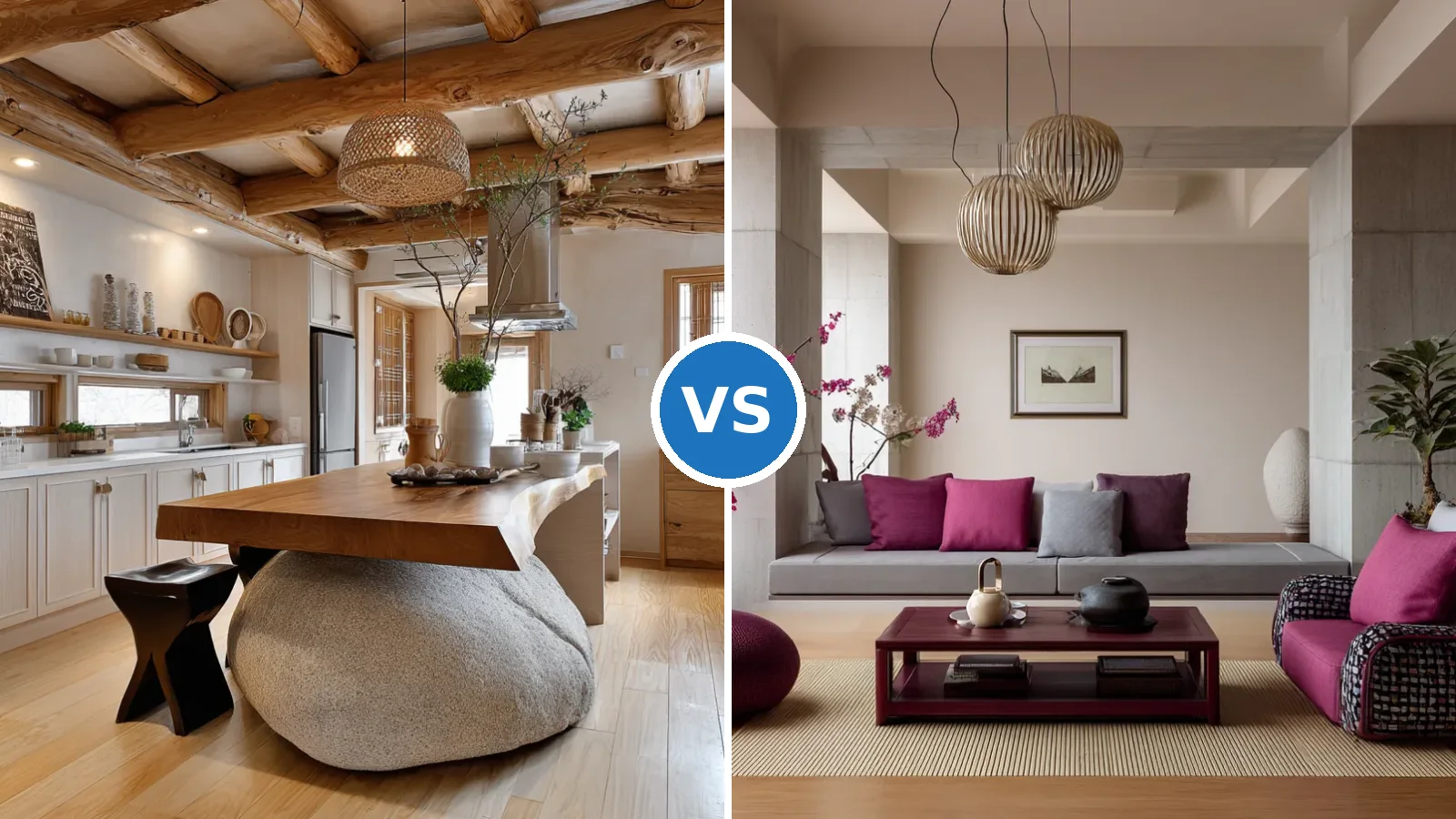
In any culture, but especially in Italy, the kitchen is the undisputed heart of the home. It is a space designed not just for culinary tasks, but for gathering, conversing, and lingering. Metropolitan kitchens, however, are often designed with a premium on sleek efficiency, featuring high-gloss cabinets, stark quartz countertops, and a sterile, laboratory-like atmosphere. Injecting an Italian countryside interior vibe into such a space involves softening these hard edges and reintroducing materials that tell a story. The goal is to blend high-performance appliances with soul-warming textures, creating a space that feels both highly functional and deeply welcoming.
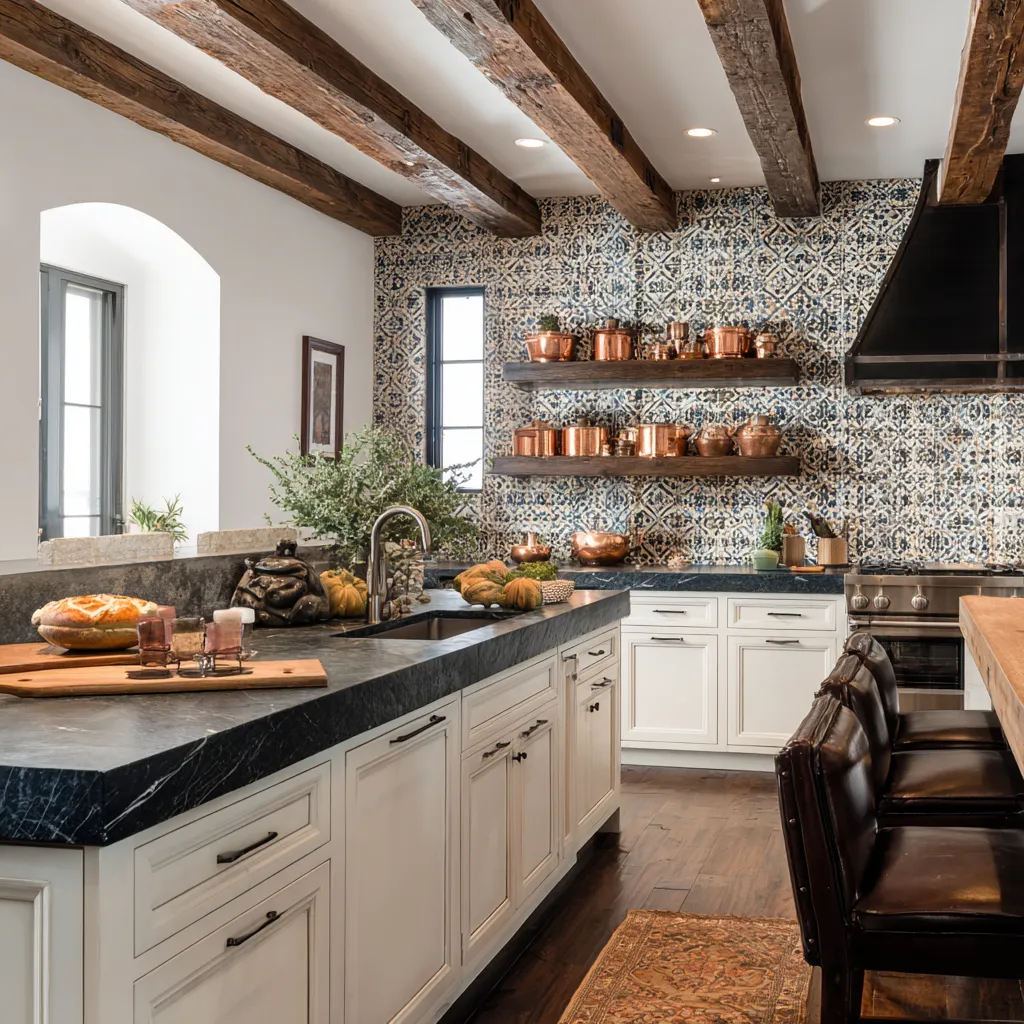
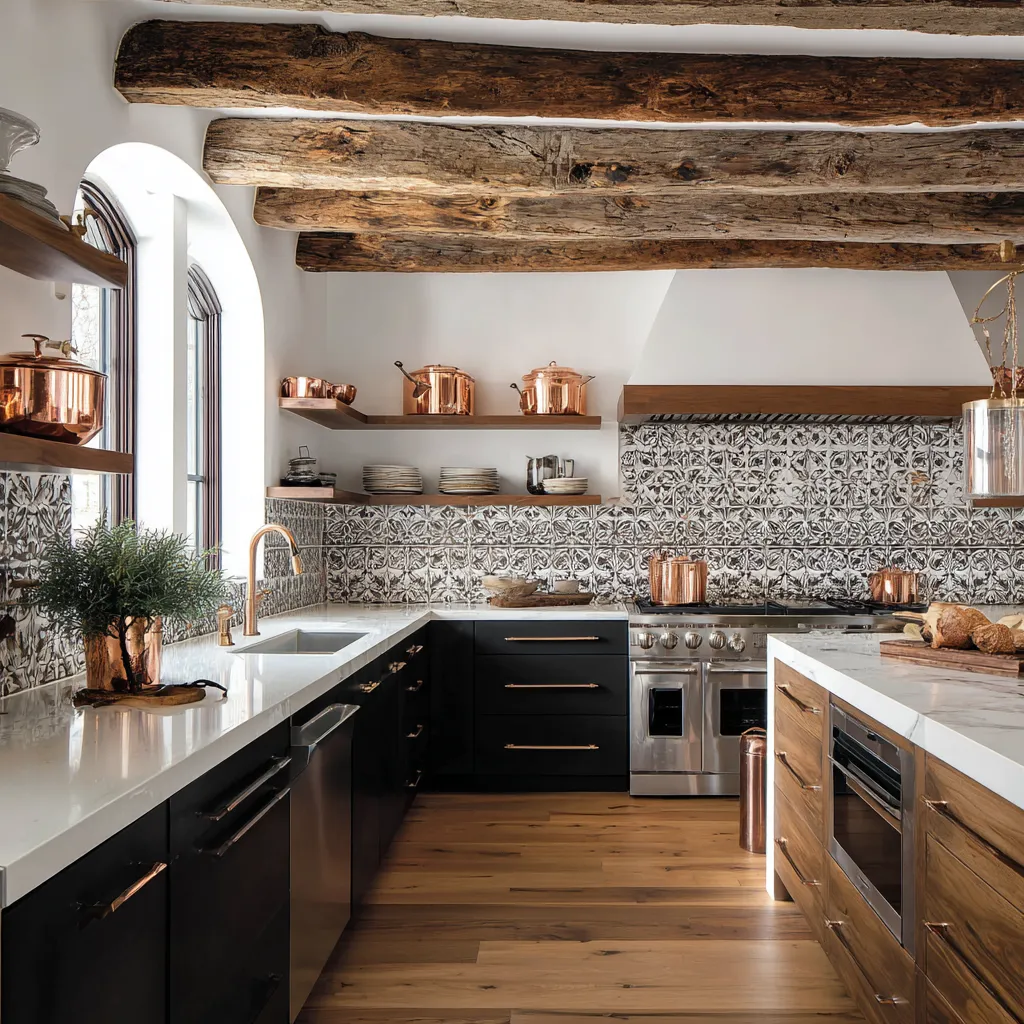
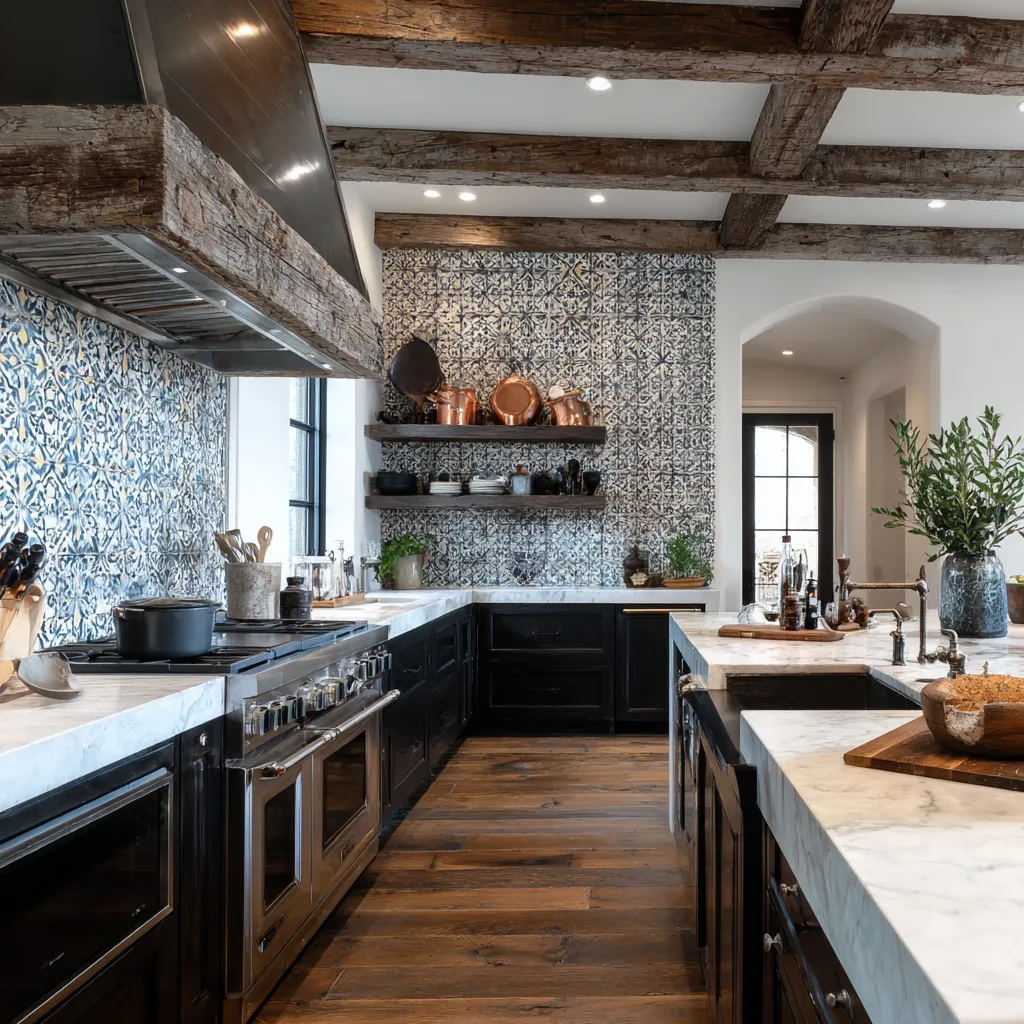
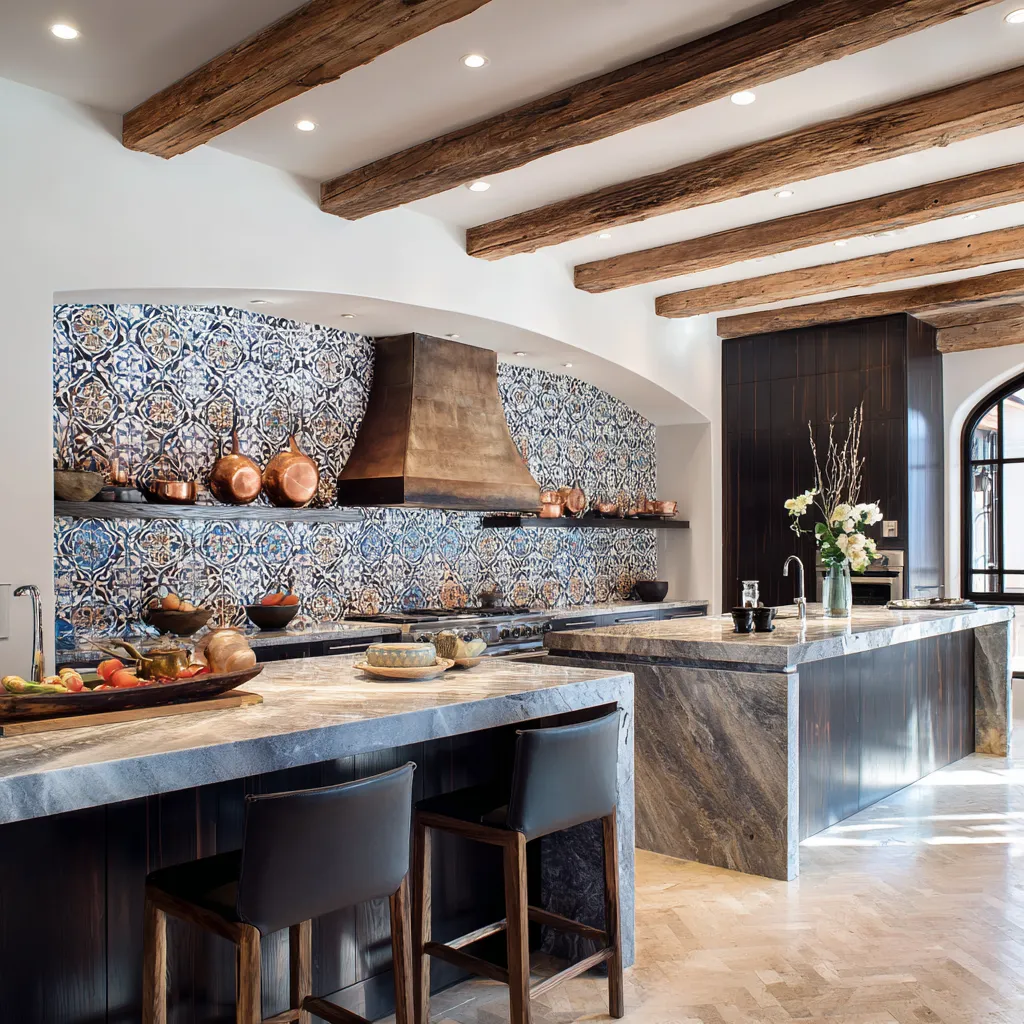
The most impactful change you can make involves the cabinetry and shelving. If a full renovation is not possible, consider removing the doors from a few upper cabinets to create open shelving. In the Italian villa aesthetic, ingredients and cookware are not hidden away; they are proudly displayed as part of the decor. Replace the glass or basic wooden shelves with thick planks of reclaimed wood supported by sturdy iron brackets. Displaying stacks of heavy ceramic plates, glass jars filled with various shapes of pasta, bottles of olive oil, and rustic wooden cutting boards instantly brings life to the walls. This visual abundance is a hallmark of Mediterranean home style, signaling hospitality and a love for food.
The backsplash presents another brilliant opportunity to introduce character. While sleek subway tiles are standard in contemporary developments, they do little to evoke rural charm. Consider swapping them out for hand-painted ceramic tiles. Zellige tiles or majolica tiles featuring intricate, colorful patterns in shades of cobalt blue, lemon yellow, and deep terracotta draw the eye and act as a beautiful piece of art behind the stove. If changing the tile is not an option, you can achieve a similar effect by leaning large, framed vintage prints of botanical elements or vintage cooking advertisements against the current backsplash, adding immediate warmth and visual interest.
Hardware and metals play a crucial role in grounding the space. Modern kitchens typically lean heavily on chrome or brushed nickel. To shift towards Tuscan design in modern spaces, introduce living finishes that will patina over time. Unlacquered brass cabinet pulls, oil-rubbed bronze faucets, and heavy wrought iron drawer handles offer a tactile experience that mass-produced chrome cannot match. Furthermore, displaying copper cookware is practically mandatory for this look. Hanging a collection of gleaming copper pots and pans from a ceiling rack or a wall-mounted rail not only frees up cabinet space but also acts as a stunning focal point. The warm, reflective surface of the copper plays beautifully against neutral walls and wooden elements.
Finally, the concept of the kitchen island must be addressed. In many new builds, the island is a monolithic block of stone. To bring in urban Italian decor, consider how you can make this space feel more like a traditional farmhouse table. If you have the room, pulling a long, antique wooden dining table directly into the kitchen space to serve as a prep and dining area is the ultimate homage to rustic living. If you are stuck with a built-in island, swap out modern acrylic barstools for seating made of woven rush, distressed wood, or leather. Keep a large, decorative ceramic bowl filled with fresh lemons or garlic bulbs on the counter at all times. By focusing on the display of beautiful, useful tools and natural ingredients, your kitchen will transition from a mere food preparation zone into a warm, inviting focal point that celebrates the joy of daily living.
Embracing Your New Sanctuary
Fusing the rapid pace of city living with the slow, deliberate beauty of rural European design is a highly rewarding endeavor. It requires stepping away from the expectation that modern spaces must be stark and minimalistic. By intentionally choosing materials that age gracefully, colors that warm the spirit, and layouts that prioritize human connection and nature, you create an environment that truly supports your well-being. This design approach proves that you do not need to pack your bags and cross the ocean to experience the comforting embrace of a sunlit, textural haven. The tranquility you seek can be carefully constructed exactly where you are right now.
Related Topics