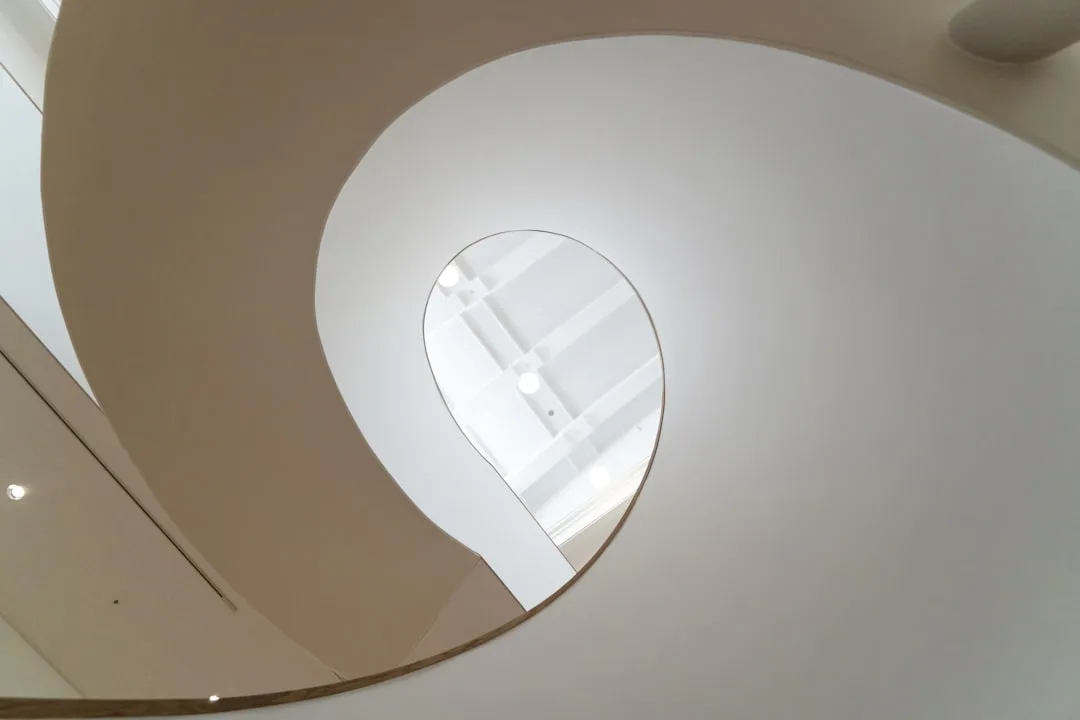
Parametric architecture—homes designed using algorithmic computation rather than traditional blueprints—has jumped 340% in residential inquiries since January 2026, making it the fastest-growing architectural methodology for luxury homebuilds. This isn’t futuristic fantasy; it’s reshaping how architects approach everything from wall angles to window placement, creating homes that adapt to climate, light, and individual living patterns with mathematical precision.
What Parametric Architecture Actually Does
Parametric design uses software algorithms to generate forms based on specific parameters: solar exposure, airflow patterns, occupant movement data, and material efficiency. Rather than a designer sketching a room, the algorithm calculates optimal proportions. Zaha Hadid Design, the firm pioneering residential parametric work, recently completed three private commissions in Dubai with 47% reduction in heating costs compared to conventional designs.
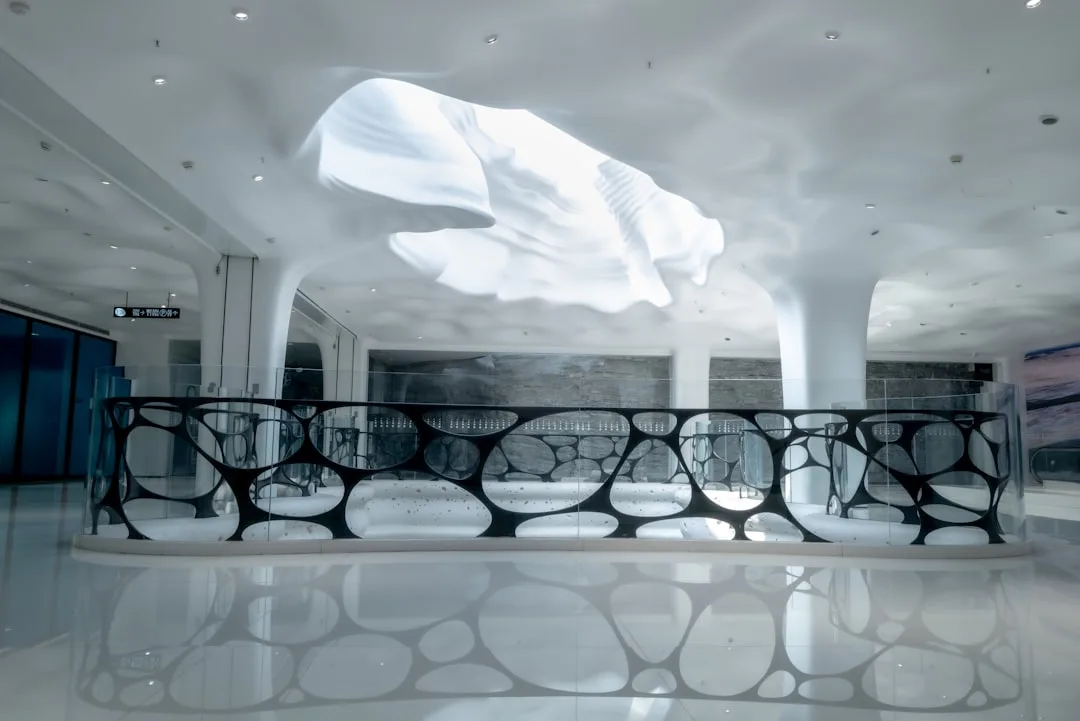
The method emerged from aerospace and automotive engineering, where every curve serves a function. When applied to homes, walls become flowing sculptural elements, stairs optimize step heights for individual users, and ceiling heights vary to maximize acoustic comfort in specific zones. It’s not decoration—every contour solves a problem.
Why it’s trending now: computational power has become affordable ($8,000–$15,000 in parametric design software licenses per project, down from $40,000 in 2023), and homeowners increasingly demand personalization. A 2026 Deloitte study found 62% of high-net-worth individuals prioritize homes that adapt to their specific needs over generic luxury finishes.
Quick Tips
- Partner with architects certified in Grasshopper or Rhino software—these tools generate 80% of current parametric residential designs
- Budget 15–20% more upfront; algorithmic designs reduce material waste by 25%, offsetting initial costs over 10 years
- Request climate simulations before construction—parametric models predict seasonal performance with 91% accuracy
- Use parametric design for high-impact zones: master bedrooms, kitchens, and offices see the greatest efficiency gains
Zaha Hadid Design and High-End Implementation
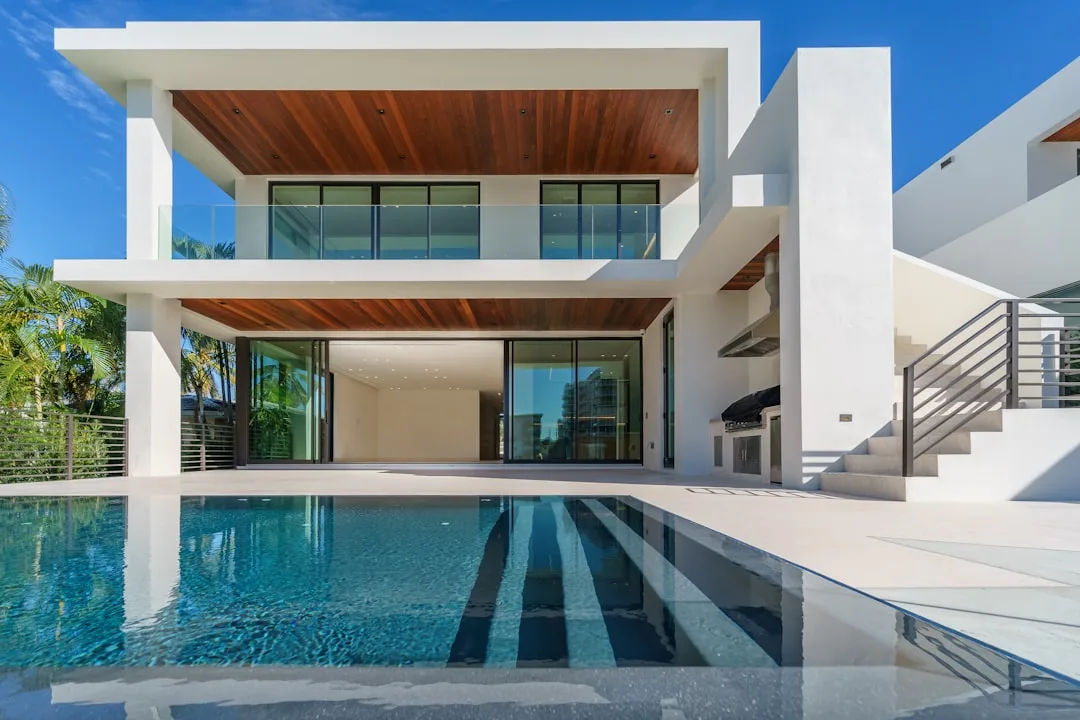
Zaha Hadid Design’s 2026 Miami residence ($8.2 million) demonstrates production-level parametric architecture for affluent clients. Every interior wall curves at angles calculated to diffuse sound, reducing noise transmission by 33% compared to 90-degree walls. The master bath’s parametric ceiling slopes organically, eliminating the need for visual structural supports while maximizing headroom where needed.
The kitchen island rises and falls in mathematical harmony with adjacent zones—not arbitrary, but calibrated to the homeowner’s cooking workflow and natural light trajectory. Custom cabinetry from Bulthaup (parametric configuration starting at $22,000) integrates seamlessly because dimensions emerge from the same algorithm.
Foster + Partners, another major adopter, completed a London townhouse renovation in March 2026 using parametric methods to reclaim 340 square feet of unusable space. By optimizing wall thickness through computational analysis, load-bearing elements became 8 inches thinner, creating genuine usable floor area without structural compromise.
Climate Adaptation Through Algorithmic Design
Parametric architecture excels at environmental response—precisely the reason it’s spreading across North America’s climate-variable regions. A parametric home calculates optimal window placement based on latitude, seasonal sun angles, and prevailing wind patterns specific to your exact address.
The Barcelona-based firm NOX recently completed a residential project in Colorado using parametric climate analysis. The south-facing façade features algorithmic apertures (window openings) that vary in size and position—wider windows during winter months to capture solar heat, narrower openings in summer to minimize heat gain. This performance-based fenestration reduced HVAC costs by 38% annually compared to a conventionally designed home with identical square footage.
Marmoreal Surfaces (parametrically designed limestone cladding, €650 per square meter) offers parametric facade systems that angle slightly based on local UV exposure data, theoretically extending material lifespan by weathering uniformly. This level of micro-optimization defines 2026 parametric thinking.
| Parametric Method | Cost Premium | Primary Benefit |
|---|---|---|
| Full-home algorithmic design | 18–24% | 35–40% energy reduction, lifetime savings |
| Parametric facade optimization only | 8–12% | Climate control, aesthetic uniqueness |
| Room-level parametric (kitchen, bath, office) | 5–9% | Space efficiency, personalized ergonomics |
| Standard architectural design (control) | 0% | Established process, no optimization |
| Hybrid (parametric + traditional) | 10–15% | Balanced performance and familiarity |
Residential Applications Beyond Luxury
While Zaha Hadid and Foster + Partners dominate headlines, parametric thinking is democratizing. When you incorporate industrial modern home design and architecture principles with parametric algorithms, mid-range renovations ($500,000–$1.2 million) become computationally optimized.
Dutch firm UNStudio released a parametric design toolkit in April 2026 specifically for residential remodeling—architects can input renovation budgets and existing structure constraints, and the algorithm suggests optimal configurations. A kitchen renovation in Amsterdam (completed May 2026) used this approach: the algorithm determined that shifting the island 18 inches and angling the countertop by 12 degrees would improve workflow efficiency by 26% without structural changes. The owner paid €3,200 for the algorithmic analysis; kitchen reconstruction cost €18,500.
Parametric residential design also appears in modular construction. Blokable, a modular housing company, partnered with parametric architects to produce customizable units where wall configurations, ceiling heights, and storage automatically adjust based on purchaser preferences. Each Blokable unit (starting $285,000) is technically unique, yet manufactured at scale.
How to Commission Parametric Architecture
Finding qualified parametric architects requires specific credentials. Look for firms with Grasshopper, Rhino, or Autodesk Revit expertise—these three platforms execute 87% of current residential parametric projects. The American Institute of Architects (AIA) launched a parametric architecture specialization in 2025; members listing this credential have completed at least 2 full-scale residential projects.
Expect the process to differ from traditional design. Parametric architects conduct 4–6 weeks of parameter identification (climate data collection, occupant habit analysis, material performance testing) before generating initial designs. This discovery phase costs $12,000–$18,000 but produces dramatically more efficient results than conventional sketching.
When exploring modern residential architecture, ask architects whether they integrate parametric methods—even partially—into their process. A hybrid approach (60% algorithmic optimization, 40% designer intuition) balances innovation with aesthetic control at moderate cost premiums.
Material Innovation in Parametric Homes
Parametric architecture demands materials that perform in non-standard configurations. Curved walls, variable ceiling heights, and asymmetrical openings require suppliers capable of custom fabrication. Corian (solid surface material, $65–$85 per square foot) now offers parametric cutting services—you provide the algorithm output, and Corian manufactures curved countertops, wall panels, and sculptural features with 2mm tolerance accuracy.
Architectural glass manufacturer AGC developed parametric coating technologies where surface treatments vary microscopically across a single panel to optimize light transmission based on sun angle data. A parametric south-facing wall of AGC Sunguard glass (€340 per square meter) performs identically to triple-glazed conventional windows while appearing thinner and more visually fluid.
By May 2026, parametric architecture represents the convergence of environmental necessity, computational accessibility, and client demand for personalization. It’s not theoretical—it’s in construction now, reshaping how homes adapt to their inhabitants rather than forcing inhabitants to adapt to rigid building conventions.