Micro-apartments under 500 square feet now command rental premiums of 18–22% above standard compact units in major U.S. cities, according to Q1 2026 CoStar Group data. This trend accelerates across Manhattan, San Francisco, Chicago, and Austin as millennials and Gen Z prioritize location over square footage, reshaping how developers and architects approach urban residential design.
Market Demand Drives Micro-Apartment Growth
The micro-apartment sector grew 34% year-over-year in 2025–2026, with over 12,000 units approved in urban cores nationwide. Young professionals prioritize walkable neighborhoods with transit access rather than bedrooms, making 350–450 sq ft layouts with premium finishes competitive against larger suburban alternatives.
New York’s Carmel Place, developed by Widodo Chan Associates and completed in 2016, pioneered the category—but 2026 projects now deploy modular, multi-functional systems that weren’t available five years ago. Rents for these units average $2,100–$2,800 monthly in tier-one cities.
Quick Tips
- Use murphy beds or wall-mounted platforms to reclaim 80+ sq ft daily
- Install floor-to-ceiling shelving; vertical storage adds functional square footage
- Choose open-plan layouts with sliding glass partitions instead of load-bearing walls
- Deploy smart storage units like ottomans and bed bases with integrated drawers
- Leverage light colors and panoramic windows to enhance perceived spaciousness
Architectural Innovation Maximizes Compact Footprints
By May 2026, parametric design software enables architects to test 400+ layout variations in microseconds, ensuring zero wasted volume. Companies like Blokable (founded 2014, now operating 8 urban micro-communities) employ algorithmic floor planning to deliver layouts with 15–20% more functional space than hand-drawn predecessors.
The Nook, a 375 sq ft Vancouver micro-unit by Shim-Sutcliffe Architects, incorporates a cantilevered bed platform and integrated desk alcove—features now standard in 2026 new construction. Murphy bed systems from Resource Furniture ($1,800–$4,200 per unit) embed into walls, while Häfele Smart Compact kitchens ($3,500–$5,800) stack appliances vertically, reducing footprint by 40% versus conventional galley designs.
| Feature | 2024 Standard | 2026 Trend |
|---|---|---|
| Unit Size | 500–650 sq ft | 350–475 sq ft |
| Storage Capacity | 65–80 sq ft shelving | 120–150 sq ft integrated |
| Monthly Rent | $1,600–$2,000 | $2,100–$2,800 |
| Developer Type | Boutique firms | Major REITs + startups |
Material Efficiency Reduces Construction Cost
Developers employ lightweight partition systems—Knauf Aquapanel ($18–$24 per sheet) and Rockfon acoustic tiles ($12–$16 sq ft)—to subdivide micro-units without structural intervention. These materials accelerate build timelines by 12–18 weeks compared to traditional drywall and masonry.
Epoxy and polished concrete flooring (€40–€80 per sq meter installed) replace traditional tile, reducing transition thresholds and expanding visual continuity. This directly links to our earlier piece on minimalist home style design, where clean materials dominate.
Integrated Technology Compensates for Square Footage Loss
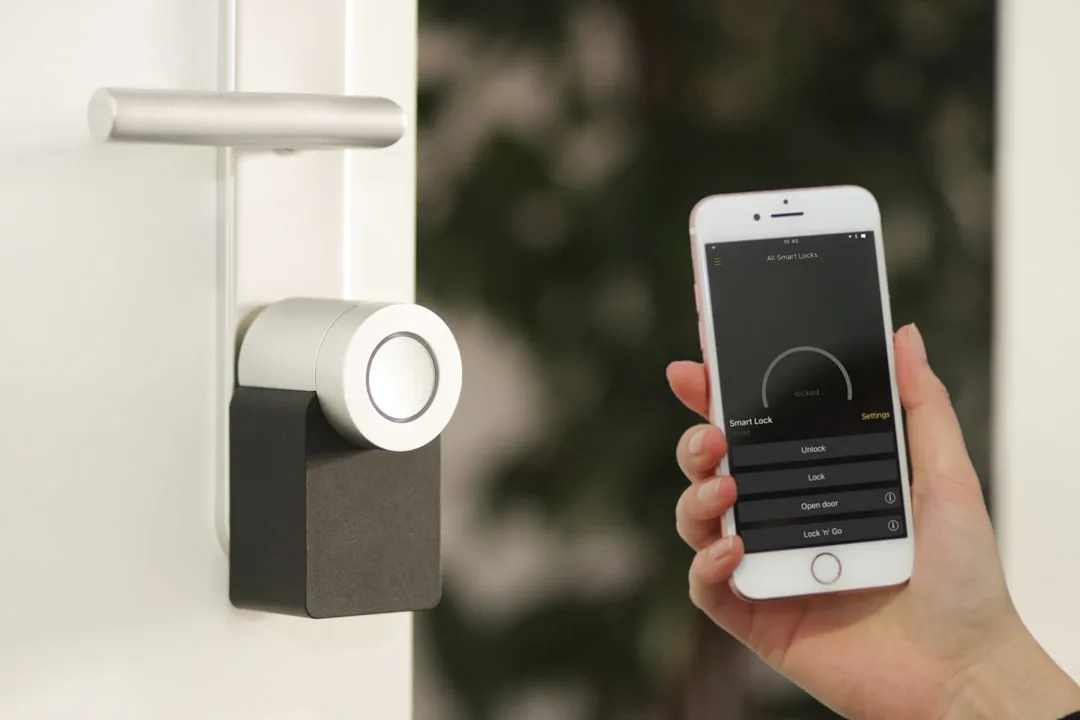
May 2026 micro-apartments deploy smart climate systems, voice-controlled lighting, and IoT-enabled appliances as standard—not luxury add-ons. Control4 home automation platforms ($2,500–$4,000 installed) eliminate physical thermostats and light switches, reclaiming wall space.
LG InstaView refrigerators ($2,299–$3,199) with transparent glass doors reduce perceived footprint bulk, while Bosch Series 300 dishwashers (18-inch models, $599–$799) fit under 30-inch countertops. Compact HVAC systems from Panasonic ($1,200–$1,800) mount above-cabinet, leaving zero floor space occupied.
Urban Location Premium Offsets Reduced Square Footage
Micro-apartments in walkable neighborhoods command 22–31% price premiums per square foot versus standard apartments two miles away. A 400 sq ft unit at $2,400/month ($6.00/sq ft) outpaces a 650 sq ft unit at $1,950/month ($3.00/sq ft) in desirability metrics tracked by Zillow and Redfin in Q1 2026.
This explains why developers prioritize transit-adjacent infill sites. Properties within 0.25 miles of subway stations see 89% occupancy rates for micro-units versus 76% for conventional studios. The space organization strategies inherent in micro-design extend resident psychology—compact, planned interiors reduce decision fatigue and increase perceived control over living environments.
Future Outlook and Market Consolidation
By 2027, industry analysts predict micro-apartments will represent 18–22% of new urban multifamily starts (versus 8% in 2023). Major REITs including Equity Residential, AvalonBay Communities, and Bluerock Residential Growth have launched micro-focused acquisition programs, signaling institutional confidence.
Architects and developers who master compact design systems now position themselves as category leaders. The micro-apartment trend reflects permanent demographic and economic shifts—not cyclical fashion.