Multigenerational home design dominates private real estate in 2026, with 32% of U.S. homeowners now prioritizing layouts that accommodate aging parents, adult children, and grandchildren under one roof. This shift reflects affordability pressures, aging-in-place preferences, and pandemic-era remote work—forcing architects and builders to rethink how families live together without sacrificing privacy or autonomy.
Market drivers reshaping residential layouts
Housing costs have pushed multigenerational living from niche to mainstream. A single-family home addition costs $150,000–$300,000 (accessory dwelling unit), yet saves families $500,000+ versus purchasing separate properties in competitive markets. Builders like Lennar and Toll Brothers now offer “flex suites” standard in 40% of new construction models.
Aging-in-place mandates are equally critical. Rather than assisted living facilities ($6,500–$8,500 monthly), families embed in-law suites with private entrances, bathrooms, and kitchenettes into primary homes. This reduces caregiver stress and preserves family wealth.
Quick Tips
- Position secondary suites on separate HVAC zones to reduce utility conflicts
- Install pocket doors and soundproofing between shared walls (STC rating 60+)
- Design dual entry points to eliminate hallway traffic through primary living areas
- Allocate 250–400 sq ft minimum for functional in-law units; cramped spaces breed tension
- Use split kitchens: main kitchen in primary zone, kitchenette in secondary suite
Architectural solutions replacing traditional single-family layouts
Accessory dwelling units (ADUs) represent the fastest-growing segment. California legalized ADUs statewide in 2020; by 2026, 15 states have followed, unlocking 2+ million potential properties for conversion. A 400-sq-ft detached ADU from prefab builder Blokable averages $180,000 installed, mortgage-financed separately or rented to offset family costs.
Dual-suite floor plans now dominate high-end residential. Architects at firms like Gensler design homes with two primary bedrooms (each 220+ sq ft with ensuite baths), separated by shared common areas. This eliminates the “in-law” stigma and creates genuine co-living flexibility.
| Layout Type | Avg. Cost | Best For |
|---|---|---|
| Detached ADU | $180k–$250k | Independent aging parents |
| Attached In-Law Suite | $120k–$180k | Close proximity, shared utilities |
| Dual Primary Bedrooms | +$45k–$75k per suite | Equal-status co-living |
| Basement Conversion | $60k–$120k | Rental income, younger adults |
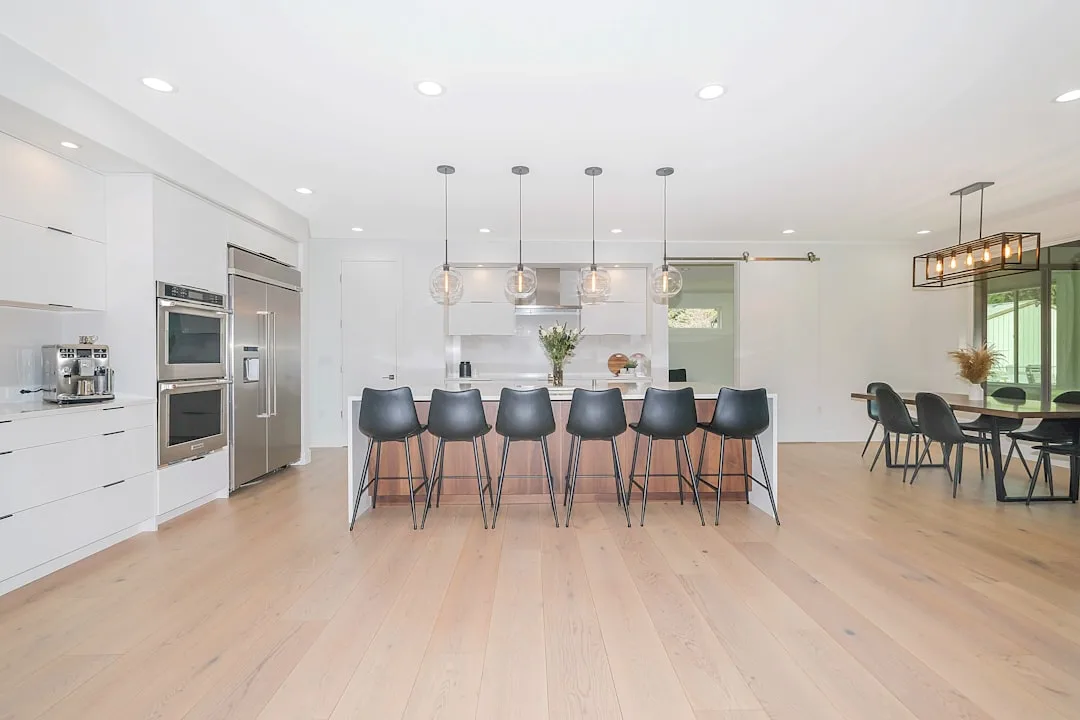
Kitchen and bathroom standards for shared spaces
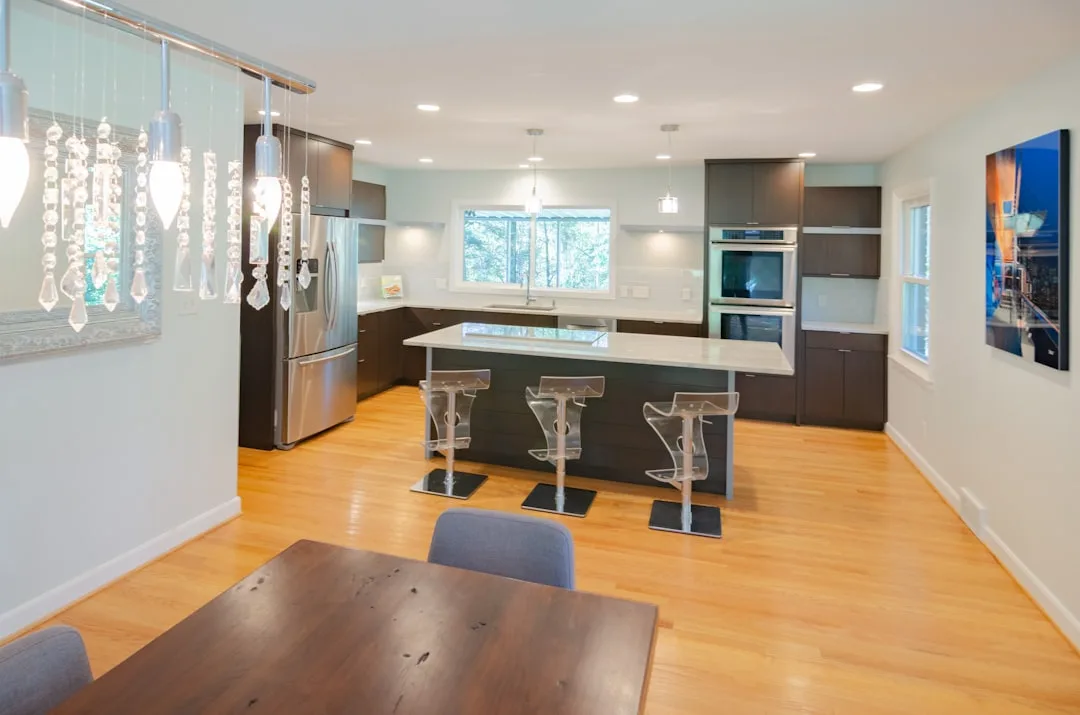
Dual kitchens prevent morning gridlock and dietary friction. The primary kitchen stays chef-grade (Wolf range, Subzero refrigeration, $8,000–$15,000 investment), while secondary kitchenettes include induction cooktops (Miele CS1422, $3,200), undercounter refrigeration (Liebherr UIKo1620, $2,800), and minimal prep space. This compartmentalization works: families report 60% fewer cooking conflicts when separate stations exist.
Bathrooms require strategic multiplication. Current codes demand 1.5 baths per 500 sq ft in secondary suites; new family homes average 3.5–4.5 total baths. Kohler’s Artifacts collection ($800–$1,400 per faucet) and Toto Neorest bidet seats ($3,000–$5,500) reduce morning queues while elevating functional design.
Sound control and privacy barriers
Acoustic separation defines multigenerational success. STC (Sound Transmission Class) ratings of 60+ prevent footsteps, conversation, and TV noise from bleeding between zones. Owens Corning QuietZone batts ($0.80–$1.20 per sq ft) combined with resilient channels cost $2,500–$4,000 for a typical 800-sq-ft secondary suite but eliminate resentment-breeding noise intrusion.
Visual privacy requires pocket doors, frosted glass partitions, and strategic wall placement. An open-plan primary home with a cordoned secondary zone maintains the open design aesthetic while enforcing boundaries. Bifold pocket doors from Hafele ($400–$800 per set) create temporary walls without permanent installation friction.
Zoning compliance and ROI strategies
Legal ADU compliance varies drastically. Texas allows backyard units without city approval; Oregon requires conditional-use permits. Consulting local zoning before design costs $1,500–$3,000 but prevents $50,000+ demolition orders. Services like Zoning Desk offer digital zoning maps ($400 per property) to fast-track permitting.
Financial modeling shows ROI within 8–12 years. A secondary suite generating $1,500/month rental income ($18,000 annually) amortizes $180,000 construction costs in a decade, then becomes pure cash flow. Alternatively, gifting the suite to adult children eliminates their rent entirely, freeing $18,000+ annually for family investment or space organization improvements within the main home.
By 2026, multigenerational design isn’t a trend—it’s a structural response to affordability and aging demographics reshaping how families allocate square footage, capital, and daily proximity.