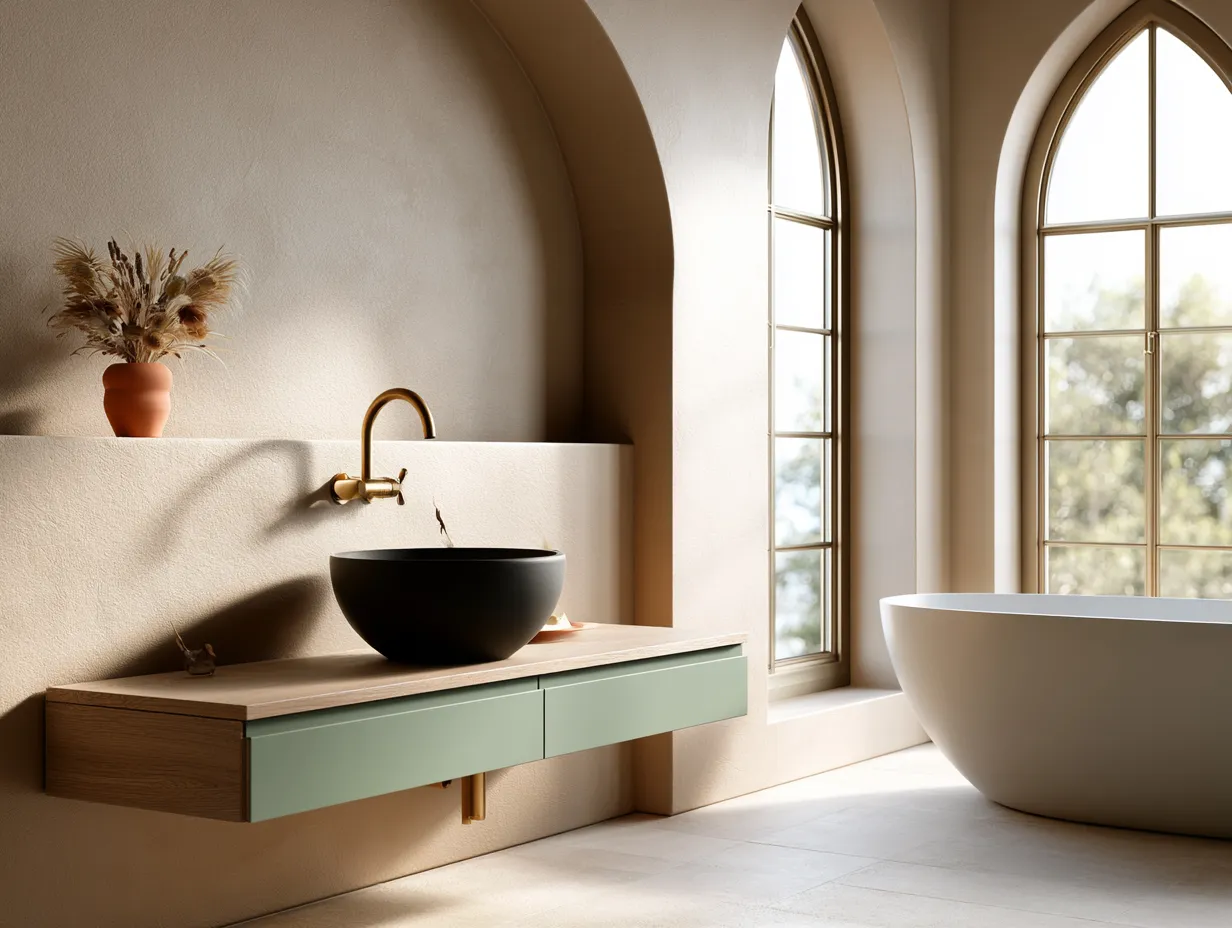
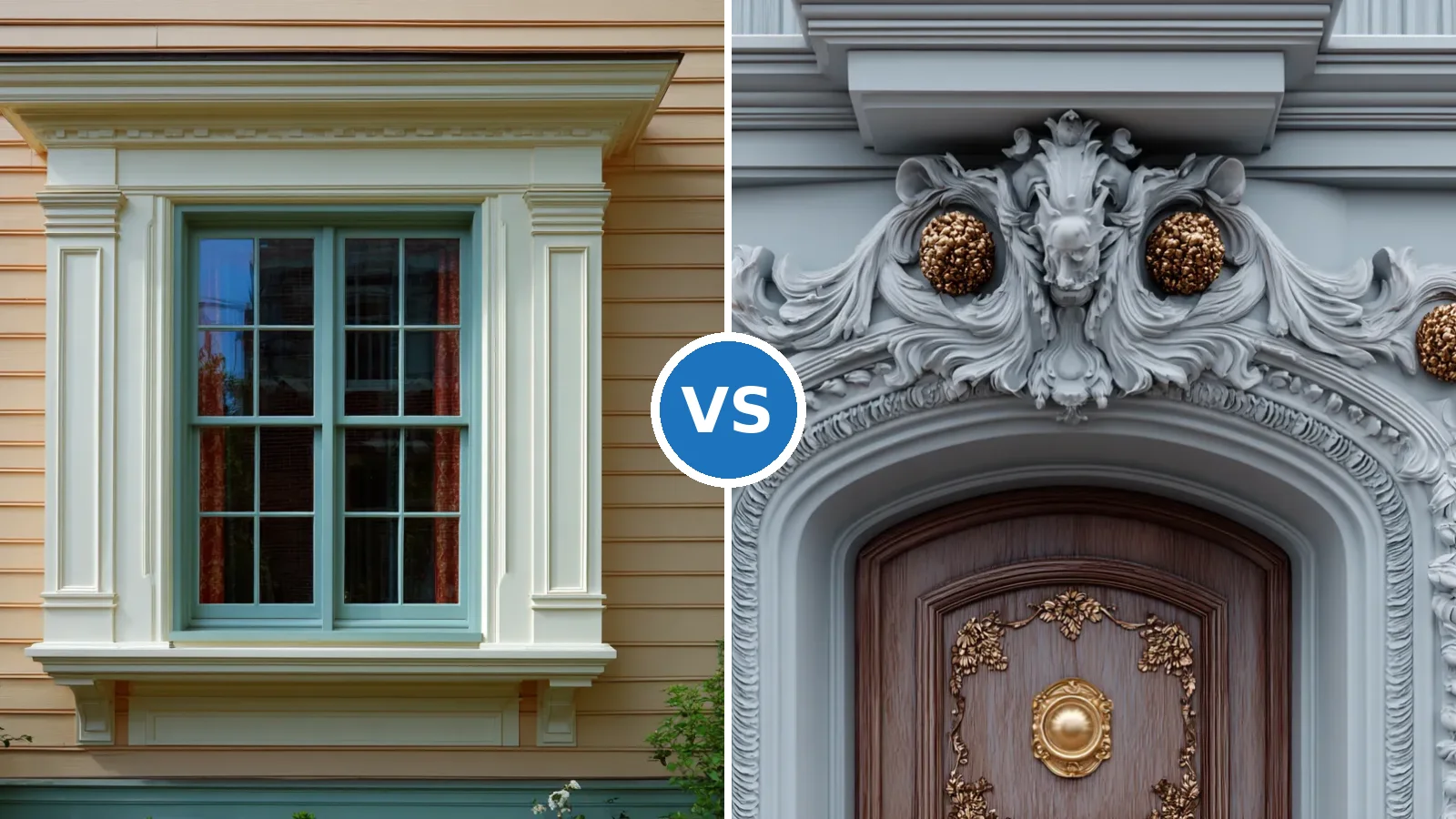
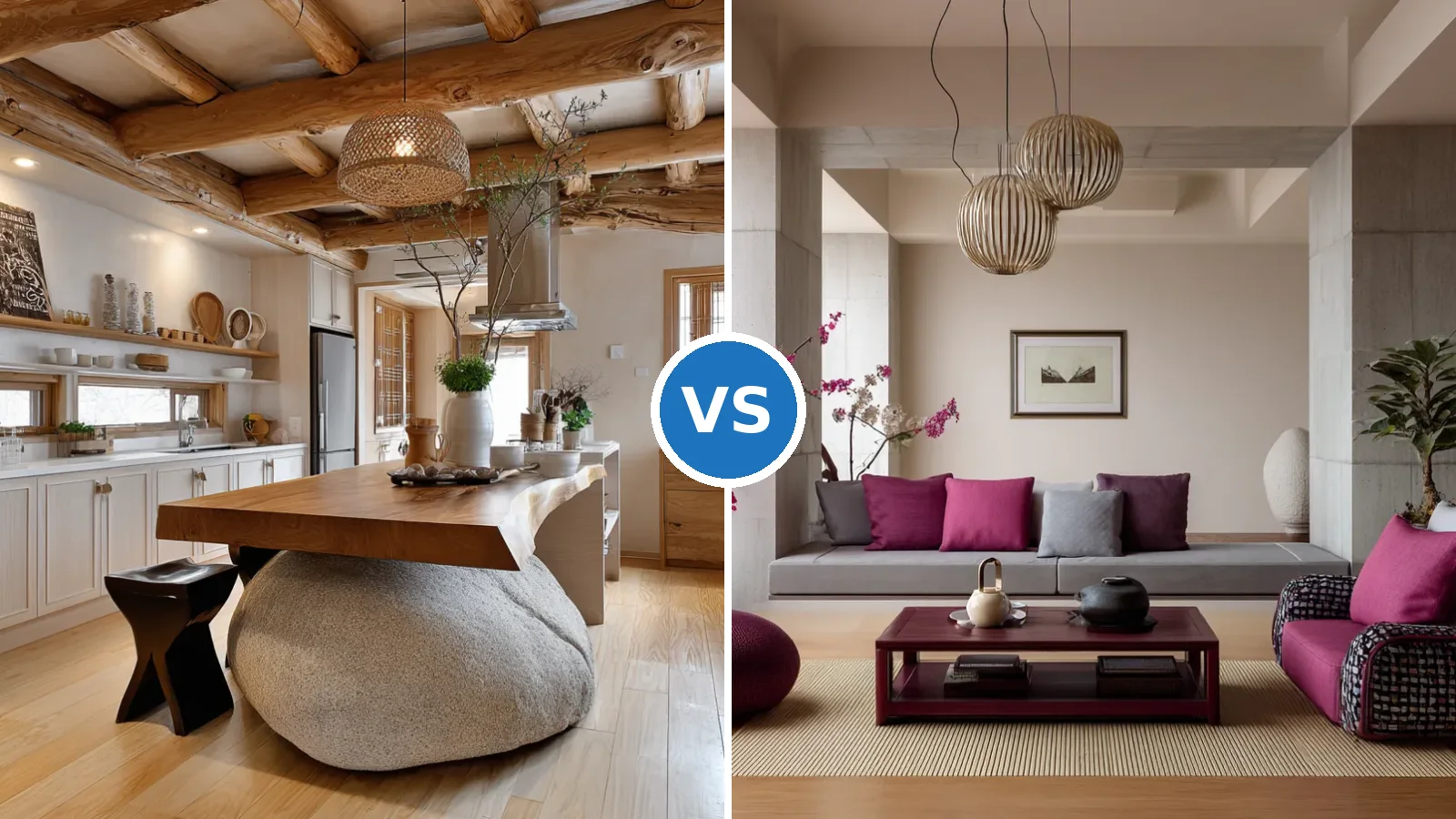
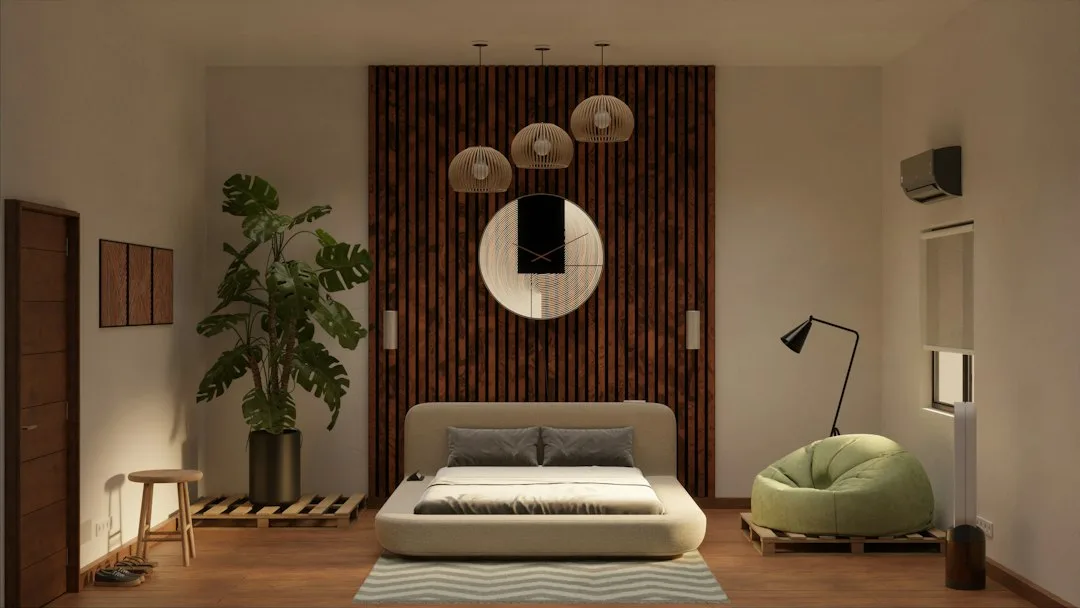
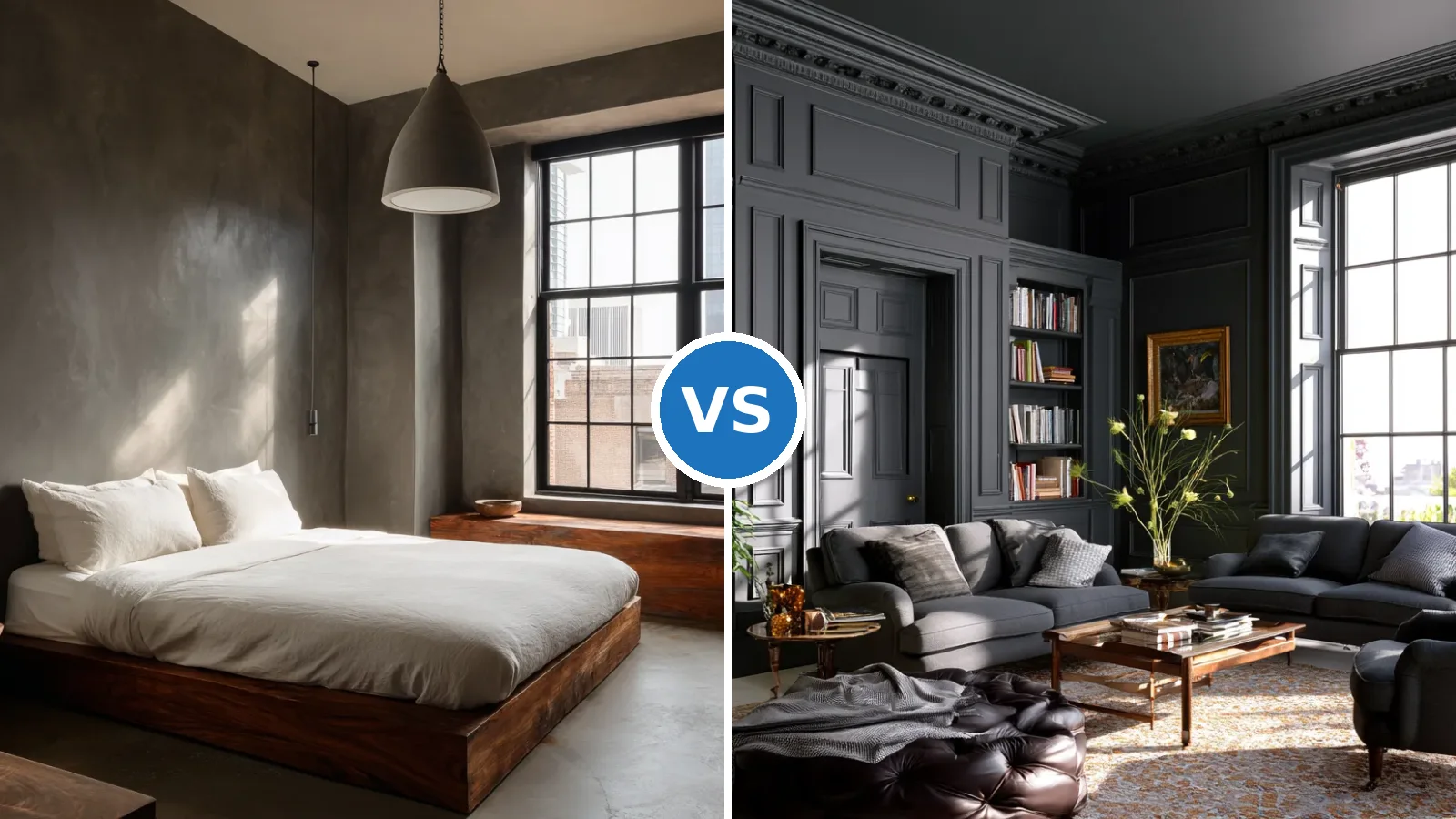
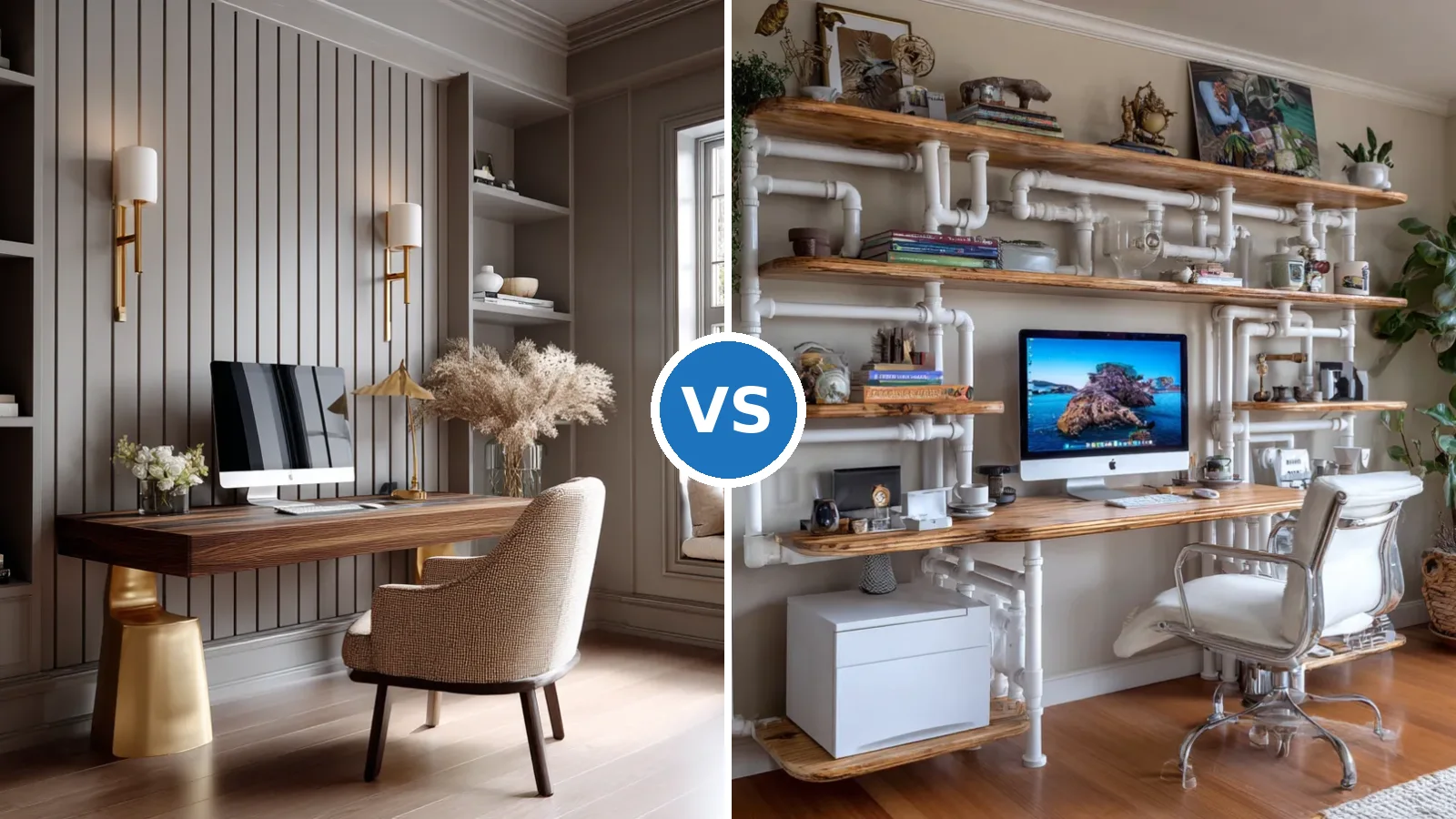
The resurgence of warm, nature-inspired palettes has brought rich, grounded colors back to the forefront of interior design. However, reintroducing these specific shades often brings a wave of hesitation, as many homeowners immediately recall the heavy, overly thematic decor trends of the late nineties and early two thousands. The key to successfully utilizing these vibrant, grounded hues lies entirely in the execution, the surrounding materials, and the finishes selected. By shifting the focus toward clean lines, high-contrast pairings, and minimalist sensibilities, you can harness the inherent warmth of these colors while keeping your space feeling incredibly fresh, current, and sophisticated.
Modernizing Terracotta Tones In Living Spaces
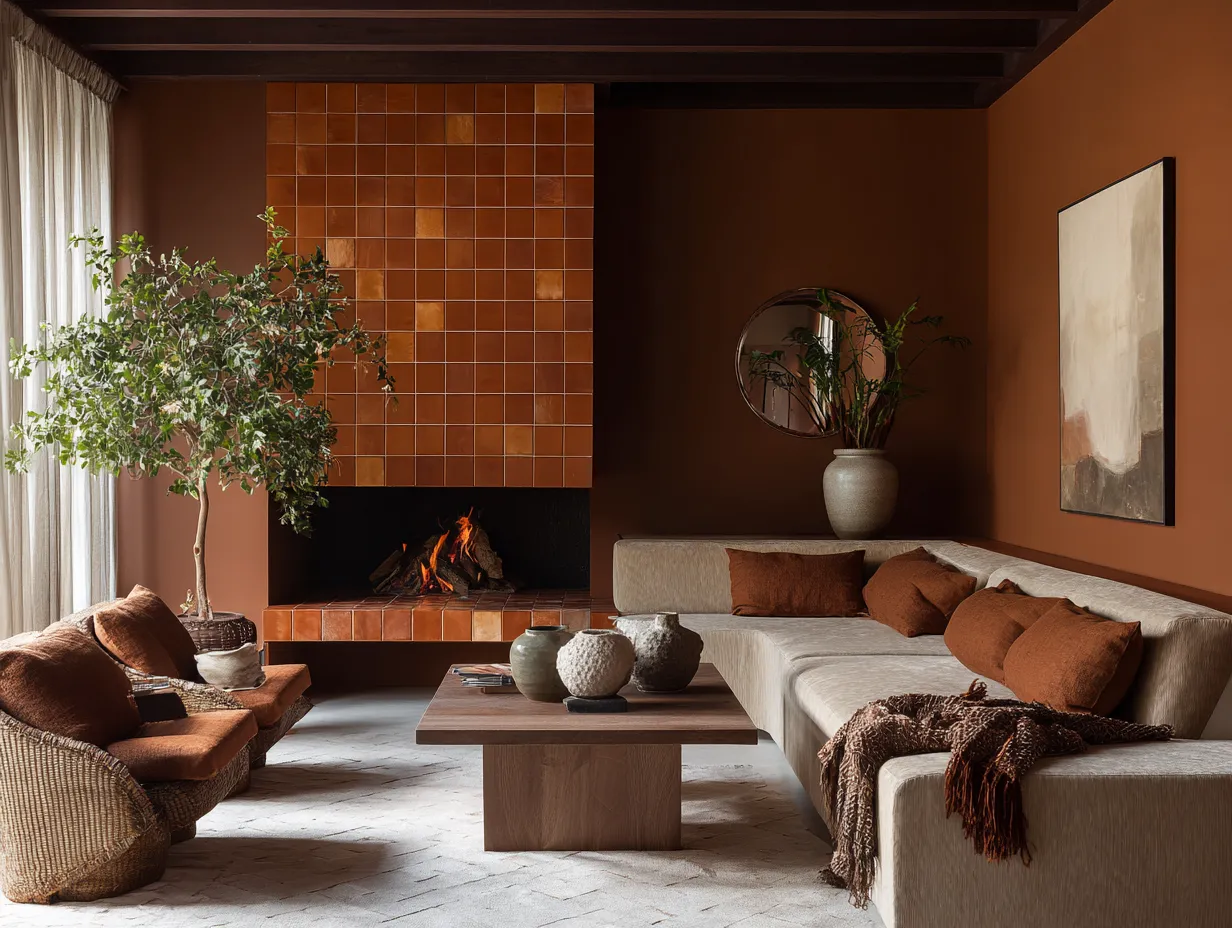
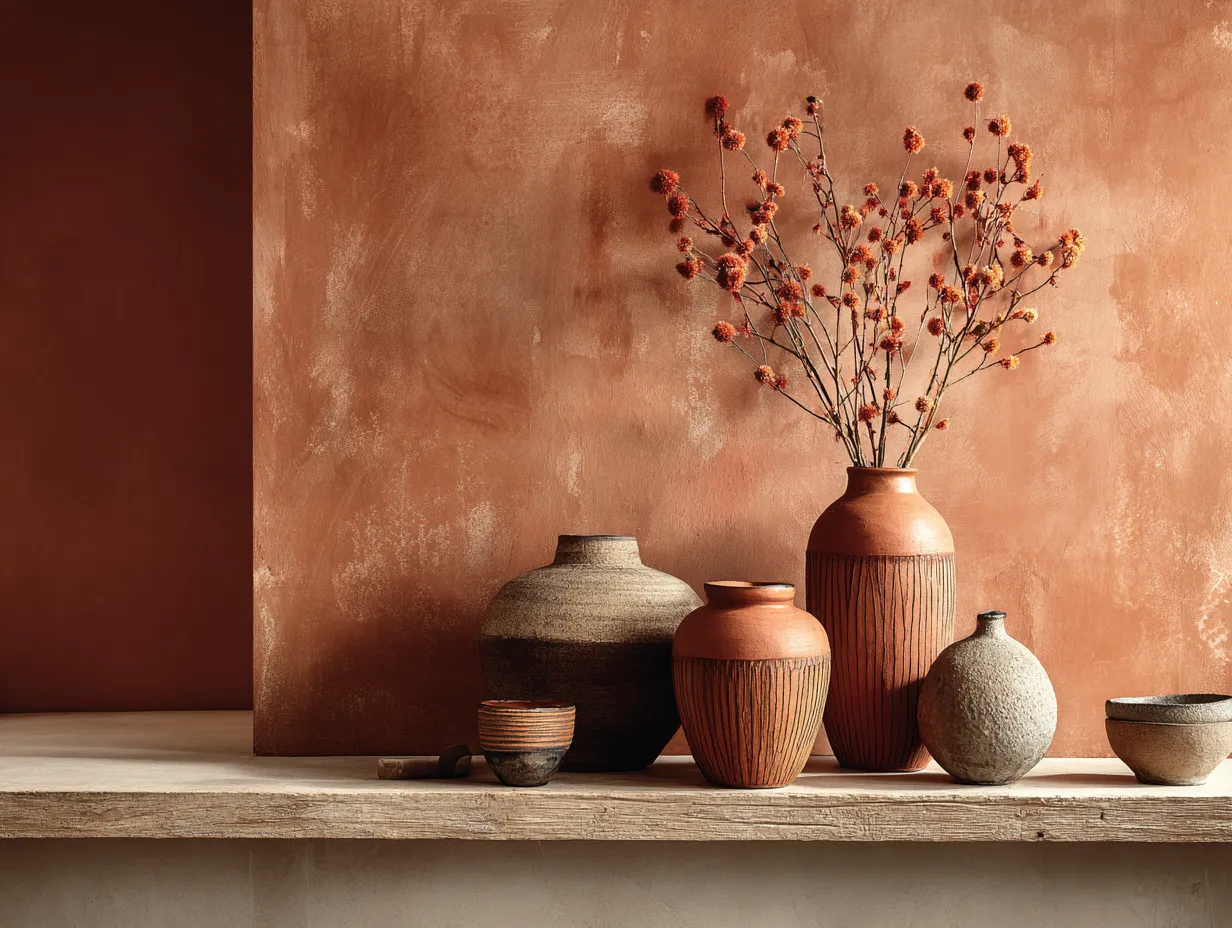
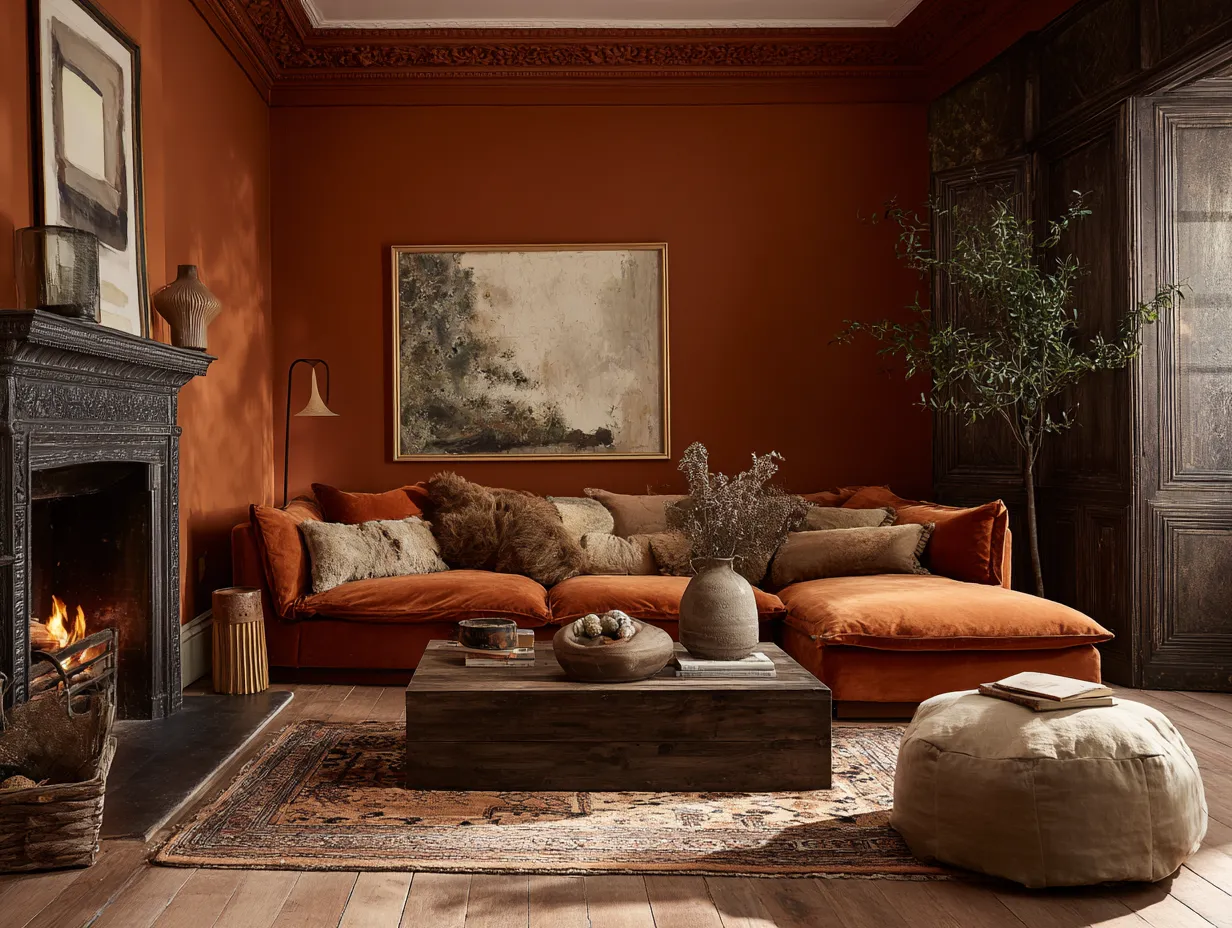
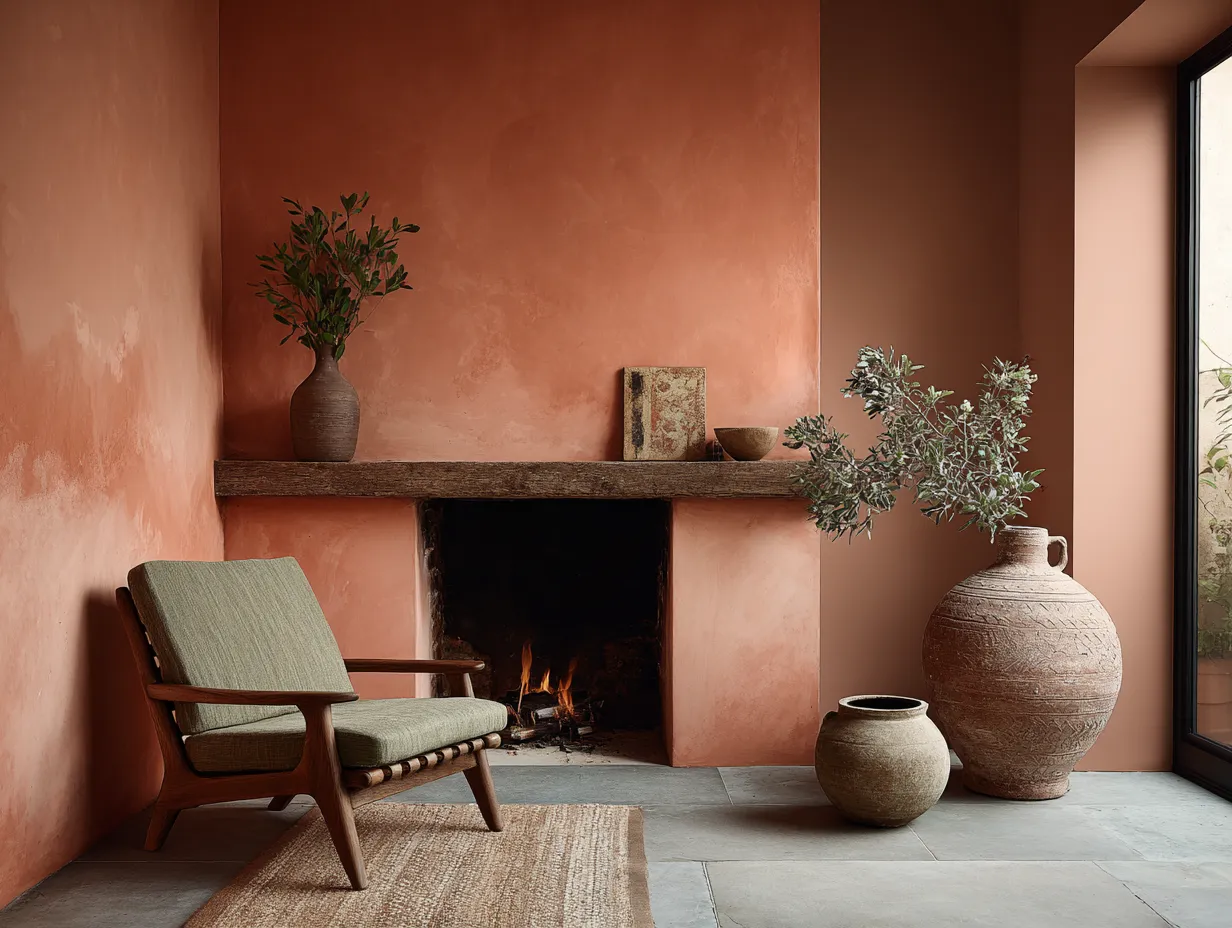
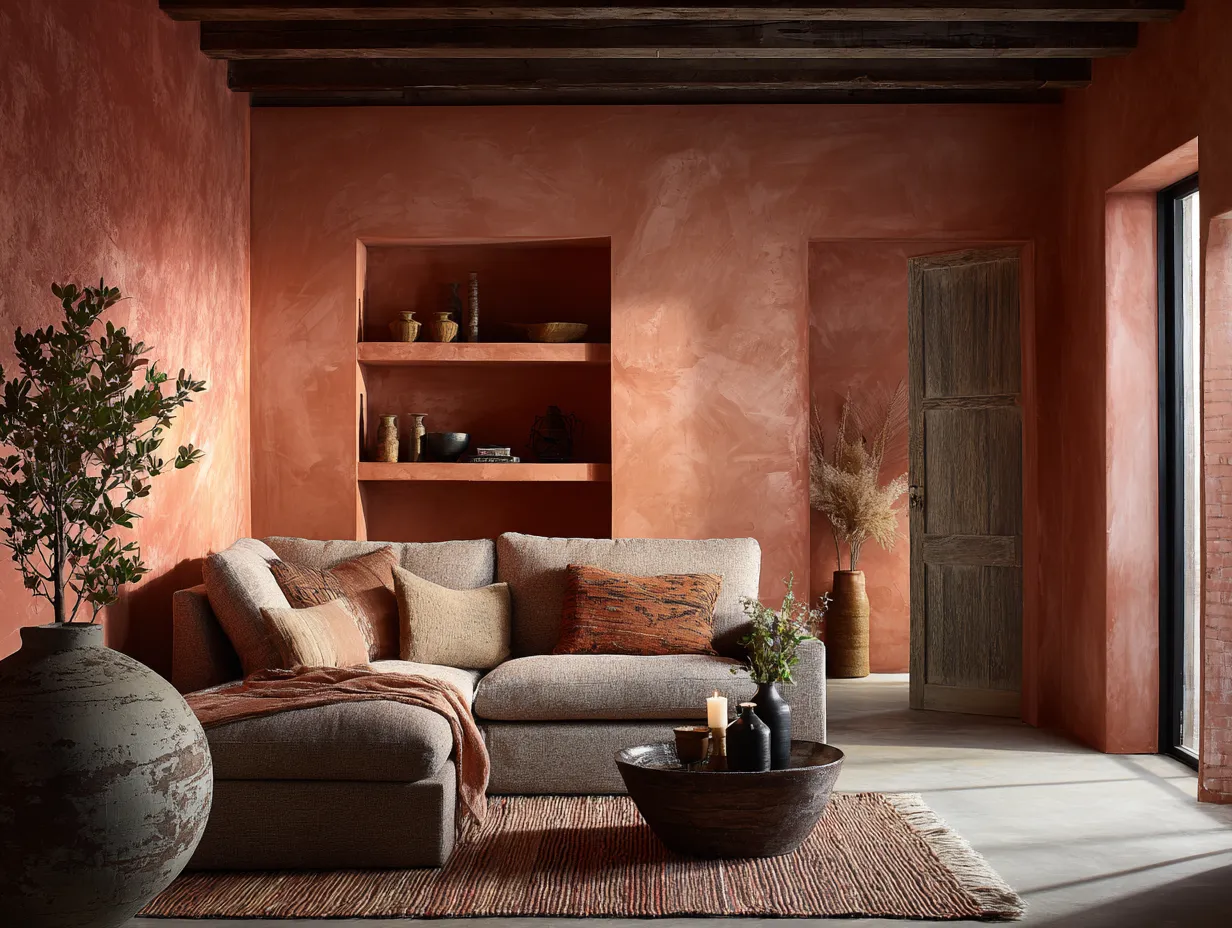
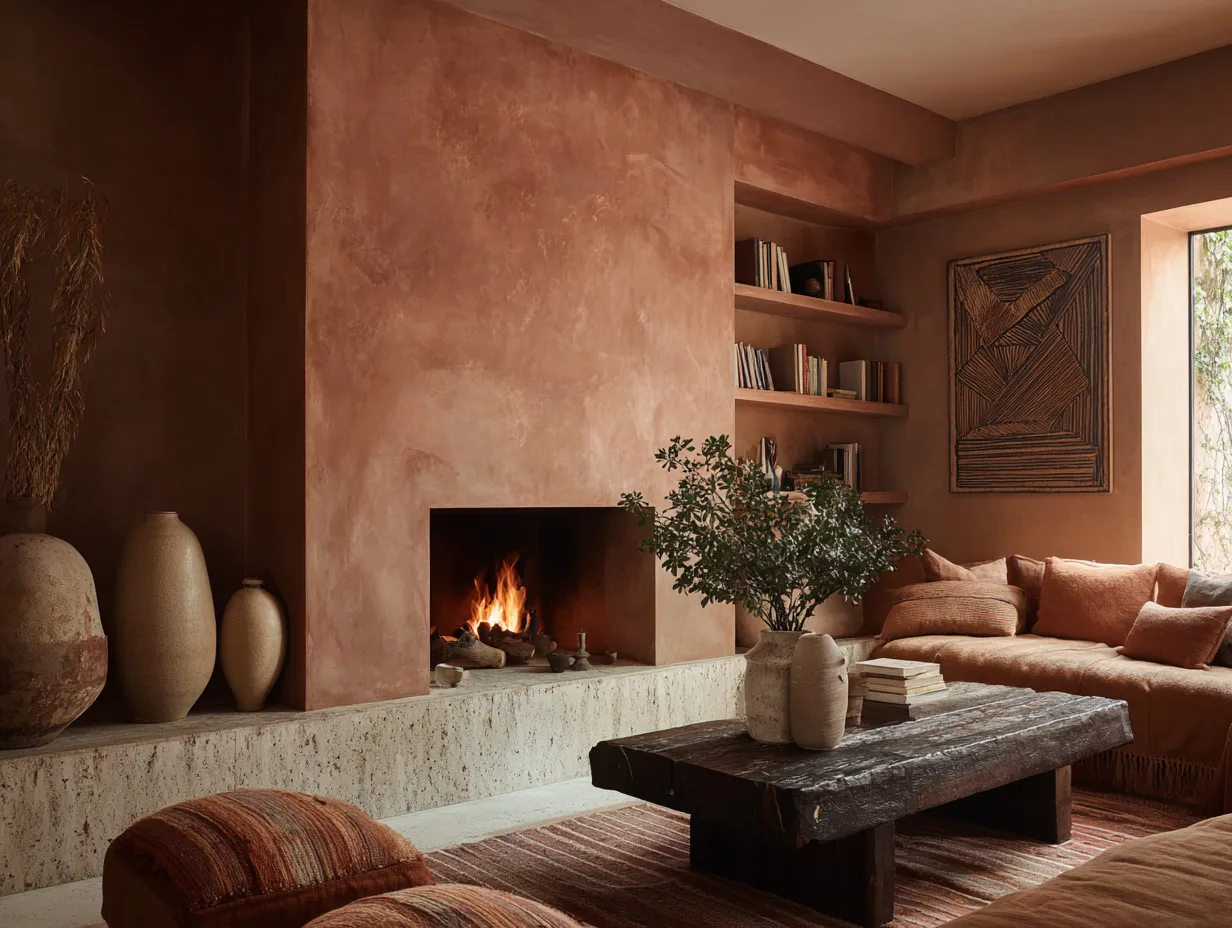
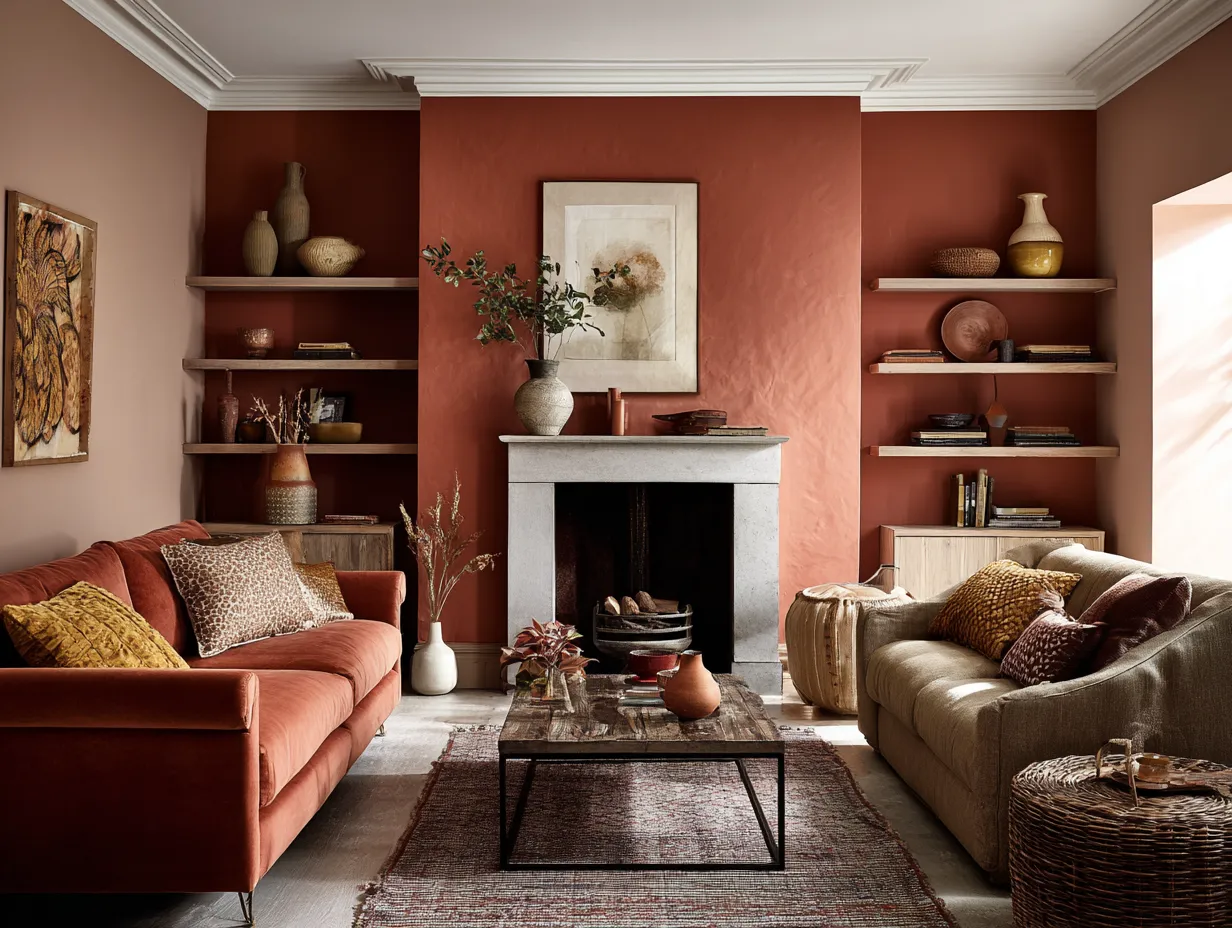
When evaluating the architectural shell of a main gathering area, introducing bold color requires a deliberate and strategic approach to avoid overwhelming the senses. The primary misstep in older design iterations was the reliance on heavy textures and faux finishes. Techniques like sponge painting or heavy glazing added unnecessary visual clutter, instantly dating a room. Today, modernizing terracotta tones begins with the paint finish itself. Opting for a completely flat, matte finish, or a high-quality Roman clay application, provides the color with a sophisticated, suede-like appearance. This flat application absorbs light beautifully, allowing the richness of the hue to speak for itself without the distraction of artificial shadows or synthetic shines. This foundational choice immediately distances the space from rustic farmhouse clichés and sets a distinctly contemporary stage.
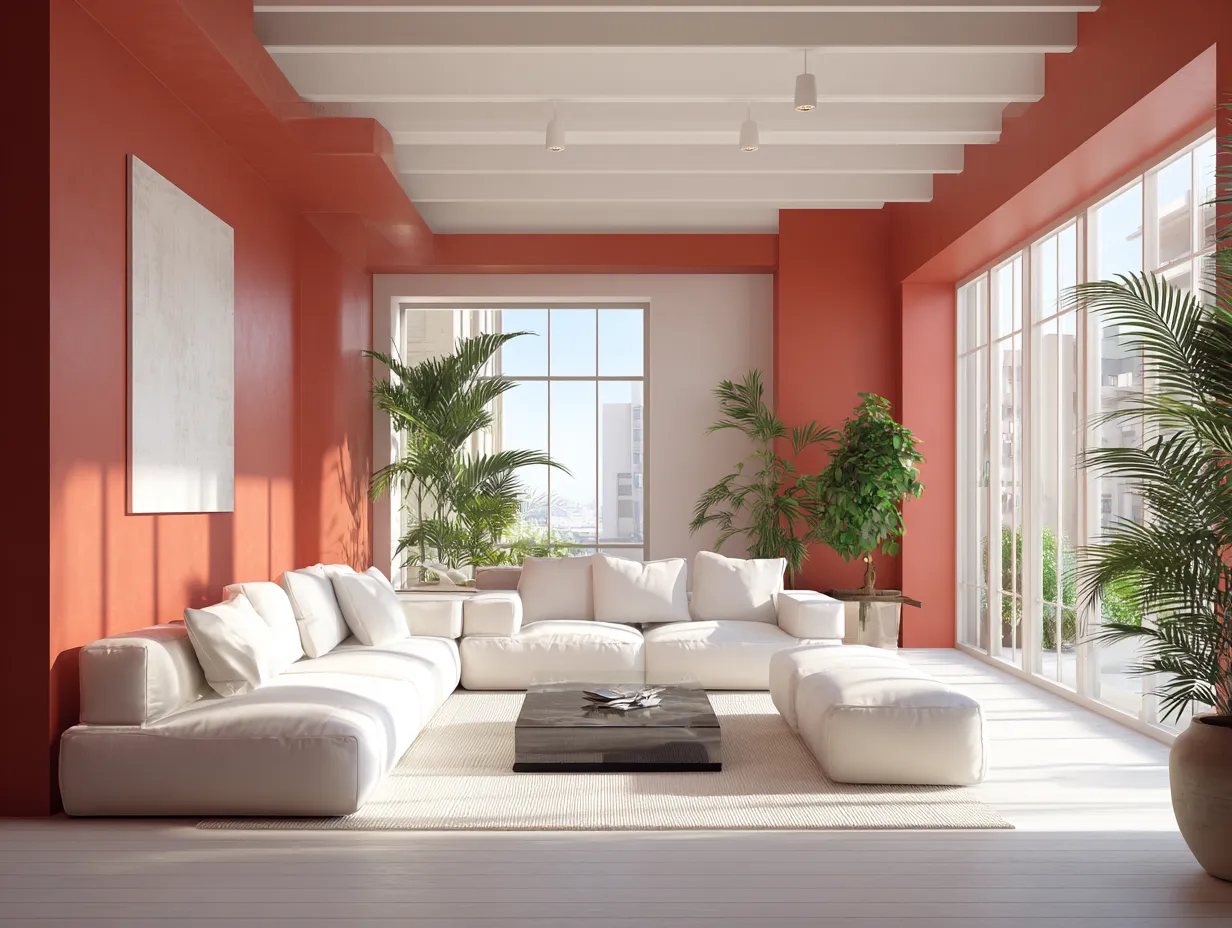
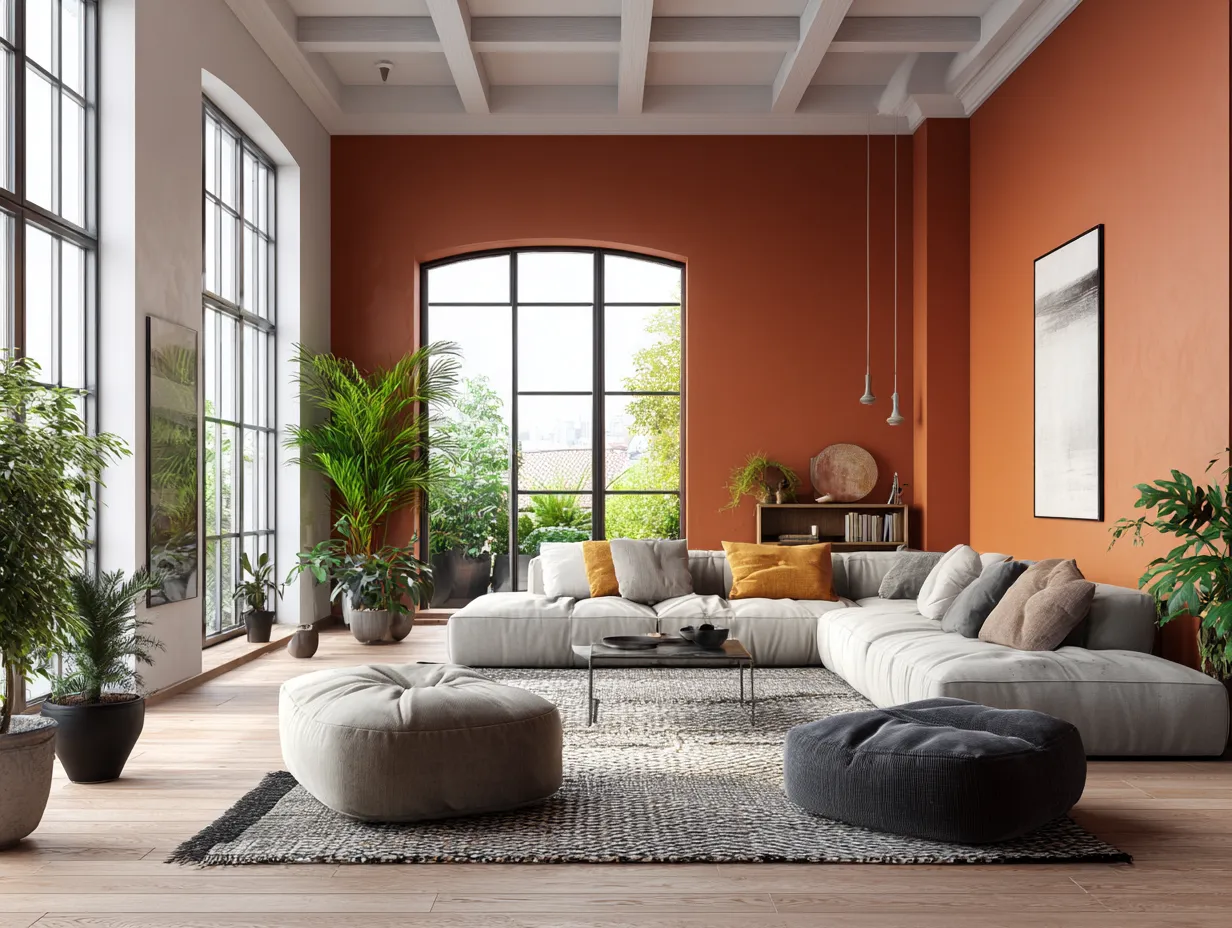
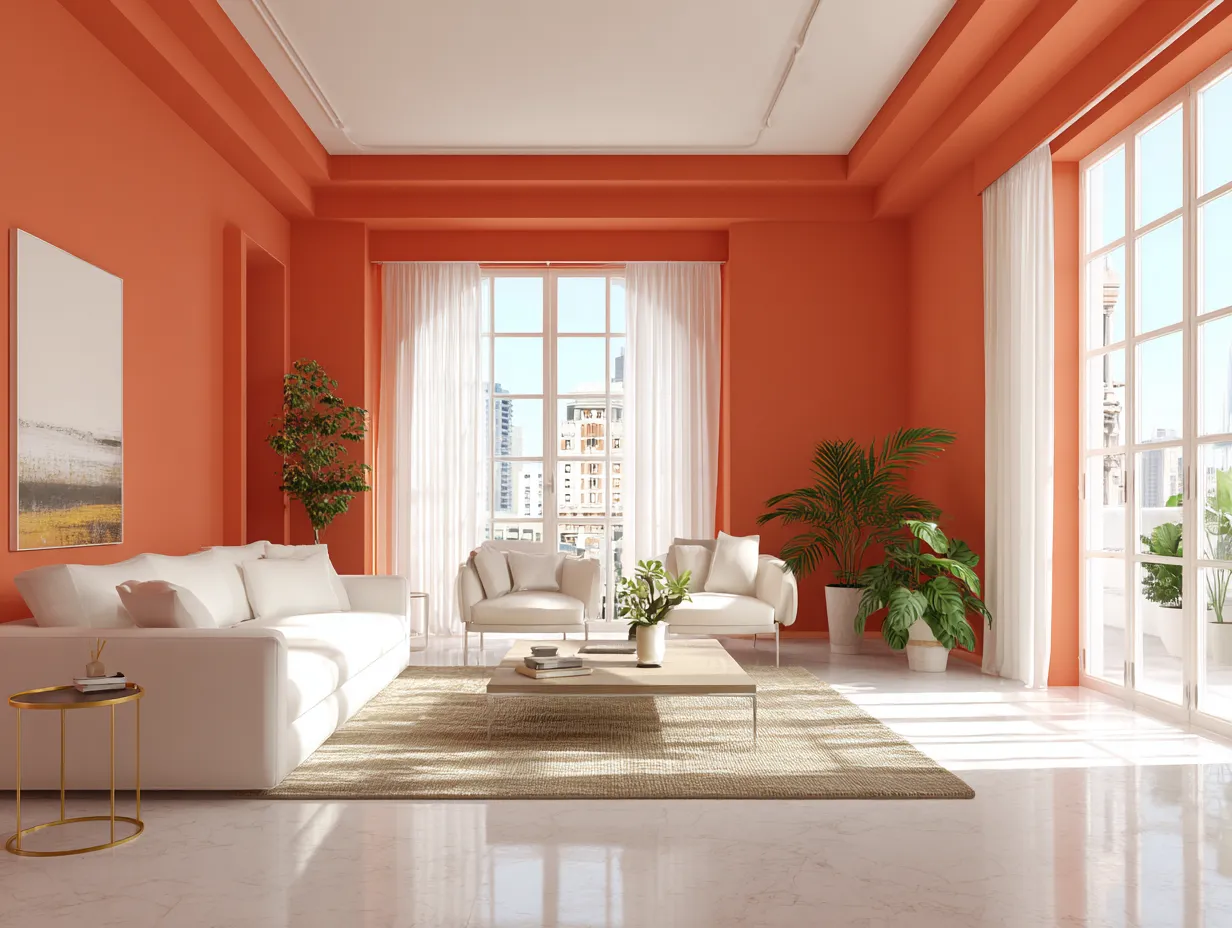
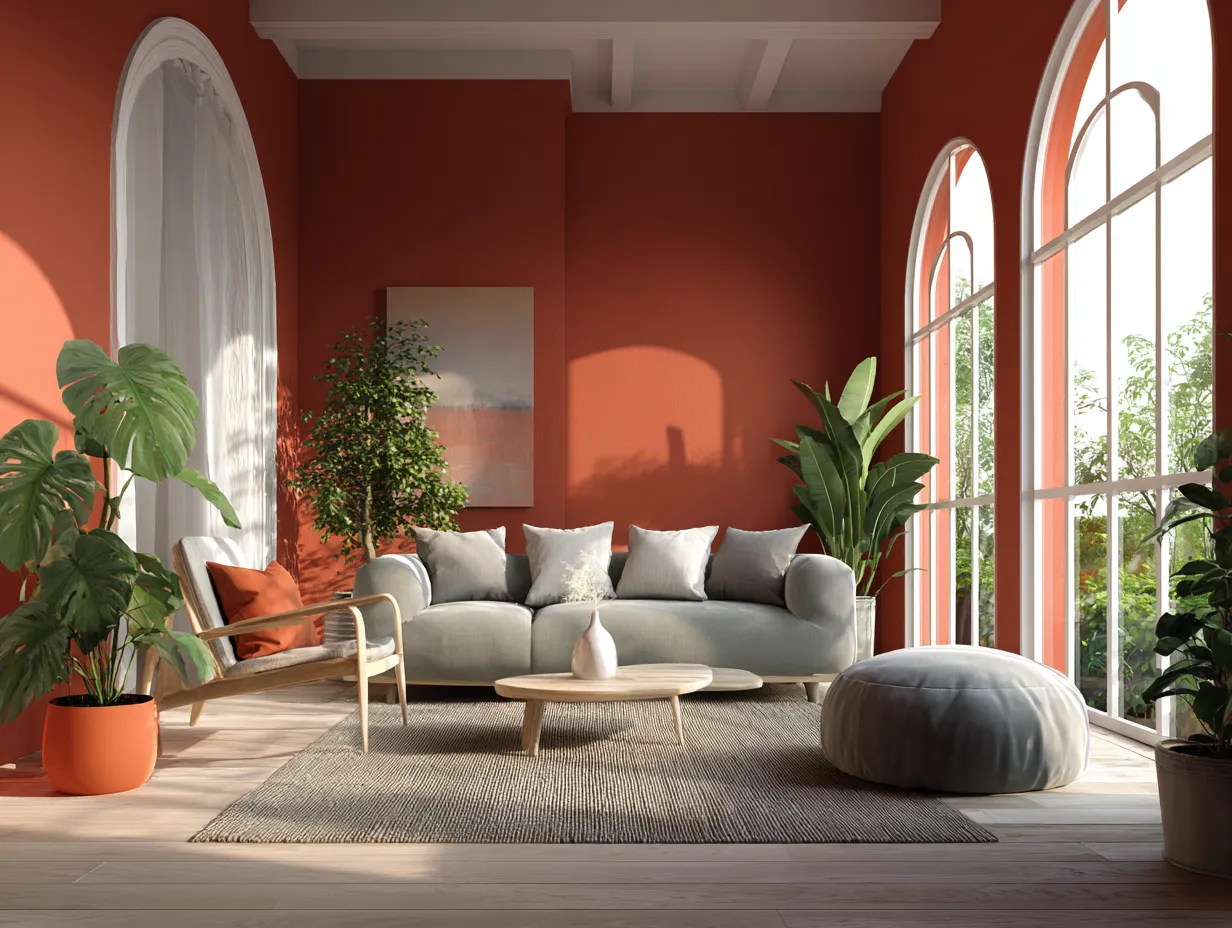
Once the foundational color is applied, the furniture selected to inhabit the space must provide a sharp, deliberate contrast. The historical tendency was to pair warm walls with equally heavy, dark, and ornate wooden furniture, which created a dense and often oppressive atmosphere. To keep the aesthetic current, you must introduce visual tension. Sleek, low-profile furniture with clean geometric lines acts as the perfect counterweight. Imagine a streamlined, stark white bouclé sofa positioned against a warm, matte wall. The sharp contrast between the crisp, textured white and the deep, earthy background creates an immediate sense of modern luxury. Incorporating materials like polished chrome, transparent acrylic, or smooth glass for coffee tables and accent pieces further modernizes the environment by introducing reflective surfaces that bounce light and add a layer of industrial sleekness.
Lighting is another critical component in ensuring these warm shades feel modern rather than dated. Inadequate or overly warm artificial lighting can cause the walls to look muddy or excessively orange. Maximizing natural light is paramount. Unobstructed, large windows that allow crisp daylight to flood the room will highlight the true complexity of the color, revealing its subtle pink or brown undertones. For artificial lighting, moving away from ornate, traditional chandeliers and opting for sleek, architectural fixtures is essential. Matte black linear suspension lights or minimalist brass sconces provide necessary illumination while acting as modern sculptural elements. The temperature of the bulbs should be carefully considered, aiming for a neutral white that illuminates the room accurately without casting an artificial amber glow over the space.
The strategic use of negative space is vital when dealing with strong wall colors. Overcrowding a room with accessories, artwork, and small furnishings will quickly make the space feel chaotic and enclosed. Modern design champions the concept of breathing room. Leaving large sections of the wall completely bare allows the eye to rest and emphasizes the color as an architectural feature rather than just a backdrop for clutter. When artwork is introduced, it should be large-scale and impactful, perhaps featuring a lot of negative white space or abstract geometric shapes that subtly echo the room’s palette without matching it perfectly. This restrained approach to styling ensures that the environment feels curated and intentional.
Finally, integrating natural greenery is an incredibly effective way to breathe life into spaces utilizing terracotta tones. The organic, vibrant green of large indoor plants, such as a towering bird of paradise or a structural rubber tree, provides a complementary contrast that is grounded in nature. This color pairing is inherently pleasing to the human eye, mimicking the natural landscape. The presence of lush foliage softens the clean lines of the modern furniture and adds a layer of dynamic, living texture. By combining flat, sophisticated wall finishes, high-contrast modern furniture, strategic lighting, restrained styling, and vibrant greenery, you create a living space that feels simultaneously incredibly warm and unyieldingly contemporary.
Styling Earthy Clay Colors With Contemporary Decor
For those who prefer to keep their walls a crisp, gallery white, introducing color through textiles and decor offers a highly flexible and low-risk design strategy. This layered approach is particularly effective in personal sanctuaries like bedrooms, where comfort and tactile experiences are paramount. Utilizing earthy clay colors through bedding, rugs, and drapery allows you to control the exact saturation and distribution of the hue. The secret to making this strategy look intentional and modern lies in the quality of the materials and the strict adherence to a contemporary design vocabulary. Moving away from matching sets and heavily patterned traditional fabrics is the first step toward achieving a current, sophisticated aesthetic.
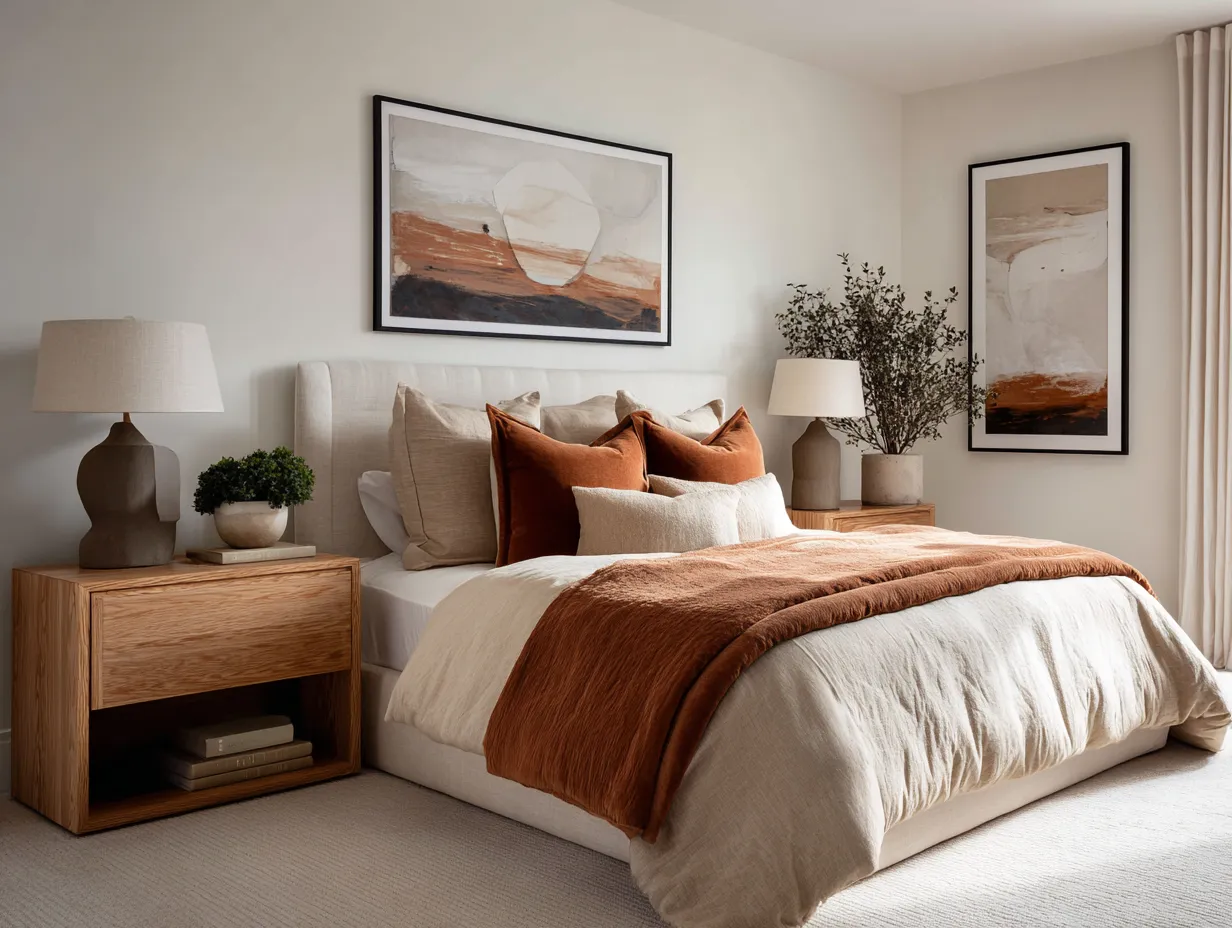
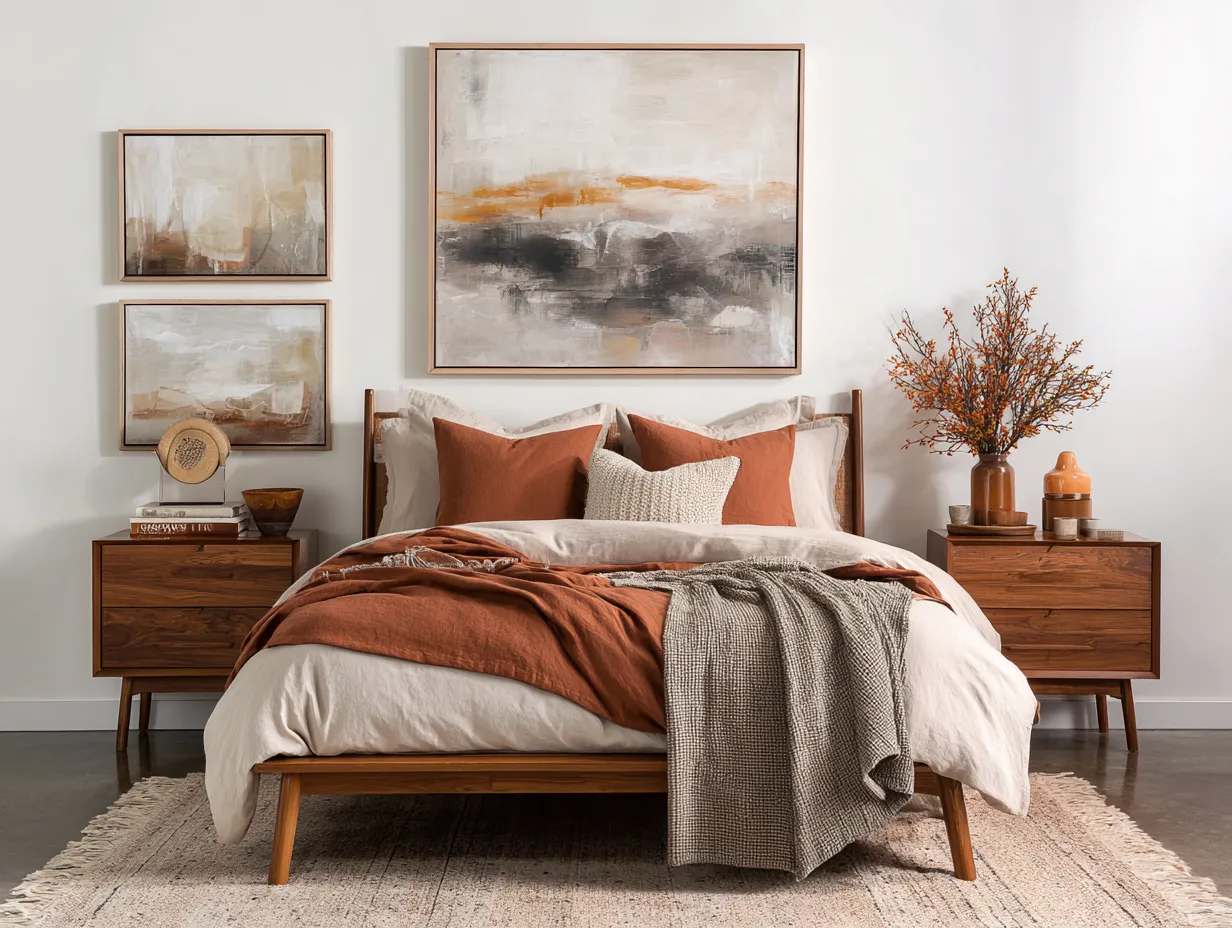
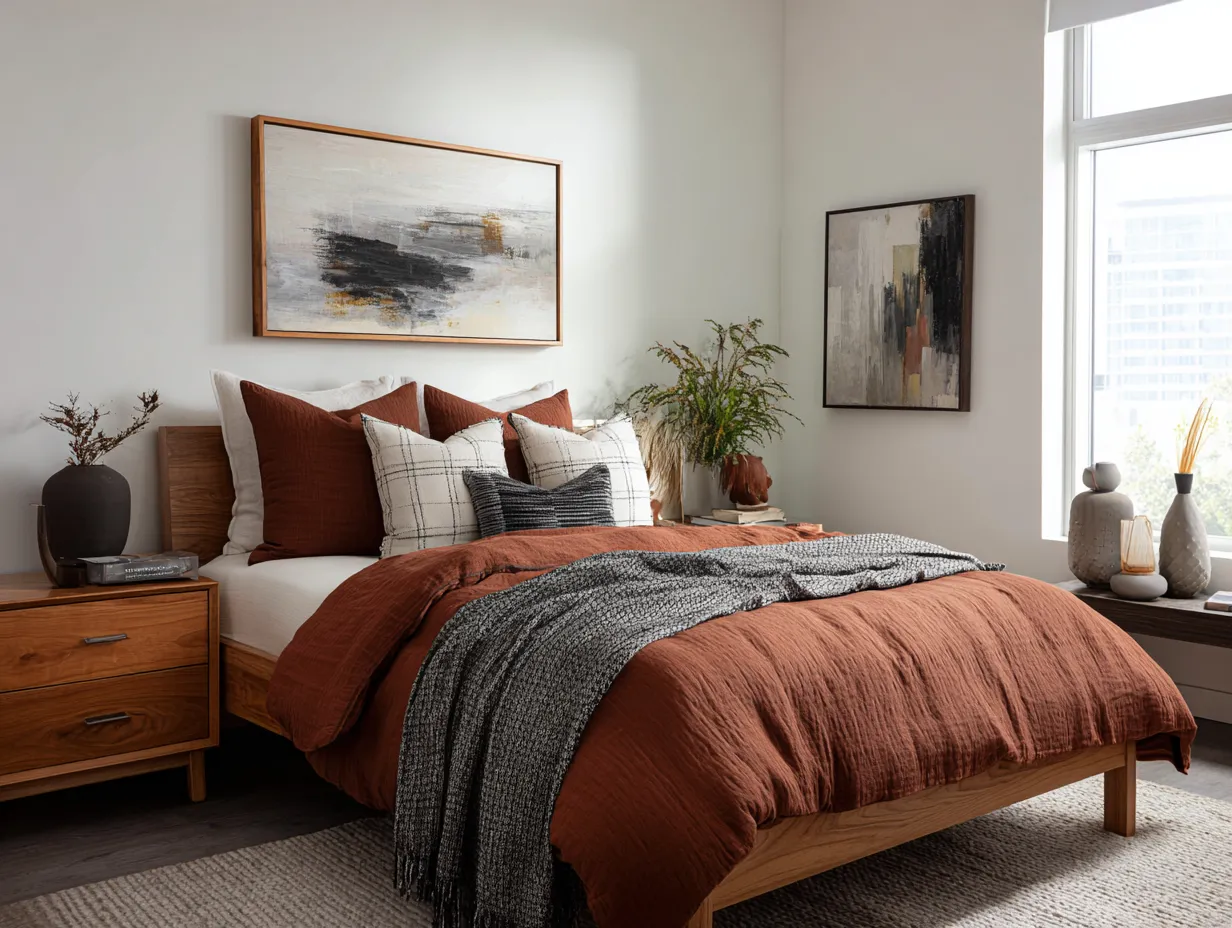
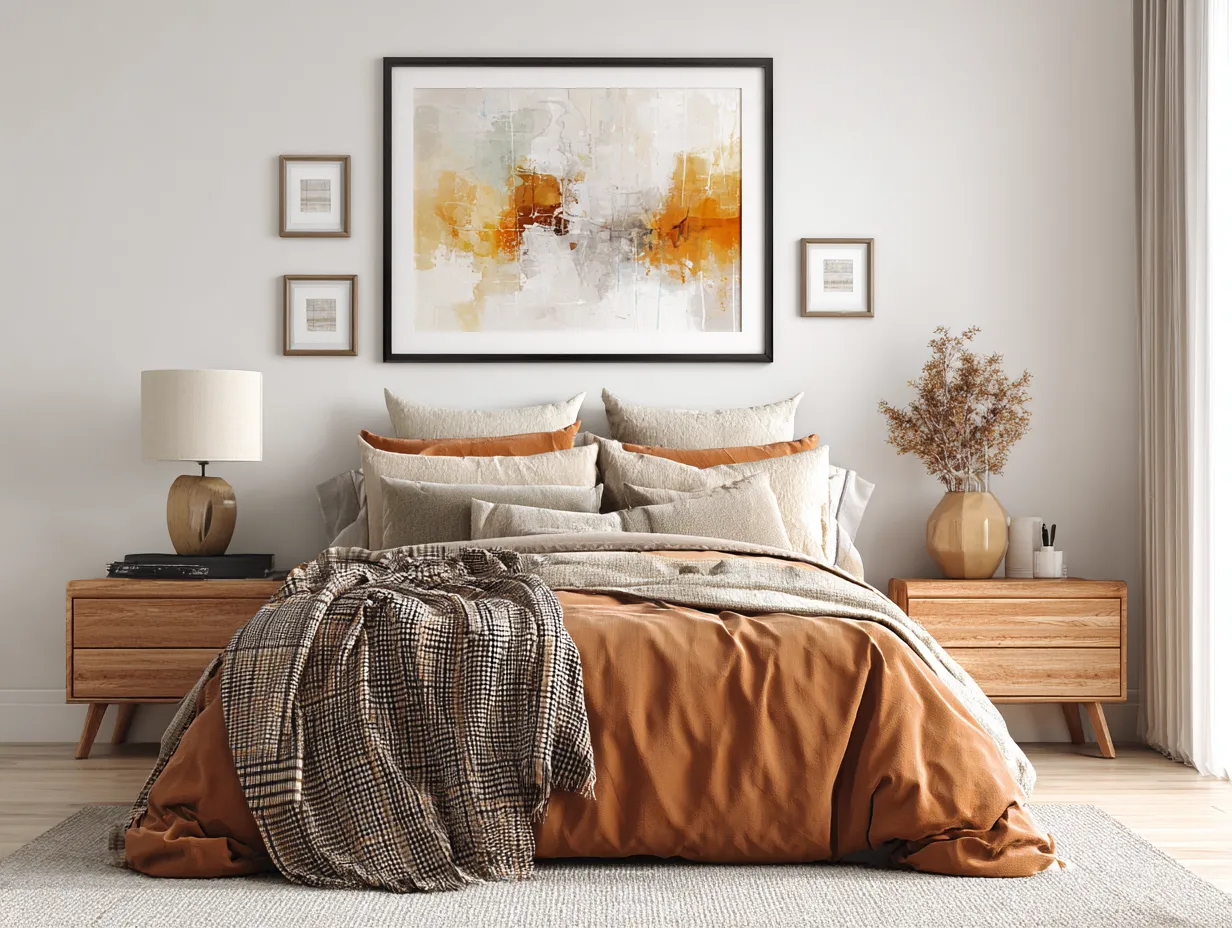
The bed is naturally the focal point of any sleeping quarter, making it the ideal canvas for introducing warmth. Modern styling favors a relaxed, lived-in look over stiff, formal arrangements. European flax linen is the perfect material for this execution. The natural, slightly rumpled texture of linen pairs beautifully with earthy clay colors, giving the fabric a soft, organic feel that is inherently modern. Instead of a monolithic block of color, layer different shades and textures. A duvet in a deep, saturated rust can be folded at the foot of the bed, contrasting against lighter, sand-colored sheets and punctuated by a single, elongated lumbar pillow in a complementary shade. This tonal layering creates depth and visual interest without relying on busy, outdated prints or overly complicated styling techniques.
When anchoring the room with a rug, the principles of contemporary design must remain at the forefront. Traditional, heavily ornate Persian rugs, while beautiful, can sometimes push these warm palettes back into a purely traditional or dated realm. To maintain a modern edge, look for rugs with abstract, geometric, or highly distressed contemporary patterns. Alternatively, a high-quality, solid-colored Moroccan Beni Ourain style rug with a thick, plush pile introduces necessary texture and a neutral grounding base, allowing the warm accents on the bed or in the artwork to take center stage. The rug should define the space generously, extending well beyond the perimeter of the bed to make the room feel expansive and luxurious.
Surrounding furniture must support the contemporary narrative. Minimalist nightstands crafted from light, bleached woods like white oak or ash provide a beautiful, organic contrast to the warmer textiles. The clean, unadorned lines of minimalist furniture prevent the room from feeling heavy. Avoiding hardware-heavy, dark wood bedroom sets is crucial, as they can quickly drag the aesthetic back a few decades. Wall-mounted floating nightstands are an excellent contemporary choice, keeping the floor space clear and enhancing the feeling of lightness in the room. This juxtaposition of warm, inviting textiles against stark, modern furniture profiles is what creates a balanced, forward-looking environment.
Accessorizing should be approached with a critical eye, adhering strictly to a less-is-more philosophy. When incorporating earthy clay colors into your decor, look for items that have a handmade, sculptural quality but maintain clean silhouettes. A single, large ceramic vase with a matte, unglazed finish placed on a dresser is far more impactful than a collection of smaller, mismatched knick-knacks. Artwork should follow suit, favoring large-scale abstract pieces that incorporate subtle nods to the room’s palette through sweeps of color or textured applications. By carefully curating every textile, piece of furniture, and accessory, you build a room that feels cohesive, exceptionally warm, and undeniably rooted in contemporary design principles.
Balancing Warm Baked Brick Hues In Kitchen Design
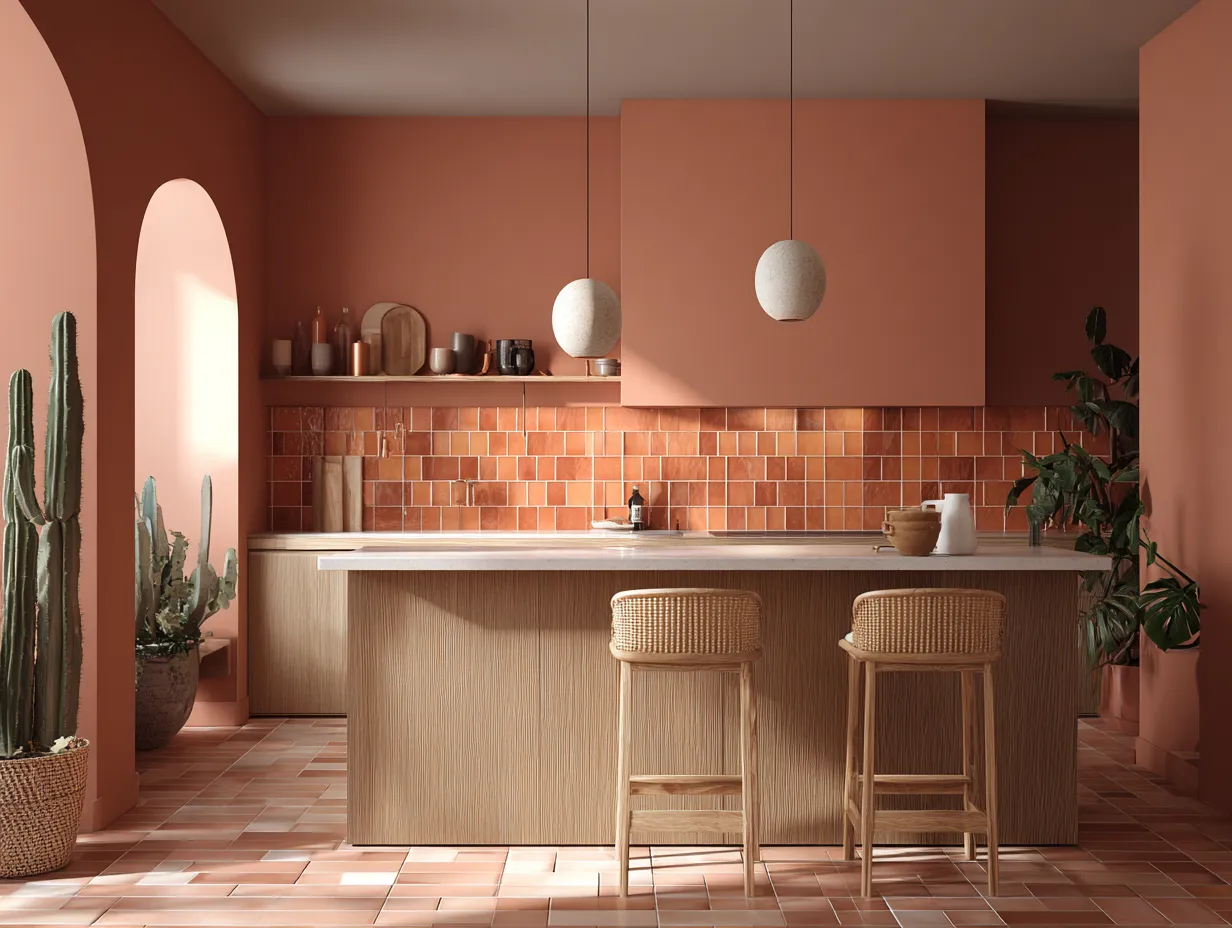
The kitchen is perhaps the most challenging environment in which to successfully implement warm, reddish-brown palettes without triggering immediate nostalgia for the heavily themed designs of the past. The key to mastering this application is treating the color as an unexpected, modern architectural element rather than a rustic theme. When utilized on cabinetry, warm baked brick hues can transform a cold, utilitarian kitchen into an incredibly inviting, high-design space. The absolute most critical factor in this execution is the cabinet door profile. Traditional raised-panel doors, intricate moldings, or distressed glazes will instantly date the space. For a contemporary look, completely flat slab doors or ultra-minimalist, narrow-stile shaker profiles are mandatory.
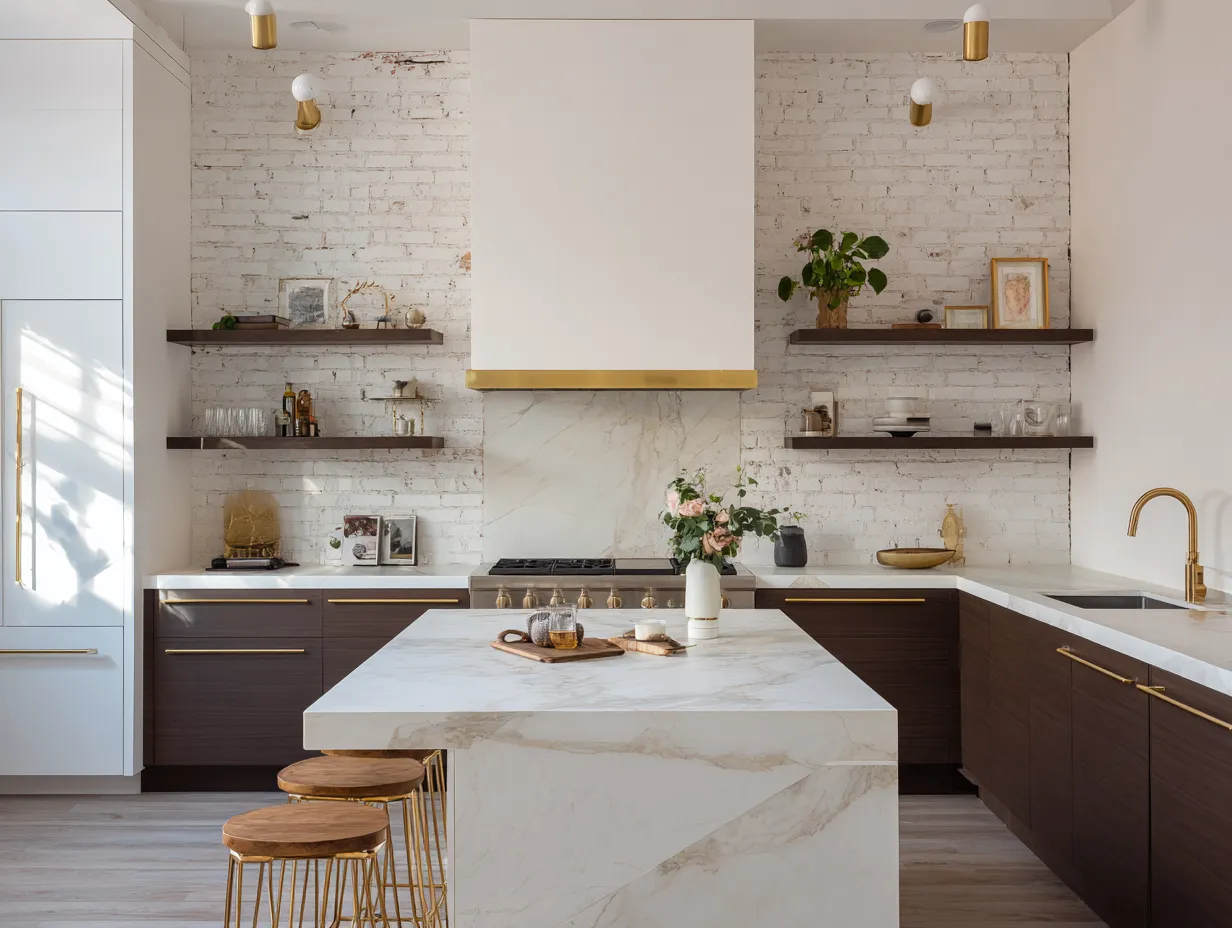
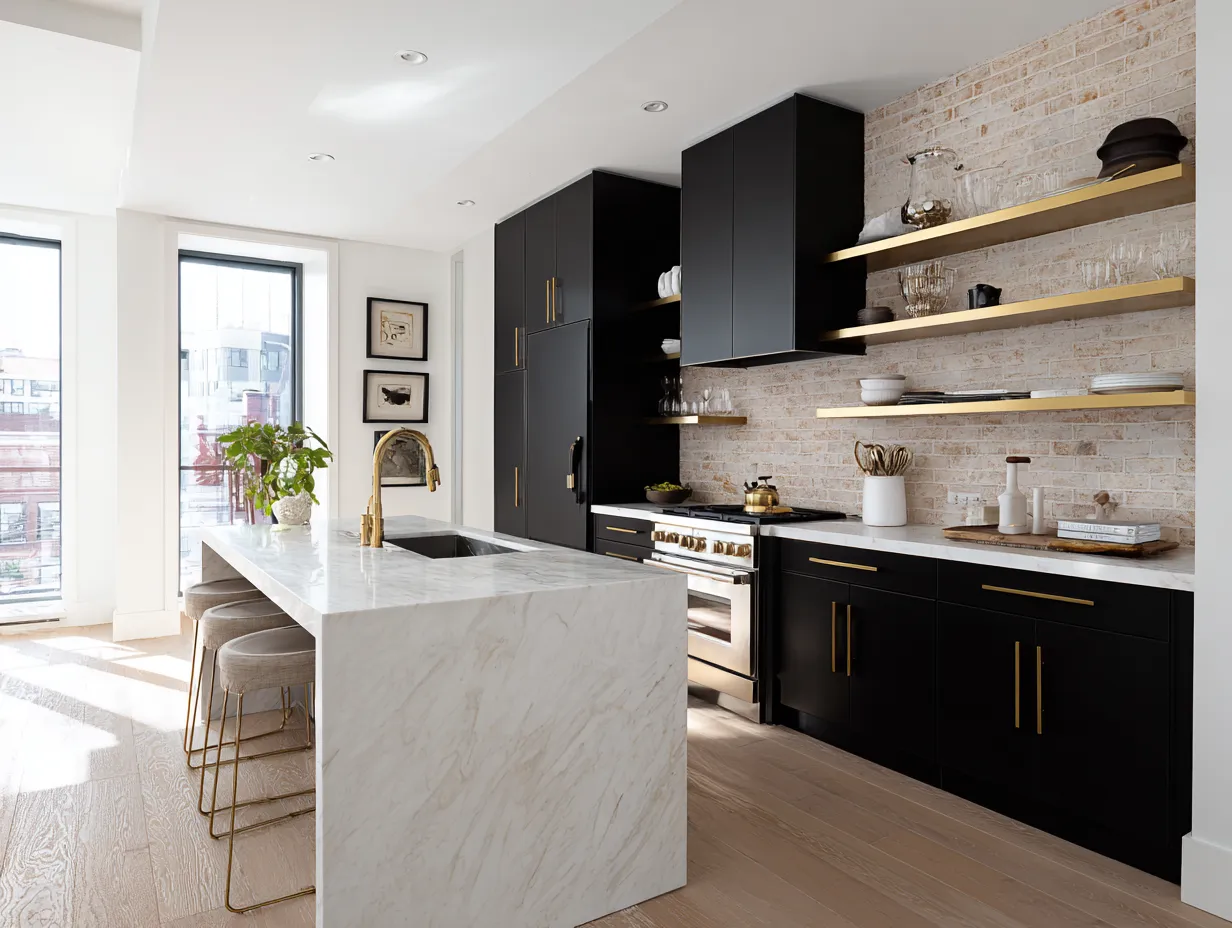
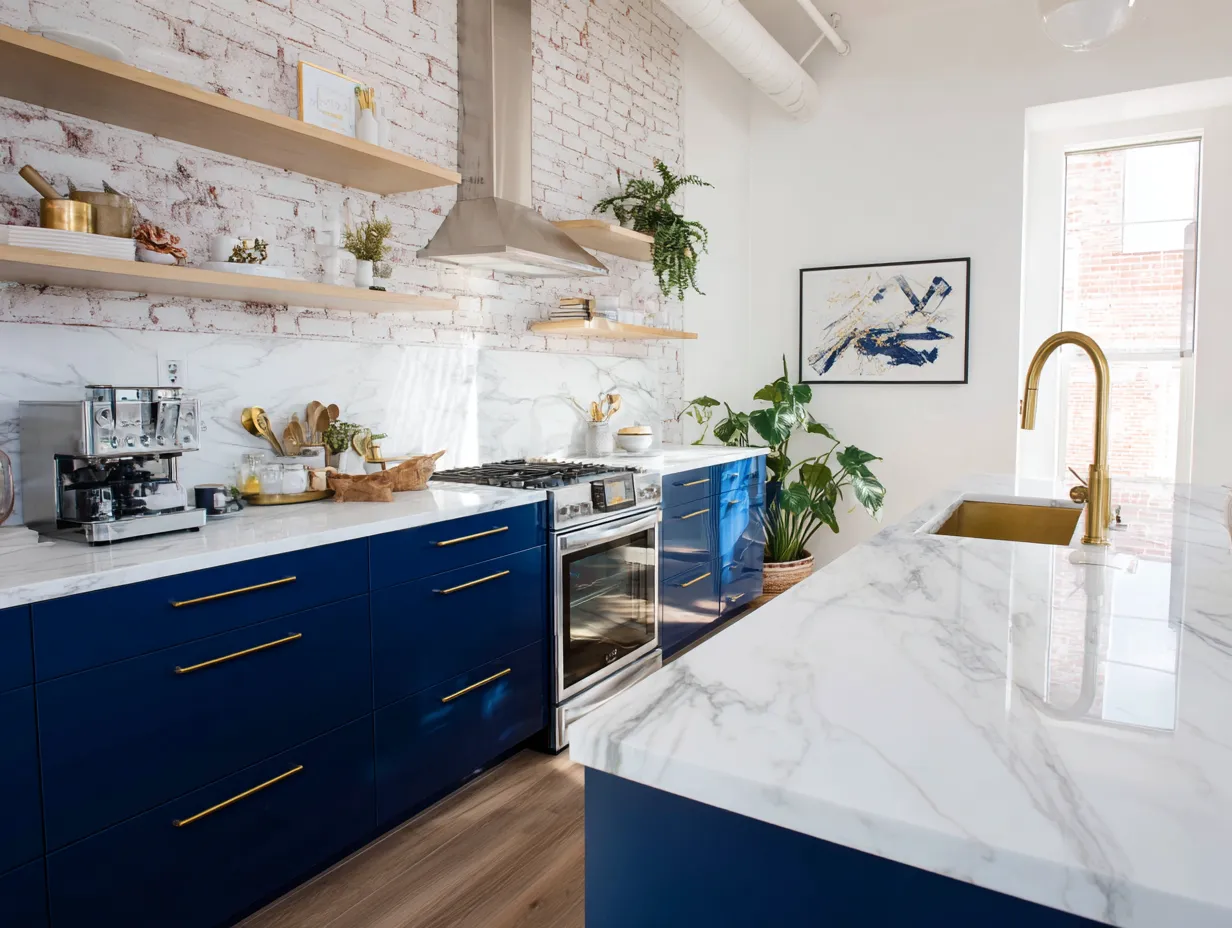
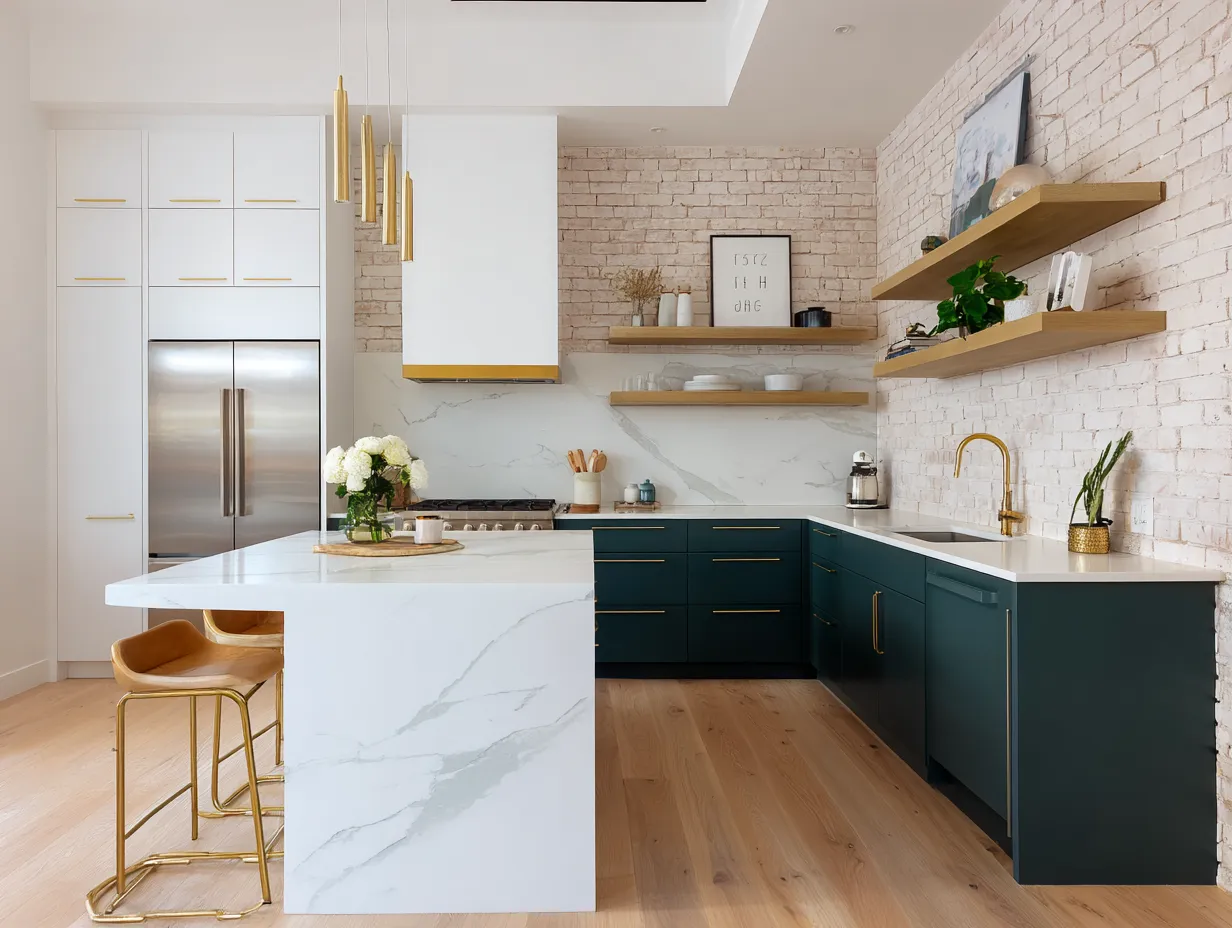
Applying the color exclusively to the lower cabinets is a highly effective modern design technique. This two-toned approach grounds the kitchen, providing visual weight at the base while allowing the upper portion of the room to remain light, airy, and expansive. When the lower cabinets are painted in a rich, matte finish, the upper sections can be treated with crisp white paint or, even better, replaced entirely with sleek, floating shelves. Removing bulky upper cabinets eliminates shadows and opens up the visual space, which is essential when working with strong colors below. The floating shelves, perhaps crafted from a light, natural wood, provide an opportunity to display curated, minimalist dishware, further enhancing the contemporary feel of the room.
The selection of countertops and backsplashes is where the true balancing act occurs. To prevent the warm baked brick hues from feeling overly heavy or rustic, they must be sharply contrasted with cool, luxurious materials. Bright, stark white quartz or heavily veined Calacatta marble are ideal choices. The crisp, clean nature of a thick, square-edged white countertop cuts through the warmth of the cabinetry, providing a highly sophisticated, high-contrast visual break. For the backsplash, continuing the same white stone material up the wall creates a seamless, monolithic look that is a hallmark of modern luxury design. If tile is preferred, moving away from traditional staggered subway layouts and opting for vertically stacked, matte geometric tiles introduces a current, architectural grid pattern.
Hardware and plumbing fixtures serve as the jewelry of the kitchen and play a significant role in defining its era. Heavy, ornate oil-rubbed bronze or wrought iron pulls will lean too heavily into a traditional aesthetic. Instead, contemporary kitchens benefit from the sleek lines of minimalist hardware. Matte black linear pulls offer a stark, graphic contrast against the warm cabinetry, adding an industrial edge. Alternatively, unlacquered brass hardware provides a touch of warmth that speaks to the cabinet color but elevates it through its reflective, elegant finish. The faucet should feature a similarly streamlined, high-arc profile, free from unnecessary decorative detailing, ensuring the functional elements of the kitchen look as sharp as the aesthetic ones.
Lighting the kitchen properly is the final step in ensuring the design reads as bright and modern. The reliance on heavy, opaque pendant lights should be avoided. Clear glass globes, sleek metallic cones, or minimalist linear suspension lights provide necessary task lighting without obstructing sightlines or adding visual weight. The integration of modern technology, such as hidden under-cabinet LED strips, ensures that the countertops are brilliantly illuminated, highlighting the crisp contrast between the bright work surfaces and the rich tones of the lower cabinetry. By meticulously pairing flat, warm-toned cabinet profiles with stark white stones, minimalist hardware, and architectural lighting, the kitchen becomes a masterclass in modern color application.
Incorporating grounded, nature-inspired shades into your living spaces does not mean sacrificing a sleek, modern aesthetic. The success of this design endeavor rests entirely on context and contrast. By pairing these rich, inviting colors with clean architectural lines, minimalist furnishings, and high-quality, contrasting materials, you neutralize any risk of the space feeling dated. The resulting environment perfectly balances the psychological comfort of warm, earthy elements with the crisp, forward-looking edge of contemporary design.
Related Topics