Outdoor kitchen gardens are becoming the fastest-growing segment in residential landscape design, with 47% of homeowners planning upgrades in 2026 according to the Outdoor Industry Association. This isn’t just about growing tomatoes next to your grill—it’s a deliberate reimagining of outdoor space that merges food production, culinary preparation, and entertaining into one integrated ecosystem.
What drives outdoor kitchen gardens right now
The movement stems from three converging forces: inflation in grocery costs pushing families toward self-sufficiency, the remote-work lifestyle extending home entertaining patterns, and younger homeowners rejecting the ornamental-only garden model. Instagram and TikTok have amplified kitchen garden aesthetics, making herb walls and vegetable-adjacent patios status symbols rather than purely functional spaces.
Unlike traditional vegetable patches hidden in backyard corners, outdoor kitchen gardens anchor your entertaining zone. Think Mediterranean courtyards where lavender and rosemary frame the countertop, or Japanese Zen-style designs with raised planters positioned to create natural sight lines from your cooking station.
Designers are responding. Landscape architecture firms report 340% increases in kitchen garden inquiries year-over-year. The trend pulls from Nature-Drenching: The Outdoor Design Movement Rewriting What Gardens Are For, which reconceives gardens as lifestyle centers rather than peripheral green space.
Quick Tips
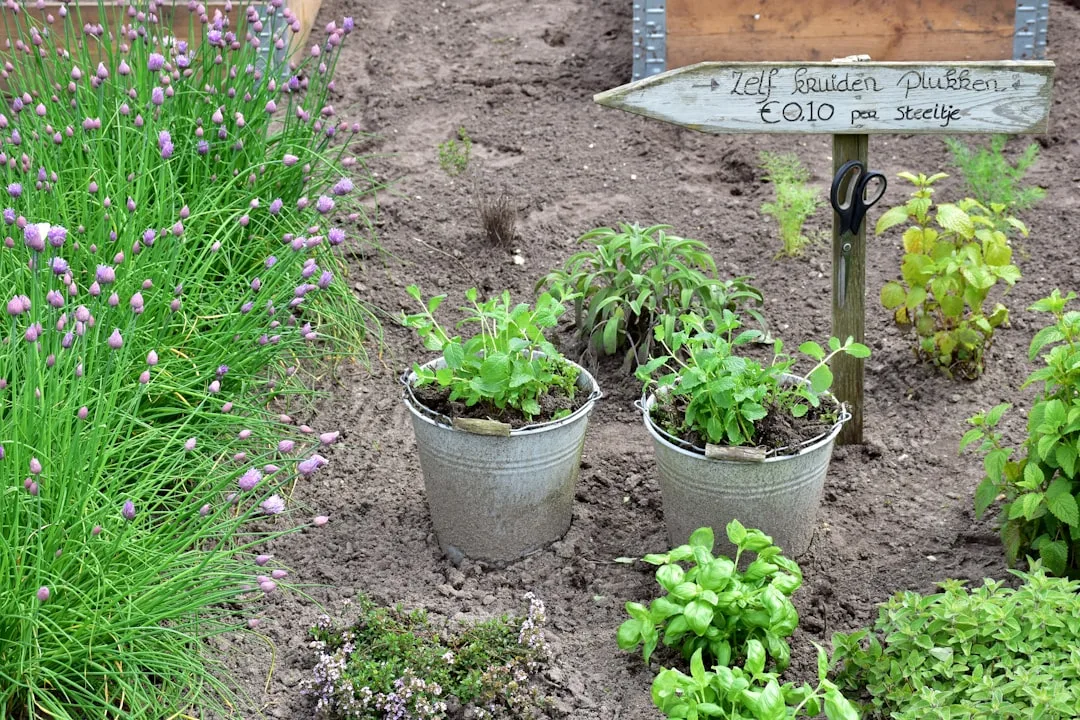
- Position herb planters within arm’s reach of your cooktop—maximum 3-foot distance
- Choose culinary herbs first: basil, mint, thyme, oregano. They’re hardy and immediately useful
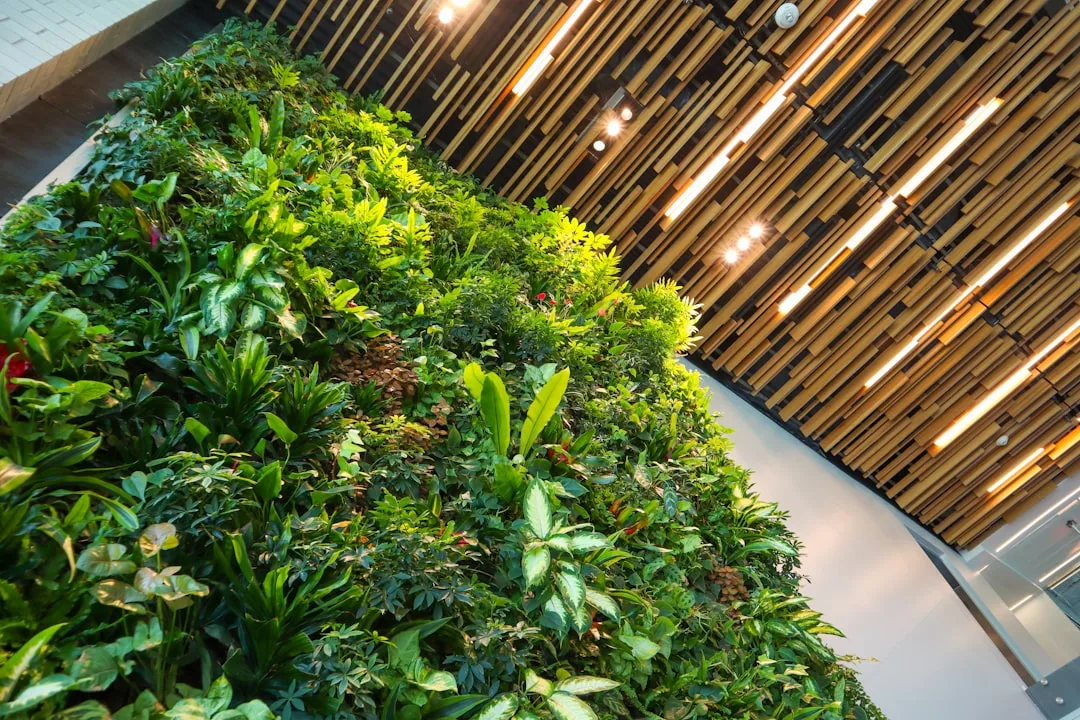
- Integrate vertical systems to maximize production in compact entertaining zones
- Install drip irrigation on a timer to eliminate daily watering chores
- Use raised beds at 24-30 inches height to reduce bending while prepping food
Design principles that work in practice
The Browns, a family in Portland, Oregon, invested $8,500 in a custom outdoor kitchen garden through Terrain (a Anthropologie-owned landscape retailer), installing a 12-foot Corten steel raised bed system with built-in seating along one edge. The bed holds 18 different herbs and greens, positioned 18 inches from their gas cooktop for recipe-to-pan efficiency.
Material choices matter enormously. Corten steel ($1,200–$3,500 for modular systems) develops a protective rust patina and lasts 30+ years. Composite raised beds like those from Greenland Gardening ($600–$1,800 for 4×8 units) resist rot and require minimal maintenance. Galvanized steel from Vita ($400–$900 per unit) offers affordability with moderate longevity.
Layout follows the work triangle principle: storage (refrigeration drawers or closed shelving), prep surface (cutting counter adjacent to garden), and cooking element form three stations within 10 feet of each other. This mirrors kitchen ergonomics but operates outdoors, with living plants as visual softening agents replacing traditional cabinetry.
| Material Option | Cost Range | Lifespan & Details |
|---|---|---|
| Corten Steel Raised Beds | $1,200–$3,500 | 30+ years; develops protective rust patina; premium aesthetic |
| Composite Raised Beds | $600–$1,800 | 20+ years; rot-resistant; low maintenance required |
| Galvanized Steel Beds | $400–$900 | 12–15 years; budget-friendly; requires periodic maintenance |
| In-Ground Planted Beds | $300–$800 | Permanent; lowest cost; less ergonomic for prep work |
| Vertical Wall Systems | $2,000–$5,000 | 10+ years; maximizes small spaces; automated irrigation preferred |
Product specifications and installation reality
The Landscape Forms Outdoor Kitchens modular system ($4,200–$12,000 depending on configuration) pairs stainless steel countertops with integrated planter edges. Brands like Polywood (recycled plastic composite, $2,800–$6,500 for complete kitchen units) offer weather-resistant surfaces that don’t require sealing.
Installation typically costs $3,000–$8,000 in labor, with site preparation (soil amendment, drainage), electrical work for refrigeration and lighting, and irrigation systems factoring prominently. Budget 6–10 weeks for design-to-completion timelines, accounting for growing season considerations in your climate zone.
Lighting elevates outdoor kitchen gardens from daytime-only spaces to year-round entertaining venues. Solar stake lights ($25–$60 per unit from brands like Kichler) or hardwired LED strips ($8–$15 per linear foot) highlight herb varieties while extending usability into evening hours. This follows the integrated Fire-Safe Landscaping Is Reshaping Garden Design From the Ground Up approach to zone safety and ambiance.
Seasonal maintenance and plant selection
May through September represents peak productivity for outdoor kitchen gardens in temperate zones. Cool-season crops (lettuce, spinach, kale) thrive spring and fall; warm-season herbs (basil, cilantro) dominate summer months. Plan successions every 3 weeks to ensure continuous harvests rather than boom-bust cycles.
Irrigation systems reduce labor by 70% compared to hand-watering. Raindrip (drip tubing and emitter kits, $120–$300 for a 50-foot system) pairs with smart timers like Rachio ($129–$249) to automate watering based on weather forecasts and soil moisture sensors.
Pest management without chemicals protects your harvests. Companion planting (marigolds with vegetables, basil with tomatoes) deters insects naturally. Floating row covers prevent damage during vulnerable early-growth stages while allowing sunlight penetration.
Integration with outdoor living trends
Outdoor kitchen gardens align with broader entertaining patterns: smaller guest counts, longer gathering durations, and activity-based socializing. Rather than passive observation, guests participate in food preparation—picking herbs, selecting vegetables, discussing flavor profiles with the host who’s simultaneously cooking.
Color plays a role. Green Home Color tags pair naturally with plantings; Geometric Style principles organize beds into hexagonal or modular forms rather than traditional rectangular plots. Scandinavian Style influences favor minimalist plant palettes—5–7 species rather than overwhelming variety.