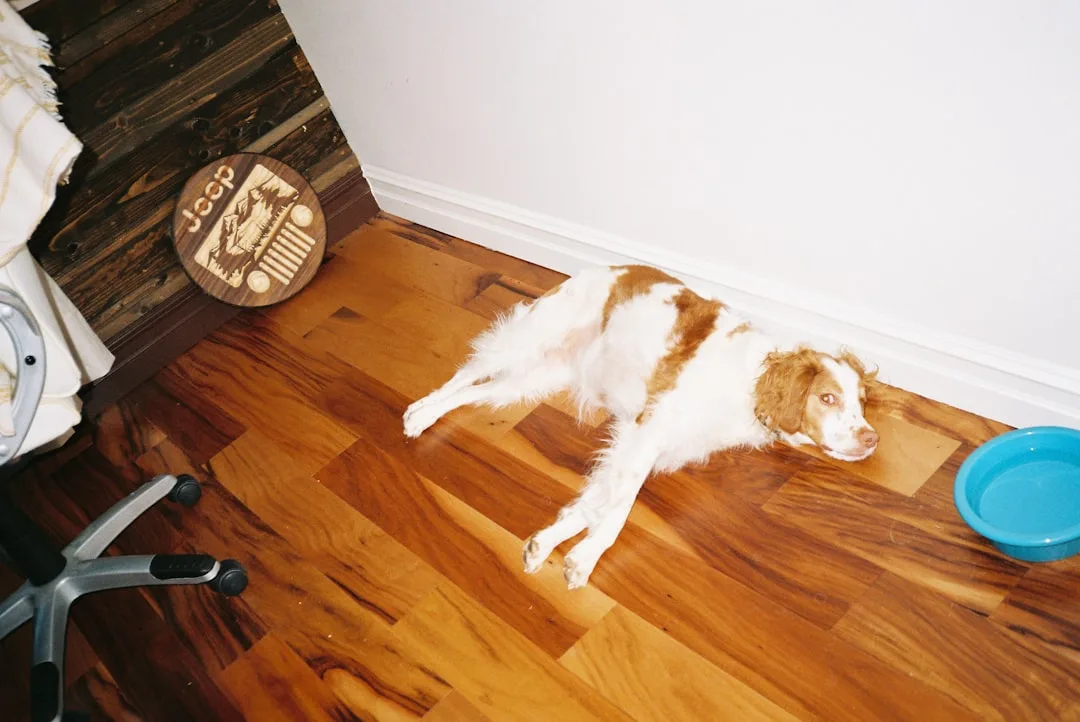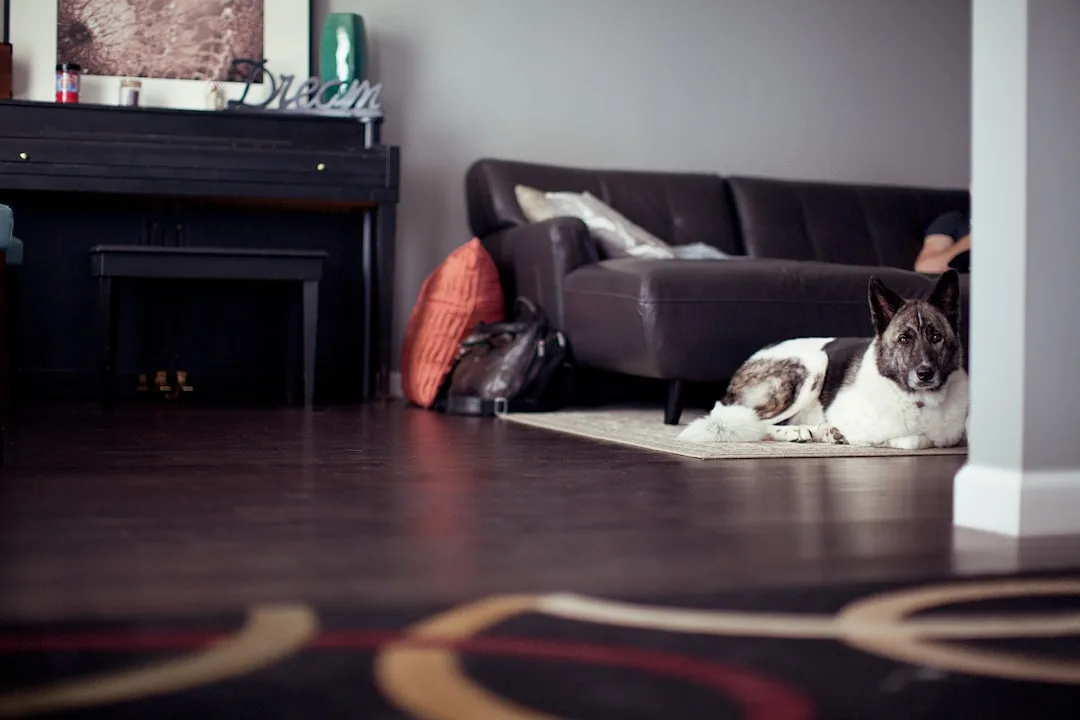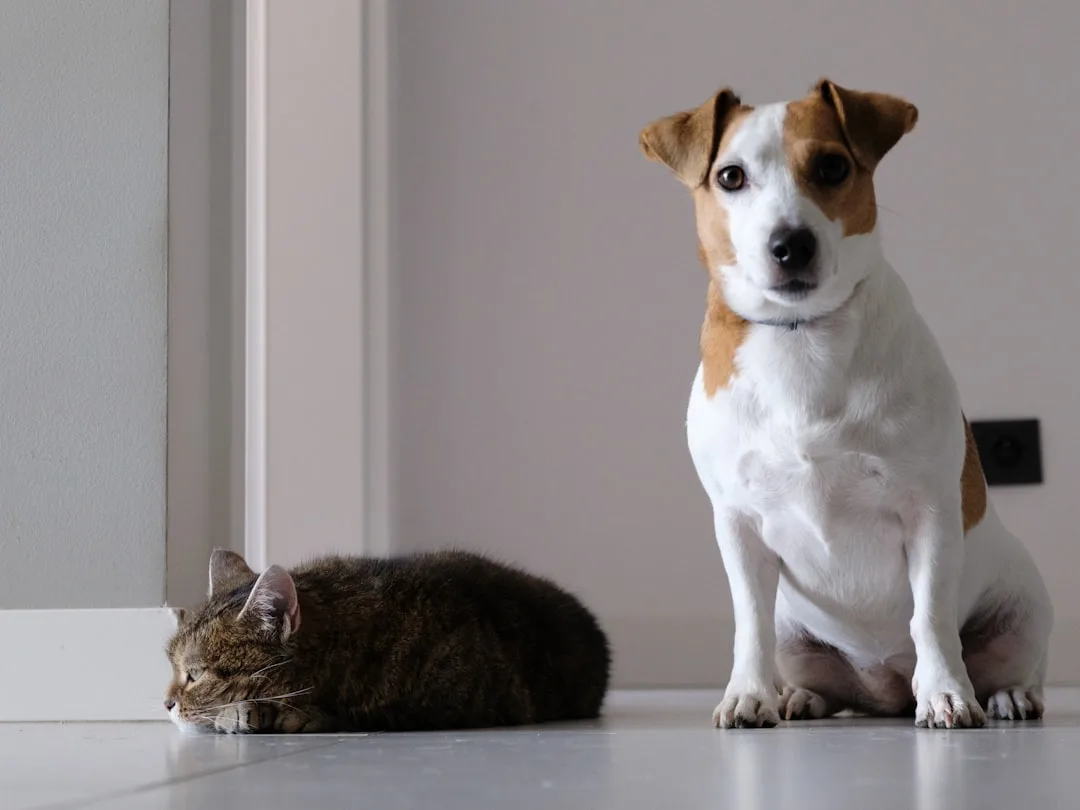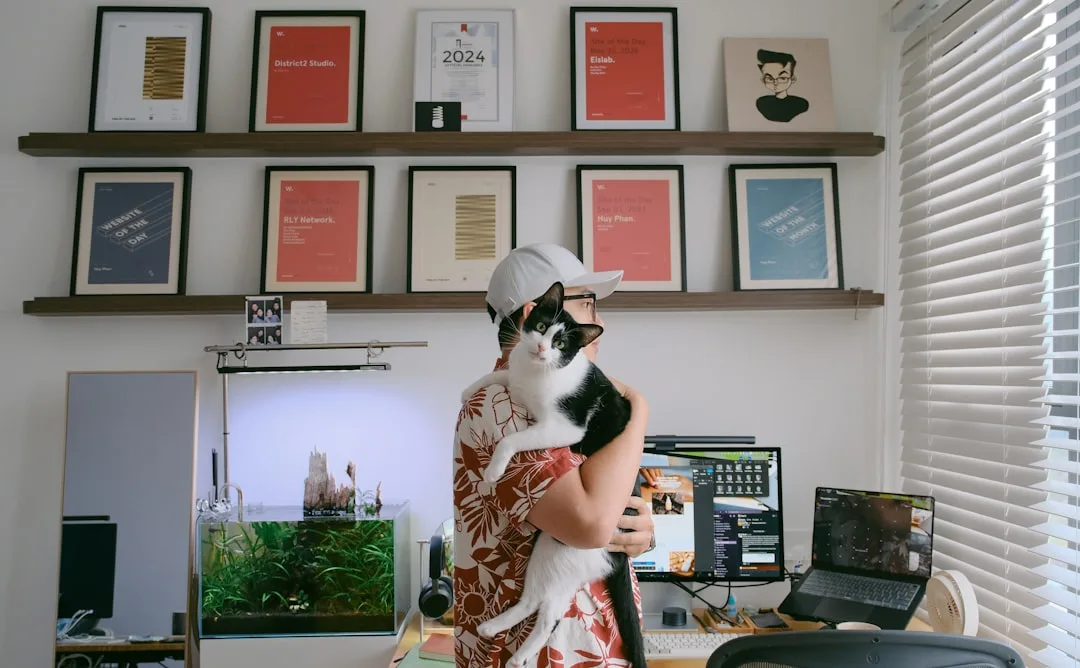
The conversation has moved off Pinterest boards and into architectural briefs. In 2026, the most significant shift in pet & home trends isn’t happening at the product level — it’s happening at the planning stage, before foundations are poured.
Clients Are No Longer Asking What Is Available — They Are Asking What Is Possible
Bespoke pet furniture studios like The Pet Carpenter in the UK are reporting a measurable shift in client behavior since early 2026. Clients have stopped asking whether pet furniture can look good. They’re arriving at consultations with floor plans and asking how built-in pet spaces can be structurally integrated — crates that disappear into kitchen cabinetry, feeding stations recessed into kitchen islands, cat wall systems that read as architectural shelving.
This isn’t aesthetic tweaking. It’s a fundamental rethink of how a home is organized. When a dog crate is designed as a permanent fixture with the same joinery and finish as the surrounding cabinetry, it stops being pet furniture and becomes architecture.
The Material Upgrade Is What Makes Built-In Pet Spaces Permanent Features
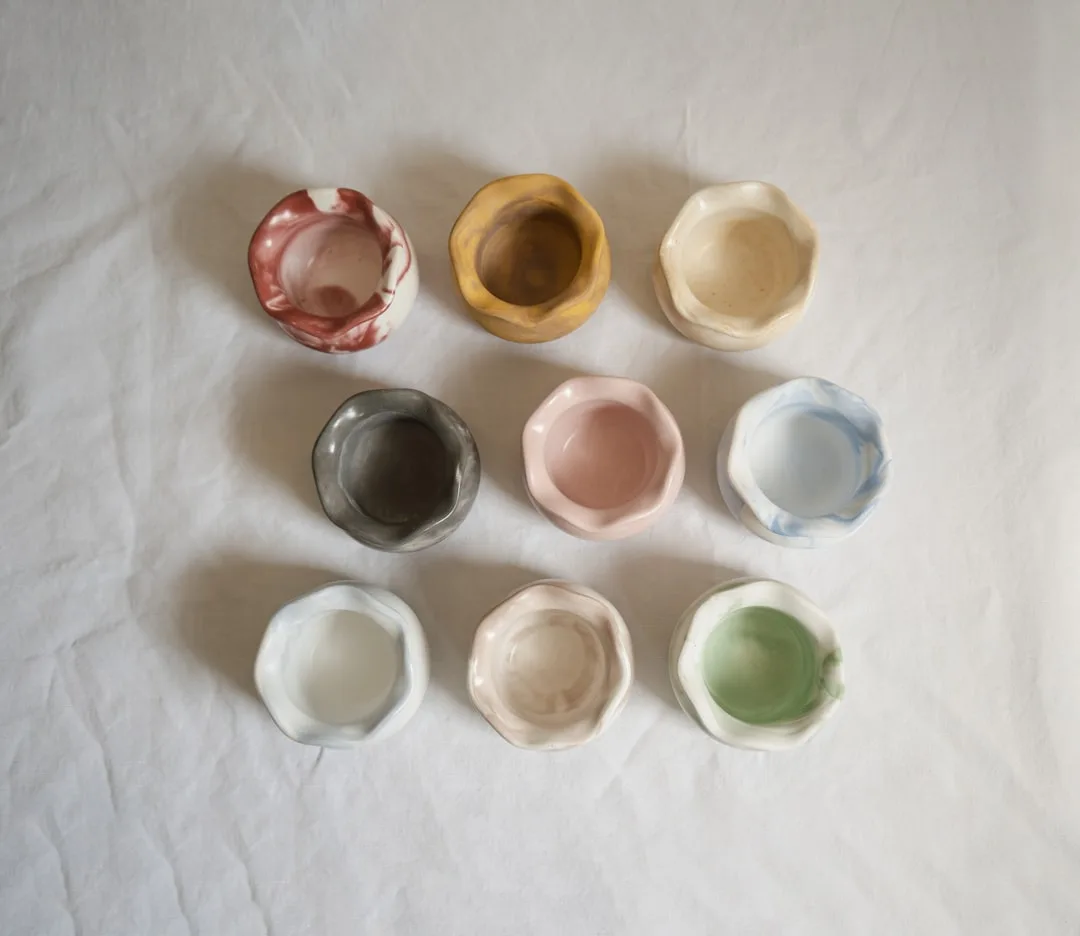
Wool, solid oak, ceramic, and organic cotton are replacing the foam-and-plastic assemblies that defined pet products a decade ago. The material shift matters because it changes the life expectancy of the piece — and therefore its role in the home. A ceramic feeding station commissioned to match a kitchen’s worktop doesn’t get swapped out seasonally. It’s designed to age alongside the room.
This aligns with what’s driving broader pet & home trends right now: the move away from impulse purchasing toward intentional, long-hold investment. Premium pet product sales are growing faster than mass-market alternatives, and the pattern mirrors what happened in high-end kitchen design in the early 2010s — consumers shifted from buying furniture to commissioning spaces.
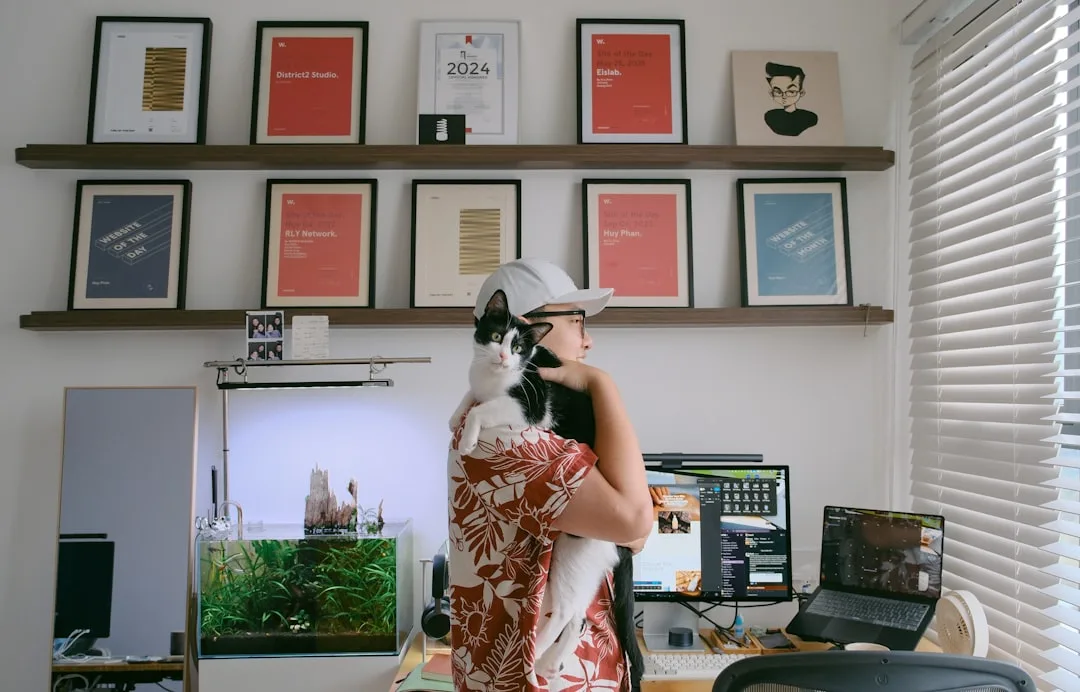
Vertical Architecture for Pets Is Solving the Urban Square Footage Problem
With urban apartments shrinking and multi-pet households becoming more common, vertical design is gaining serious traction. Cat wall systems — modular shelving routes that run floor to ceiling and double as display storage — are being specified by interior designers, not just bought off-category pet retail shelves. Studios in Tokyo, London, and New York are integrating these systems into residential projects as standard scope, not optional extras.
The logic is straightforward. A well-designed vertical cat environment uses wall space that would otherwise hold generic shelving, supports the animal’s natural behavior, and eliminates the visual clutter of a standalone cat tree. It’s one piece solving three problems simultaneously — exactly the kind of efficiency that urban design rewards.
This connects directly to earlier movements covered here: the principles behind Pet Enrichment Zones Are Replacing the Afterthought Corner in Modern Homes have now escalated from zone planning to structural planning.
Pantone’s Cloud Dancer Is Setting the Palette for Built-In Pet Spaces in 2026
Pantone’s Color of the Year for 2026 — Cloud Dancer, a warm off-white — is showing up directly in bespoke pet space commissions. Built-in dog dens and feeding alcoves are being finished in the same muted, warm-neutral palette as surrounding cabinetry, making them visually indistinguishable from the rest of the room. The deliberate tonal match is a design decision, not a coincidence.
Brands like Reva and Em & Me Studio have noted that collar, lead, and bed color choices are tracking the same palette shift — consumers are building cohesive aesthetic ecosystems across every pet touchpoint in the home, from the built-in sleeping alcove to the lead hanging by the door.
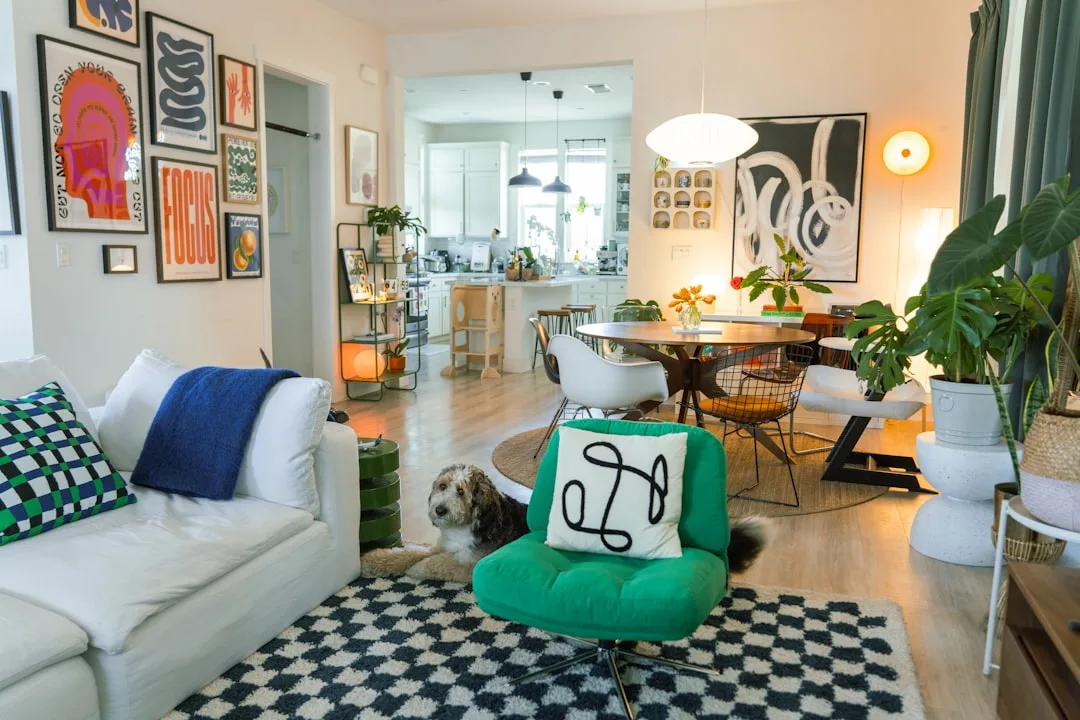
Small Pets Are Finally Getting the Same Design Attention as Dogs
One underreported dimension of this trend: the scope is expanding beyond dogs. Rabbits, tortoises, hamsters, and birds are now being considered in bespoke interior briefs. Previously, small pets were housed in visible but visually disruptive enclosures — plastic tanks and wire cages that designers worked around rather than with.
That’s changing. Purpose-built enclosures for small pets are being designed with the same material palette and joinery standards as the rest of a room’s fitted furniture. The logic from Aquascaping Is Moving Off the Shelf and Into the Living Room as Pet Habitat Design applies here — when an enclosure is designed to be looked at, not hidden, it fundamentally changes how it’s built.
Why the Pet Furniture Market Reaching .4 Billion in 2026 Underestimates What’s Actually Happening
Market forecasts put pet furniture at $2.4 billion globally in 2026, tracking toward $4.2 billion by 2036. But those numbers capture retail product sales — they largely miss the bespoke and architect-specified tier, where commissions are handled like kitchen or bathroom renovations and priced accordingly. Cat sofas with hand-stitched upholstery and orthopedic cushioning are selling at up to $2,000 per piece. Fully built-in dog dens with ventilation, integrated lighting, and cabinetry-matched joinery are entering renovation budgets at a price point that sits above standard furniture entirely.
The retail market is one story. The architectural integration market is a different, faster-moving one — and in 2026, that’s where the most consequential pet & home trends are being written.
What This Means for Anyone Renovating or Building Now
If you’re at the planning stage of a renovation or new build, this is the moment to brief your designer on your pets the same way you’d brief them on your cooking habits or storage needs. Not as a footnote — as a primary spatial requirement. The homes being designed now with built-in pet spaces will hold their value and their coherence far better than those that treat animal needs as an afterthought to be solved with a trip to a pet retail chain.
Pet & home trends in 2026 are rewarding the same thing they always reward in the best interiors: decisions made at the right stage of the process, with the right materials, by people who understand that a space serves everyone who lives in it.
Complete guide
The Minimalist Style Guide That Covers Every Room, Surface and Outfit
Interiors, exteriors, kitchens, bedrooms, fashion, hair — all in one place
Complete guide
Small House Design Ideas That Make Every Square Foot Feel Intentional
Exteriors, layouts, kitchens, bedrooms, bathrooms, outdoor — all in one place