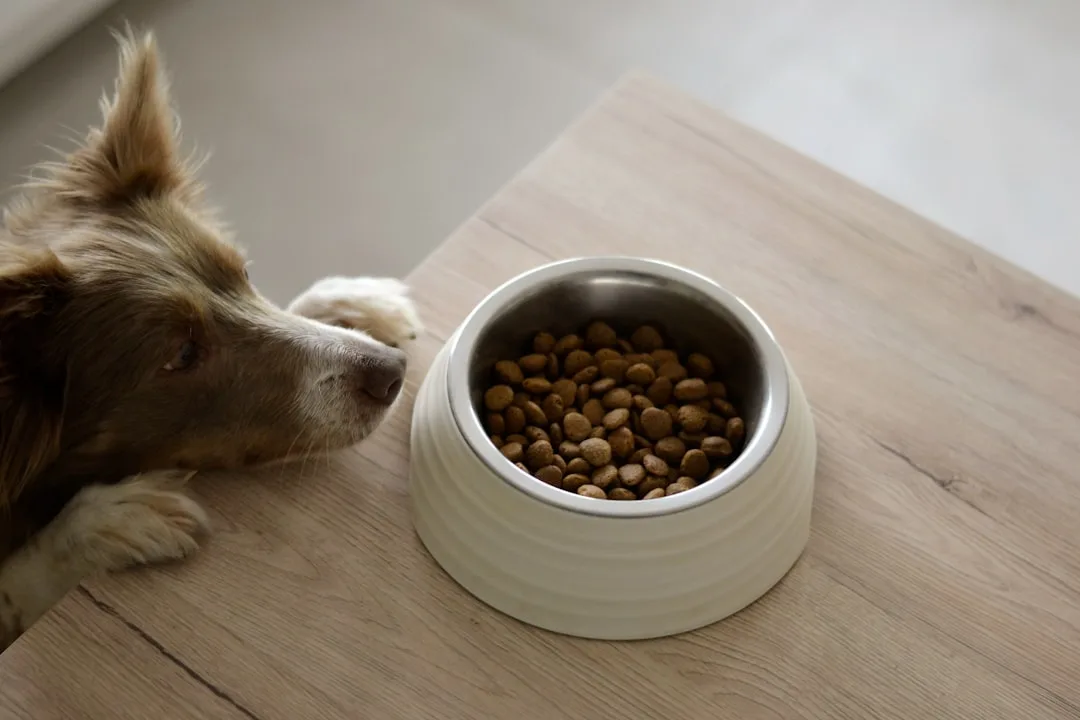
Pet owners are not waiting for annual checkups anymore. In 2026, the most significant shift in pet & home trends is not aesthetic — it is diagnostic, and it is happening on your dog’s neck.
What the Collar Is Actually Tracking Now
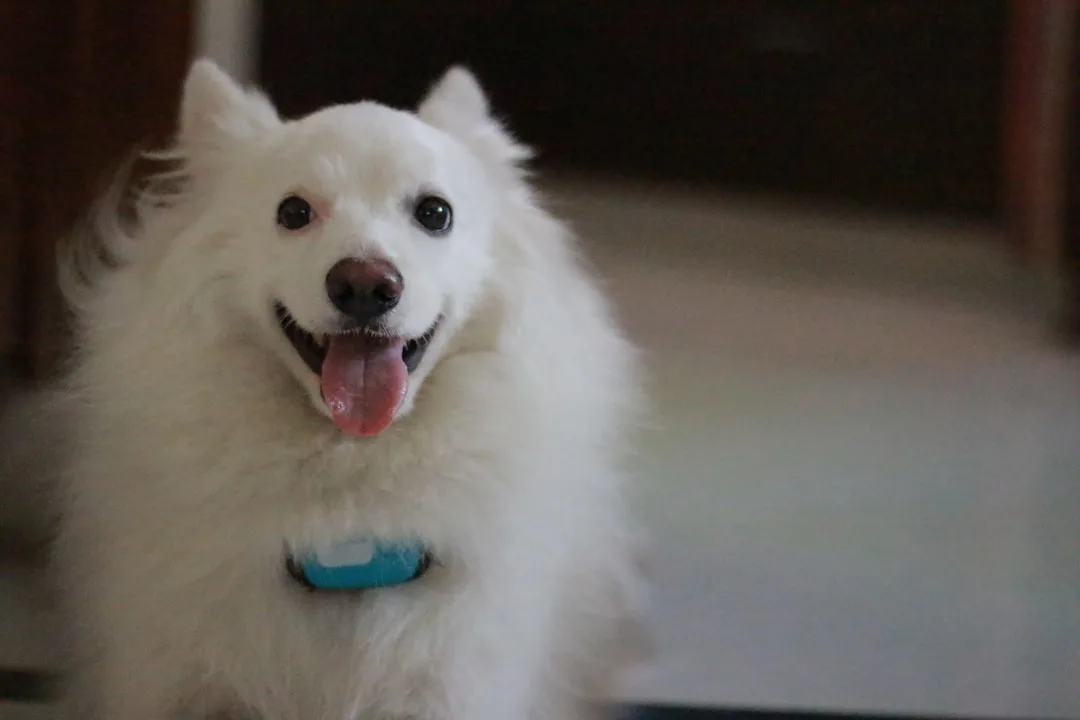
Advanced smart collars and sensors track activity levels, sleep cycles, and real-time wellness metrics. Products from brands like Whistle and Fi, alongside newer entrants showcased at CES 2026 in January, have moved well beyond step-counting. They monitor stress responses through heart-rate variability, flag lethargy patterns that could signal early joint deterioration, and push alerts directly to an owner’s phone before a vet would ever see the animal.
The global pet tech market sits at $19.1 billion in 2026 and is projected to reach $52.9 billion by 2035 — a 12% compound annual growth rate. That trajectory is not driven by cute gadgets. It is driven by owners who expect the same data-informed care for their pets that they demand for themselves.
The Home Becomes the Monitoring Station
This is where pet & home trends converge in a genuinely new way. The smart collar does not operate in isolation. It syncs with an ecosystem: automated feeders that adjust portion sizes based on activity data, smart thermostats tuned to a pet’s stress indicators, and app dashboards that aggregate weeks of behavioral patterns into a single health score.
Brands like Sure Petcare have integrated microchip-reading cat flaps with health logs since late 2025, turning a mundane piece of home hardware into a longitudinal wellness record. The home is the clinic. The data collection never stops.
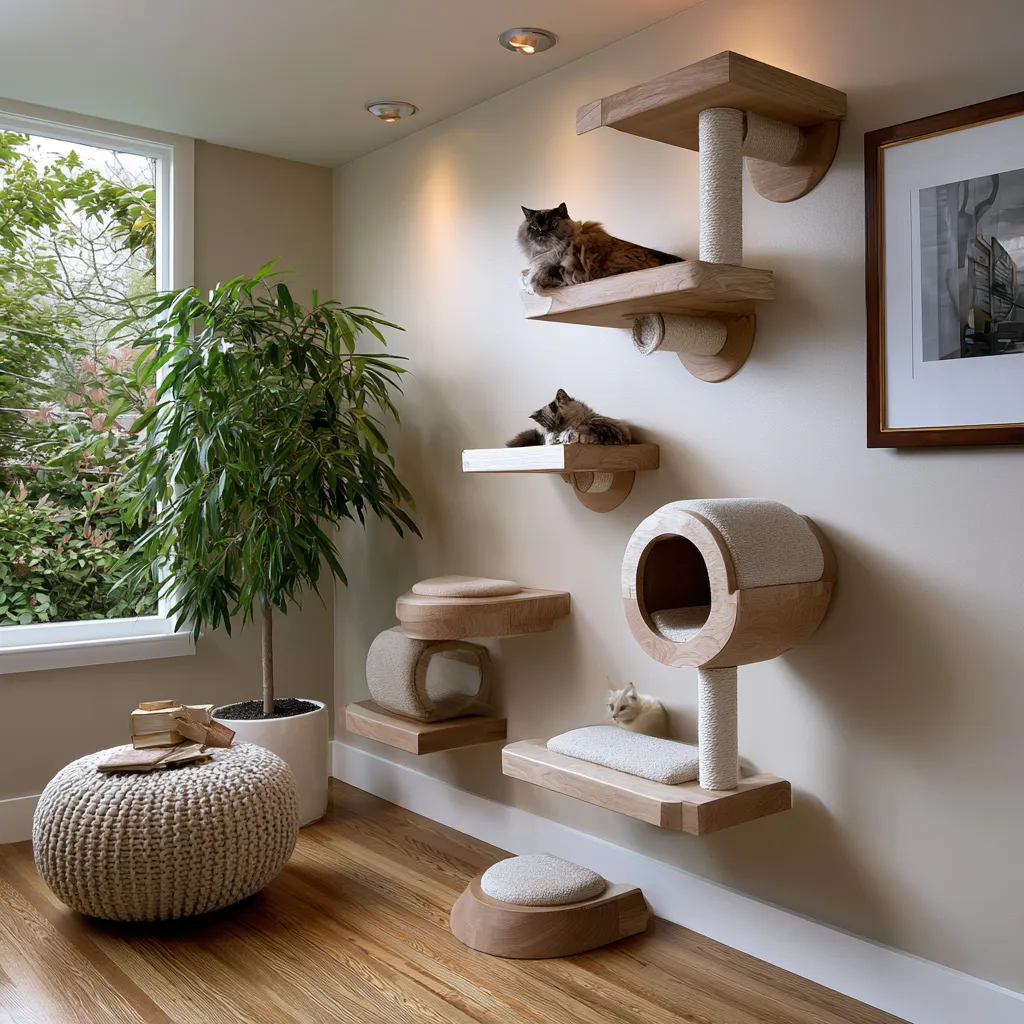
This also connects to how interior design decisions are shifting. Just as The Biophilic Pet Zone: Why Designers Are Merging Animal Spaces With Living Greenery explored the merging of animal environments with intentional home design, smart tech is extending that philosophy into the invisible layer — the data architecture of a pet-optimized home.
Gen Z Ownership Explains the Demand Spike
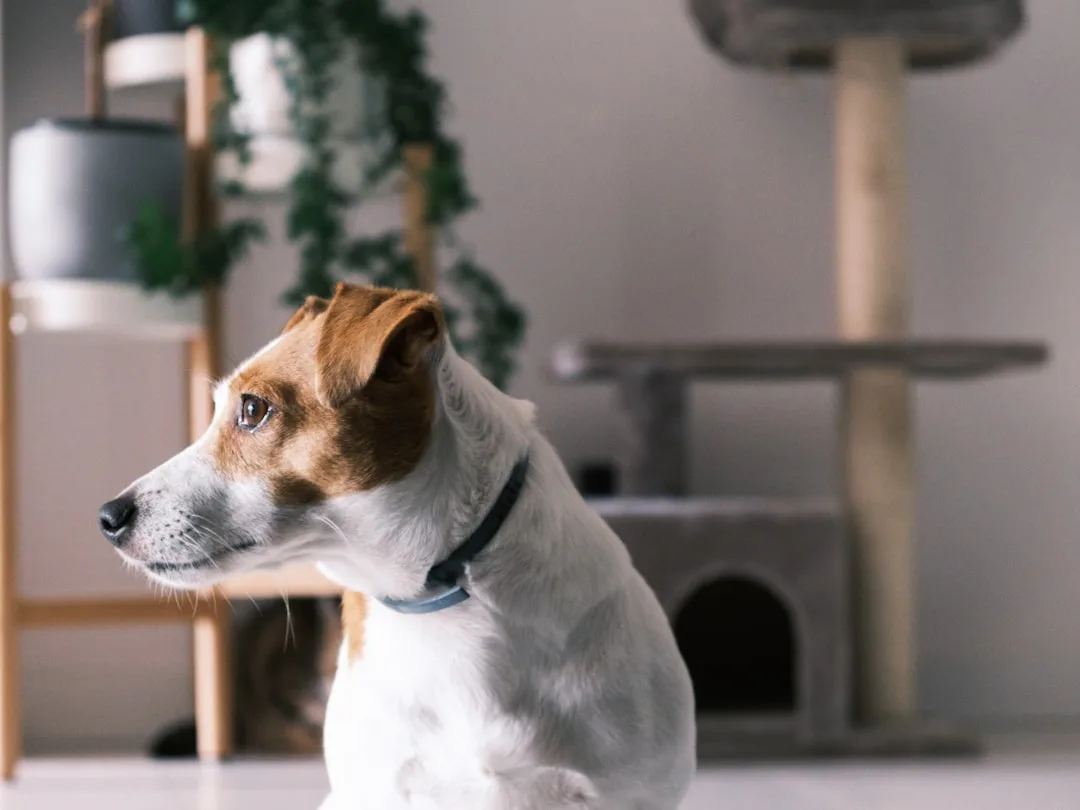
Cat ownership among Gen Z and Millennials has pushed cat households in the U.S. to 39% — 53 million homes as of early 2026, according to the American Pet Products Association. These owners are digitally native, expect app integration, and approach pet health the same way they approach their own: with tracking, personalization, and preventive logic.
That demographic is not buying reactive care products. It is buying predictive ones. This is why AI-powered wellness alerts and subscription analytics dashboards are among the fastest-growing revenue streams in the category right now.
Wearables Signal a Broader Intentionality Shift
The rise of smart wearables is not happening in a vacuum. It runs parallel to what Neutral Pet Accessories Are Outselling Color Because of This Quiet Shift identified earlier this year: pet owners are making fewer impulse purchases and more considered, functional ones. A $200 smart collar is the logical endpoint of that mindset — a purchase justified not by aesthetics, but by measurable outcome.
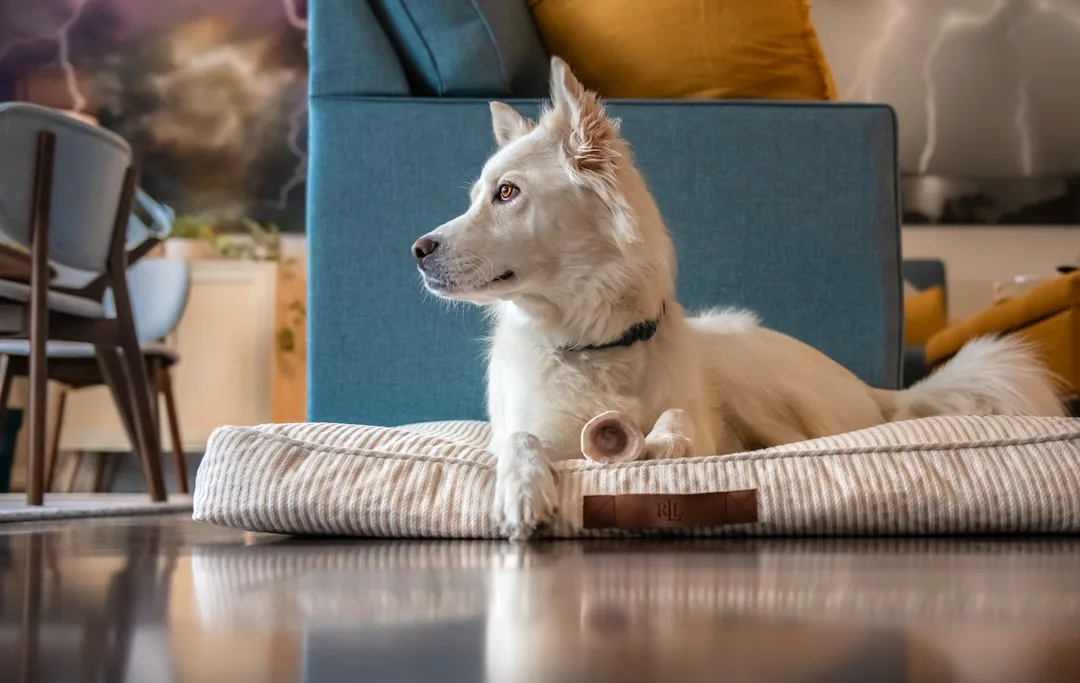
Brands are responding with design-led versions that do not look clinical. Lightweight matte-finish hardware, minimal branding, and earth-tone colorways mean the collar reads as a considered accessory rather than a medical device. Function is being packaged inside the same quiet luxury aesthetic driving broader pet & home trends in 2026.

How to Apply This in Your Own Space
Start with a single point of integration rather than overhauling everything at once. A smart collar paired with a stationary health monitor near a pet’s sleep zone gives you the most useful data with the least friction. Chose hardware with matte or neutral finishes that hold up against the interior palette you already have — brands like Tractive and Invoxia both offer options in subdued colorways that do not interrupt a considered room.
Create a dedicated charging and syncing zone within your home — a small shelf, discreet drawer integration, or a built-in niche in a mudroom or entryway. The goal is to make the technology a seamless layer of the home rather than visible clutter. In 2026, that is exactly what the leading edge of pet & home trends demands: technology that disappears into the environment while doing the most meaningful work.