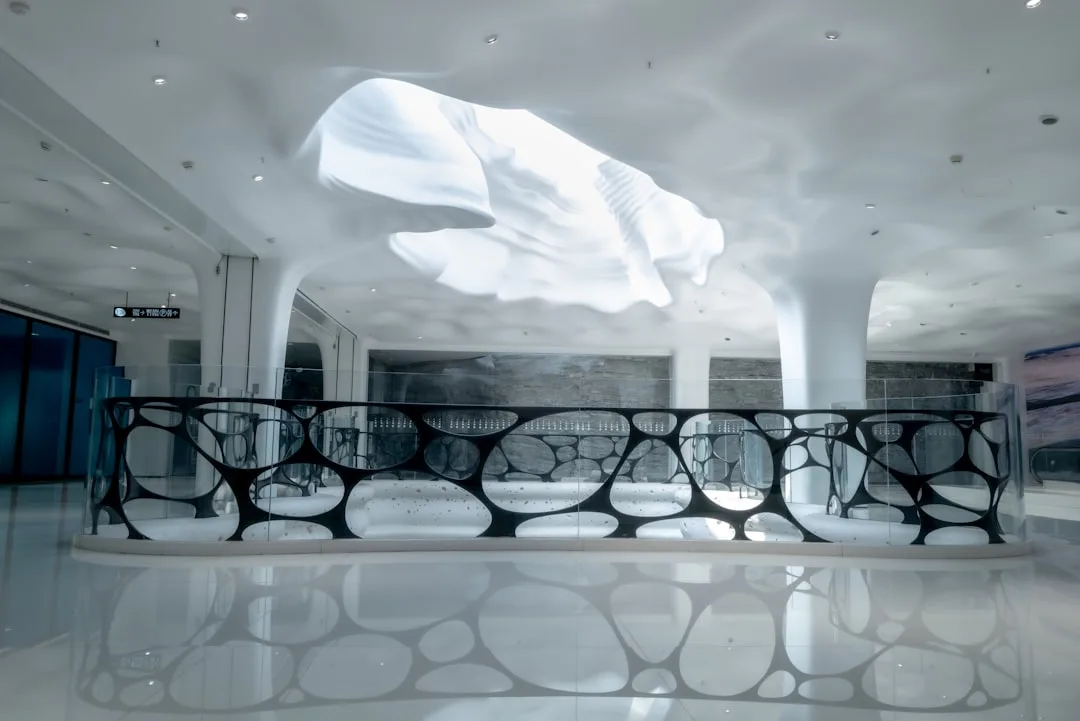
The fish tank as a dusty, fluorescent-lit afterthought is gone. In 2026, aquascaping — the deliberate design of planted, sculpted freshwater environments — has become one of the sharpest-moving pet & home trends, landing squarely in the territory that statement furniture used to own.
Freshwater Fish Are Having a Moment Designers Cannot Ignore
Aquatic pets are experiencing a surge that goes beyond casual pet ownership. Hobbyists and interior clients alike are commissioning planted tanks as central design objects — not room additions. The planted aquarium now competes directly with the sculptural bookcase or the gallery wall for visual authority in an open-plan space.
Studios like Green Aqua in Budapest and designer George Farmer in the UK have spent years building the vocabulary for this. In 2026, that vocabulary is entering the mainstream renovation conversation, moving from specialist forums into Pinterest mood boards filed under “living room redesign.”
Why the Aquascape Works Where a Sofa Art Piece Fails
A planted tank generates its own light, movement, and seasonal change. Aquascaping draws directly on the same biophilic logic that drives demand for living walls and indoor gardens — but it adds dimension. The tank breathes, shifts, and grows. No static artwork achieves that.
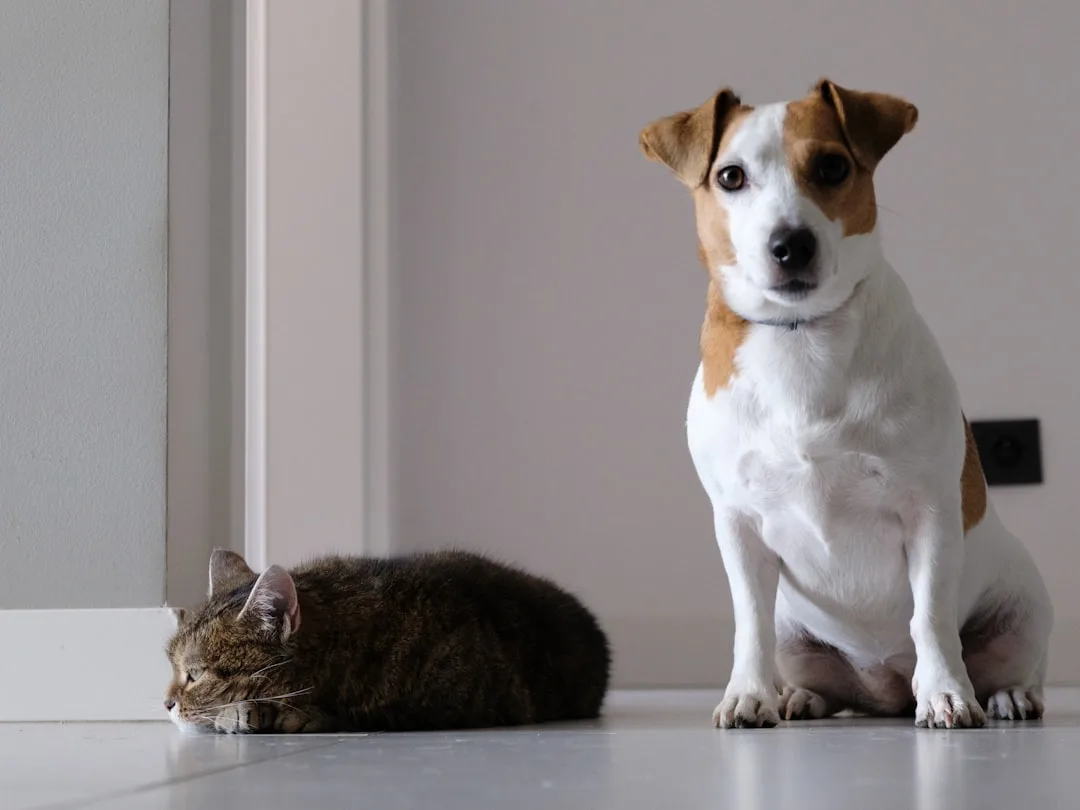
This connects to a broader 2026 pattern: pet parents are choosing products that solve real problems and look deliberately placed in a room. As one design-led pet brand put it, pieces must feel like “a blank canvas rather than a statement” — and a well-aquascaped tank with soft neutral hardscape stone and Cloud Dancer-toned sand beds does exactly that.
The Material Shift Driving Pet Habitat Investment Higher
Natural materials are the connective tissue here. Eco-conscious aquarists in 2026 are prioritizing responsibly sourced fish, energy-efficient LED systems, and natural filtration — values that mirror the broader sustainable living movement in home design. Brands like Chihiros (lighting) and ADA (Aqua Design Amano, Japan) are seeing demand from buyers who are simultaneously renovating kitchens and rethinking what their living spaces say about them.
Cabinet-integrated aquariums — furniture pieces where the tank is the furniture — are the fastest-moving product format. The aquascape is no longer housed in the room. It is the room’s anchor.
Pet & Home Trends Converge When the Object Serves Both
This is where the current pet & home trends cycle gets genuinely interesting. The aquascape satisfies the pet parent’s wellness impulse — watching fish move through a planted environment measurably reduces cortisol — and the interior designer’s demand for calm, living texture. Neither has to compromise.
Across adjacent categories, the same convergence is happening. Smart Pet Wearables Are Replacing the Vet Visit for Early Detection signals that pet care is becoming a data-driven, design-forward practice. And as we noted in our piece on how Neutral Pet Accessories Are Outselling Color Because of This Quiet Shift, the visual integration of pet objects into the home palette is not incidental — it is deliberate and accelerating.
Applying the Aquascape Trend Without Starting From Scratch
Entry point: a 60–90 litre planted tank with Amazonia soil, a low-tech CO2 approach, and a single species of fish chosen for calm movement (ember tetras, celestial pearl danios). Place it at eye level on a custom-height stand in a material that matches your existing joinery — smoked oak, concrete finish, or matte black steel all work. The scale matters less than the intentionality.
Avoid fluorescent hoods, plastic ornaments, and anything that signals “pet store display.” The goal is an object that reads as architecture first. In 2026, that is exactly what the leading pet & home trends are asking every room to do — make the pet’s presence feel inevitable, not accommodated.
Complete guide
The Minimalist Style Guide That Covers Every Room, Surface and Outfit
Interiors, exteriors, kitchens, bedrooms, fashion, hair — all in one place
Complete guide
Interior Lighting Ideas That Make Every Room Feel Alive
LED panels, smart systems, pendants, chandeliers, biophilic design — all in one place