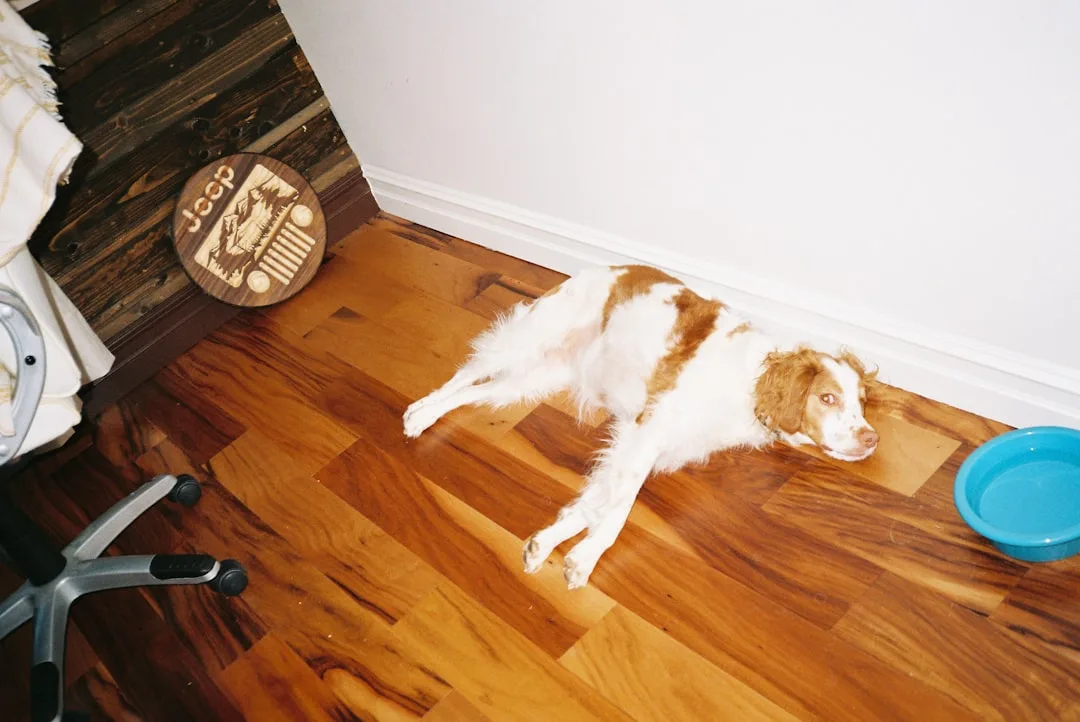
The fastest-moving category in pet & home trends right now is not a product — it is a room feature. Dedicated pet enrichment zones are being designed into primary living spaces by homeowners and interior designers alike, shifting animal stimulation from an afterthought to a structural intention.
Urban Dog Owners Drove This and the Data Backs It Up
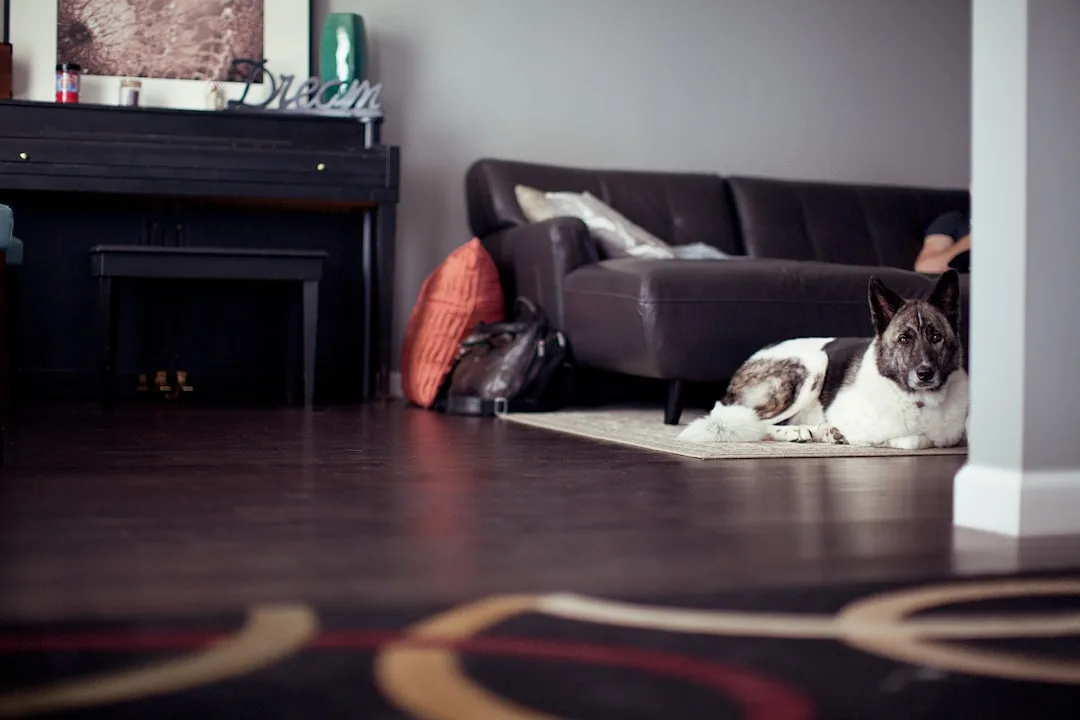
The spatial pressure of city living created the conditions. Dogs in apartments with limited outdoor access need cognitive stimulation built into their environment — not a walk around the block twice a day. This reality has pushed enrichment from a trainer’s recommendation into a design brief.
Viral enrichment routines on TikTok and Instagram under tags like #dogenrichment have pulled the concept into mainstream visibility, with structured daily routines appearing in “day in the life” reels watched by millions. The audience watching those videos is not just pet owners — it is home designers paying attention to where consumer behavior is headed next.
What a Pet Enrichment Zone Actually Contains
This is not a mat and a chew toy. A designed enrichment zone in 2026 integrates puzzle feeders, scent-work stations, tactile surfaces, and sometimes wall-mounted climbing or sniff panels — all contained within a defined spatial footprint that reads as intentional interior design, not clutter.
Material choices matter here. Wool, organic cotton, and natural wood are showing up in enrichment furniture for the same reason they dominate the broader home — they telegraph quality and age well. Brands like Fable Pets and Lords & Labradors are already positioning enrichment-adjacent product lines around this exact aesthetic logic, using calm neutral finishes that disappear into a room rather than disrupting it.
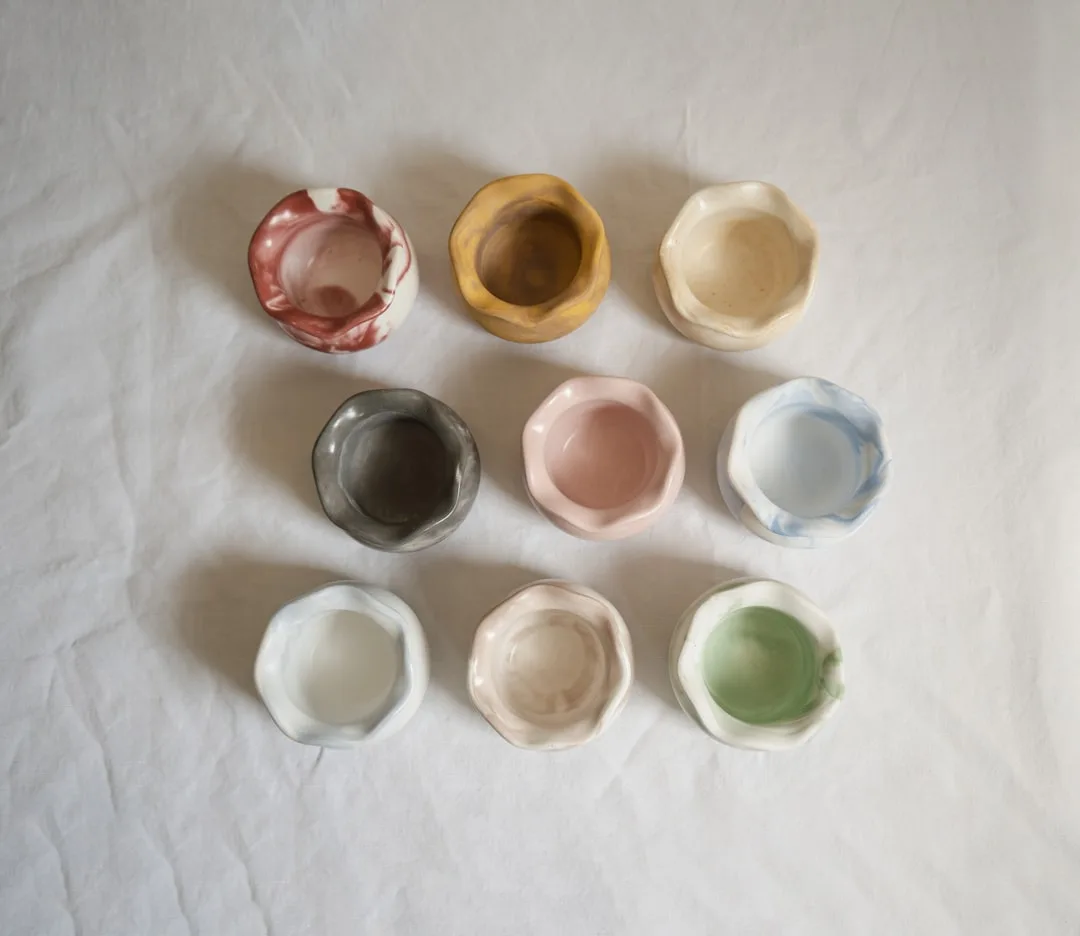
The feeding station is part of this too. Ceramic puzzle bowls and elevated slow feeders are no longer tucked away between meals — they are displayed as functional objects with enough visual weight to sit on an open shelf or kitchen counter without apology.
Pet & Home Trends That Normalize This Space
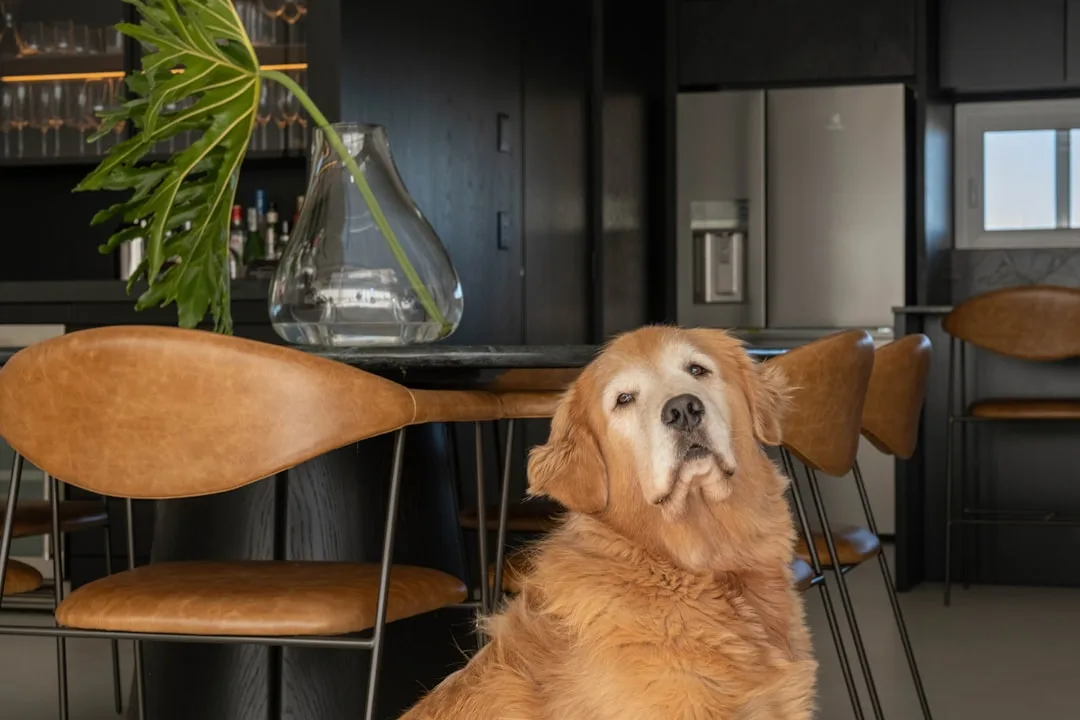
Three converging design movements made the enrichment zone legible to a mainstream homeowner. First, the biophilic interior pushed people to think of the home as an environment with multiple functional zones for different kinds of being — rest, focus, stimulation. Second, the home office boom normalized carving out dedicated purpose-built spaces inside existing rooms. Third — and this is the one designers are not saying out loud — the post-pandemic pet ownership surge left households with animals who had behavioral needs that cheap accessories could not solve.
The result is a category that sits exactly at the intersection of interior architecture and animal behavior science. Interior designer Mariam Mikdashi, whose studio works on high-specification residential projects in New York and Beirut, noted in a January 2026 interview with Dezeen that clients are now requesting “pet briefs” alongside standard room briefs — a first in her fifteen years of practice.
Where Enrichment Zone Design Goes Wrong in Most Homes
The failure mode is buying enrichment products without assigning them a place. Puzzle feeders on the kitchen floor, snuffle mats folded behind the sofa, chew bars on the coffee table — the zone collapses into disorder because no spatial logic contains it. The design move that works is treating the enrichment footprint like a reading nook: bounded, purposeful, readable at a glance.
Wall-mounting is the most effective spatial technique right now. Modular panel systems, originally developed for children’s sensory rooms, are being adapted by independent makers on Etsy and by emerging pet design studios like Howl & Co. for canine enrichment walls. They keep the floor clear, define the zone visually, and give the dog a vertical relationship to its environment — which trainers note increases engagement time significantly.
How This Connects to the Broader Pet Design Shift
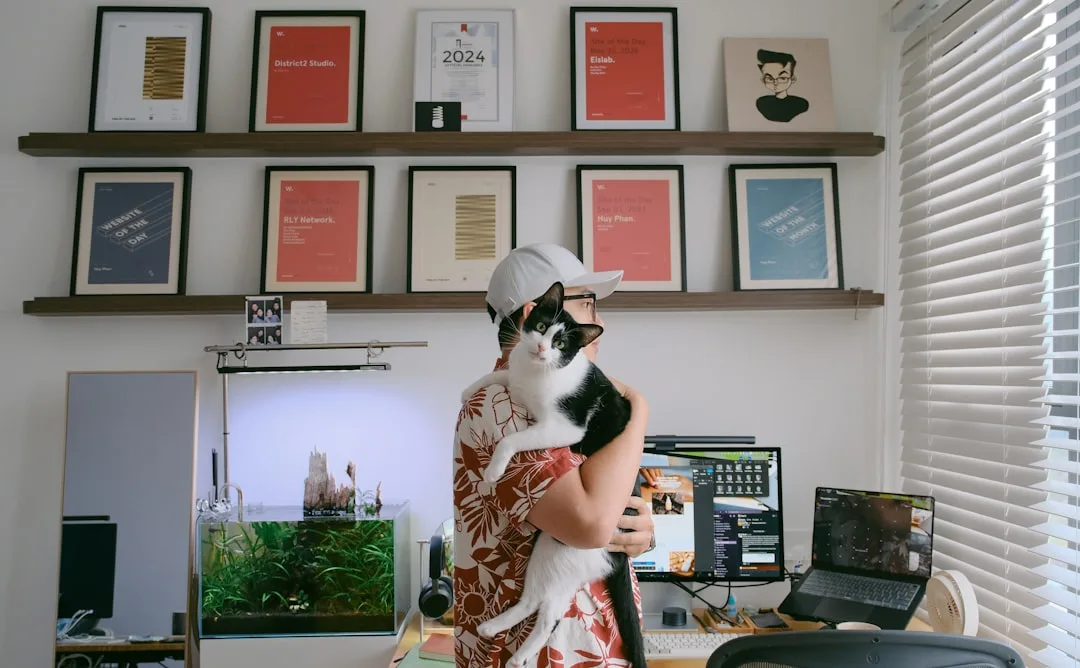
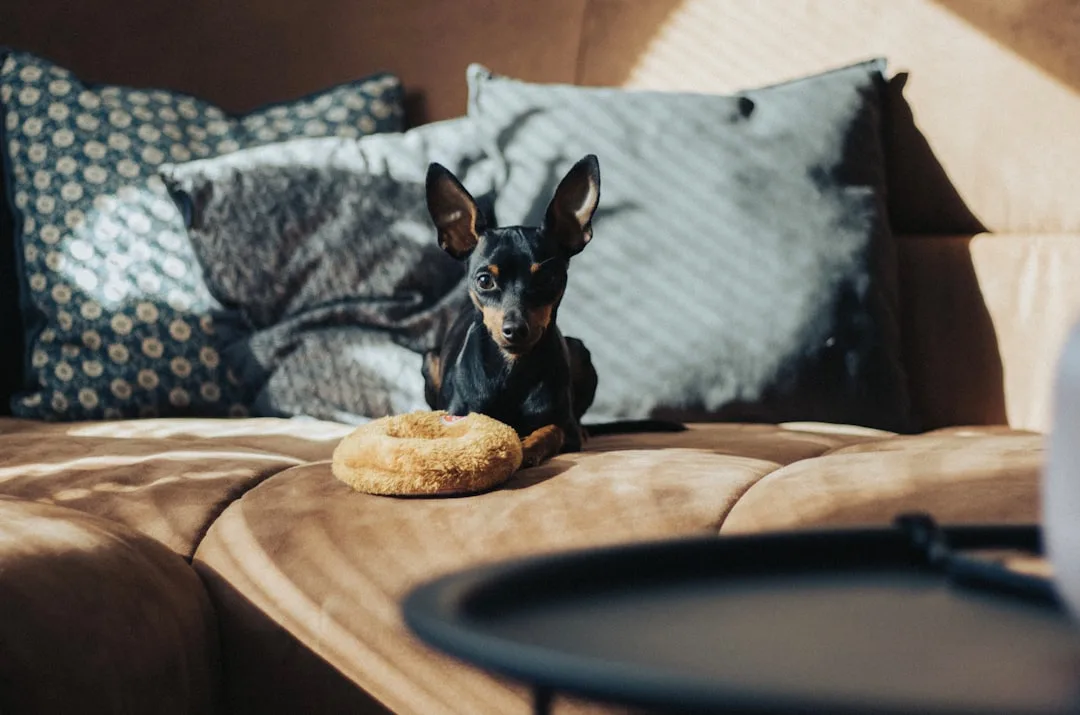
This trend does not exist in isolation. It sits within a wider reorganization of how animals are physically accommodated inside designed interiors. We have already tracked how Aquascaping Is Moving Off the Shelf and Into the Living Room as Pet Habitat Design — that same instinct to treat a pet’s spatial environment as a design object, not a utility purchase, is now scaling from aquatic habitats into the far larger dog and cat ownership market.
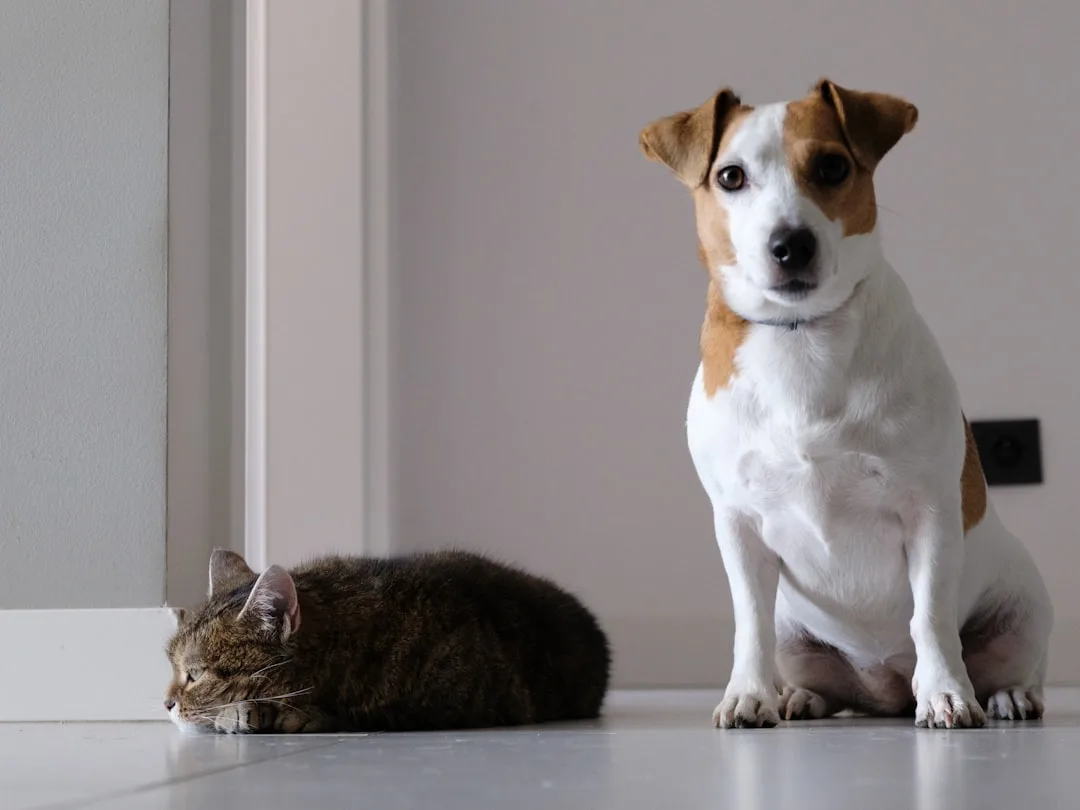
The behavioral health angle is also amplifying it. As Smart Pet Wearables Are Replacing the Vet Visit for Early Detection makes clearer, owners are increasingly data-literate about their animals’ wellbeing. An activity tracker showing low stimulation scores on days without enrichment creates a direct feedback loop that makes the physical zone feel necessary, not indulgent.
Applying This to a Real Room Without a Renovation Budget
You do not need to gut a room. The enrichment zone works at any scale — the key is spatial commitment, not square footage. Assign a corner, a wall section, or a alcove. Use a low console or bench to anchor the zone’s floor presence. Mount two or three panels or shelves at dog or cat height. Choose one material — natural rope, untreated wood, wool — and let it run consistently across every object in the zone.
Keep the palette within the room’s existing color logic. The zone should feel like it belongs to the space, not like a pet store has invaded it. That is the whole point of where pet & home trends are going in 2026: animals get what they need, and the room stays coherent.