
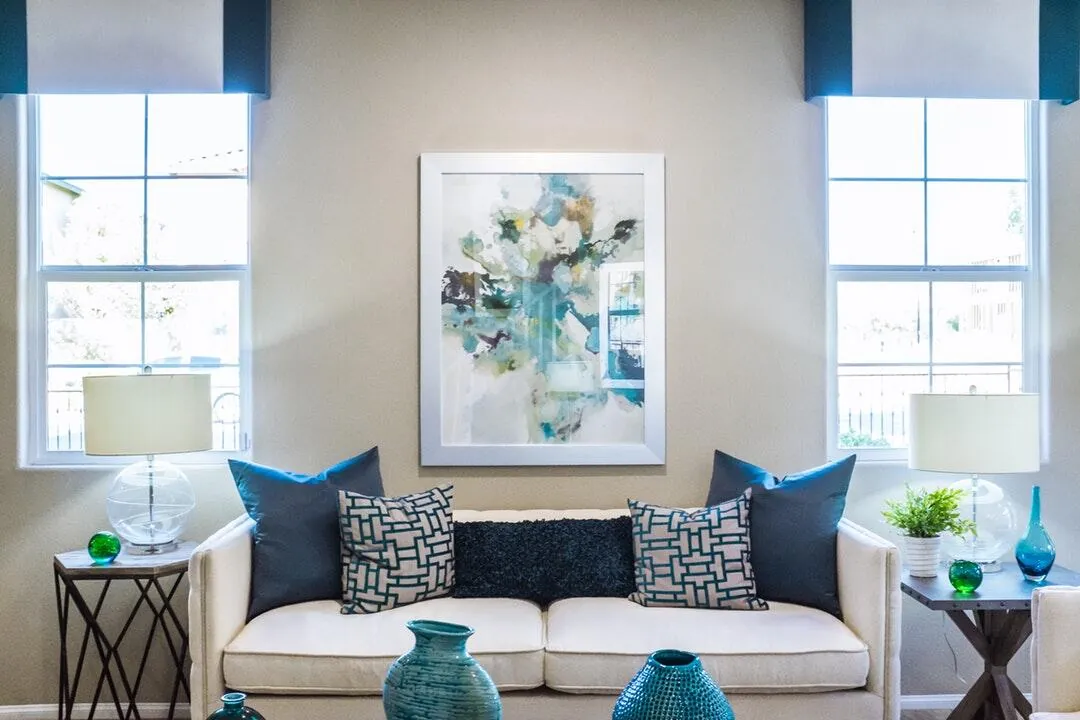
Modern furniture design is often praised for its clean lines and simple shapes. But behind every great piece is something more important-craftsmanship.
Craftsmanship is the skill, care, and attention that go into making furniture that lasts and feels right in a space. While trends may change, quality work remains timeless. Understanding why craftsmanship matters helps buyers choose furniture that looks good, works well, and stands the test of time.
What Craftsmanship Really Means
Craftsmanship is about more than just looks. It includes how furniture is built, what materials are used, and how each part fits together. Skilled makers take time to measure, cut, shape, and finish every piece with care. This process reduces weak points and improves strength.
Well-crafted furniture often uses solid wood, strong joints, and smooth finishes. These details may not always be apparent at first glance, but they make a significant difference in how furniture performs over time.
Quality Materials Make a Difference
Good craftsmanship starts with good materials. Solid wood, high-quality metals, and durable fabrics all play a role in furniture quality. These materials age better and handle daily use with less damage.
Cheaper furniture may use thin boards, weak fasteners, or low-grade finishes. While these pieces may cost less at first, they often need repair or replacement much sooner. Choosing well-made furniture is a smart long-term investment.
Comfort Comes From Skilled Design
Craftsmanship also affects comfort. Chairs, tables, and sofas need to support the body in natural ways. Skilled designers understand:
- balance
- weight
- proportion
They know how to shape furniture so it feels right when used.
For example, well-crafted seating supports the back and legs evenly. Tables sit level and feel stable. These details improve daily comfort and reduce strain, making furniture more enjoyable to use.
Timeless Style Over Short-Term Trends
Craftsmanship supports timeless design. Instead of following fast trends, skilled makers focus on classic forms that stay appealing for years. Clean lines, balanced shapes, and thoughtful details help furniture blend into many styles of homes.
Pieces inspired by historic designers continue to be popular today. Collections like Frank Lloyd Wright furniture show how careful design and skilled building can create furniture that still feels modern decades later.
Durability and Long-Term Value
One of the biggest benefits of craftsmanship is durability. Well-made furniture holds up to daily use, movement, and weight. Strong joints and quality finishes help prevent:
- cracks
- wobbling
- wear
Over time, durable furniture saves money. Instead of replacing broken items, owners can enjoy the same pieces for many years. Some handcrafted furniture even gains value, especially when it comes from respected designers or workshops.
Sustainability Through Craftsmanship
Craftsmanship also supports sustainability. Furniture made with care often uses fewer resources over time because it lasts longer. This reduces waste and lowers the need for frequent replacements.
Many skilled furniture makers also choose responsible materials and methods. They focus on reducing excess and making pieces that can be repaired instead of thrown away. This approach supports a more thoughtful and eco-friendly lifestyle.
Choose Furniture That’s Built to Last
Craftsmanship plays a key role in modern furniture design. It affects quality, comfort, style, and durability. Furniture made with care not only looks better but also performs better over time.
Explore well-crafted designs, invest in quality, and choose furniture that you can enjoy for years to come. Take the time to discover pieces that combine thoughtful design with lasting craftsmanship.
Find solutions tailored to your needs-start exploring more articles today!
Complete guide
Furniture Decor Ideas for Every Room in Your Home
Living room, bedroom, dining, kitchen, outdoor — all in one place
You Might Also Like


Related Topics