Our lives are filled with many alternatives, continual stimulation, and other things we purchase in the hopes of finding happiness, yet most of the time, they just cause us stress. With trash on every surface and rooms packed to capacity, our homes – which ought to be our haven from the turmoil of the outside world – often seem as intimidating as the rest of the world.
By creating spaces that let you think clearly, feel better, and genuinely relax, minimalist design helps you avoid sensory overload. It’s not about living in empty rooms that seem like art galleries; rather, it’s about making smart choices that put quality above quantity and designing areas that work for your family’s needs.
1. Understanding True Minimalism Beyond Empty Rooms
Real minimalist design is all about function and meaning, not just hiding everything out of sight. Every single thing that stays in a minimalist space needs to either serve a real purpose or genuinely make you happy. You end up with rooms where everything actually contributes to making your daily life better and your whole house feel more harmonious.
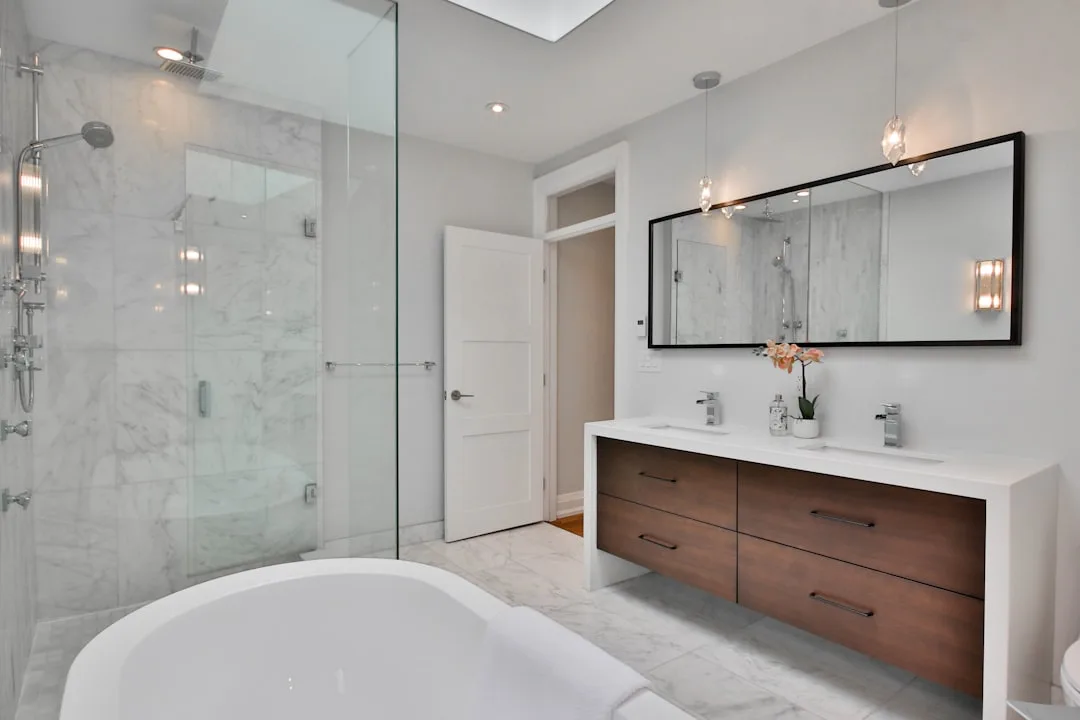
The best minimalist houses seem warm, comfortable, and lived-in while maintaining the clean lines and uncluttered surfaces that promote serenity and relaxation.
When planning Home Improvement Company Indianapolis projects with minimalist goals, the focus shifts from adding more features to enhancing existing elements while eliminating unnecessary complications. This approach often proves more economical while creating more satisfying results that truly serve family needs and preferences.
2. Getting Rid of Stuff (And Keeping It Gone)
Here’s what nobody tells you about decluttering: throwing things away is the easy part. The hard part is stopping new junk from moving in to replace what you just got rid of.
Most people attack clutter like they’re fighting a fire – frantically shoving things into donation bags until the house looks cleaner. But clutter isn’t really about the stuff. It’s about habits, emotions, and systems that don’t work. Fix those, and the stuff problem fixes itself.
Start with obvious trash. Expired makeup, broken electronics sitting in drawers, clothes from when you were a different size or lived a different life. These decisions don’t require therapy sessions – just trash bags and honesty about what you actually use.
3. Colors That Don’t Make Your Brain Tired
Bright colors are fun until they give you a headache. Minimalist spaces stick with quiet colors because they’re restful to look at and live with day after day.
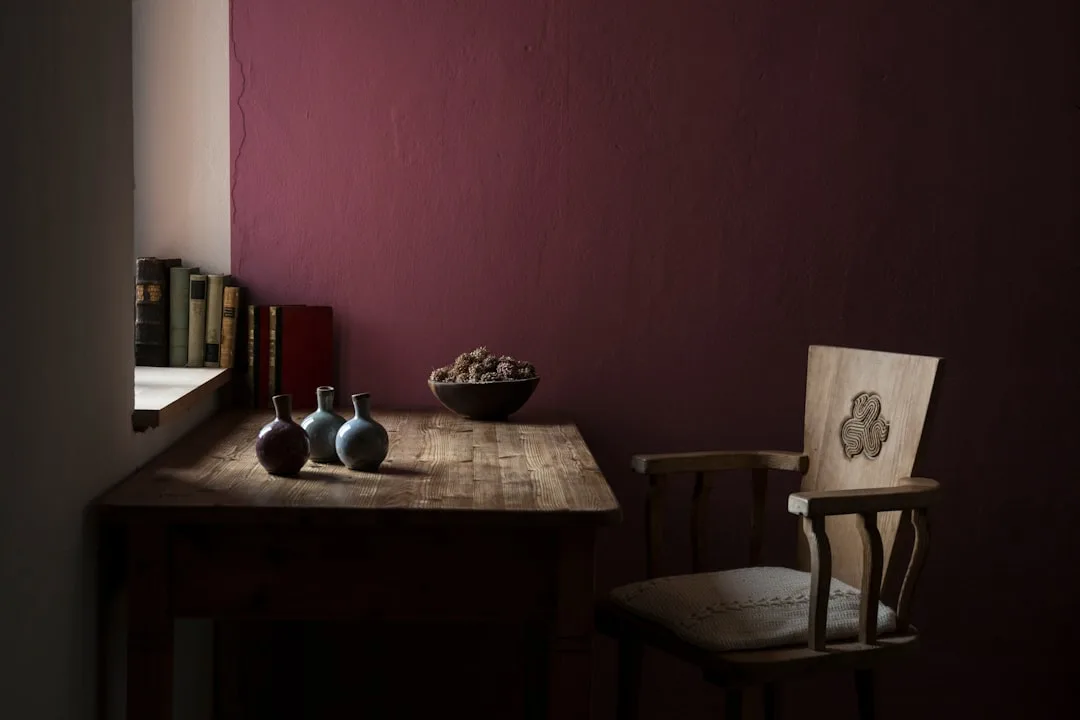
Pick one main color family and use different shades of it throughout your space. All grays, all beiges, all blues – whatever feels right to you. This creates a calm backdrop where your furniture and personal items can stand out without competing with the walls.
Nature provides the best color schemes anyway. Think beach house neutrals, forest greens and browns, or desert tans and whites. These combinations feel familiar and comfortable because humans have been looking at them forever.
4. Buying Furniture That Works
Minimalist doesn’t mean owning three pieces of furniture and sitting on the floor. It means every piece you own needs to pull its weight by being beautiful, functional, and well-made.
Size everything carefully. Big furniture in small rooms makes you feel trapped. Tiny furniture in big rooms looks lost and sad. Walk around potential purchases in the store to get a real sense of their scale before bringing them home.
Hidden storage becomes crucial when you want clean surfaces but still need places to put things. Coffee tables with drawers, benches that open up, beds with compartments underneath – these pieces do double duty without looking cluttered.
Look for simple shapes without unnecessary decoration. Furniture with clean lines ages better than pieces with trendy details that will look dated in five years.
5. Lighting That Shows Off Space Instead of Itself
Natural light makes every room better, so maximize whatever windows you have. Don’t block them with heavy curtains or furniture. Let that free light pour in and bounce around your space.
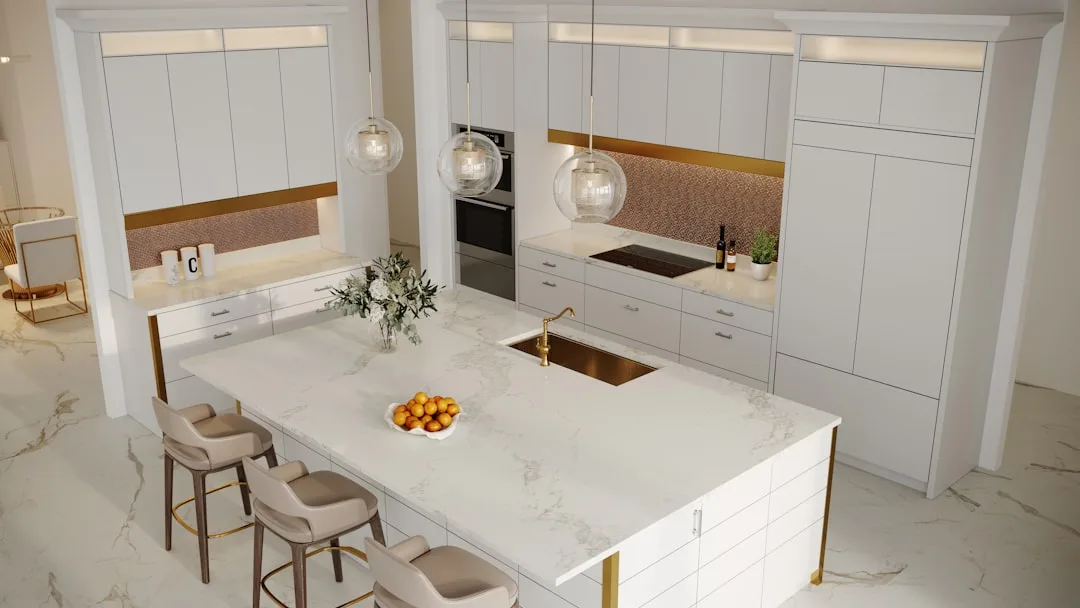
For artificial lighting, think simple and functional. You want to see what you’re doing without the light fixtures becoming the main attraction. Basic pendant lights, clean table lamps, maybe some hidden LED strips for ambient glow.
Avoid complicated lighting systems with multiple switches and dimmer controls that require an engineering degree to operate. Simple is better, and simple is more likely to actually get used.
Candles work great in minimalist spaces because they’re naturally simple.
Making This Work in Real Houses
Minimalism is not about living in a sterile white box or tossing away everything that makes you happy. It’s about surrounding oneself with the things that genuinely matter while eliminating the visual clutter that makes daily life feel chaotic and stressful.
The whole objective is to give your mind some breathing room. When your surroundings are quiet and organized, you can concentrate on relationships, interests, and actual experiences rather than continually maintaining and cleaning unnecessary items.