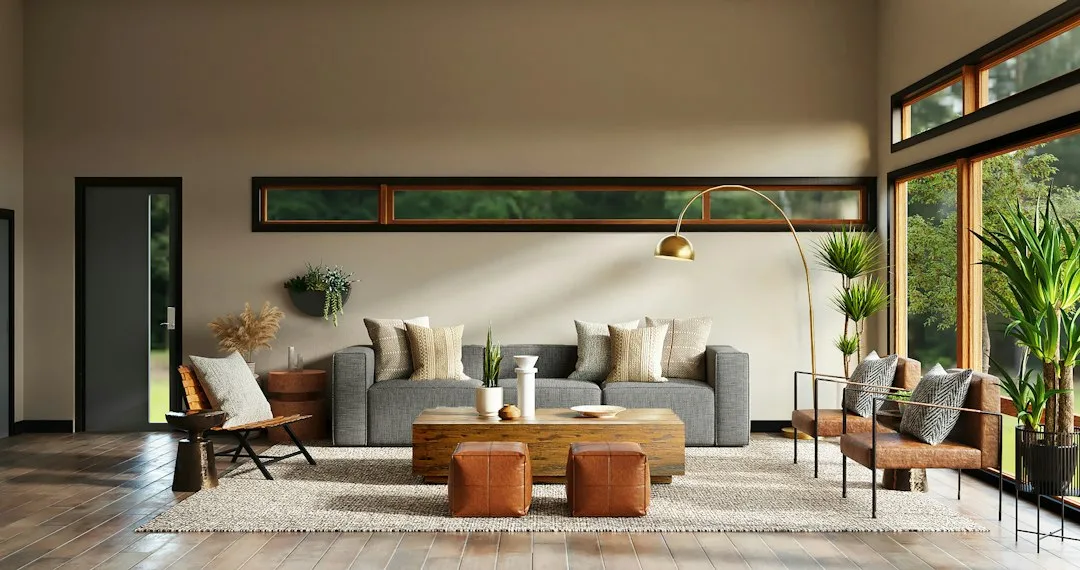
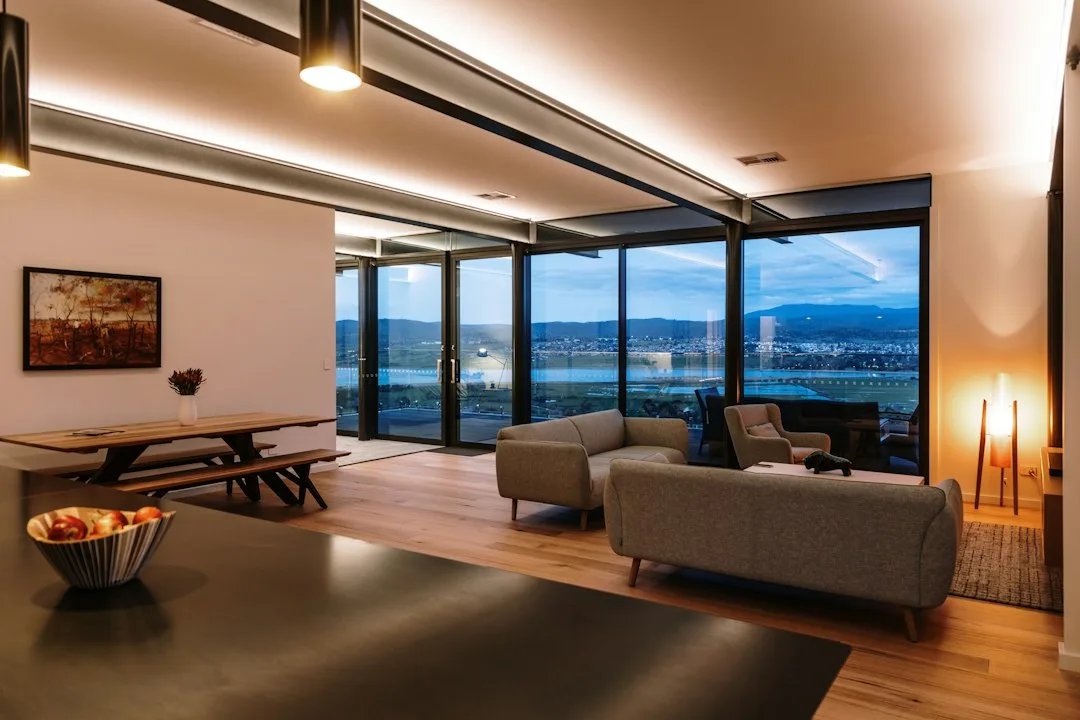
Redesigning a space might sound like fun—until you’re knee-deep in Pinterest boards, measuring tapes, and a mild existential crisis over whether your couch “sparks joy.” Whether you’re revamping a rental or creating your dream living room from scratch, one truth remains: the clearer your vision, the better the outcome.
That’s where visual planning comes in. Think of it as your interior design GPS—it helps you avoid the dead ends, detours, and that awkward moment when your new table won’t fit through the door.
So how do you plan a space that actually works for your lifestyle and looks great? Let’s break it down.
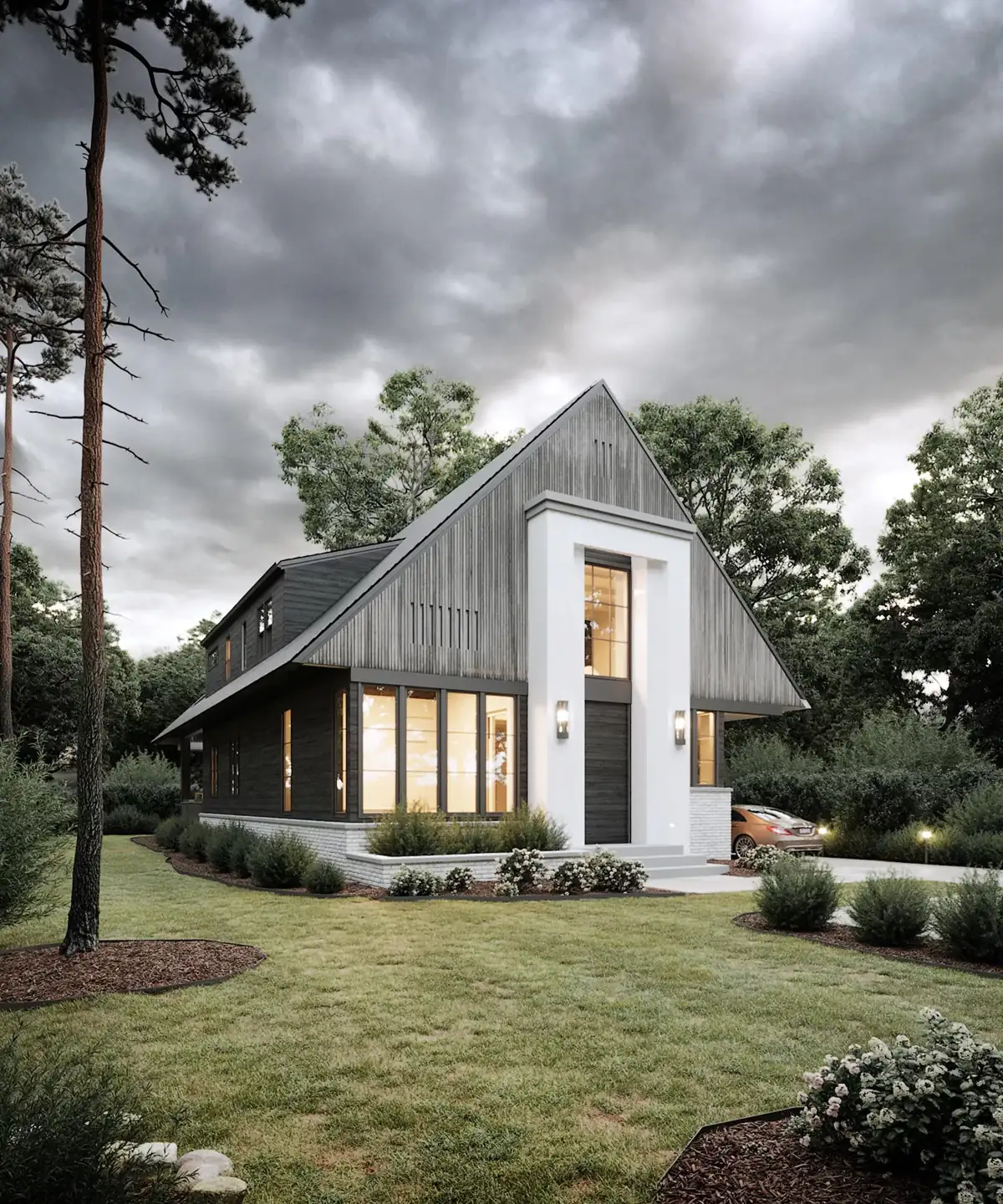
Start with Function, Not Aesthetics
Yes, the velvet green sofa looks amazing in the showroom. But will it survive your cat’s claws and your Sunday naps? Before diving into the fun stuff, ask yourself how the space needs to function.
- Do you work from home and need a dedicated desk area?
- Do you host dinners or movie nights?
- Do you need toy storage that doesn’t scream “kindergarten”?
Planning starts with priorities. List what you actually do in the space. The style will follow—trust me.

Measure Twice, Regret Never
You know that friend who eyeballs everything and ends up with curtains that are two inches too short? Don’t be that friend.
Start by measuring:
- Room dimensions
- Doorways and windows
- Ceiling height
- Furniture you plan to keep
Then, sketch a rough floor plan or, better yet, use a digital layout tool. Or, if you want to skip the tech headache, many 3D interior design services now offer drag-and-drop interfaces where you can test layouts like you’re playing The Sims, but for grown-ups.
Even better, many of these services help identify layout issues before you even move a chair. Think of them as a preview button for your home.

Moodboards Are Not Just for Aesthetes
You don’t need to be an artist to make a mood board. This is about collecting visuals that speak to you—colors, shapes, textures, and vibes. Your future space lives in this board before it exists IRL.
Tips for a good mood board:
- Pick 1–2 color schemes max
- Include texture swatches (wood, stone, linen)
- Think lighting—do you like warm, cozy glows or bright natural light?
Pinterest is wonderful. But sometimes it’s even better to plug those vibes directly into a 3D interior design service and watch them come alive. It’s one thing to pin 40 images of “modern boho neutral” and another to see how that actually looks in your oddly shaped living room.
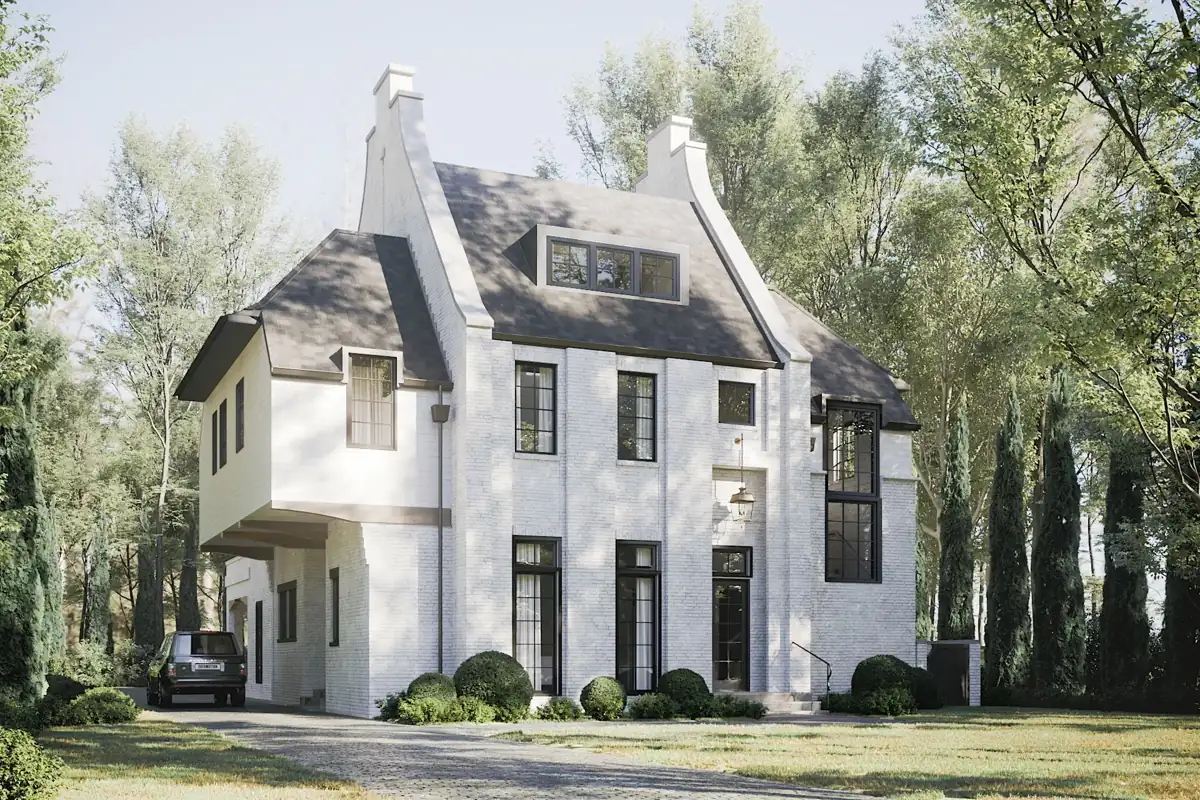
Don’t Just Style—Solve
This is where visual planning becomes less about aesthetics and more about lifestyle design.
- Hate bending down to get pots and pans? Factor that into your kitchen layout.
- Always tripping over shoes at the door? Time for a better entry solution.
- Love to read? Let’s get that window nook working for you.
Design isn’t just about how it looks—it’s about removing friction from your daily routine. When done right, you don’t notice the design. You just live better.
Plan for Lighting Like a Pro
Lighting changes everything. And no, one sad ceiling fixture won’t cut it.
Use the “three-layer rule”:
- Ambient—general lighting (e.g. overhead lights)
- Task—for reading, cooking, makeup, etc.
- Accent—for mood and style (lamps, LED strips, fairy lights if you must)
Most people underestimate how much bad lighting can mess with the vibe. And natural light? That’s the MVP. Use mirrors and light wall colors to boost it where possible.
Visualizing lighting is tough on paper. This is where 3D tools shine—literally. They can simulate different lighting conditions throughout the day, so you don’t realize too late that your dining room is basically a cave after 5 PM.

Preview Before You Purchase
Impulse buys are great when it’s a cookie. Not so much when it’s a $700 armchair that turns out to be the size of a baby elephant.
This is where the magic of 3D interior design services truly comes into play. You can preview full layouts, furniture proportions, and even texture combinations before spending a single cent.
It’s like trying on clothes before buying them—but for your home. And just like in the fitting room, what looks good on the rack doesn’t always suit the space.
Plus, a good 3D preview can help you identify clashing patterns, overly bulky furniture, or that tiny rug that makes your room feel like a waiting area at the dentist’s office.

Bring in Layers and Personal Touches
Once the basics are locked in, it’s time for the fun part—adding soul. The little things: a woven basket here, a quirky lamp there, a gallery wall that says, “Yes, I have emotional depth and an eye for symmetry.”
Here’s the trick: start with layers.
- Rugs for grounding
- Curtains for softness
- Pillows and throws for texture
- Art and books for personality
Use restraint, though. There’s a fine line between “curated” and “cluttered chic meltdown.”

Think Long-Term, Not Just “Now”
It’s easy to design around your current life. But what about six months from now?
- Expecting a new baby?
- Planning to adopt a pet?
- Turning the guest room into a home office?
Your design should evolve with you. So build in a little wiggle room. Opt for furniture that can shift around and layouts that adapt. A well-planned space won’t need a full makeover every time life throws a curveball—it’ll just need a few smart tweaks.
A little foresight here means less money and fewer headaches later.
When in Doubt, Edit
Sometimes, the best thing you can add is… space. That’s right—room to breathe. If your layout feels tight or overstuffed, it might be time to subtract instead of add.
Take a photo of your room and view it like a stranger. What stands out? What feels off? What can go?
Good design is as much about knowing what to leave out as it is about knowing what to bring in.
Final Thoughts: Your Space, Your Rules
Forget the idea of a “perfect” room. There’s only your perfect room—the one where form and function shake hands and agree to be besties.
With the help of clear priorities, smart tools, and yes, a dash of inspiration, you can create a space that looks beautiful and works hard behind the scenes. And if you’re not sure where to start? Let tech do the heavy lifting. From layout simulations to color previews, 3D interior visualization services have turned home planning from guesswork into an exact (and surprisingly fun) science.
Because your home isn’t just a backdrop. It’s a co-star in your everyday life.