Choosing the right window grill design is one of the most impactful decisions you can make for your home’s facade. A well-designed grill does more than protect against intrusion — it shapes the entire visual character of the building, controls how natural light enters your rooms, and can even affect property value. In this guide, we showcase 16+ of the best window grill designs for modern homes, organized into four distinct style categories: geometric, minimalist, traditional-modern fusion, and sleek linear. For each style, you will find real design photos, practical advice on materials and maintenance, and tips on matching grills to your home’s architecture. Whether you are building from scratch, renovating, or simply looking for fresh inspiration, this collection will help you find a window grill that balances security with standout design.
⚡ Quick Summary
Best for modern facades: Horizontal or vertical linear bar grills in powder-coated steel or aluminum.
Best for visual impact: Geometric patterns — diamond, hexagonal, or lattice designs in laser-cut metal.
Best for character homes: Fusion grills combining modern frames with traditional scrollwork or floral accents.
Most affordable material: Mild steel (from ~$10/sq.ft installed), best premium choice: stainless steel 304.
Maintenance tip: Powder-coated finishes require the least upkeep; wrought iron needs periodic repainting to prevent rust.
Geometric Window Grill Designs: Patterns, Materials & Photos
The best window grill design is not just about safety; it’s about making a statement. In the realm of modern architecture, geometric precision stands out as a prominent trend. This essay delves into the intricacies of geometric precision in window grill designs, exploring how symmetry, patterns, and mathematical accuracy come together to create stunning visual masterpieces.
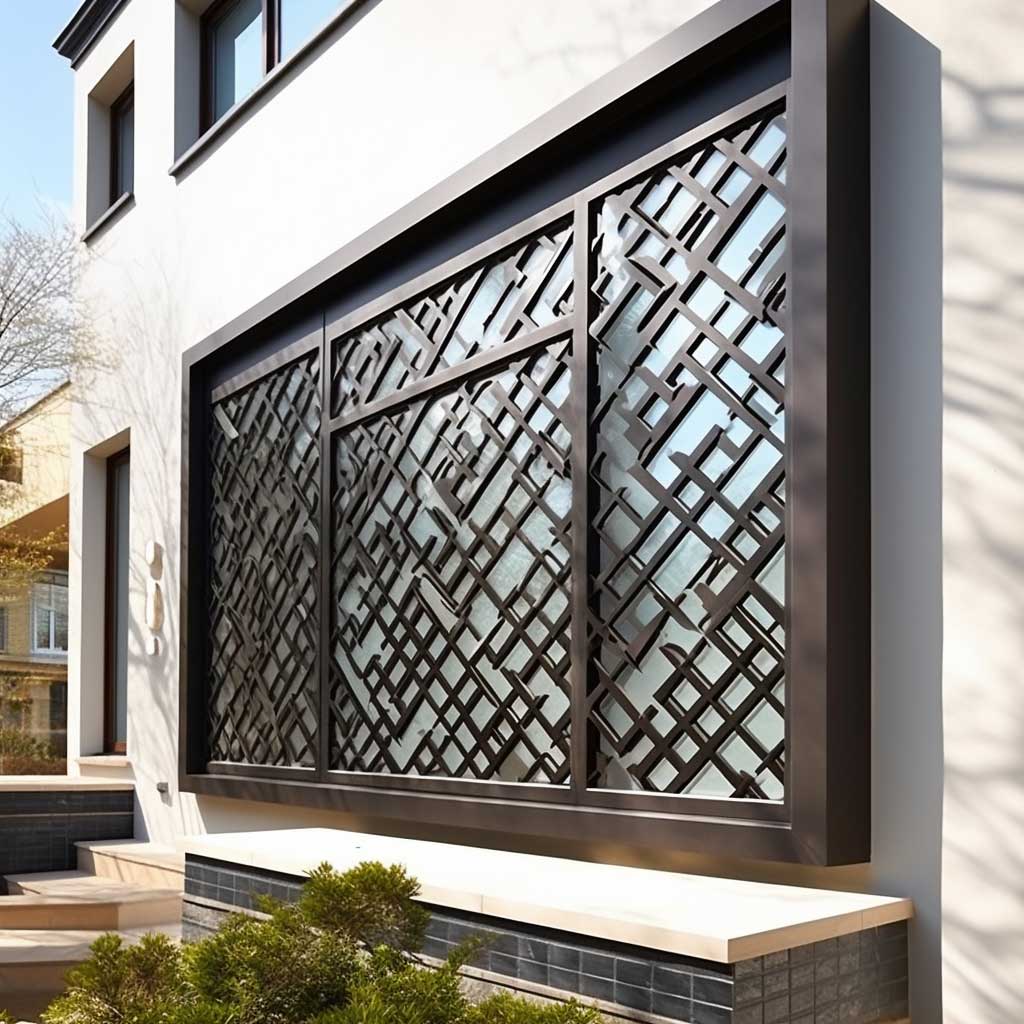
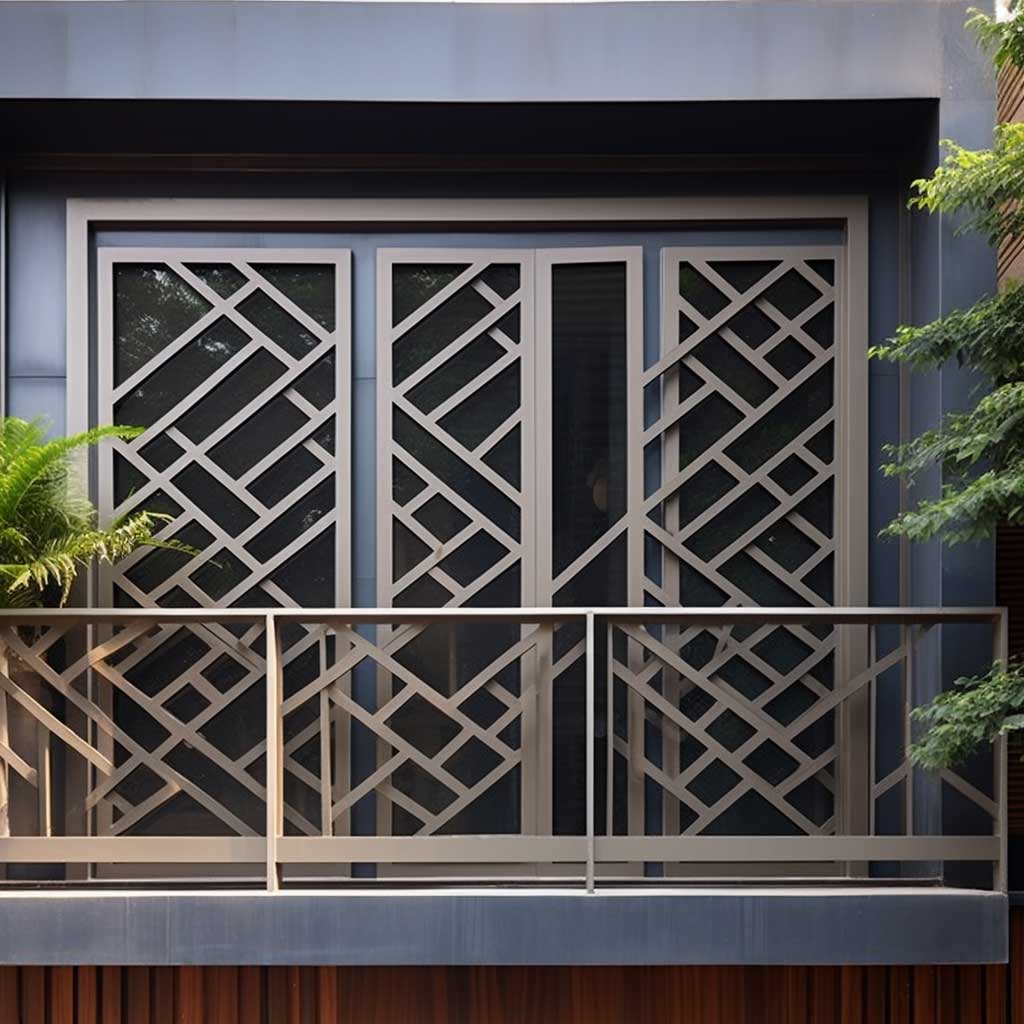

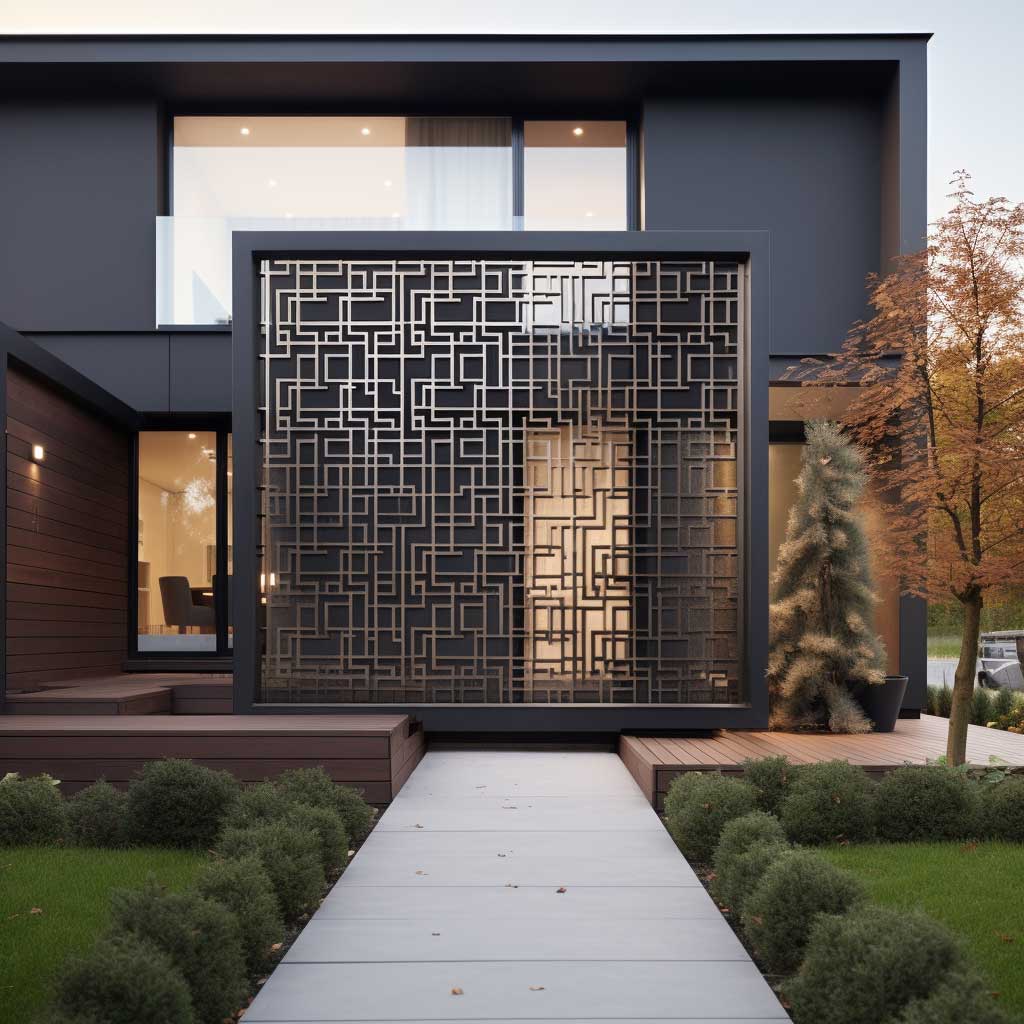
Geometry has always been an integral part of design, from ancient monuments to modern skyscrapers. In the context of window grills, geometric precision offers a blend of aesthetics and functionality. The repetitive patterns, sharp lines, and symmetrical shapes not only provide robust security but also add a touch of modernity to homes.
One of the primary appeals of geometrically precise window grills is their ability to capture attention. The patterns, whether simple or intricate, create a visual rhythm that draws the eye. This rhythmic quality, combined with the play of light and shadow, can transform an ordinary window into a focal point of a room or facade. For a detailed breakdown of how different materials — from mild steel to stainless steel and aluminum — affect both the look and longevity of geometric grills, see this guide to window grill material types by Asian Paints Beautiful Homes.
Furthermore, geometric designs offer versatility. From diamonds to hexagons, from circles to intricate lattices, the possibilities are endless. This versatility allows homeowners and designers to choose a pattern that resonates with the overall architectural theme of the home. Whether it’s a minimalist modern home or a contemporary mansion, there’s a geometric window grill design to complement it.
Another advantage of geometric precision in window grill design is its universal appeal. Geometry is a language understood worldwide. Regardless of cultural or regional differences, geometric patterns resonate with people everywhere. This universal appeal makes geometric window grills a popular choice for homes across the globe.
In conclusion, geometric precision in window grill design represents the perfect marriage of form and function. It’s where the best window grill design principles meet mathematical accuracy to create designs that are not only secure but also aesthetically pleasing. As the world of design continues to evolve, the allure of geometric precision remains timeless, offering homeowners a blend of safety, beauty, and modernity.
Geometric window grills are typically fabricated from mild steel, stainless steel, or powder-coated aluminum. Mild steel is the most budget-friendly option and works well for bold, thick patterns, though it requires anti-rust treatment in humid climates. Stainless steel grade 304 offers a corrosion-resistant alternative and is ideal for coastal or high-moisture areas — its sleek finish pairs especially well with geometric cut-outs. Aluminum is the lightest choice and can be laser-cut into highly precise shapes, making it a favorite for intricate diamond, hexagonal, or lattice patterns. For an in-depth look at over 30 geometric and horizontal bar styles with expert tips, see our guide to simple modern window grill designs. When selecting a geometric pattern, consider the spacing between bars: tighter grids improve security but reduce airflow and natural light, while open patterns offer better ventilation at the expense of privacy. A practical rule is to keep bar spacing under 10 centimeters for ground-floor windows to deter intrusion while maintaining a visually light appearance.
| Material | Security | Corrosion Resistance | Weight | Design Flexibility | Maintenance | Approx. Cost |
|---|---|---|---|---|---|---|
| Mild Steel (MS) | ★★★★★ | ★★☆☆☆ | Heavy | High | Repaint every 2–3 years | $10–20/sq.ft |
| Stainless Steel 304 | ★★★★★ | ★★★★★ | Medium | Medium | Minimal — occasional polish | $25–40/sq.ft |
| Aluminum | ★★★☆☆ | ★★★★★ | Light | Very High (laser-cut) | Minimal — wipe clean | $15–30/sq.ft |
| Wrought Iron | ★★★★★ | ★★☆☆☆ | Very Heavy | Very High (forged) | Repaint every 1–2 years | $30–50/sq.ft |
| Wood | ★★☆☆☆ | ★☆☆☆☆ | Medium | High (carved) | Annual polishing + sealing | $20–45/sq.ft |
Minimalist Window Grill Designs: Clean Lines for Modern Homes
Minimalism is more than just a design trend; it’s a philosophy that emphasizes simplicity, functionality, and elegance. When it comes to the best window grill design, minimalist elegance stands out as a testament to the power of understatement. This essay explores the nuances of minimalist elegance in grill craftsmanship, highlighting how less can indeed be more.

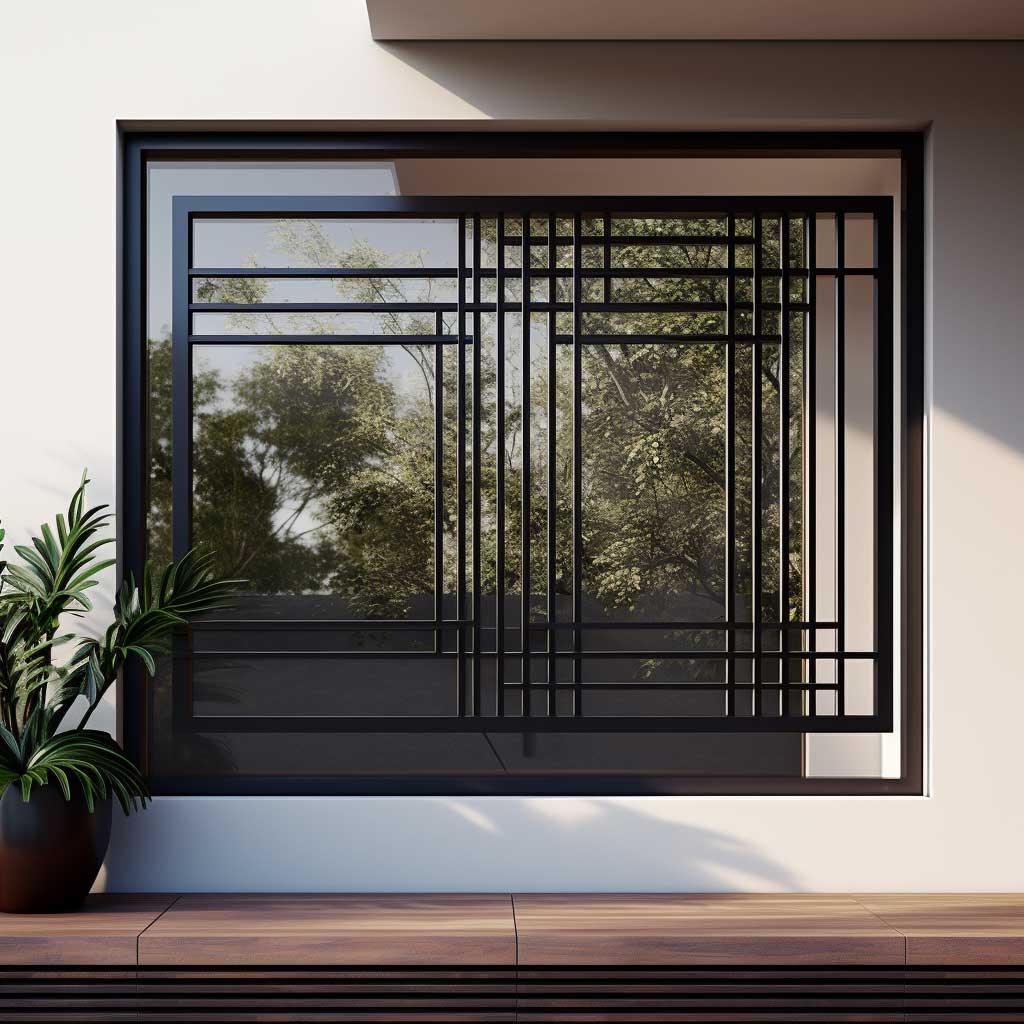


In a world cluttered with information, visuals, and distractions, minimalism offers a breath of fresh air. It strips away the unnecessary, focusing on the essential. In the context of window grill design, minimalist elegance translates to clean lines, simple patterns, and an emphasis on functionality.
One of the hallmarks of minimalist window grill design is its ability to blend seamlessly with its surroundings. Without ornate patterns or intricate details, minimalist grills don’t scream for attention. Instead, they subtly complement the architectural features of the home, enhancing its overall aesthetic appeal.
The beauty of minimalist grill craftsmanship lies in its versatility. Whether it is a sleek urban apartment or a spacious suburban home, minimalist grills fit in effortlessly. Their simplicity allows them to adapt to various architectural styles, from ultra-modern to transitional. For practical guidance on selecting between steel, iron, aluminum, and stainless steel based on your specific security and climate requirements, Houzz offers a helpful comparison of the best materials for window grilles.
Moreover, minimalist window grills are often easier to maintain. Without intricate patterns or details, cleaning and upkeep become straightforward. This ease of maintenance, combined with their robust design, makes minimalist grills a practical choice for many homeowners.
In conclusion, minimalist elegance in grill craftsmanship represents the essence of modern design. It’s where the best window grill design principles converge with the philosophy of minimalism to create grills that are simple, elegant, and functional. As the world leans towards simplicity and functionality, minimalist window grills will continue to be a preferred choice for homeowners seeking a blend of style and practicality.
The key to a successful minimalist grill installation is selecting the right finish and profile thickness. Flat-bar profiles with a width of 20 to 25 millimeters create the sleekest visual effect and are strong enough for most residential applications. Matte black powder coating is currently the most popular finish for minimalist grills, as it adds contrast against light-colored facades without drawing excessive attention. For a softer look, brushed stainless steel or white-coated aluminum blends almost invisibly into white or light gray walls. Maintenance is minimal: powder-coated surfaces only require occasional wiping with a damp cloth, while stainless steel benefits from a light polish once or twice a year. If you live in an area prone to heavy rain or coastal salt exposure, request marine-grade 316 stainless steel or ensure your powder coating is rated for outdoor use with a minimum 60-micron thickness.
Traditional Meets Modern: Fusion Window Grill Designs
The best window grill design often draws inspiration from various sources, blending the old with the new. The fusion of traditional and modern grill patterns represents a harmonious blend of time-honored craftsmanship with contemporary aesthetics. This essay delves into this unique fusion, exploring how the past and present come together to create window grills that are both timeless and trendy.


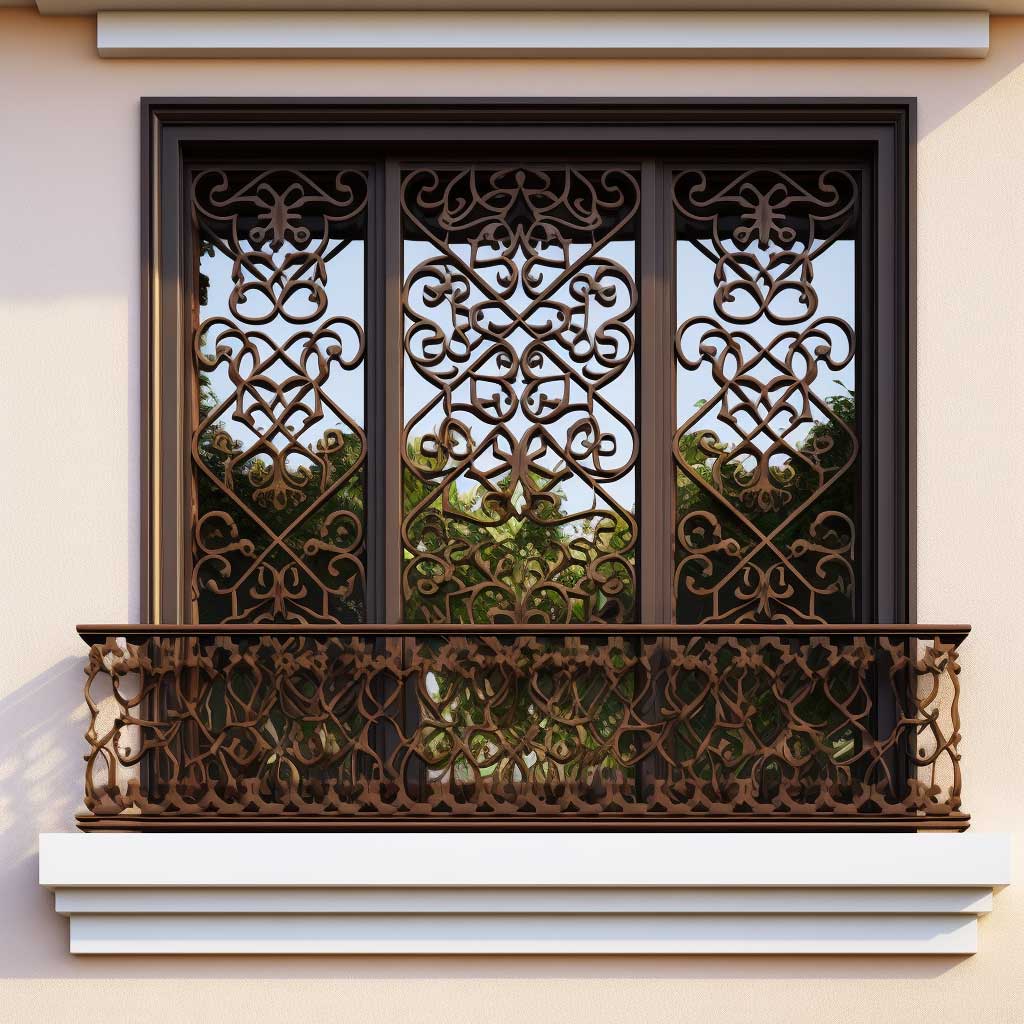
Tradition, with its rich history and time-tested designs, offers a treasure trove of inspiration. From intricate latticework seen in ancient palaces to the ornate patterns of historical homes, traditional grill designs have a charm that’s hard to replicate. However, in the modern context, these designs can sometimes feel out of place or overly ornate.
Enter modern design principles, with their emphasis on simplicity, functionality, and clean lines. By themselves, modern grill designs can sometimes feel too stark or impersonal. But when fused with traditional patterns, they bring a fresh perspective, creating designs that are both familiar and novel.
One of the key benefits of this fusion is its versatility. A window grill that combines traditional and modern patterns can fit seamlessly into a variety of architectural styles. Whether it’s a renovated heritage home or a new-build contemporary house, these grills add a touch of elegance and uniqueness.
Another advantage is the sense of continuity it brings. In a rapidly changing world, the fusion of traditional and modern grill patterns serves as a bridge between the past and the present. It’s a reminder of the rich history of craftsmanship while embracing the innovations of modern design.
Decorative elements from traditional designs, when paired with the minimalist approach of modern aesthetics, result in grills that are visually appealing without being overwhelming. The intricate details of traditional patterns are balanced by the simplicity of modern design, creating a harmonious look.
In conclusion, the fusion of traditional and modern grill patterns represents the evolution of design. It’s where the best window grill design principles of the past meet the innovations of the present, resulting in creations that are both nostalgic and forward-looking. As homeowners seek designs that reflect both their heritage and their contemporary sensibilities, this fusion will continue to be a popular choice.
One effective approach to achieving this fusion look is to use a structurally modern frame — straight, evenly spaced bars in steel or aluminum — and then introduce a single decorative element such as a scrollwork medallion at the center or ornamental finials at the corners. This technique preserves the security and clean profile of a modern grill while adding just enough decorative detail to reference traditional craftsmanship. Wrought iron is the classic material for this style because it can be forged into curves and floral motifs that are impossible with standard extrusion methods. If you are drawn to the idea of ornamental ironwork on windows, our collection of classic window steel grill design inspirations offers additional ideas for blending heritage patterns with contemporary structures. However, modern CNC laser-cutting now allows designers to replicate similar ornamental effects in lighter materials like aluminum sheet, significantly reducing weight and cost. When commissioning a fusion-style grill, always request a full-scale drawing or mockup so you can evaluate proportions before fabrication, since the balance between decorative and structural elements is the single most important factor in the final result.
Sleek Linear Window Grill Designs: Horizontal & Vertical Bar Styles
Linear design, characterized by its straight lines and unembellished forms, has become a hallmark of modern aesthetics. When it comes to the best window grill design, sleek linear aesthetics offer a contemporary take on security and style. This essay explores the appeal of sleek linear window grill designs, emphasizing their role in modern architectural trends.
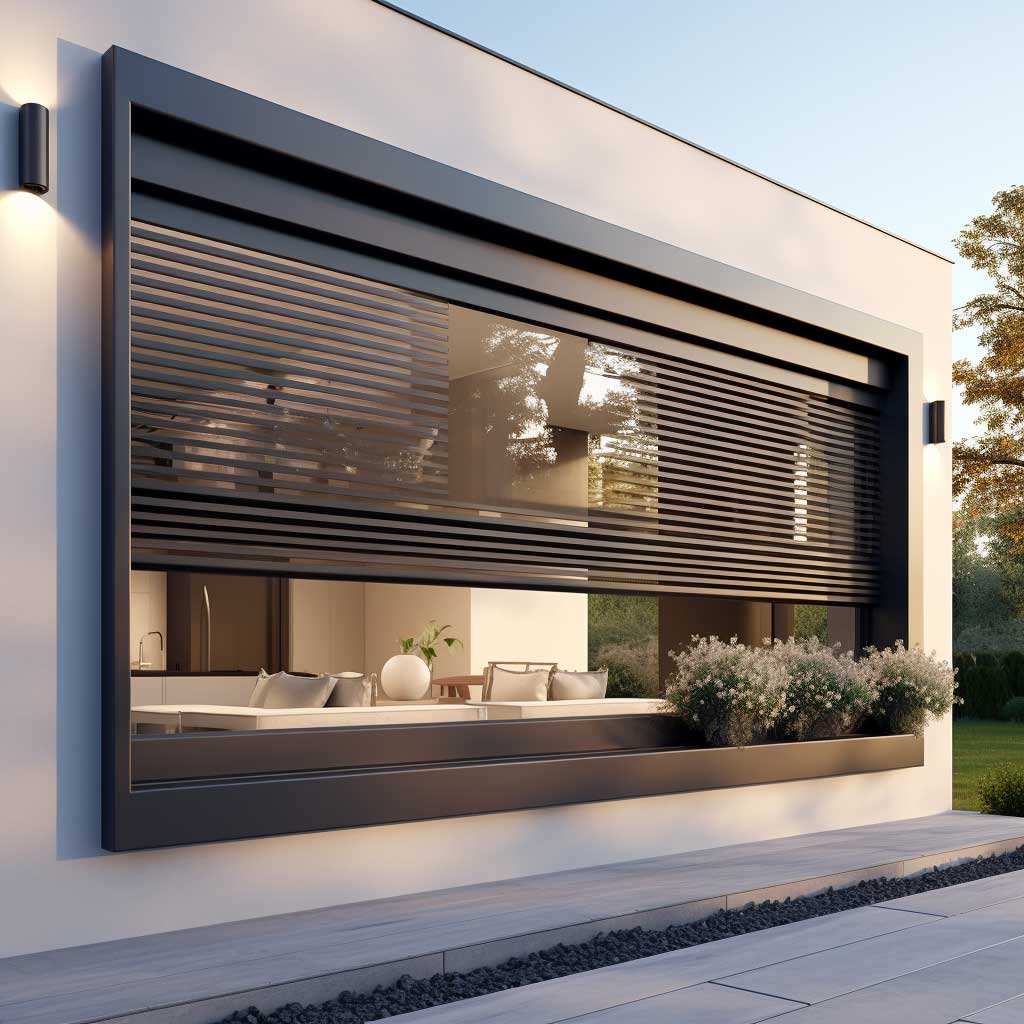


In the realm of design, lines are powerful. They can create boundaries, direct the eye, and establish patterns. Sleek linear window grill designs harness the power of lines to create grills that are both functional and visually striking. The emphasis is on simplicity, with straight lines forming the core of the design.
One of the primary appeals of sleek linear grill designs is their ability to create a sense of order and symmetry. The repetitive straight lines, whether horizontal, vertical, or diagonal, bring a sense of rhythm and structure to the facade of a home. This structured look aligns well with modern architectural styles, which often favor order and symmetry. HomeLane’s roundup of 13 modern window grill designs includes additional examples of linear and sliding grill styles suited to contemporary homes.
Another advantage of sleek linear designs is their versatility. These grills can complement a variety of architectural styles, from ultra-modern homes with glass facades to more traditional homes seeking a contemporary touch. The simplicity of the design allows it to adapt and blend seamlessly.
Furthermore, sleek linear window grills often give an illusion of space. The unobstructed straight lines, devoid of intricate patterns, can make windows appear larger and more open. This sense of openness can make rooms feel brighter and more spacious, adding to the overall aesthetic appeal of the home.
In conclusion, sleek linear window grill aesthetics represent the essence of modern design. It’s where the best window grill design principles converge with contemporary trends to create grills that are simple, elegant, and in line with modern architectural preferences. As the world of design continues to evolve towards simplicity and straight lines, sleek linear window grills will remain at the forefront, offering homeowners a blend of style, security, and modernity.
Horizontal bar grills tend to make windows appear wider and are especially effective on narrow facades, while vertical bars add height and suit buildings with low ceilings or ground-floor apartments. A design trick used by many architects is to vary bar spacing — wider gaps in the center and tighter spacing at the edges — which creates a subtle visual tension without compromising security. For homeowners interested in box-style or protruding grill structures that add depth to the facade, our roundup of creative box window grill design inspirations explores this approach in detail. For installation, horizontal bars should be welded to concealed vertical supports at the back of the frame to maintain a clean front profile. The most common bar cross-sections are round (12 to 16 millimeters diameter) and square (12 by 12 millimeters), with round bars offering a softer appearance and square bars providing a more architectural, sharp-edged look. If your budget allows, consider using a combination of fixed and operable sections: a fixed grill for security with one panel that can be unlocked for emergency egress, which is increasingly required by building codes in many countries.
FAQ
What is the best material for window grills in humid climates?
How do I choose between horizontal and vertical bar grill designs?
Can modern window grills be customized to match my home's architecture?
What bar spacing is recommended for security on ground-floor windows?
Do window grills reduce natural light inside the home?
How much does it cost to install window grills on a modern home?
How to Choose the Best Window Grill Design for Your Home
A step-by-step guide to selecting a window grill design that matches your home’s style, meets security requirements, and fits your budget.
Tools & materials you will need:
- Tape measure
- Notepad or phone for recording dimensions
- Reference photos of preferred styles
- Budget estimate per window
Assess your security needs by floor level
Ground-floor and basement windows need bar spacing under 10 cm and heavy-duty materials like steel or wrought iron. Upper-floor windows can use lighter aluminum or wider-spaced designs since break-in risk is lower.
Match the grill style to your architecture
Geometric patterns suit contemporary and mid-century modern facades. Minimalist bars complement ultra-modern homes. Fusion designs work for renovated heritage buildings. Linear bars are universally adaptable.
Choose a material based on climate and budget
Use the material comparison table above to evaluate your options. Prioritize corrosion resistance in humid or coastal areas, and prioritize strength if security is the primary concern. Powder-coated finishes add durability regardless of base material.
Measure all window openings and note frame types
Record the width, height, and depth of each window opening. Note whether the frame is aluminum, wood, or UPVC, as this affects how the grill will be anchored. Provide these measurements to your fabricator for accurate quoting.
Request a mockup and select a finish color
Ask your fabricator for a full-scale drawing or 3D render before production begins. Choose a powder-coat color that complements your exterior palette — matte black for contrast, white for subtlety, or a custom RAL color to match existing elements.
Install and verify emergency egress compliance
After installation, confirm that at least one window per bedroom has an operable or removable grill section for emergency escape, as required by building codes in many jurisdictions. Test all locking mechanisms and ensure the grill sits flush against the wall without gaps.
Key Takeaway
Window grills have evolved far beyond their original security function to become defining design elements in modern architecture. The best window grill design integrates seamlessly with your home’s facade, balances safety with natural light and ventilation, and reflects the architectural style you want to achieve — whether geometric, minimalist, fusion, or linear.
Before choosing a design, evaluate three practical factors: the material’s durability in your climate, the bar spacing required for security on your specific floor level, and the finish that will complement your exterior color scheme. With the right combination, your window grills will enhance both the curb appeal and the resale value of your home for years to come.