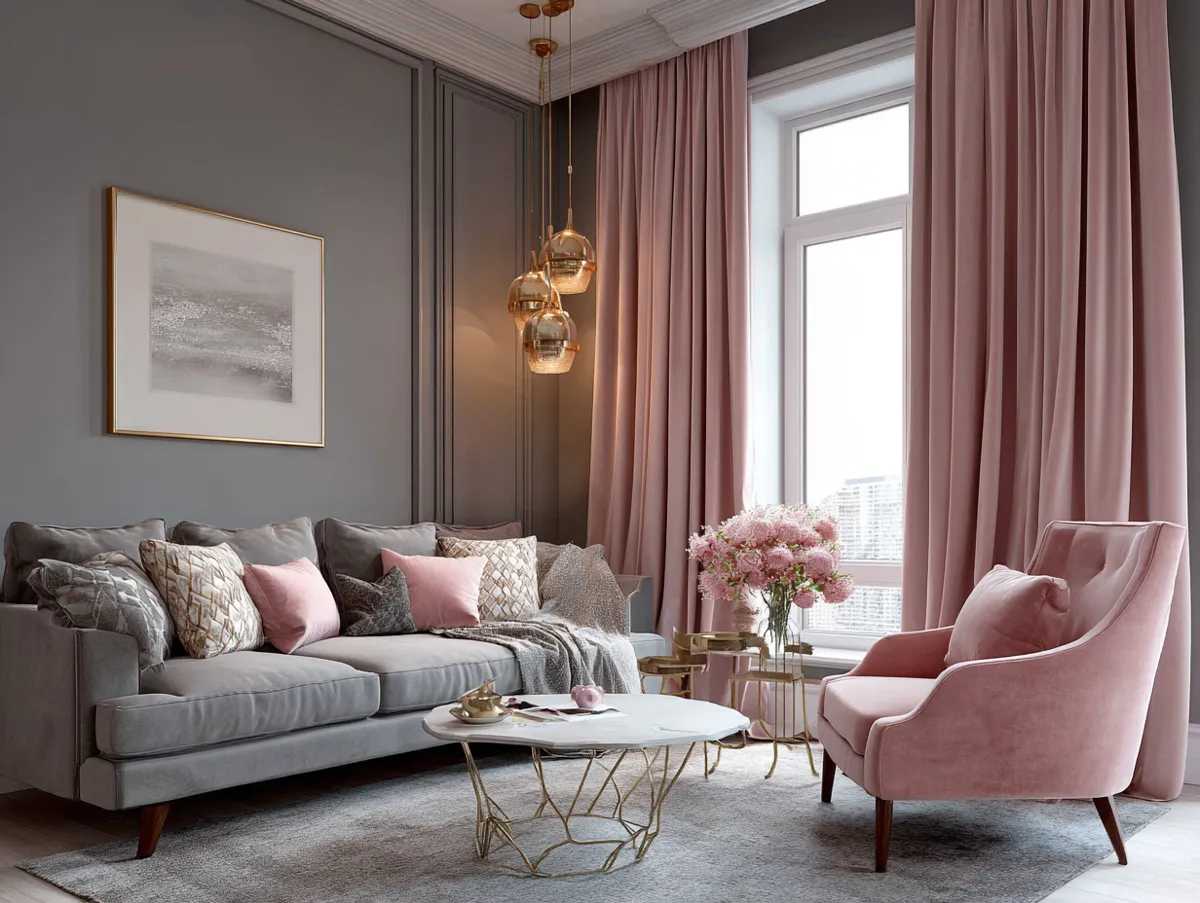
Quick Summary
A grey and white living room works when you nail textures, limit furniture, and pick one accent color — not five. Use greige paint tones for warmth, layer at least four shades of grey, and skip glossy finishes that read “office building.” Rustic wood and matte black accents add depth without breaking the neutral palette. Budget roughly $800–$2,000 for key pieces that actually look expensive.
I spent three months redoing my living room in grey and white. The first version looked like an IKEA showroom after a clearance sale. Flat. Boring. My friend walked in and said “it’s very… clean.” That’s code for soulless.
Grey and white living room ideas flood Pinterest, but 90% of them are renders nobody can actually recreate. I needed real solutions. Specific fabrics, actual paint codes, furniture under $800 that didn’t look like it cost $80.
So I tested five approaches across two apartments and one very patient partner. Some worked. One was a disaster — I’ll tell you about the all-white rug experiment later. But the grey and white living room combination keeps pulling me back because when you get the balance right, the room feels ten times more expensive than your actual budget.
Here’s what I learned about modern grey and white living room decor, from textures that save a boring space to the one interior design mistake that makes grey walls look dirty.
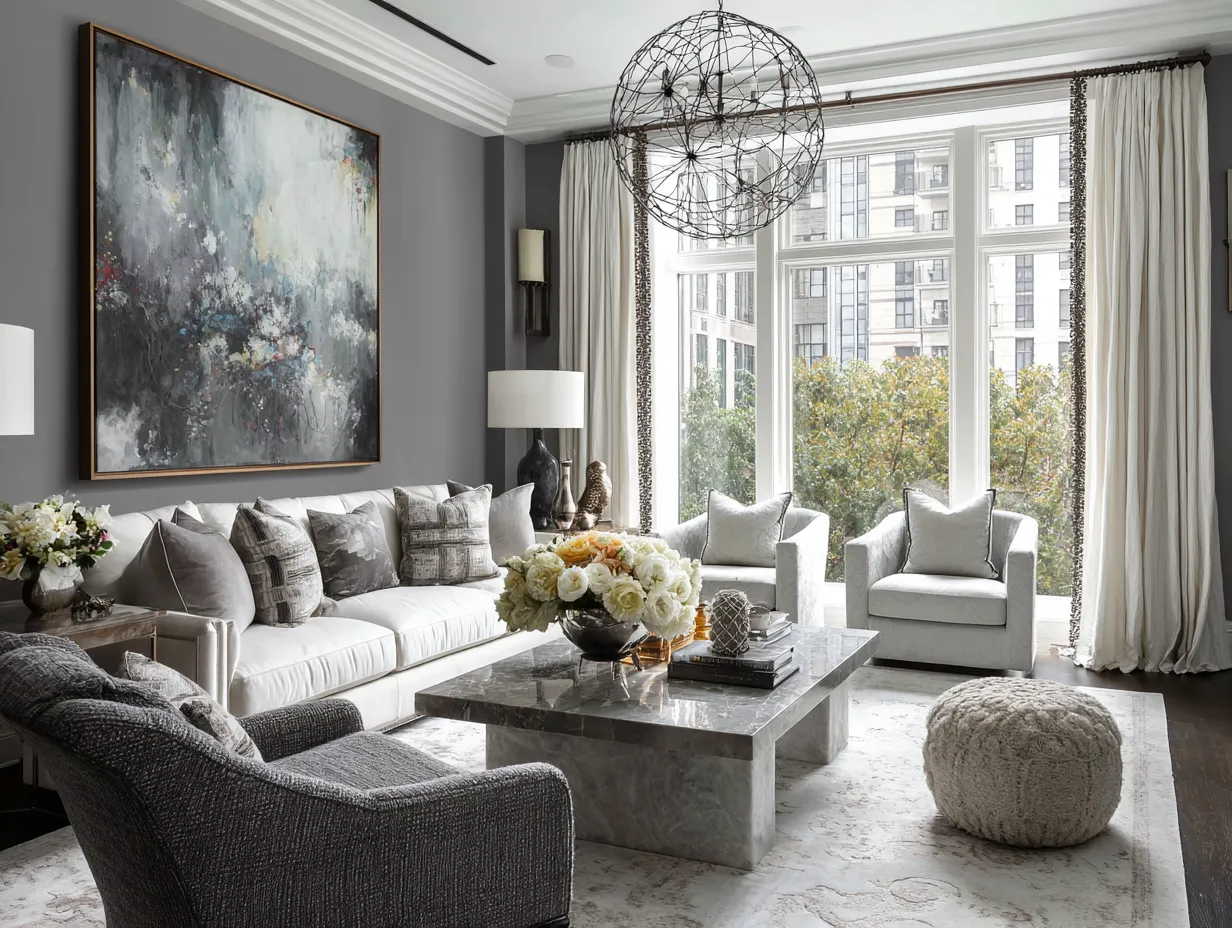
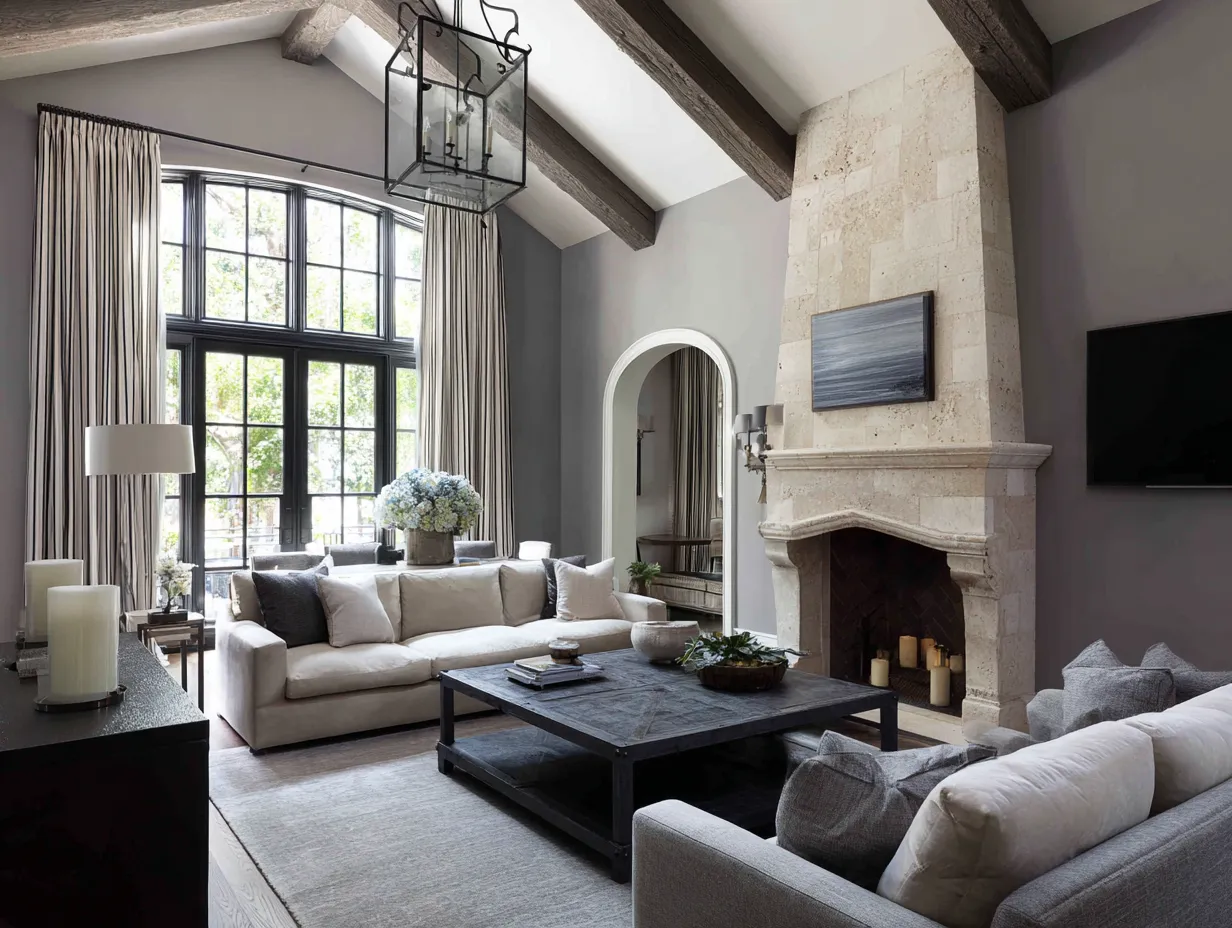
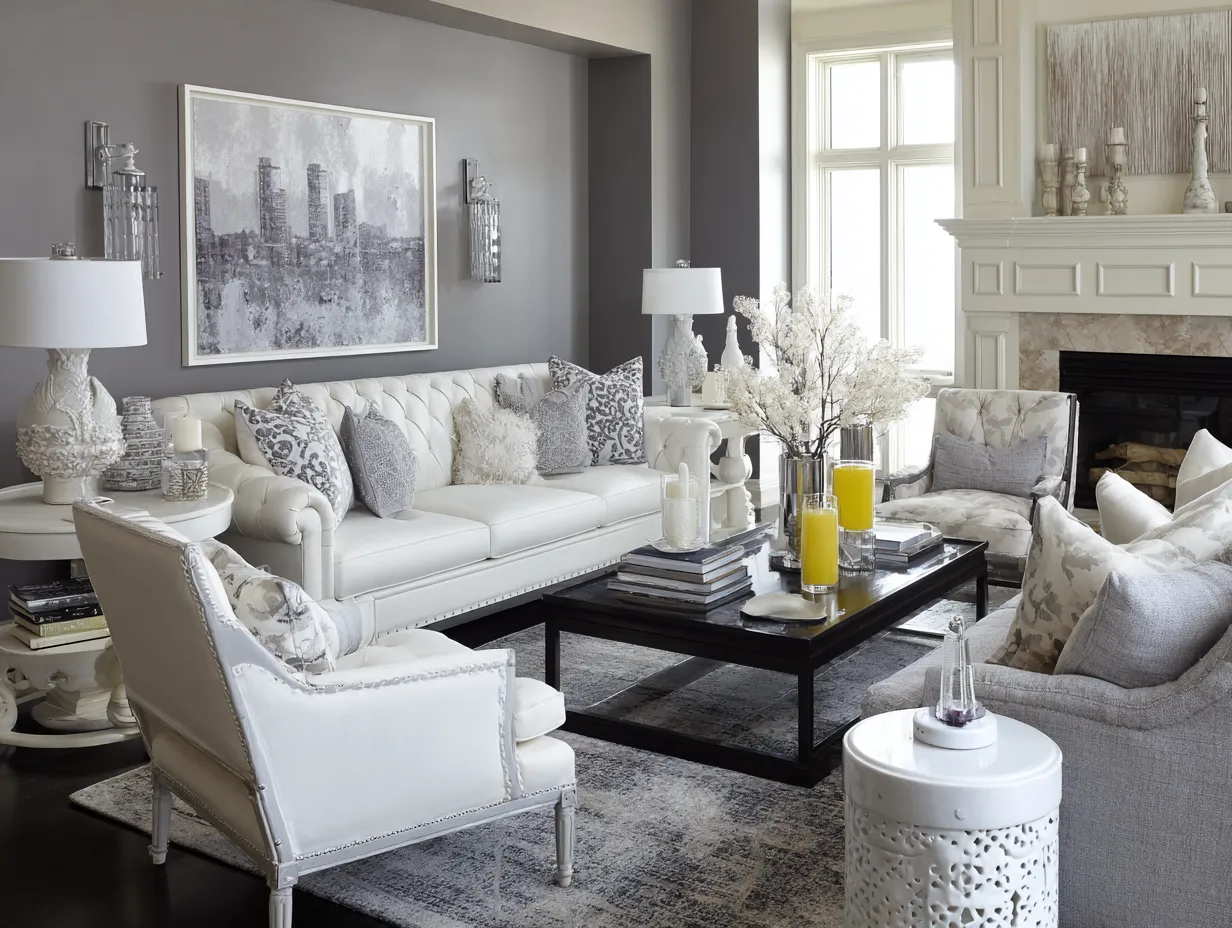
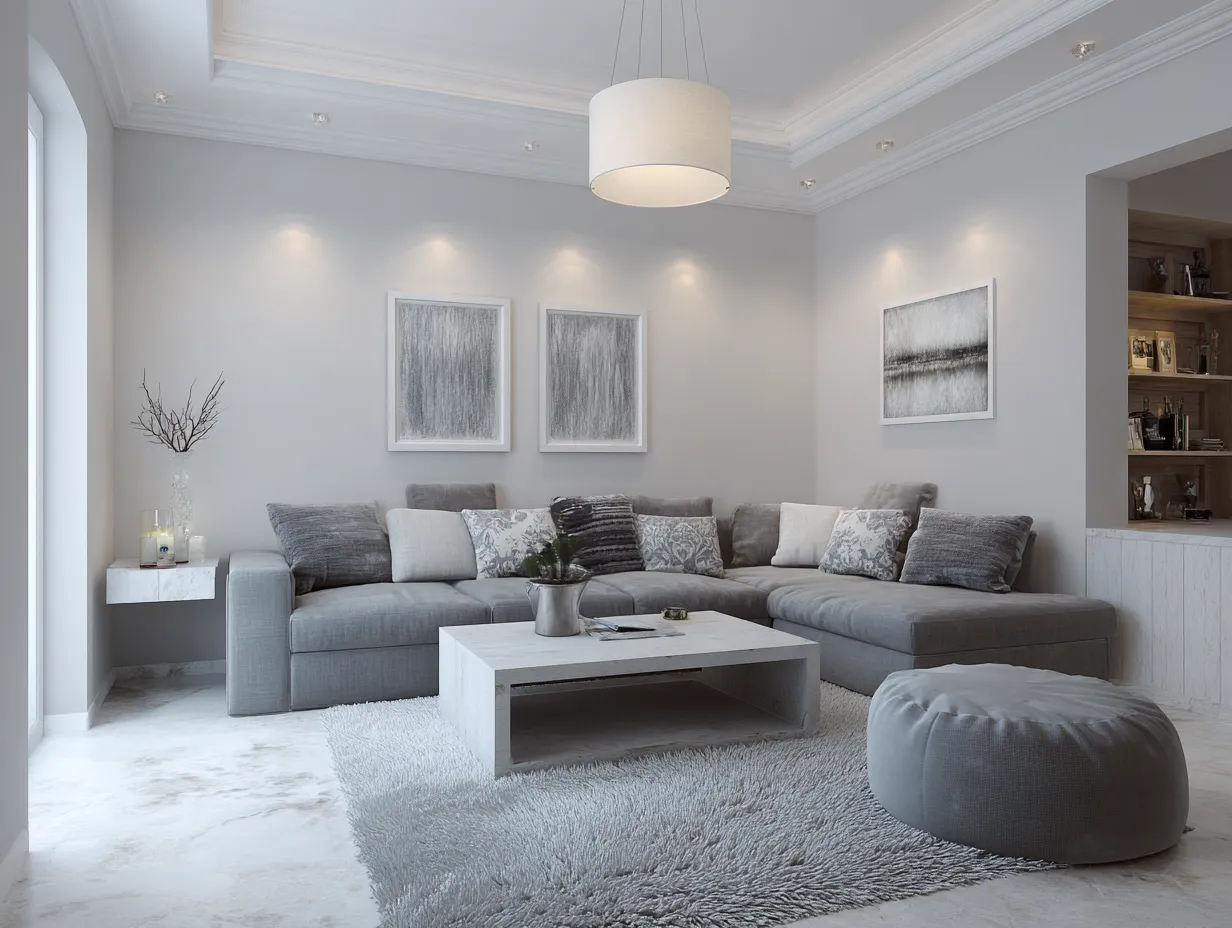
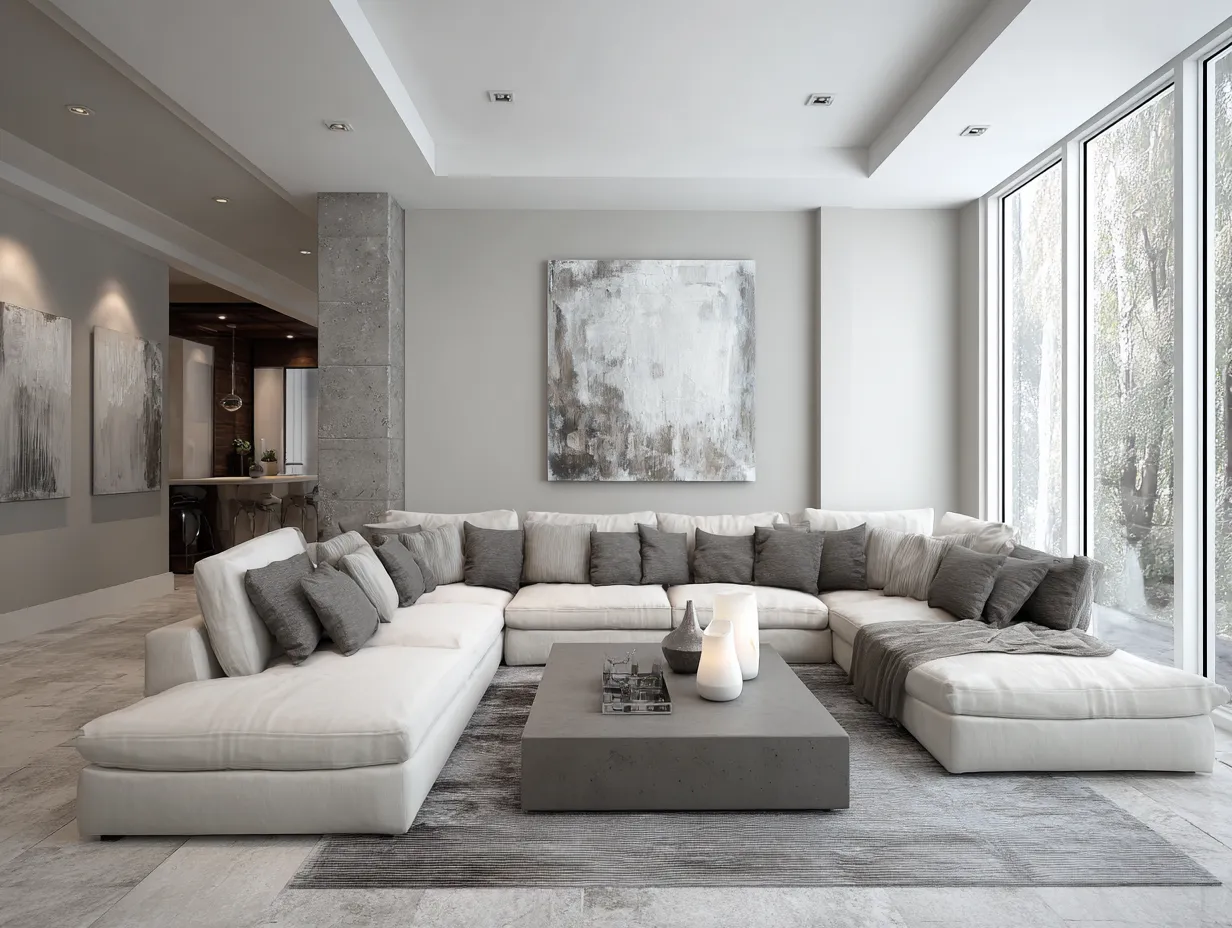
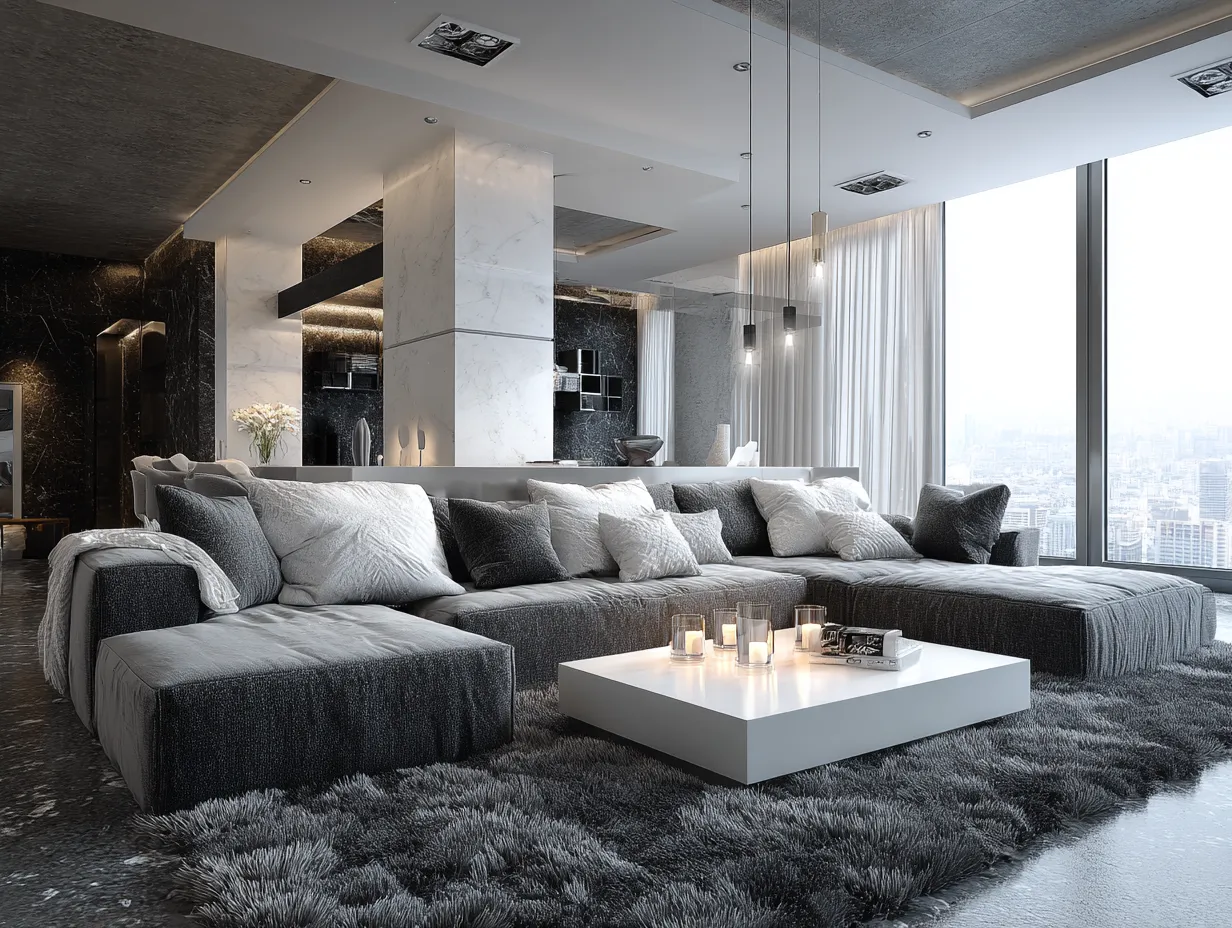
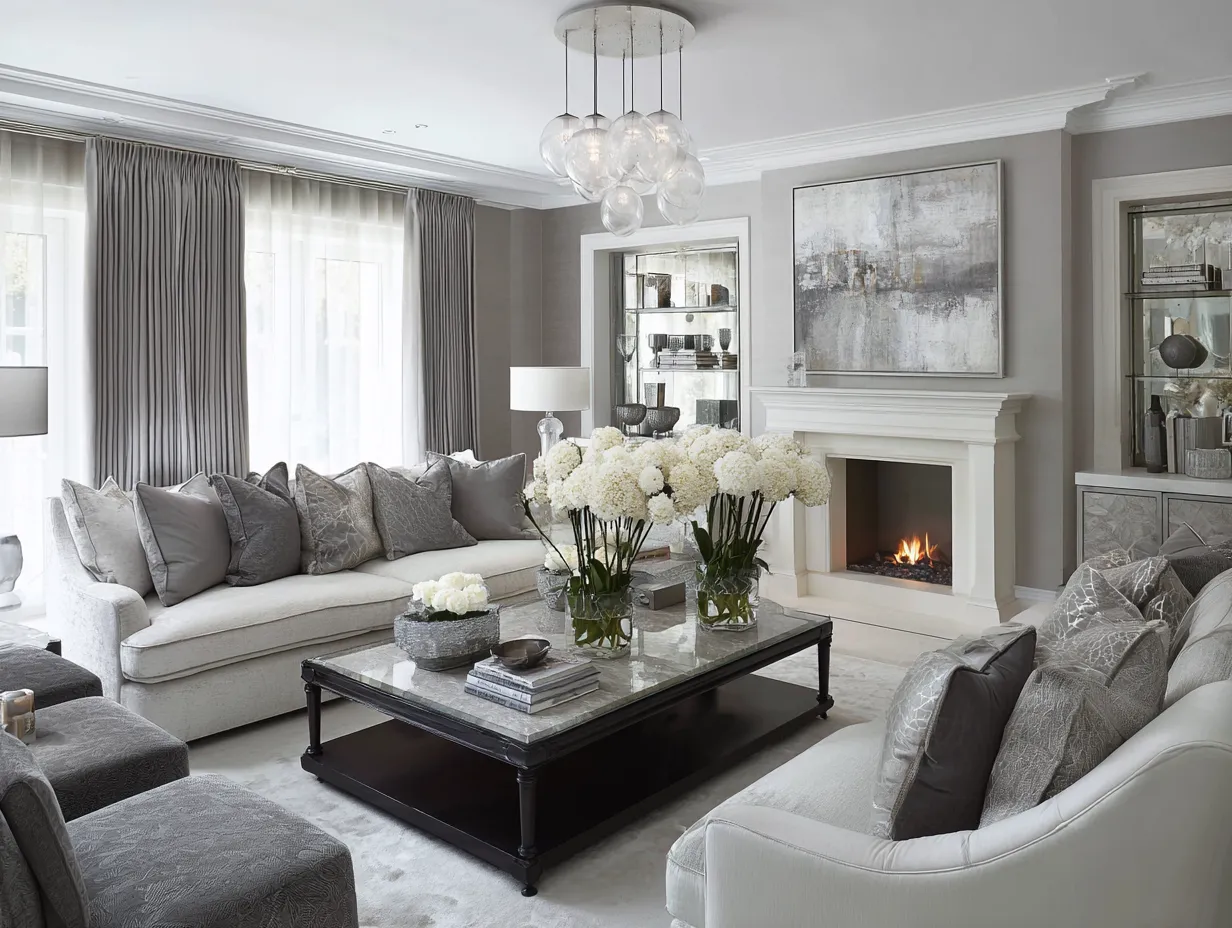
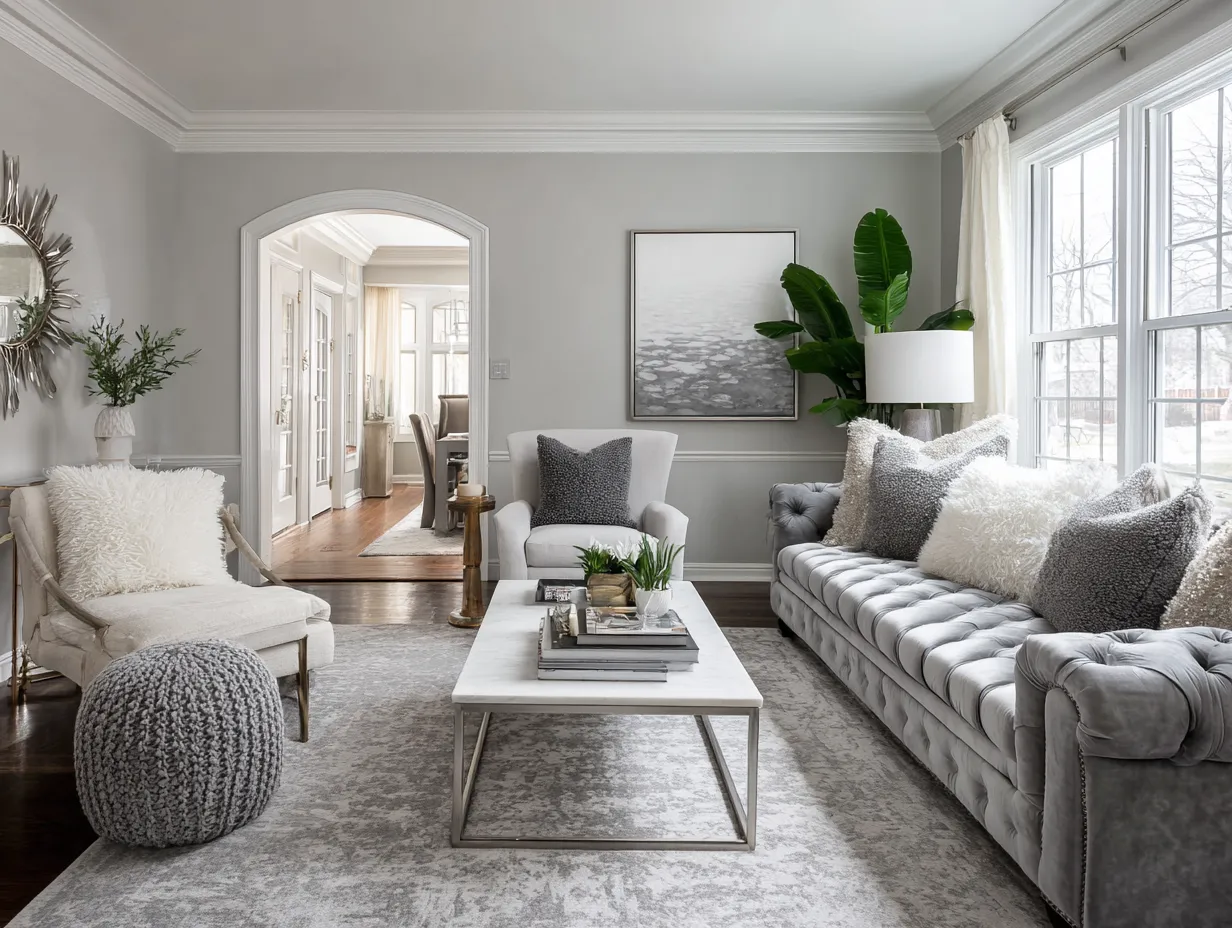
Quick Scan
⏱ Reading time: 8 minutes
💰 Budget range: $400–$2,000 for full refresh
🎨 Best paint: Benjamin Moore “Revere Pewter” (greige) or “Gray Owl” (cool grey)
🛋 Key pieces: one quality sofa, one statement side table, textured throws
❌ Avoid: matching satin sets, more than one accent color, glossy distressed furniture
✅ Best for: modern, cozy, and rustic grey and white living room styles
How Textures Save a Grey and White Living Room From Looking Flat
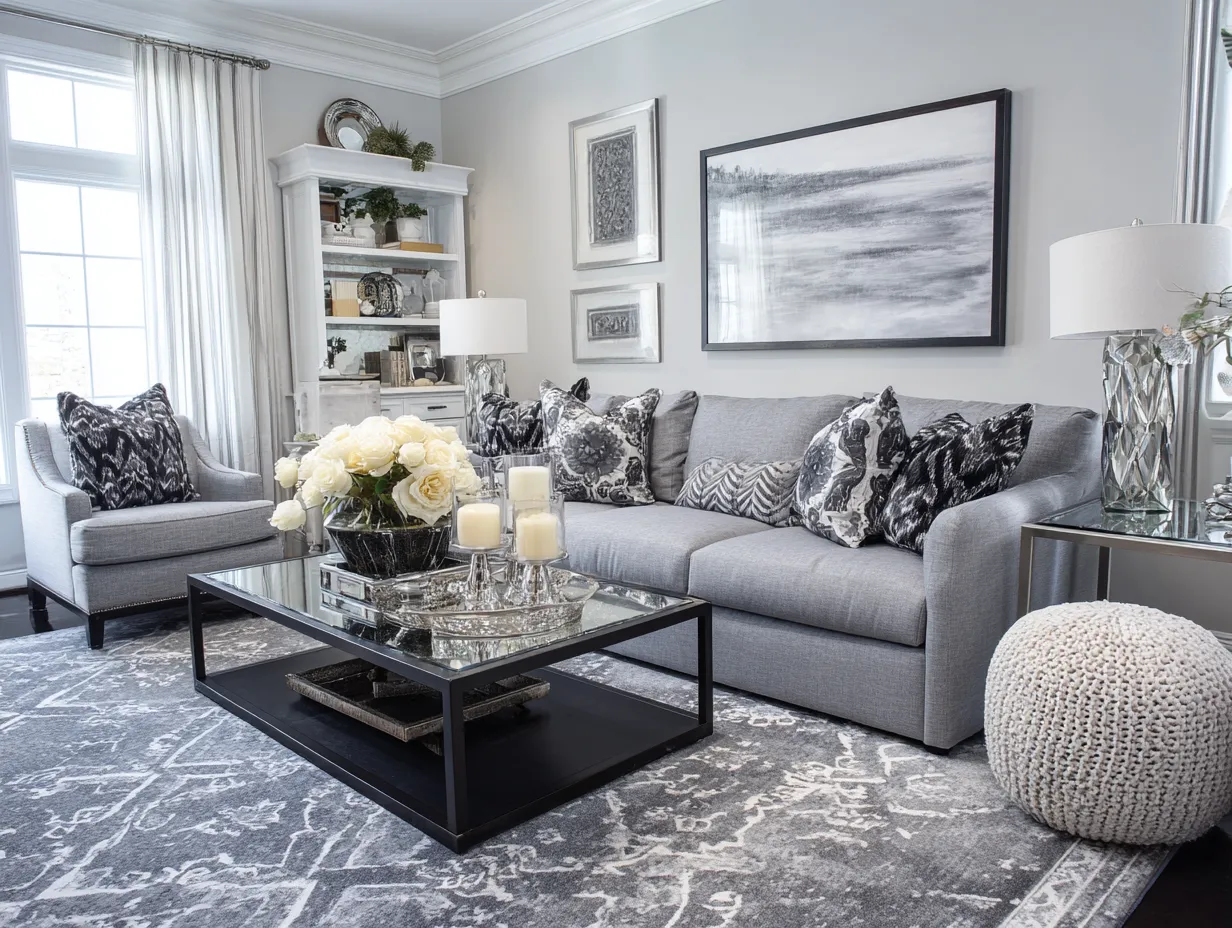
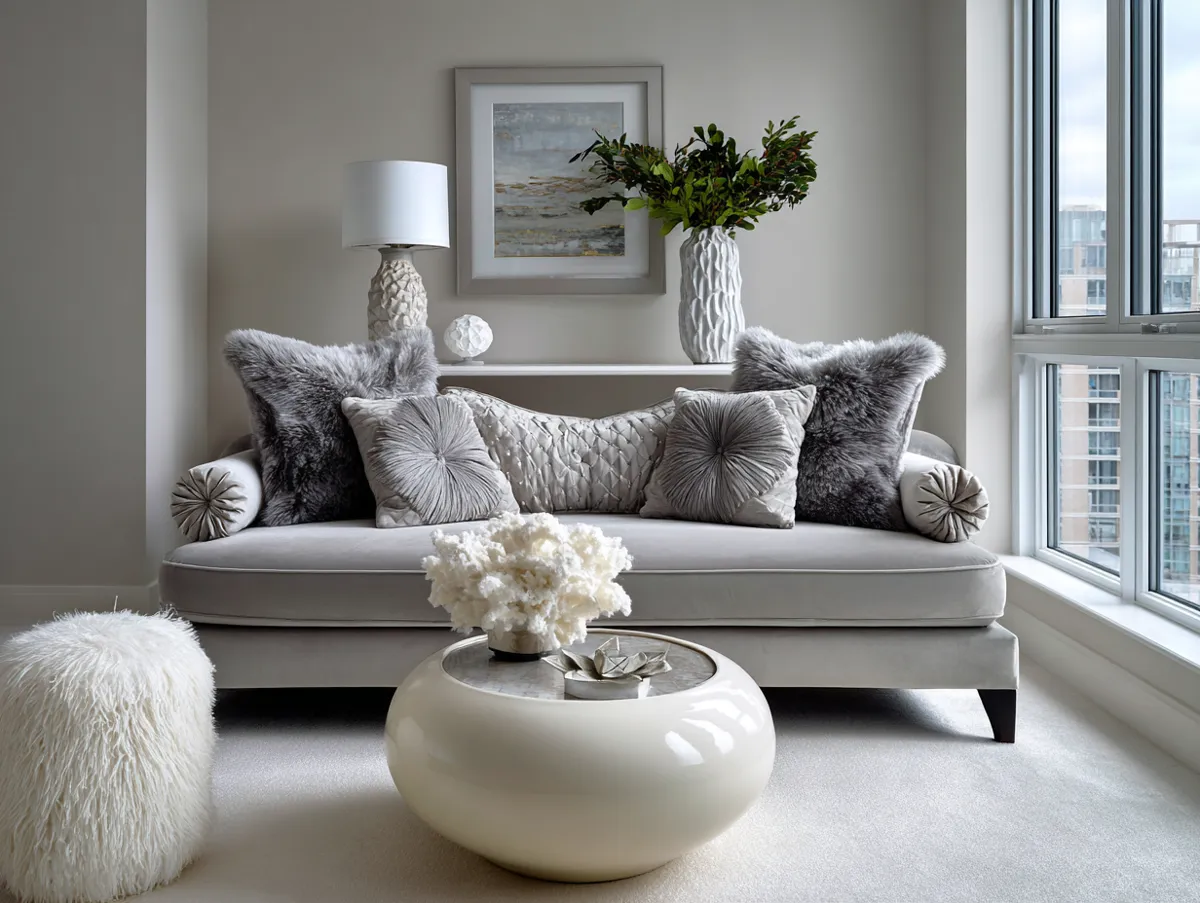
I bought a $120 Pottery Barn chunky knit throw in “fog grey” and draped it over my IKEA Kivik sofa. Instantly, the whole corner stopped looking like a corporate lobby. Texture is the fastest fix for a grey white living room that feels dead.
My go-to move is pairing three textures minimum per seating area. A velvet cushion, a linen blanket, and a wool rug. You’ll notice the eye starts moving around the room instead of glazing over. Skip the matching sets from HomeGoods — they look staged, not lived in.
What doesn’t work? Satin on satin. I tried grey satin cushions against a white satin sofa once. The whole thing looked like a hotel lobby that smelled like air freshener. Matte finishes absorb light and feel warmer. Satin bounces it back and screams “show apartment.”
A $25 IKEA GÅSER shaggy rug in white layered over grey hardwood floors changes the entire room’s temperature. Not literally, but your feet believe it. Pair it with a CB2 concrete side table and you get rough meeting soft. That contrast is what grey and white interior design is actually about.
| Grey Shade | Best For | Undertone | Pair With | Avoid |
|---|---|---|---|---|
| Light grey (Gray Owl OC-52) | Small rooms, low light | Cool green | Crisp white trim, white oak | Honey-toned wood |
| Greige (Revere Pewter HC-172) | Rustic-modern rooms | Warm beige | Reclaimed wood, linen, jute | Chrome fixtures |
| Medium grey (Stonington Gray HC-170) | Modern minimalist spaces | True neutral | White marble, matte black metal | Warm brass, orange accents |
| Dark charcoal (Kendall Charcoal HC-166) | Accent walls only | Cool blue | White furniture, light rug | All four walls, small rooms |
Did you know?
Interior designers call grey and white the “blank check” palette — it’s the only two-color combo where you can swap accents seasonally without repainting a single wall.
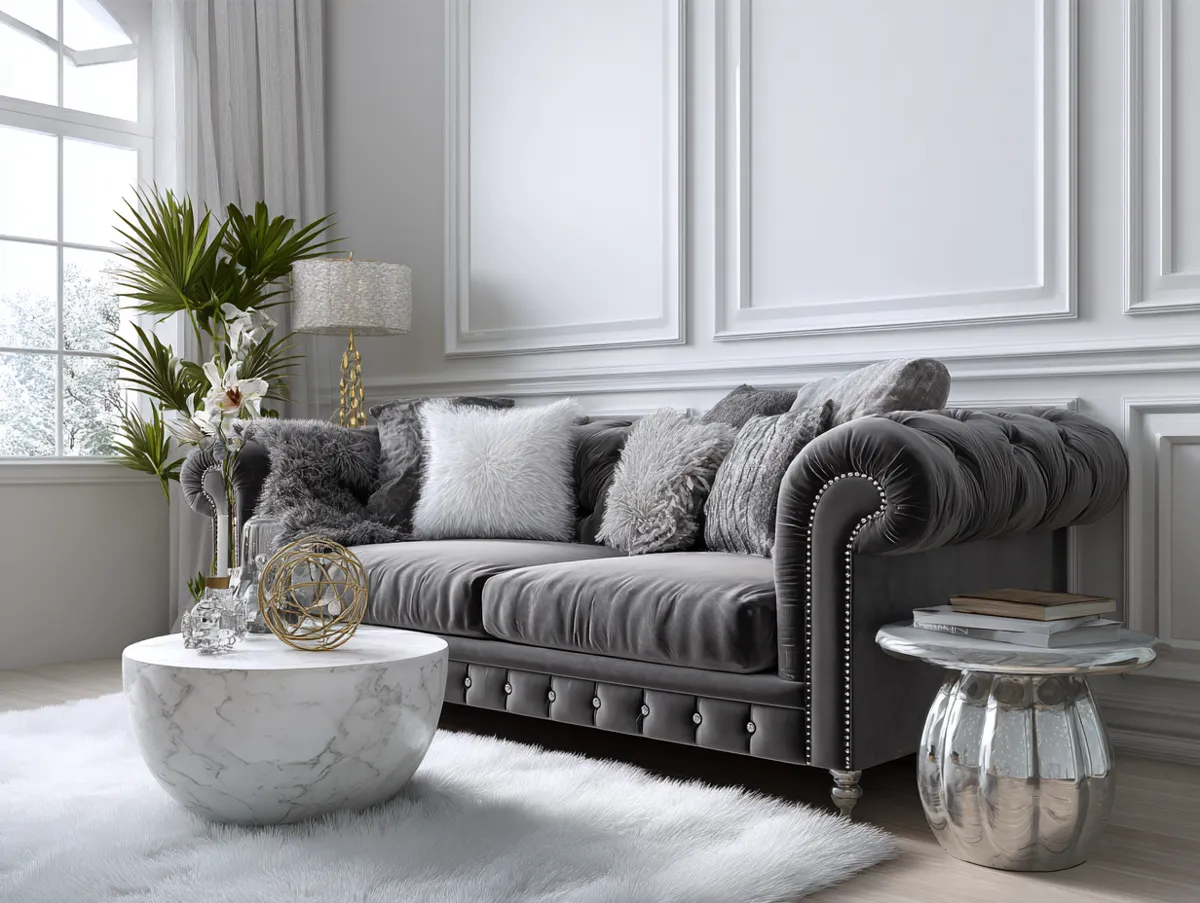

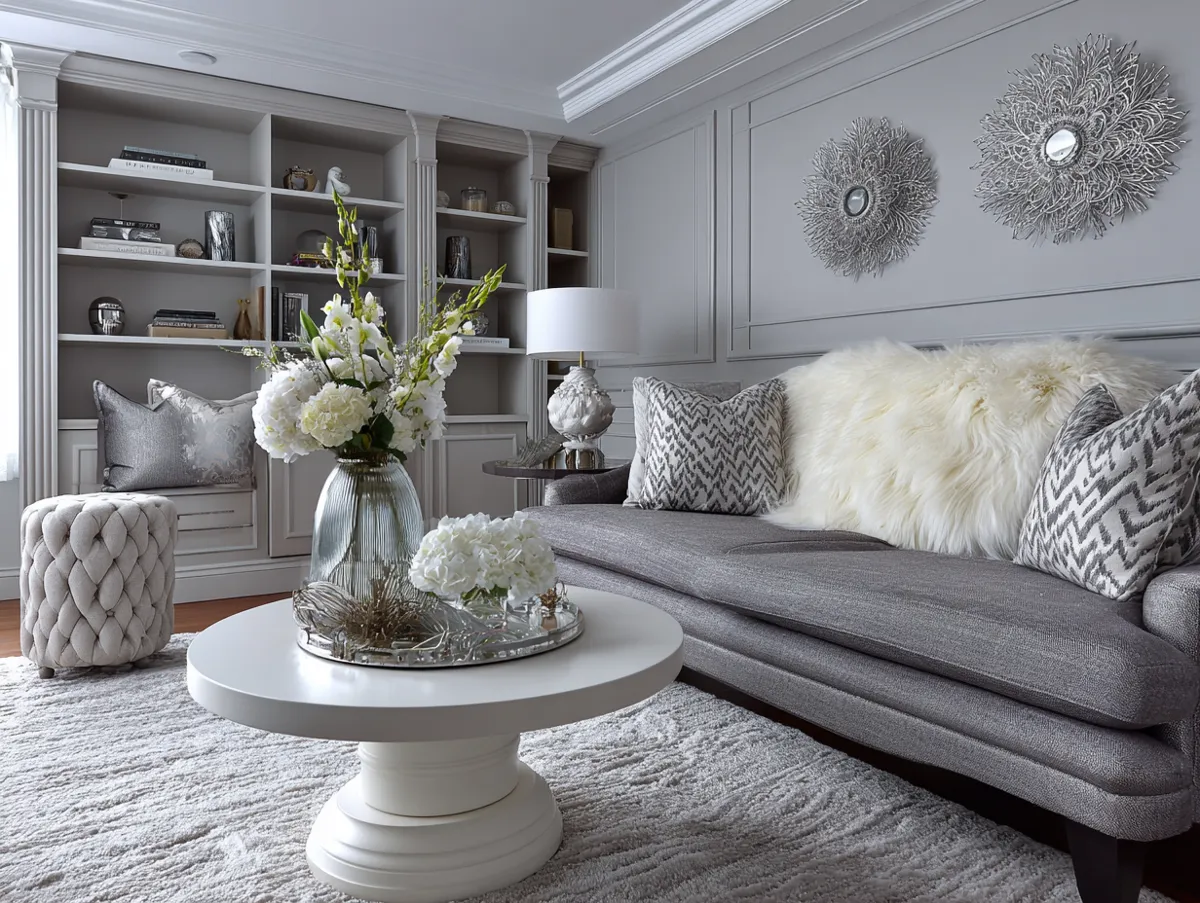
The world of interior design is vast and varied, but few concepts have captured the imagination quite like grey and white living room ideas. These two hues, when combined, offer a canvas that’s both neutral and versatile. One of the standout ways to utilize this palette is by playing with textures, creating spaces that are tactile, inviting, and undeniably elegant.
Textures play a pivotal role in interior design. They add depth, create interest, and evoke emotions. In a grey and white living room, textures can transform the space from flat and monotonous to dynamic and layered.
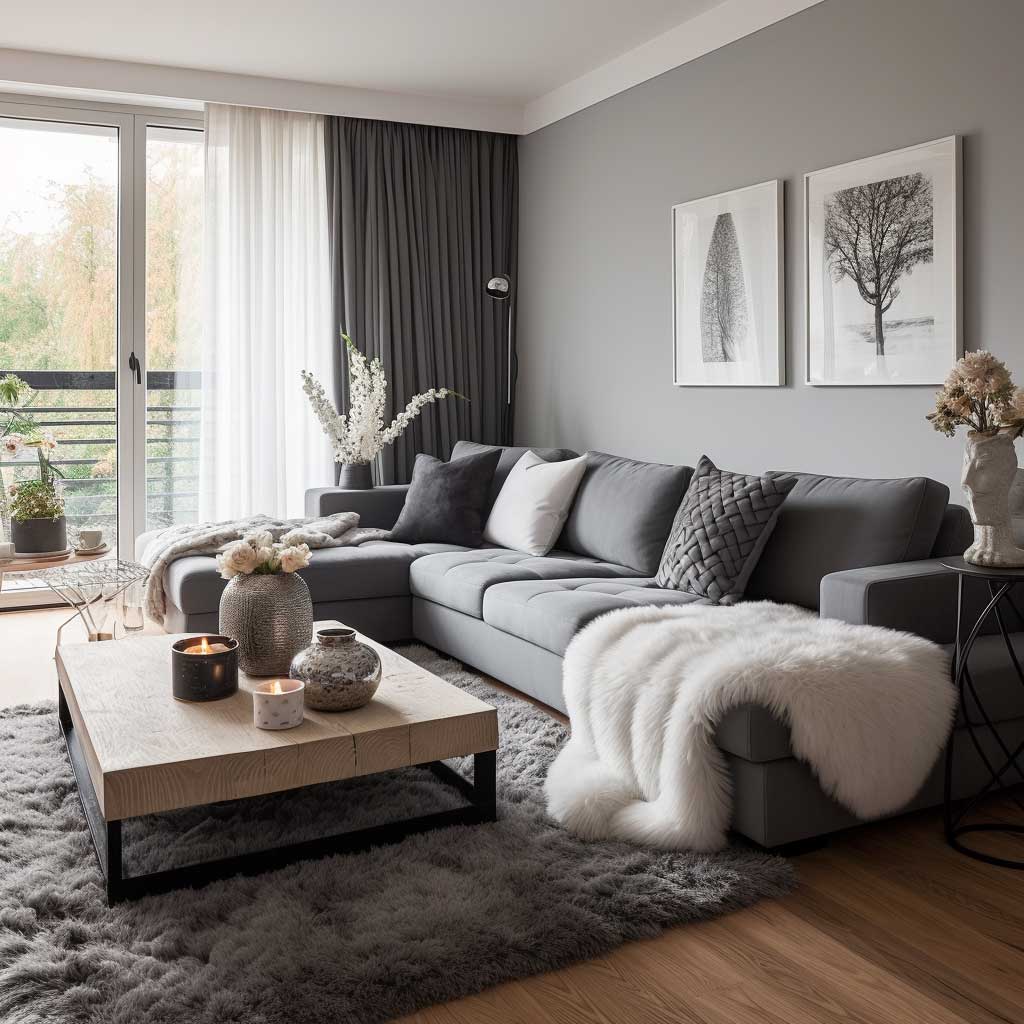
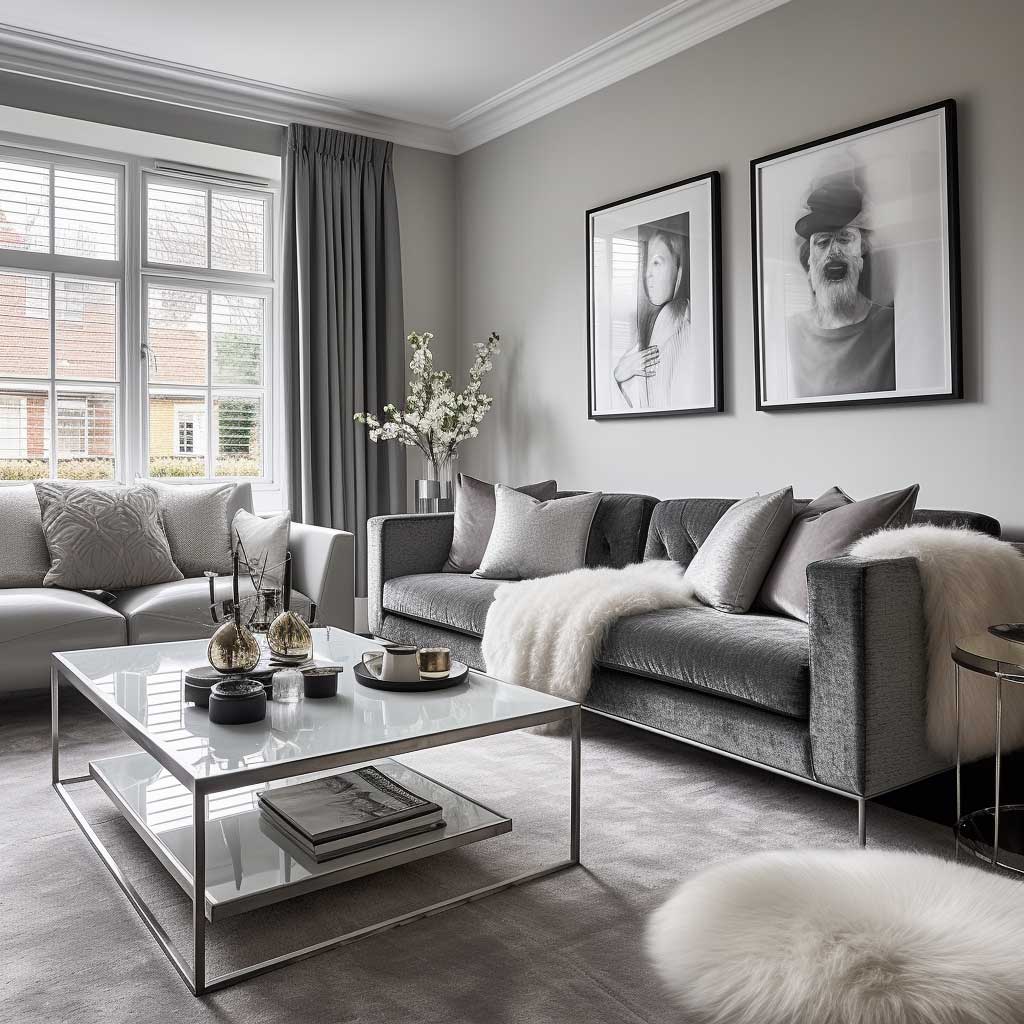


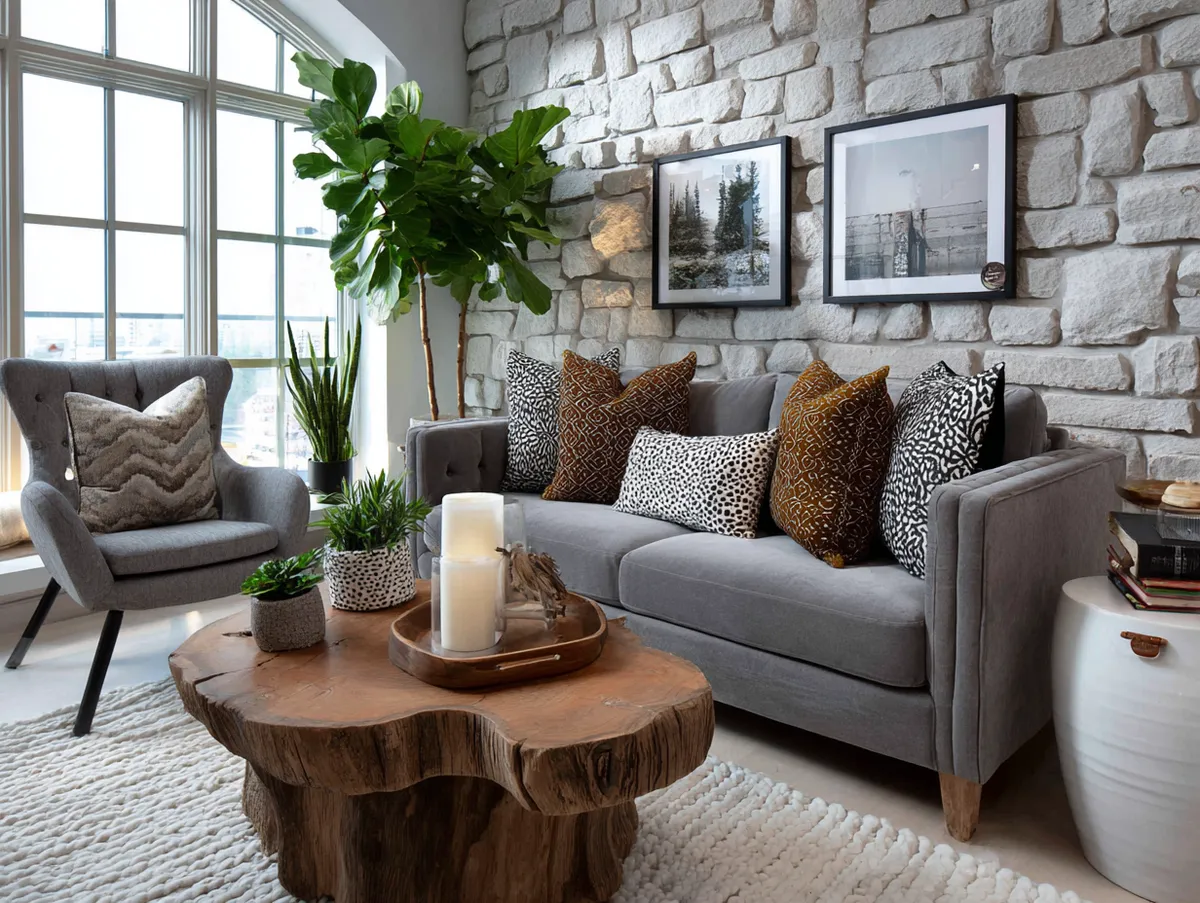
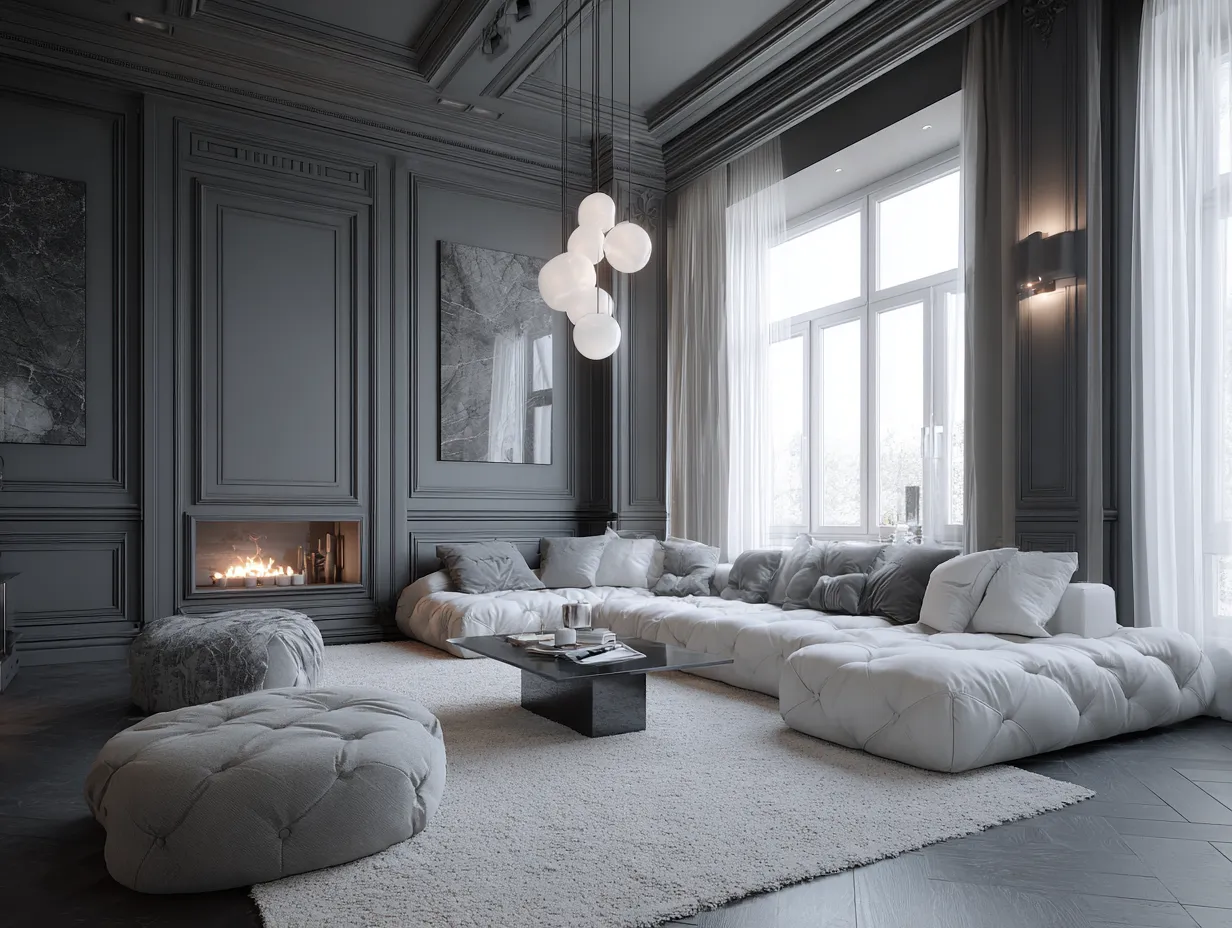
Imagine a soft grey velvet sofa set against a white brick wall. The contrast between the plush fabric and the rough brick creates a sensory experience that’s both visual and tactile. Throw in a shaggy white rug and grey linen curtains, and the room becomes a symphony of textures, each element playing its part to create a cohesive whole. If you’re drawn to smoky blue greys and warm taupe tones, layered textures work even better with those slightly warmer neutrals.
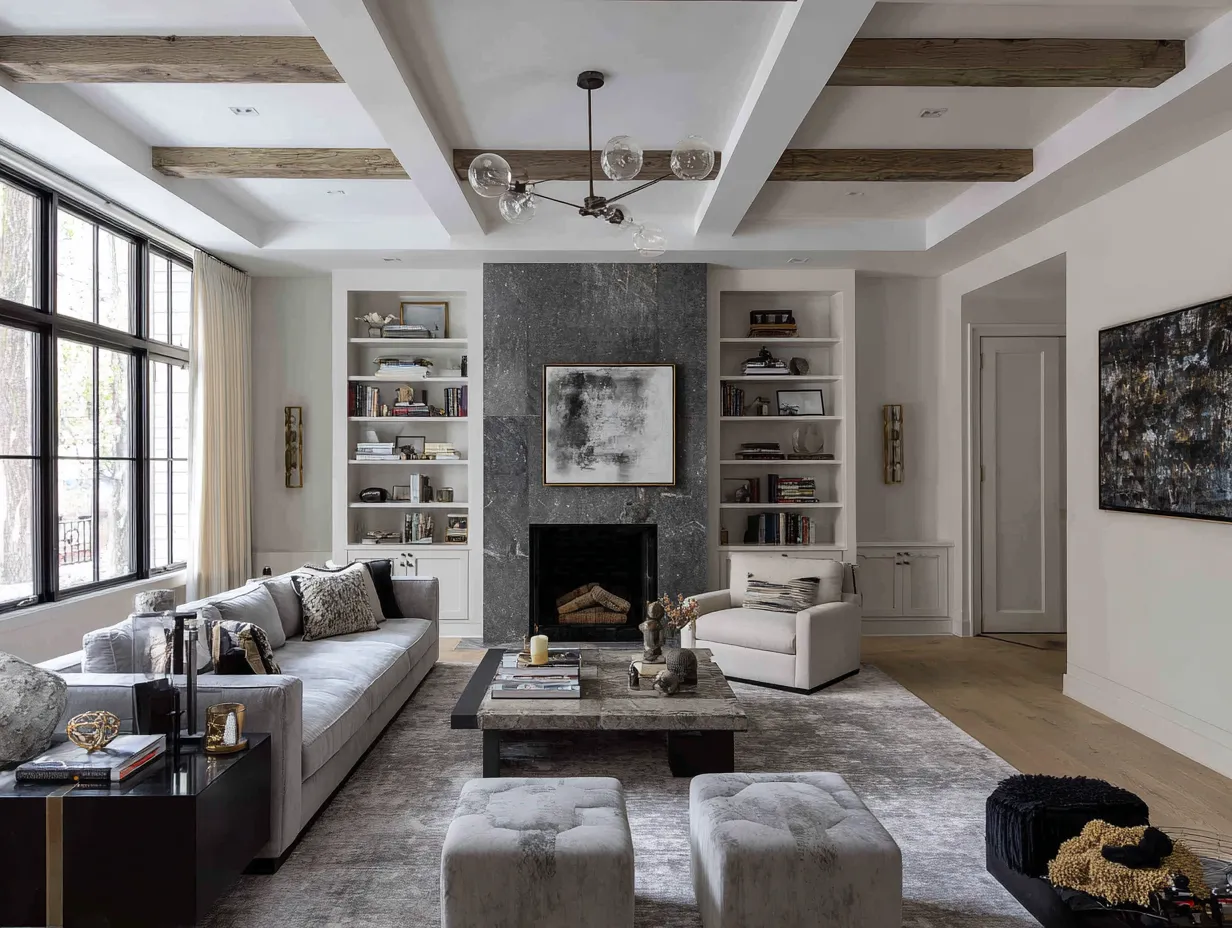
But why stop at fabrics? Grey and white living room ideas can be extended to include textured wallpapers, sculptural decor, and even architectural features. A white plastered ceiling with exposed grey wooden beams can add a rustic charm, while a grey tufted wall can introduce a touch of luxury.
The beauty of textures lies in their ability to evoke feelings. The softness of a grey fur throw might evoke feelings of warmth and comfort, while a white marble coffee table might feel cool and sophisticated. By carefully curating textures, one can influence the mood and ambiance of the room.
However, while textures add depth and interest, it’s essential to maintain balance. Too many conflicting textures can make the room feel chaotic and disjointed. The key is to choose textures that complement each other and the overall design theme. For instance, in a minimalist grey and white living room, sleek textures like glass, metal, and polished wood might be more appropriate than rough, rustic ones.
Elegant textures in grey and white living room ideas offer a fresh perspective on a classic design concept. By introducing a variety of tactile elements, one can create spaces that are not only visually appealing but also deeply sensory. Whether soft or rough, sleek or rustic, textures bring life to the grey and white palette, making each room unique and personal.
Modern Grey and White Living Room: Less Furniture, More Impact
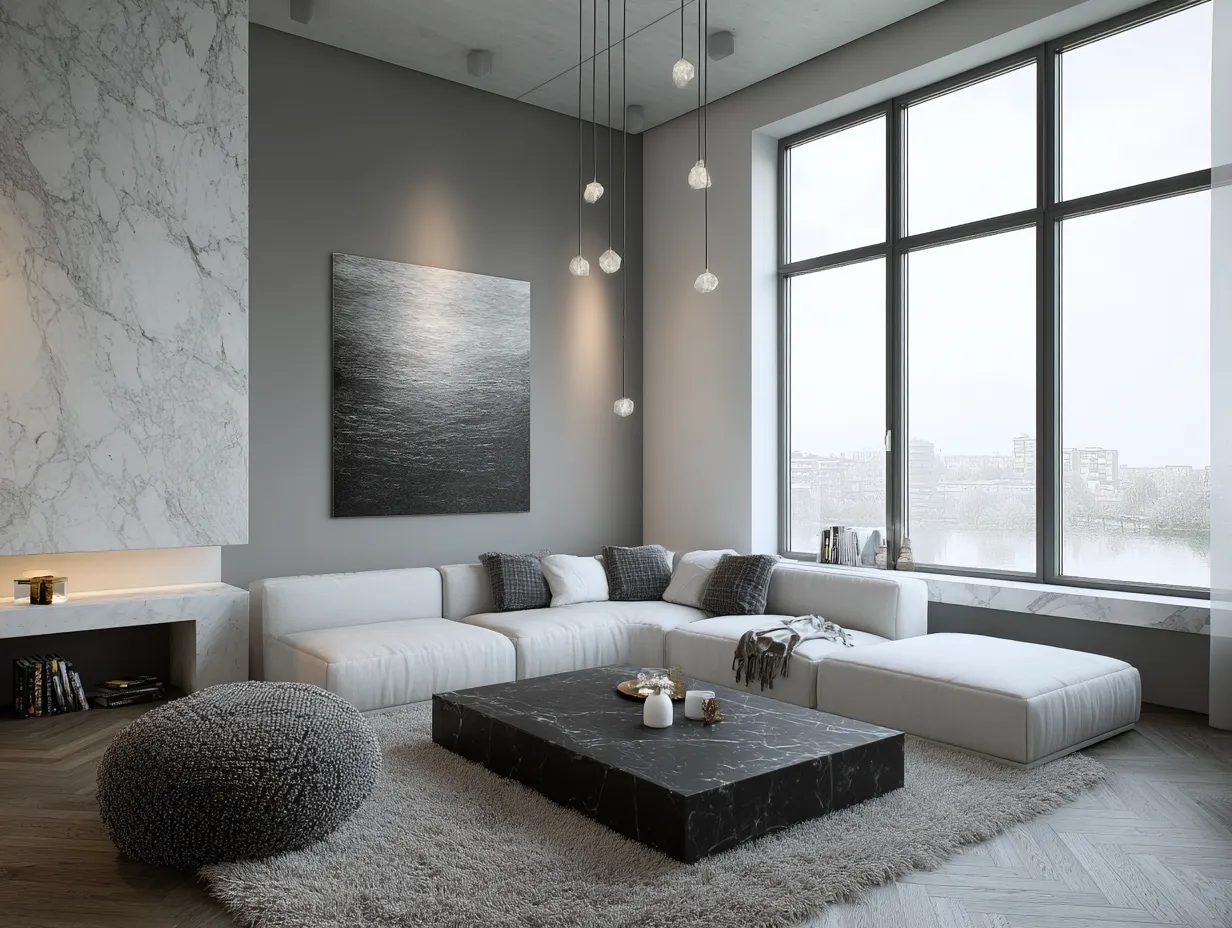
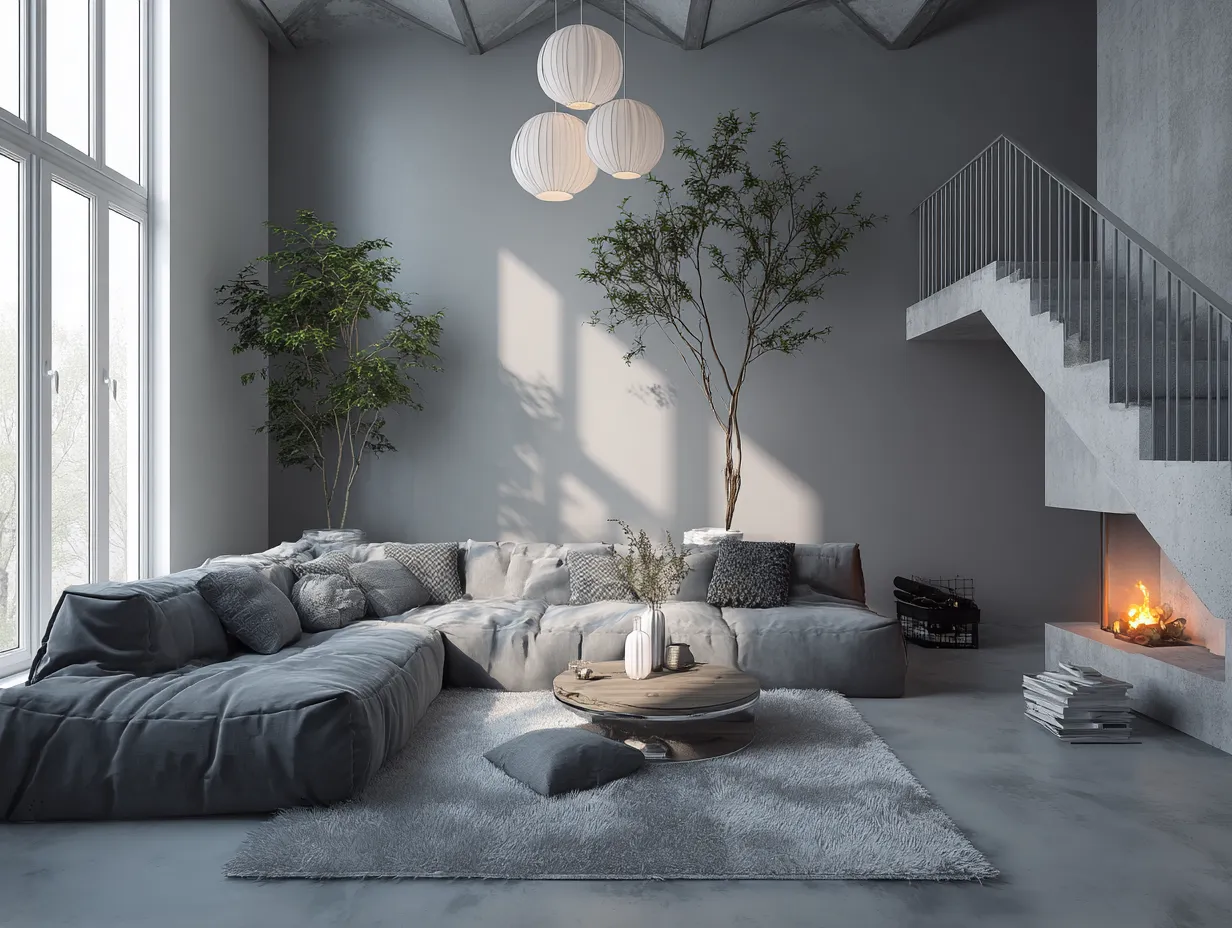
My biggest mistake was buying too many small items. Three tiny side tables, two pouf ottomans, a magazine rack. The room looked cluttered even though every piece was grey or white. Modern grey and white living room design means fewer items, each one bigger and better.
I replaced everything with one Article Sven sofa in “birch ivory” ($1,400) and one West Elm Marble Topped Pedestal side table ($299). That’s it for the main seating. The room felt twice as large the same afternoon.
A white wall with zero art sounds risky. It’s not. Leave one wall completely bare and let the window light do the decorating. I stole this trick from a Japandi design blog and it works better than any $200 canvas print from Etsy.
What kills modern minimalist grey rooms? Tiny decorative objects. Those little ceramic birds, the stacked decorative books nobody reads, the tiny succulent in a concrete pot. Pick one statement piece — a single large ceramic vase from Crate & Barrel ($89) in charcoal — and leave the shelf alone.
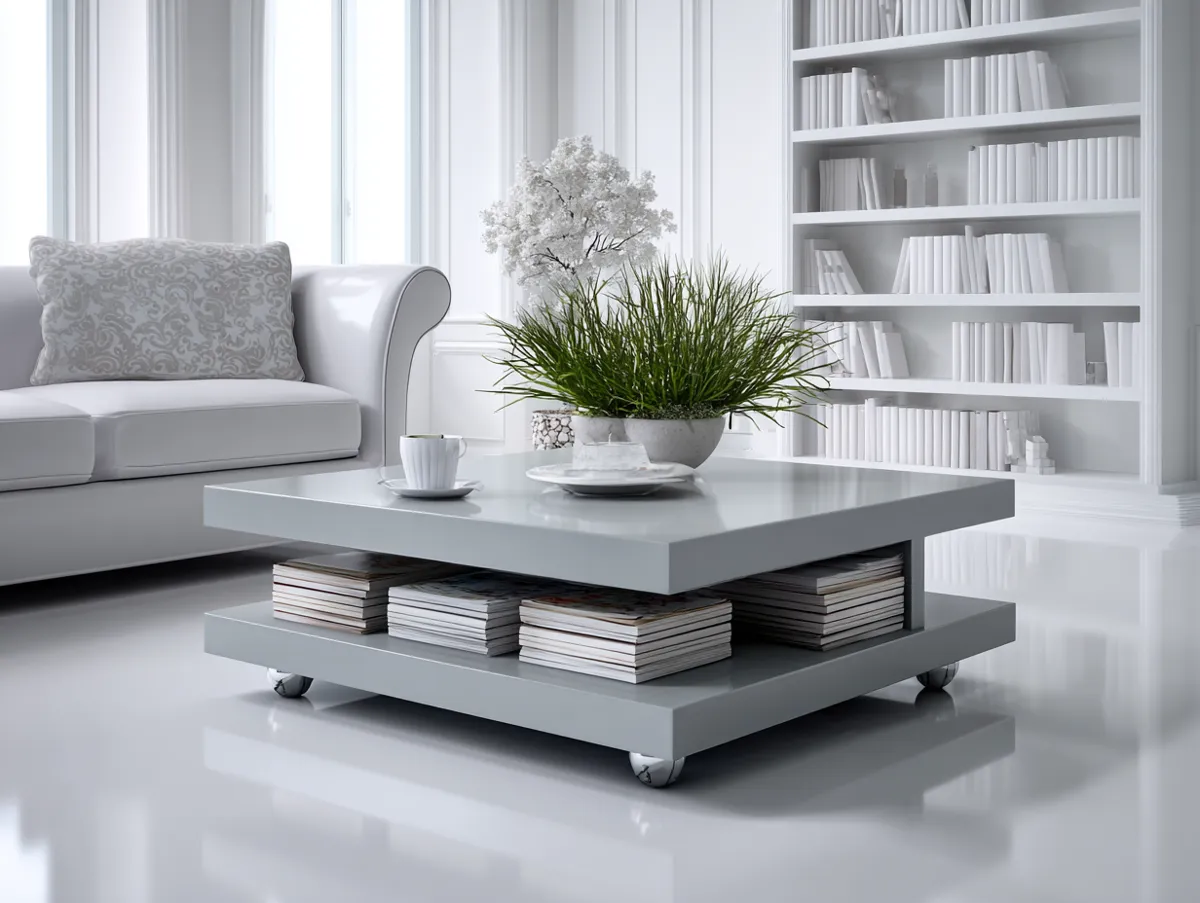
Quick math
One $1,400 sofa in the right grey outperforms five $280 budget pieces every time. Cost per year of use drops below $200 if you keep it seven years. The cheap ones last two, maybe three.
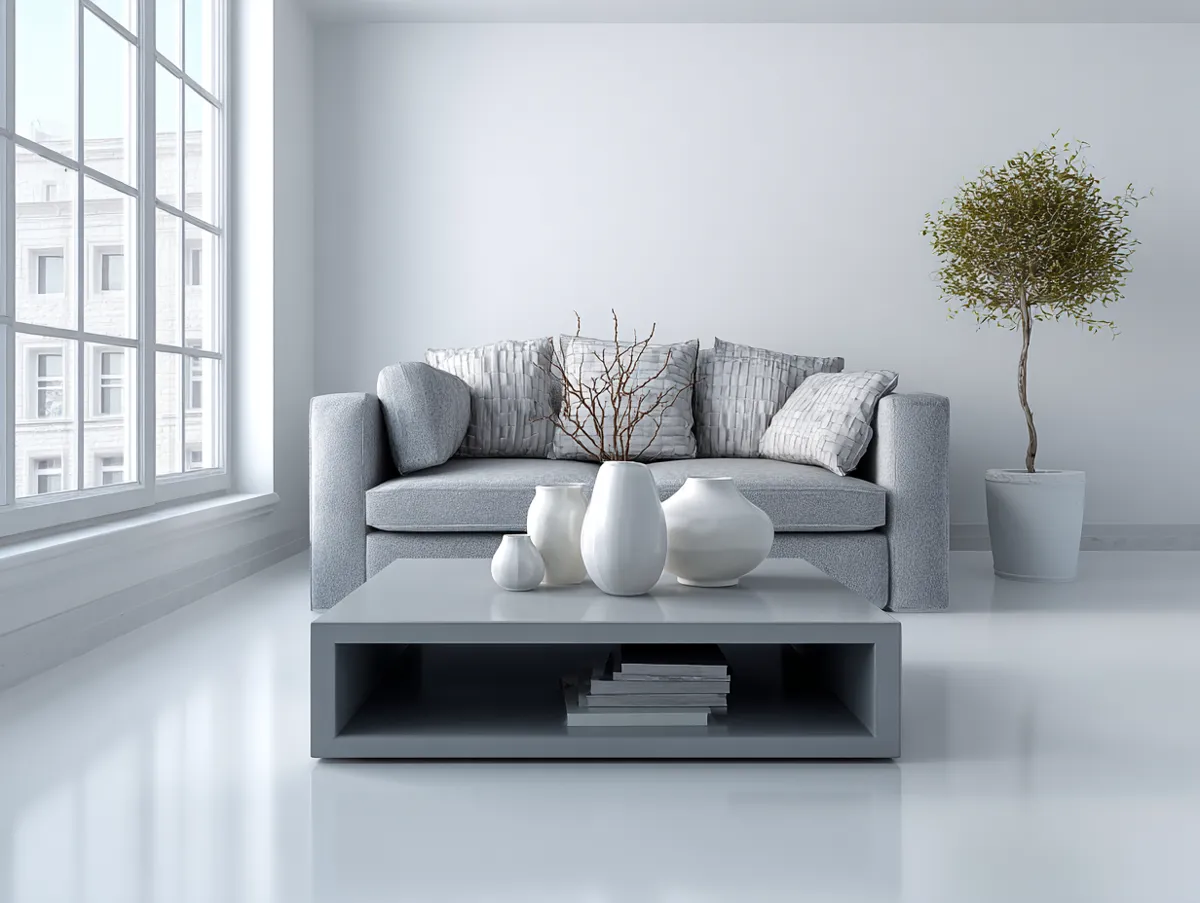

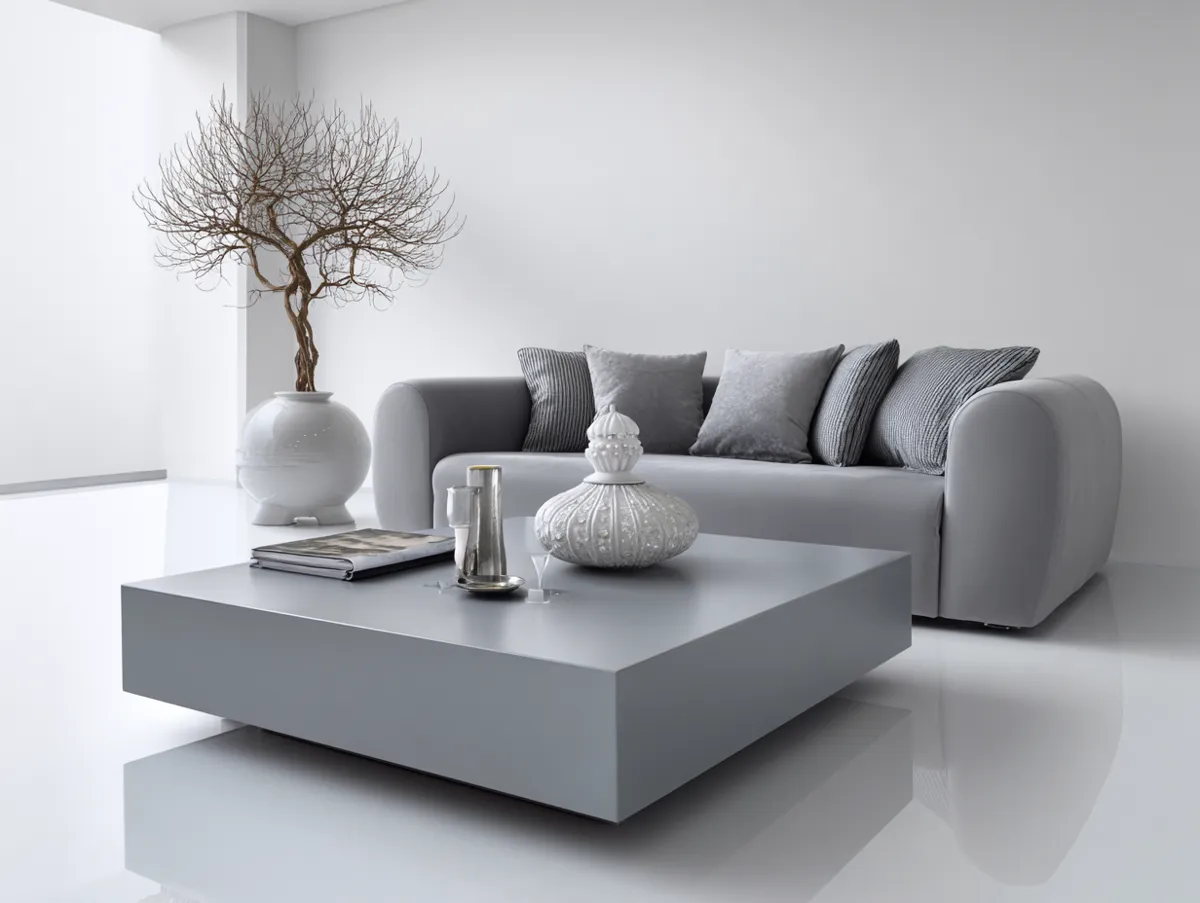
Grey and white living room ideas have been a staple in interior design for years. Their neutral, calming tones provide the perfect backdrop for various design themes. One such theme that has gained immense popularity in recent years is modern minimalism, where the mantra is “less is more.”
Modern minimalism is all about simplicity, functionality, and clarity. It shuns unnecessary clutter, focusing instead on essential items that serve a purpose. In a grey and white living room, this design philosophy translates to clean lines, unobtrusive furniture, and a sense of spaciousness.

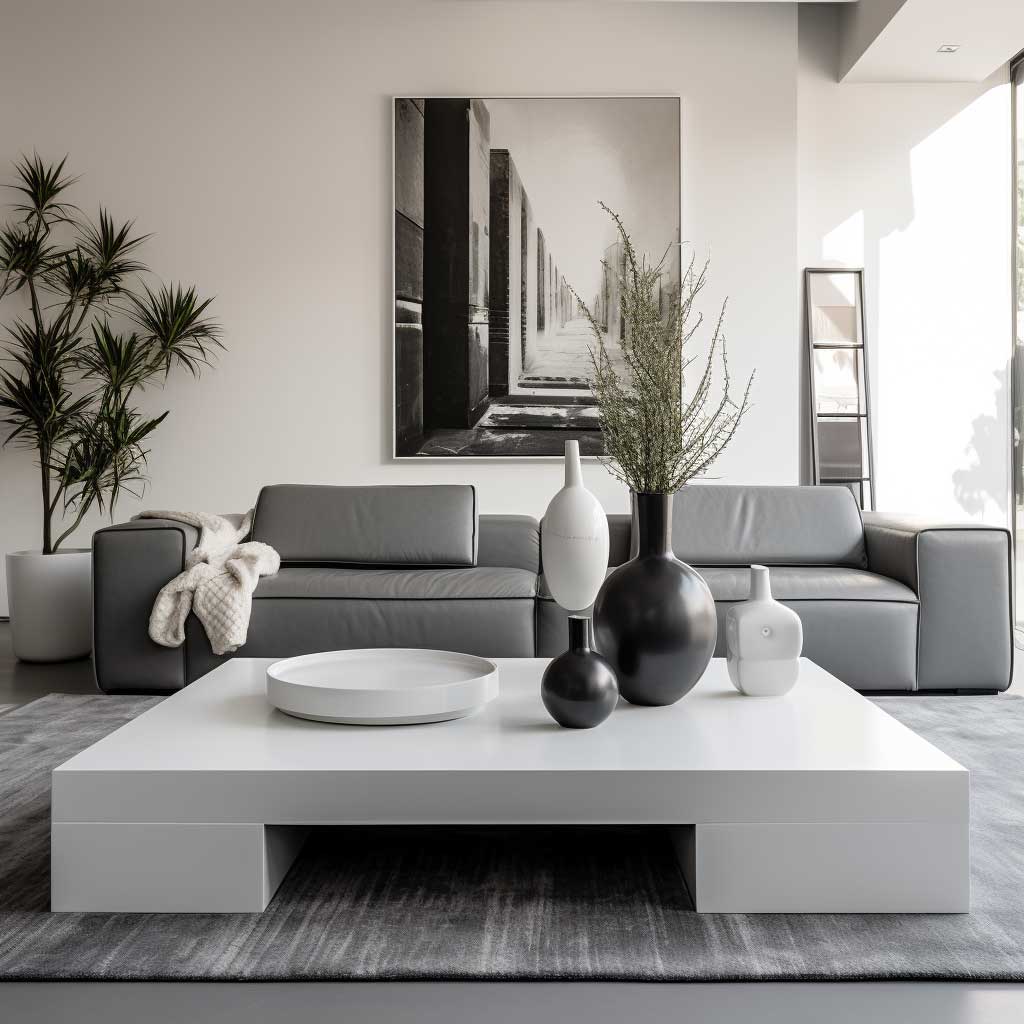


The grey and white palette is perfect for this design style. Grey, with its muted tones, exudes calmness and serenity, while white amplifies light, making the room feel larger and more open. Together, they create a space that’s both tranquil and energizing.
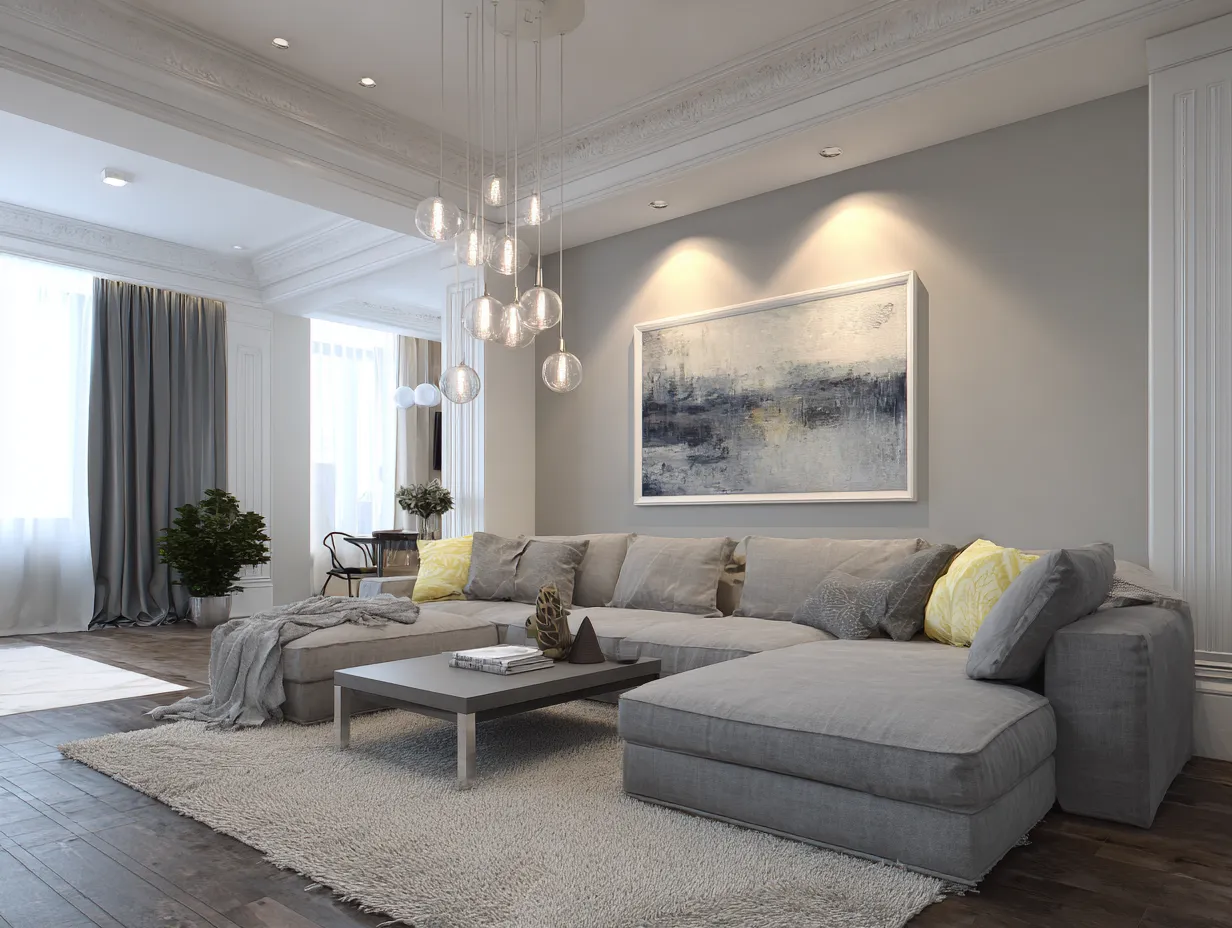
In a minimalist grey and white living room, every piece of furniture and decor is chosen with care. A sleek grey sofa might be paired with a simple white coffee table, with no ornate decorations or patterns to distract the eye. Walls might be adorned with one or two pieces of art, but they’re often left bare, allowing the room’s architecture to shine.
But minimalism doesn’t mean devoid of personality. On the contrary, by reducing clutter and unnecessary items, the focus shifts to the pieces that truly matter. A single grey vase on a white shelf becomes a statement piece. A white pendant light against a grey wall becomes a focal point.
One of the challenges of modern minimalism is ensuring that the room doesn’t feel cold or sterile. This is where the grey and white palette truly shines. The warmth of grey balances the coolness of white, creating a space that’s both modern and cozy.
Modern minimalism with grey and white living room designs offers a fresh take on a classic design theme. By focusing on simplicity and functionality, and by leveraging the neutral tones of grey and white, one can create spaces that are both contemporary and comfortable.
Mixing Rustic Wood With Grey and White Interior Design
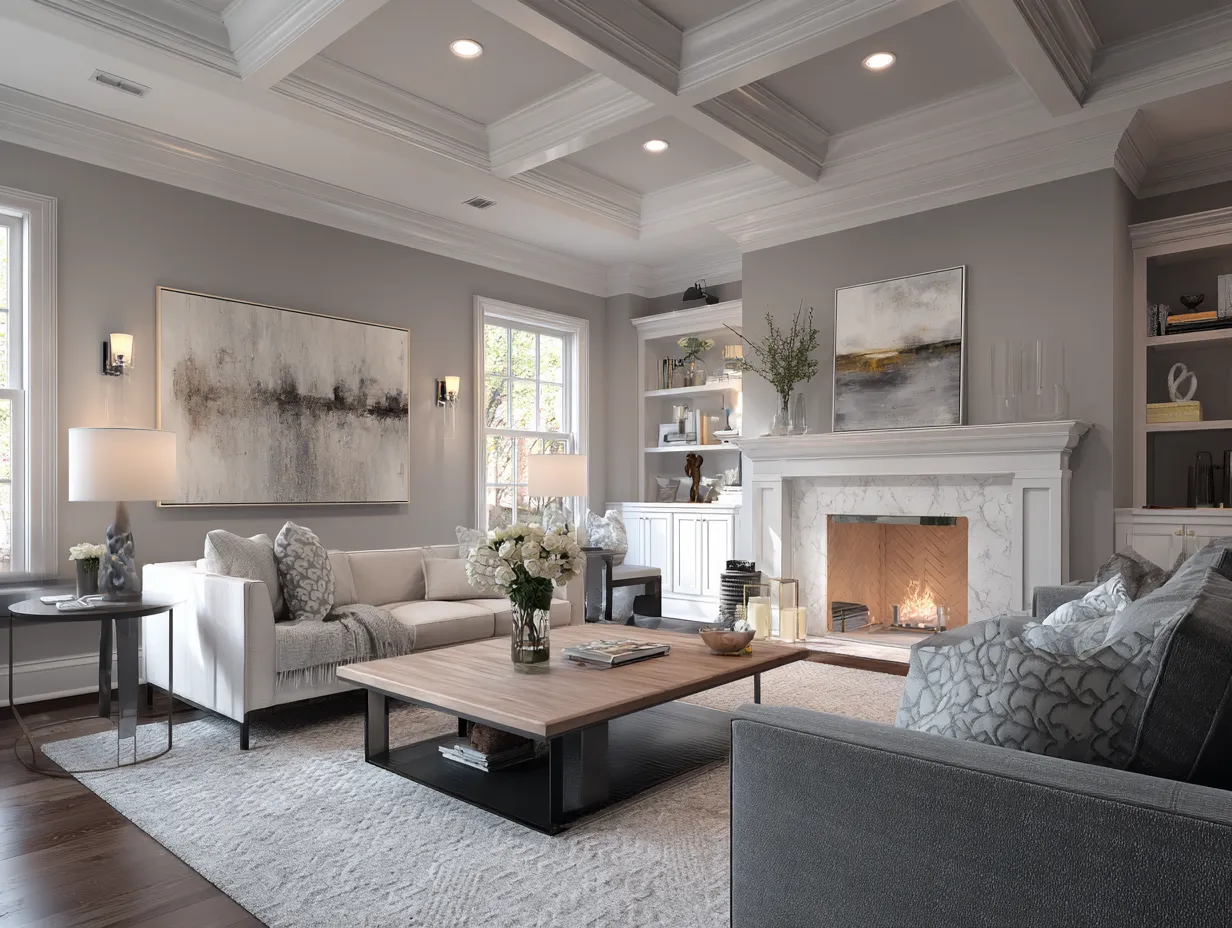
Reclaimed wood and grey paint are natural partners but they fight if you pick the wrong grey. Cool blue-grey next to warm honey oak looks like two rooms stitched together. Go for greige — Benjamin Moore “Revere Pewter” (HC-172, about $50 per gallon) — and the wood tones suddenly belong.
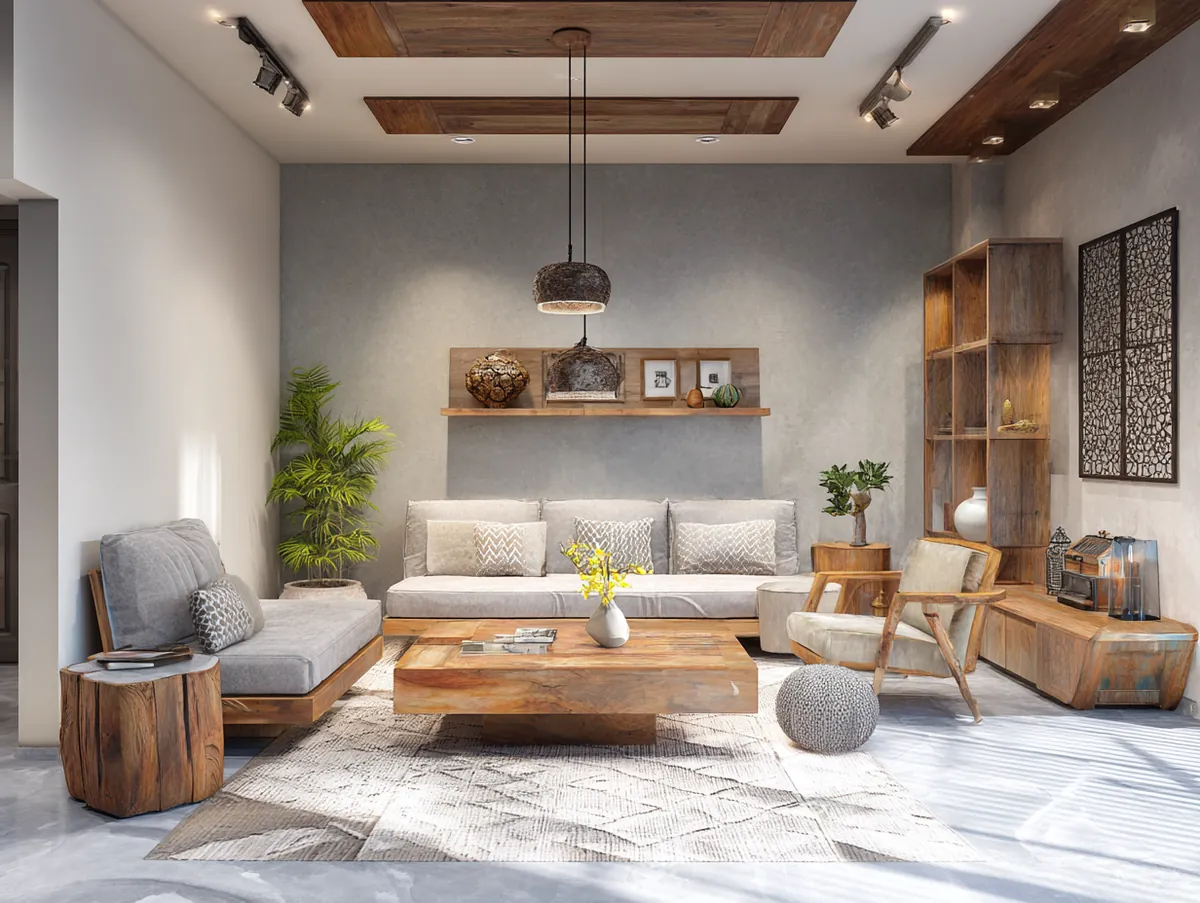
I own two floating shelves from West Elm in “raw mango wood” ($79 each). Against my white and grey living room walls, they add just enough warmth without going full farmhouse. The trick is raw or lightly sealed wood. The moment you varnish it glossy, it stops looking rustic and starts looking like a 1990s entertainment center.
Don’t buy that distressed-finish furniture from Wayfair. It looks fake in person. Real weathered wood has irregular grain patterns you can feel with your fingertips. Fake distressing has perfectly uniform scratches. I learned this the expensive way — a $340 “rustic” coffee table went to Facebook Marketplace within two weeks.


Rule of thumb
If your grey paint swatch looks blue at noon and purple at sunset, it’s a cool-toned grey. Pair it with white oak, not honey oak. Wrong wood tone next to wrong grey is the #1 reason rustic grey rooms look off.


Grey and white living room ideas have always been synonymous with elegance and sophistication. But when these neutral tones meet the rustic charm of natural materials and vintage decor, a unique design narrative unfolds, blending the best of both worlds.
Rustic design is all about celebrating the beauty of nature. It’s about wooden beams, stone fireplaces, and handcrafted furniture. But when introduced to a grey and white palette, these rustic elements take on a contemporary twist.


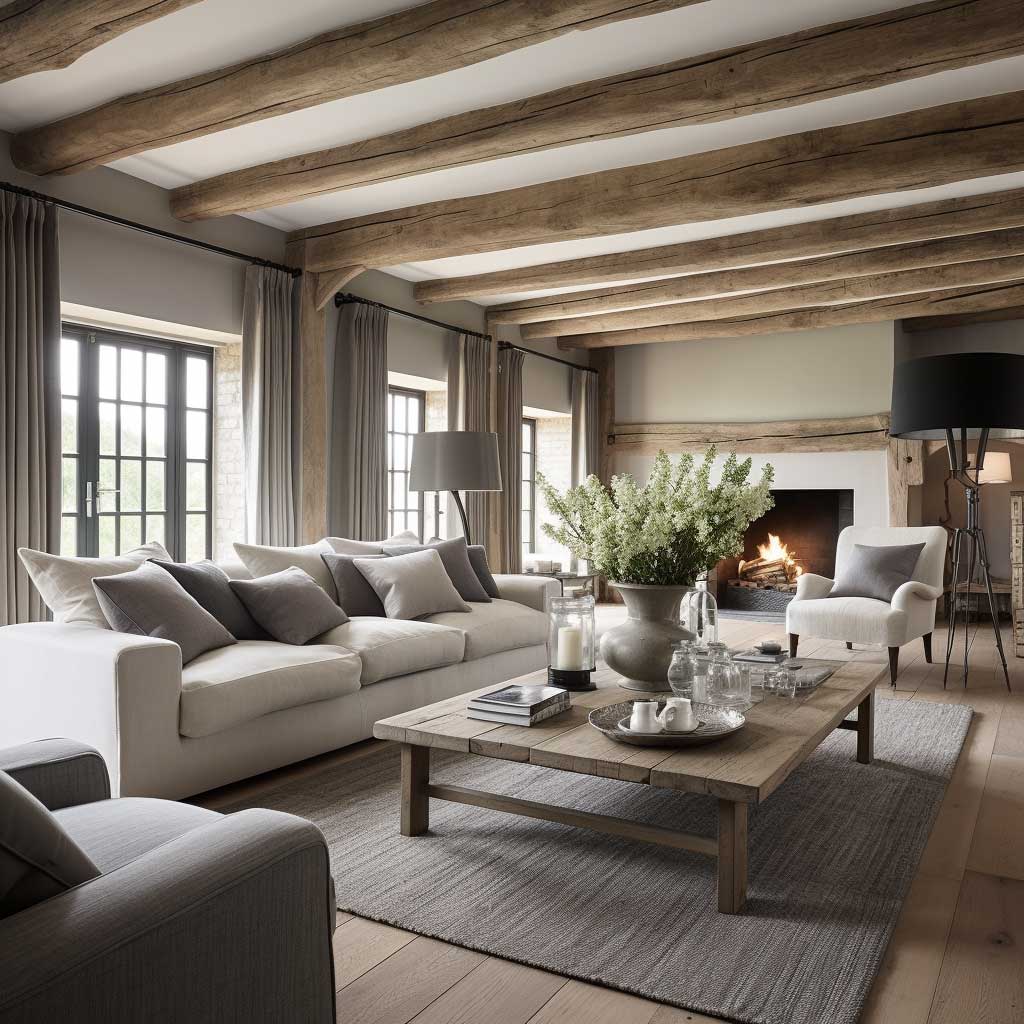

Imagine a living room with grey wooden floors, white shiplap walls, and a grey stone fireplace. The room exudes rustic charm, but with a modern edge. The neutral tones of grey and white allow the natural textures and materials to shine, creating a space that’s both cozy and chic. If you’re picking paint, Benjamin Moore’s Revere Pewter (HC-172) is a warm greige that bridges grey walls and natural wood without either looking out of place.
But the fusion of rustic and contemporary doesn’t stop at architectural features. Decor plays a crucial role in bridging the gap between the two design styles. A vintage grey wooden trunk might serve as a coffee table, while sleek white chairs add a touch of modernity. A white fur rug might sit beneath a rustic wooden table, blending softness with ruggedness.
The key to successfully merging rustic and contemporary in grey and white living room spaces lies in balance. It’s about respecting the integrity of each design style while finding common ground. It’s about mixing and matching, experimenting, and, most importantly, having fun with the design process.
Rustic meets contemporary in grey and white living room spaces is a testament to the versatility of these two hues. By seamlessly blending the warmth and charm of rustic design with the sleekness and sophistication of contemporary elements, one can create spaces that are both unique and timeless.
One Bold Accent That Makes Grey and White Decor Pop
Pick one color. One. I cannot say this louder. My neighbor has an emerald green velvet cushion ($35, H&M Home), one matching ceramic vase, and nothing else colorful in her grey and white living room. It looks like a magazine shoot.
I tried three accent colors at once — mustard yellow, teal, and blush pink. The room looked like a kindergarten. Grey and white decor works as a backdrop specifically because it’s quiet. The second you add too many competing accents, you’ve destroyed the whole point.
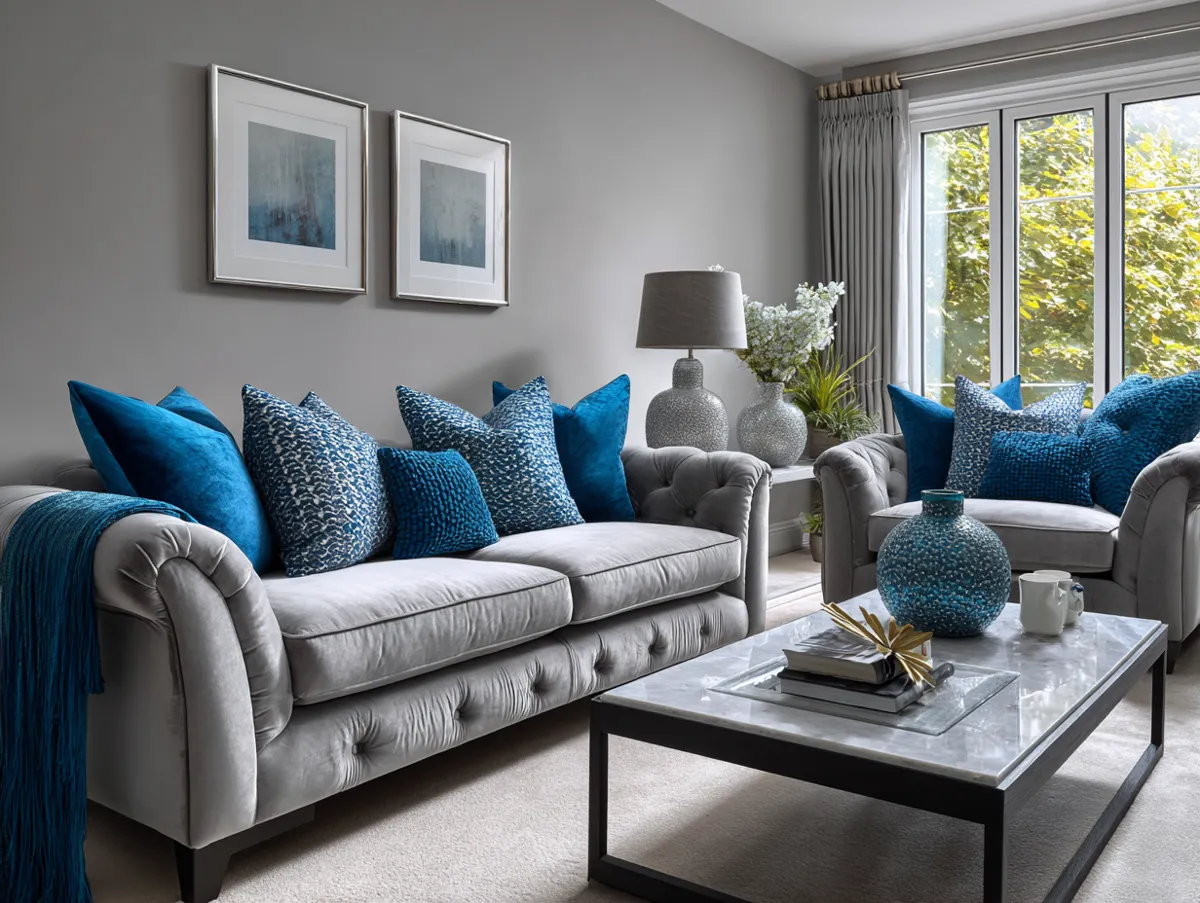
Navy blue is the safest accent for white and grey living room decor. It reads expensive, works in every season, and plays well with both warm and cool greys. A single navy Serena & Lily pillow ($68) does more than six random throw pillows from Target.
What if you hate bold color entirely? Black accents. A matte black floor lamp, black picture frames, black hardware on white cabinets. It’s technically still neutral, but the contrast against grey and white creates the same visual punch without the commitment.


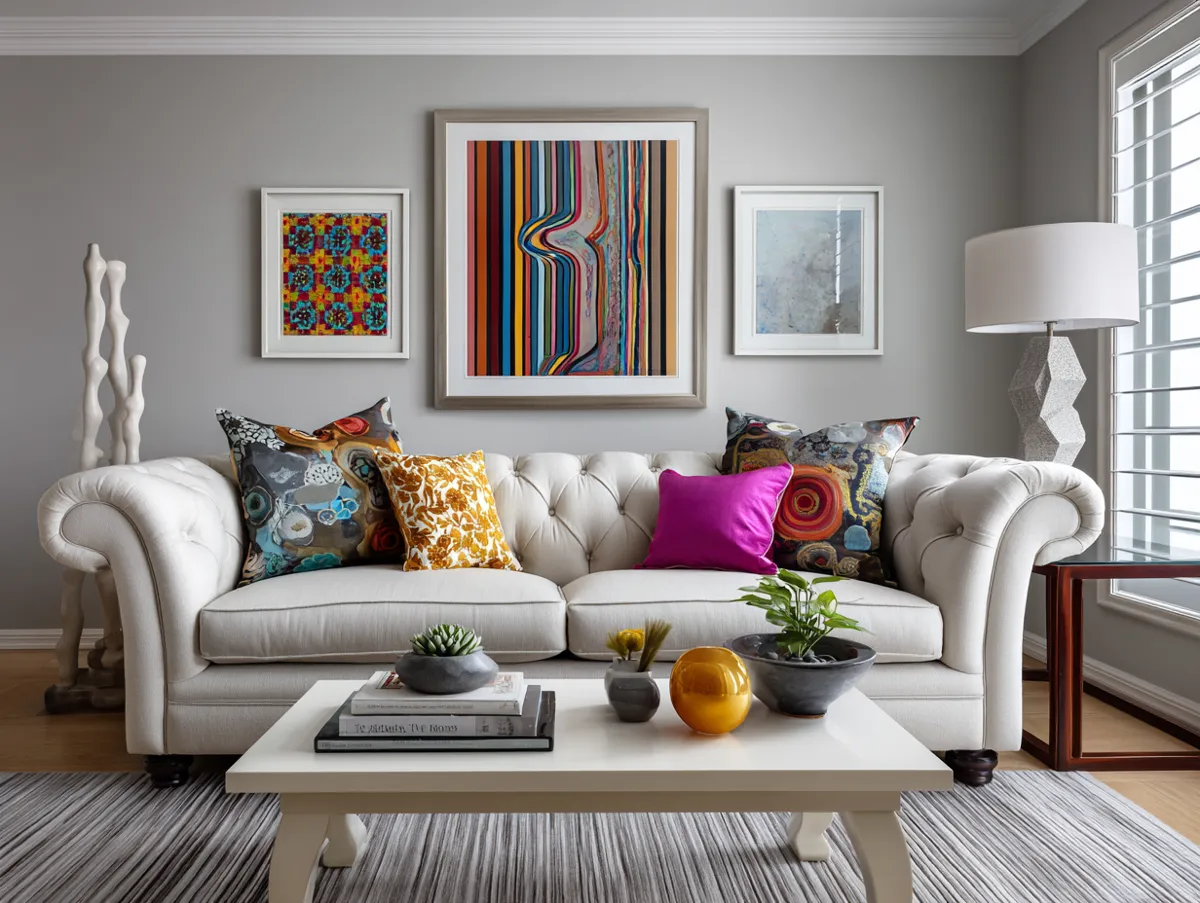
Grey and white living room ideas have long been celebrated for their understated elegance and versatility. However, when paired with bold accents, these neutral tones can be elevated to create a living space that is both dynamic and harmonious, blending subtlety with striking design elements.
The beauty of a grey and white palette lies in its ability to serve as a canvas. While these colors can stand alone, they also provide the perfect backdrop for bolder hues and design choices. Introducing bold accents into a grey and white living room can transform the space, adding layers of interest and depth.


Imagine a pristine white living room with sleek grey furnishings. Now, introduce a bold emerald green cushion or a vibrant red artwork. Instantly, the room comes alive, with the bold colors drawing the eye while the grey and white tones provide balance.
But bold accents aren’t limited to just colors. They can be patterns, textures, or even architectural features. A grey and white living room with a striking black and white geometric rug can make a statement. Similarly, a bold, ornate chandelier in a minimalist grey and white space can become a focal point, adding a touch of opulence.
The key to successfully incorporating bold accents in grey and white living room themes is moderation. It’s about choosing one or two standout pieces that complement, not overpower, the neutral tones. It’s about creating harmony, where each design element, whether subtle or bold, has its place and purpose.
Furthermore, bold accents can be changed seasonally or based on mood, making the living room a dynamic space that evolves over time. Today’s vibrant blue vase could be replaced by tomorrow’s golden sculpture, ensuring the living room remains fresh and current.
Bold accents elevate grey and white living room themes, showcasing the transformative power of design. By introducing striking elements into a neutral palette, one can create living spaces that are both captivating and harmonious, reflecting a blend of subtlety and boldness.
Don’t Do This
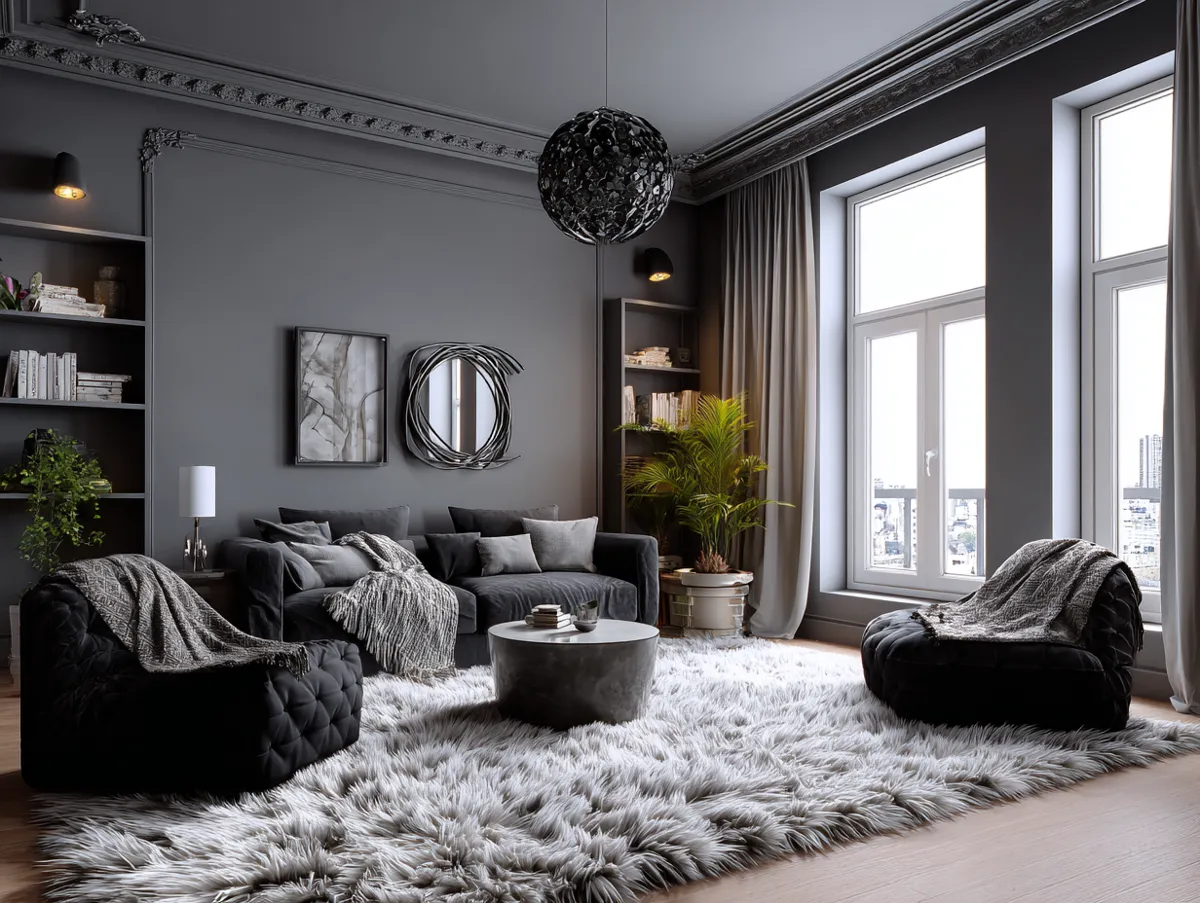
Painting all four walls the same dark charcoal grey. It absorbs every bit of natural light and your living room turns into a cave by 4 PM. Use dark grey on one accent wall maximum, keep the rest in light grey or white.
Buying a pure white sofa without performance fabric. I’ve seen three friends ruin theirs within six months. If you want white upholstery, Crypton or Sunbrella fabric is the bare minimum — expect to pay $200–$400 more but you’ll actually keep the sofa past year one.
Mixing cool grey walls with warm grey furniture (or the reverse). The undertones clash and everything looks vaguely dirty. Hold your paint swatch against your sofa fabric in natural daylight before committing. Ten seconds of checking saves $400 of regret.
Layered Neutrals for a Cozy Grey and White Living Room
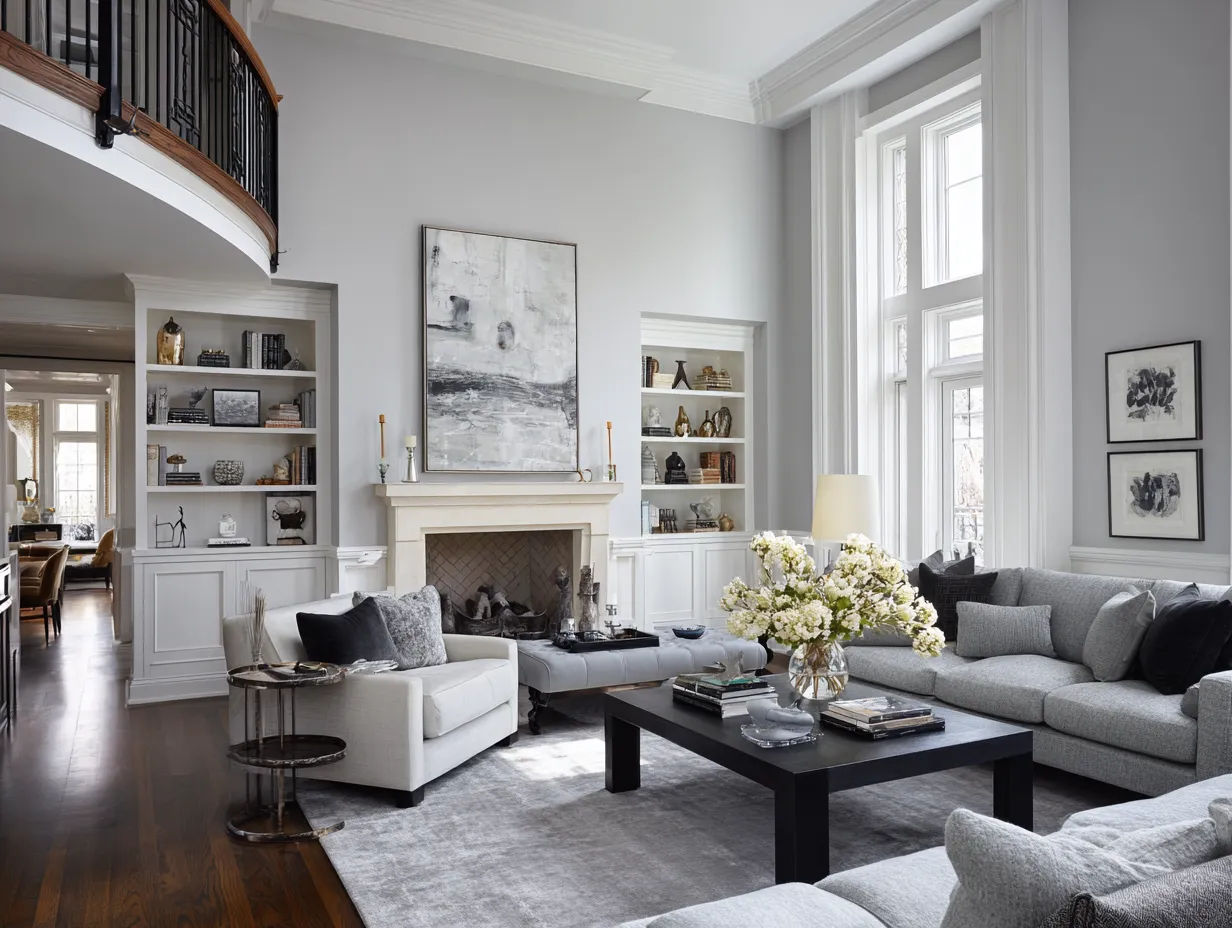
Cozy grey and white living rooms need at least four shades of grey happening at once. My setup: charcoal sofa, light grey walls (Benjamin Moore “Gray Owl,” OC-52), medium grey throw, and white-grey marbled candles. Your eye travels between the shades and the room feels deep instead of flat.
Beige is grey’s best friend and nobody talks about this. A simple cozy grey and white living room gets ten times warmer when you add one linen throw in oatmeal or one jute rug. I use the IKEA LOHALS jute rug ($30) under my grey coffee table and it grounds the entire space.
Skip the all-white bedding trend in the living room. Pure white cushions on a grey sofa look great for exactly four hours before someone sits on them with coffee. Off-white, cream, or ivory stay looking clean much longer and actually feel warmer against grey tones.
I spent $22 on three cream-colored beeswax candles from a local market. Unlit, they look like decor. Lit, the warm glow turns my grey and white front room into a place where people actually want to sit and talk. Cheap trick, massive payoff.


Pro trick
Layer three rugs of different sizes in the same grey-white-cream family. A large light grey base rug, a medium jute rug angled on top, and a small sheepskin near the sofa. Costs under $120 total at IKEA and makes the room feel like a Scandinavian design blog.


Grey and white living room ideas have always exuded a sense of calm and sophistication. But when these hues are layered with other neutrals, the result is a living space that is cozy, warm, and incredibly inviting.
Layering is a design technique that adds depth and dimension to a space. In a grey and white living room, layering neutrals can create a rich tapestry of tones and textures, making the room feel more intimate and welcoming.
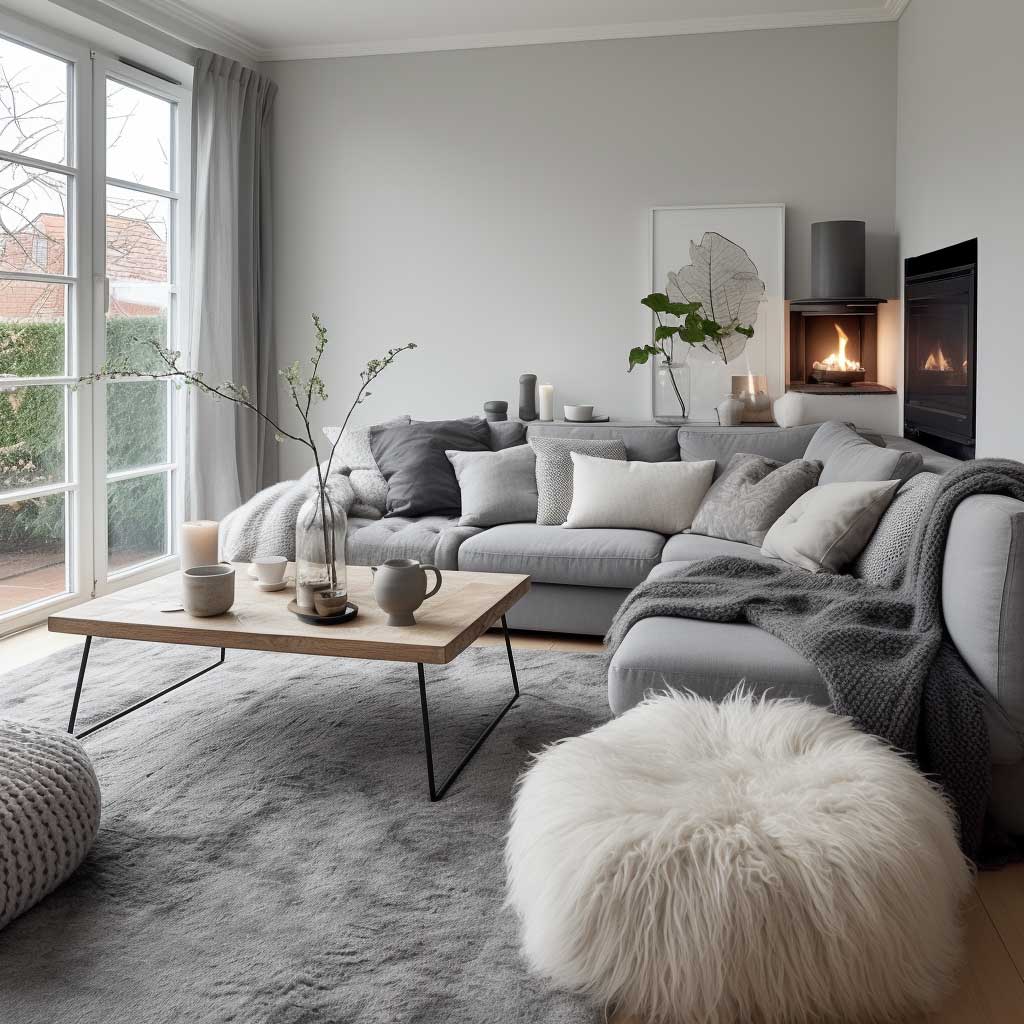
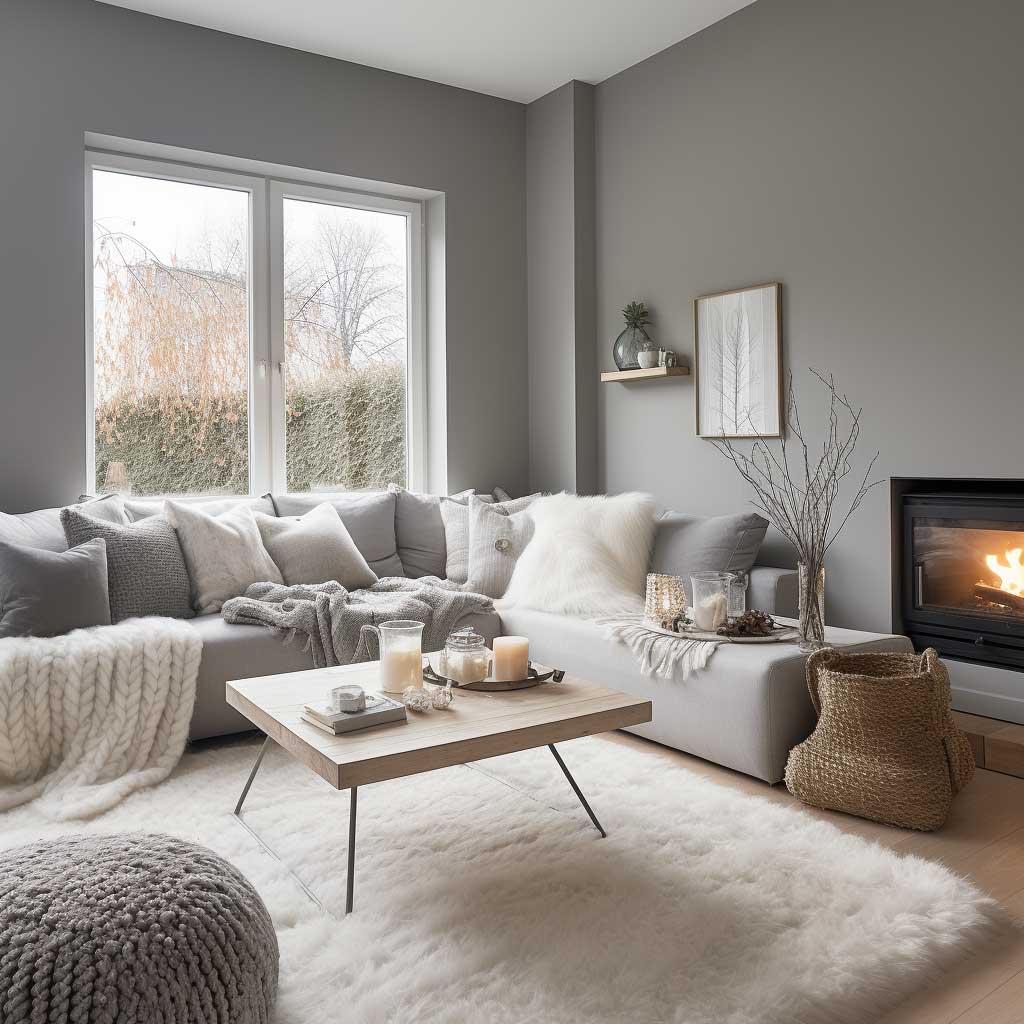


Imagine a deep grey sofa adorned with cushions in varying shades of grey, white, and beige. A soft white rug underfoot, layered with a smaller grey patterned rug. Walls in a light grey hue, with white and beige wall art. The result is a room that feels enveloping, where every shade and texture contributes to the overall ambiance.
But layering neutrals isn’t just about colors. It’s also about materials and finishes. A grey wooden coffee table, a white marble side table, a beige linen curtain – each material adds its own texture and sheen, enhancing the room’s tactile experience.
One of the advantages of layering neutrals in a grey and white living room is flexibility. Neutrals are timeless, and they can easily adapt to changing design trends or personal preferences. Want to introduce a pop of color? The neutral backdrop ensures that any hue, whether bold or subtle, will seamlessly blend in.
Layered neutrals evoke a sense of calm and serenity. In today’s fast-paced world, having a living space that feels like a sanctuary is invaluable. The soft tones and textures create an environment that encourages relaxation and reflection, making the living room a true retreat. For a bolder take on the same principle, see how soft color drenching upgrades a living room by committing one hue to walls, trim, and ceiling all at once.
Layered neutrals for a cozy grey and white living room ambiance showcase the power of subtlety in design. By combining various neutral tones and textures, one can create spaces that are not only aesthetically pleasing but also deeply comforting and serene.
Your Grey and White Living Room Starts With One Decision
Every room I’ve done in grey and white started the same way — picking one piece I genuinely loved and building everything around it. Not a mood board. Not a Pinterest binge. One sofa, one rug, one paint swatch held against a window at 2 PM. The rest follows if that first choice is right.
Save this page for the day you’re standing in Benjamin Moore with seventeen grey swatches and no idea which one won’t look purple at sunset. That day comes for all of us. You’ll want this list.
How to Design a Grey and White Living Room Step by Step
A practical walkthrough for creating a cohesive grey and white living room from scratch, covering paint selection through final styling.
Tools & Materials
- Paint swatches (3–5 grey shades)
- Natural daylight for swatch testing
- Tape measure
- Grey paint (1–2 gallons)
- White trim paint
- Sofa, rug, textiles, accent pieces
Pick your grey undertone
Hold 3–5 grey paint swatches against your largest white surface in natural daylight at noon. Warm greys (greige) suit rustic or cozy styles. Cool greys (blue-green undertone) work for modern minimalist rooms. Eliminate any swatch that looks purple or pink under your lighting.
Choose one anchor furniture piece
Select one large item — usually the sofa — in a grey that matches your chosen undertone. Budget $800–$1,400 for a sofa you’ll keep 5+ years. Everything else in the room will reference this piece, so get the color and fabric right first.
Layer three textures minimum
Combine at least three different textures in the seating area: velvet, linen, and wool are reliable options. Lay a large light rug as the base, add a smaller textured rug on top, and drape a throw across the sofa arm. This prevents the grey and white palette from looking flat.
Add one accent color only
Pick one accent color — navy blue, muted olive, or matte black — and apply it to two small items maximum: a cushion and a vase, or a lamp and a frame. More than one accent color competing against grey and white creates visual noise instead of a focal point.
Test the room at night before committing
Grey shifts dramatically under artificial light. Turn on your evening lighting and check if the walls and furniture still look cohesive. Swap cool white bulbs for warm-toned LEDs (2700K) if the grey reads blue or cold. This final step is what separates rooms that photograph well from rooms that actually feel good to live in.
Related Topics
FAQ
How can I prevent a grey and white living room from feeling too cold or clinical?
What is the best way to choose the right shade of grey for a small living room with limited natural light?
How can I introduce a third accent color into a grey and white living room without losing the minimalist aesthetic?
How do I keep a grey and white living room from looking boring?
What goes with grey and white in a living room?
What shade of grey works best for a dark grey and white living room?
Is a grey and white living room good for small spaces?
How much does a grey and white living room makeover cost?
What is the best accent color for a grey and white living room?
Complete guide
The Living Room Design Ideas Vault Every Home Needs Right Now
Color, walls, furniture, layouts, styles, smart tech — 300+ ideas in one place
Complete guide
White Color in Home Design: Every Room, Every Style, Every Shade
Kitchens, bathrooms, living rooms, exteriors, palettes — all in one place
Complete guide
Grey Home Color Ideas for Every Room and Every Shade
Exteriors, kitchens, living rooms, bedrooms, bathrooms — all in one place