Quick Summary
Seven minimalist landscaping ideas covered here: stone patios ($3–$5/sq ft), gravel-and-succulent beds ($140–$200 for 300 sq ft), Zen gardens with water features (under $500 total), concrete-and-grass paths ($2–$4/linear ft), pergola-and-deck combos ($800–$2,000 DIY), and small backyard seating layouts. Best budget pick: gravel with Sempervivum succulents. Biggest mistake: skipping the gravel base under stone pavers. All seven designs need under 20 minutes per week to maintain.
I spent $4,200 on a backyard “makeover” three years ago. Flagstone, boxwoods, a fountain that sounded like a broken toilet. Six months later, the boxwoods were dead, the fountain pump seized, and I was ripping everything out at 7 AM on a Saturday. That disaster taught me one thing: simple minimalist landscaping beats overdesigned yards every single time.
The seven minimalist landscape designs below are what I actually rebuilt my yard with. Gravel and succulents. A concrete-and-grass path. A basic pergola. Total cost the second time? Under $2,800. Maintenance per week? About twenty minutes with a rake. Not a single dead boxwood.
Every idea here uses minimal landscape design principles: clean lines, one or two materials max, and plants that survive on neglect. Skip the elaborate blueprints. You need a tape measure, a truck bed full of gravel, and a free weekend.
Quick Scan
Best for small yards: Gravel + succulents or modern seating layout
Best for zero maintenance: Concrete-and-grass path
Best for relaxation: Zen garden with bamboo fountain
Cheapest option: Pea gravel bed — $140 for 300 sq ft
Weekend build: Pergola + deck combo
Total budget range: $300–$3,000 depending on scope
Minimalist Landscaping Ideas Compared: Cost, Time, Maintenance
| Design | Material Cost (DIY) | Install Time | Weekly Upkeep | Best For |
|---|---|---|---|---|
| Stone Patio | $700–$1,500 | 2 days | 5 min (sweep) | Entertaining |
| Gravel + Succulents | $200–$500 | 1 day | 10 min (rake) | Hot/dry climates |
| Zen Garden | $300–$500 | 1 day | 15 min (rake patterns) | Meditation/quiet space |
| Concrete + Grass Path | $150–$400 | 4–6 hours | 5 min (edge trim) | Long/narrow yards |
| Pergola + Deck | $800–$2,000 | 1–2 weekends | 10 min (sweep + oil annually) | Dining/lounging |
| Small Backyard Seating | $300–$800 | Half day | 5 min | Tiny urban yards |
Minimalist Landscaping Cost Calculator
Select your design type and yard size to get a material cost estimate.
Design type:
Yard area (sq ft):
Estimated Cost Breakdown
Minimalist Stone Patio: Best Pavers Under /sq ft
Incorporating natural stone into your outdoor space can make a significant impact with minimal effort. This design features natural stone pavers in a simple, geometric pattern, creating a polished and sophisticated look. The use of earthy materials like stone not only blends seamlessly with the environment but also provides durability and low maintenance, making it perfect for minimalist outdoor settings.
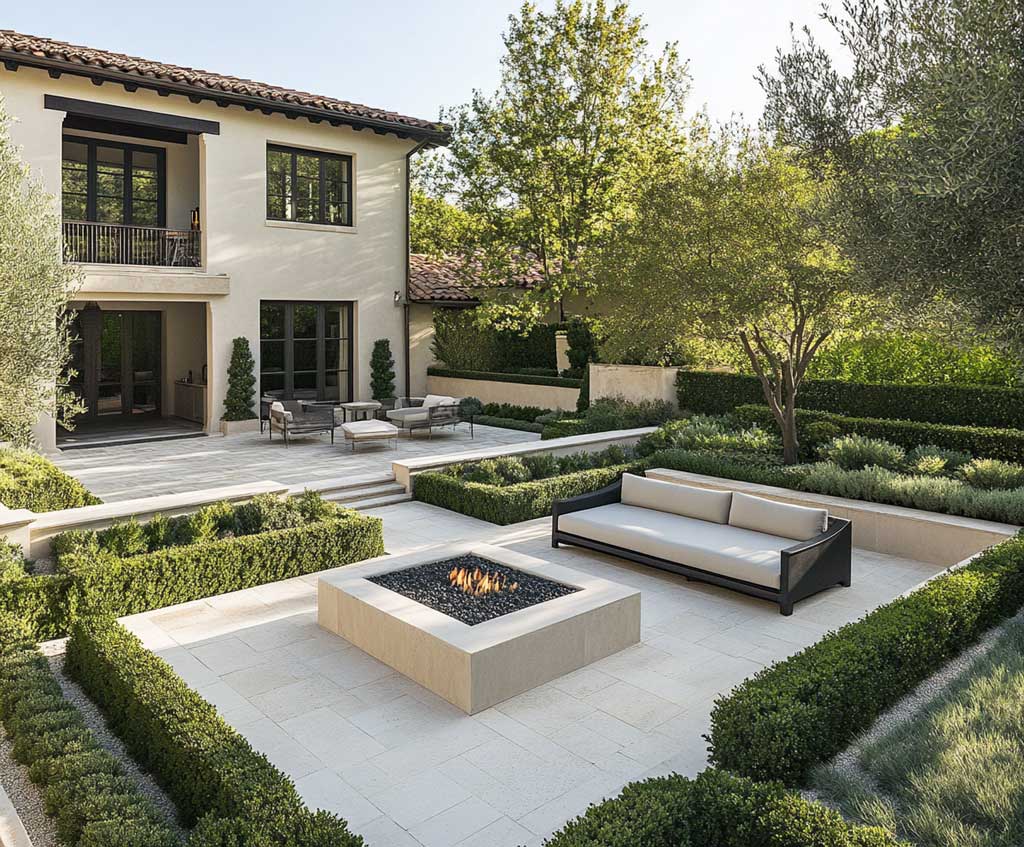
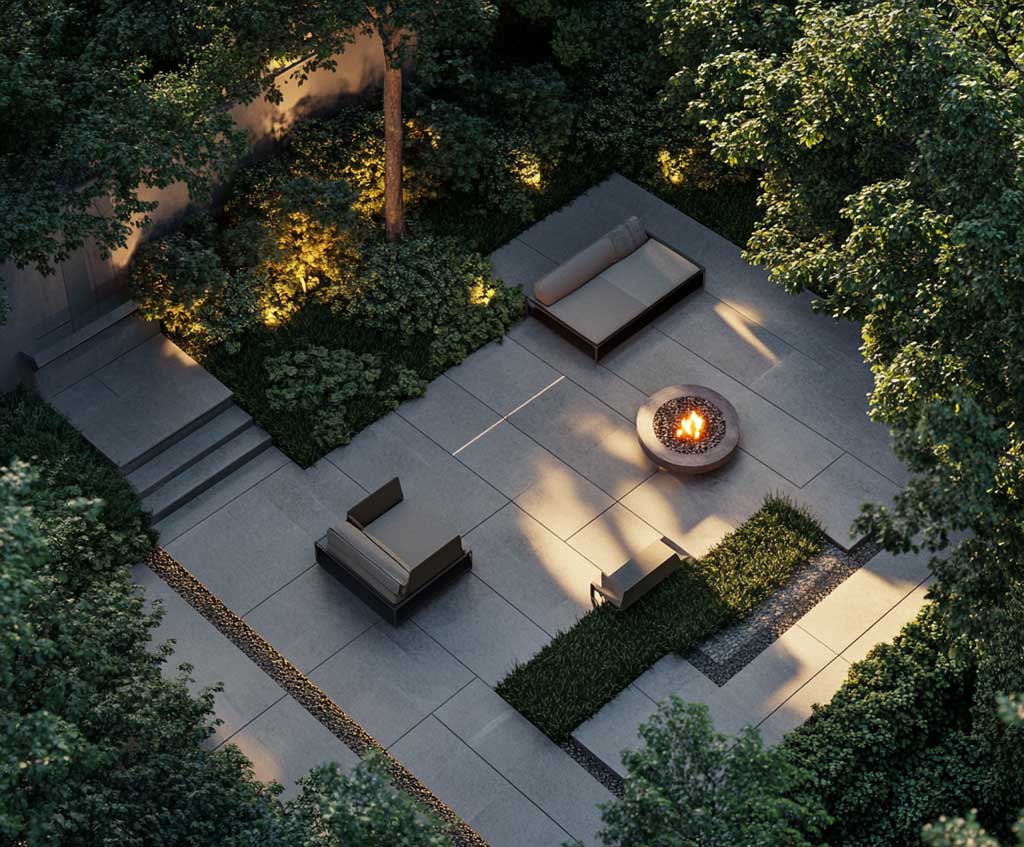
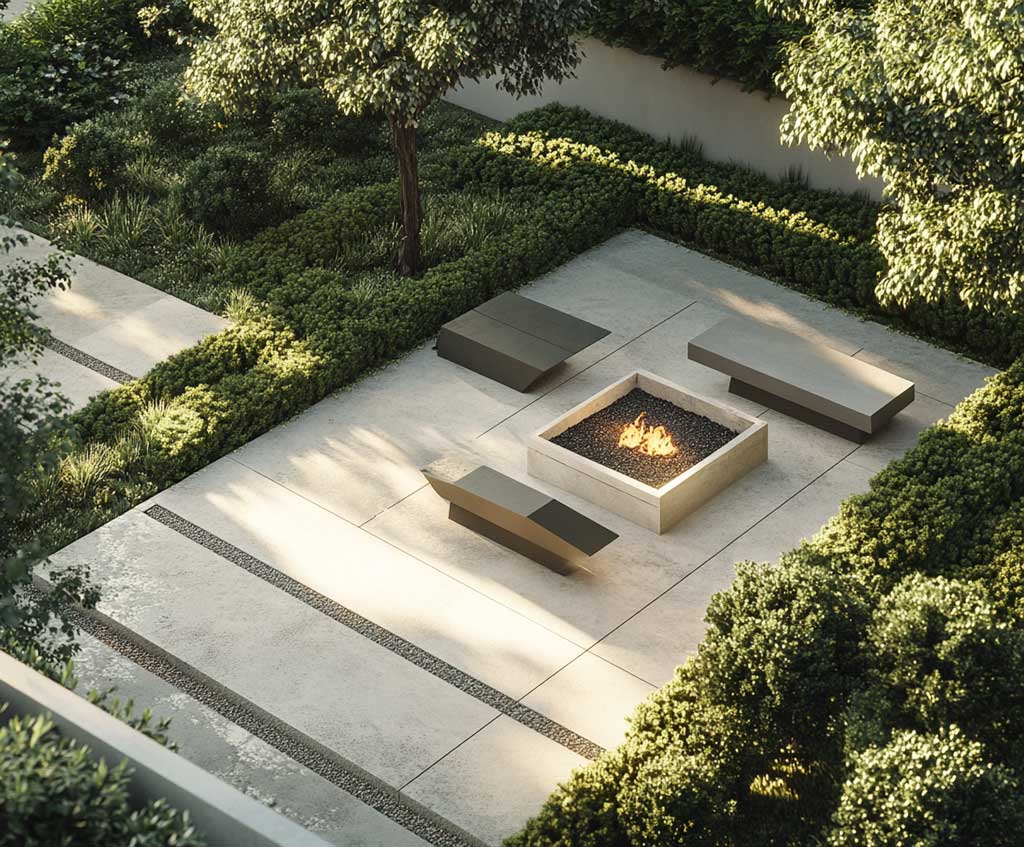
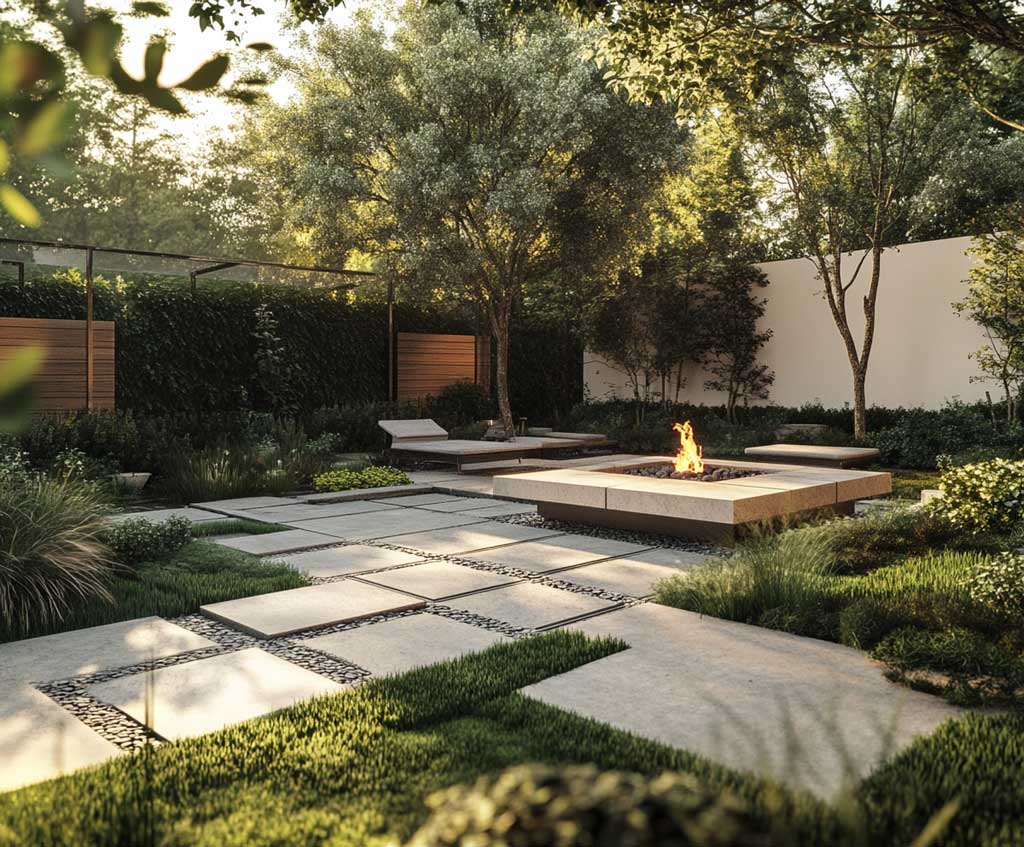
Adding a few well-placed, low-profile furniture pieces can enhance the comfort of the space without overcrowding it. Opting for neutral-colored seating made of natural wood or metal complements the minimalist aesthetic. To create a cozy ambiance, you could integrate a small fire pit as a centerpiece, which serves both as a gathering point and a visual element.
The surrounding greenery should be carefully selected to maintain the minimalist theme. Instead of filling the garden with various plants, focus on a few species that are easy to maintain, such as low-growing shrubs or ornamental grasses. This helps the space feel open and uncluttered, while still maintaining a connection to nature. With this approach, you can create a simple yet refined backyard that embodies both elegance and functionality.
I've tested three types of natural stone for minimal landscape design, and travertine pavers at $3.50–$5.00 per square foot beat everything else in the budget range. Slate looks incredible the first year. Cracks after the second winter. Travertine handles freeze-thaw cycles without splitting, and the tumbled finish hides dirt better than honed surfaces.
My 200 sq ft patio cost $940 in materials: travertine pavers from Floor & Decor, polymeric sand for joints, and a 4-inch gravel base. Labor was me and my neighbor over two days. The biggest mistake people make with stone patios? Skipping the compacted gravel base. I watched my friend's bluestone patio sink three inches in one season because he laid pavers directly on soil. Don't do that.
Stick with earthy tones — ivory, walnut, or gray. Stay away from anything marketed as "multi-color rustic." It looks busy, which kills the whole minimalist landscaping idea you're going for.
Gravel and Succulent Landscaping for a Minimal Backyard
Using gravel and succulents is a fantastic way to achieve a minimalist, low-maintenance garden that thrives in various climates. Gravel provides a clean, sleek foundation that contrasts beautifully with the organic shapes of succulents, creating an understated yet impactful design. It's a great choice for anyone seeking simple backyard landscaping ideas that require little upkeep.
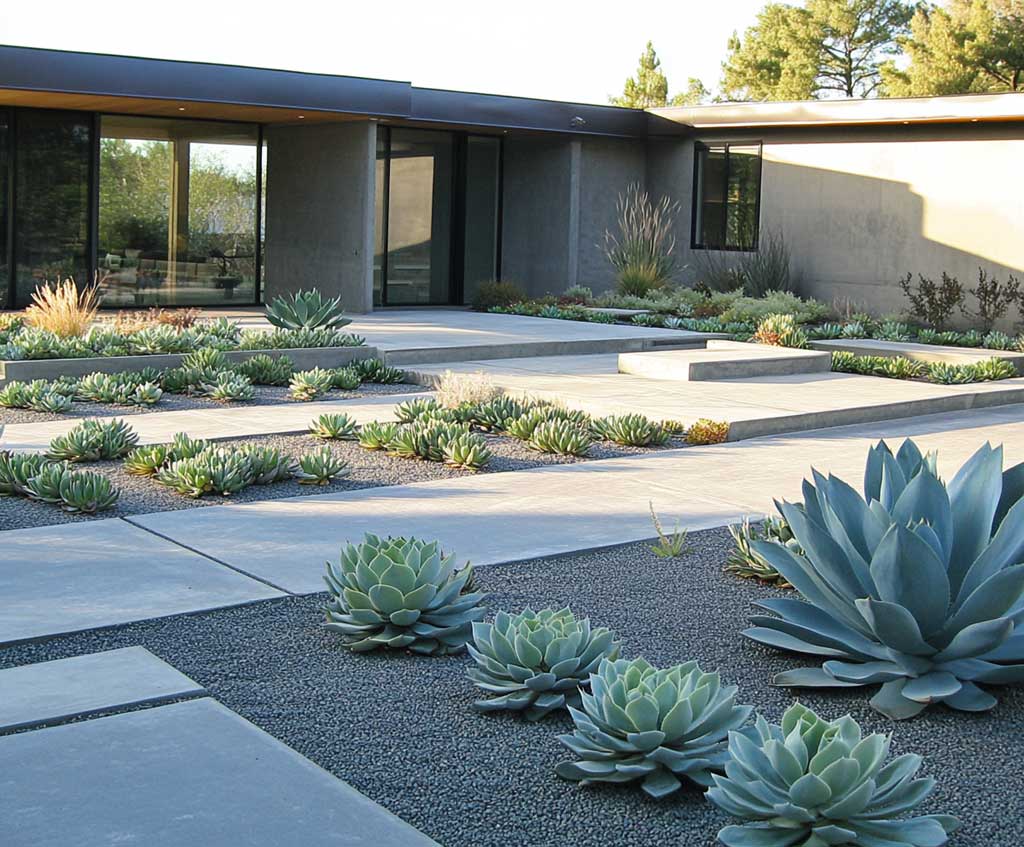
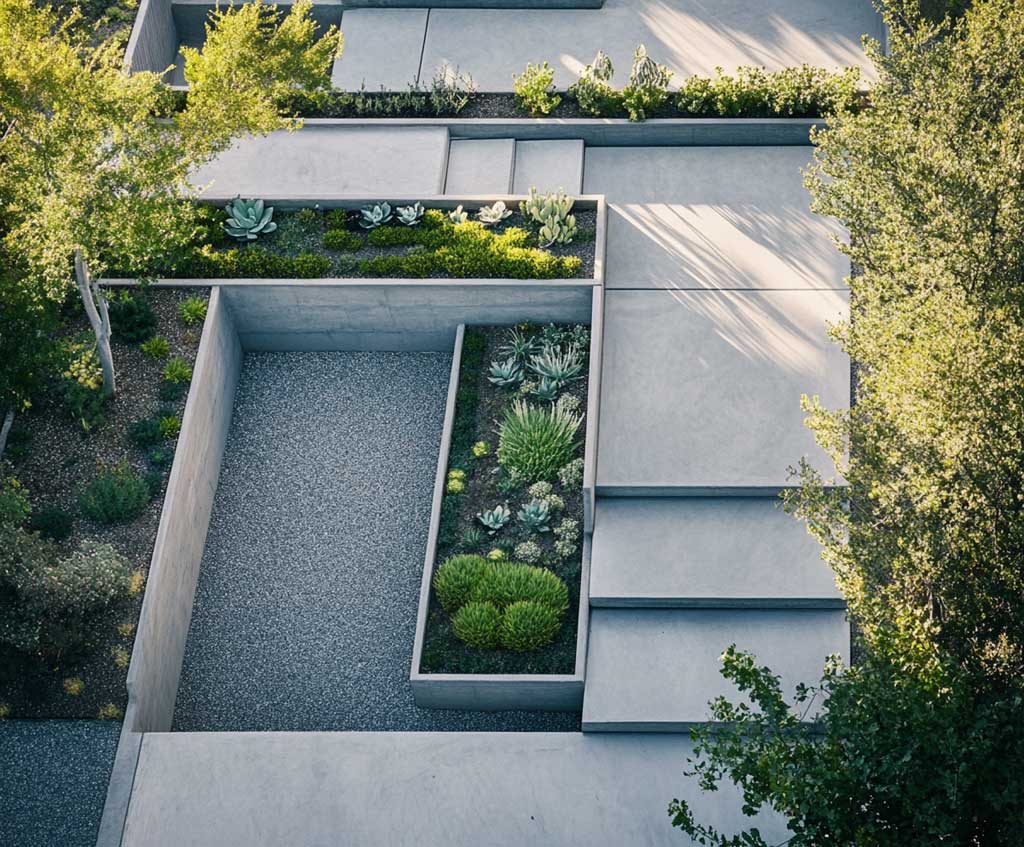
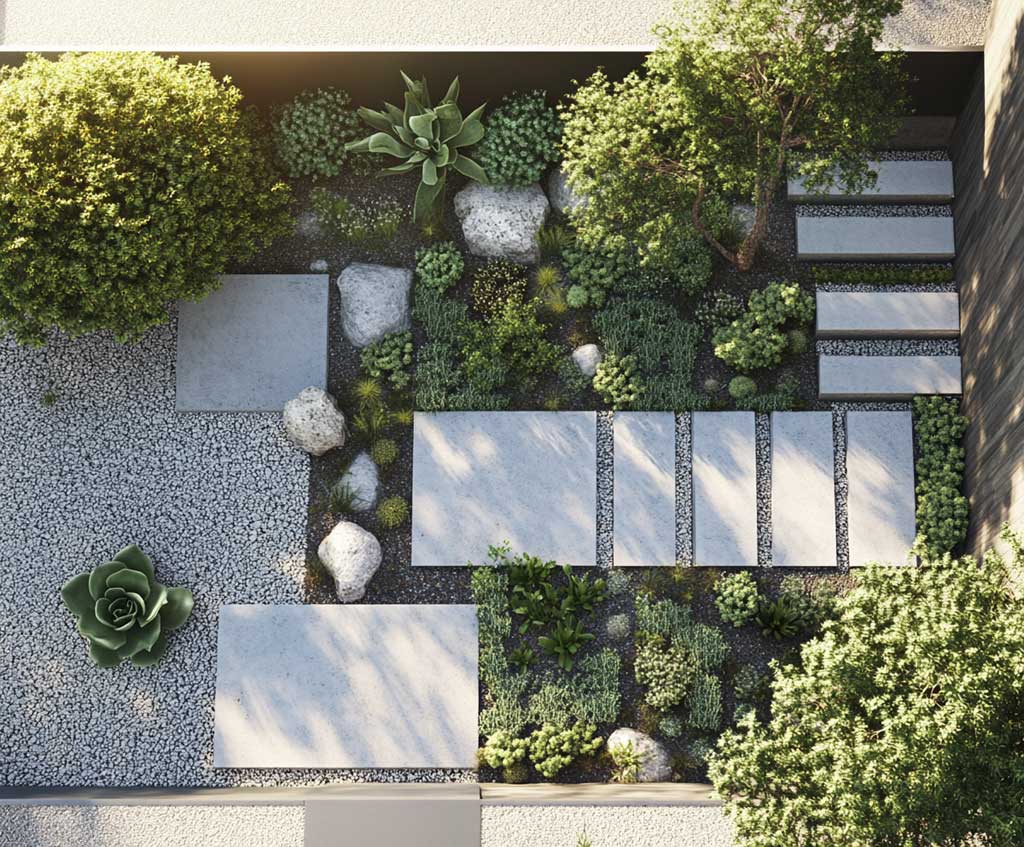
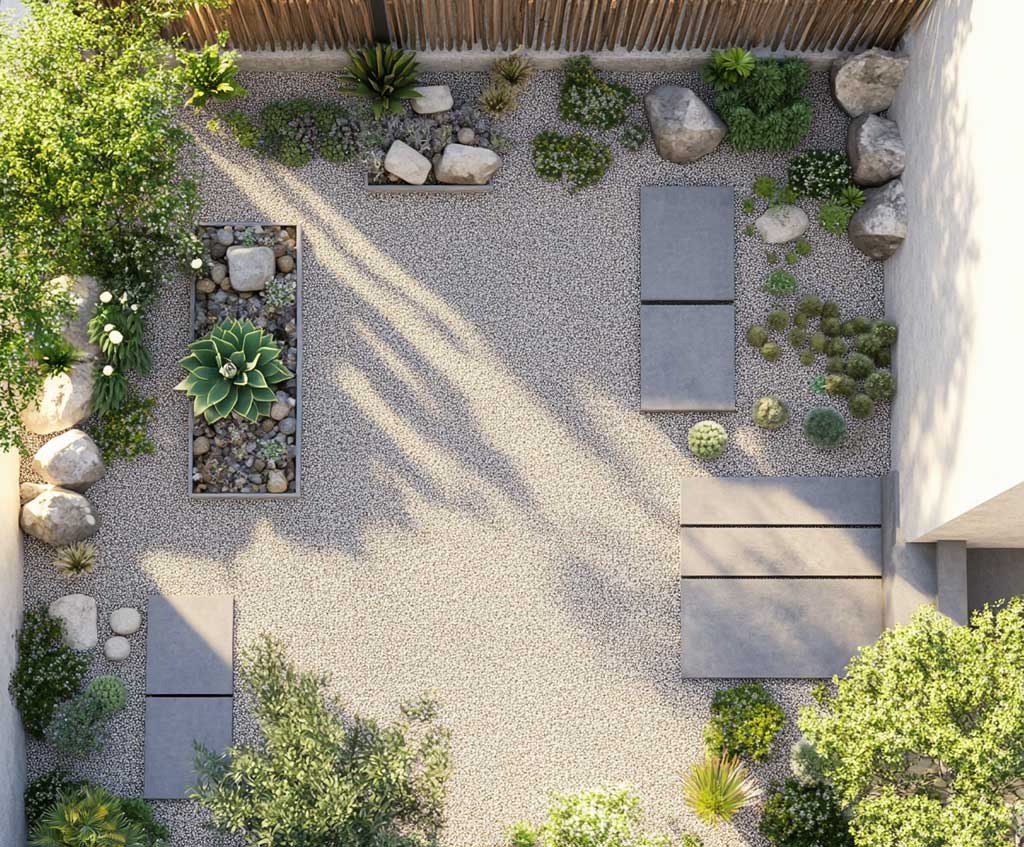
Gravel also helps with drainage, making it ideal for climates with varying weather conditions. When paired with succulents, which are known for their resilience and low water needs, the overall garden design becomes both practical and visually appealing. Raised beds framed by clean, rectangular shapes can be added to elevate the plants, giving the garden a more structured feel.
To further enhance the minimalist vibe, keep furniture and decorations to a minimum. Opt for a single bench or a few simple garden chairs in neutral tones. This allows the gravel and succulents to take center stage, maintaining the clean, uncluttered feel that defines minimalist design.
Pea gravel runs about $35–$50 per ton, and one ton covers roughly 80 square feet at 2 inches deep. For a 300 sq ft gravel garden, you're looking at $140–$200 in gravel alone. Landscape fabric underneath is non-negotiable. I skipped it once. Weeds came through in three weeks.
Echeveria and Sempervivum are my go-to succulents for minimalist landscaping. They cost $2–$5 per plant at Home Depot, they multiply on their own, and they look sharp year-round in zones 9–11. Colder climate? Swap for Sedum 'Autumn Joy' — it handles Zone 3 winters and the dried flower heads actually look good in snow. Agave is tempting for the architectural vibe, but the spines are vicious if you have kids or dogs. Learned that the hard way.
Don't Do This
Don't mix more than two gravel colors. I've seen backyards with white marble chips, tan pea gravel, and black river rock all in the same bed. It looks like a parking lot median, not a minimalist garden.
Don't plant succulents directly in gravel without drainage holes beneath. The roots rot in standing water, and you'll replace $60 worth of plants every season.
Don't use landscape fabric under organic mulch and expect it to last. Fabric works under gravel. Under mulch, it breaks down in 18 months and creates a slimy layer that chokes plant roots.
Zen Garden Water Feature on a 0 Budget
For those seeking tranquility in their outdoor spaces, a Zen garden provides the perfect blend of simplicity and relaxation. By incorporating clean lines and natural elements, this minimalist approach transforms any backyard into a peaceful retreat. The key to a successful Zen garden lies in its simplicity—gravel raked into symmetrical patterns, a few carefully placed stones, and a water feature that adds a calming ambiance.
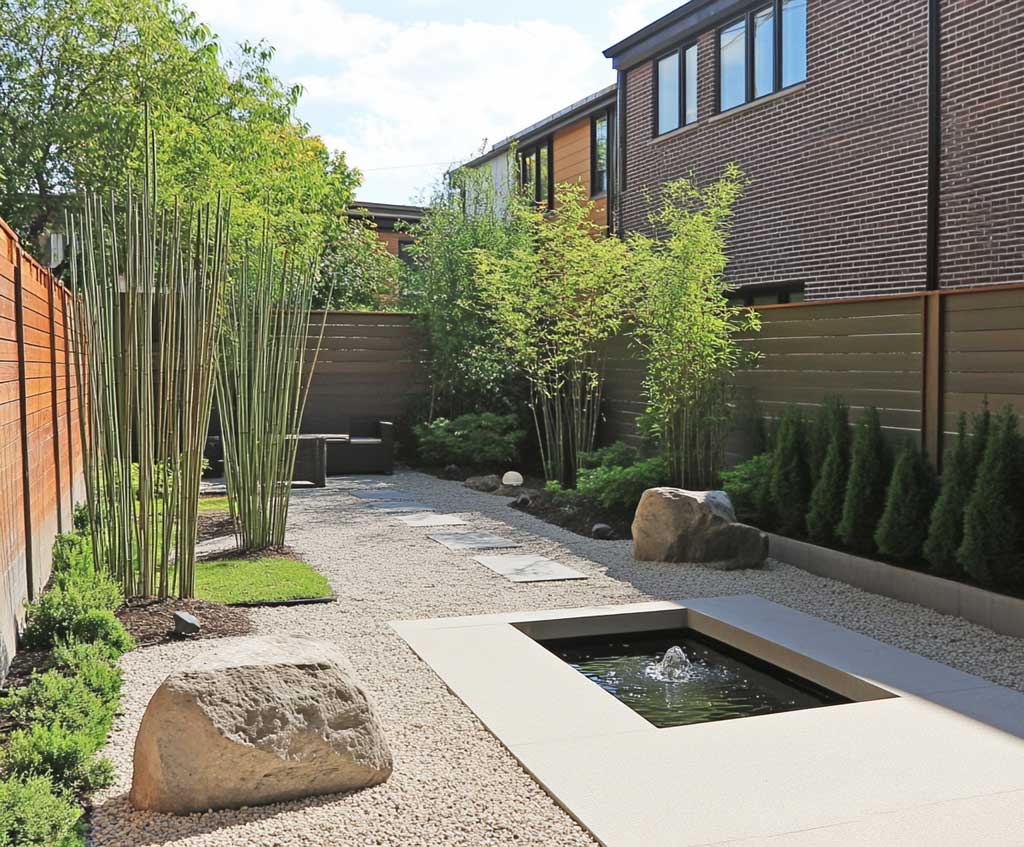
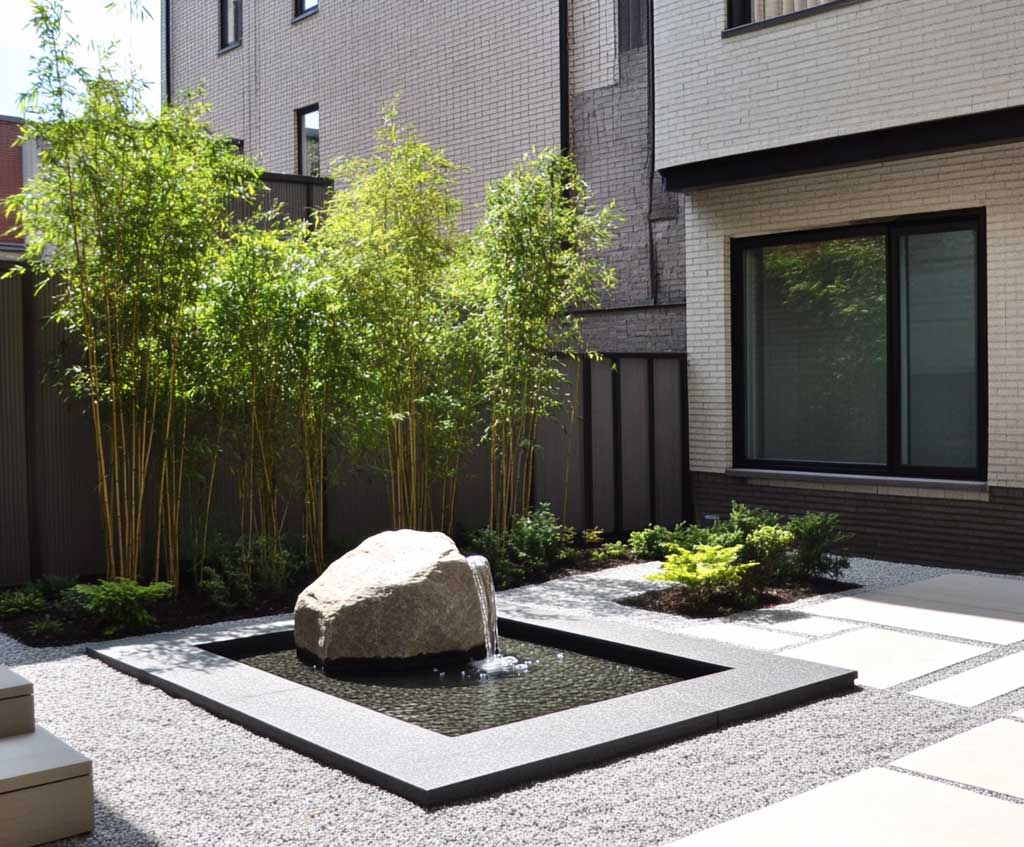
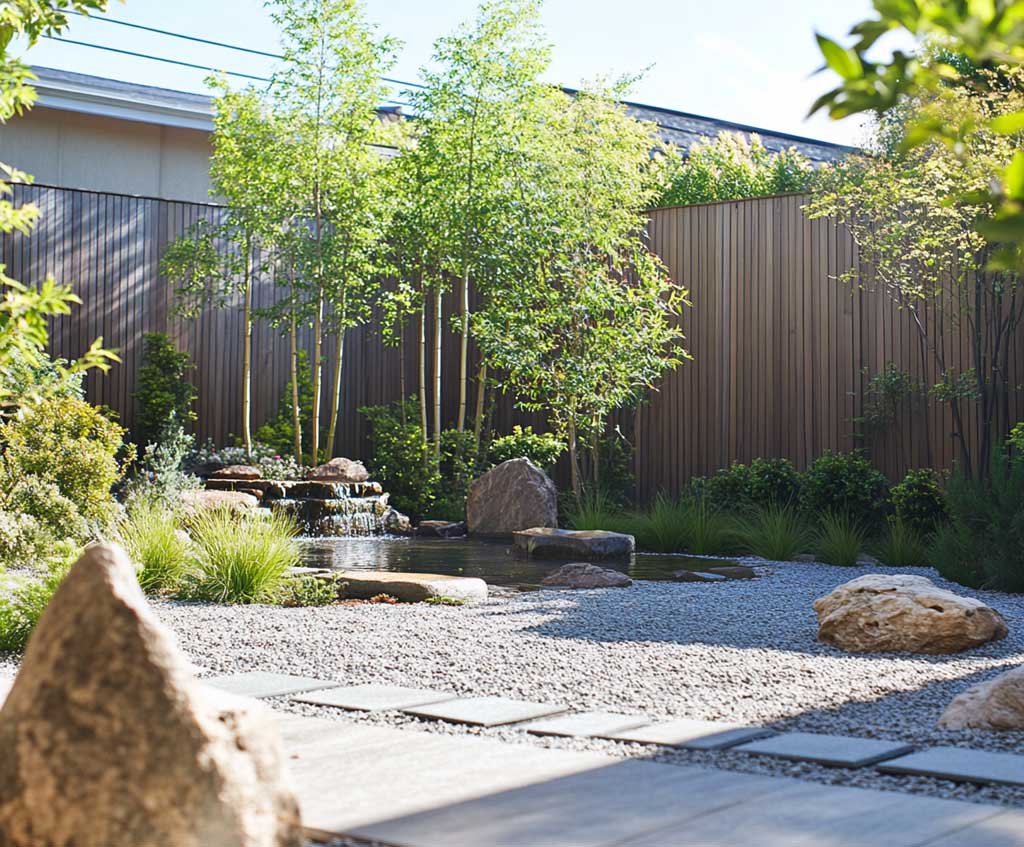
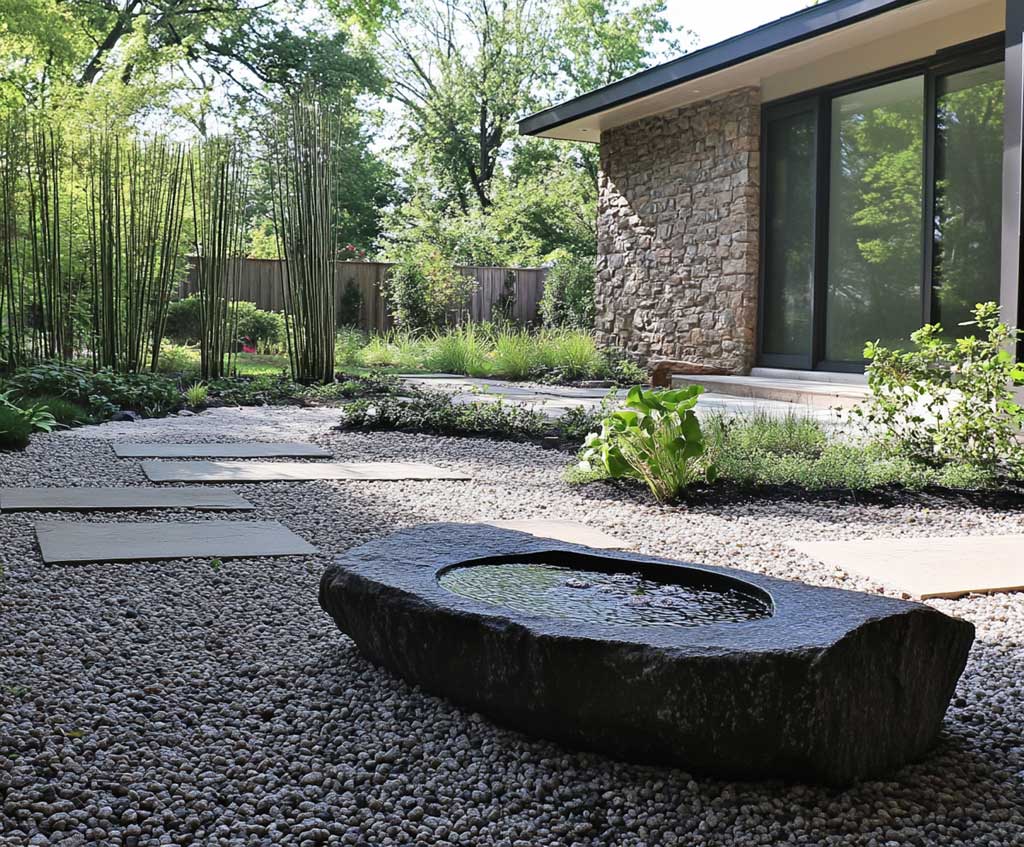
The central feature of this design is a bamboo fountain, which not only adds movement to the space but also enhances the serene atmosphere with the gentle sound of trickling water. Surrounding the fountain, the use of gravel is essential. When neatly raked into waves or concentric circles, it mimics the flow of water and creates a sense of balance. If you want more ideas for combining sculptures and greenery in a minimal landscape, check out these minimalist garden design ideas with art elements.
Large, natural stones can serve as sculptural elements, offering visual interest without overwhelming the space. Complement the garden with sparse greenery—plants like moss or small ferns that require little maintenance fit the aesthetic perfectly. The result is a peaceful, meditative outdoor space that offers an escape from the busyness of daily life, while still being easy to maintain.
A bamboo shishi-odoshi fountain kit from Amazon costs $45–$80. The pump runs about $25. A 50-gallon basin buried flush with the gravel is another $30. Total water feature: under $140. The rest of a $500 Zen garden budget goes to gravel ($120), river rocks ($80), a wooden rake ($20), and a few ferns ($40–$60). That leaves room for a bag of polymeric sand to edge everything clean.
The one thing that ruins a Zen garden faster than anything? Leaf litter. If you have a maple or oak nearby, position the garden on the opposite side of your yard. Raking gravel patterns is meditative. Picking wet leaves out of gravel at 6 PM after work is not.
Concrete and Grass Path: The Simplest Minimalist Landscape Design
A garden path can serve as the backbone of a minimalist backyard, guiding the flow of the space while contributing to the overall design. In this case, smooth concrete slabs laid in a straight line create a sleek, modern look that pairs well with a minimalist aesthetic. The clean lines of the path contrast nicely with the soft greenery of neatly manicured grass, giving the space an organized yet natural feel.
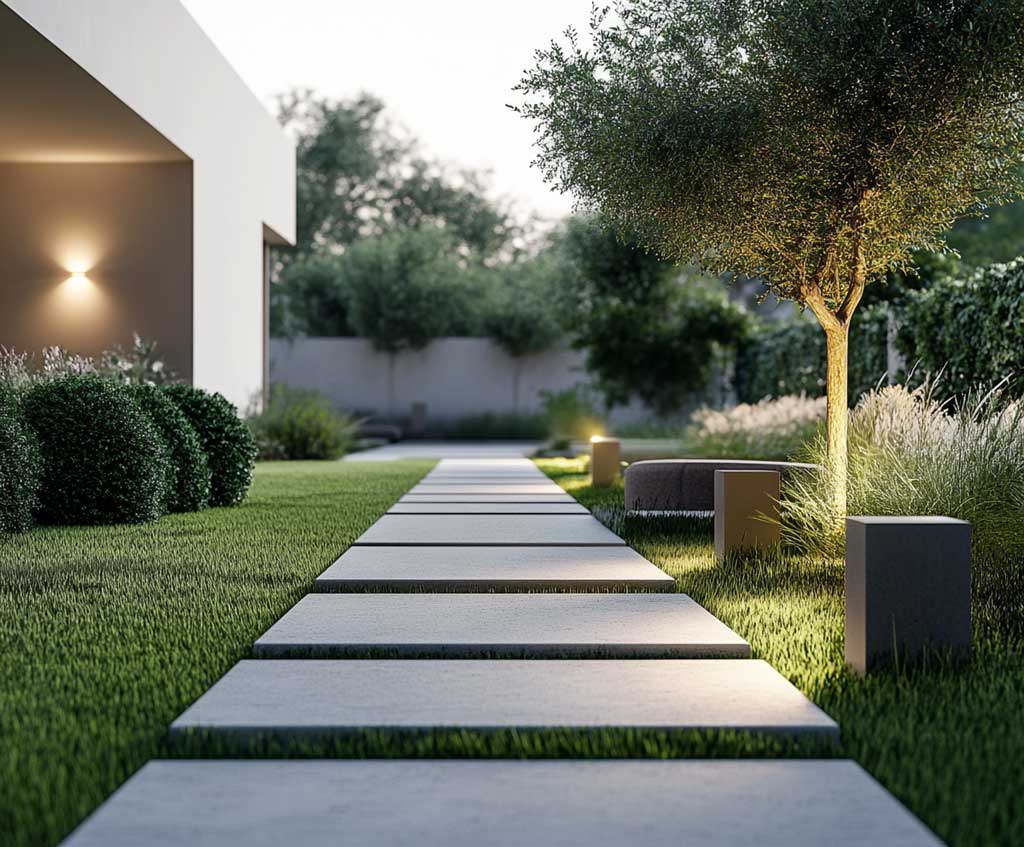
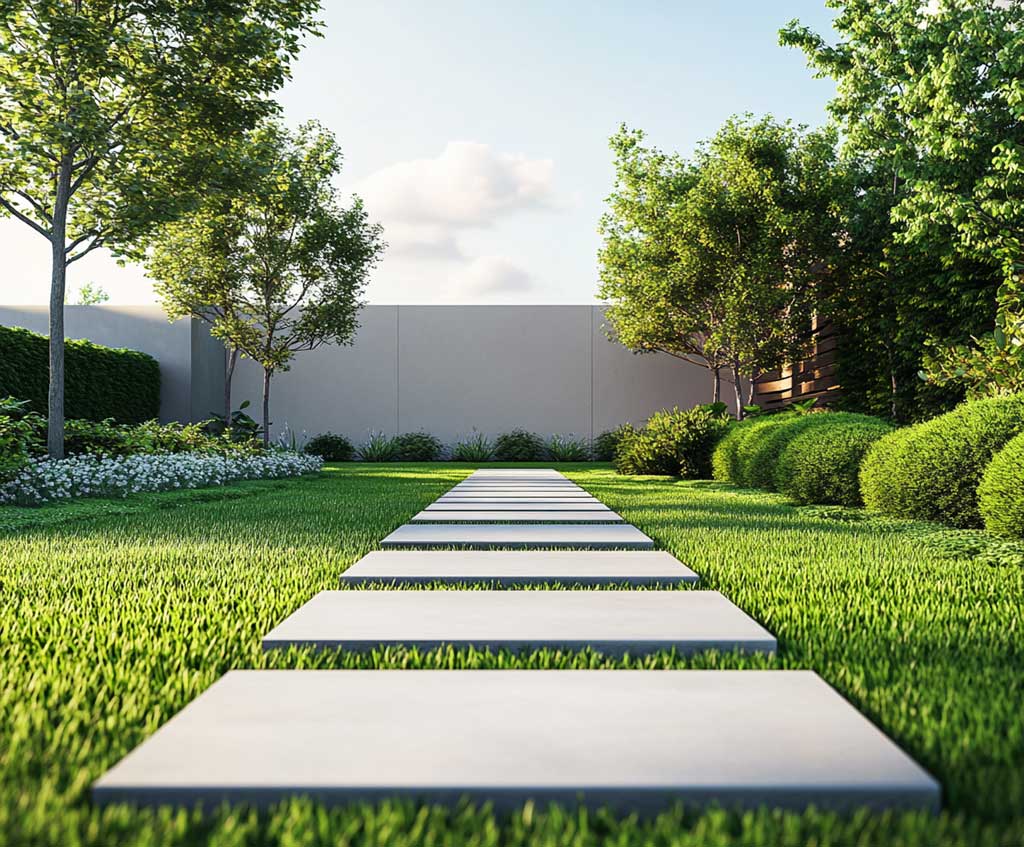
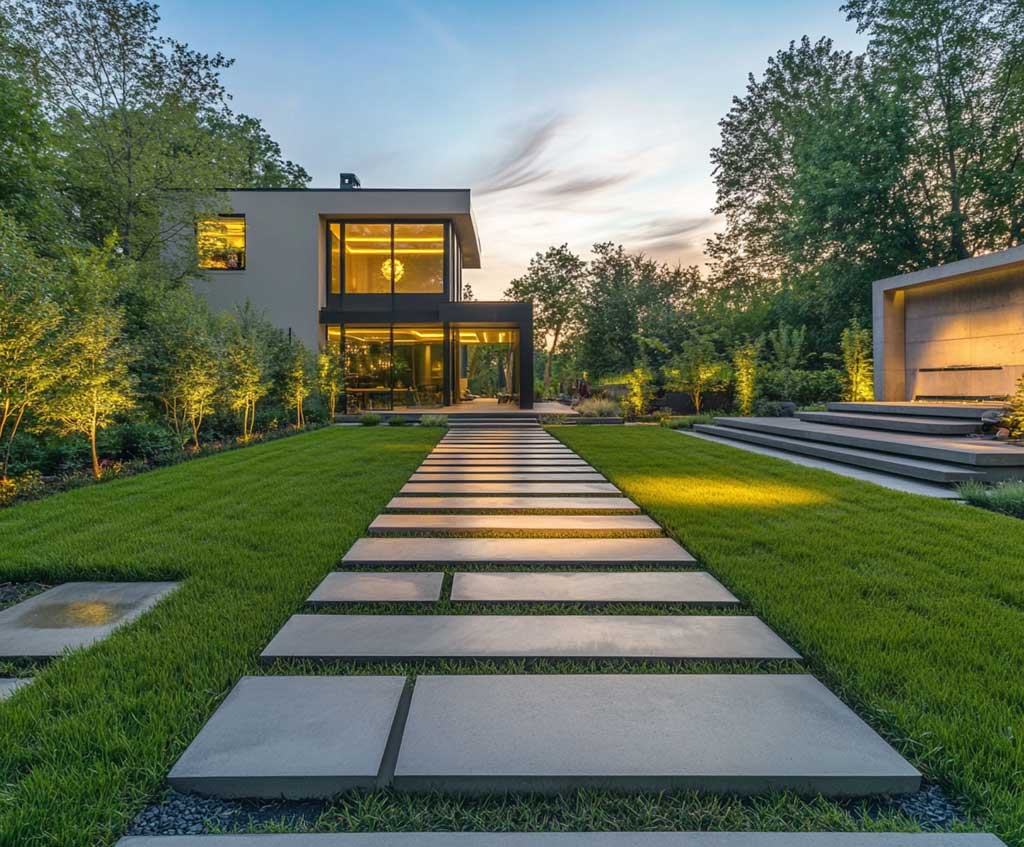
To maintain the minimalist approach, avoid overcomplicating the planting around the path. A few well-placed shrubs or low-maintenance plants, such as ornamental grasses, can add texture without overwhelming the space. Lighting is another key element—simple, modern fixtures can be used to highlight the path at night, offering both functionality and visual appeal.
The beauty of this design lies in its simplicity. By focusing on clean lines and open space, this type of path creates a sense of direction and flow, while still allowing the natural elements to shine. It's a great example of how minimalist design can be both practical and visually striking.
Minimalist Pergola and Deck Setup (Weekend Build)
A pergola adds structure and interest to a minimalist backyard, especially when paired with a wooden deck. The key to making this feature fit within a minimalist design is to keep both the structure and furnishings as simple as possible. A sleek, geometric pergola with straight lines and an open design brings just enough shade and definition without overwhelming the space.
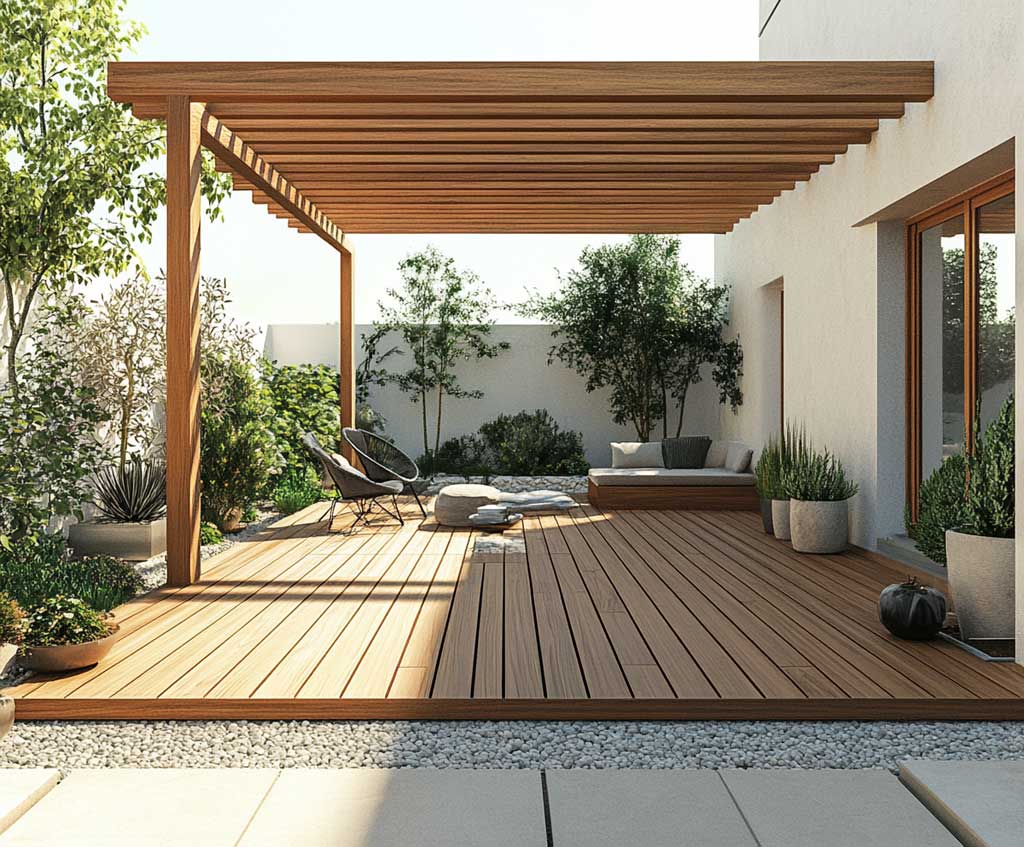
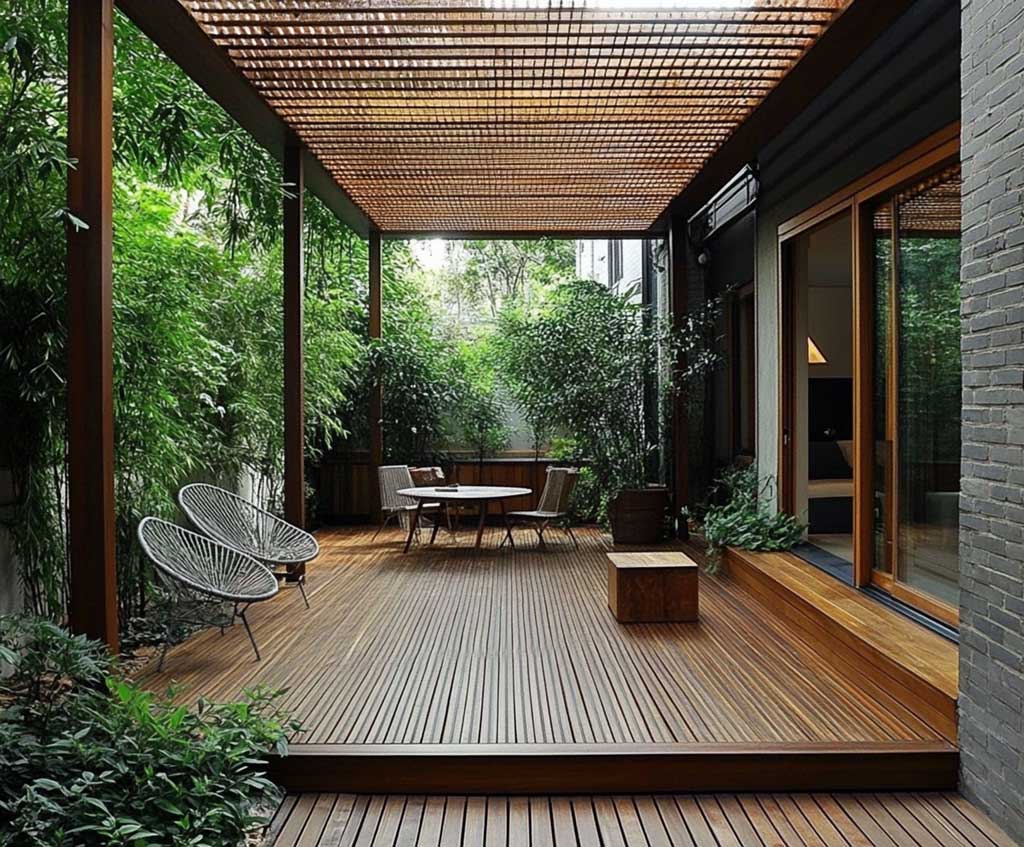
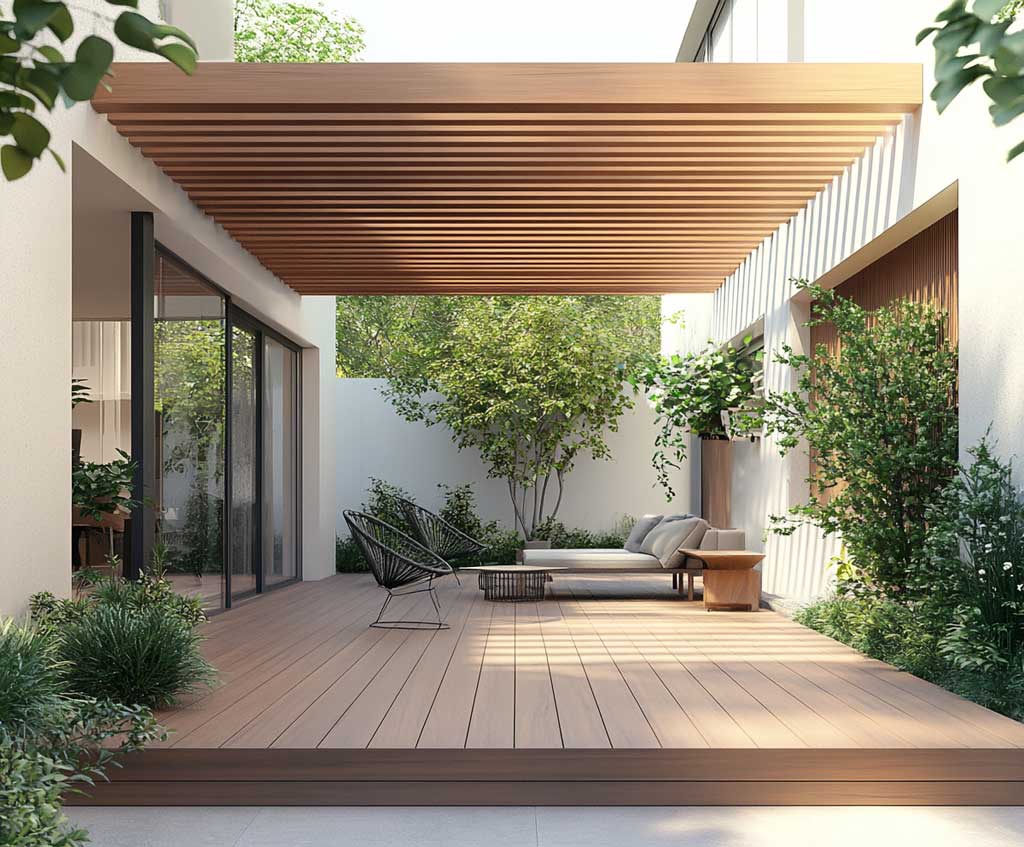
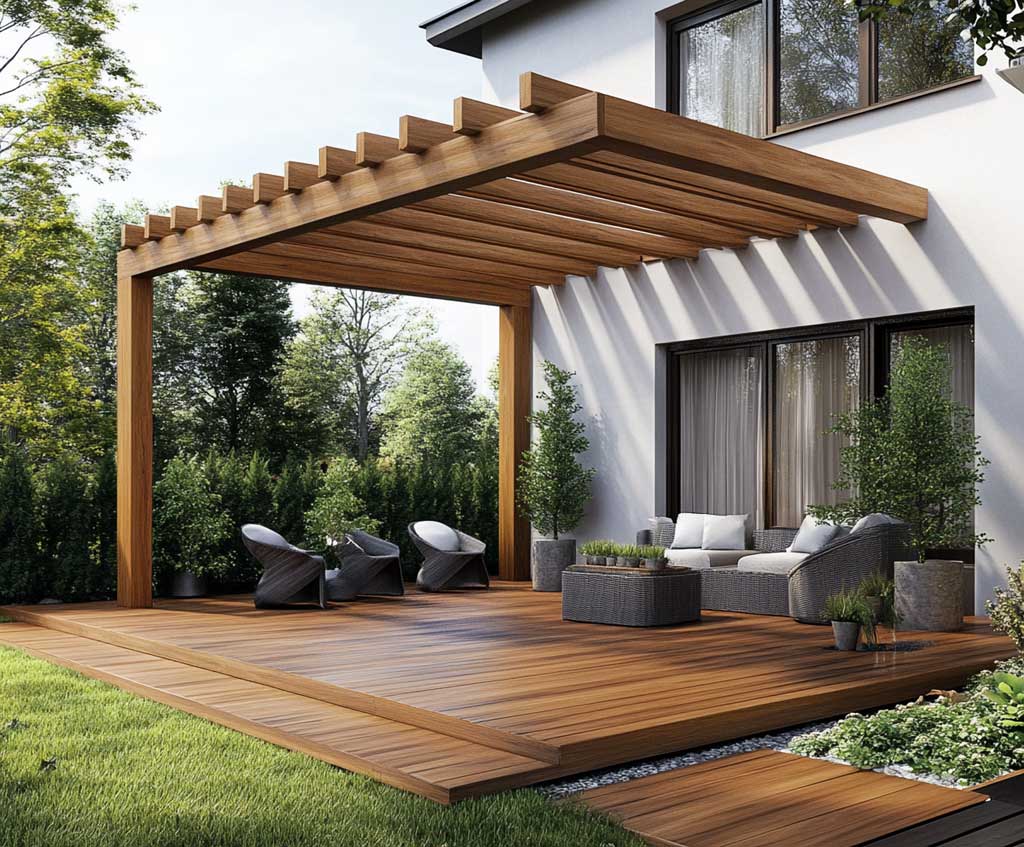
The wooden deck serves as a functional foundation for outdoor seating, providing a smooth, natural surface that enhances the organic feel of the garden. Natural wood finishes are ideal for minimalist designs, as they bring warmth and texture without being too bold or ornate. When choosing furniture, stick to neutral tones and clean, modern shapes. A few potted plants can be added to soften the edges of the space, but avoid cluttering the deck with too many decorative elements. For more structured ideas with seating and shade, see these minimalist gazebo ideas for a clean garden look.
This type of setup is perfect for relaxing or entertaining, offering a stylish yet understated outdoor space. By focusing on simplicity and functionality, you can create a welcoming backyard that feels both modern and inviting.
Small Minimalist Backyard with Modern Seating
Creating a small backyard oasis is all about maximizing the space while keeping the design simple and inviting. Modern seating plays a significant role in this concept, providing a comfortable and stylish place to relax without overwhelming the limited area. Low-profile chairs and a minimalist coffee table set the stage for a cozy seating area, perfect for enjoying a quiet moment outdoors.
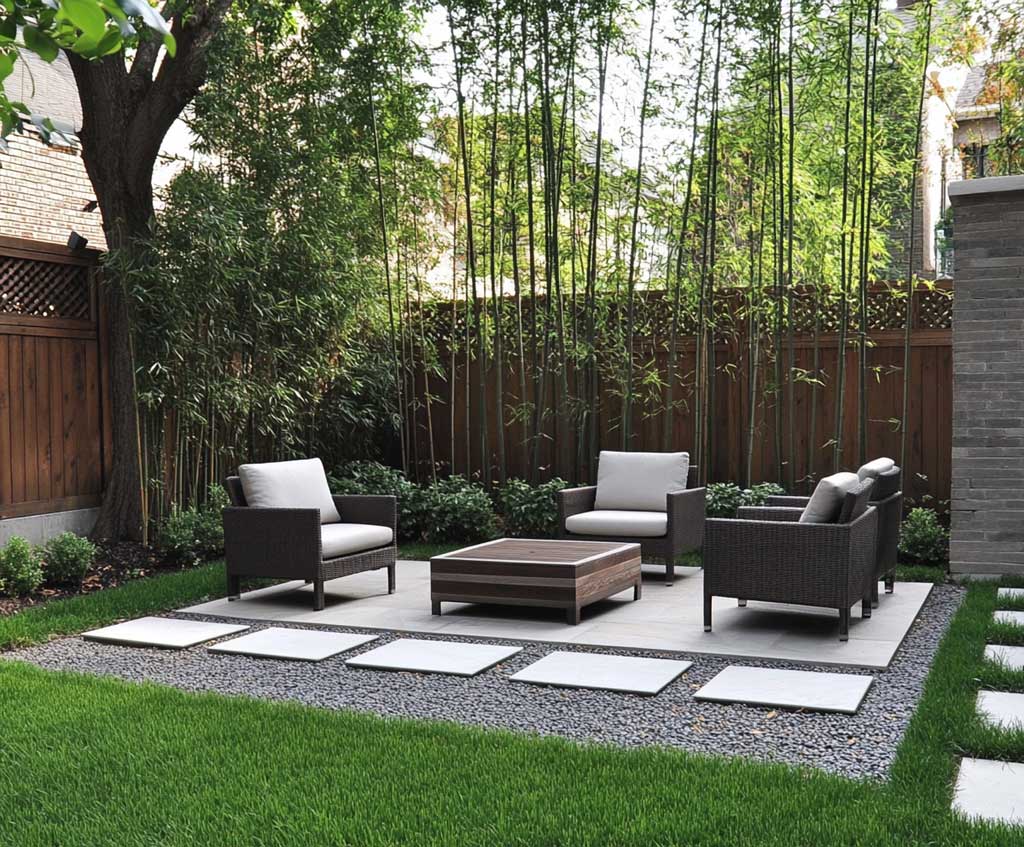
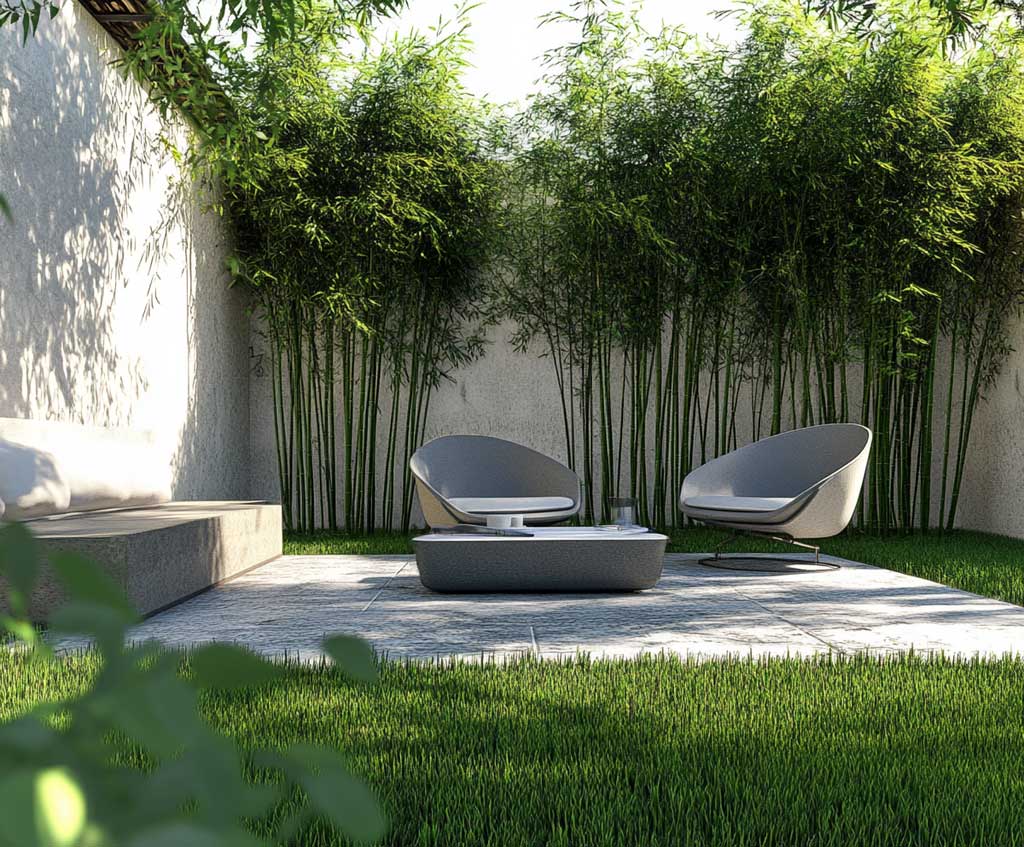
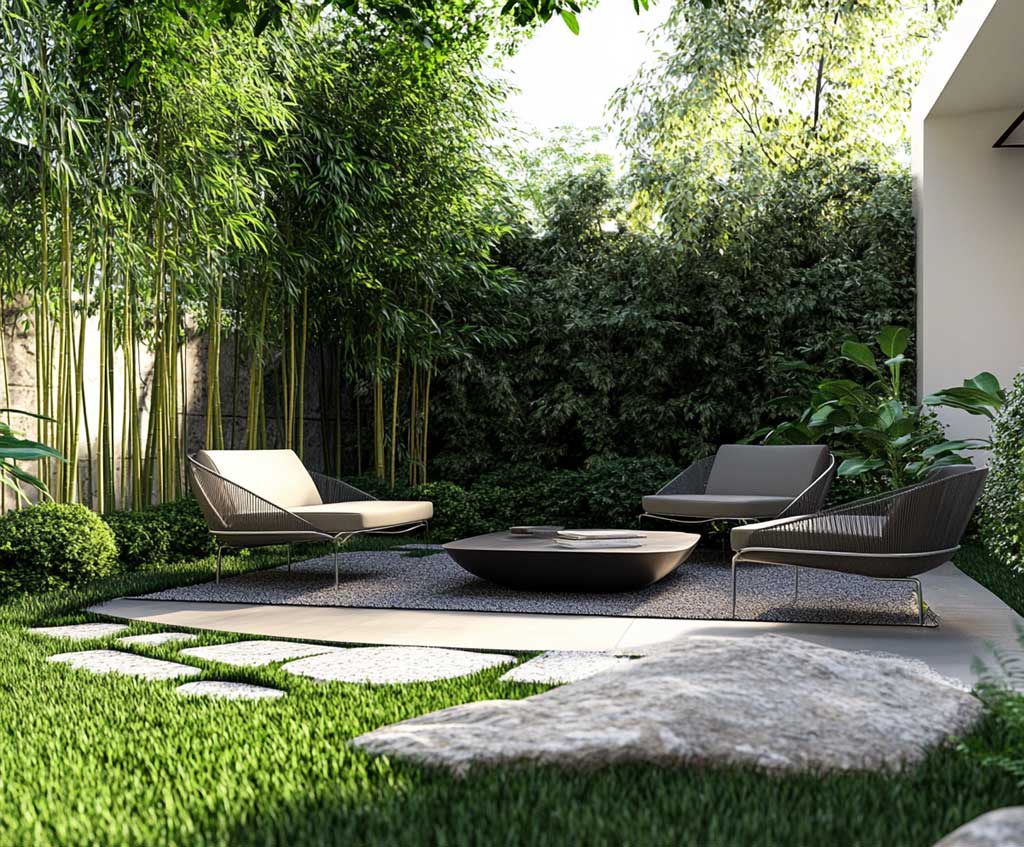
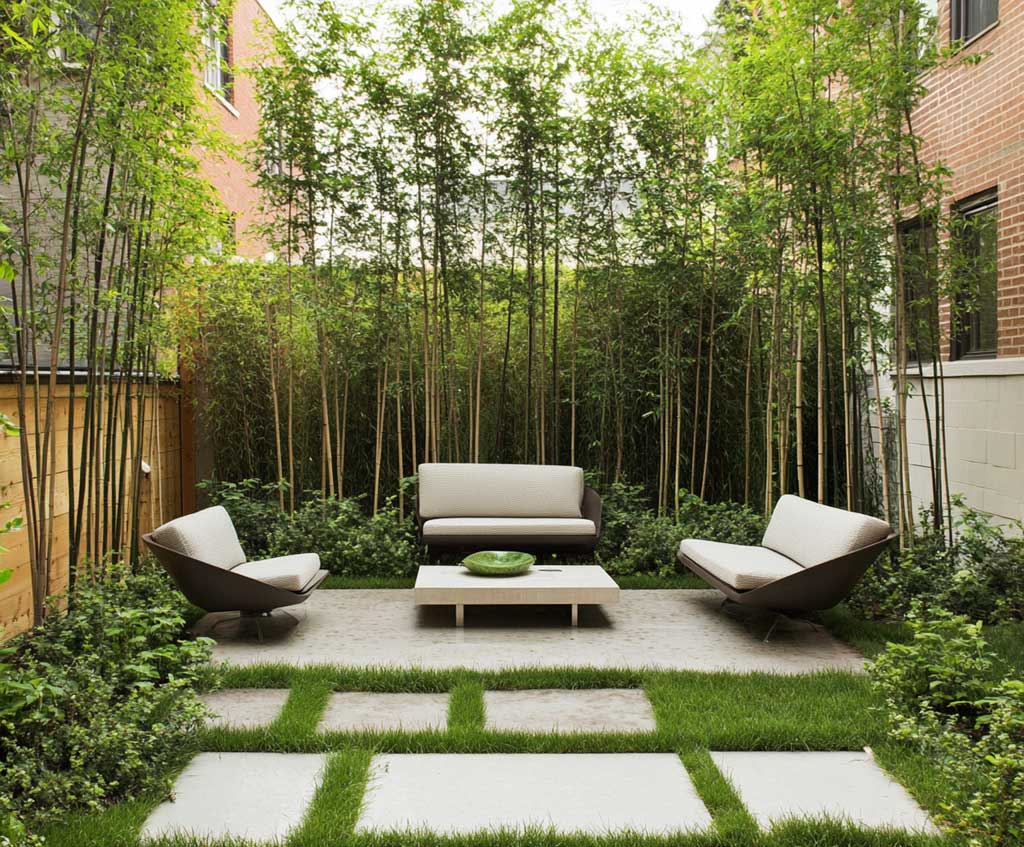
To enhance the sense of privacy and serenity, bamboo plants or other tall, slender greenery can be used to form a natural screen. These plants create a feeling of seclusion without taking up too much space. Smooth stone accents, such as a small gravel bed or a few large rocks, contribute to the overall minimalist design by adding texture and contrast without cluttering the area. Livingetc has a solid roundup of real minimalist backyards from professional designers if you want more inspiration beyond DIY projects.
With the right combination of modern seating and minimalist landscaping, even the smallest backyard can become a relaxing retreat. The focus on simplicity and natural elements ensures that the space feels open and airy, providing a peaceful environment for rest or socializing.
FAQ
How much does minimalist landscaping cost?
What is the cheapest minimalist backyard idea?
What plants work best for minimalist landscaping?
How do I maintain a minimalist backyard?
Can I create a minimalist landscape design in a small backyard?
Is a Zen garden expensive to build?
A complete Zen garden with gravel, rocks, a bamboo water feature, and border plants costs $300–$500 as a DIY project. The bamboo fountain kit ($45–$80) and pump ($25) are the main expenses. White gravel is pricier than standard pea gravel — expect $60–$80 per ton versus $35–$50.How to Build a Minimalist Gravel Garden in One Day
Build a low-maintenance gravel-and-succulent garden for under $300. No contractor needed — just basic tools and a free Saturday.
Tools needed:
- Flat shovel
- Garden rake
- Wheelbarrow
- Tape measure
- Utility knife
- Tamper or plate compactor
Materials needed:
- Pea gravel — 3–4 tons for 300 sq ft
- Landscape fabric — 300 sq ft roll
- Metal or plastic landscape edging — 60 linear ft
- Succulents — 10–15 plants (Echeveria, Sempervivum, Sedum)
- Landscape staples — 1 box
Clear and level the area
Remove all existing grass, weeds, and debris. Dig down 3 inches across the entire bed. Use a tamper or plate compactor to flatten the soil base. This prevents settling later.
Install landscape edging
Set metal or plastic edging around the perimeter. Stake it every 3 feet. The edging keeps gravel from migrating into lawn areas — skip this step and you'll be chasing loose stones with a broom every week.
Lay landscape fabric
Roll out commercial-grade landscape fabric across the entire area. Overlap seams by 6 inches minimum. Secure with landscape staples every 2 feet. Cut X-shaped slits where you want to plant succulents.
Plant succulents through the fabric
Push back fabric flaps at each X cut. Dig a small hole, place the succulent, backfill with a mix of soil and coarse sand for drainage. Space plants 12–18 inches apart in odd-numbered clusters — groups of 3 or 5 look more natural than even rows.
Spread gravel evenly
Dump pea gravel onto the fabric and spread it with a rake to a depth of 2–2.5 inches. Work carefully around succulent plants, leaving a 2-inch ring of exposed soil around each stem to prevent moisture trapping. Rake smooth and check for any fabric edges poking through.
Add accent rocks and final touches
Place 3–5 large river rocks or boulders at focal points. Odd numbers only. Water succulents once, then leave them alone for a week. Top off any low spots in the gravel after the first rain — it always settles about half an inch.
Here's What I Know After Three Backyards
The best minimalist landscaping ideas aren't the ones with the highest price tag. They're the ones you actually maintain. Gravel you can rake in five minutes. A stone path you hose off once a month. A pergola with zero climbing vines that need pruning in July.
I've torn out two "dream gardens" and rebuilt them as minimal landscapes. Both times, the simpler version looked better and lasted longer. One material, one plant type, clean edges. That's the whole formula.
If one of these ideas saves you from the $4,200 mistake I made — pin it, bookmark it, send it to the person in your life who's about to order 47 varieties of ornamental grass. They need this more than you do.