The outdoor design world is witnessing a significant shift away from purely ornamental hardscaping toward functional, food-producing structural elements. Edible hardscaping—the integration of herbs, fruits, and vegetables directly into patios, pathways, retaining walls, and other built landscape features—has emerged as the dominant trend of spring 2026, driven by both sustainability concerns and the premium homeowners now place on self-sufficiency.
Unlike traditional edible landscaping, which typically designates separate garden beds for food production, edible hardscaping embeds cultivation into the structural bones of outdoor spaces. The approach transforms what were once purely utilitarian or decorative elements into productive components of a home’s food system.
Why This Trend Emerged Now
The convergence of three factors explains edible hardscaping’s rapid adoption. First, the post-2024 surge in food costs has maintained pressure on household budgets, making home food production economically rational rather than merely aspirational. Second, urban densification continues to shrink available yard space, particularly in metropolitan areas where outdoor square footage commands premium valuations. Third, the maturation of permaculture principles from niche practice to mainstream design philosophy has legitimized food production as a valid aesthetic and functional goal in residential landscapes.
Landscape architect Sarah Venter of Brooklyn-based Studio Terrane reports that 70% of her firm’s residential projects completed since January 2026 incorporate some form of edible hardscaping. “Clients no longer see food production and sophisticated design as mutually exclusive,” Venter explained in a March 2026 interview with Landscape Architecture Magazine. “They expect both.”
The Core Applications
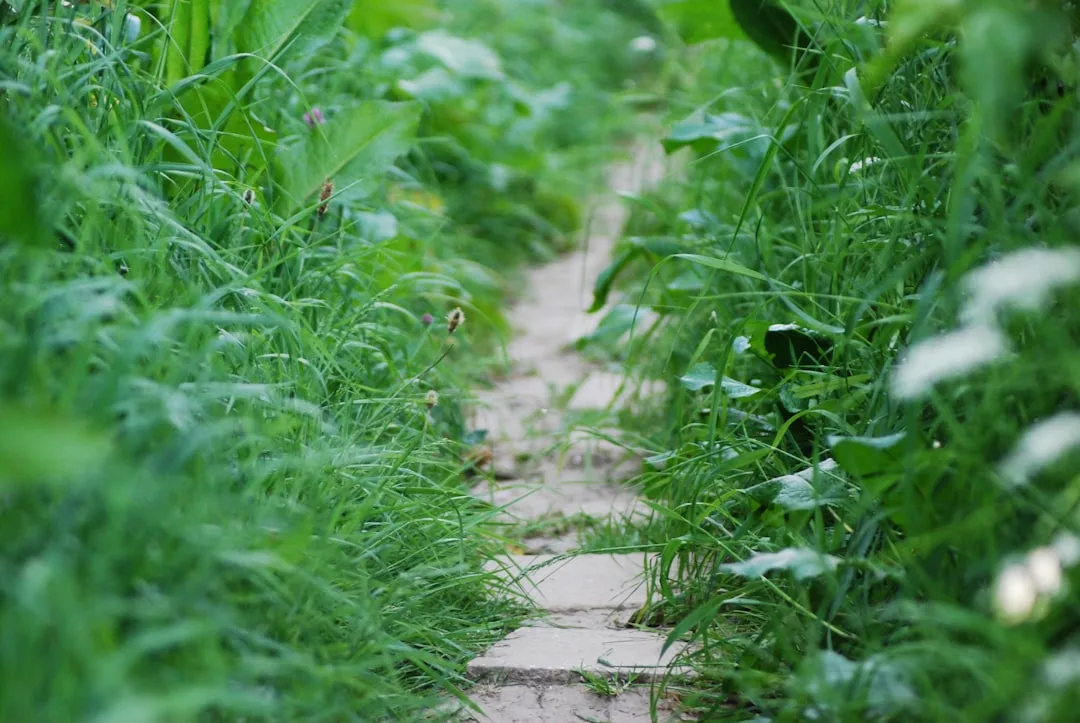
The most prevalent application involves planting aromatic, low-growing herbs—thyme, oregano, chamomile, and Corsican mint—between paver joints in patios and pathways. These plantings withstand foot traffic, release fragrance when stepped on, and provide harvestable material throughout the growing season. This technique pairs particularly well with the neutral tones popular in 101+ Exterior House Colors Combinations & Best Paint Color Ideas, creating textural contrast against monochromatic paving.
Vertical edible elements have proven equally transformative. Espaliered fruit trees—apples, pears, and figs trained flat against walls or fences—serve the dual function of living art installation and fruit production. Portland-based designer Marcus Chen of Yield Design Collective has developed a signature approach using espaliered trees along property line walls, creating productive privacy screens that satisfy municipal height restrictions while delivering 40-60 pounds of fruit per linear section annually.
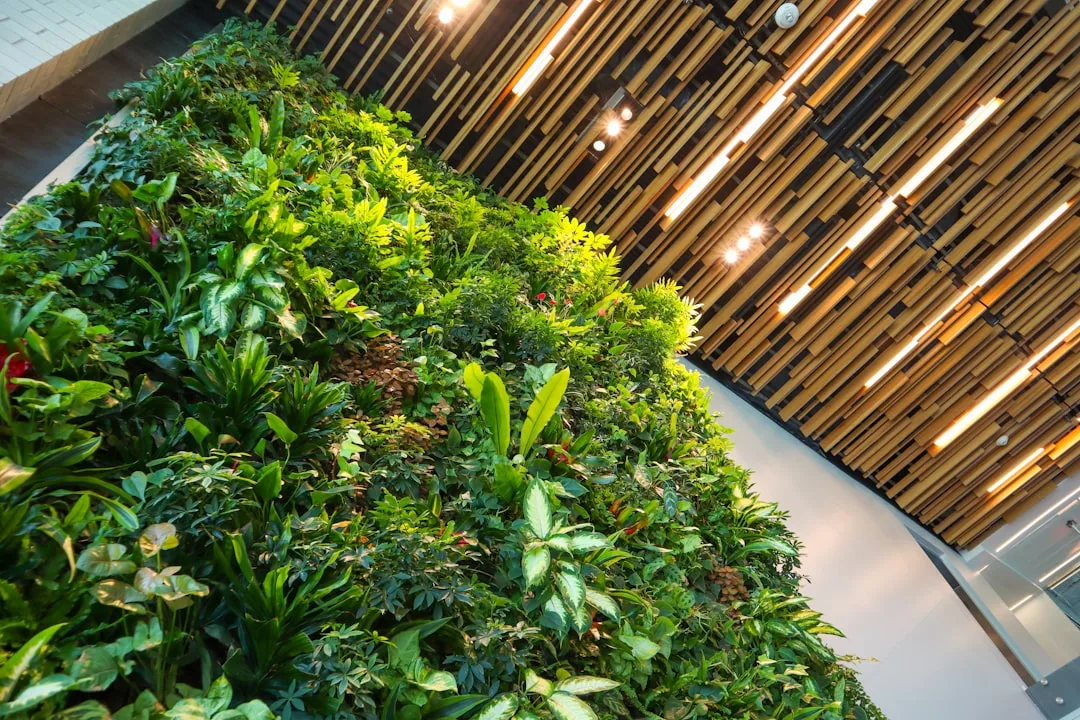
Retaining walls now frequently incorporate “living walls” with built-in irrigation, where pockets hold alpine strawberries, trailing herbs, and compact vegetable varieties. The system developed by California company EdibleScape Systems, launched in February 2026, integrates drip irrigation and modular planting pockets into standard retaining wall block systems, making installation accessible to conventional hardscape contractors.
Design Considerations and Compatibility
Successful edible hardscaping requires careful species selection matched to microclimate, traffic patterns, and maintenance capacity. High-traffic areas demand genuinely durable species—woolly thyme and creeping thyme varieties withstand regular foot traffic, while more delicate herbs like basil belong in protected pockets. Sun exposure becomes critical for fruiting plants; espaliered stone fruits require minimum six hours of direct sun, making south and west-facing walls prime real estate.
The aesthetic integrates seamlessly with multiple design vocabularies. Minimalist and contemporary schemes benefit from the textural complexity edible plants provide without introducing visual clutter. The approach also complements the natural material preferences evident in Modern Style Bedroom Trends You Need to See for Your Next Renovation, extending that same emphasis on organic texture and functional beauty to exterior spaces.
Implementation Timeline and Maintenance
Most edible hardscaping installations reach productive capacity within one to two growing seasons. Herb-planted paver joints become established enough for light harvesting by the second season after planting. Espaliered fruit trees require three to four years to reach significant production, though their architectural contribution begins immediately.
Maintenance demands prove lower than conventional ornamental plantings in many cases. Established herb groundcovers require only occasional irrigation once root systems develop, and their low growth habit eliminates mowing. Espaliered trees demand annual pruning but occupy minimal ground space compared to standard fruit trees while producing comparable yields.
The trend represents more than aesthetic novelty—it signals a fundamental recalibration of what outdoor spaces should accomplish. As land costs rise and environmental consciousness deepens, the integration of food production into structural landscape elements transitions from progressive experiment to practical expectation.
Related: Why Dopamine Decor Is Dying and Quiet Luxury Interiors Are Taking Over