Shoulder length haircuts for women in their 40s hit differently than they do at 25 — your face has more structure, your schedule has less patience for complicated styling, and you finally know what actually works on your specific texture. I’ve watched clients sit down in the chair asking for the same layered lob they’ve had since 2019, and leave with something more deliberate, more flattering, and infinitely more them. The cut matters. The color matters more. And the length — right at the collarbone — is doing more architectural work than most people give it credit for.
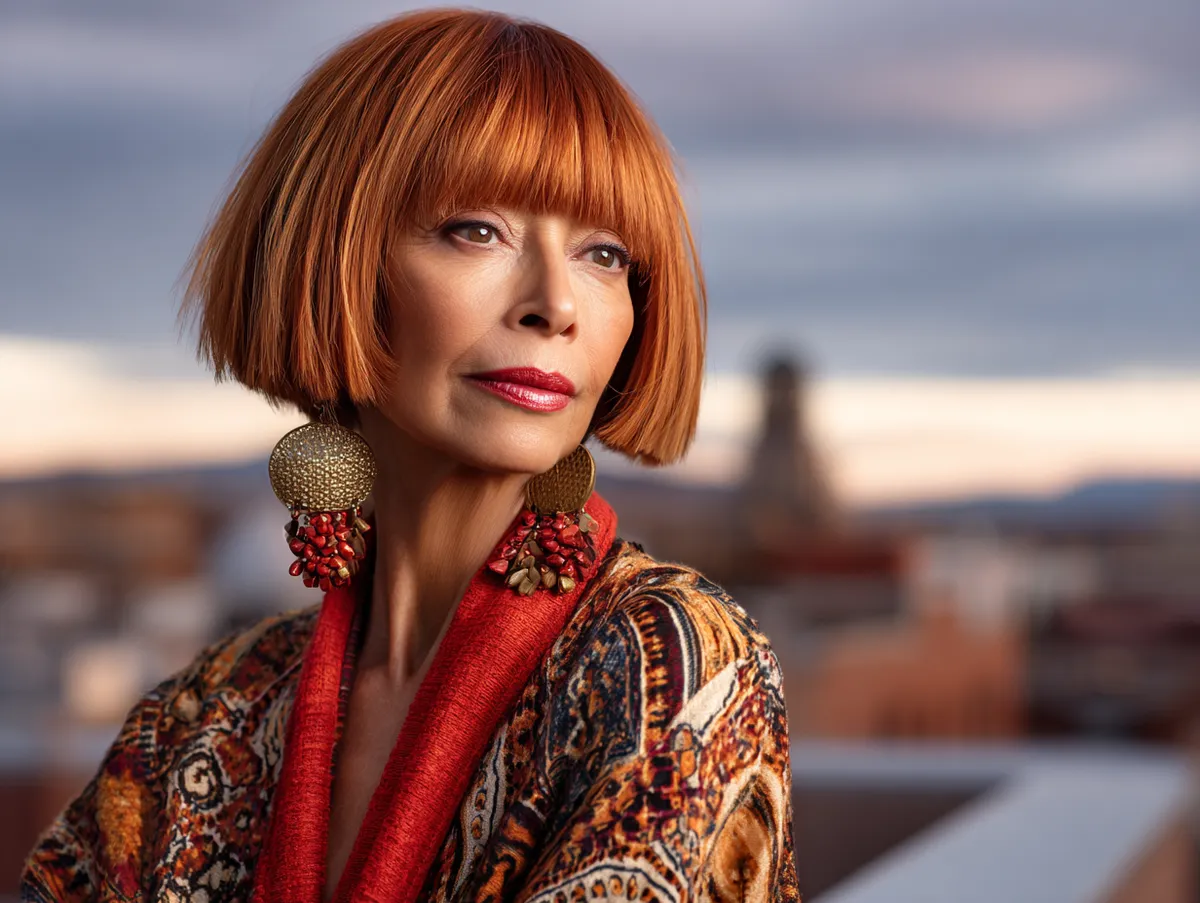
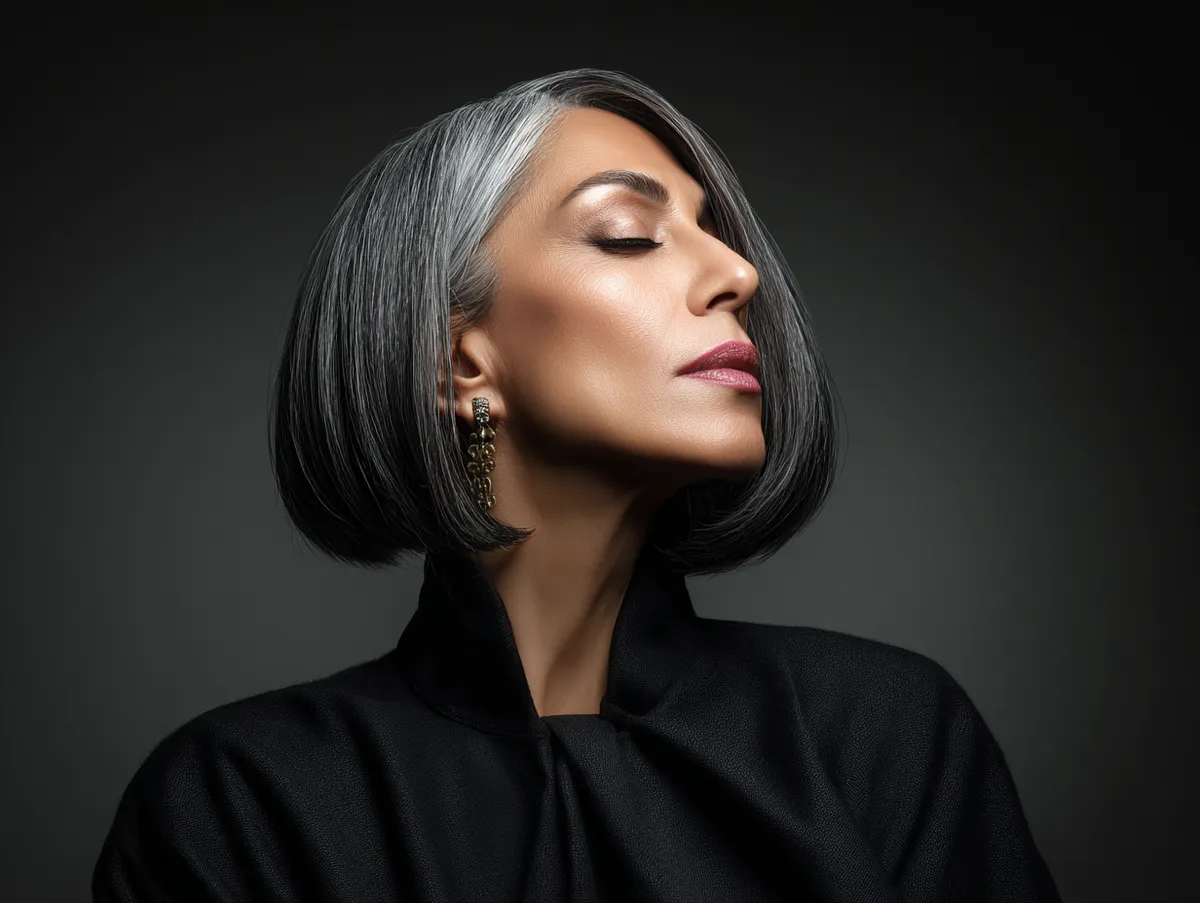
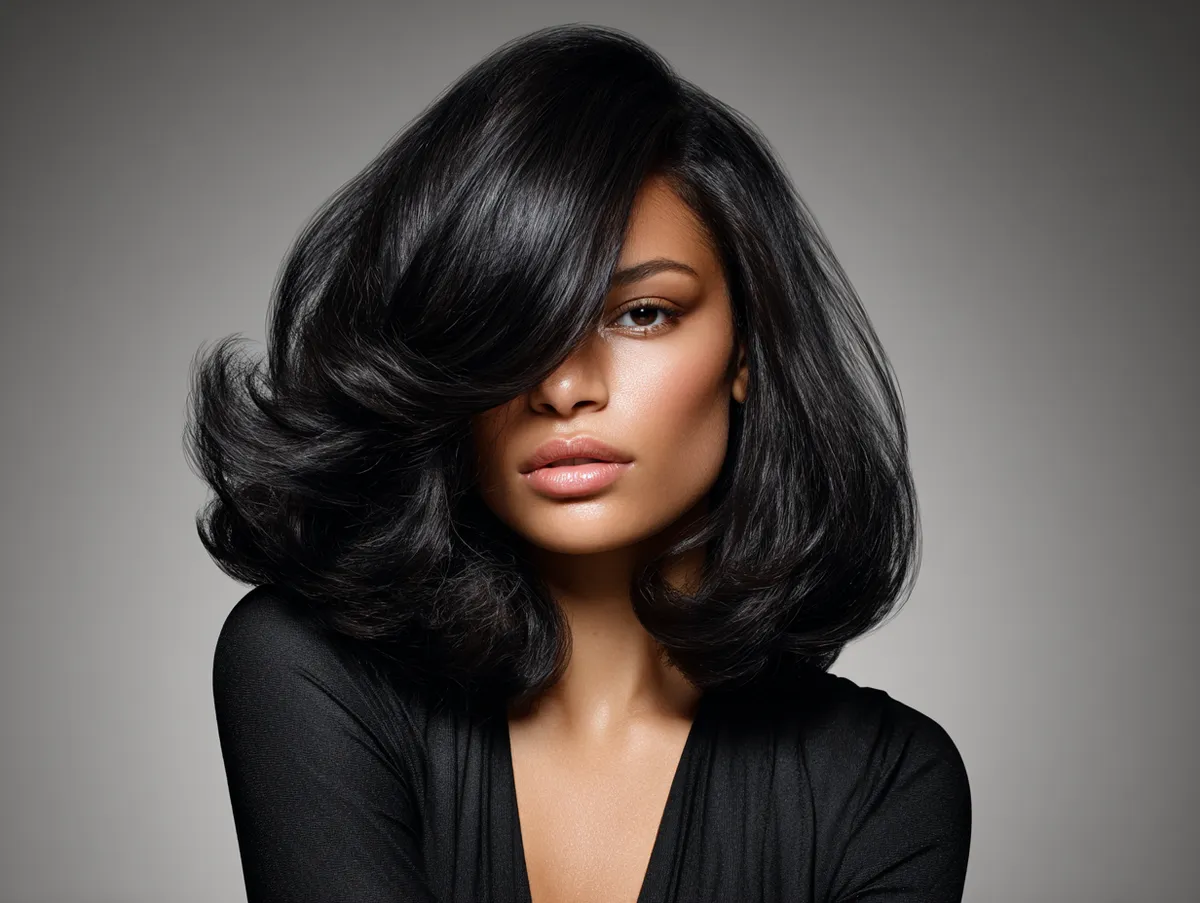
You’ll notice that the three styles here share one thing: none of them fight the hair. Caramel gloss works with warmth already in skin tone. Blended silver celebrates what’s growing in naturally. Burgundy texture channels what fine-haired women actually need — visual weight without product buildup. Each is a different answer to the same question: what do shoulder length haircuts for women look like when the person wearing them has real priorities?
According to the American Hair Loss Association, about 40 percent of women experience noticeable thinning by age 40. That stat doesn’t depress me — it explains why the right cut at this length does so much heavy lifting. Shoulder-length styles remove the weight that drags fine hair flat while keeping enough length for movement. Smart layer placement around the cheekbones can frame a face better than any highlighter on the market.
- Shoulder length sits at the collarbone — the most structurally flattering length for 40s face shapes
- Warm caramel gloss reflects light and reads as healthy hair with minimal upkeep
- Blended silver layers work especially well for fine or thinning hair — volume without product weight
- Deep burgundy with choppy texture adds visual density; best on medium to thick hair
- A round brush blowout takes 12 minutes and outlasts any diffuser-and-hope routine
- Sulfate-free shampoo is non-negotiable for both color-treated and silver hair at this age
Warm Caramel Gloss at Shoulder Length Changes What Color Does for Your Skin
Shoulder length haircuts for women look most expensive when the color is doing active work — and caramel gloss is the one shade that flatters without trying too hard. I’ve sat next to enough women in salon chairs to know that caramel reads as “naturally this luminous” rather than “visibly processed,” which is exactly the distinction that matters in your 40s. The tone pulls warmth into the skin and softens the contrast around the face in a way cool-toned colors simply don’t. L’Oréal Professionnel’s Dia Richesse gloss in caramel shades runs about $18 at the salon application stage and lasts six to eight weeks with sulfate-free maintenance.

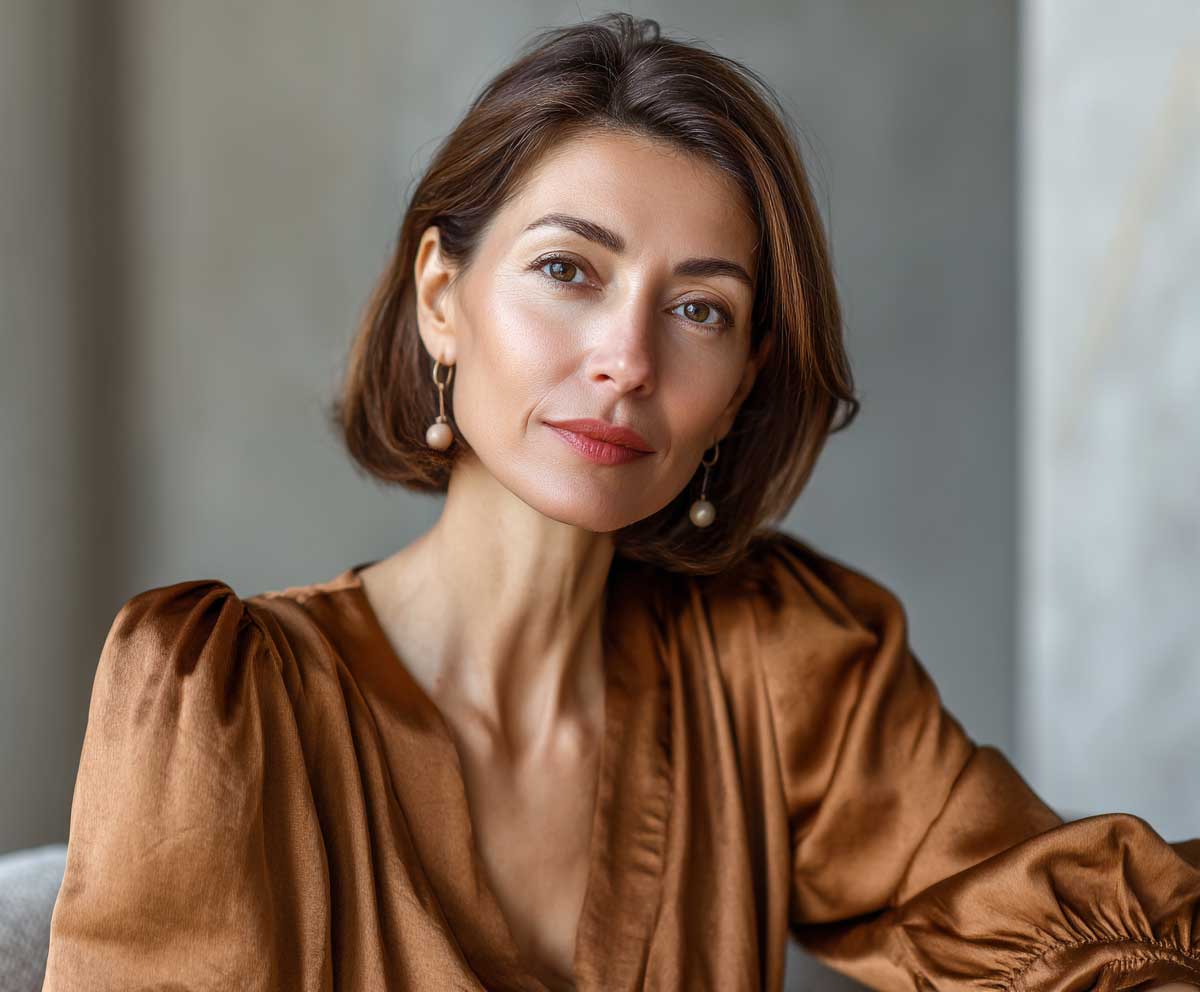
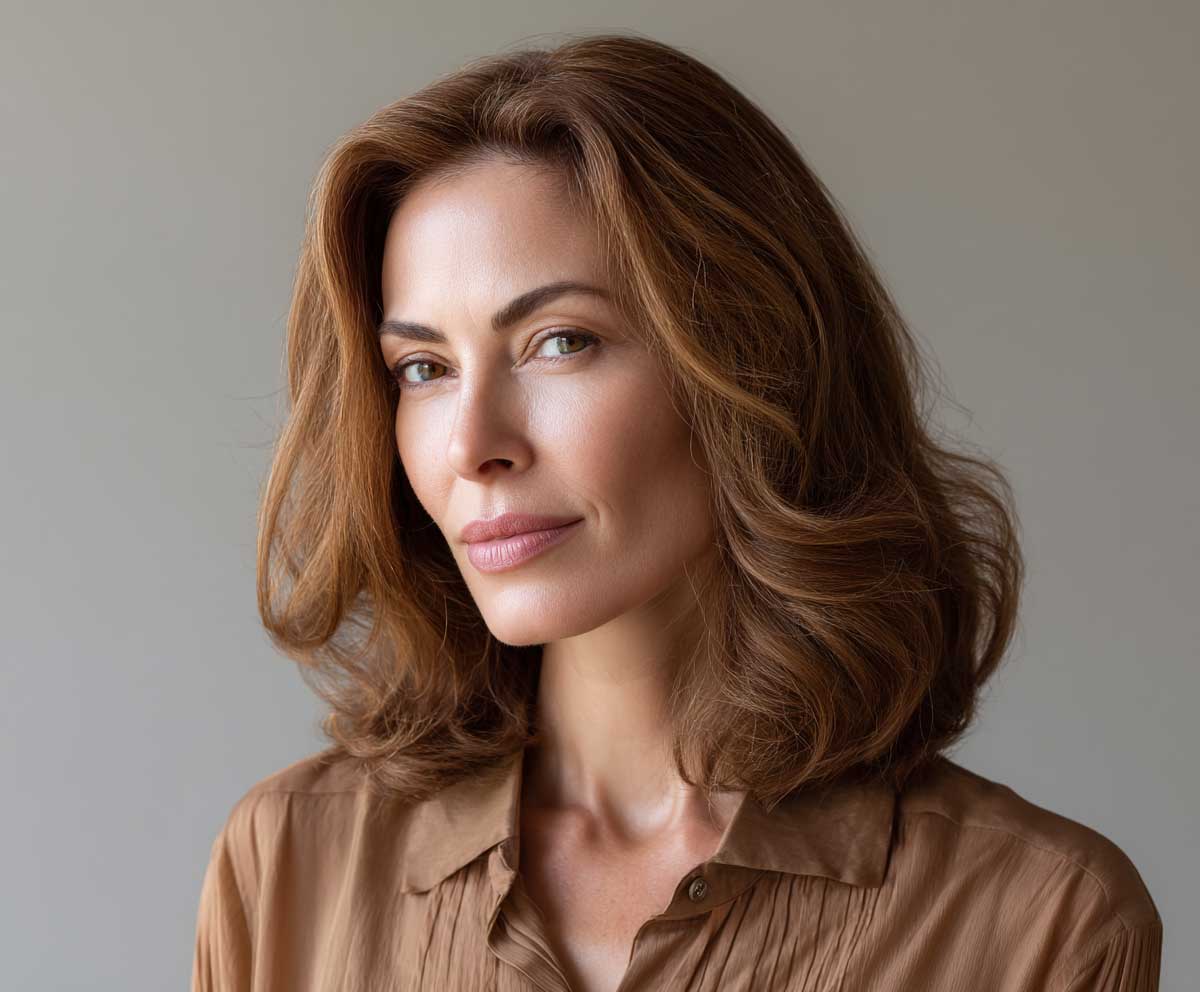

The cut itself needs subtle face-framing layers and a clean hemline that hits right at the collarbone — not below it. Drop the hemline two inches lower and the caramel stops bouncing light and starts reading as just brown. Can the same rule apply if you’re going center part instead of side? Yes, but center parts work better when the layers start slightly higher, closer to the cheekbone rather than the jaw. Women with heart-shaped faces get an especially strong result because the framing strands narrow the forehead visually while the warm tone softens everything below it.
My go-to styling move for this length is a Conair Infiniti Pro 1875W dryer with a round brush on medium heat — the whole blowout clocks in under 15 minutes and gives the caramel enough movement to catch light from multiple angles. Don’t skip the cold-shot button at the end; that’s what sets the cuticle and keeps the gloss looking fresh past day three. For more on what layering at this length actually does for texture and volume, the breakdown at layered shoulder length hairstyles covers the technique in real detail.
Avoid the mistake I see constantly: booking a caramel gloss without specifying warmth level. Generic “caramel” can veer ashy or orange depending on the base. Ask your colorist specifically for a golden-warm caramel with no red undertone, and reference a Wella Illumina Color swatch from the 7/3 or 7/35 family. That precision request saves you a correction appointment and about $120.
Silver Blended Layers at Shoulder Length Do More for Fine Hair Than Any Volumizing Product
Shoulder length haircuts for women with fine or thinning hair get their biggest return from blended silver layers — not from dry shampoo, not from volumizing mousse, and not from going shorter. I own two bottles of Redken All Soft Mega Curls Shampoo that I repurposed for my silver-phase clients because the fatty alcohol formula adds slip and body without weight, and the difference on fine silver hair is immediate. The shoulder length gives the layers room to fall without collapsing, which is something a pixie simply can’t offer the same way.


The color blend is where this cut earns its sophistication. Natural silver alone can read flat and wiry — what prevents that is the addition of cool ash tones or strategic charcoal lowlights placed through the mid-shaft. Think of it like how an architect uses shadow in a building drawing: the contrast creates the perception of three dimensions. Paul Mitchell’s Shines XG in a /21 ash formula is around $14 at Sally Beauty for a six-level base and delivers exactly the icy-cool dimension that keeps silver from looking like unintentional gray.
What doesn’t work here: letting the layers get too short around the face. I’ve seen stylists cut the front pieces chin-length to “frame the face” and it immediately ages the look by creating a dated shag silhouette rather than a refined layered cut. The shortest face-framing pieces should still graze the collarbone — just with more movement cut in. Air-drying works beautifully on this cut; you get a soft wave that reads natural rather than styled. For women in their 40s with shoulder length hair and fine strands, also take a look at shoulder length haircuts that demonstrate how layer placement changes the silhouette across hair types.
Purple shampoo once a week — Shimmer Lights by Clairol at $13 — keeps the silver from yellowing between salon visits. Leave it on for five minutes, not twenty, or the violet turns brassy in reverse. Trims every eight weeks preserve the shape better than any product. This is the cut that outlasts trends because it’s built on the actual structure of the hair, not a styling trick.
- Don’t book a “silver” service without specifying your base level. A colorist lifting from dark brown to silver in one session is a bleach process that can take hair density from fine to fragile. Ask for a phased approach over two to three appointments.
- Don’t use purple shampoo every wash. Overuse deposits violet pigment unevenly, turning sections lilac and others yellow. Once a week maximum.
- Don’t cut layers too short at the front. Face-framing pieces that hit above the jaw on shoulder length hair create a dated shag shape, not a modern layered cut.
- Don’t skip heat protectant on silver hair. Silver strands are structurally more porous than pigmented hair and burn at lower temperatures. Kenra Platinum Silkening Mist ($22) before every blowout.
Deep Burgundy Texture Gives Shoulder Length Hair the Visual Weight Fine Hair Keeps Losing
Deep burgundy is the color that solves a real problem for shoulder length haircuts for women with medium to thick hair who want drama without going full red. I stole this observation from a colorist at a Redken education event in Chicago: warm-based dark hues like burgundy shift visually in different light — plum under fluorescent, deep wine in daylight, almost black in shadow. That range of perception makes a single color service feel like three different looks across one day. Joico Vero K-PAK ChromaSilk in shade 5RR (Deep Red) at around $11 per tube delivers that shift when applied over a level 4–5 brown base.


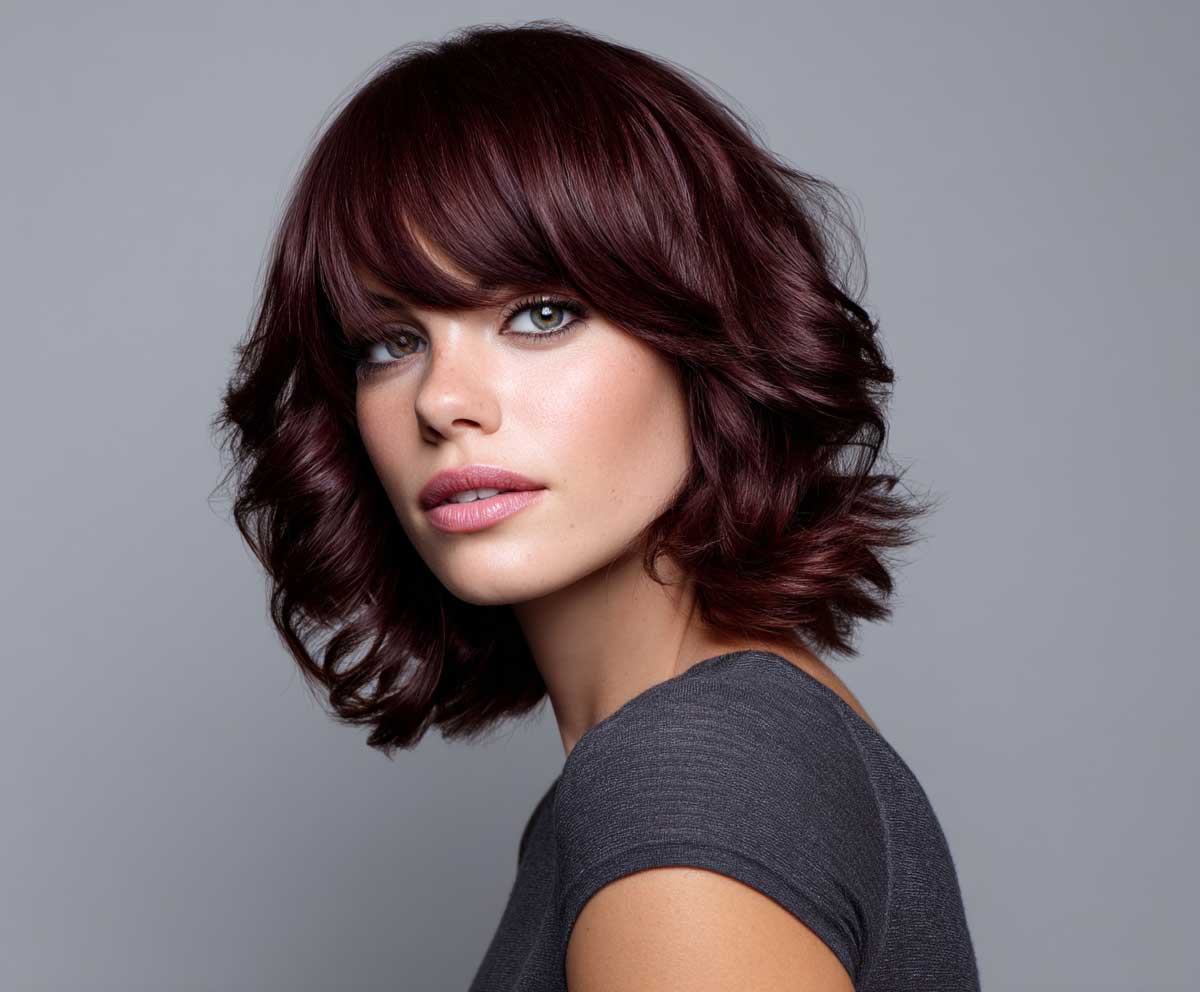
The cut that makes burgundy work at shoulder length is soft choppy layers through the mid-shaft, not uniform graduation. Ask your stylist for point-cut ends rather than blunt scissors — that technique breaks up the hemline so the burgundy shifts rather than sitting as one flat color block. The length should graze the collarbone, which is the precise point where the color gets the most movement. Go longer and the weight kills the texture; go shorter and you lose the layered flow that makes this style distinctive rather than just bold.
Does burgundy fade faster than other dark shades? Yes — it does. Red-family pigments have the largest molecular size and exit the cuticle fastest, which means you’ll see fading within three weeks without proper color-safe care. Pureology Hydrate Sheer Shampoo at $32 and a weekly Wella Color Charm Toning Mask in Red-Violet ($8 at Walmart) extend the richness by another two to three weeks between salon visits. You’ll notice the toning mask also adds a glassy finish that amplifies the shifting light quality of the burgundy.
For everyday styling, a medium-barrel curling iron at 380°F on the mid-lengths — not the roots, not the ends — creates the volume-at-the-crown effect that keeps the choppy layers looking intentional rather than just unstyled. Finish with a pea-sized amount of Bumble and Bumble Bb. Hairdresser’s Invisible Oil ($44) through the ends only. The American Academy of Dermatology notes that heat styling should always use the lowest effective temperature, particularly for color-treated hair, which has a more porous, heat-sensitive cuticle. Their guidance on hair health is genuinely worth bookmarking if you’re managing texture changes through perimenopause.
The Takeaway
Shoulder length in your 40s isn’t a safe choice — it’s the structural choice
Caramel gloss gives you luminosity without salon visits every six weeks. Silver layers give fine hair the volume that volumizing spray has been failing to deliver for a decade. Burgundy texture gives you visual weight that reads polished in a boardroom and striking at dinner.
The collarbone hemline is doing more for your face shape than most people realize — it creates a visual endpoint that draws the eye outward and defines the jaw without the bluntness of a bob.
Save this post before your next salon appointment — these details are exactly what to say when you sit in the chair.
Related Topics