Wood Siding vs Stucco for a Facade That Fits Your Budget
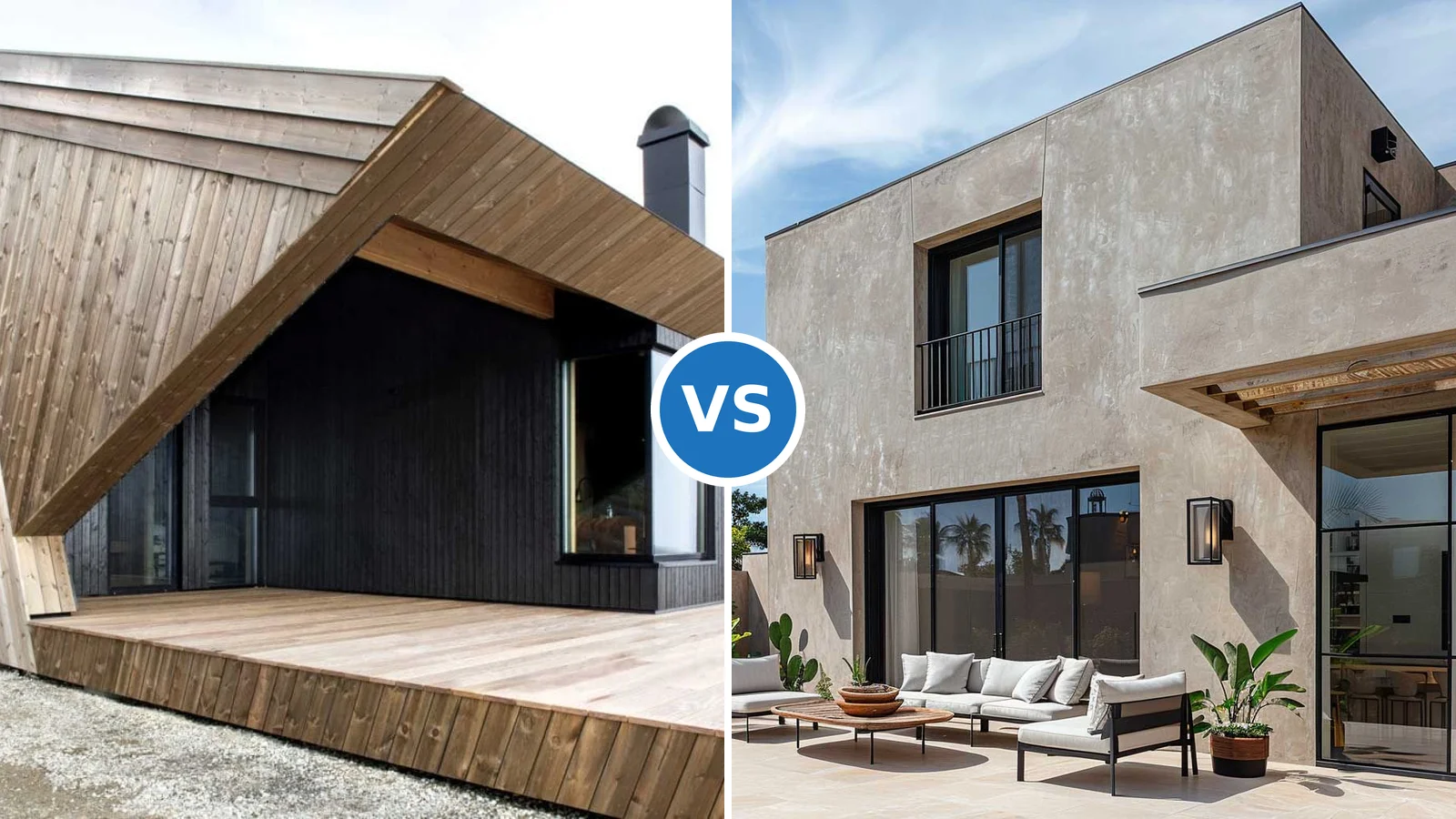
Wood siding offers grain and quick installation, while stucco offers a long-lasting smooth wall with a longer repainting cycle. Here is how they compare on cost, upkeep and risk.
333k+ Lifestyle & Design Ideas

Wood siding offers grain and quick installation, while stucco offers a long-lasting smooth wall with a longer repainting cycle. Here is how they compare on cost, upkeep and risk.
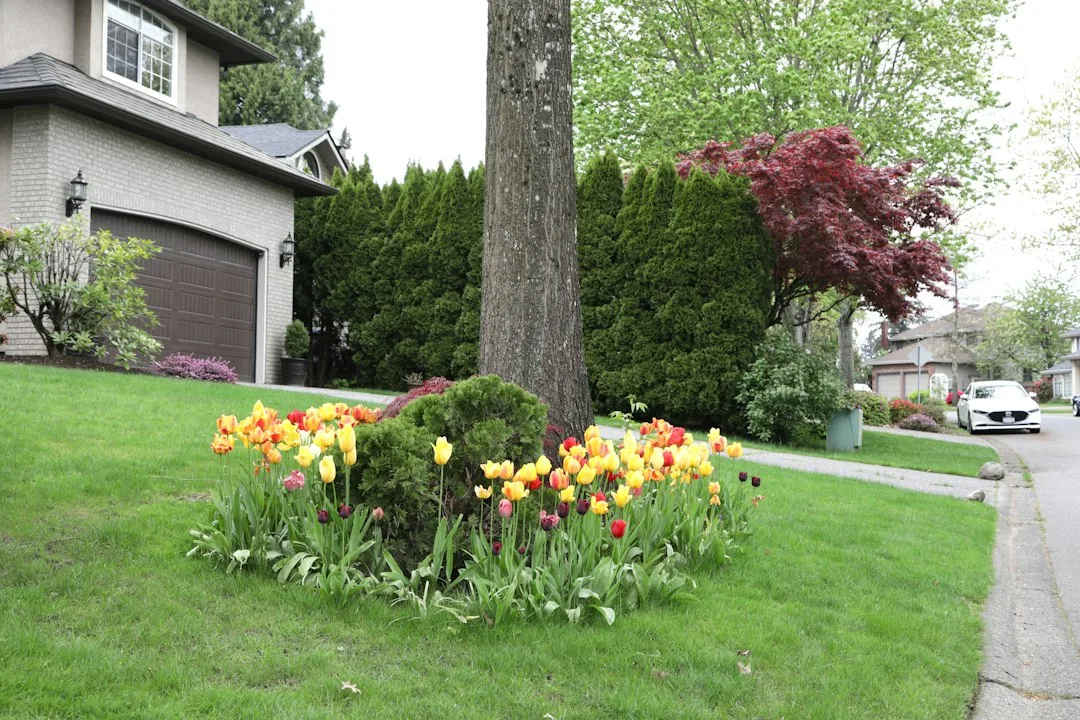
Builder shrub rows are giving way to layered front beds that frame entries and need less pruning. Here is how to choose plants, space them, and avoid the wall-crowding mistake.
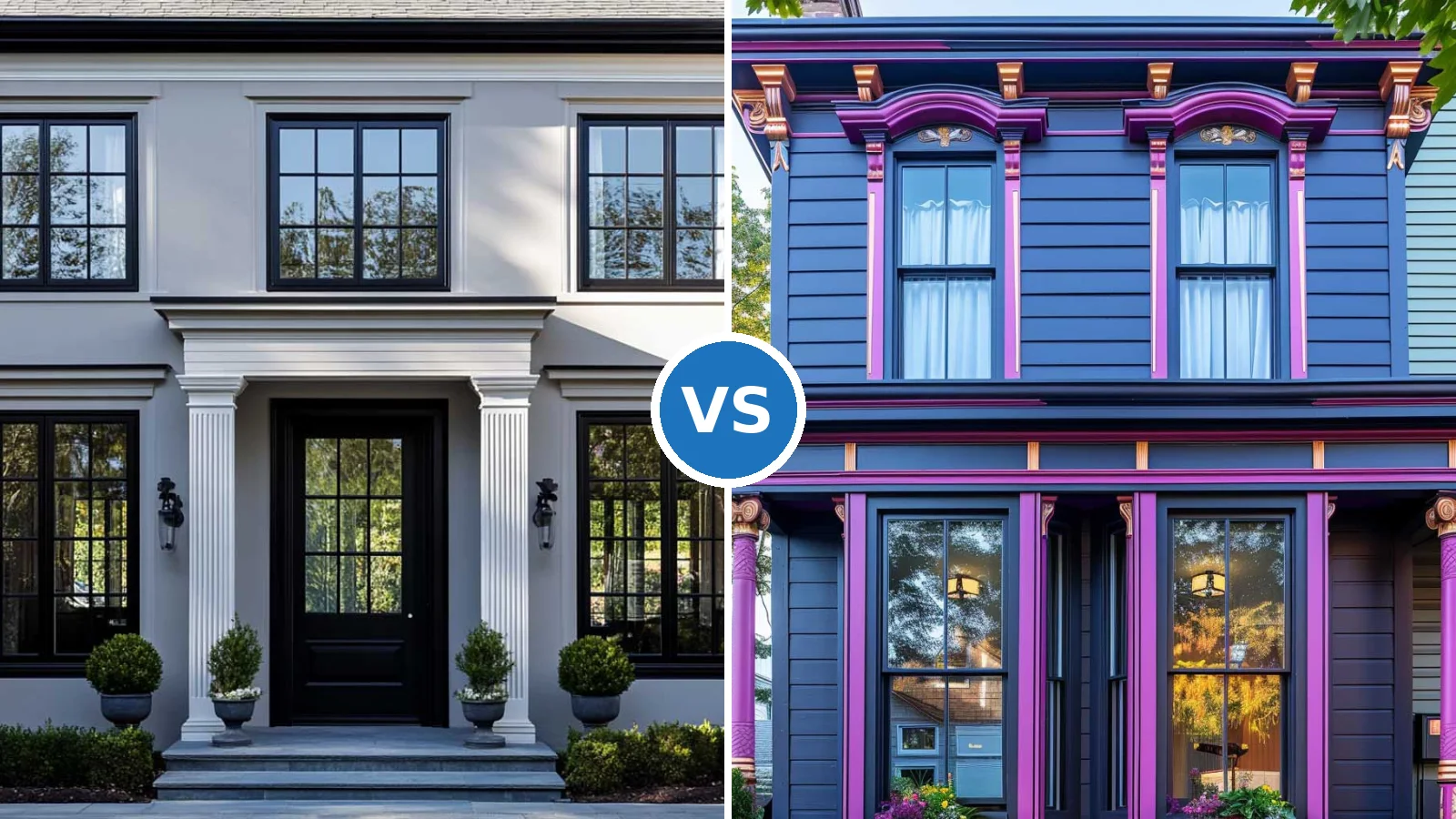
Black molding frames windows with crisp, classic contrast, while purple and pink trim turns the facade into a bold color statement. Here is how to decide which one fits your house.
Sunken fire pits are pulling backyard seating into one connected room, with lower walls and smokeless burners. Placement, materials, and drainage decide whether the pit lasts.
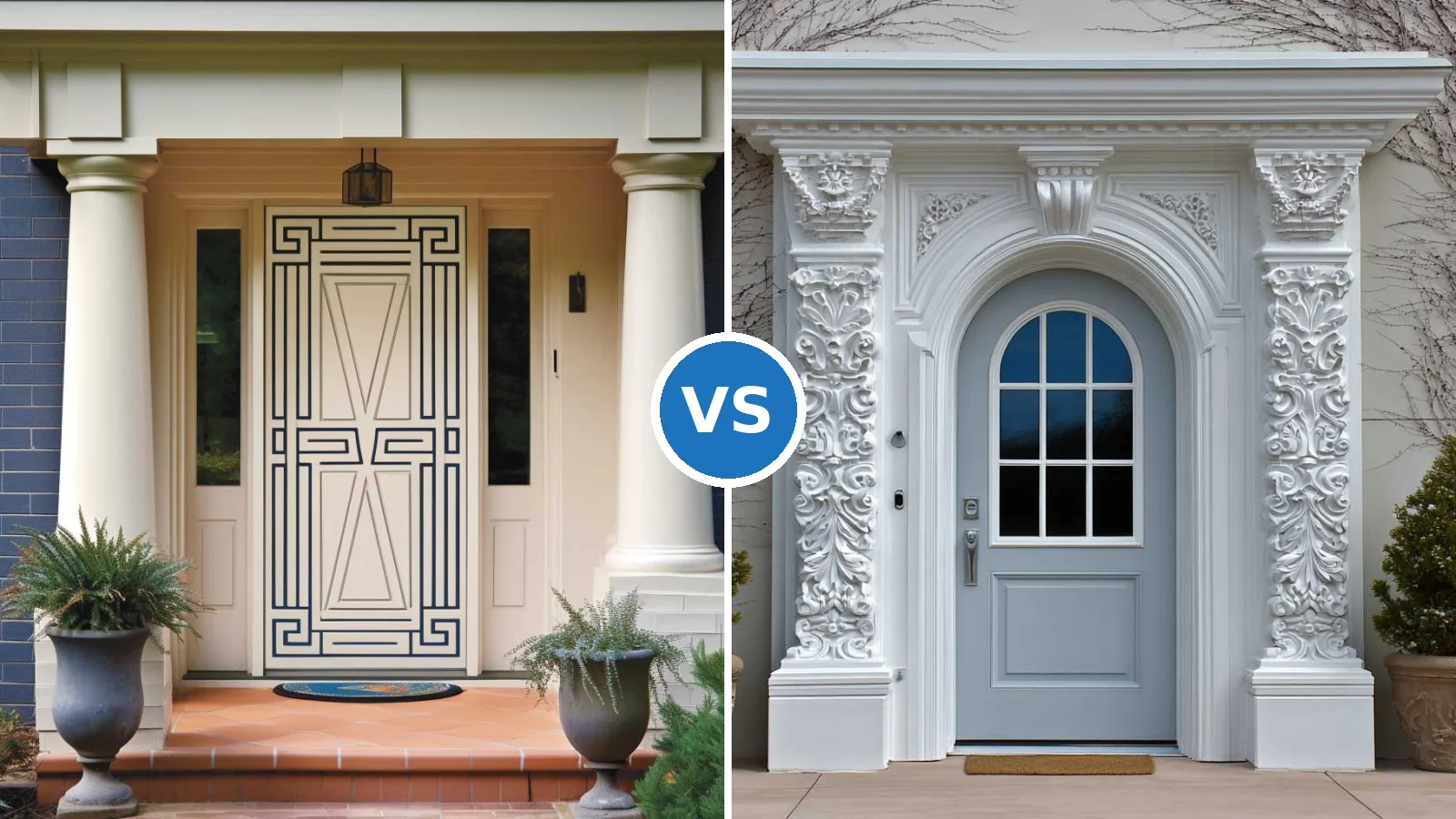
Door header trim leans on real materials and traditional detail, while front door molding lets you model shape and depth before anything is built. Here is how to choose between them.
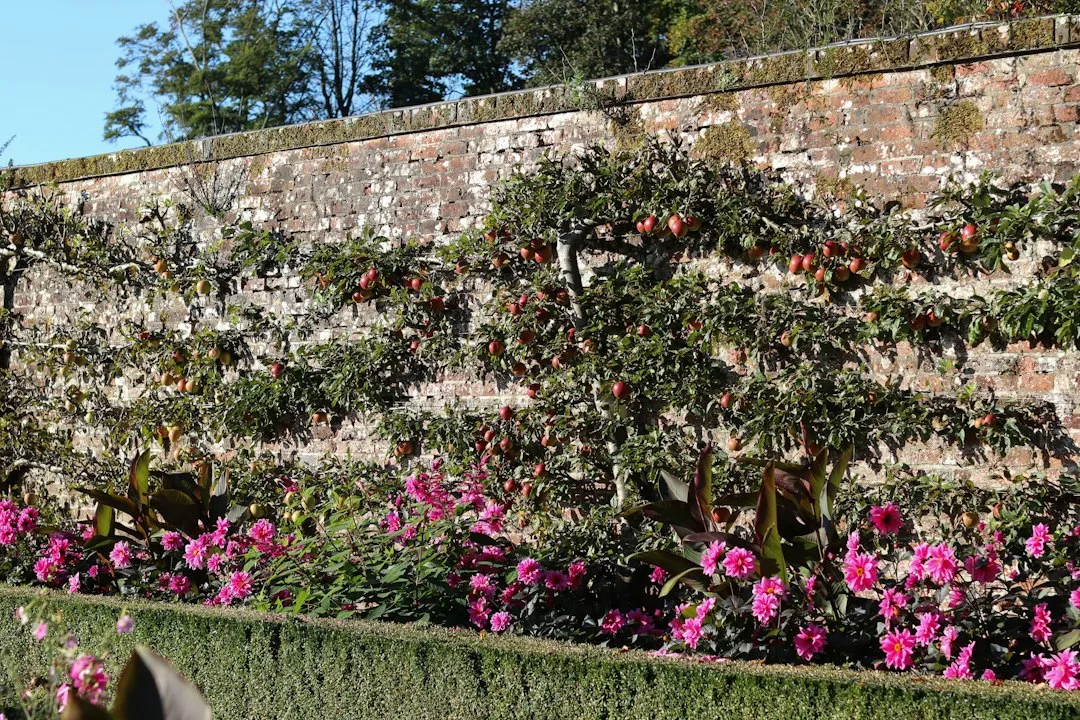
Espalier fruit trees grow flat against a wall or fence, turning narrow garden strips into harvest space. Here is how to pick rootstock, train the frame, and avoid the pruning mistake that stops fruit.
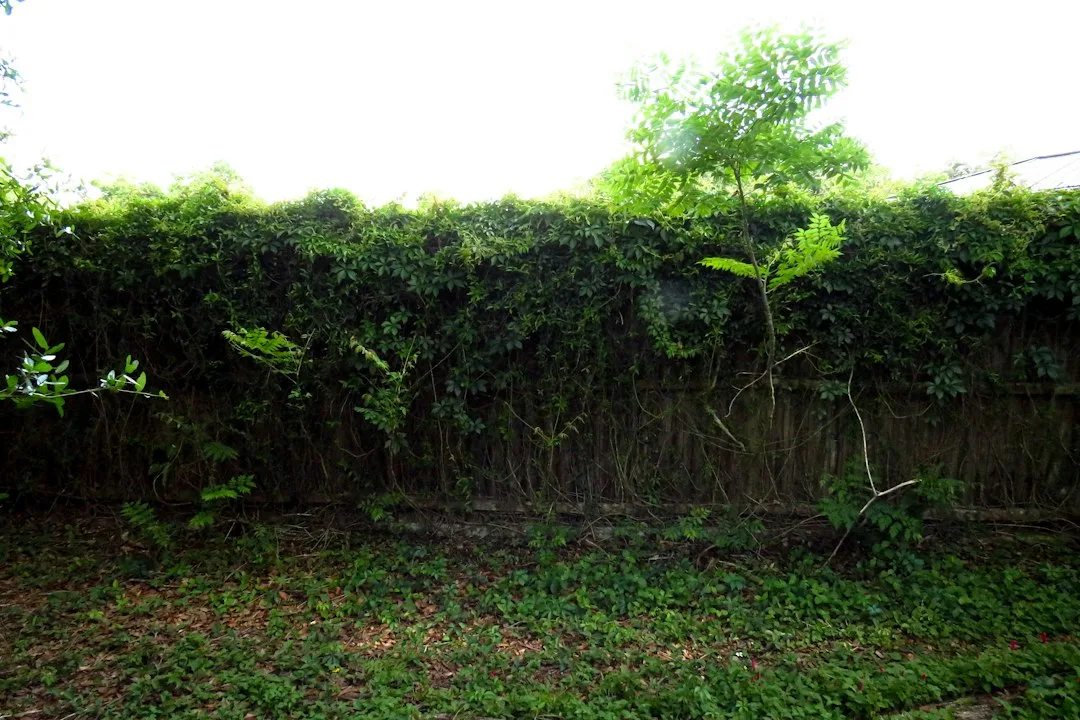
Living privacy screens of arborvitae, clumping bamboo, and narrow hollies now replace solid fences in many suburban yards. They soften sightlines, let wind pass through, and need the right spacing to stay dense.
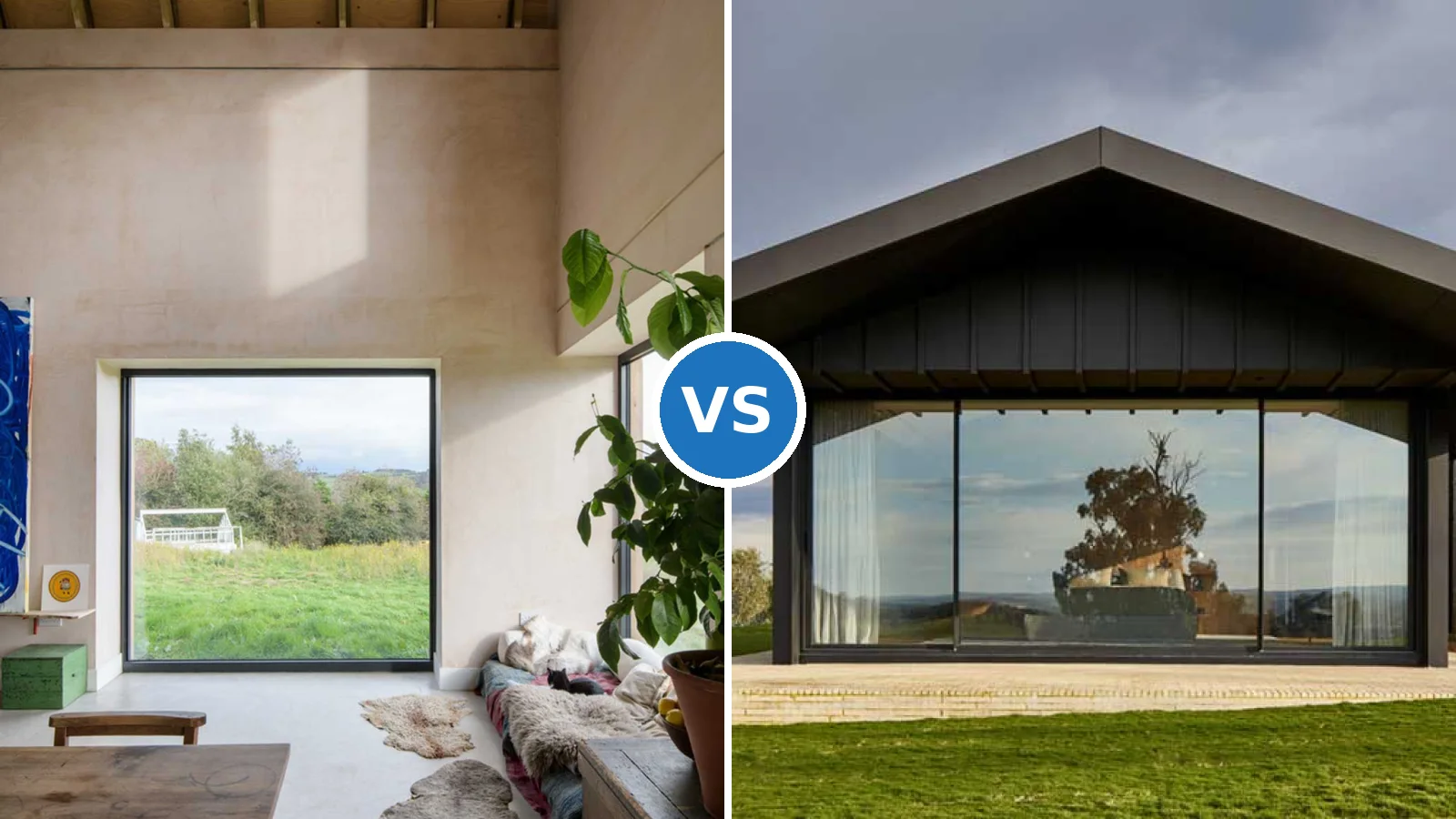
A zinc roof develops a patina and suits owners who enjoy gradual change, while metal roof cladding holds a steady earthy colour and covers walls and roof alike. Here is how the two compare on look, heat, form and budget.
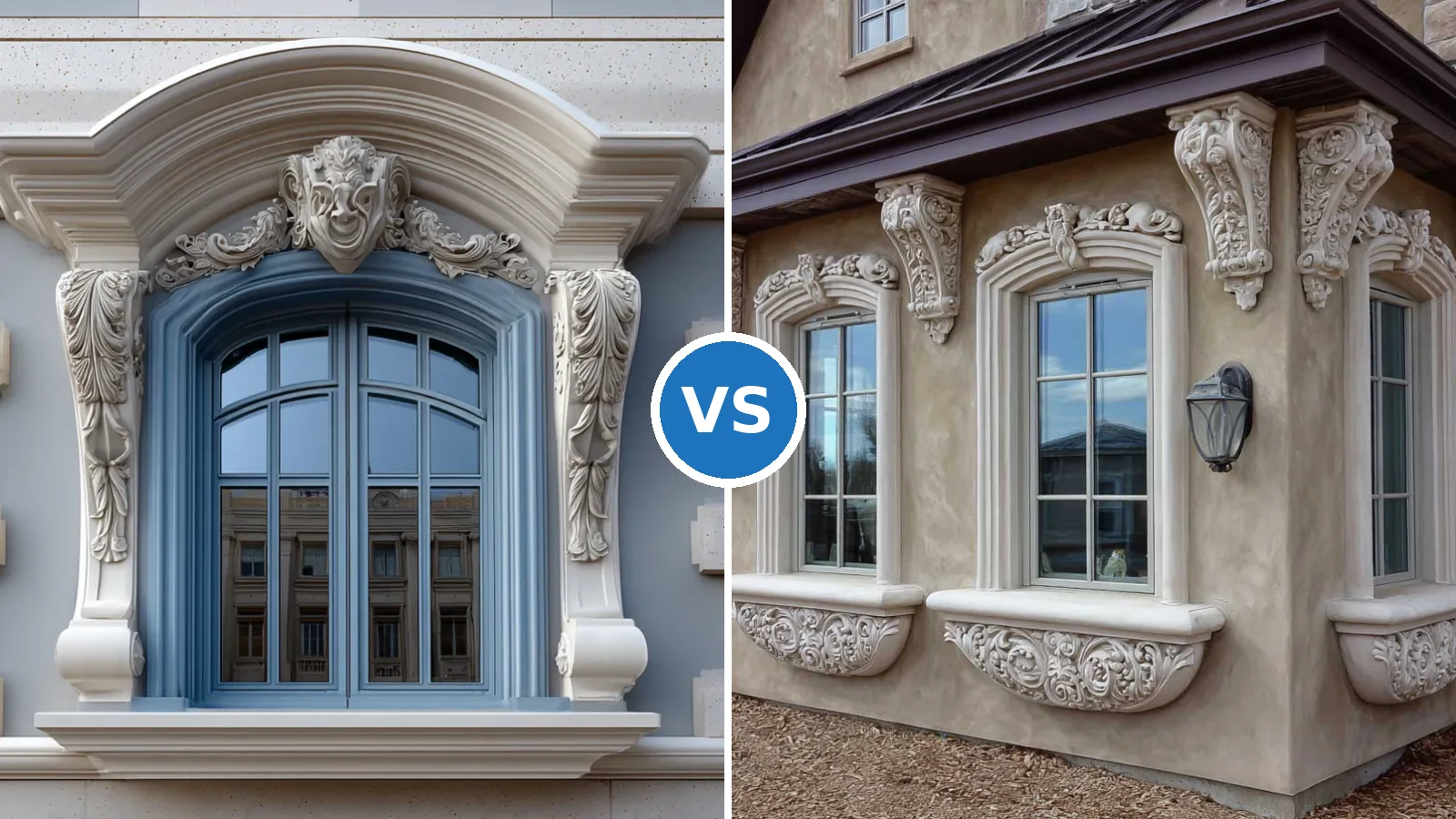
Window casing offers the widest range of styles, while foam window trim suits stucco walls with lighter weight and lower upkeep. Here is how to choose between them.
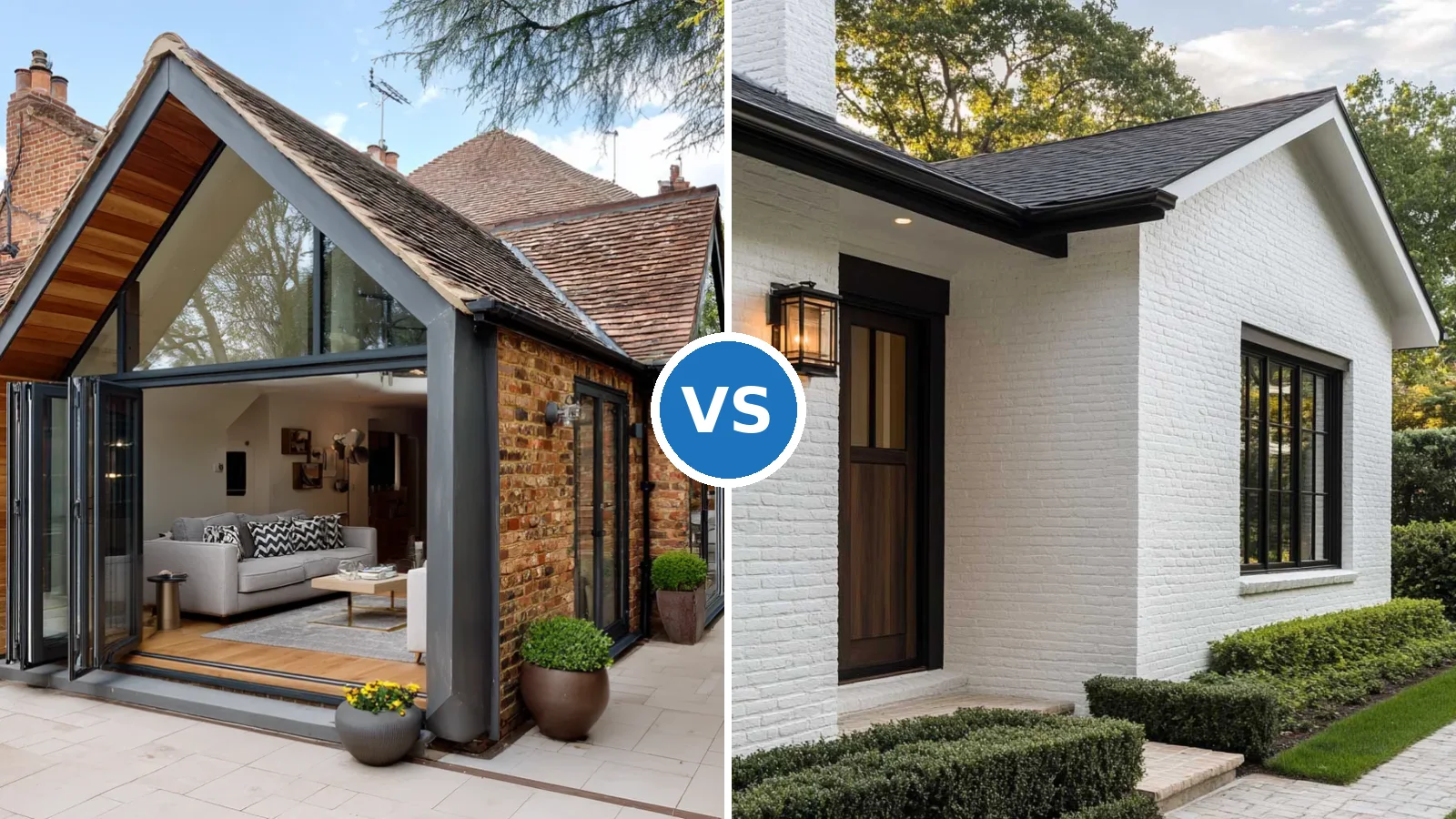
Adding space and style to your home means choosing between a steel frame extension and brick accents. One delivers lightweight flexibility and contemporary lines; the other brings century-old warmth and richness. Your choice depends on whether you want to expand outward or deepen your existing look.
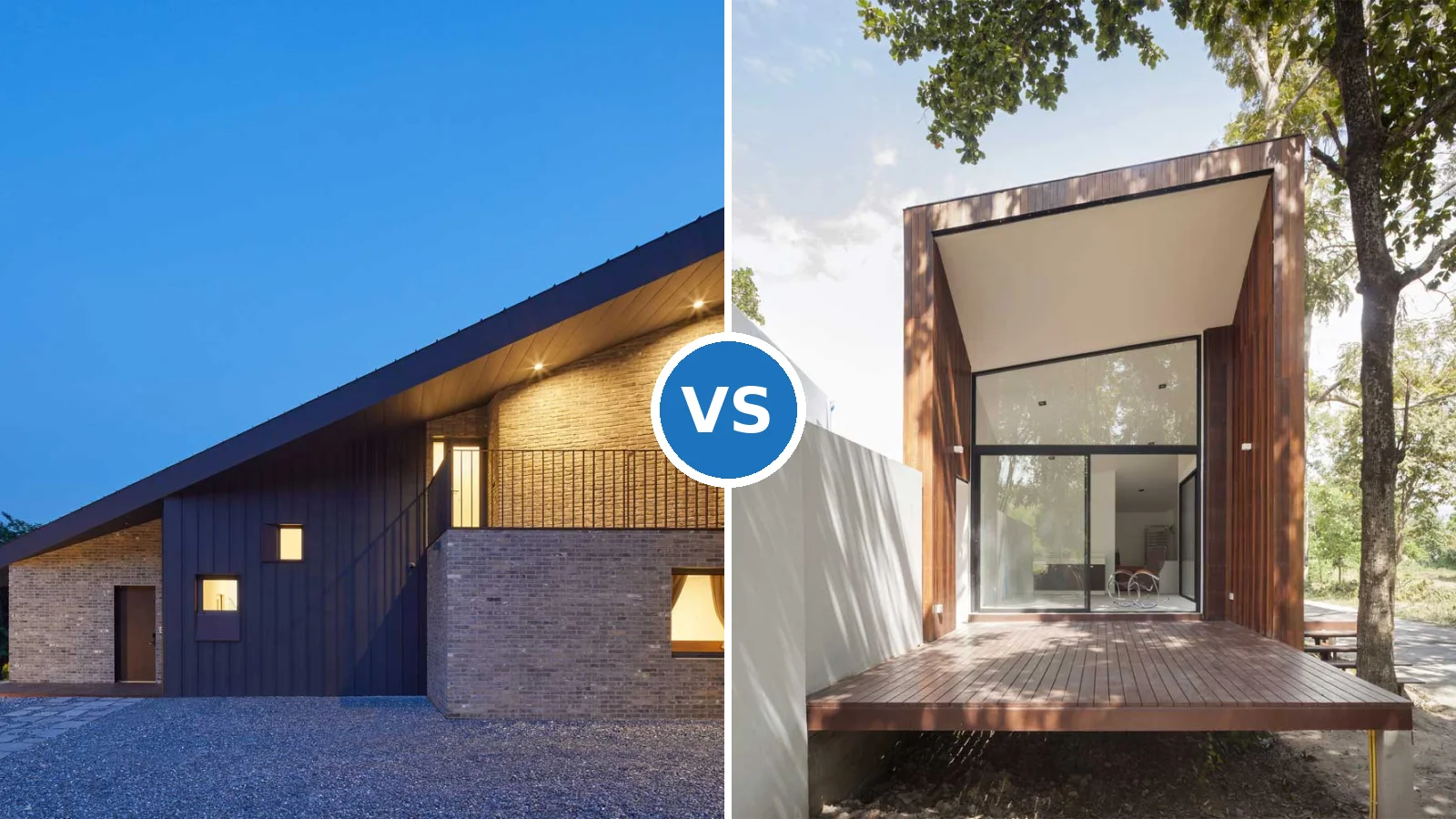
Pent roof and shed roof designs have become central to modern minimalist architecture. Both use a single sloped pitch, but they serve different site conditions and aesthetic goals.
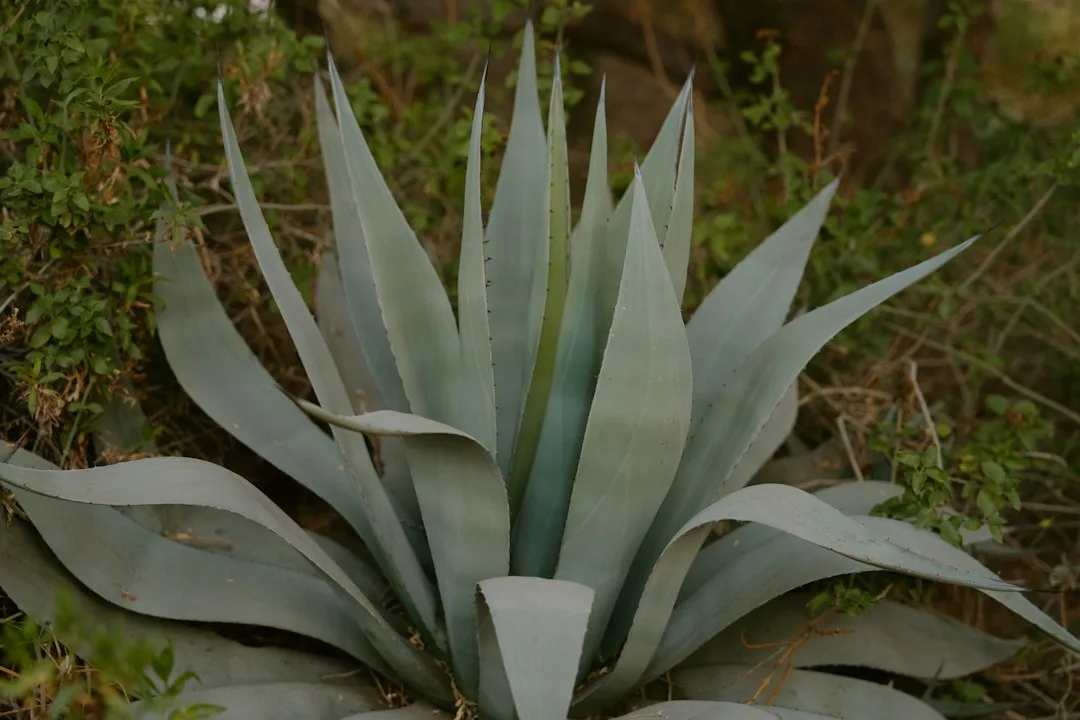
Water-wise native plantings are replacing conventional turf and thirsty ornamentals across residential landscapes. These climate-adapted species require minimal maintenance while building habitat resilience into suburban yards.
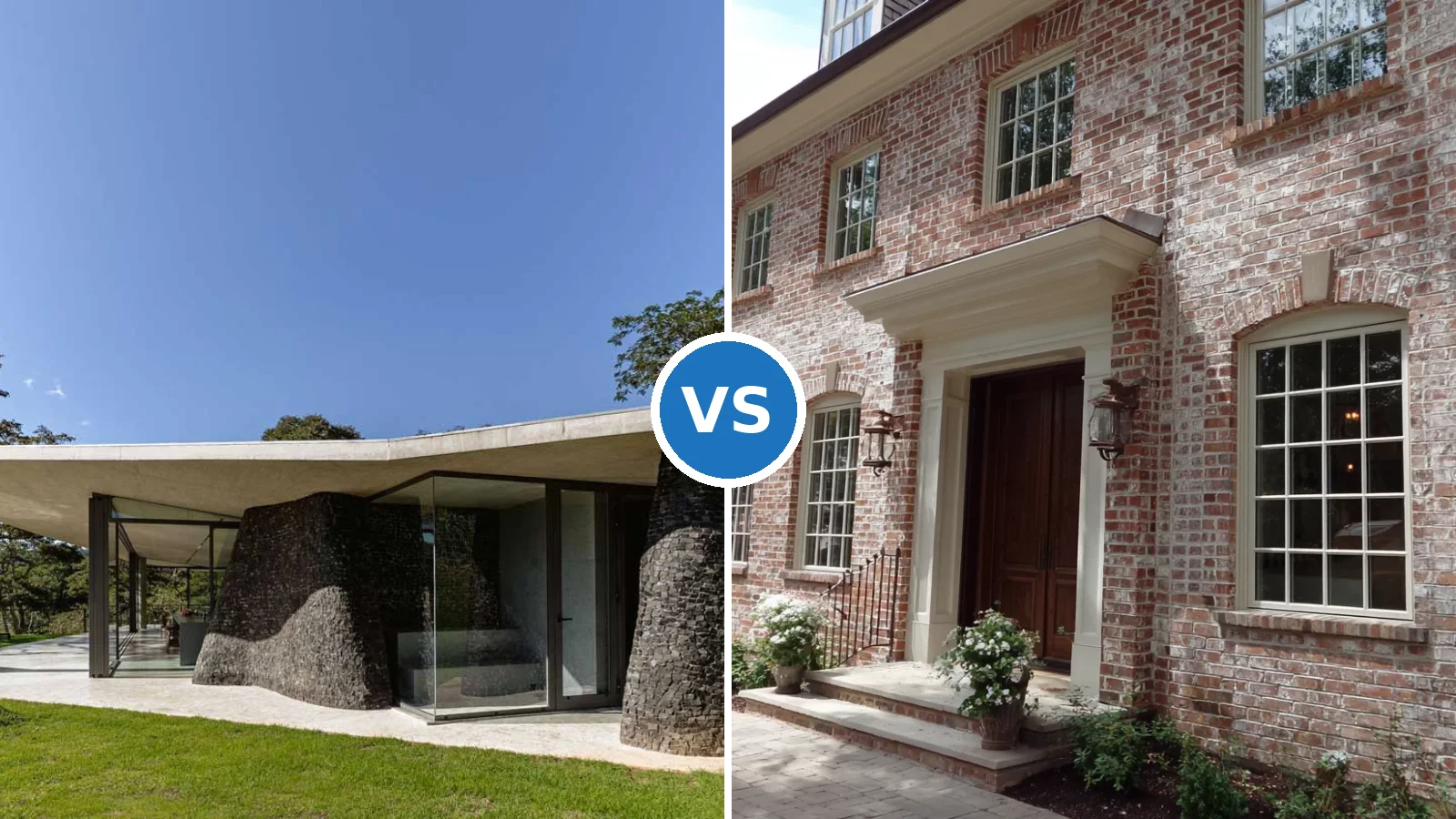
Curved concrete and modern brick each offer distinct advantages for exterior design—one flows with nature, the other anchors tradition. Your choice depends on climate, budget, and the atmosphere you want to create.
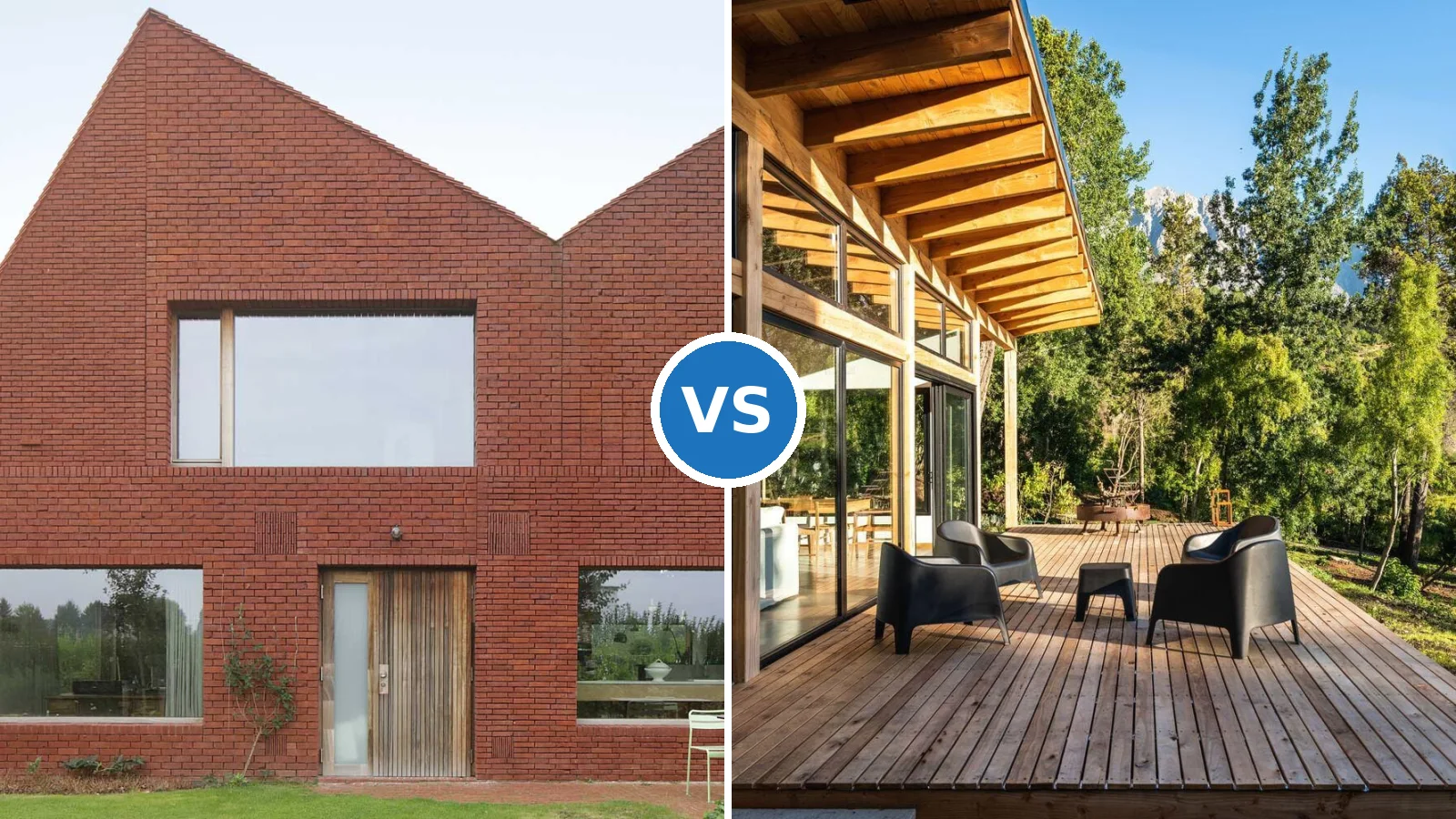
When building on rural land, the choice between a brick exterior and a wood-stone combination shapes everything from how your home feels to how it weathers the elements. Both materials anchor a home to its natural surroundings, but they take different paths to comfort and style.
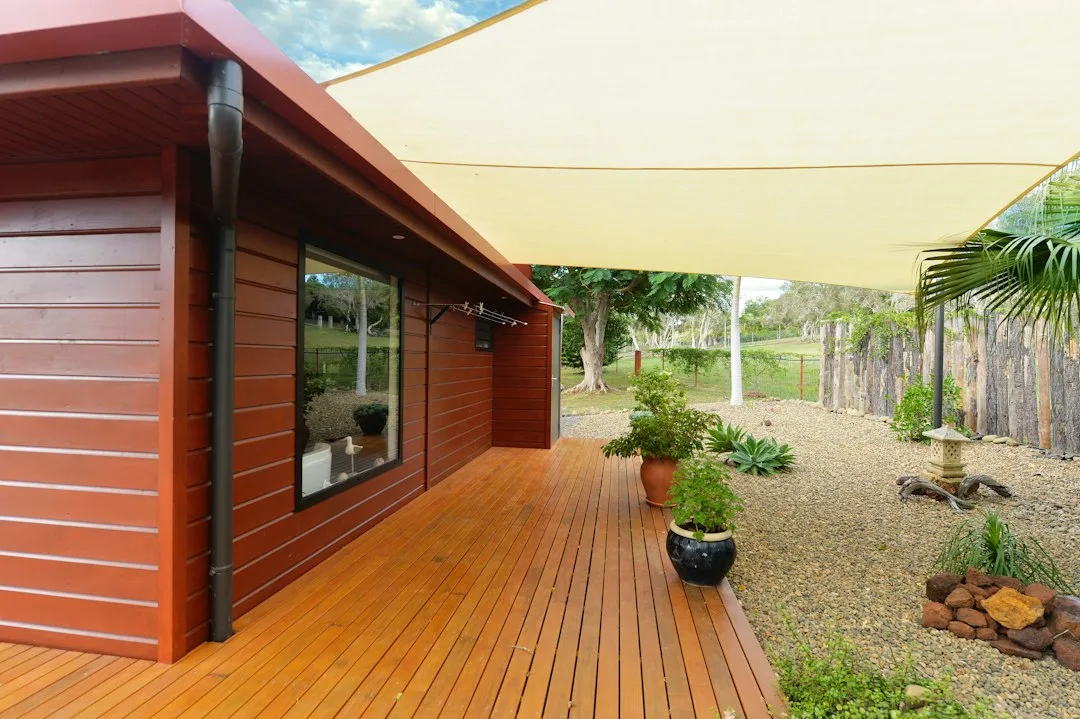
Shade sail installation has become the preferred alternative to permanent shade structures, offering flexibility, lower installation costs, and cleaner sightlines. These tensioned fabric systems work across diverse yard shapes and climates without the visual weight of fixed frames.

Pollinator garden design reshapes how homeowners approach landscaping by prioritizing native plants, open soil, and water sources that attract bees, butterflies, and beneficial insects. This shift moves beyond ornamental aesthetics to create functional ecosystems that boost food crop yields and reduce landscape maintenance.
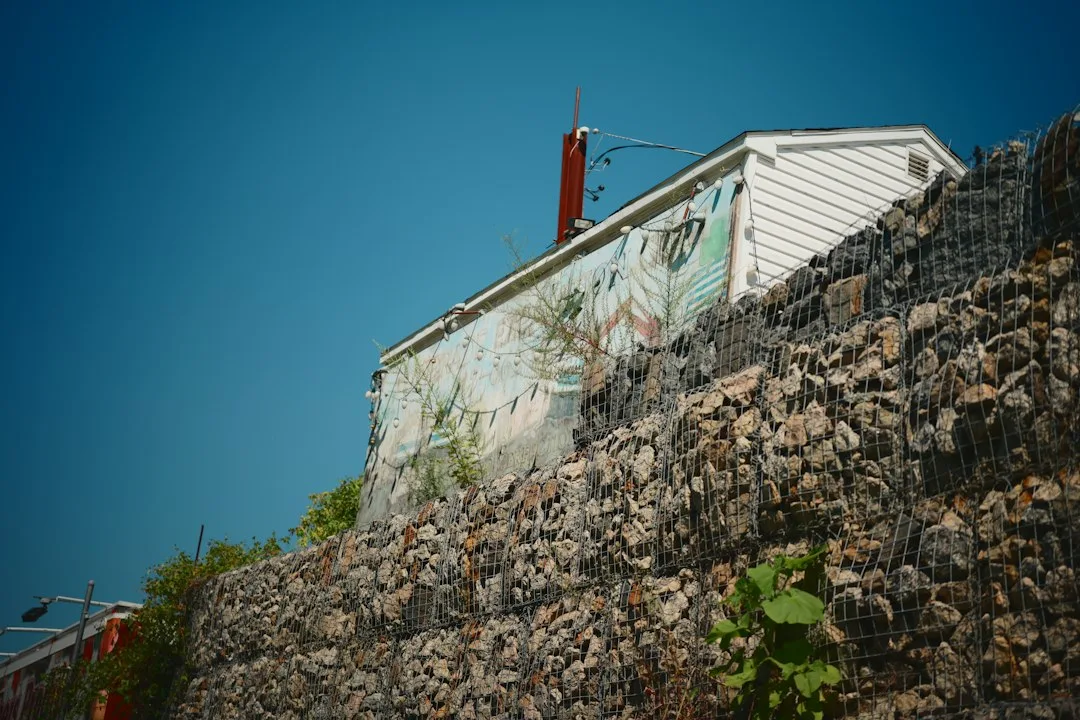
Gabion wall landscaping—steel baskets filled with stone, brick, or recycled materials—is replacing conventional retaining walls and fencing across residential properties. This trend combines drainage efficiency, industrial aesthetics, and long-term durability without the labor-intensive upkeep of traditional masonry.
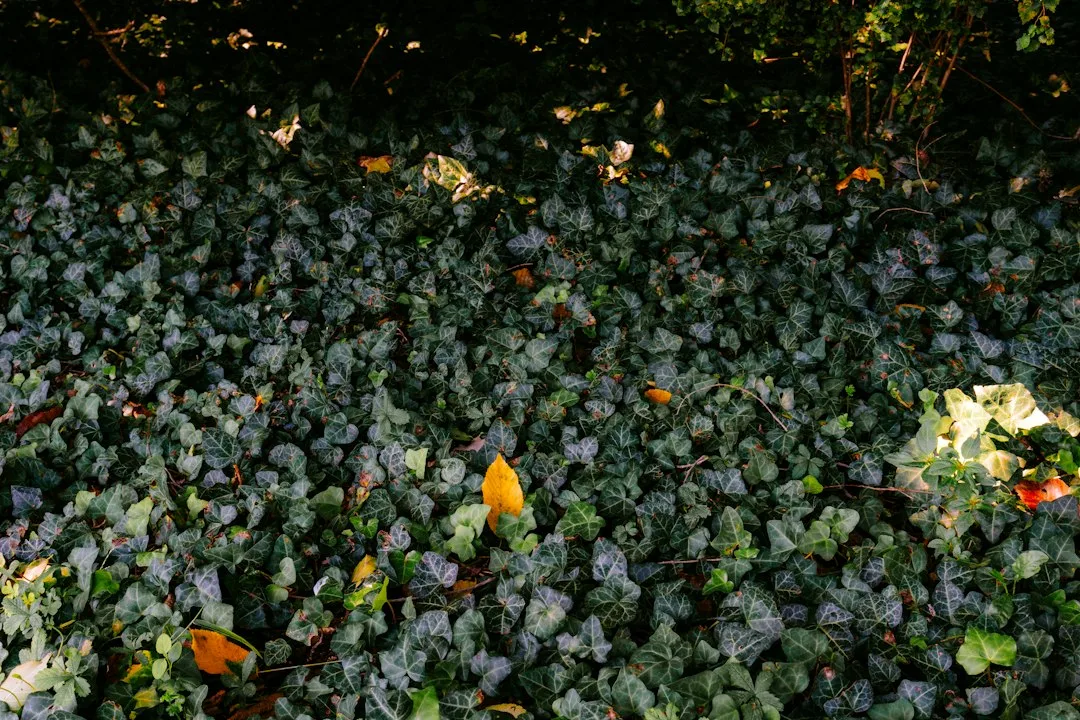
Homeowners with limited sunlight are ditching patchy lawns for shade-tolerant ground covers that add texture, color, and usable space. Here’s how to choose and install them correctly.
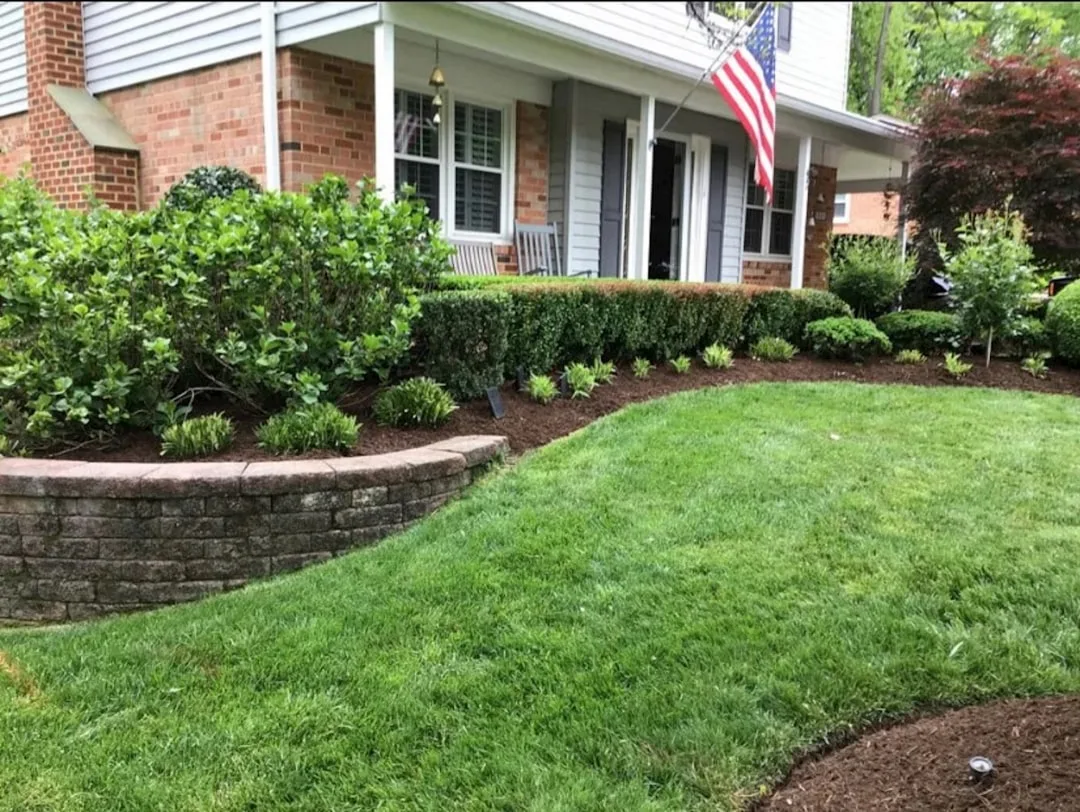
Most homeowners with sloped lots see only erosion risk and wasted terrain. Sloped lot landscaping flips that problem into architectural opportunity, using terraced beds, strategic grading, and native plantings to stabilize ground while reclaiming usable outdoor space.
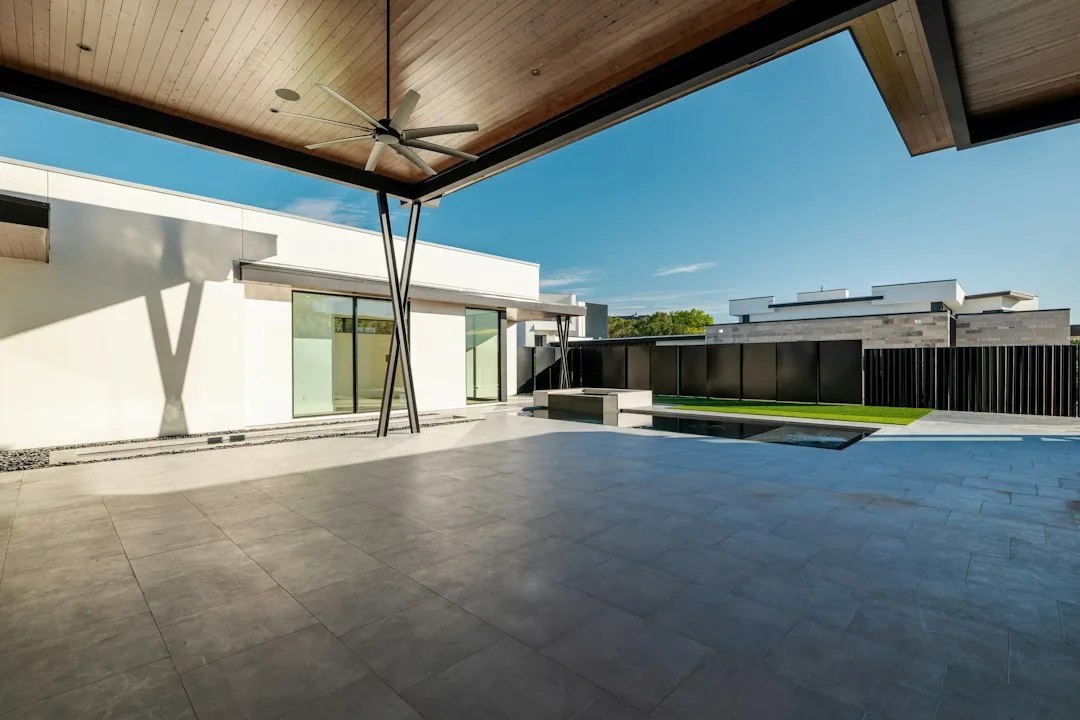
The dead space where two fences or walls meet has become landscape design’s biggest untapped real estate. Corner shade structures—from lean-to canopies to modular grid systems—now anchor these forgotten zones with cooling, privacy, and year-round visual weight.
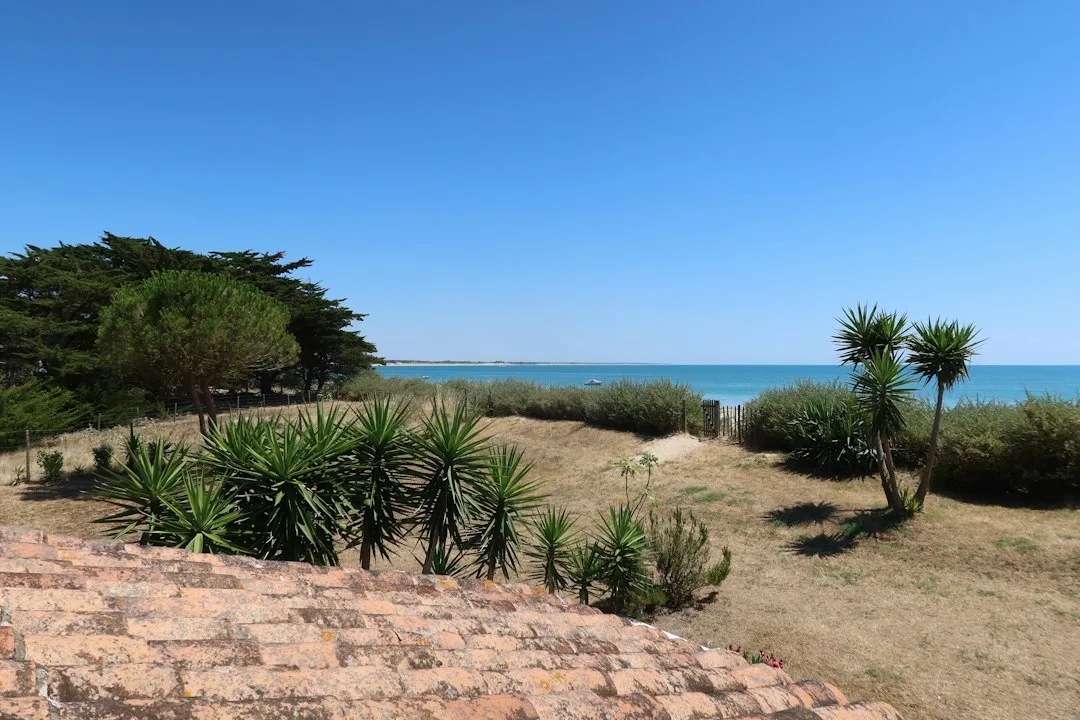
Coastal landscape design has emerged as the dominant trend for properties within five miles of saltwater or saline environments. By selecting salt-tolerant shrubs, structural grasses, and permeable hardscaping, homeowners eliminate the erosion and plant die-off that plagued traditional gardens in maritime zones.
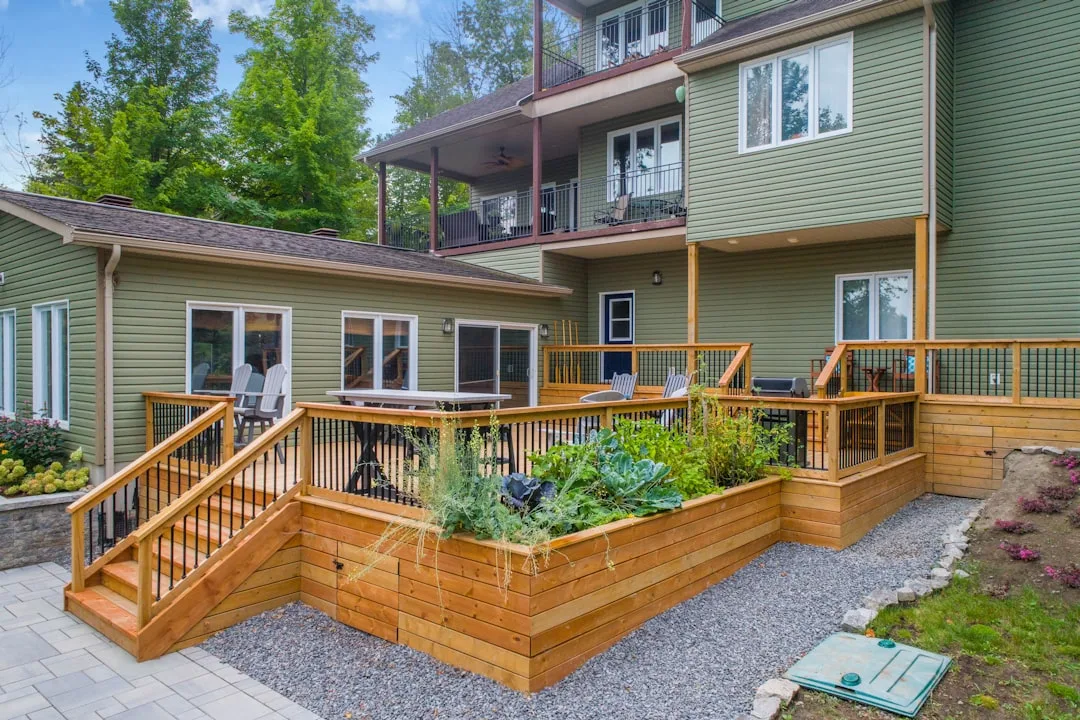
Raised garden beds have become the dominant landscaping choice for 2026, replacing flat in-ground gardens with elevated structures that solve drainage, accessibility, and soil-quality problems simultaneously. This shift reflects a broader move toward functional outdoor spaces that reduce maintenance while delivering measurable growing results.
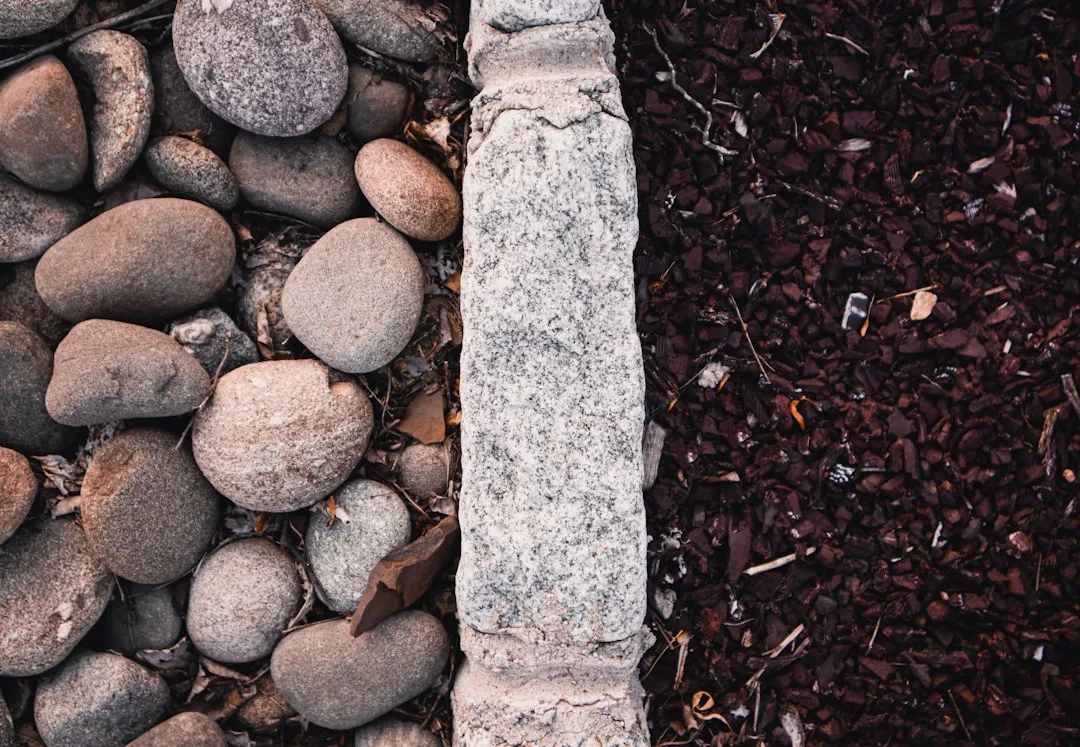
Natural stone borders are replacing plastic and metal edging as the landscape standard in 2026. Granite, slate, and limestone edges anchor garden beds with permanent texture while requiring minimal maintenance.
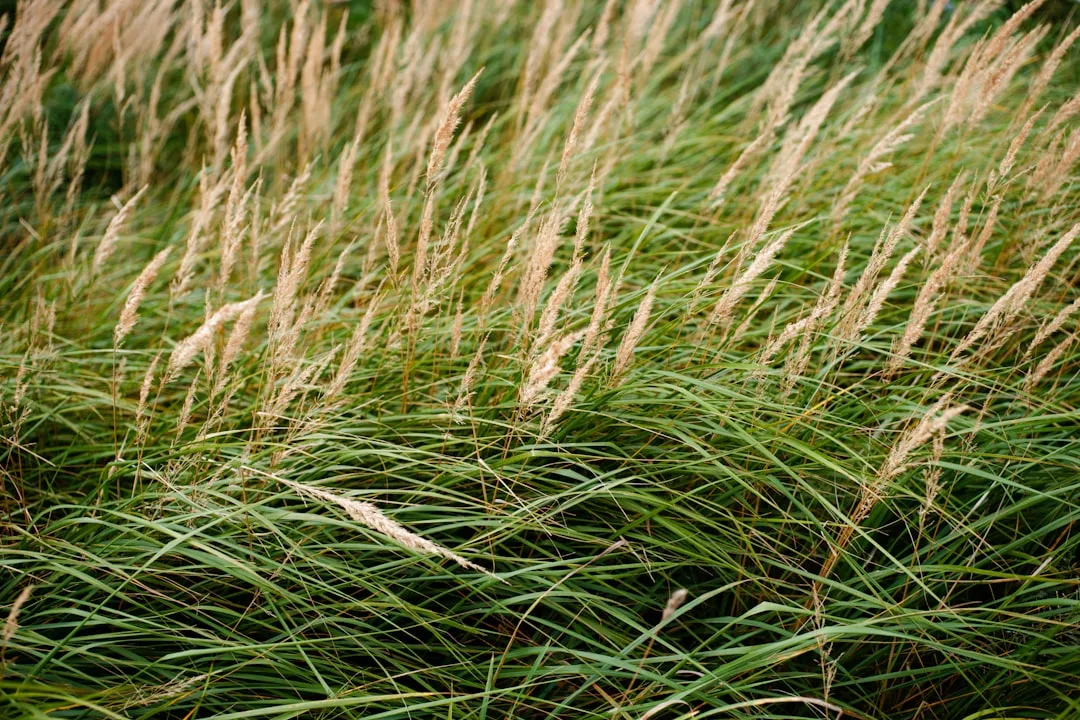
Ornamental grasses are replacing static lawn monoculture across residential landscapes. These hardy plants deliver seasonal drama, require minimal water, and anchor modern garden architecture without the maintenance burden of traditional turf.
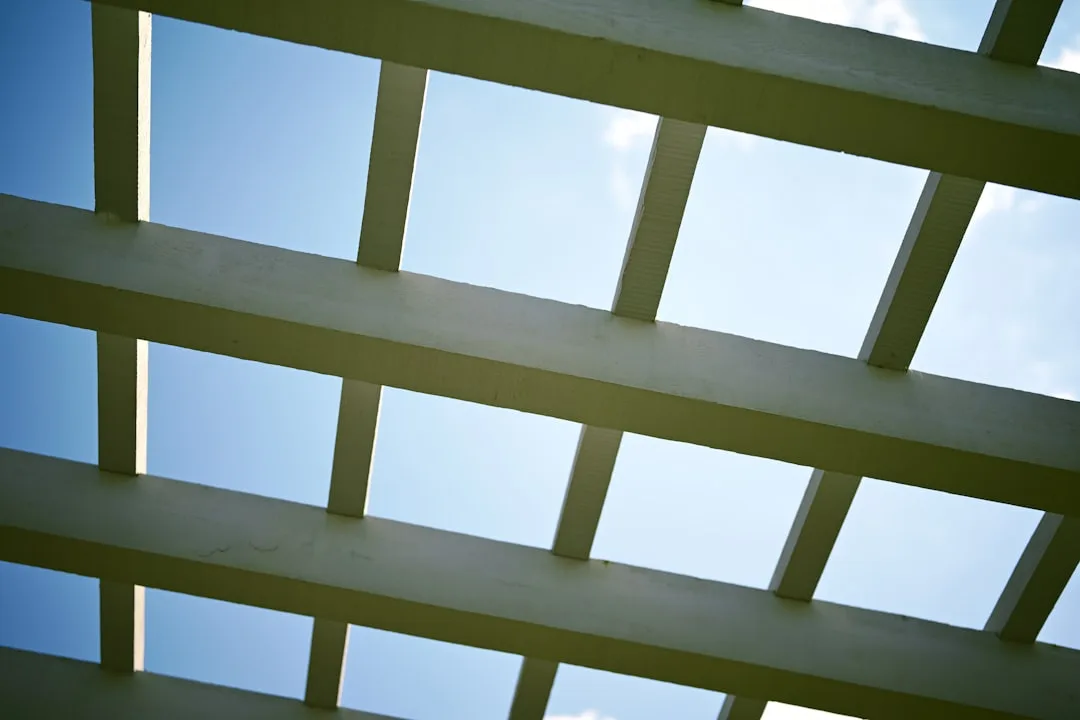
Arbor shade structures are reshaping how homeowners design cooling solutions in 2026, moving away from permanent pergolas toward flexible, semi-open designs that manage heat while maintaining sightlines. Modern arbors now combine modular framing with integrated plant support and strategic slat spacing for climate-responsive outdoor living.
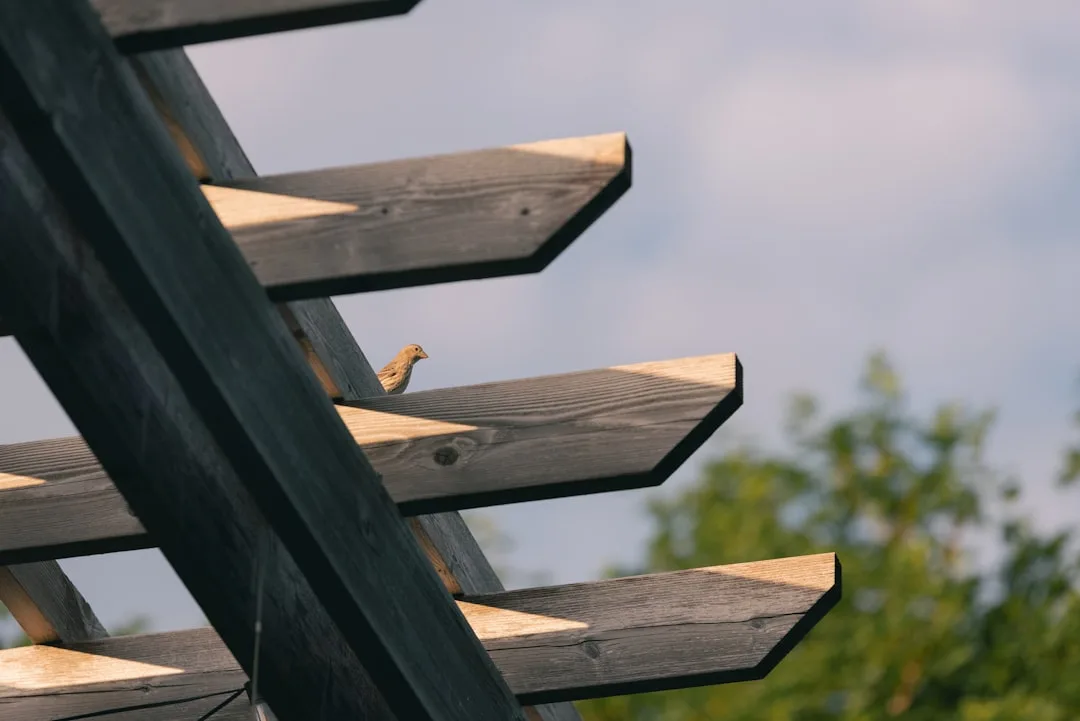
Arbors have moved beyond decorative afterthoughts to become the structural spine of outdoor living. Here’s why landscape architects are treating them as the first element—not the last.
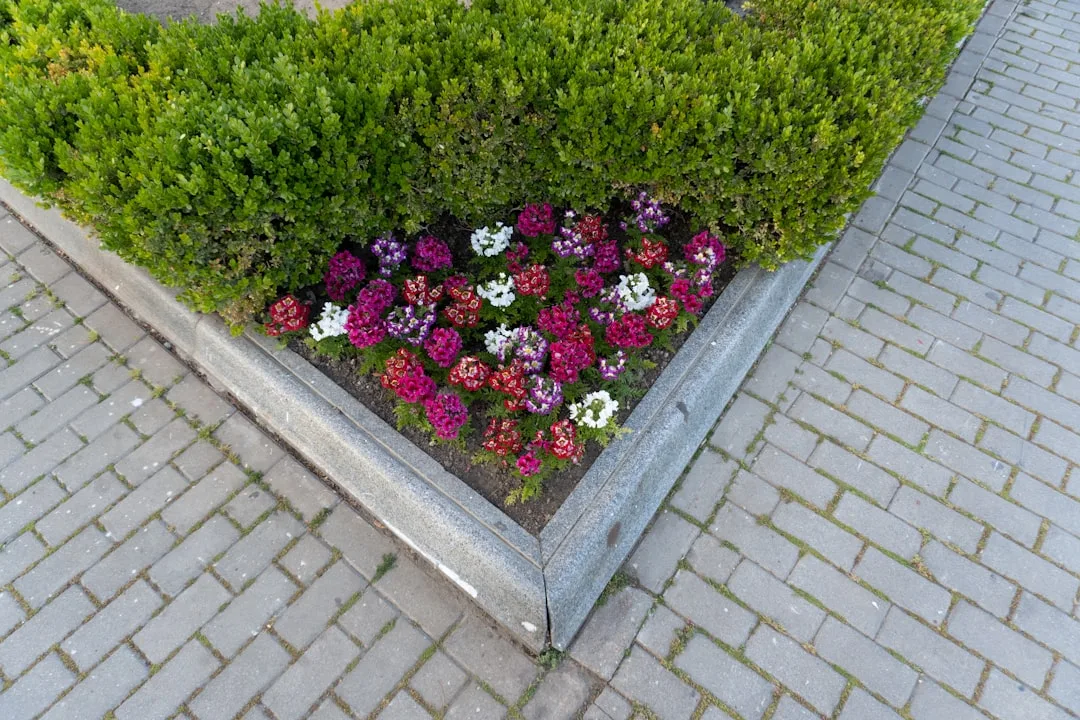
Corner garden edging has shifted from rigid 90-degree angles to flowing curves and modular systems that soften landscape transitions. This August 2026 trend prioritizes both aesthetic softness and functional drainage, replacing conventional straight-line borders that feel dated and interrupt sightlines.
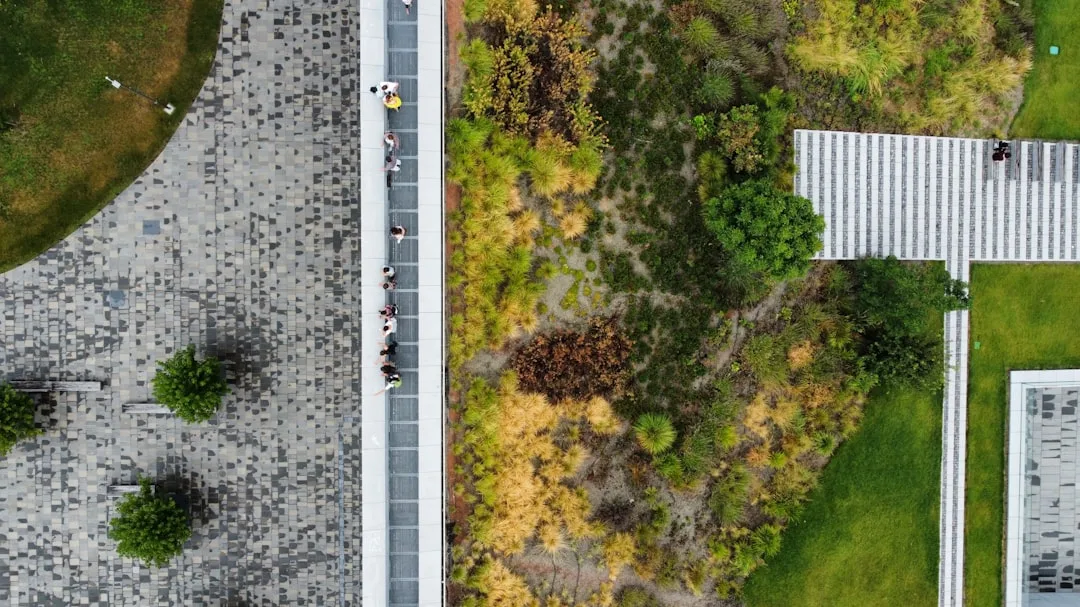
Slate mulch landscaping has emerged as the preferred alternative to traditional bark chips, offering homeowners a durable, visually sophisticated ground cover that requires minimal maintenance. Unlike organic mulches that decompose and need annual replacement, slate mulch provides year-round structure and complements both minimalist and rustic exterior styles.
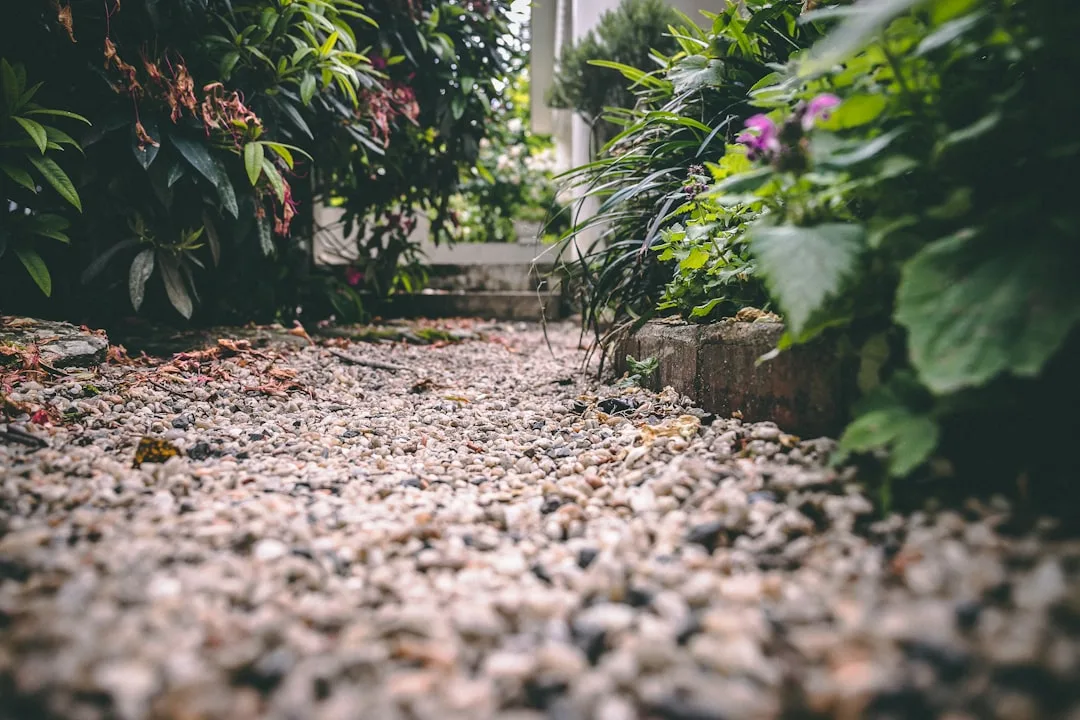
Pea gravel landscaping is replacing traditional mulch and compacted soil as the go-to surface for modern yards. Discover why architects and landscape designers prefer this permeable material for drainage, aesthetics, and long-term cost savings.
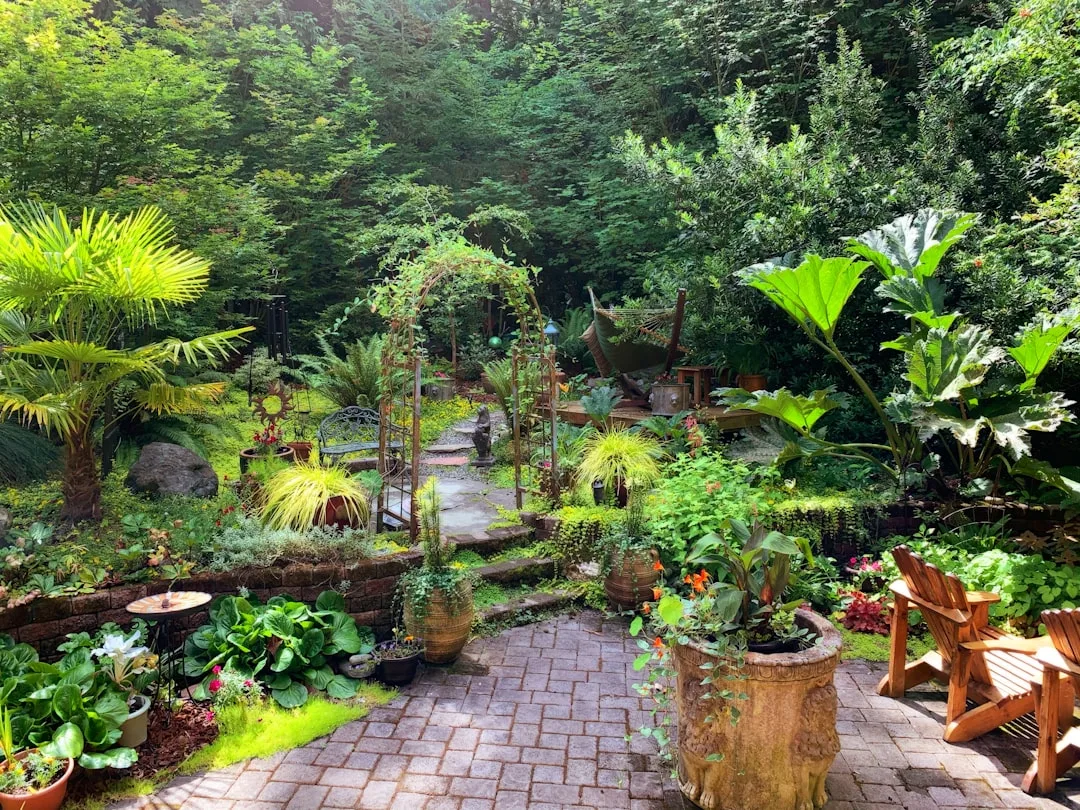
As summer temperatures climb, shaded courtyard gardens have emerged as the fastest-growing landscape solution for 2026. These enclosed outdoor spaces reduce interior cooling demands while creating intimate, usable yards even during peak heat hours.
Retractable porch screens have shifted from specialty luxury items to mainstream outdoor architecture. Homeowners now choose motorized systems over fixed screening because they adapt instantly to weather, pests, and entertaining needs—without blocking views.
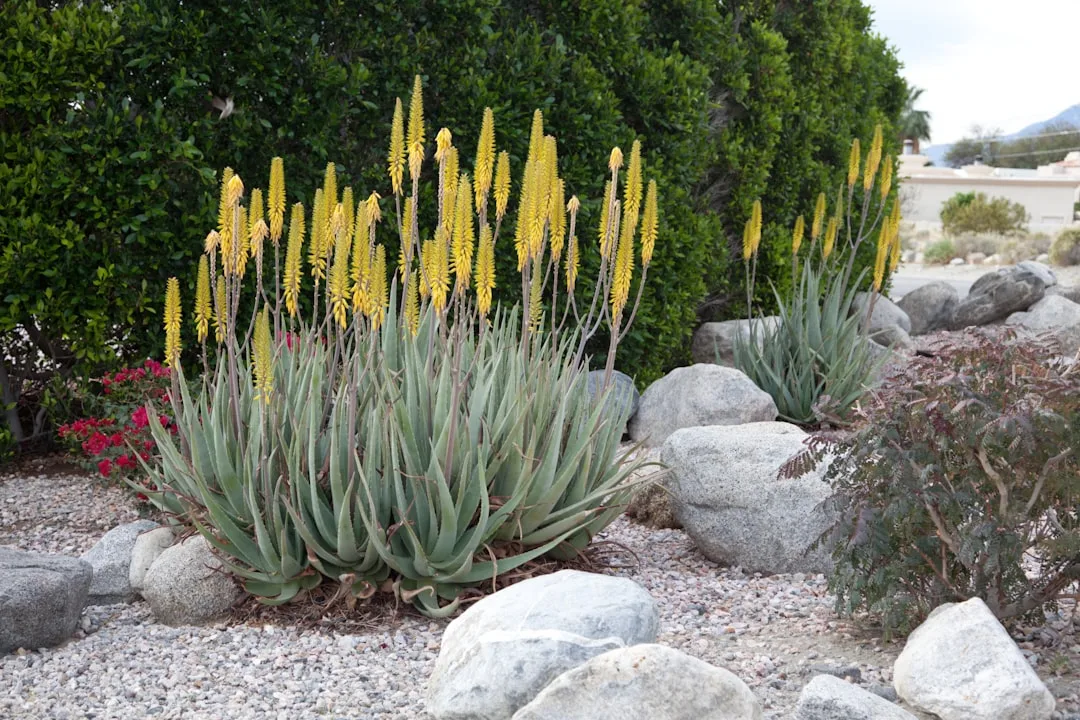
Homeowners are abandoning traditional turf for drought-resistant landscape design that reduces water consumption while boosting aesthetic appeal. This shift combines native plantings, permeable hardscaping, and climate-adapted soil strategies to create resilient outdoor spaces.
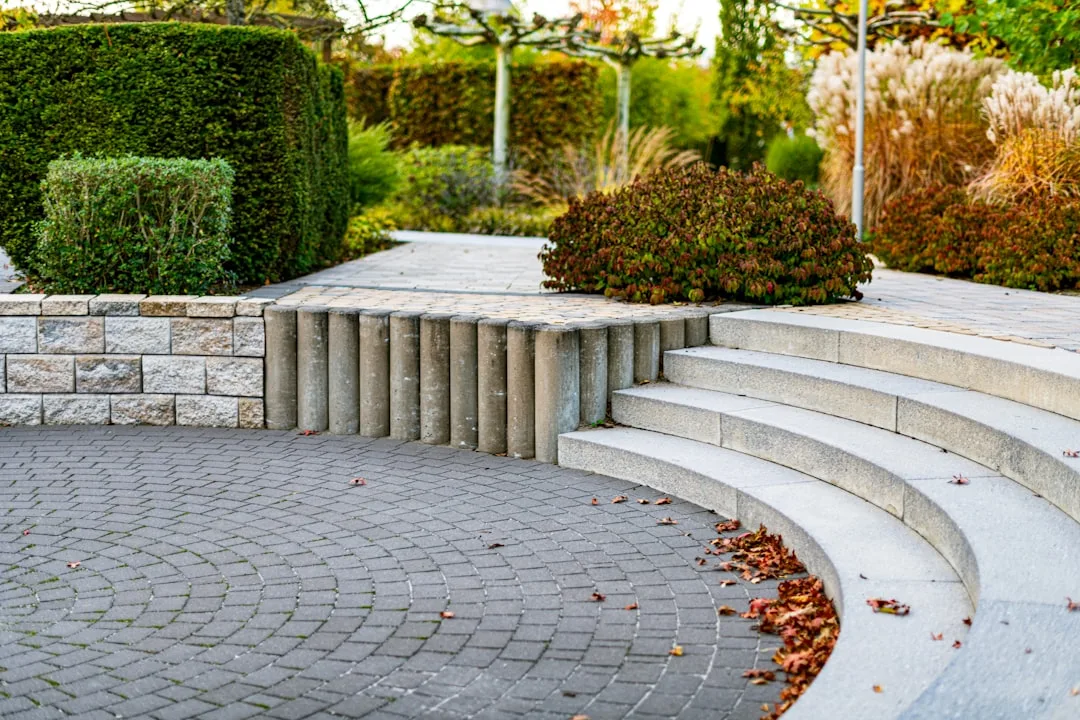
Permeable pavers have become the standard for modern outdoor construction, replacing impervious concrete and asphalt with surfaces that absorb water naturally. Beyond drainage function, they’re reshaping aesthetics and property resilience across residential landscapes.