Tech Gifts That Work Out of the Box and Avoid Hidden Costs

The best tech gifts work with the devices a person already owns and do not hide monthly fees. Here is what to check before you buy this holiday season.
333k+ Lifestyle & Design Ideas

The best tech gifts work with the devices a person already owns and do not hide monthly fees. Here is what to check before you buy this holiday season.
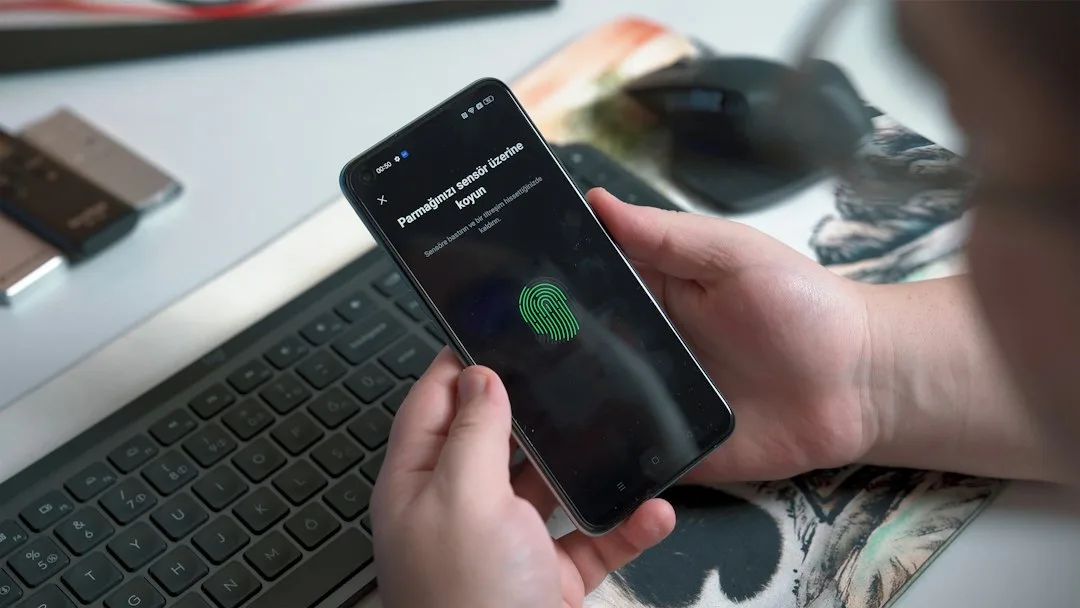
Passkeys let your phone’s fingerprint or face unlock stand in for a typed password on supported sites. Here’s what changes for everyday logins and why it matters.

Satellite messaging phones can send emergency texts where cell towers cannot reach. Learn what the feature does, where it fails, and how to set it up before your next trip.

Foldable phones have moved past novelty, with sturdier hinges and cover screens that handle everyday tasks. Here is what the tradeoffs look like before you carry one.

Repair rules in Europe and several US states are pushing appliance makers to stock spare parts and share service manuals. Here is what that means when you shop.
If you actively meet people online, you’ve probably noticed how different reality can sometimes be from a beautiful picture. We look at a profile photo and think that the person on the other side of the screen is someone we’ve been looking for for so long. But when we meet in person, disappointment sets in. … Read more

Adaptive lighting wearables are emerging as the next frontier in personalized wellness, moving beyond stationary systems to deliver dynamic light therapy directly to the eyes and skin. These devices track individual circadian sensitivity and adjust light wavelengths throughout the day to enhance sleep quality, daytime alertness, and metabolic health.

Homes in October 2026 now detect your vital signs through walls, furniture, and ceilings without a single device touching your skin. Ambient biometric home integration represents the shift from wearable wellness to environmental awareness.

Decentralized identity verification wearables are eliminating the need for passwords and centralized authentication systems by storing biometric credentials directly on the device itself. This shift puts privacy control back in your hands while maintaining security across financial, travel, and workplace access points.

Circadian rhythm home lighting systems automatically adjust color temperature and intensity throughout the day to align with your body’s natural sleep-wake cycle. This emerging standard is replacing static white bulbs as homeowners recognize the direct link between light exposure and restorative sleep.
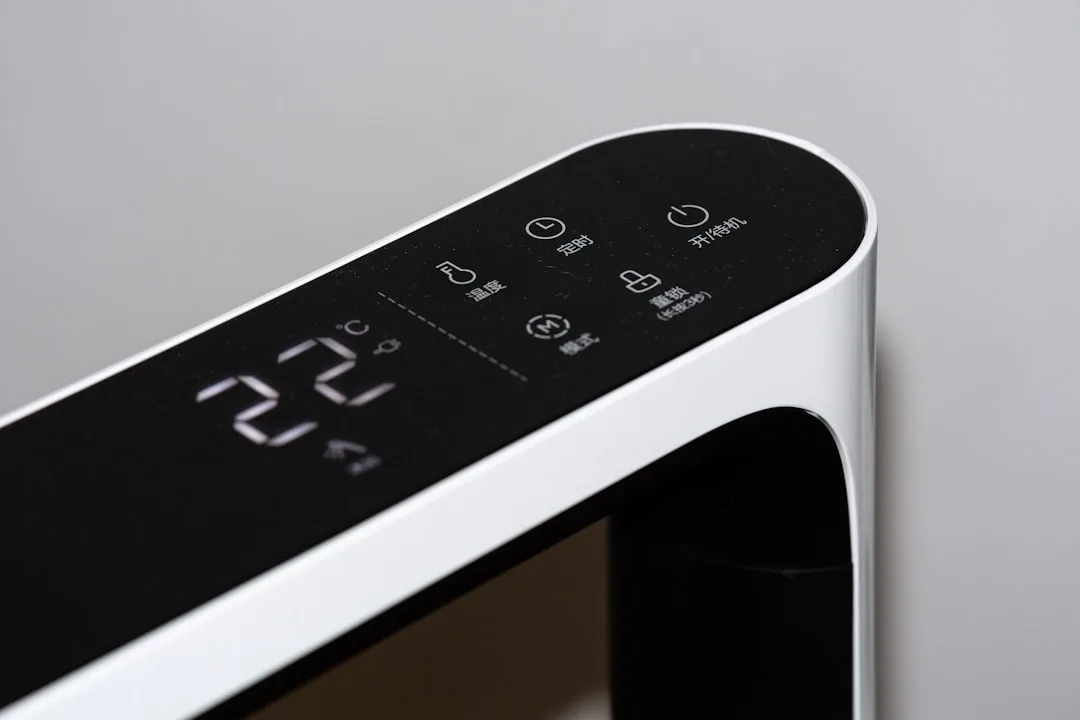
Air quality sensors are no longer luxury additions—they’re foundational wellness tools. Ambient air quality monitoring tracks carbon dioxide, volatile organic compounds, and particulates to reveal invisible threats that affect sleep, focus, and long-term respiratory health.

Thermal comfort layer monitoring represents the next frontier in personal wellness tech, moving beyond ambient room temperature to track your body’s microclimate across different layers. This shift from reactive thermostats to proactive wearable feedback is reshaping how people manage energy, comfort, and health in real time.

Smart glasses for daily living are moving beyond novelty into mainstream adoption, powered by lighter form factors and context-aware AI. Here’s why they matter and how to integrate them into your routine.
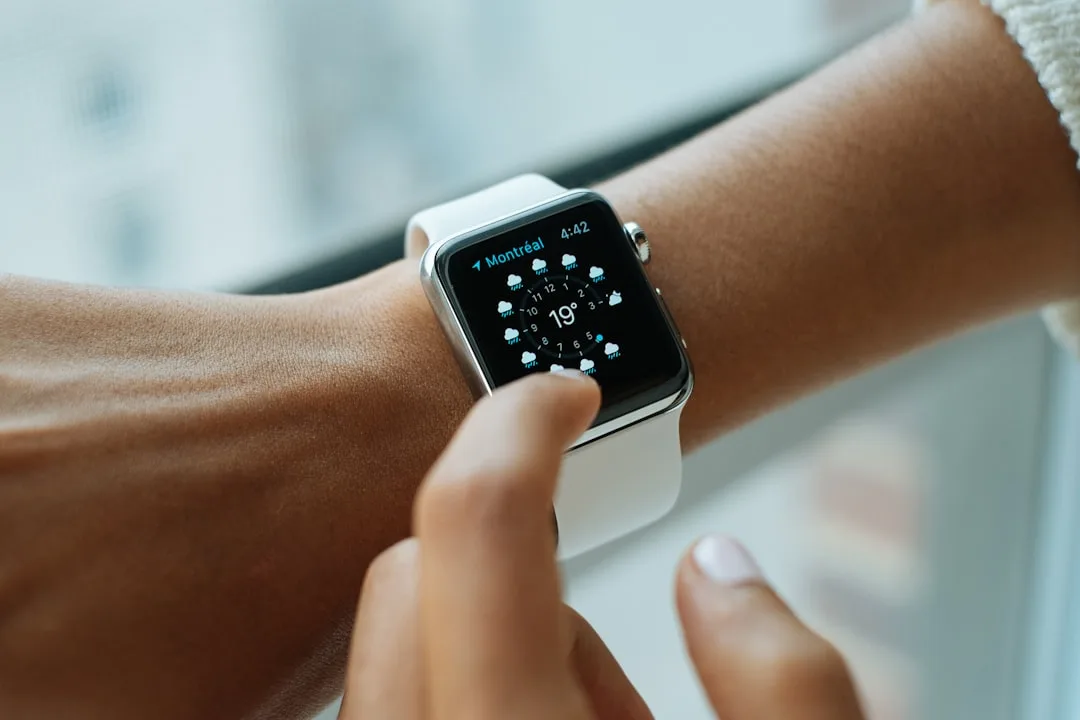
Predictive health monitoring wearables have moved beyond fitness tracking into genuine disease prevention, analyzing biomarkers to flag health risks days or weeks before symptoms surface. This shift from reactive treatment to proactive wellness is reshaping how people approach their health.
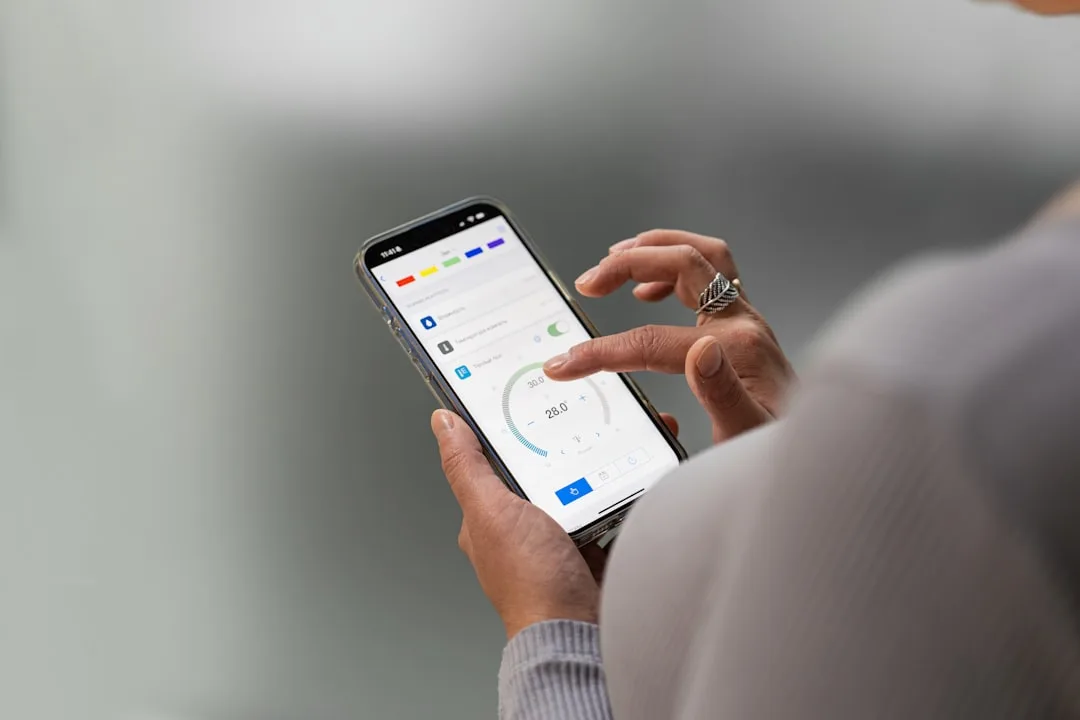
Gesture-based home control is reshaping how families interact with their homes, replacing traditional voice commands and touchscreens with intuitive hand movements. By September 2026, this technology has become the fastest-growing interface in residential automation.

Sleep environment sensors are no longer niche wellness gadgets—they’re becoming the baseline standard for anyone serious about rest quality. Real-time monitoring of light, sound, temperature, and air composition reshapes how we design bedrooms and measure sleep debt.
A strong hook video for Shorts is the difference between a clip that gets swiped past in under two seconds and one that holds attention long enough to be watched, shared, and recommended by the algorithm. On short-form platforms, the hook isn’t just an intro it’s the single editing decision that determines whether the rest … Read more
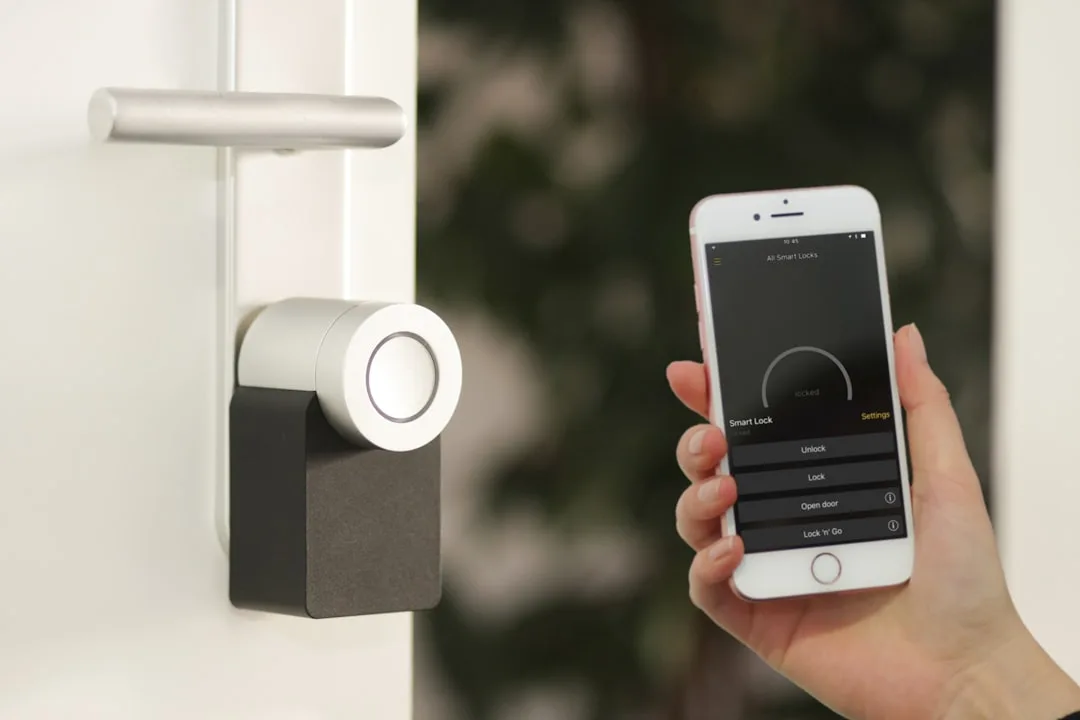
Modular smart home ecosystems are replacing rigid, all-or-nothing platforms. Homeowners now mix and match devices from competing brands, upgrade one component without replacing entire systems, and pay only for what they need.
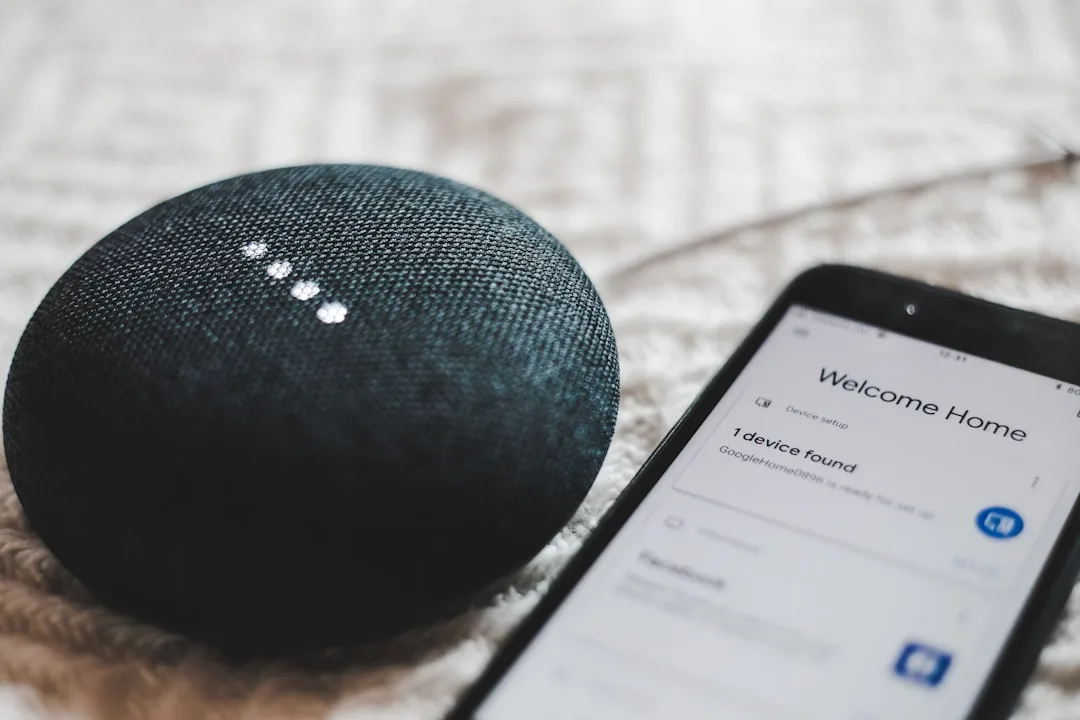
Unlike generic voice assistants, contextual AI home assistants now anticipate household needs by learning family schedules, preferences, and relationships. This shift moves smart homes from command-based to genuinely intuitive.
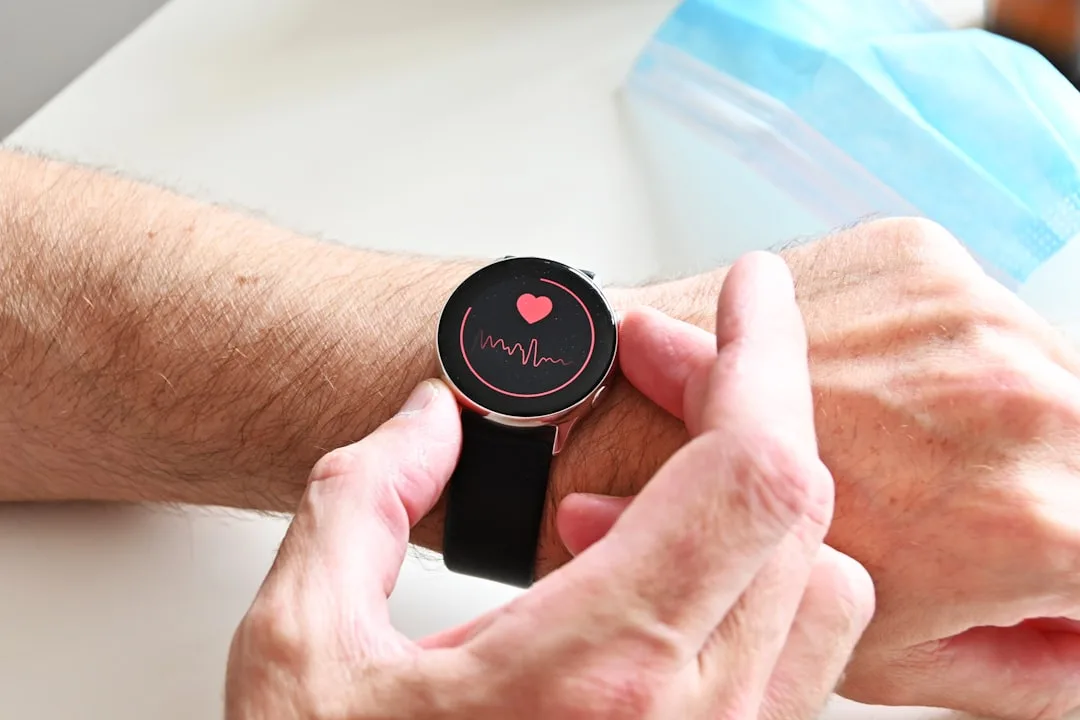
Ambient temperature monitoring has evolved beyond basic thermostats into a sophisticated wellness metric that tracks how micro-climate variations affect sleep quality, immune function, and daily comfort. Real-time thermal data now integrates with health platforms, making household temperature a measurable wellness indicator.

Real-time indoor air quality sensors are no longer niche gadgets—they’re reshaping how families understand and control the air they breathe daily. From detecting volatile organic compounds to tracking CO2 buildup, these devices connect directly to smart home systems and influence both health behavior and home design choices.

Smart posture monitoring wearables have become the fastest-growing workplace tech category in 2026, with adoption rates tripling since 2024. Real-time haptic feedback and AI spine tracking are fundamentally changing how professionals prevent chronic pain before it starts.

Biometric authentication smart homes have shifted from luxury feature to essential residential security standard. Facial recognition, fingerprint scanning, and iris verification now protect millions of homes worldwide, eliminating keys entirely and creating permanent audit trails of who entered when.
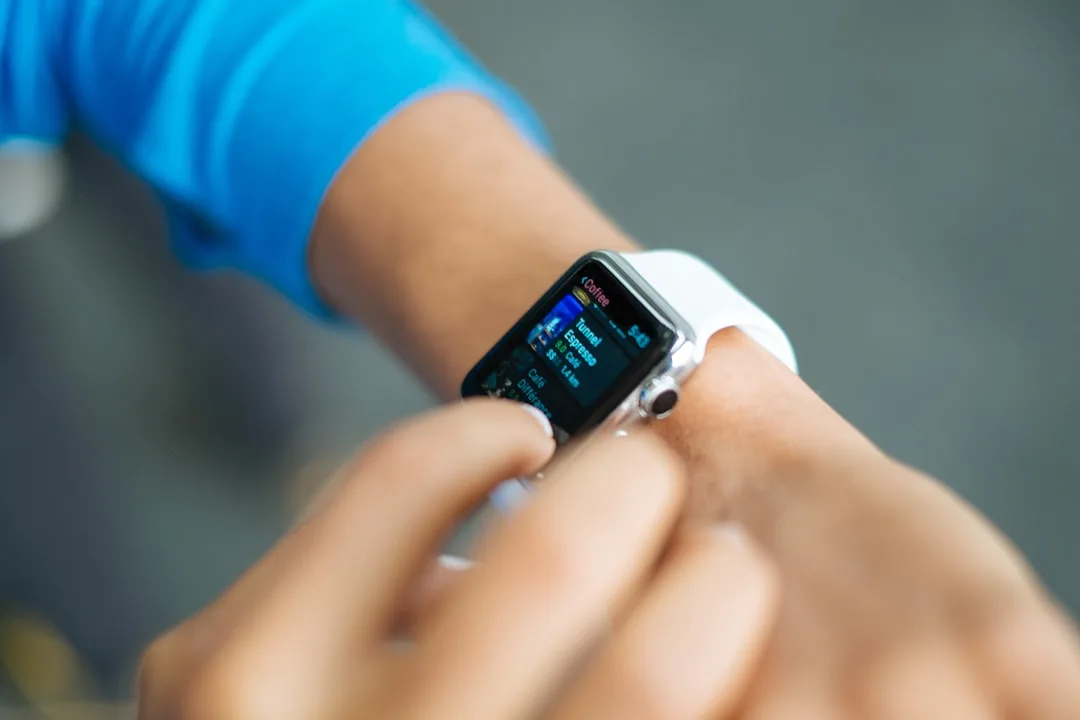
Wearable sleep trackers have evolved beyond step-counting to monitor critical overnight biometrics—heart variability, blood oxygen, sleep architecture—with medical-grade accuracy. Why this matters: overnight data reveals health risks 48 hours before symptoms appear.
AI home robots have moved beyond prototypes into functioning household assistants that learn your routines and adapt to your home’s layout. In mid-2026, adoption among early adopters is reshaping how families allocate their time and reimagine what convenience means.

You’re standing in a hospital parking lot in Barcelona. Your doctor needs your medication history, allergy records, and past test results—none of which exist in this clinic’s system. Before 2026, that meant carrying physical folders or waiting while distant servers synced. Today, you tap your portable biometric data vault and unlock your entire health profile … Read more

Your dog hasn’t touched water in six hours. You’re at work. You don’t know. By the time symptoms emerge—excessive panting, lethargy, dark urine—dehydration has already compromised kidney function and metabolic balance. This scenario repeats across millions of households daily, yet remains invisible until crisis hits. Smart pet water fountains are changing that equation. As of … Read more
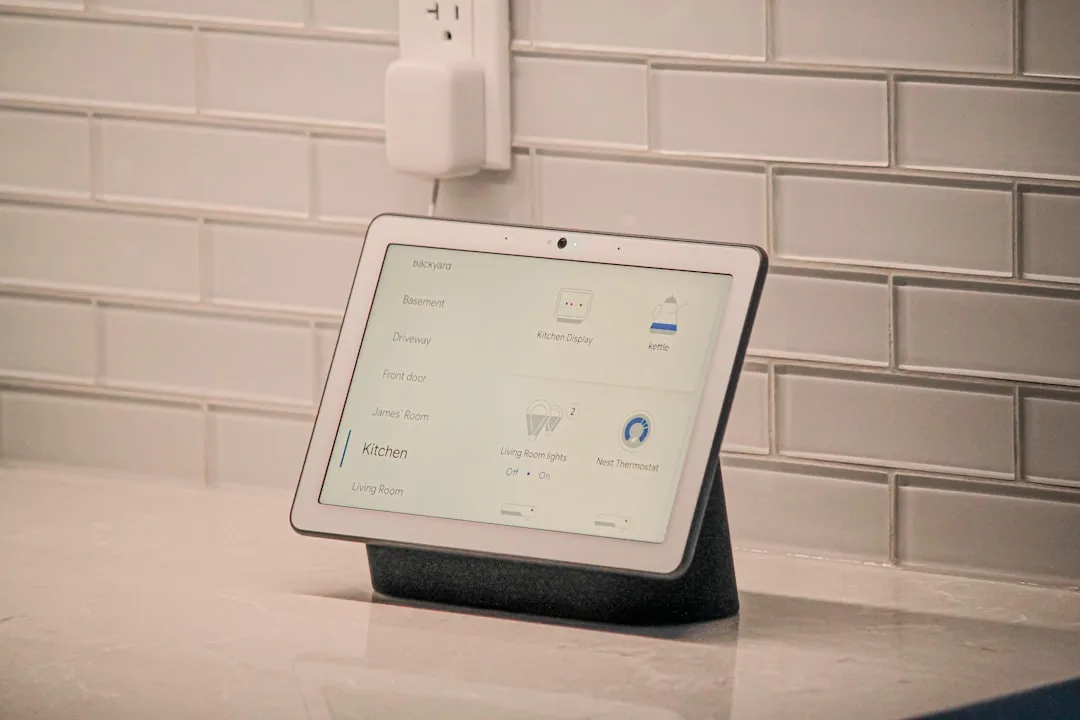
A wall in your living room glows softly, displaying the weather, your calendar, and ambient light levels—but no bezel, no frame, no clutter. This is not a television. This is ambient intelligence, and it has finally escaped the lab. In 2026, frameless smart displays are displacing traditional tablets, wall-mounted screens, and even conventional lighting panels … Read more
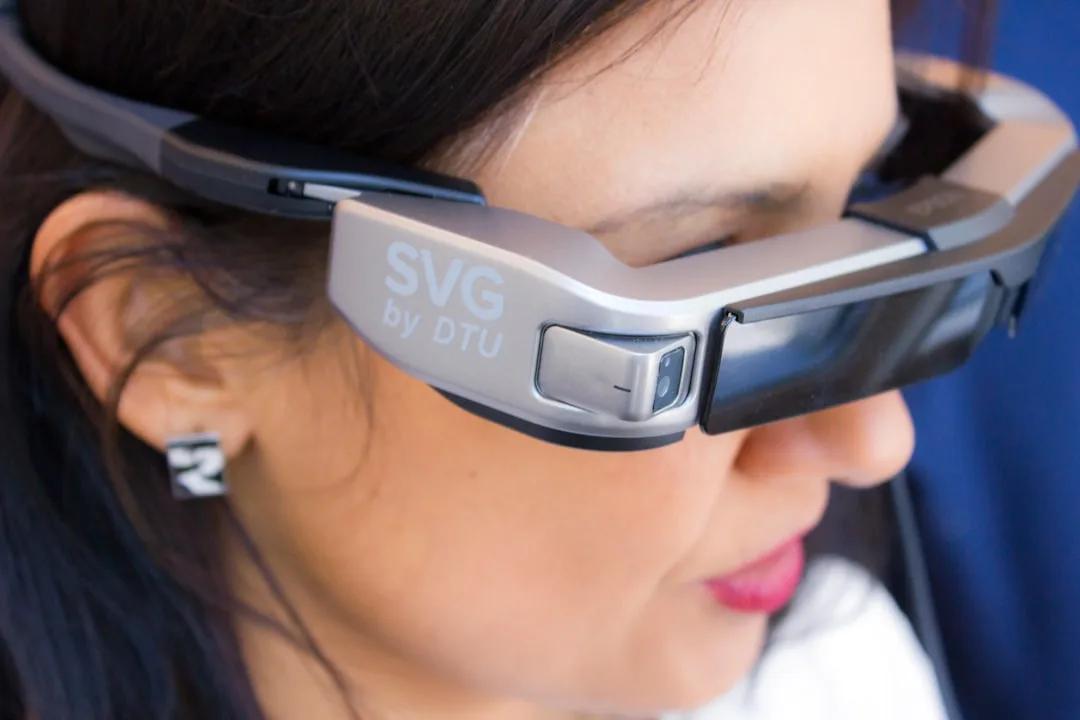
You’re walking through a crowded grocery store, and your glasses automatically highlight the items on your shopping list, adjust brightness to reduce eye strain, and translate a stranger’s conversation in real-time. Three years ago this was sci-fi. Today it’s arriving in your hands. Adaptive AI glasses represent the first genuinely personal computing device since the … Read more

You’ve lost your keys three times this month. The spare hidden under the planter got discovered by neighbors. Now, as your thumb unlocks your front door in two seconds, you realize the entire lock-and-key system your parents relied on has become obsolete. Biometric smart home locks have crossed from luxury adoption into mainstream installation across … Read more

Your hand reaches for the light switch—then stops. You think instead. Across the room, the lamp brightens. What seemed impossible two years ago is now routine. Neural interface home control, the intersection of neurotechnology and domestic automation, has moved from laboratory prototypes into 40,000+ homes worldwide as of June 2026. This isn’t voice activation 2.0; … Read more
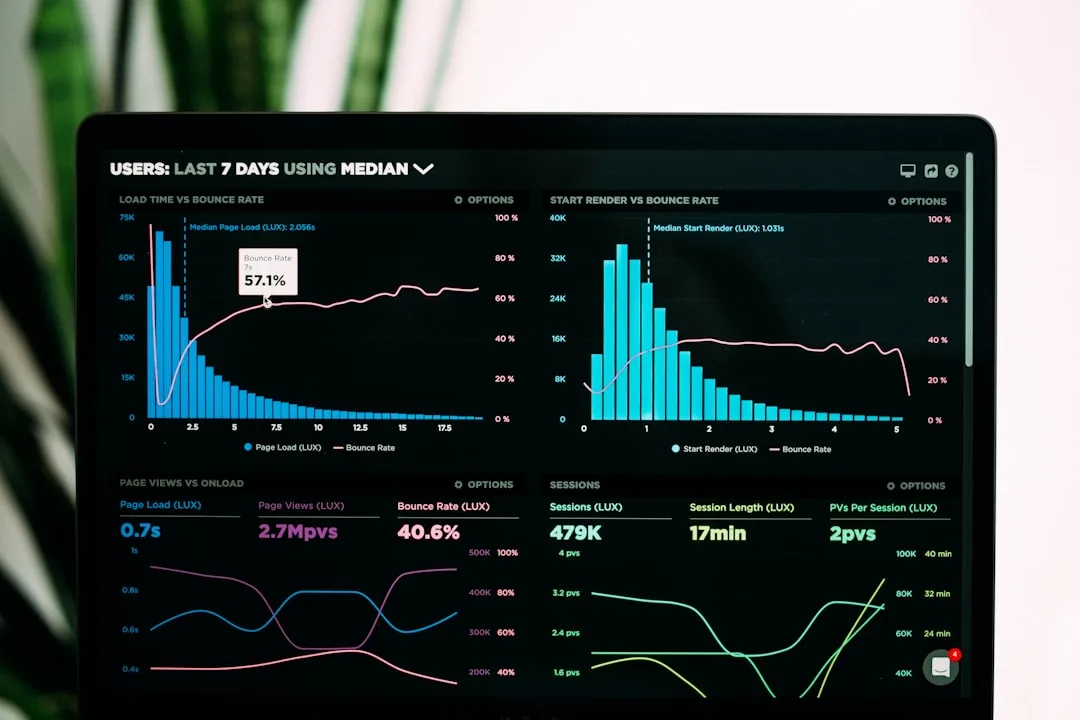
Your air conditioning unit runs at full throttle on a Tuesday afternoon when the grid demands peak power—and you’re paying premium rates for it. Meanwhile, your solar panels sit underutilized. This inefficiency is exactly what AI home energy management systems eliminate. Unlike static programmable thermostats that follow a rigid schedule, these systems learn your household … Read more
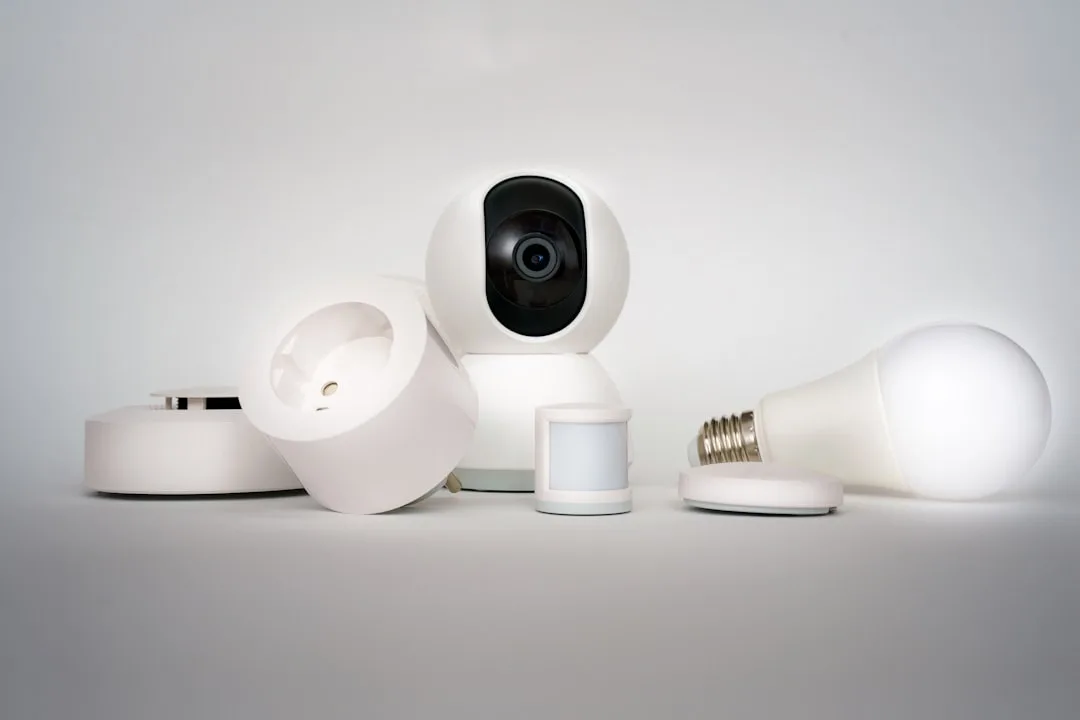
Your hand reaches for a light switch that no longer exists. Instead, you speak: “living room, 2700 kelvin.” The overhead lights shift from crisp daylight to warm amber in three seconds. This isn’t science fiction in June 2026—it’s the baseline expectation for 30 million new U.S. homes integrating voice-activated lighting systems. The trend isn’t about … Read more