How the Workforce Pell Grant pays for short job training programs

Federal Pell money can now pay for short workforce programs of 8 to under 15 weeks. Here is how approval works and what adult learners should check first.
333k+ Lifestyle & Design Ideas

Federal Pell money can now pay for short workforce programs of 8 to under 15 weeks. Here is how approval works and what adult learners should check first.

As AI makes take-home writing hard to verify, instructors are moving toward short spoken assessments. Here is how the format works, where it fails, and how to prepare.

Audio-first learning moves lessons into the hours people already spend driving, walking, or doing chores. Adults who build a fixed listening routine often finish courses that screen-based study never completed.

Voice conversation practice apps are giving adult language learners daily speaking reps that textbooks never offered. Here is why they are spreading and how to use them without wasting months.
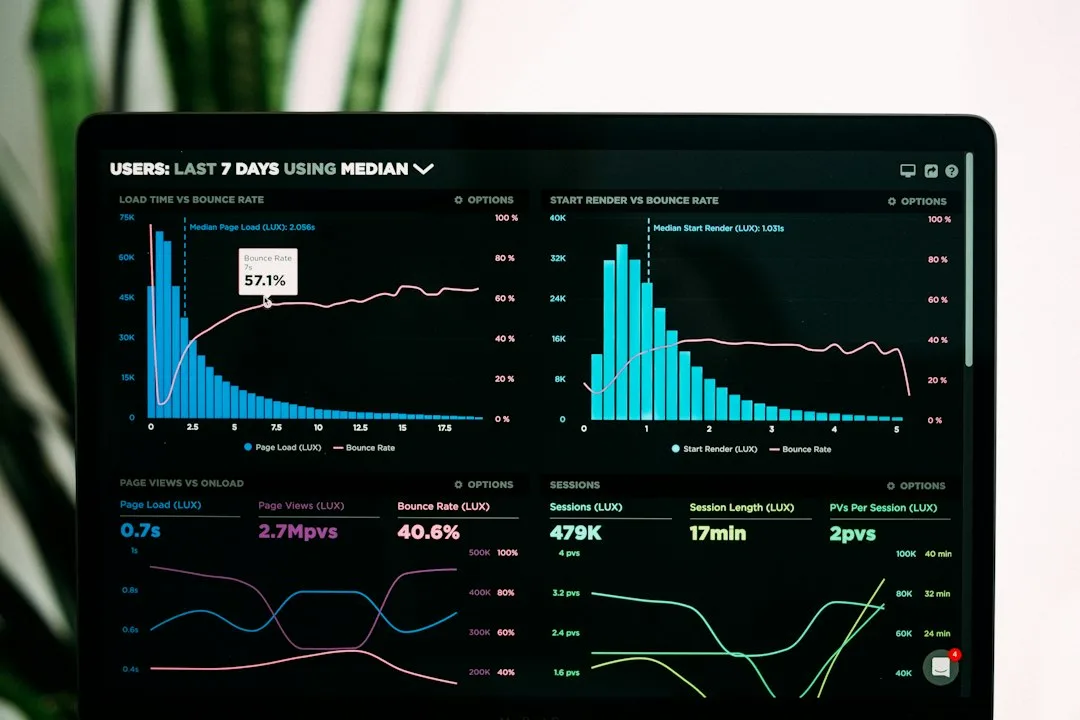
Learning experience platforms track the skills people apply at work rather than the courses they finish. Here is how HR teams can judge whether one is worth the switch.

Spaced repetition learning software is reshaping how working professionals retain complex information without burnout. By strategically spacing review sessions, learners are locking in career skills faster than traditional study methods ever could.
Synchronous learning communities—where professionals learn together in real time—are replacing isolated, self-paced study models that leave adults unmotivated and unaccountable. Live interaction with peers and instructors creates urgency, deepens retention, and builds career momentum that recorded video courses simply cannot match.

Adults are abandoning rigid sync schedules for a hybrid model: self-paced learning wrapped inside cohort accountability structures. Here’s why this shift is reshaping adult education and how to leverage it.

Online education platforms are abandoning one-size-fits-all structures in favor of neurodivergent learning design—breaking courses into sensory-aware modules, asynchronous timelines, and low-distraction interfaces. The shift isn’t just inclusive; it’s producing measurable gains in completion rates and skill mastery across all learner types.

Adults are abandoning isolated self-paced learning for asynchronous programs that combine flexible timing with peer check-ins and group accountability. This hybrid approach keeps learners engaged without forced live sessions.
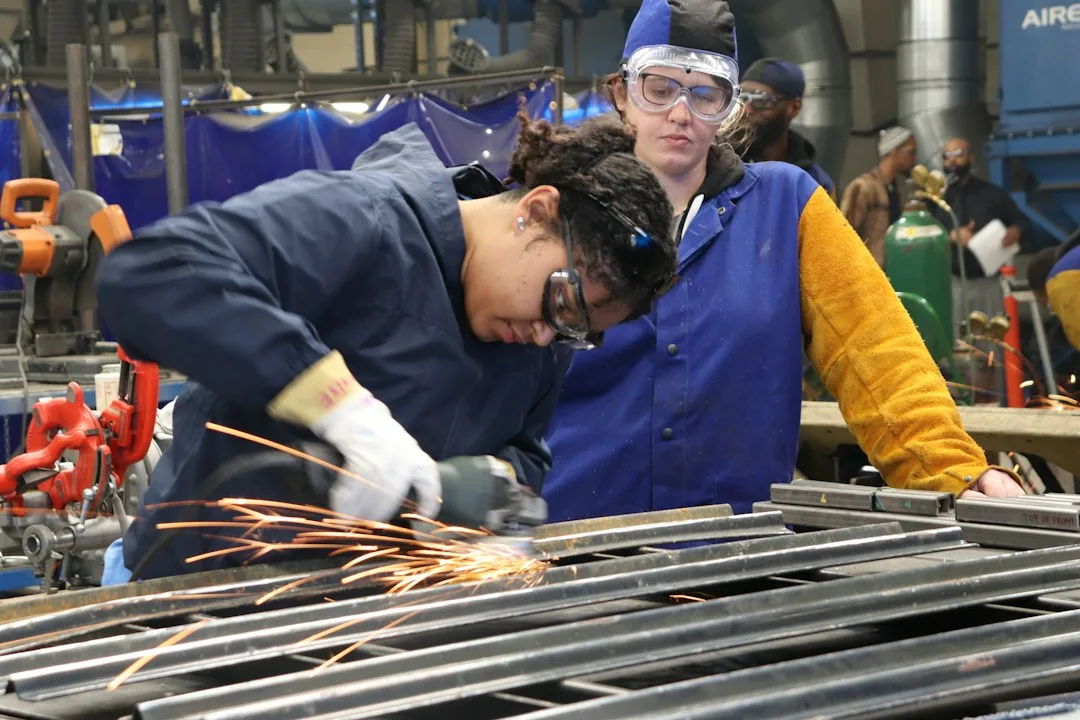
Employers across manufacturing, tech, and skilled trades now prefer vocational certification pathways over traditional four-year degrees. The trend reflects a measurable shift toward immediate competency and real-world readiness in hiring decisions.

Developer bootcamps that emphasize synchronous code collaboration—where students write alongside instructors in shared editor windows—now produce job-ready developers faster than asynchronous video models. The shift reflects a broader realization: watching someone code is fundamentally different from coding alongside them in real time.
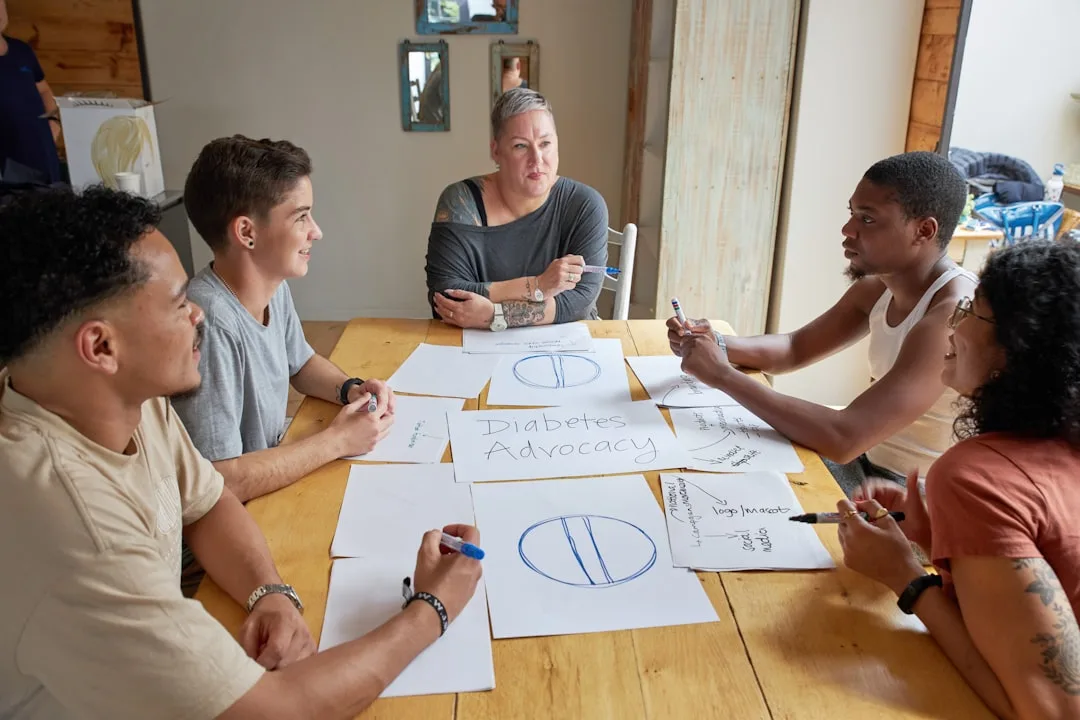
Community-based learning accountability transforms how adults approach education by replacing isolation with structured peer support and shared progress tracking. This shift moves beyond self-discipline toward mutual commitment systems that measurably increase completion rates and skill retention.
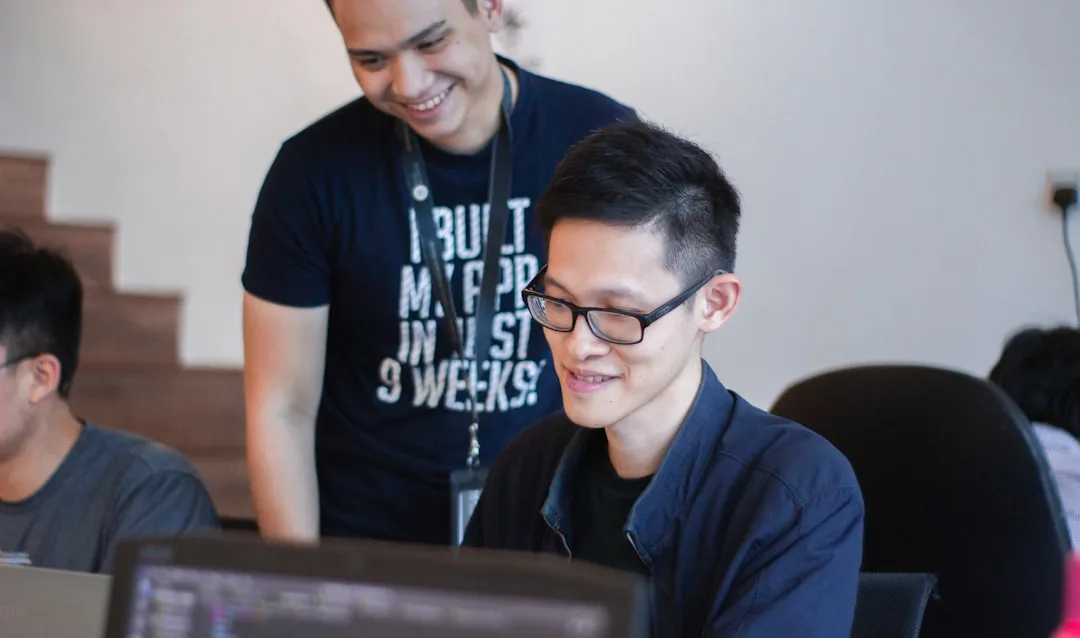
Live coding bootcamp mentorship is replacing passive video courses as the standard for developer hiring. Real-time feedback, instructor accountability, and peer collaboration are reshaping how professionals master programming at scale.

Peer review cohort learning is replacing passive solo learning with structured feedback cycles where small groups evaluate each other’s work in real time. This model combines asynchronous flexibility with synchronous accountability, forcing learners to articulate expertise while absorbing critique from peers at their level.

Group certification cohorts combine structured accountability with shared learning goals, replacing isolated online study. Professionals now complete high-stakes credentials faster by learning alongside peers with synchronized schedules and real-time feedback.
Fortune 500 companies are ditching static training modules for generative AI systems that build unique learning paths for each employee in real time. The shift cuts training completion time by weeks while matching individual learning speeds and knowledge gaps.

Employers in 2026 are moving past degrees to verify actual skills through blockchain-backed certification platforms. This shift means faster hiring, better role-fit matching, and genuine accountability for what workers claim they know.

Adaptive learning pathways detect individual knowledge gaps and adjust content in real time, replacing one-size-fits-all corporate training. This shift lets professionals master only what they actually need, faster.
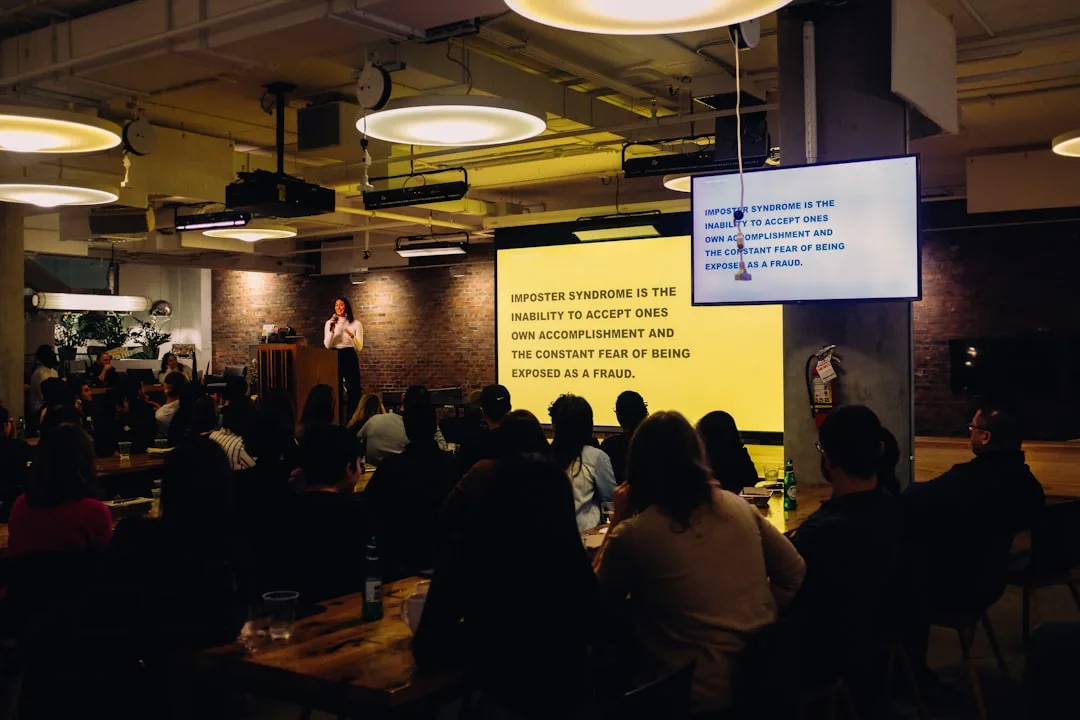
Asynchronous learning communities are fundamentally changing how working adults acquire new skills without sacrificing their job responsibilities or family time. Unlike traditional cohorts that demand live attendance, these communities let learners contribute on their own schedule while maintaining real accountability through structured peer feedback and milestone-based progression.
Hybrid learning models—blending live instructor sessions with self-paced modules—are reshaping how professionals build job skills without sacrificing productivity. Organizations report measurable gains in employee retention and skill mastery when workers access training on their own schedule alongside group mentorship.
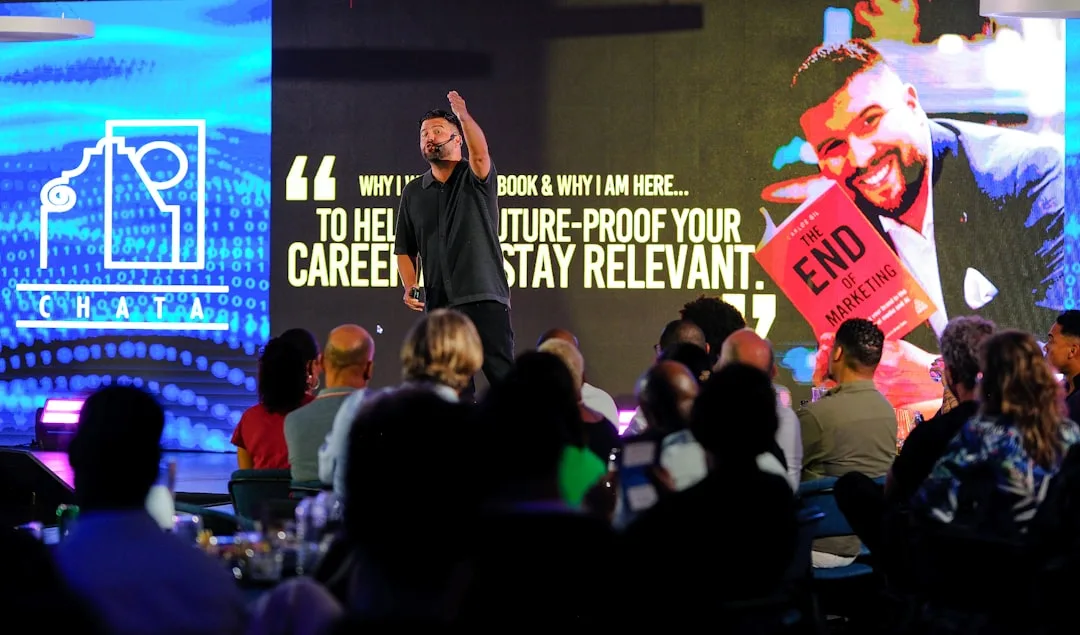
Micro-credentials—bite-sized certifications that prove one concrete skill—are replacing traditional degree-only hiring in 2026. Professionals now stack these credentials to build employer-verified proof of competency faster than waiting four years.
Professionals are ditching one-size-fits-all courses for AI-powered learning assistants that adapt to their pace, learning style, and career goals in real time. These systems deliver personalized feedback, identify knowledge gaps, and suggest exactly what to study next—without human bottlenecks.
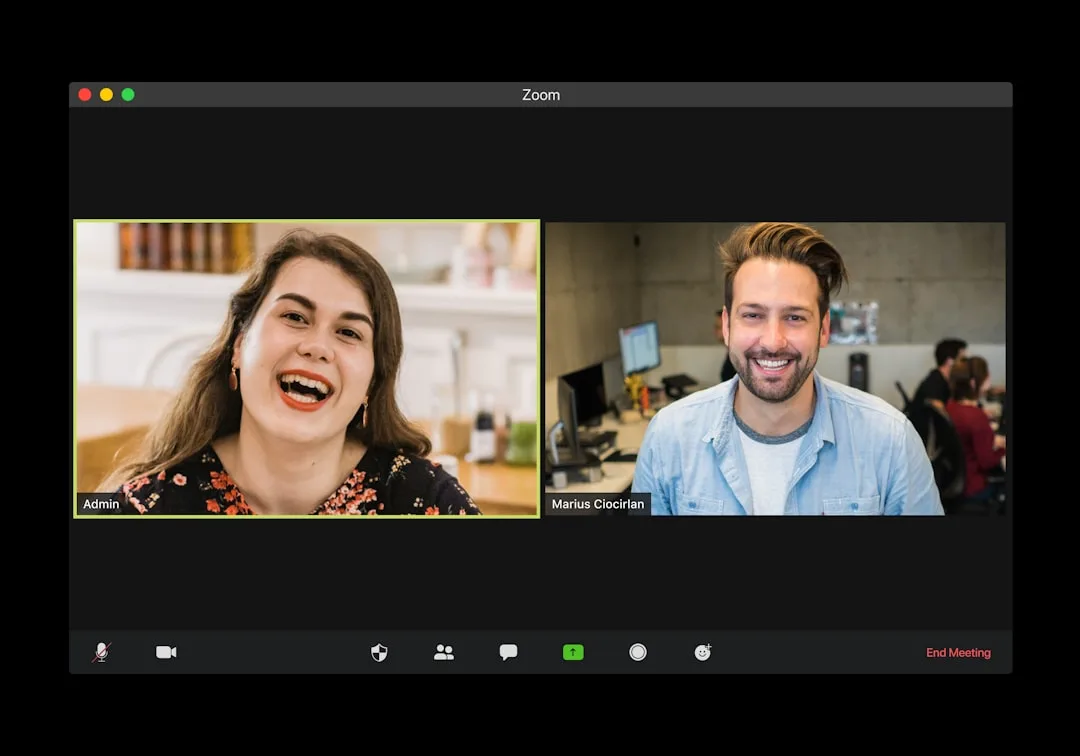
Live synchronous learning communities are replacing isolated online study. Real-time peer interaction and shared deadlines create accountability that asynchronous models never achieved.

Live instructor mentorship learning is replacing pre-recorded video courses as adults demand real-time feedback and human connection. Platforms offering synchronous mentorship now show higher completion rates than asynchronous alternatives.
Structured group learning cohorts have become the fastest path for working adults to master new skills. Peer accountability, shared deadlines, and real-time feedback replace isolated video courses entirely.
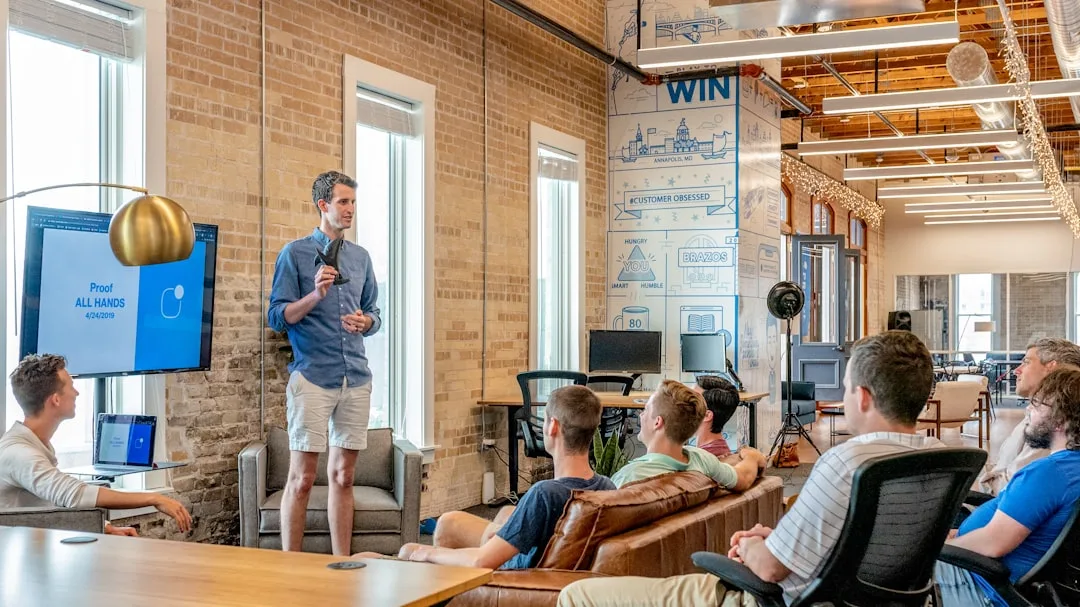
New hires face information overload during their first week. Corporate onboarding AI assistants now deliver just-in-time answers and personalized workflows, cutting time-to-productivity from months to weeks.

Self-paced cohort learning models combine individual learning flexibility with group accountability, reshaping how working professionals master new skills without rigid schedules. This hybrid approach is capturing market share from both traditional bootcamps and fully asynchronous platforms.
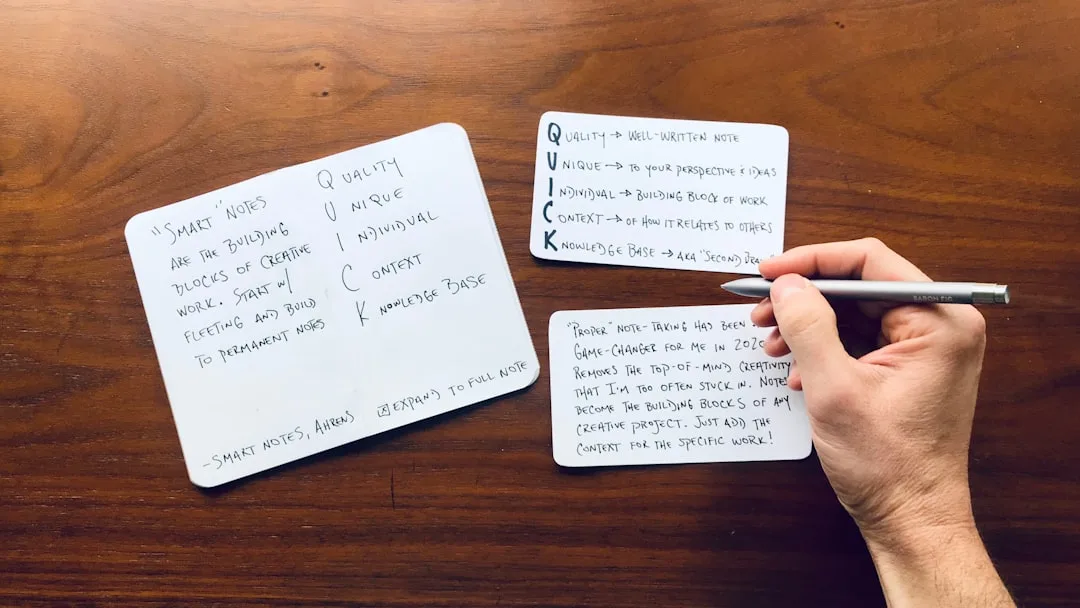
Spaced repetition learning software is reshaping corporate training by making knowledge stick. Professionals are ditching cramming for scientifically-timed review cycles that slash forgetting rates.

Asynchronous learning communities are replacing synchronous cohorts as the dominant remote education model. By decoupling learning from live schedules, students across time zones now achieve higher accountability through structured peer feedback and milestone-driven progress tracking.
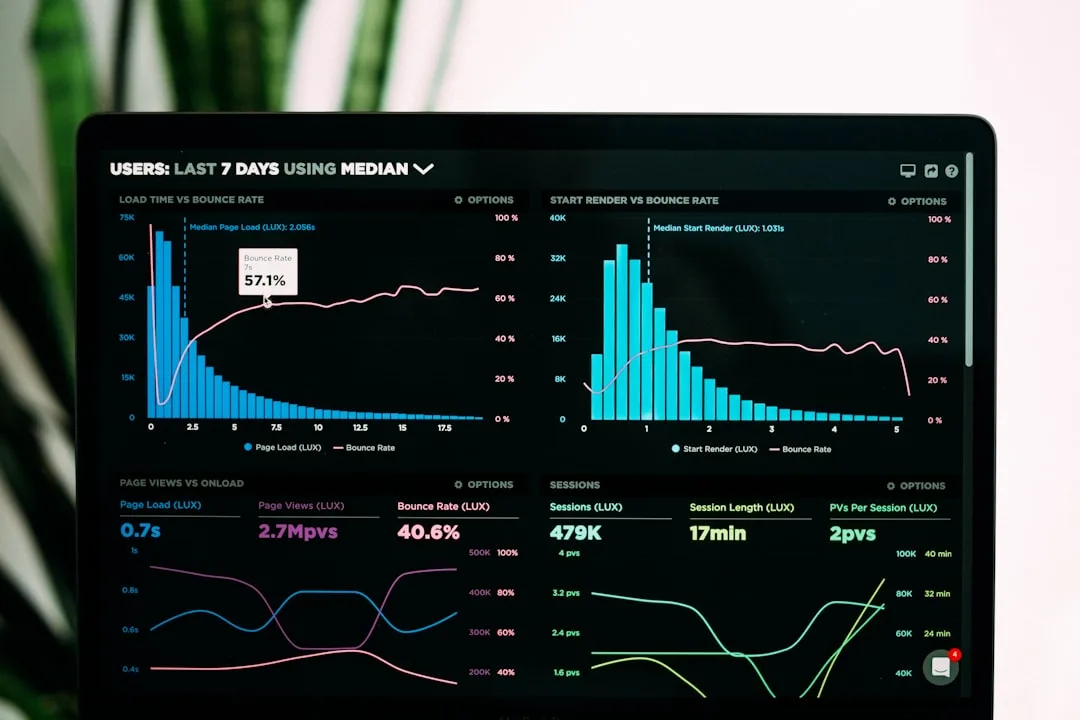
Competency-based learning platforms are replacing degree timelines with proof-of-skill credentials, letting working adults master job-ready competencies in weeks instead of semesters. Employers now prioritize what you can *do* over where you studied.
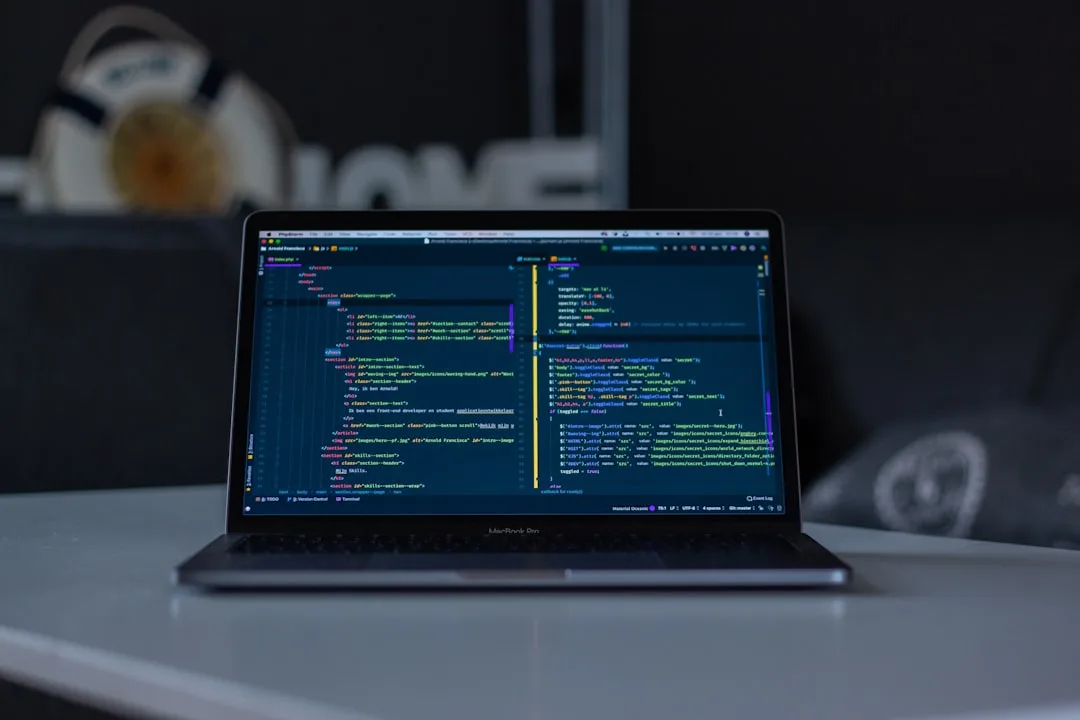
Interactive, real-time mentorship within coding bootcamps has become the dominant model for aspiring developers, replacing asynchronous video libraries entirely. Employers now prioritize live cohort graduates over self-paced learners.
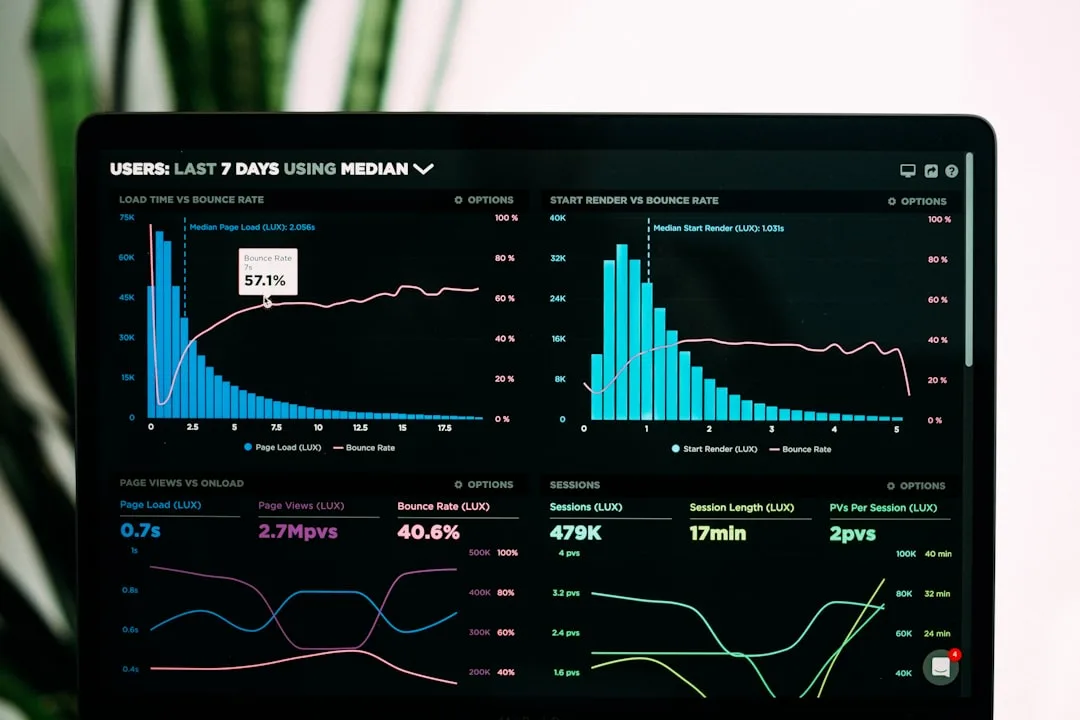
Schools have stopped experimenting with AI tools and started demanding proof. The bottleneck isn’t access anymore—it’s governance, accountability, and clear measurement of what actually moves the needle for students.