Best Pets for Your Lifestyle and Home Situation
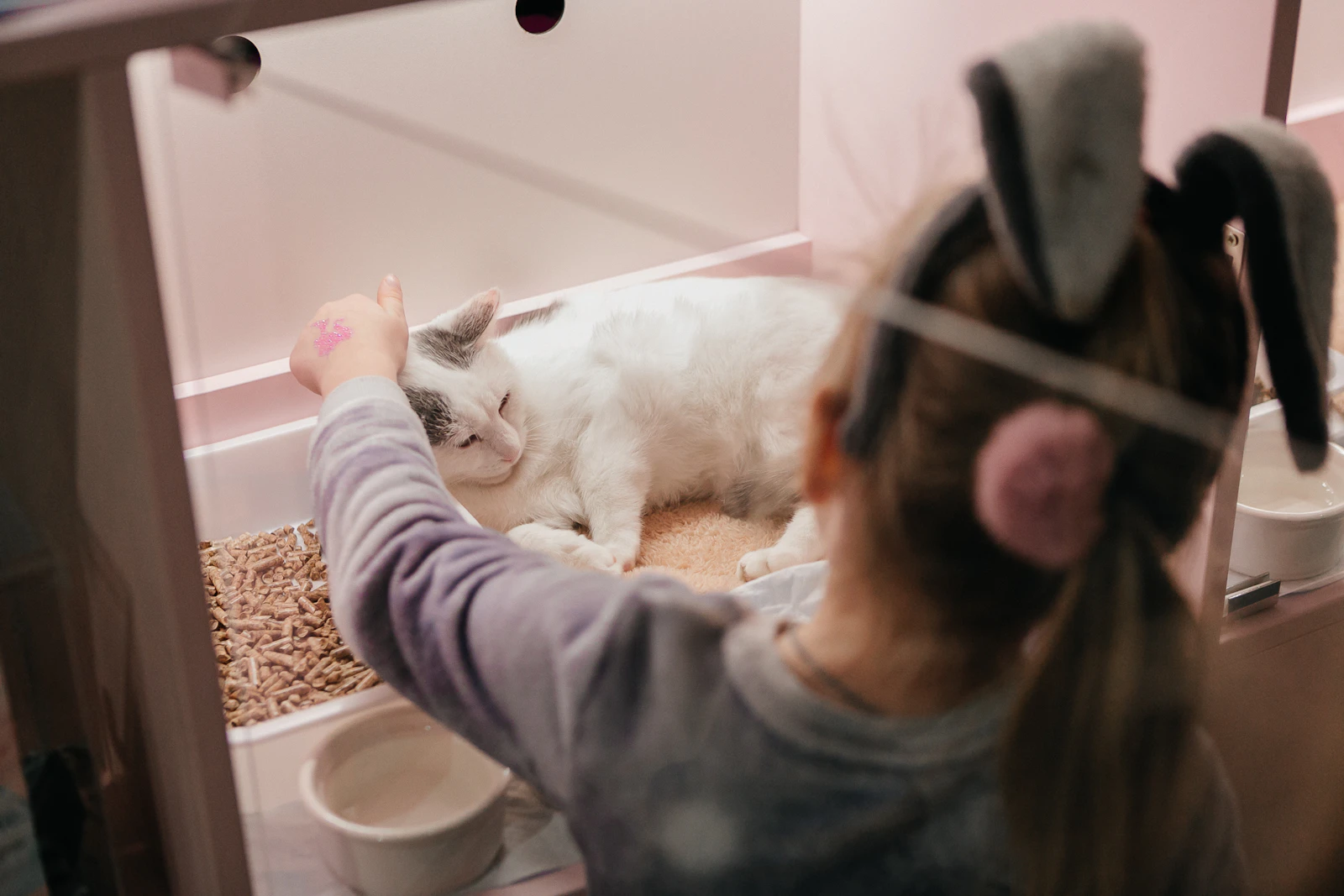
The best pet is the one that matches your time, space, budget and plans. Here is how to compare common pets and decide, including what to consider before adopting around the holidays.
333k+ Lifestyle & Design Ideas

The best pet is the one that matches your time, space, budget and plans. Here is how to compare common pets and decide, including what to consider before adopting around the holidays.

Plain turkey, pumpkin and green beans can join the holiday, while skin, bones, stuffing and sweets cannot. Here is how to set aside a dog-safe plate before the seasoning goes on.

Pet cameras with treat tossing let owners check on dogs, speak through the device, and reward calm behavior during workdays. The category has moved from novelty gadgets to everyday household tools.
Tinsel, string lights, lilies, and candles cause many holiday emergencies for pets. Planning placement before decorating starts keeps curious cats and dogs safe.

Dental disease is one of the most common problems vets see in adult dogs and cats, and much of it can be managed at home. Daily brushing, VOHC-accepted products, and regular lip checks change the outcome.

Pet odor eliminator systems use enzyme catalysts and activated carbon to break down ammonia molecules rather than masking them with fragrance. These systems now integrate with smart home climate controls, replacing spray-based approaches that fade within hours.

Pet GPS tracking collars have evolved beyond basic tags into sophisticated devices that provide real-time location updates, geofencing alerts, and cellular redundancy. As pet escape incidents rise 12% annually, owners are adopting these collars as primary safety tools alongside microchipping.

As September’s seasonal shift brings cooler weather and closed windows, pet owners are discovering that indoor humidity directly impacts respiratory health—and smart humidity management systems are becoming the answer veterinarians recommend.
Pet emergencies can happen without warning. An accident during a walk, sudden illness, or unexpected change in behavior can leave owners needing to make decisions quickly. While it is impossible to prepare for every situation, having a few practical measures in place can make an emergency easier to manage. Here are some essential preparations every … Read more
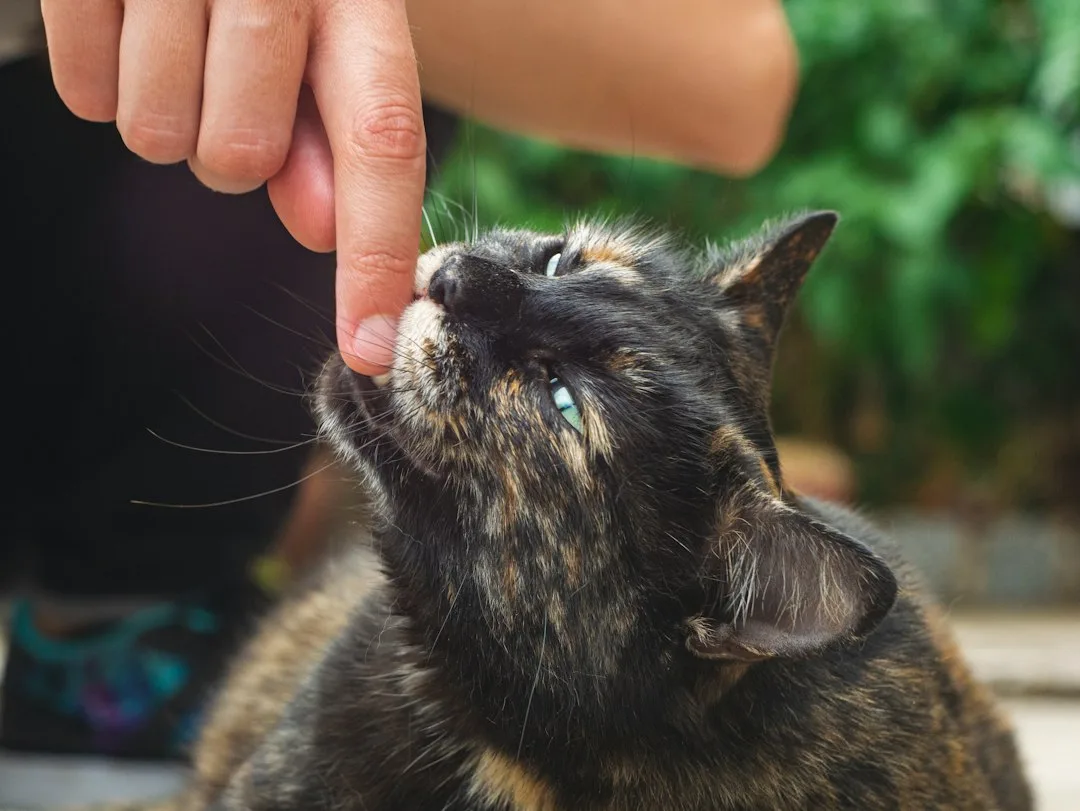
Multi-pet households are discovering that structured cat training—beyond basic litter box habits—reshapes how cats and dogs coexist. Strategic training prevents territorial tension and creates calm, predictable home environments.
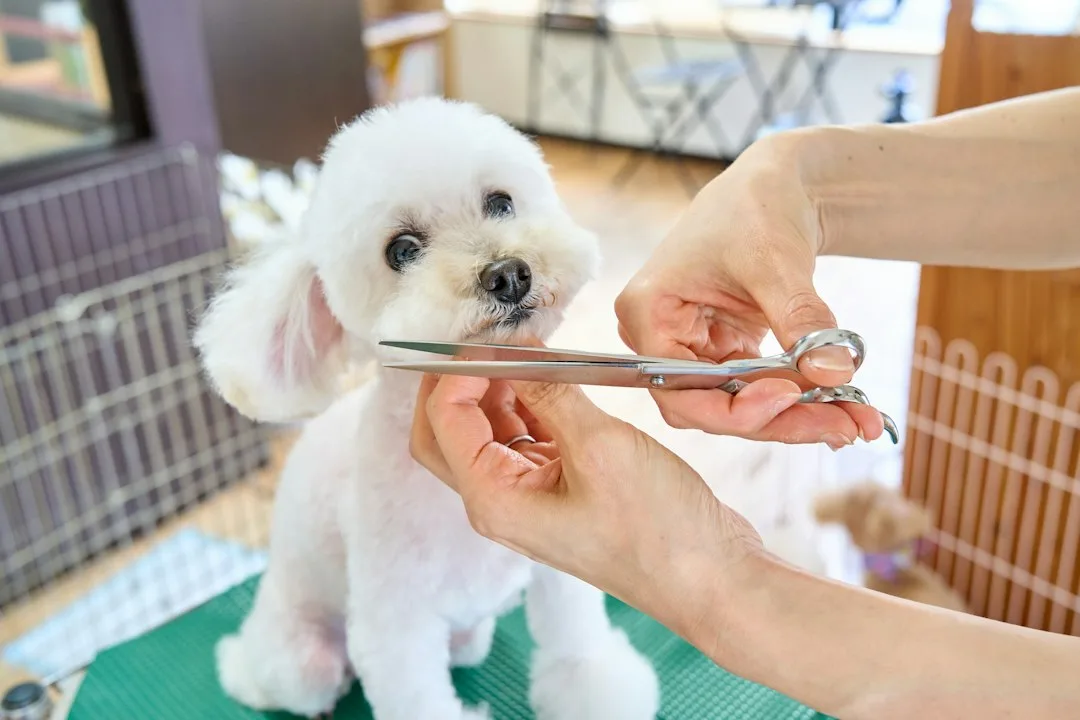
Pet grooming frequency standards are reshaping how owners prevent behavioral issues, skin infections, and coat deterioration in 2026. Most owners groom on impulse rather than schedule—a costly mistake that compounds over time.

Pet waste odor control has evolved beyond standard cleanup. Enzymatic materials and containment systems now eliminate odors at the source, transforming how owners maintain outdoor spaces.

At-home pet allergy testing kits are reshaping how owners detect food and environmental sensitivities before they develop into chronic issues. Early detection saves money, reduces vet visits, and prevents behavioral changes tied to allergic reactions.
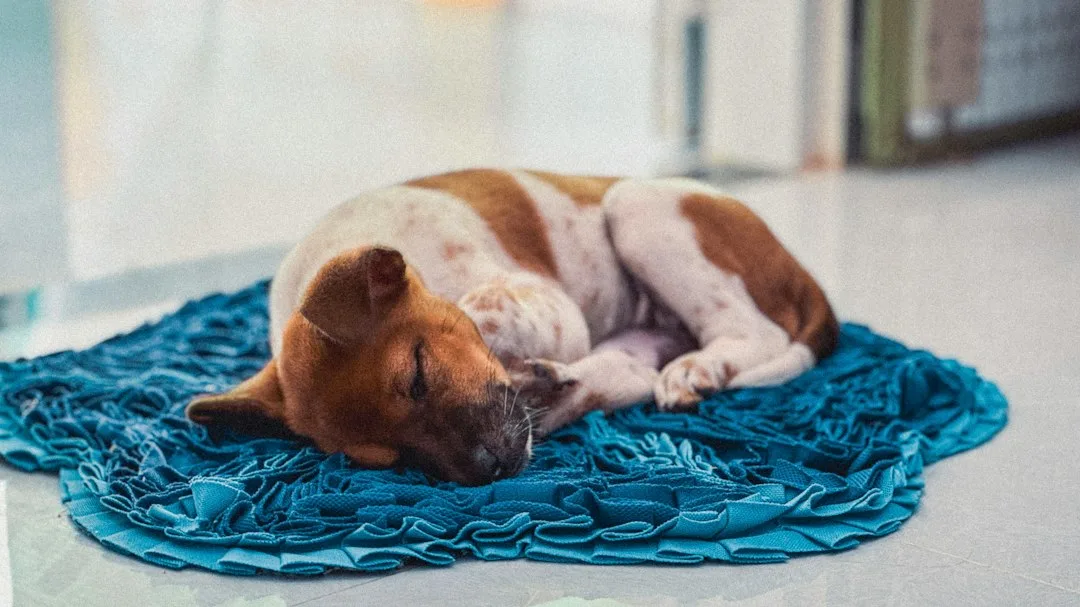
As climate patterns shift, pet thermal comfort has become a core wellness category. Owners now invest in temperature-regulating products that prevent heat stress, cold exposure, and behavioral anxiety tied to discomfort.
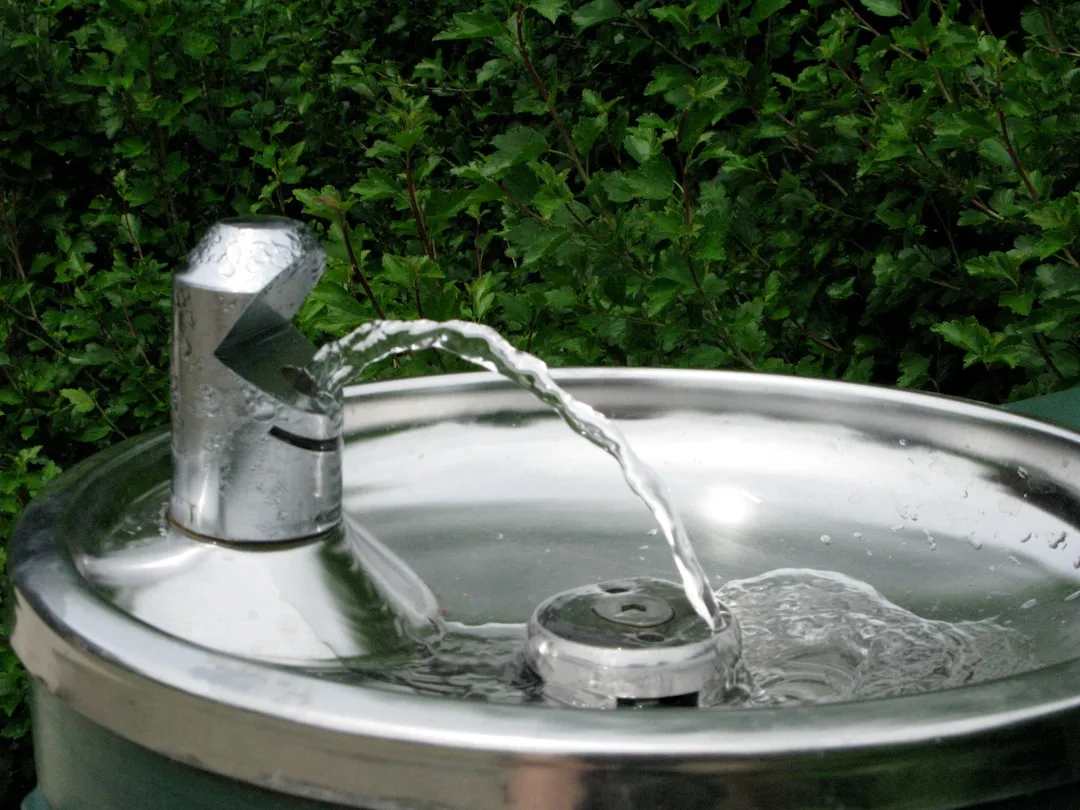
Smart water systems are reshaping how pet owners maintain hydration without guesswork. Veterinarians now track fluid consumption as a primary wellness indicator, making automated monitoring systems essential for detecting early illness signs.

Pets don’t mark territory randomly—they’re communicating stress, security, and social hierarchy through scent. Understanding pet scent marking behavior is reshaping how owners design living spaces, choose materials, and arrange furniture.
Pet companionship enclosures are transforming how owners manage multiple animals and create defined behavioral zones within open-concept homes. These modular systems replace generic baby gates with purpose-built spaces that support both pet safety and interior design.

Digital training platforms are shifting how pet owners manage behavior from reactive corrections to measurable, remote-guided progress. Real-time feedback and AI-assisted tracking replace guesswork with accountability.
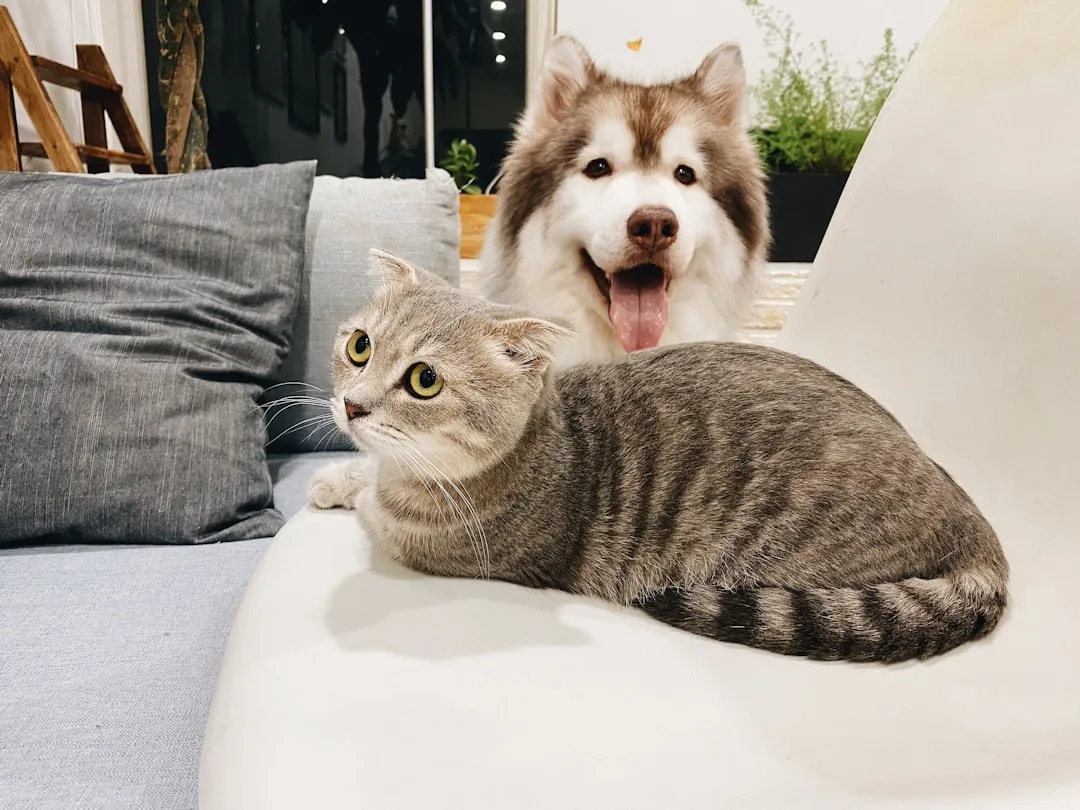
Pet owners no longer face the guilt-ridden choice between traveling and leaving their animals behind. Premium boarding facilities have evolved into comprehensive care centers that monitor behavior, health, and emotional well-being while owners are away.
Structured pet socialization spaces have become the missing piece in dog development. These dedicated zones—from backyard enclosures to community pavilions—replace chaotic dog park chaos with intentional, supervised interaction.
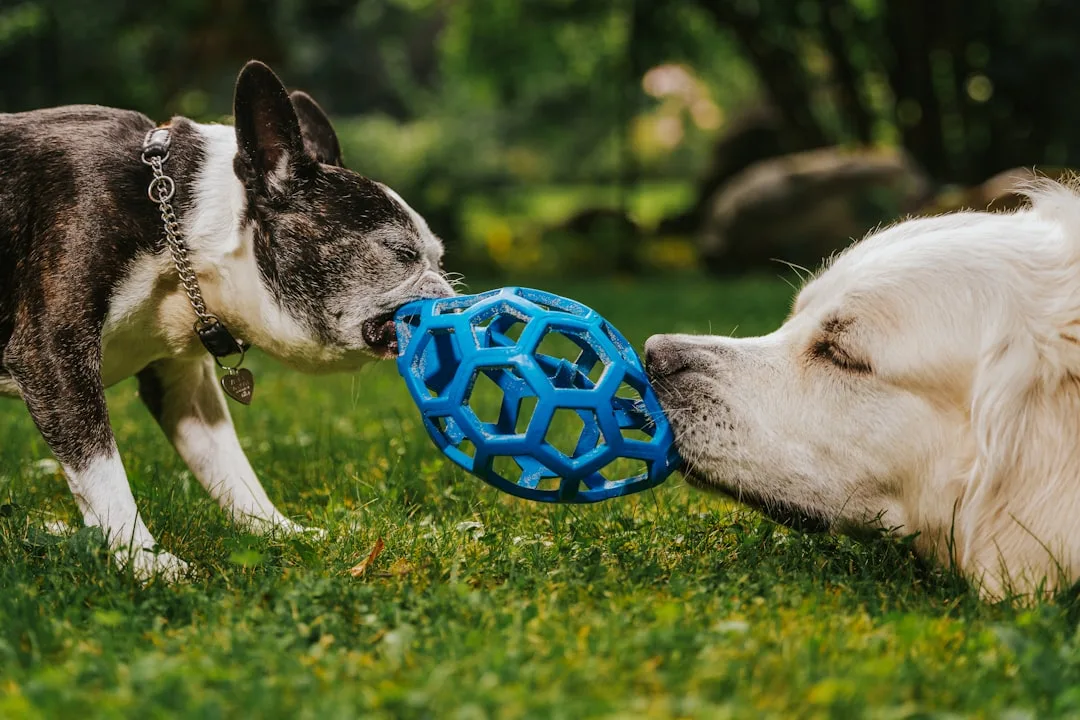
Pet enrichment activities have shifted from optional luxury to veterinary necessity in 2026. Behavioral specialists now prescribe specific enrichment protocols to prevent anxiety, aggression, and destructive habits before they start.

Professional pet training classes have evolved beyond dominance-based methods into collaborative, science-backed programs where owners become active participants in behavior modification. This shift is reshaping how dogs and cats develop healthy habits—and why trainers now emphasize individual learning styles over generic commands.
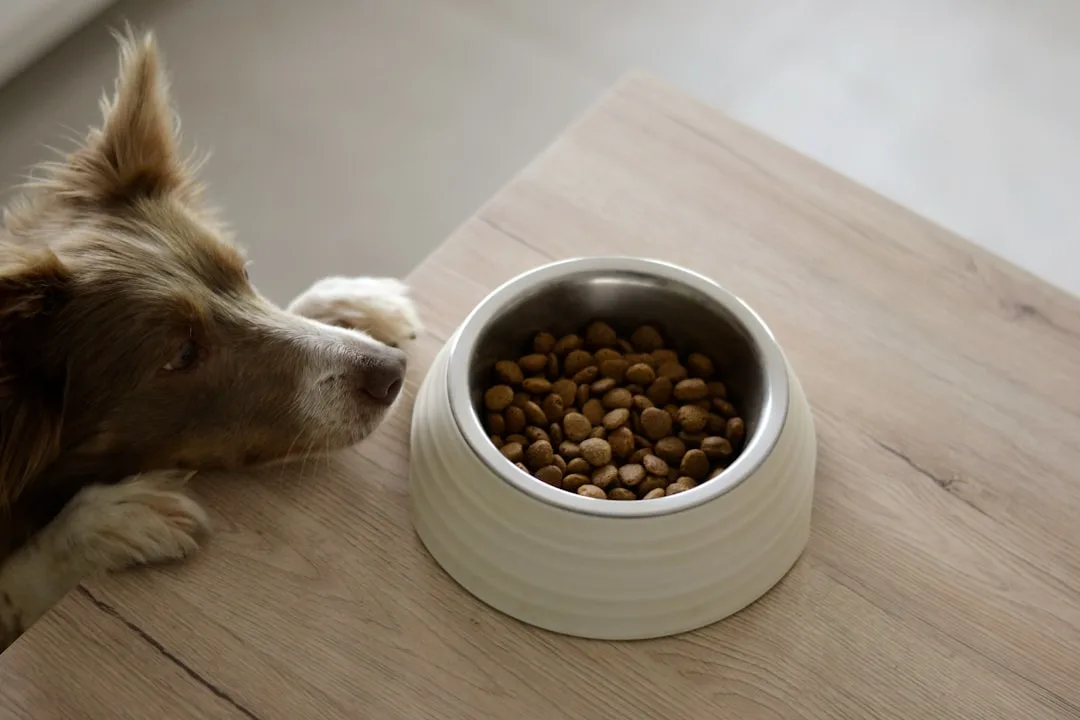
As pet owners increasingly seek to extend active lifespans, senior pet nutrition plans have shifted from generic formulas to species-specific, age-targeted protocols. Veterinarians now recommend tailored feeding strategies that address metabolic slowdown, joint degradation, and cognitive decline rather than one-size-fits-all senior kibble.

Unfortunately, pets suffer most when owners wait to see if symptoms improve on their own. Imagine your dog retching repeatedly and bringing nothing up, or your cat visiting the litter box six times in an hour but leaving it dry. Now think of a terrier who swallows a stick of sugar-free gum. All three of … Read more

Sleep patterns in dogs and cats now carry diagnostic weight equal to eating habits and activity levels. Understanding your pet’s rest architecture—not just duration—signals metabolic, behavioral, and immune shifts before symptoms appear.
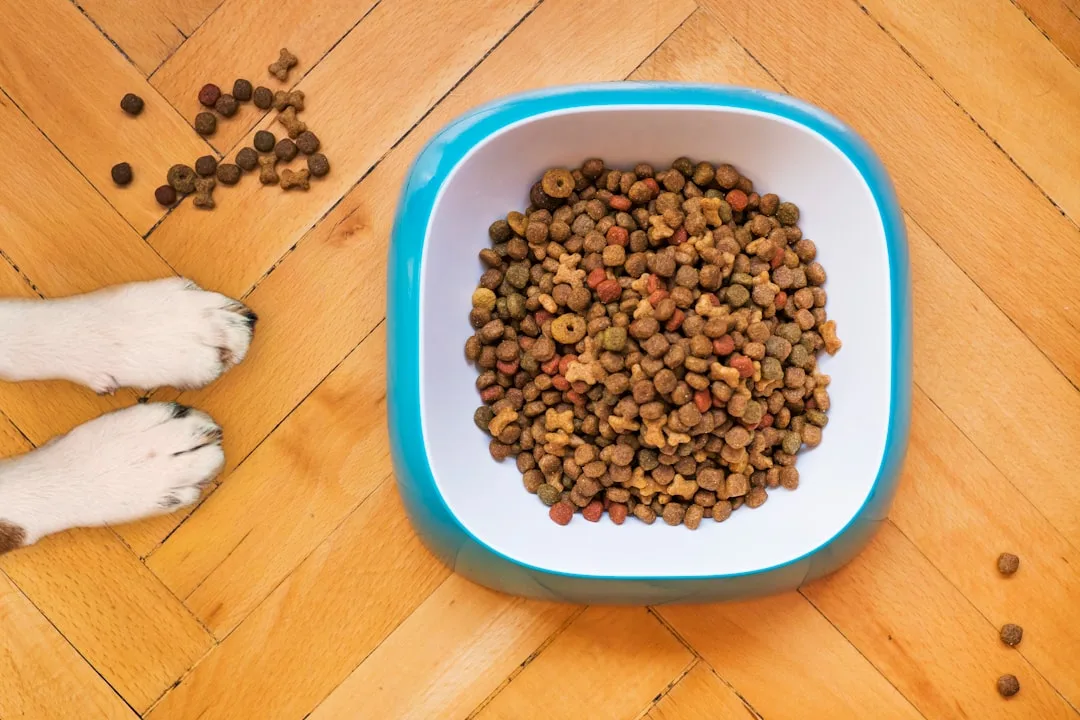
As pet nutrition becomes central to wellness, understanding ingredient hierarchy and manufacturing transparency is no longer optional. Most owners misread labels entirely, missing critical signals about protein sourcing and meal density that directly impact lifespan.
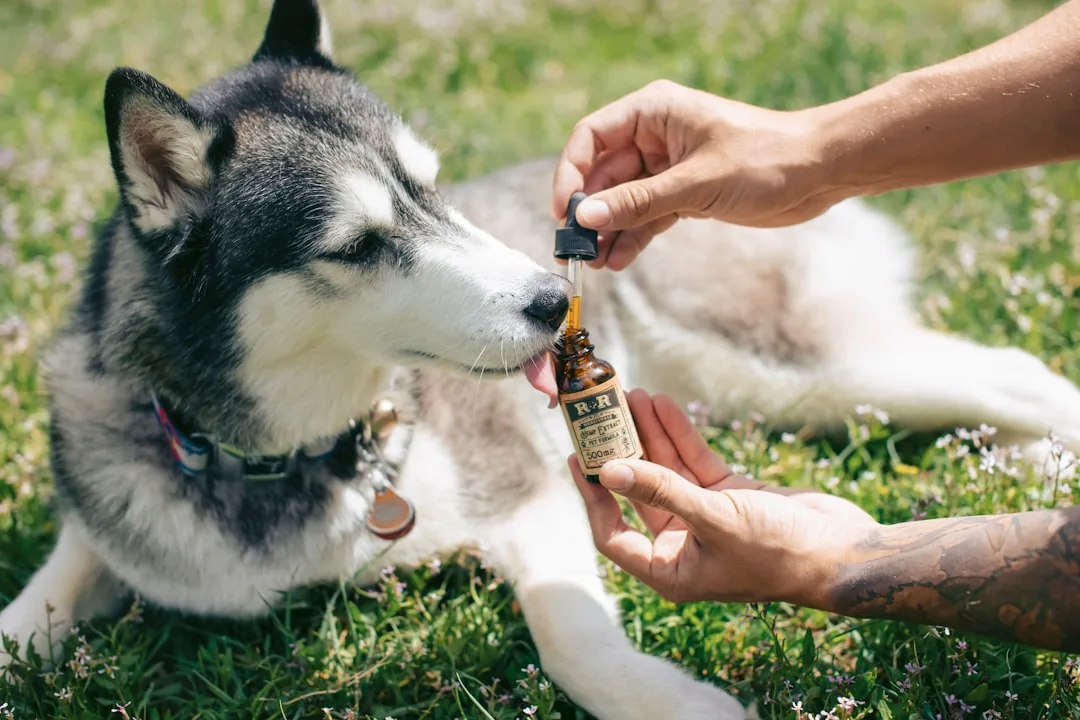
Pet owners are moving beyond benzodiazepines and SSRIs toward behavioral, environmental, and emerging tech-based solutions for anxiety. These alternatives address root causes while avoiding pharmaceutical dependencies.

Pet adoption from shelters has become the dominant pathway for new pet ownership in 2026, driven by advanced behavioral matching systems, transparent health histories, and community-centered support networks. Shelters are no longer afterthoughts—they’re the preferred source for families seeking certainty, ethical alignment, and post-adoption guidance.
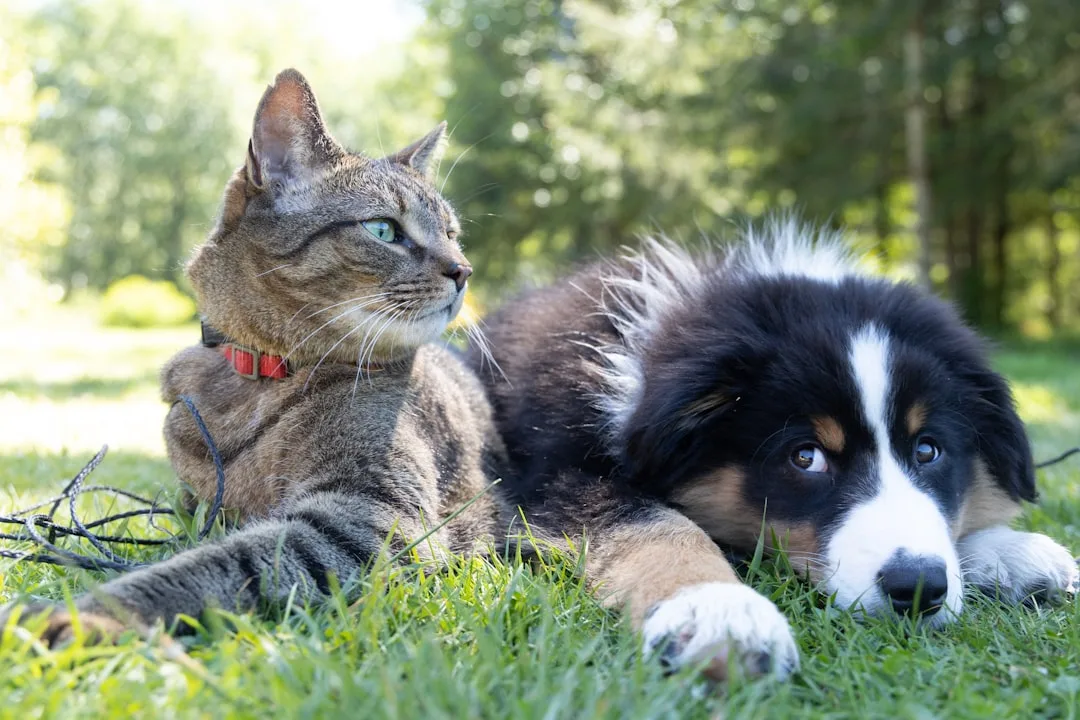
Pet microbiome supplements have evolved far beyond simple probiotic powders. Veterinarians now recommend targeted formulas that restore gut flora diversity, reduce inflammation, and improve nutrient absorption in ways single-strain probiotics simply cannot.
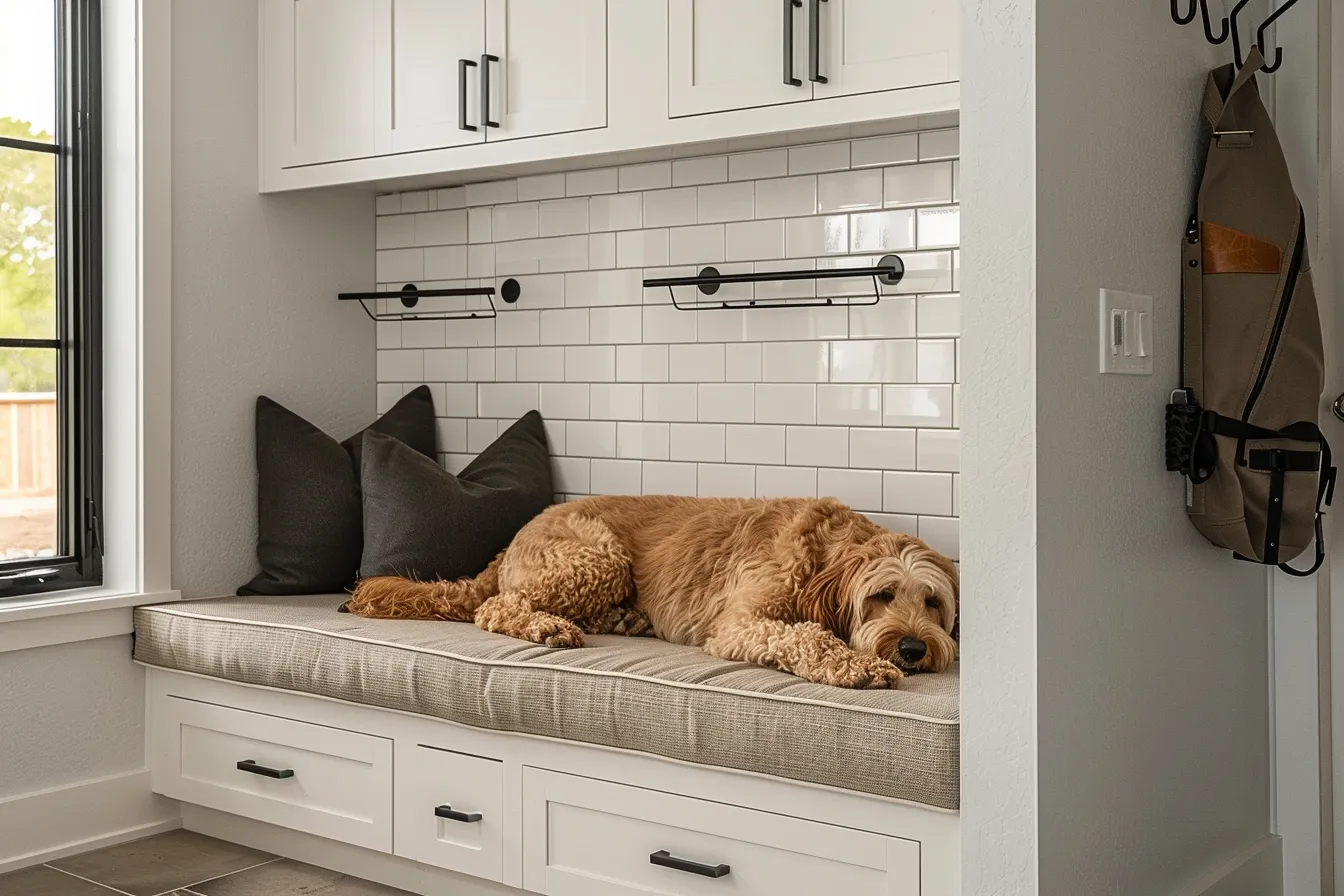
Living with pets is one of life’s greatest joys — until your favorite sofa becomes a scratching post or your freshly mopped floors are covered in muddy paw prints. The good news? Pet-friendly home design has evolved far beyond choosing dark-colored carpets and hoping for the best. Today’s approach blends smart material choices, thoughtful layouts, … Read more
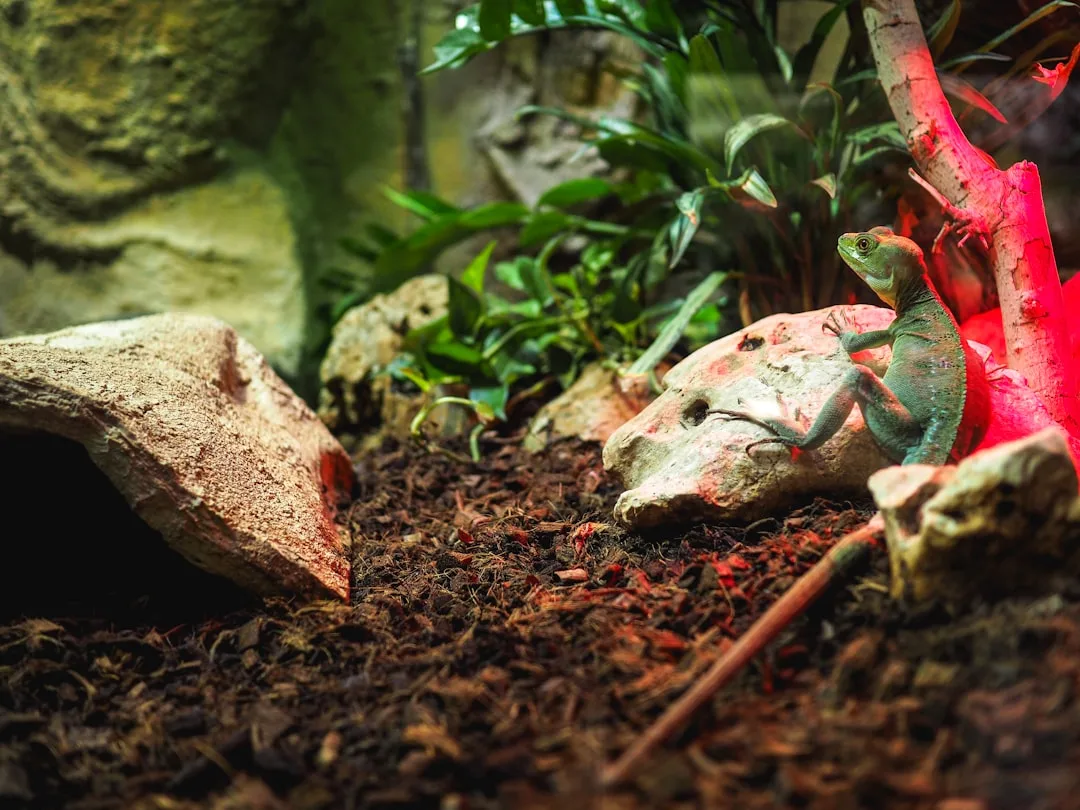
Pet substrate bedding trends are redefining how owners design enclosures for reptiles, amphibians, and small mammals. Materials science is shifting focus from cheap aspen toward engineered moisture-wicking systems that replicate natural habitats while cutting maintenance cycles in half.
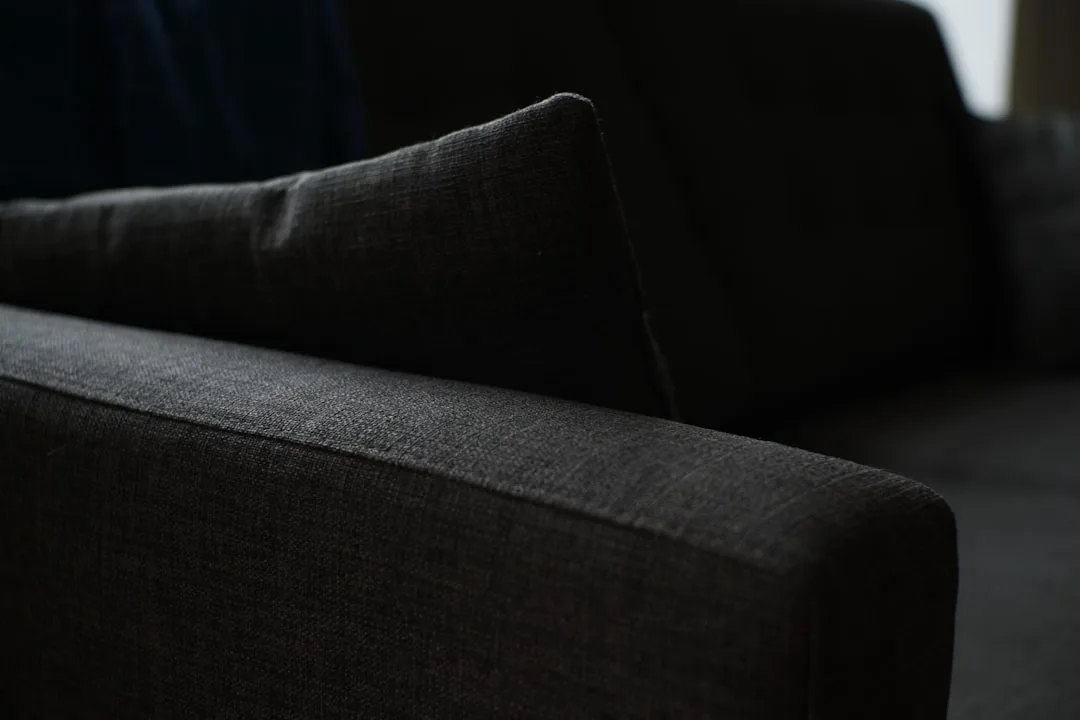
Pet-friendly furniture materials have moved beyond stain-resistant labels into engineered performance standards that rival commercial applications. Homeowners are choosing fabrics, leather treatments, and wood finishes specifically rated for claw damage and moisture exposure.

Pet owners are ditching expensive mobile grooming appointments and building dedicated grooming stations at home. Professional-grade furniture designed for both human ergonomics and pet comfort is reshaping how owners maintain coats, nails, and overall hygiene.