Why the EV Heat Pump Is Changing Winter Range Math
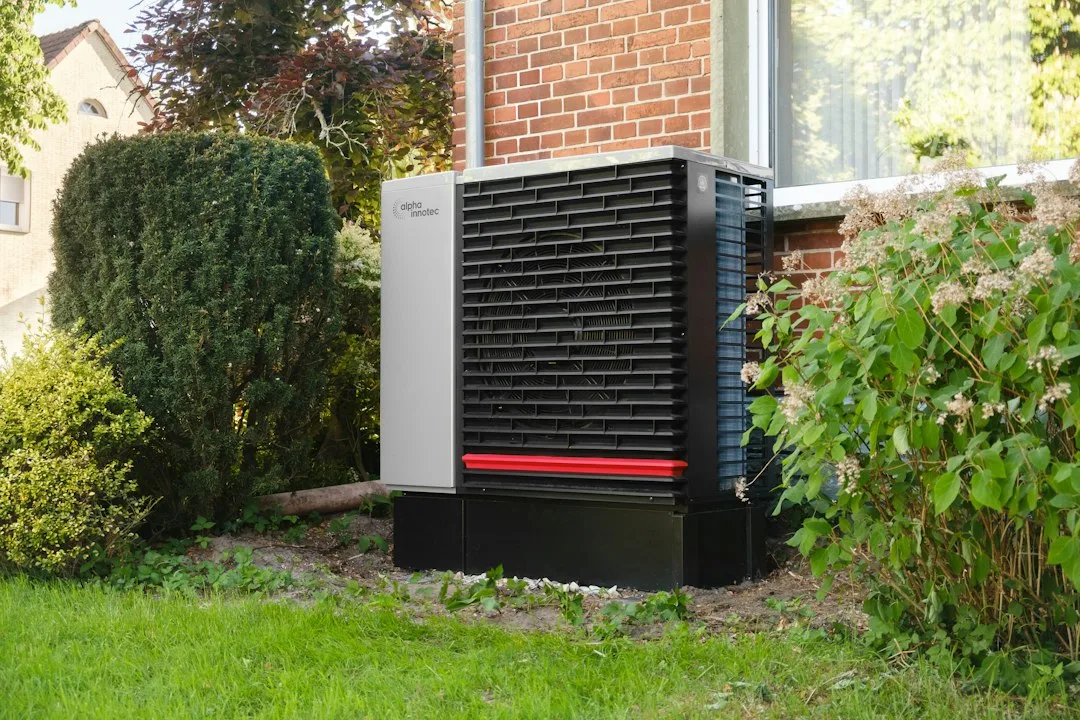
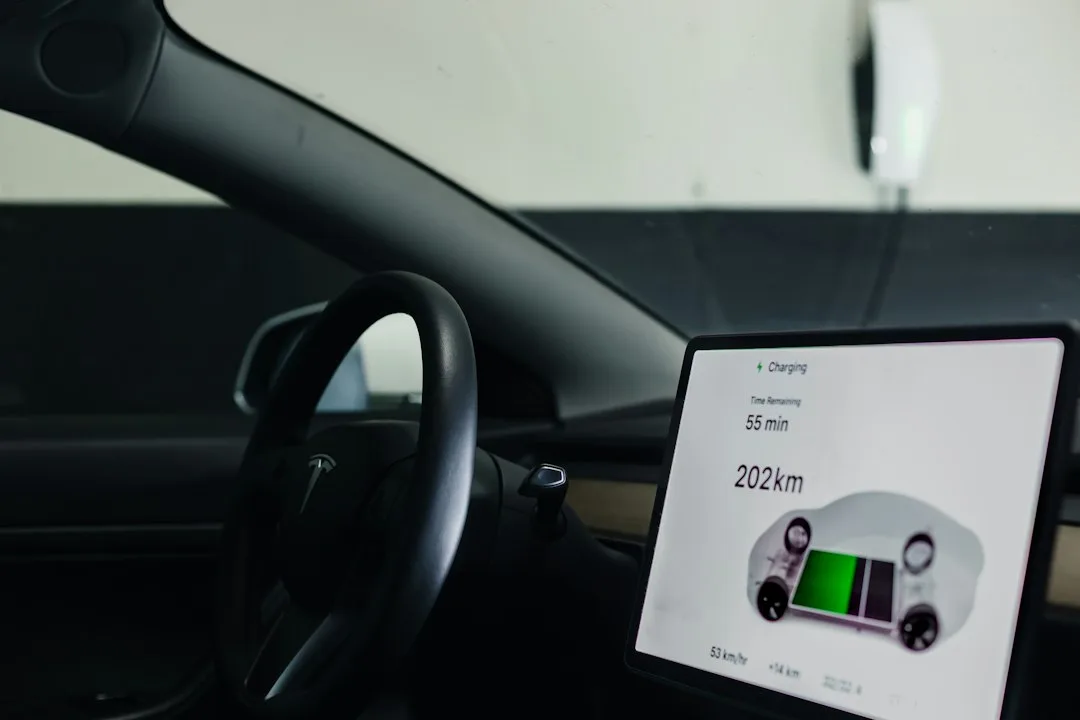
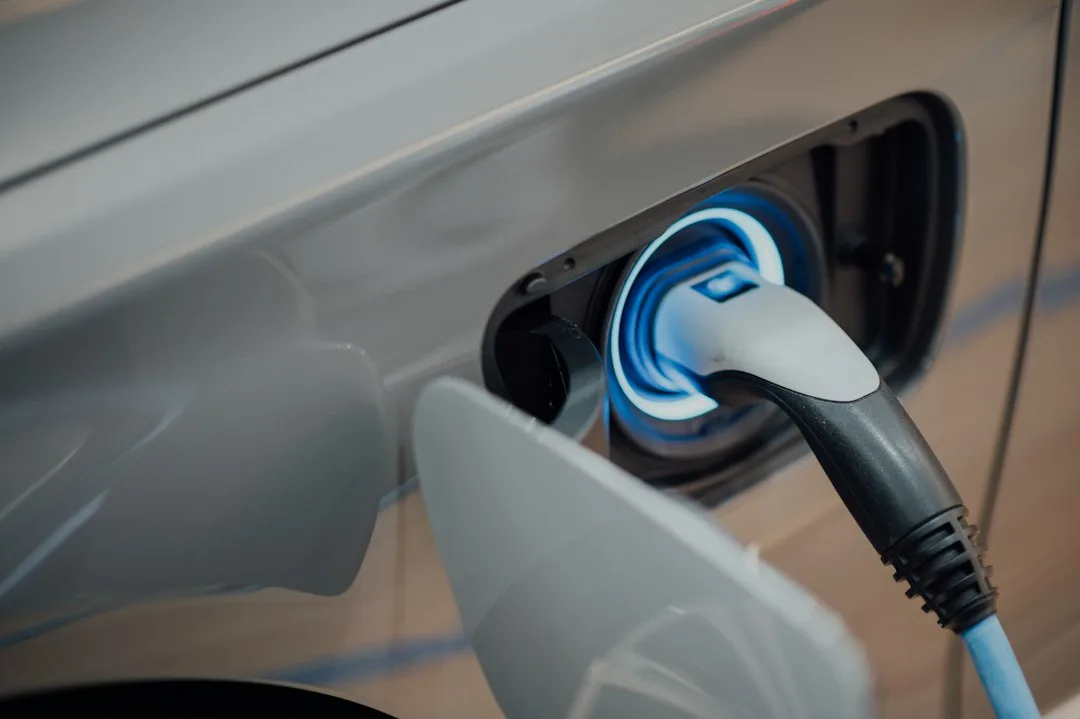
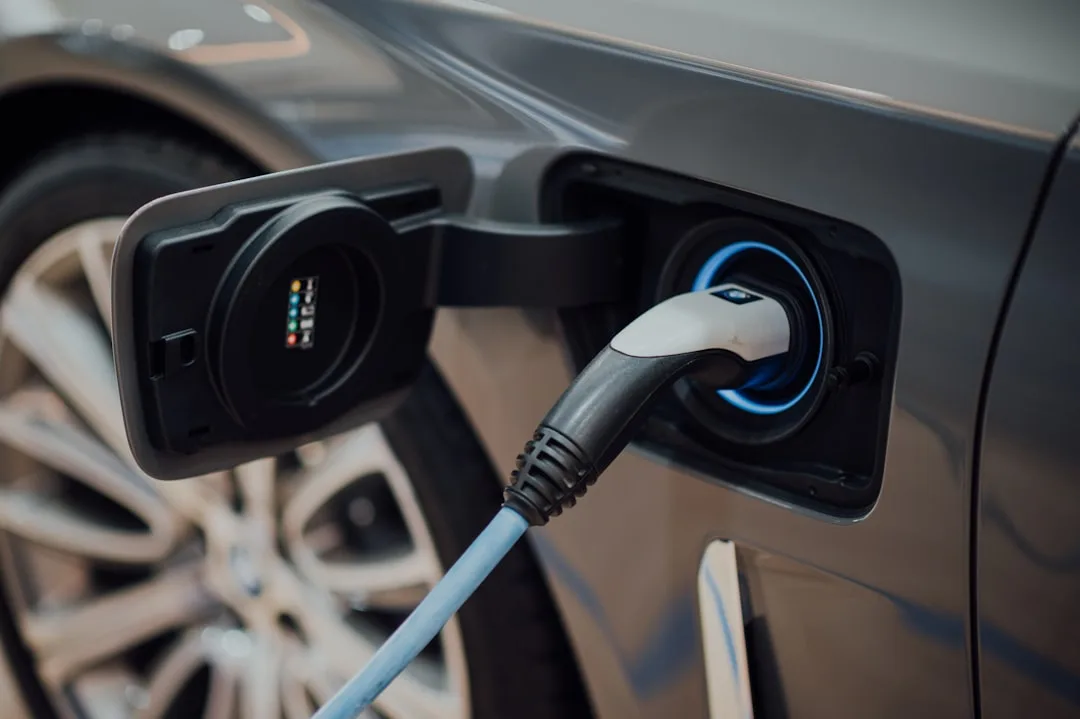
An EV heat pump moves warmth from outside air and drivetrain parts instead of spending battery energy on a resistive coil. That shift can protect winter range for drivers in cold climates.

333k+ Lifestyle & Design Ideas
An EV heat pump moves warmth from outside air and drivetrain parts instead of spending battery energy on a resistive coil. That shift can protect winter range for drivers in cold climates.
Cold-weather rubber stiffens well before the first snowfall, which is why winter tires are gaining ground with everyday drivers. Here is how tread, sipes, and sidewall markings work together.
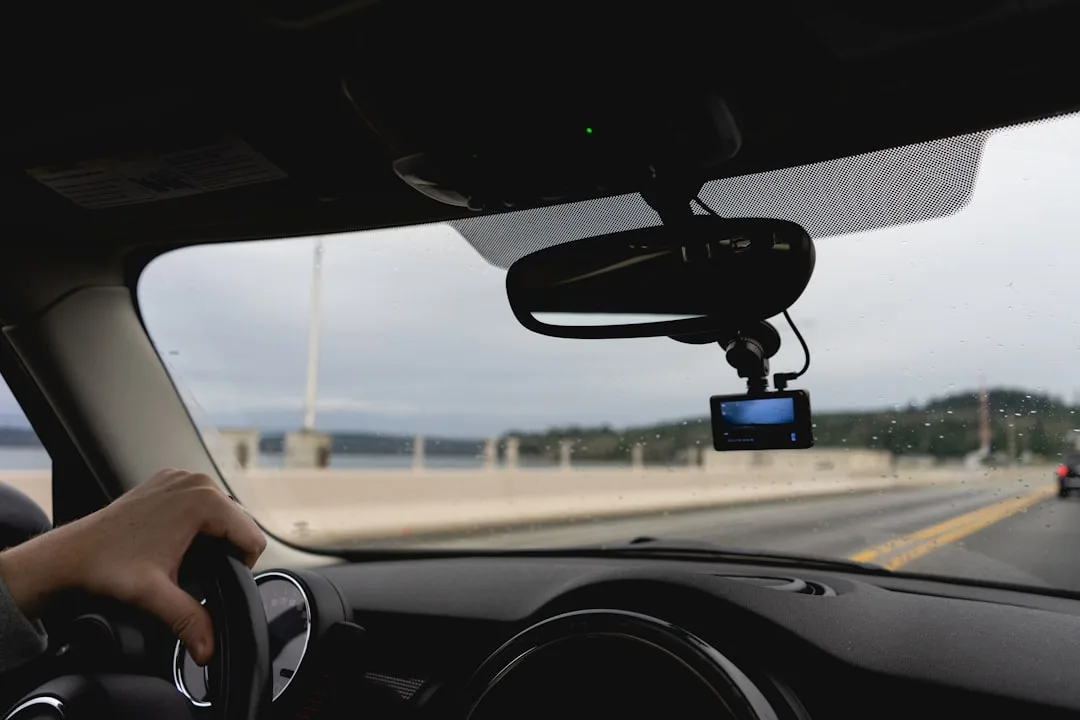
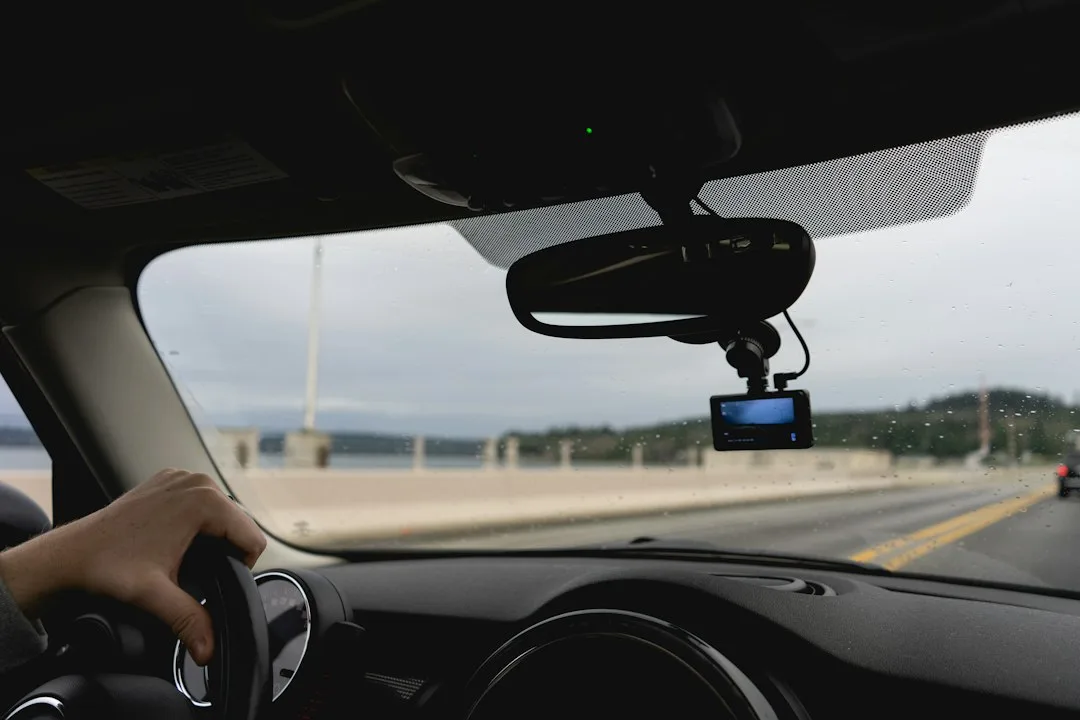
Dash cameras give drivers timestamped video evidence after collisions, parking lot scrapes, and hit-and-runs. Here is how to choose a model and memory card that records reliably.
Cars now receive fixes and new features through software downloads instead of trips to the service bay. Here is how that changes ownership, maintenance and buying used.
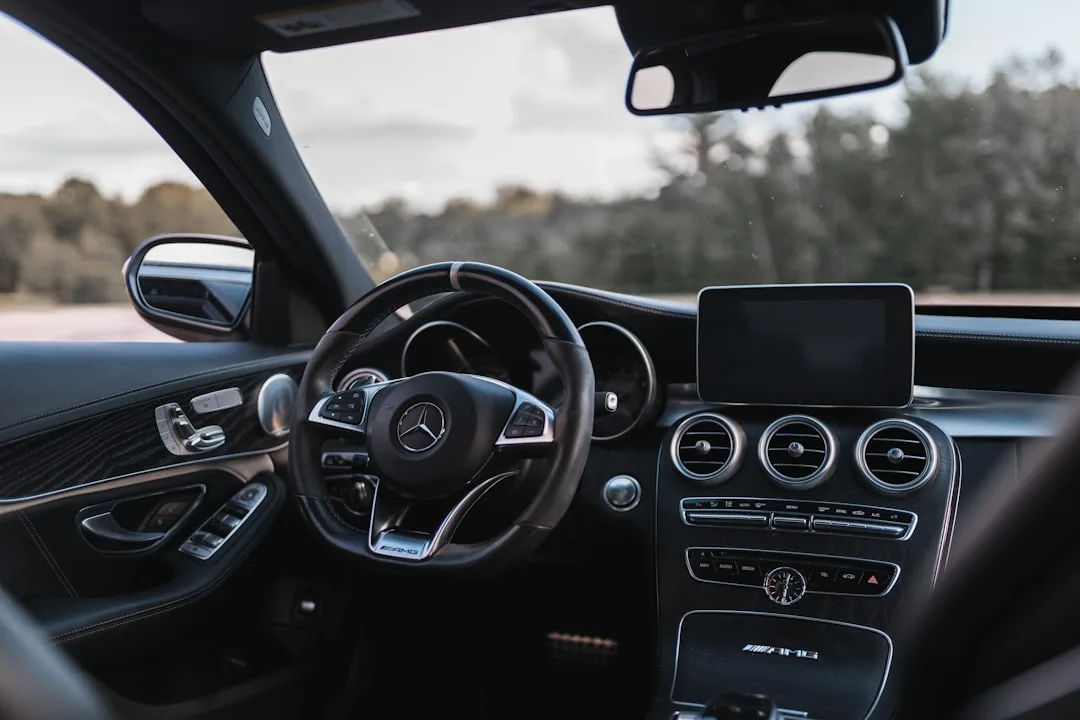
Vehicle infotainment customization is reshaping how drivers interact with their cars. From personalized voice commands to bespoke app ecosystems, the dashboard has become the new frontier of automotive personalization.
As commute times stretch and cabin time increases, drivers are prioritizing what they breathe. Vehicle interior air quality has evolved from luxury feature to health necessity.
Advanced tire monitoring systems have evolved from luxury add-ons to practical safety essentials that track pressure, temperature, and tread wear in real time. In September 2026, drivers who embrace these systems report fewer roadside emergencies and dramatically extended tire lifespan.
Battery management systems have become the silent engine of EV ownership in 2026, controlling everything from charging speed to thermal regulation. Smart monitoring now directly impacts resale value, daily range reliability, and long-term battery health—making them the first feature buyers should evaluate.
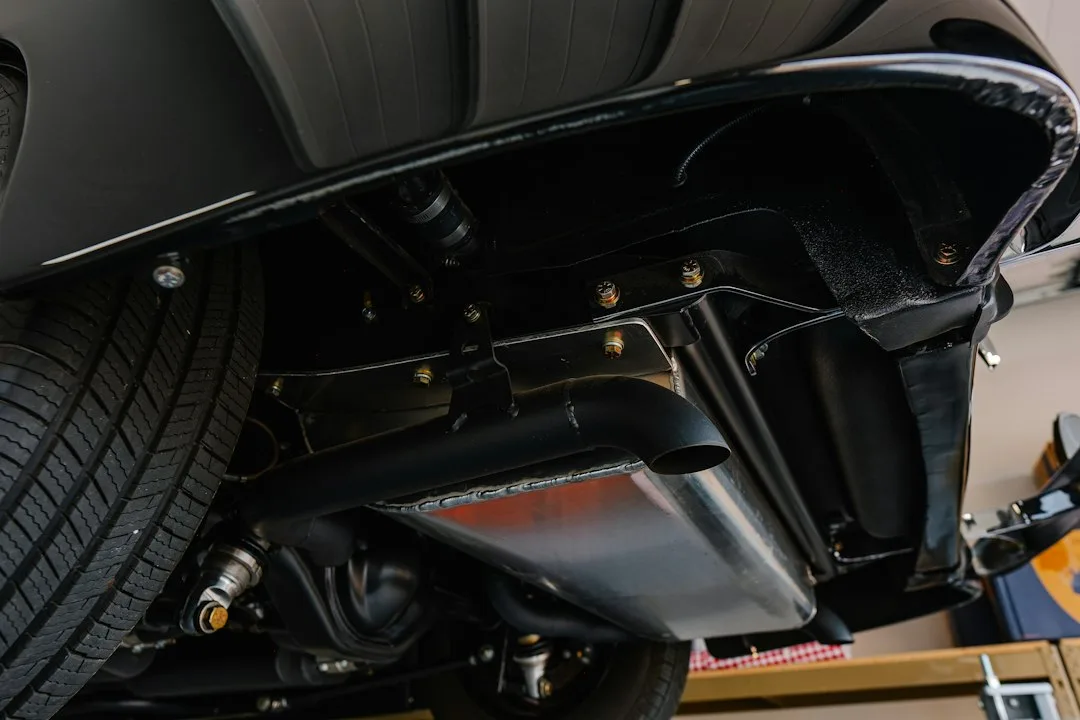
Vehicle undercarriage protection has shifted from optional luxury to essential maintenance as roads grow saltier and vehicle lifespans extend. Learn why mechanics and dealers now prioritize it as a core ownership strategy.
Vehicle occupant monitoring systems represent the fastest-growing interior safety category in 2026, moving beyond basic seatbelt sensors to track driver fatigue, posture, distraction, and passenger positioning in real-time. This shift reflects a fundamental market pivot: automakers now invest in systems that observe human behavior, not just vehicle performance.
Lane-keeping assist has moved from luxury feature to industry standard in 2026, fundamentally changing how drivers navigate highways and congested roads. This article explains why automakers prioritize this technology and how it integrates with your daily driving behavior.
Blind spot mirrors have become the most practical safety investment for 2026 drivers. These affordable, easy-to-install devices eliminate the visibility gaps that cause thousands of lane-change accidents annually.
Vehicle cargo systems have become the quiet force reshaping how owners use their cars daily. From modular roof racks to intelligent floor organizers, practical storage solutions now influence purchase decisions as much as fuel efficiency.
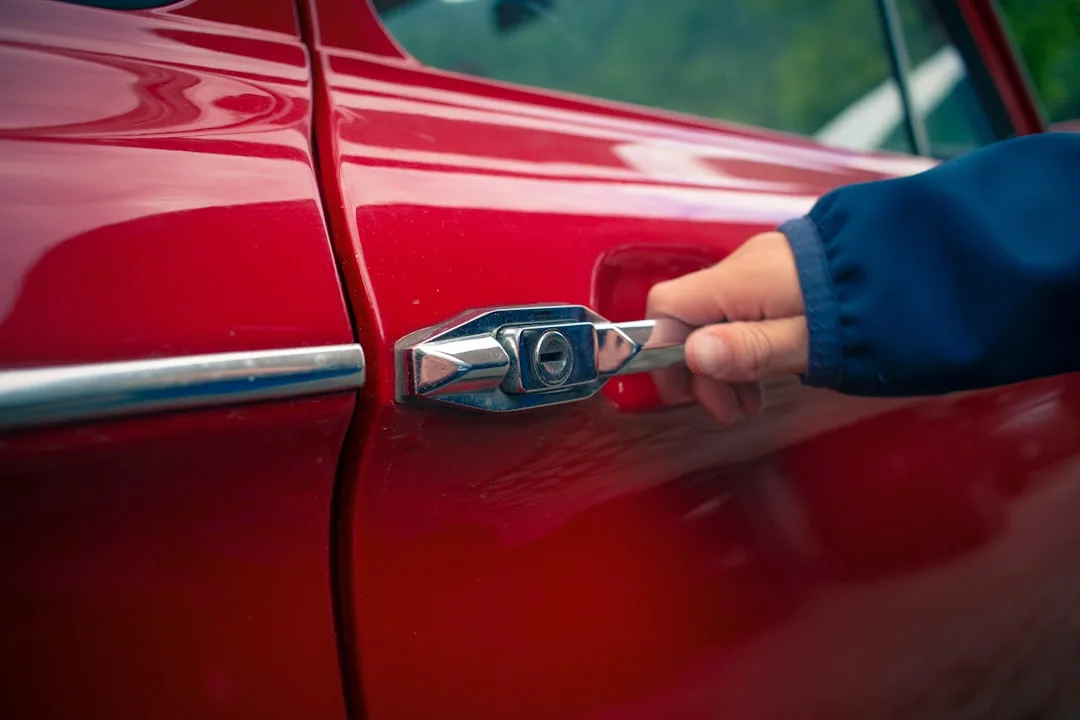
Smart door lock systems are reshaping how owners secure and access their vehicles, moving beyond traditional keys to biometric and app-based authentication. This shift reflects a broader demand for integrated vehicle security that works seamlessly with daily digital life.
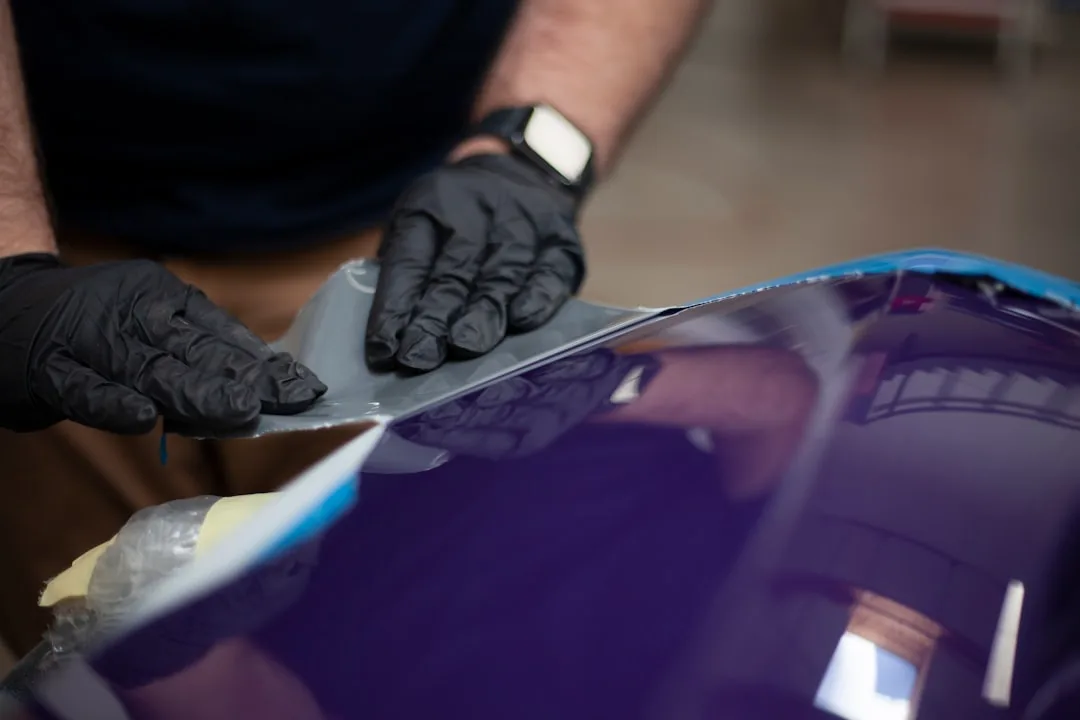
Paint protection film has shifted from a luxury aftermarket option to a practical investment that preserves vehicle finish against daily road damage. By September 2026, owners across all price tiers recognize it as a cost-effective alternative to frequent repainting.
Vehicle air purification systems have moved from luxury add-on to purchase-deciding feature in 2026. Buyers now evaluate air quality technology as critically as fuel efficiency, driven by post-pandemic health awareness and measurable air quality data.
Professional vehicle window tinting has moved beyond dark aesthetics into legitimate climate control and health protection territory. As summer heat peaks and UV awareness rises, owners are investing in ceramic and hybrid films that reduce cabin temperatures while preserving visibility and resale value.
Adaptive headlight technology has moved from luxury feature to mainstream safety standard in 2026, with systems that automatically adjust beam intensity and direction based on road conditions, speed, and steering angle. This shift is reshaping how buyers evaluate vehicle safety and nighttime visibility.
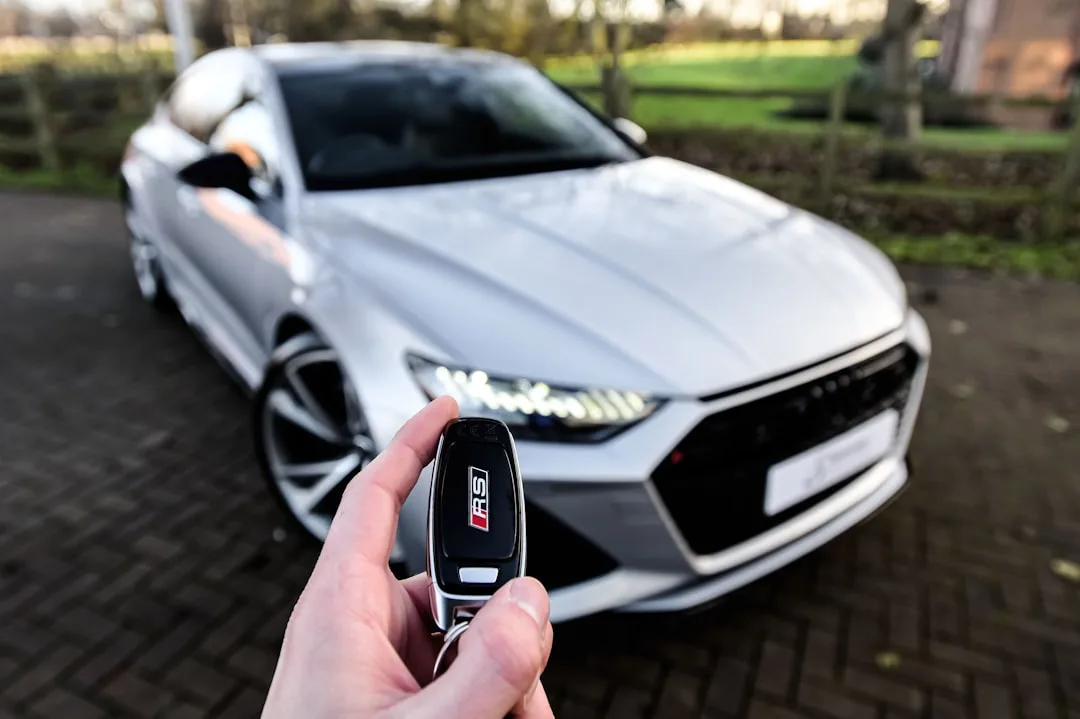
Remote start technology has shifted from luxury novelty to daily necessity as drivers demand engine preheating, climate control, and security from their phones. In 2026, this feature influences purchase decisions across budget tiers, with retrofits and factory systems reshaping the aftermarket landscape.
Vehicle infotainment systems have moved beyond music and GPS. In 2026, they’re the primary reason drivers upgrade cars, bundling AI assistants, gesture controls, and predictive route optimization into one connected dashboard experience.
Vehicle depreciation protection plans have become the fastest-growing add-on in automotive retail, with dealerships reporting a 34% adoption rate among new-car buyers in 2026. These plans directly address the single largest cost driver in vehicle ownership: the moment your car leaves the lot, it loses value—and smart buyers are now fighting back with contractual guarantees.
In August 2026, buyers are evaluating vehicles not by engine power alone but by their digital nervous systems. Connectivity—seamless smartphone integration, real-time diagnostics, and cloud-backed software updates—has become the silent dealbreaker that separates a car you own from a car that owns your life.
Heated seats are no longer a premium luxury feature—they’re becoming the baseline expectation across mid-range and economy vehicles. Manufacturers are competing on heat distribution quality and energy efficiency, not just presence.
Vehicle subscription services eliminate the commitment friction that has defined car ownership for over a century. By August 2026, subscription fleets have grown into a serious alternative for buyers who want predictability without permanence.
As vehicle prices remain elevated and fuel costs fluctuate unpredictably, buyers are prioritizing ownership models and maintenance strategies that demonstrably cut total cost of ownership. August 2026 data reveals a decisive shift away from traditional purchase-and-own patterns toward flexible alternatives that reduce financial risk.
Extended warranty and protection plans have become central to how buyers evaluate vehicle purchases in 2026, shifting focus from price alone to lifetime value and peace of mind. We break down why coverage options matter, which plans actually protect your investment, and what dealers won’t tell you upfront.
Preventive maintenance bundling has become the fastest-growing cost-control strategy among vehicle owners in 2026, directly addressing the gap between purchase price and total lifecycle expense. When structured correctly, these plans recoup their cost within 36 months while protecting resale value and avoiding catastrophic repair bills.
Vehicle electrification infrastructure in 2026 extends far beyond plug-in stations. Smart grid integration, vehicle-to-home power systems, and real-time energy management now define how owners experience electric vehicle ownership.
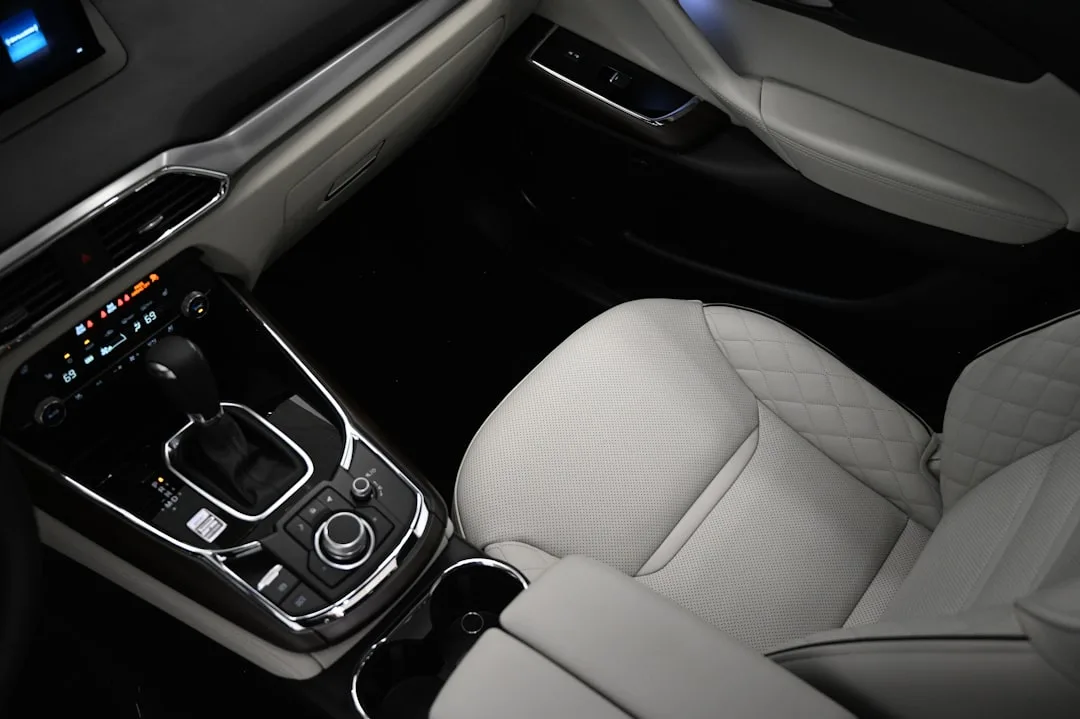
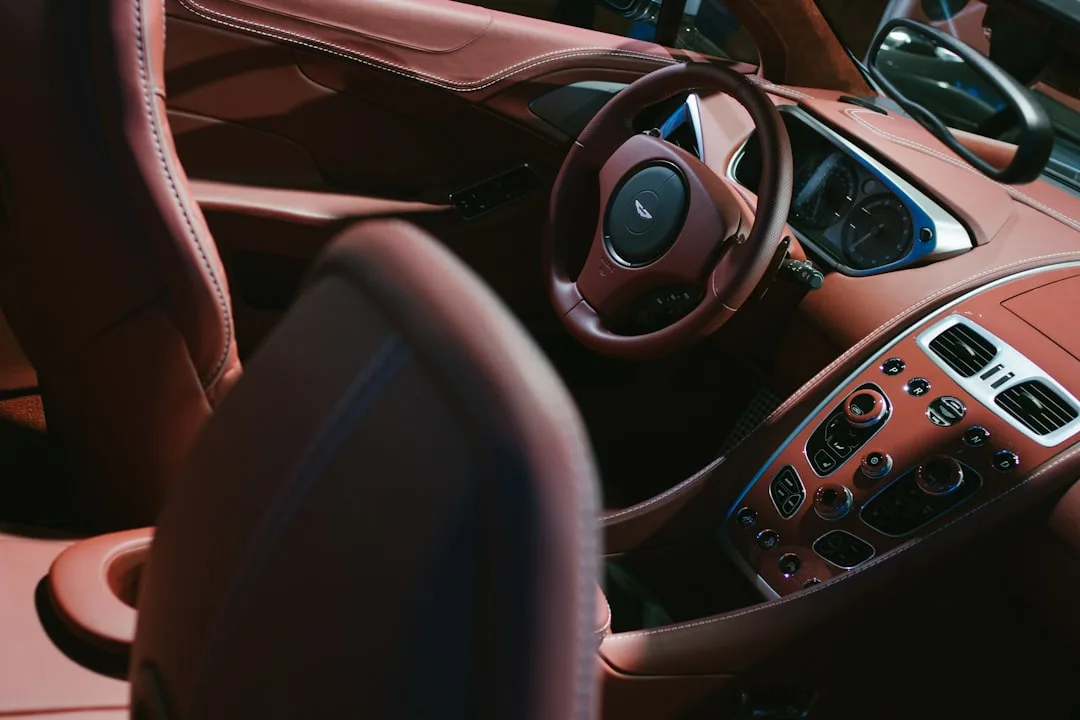
Affluent car buyers are abandoning one-size-fits-all cabins for radical interior customization. From hand-stitched leather to modular infotainment systems, personalization has become the defining purchase driver for 2026 luxury vehicles.
As new-car prices stabilize, buyers are shifting focus from financing deals to long-term value preservation. Vehicle resale value protection has become the decisive factor separating smart purchases from money-losing ones.
Buyers in 2026 aren’t choosing cars the way they did five years ago—they’re choosing how they pay for them. Automotive financing flexibility now ranks as the #1 decision factor, reshaping loan structures, lease options, and ownership models entirely.
The certified pre-owned vehicle market has become the primary engine of automotive sales in 2026, driven by warranty protection and transparent pricing that new-car dealerships can no longer offer. Buyers across income brackets now view CPO purchases as smarter economics rather than compromise.
Subscription vehicle ownership—where drivers pay monthly for cars they swap seasonally—has become the fastest-growing segment in automotive retail. Monthly fees now include insurance, maintenance, and roadside support, fundamentally shifting the calculus away from traditional six-year financing.