What Belongs in a Skincare Fridge and What Should Stay Out
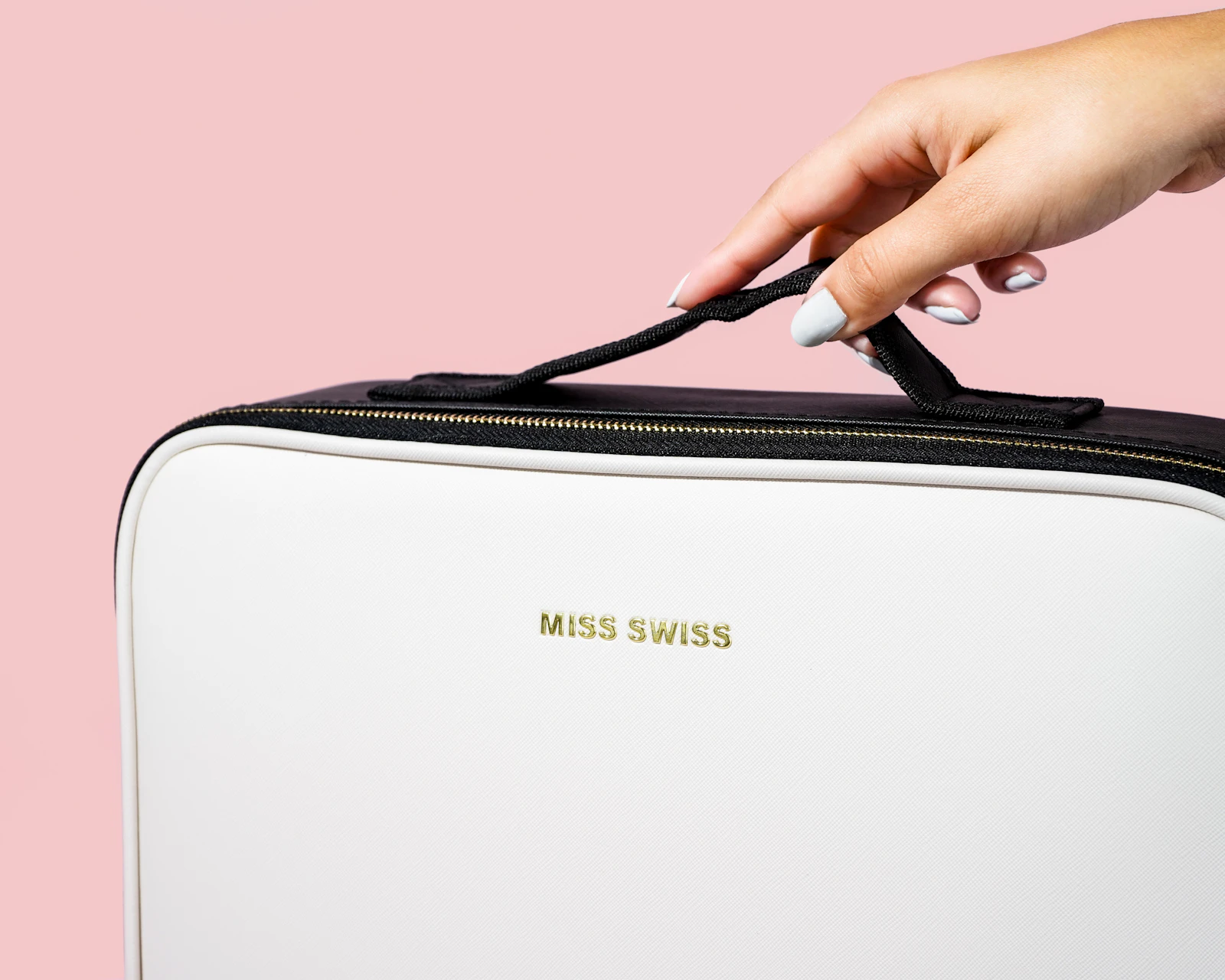
A skincare fridge is a nice extra, not a necessity. Here is which products feel better cold, which should stay at room temperature and what the dermatology sources say.
333k+ Lifestyle & Design Ideas
A skincare fridge is a nice extra, not a necessity. Here is which products feel better cold, which should stay at room temperature and what the dermatology sources say.
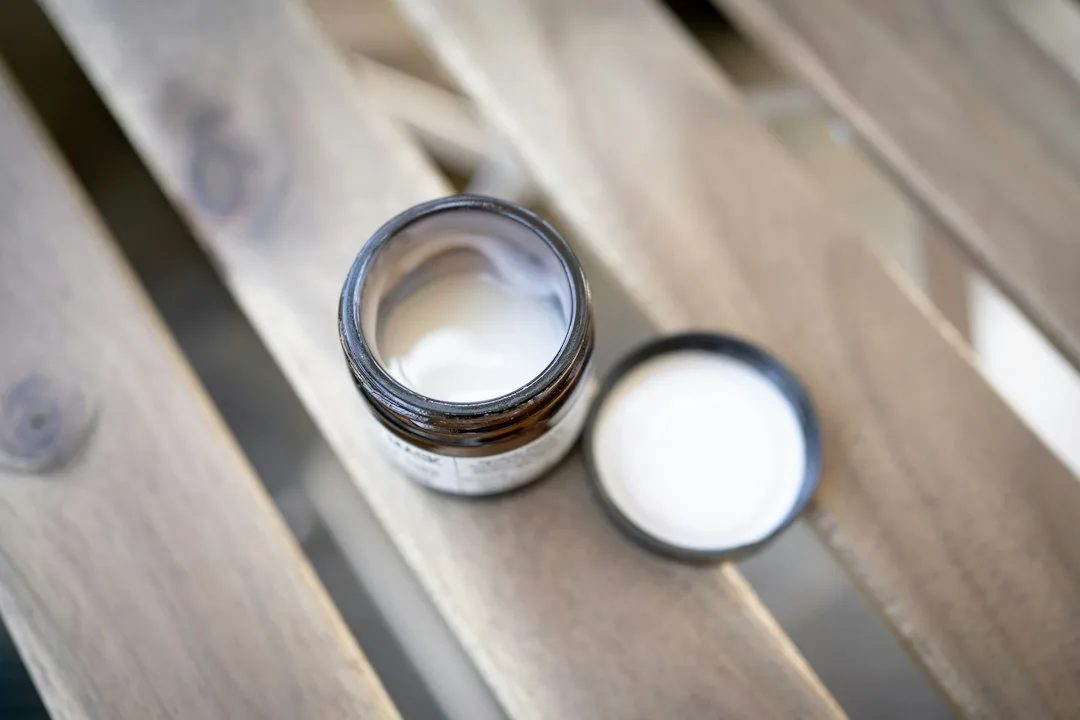
Cleansing balm is climbing bathroom shelves this season because it dissolves sunscreen and long-wear makeup before any water touches the face. Here is how to use it without leaving a film behind.

Brow lamination at home sets brow hairs in place for weeks, offering a practical alternative to recurring salon appointments. The timing and aftercare steps decide whether the result looks sharp or brittle.
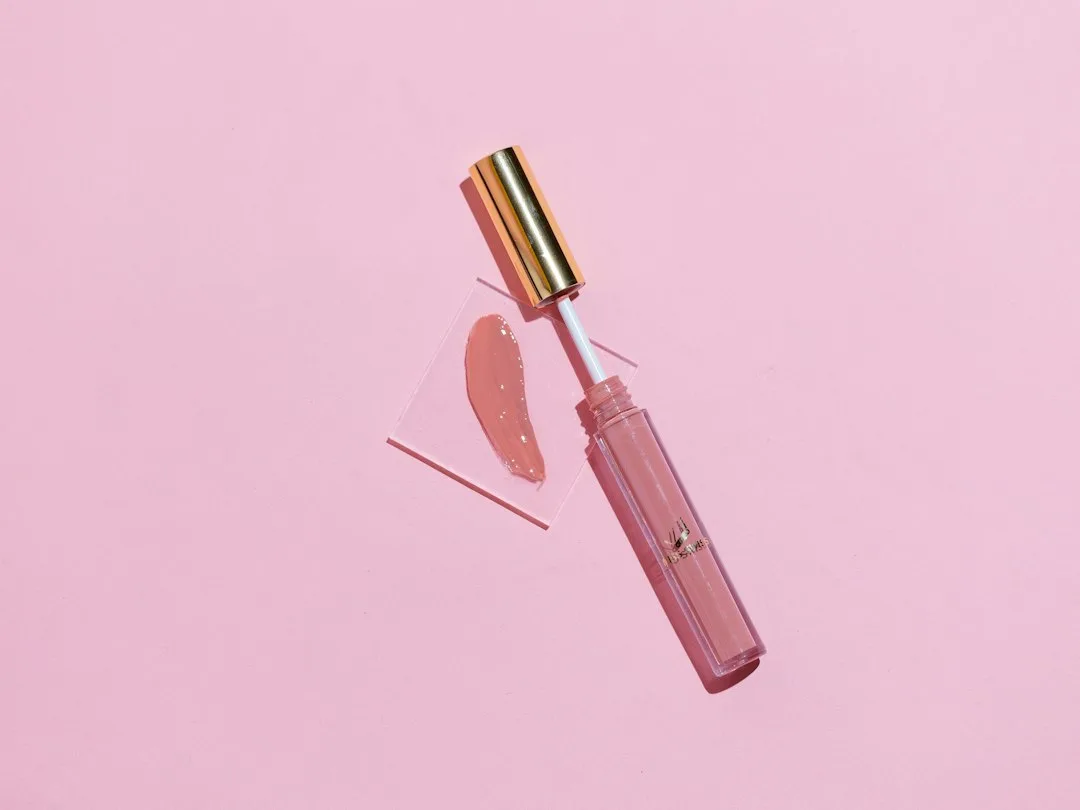
Lash serum has moved from a bathroom-shelf experiment to a nightly step for many people chasing fuller-looking lashes. Here is what it does, how to apply it, and where people go wrong.
Azelaic acid serum is gaining ground in fall routines because it treats redness and breakouts with less flaking than many retinoids. Here is how to fit it alongside the products you already use.
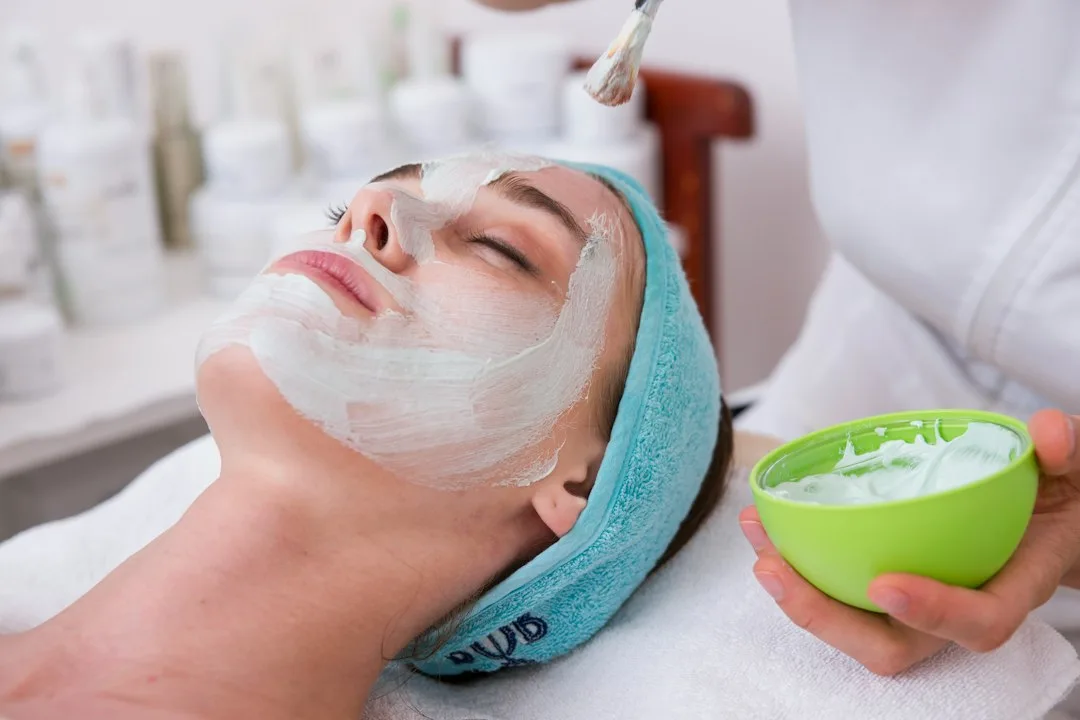
A single hydrating serum no longer cuts it. Facial humectant layering—stacking glycerin, hyaluronic acid, and panthenol in precise sequence—has become the fall 2026 standard for locking in 40% more moisture than traditional moisturizers alone.
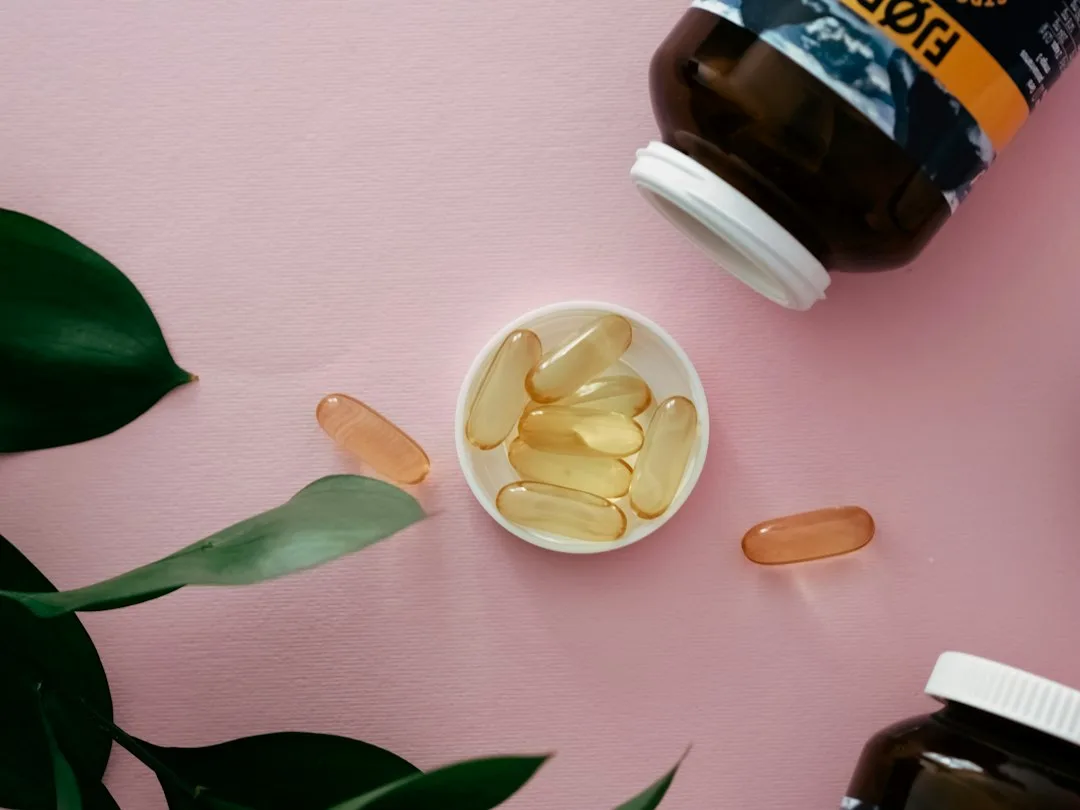
Vitamin E oil facial moisturizer is overtaking traditional cream formulas as the season shifts toward cooler months. Dermatologists confirm its antioxidant power and occlusive strength lock hydration in ways that thicker creams cannot.
Bakuchiol night serum has emerged as the gentler alternative to retinol, delivering collagen-boosting and cell-renewal benefits without the burning, peeling, and photosensitivity that traditional retinol demands. By September 2026, skincare-focused consumers and dermatologists alike are recommending bakuchiol-based formulas as the entry point for anti-aging routines, especially for reactive or sensitized skin barriers.
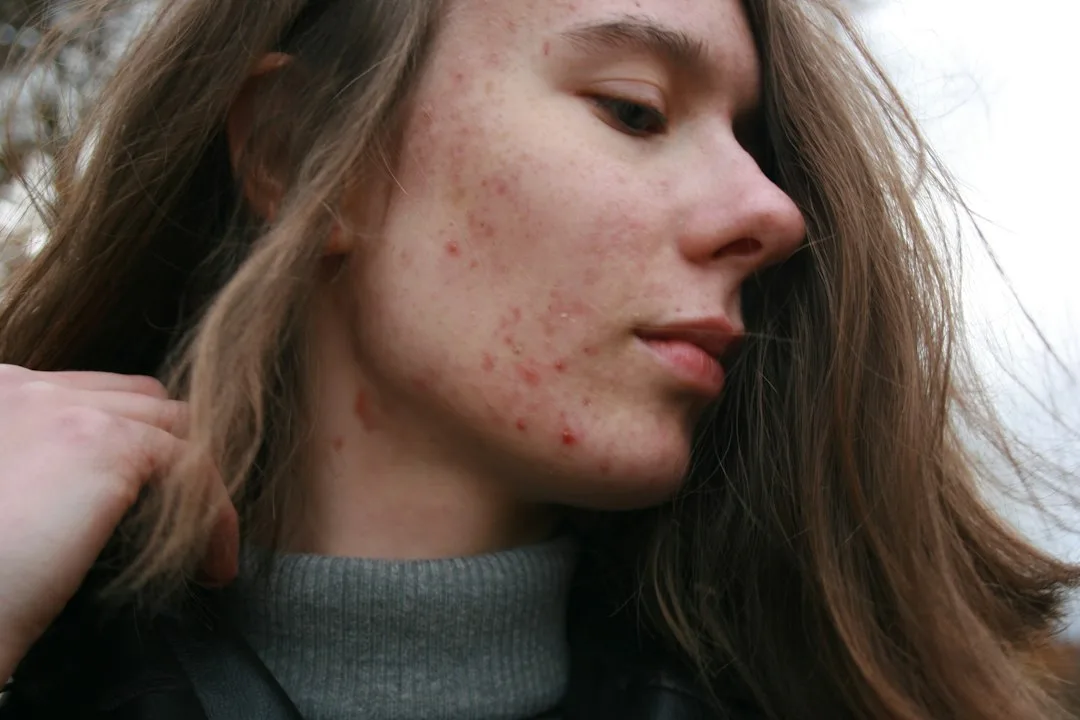
Dermatologists now confirm that layering targeted actives on individual blemishes clears spots 3x faster than single-application treatments. This spot treatment layering technique requires precise sequencing and waiting times—but delivers visible results in 24–48 hours.
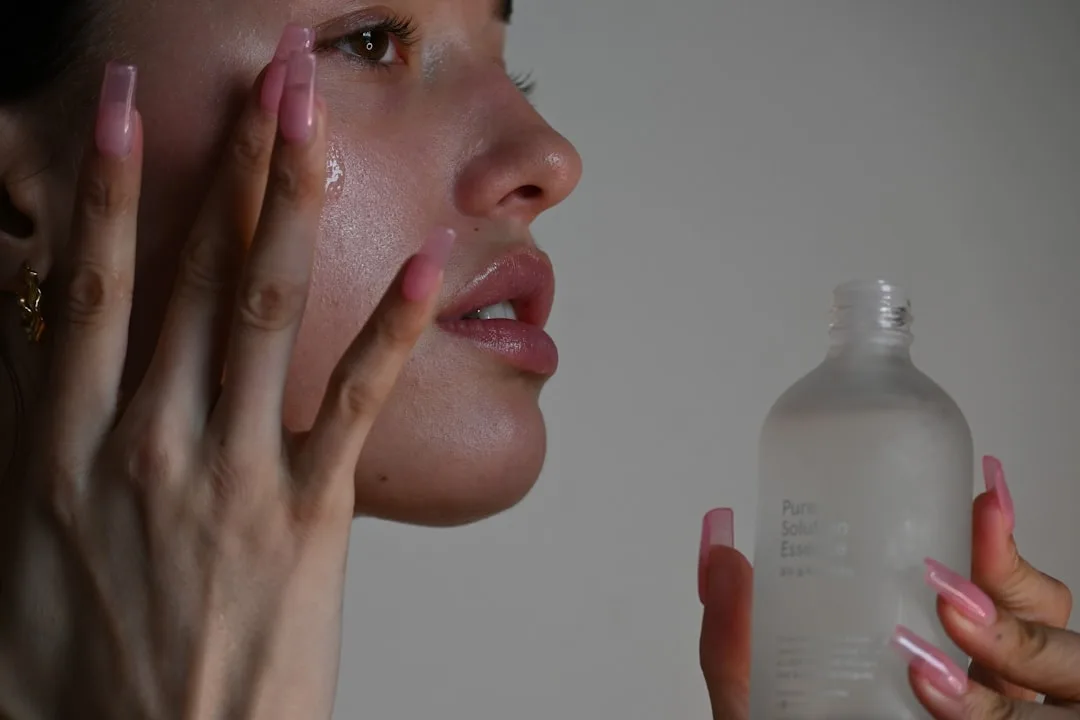
Facial hydration layering—stacking multiple lightweight formulas in precise sequence—is replacing thick single moisturizers across dermatology practices and beauty retailers. The technique locks moisture deeper while preventing the overweight feel that silts into fine lines.
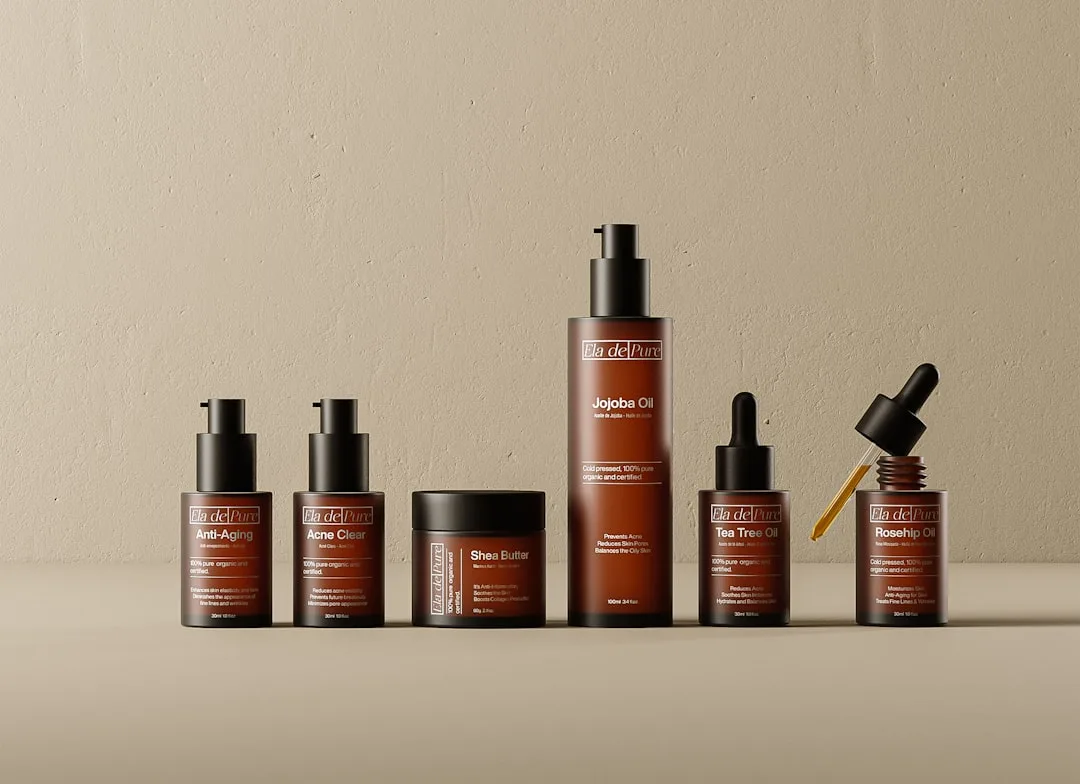
As summer heat fades and fall transitions begin, dermatologists report a spike in compromised moisture barriers—the skin’s critical protective layer. Understanding how damage starts and preventing it before it accelerates becomes the foundation of fall skincare.
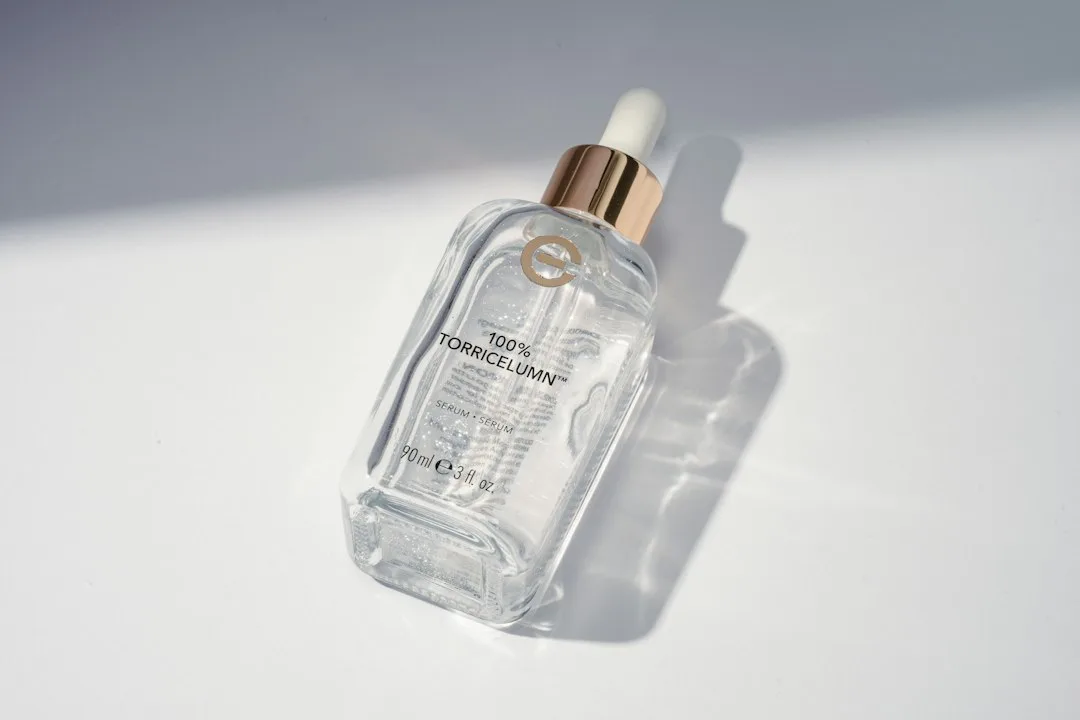
Collagen peptide drinks are reshaping internal beauty routines as dermatologists confirm bioavailable amino acids reach dermal layers effectively. Brands like Vital Proteins and Sports Research lead a category that now outsells topical-only approaches among beauty consumers.
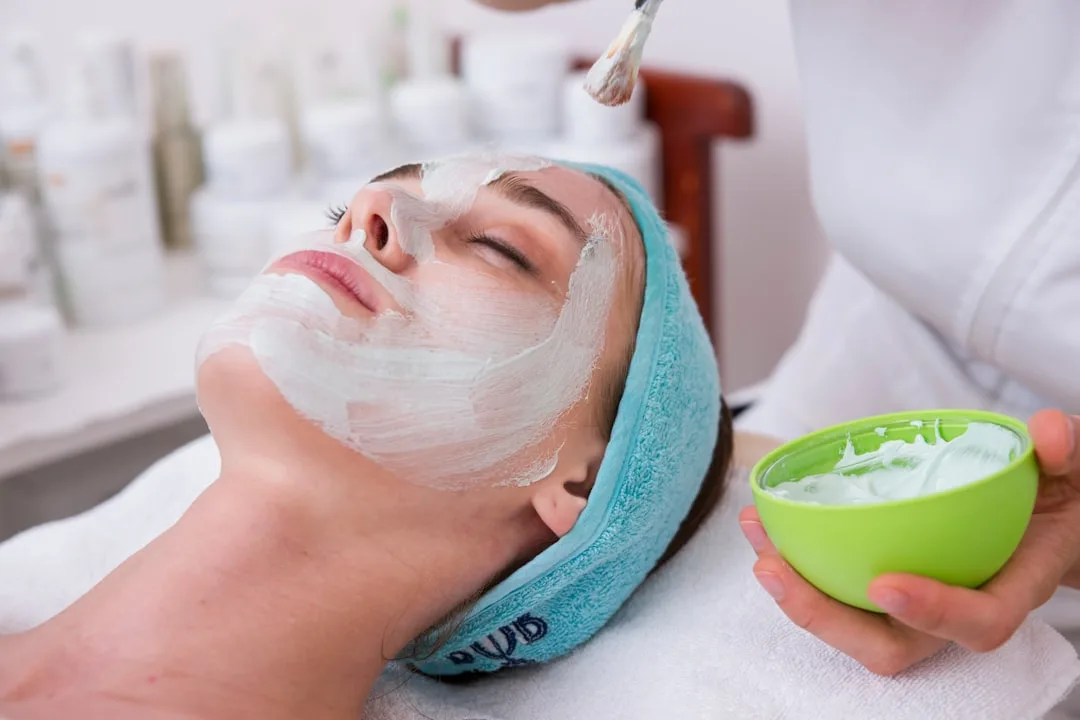
Facial texturizing treatments have moved beyond simple exfoliation into precision refinement work that targets pore size, texture bumps, and uneven surface without stripping skin. This fall, dermatologists and aestheticians agree that layered texture work beats single-step approaches.
Silk pillowcases have become a dermatologist-backed skincare essential in 2026, reducing friction damage to hair and preventing sleep creases that age skin. The shift from cotton to mulberry silk addresses what beauty professionals now recognize: your pillow matters as much as your serum.
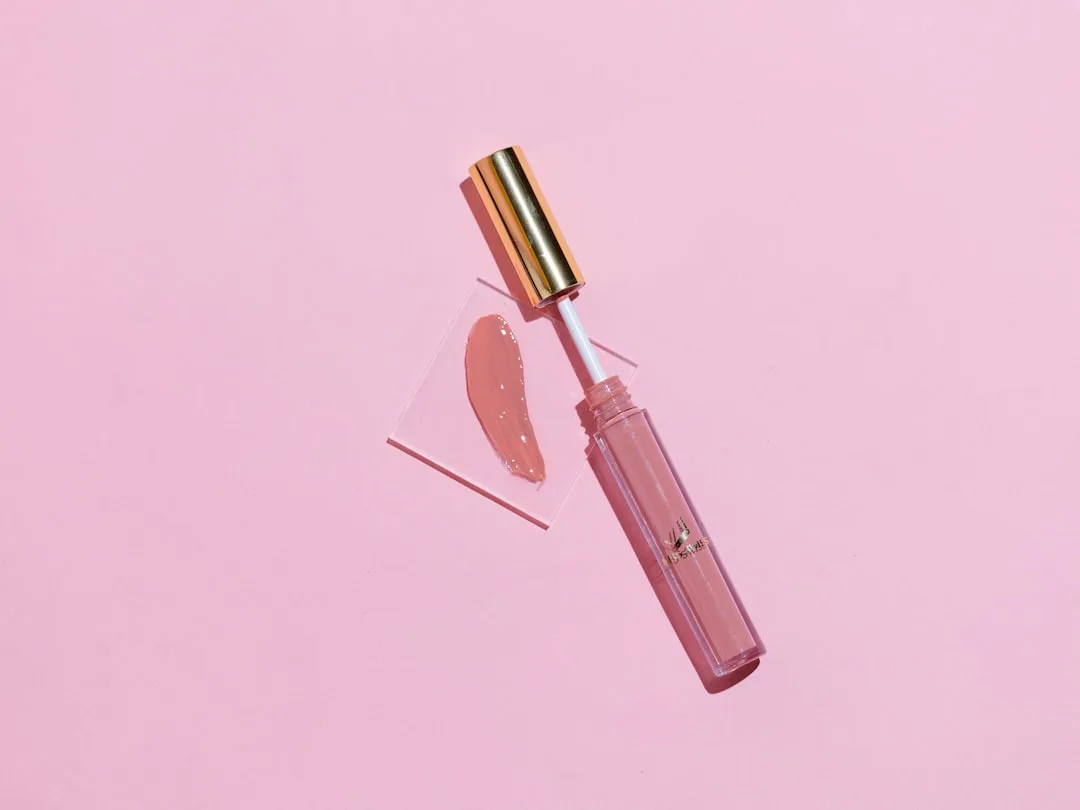
Lip tint stain layering—combining water-based tints, cream stains, and glosses in precise sequence—creates dimensional color that neither settles nor fades. The technique has become standard practice among beauty pros because it delivers professional results at home.
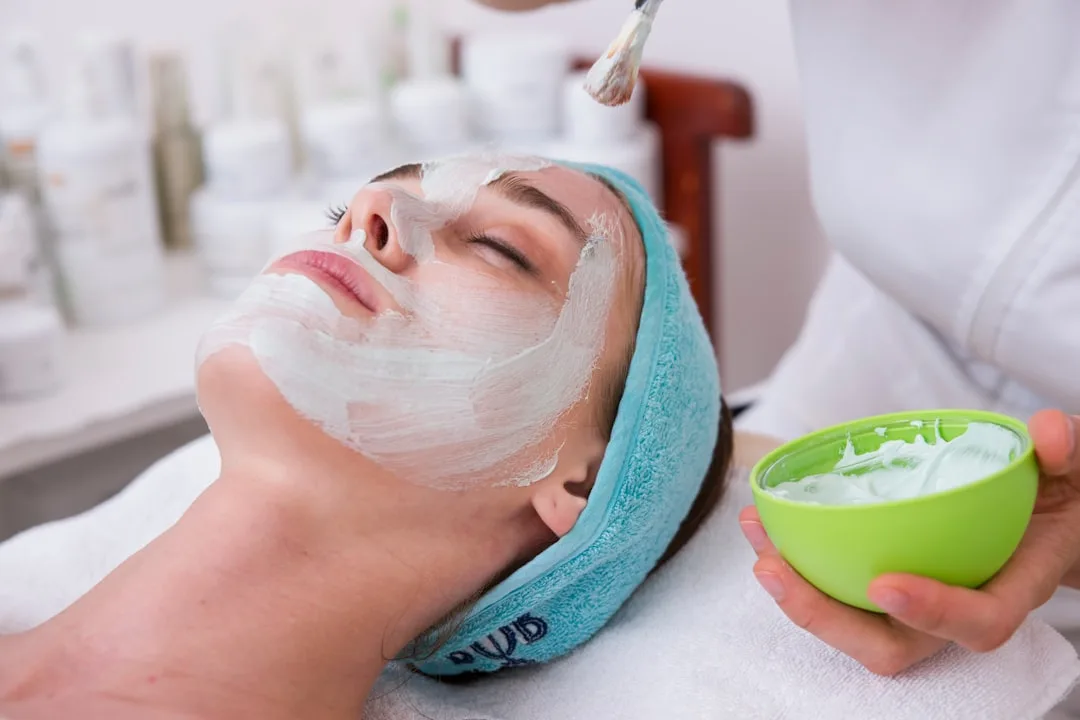
Facial enzyme peels are emerging as the smarter alternative to daily chemical exfoliation. Gentler on barrier health and faster-acting on texture, they’re reshaping how professionals and at-home users approach resurfacing skin.
Retinol works fast, but pushing too hard triggers barrier damage and sensitization. The difference between results and red, peeling skin comes down to three factors: frequency, concentration, and timing.
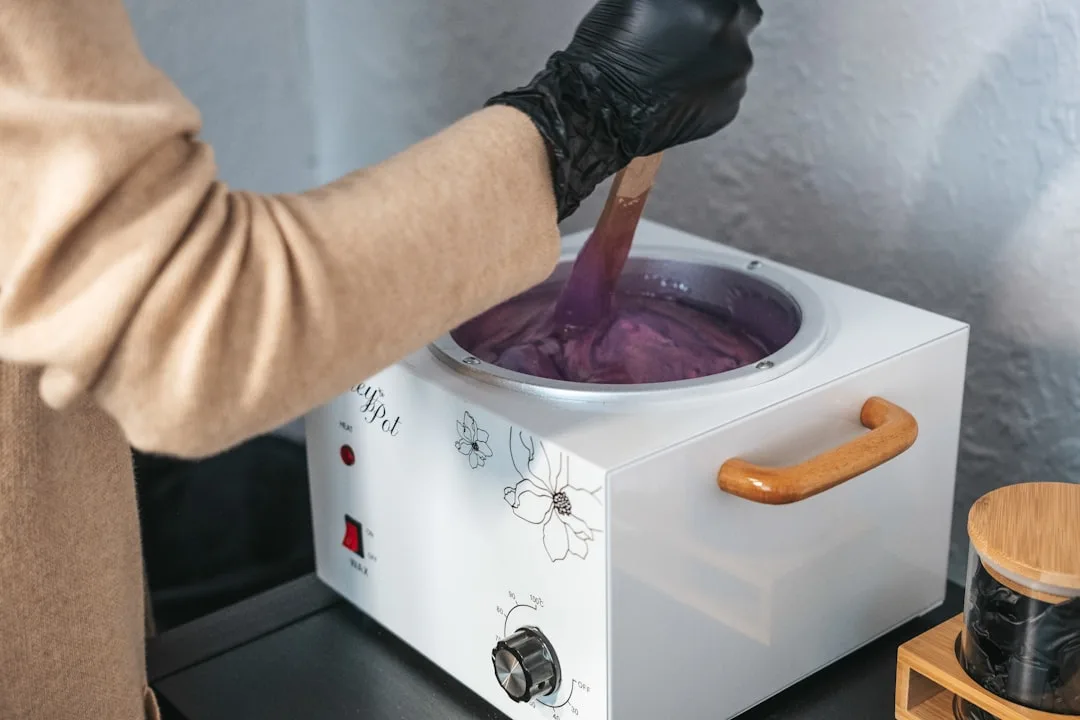
Facial waxing at home has become the fastest-growing DIY beauty trend of 2026, with consumers ditching monthly salon visits to master hair removal in minutes. Dermatologists now endorse home waxing kits when proper technique is applied, making professional-grade results accessible without the $40–60 salon appointment.
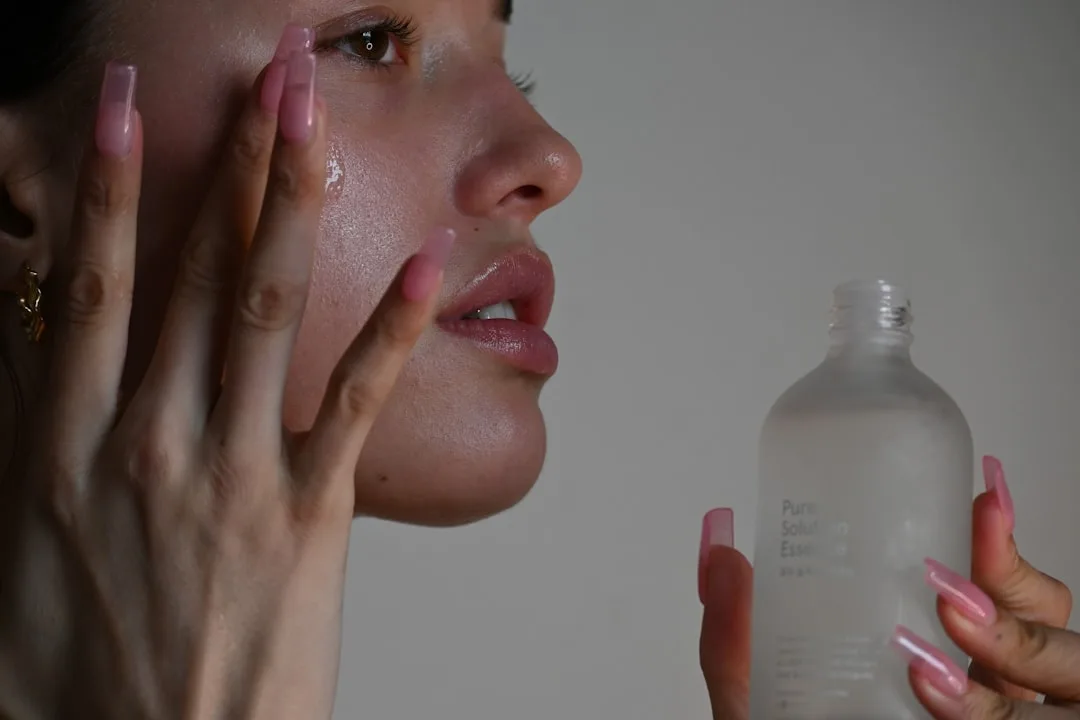
The barrier between sunscreen and moisturizer is collapsing. One product now does both—without the chalky residue or greasy overload that plagued dual routines for decades.
Dark circle coverage is shifting from heavy concealer to intelligent light diffusion. This under eye brightening method uses strategic color placement and reflective ingredients to trick the eye into seeing lifted, awake skin without layers.
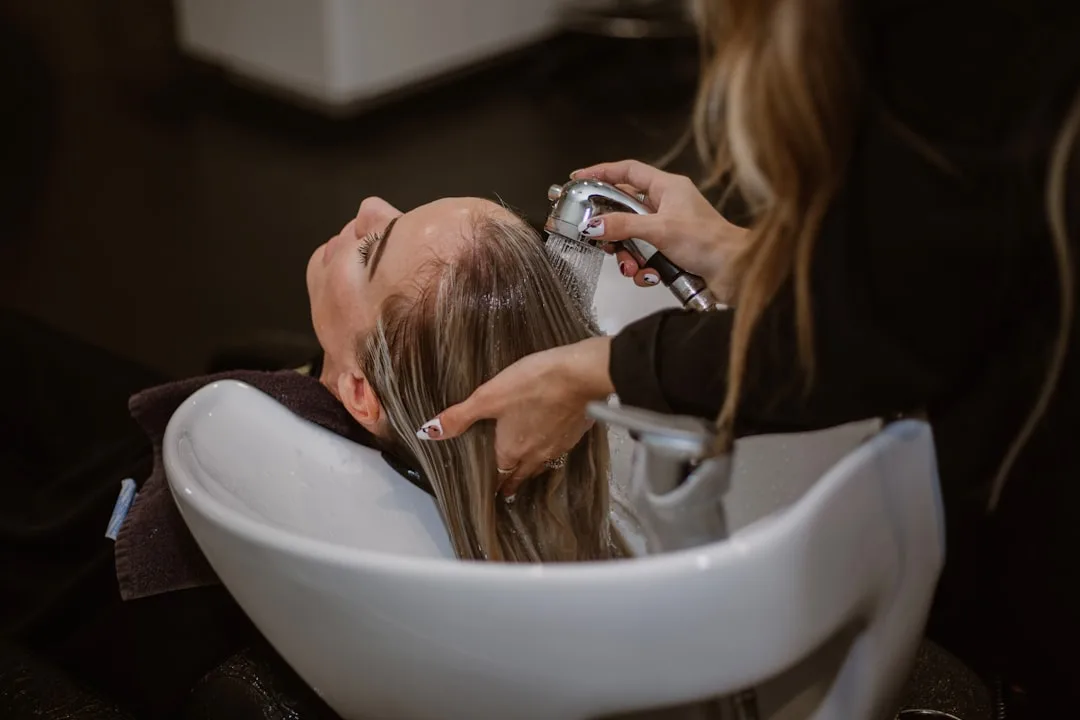
For years, we ignored the scalp. Now dermatologists confirm that a dedicated scalp care routine is the missing foundation of every legitimate hair strategy. Neglecting it guarantees flat, weak, or stubborn growth—no matter how expensive your shampoo.
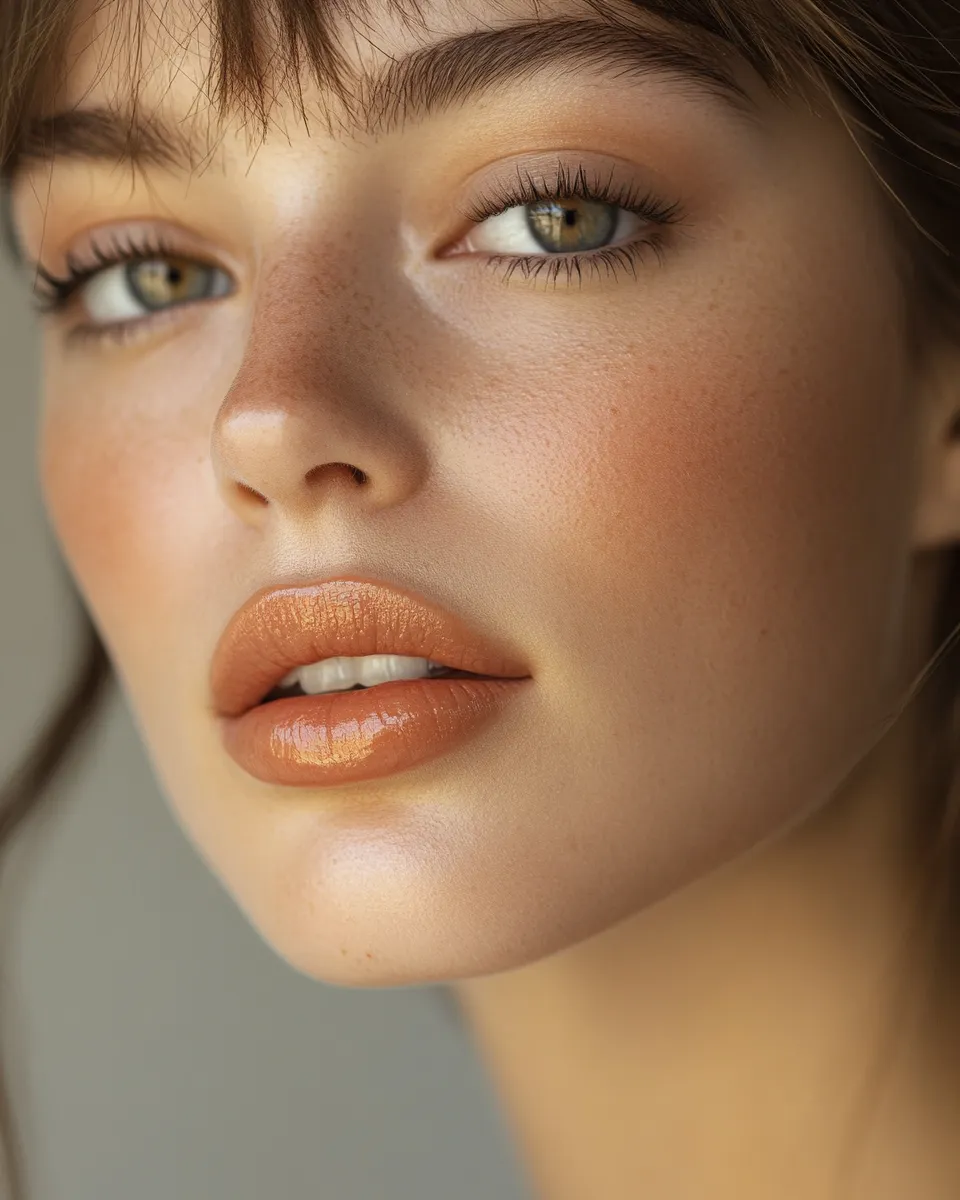
Butter lips are the lip trend of 2026 that managed to replace both the overdefined liner look and the full matte moment with something that feels genuinely new while being deeply flattering on every skin tone and lip shape. The aesthetic is exactly what the name suggests: lips that look like they have been softly … Read more
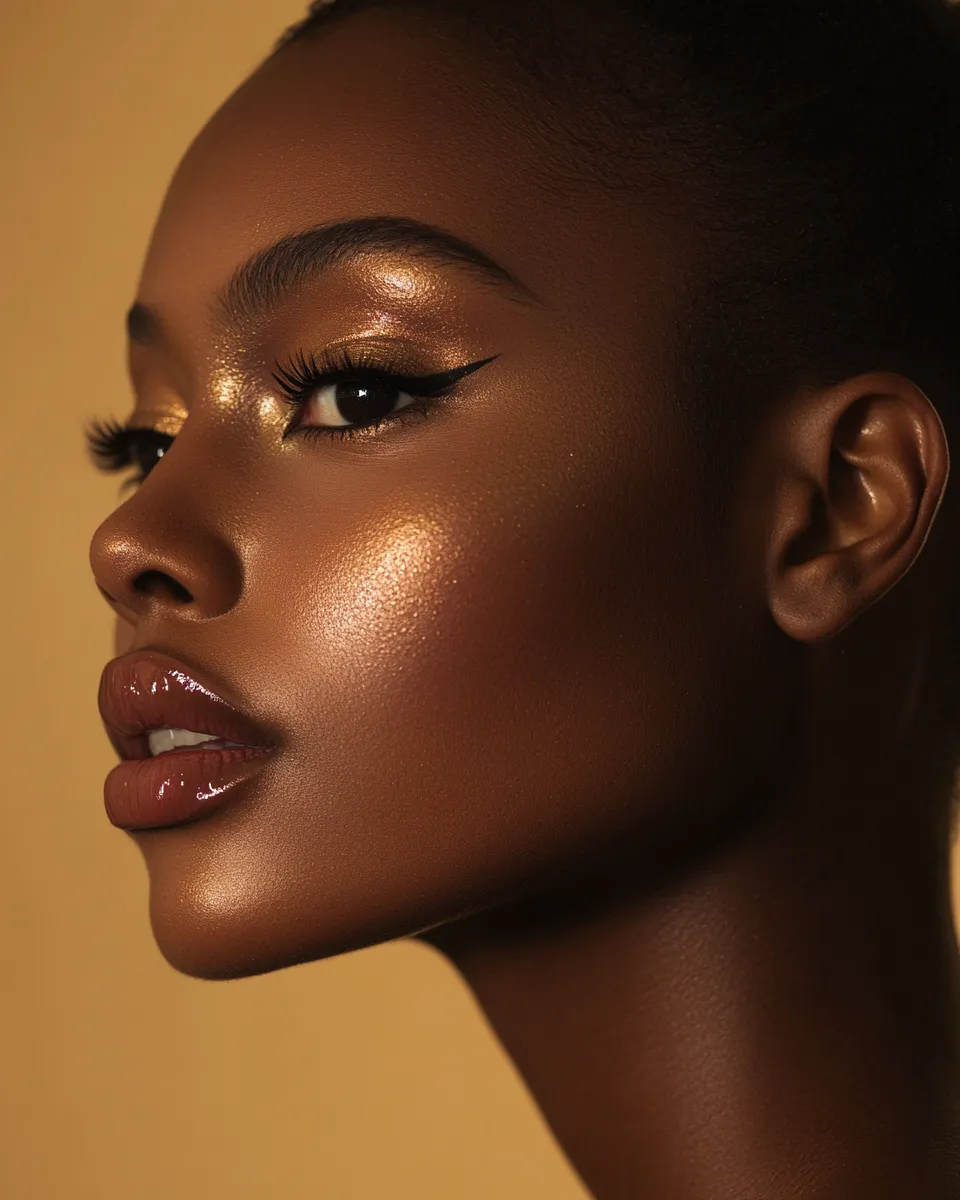
Brown skin and deep complexions have a specific relationship with makeup that most date night tutorials completely ignore. The shades that photograph beautifully on lighter skin — dusty mauves, pale nudes, lavender eyeshadows — read as muddy, grey, or invisible on deeper complexions. The bronzers and highlighters marketed as universally flattering often turn chalky or … Read more
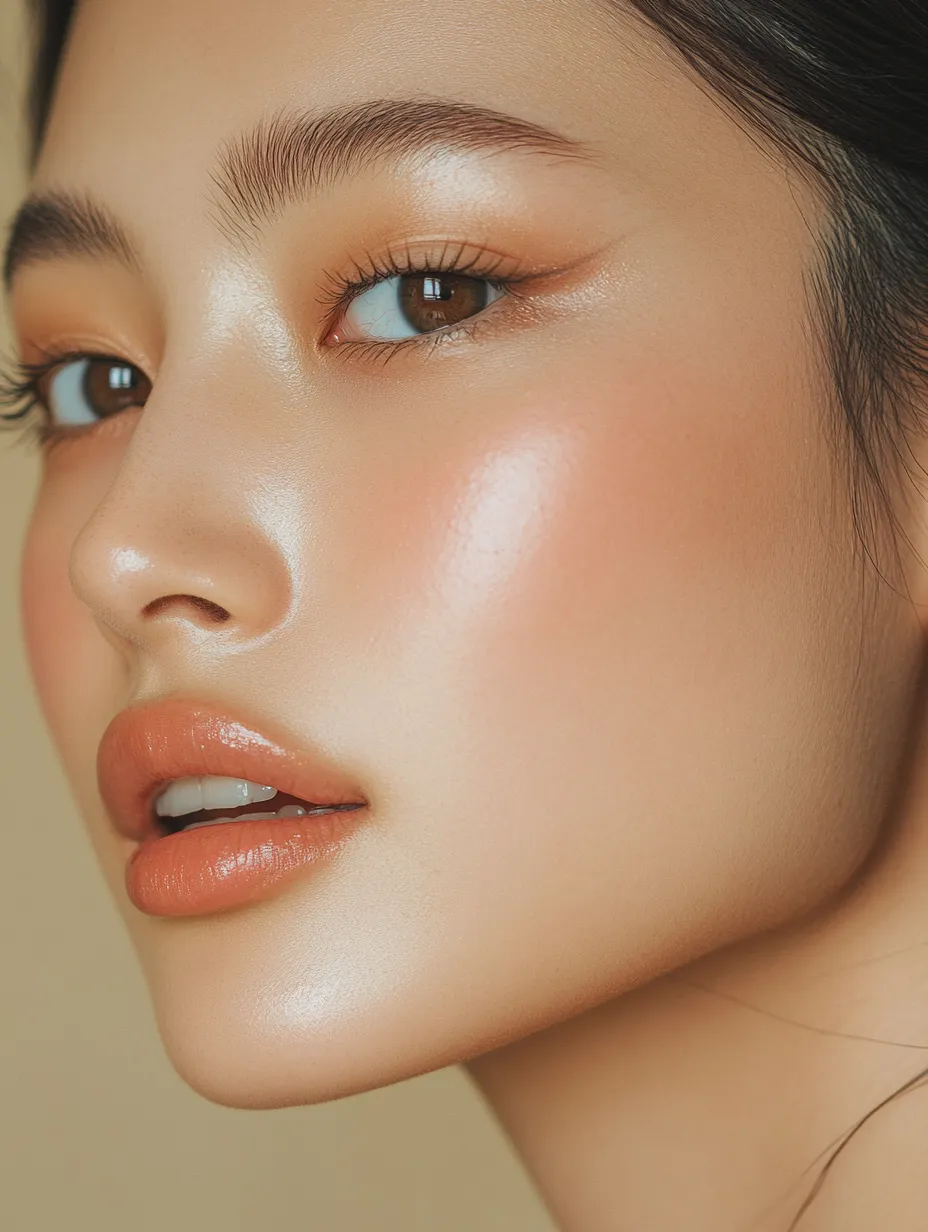
Standard eyeliner tutorials were not written for monolid eyes. That is not an opinion — it is a structural fact. The classic liner techniques found in most beauty guides assume a visible crease, a distinct lid space, and an eye shape that keeps product on the lid surface rather than concealing it under a fold. … Read more
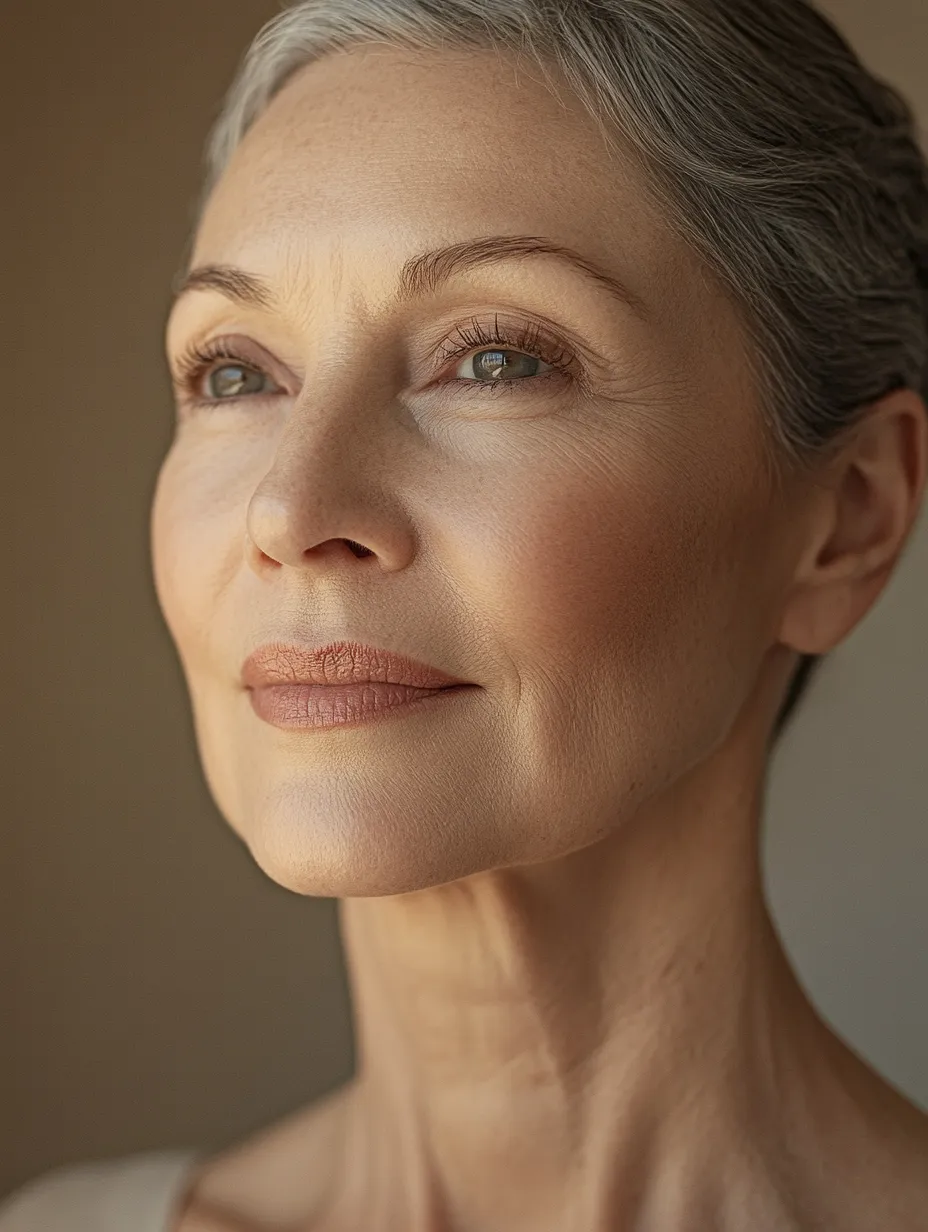
There is a specific frustration that almost every woman over 50 recognizes: you apply your makeup carefully in the morning, it looks good in the bathroom mirror, and by mid-morning the concealer has gathered in the creases under your eyes, the foundation has settled into nasolabial folds and fine lines, and the whole effect has … Read more
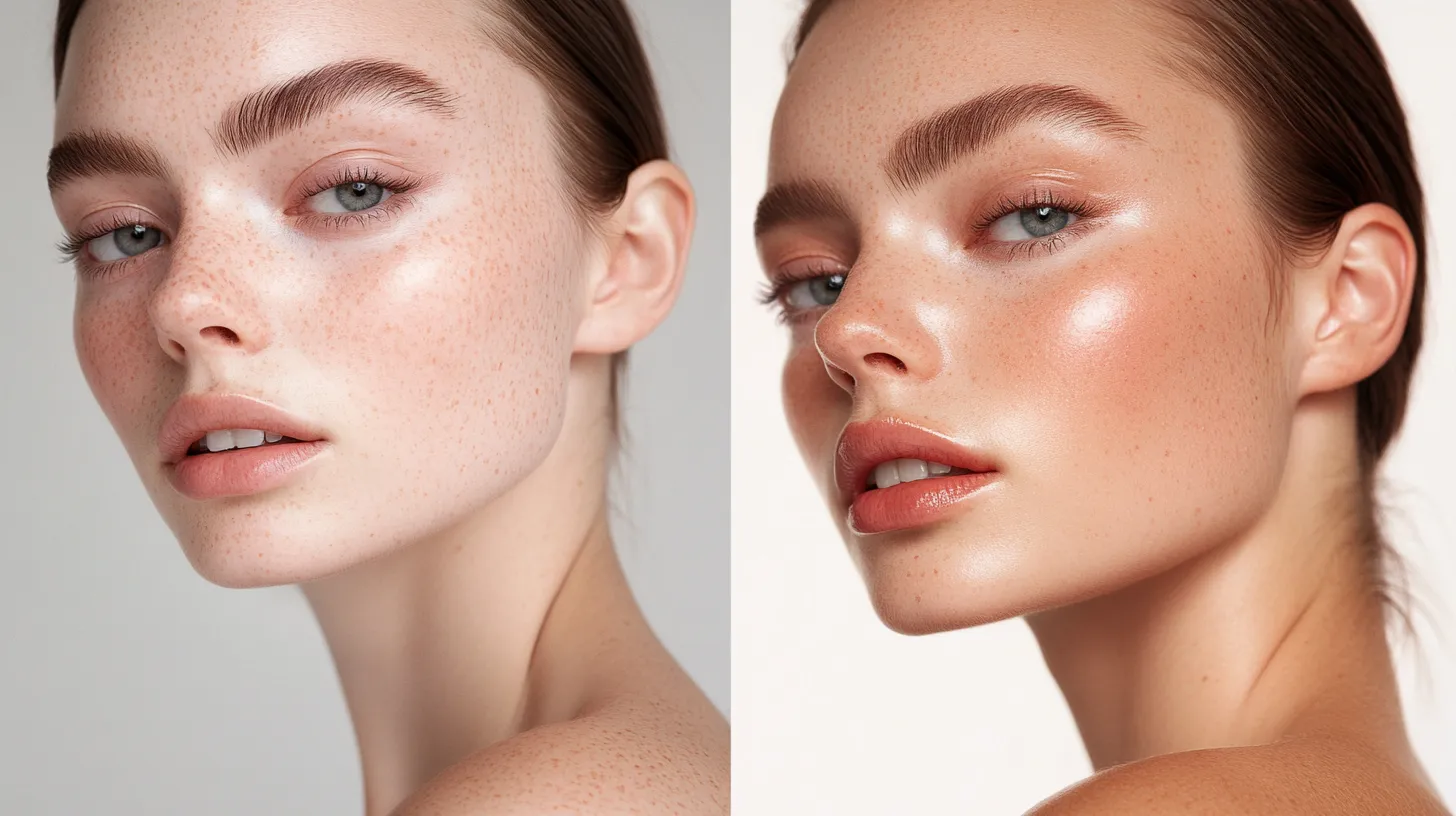
If you have spent any time on social media in 2026, you have seen it: a warm, flushed face with rosy cheeks that bloom from the nose outward, glossy bitten lips in a berry-coral tone, scattered freckles whether real or drawn, and skin that looks like it spent a long afternoon in the sun. That … Read more
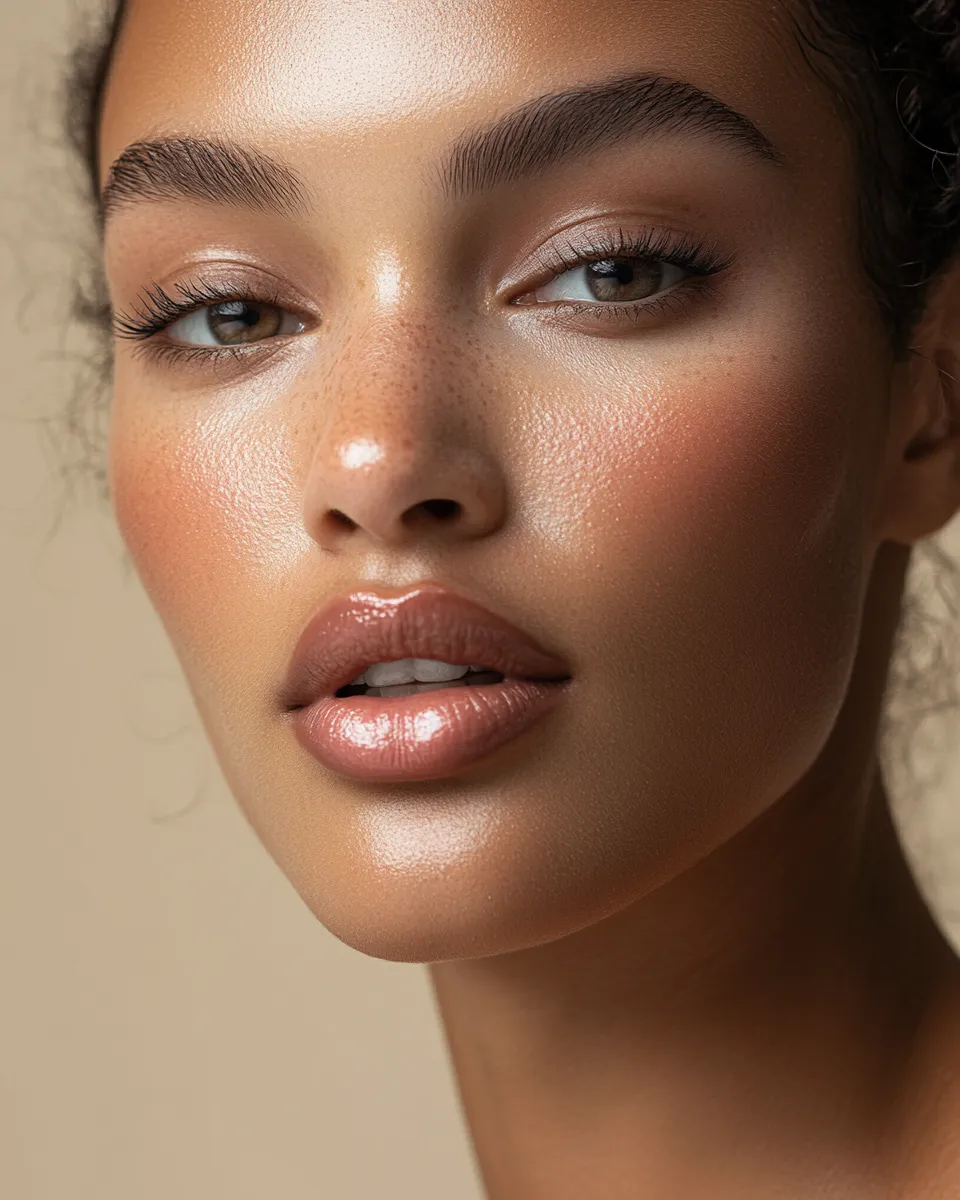
The average workday runs 8 to 9 hours. The average full-coverage foundation without any setting system lasts 3 to 4. That gap is where most office makeup routines fall apart — not because of poor products, but because of a missing infrastructure. The right foundation applied over the wrong base will fade, oxidize, and migrate … Read more
Hooded eyes are one of the most common eye shapes on the planet — and one of the most misunderstood when it comes to makeup. If you have a fold of skin that partially or fully covers your mobile eyelid when your eyes are open, you have hooded eyes. So do Camila Cabello, Jennifer Lawrence, … Read more
If you have ever typed “can you mix niacinamide and vitamin C in the same routine” into a search bar at midnight, you are not alone. The combination has generated more skincare debate than almost any other ingredient pairing in the last decade. Some blogs warned you to keep them apart forever. Others said layer … Read more
Jelly blush layering is replacing traditional powder blush with gel-based stacking techniques that build color dimension and last 12+ hours. This summer’s most-requested technique uses 3-4 product layers to create a flushed, dimensional finish that reads natural on all skin tones.
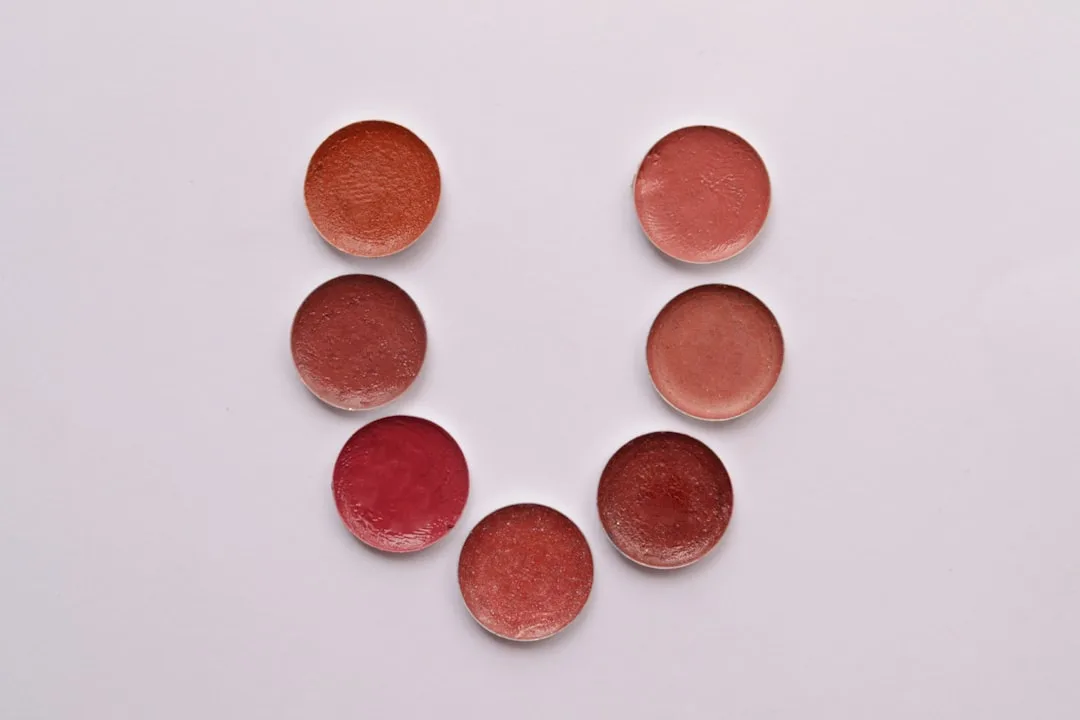
Lip stain layering is reshaping how beauty professionals build lasting lip color. By combining pigmented bases with sheer topcoats, this technique delivers depth and durability that single-step applications cannot match.
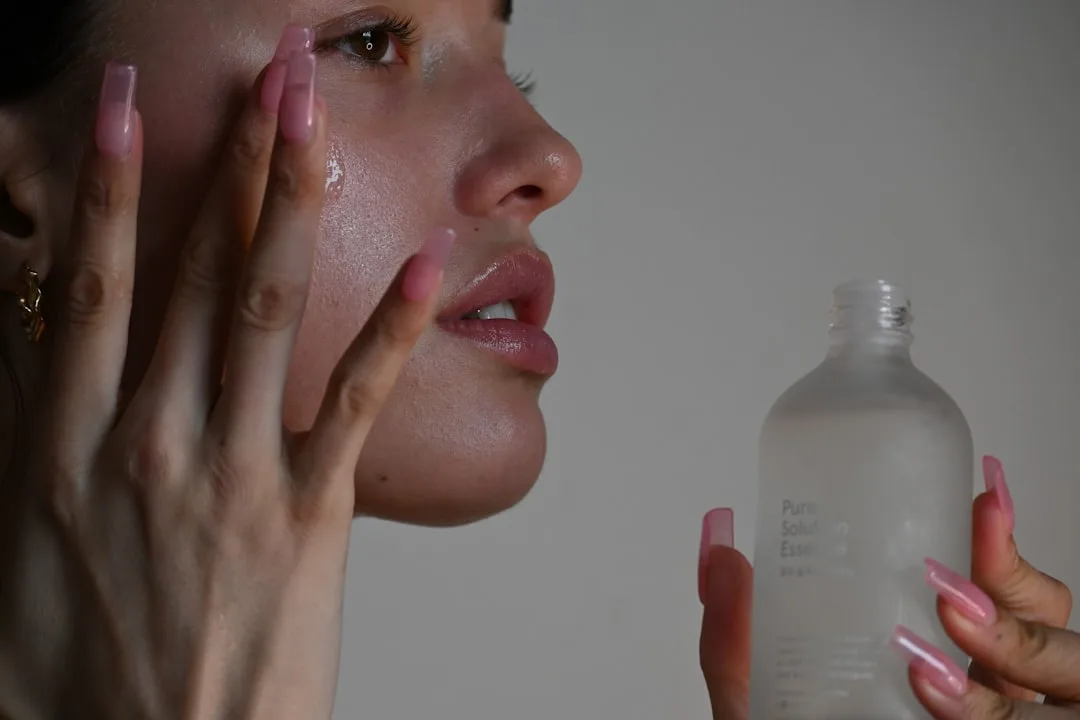
Facial serums layering technique has become the summer 2026 standard for building concentrated, customized skincare formulas. By stacking lightweight serums in precise order, you amplify active ingredient absorption and prevent molecular interference.
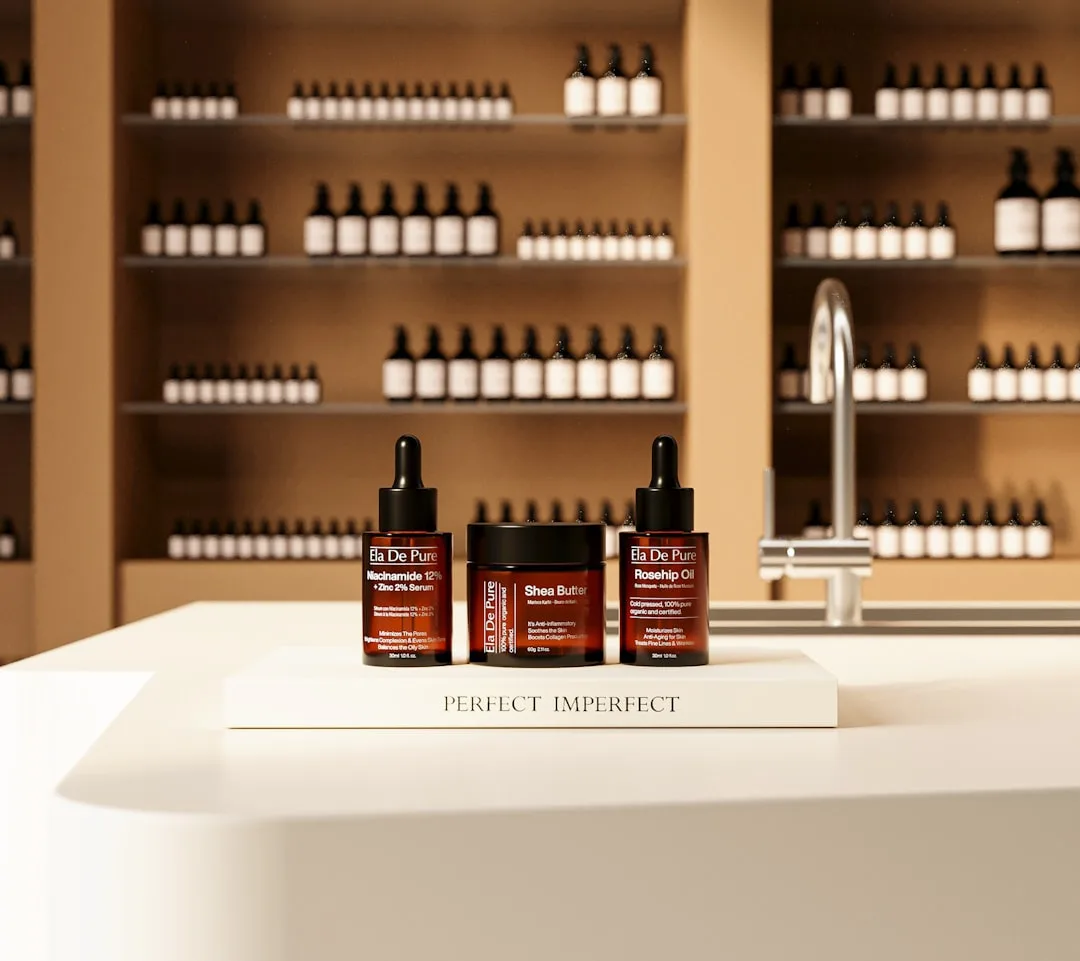
Niacinamide serum acne products are overtaking retinol as the fastest path to clear skin without the sensitivity penalty. Dermatologists are recommending it over prescription-strength alternatives due to its ability to regulate oil production within two weeks.