Why the Built-in Window Seat Is Taking Over Small Living Rooms
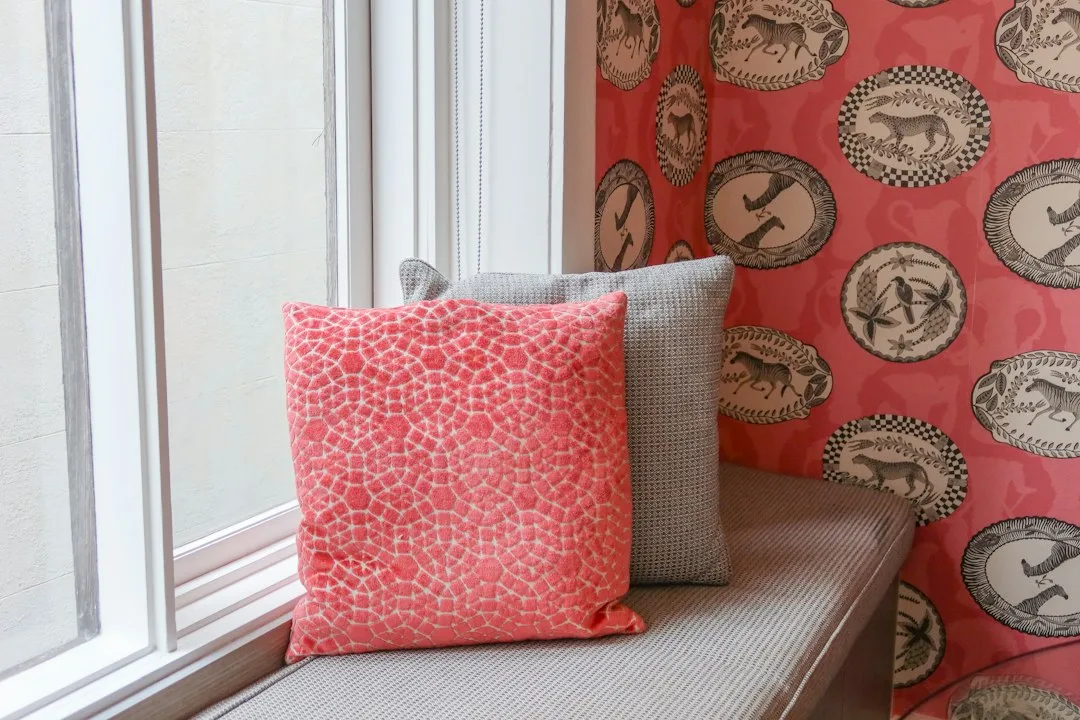
A built-in window seat turns dead wall space into a daily perch in small living rooms. Here is how to size it, finish it and avoid the mistake that turns it into a shelf.
333k+ Lifestyle & Design Ideas
A built-in window seat turns dead wall space into a daily perch in small living rooms. Here is how to size it, finish it and avoid the mistake that turns it into a shelf.
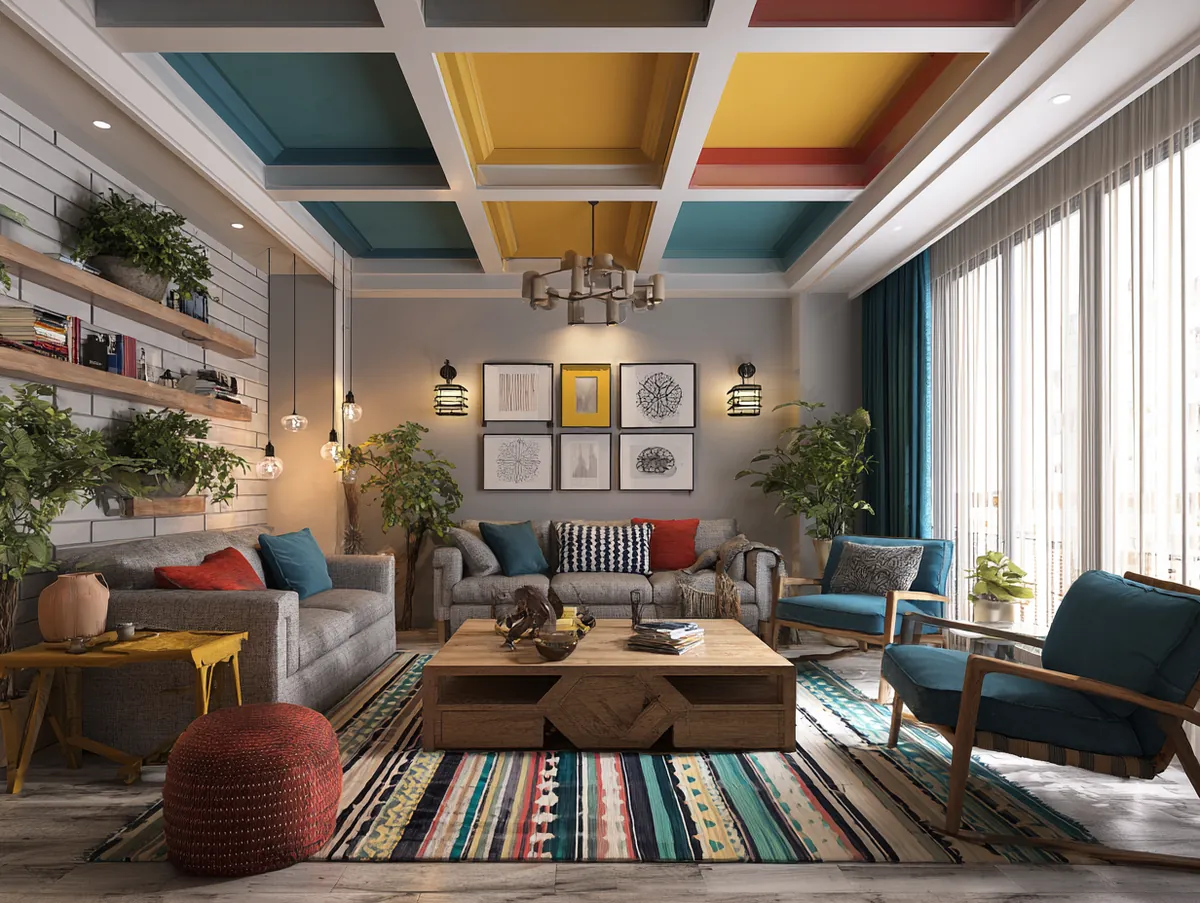
Plasterboard vs pop depends on whether your drawing room needs overhead drama or warm, hand-worked walls. Here is how pop ceilings and plaster wall finishes compare on look, cost, and placement.

Terrazzo flooring offers long-lasting, low-upkeep richness at a higher price, while epoxy coating costs less and offers wider color options. Learn which floor suits your room light, budget and maintenance tolerance.
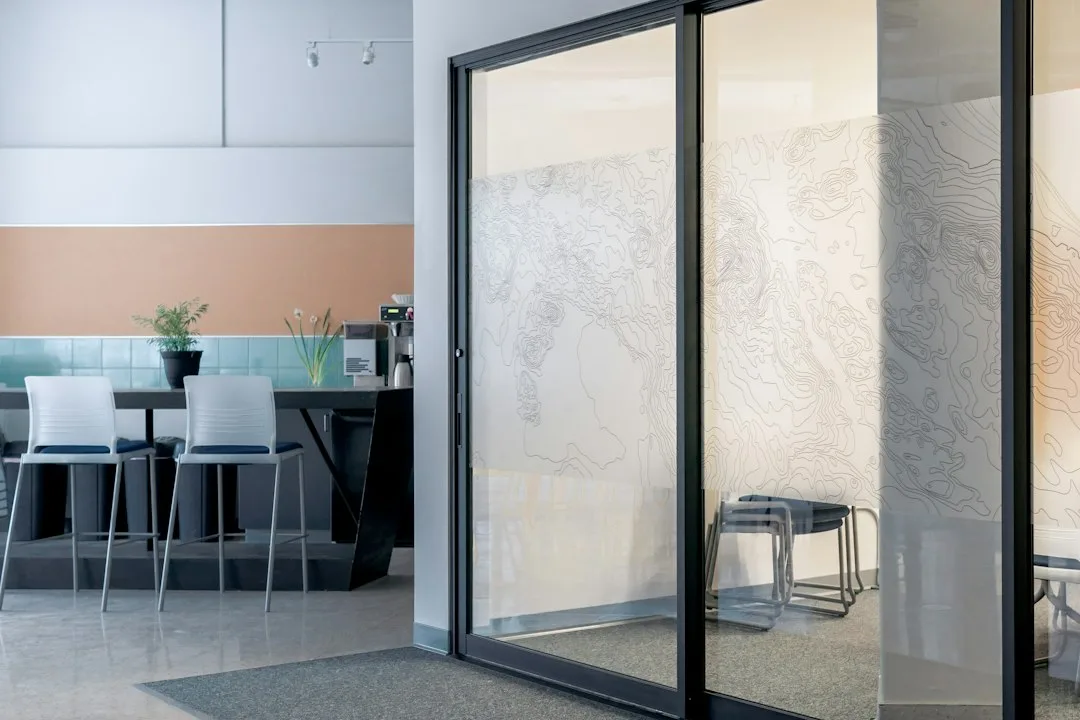
Steel framed glass doors are replacing solid doors in kitchens and living rooms because they carry daylight deeper into a home. The catch is that thin frames need the right thermal performance to avoid cold spots.
Looped, nubby bouclé is pushing velvet out of mainstream living rooms because it hides wear and softens a room’s acoustics. Here is how to choose one that lasts.
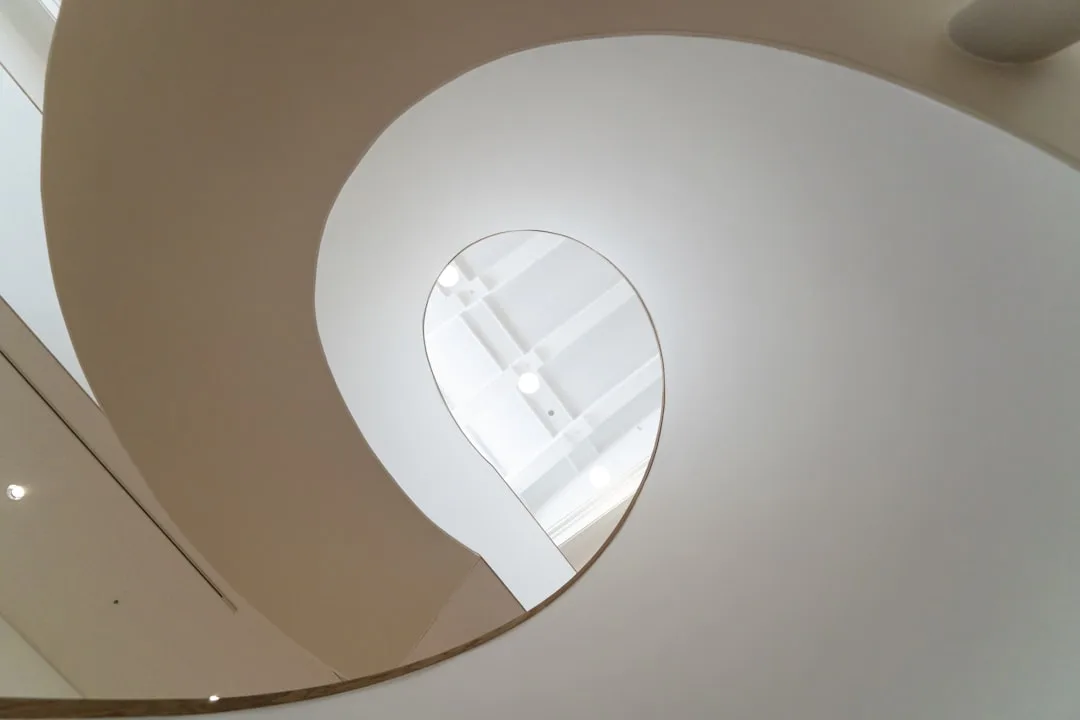
Drywall vs plaster wall depends on how much texture, curve and care you want. Plaster suits owners who value an aging, textured surface, while curved drywall suits open plans and budget-minded feature walls.
A backsplash can look convincing in a showroom and still feel like the wrong choice after a week of cooking. A textured surface beside the hob, a busy grout pattern or an awkward exposed edge may matter more day to day than the colour that first caught your eye. Choosing a low-maintenance kitchen backsplash starts … Read more
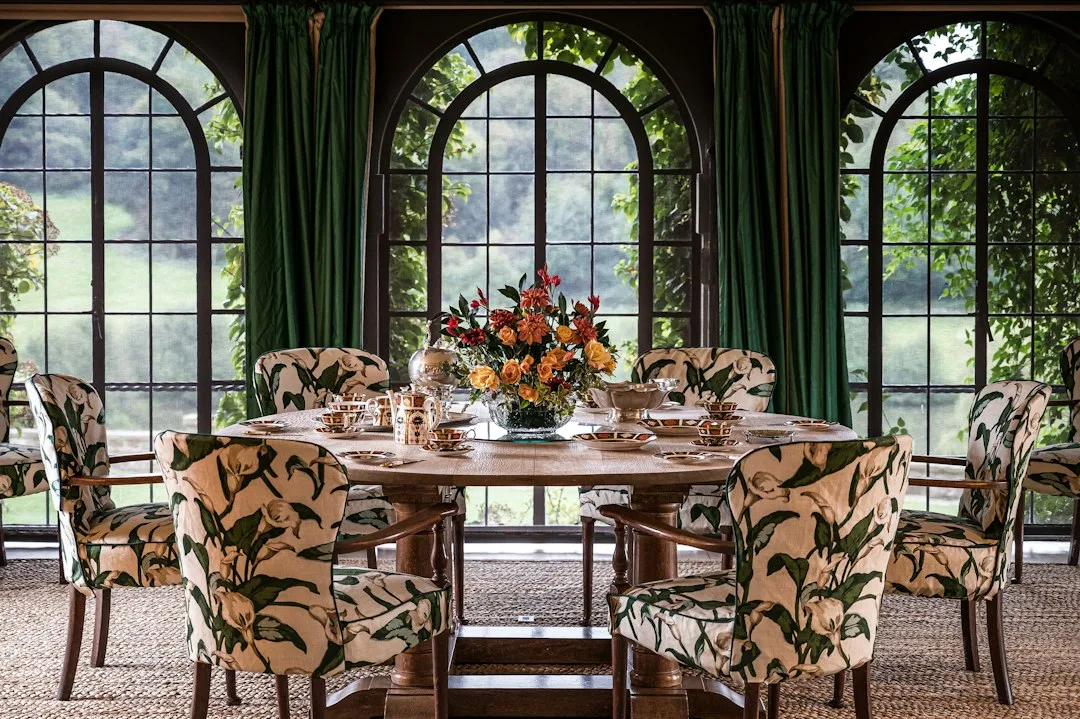
Cane dining chairs are returning to modern homes for their light, open weave and easy warmth. Here is why the trend is sticking and how to pair them well.
Chandeliers often carry several small bulbs, and the number on the box can be confusing. Older packaging was built around watts. Today, brightness is measured in lumens, and understanding that one change makes bulb shopping much simpler. This guide explains the basics and shows how to apply them to a multi-bulb fixture. If you are … Read more
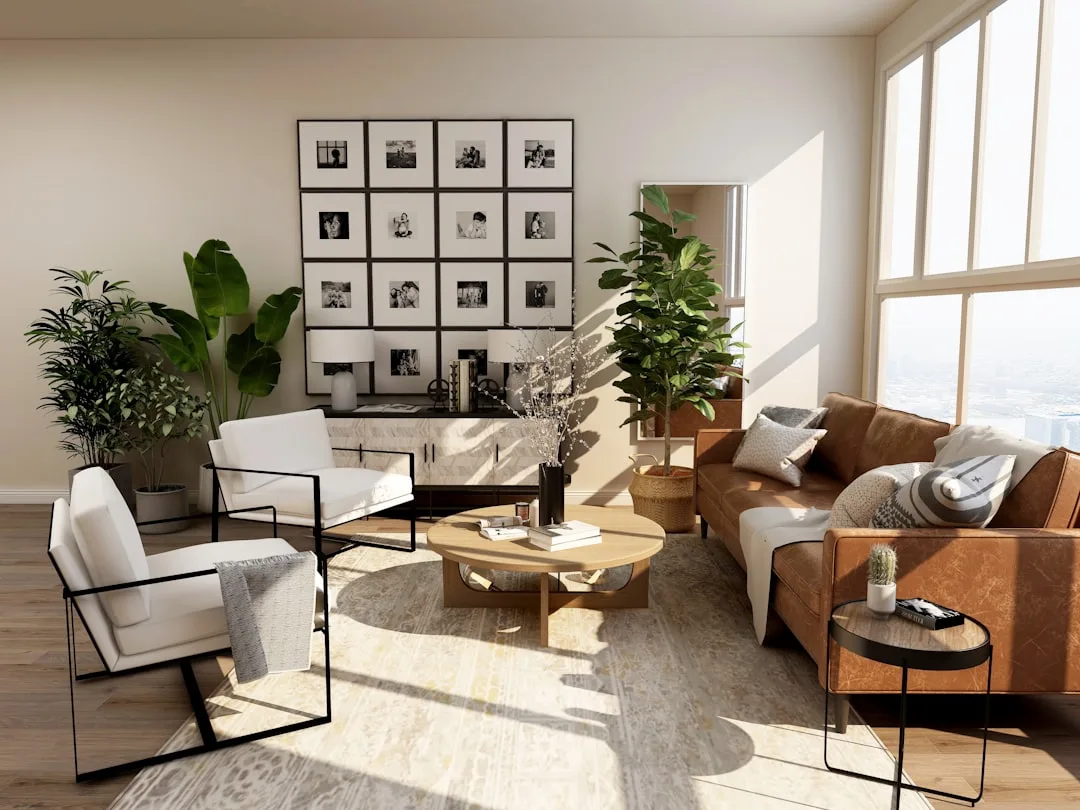
Cork and luxury vinyl plank split on moisture, cost, and how they feel underfoot. Cork suits dry rooms where warmth and natural material matter, while vinyl handles wet zones and tighter budgets.
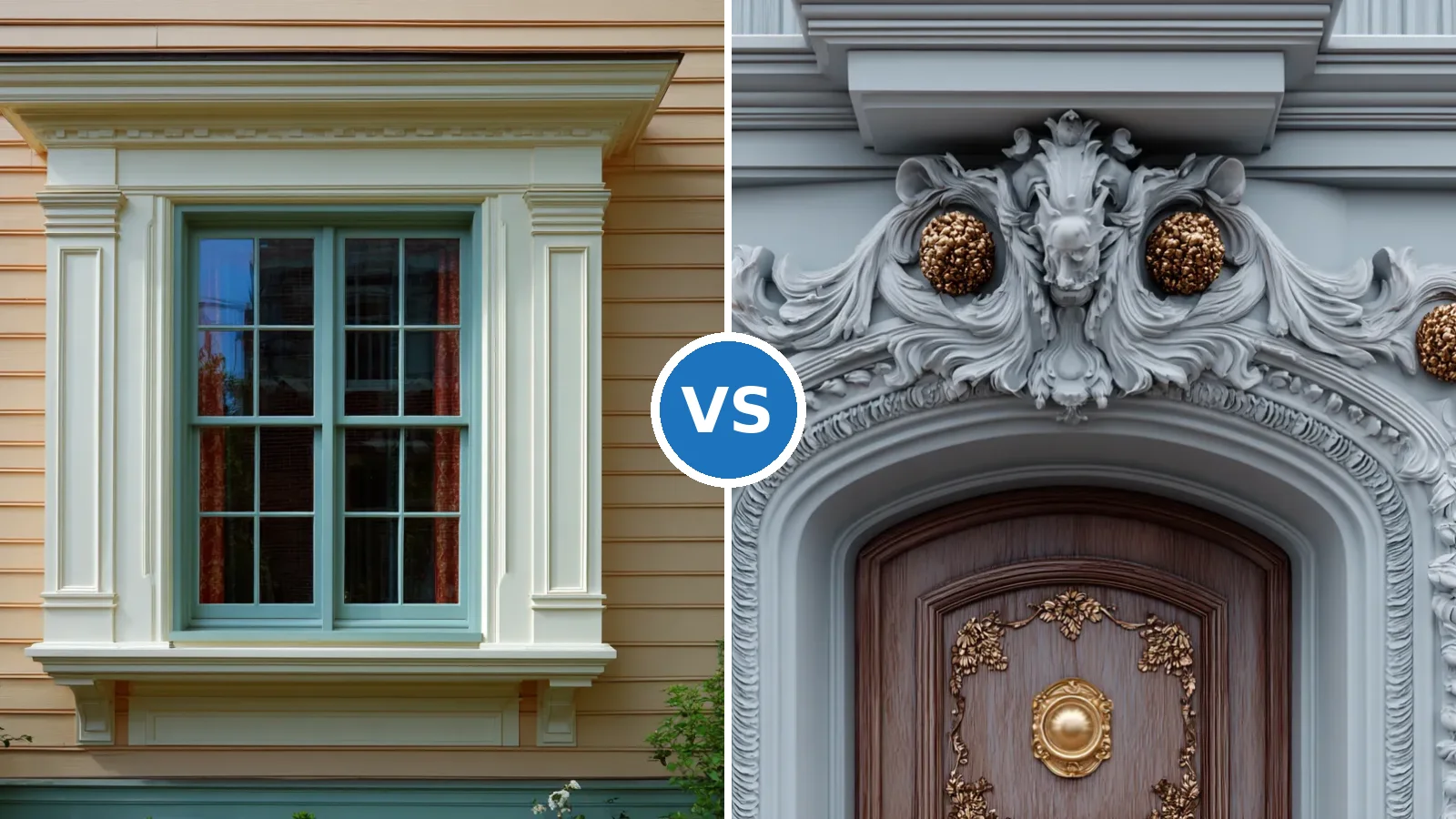
Both exterior window trim and decorative door trim shape how your home looks from the street, but they serve different purposes and demand different care. Choosing between them means understanding their distinct costs, durability profiles, and where they make the biggest design payoff.
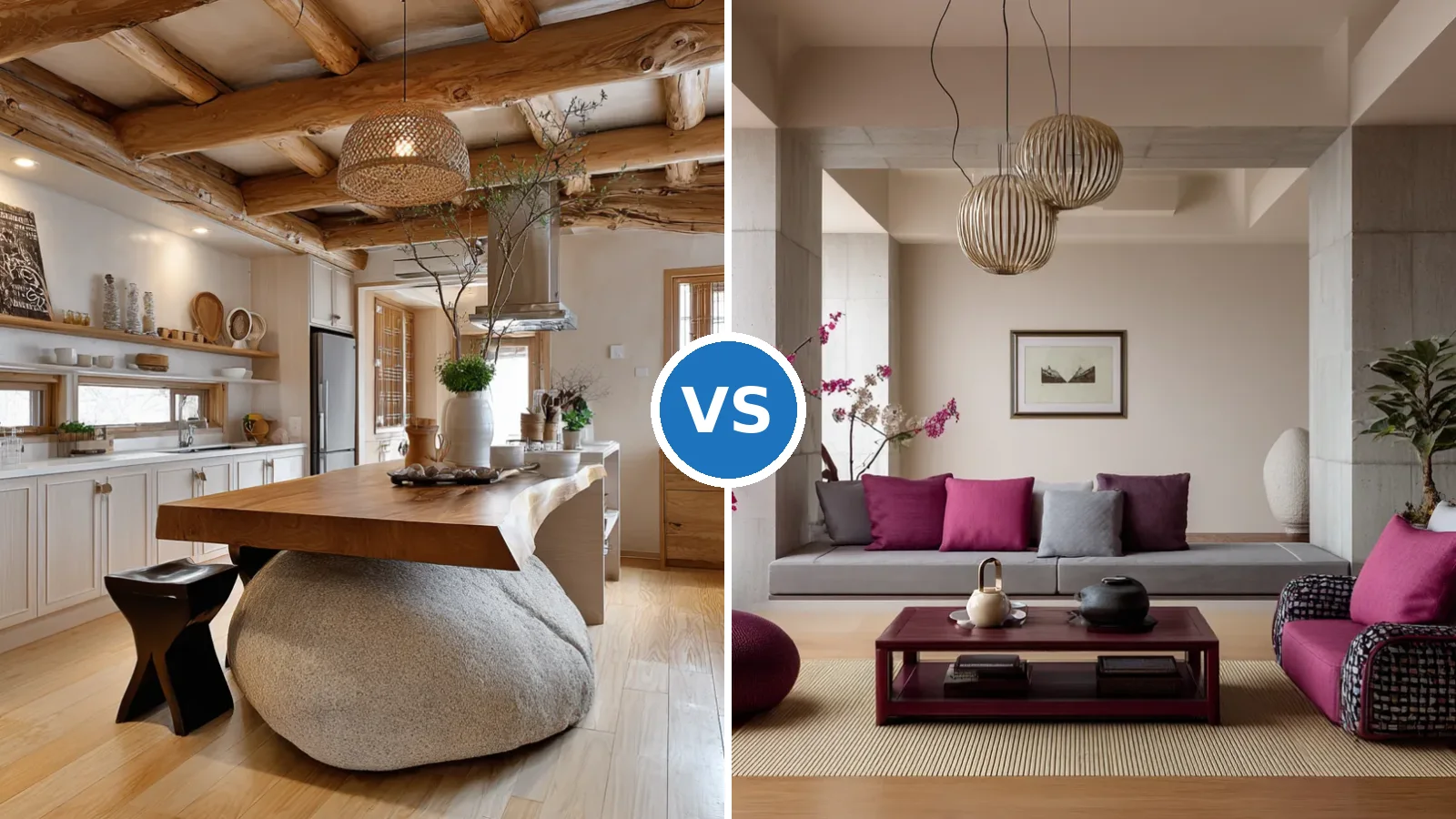
Korean and Japanese interior design both solve the small-space puzzle, but they answer different questions. One optimizes workflow and storage; the other creates tranquility and openness.
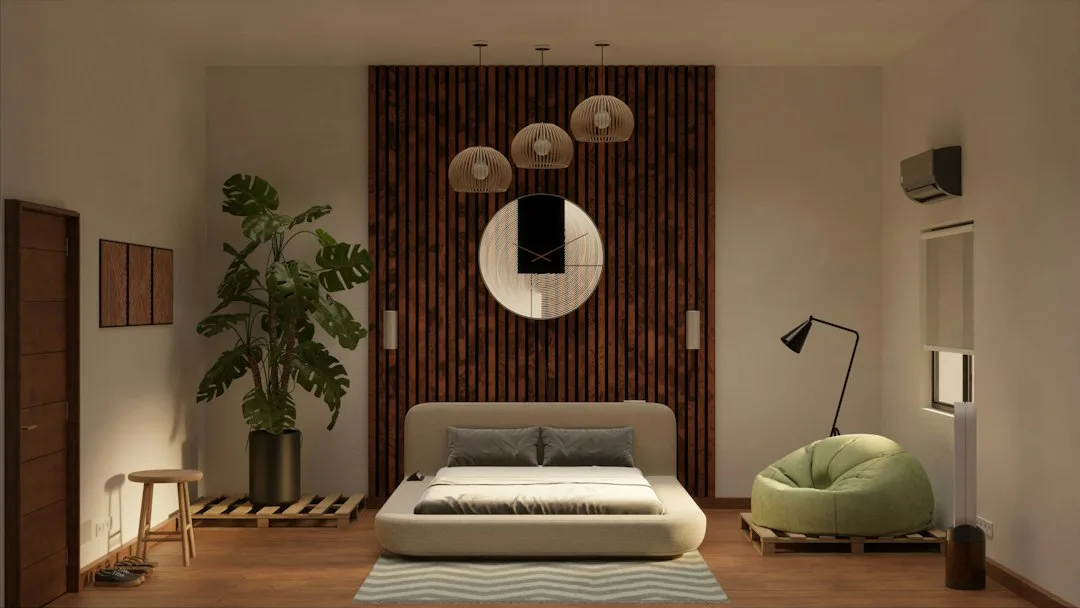
Biophilic wall design merges botany with architecture, turning blank surfaces into living ecosystems that purify air and ground occupants in nature. From moss walls to creeping ivy trellises, this 2026 trend rewires how we think about interior walls.
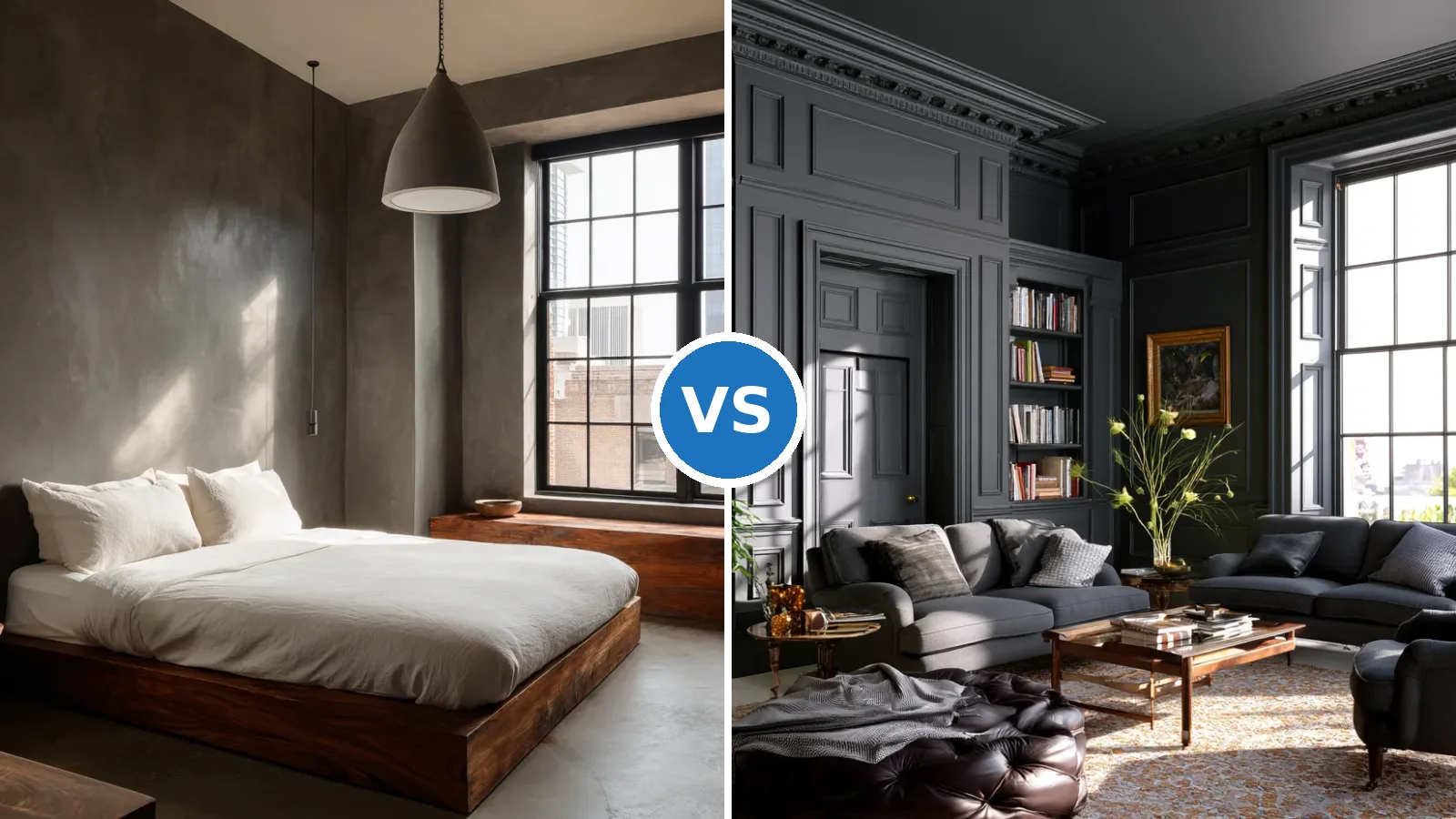
When redesigning your bedroom, you face a fundamental choice: highlight one dramatic wall or drench the entire room in unified colour. Each approach rewires how architecture reads.
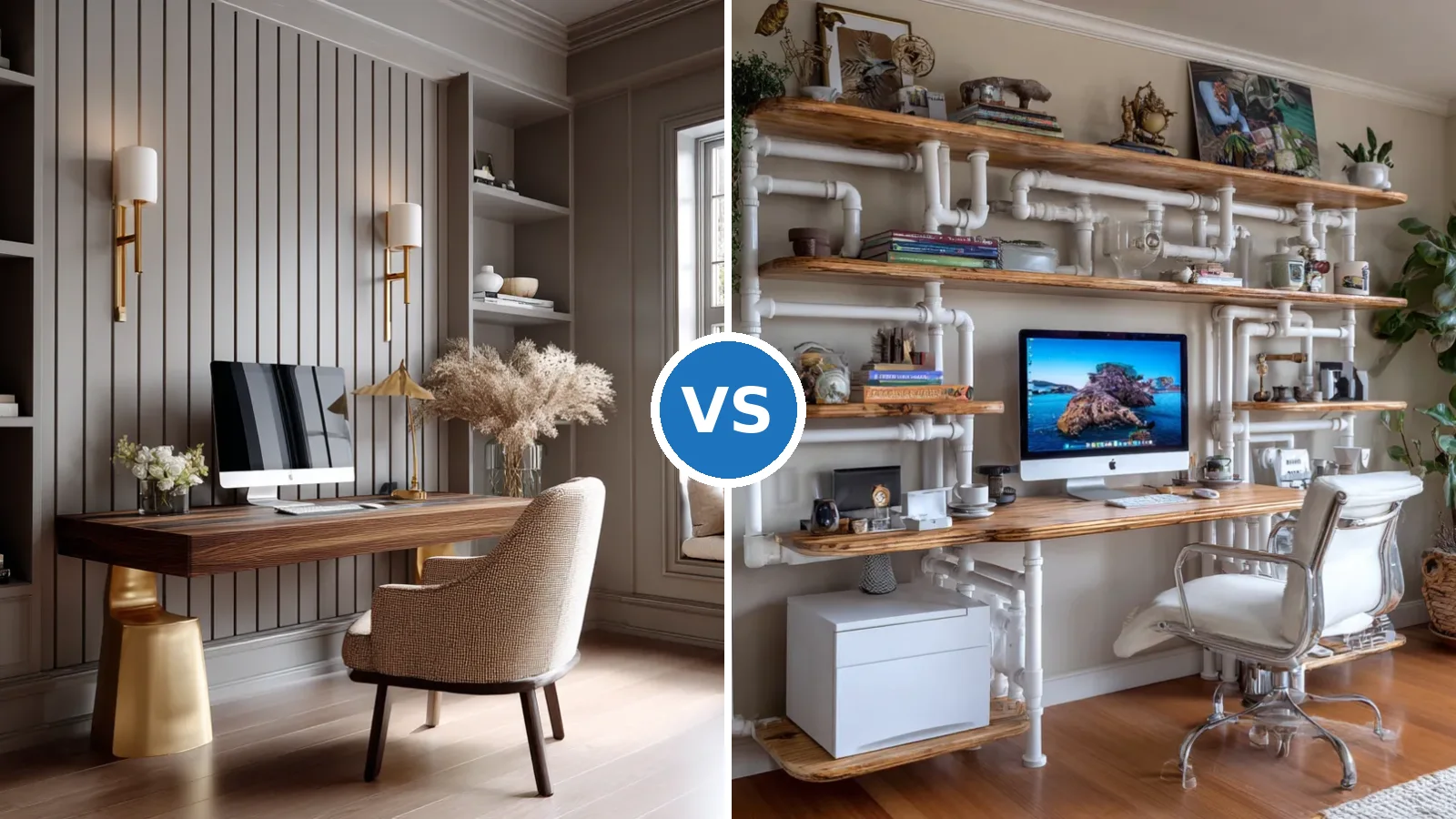
Choosing between WPC and PVC wall panels means weighing wood-look authenticity and acoustic benefit against budget-friendly installation and moisture resistance. Both lock moisture out and skip traditional wood maintenance—but they serve different priorities.
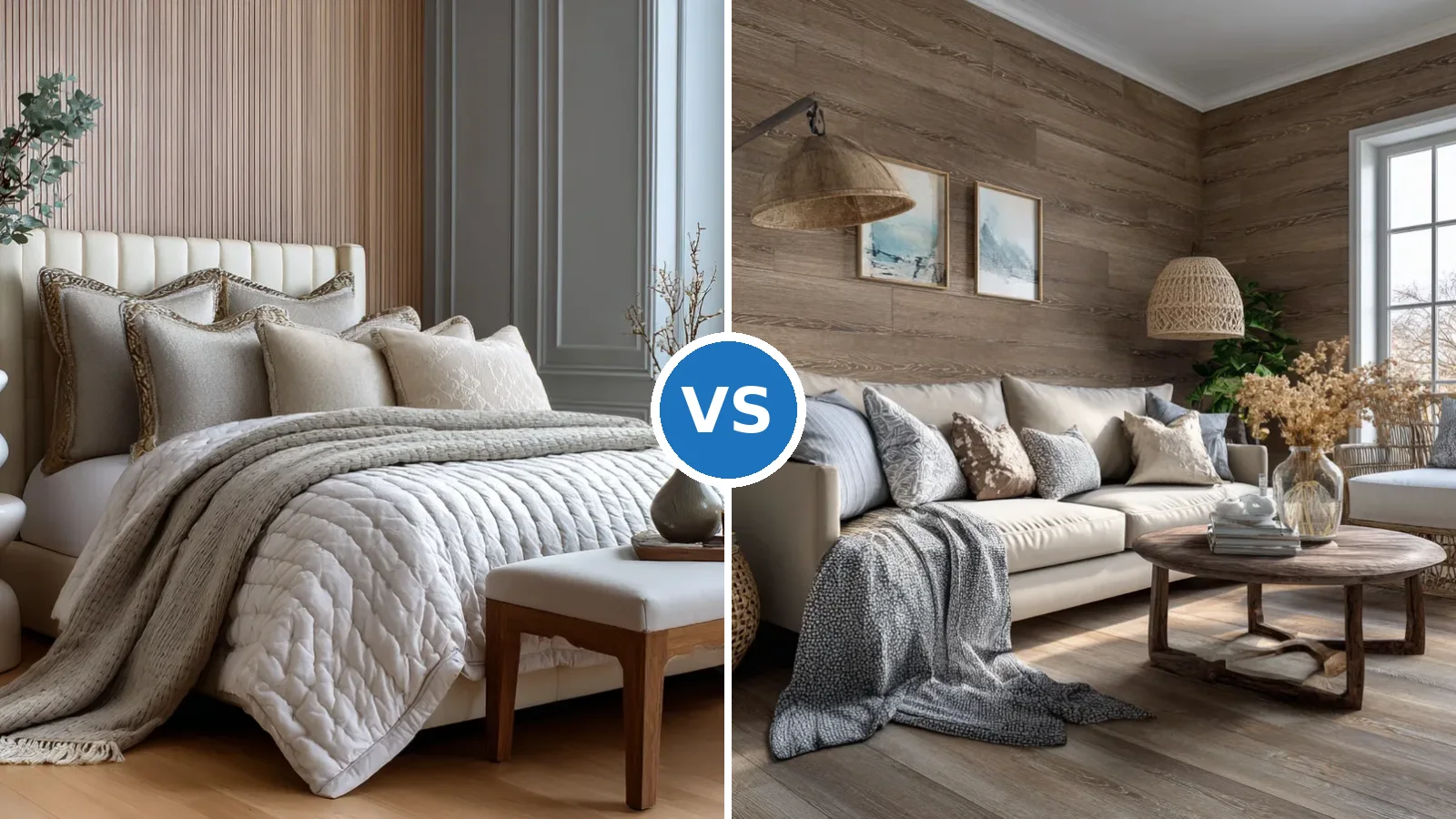
Both PVC wall panels and fluted panels add texture and depth to a room, but they differ significantly in cost, installation speed, and maintenance demands. Your choice depends on whether you prioritize budget-friendly quick installs or a more refined architectural aesthetic.
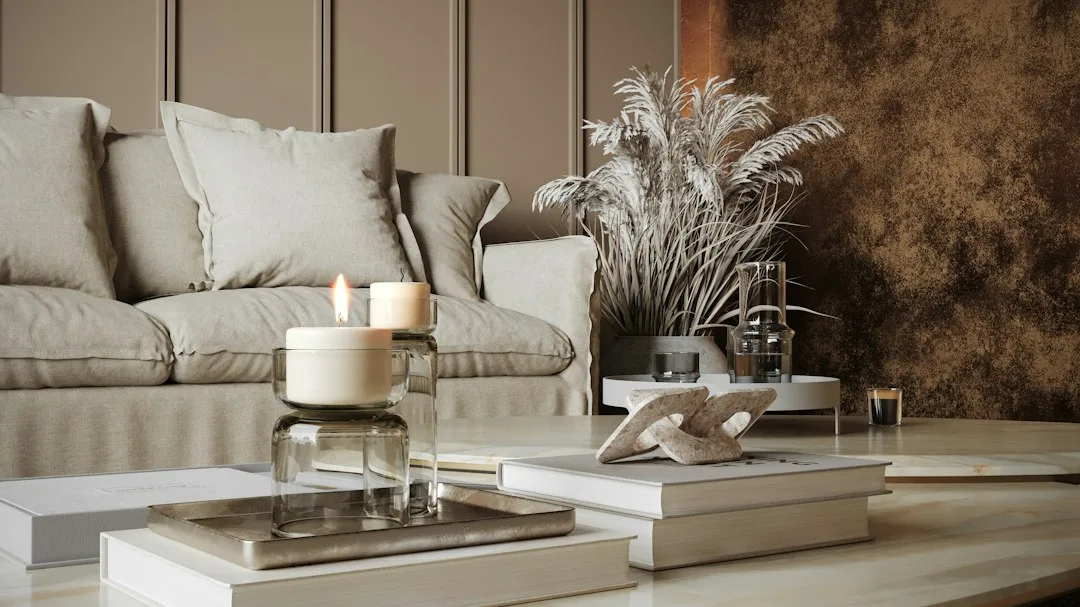
Warm metallic wall finishes are redefining how light and texture interact in modern homes. From burnished copper to soft brass, these surfaces replace flat paint with dimensional warmth that anchors contemporary rooms.
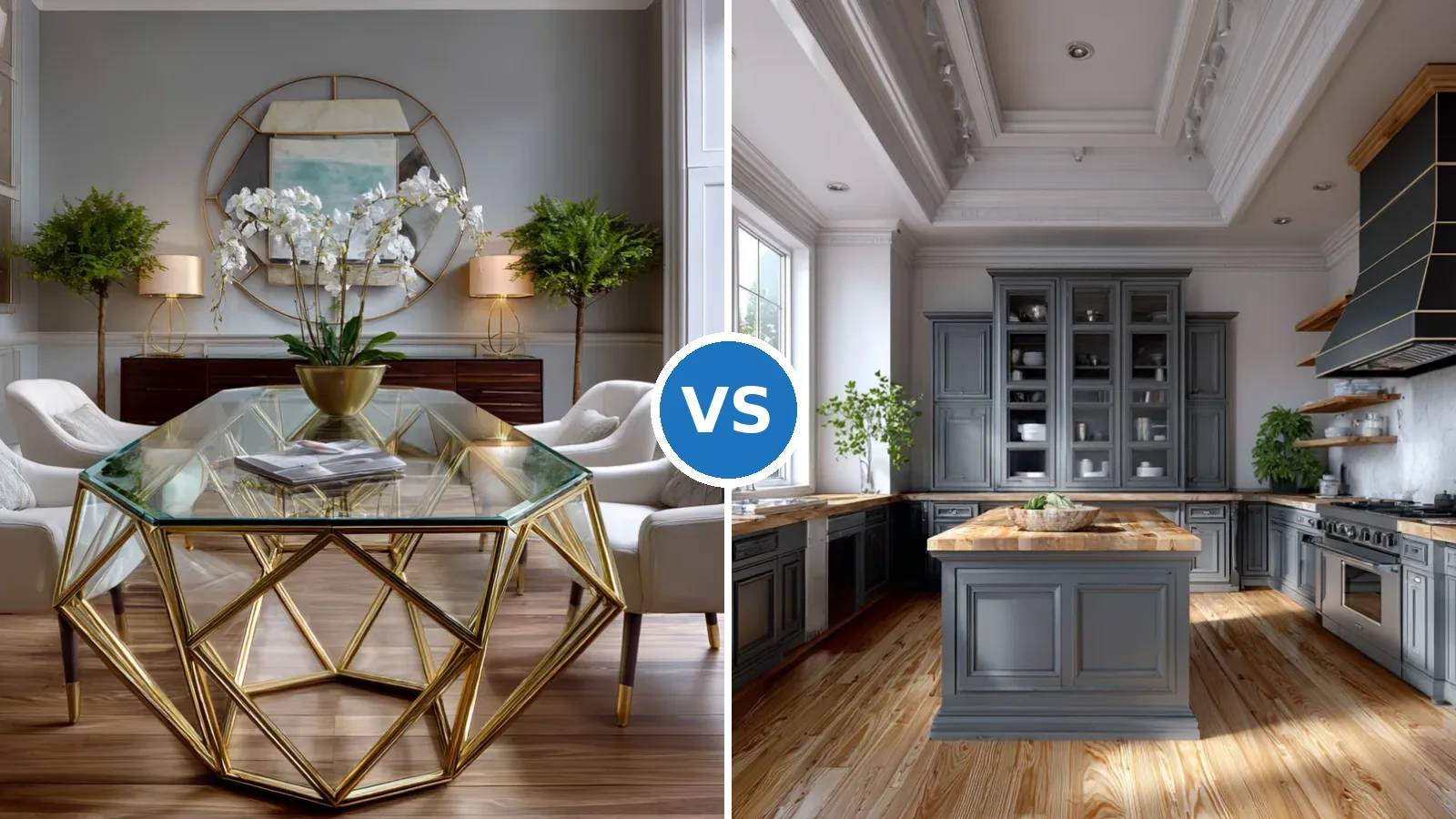
A geometric glass coffee table and a modern wood kitchen represent two distinct design philosophies: one prioritizes openness and contemporary elegance, the other balances warmth with minimalist restraint. Understanding where each shines helps you decide which fits your living space.
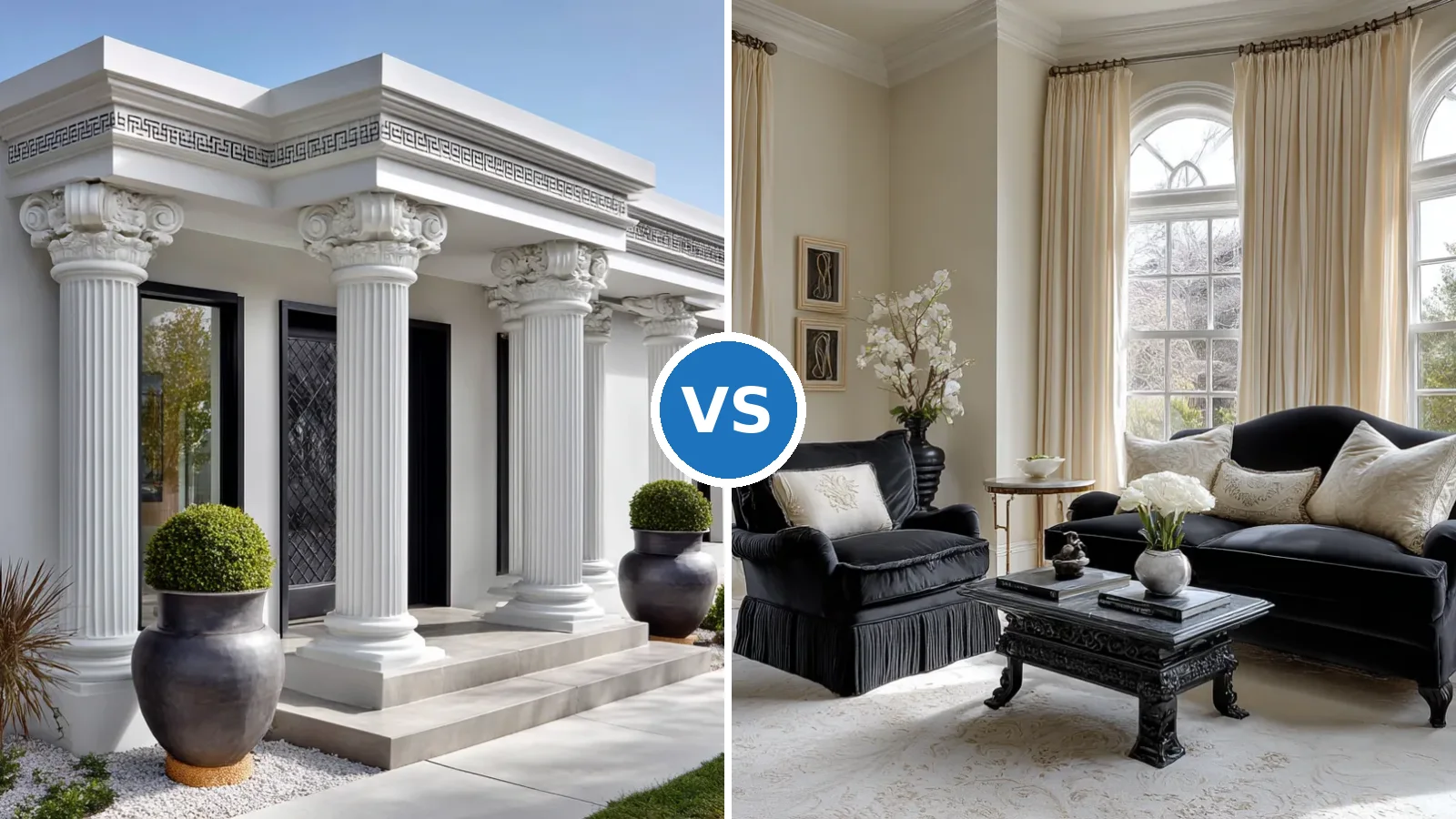
You’re redesigning a room and wondering whether to anchor it with classical architecture or a restrained color palette. Roman columns and black-and-cream schemes both transform space, but they work in opposite ways.
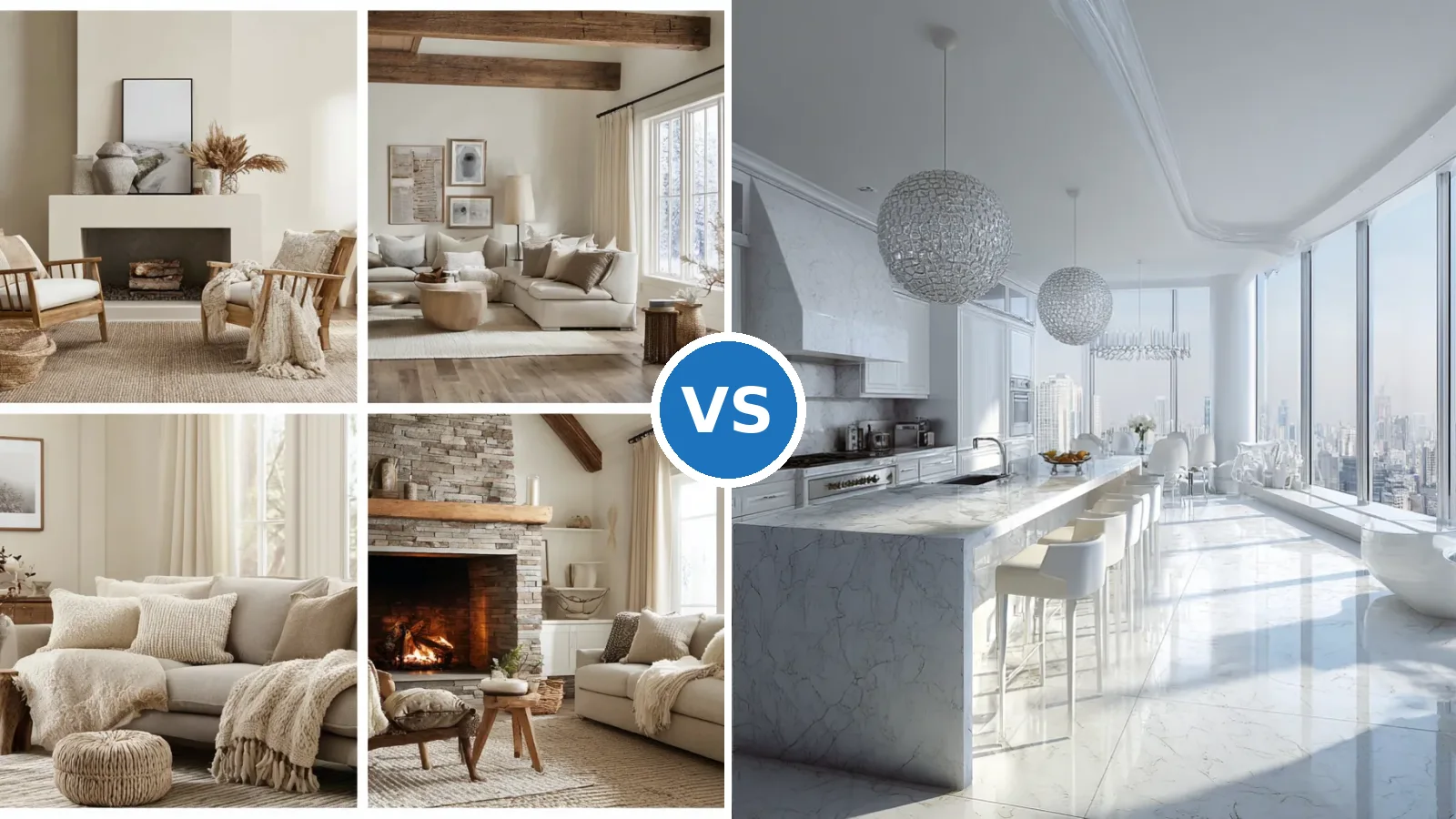
Your kitchen palette choice determines whether the space feels welcoming or clinical. We pit creamy off-whites against traditional white to help you decide which suits your home’s personality and daily demands.
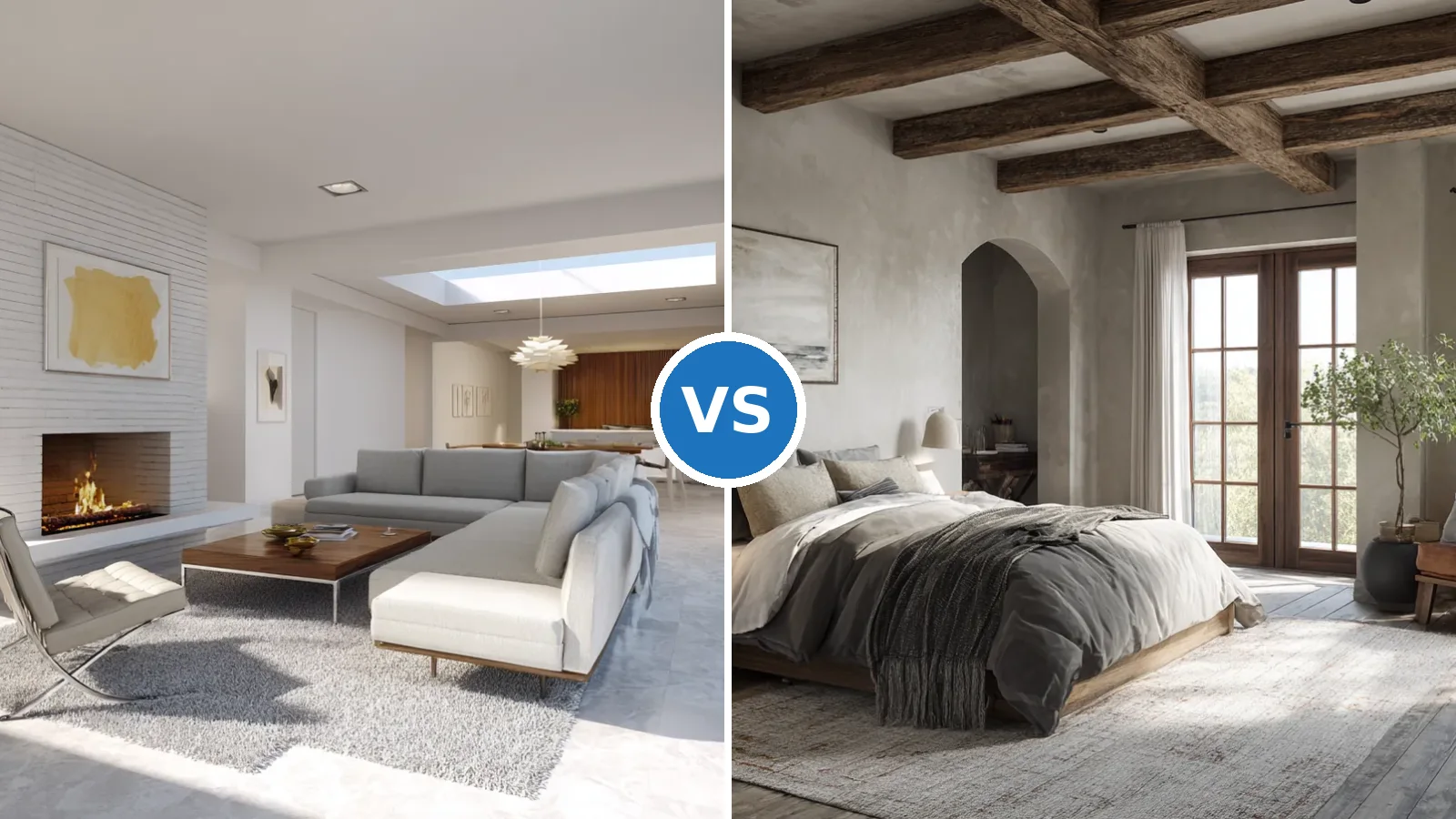
Both mid century modern and Scandinavian design celebrate form and function, but they approach your home differently. One energizes communal spaces; the other calms private retreats.
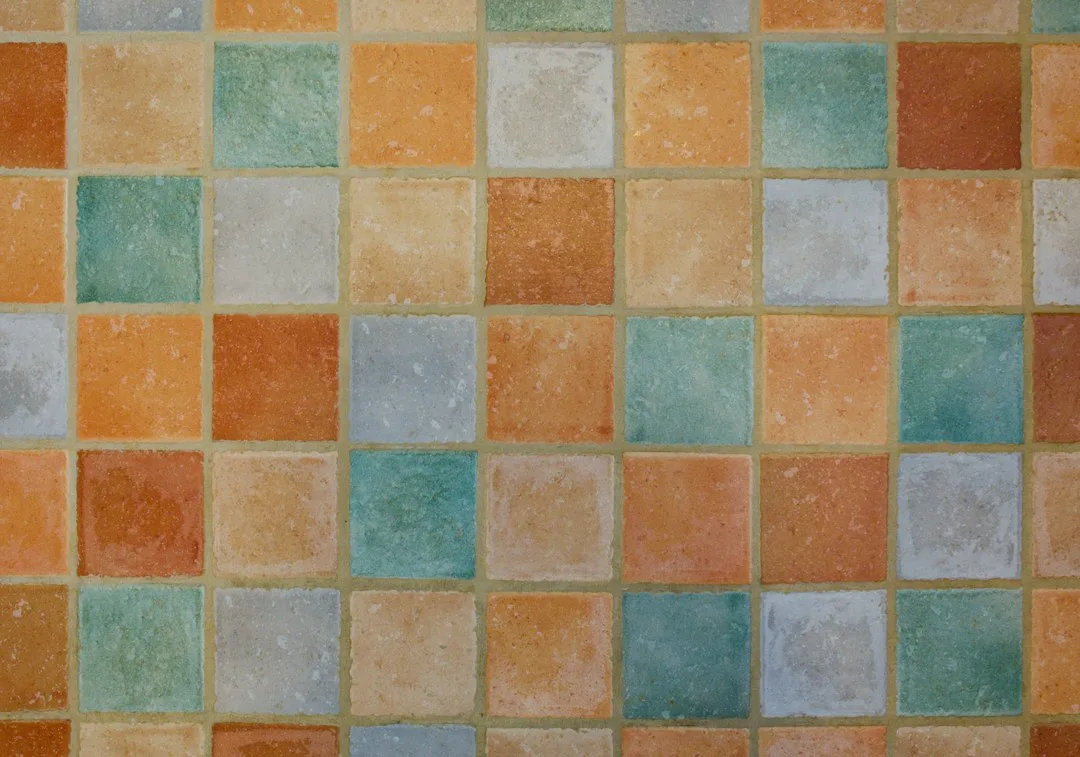
Porcelain tile accent walls are replacing traditional drywall and plaster in kitchens, bathrooms, and living spaces because they offer pattern flexibility, zero maintenance, and structural durability. This shift reflects a fundamental rethinking of what accent surfaces can do beyond pure aesthetics.
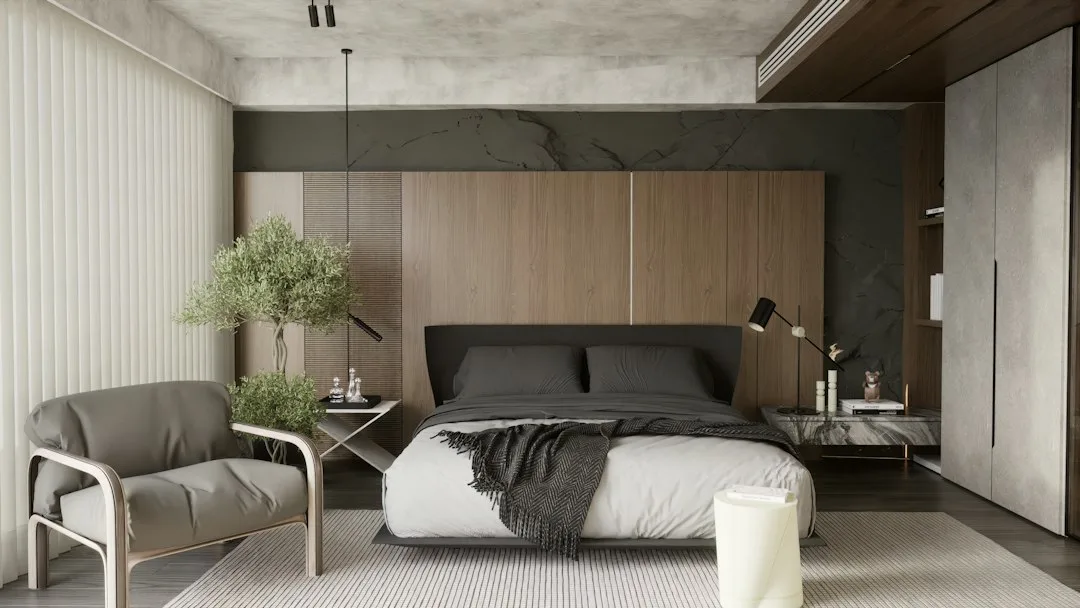
Textured wood wall panels have emerged as the dominant accent solution for 2026, replacing flat finishes with dimensional surfaces that anchor entire rooms. These panels combine tactile appeal with sustainable sourcing, offering homeowners a way to build genuine architectural presence without full renovation.
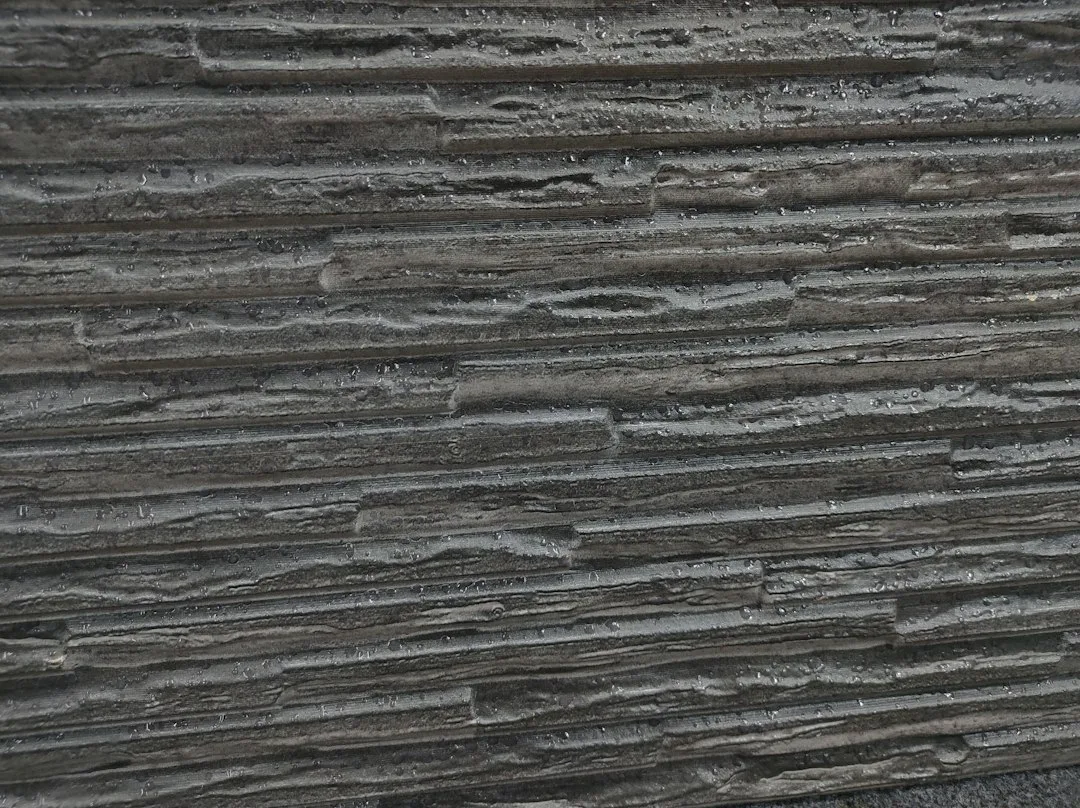
Fireplace feature walls are overtaking neutral interiors as the primary architectural focal point in 2026 homes. Designers are layering material textures—from basalt stone to terracotta tile—to create depth that anchors entire rooms.
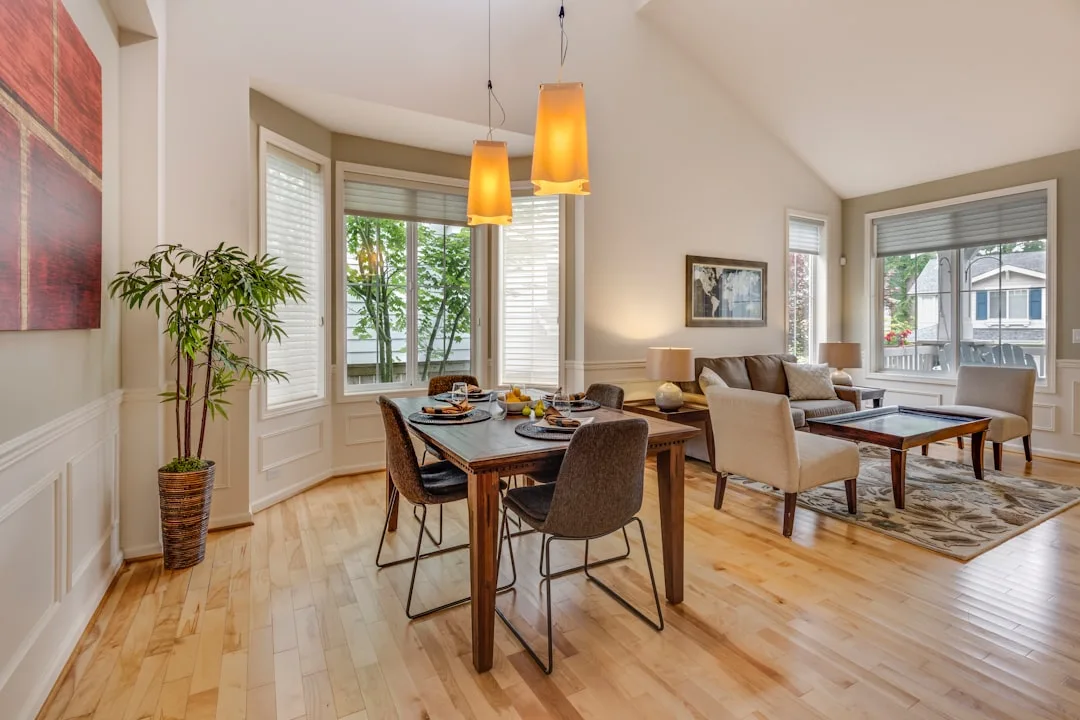
Sustainable wood flooring has become the defining material choice for 2026 interiors, moving beyond trend into structural necessity. Homeowners and designers now prioritize FSC-certified, reclaimed, and engineered options that deliver aesthetic warmth without ecological compromise.
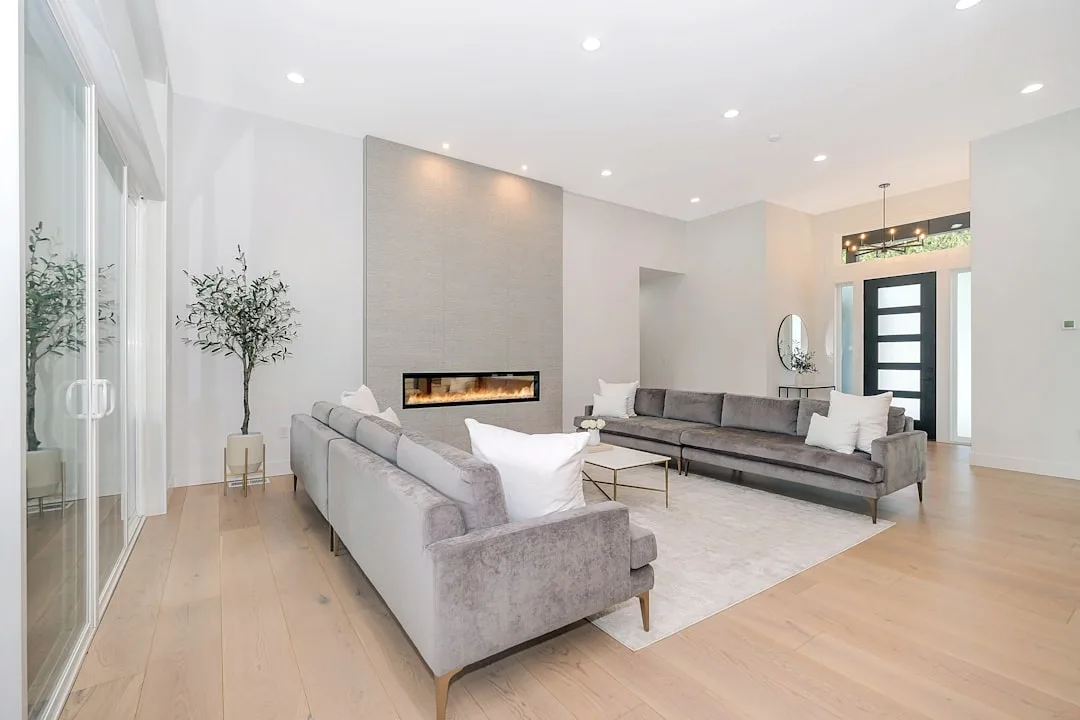
Venetian plaster wall finishes are reclaiming interior design in September 2026, offering a sophisticated alternative to flat paint with built-in luminosity and tactile character. This ancient Italian technique creates soft, reflective surfaces that absorb and release light throughout the day, making compact spaces feel larger and more layered.
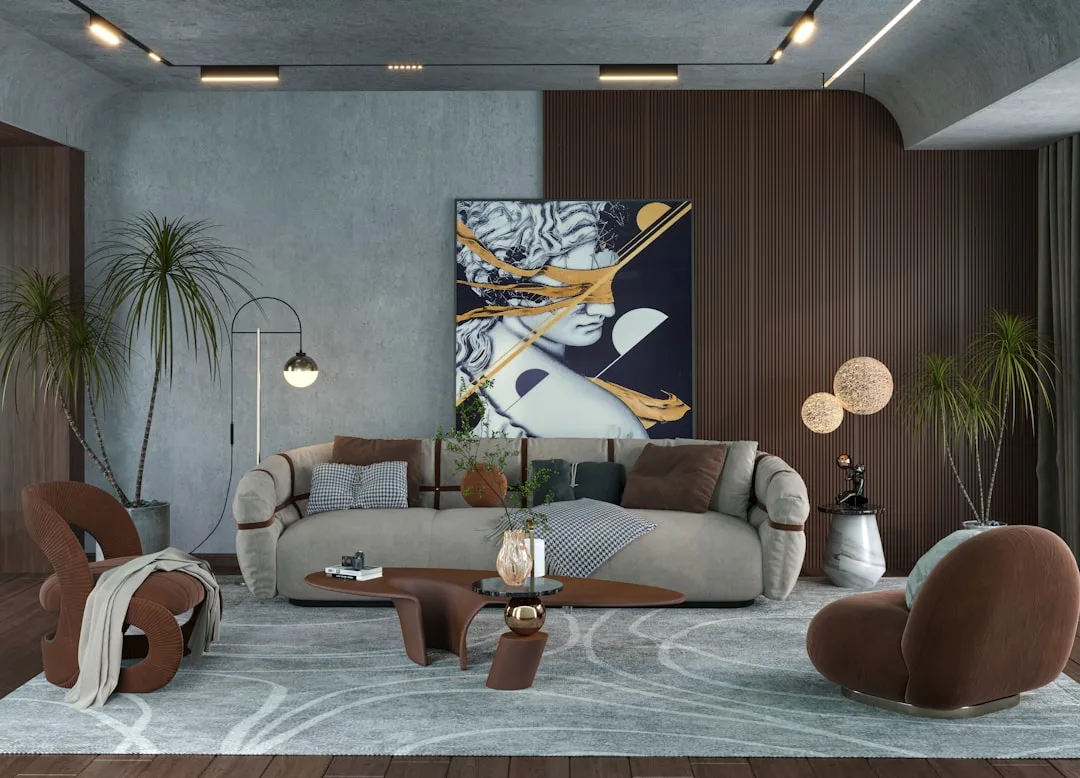
Plaster accent walls have moved beyond heritage restoration into contemporary design, offering sculptural depth and tactile richness that flat finishes cannot match. Three application methods now dominate: smooth tadelakt, raw lime plaster with visible brush strokes, and polished stucco with integral pigment.
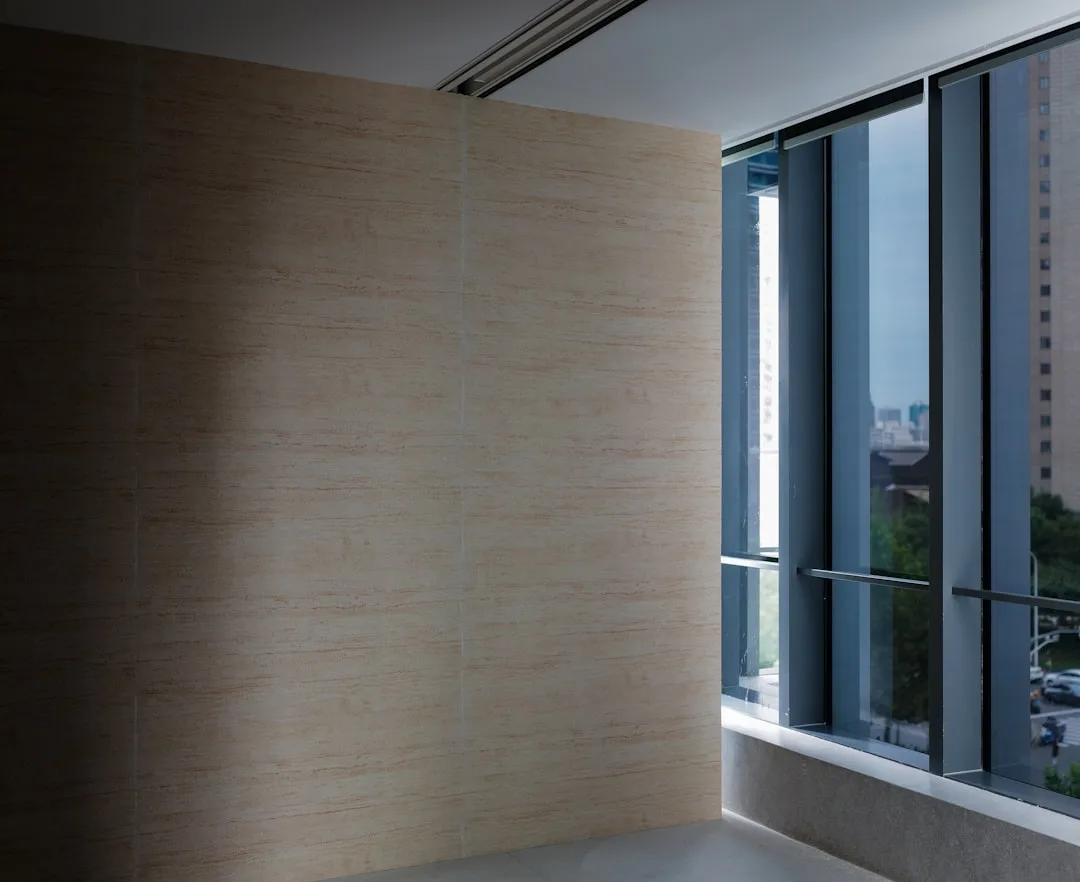
Cork wall panels have emerged as the defining material trend for September 2026, combining acoustic performance with organic aesthetic appeal. This natural surface absorbs sound while delivering the warmth that hard finishes cannot achieve.
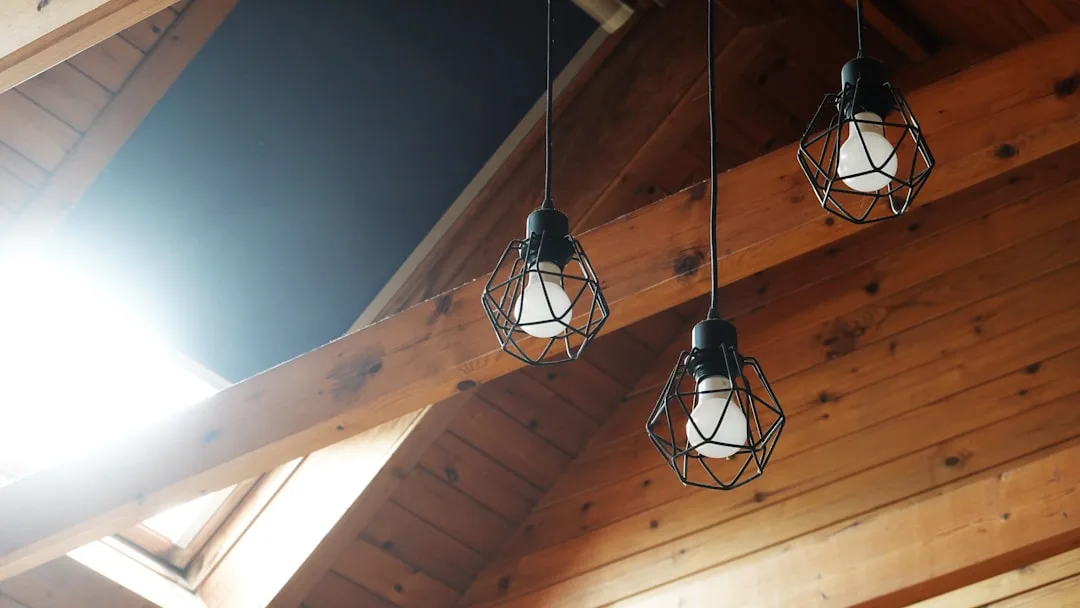
Exposed wood beams are no longer relegated to rustic cabins—they’re becoming the architectural anchor in contemporary, minimalist, and luxury homes. September 2026 marks the shift toward authentic, hand-finished beams that balance industrial rawness with refined craft.
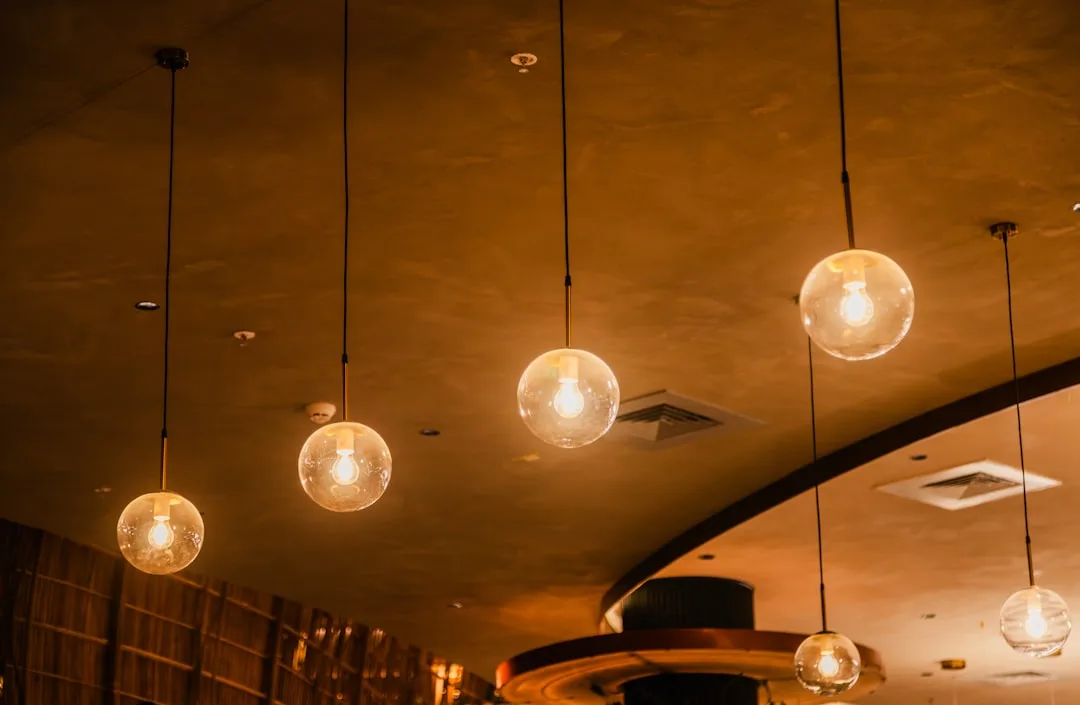
Statement lighting fixtures have moved from background utility to foreground architecture. In September 2026, oversized pendants, geometric brass chandeliers, and sculptural floor lamps are reshaping how homeowners define room focus without touching walls or floors.
Micro-cement wall finishes are dominating luxury interiors in 2026 because they deliver seamless, monolithic surfaces that mimic industrial charm without the seams or porosity of traditional materials. This waterproof, durable coating works on any substrate and costs less than full tile renovation.
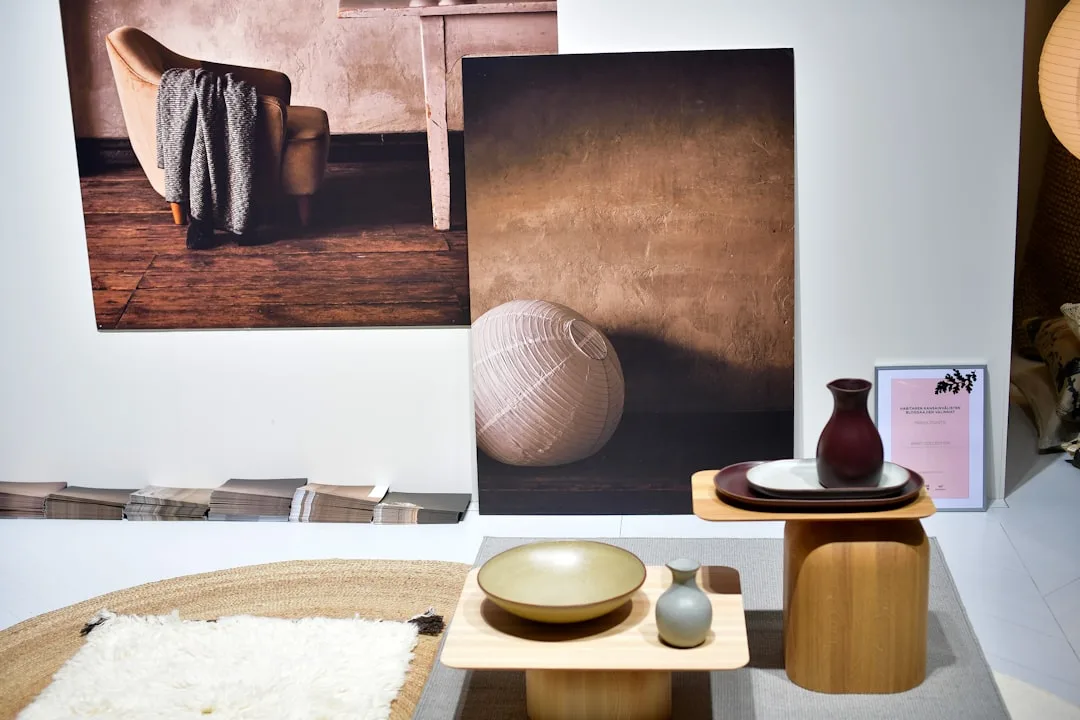
Japandi bathroom design merges Japanese minimalism with Scandinavian warmth, creating spa-like retreats that feel both serene and lived-in. By September 2026, this hybrid aesthetic has moved from trending Pinterest boards into real homes, replacing sterile all-white bathrooms with textured plaster, pale wood, and negative space.

Lime plaster wall finishes are replacing conventional drywall in high-end homes because they regulate humidity, improve air quality, and age beautifully. Unlike synthetic coatings, they breathe—literally extracting and releasing moisture to keep interiors balanced.