Brick patio vs concrete for a backyard that suits your budget
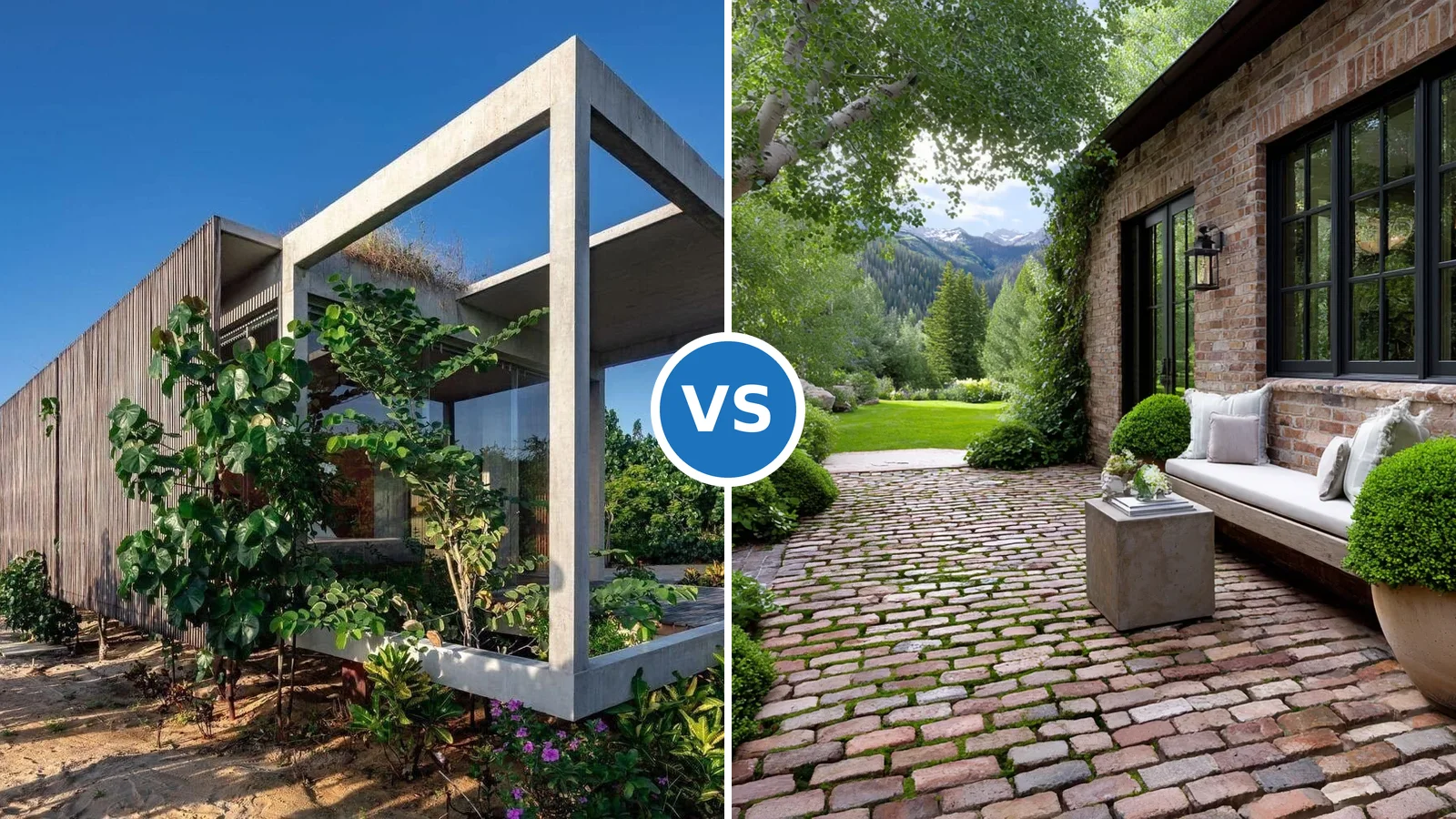
Concrete is cheaper and simpler to maintain; brick is warmer, more decorative and easier to repair in sections. Here is how to decide which patio fits your yard.
333k+ Lifestyle & Design Ideas

Concrete is cheaper and simpler to maintain; brick is warmer, more decorative and easier to repair in sections. Here is how to decide which patio fits your yard.
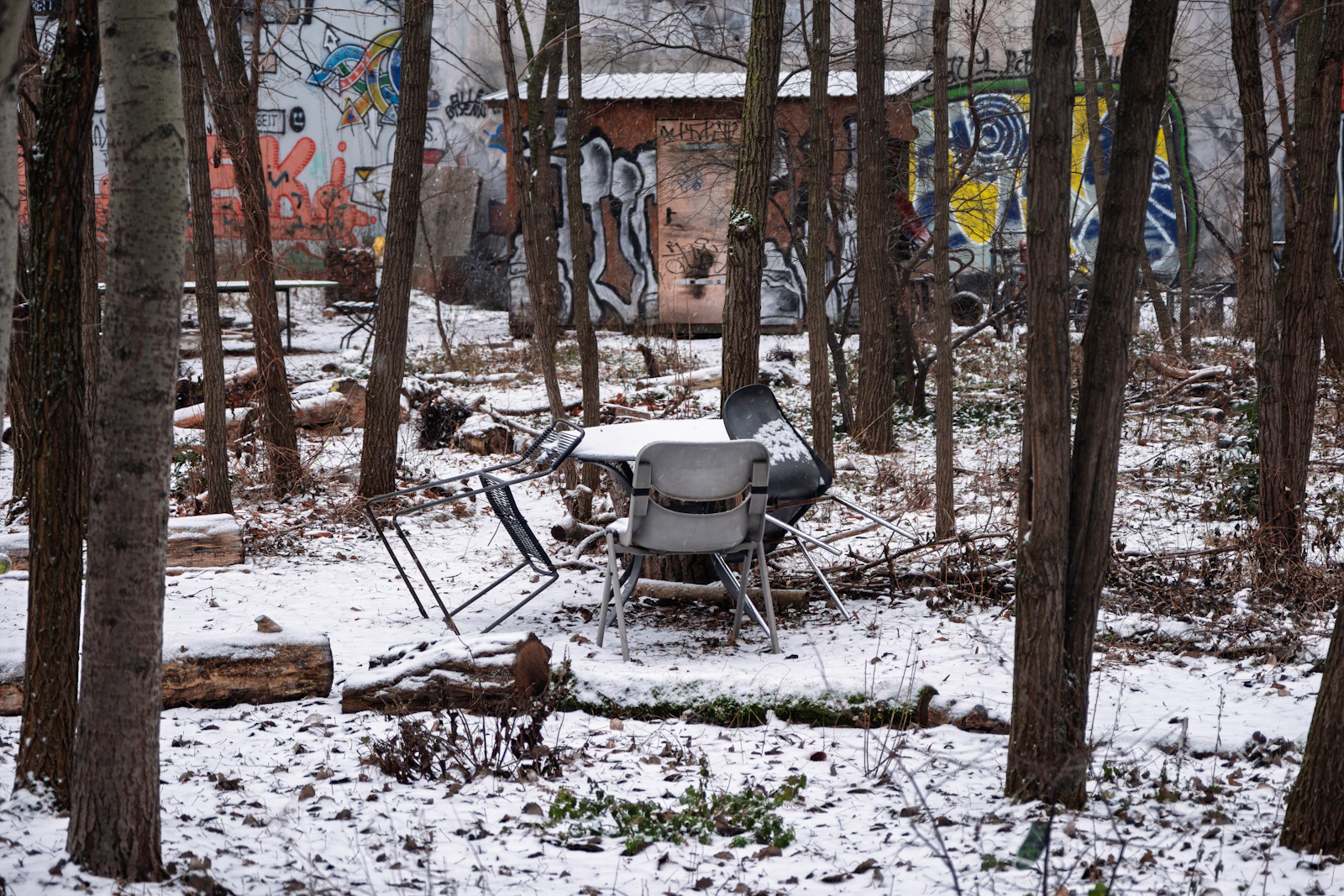
Not every outdoor chair needs the garage. Here is how to decide what to store, cover or leave outside for winter, based on the material.
Homeowners are swapping curbside leaf bags for mulch-mowing, leaf mold bins, and thick bed cover. Here is why the habit is spreading and how to do it without a messy patio.
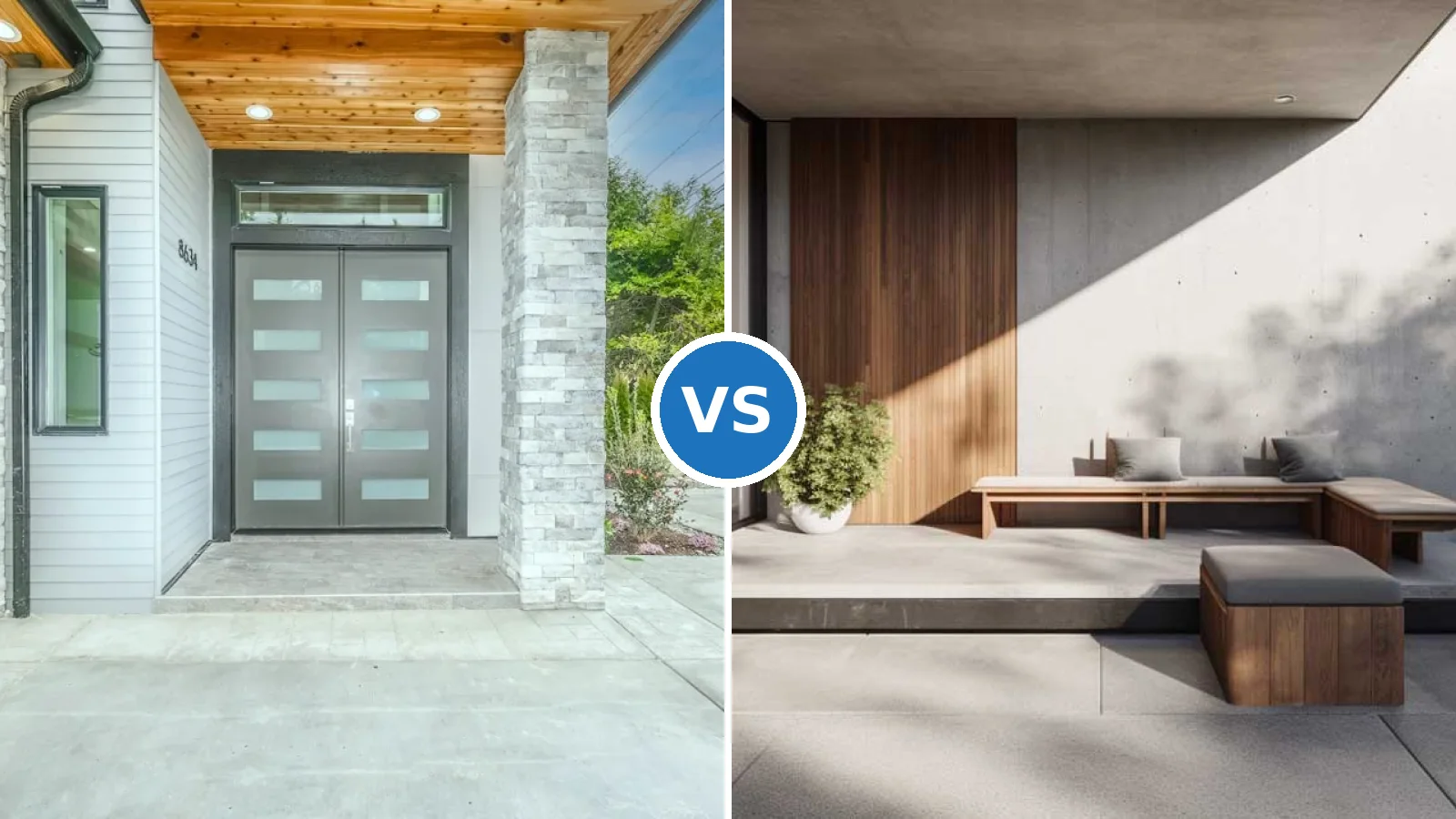
Water pools on your porch and a contractor offers two routes: a poured slab or permeable pavers. We compare cost, drainage, upkeep, and looks so you can pick the right floor.

An arbor frames views with a light footprint, while a pergola builds shade and a covered dining zone. Here is how the two compare on look, upkeep, cost, and the right choice for your yard.
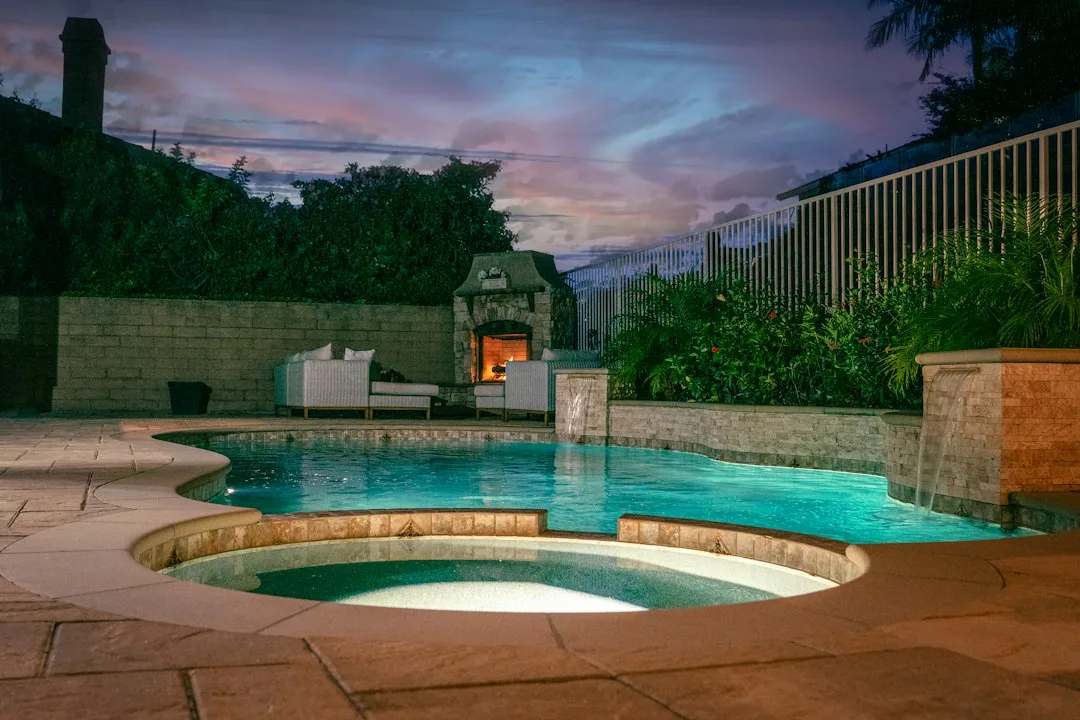
A hot tub on the patio needs a level pad, a drainable spot, and a short power run. Here is how those three choices shape the rest of your backyard.
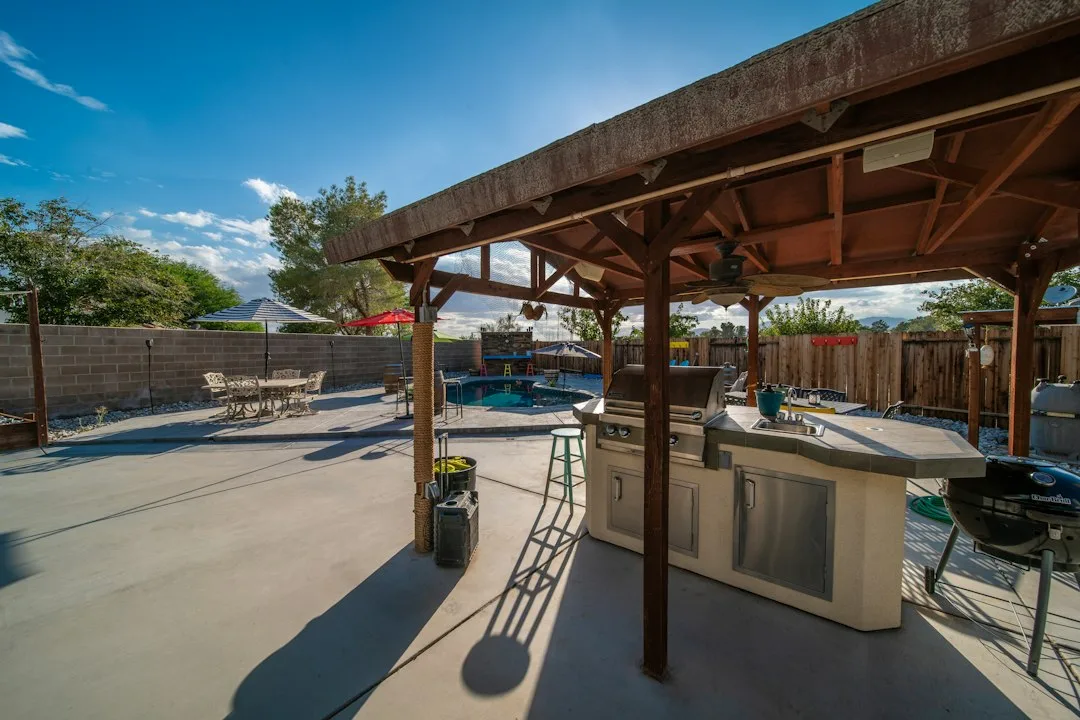
Decomposed granite patios are replacing poured slabs in many backyards because rain drains through the surface and installation costs are often lower. Here is how to lay one that holds its shape.
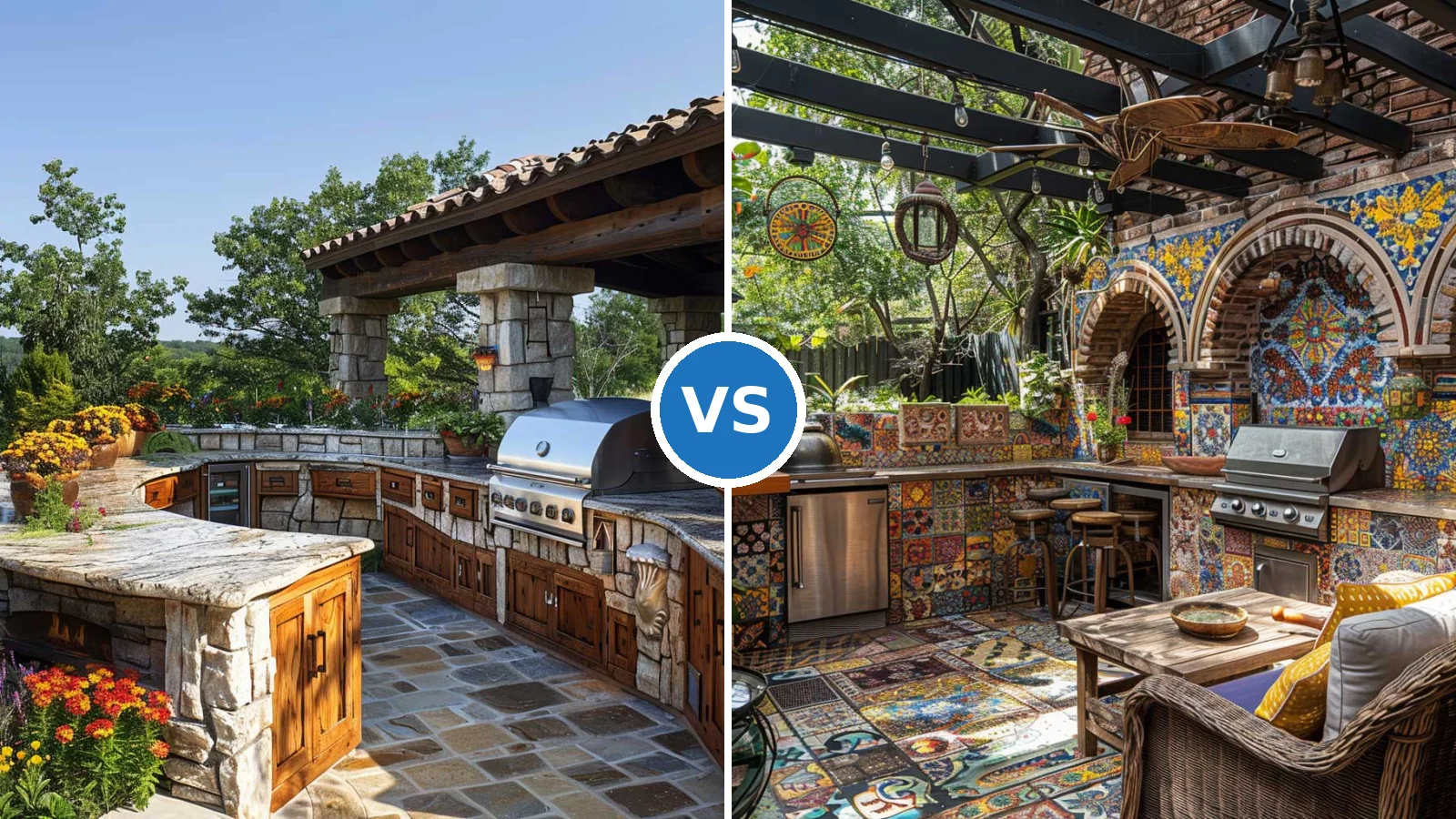
Brick vs stone BBQ areas differ on upfront cost, weather tolerance and seating. Here is how to choose the right material for your backyard.
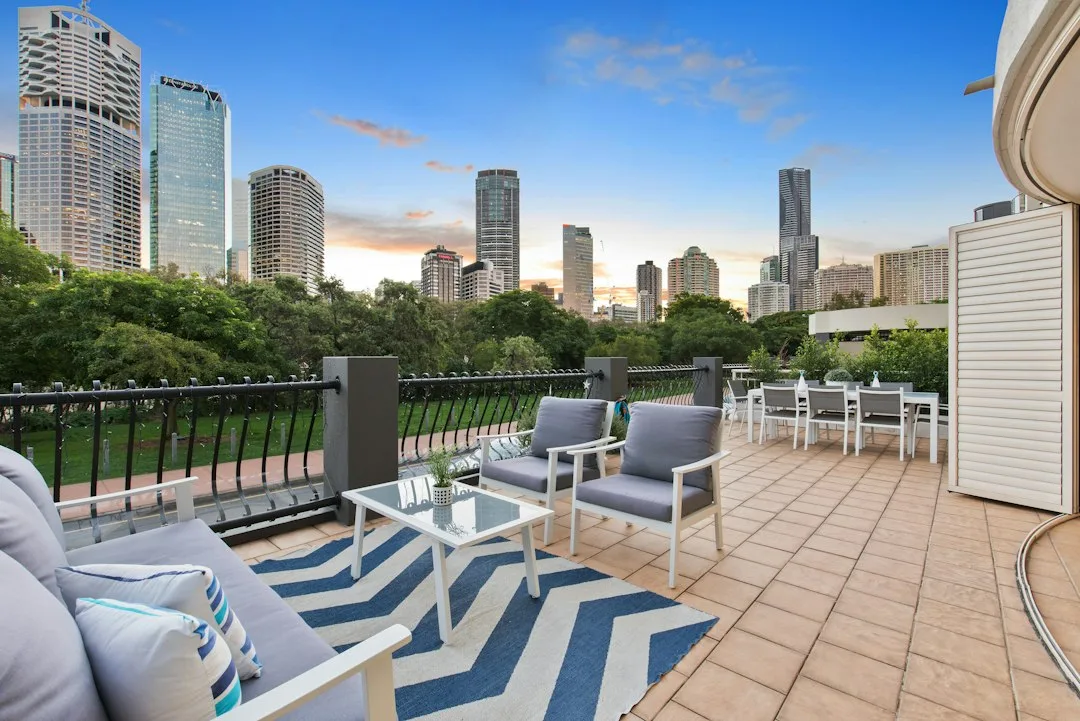
An outdoor rug for patio use pulls scattered chairs and tables into one defined room. Here is how to choose a material, size it correctly, and avoid the mistake that makes a patio look unfinished.
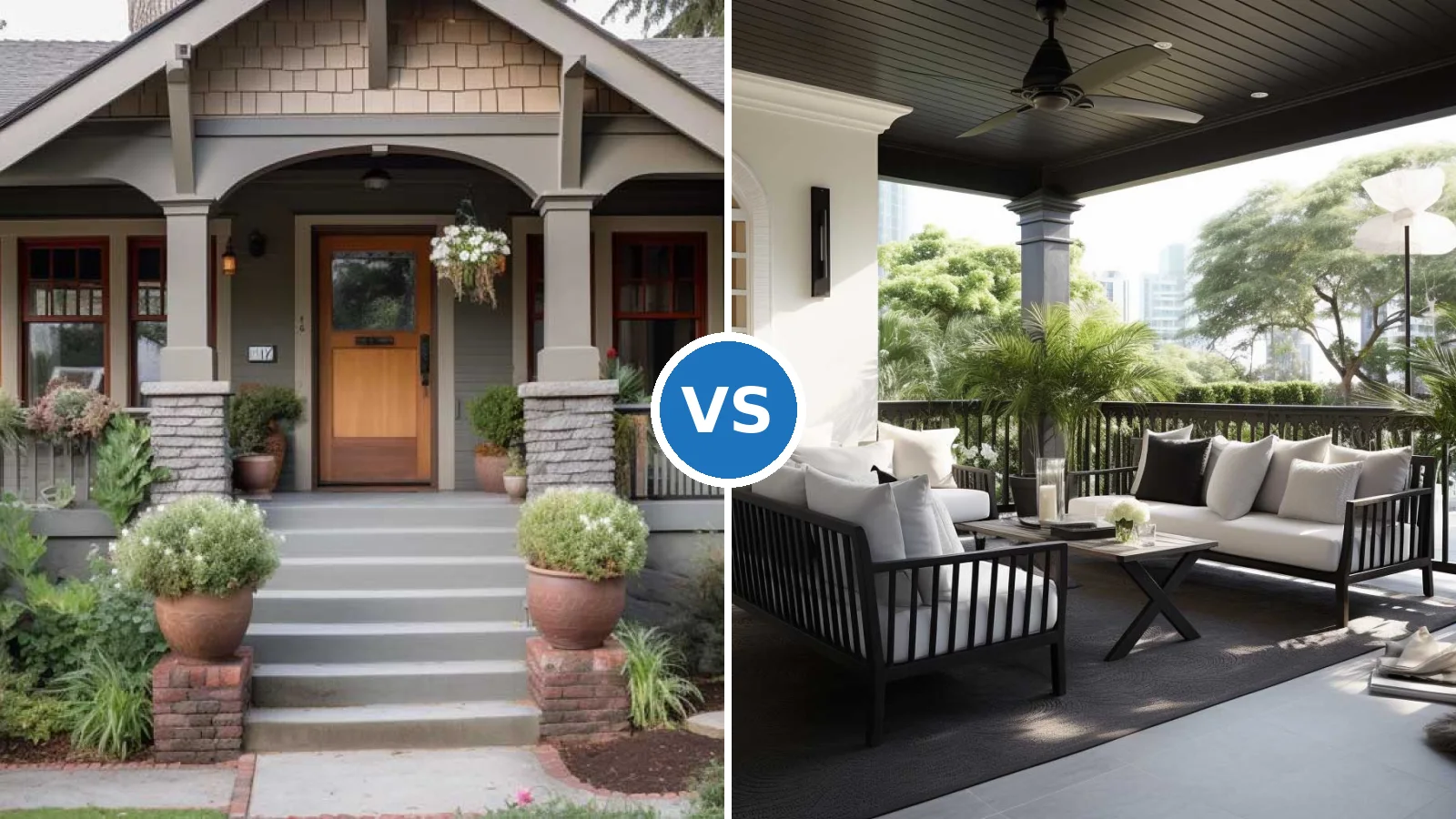
Your home has two outdoor stages, but they play very different roles. A front porch makes the entrance statement; a back porch becomes your private retreat.
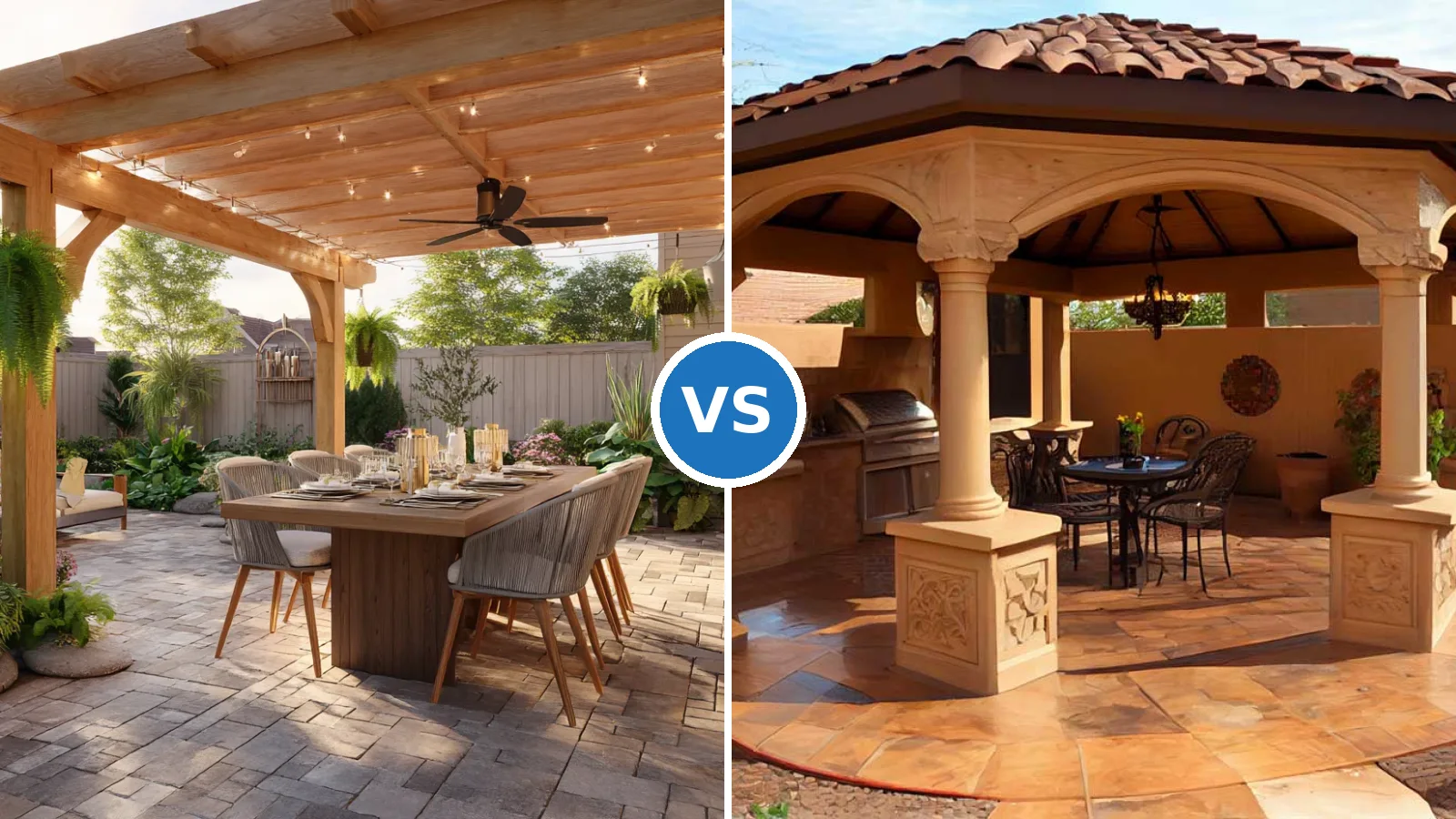
A pergola vs patio cover decision hinges on how much shade you actually need and what you’ll spend on maintenance. We break down cost, durability, and design impact so you can pick the right structure for your space.
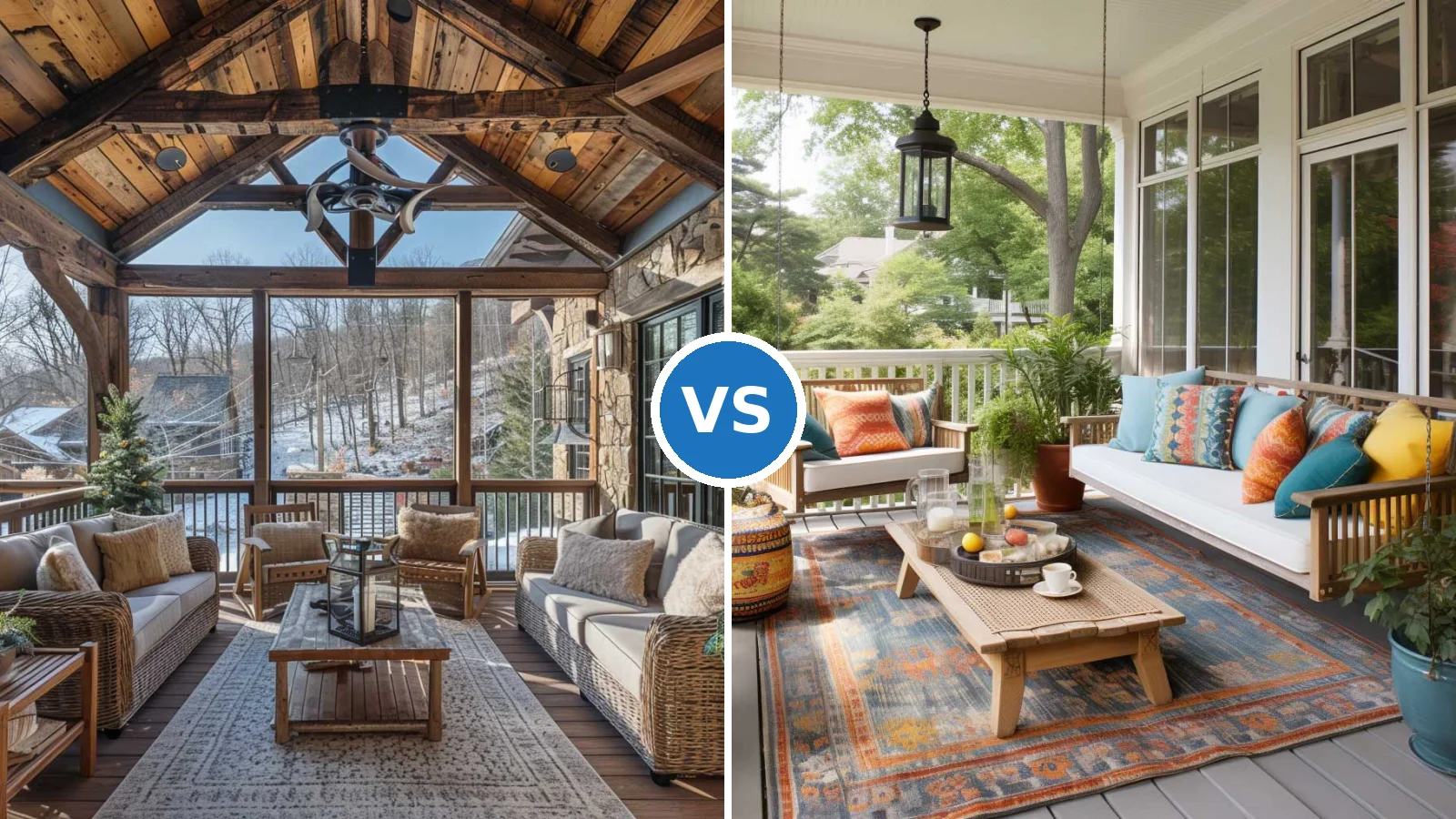
An enclosed porch with glass walls costs far more but extends your usable season year-round and adds measurable home value. A screened porch is budget-friendly, maintains outdoor airflow, and works beautifully for three-season living.
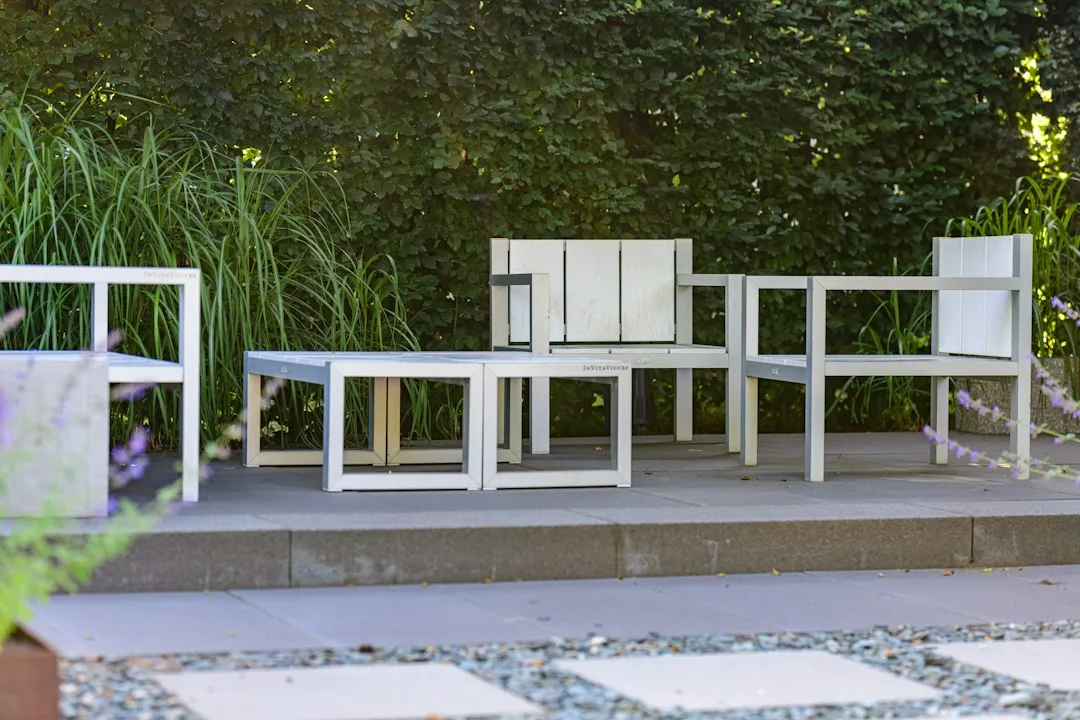
Outdoor patio planters have shifted from decorative afterthought to architectural anchor—transforming patios into layered, living spaces that work year-round. Here’s why designers are specifying them first and how to use them strategically.
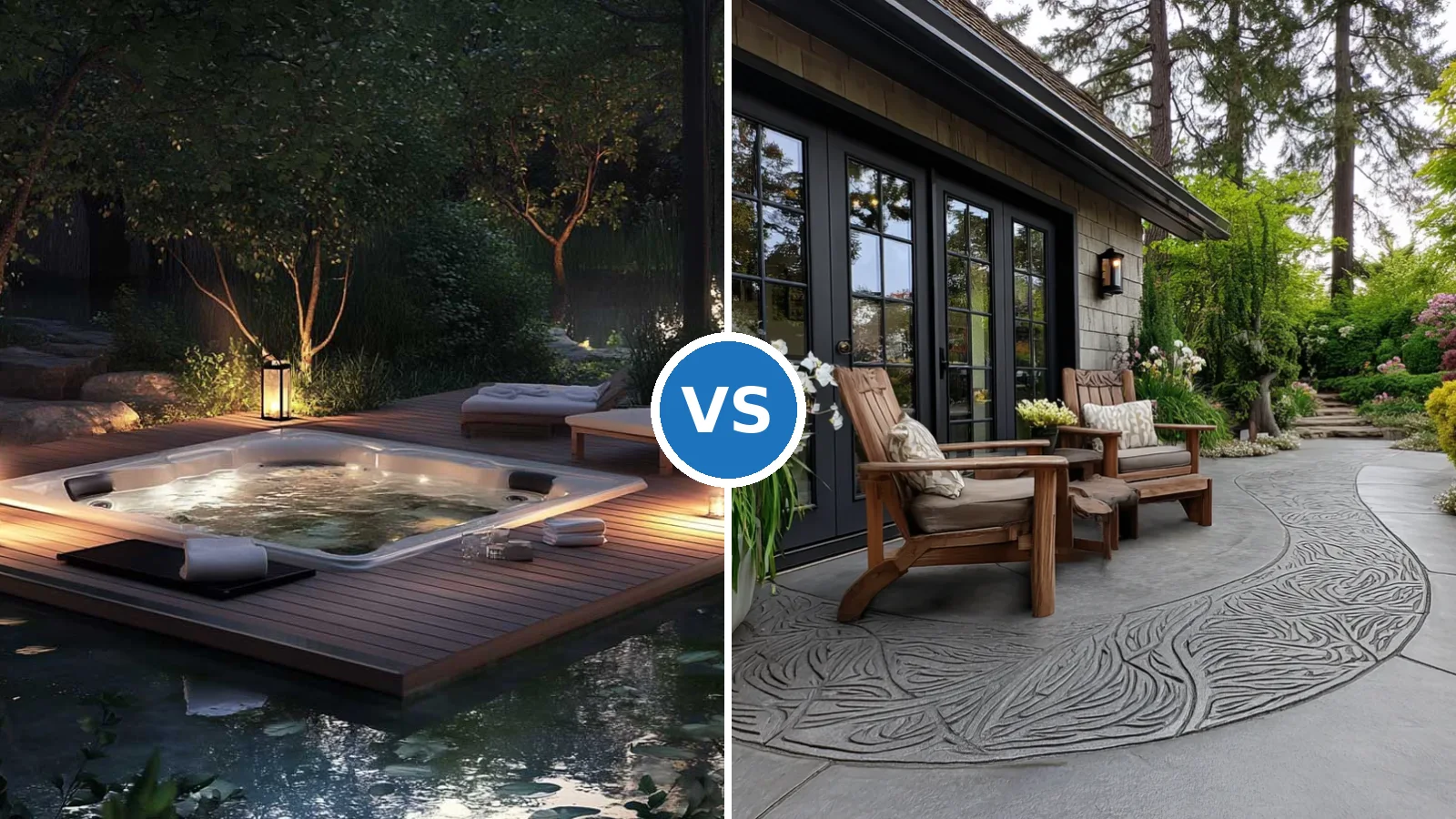
A floating deck with PVC decking and a concrete patio both create outdoor living spaces, but they differ dramatically in maintenance, cost, and aesthetic. Your choice depends on whether you value low-upkeep modern style or budget-friendly durability with pattern options.
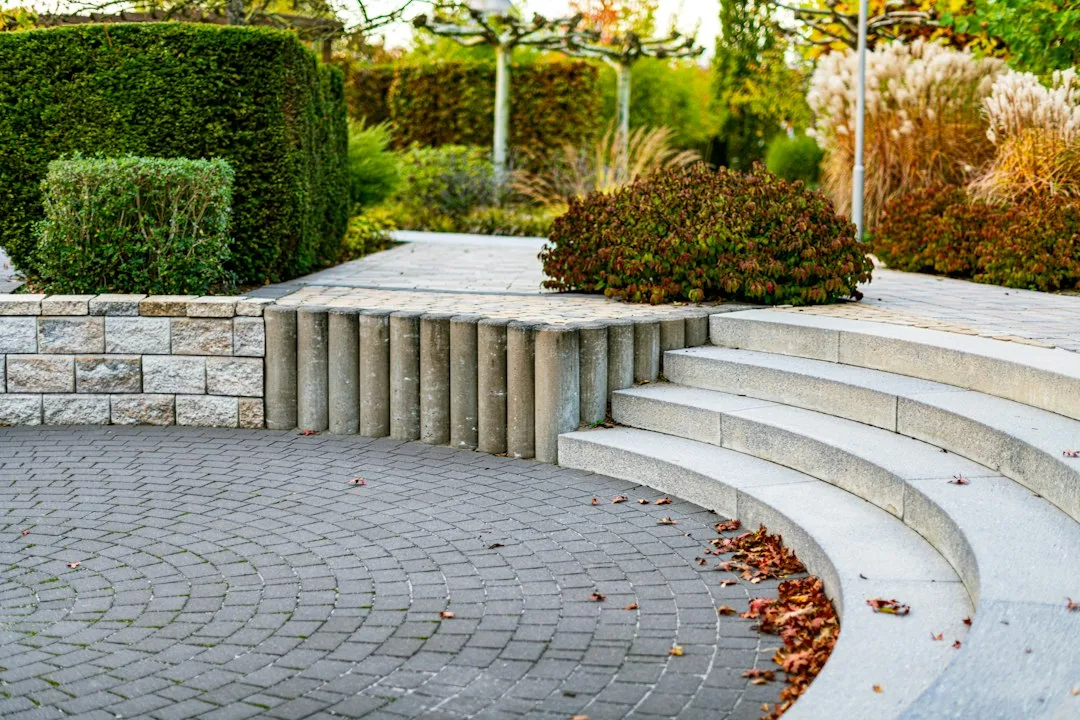
Outdoor patio steps have evolved beyond functional connectors into a critical design element that defines how your yard flows visually and functionally. From material choices to accessibility standards, strategic step design now reshapes the entire perception of your outdoor space.
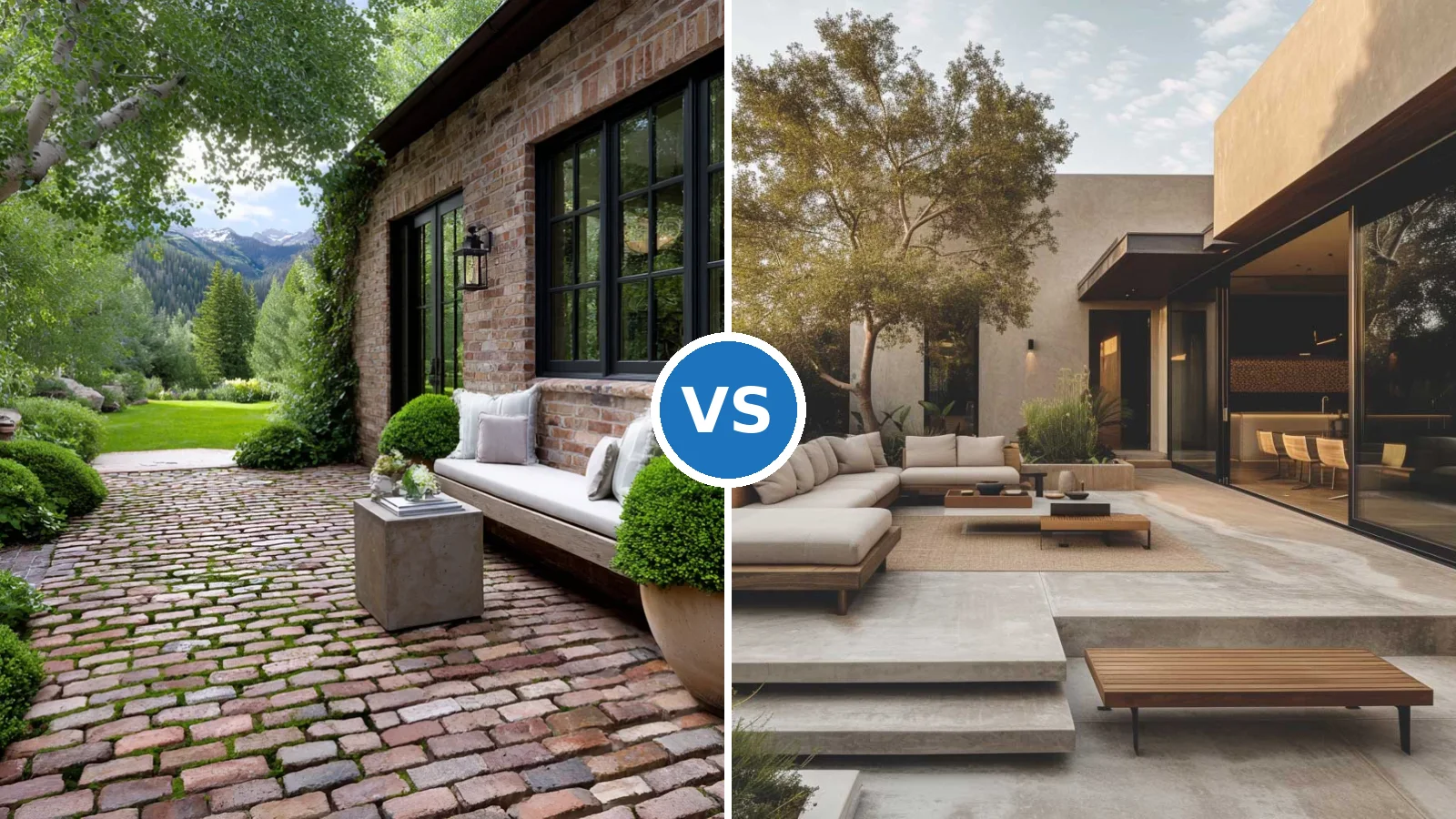
Choosing between brick and concrete for your patio means weighing warmth and tradition against modern flexibility and budget control. The right pick depends on how you use your yard, not just what looks good in photos.
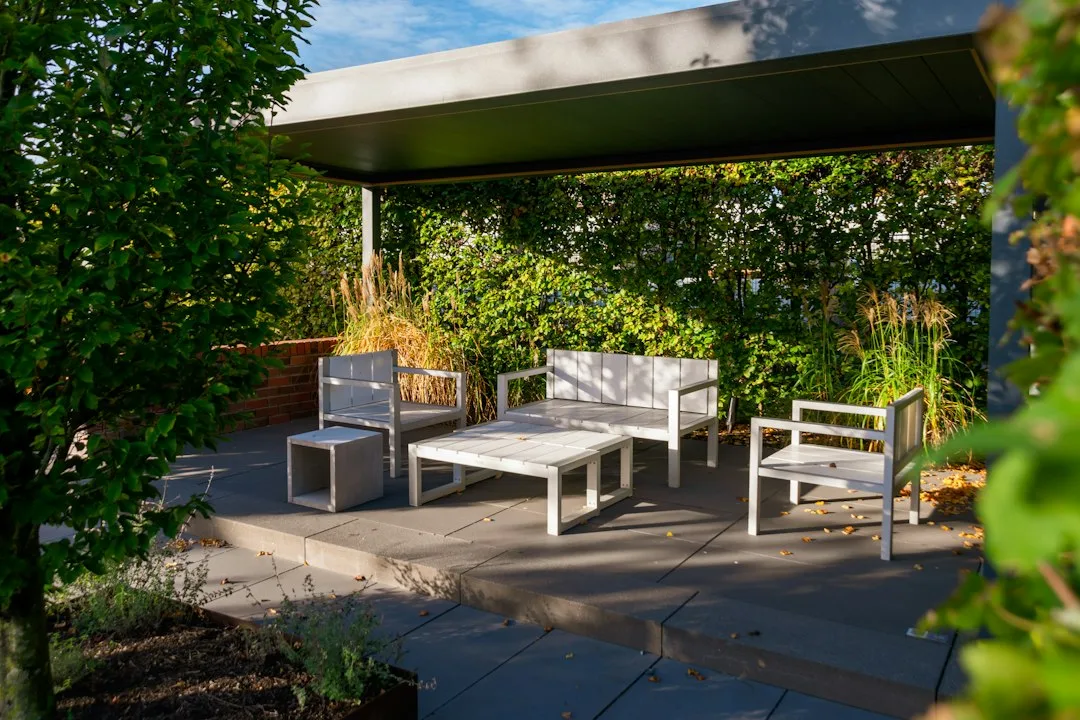
Patio microclimate design is reshaping how homeowners think about year-round outdoor comfort. By strategically layering shade structures, wind barriers, and thermal elements, you can control temperature and humidity within specific yard zones—without relying entirely on heating or cooling systems.
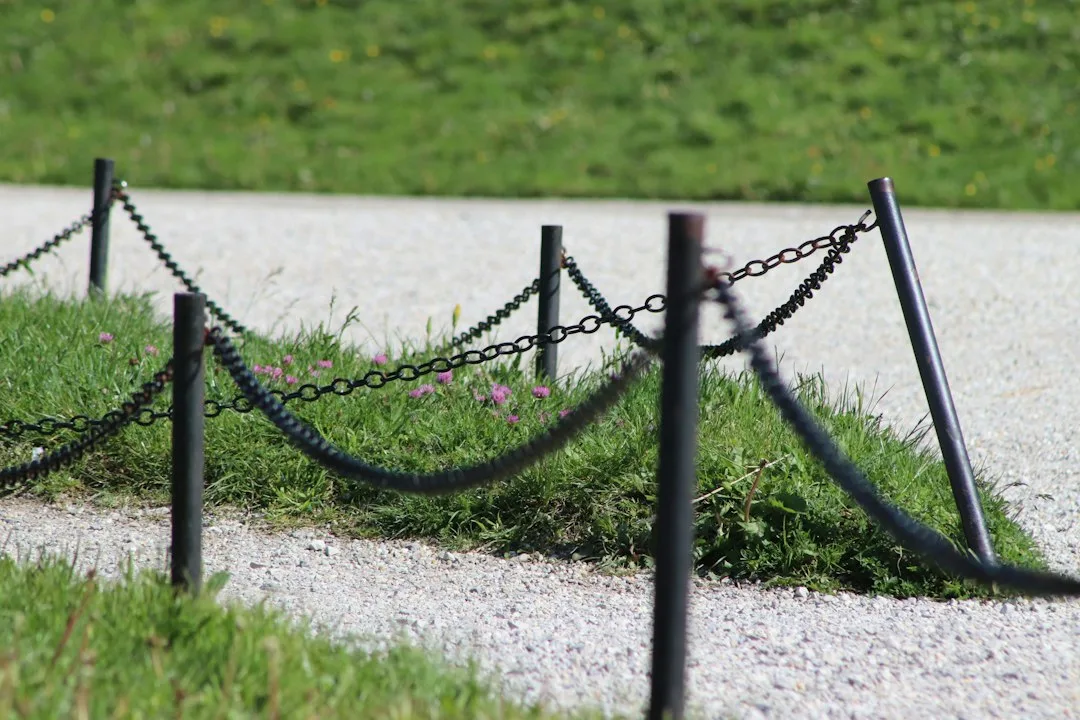
Outdoor yard edging has evolved from functional plant barrier to the single most defining element of modern patio design. Smart homeowners now use metal, composite, and recycled materials to crisp up boundaries while reducing maintenance.
As backyards shrink and open-concept living blurs indoor-outdoor boundaries, how you arrange outdoor patio furniture has become the difference between wasted space and a functional extension of your home. This September, designers are abandoning symmetrical clusters for modular, intentional layouts that adapt to multiple activities.
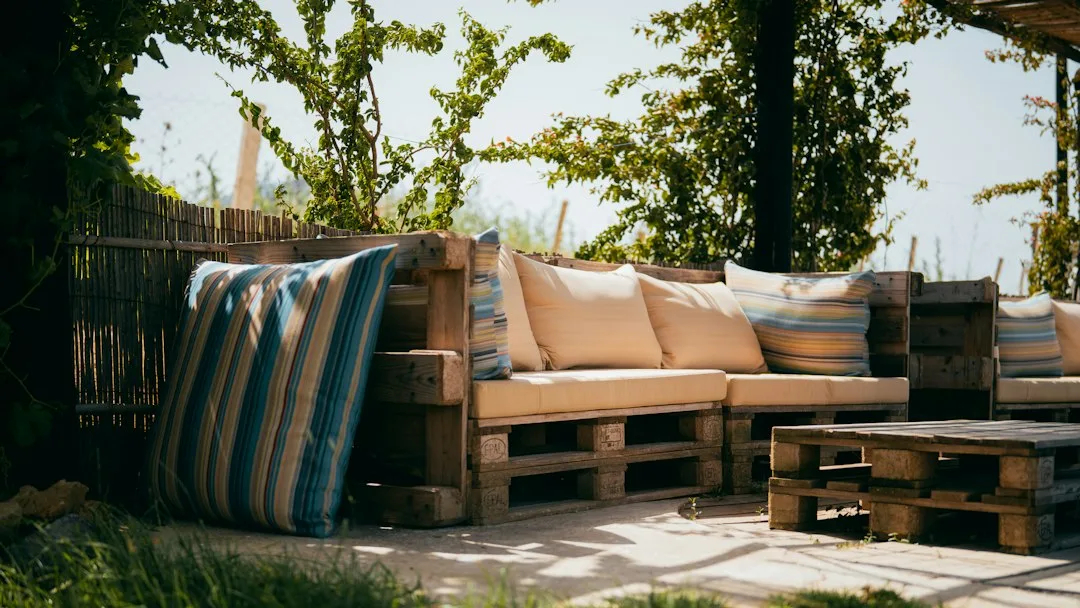
Most homeowners overlook their yard’s corners—awkward angles that seem impossible to furnish. Strategic corner design transforms these dead zones into intimate gathering spots, productive gardens, or personal retreats that double your usable outdoor living.
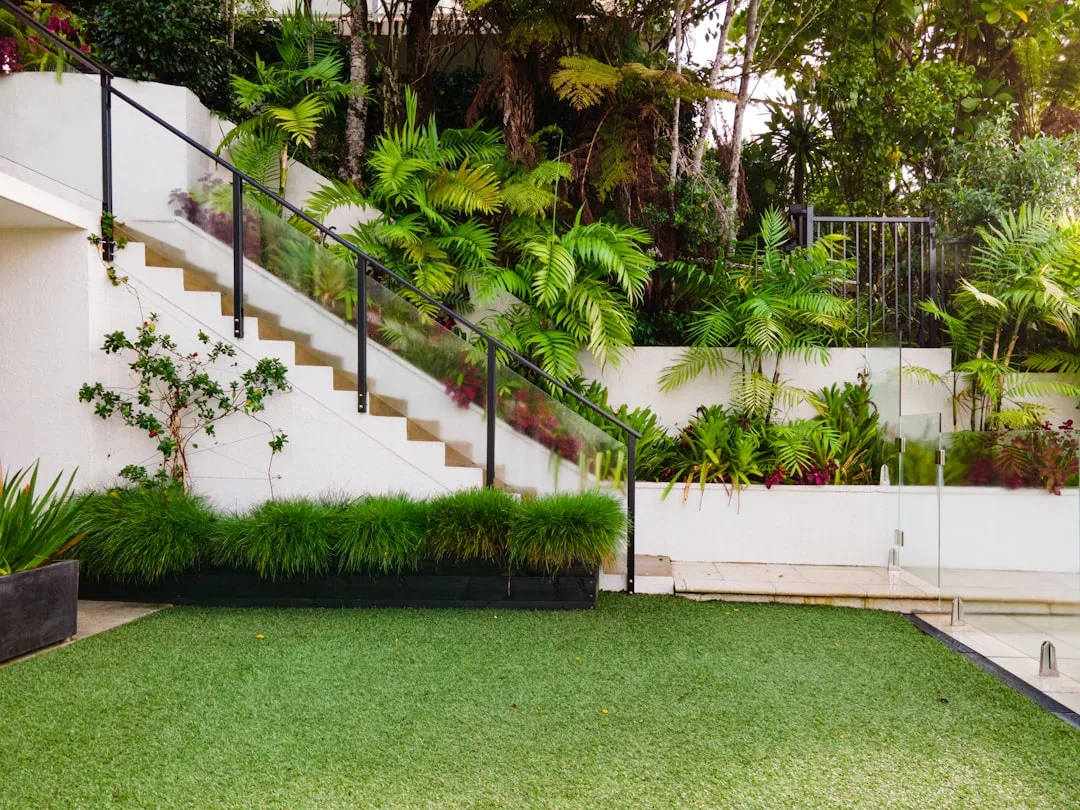
Urban yards face noise pollution as a silent killer of patio enjoyment. Backyard sound barriers—from living plant walls to acoustic panels—now dominate 2026 outdoor design, blocking street noise while adding visual depth and property value.
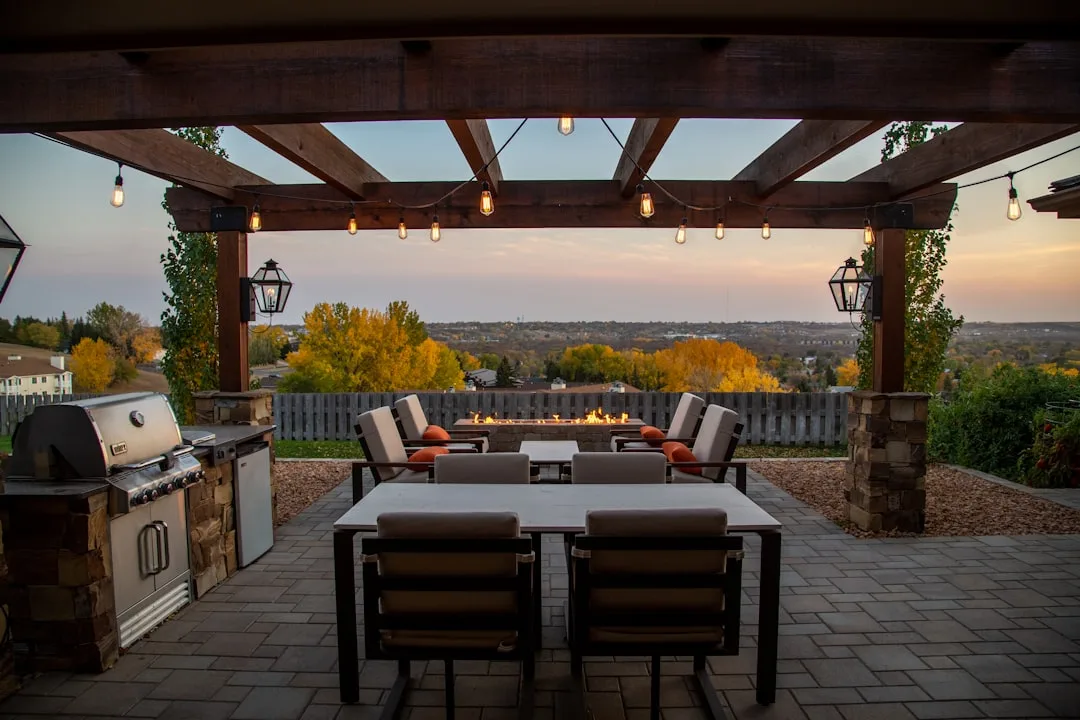
Outdoor kitchen islands have evolved from luxury novelties into functional gathering hubs that anchor modern patio design. Built-in grills, prep surfaces, and integrated storage create efficient zones that keep hosts and guests engaged during entertaining.

Backyard arbor structures are no longer decorative afterthoughts—they’re architectural anchors that define gathering zones, frame views, and support climbing plant ecosystems. In 2026, homeowners are choosing modular, weather-resistant designs that perform across seasons.
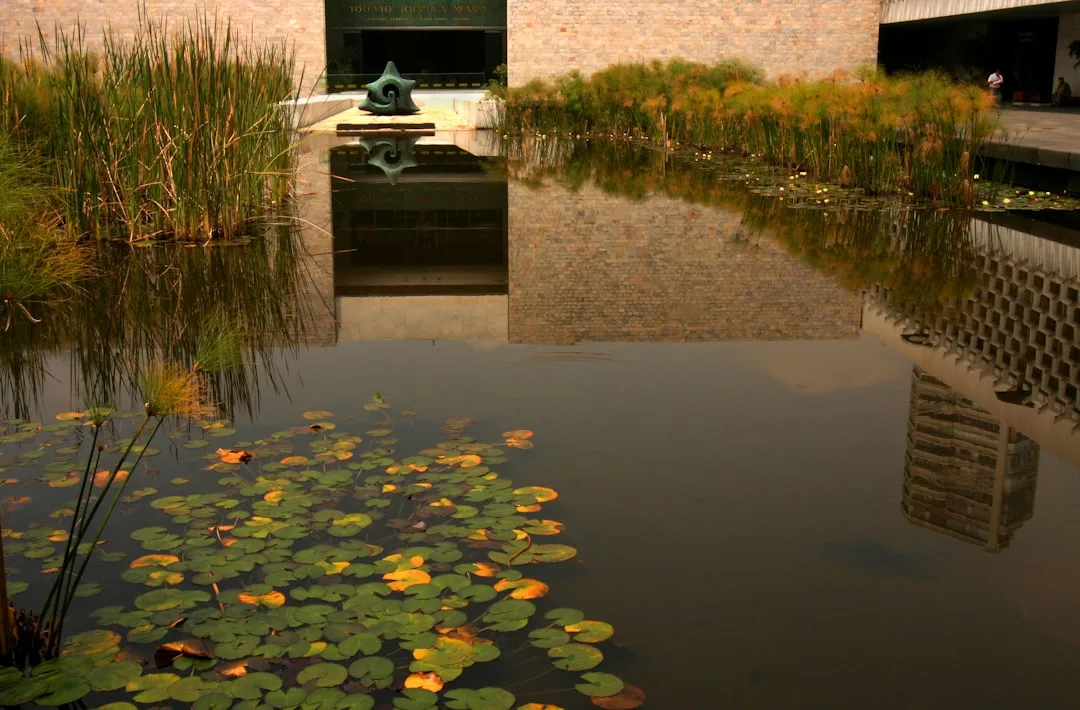
Outdoor patio ponds are the 2026 shift from purely decorative water features to functioning ecosystems that attract wildlife, reduce maintenance, and anchor backyard design. Unlike fountains or basins, they create microclimates that cool patios naturally while supporting plants and aquatic life.
Outdoor kitchens dominate premium patios, yet most homeowners overlook the drainage infrastructure that keeps water from destroying concrete, landscaping, and hardscape investments. Proper outdoor kitchen drainage prevents foundation erosion, mosquito breeding, and landscape collapse.
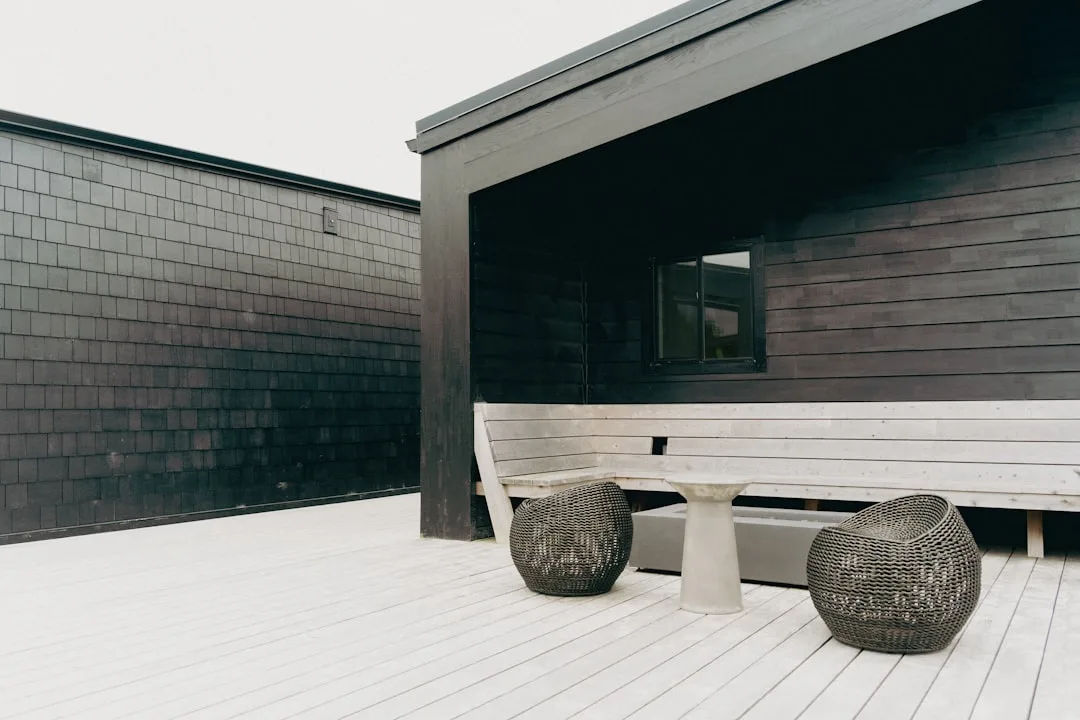
Outdoor bench seating arrangements are replacing isolated lounge chairs as the default patio choice. Built-in and modular benches maximize square footage while creating genuine gathering zones that adapt to every season.
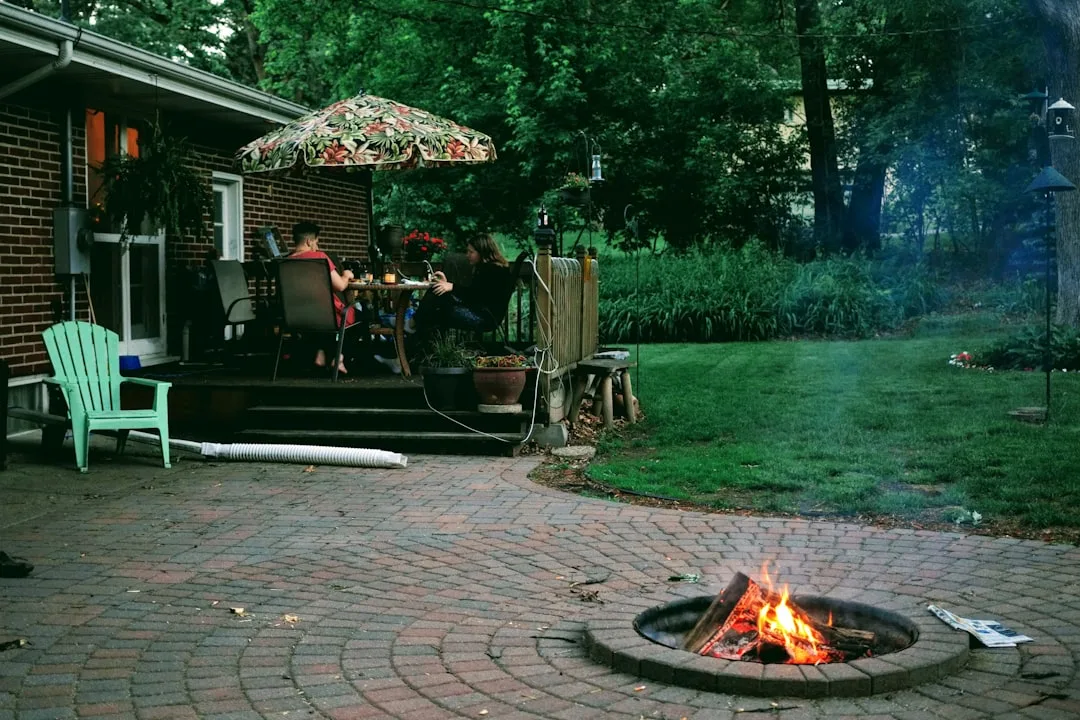
Outdoor fire pit seating has evolved beyond simple circles to include built-in benches, modular furniture arrangements, and strategic radius planning. September 2026 trends show homeowners prioritizing intimate gathering zones that balance safety codes with social comfort.
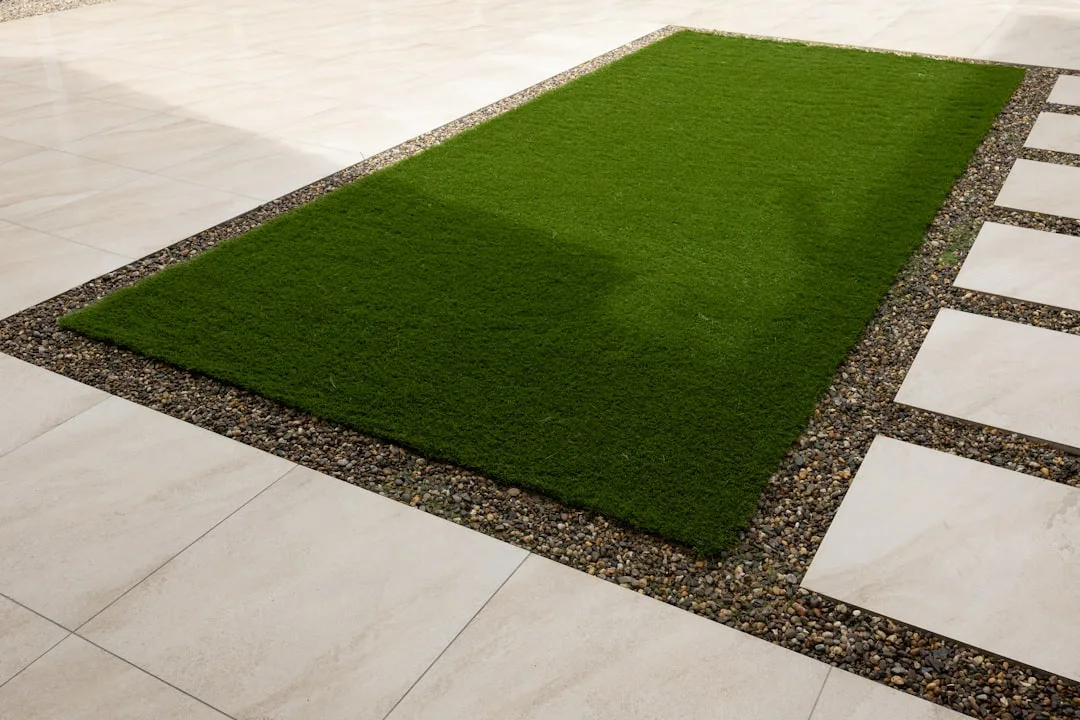
Material innovation and sustainable design are redefining how homeowners build outdoor floors that work year-round. From permeable pavers that manage water to heated systems that extend seasons, patio flooring has become the foundation of serious backyard living.
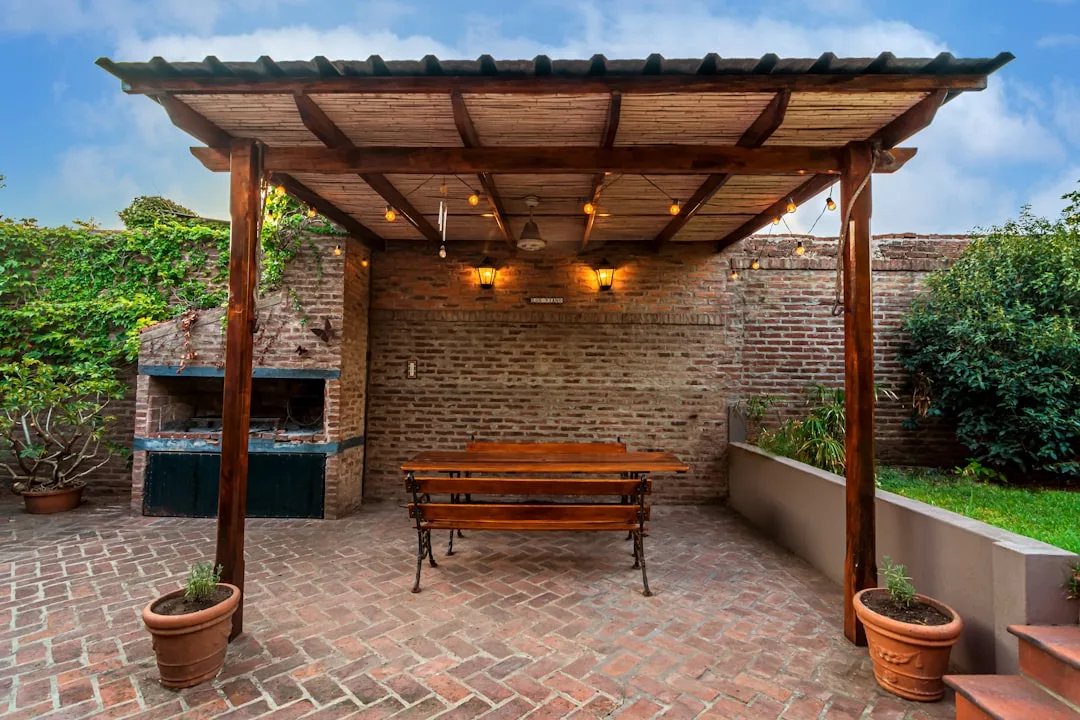
Today’s patio shade structures extend your outdoor season far longer than just summer relief. Discover the real reasons architects are rethinking shade—and why versatility, not just UV protection, makes them indispensable.
Outdoor lounge seating areas have evolved beyond standard patio chairs into dedicated relaxation zones that anchor modern backyards. With modular components and weather-resistant materials, homeowners now design lounge spaces that function across seasons.
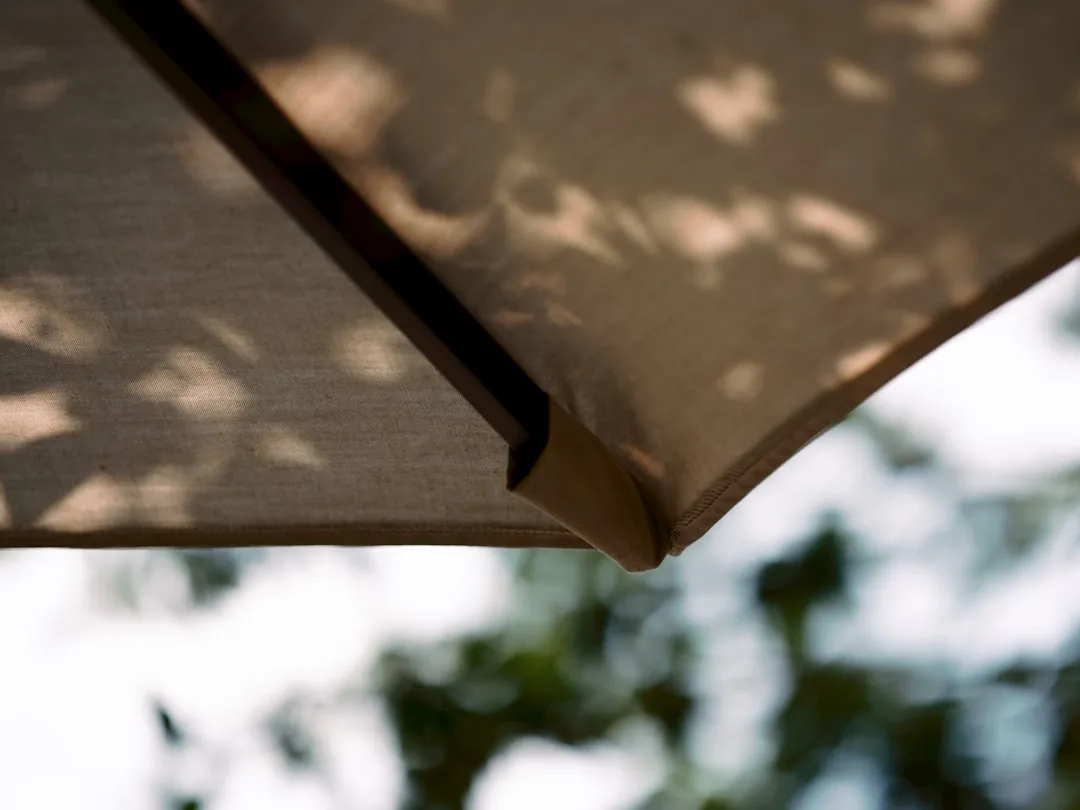
Outdoor patio umbrellas have evolved from décor afterthoughts into serious climate control investments. We break down why they’re reshaping how homeowners design functional outdoor entertaining spaces.
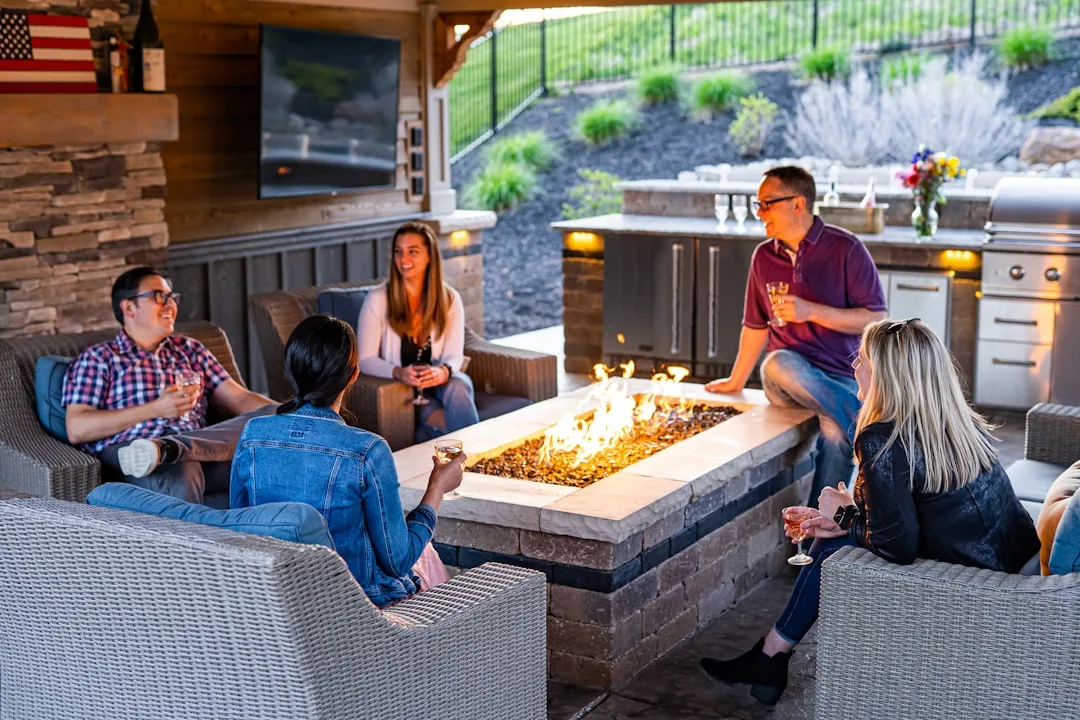
Outdoor kitchen appliances have evolved beyond basic grills into fully integrated cooking systems that anchor patio entertaining. As homeowners demand year-round usability, these durable, weather-resistant units are becoming the centerpiece of serious outdoor living investment.
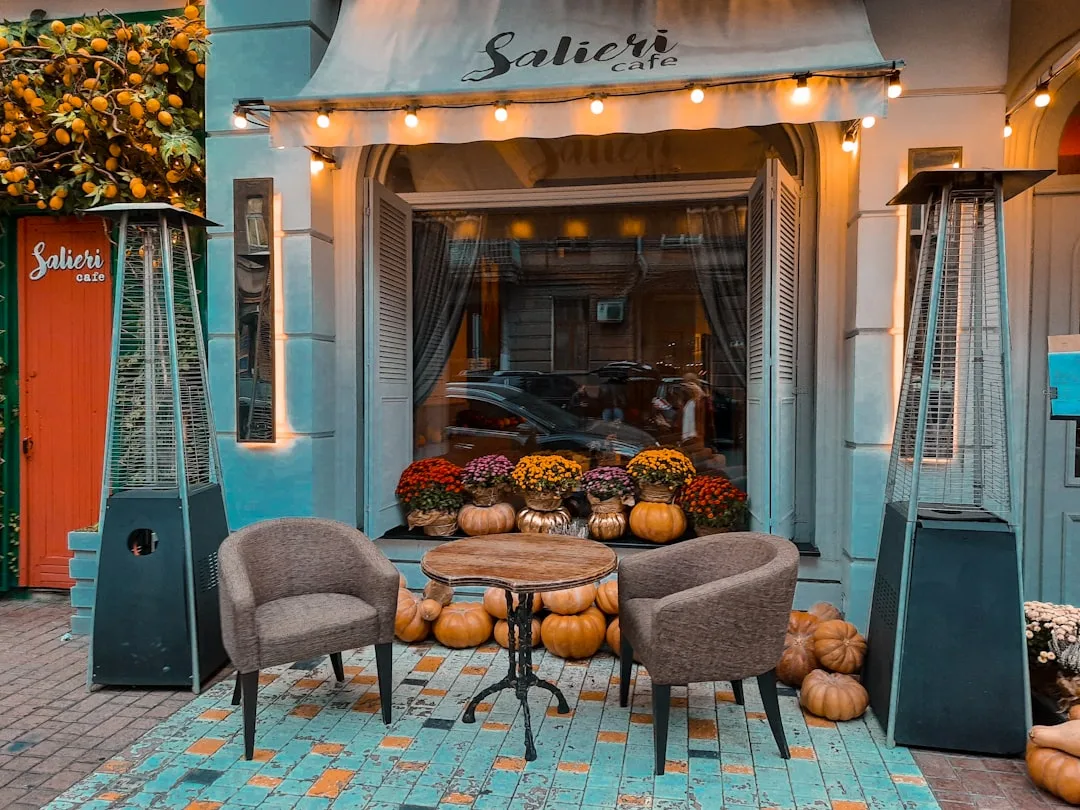
As outdoor living expands beyond summer, patio heating solutions have become essential for extending usable seasons. From infrared heaters to natural gas fire tables, these systems let you reclaim your backyard from September through April.