What mortgage closing costs add up to for a home buyer

Closing costs usually total 2% to 5% of the loan on top of the down payment. Here is what the fees cover and how buyers can bring the total down.
333k+ Lifestyle & Design Ideas

Closing costs usually total 2% to 5% of the loan on top of the down payment. Here is what the fees cover and how buyers can bring the total down.

Rent-to-own homes are reappearing on mainstream listings as buyers look for a path to ownership without immediate mortgage approval. The deal works only when you understand the option fee, rent credits, and default terms before signing.

Buyers are dropping the home inspection contingency to make offers stand out in competitive markets. The move can win a bid, but it shifts every hidden defect onto the buyer.

Assumable mortgages let buyers take over a seller’s older, lower-rate loan, which can change how offers are priced in today’s market. Here is which loans transfer, what the process involves, and where buyers get caught out.

Sellers are paying down buyers’ interest rates instead of cutting list prices, and that changes how offers are written this fall. Here is how buydowns work and where buyers get caught out.
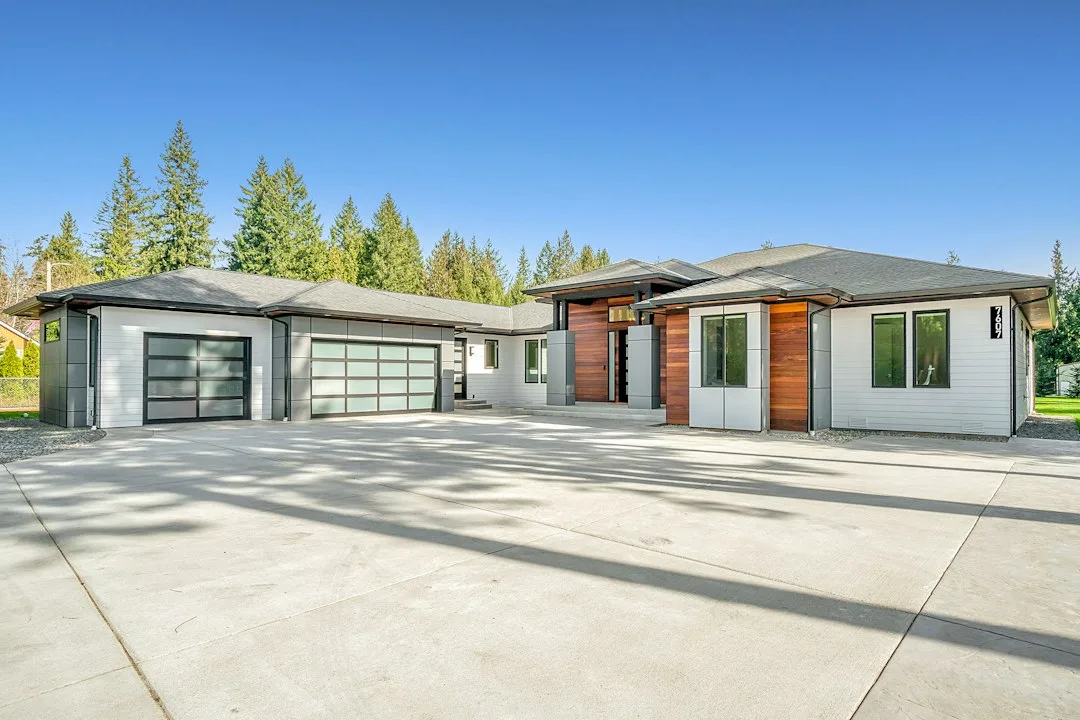
Vacation rental properties are becoming the fastest-growing segment of real estate investment in 2026, driven by remote work flexibility and traveler demand rebound. Investors are discovering consistent cash flow through short-term rentals while building equity in desirable destinations.

As high-net-worth families face shifting inheritance tax rules, coordinating real estate holdings with formal estate planning has become non-negotiable. Professionals report that improper deed structures cost families tens of thousands in unnecessary probate and tax exposure.

Bare-bones rental properties—units stripped to essentials with minimal finishes—are accelerating investor portfolios across secondary markets. By eliminating cosmetic spending upfront, investors capture stronger cash flow within months of acquisition.

Landlords and property managers are offering shorter lease commitments and exit flexibility to compete for quality tenants. This shift reflects broader market forces that favor renter agency over rigid 12-month commitments.
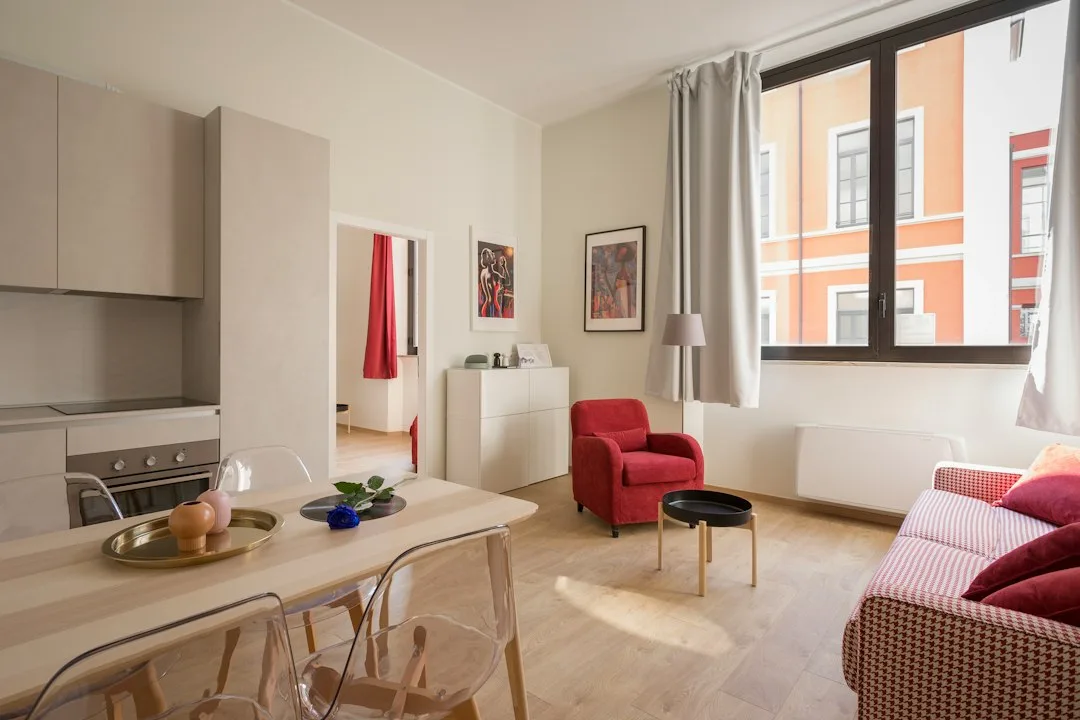
Co-living spaces—privately leased bedrooms with shared kitchens, lounges, and amenities—are attracting young professionals, remote workers, and career-changers across major US cities. Developers report 34% year-over-year growth in this segment, driven by soaring single-unit rents and a shift toward community-focused living.

Across major U.S. cities, adaptive reuse real estate is converting abandoned warehouses, mills, and industrial buildings into sought-after residential and mixed-use properties. This trend is reshaping neighborhood valuations and attracting both young professionals and investors who want authentic character with modern amenities.

Net-zero energy homes have shifted from premium niche to mainstream market driver in 2026. Buyers across all price tiers now prioritize operational independence and long-term cost stability over square footage.

Retirement communities are no longer quiet assisted-living facilities tucked away from urban centers. They’re now master-planned neighborhoods with golf courses, wellness centers, and architectural standards that rival luxury suburban developments—reshaping both senior buyer expectations and investor portfolios.

High-net-worth individuals are abandoning sprawling estates for curated, low-maintenance luxury condos and townhomes. This shift is redefining what premium real estate means in 2026.
As capital costs rise in major metros, home flippers are discovering that secondary markets deliver faster turnarounds and higher profit margins. This shift is fundamentally changing where investors deploy cash and which neighborhoods attract renovation capital.
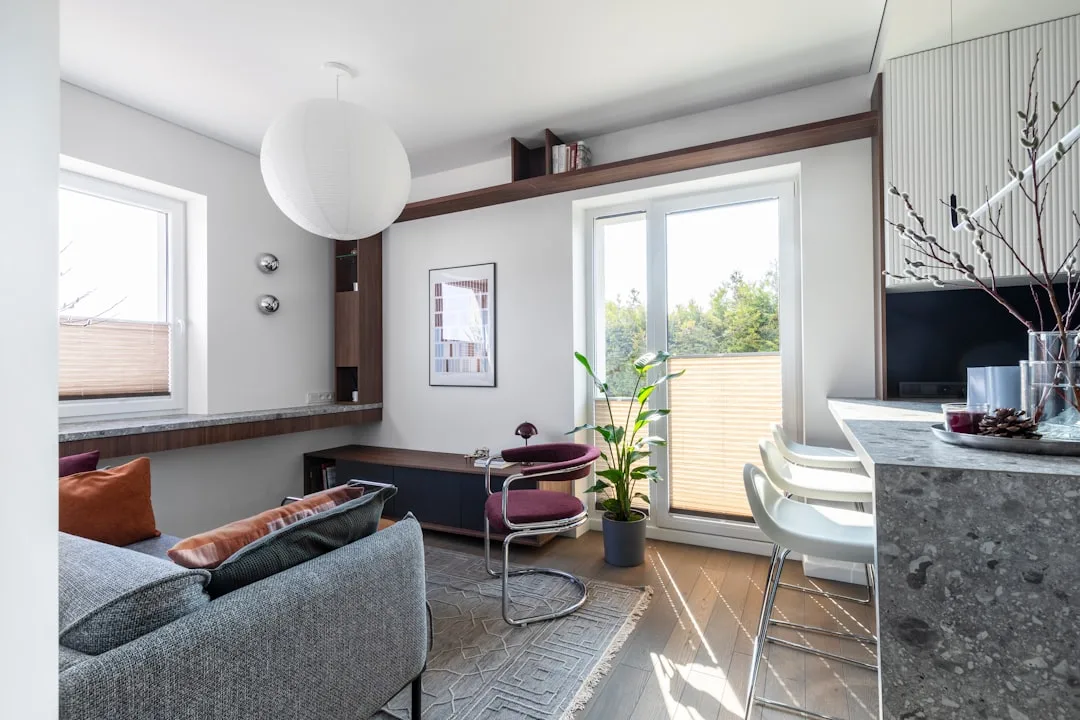
Micro-unit apartments—studios and one-bedrooms under 400 square feet—are transforming how urban dwellers afford city living. Developers in 23 major markets report 340% permit growth, making this the fastest-expanding residential segment of 2026.

Multigenerational home design is reshaping how families invest in real estate, with layouts that balance proximity and autonomy now commanding premium resale value. Builders and buyers are prioritizing flexible spaces, separate entrances, and shared amenities that serve aging parents, adult children, and grandchildren under one roof.

Accessory dwelling units—detached homes, converted garages, or basement apartments on single-family lots—now define profitable real estate strategy for mid-tier homeowners. A secondary unit can increase property value by 15–25% while generating $1,000–2,500 monthly income, making ADUs the fastest-growing wealth-building tool beyond traditional home equity.

Homes equipped with integrated smart systems now command 8-12% higher resale premiums as buyer demand for automation reshapes market expectations. Smart home technology real estate value has become a decisive factor in mid-to-luxury markets across North America.

Suburban neighborhoods with walkable amenities are commanding unexpected price premiums in 2026, outpacing isolated car-dependent suburbs by 8–12%. Buyers are prioritizing proximity to transit, retail, and services over square footage alone.

AI infrastructure demand is fundamentally reshaping commercial real estate priorities in 2026, with data center development replacing traditional office space as the primary growth engine across U.S. markets. Capital is aggressively rotating toward data center infrastructure rather than conventional office repositioning, driven by unprecedented investment velocity.
For the first time in 26 months, buyers are re-entering the real estate market as home asking prices falling at their steepest annual rate since 2017. Sellers are adjusting asking prices from the start, marking a fundamental shift from the seller-driven market that dominated recent years.

Want to know why homes sell faster in some neighborhoods than others? You’re in the right place. Knowing what affects how quickly a home sells is important for both buyers and sellers. In today’s fast-moving real estate market, understanding these factors can give you an advantage. In this article, we will explore the main reasons … Read more

Have you ever looked around your home and wondered if it could help you solve a money problem right now? Many homeowners feel stuck when bills pile up or plans change fast. Selling a home may sound scary, but it can also be a smart way to move forward. This guide is made for beginners … Read more

Want to sell your home fast without stress? Simple steps can make the process smooth and efficient. With the right approach, you can attract buyers quickly and get the best results. Small changes and clear planning make a big difference. Want to learn the practical ways to sell your home faster? Keep reading to find … Read more

In today’s fast-paced real estate market, selling a house the traditional way can be time-consuming and costly. From agent commissions to repairs, staging, and months of waiting, homeowners often find themselves overwhelmed by the process. That’s why the “house for cash” model is gaining popularity – offering fast sales without extra costs or hassle. Read … Read more

In the fast-paced and competitive business landscape of Toronto, operational efficiency is more critical than ever. For businesses striving to maintain a smooth, productive environment, professional facility management becomes a key factor. A well-managed facility can directly influence employee satisfaction, client perceptions, and overall operational costs. But what does professional facility management really entail, and … Read more

Selling your house is stressful enough — but trying to keep it pristine while you still live there? That’s a whole new level of challenge. Whether you’ve got kids, pets, or just a full schedule, the balancing act between normal life and home staging can feel impossible. Still, with the right systems in place, you … Read more

When purchasing a home or any real property, understanding property deeds is crucial. Property deeds serve as the legal documents that transfer ownership from one party to another. However, many homeowners overlook the significance of these documents until an issue arises. Did you know that the type of deed you receive can affect your rights … Read more

Curious how cultural preferences influence home design in Delhi and Dallas? You’re not alone. Buyers often seek homes reflecting their heritage, shaping layouts, colors, and functionality to match unique cultural needs. Wondering how these differences impact buying decisions? Understanding local design trends can guide your search, ensuring a perfect fit for your lifestyle and values … Read more

Finding the perfect home is a major life decision that requires careful study and exploration. It involves further than choosing a place to live; it means opting for a space that suits your life and fits within your fiscal limits. First-time buyers should be apprehensive of the crucial factors that impact a successful home purchase. … Read more
Selling a home in San Francisco isn’t just about putting a “For Sale” sign in the window. In a city where tech innovation collides with Victorian charm and sky-high real estate prices, homeowners must be strategic to make a sale—especially when timing is tight. Whether you’re prepping a Noe Valley bungalow or a Sunset District … Read more

Selling a condo might seem like a simpler version of selling a house, but it comes with its own unique set of challenges—especially if you need to sell fast. From strict HOA regulations to buyer financing issues, the process can get complicated quickly. But there’s a solution that cuts through the red tape: choosing to … Read more