Best Home Improvement Loans for Projects of Every Size

Personal loans, home equity loans and HELOCs each suit a different project and borrower. Here is how they compare on cost, speed and risk.
333k+ Lifestyle & Design Ideas

Personal loans, home equity loans and HELOCs each suit a different project and borrower. Here is how they compare on cost, speed and risk.

A driveway gets used almost every day, yet it rarely receives much attention until something goes wrong. One afternoon it looks perfectly smooth; a few seasons later, puddles gather near the garage or a thin crack has become impossible to ignore. For homeowners considering professionally installed concrete driveways in Adelaide, understanding what happens beneath the … Read more
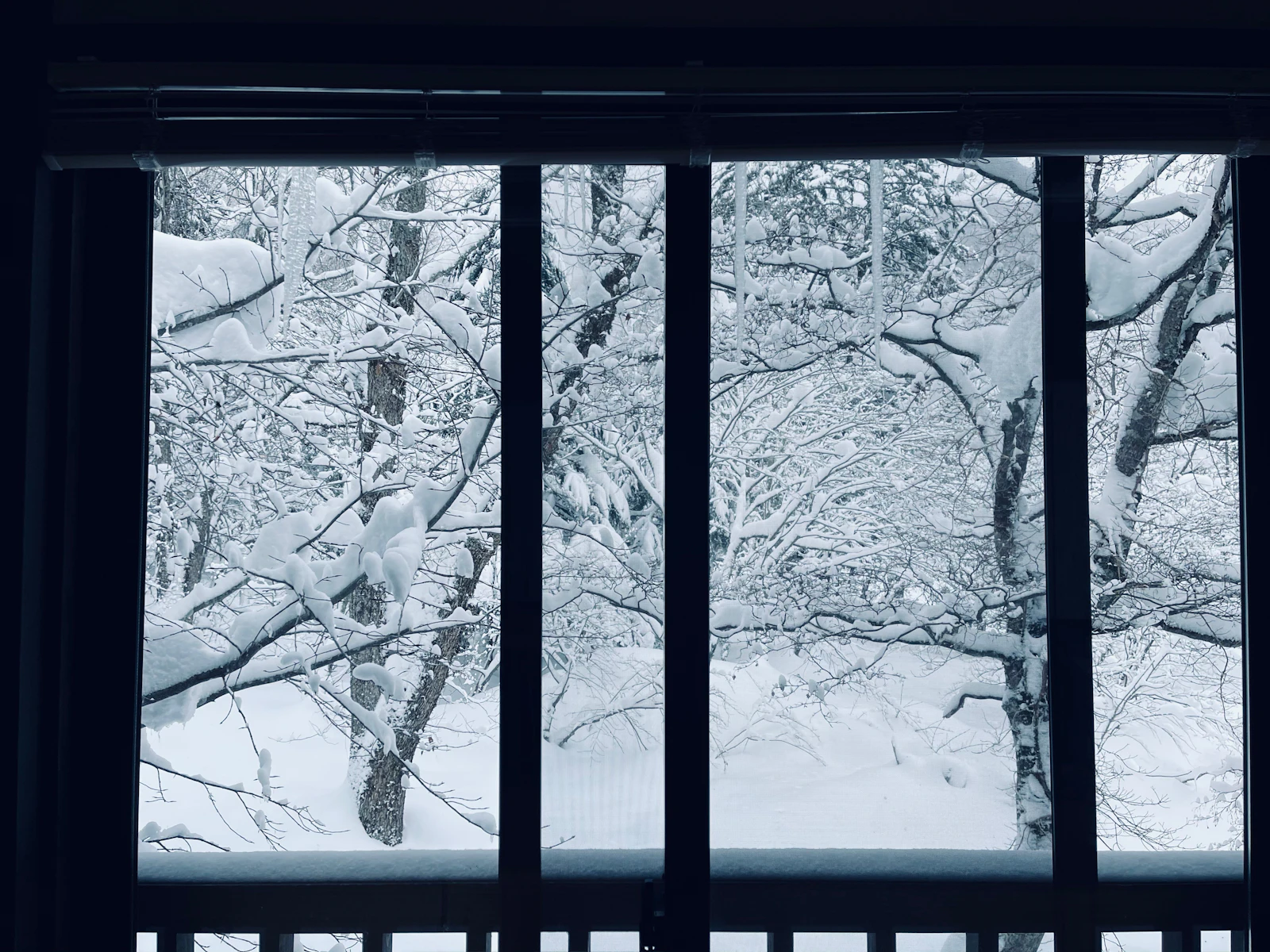
Clear shrink film taped over the inside trim is a cheap, reversible way to stop drafts on older windows. Here is how to install it, where it helps and where it does not.
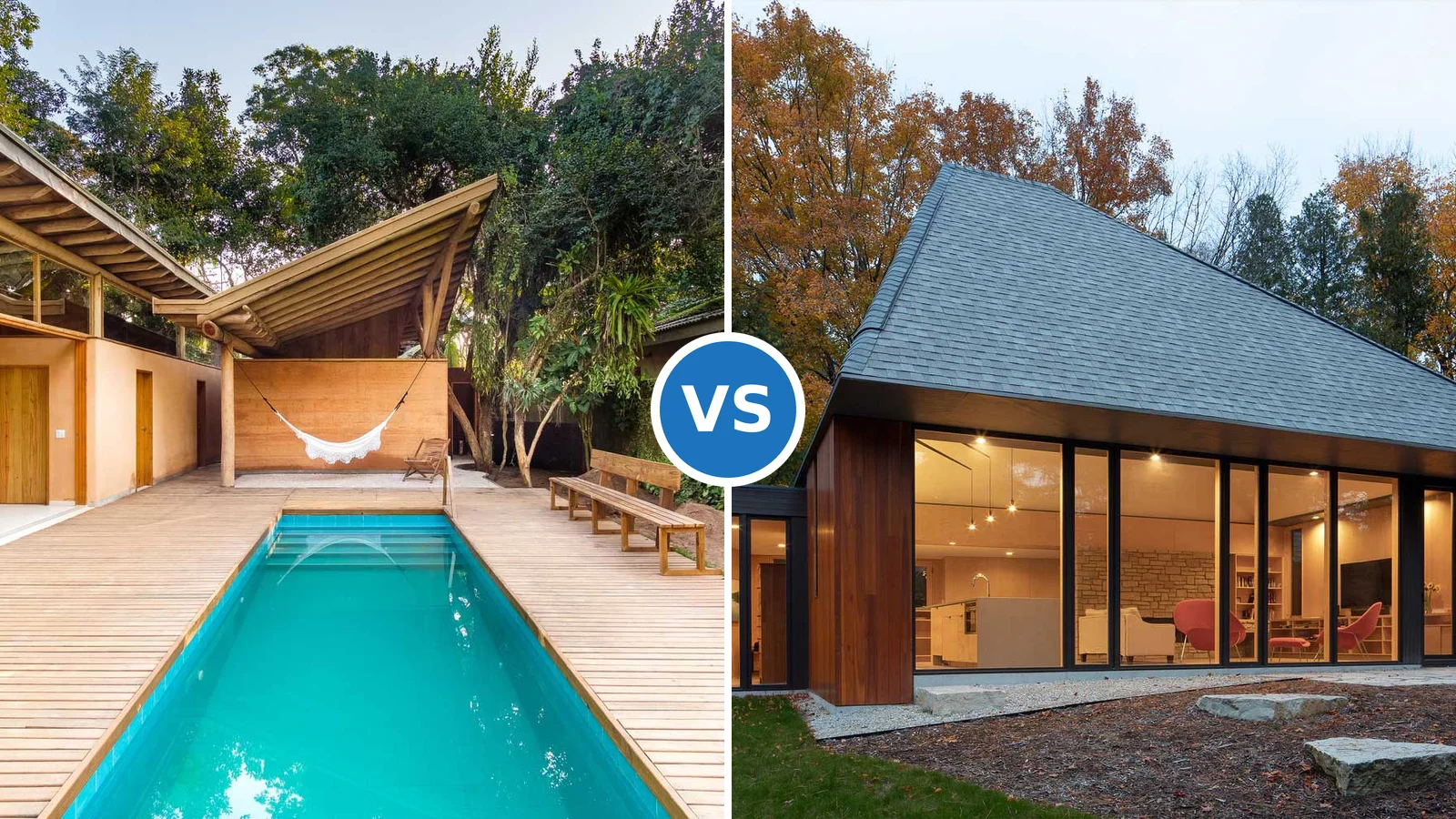
A bungalow keeps every room on one open level, while a cottage cluster splits daily life into small separate houses. Here is how to tell which layout fits your plot, climate and household.
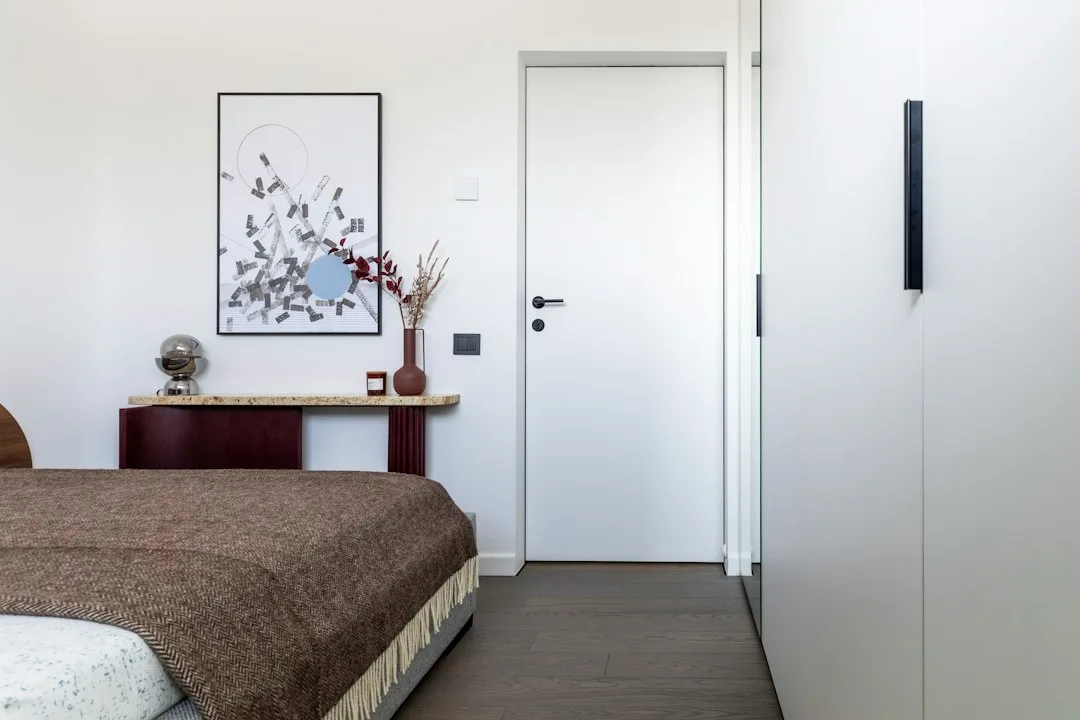
Pocket doors slide into the wall cavity instead of swinging into a room, which frees floor space in small homes. Installation requires opening the wall first, so planning matters more than the hardware.
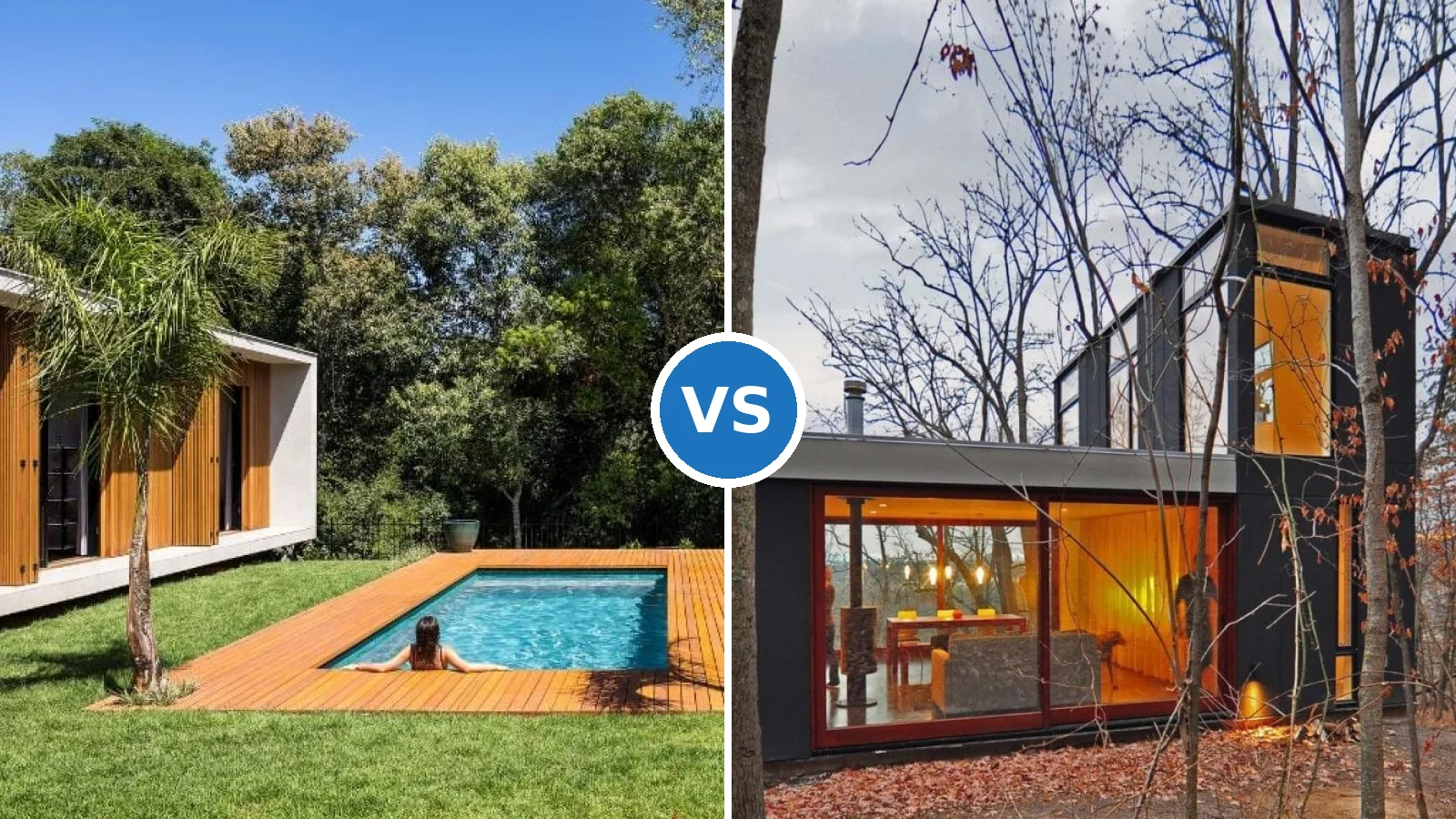
A single storey house keeps every room on one level with wide views, while a two story house packs living space into a smaller footprint. The right pick depends on how much open land you have and how you want to live.
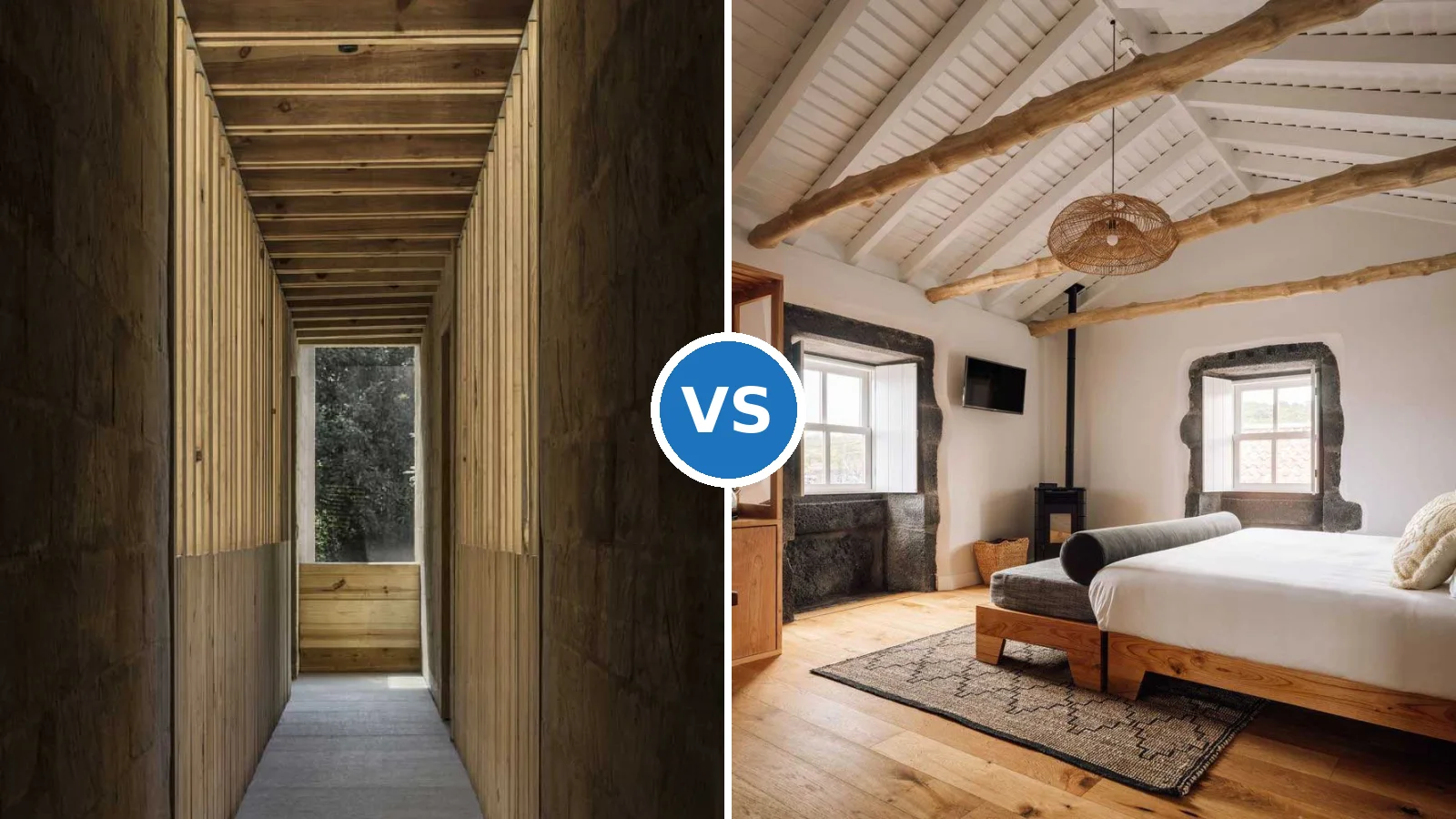
A modern country house and a restored stone cottage suit different households. This comparison covers cost, layout, character and who should pick each one.
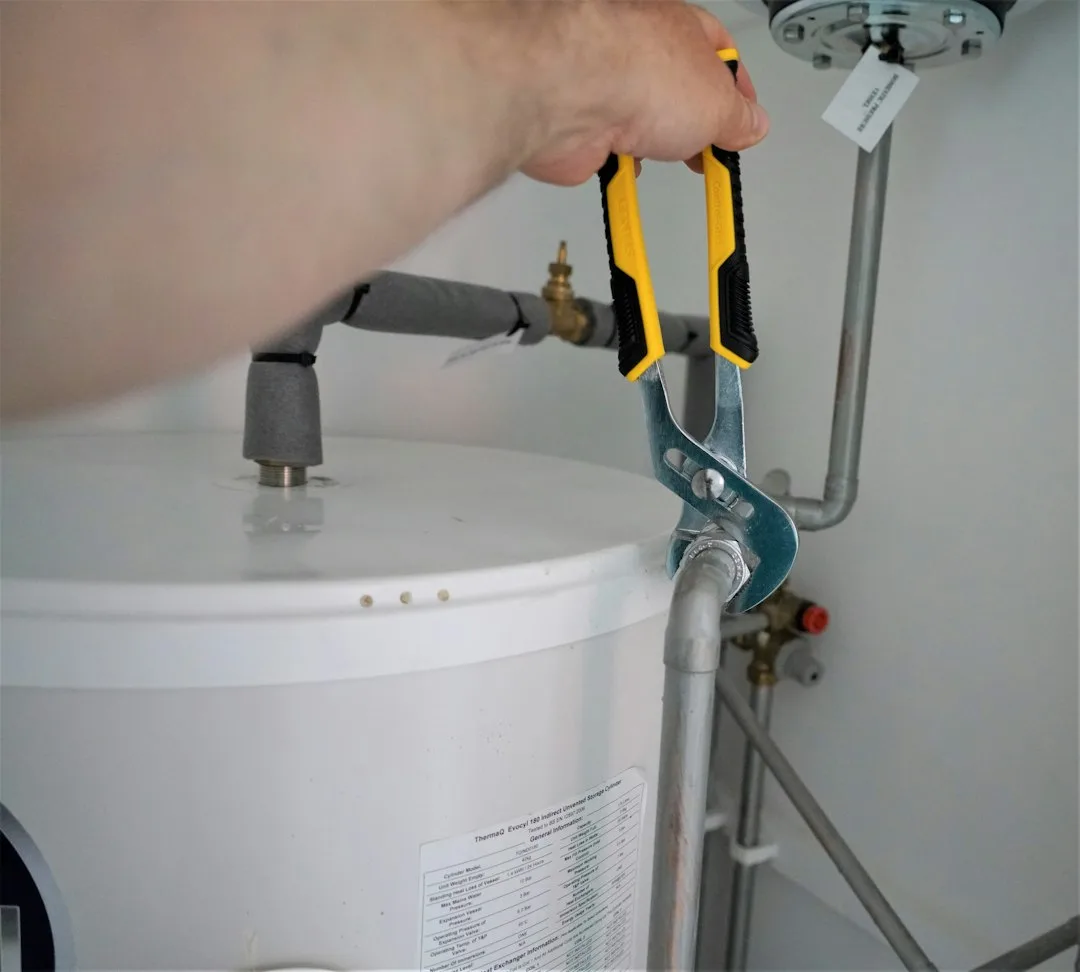
Heat pump water heaters are moving into basements and utility closets because they heat tanks with warmth drawn from the surrounding air. Here is how they work and where they tend to fail.
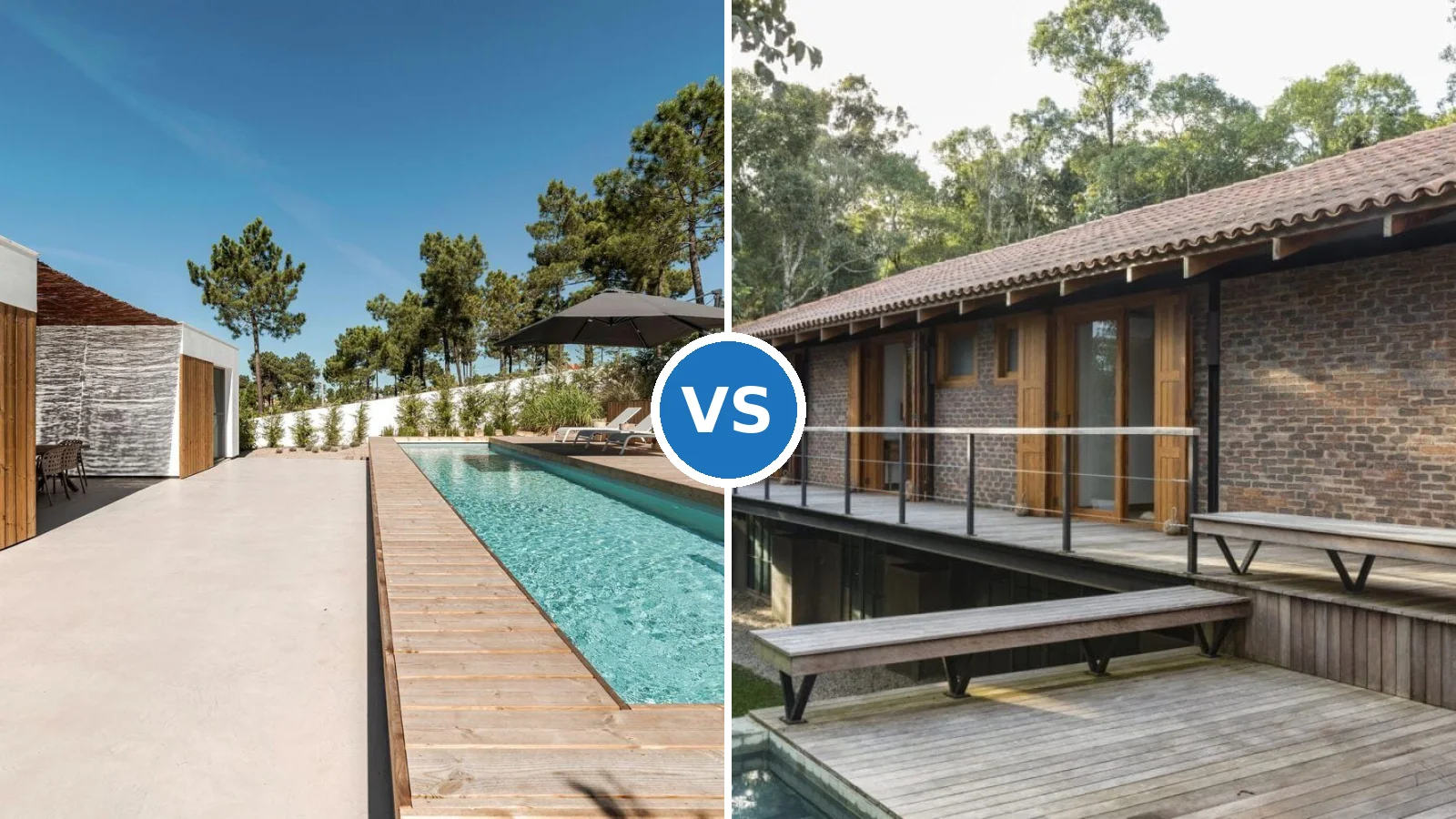
A concrete house suits steep, terraced sites with panoramic glass, while a single story brick house suits flatter plots and tighter budgets. Here is how the two compare on the criteria that matter most.
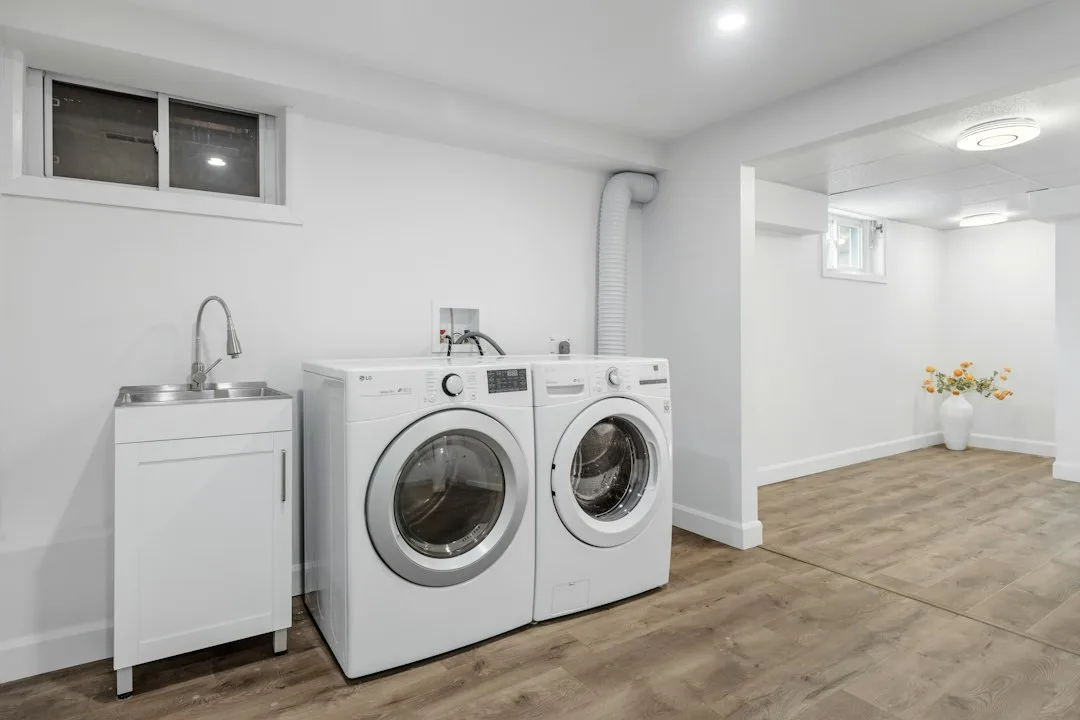
Laundry room ventilation systems prevent moisture damage and mold growth by directing humid air outside instead of recirculating it through your home. Proper ducting and fan sizing are critical to stopping structural rot before it spreads.
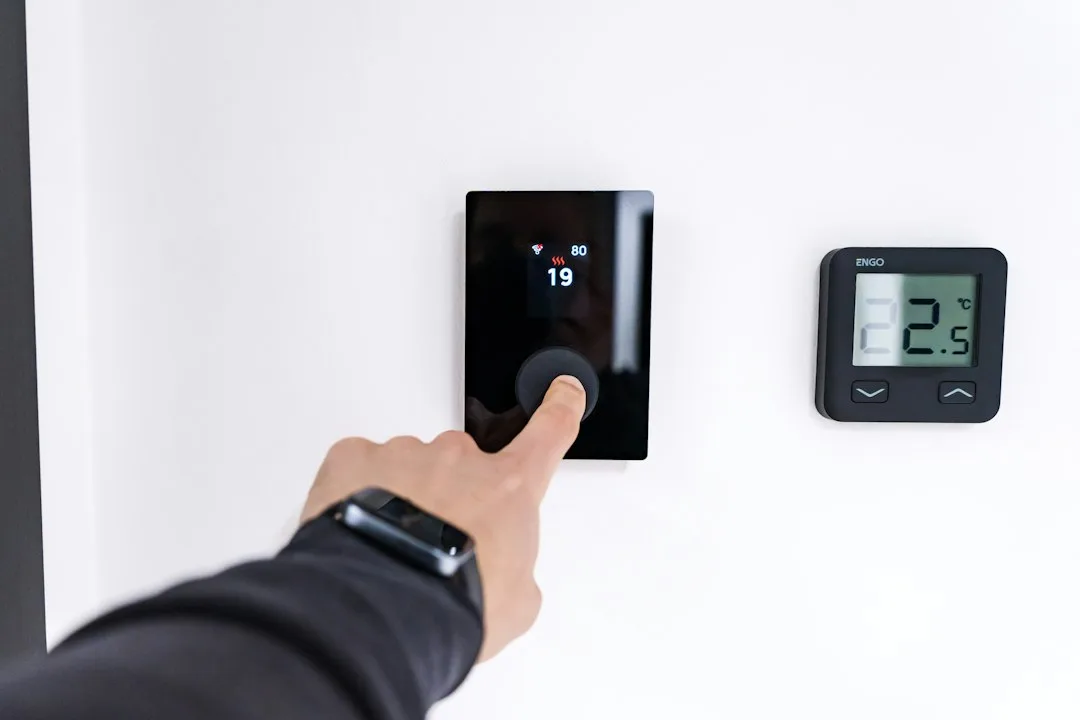
Smart thermostat installation has become the fastest-growing home improvement project of 2026, driven by energy savings, remote control, and integration with smart home ecosystems. Installation takes under two hours for most homeowners—no HVAC technician required.
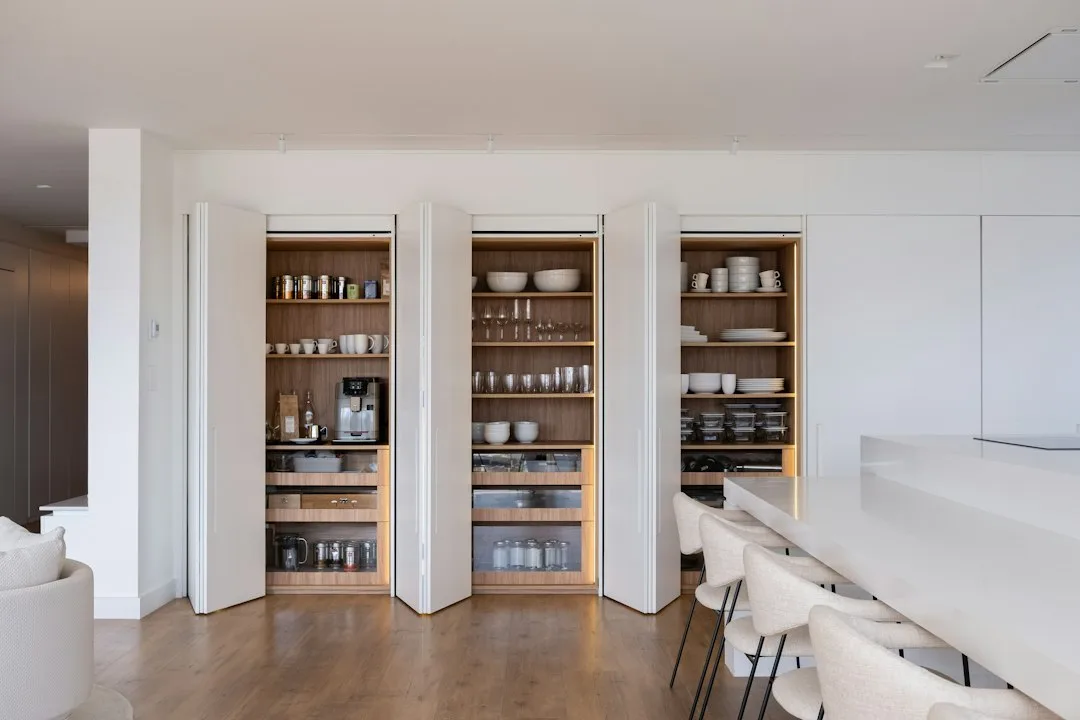
Pantry door hardware has moved beyond basic mechanics into a design statement. The right hinges, latches, and handles transform how your kitchen functions and looks.
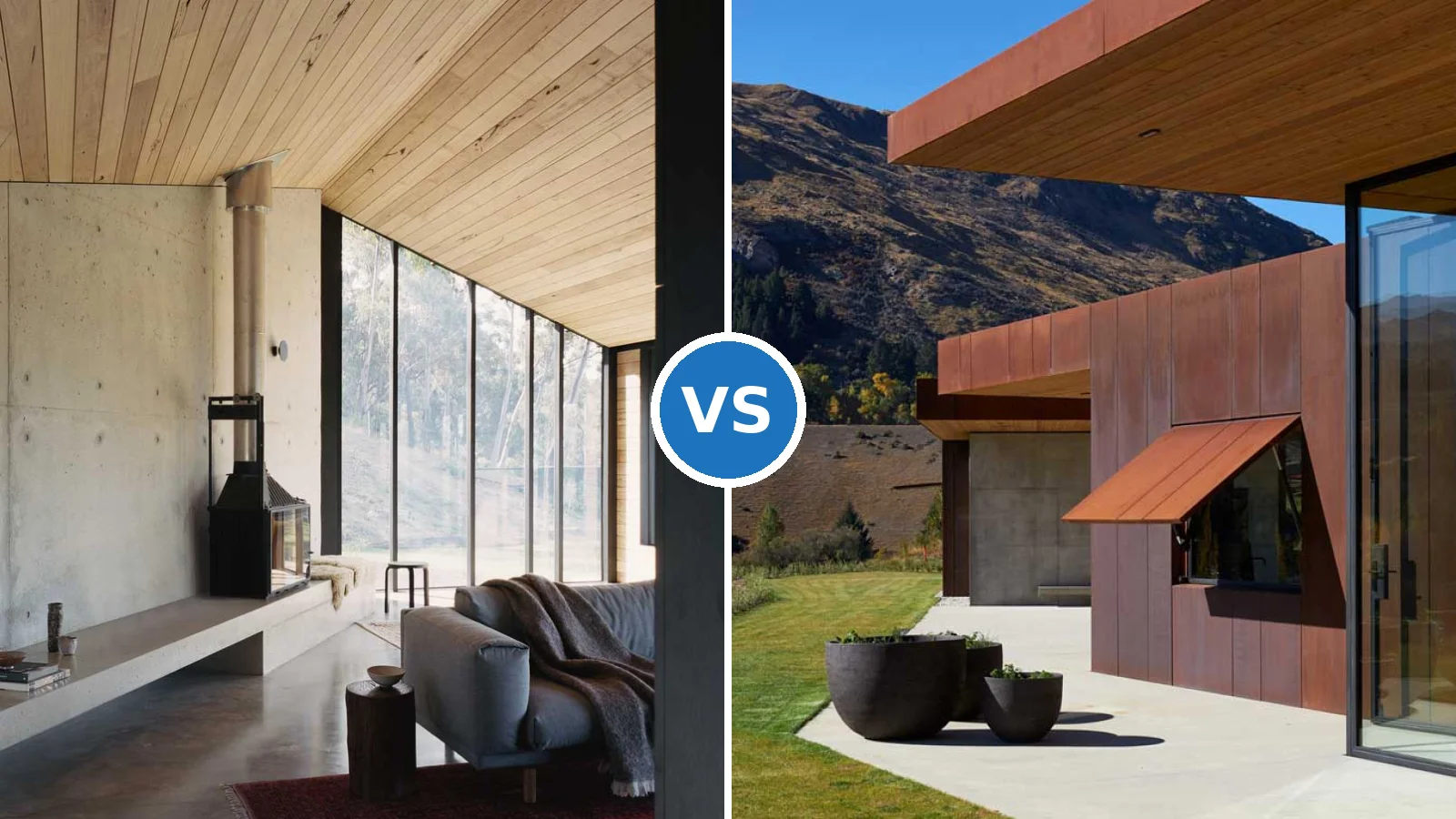
Choosing between wood cladding and metal sheet façade means weighing natural warmth against modern durability. Each material transforms your home’s presence in fundamentally different ways.

Stair nosing installation has become essential in home improvement as homeowners recognize that unprotected stair edges account for thousands of preventable injuries annually. This single upgrade transforms both safety and durability while adding architectural definition to one of your home’s most-used features.
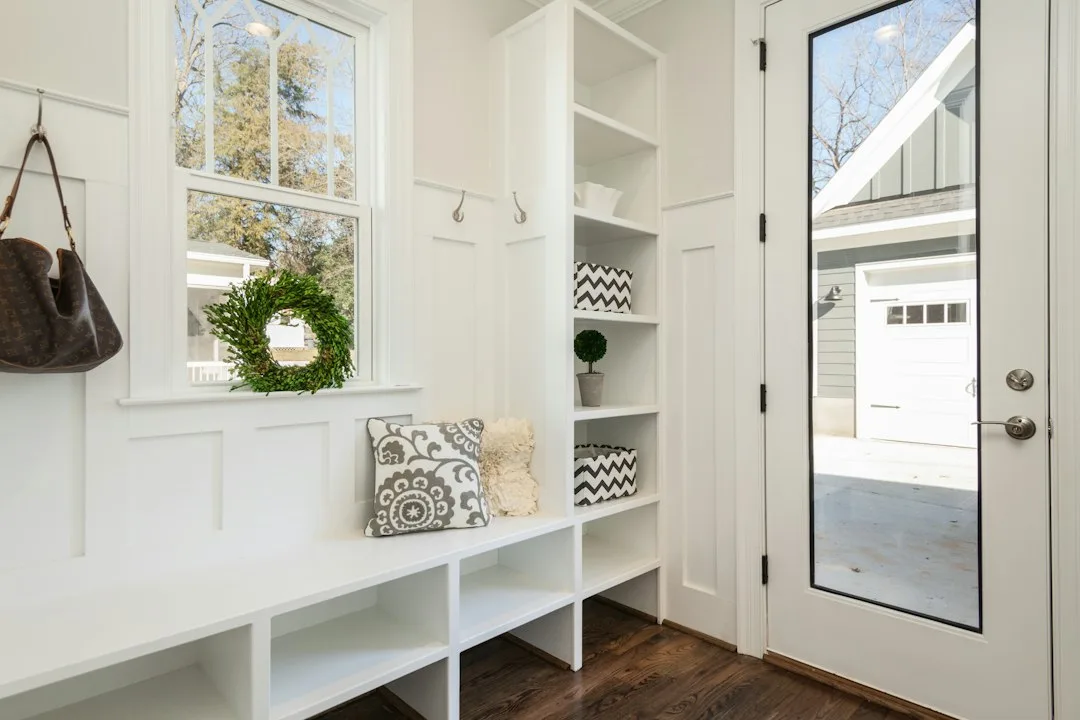
Mudroom flooring solutions are reshaping how homeowners handle the messiest entrance in their homes. From sealed concrete to porcelain tile, the right surface stops water damage before it spreads into living spaces.
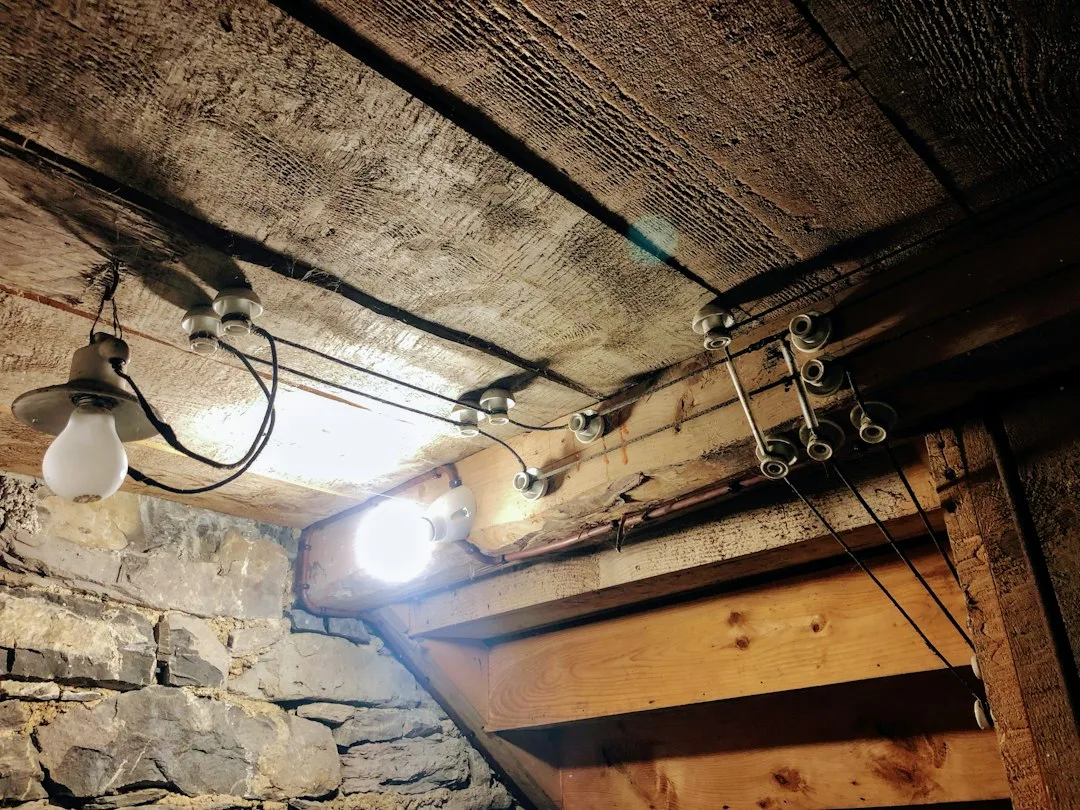
Basement ceiling moisture appears harmless until mold colonies colonize joists and fasteners fail. Strategic moisture blocking at the source, combined with breathable finish materials, stops damage before structural rot becomes expensive.
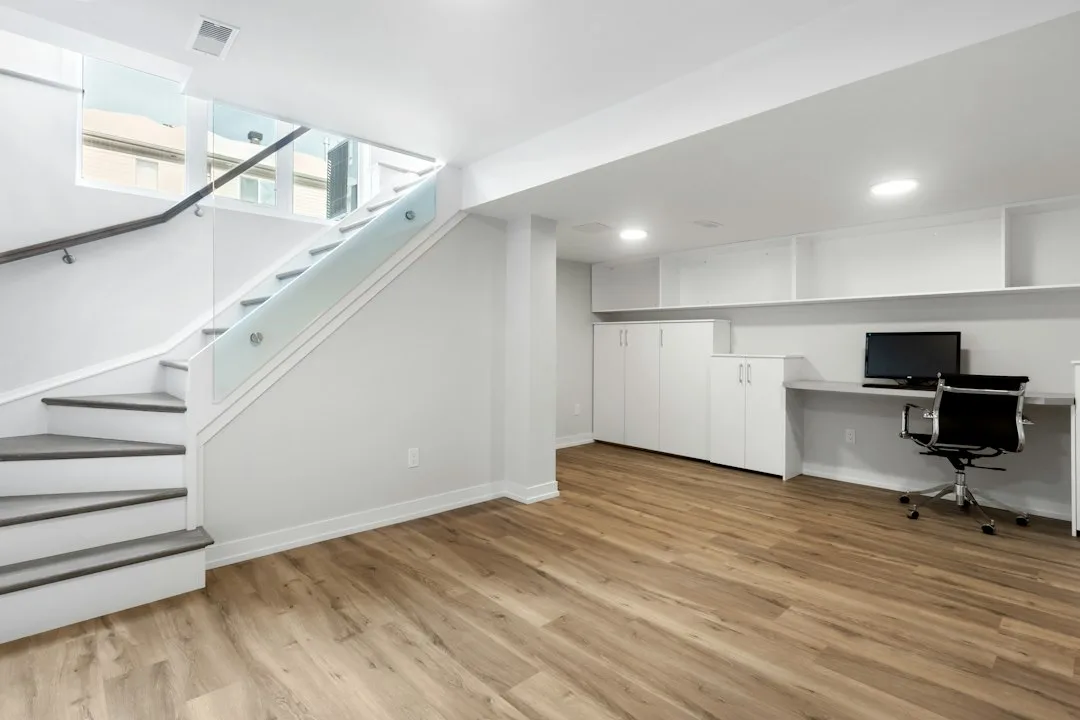
Basement egress windows aren’t optional—they’re the code requirement that unlocks your ability to finish a basement legally and safely. Installing them properly means the difference between livable square footage and wasted potential.
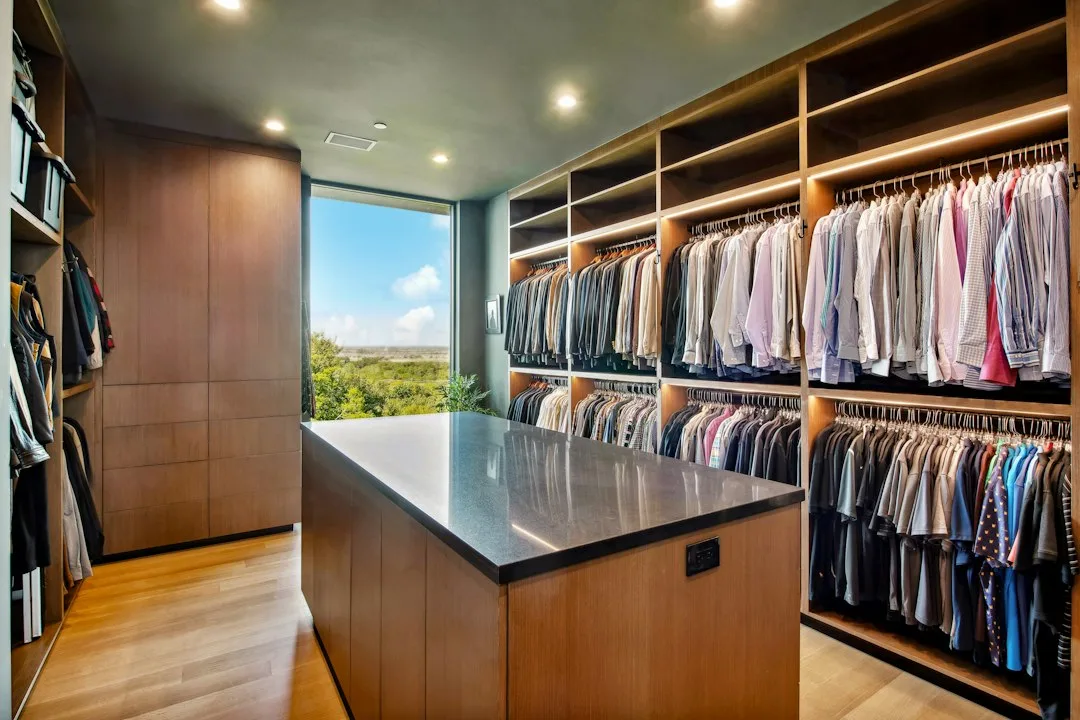
Walk-in closet island systems have evolved from luxury novelty to practical storage architecture. Homeowners now prioritize freestanding islands that combine display, workflow, and retail-quality organization.
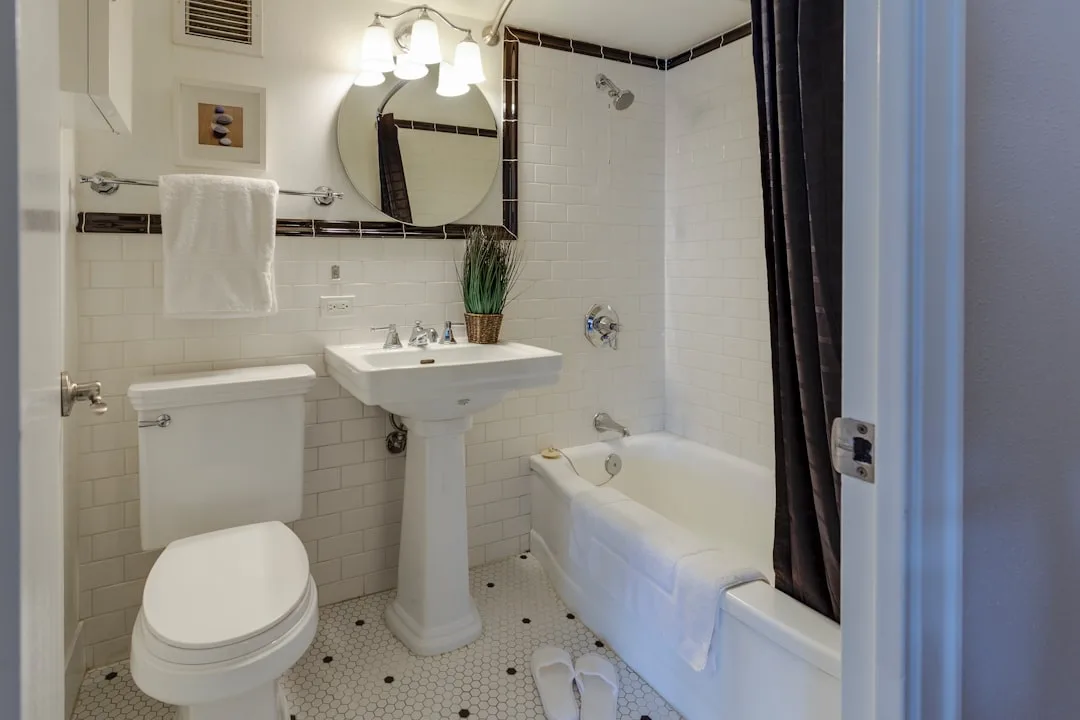
Unsealed bathroom grout absorbs water like a sponge, creating hidden mold and structural rot within months. Proper grout sealing stops infiltration before it spreads to walls and subfloors.

As temperatures drop heading into fall and winter, copper pipe insulation becomes one of the most cost-effective defenses against burst pipes, condensation rot, and energy waste. September is the critical window to address this before cold weather arrives.
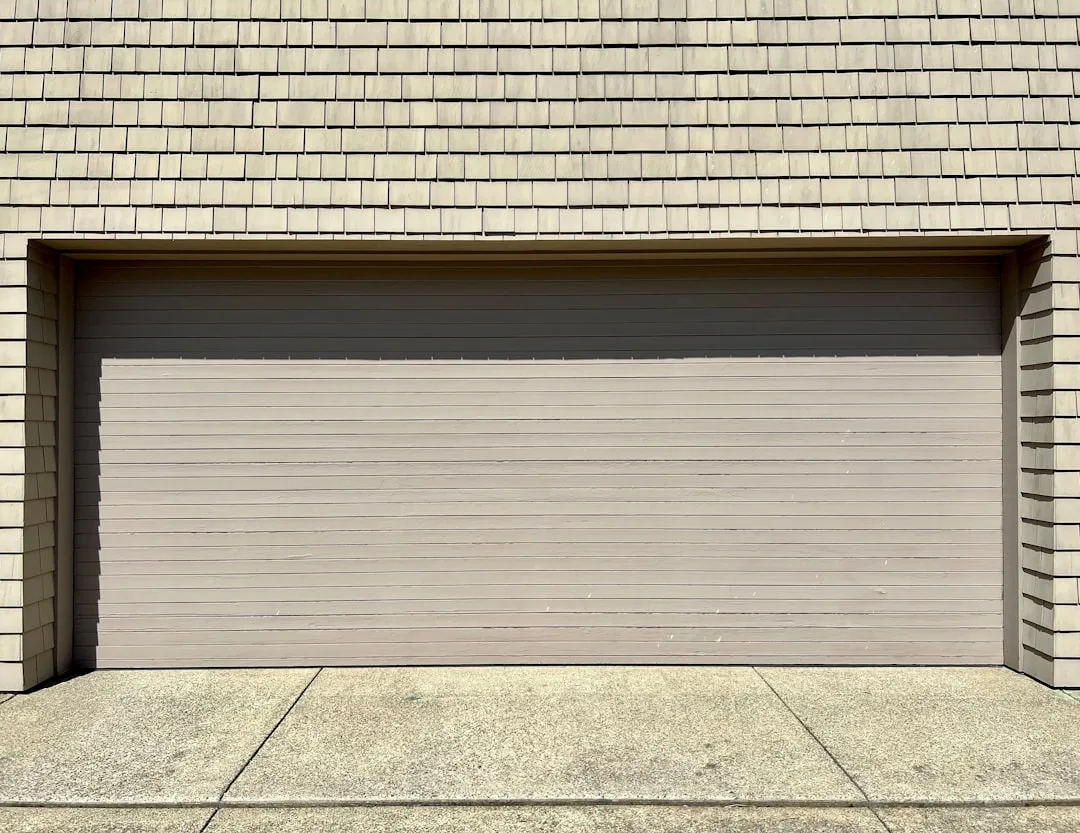
Garage door weather sealing has become the overlooked first line of defense against energy loss in 2026. Most homeowners fail to address air leaks around garage doors until heating bills spike in November.
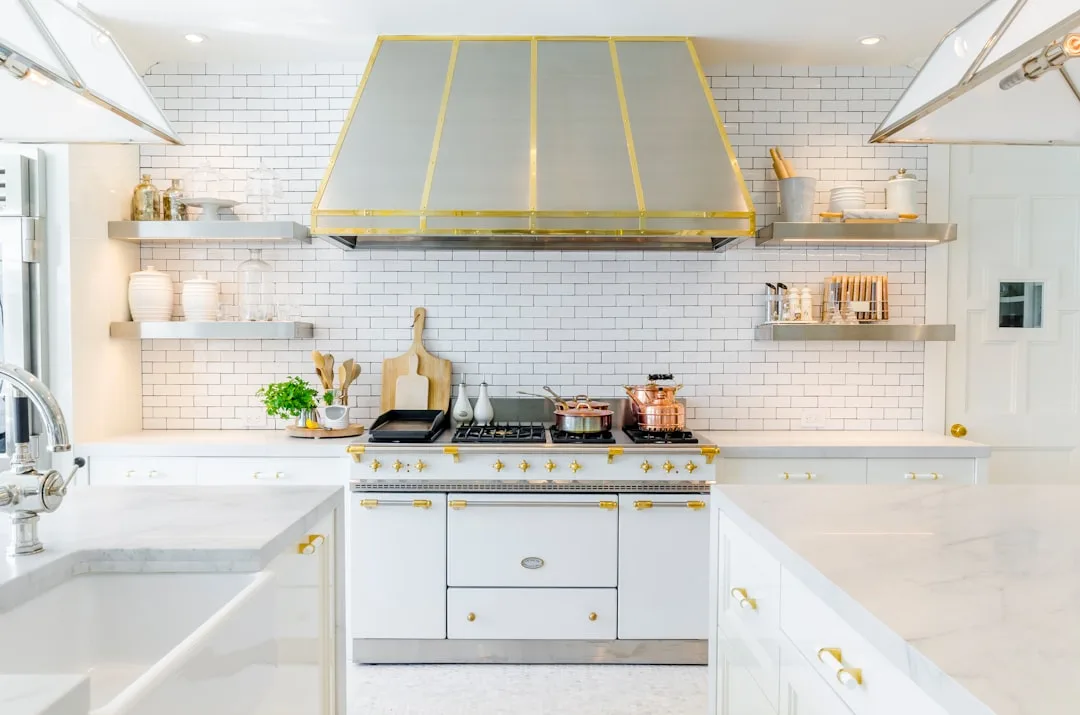
Ventless range hood installation has surged as homeowners reject the expense and structural disruption of traditional ducted systems. Modern filtration technology now captures grease and odors without external exhaust, making kitchen renovations faster and cheaper.
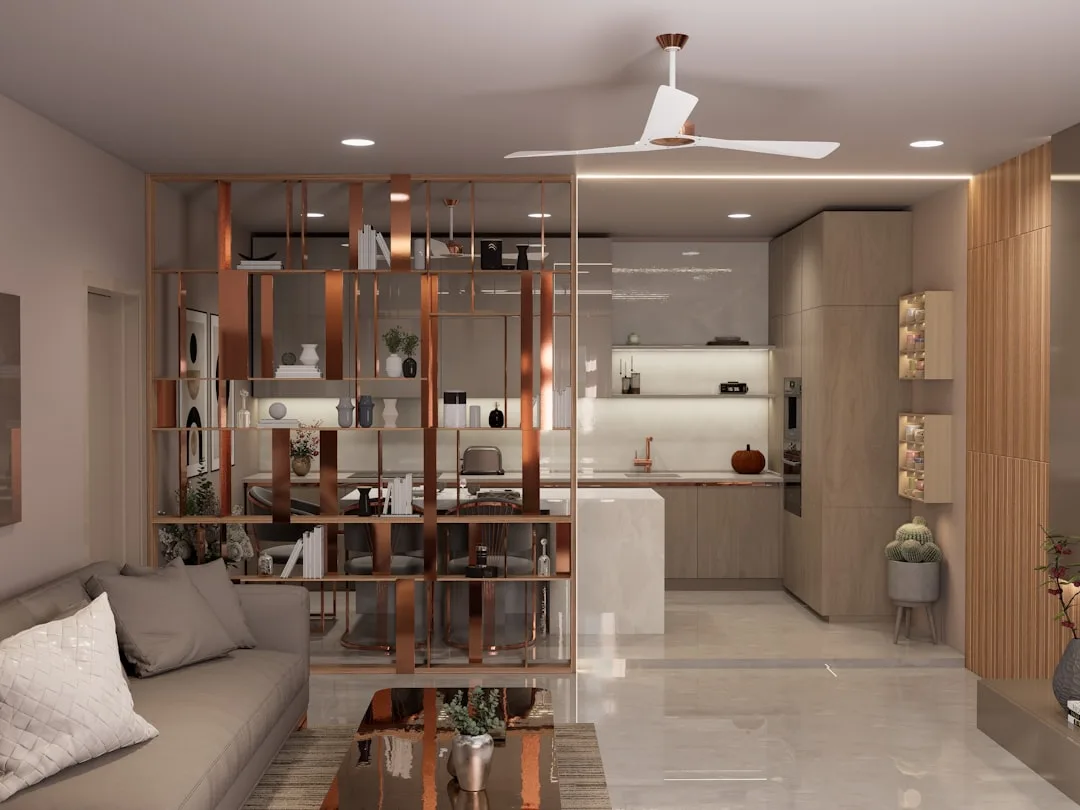
Open floor plans dominated the last decade, but homeowners are exhausted. Modular room divider systems now offer privacy, sound control, and flexible zoning without permanent construction.
Professional drywall finishing has shifted from basic mud applications to precision multi-coat systems that demand specific humidity control and tool mastery. In 2026, homeowners are discovering that wall quality directly impacts how paint, wallpaper, and lighting reveal imperfections—forcing contractors to adopt stricter finishing standards.
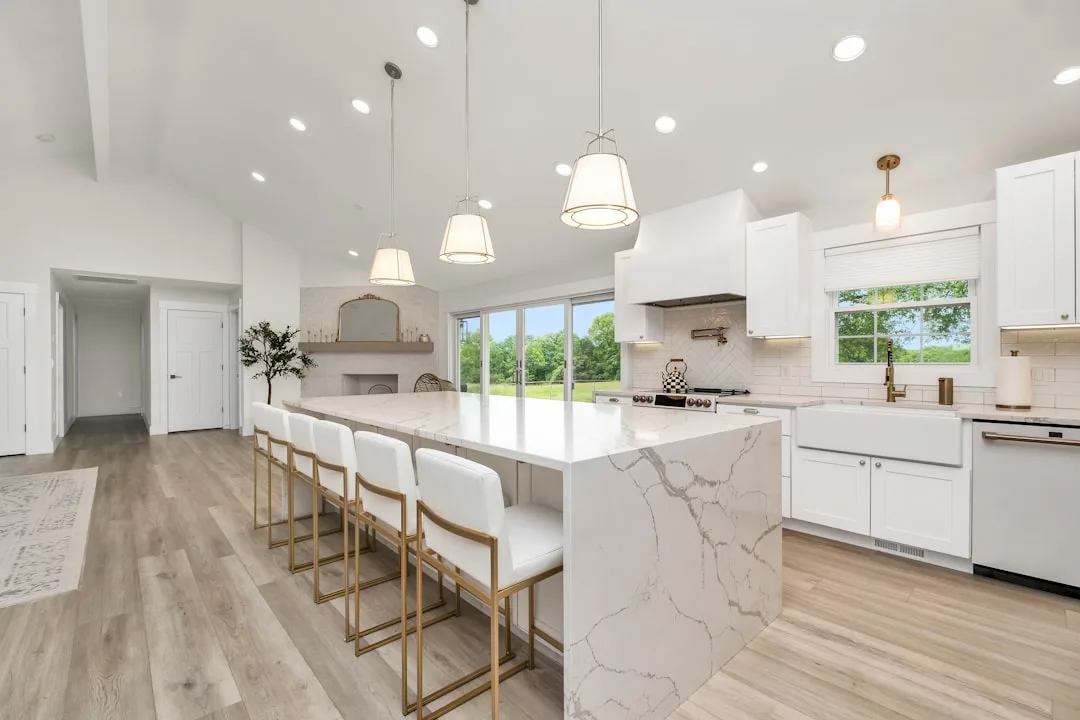
The depth of seating at your kitchen island directly shapes how your kitchen functions. In 2026, homeowners are discovering that 15-18 inches of overhang—paired with proper clearance and barstool height—unlocks a kitchen that actually works.
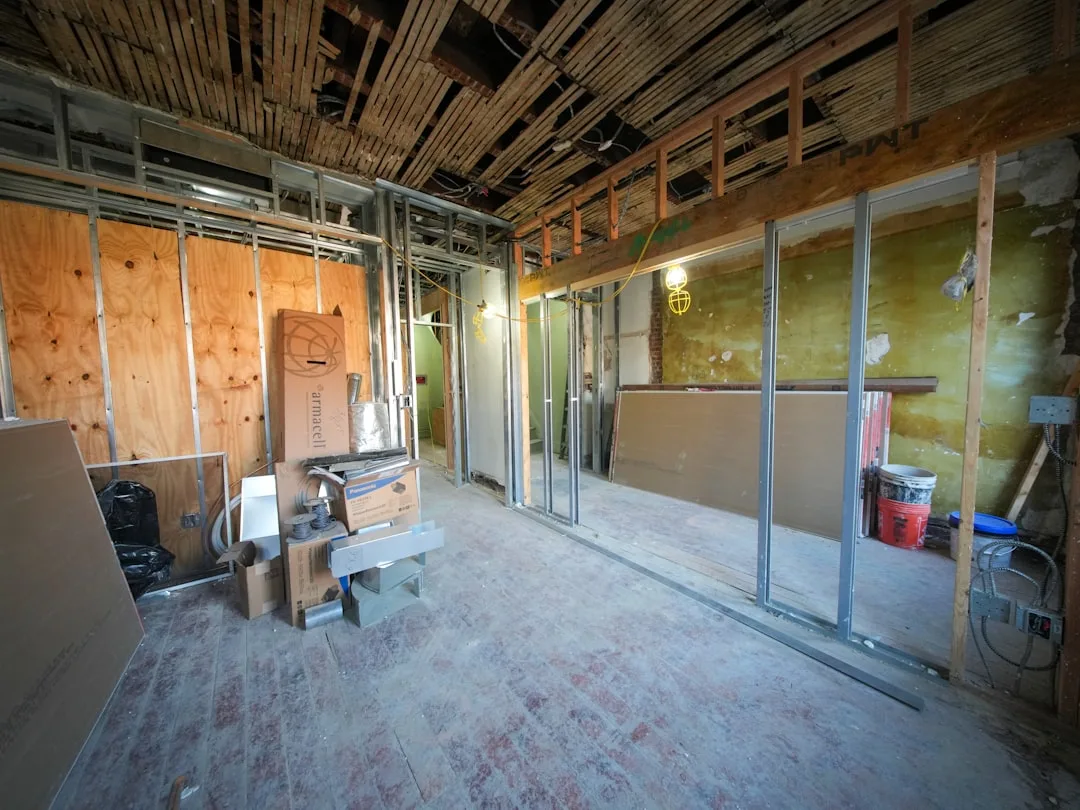
As August 2026 real estate data shows 43% of homeowners now finish basement interiors before selling, interior wall finishing has moved from optional upgrade to baseline expectation. The difference between raw concrete and a properly finished basement wall determines whether a room becomes additional living space or remains a storage cavern.
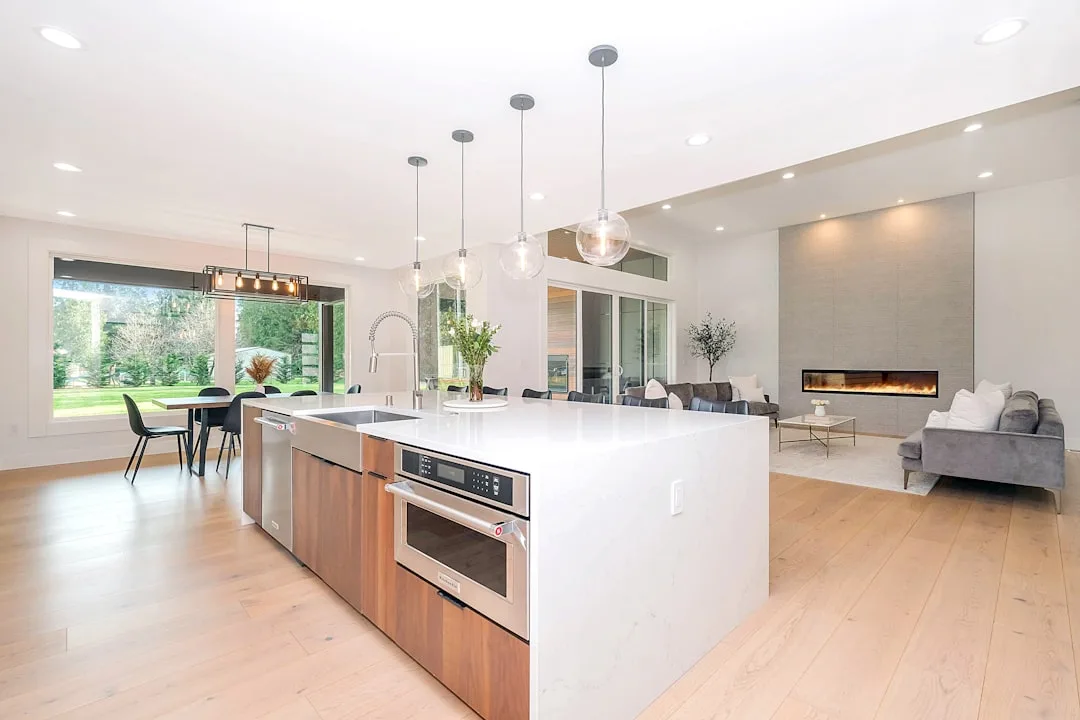
Recessed ceiling lighting has shifted from purely functional to architectural storytelling. In 2026, homeowners are layering multiple lighting zones and integrating smart controls to create rooms that feel both intimate and spacious.
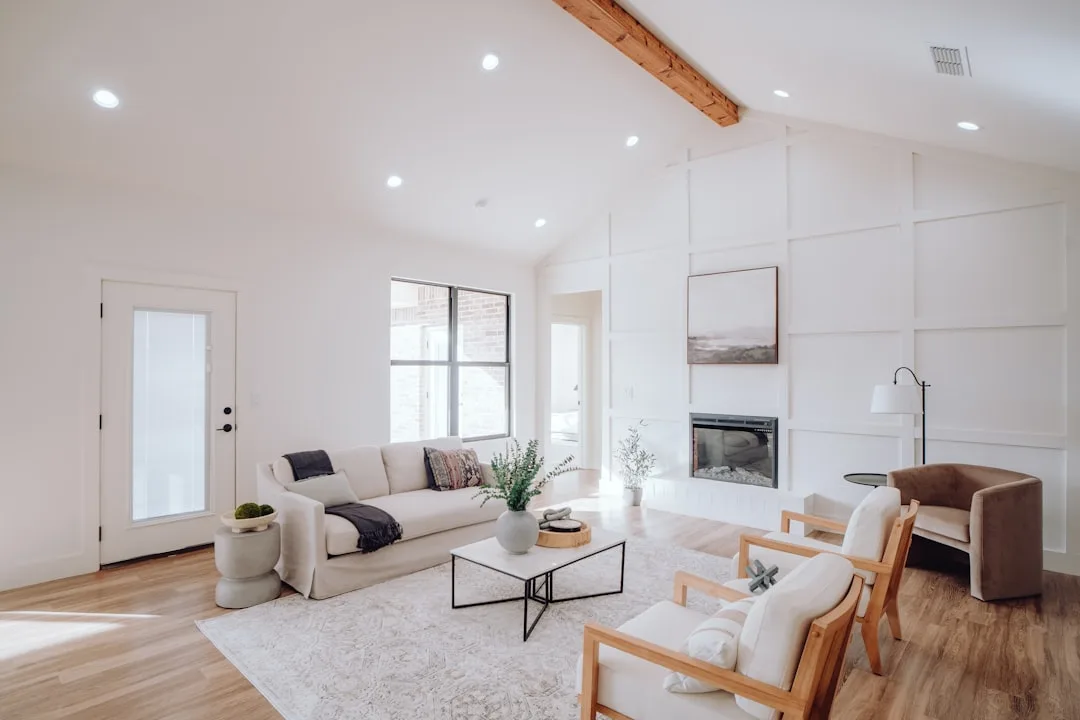
Homeowners in 2026 are finally looking up. The living room ceiling has become the fifth wall—a dramatic architectural statement that anchors entire room identity and defines spatial perception with unexpected materials and geometric precision.
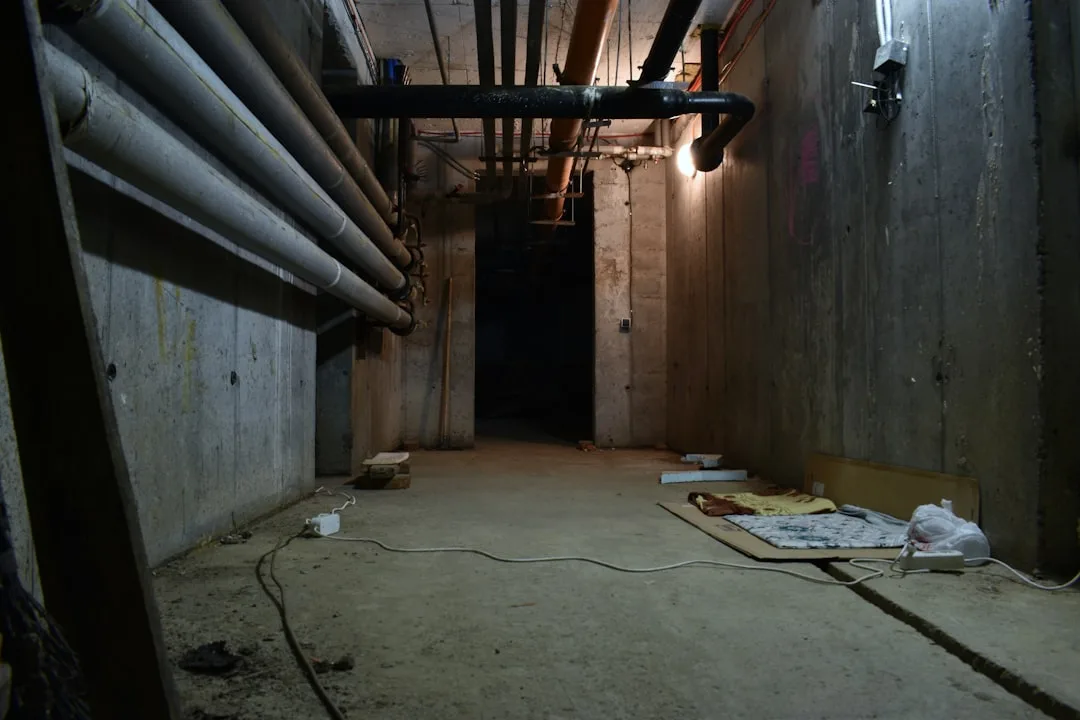
Basement dehumidification systems are becoming essential as homeowners recognize that moisture control prevents both mold damage and foundation rot. August 2026 marks a turning point where integrated humidity management replaces reactive waterproofing alone.

Temporary outdoor power works best when the equipment, cable route and storage point are treated as part of the spatial plan. Outdoor rooms now carry many of the functions once confined indoors. They host lighting, music, cooking, remote work and seasonal entertaining. The architecture may be open to the sky, but the expectation is still … Read more
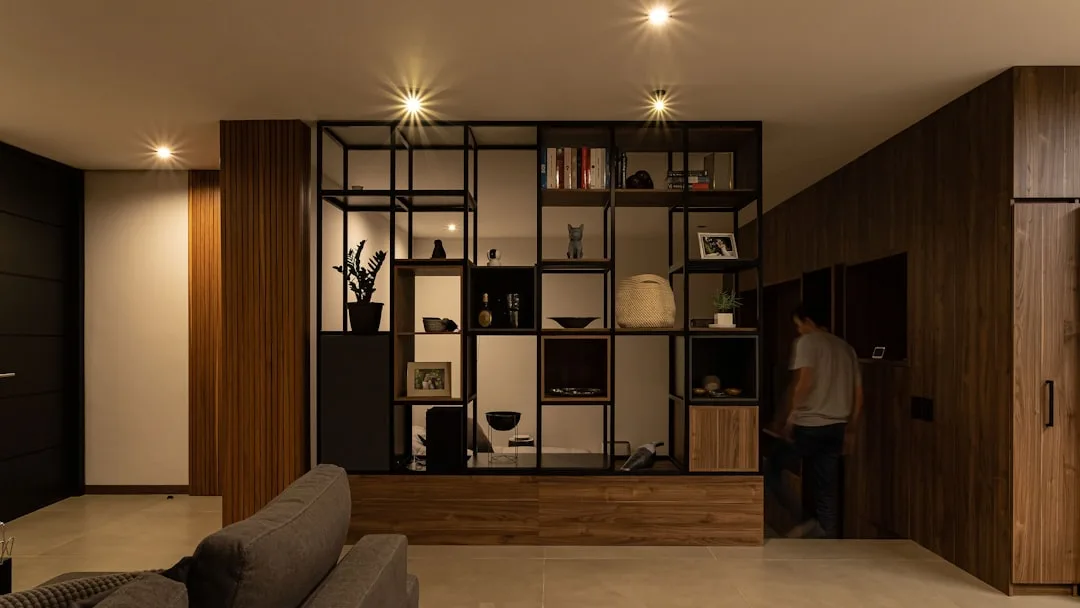
Modular wall systems let homeowners reconfigure interior spaces in hours instead of weeks, without structural demolition or drywall waste. This trend dominates 2026 as rental markets, multigenerational living, and remote work demand adaptable floor plans.

Water feature installation is reshaping how homeowners design outdoor retreats. From recirculating fountains to integrated pond systems, water elements now rank among the fastest-growing home improvement investments.
Hardwood flooring installation starts well before the first plank goes down. Existing-floor removal, subfloor condition, moisture, installation method, room layout and finished floor height can all affect the project. Reviewing these factors early helps homeowners choose suitable solid or engineered hardwood and avoid problems with preparation, transitions and adjoining rooms. Start With the Existing Floor … Read more