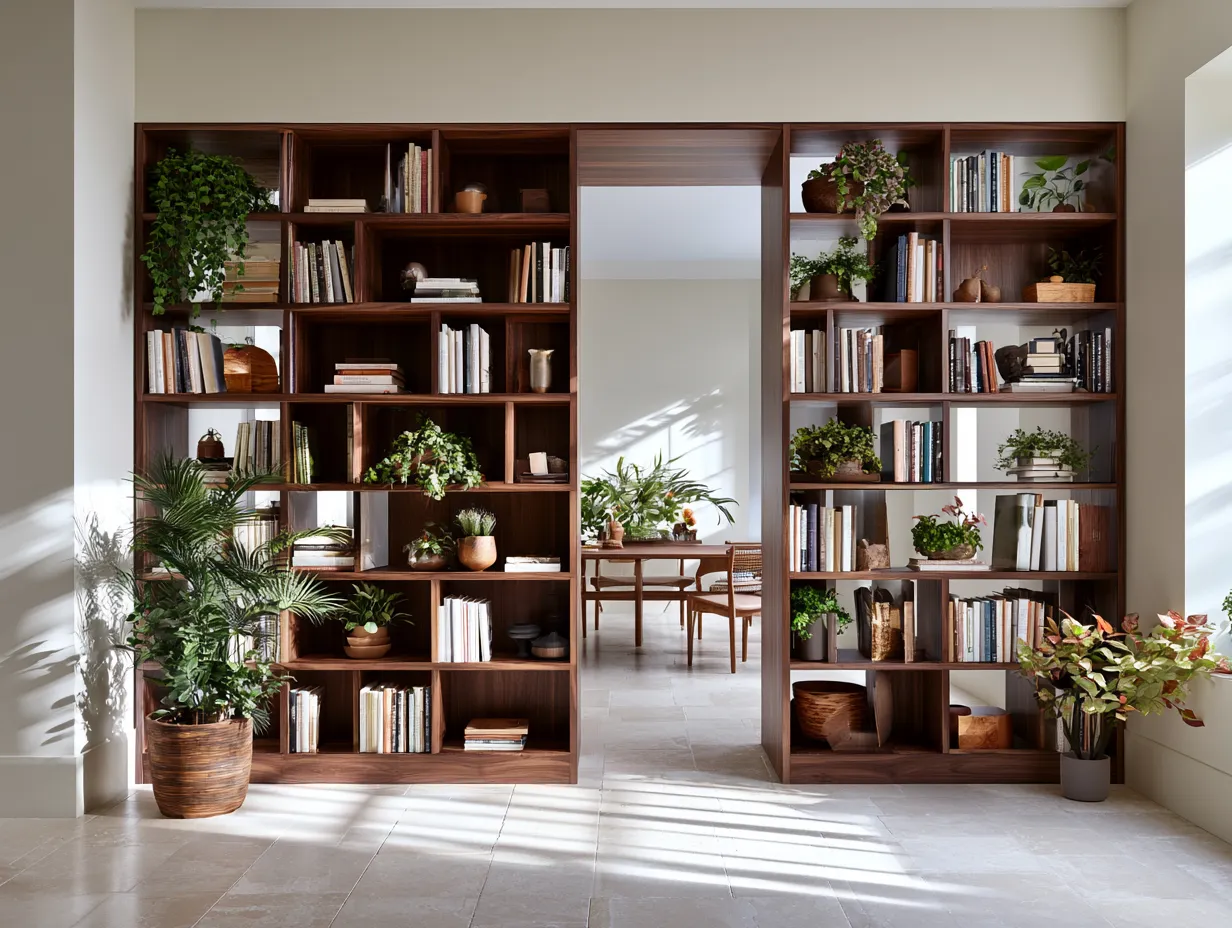
Basement wet bar installations have grown 240% in search volume since January 2026, signaling a decisive shift from passive basement recreation toward curated entertaining spaces. The trend reflects post-pandemic homeowner psychology: investment in hospitality infrastructure that elevates social gatherings without restaurant expenses. This isn’t minimalist bar cart styling—it’s permanent architectural commitment with plumbing, electrical, and cabinetry integration.
Why Home Bartending Drives Basement Investment
The wet bar category expanded because entertaining at home costs 60-70% less than venue hosting while delivering superior control over atmosphere, guests, and drink quality. Homeowners aged 32-48 are the primary adopters, prioritizing basement zones that shift entertaining from kitchens into dedicated, Instagram-capable environments. The trend feeds into Neo Deco and industrial loft aesthetics that demand geometric detail, brass hardware, and textured surfaces.
Plumbing infrastructure is the commitment layer: installing a wet bar requires drain access, supply lines, and electrical circuits rated for refrigeration and task lighting. This permanence justifies design investment that mirrors kitchen renovation psychology but at 40% lower cost. Basements offer privacy advantage—entertaining doesn’t disturb sleeping zones, creating dedicated adult-use zones that modern households demand.
Quick Tips
- Locate wet bars on exterior basement walls where plumbing access is simplest
- Install LED under-cabinet lighting (3000K color temp) to showcase glassware and bottles
- Specify commercial-grade stainless steel sinks rated for heavy use; residential sinks fail by year 3
- Plan electrical circuits separately from main panel to prevent tripped breakers during entertaining
- Choose open shelving for premium bottles; closed cabinetry for supplies and backup stock
Cabinetry and Counter Materials Defining 2026 Bars
RTA (Ready-To-Assemble) wet bar cabinets from Shaker Doors Direct ($1,200-$2,800 for base + wall units, 36-48″ runs) dominate mid-market basements because they replicate custom appearance without six-week lead times. Dark stained oak or matte black lacquer finishes align with loft and industrial trends while hiding bar spill stains that plague light finishes. Walnut veneers add Mid Century credibility when paired with tapered legs and brass hardware.
Countertop selection separates budget bars from design-conscious installations. Quartz (Caesarstone $85-$120 per sq ft, Cambria $95-$140) delivers stain resistance and durability that marble cannot match; white Statuario or grey Charcoal patterns anchor Neo Deco geometry. Alternatively, honed black granite ($55-$75/sq ft) provides luxury appearance at contractor-friendly pricing, though sealing every 12 months is mandatory for drink spill protection.
The backsplash became the expression zone: 2×4 subway tile ($8-$15/sq ft) in soft grey or white supports minimalist bars, while 3D textured tiles ($18-$32/sq ft) and geometric patterns (Daltile, MSI) anchor bolder statements aligned with Plaster Revival and rough-luxe trends.
| Material | Cost per sq ft | Maintenance |
|---|---|---|
| Quartz Countertop | $85–$140 | Wipe clean; no sealing |
| Honed Black Granite | $55–$75 | Seal every 12 months |
| Marble (Statuario) | $95–$180 | Seal quarterly; etch-prone |
| Stainless Steel | $75–$120 | Polish monthly; fingerprint-visible |
| Subway Tile Backsplash | $8–$15 | Grout cleaning annually |
Refrigeration and Beverage Systems
Built-in beverage coolers (True Manufacturing TBC-24-UL, $3,200-$4,100; Perlick PBC-60, $5,400-$6,800) are the anchor appliance, differentiating invested wet bars from novelty setups. 24″ width units fit standard cabinetry, holding 40-60 bottles at 45°F while occupying 6-8 lineal feet of counter run. Residential users favor glass-door models for display; commercial stainless versions suit loft aesthetics but generate heat output requiring ventilation planning.
Draft beer systems (Kegerator combos from Danby or Insignia, $800-$1,600) appeal to 35-50 demographic segments hosting sports viewing and casual entertaining. These require CO2 tank refill logistics and glycol-water coolant maintenance but create conversation-center functionality that bottle service cannot replicate.
Ice makers built into undermount bar sinks (Scotsman UNI85 under-counter, $1,900-$2,300) eliminate ice bucket clutter while adding ~500 lbs/day capacity—sufficient for entertaining parties of 20+. Standard refrigerator space cannot handle this volume; dedicated beverage cooling is non-negotiable for functional bars.
Lighting That Anchors the Entertaining Zone
Pendant lighting over bar seating became the design anchor in May 2026, replacing recessed cans that fail to create focal hierarchy in basements. Edison-filament pendants (Rejuvenation Straight Line, $180-$220/fixture; Pottery Barn Harmon, $99-$149) in brass or matte black suspend 18-24″ above seated guests, casting warm 2700K ambient while illuminating drinking surfaces. Multiple fixtures (3-5 for 10-foot runs) prevent shadow zones that kill intimate entertaining atmosphere.
Under-cabinet LED strips (Philips Hue LightStrips, $60-$80 per 6.5ft kit, color-tunable) showcase glassware and bottles while providing task illumination for mixing drinks. Dimmer compatibility is mandatory—entertainment requires light flexibility that fixed brightness cannot deliver. Track lighting (Schoolhouse Electric, $250-$450/fixture) adds accent capability for textured walls and architectural details.
See also: 10+ Durable Basement Flooring Options for High-Traffic Areas to pair with wet bar installations, ensuring entertaining zones withstand foot traffic and spill events.
Seating and Social Layout Patterns
Bar stools represent the serving-side identity; backless designs (West Elm Mid-Century Slope, $349-$429; Article Tormy, $189-$249) slide completely under 36″ counters when not in use, critical for basements where square footage constraints demand flexibility. Leather upholstery in cognac or charcoal aligns with loft and Mid Century aesthetics while resisting spill damage superior to fabric options.
High-top tables (42-48″ dia, $400-$800) positioned 6-8 feet from the bar create secondary entertaining zones that prevent guest bunching at the service counter. This layout mirrors restaurant design psychology, distributing crowd weight and enabling conversation groups to self-organize spatially.
Consider also: Modular Homes with Basement: The Affordable Solution for Your Dream Home if planning basement construction or renovation. Full wet bar installation requires 2-3 weeks and $12,000-$22,000 for cabinetry, appliances, plumbing, and electrical combined.
Styling and Bottle Display Strategy
Open shelving (floating wood, 12-18″ deep) displays premium bottles as interior objects, creating visual interest that closed cabinetry sacrifices. Floating shelves from Restoration Hardware ($395-$695 per 36″ run, walnut or oak) or Anthropologie ($199-$349) support weight loads of 30-40 bottles while maintaining design legibility against industrial or plaster-finish walls.
Bottle arrangement follows pyramid logic: tallest spirits in back rows, liqueurs and cordials in middle tiers, glassware and mixing tools front-facing. This creates visual depth perception that transforms bars from functional storage into curated bar styling comparable to high-end restaurant back-of-house displays.
Complete guide
Loft Design Ideas That Transform Raw Space Into Home
Bedrooms, kitchens, living rooms, styles, materials, layouts — all in one place
Complete guide
Where Walnut Meets Wow — The Mid Century Style Handbook
Kitchens, bathrooms, living rooms, furniture, color, materials — all in one place