The Integration No One Saw Coming
On March 15, 2026, West Elm launched their Planted Pet Collection—cat trees with integrated planter boxes and dog crates wrapped in preserved moss panels. Within eleven days, the line sold out completely. By April 2026, every major home brand from CB2 to Target’s Threshold line has announced similar biophilic pet products. This isn’t pet furniture adjacent to plants. This is architectural integration of animal zones within living green systems.
The trend emerged from two colliding movements: the continued expansion of biophilic design principles in residential spaces and the elevation of pet areas from afterthought accessories to intentional design elements. Interior designer Kelly Wearstler showcased the concept in her March 2026 Architectural Digest feature, where a custom cat climbing wall doubled as a vertical succulent garden in a Beverly Hills residence. The images went viral across design platforms, accumulating over 2.3 million saves on Pinterest within three weeks.
Why This Makes Functional Sense
Beyond aesthetics, biophilic pet zones solve real spatial problems. Urban dwellers working with limited square footage can’t afford separate areas for pet furniture and plant displays. Combining them creates dual-purpose zones that serve both human wellness needs and animal enrichment. Veterinary behaviorist Dr. Sandra Kim, speaking at the April 2026 Design & Wellness Summit in Portland, noted that pets exhibit reduced anxiety in spaces with abundant greenery—the same calming effect humans experience.
The design also addresses air quality concerns that come with pet ownership. Strategic placement of pet-safe plants like spider plants, Boston ferns, and parlor palms near litter boxes and feeding stations helps filter odors and particulates. Landscape architect James Basson, whose firm completed twelve biophilic pet integration projects in Q1 2026, reports that clients see measurable improvements in indoor air quality when plants are positioned within three feet of high-traffic pet areas.
The Pet-Safe Plant Imperative
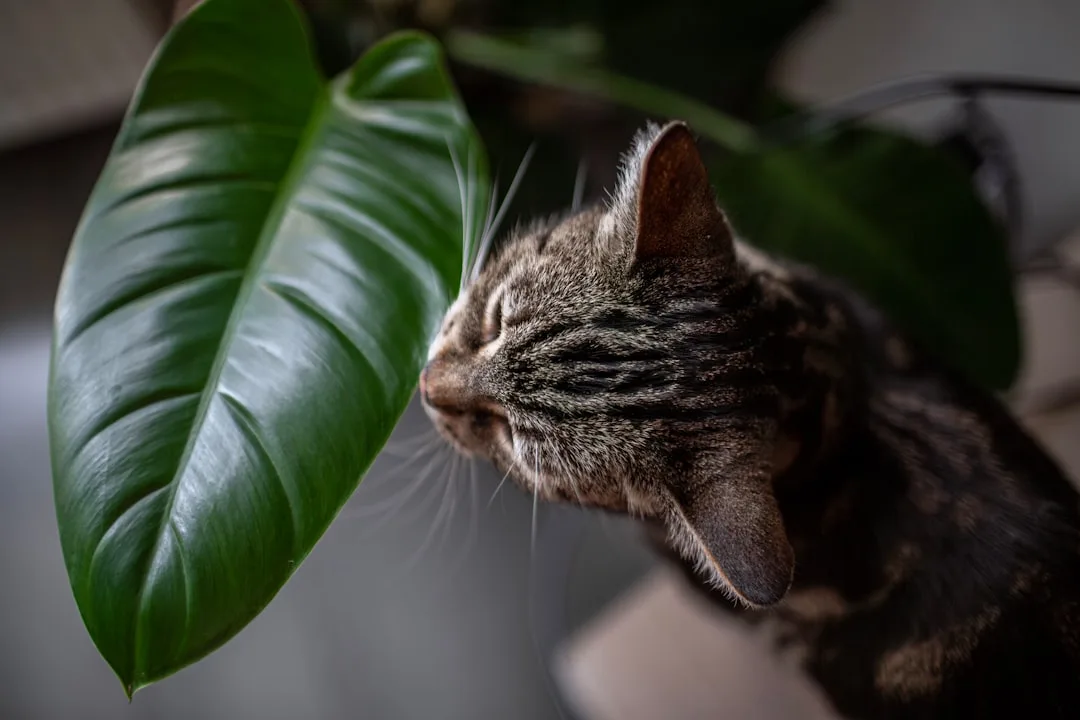
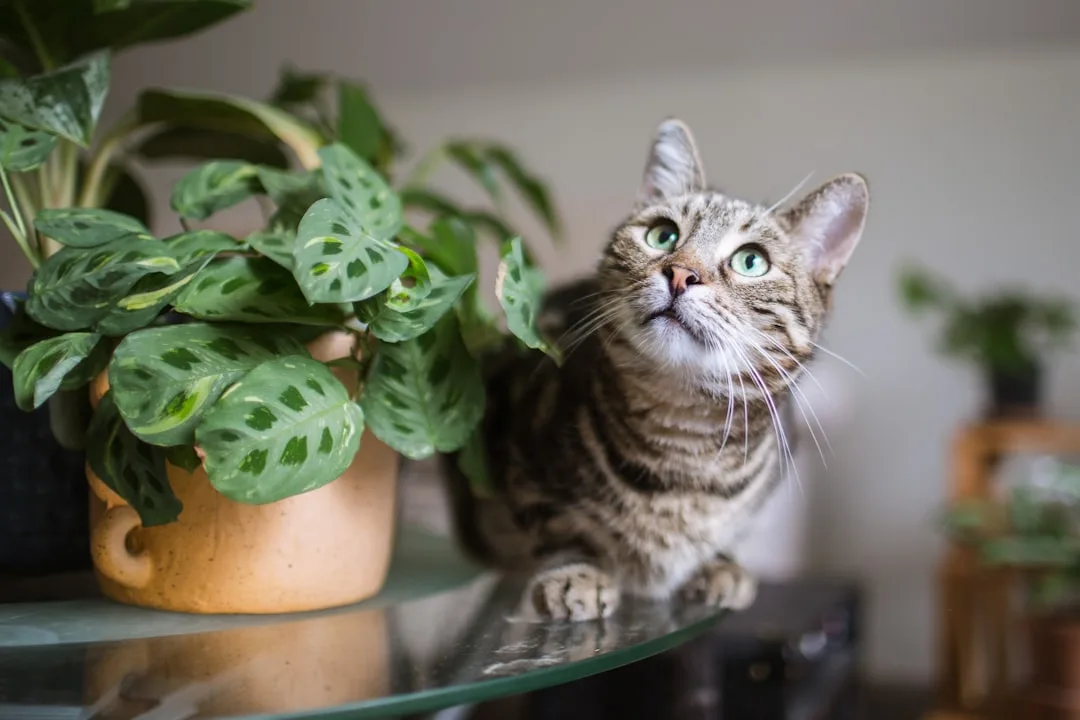
This trend comes with non-negotiable safety requirements. Designers are working exclusively with ASPCA-verified non-toxic species. The most common selections in April 2026 projects include calatheas, peperomias, African violets, Boston ferns, and certain palm varieties. Toxic favorites like pothos, philodendrons, and snake plants—staples of conventional plant design—are completely absent from biophilic pet zones.
Brooklyn-based studio General Assembly created a reference guide in early April 2026 specifically for designers implementing these spaces, listing forty-three pet-safe species with growth habits, light requirements, and aesthetic profiles. The guide has been downloaded over 47,000 times by design professionals. This level of botanical specificity represents a significant knowledge expansion for interior designers who previously treated plants as decorative add-ons rather than safety-critical design elements.
Structural Integration Examples
The most successful implementations embed pet function directly into planted structures. At the April 10, 2026 Milan Design Week, Danish brand Ferm Living unveiled modular cat furniture where sisal-wrapped climbing posts grow through slatted planter boxes, creating towers that are simultaneously cat jungle gyms and herb gardens. The system allows reconfiguration as plants mature and pet needs change.
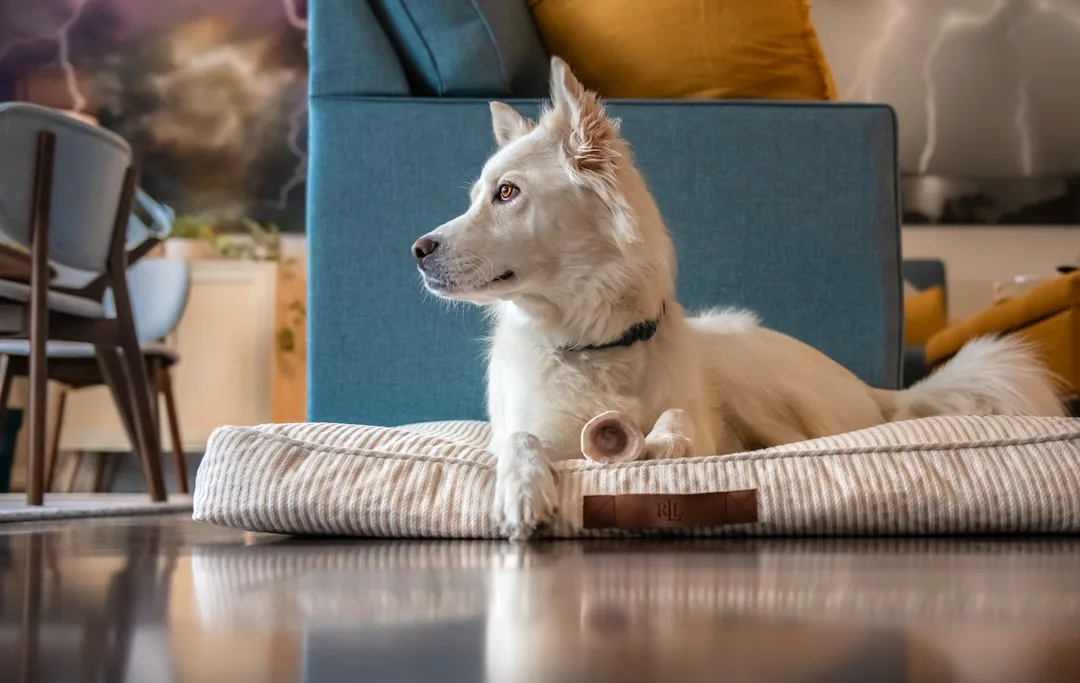
For dog owners, the trend manifests as planted nook beds—built-in sleeping areas surrounded by raised planters that create natural boundaries and microclimates. Austin-based architect Alison Damonte completed a renovation in March 2026 featuring a sunken dog bed area ringed by a continuous planter filled with pet-safe ferns, effectively creating a botanical nest that provides both privacy for the animal and visual softness for the humans. The earth tones in these installations work beautifully if you’re already considering How To Use Terracotta Tones Without Making Your Home Look Dated in your overall palette.
The Maintenance Reality
These spaces require more upkeep than conventional pet areas. Plants need watering, pruning, and monitoring for pet damage. Pet zones need regular cleaning to prevent soil contamination. The intersection demands both horticultural knowledge and consistent maintenance schedules. Successful implementations incorporate self-watering systems, removable planter inserts for easy cleaning, and durable plant species that tolerate occasional roughhousing.
Subscription services are emerging to support the trend. Planted Pet, launched in San Francisco in February 2026, delivers monthly rotations of pet-safe plants sized for specific furniture systems, removing maintenance burden from homeowners. By mid-April 2026, they’re operating in seven cities with a waitlist exceeding 12,000 customers.
Commercial Applications Accelerating Adoption
Pet-friendly hospitality venues are driving rapid iteration. The Proper Hotel’s new Los Angeles location, which opened April 2026, features a lobby lounge where dog-friendly seating areas are integrated into a living wall system with over 300 pet-safe plant specimens. Kimpton Hotels announced April 18, 2026 that all properties will incorporate biophilic pet zones in renovation projects starting Q3 2026.
Veterinary clinics are reimagining waiting areas using these principles. BluePearl Pet Hospital’s redesigned Seattle location, completed March 2026, replaced traditional waiting room chairs with planted alcoves containing pet beds, reducing visible stress behaviors in animals by 34% according to their preliminary data.
How To Implement This At Home
Start with a single integration point rather than whole-room commitment. A window-mounted cat perch with flanking planter boxes requires minimal investment and tests whether your specific pets will respect plant boundaries. Use mature plants rather than seedlings—established root systems better withstand curious paws.
Prioritize vertical integration over floor-level mixing if you have dogs prone to digging. Wall-mounted planters above built-in dog beds create visual integration without vulnerability. For cats, ensure climbing structures maintain stability when weighted with both cat and soil-filled planters—structural engineering matters more in these hybrid pieces than conventional furniture.
Consider this trend’s relationship to broader wellness design. The same principles driving biophilic pet zones inform other 2026 movements in personal space optimization, much like the intentional spatial planning seen in 3+ New Trends Anvers Hair Design where functional needs meet elevated aesthetics.
The Longevity Question
Unlike decorative trends that shift seasonally, biophilic pet zones address permanent household realities: people own pets, people want greenery, people need space efficiency. The trend’s foundation in functionality suggests durability beyond typical design cycle timelines. As urban density increases and indoor-outdoor boundaries continue blurring in residential design, integrated solutions that serve multiple purposes will only become more essential. This isn’t a moment. It’s an evolution in how we conceptualize shared living spaces with animals.