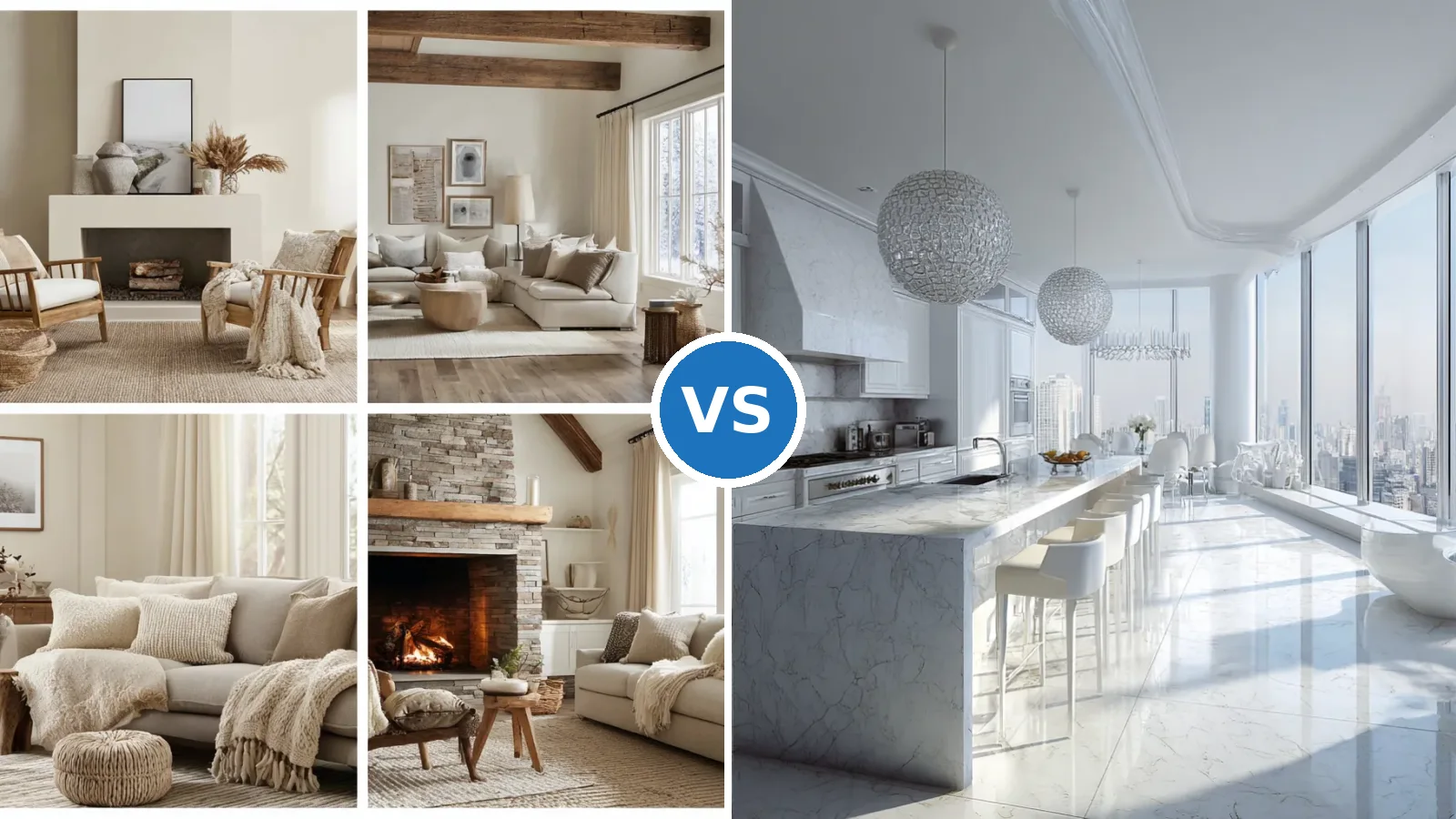
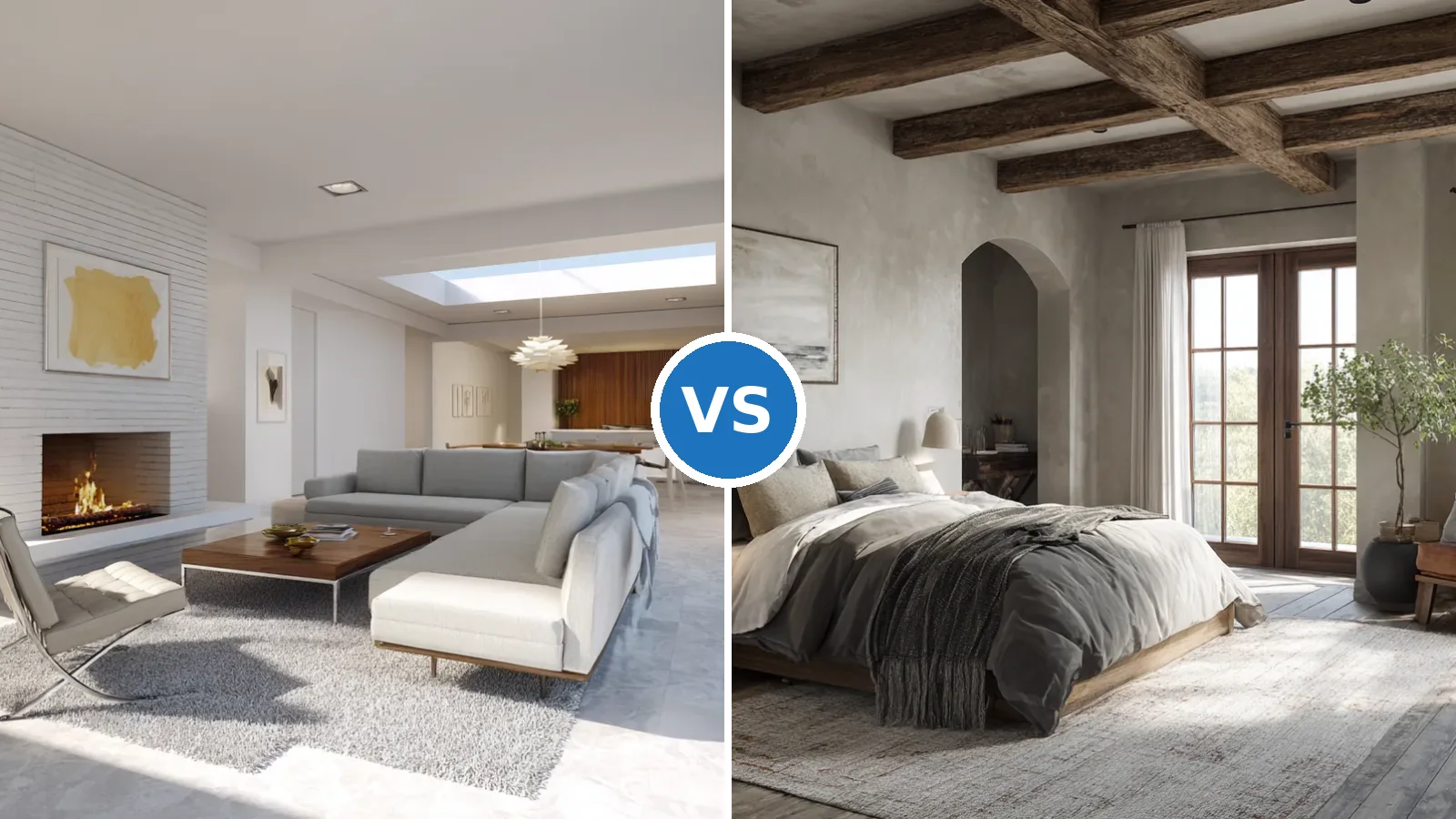
For years the interior design world was dominated by a relentless pursuit of pristine perfection. Homeowners and decorators alike sought to create spaces that looked completely unblemished, relying on bright, flat surfaces to convey a sense of modern cleanliness. However, living in a space that closely resembles a clinical laboratory often falls short of providing the comfort that humans inherently crave. There is a profound shift happening in the way we approach our living environments, moving away from stark, sterile boxes toward spaces that engage the senses. By introducing depth, organic materials, and varied tactile experiences, a home transforms from a mere visual showcase into a restorative haven. This guide explores the foundational principles of this inviting aesthetic and why it outshines its clinical predecessor in both beauty and daily livability.
Exploring The Warmth Of Tactile Surfaces In Modern Homes
The fundamental flaw of the highly popular pristine design trend is its inherent rejection of the human sensory experience. When every wall is painted with flat latex, every cabinet is coated in high-gloss lacquer, and every floor is a seamless expanse of bleached engineered wood, the eye has nowhere to rest and the hand has nothing to feel. This environment creates a psychological barrier, subtly instructing inhabitants not to touch, not to relax, and not to truly live in the space. Textured minimalism offers a direct antidote to this sensory deprivation. By prioritizing how a room feels just as highly as how it looks, you invite engagement. A living space should physically comfort you the moment you cross the threshold, and that comfort is communicated immediately through tactile surfaces. When you replace cold, flat perfection with materials that possess inherent grit, softness, or varied grain, you lower the emotional temperature of the room, making it immediately more approachable and relaxing.
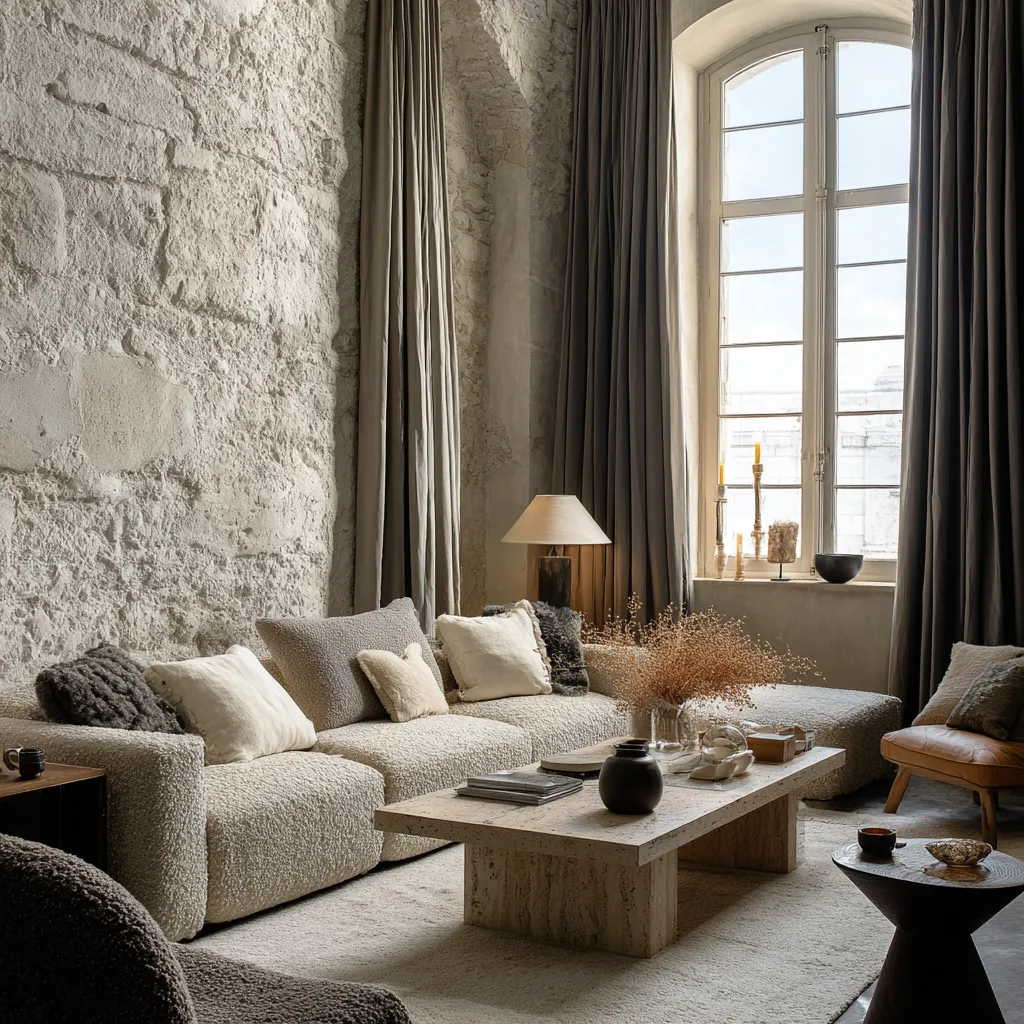
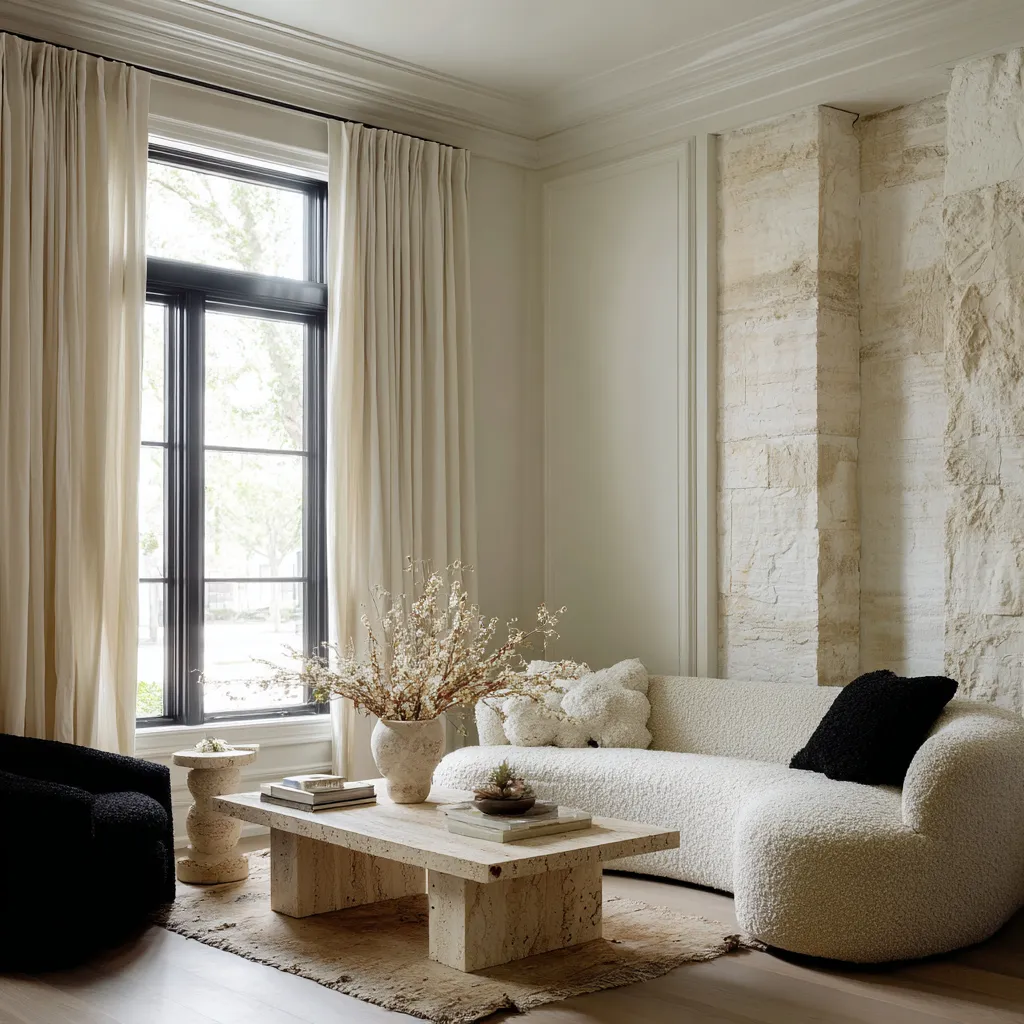
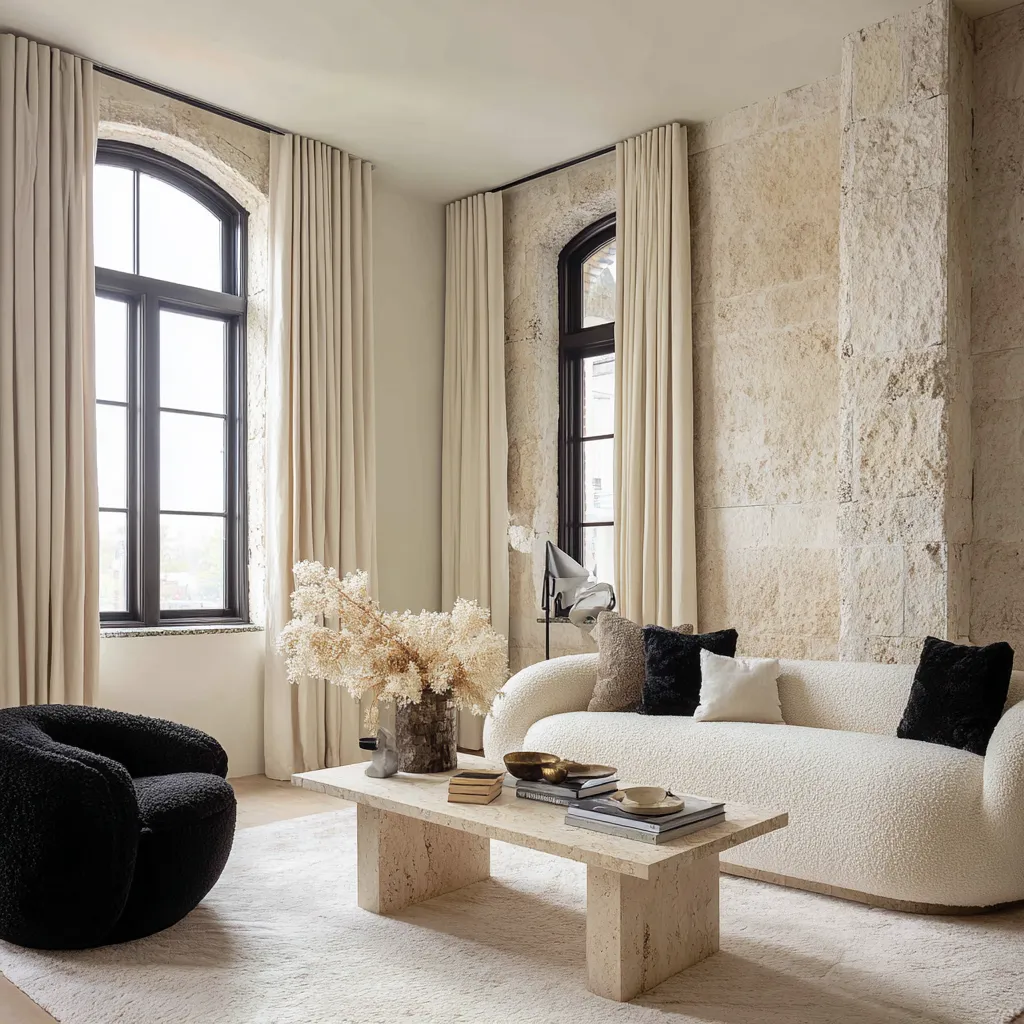
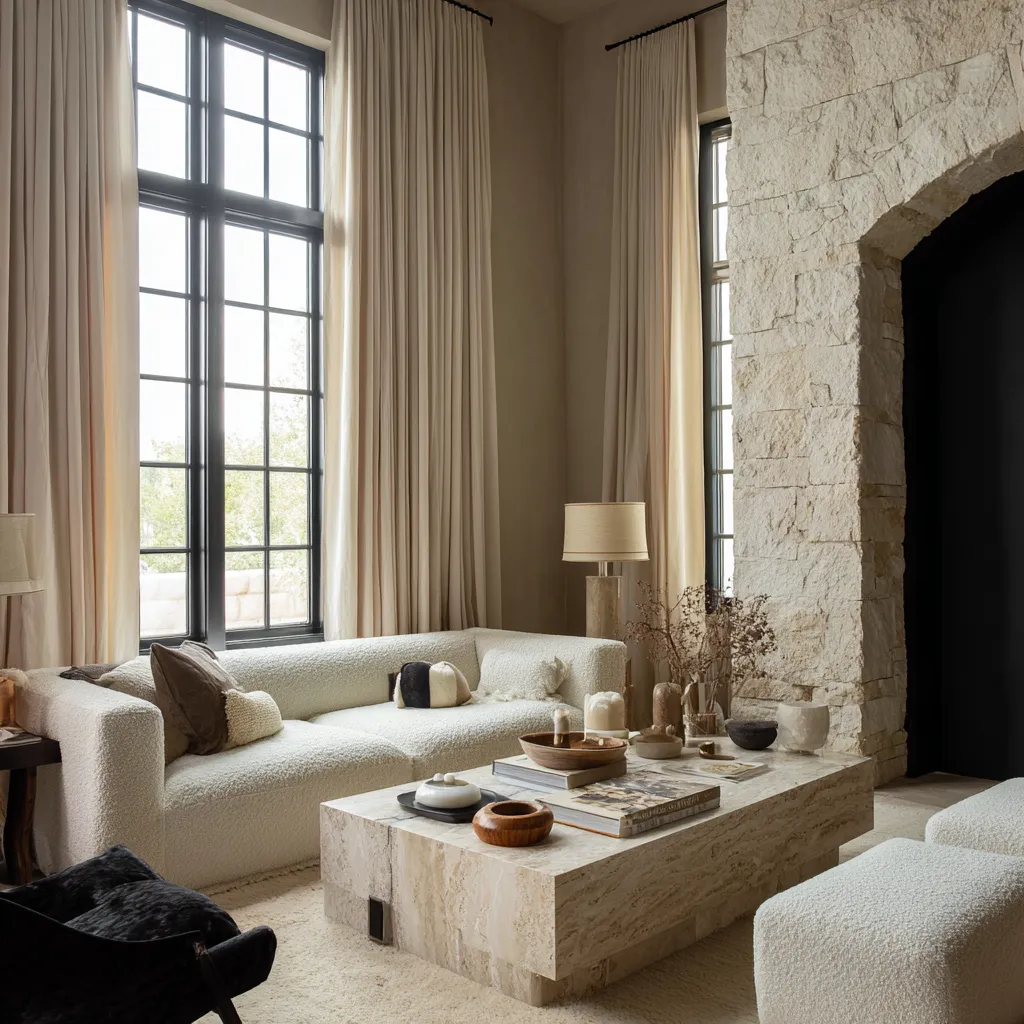
Wall treatments are the most impactful starting point when moving away from a flat aesthetic. The all white look relies on drywall that is sanded to absolute perfection and coated in completely uniform paint. In stark contrast, textured minimalism embraces the beauty of imperfection. Applying a limewash or Roman clay treatment to the walls introduces a subtle, mottled movement that completely changes the atmosphere. These materials carry a matte, chalky finish that feels almost suede-like to the touch. They absorb and reflect light in unequal measures, creating a gentle, cloudy effect that mimics the organic irregularities found in nature. This approach immediately softens the harsh architectural lines of contemporary homes. The walls no longer feel like rigid boundaries; they become atmospheric backdrops that wrap the room in a gentle, earthy warmth.
Furniture selection in textured minimalism relies heavily on the physical properties of upholstery and framing. A space dedicated to the all white look often features sleek leather or tightly woven, synthetic fabrics that prioritize stain resistance over comfort. Conversely, tactile design champions fabrics with profound physical presence. Bouclé, with its looped, nubby yarn, has become a cornerstone of this movement precisely because it demands to be touched. Heavy, unlined linen offers a casual, rumpled elegance that feels organic and deeply forgiving. Crushed velvets and thick, chunky wool throws add layers of undeniable coziness. These materials do not simply look inviting from across the room; they physically embrace you when you sit down. The juxtaposition of a plush bouclé armchair against a rough-hewn stone side table creates a dynamic tension that flat, uniform designs simply cannot achieve.
Lighting interacts with tactile surfaces in a way that completely transforms a space throughout the day. In a room characterized by the all white look, light hits flat surfaces and bounces off evenly, creating a bright but often glaring environment. There are no shadows to provide depth, resulting in a two-dimensional feeling. When you introduce textured minimalism, every ray of light becomes a tool for highlighting the landscape of the room. Morning sunlight grazing across a heavily plastered wall emphasizes every subtle trowel mark. A warm, ambient floor lamp in the evening casts deep, cozy shadows across a heavily woven jute rug. The environment feels alive, shifting and changing its mood depending on the hour. This dynamic interaction with natural and artificial light creates a captivating, ever-evolving atmosphere that prevents the space from ever feeling stagnant.
Acoustics represent a hidden but crucial benefit of prioritizing tactile materials over flat surfaces. Sound bounces aggressively off flat drywall, glass, and polished floors, creating echoes that can make a home feel loud, chaotic, and decidedly un-relaxing. The all white look frequently suffers from this acoustic harshness, amplifying the clatter of daily life. Textured minimalism naturally combats this issue. Thick linen curtains, heavy wool rugs, heavily upholstered furniture, and even slightly irregular wall treatments act as gentle sound absorbers. They muffle the sharp noises of footsteps and conversation, softening the acoustic profile of the home. This creates a hushed, library-like tranquility that is essential for a restorative environment. The physical quietness of the space matches the visual calmness, creating a holistic sense of peace.
Furthermore, the livability and maintenance of tactile spaces far exceed those of their stark counterparts. The all white look is notoriously unforgiving; a single scuff mark, a stray pet hair, or a fingerprint instantly ruins the illusion of perfection, requiring constant vigilance and cleaning. Textured minimalism is inherently forgiving. The natural variations in a raw stone table hide water rings. The mottled surface of a limewashed wall disguises minor scuffs. The varied threads in a tweed or bouclé sofa easily camouflage the inevitable signs of daily use. By embracing materials that are not meant to be flawless, you free yourself from the anxiety of maintaining a museum-like environment. You are allowed to actually inhabit your home, knowing that the materials will age gracefully and wear beautifully alongside you.
Ultimately, prioritizing tactile experiences shifts the focus of design from rigid visual standards to human comfort. It acknowledges that we interact with our environments with our whole bodies, not just our eyes. By building a foundation of engaging, varied materials, you create a home that feels inherently supportive and grounded. The aesthetic is not just about choosing different finishes; it is about cultivating an environment that actively nurtures your well-being through sensory richness, proving that true luxury is found in warmth, comfort, and the beautiful imperfections of the natural world.
Moving Beyond Sterile Spaces With Organic Materials
The drive to create completely unblemished environments often leads to a heavy reliance on synthetic materials. High-gloss plastics, polished chrome, and manufactured resins are frequently employed to achieve the sleek, seamless finish associated with the all white look. While these materials are undeniably crisp, they are also entirely devoid of life. They do not age; they merely degrade. Introducing organic materials is the most effective way to counter this sterility and inject a sense of history and soul into a home. Textured minimalism relies heavily on elements pulled directly from the earth—wood, stone, clay, and plant fibers. These materials possess an inherent timeline. They carry the marks of their growth, their extraction, and their crafting, bringing a narrative weight to the room that manufactured synthetics can never replicate. When you surround yourself with nature, the interior boundaries of the home dissolve, creating a deeply grounding atmosphere.
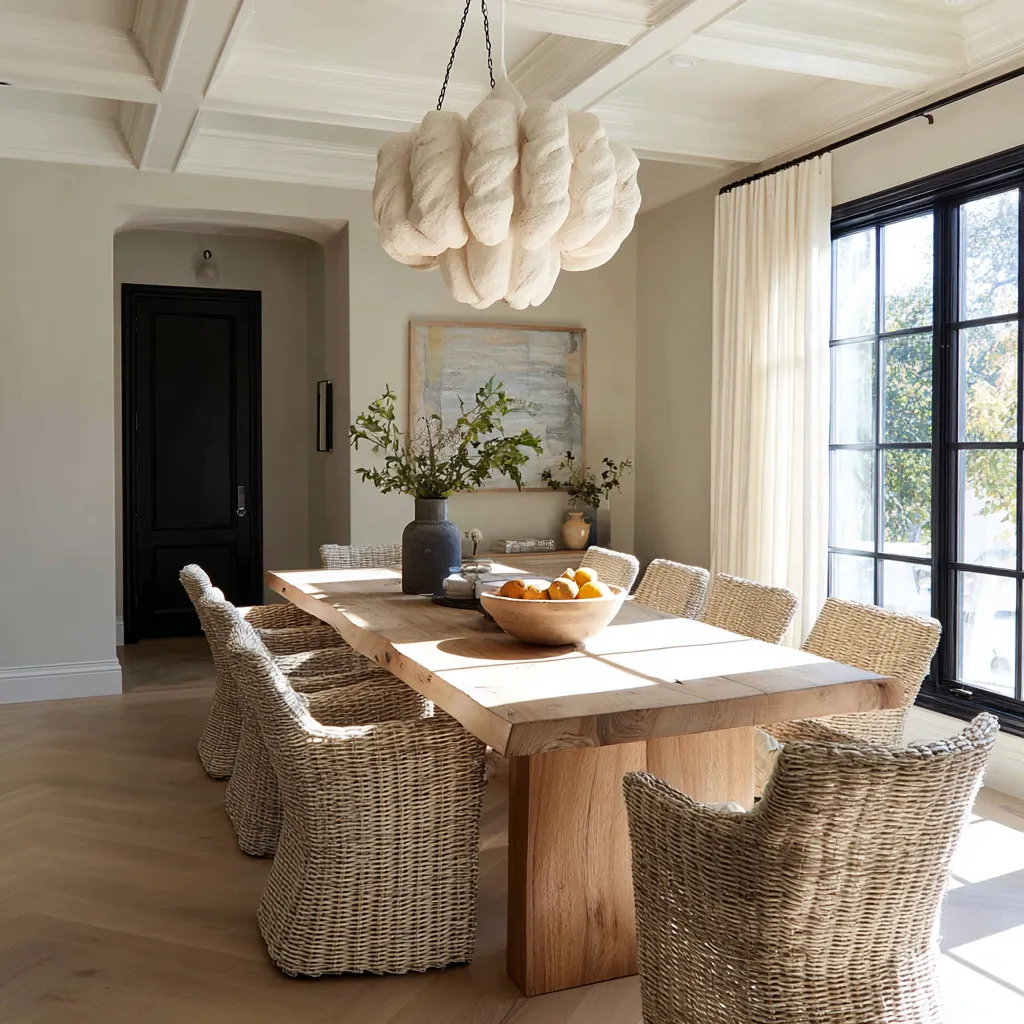
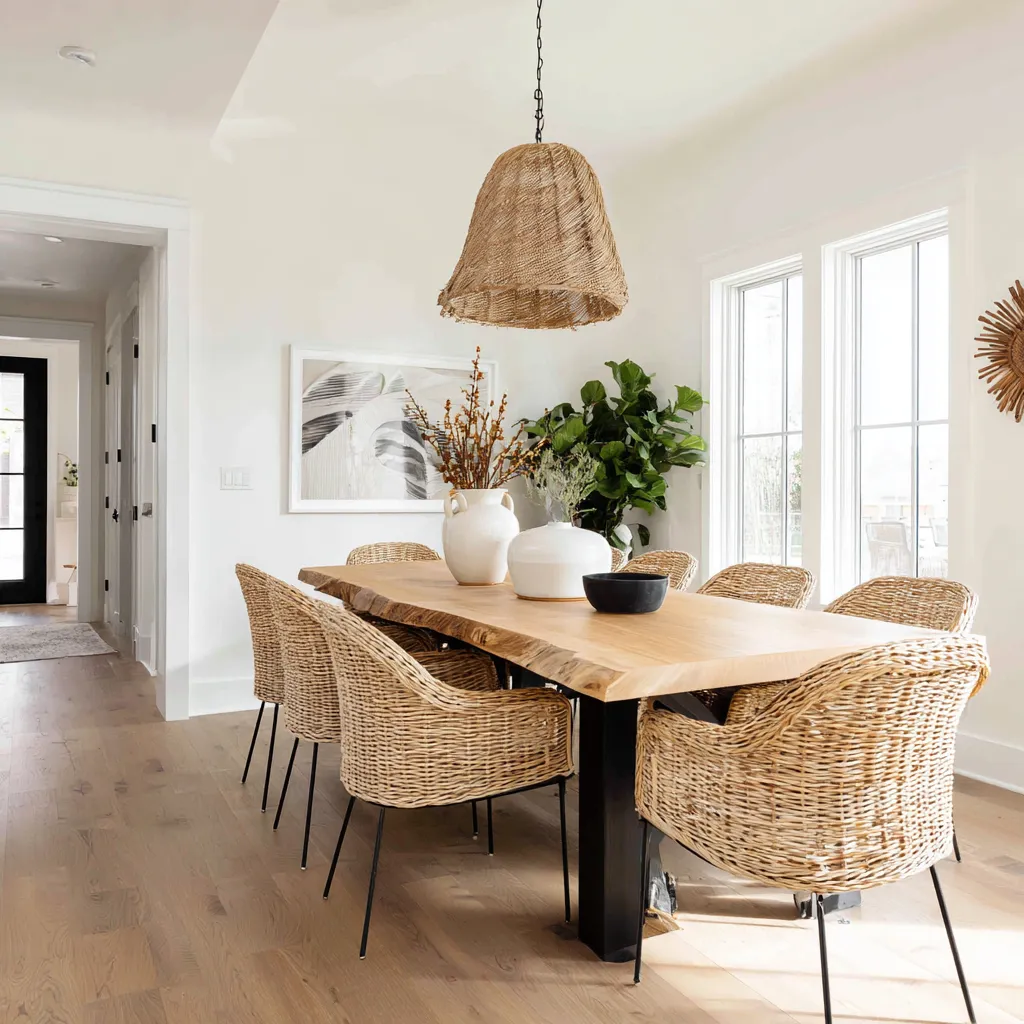
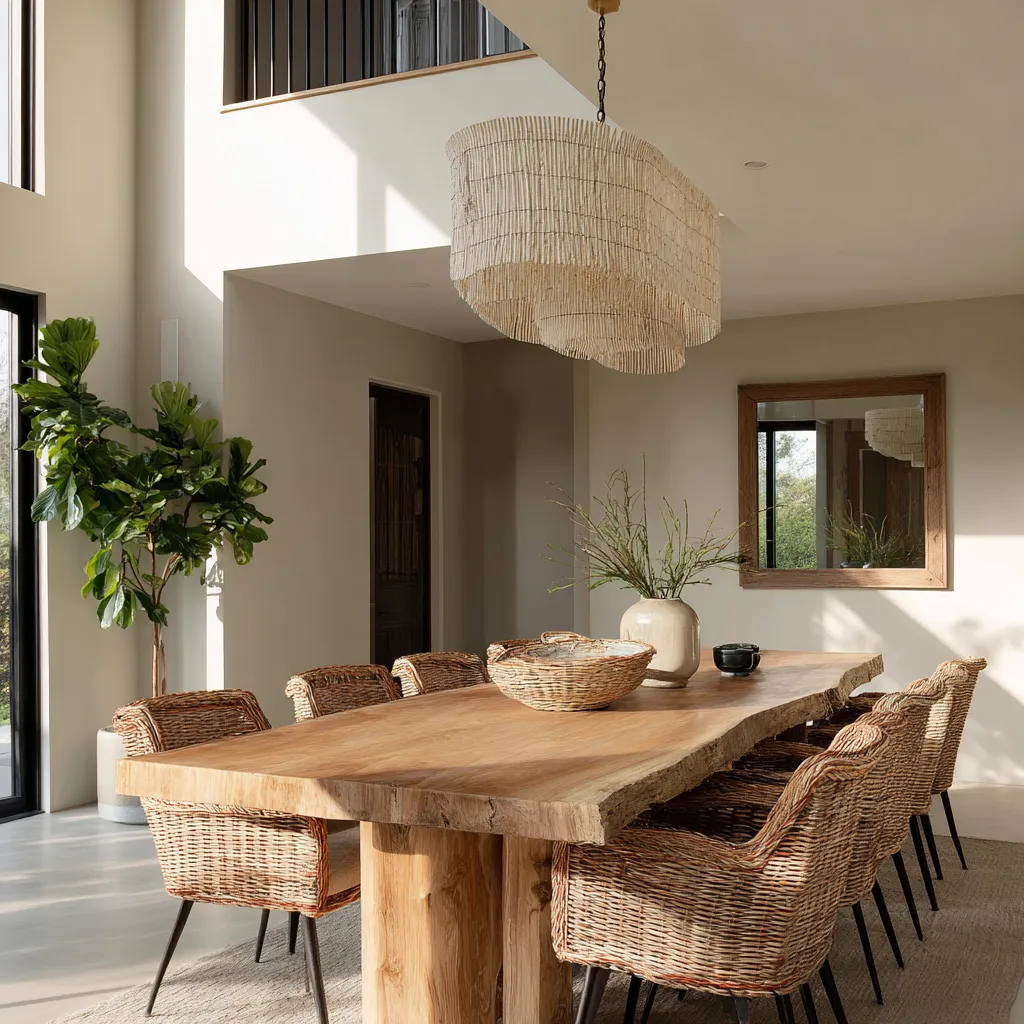
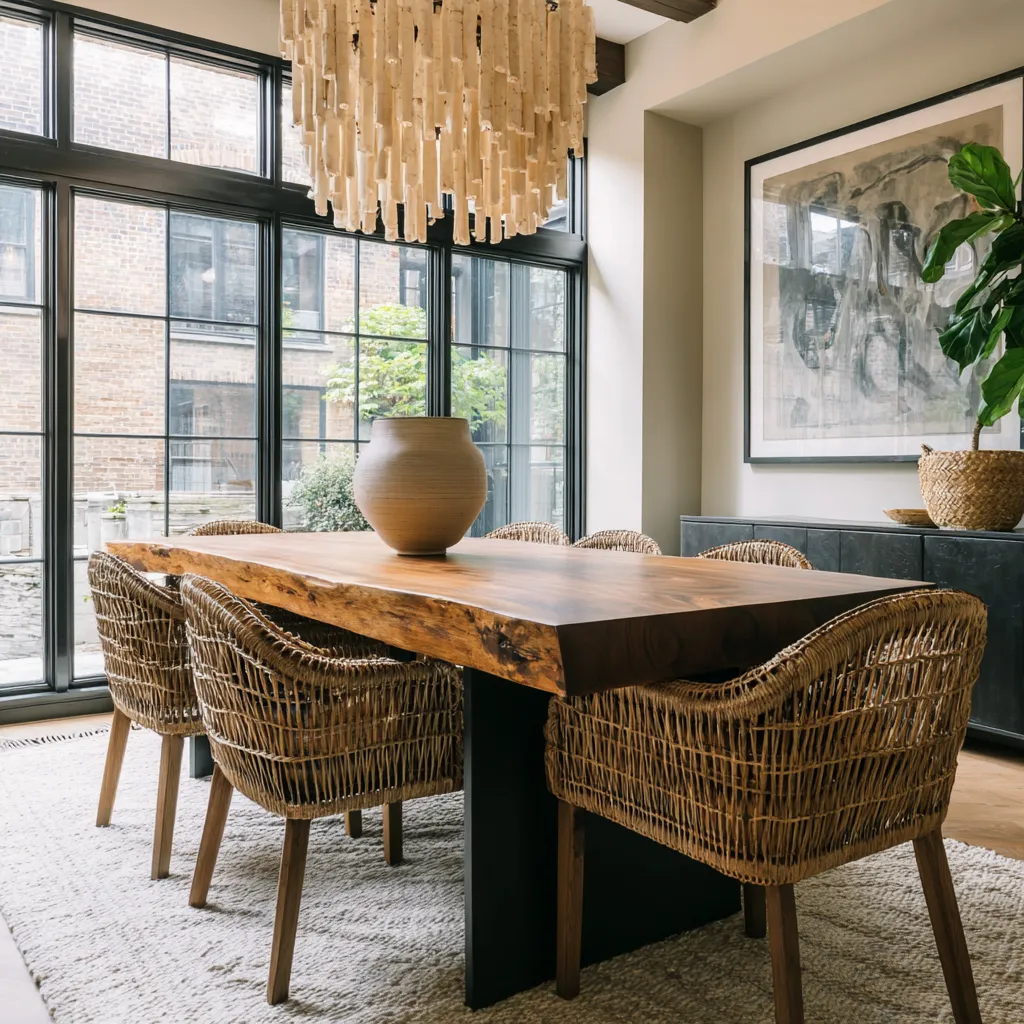
Wood is perhaps the most crucial organic element in establishing this grounded feeling. In stark, modern spaces, wood is often heavily processed, bleached, and coated in thick polyurethane to ensure a uniform, plastic-like finish. Textured minimalism takes the opposite approach. It celebrates the deep grain, the knots, and the varying tones of the timber. A solid dining table crafted from raw, wire-brushed oak or heavily patinated walnut anchors a room with profound visual gravity. The surface is not perfectly smooth; you can feel the history of the tree under your fingertips. Leaving wood relatively unsealed, or using natural oil finishes, allows the material to breathe and continue to age, developing a rich patina over time. This acceptance of the aging process is a core tenet of the aesthetic, directly challenging the impossible maintenance standards of the all white look.
Stone and clay offer another layer of organic complexity that shatters the monotony of sterile design. Highly polished marble and quartz are common in clinical spaces, but they reflect light so aggressively that they can feel cold and unapproachable. Textured minimalism favors stones with matte, honed, or tumbled finishes. Unfilled travertine, with its porous, sponge-like surface, introduces incredible visual interest and feels warm to the touch. Soapstone, which naturally deepens and darkens with use, provides a rugged, tactile counterpoint to sleek cabinetry. Unglazed ceramics and terracotta act as powerful accessories. A cluster of raw clay vases or a large, heavily textured ceramic pendant light fixture introduces an artisanal, handcrafted element. These items bear the literal fingerprints of their creators, reminding inhabitants of the human touch behind the objects they use daily.
The incorporation of natural fibers is essential for softening the hard architectural lines common in contemporary builds. The all white look often utilizes crisp, synthetic window treatments or stark roller shades that feel purely utilitarian. Textured minimalism softens these boundaries with plant-based textiles. Woven materials like rattan, cane, and rush bring a lightweight, airy texture to furniture framing, providing a visual break from heavy woods and solid upholstery. Large area rugs crafted from jute, sisal, or thick, undyed wool ground the furniture arrangements and provide a heavily tactile experience for bare feet. These fibers are inherently imperfect; their colors vary slightly from strand to strand, and their weaves are occasionally irregular. These tiny flaws are exactly what make them so appealing, as they break up the visual monotony and introduce a relaxed, unpretentious vibe.
Embracing organic materials also aligns with a more sustainable and mindful approach to living. The cycle of purchasing highly manufactured, trendy items to maintain a pristine aesthetic often leads to rapid consumption and disposal. Natural materials, by their very nature, are designed to last. A solid oak table or a woven wool rug can survive generations if properly cared for. Furthermore, these materials do not off-gas the harsh chemicals frequently found in synthetic carpets and lacquered furniture. By building your space around textured minimalism, you are implicitly choosing an environment that is healthier for both the planet and your own respiratory system. The air in the home physically feels cleaner and fresher when it is not saturated with the volatile organic compounds of heavily processed decor.
This reliance on nature also heavily leans into the principles of biophilic design, which posits that humans have an innate biological need to connect with the natural world. The all white look completely severs this connection, creating an artificial bubble that isolates inhabitants from their environment. By bringing raw wood, rough stone, and woven fibers indoors, you bridge the gap between the interior and the exterior. Even if you live in a high-rise concrete apartment, surrounding yourself with these organic elements can lower heart rates, reduce stress, and improve overall cognitive function. The aesthetic operates on a subconscious level, signaling to the brain that it is in a natural, safe, and supportive habitat.
The beauty of organic materials lies in their total uniqueness. No two slabs of travertine are identical, and no two linen weaves are perfectly matched. This inherent variation ensures that your home will never look like a mass-produced catalog showroom. The sterile, unblemished aesthetic relies on exact replication, which quickly feels soulless. By designing with nature, you guarantee a deeply personal, entirely unique living space. The materials tell their own stories, and over time, they will absorb the story of your life, developing wear patterns and patinas that reflect the way you live. This results in a home that is not just a showcase of pristine surfaces, but a living, breathing sanctuary deeply connected to the natural world.
Crafting Deep Visual Interest Through Layered Neutrals
A common misconception when abandoning stark spaces is that one must immediately embrace bold, saturated colors or chaotic patterns. However, you can maintain an incredibly serene, uncluttered environment while still completely rejecting the all white look. The key lies in mastering the art of the layered neutral palette. While a purely blank room feels flat and visually exhausting, a room built upon a spectrum of warm, earthy tones feels endlessly complex and inviting. Textured minimalism thrives on this subtle complexity. By relying on a carefully calibrated range of creams, oatmeals, taupes, soft terracottas, and warm grays, you create a space that feels calm and restrained, yet wonderfully rich. The focus shifts from the shock of a bright color to the quiet appreciation of subtle tonal shifts and the interplay of shadows.
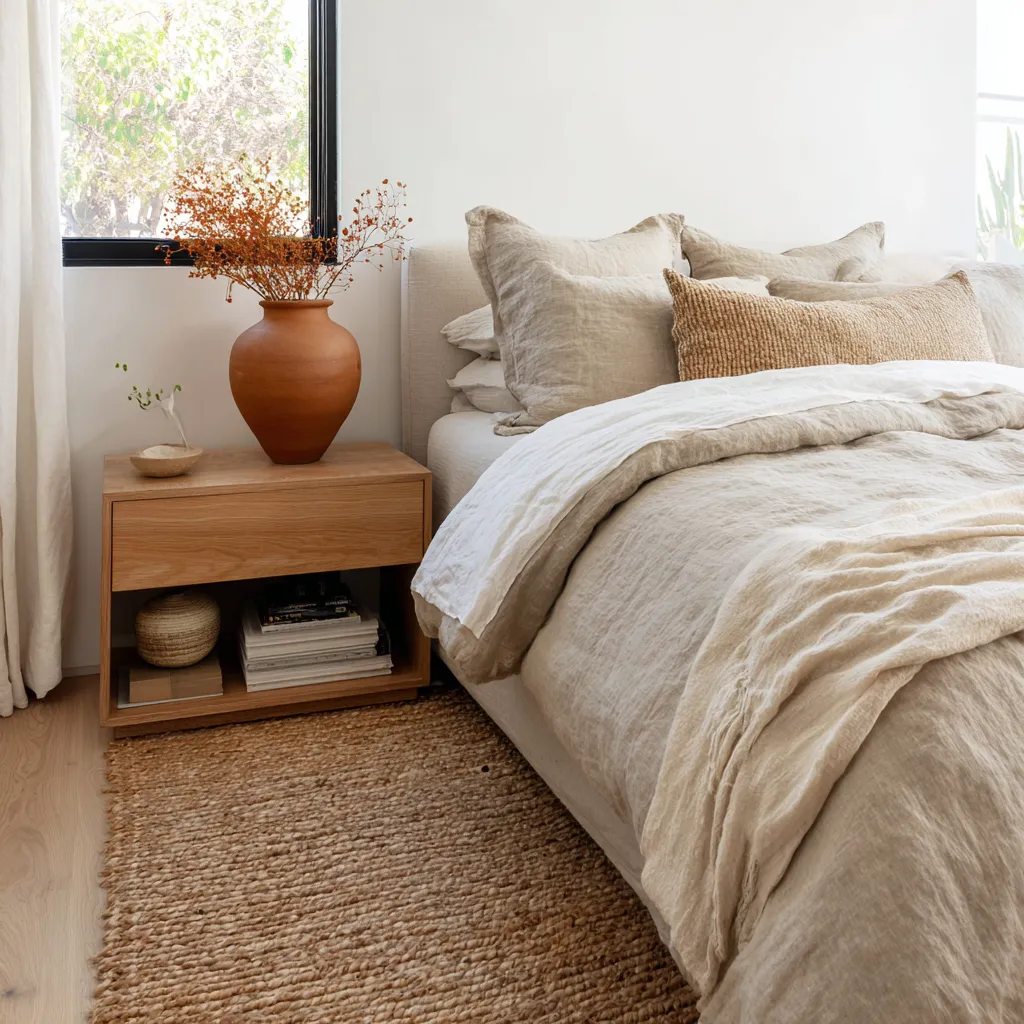
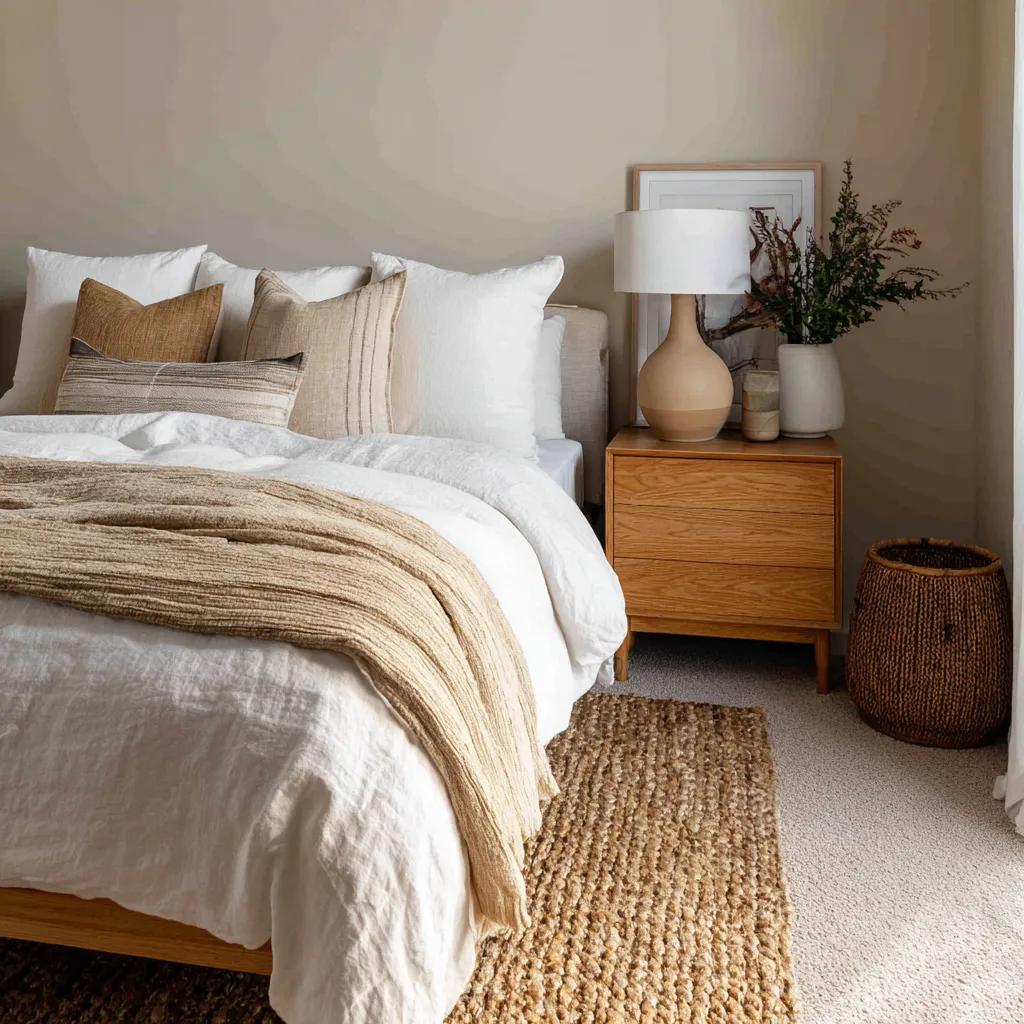
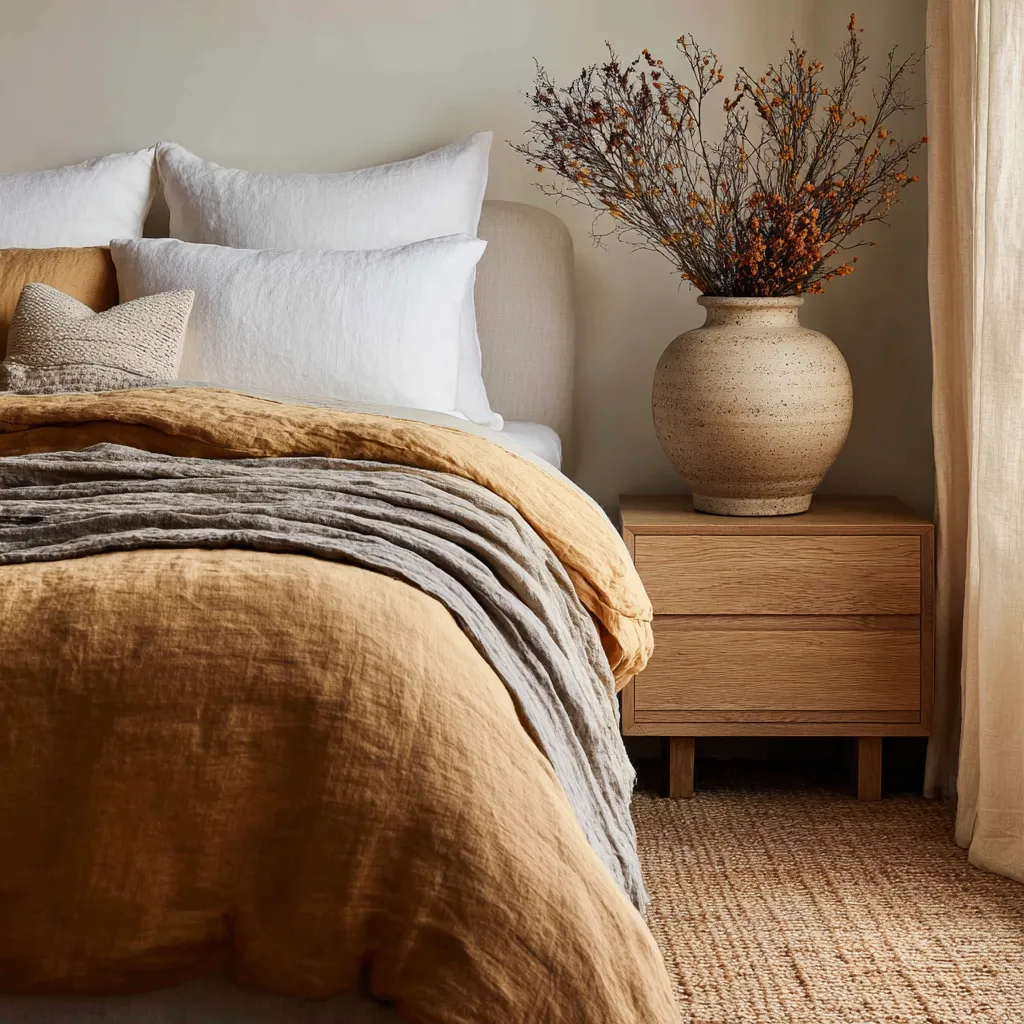
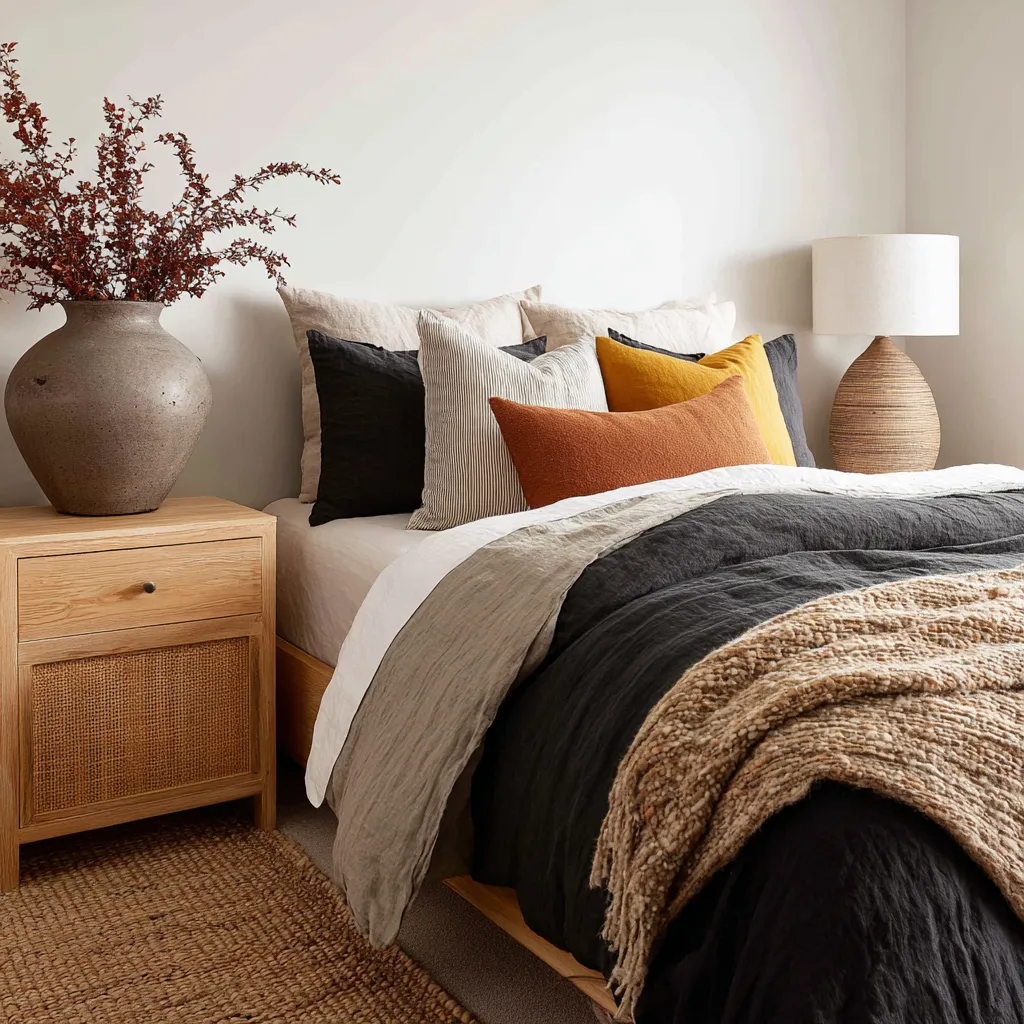
The problem with a monochromatic, purely unblemished palette is that it completely lacks visual depth. When the walls, the trim, the sofa, and the rug are all the exact same shade of stark latex, the room loses its three-dimensional quality. The boundaries blur together in a way that can feel almost disorienting. Layered neutrals solve this by forcing the eye to distinguish between varying shades of warmth. A soft beige wall serves as a backdrop, pushing the boundaries of the room outward. A slightly darker, greige bouclé sofa sits in the foreground, pulling focus. A cream-colored linen throw draped over the back adds a highlight. This subtle stepping of tones creates a foreground, a midground, and a background, giving the room a profound sense of structure and architecture without relying on heavy contrast or loud colors.
To execute this effectively, one must understand the undertones of the materials being used. The all white look frequently relies on cool, blue-based tones to achieve that hospital-level crispness. Textured minimalism actively avoids these icy shades. Instead, every neutral must carry a warm undertone—yellow, pink, or brown. When layering these warm neutrals, it is crucial to mix materials and finishes aggressively. If you have a matte, taupe plaster wall, you might place a slightly lighter, highly textured oatmeal wool rug on the floor. Against that rug, a smooth, honey-toned wooden side table provides a break in the texture while staying within the warm color family. The tone-on-tone approach works successfully because the varied textures absorb and reflect light differently, ensuring that even items of the exact same color do not visually bleed into one another.
Contrast remains a vital element in this subdued palette, but it is applied with intentional restraint. Instead of using jarring to create a focal point, you use deeper, more saturated earth tones. A deep, matte olive green ceramic vase on a mantel, a dark espresso-stained wooden bowl on the coffee table, or heavy, oil-rubbed bronze door hardware provide necessary visual anchors. These darker moments act as punctuation marks in the room, preventing the sea of soft creams and beiges from feeling untethered or overly floaty. They ground the space and draw the eye around the room, highlighting the softness of the surrounding layered neutrals by providing a stark, heavy comparison.
This approach is particularly powerful in intimate spaces like the bedroom. A bedroom designed around the all white look can often feel cold and unwelcoming at night, reflecting the harsh glare of artificial lighting. By applying textured minimalism and layered neutrals, the bedroom becomes a true sanctuary. Imagine layering a bed with a warm cream fitted sheet, a deeper beige duvet cover in washed linen, and a thick, soft brown wool blanket at the foot. The varied tones and heavy textures invite you to sink in and relax. The warm palette absorbs the ambient light from bedside lamps, creating a glowing, cocoon-like atmosphere that actively promotes rest and decompression. The absence of harsh visual stimuli allows the brain to quiet down, proving that a calm palette is essential for restorative sleep.
Furthermore, a layered neutral palette offers unparalleled flexibility and longevity. Highly trendy color palettes quickly feel dated, forcing homeowners into exhaustive and expensive redesigns every few years. The all white look, while popular, constantly battles the reality of daily dirt and grime. The warm, earthy tones of textured minimalism exist entirely outside of the fast-paced trend cycle. They are rooted in the natural world, and therefore, they always feel appropriate and timeless. If you wish to refresh the space, it is incredibly easy to introduce a new texture—a different woven throw, a new raw clay sculpture—without disrupting the entire cohesive harmony of the room. The foundation remains solid, adaptable, and perpetually sophisticated.
Ultimately, designing with a layered neutral palette requires a shift in perspective. It asks you to find beauty in subtlety, to appreciate the quiet dialogue between a rough linen and a smooth stone, and to understand that a room does not need to shout to make a profound statement. By carefully stacking warm, earthy tones and heavily relying on varied material finishes, you build an environment that is deeply complex, endlessly inviting, and infinitely more supportive than a blank, sterile box. It is a sophisticated celebration of understated elegance that proves restraint is often the most powerful design tool of all.
Stepping away from stark, sterile environments allows you to create a home that truly supports your daily life. By thoughtfully integrating rough stones, warm woods, woven textiles, and a palette of layered earthy tones, you build a sanctuary that engages the senses and promotes relaxation. This design philosophy proves that a space can remain impeccably stylish and uncluttered without feeling cold or unapproachable. The beauty of this approach lies in its longevity and livability, offering a restorative haven that ages gracefully and welcomes you the moment you walk through the door.
Related Topics
FAQ
How do I transition my current pristine bright room into a warmer space without buying all new furniture.
Are organic and rough surfaces harder to keep clean than flat glossy materials.
Can I use dark colors within this design philosophy or does it have to be only light neutrals.
Complete guide
The Minimalist Style Guide That Covers Every Room, Surface and Outfit
Interiors, exteriors, kitchens, bedrooms, fashion, hair — all in one place
Complete guide
White Color in Home Design: Every Room, Every Style, Every Shade
Kitchens, bathrooms, living rooms, exteriors, palettes — all in one place