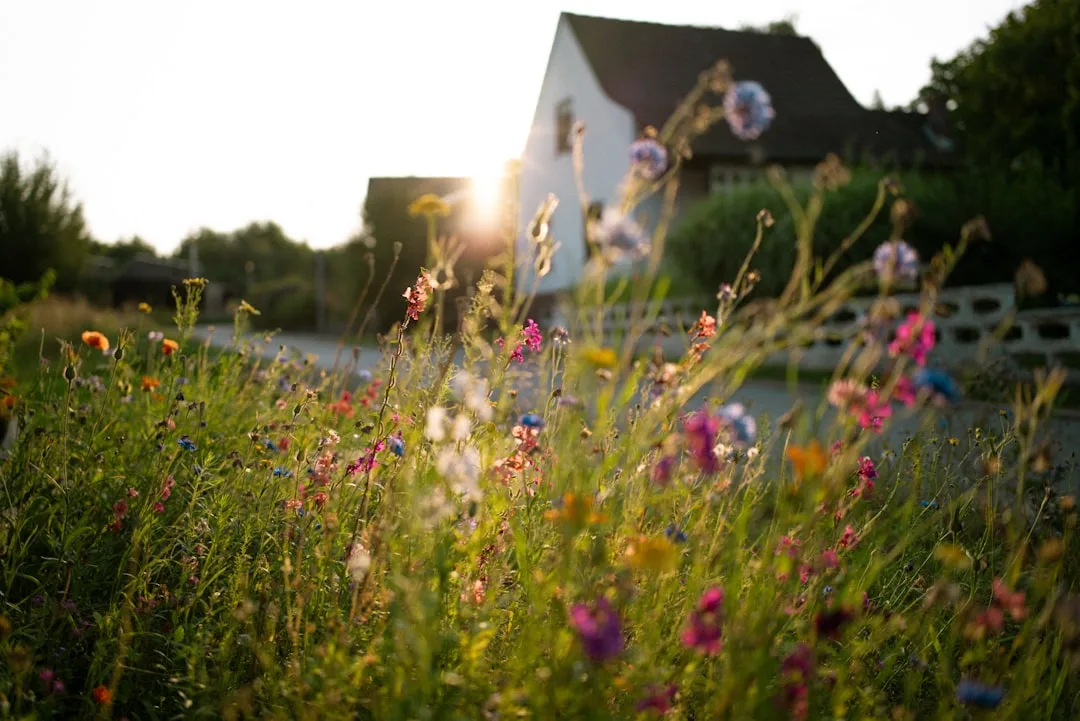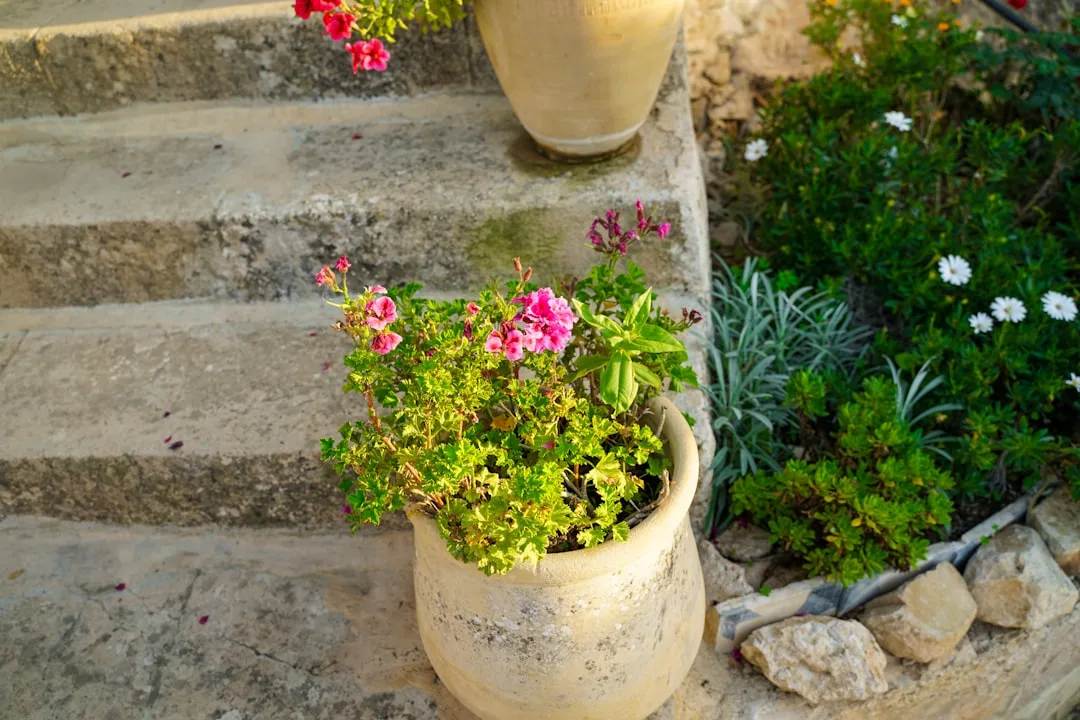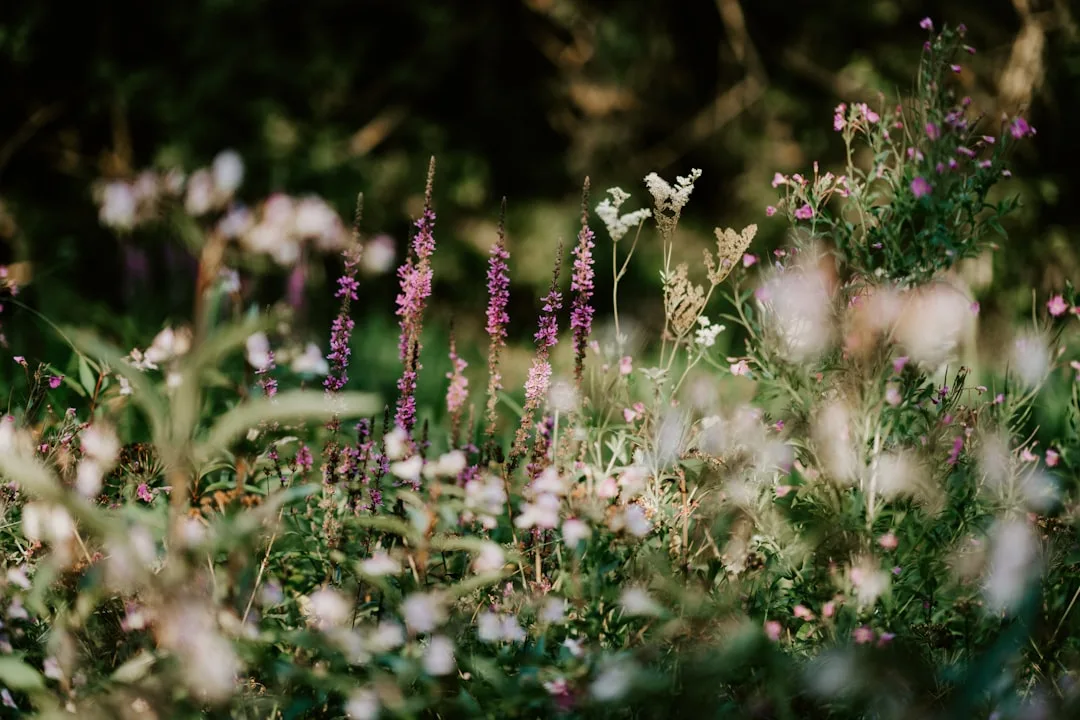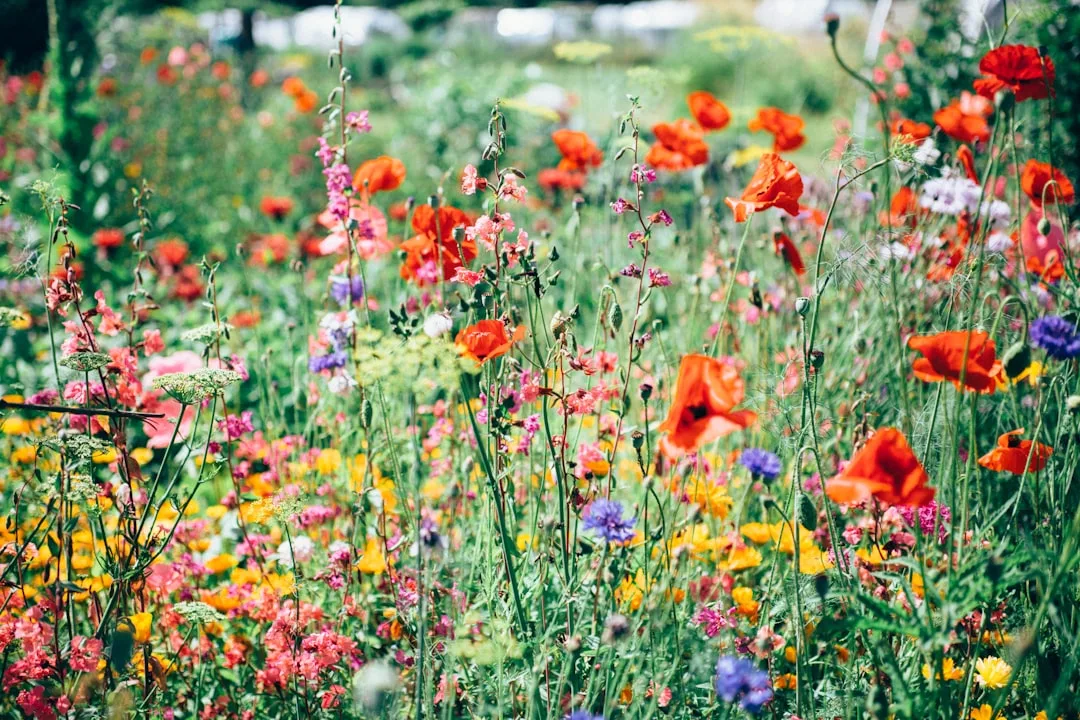
A homeowner in Portland stands in her backyard, hands on hips, staring at a garden that demands weekly deadheading, constant watering, and annual replanting. Across the fence, her neighbor’s landscape—planted entirely with perennials three years ago—blooms reliably with minimal intervention. This scene repeats across North America in 2026: the shift from high-maintenance annuals and fussy hybrids to low-maintenance perennial gardens that ask less and deliver more. The trend isn’t new, but its scale is. As labor costs rise and climate volatility increases water unpredictability, homeowners are abandoning the ornamental treadmill. Low-maintenance perennial gardens now represent 34% of new residential landscaping projects, up from 19% in 2023.
Why Perennials Dominate 2026 Garden Design
Perennials return year after year, eliminating the spring replanting cycle that costs $800–$1,500 annually for a typical 500-square-foot garden bed. That’s money redirected toward soil amendment or hardscape improvements. Beyond economics, climate uncertainty makes perennials logical: they’ve evolved root systems that survive seasonal extremes, drought, and pest pressure without chemical intervention. A mature perennial garden requires 60% less water than an annual-dominant landscape.
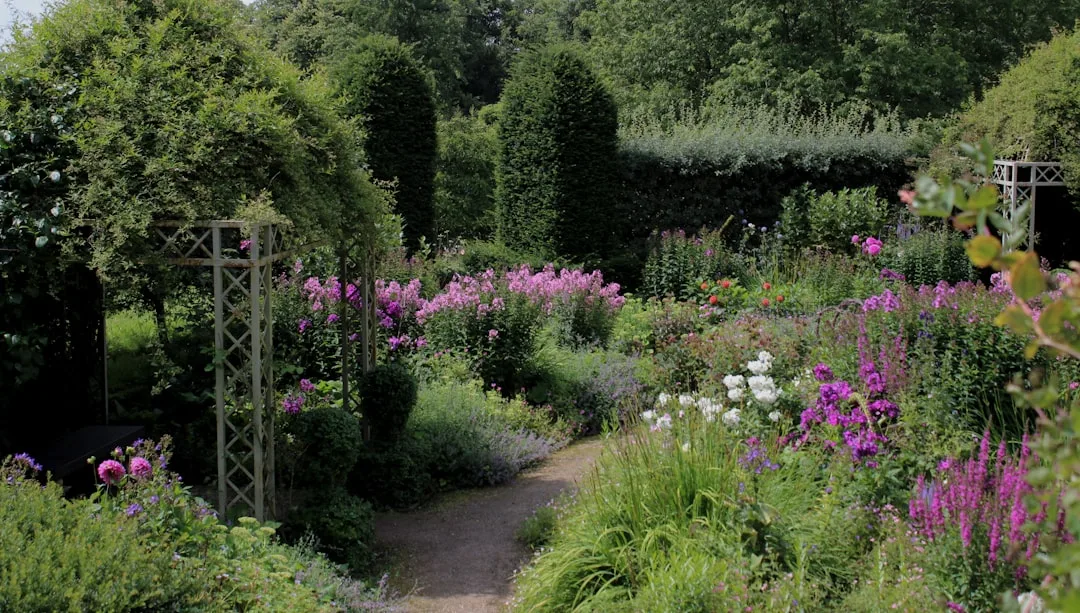
The aesthetic shift matters too. Perennials bloom in succession—coneflowers in June, rudbeckia in July, sedum in September—creating seasonal rhythm without the monochronic wall of summer annuals. This layering aligns with minimalist and farmhouse design philosophy, where restraint and repetition replace chromatic chaos.
- Plant in groups of three or five, not singles—visual impact and pollinator efficiency increase.
- Amend soil with 3–4 inches of compost at planting; perennials establish faster in rich, well-draining beds.
- Space plants according to mature width, not current size; crowding invites mildew and pest pressure.
- Cut back in late fall or early spring; avoid summer cutbacks that reduce next year’s flowering.
- Water deeply twice weekly first season; after year two, most perennials survive on rainfall alone.
Specific Perennial Varieties Driving 2026 Trends
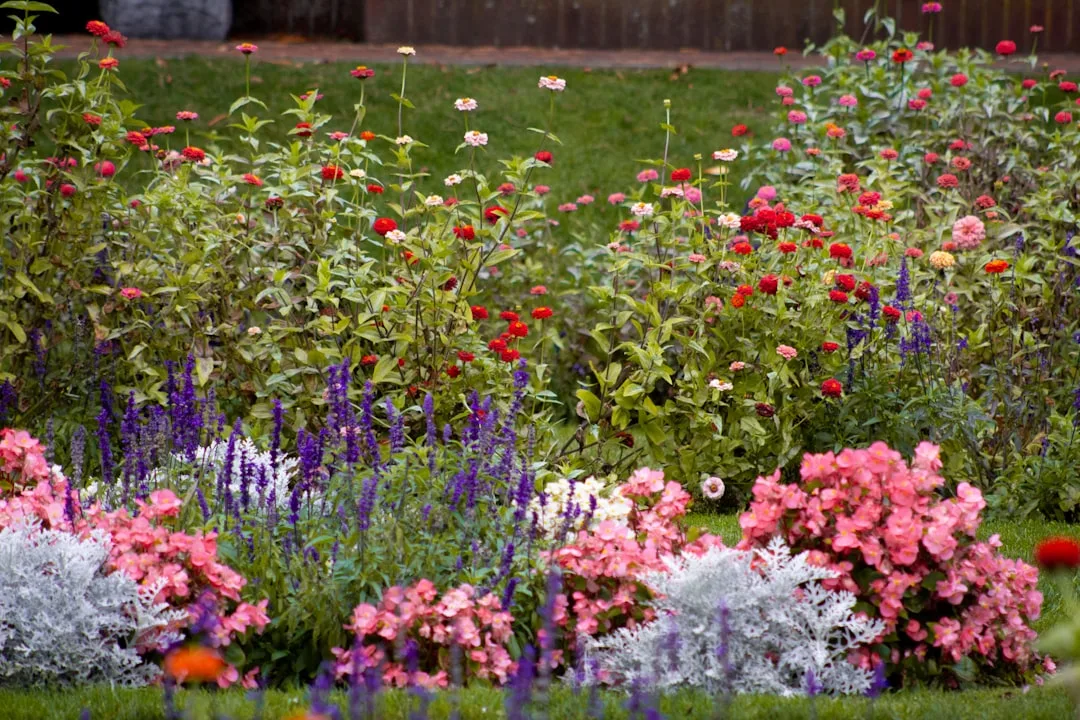
Coreopsis ‘Moonbeam’ (tickseed) blooms nonstop June through October with zero fertilizer required, costing $6–$12 per plant at local nurseries and $3.50 per plug online at Prairie Moon Nursery. A 100-square-foot bed needs 15–20 plants, totaling $52–$240—a one-time investment that outlasts five seasons of annuals. Sedum ‘Autumn Joy’ dominates hardscape transitions and containers, available at $8–$15 per 4-inch pot from High Country Gardens; its structural interest in winter justifies keeping it standing through frost.
Black-eyed Susan (Rudbeckia fulgida ‘Goldsturm’) pairs with native ornamental grasses—Panicum virgatum ‘Shenandoah’ and Miscanthus x giganteus—to create the prairie-inspired aesthetic that replaced cottage-garden clutter. These combinations cost $25–$45 per 3-plant grouping from native plant specialists like Prairie Nursery ($34 for a five-plant perennial bundle).
The failure point: choosing perennials by photo alone without checking hardiness zone or sun requirement. A gardener in zone 6 buying zone 8 coneflowers from an Instagram influencer’s link will watch them die in January, wasting $80 and discovering too late that local nurseries stock zone-appropriate cultivars for the same price.
Design Integration With Hardscape and Edging
Low-maintenance perennial gardens succeed when paired with permanent structure. Check out 13+ Cool Vertical Wall Gardening Design Ideas for stacking seasonal interest in compact yards. Steel or recycled composite edging (like Everlast edging at $2–$4 per linear foot) creates crisp boundaries that prevent perennials from encroaching on lawn, reducing edging labor by 80%.
Mulching with 2–3 inches of arborist wood chips ($35–$60 per cubic yard delivered) suppresses weeds that compete with young perennials and moderates soil temperature during establishment. A 200-square-foot perennial bed needs 1.5 cubic yards, a one-time $50–$90 expense that eliminates hand-weeding for two seasons.
Incorporating 7+ Modern Garden Ideas In A Narrow Courtyard principles—vertical emphasis, repetition, restraint—amplifies the low-maintenance aesthetic. A narrow side yard becomes a perennial border of three repeated plants (coreopsis, sedum, ornamental grass) rather than six competing species.
Soil Preparation and First-Year Investment
The hidden cost of low-maintenance perennials is front-loaded soil work. A 300-square-foot garden bed requires 60 cubic feet of amended soil. Landscape companies charge $400–$700 for site prep, soil delivery, and amending; DIY excavation and compost addition (purchasing 4 cubic yards at $45–$65 per yard = $180–$260) cuts cost in half but demands a weekend of physical labor.
Rich soil means perennials establish faster and require less supplemental watering and fertilizer—recouping prep costs within two growing seasons. Cheap, unimproved clay or sandy soil forces constant intervention: weekly watering, annual fertilization ($150+ per season for slow-release or organic amendments), and frequent replanting when plants weaken.
Year one totals: soil prep ($400–$700 professional, or $180–$260 DIY) plus plants ($400–$800 for a 300-square-foot perennial bed) plus mulch ($50–$90) equals $850–$1,590 total investment. An equivalent annual garden costs $600–$1,200 each spring, meaning perennials break even by year three and save $400–$600 annually thereafter.
Regional Adaptation and Climate Resilience
Perennial success depends on matching plants to regional climate, not national trends. Sedums thrive in dry regions (Colorado, New Mexico, Mediterranean microclimates); hellebores and astilbes suit cool, moist zones (Pacific Northwest, Northeast); salvias and desert marigold dominate southwestern gardens. Online retailers like Bluestone Perennials ($4–$8 per plant, with regional sorting) and High Country Gardens ($6–$14 per plant, high-altitude focus) segment inventory by USDA hardiness zone.
Native perennials amplify resilience. A Pennsylvania garden thrives with native Black-eyed Susan, Joe-Pye weed, and New England aster; a Texas landscape succeeds with native salvia, lantana, and purple coneflower. Consulting your state’s native plant society or university extension office costs nothing and returns years of reliable, low-maintenance color.
Climate volatility—late freezes, extreme summer heat, irregular rainfall—makes perennials with proven local track records essential. A perennial thriving in neighboring yards with 20 years of success beats a magazine feature photographed in California.
Complete guide
The Minimalist Style Guide That Covers Every Room, Surface and Outfit
Interiors, exteriors, kitchens, bedrooms, fashion, hair — all in one place
Complete guide
Farmhouse Style Ideas for Every Room and Outdoor Space
Kitchens, bathrooms, bedrooms, exteriors, decor, outdoor — all in one place
Complete guide
Green Home Color Ideas for Every Room and Every Shade
Sage, emerald, olive, mint — interiors, exteriors, gardens — all in one place