Your TV wall says more about your taste than the TV itself. And right now, PVC panels are one of the fastest ways to change that wall without a full renovation — I’ve seen $40 sheets from Art3D completely transform a flat drywall surface in under two hours. Most panels run between $1.50 and $8 per square foot depending on finish, and you don’t need a contractor. A drill, construction adhesive, and a Saturday morning is enough. Below you’ll find 21+ real setups grouped into three styles: clean white minimalist, RGB-backlit for that home-theater glow, and faux-wood for a warmer, cabin-like vibe. Each one works a little differently with room size, light, and furniture — so I’ve included practical notes alongside the photos.
Quick Summary
Best for small rooms: White matte PVC panels, $2–$5/sq ft — reflect light and make the TV appear to float.
Best for home theater vibes: Backlit PVC with RGB LED strips (Govee, Philips Hue), budget $30–$80 extra for lights.
Best for warm, cozy rooms: Wood-effect tongue-and-groove PVC, $4–$7/sq ft — looks like real timber, zero upkeep.
Install time: 1–2 hours for a single TV accent wall (2.4 × 1.2 m).
Tools needed: Drill, level, construction adhesive, measuring tape, utility knife.
| Feature | White PVC | Backlit PVC | Wood-Effect PVC |
|---|---|---|---|
| Cost per sq ft | $2–$5 | $4–$8 + LED kit | $4–$7 |
| Best room size | Small (under 18 m²) | Medium–Large | Any size |
| Install time (single wall) | 60–90 min | 2–3 hours | 90 min–2 hours |
| Maintenance | Damp cloth wipe | Damp cloth + LED check | Damp cloth wipe |
| Finish options | Matte, high-gloss | Frosted, opaque | Oak, walnut, barnwood, ash |
| Moisture resistance | High | High | High |
| Best for | Minimalist, Scandinavian | Home theater, gaming | Rustic, farmhouse, transitional |
White PVC Panels for LED TV: Clean Lines and Maximum Light
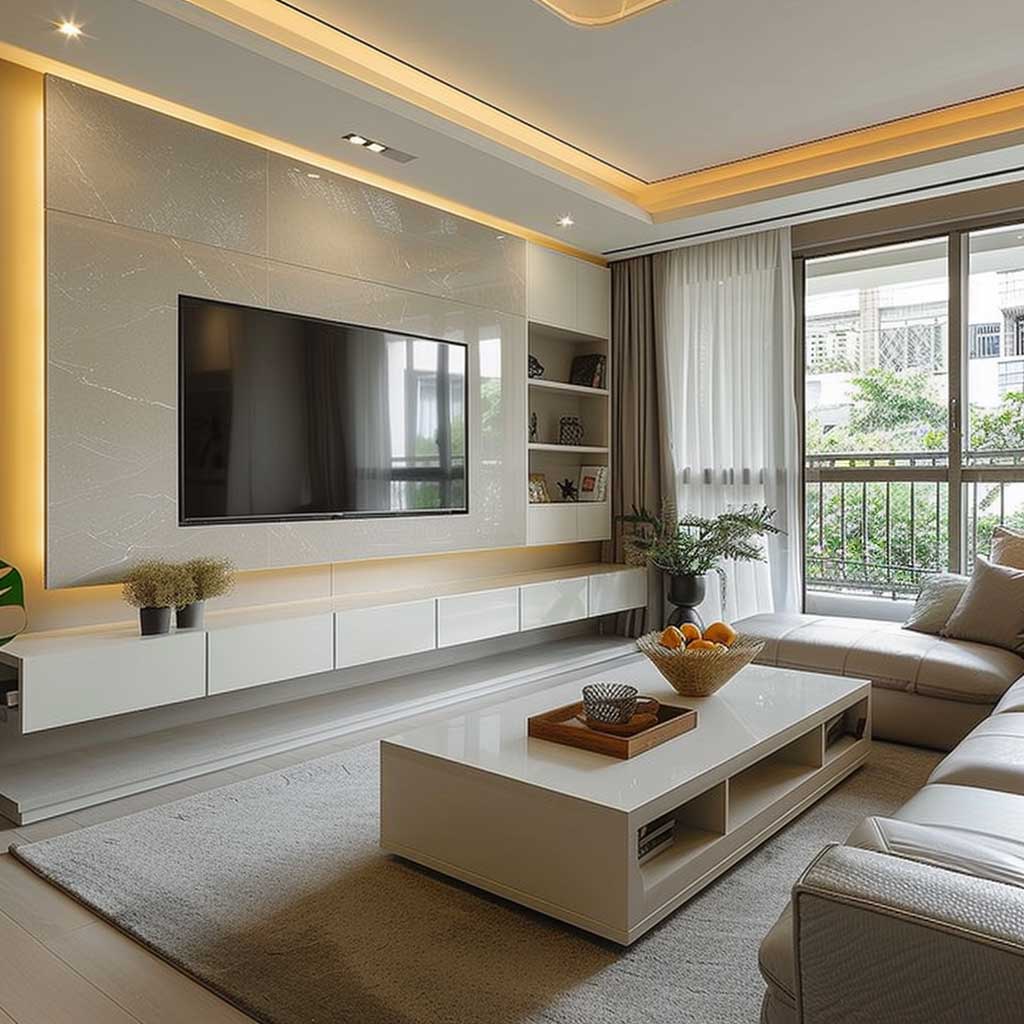
White PVC runs about $2 to $5 per square foot — brands like Durawall and Art3D carry smooth matte and high-gloss options. Gloss panels bounce more ambient light around the room, which is great for smaller spaces under 18 m², but they also catch fingerprints. Matte finishes hide scuffs better and pair well with low-profile floating shelves in grey or natural oak. I’d go matte for a living room with kids. One thing you’ll notice: white panels behind a 55-inch or larger screen make the TV look like it’s floating, especially if you run a slim LED strip along the top edge. Mount the panel 5–10 cm wider than the screen on each side — that breathing room keeps the setup from looking cramped. A full 2.4 × 1.2 m section usually takes about 90 minutes to install with liquid nails and a few L-brackets at the back.
How to Install a PVC Panel Behind Your LED TV
A step-by-step walkthrough for mounting a PVC accent panel on the wall behind your television. No contractor needed — just basic tools and about 90 minutes.
Tools & materials:
- Drill with screwdriver bit
- Spirit level (or laser level)
- Measuring tape
- Utility knife or fine-tooth saw
- PVC wall panel (2.4 × 1.2 m sheet or tongue-and-groove planks)
- Construction adhesive (Liquid Nails Fuze*It or similar)
- L-brackets or furring strips (if adding backlighting gap)
Measure and mark the wall
Hold the panel against the wall centered behind where the TV will hang. Mark the top corners with a pencil. Use a spirit level to draw a faint horizontal guideline — this keeps everything straight even if your ceiling isn’t perfectly level.
Cut the panel to size
Score the front face with a utility knife along your measurement line, then snap. For curved or non-standard cuts, a fine-tooth jigsaw blade works well on PVC without melting the edges. Sand any rough spots lightly.
Apply adhesive and mount
Run a zigzag bead of construction adhesive on the back of the panel. Press it firmly against the wall along your guideline. If you plan backlighting, mount furring strips first to create a 4 cm gap, then attach the panel to the strips.
Secure with brackets and let cure
Add two L-brackets behind the panel at the top edge for extra hold — especially on drywall. Prop a board against the panel for 20–30 minutes while the adhesive sets. Full cure takes 24 hours, so don’t mount the TV bracket until the next day.
Mount the TV and connect LED strips (optional)
Drill through the PVC panel into the wall studs and attach your TV bracket — never rely on the PVC alone. If you’re adding RGB LEDs, stick the strip to the back edge of the panel about 3 cm from the outer rim, route the cable down to a power source, and test the colors before pushing everything into place.
In the contemporary realm of interior design, the television is not just an appliance but a centerpiece that reflects the homeowner’s style and the room’s aesthetic. The integration of PVC panel design for LED TVs has revolutionized the way we incorporate technology into our living spaces, offering both functional and stylish solutions. Among these, the minimalist elegance achieved through white PVC panels stands out, offering a pristine backdrop that accentuates the sleekness of modern LED TVs.
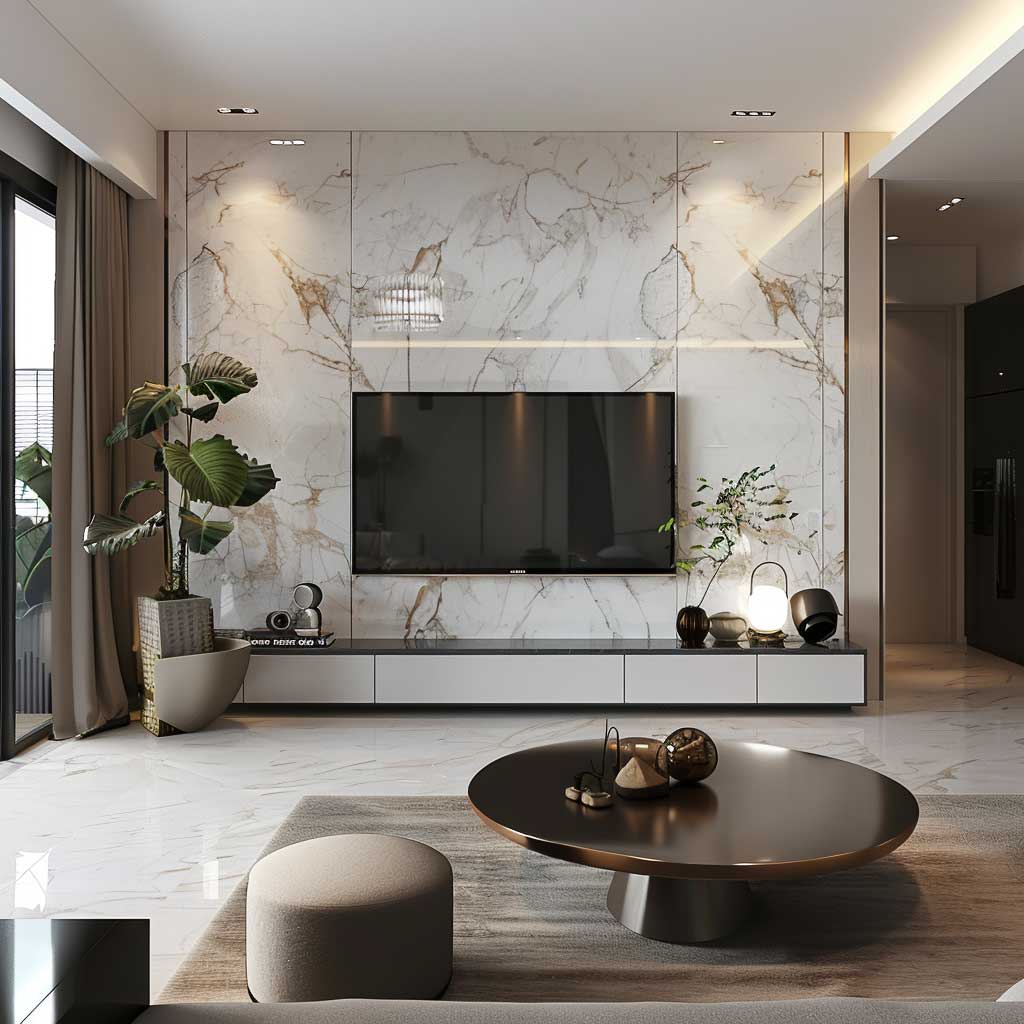
The white PVC panel design embodies the principles of minimalist decor, focusing on simplicity, clean lines, and monochromatic elegance. This design choice speaks to those who appreciate the subtle interplay of light and shadow, and the uncluttered appeal that white brings to an interior space. The use of PVC as the material of choice adds a layer of practicality, given its durability and ease of maintenance, making it an ideal backdrop for the ever-evolving technology of LED TVs. If you want to see how similar white panels work across an entire living room — not just behind the TV — check out these PVC wall panel design solutions for elegant living rooms.
Incorporating a white PVC panel into a living room setup involves more than just mounting a TV onto a blank slate. It’s about creating a visual harmony that enhances the viewing experience while maintaining a sense of calm and order. The reflective quality of white can amplify natural light during the day, making the space feel larger and more open. As night falls, the white backdrop becomes a canvas for the vibrant colors and dynamic contrasts of the LED screen, ensuring that the television remains the focal point without overwhelming the room’s aesthetic. PVC is just one of several budget-friendly panel materials worth comparing — Family Handyman’s roundup of wall panel ideas covers nine options from shiplap to 3D tiles, with cost breakdowns for each.
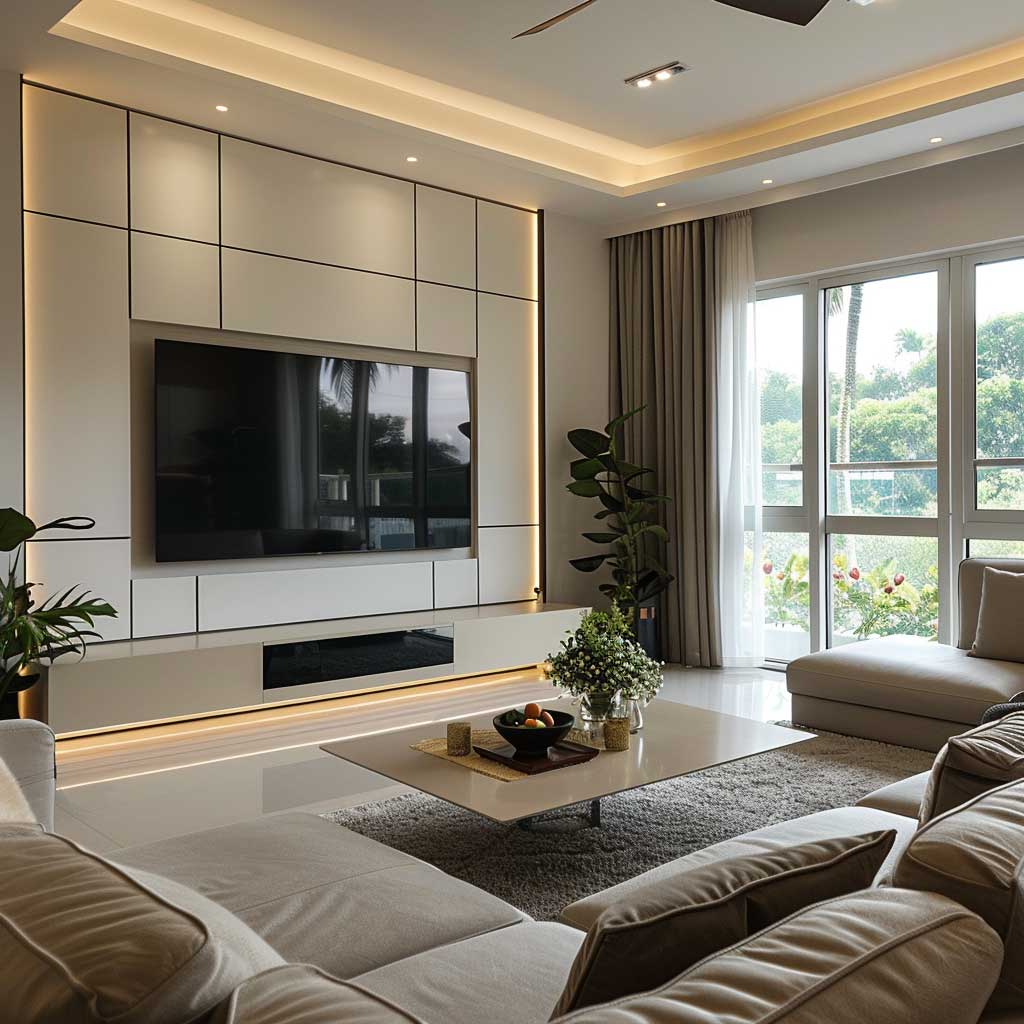
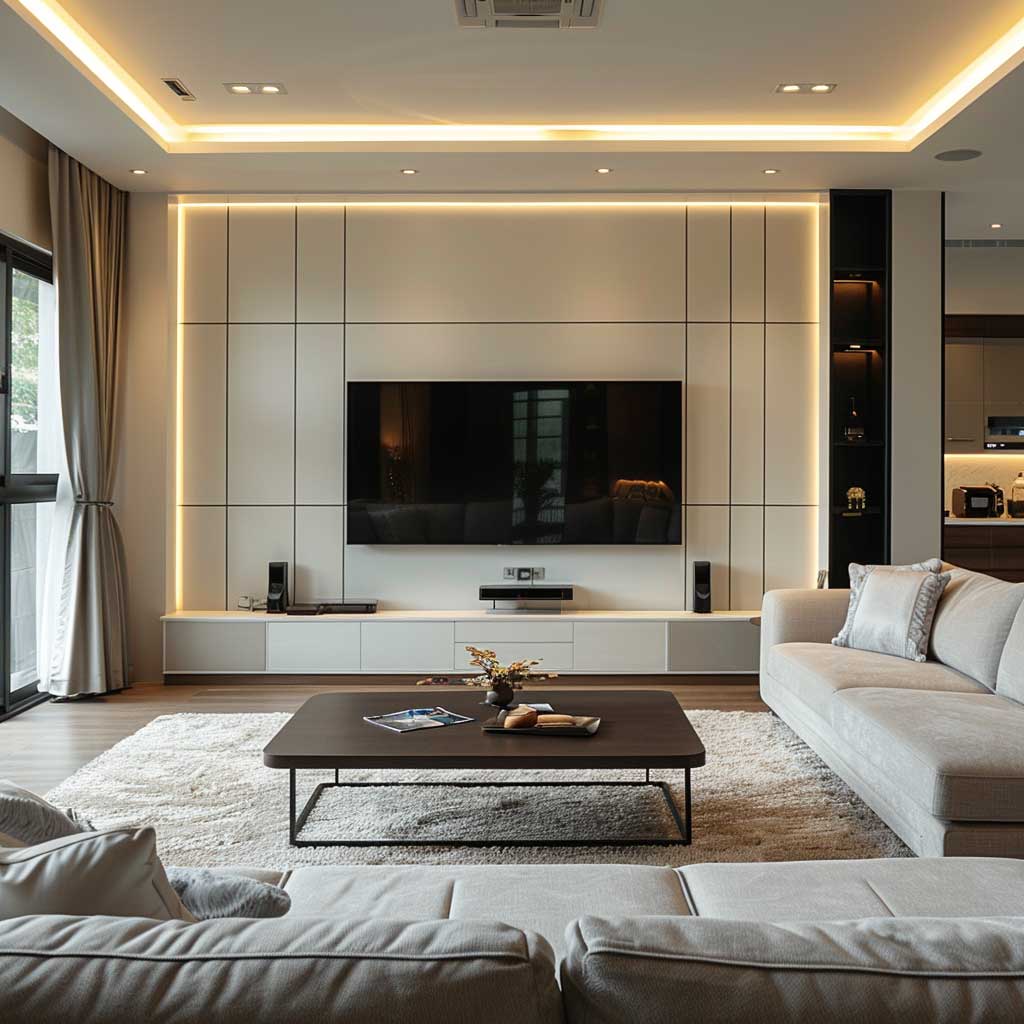
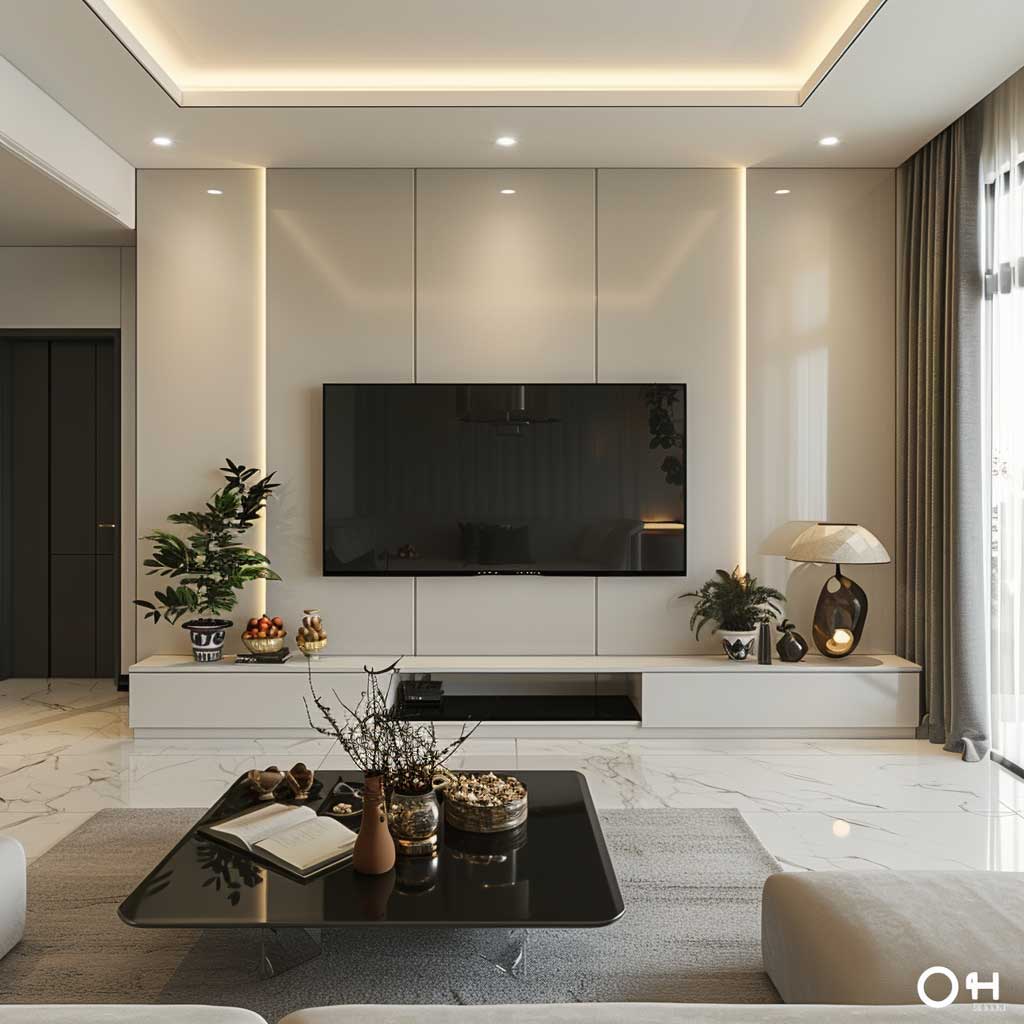
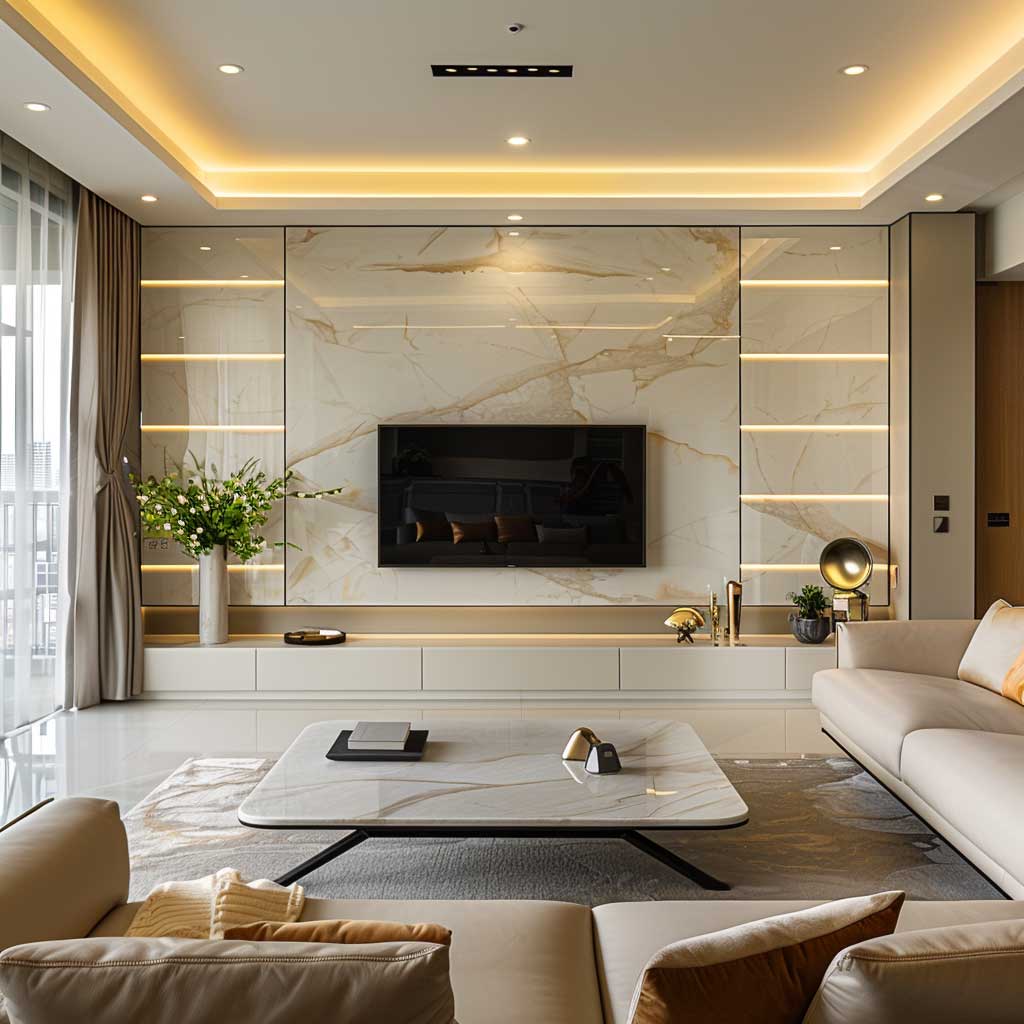
Designing with a minimalist approach requires careful consideration of the surrounding elements. Furniture and decor should complement the white PVC panel, adhering to a muted color palette and streamlined shapes. This doesn’t mean the space must be stark or devoid of personality. Contrary, strategic pops of color or textured accessories can add depth and interest to the room without detracting from the minimalist theme. The key is balance, allowing the white PVC panel and the LED TV to stand as the room’s visual anchors.
The appeal of a minimalist white PVC panel design extends beyond its aesthetic virtues. It represents a lifestyle choice that values simplicity and functionality. For those who embrace minimalist living, the TV setup becomes an extension of their philosophy, where less is indeed more. The clean backdrop provided by the white PVC panel allows the LED TV to seamlessly integrate into the living space, ensuring that technology enhances rather than dominates the home environment.
Embracing minimalist elegance with a white PVC panel design for an LED TV setup is a testament to the enduring appeal of simplicity in our increasingly complex world. It showcases how thoughtful design can create a space that is both visually striking and deeply functional, reflecting the changing ways we interact with technology and our living environments. In this context, the white PVC panel is more than just a decorative element; it’s a bridge between form and function, bringing together the best of modern design and technological innovation.
Backlit PVC Panels with RGB LEDs: How to Get the Glow Right
RGB strip kits from Govee or Philips Hue run $25–$80 depending on length and smart-home integration. Stick them directly to the back of the PVC panel, roughly 3 cm from the outer edge, so the light spills evenly without hot spots. You want a diffused halo, not four visible lines. Frosted or semi-translucent PVC — like Palram’s Sunlite line at around $6 per square foot — works best here because it softens the LED glow into a smooth wash. Solid opaque panels still look good, but the light escapes only around the edges, so the effect is narrower. I’ve tested both. The frosted version looks twice as expensive for about $15 more total. One mistake I see often: mounting the strips too close to the wall. Leave at least a 4 cm gap between the panel and the wall surface so the light has room to spread.
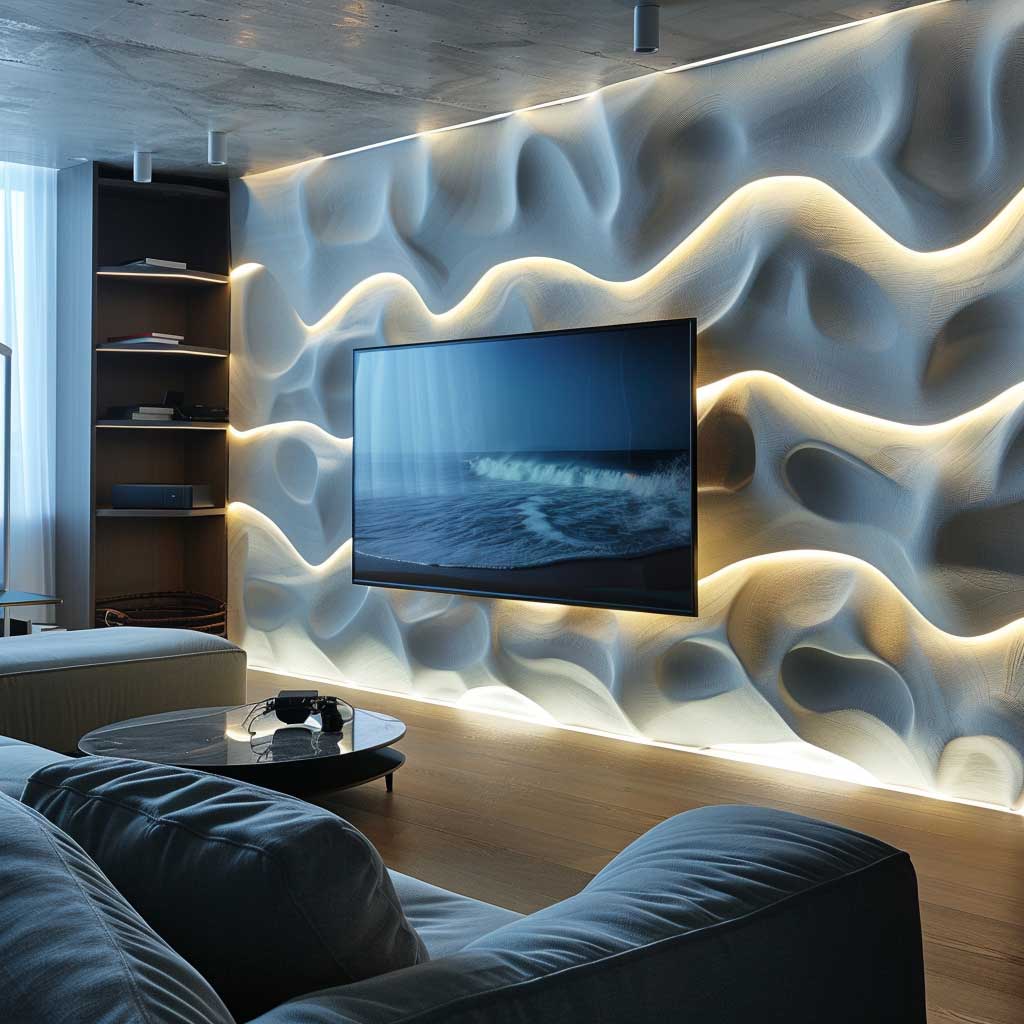
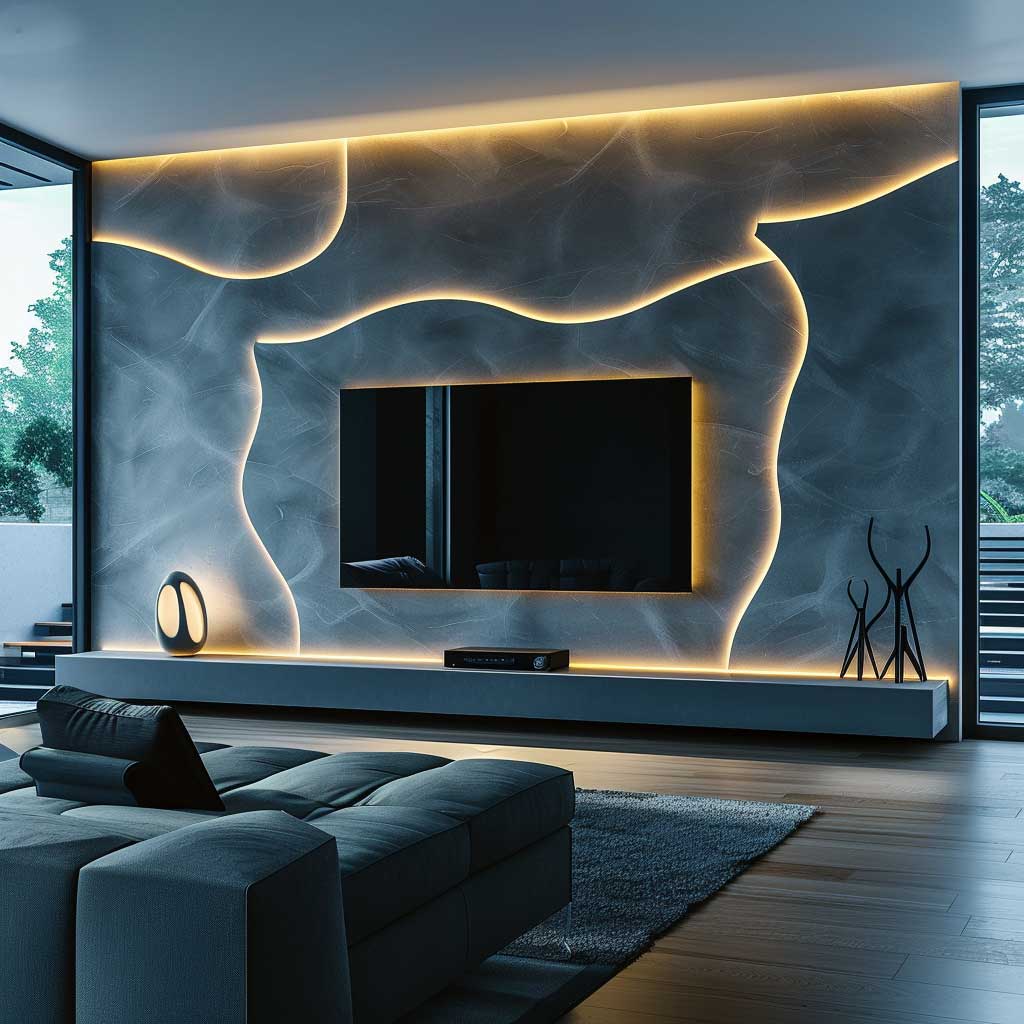
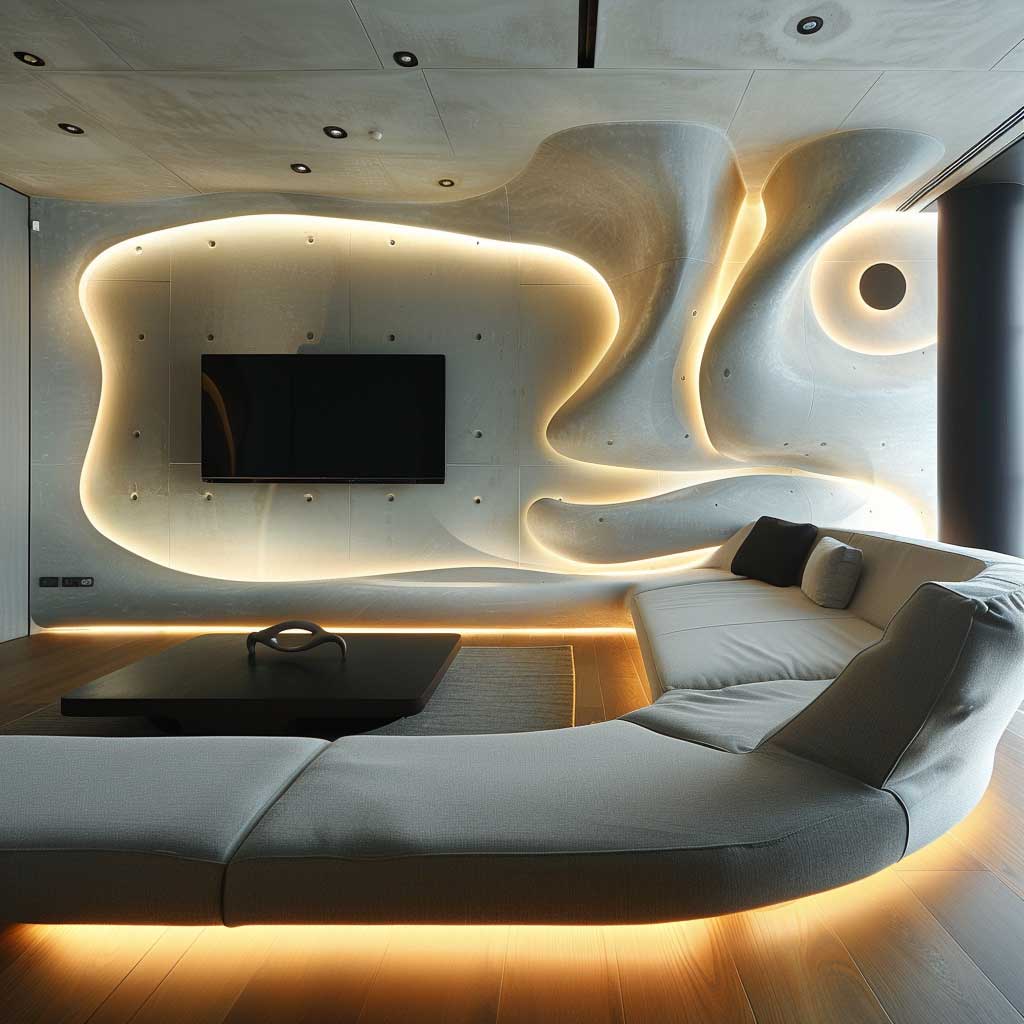
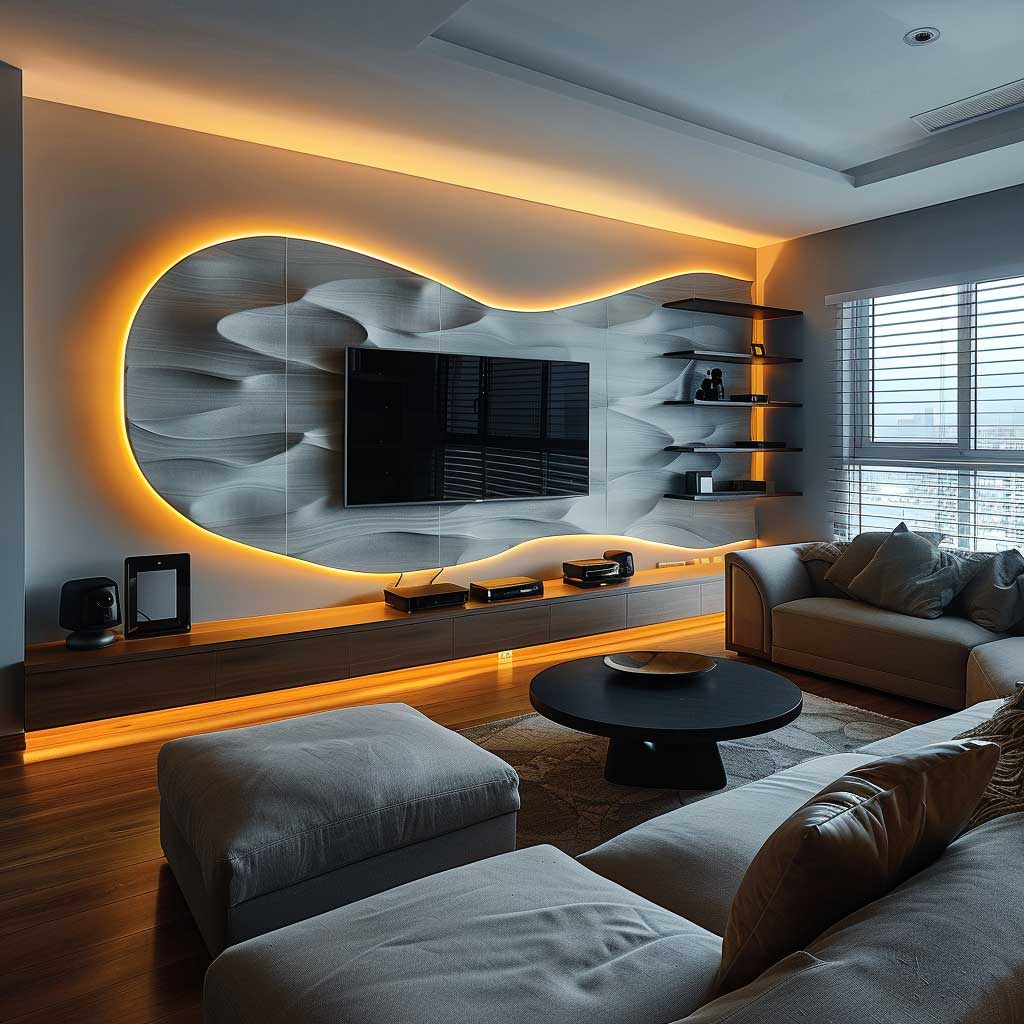
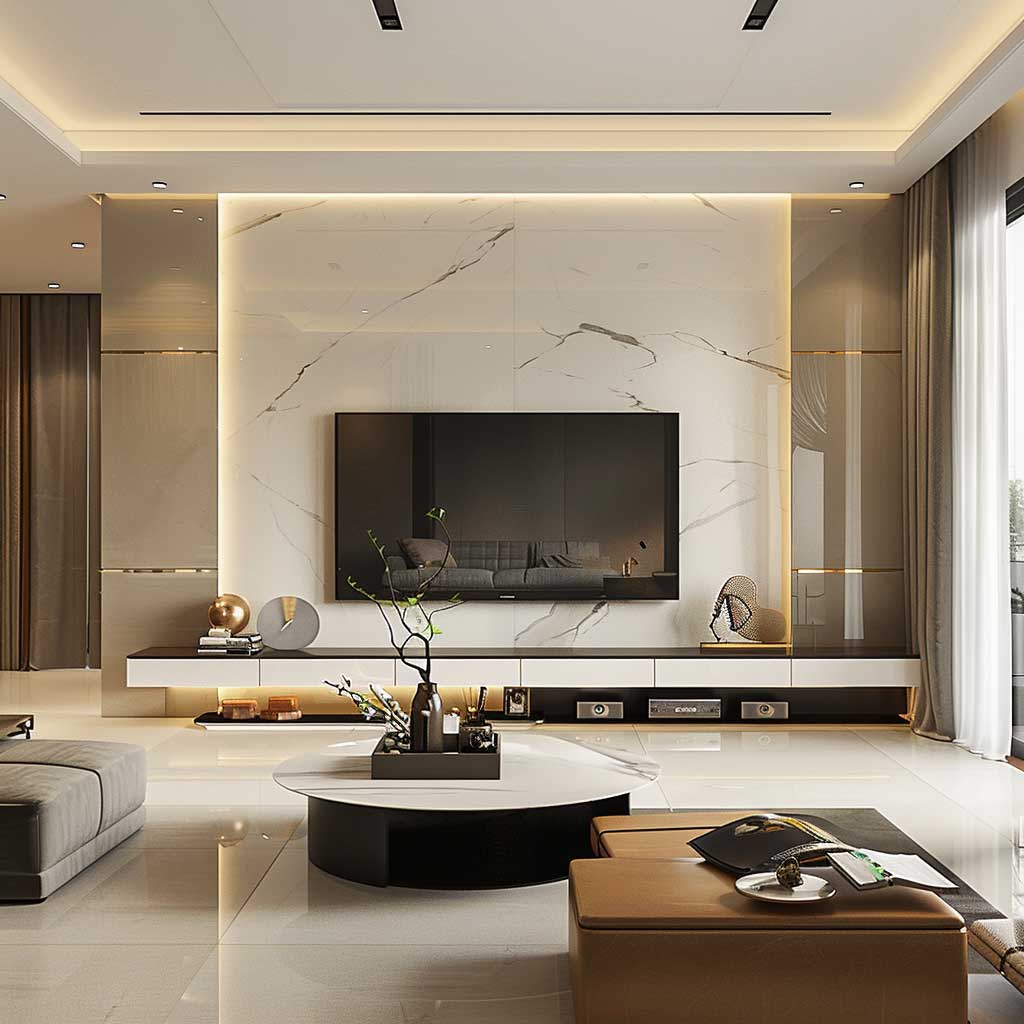
In the pursuit of creating a home environment that not only embraces technology but is also at the forefront of modern design, homeowners are turning to innovative solutions that blend functionality with aesthetic appeal. One such trend is the integration of backlit PVC panel designs for LED TVs, a choice that transforms the television viewing area into a vibrant, futuristic centerpiece of the living space. This design strategy combines the sleek, modern look of PVC panels with the dynamic ambiance created by LED backlighting, resulting in a setup that feels like it’s straight out of a sci-fi novel.
The concept behind a backlit PVC panel design is straightforward yet impactful: by incorporating LED lighting behind a PVC panel that mounts the television, the entire structure becomes a source of ambient light. This backlighting not only highlights the TV but also casts a gentle glow that enhances the room’s mood, making the viewing experience more immersive. The choice of colors, intensity, and even lighting patterns can be customized, offering an array of possibilities to match any mood or decor style. For more ideas on how LED-integrated wall panels can reshape a living room, take a look at these futuristic modern LED TV wall panel designs.
Opting for a futuristic ambiance with a backlit PVC panel design requires careful consideration of both the technical and aesthetic aspects. The PVC panel must be crafted with precision, allowing for even diffusion of light while securely supporting the LED TV. The lighting itself, often RGB LEDs, should be easily controllable, enabling homeowners to adjust the ambiance of the room with the touch of a button. This interplay of light and material not only serves a functional purpose but also elevates the design, creating a captivating visual effect that enhances the overall aesthetic of the space.
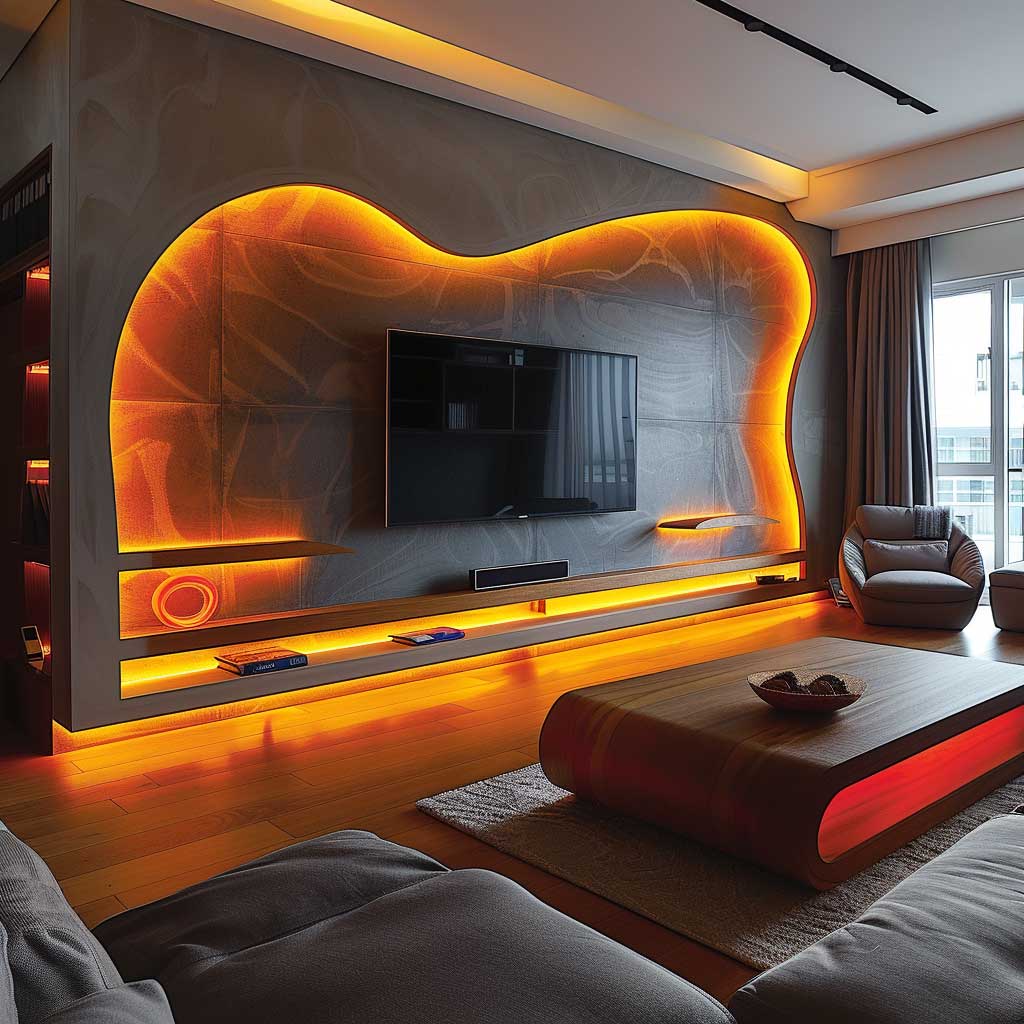
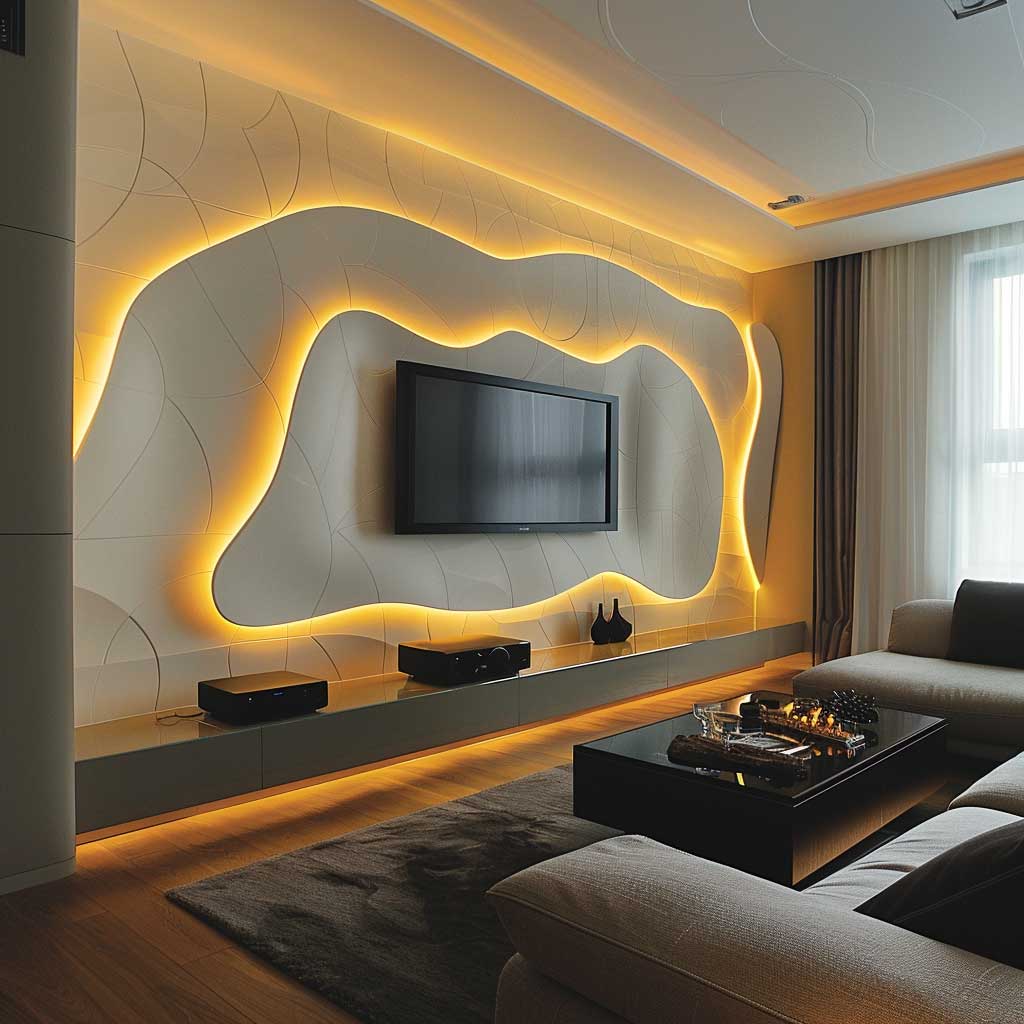
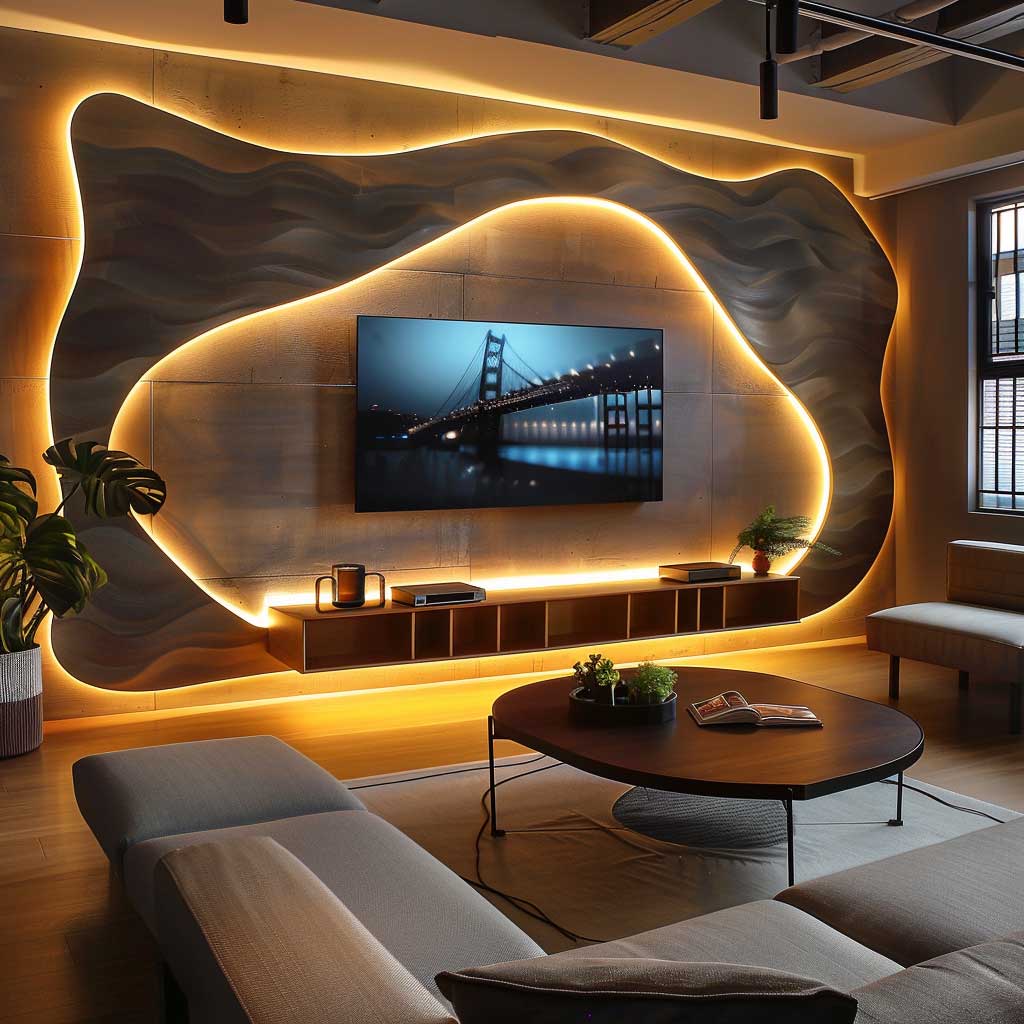
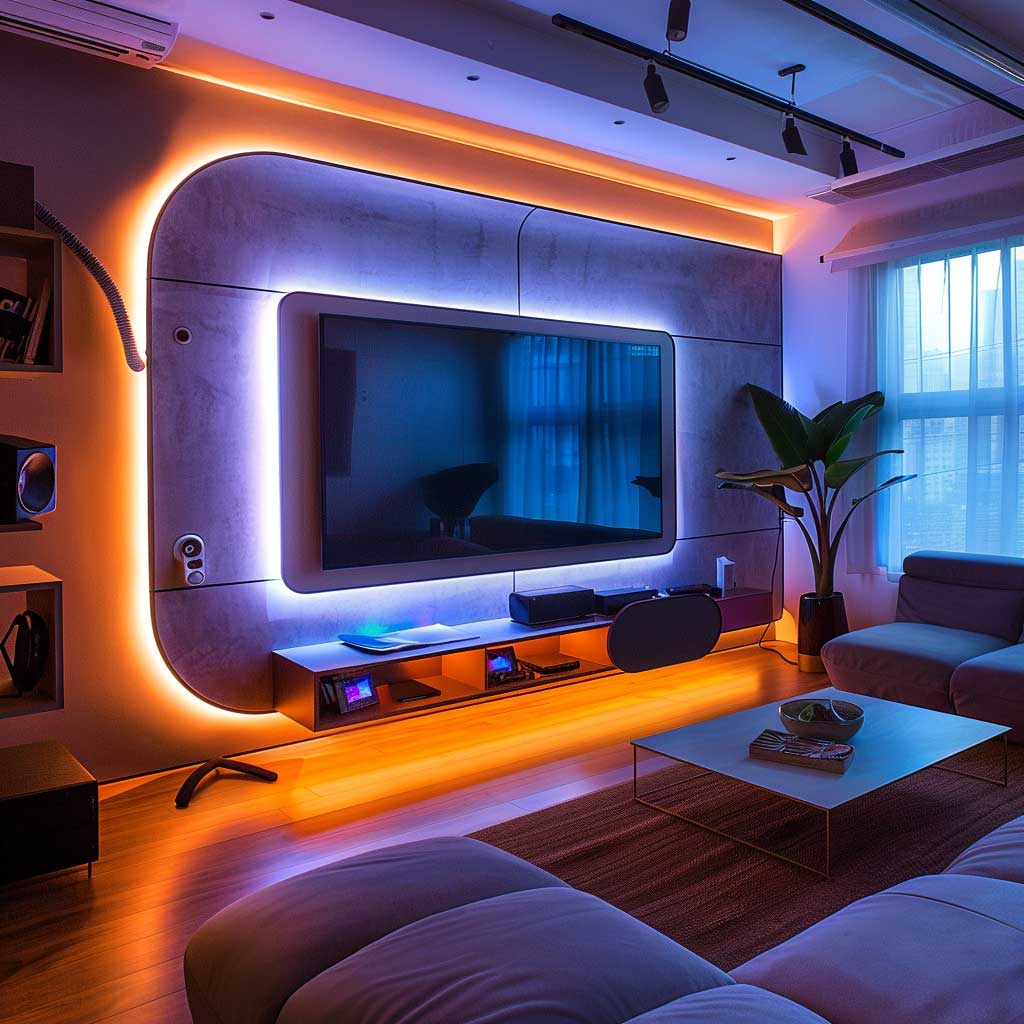
Beyond its visual appeal, the futuristic ambiance created by a backlit PVC panel design has the potential to influence the mood and atmosphere of the room. Light, especially when used strategically, can affect our perceptions and emotions, making the television area not just a place for passive viewing but an interactive part of the home’s design. Whether settling in for a movie night or hosting a gathering, the backlit panel becomes a conversation piece, a testament to the homeowner’s commitment to cutting-edge design and technology.
In embracing the futuristic ambiance of backlit PVC panel designs for LED TVs, we see a blend of innovation, style, and technology that reflects contemporary living. This approach to home entertainment setup goes beyond traditional expectations, offering a glimpse into the future of interior design where technology and aesthetics converge to create spaces that are both functional and visually compelling. As we look forward, the integration of such elements signifies a shift towards more dynamic, adaptable living environments that cater to the evolving needs and tastes of homeowners.
Wood-Effect PVC Panels Behind Your TV: Warmth Without the Upkeep
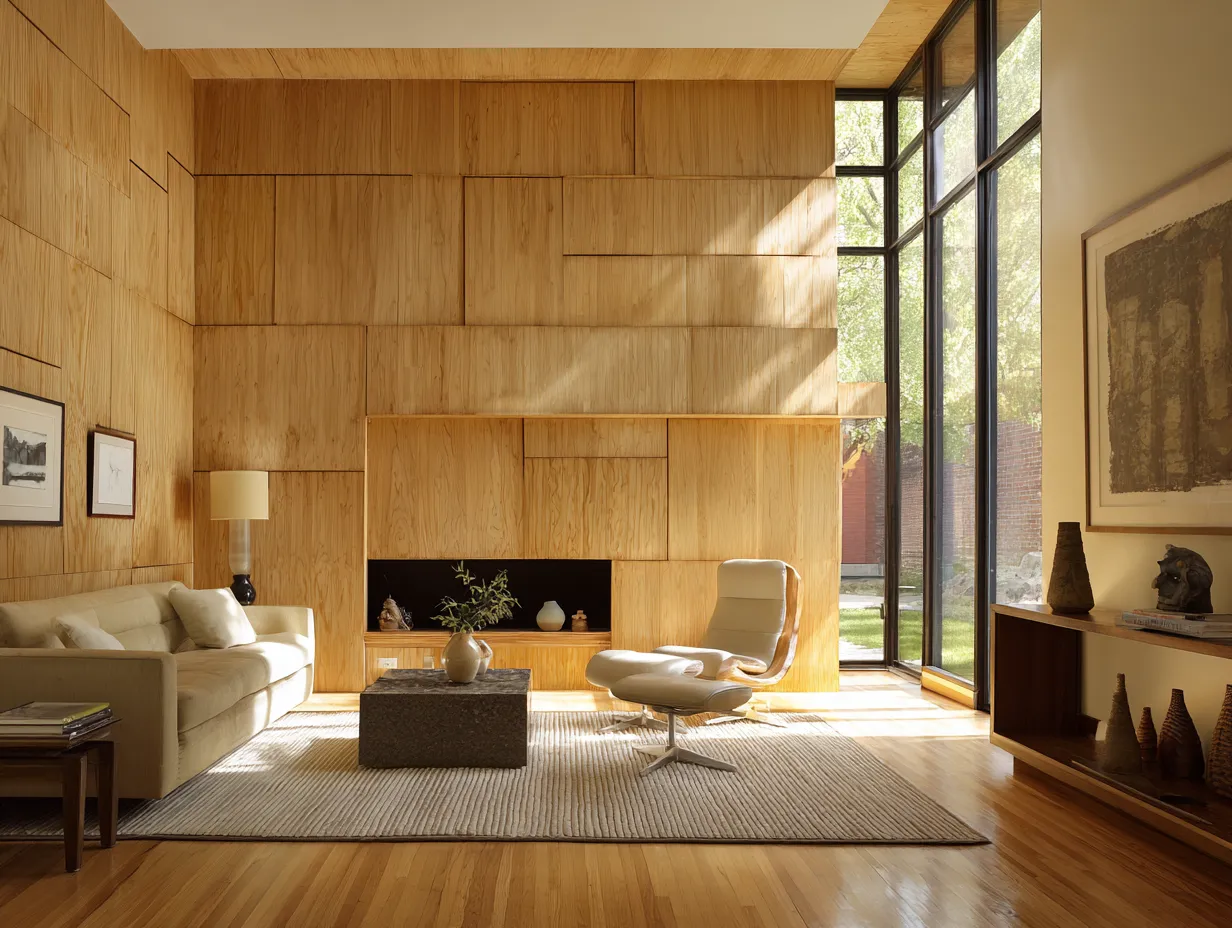
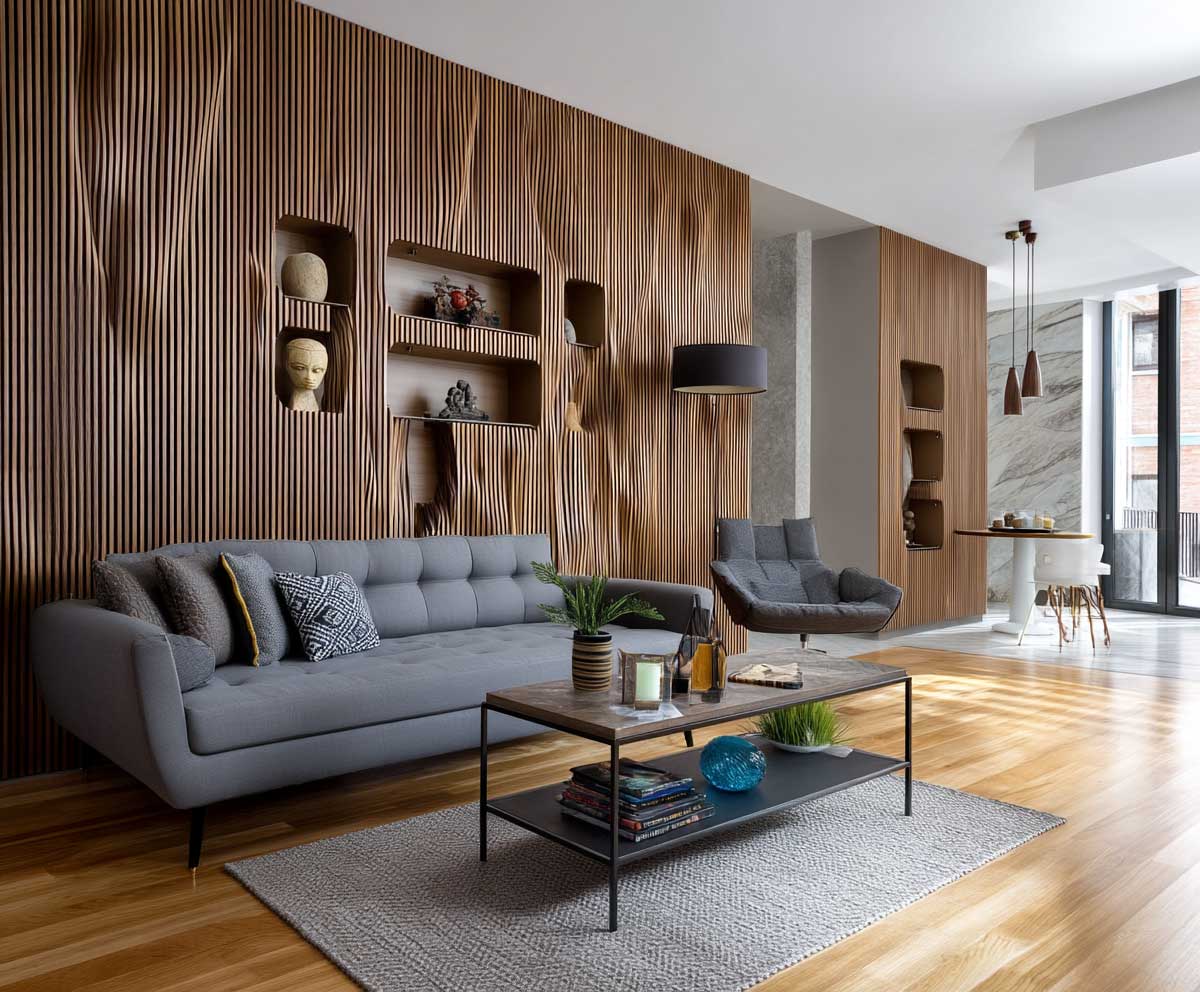
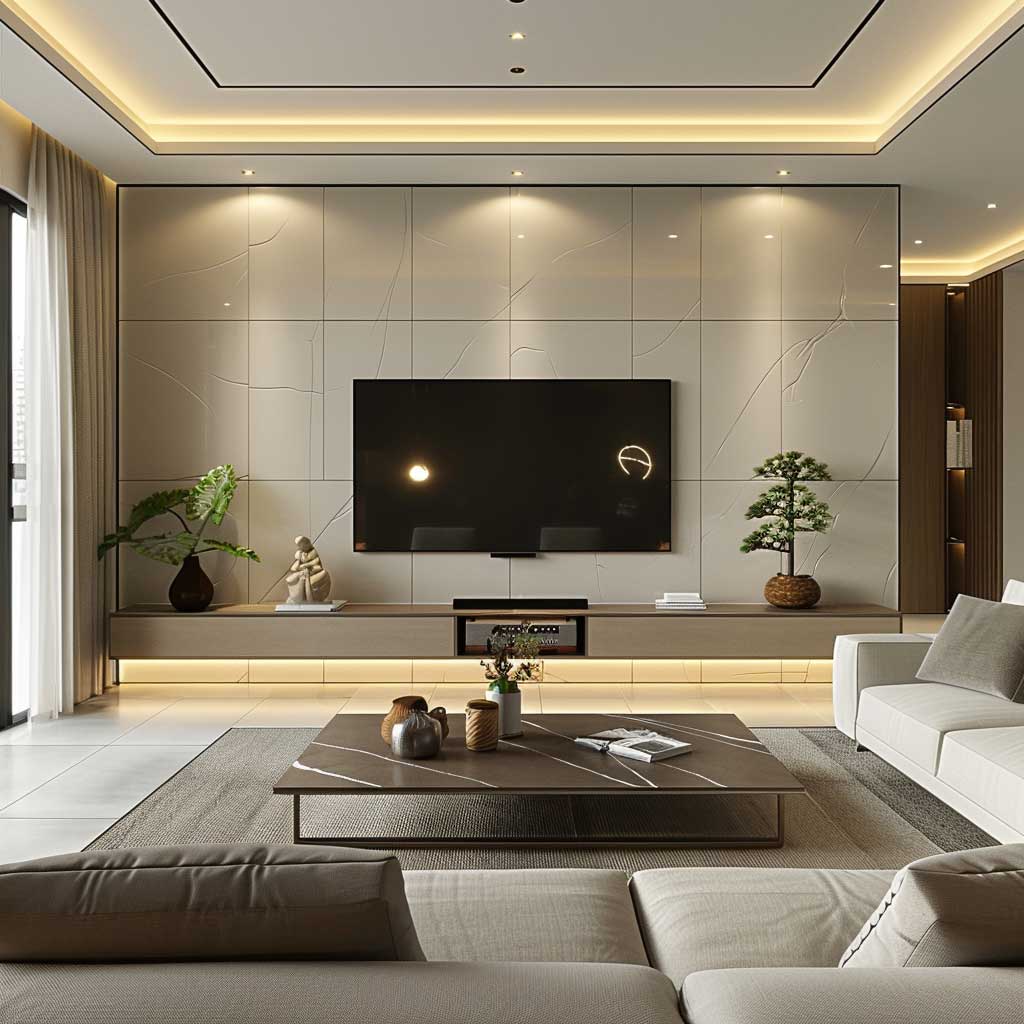
The best faux-wood PVC panels copy grain direction, knot placement, and even a slight tactile texture — Dumaplast’s “Mountain Oak” and Art3D’s “Reclaimed Barnwood” are the two I’d recommend first. Both sit around $4–$7 per square foot and come in tongue-and-groove interlocking systems, so you don’t need visible fasteners. Real reclaimed wood behind a TV looks amazing, but it warps in heated rooms and attracts dust in every groove. PVC doesn’t. You can wipe it down with a damp cloth once a month and forget about it. Pair the warm wood tones with black or gunmetal hardware — a matte black floating TV mount from Sanus or Vogel’s disappears against the panel and keeps the focus on texture. For rooms with dark furniture, go lighter on the panel shade — something in the ash or whitewash range keeps the space from feeling heavy.
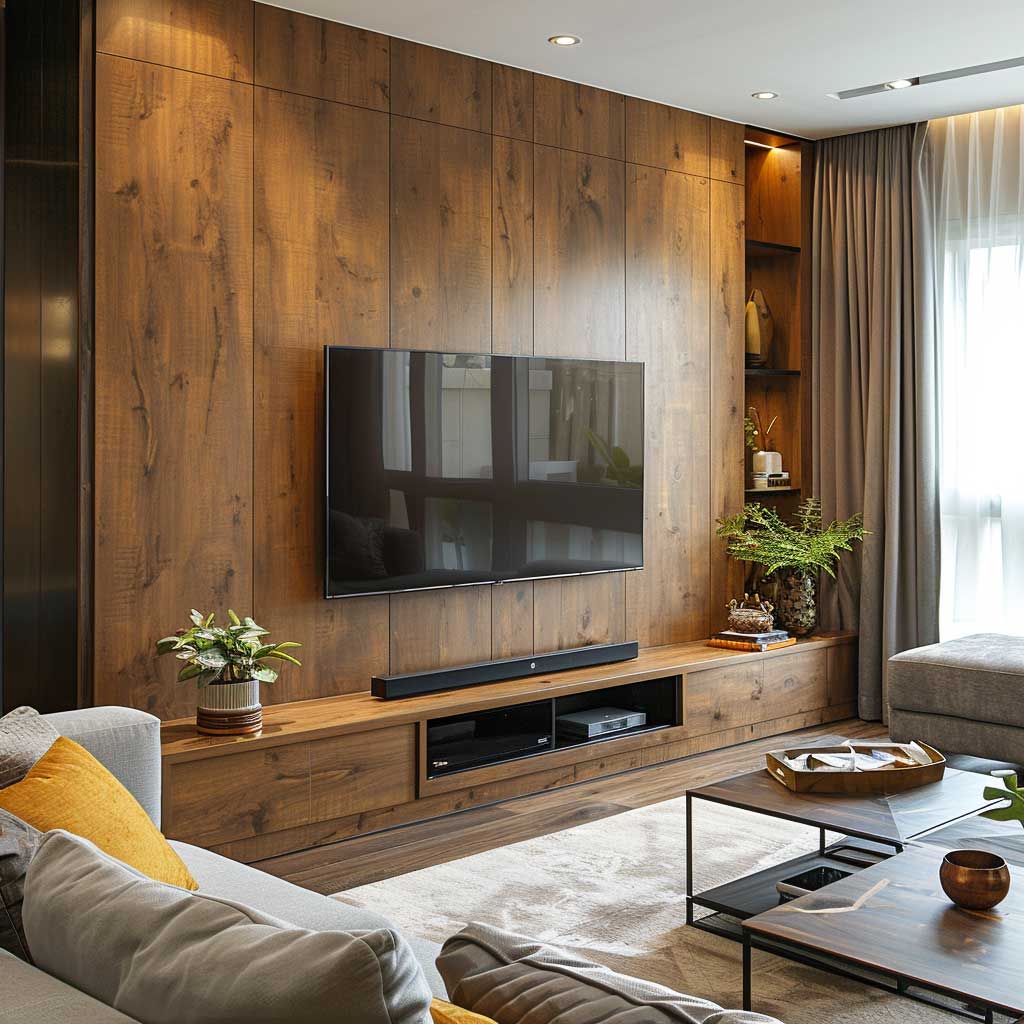
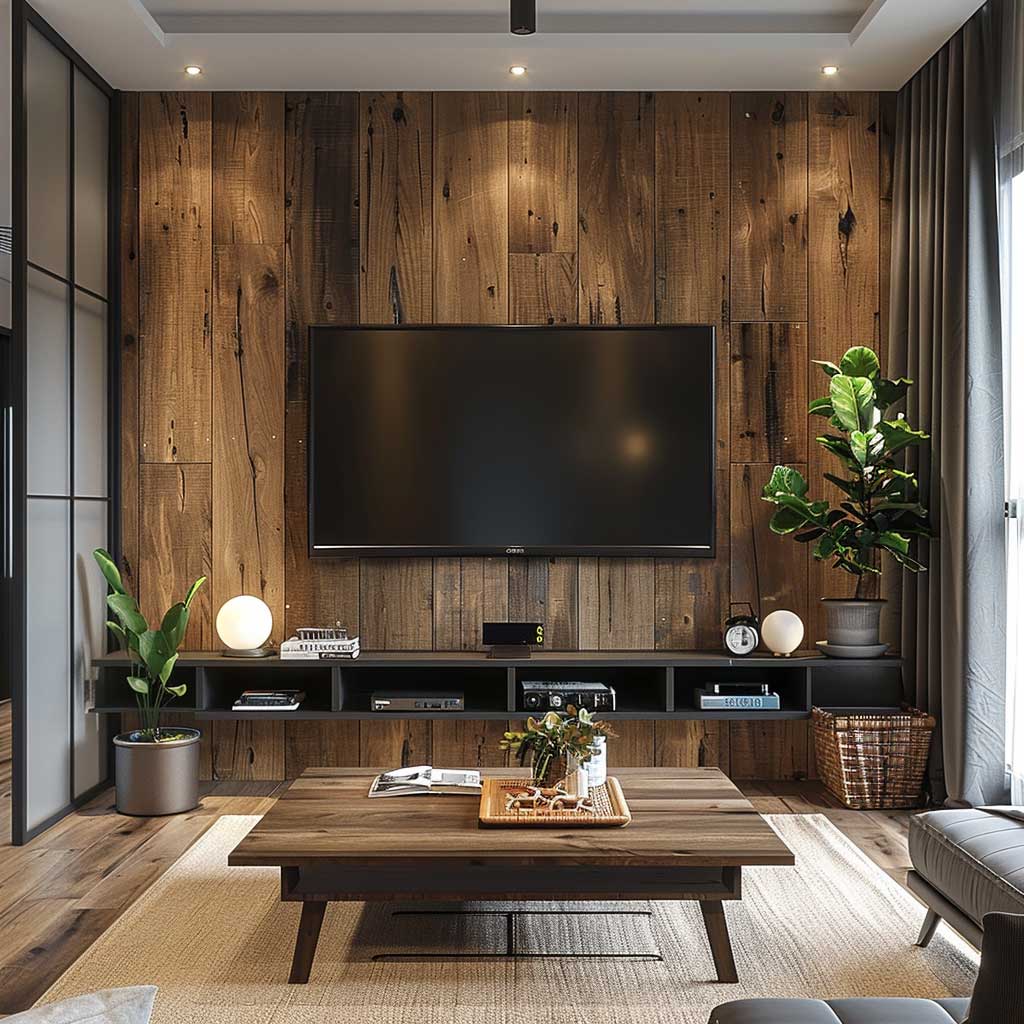
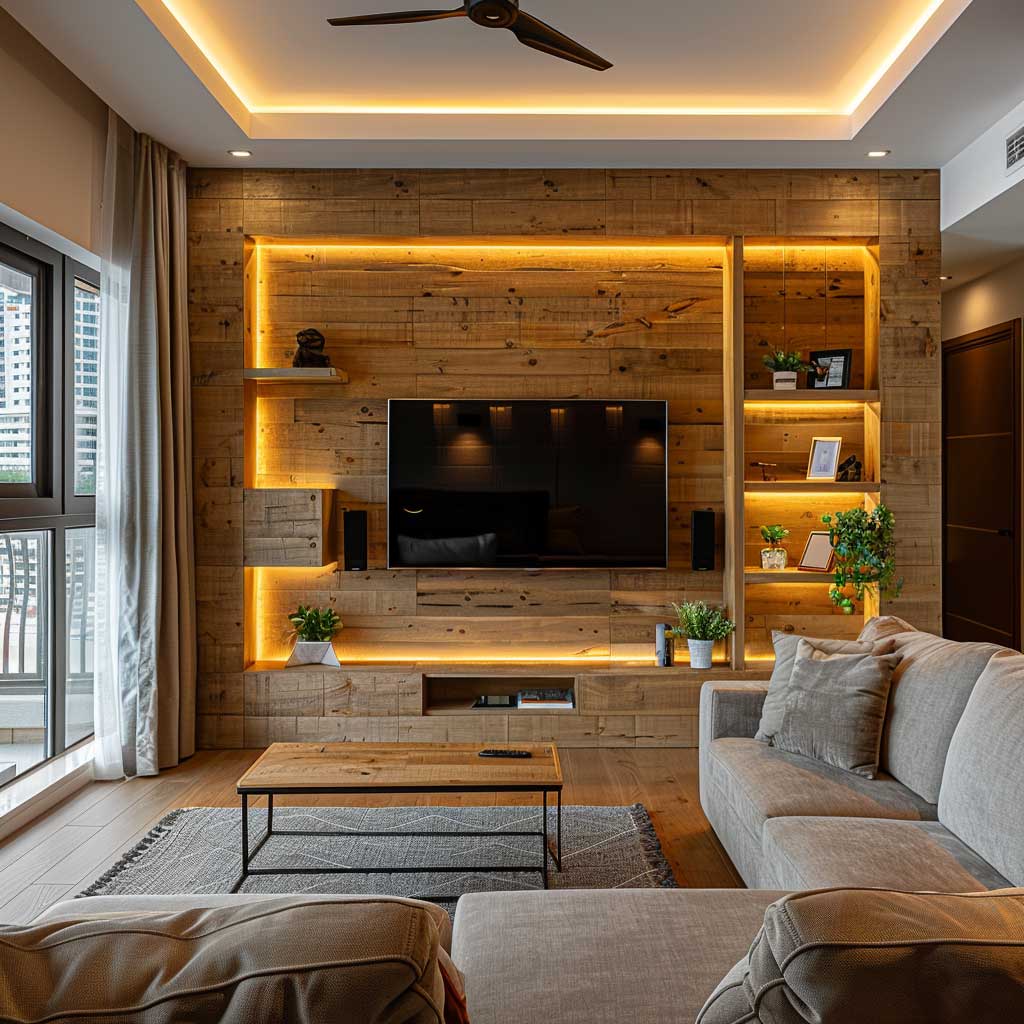
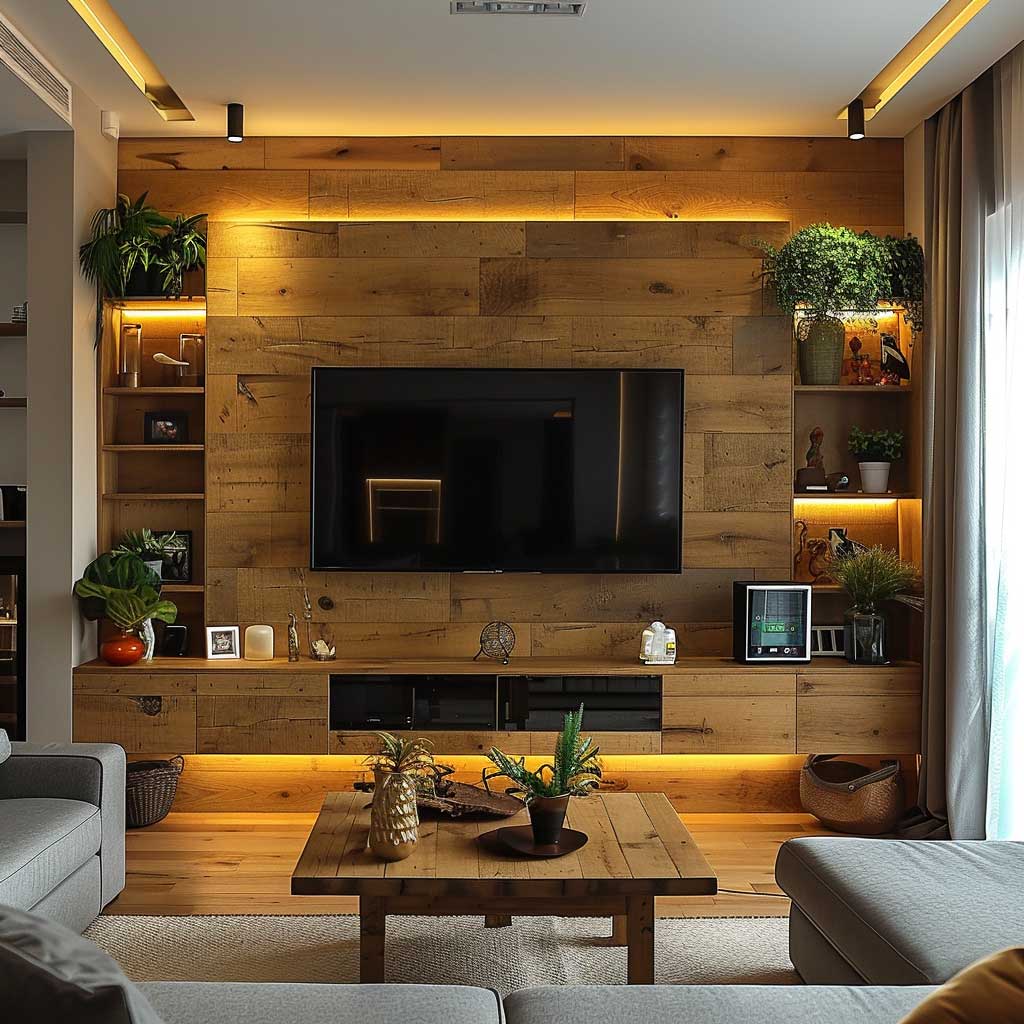
The allure of rustic interior design lies in its ability to evoke warmth, comfort, and a sense of connection to the natural world. Incorporating rustic elements into modern living spaces brings a timeless charm and character often missing in contemporary decor. A novel way to infuse this rustic aesthetic into a room without sacrificing modern conveniences is through the use of wood-effect PVC panels as a backdrop for LED TVs. This approach combines the visual appeal of natural wood with the durability and ease of maintenance of PVC, offering an innovative solution for those looking to create a cozy, inviting television viewing area.
The wood-effect PVC panel design for LED TVs stands out for its ability to mimic the intricate patterns, textures, and colors of real wood, bringing an element of the outdoors inside. This design choice not only enhances the visual interest around the TV area but also serves as a harmonious bridge between technology and nature. The rustic charm of the wood effect complements the sleekness of modern LED TVs, creating a balanced juxtaposition that enriches the room’s overall ambiance. If you’re considering this look for a bedroom setup too, these PVC wall panel designs for bedrooms show how wood-effect panels work in smaller, more intimate spaces.

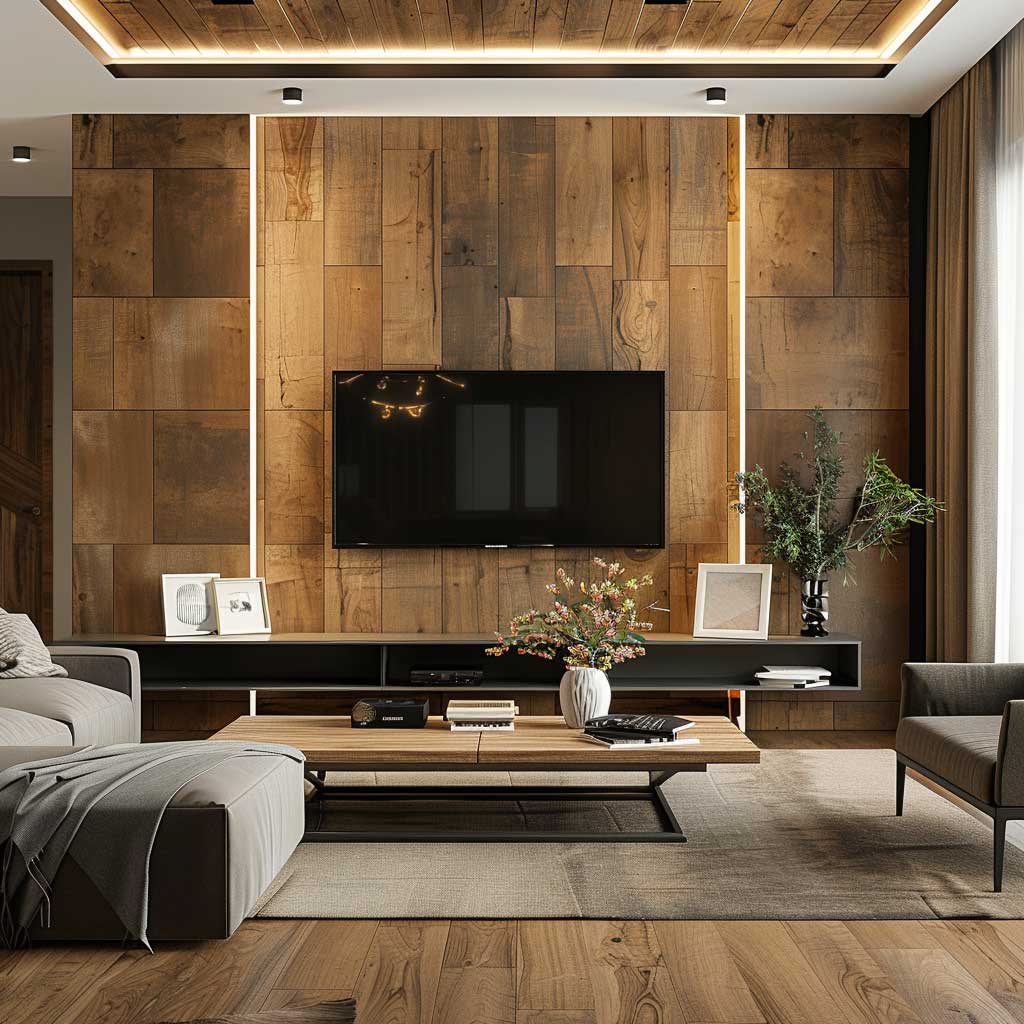
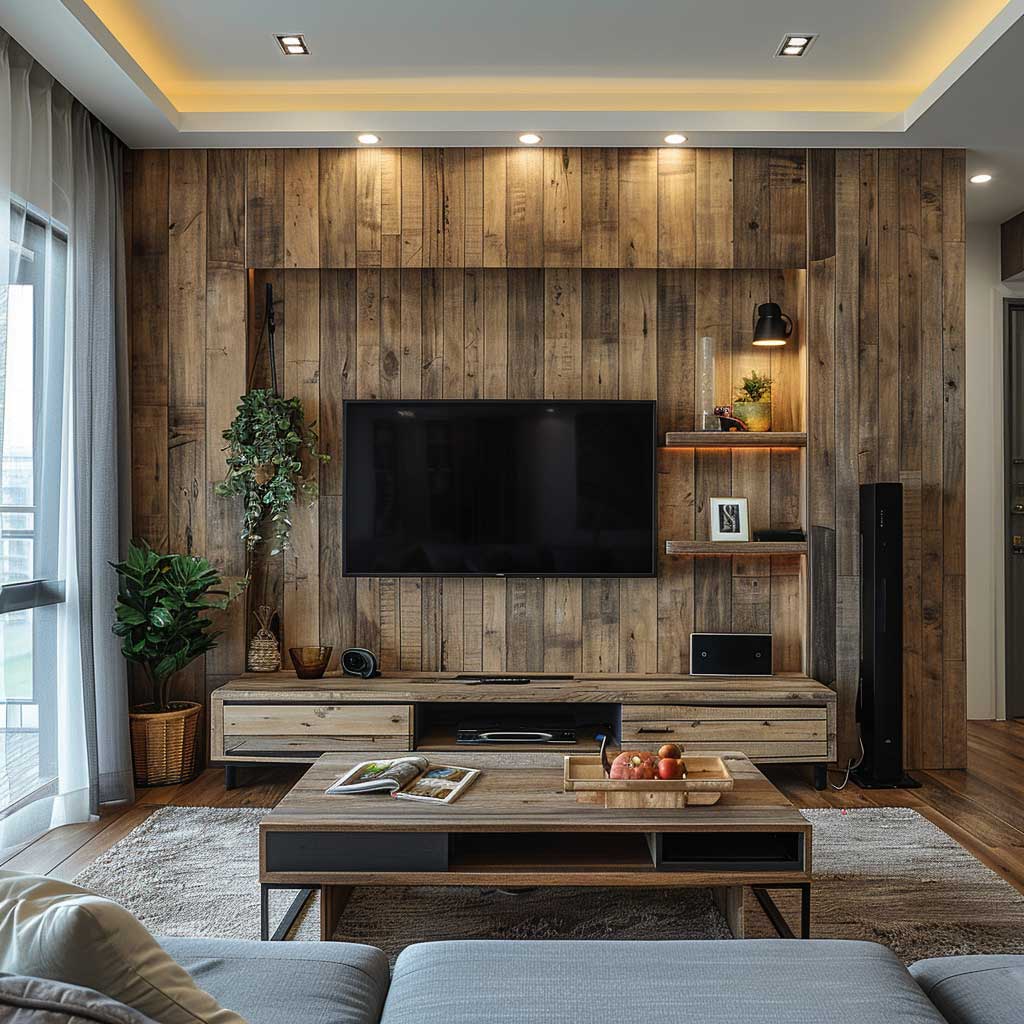
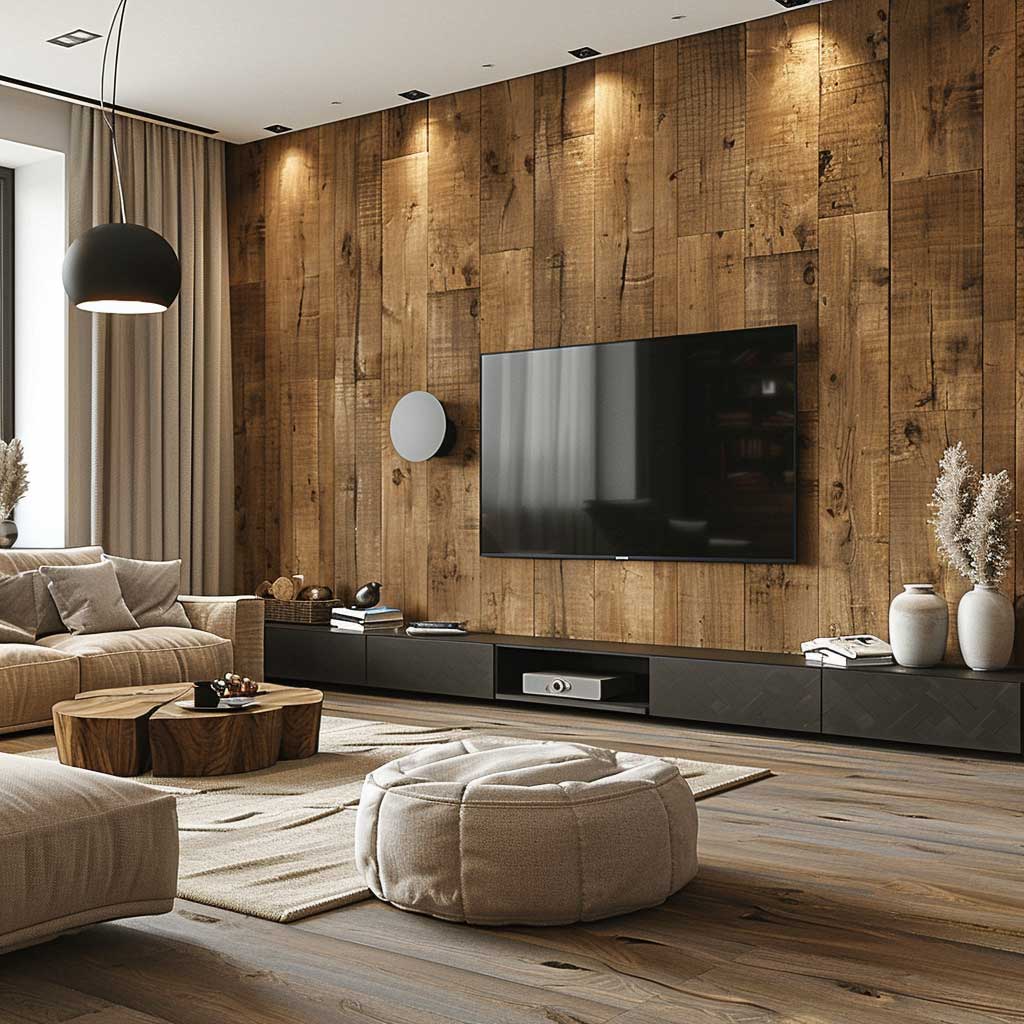
Implementing a rustic theme with wood-effect PVC panels requires attention to detail and an appreciation for the nuances of natural wood. The selection of the panel should reflect the specific style of rustic decor desired, whether it be a weathered barn wood look, a richly stained hardwood effect, or a light, beachy driftwood vibe. These panels can be accented with other rustic decor elements, such as wrought iron hardware, vintage accessories, or natural fiber textiles, to complete the look and feel of the space.
Beyond aesthetics, the choice of wood-effect PVC panels for an LED TV setup is practical. PVC is known for its durability, resistance to wear and environmental factors, and ease of cleaning. This makes it an ideal material for families, pet owners, or anyone looking for a low-maintenance option that does not compromise on style. Furthermore, the installation of PVC panels is typically straightforward, allowing for a relatively simple and cost-effective way to dramatically change the look and feel of a room. For a deeper look at how PVC performs in wet areas like bathrooms — where moisture resistance really matters — see Family Handyman’s bathroom wall panel guide.
Bottom Line on PVC Panel Designs for LED TV
White panels cost the least and open up small rooms — my pick for apartments under 40 m². Backlit setups with RGB LEDs turn movie nights into an experience, but budget an extra $30–$80 for the lighting kit and plan the wiring before you mount anything. Wood-effect PVC gives you the texture of reclaimed timber at roughly a third of the price, and you’ll never sand or seal it. Whatever style you choose, PVC installs in a single afternoon, handles humidity better than MDF or real wood, and cleans with a damp cloth. Just make sure you leave a 4–5 cm gap between the panel and the wall if you’re running any backlighting — it makes all the difference in how that glow looks at night.