WPC wall panel designs solve the classic interior problem of wanting real-wood character without the maintenance, warping, or insect risk. These composite panels blend wood fiber with thermoplastic to create surfaces that look carved or grained yet stay dimensionally stable in bedrooms, living rooms, and home offices. Most residential installations use panels priced between $8 and $25 per square meter for material alone, with total installed costs often landing in the $12–$26 range per square meter depending on profile complexity.
They work because the plastic matrix keeps moisture absorption under 1 percent, far below solid timber, while the wood content supplies the visual grain and modest sound dampening. Expect a practical lifespan of 20–30 years indoors with only occasional wiping. The three most requested looks—textured for bedrooms, classic warm for living rooms, and clean modern for workspaces—cover the majority of home projects without custom fabrication.
Choose the profile first by the room’s lighting and traffic, then match the tone to existing floors and furniture. Directional light activates texture; flat overhead light flattens it. Once those two decisions are locked, installation becomes a straightforward dry process that finishes an accent wall in a day.
- Material cost typically $8–$25 per m²; installed $12–$26 per m²
- Water absorption stays below 1 %, eliminating swelling and rot risk
- Indoor service life averages 20–30 years with minimal upkeep
- Textured, classic, and modern profiles cover bedroom, living, and office needs
- Sound reduction of 8–14 dB is common in mid-frequency ranges
- Recycled fiber content makes most panels a lower-impact alternative to solid wood
Textured Surfaces That Quiet a Bedroom
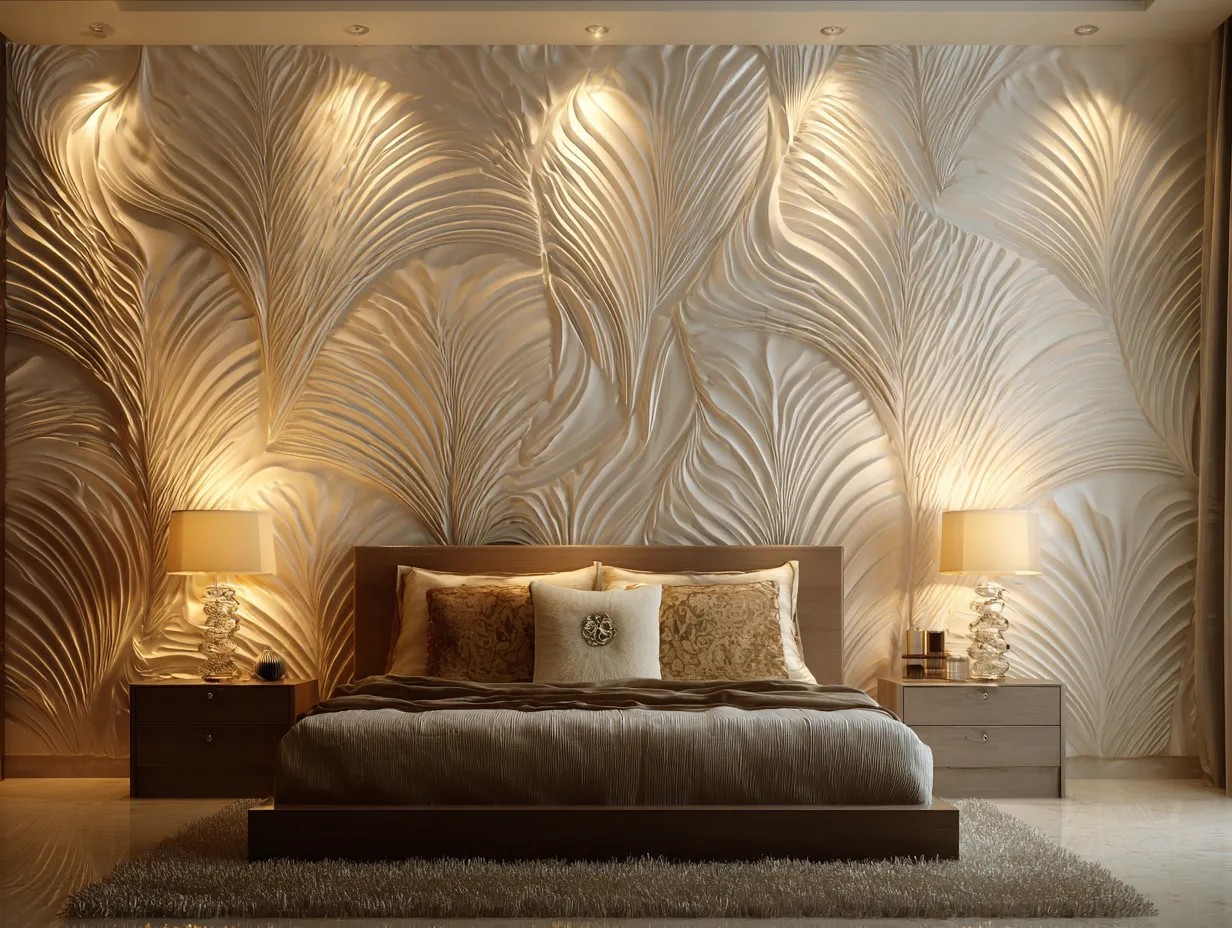
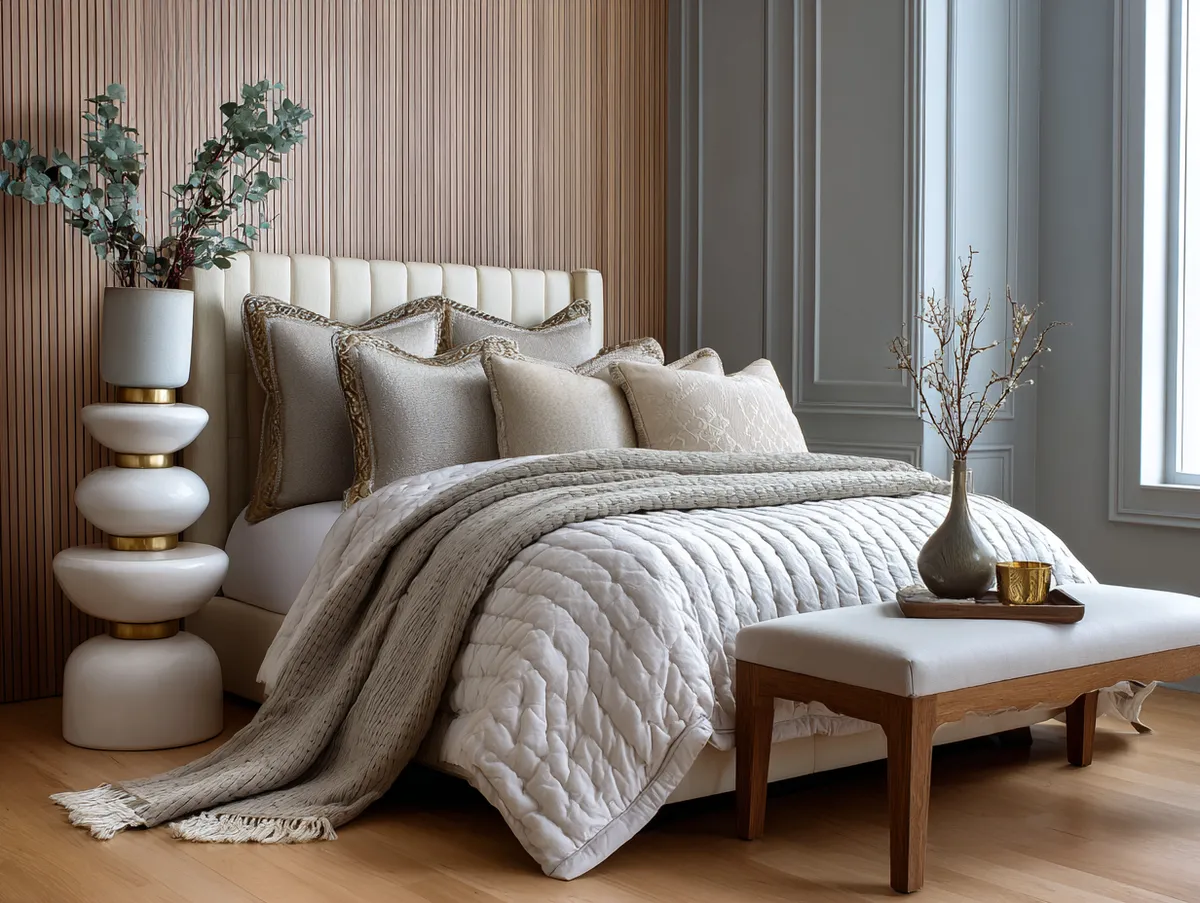
Textured WPC wall panel designs turn a plain bedroom wall into a soft focal plane that catches raking light and softens acoustics at the same time. The raised grain or carved relief creates shadow play that painted drywall cannot match, while the dense composite core reduces mid-frequency noise by roughly 8–14 dB according to laboratory board tests. That combination makes the wall both visual and functional without adding soft furnishings that collect dust.
Why does the texture matter more than color here? Because bedrooms are viewed mostly from a fixed distance—bed to wall—and relief depth of 8–20 mm reads best in that range. Flat panels look thin under the same conditions. Pair the textured surface with plain bedding in ivory or oat so the wall remains the only strong pattern. Avoid high-gloss finishes; matte holds the calm register required for sleep.


Think of the textured panel as a built-in acoustic blanket that never needs washing. The same density that blocks some external noise also stabilizes room temperature by slowing heat transfer, a useful side benefit in rooms with large windows. Wipe spills immediately with a damp cloth; the closed surface resists staining better than open-pore wood. For a related approach to calm modern interiors, see the light-wood and gray panel strategies in minimalist WPC panel design inspirations for modern interiors.
One clear anti-advice: do not wrap every bedroom wall in deep texture. The room shrinks visually and natural light gets absorbed instead of reflected. Limit the treatment to the headboard wall and keep the remaining surfaces light and plain. That single contrast does more work than continuous cladding.
Classic Warmth for Living Room Feature Walls
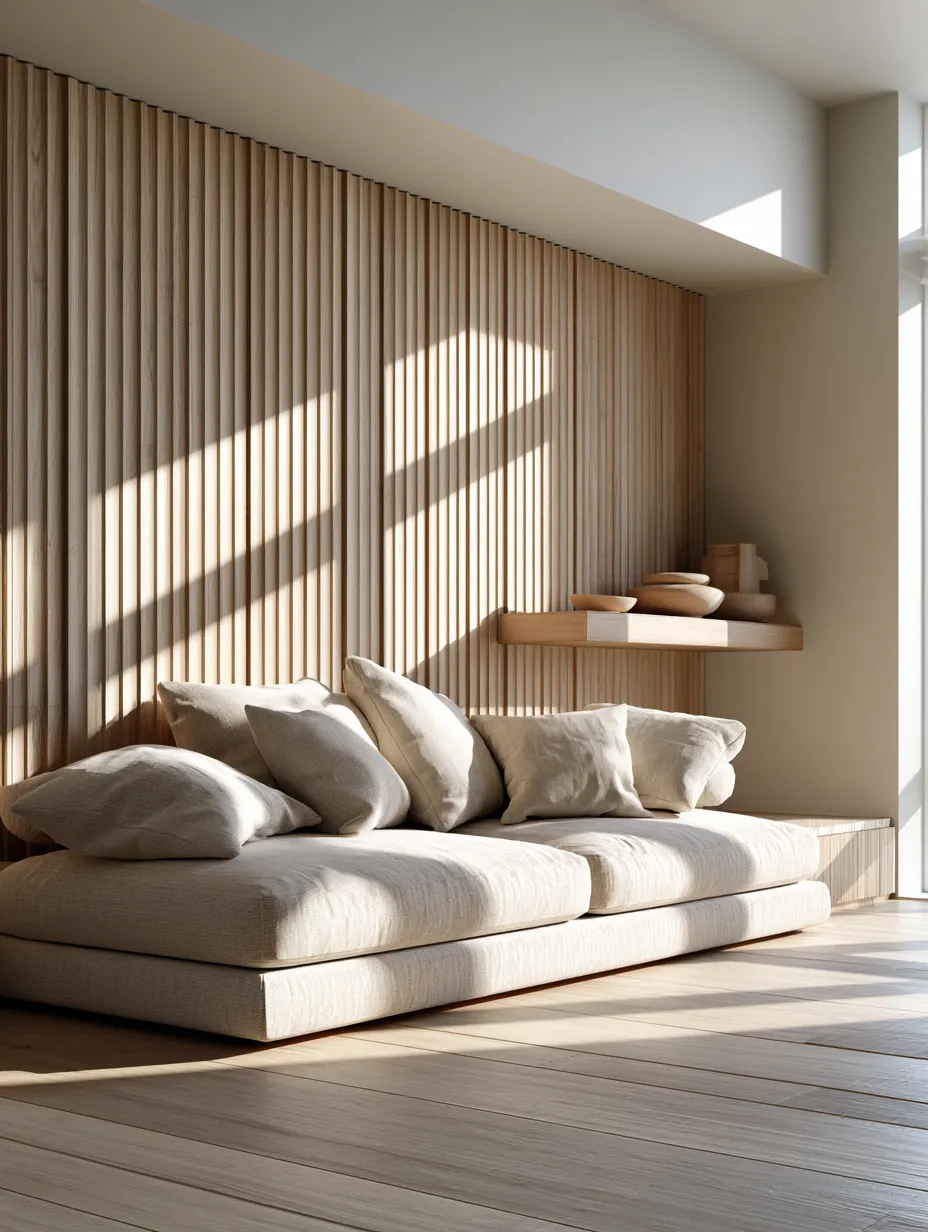
Classic WPC wall panel designs bring the inviting grain of timber into the living room without the seasonal movement that cracks solid boards. The warm mid-tone finishes sit comfortably against most upholstery and flooring, creating a grounded backdrop that feels finished the moment the last panel clicks into place. Material costs remain in the same $8–$25 per square meter band, yet the visual return matches higher-end hardwood cladding that often exceeds $30 per square foot installed.
How does the classic look stay practical in a high-traffic zone? The composite surface shrugs off scuffs from furniture and resists moisture from everyday spills. Water absorption below 1 percent means the panels will not swell if a drink tips near the baseboard. Cleaning stays simple: a soft cloth and mild soap handle most marks. The same density that protects the surface also contributes modest thermal buffering, helping the room hold temperature a little longer.


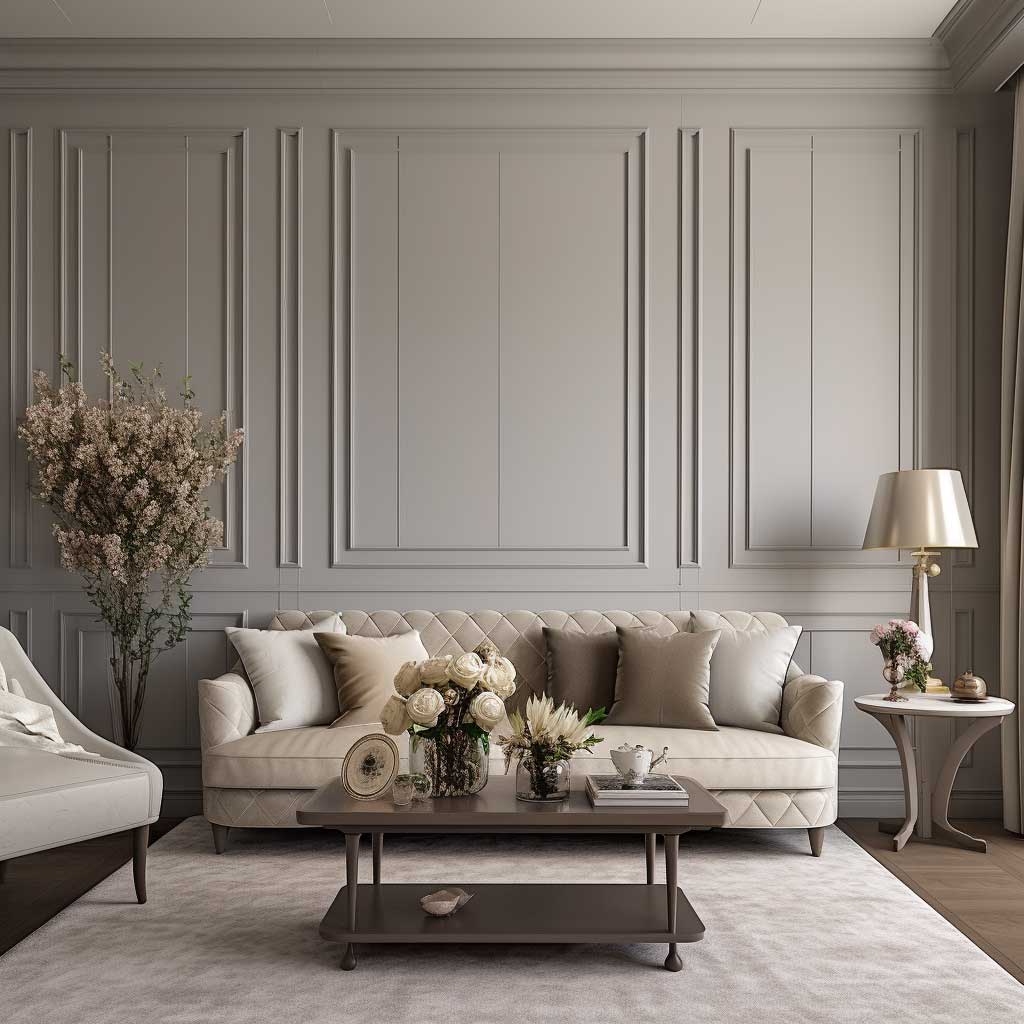

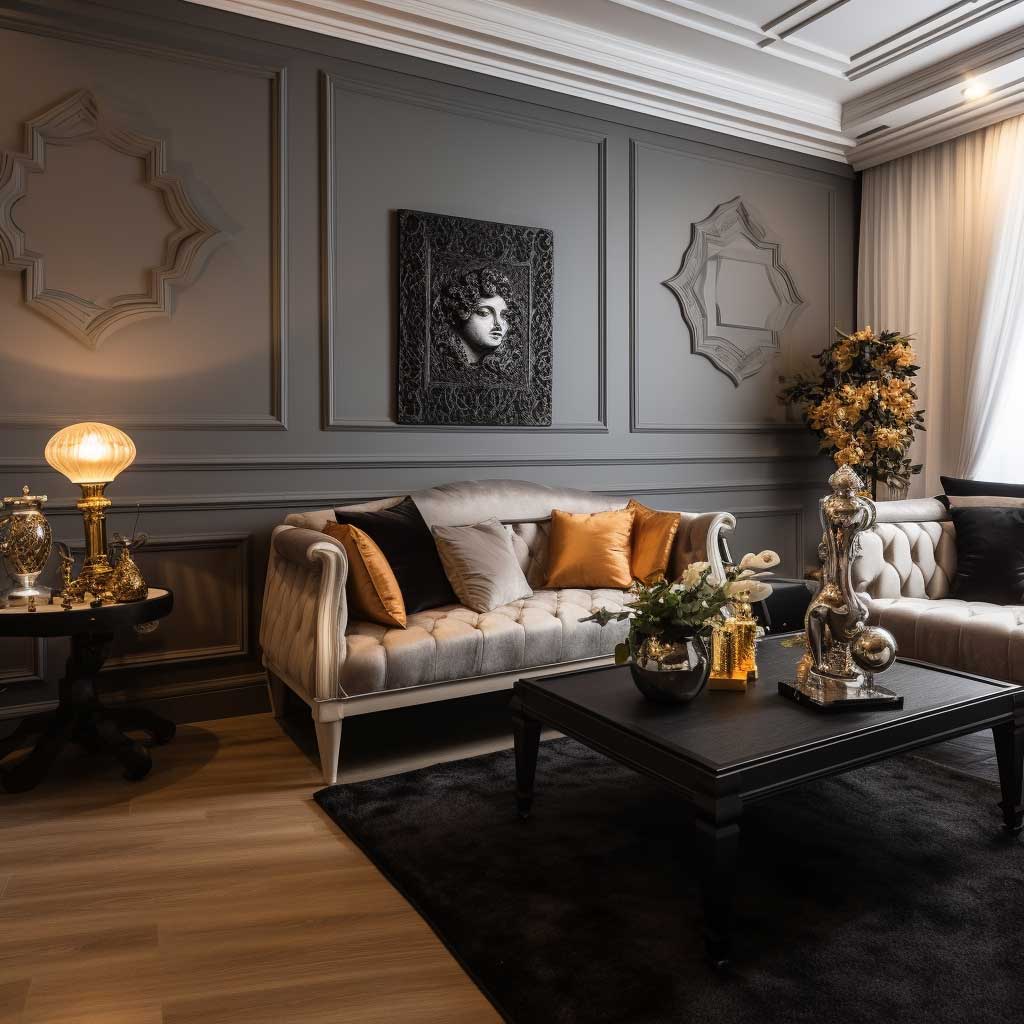
Treat the classic panel like a permanent piece of furniture rather than temporary decoration. Once the tone is chosen to complement the sofa and floor, resist the urge to hang multiple competing artworks on the same wall. One large piece or none at all keeps the grain readable. For more statement-wall approaches that push beyond classic grain, explore the geometric and sculptural options in artistic WPC panel design ideas for a unique statement wall.
Anti-advice worth noting: never install classic warm panels on a wall that receives strong direct afternoon sun without UV-stabilized coatings. Even quality composites can fade unevenly if the protective layer is missing. Confirm the product specification before ordering, especially for south- or west-facing rooms.
Modern Clean Lines for Productive Home Offices
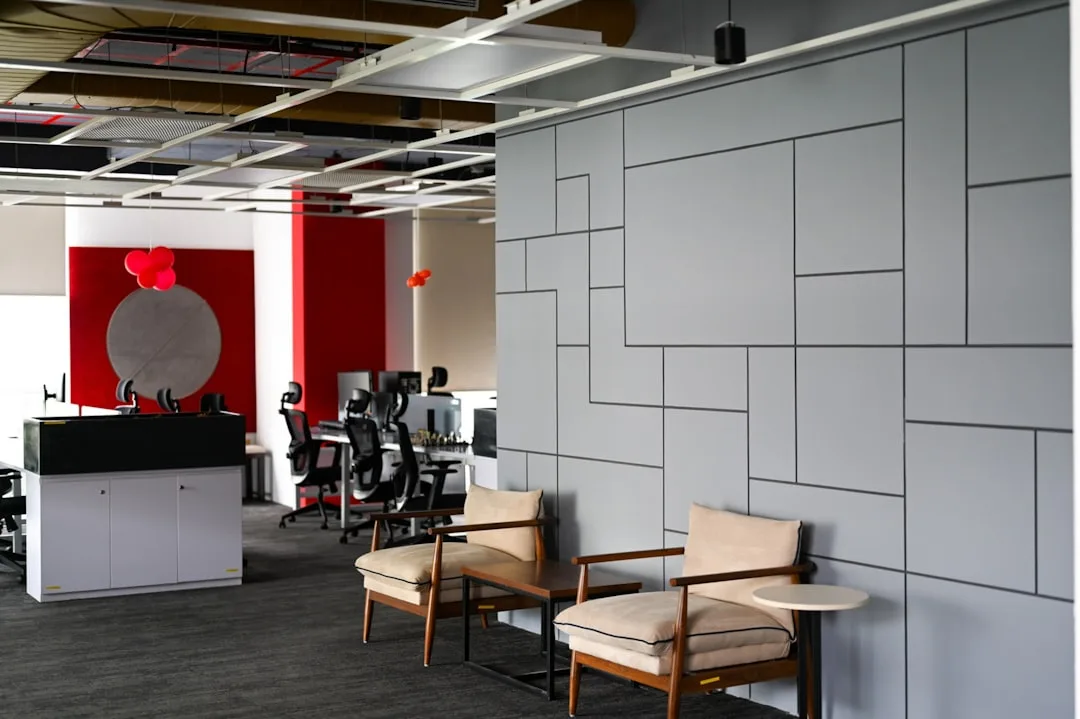
Modern WPC wall panel designs favor uninterrupted planes and subtle vertical grain that keep a home office looking ordered rather than decorative. The clean surface reduces visual noise, while the composite mass still delivers the same low water absorption and 20–30-year indoor durability found in the textured and classic versions. Installed costs stay competitive with other mid-range cladding, typically $12–$26 per square meter complete.
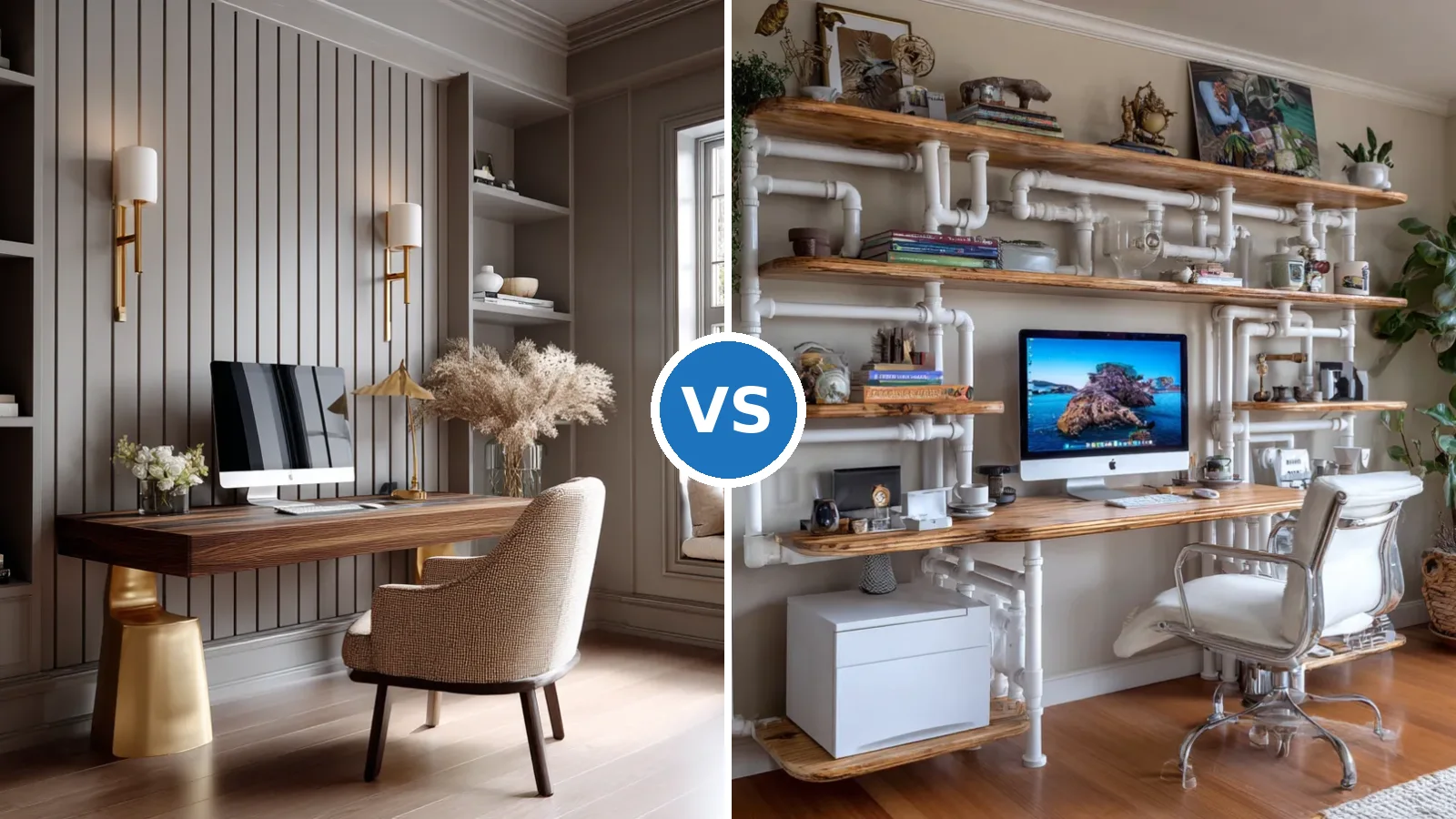
Does a modern panel actually help concentration? Indirectly yes. The absence of busy pattern and the modest sound dampening of the dense core reduce both visual and auditory distraction. Pair the panels with a light desk surface and adjustable task lighting so the wall recedes rather than competes. Vertical orientation further stretches the perceived height of standard ceilings, a useful trick in compact rooms.
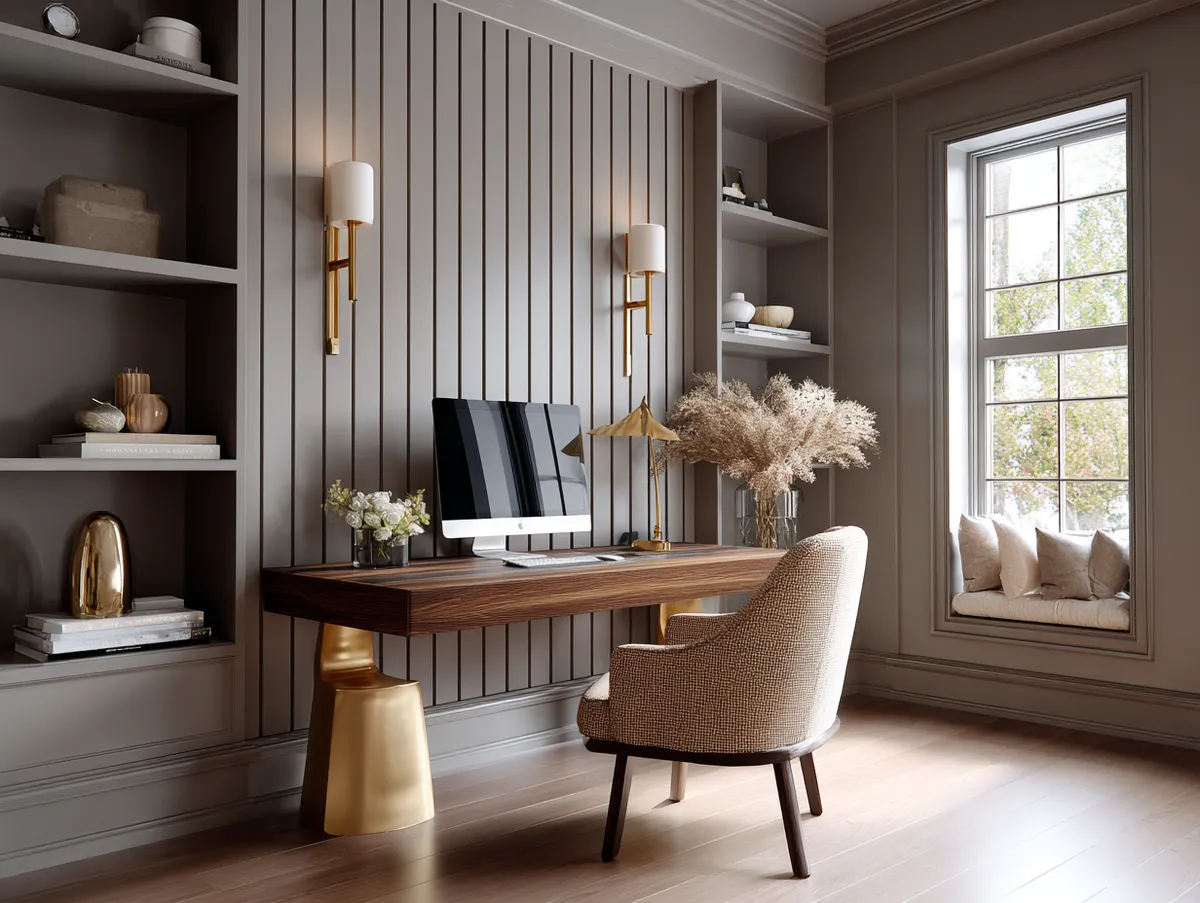


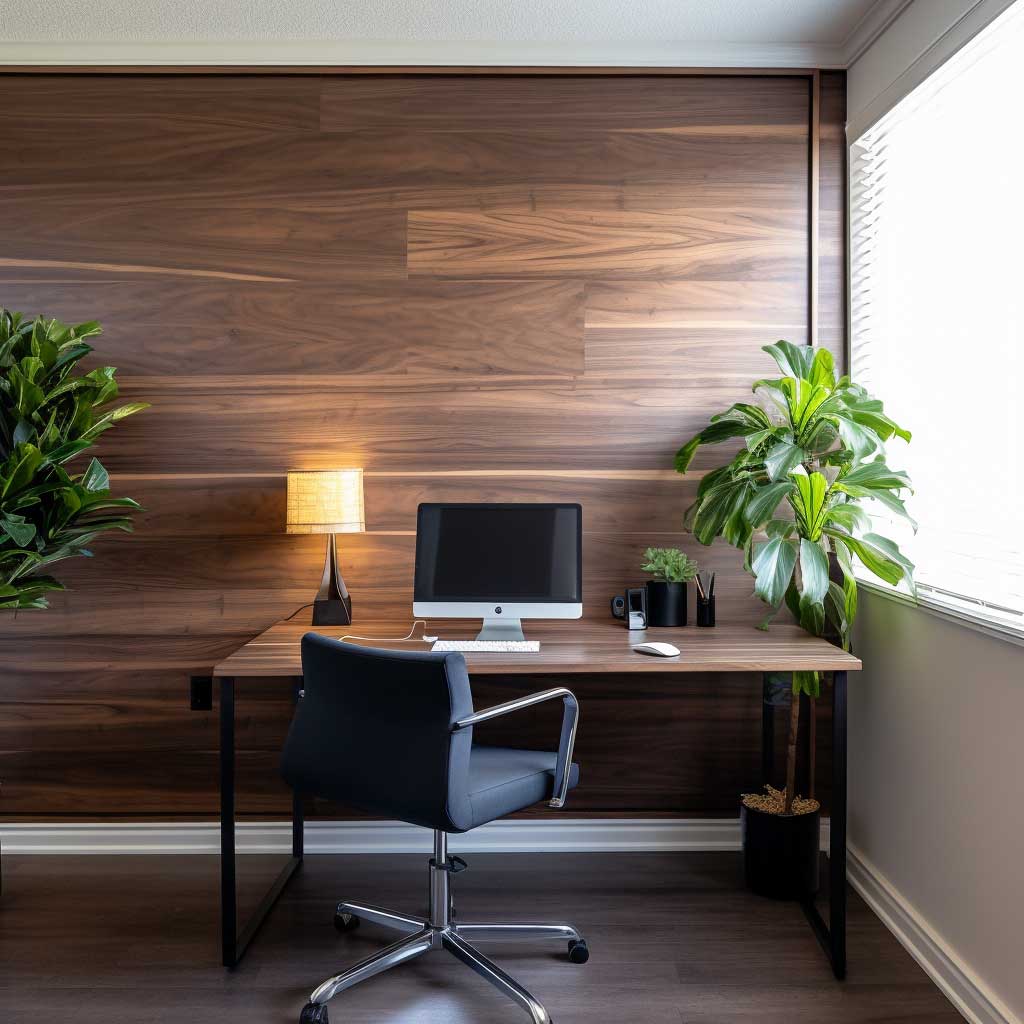
Keep accessories off the panel wall itself. A single task lamp and one small plant on the desk are enough; additional shelves or pinboards fracture the clean plane and turn architecture back into decoration. The modern profile works best when the surrounding surfaces stay quiet so the vertical rhythm can do its subtle heightening job.
Anti-advice: skip high-contrast graphic prints or bold artwork on the same wall. The modern panel’s strength is restraint; adding competing elements cancels the calm it was chosen to create. Let the grain and orientation carry the design.
Comparing the Three Core Approaches
| Profile | Best Room | Visual Effect | Practical Edge | Typical Material Cost |
|---|---|---|---|---|
| Textured | Bedroom | Soft depth and shadow | Modest sound reduction | $12–$25 / m² |
| Classic | Living room | Warm grain continuity | High traffic durability | $8–$20 / m² |
| Modern | Home office | Clean vertical calm | Low visual distraction | $8–$18 / m² |
All three share the same core advantages: water absorption under 1 percent, indoor lifespan of 20–30 years, and far lower maintenance than solid timber. Selection therefore rests on lighting conditions and the room’s primary activity rather than on material performance differences.
Final takeaway
WPC wall panel designs give every main room a finished surface that looks intentional and stays practical for decades.
Match texture to bedrooms, classic warmth to living rooms, and clean modern lines to offices.
Respect lighting and keep competing elements off the panel wall itself.
Confirm UV stability for sunny exposures and seal cut edges on installation for maximum longevity.