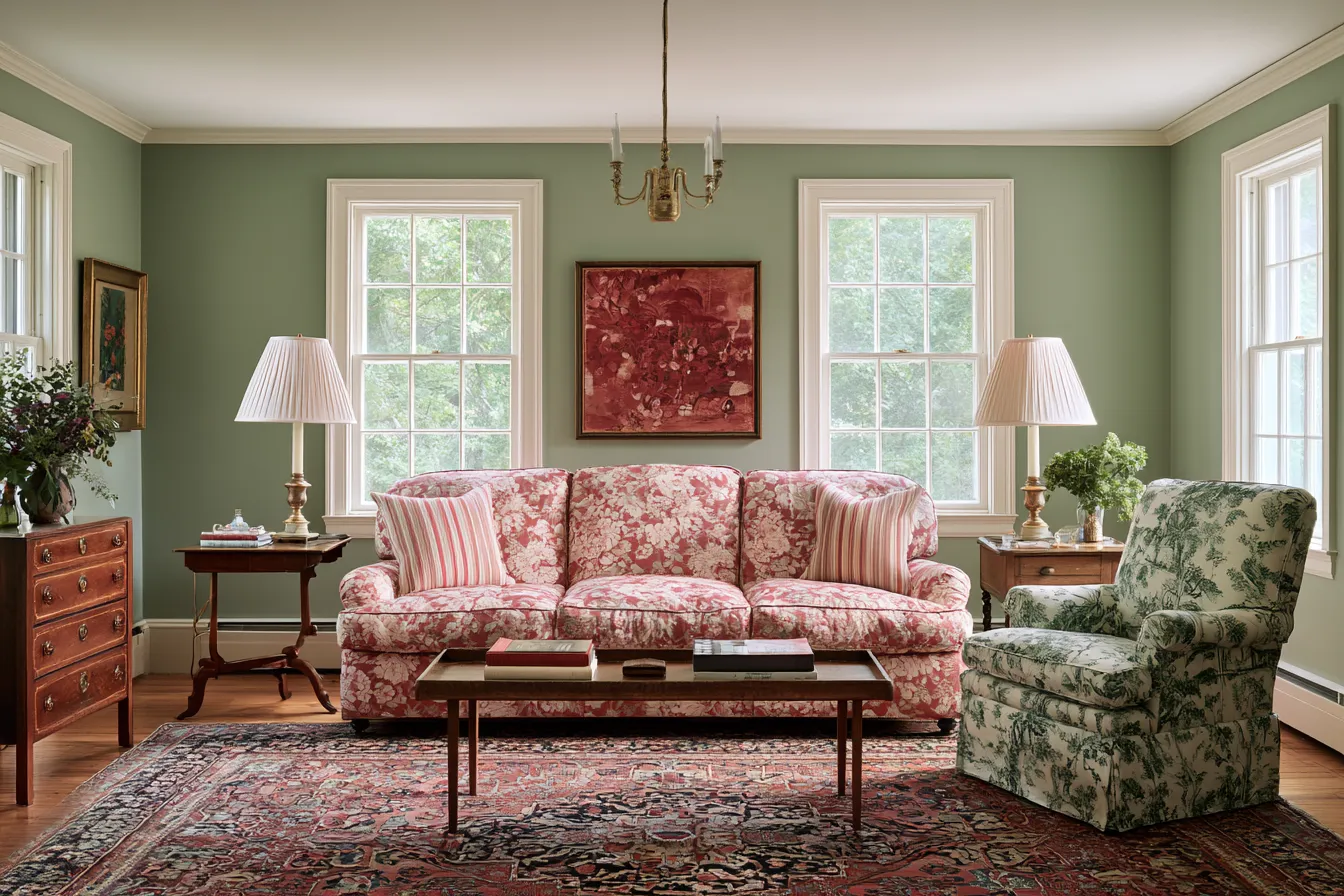
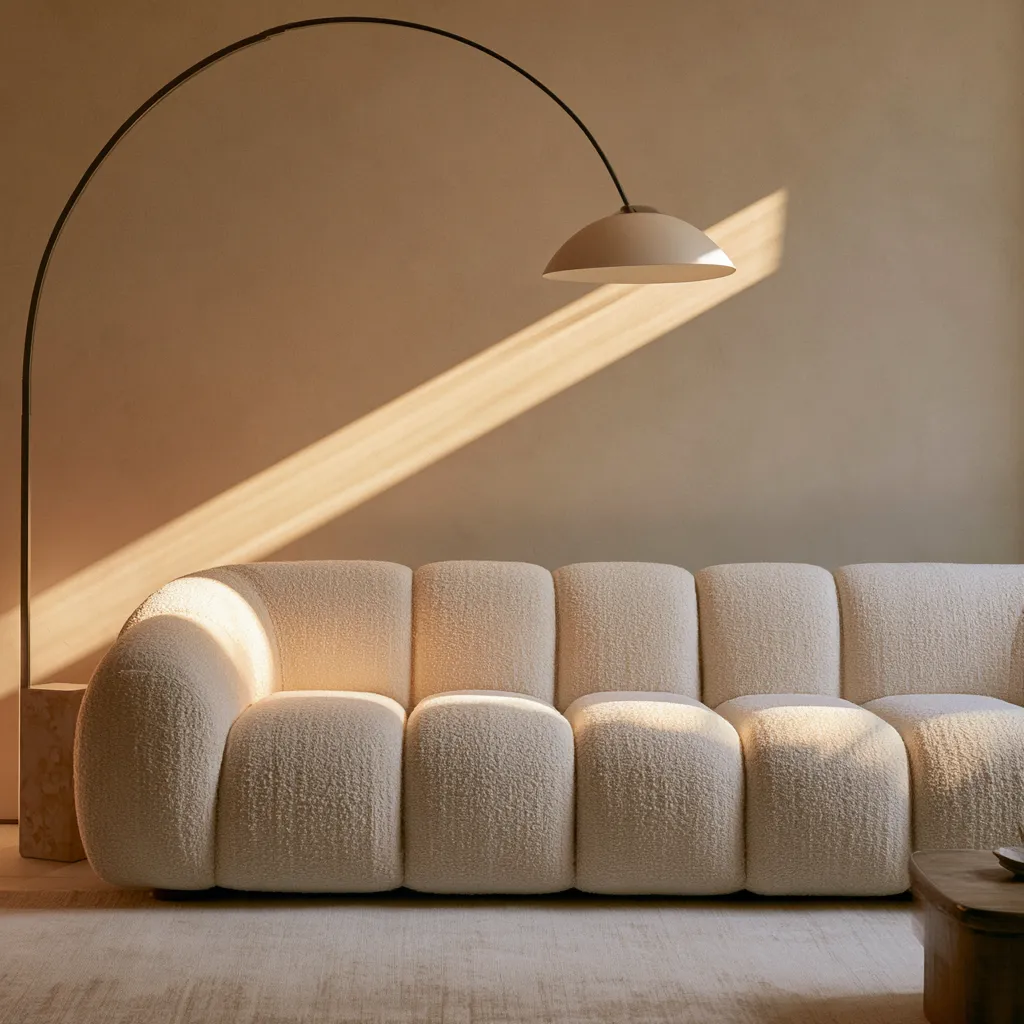
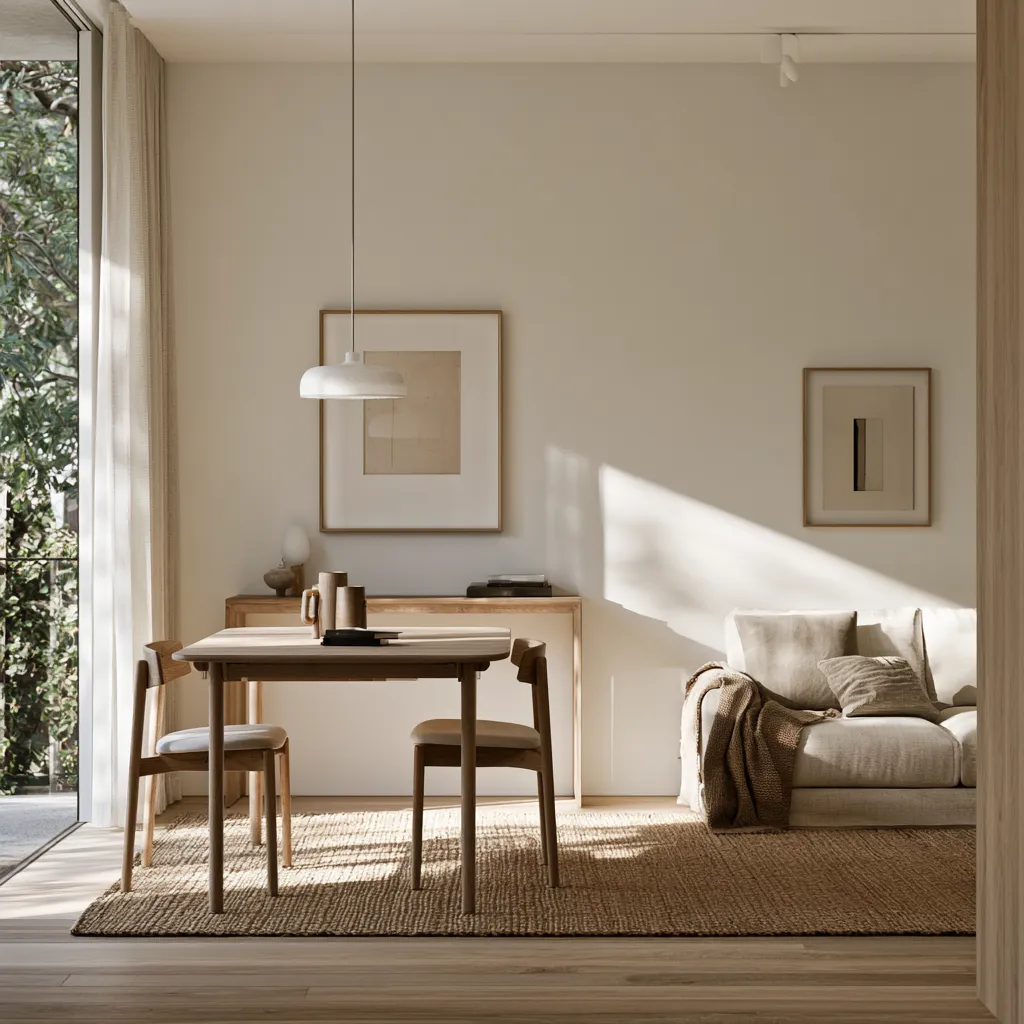
Wood trim on a wall costs less than a sofa reupholster. Done right, it changes the entire weight of a room.
I’ve seen the same living room look completely different after one accent wall with wood trim was added behind the couch. Not painted. Not wallpapered. Just trim, a miter saw, and about a Saturday afternoon. The wall went from background noise to the reason people stopped and looked.
These wood trim accent wall ideas cover three different directions: reclaimed wood for rooms that want character and age, minimalist geometric strips for spaces that need structure without clutter, and warm layered designs that turn a bedroom or sitting room into somewhere you actually want to stay. Skip the one that doesn’t match your walls. The other two will.
QUICK SCAN
What’s in this post
- Reclaimed wood trim — salvage pricing, prep mistakes, plank mixing ratio
- Modern minimalist strips — strip width math, paint sequence, MDF vs pine
- Living room placement — which wall to use, warm vs cool tone effects, what not to add after
- Material comparison table — reclaimed / MDF / pine / peel-and-stick cost vs durability
- How to make an accent wall with wood trim — 5-step install logic
Reclaimed Wood Trim Looks Expensive. It Costs Almost Nothing
Reclaimed wood trim runs $1.50 to $4 per linear foot at salvage yards, sometimes less if you find barn board lots on Facebook Marketplace. That’s a full accent wall for under $80 in material. Compare that to peel-and-stick panels at $6 a square foot and the math gets obvious fast.
The real cost is prep. Don’t skip sanding the faces down to a consistent depth or your trim lines will catch shadows in the wrong places. I learned that one the hard way on a bedroom wall where two planks sat proud by 3mm and showed every time the afternoon light hit. Pull your pieces, sort by thickness, and shim the thinner ones before you nail.
| Material | Cost per sq ft | Humidity tolerance | Paint finish | Best for |
|---|---|---|---|---|
| Reclaimed barn wood | $1.50–$4.00 | High | Raw / clear seal | Rustic living rooms, bedrooms |
| Pine (new) | $1.80–$3.50 | Medium-high | Excellent | Modern strip patterns, painted looks |
| MDF trim | $0.90–$2.20 | Low | Excellent (painted only) | Geometric minimalist walls, dry rooms |
| Peel-and-stick panels | $4.00–$8.00 | Low | Pre-finished only | Renters, smooth walls only |
Mixing gray-toned and brown-toned reclaimed boards in the same wall looks intentional when you alternate them deliberately, chaotic when you just grab randomly. Two gray, one brown, two gray — that rhythm reads as designed. Random placement reads as leftover lumber.


When you step into a room that hosts an accent wall adorned with reclaimed wood trim, there’s an immediate sense of warmth and history that envelopes you. This design choice speaks volumes about the importance of texture, color, and storytelling within a space. Utilizing reclaimed wood for your accent wall not only embraces the rustic charm inherent in its weathered appearance but also tells a story of sustainability and creativity.
The allure of incorporating such wood trim accent wall ideas into your home lies in the material’s inherent uniqueness. Each plank of reclaimed wood brings its own history, grain patterns, and hues, ranging from deep browns to washed-out grays. When assembled together, these pieces create a tapestry that’s as rich in history as it is in visual appeal. Imagine the soft glow of the evening light as it dances across the textured surface, highlighting the nuances of each piece and creating a cozy ambiance that invites relaxation and contemplation.
Designing a room around this feature involves a thoughtful approach to balancing the old with the new. Modern amenities and sleek furniture selections can juxtapose the wall’s rustic aesthetic, bringing a harmonious blend of styles that speaks to both past and present. It’s this balance that transforms a simple room into a sanctuary of comfort and style.
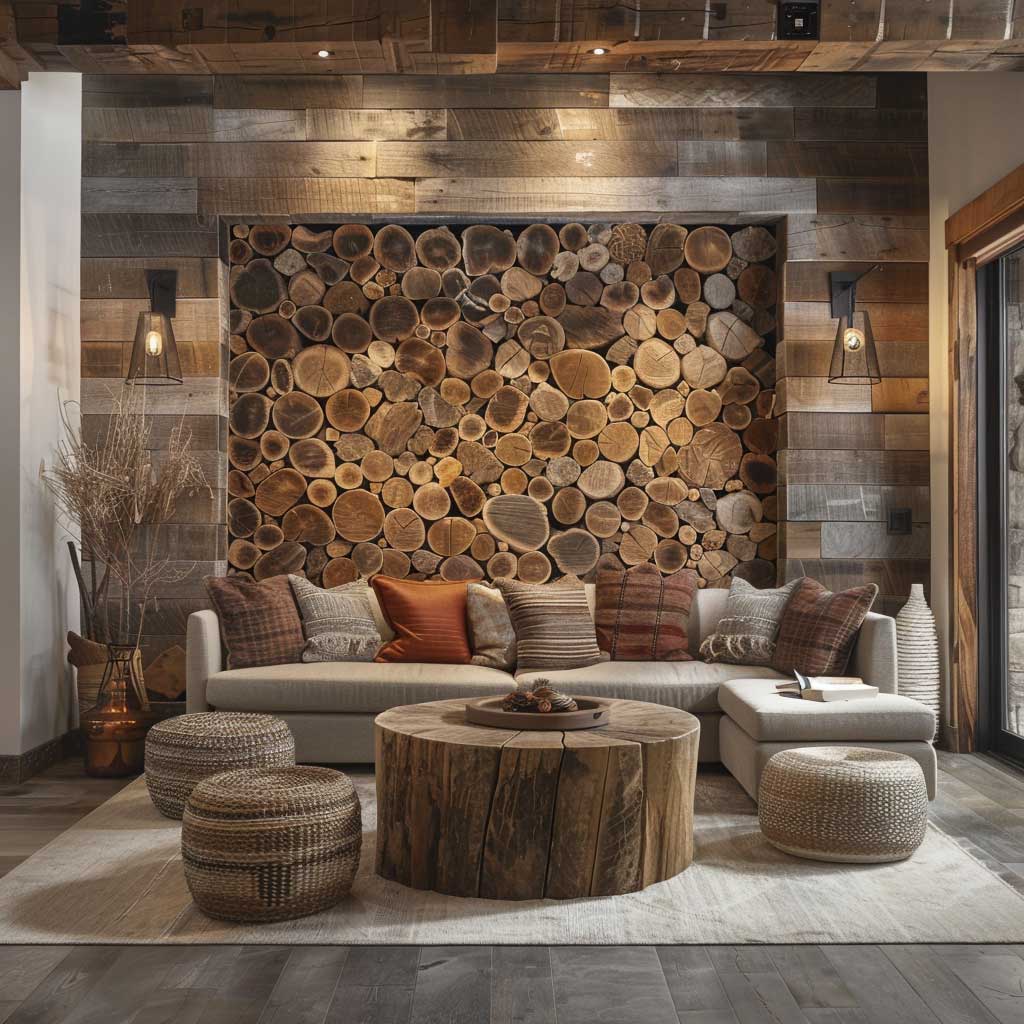
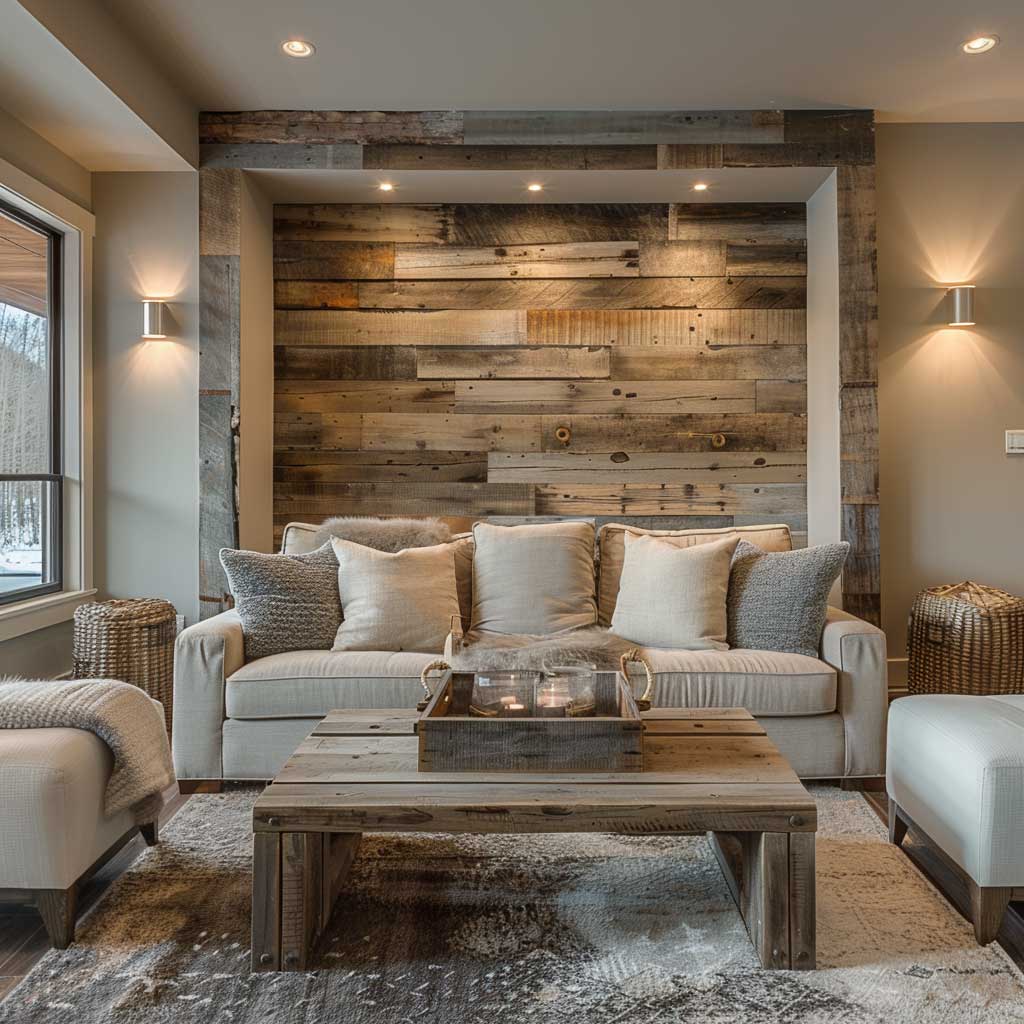
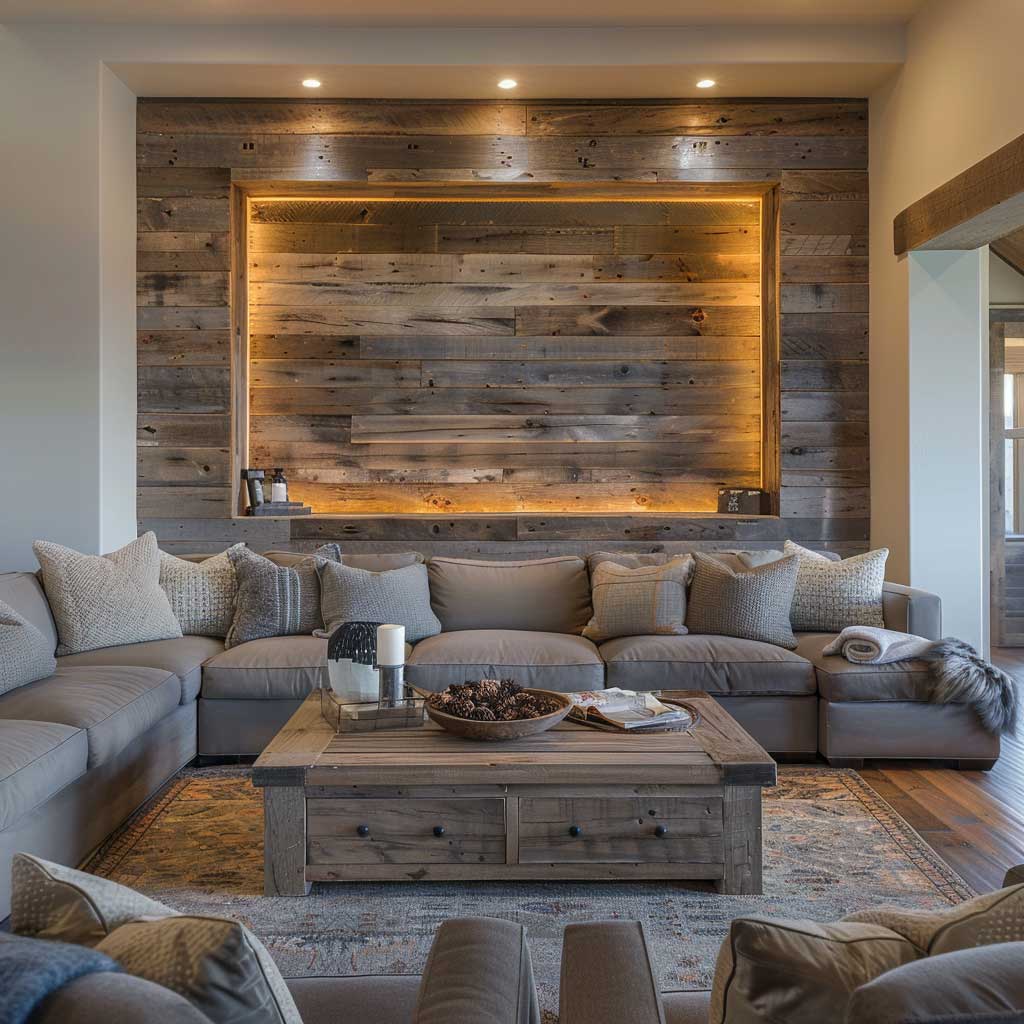

Moreover, the choice of reclaimed wood as a focal point in your decor is a testament to eco-conscious living. Each plank repurposed for your accent wall reduces the demand for newly sourced materials, contributing to a more sustainable approach to interior design. This aspect adds another layer of satisfaction to your project, knowing your stunning decor choice has a positive impact on the environment.
The journey of creating an accent wall with reclaimed wood trim is as enriching as the final result. It’s an opportunity to delve into the origins of your materials, perhaps uncovering stories of old barns, historic homes, or long-forgotten structures. This connection to the past enriches your living space, making it not just a visually appealing area but a conversation starter and a repository of memories.
Flat Strips of Wood Trim Make a Modern Accent Wall Feel Architectural
The strip width matters more than most people realize. 1¾-inch pine trim spaced 8 inches apart creates a completely different room than 3-inch MDF strips spaced 12 inches apart. Narrower strips with tighter spacing feel dense and graphic. Wider strips with more gap feel calm and Scandinavian. Pick one. Don’t mix widths on the same wall.
Paint the wall behind the strips first, in the same color as the trim, before you install anything. That way any gaps between strip and wall read as shadow, not as missed coverage. Sherwin-Williams Accessible Beige (SW 7036) behind natural oak strips is a combination I’ve used in two projects and it photographs well without looking staged.
MDF is cheaper and paints cleaner than pine for geometric modern designs. But use it only on interior walls with stable humidity. I’ve watched MDF trim on a bathroom accent wall cup and separate within eight months. Pine forgives humidity swings. MDF does not.
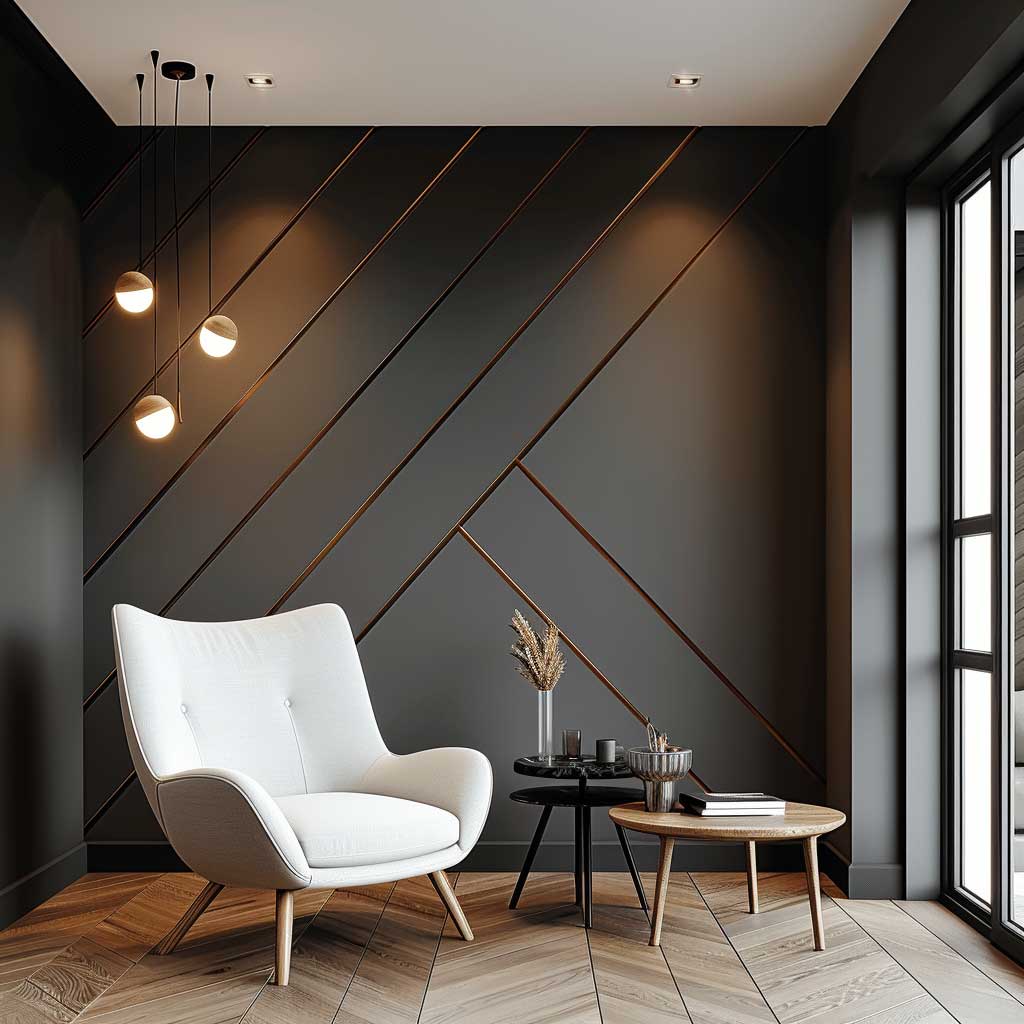


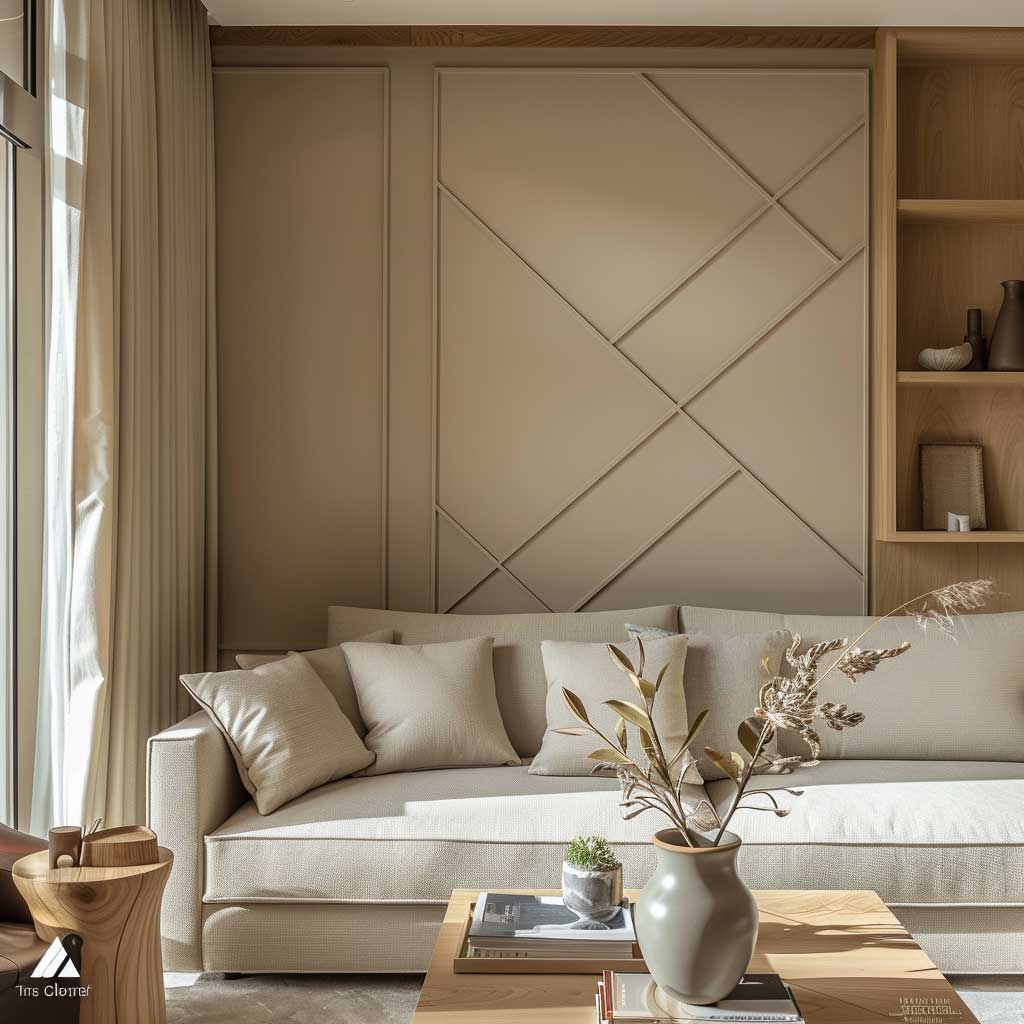
In the heart of a minimalist-inspired home lies the principle that less is indeed more, especially when it comes to creating a space that exudes modern elegance. The introduction of a wood trim accent wall in such an environment brings a fusion of warmth and contemporary design, setting a backdrop that is both visually striking and inherently calming. This design choice leans on the simplicity of geometric patterns and the subtle interplay of light and shadow, crafting an ambiance that is sophisticated yet inviting.
The essence of these wood trim accent wall ideas is found in their ability to blend with the minimalist ethos. Each piece of wood trim, carefully selected for its clean lines and understated beauty, contributes to a larger geometric pattern that transforms a plain wall into a focal point of artistic expression. The beauty of this approach lies in its flexibility; whether you opt for straight lines that evoke order and precision or a more intricate arrangement that plays with form and space, the result is always unique. If you’re working toward a full room overhaul, see how wood paneling makeover ideas extend the same logic to full wall coverage.
Choosing a neutral palette for both the wall and the wood trim amplifies the modern appeal, allowing the texture and form of the woodwork to take center stage. This minimalist backdrop becomes the perfect canvas for select pieces of furniture and decor, each chosen for its design merit and the way it complements the room’s overall aesthetic. The interplay between the wood trim patterns and the room’s furnishings creates a dynamic yet harmonious look that is emblematic of modern elegance.

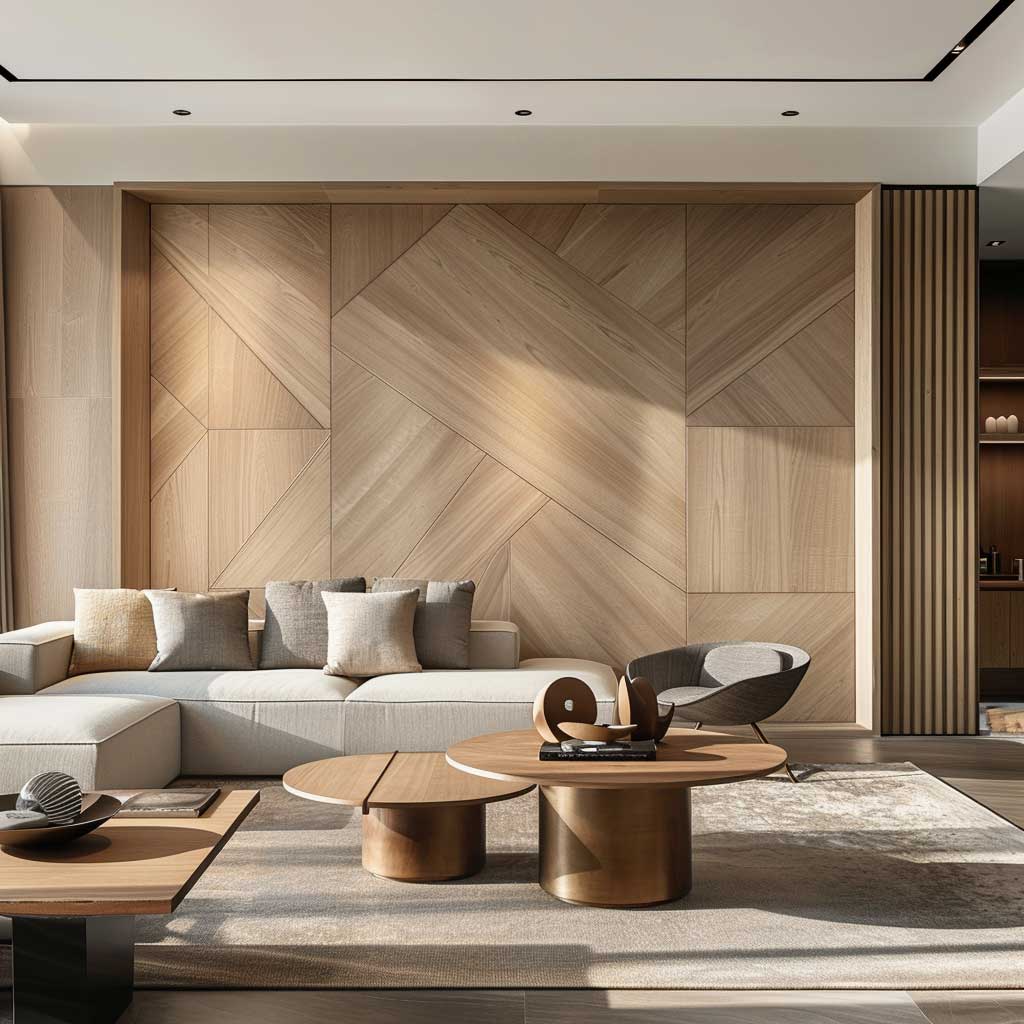


Lighting plays a pivotal role in bringing these wood trim accent wall ideas to life. Strategic placement of light sources can enhance the wall’s geometric patterns, creating depth and adding an element of drama to the space. During the day, natural light accentuates the natural beauty of the wood, while in the evening, ambient lighting can transform the room into a cozy retreat, perfect for unwinding after a long day.
Embracing a minimalist approach to your accent wall also means engaging with the principles of sustainable design. Selecting wood that is responsibly sourced or utilizing off-cuts from other projects not only reduces waste but also adds a layer of thoughtfulness to your design. This consideration for the environment aligns with the minimalist lifestyle, where every choice is intentional and reflective of a broader commitment to simplicity and sustainability.
Incorporating a wood trim accent wall into a minimalist setting is more than just an aesthetic decision; it is a statement of values. It reflects a preference for clean, uncluttered spaces that promote tranquility and well-being. It celebrates the beauty of natural materials and the artistry of simple yet impactful design. Ultimately, it transforms a house into a home, where every element is in perfect harmony, and modern elegance is realized in its most authentic form.
DON’T DO THIS
Wood trim accent wall mistakes that are hard to undo
- Installing trim on bare drywall — paint behind the strips first or the gaps show raw white forever
- Mixing MDF and pine on the same wall — they expand at different rates and the seams open up in six months
- Using peel-and-stick on textured walls — it lifts at the edges within weeks, especially near windows
- Choosing the TV wall for a living room accent — you end up competing with the screen, and the trim loses
- Random plank order on reclaimed wood — set a color rhythm before you nail anything, not after
How to Make an Accent Wall with Wood Trim
Five steps that cover wall prep, strip layout, paint sequence, and install — the order most tutorials get backwards.
-
1
Pick the right wall first
The wall you face when you enter the room is the anchor wall. That’s where the trim goes. A side wall or TV wall splits the room’s attention and neither feature wins. Mark it with tape before you buy a single plank.
-
2
Paint the wall before installing trim
Roll the wall in the same color you plan to use on the trim. Let it dry fully. This eliminates visible raw gaps between strip and wall — the most common thing that makes DIY wood trim walls look unfinished. Don’t skip this step.
-
3
Measure and plan your strip spacing
For 1¾-inch pine strips, 8-inch spacing reads modern and structured. 12-inch spacing reads calm and Scandinavian. Mark your layout with a chalk line before cutting anything. Don’t eyeball spacing — drift accumulates and a wall that’s 2 degrees off reads as wrong from across the room.
-
4
Cut strips and sort by thickness
Cut all pieces before installing. For reclaimed wood, sort every plank by thickness and shim the thinner ones. Uneven depth catches shadows in the wrong places and no amount of finish work fixes it after the fact. This is where most reclaimed wood projects go wrong.
-
5
Install with finish nails into studs
Use a stud finder and drive finish nails through trim into studs wherever possible. Adhesive alone holds light strips but fails if you ever want to hang anything from the wall. A finishing nailer makes this go fast — hand-nailing geometric strip patterns on a full wall is genuinely exhausting.
-
6
Fill, sand, and seal the same day
Fill nail holes and gaps with paintable wood filler. Sand flush when dry. Roll one final coat of paint over everything — strips and wall together. This unifies the surface and hides any missed fill spots. Don’t use a brush for the final coat; a roller keeps the texture consistent.
Wood Trim Accent Wall in a Living Room Stops Being Decor and Starts Being Structure
A wood trim accent wall in a living room works hardest when it sits behind the main seating, not beside the TV. The wall you face when you walk into the room is the anchor point. Put the trim there and the sofa arrangement becomes obvious — everything faces it. Put it on the TV wall and you’ve just made a busier entertainment setup.
Warm-toned trim (walnut stain, honey oak, even cedar) paired with off-white walls raises the perceived ceiling height. It’s the same visual trick as vertical pinstripes on a suit. The eye travels up the grain lines. Cold gray or bleached white trim does the opposite — it reads horizontal and drops the ceiling perception slightly.
Don’t overdo the accessories after installing a wood trim accent wall. This is where most living rooms go wrong. The wall is already doing the work. One large mirror, a single sconce, or a floating shelf is enough. I’ve seen well-built accent walls completely buried under gallery walls, trailing plants, and neon signs. Pick the wall or pick the stuff. Both fight for the same attention.


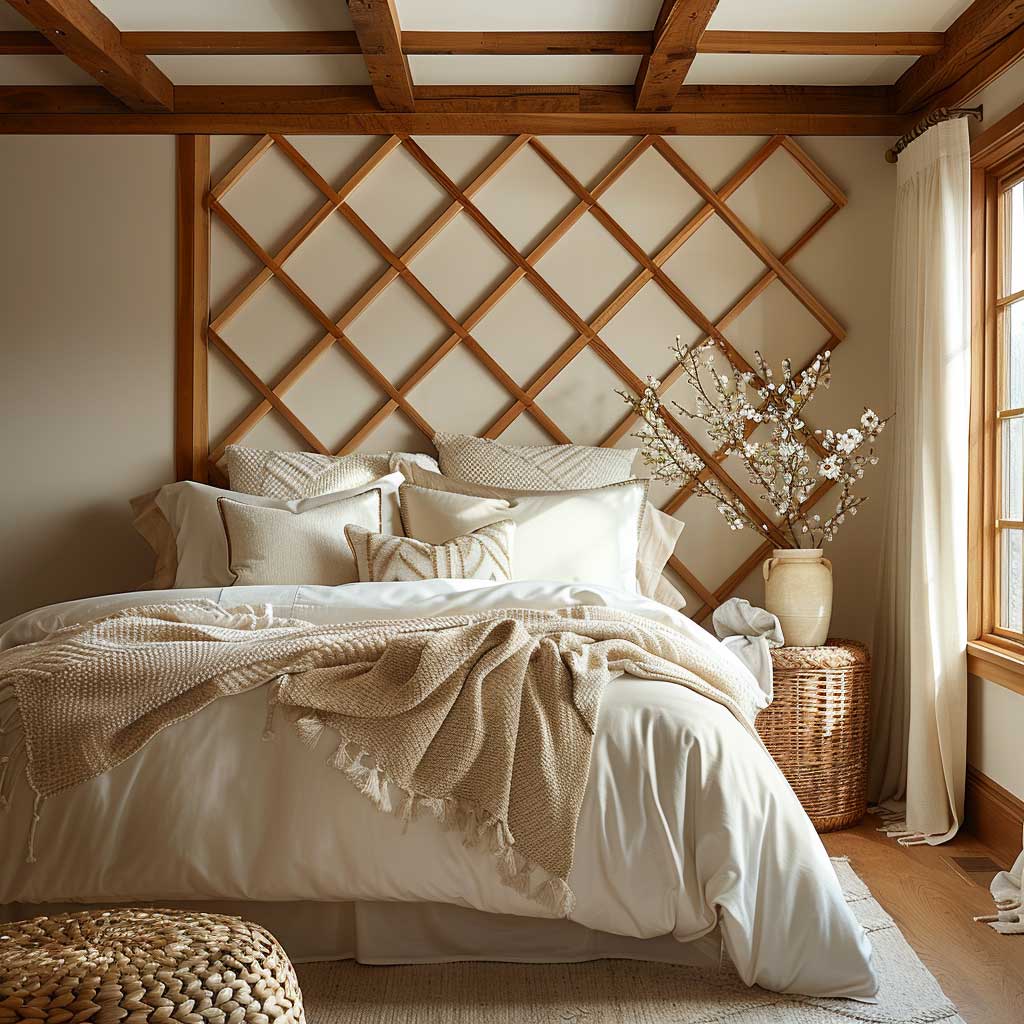

In the realm of interior design, the creation of a space that beckons with warmth and comfort is akin to an art form. The strategic use of wood trim accents on walls plays a pivotal role in achieving this ambiance, offering a blend of texture, color, and natural beauty that transforms a room into a haven of coziness. This approach to design not only elevates the aesthetic appeal of a space but also enhances the sensory experience, making it truly feel like home.
The journey to crafting such an inviting atmosphere begins with the selection of wood trim. The beauty of this material lies in its warmth, making it an ideal choice for creating a sense of comfort and relaxation. When wood trim is applied to an accent wall, it introduces texture and depth that is visually soothing. For a full breakdown of tool requirements, wall prep sequence, and how to handle reclaimed material waste, Mr. Handyman’s wood accent wall install guide covers the practical side without skipping the steps most tutorials leave out.
Color plays a significant role in complementing the wood trim and reinforcing the cozy atmosphere. Soft, warm hues on the surrounding walls can enhance the natural tones of the wood, creating a cohesive and inviting space. The choice of colors should evoke a sense of tranquility, making the room a perfect retreat for relaxation and reflection.
Furnishing and decor are the final pieces of the puzzle in creating a warm and inviting space. Plush textiles, such as thick rugs, soft throws, and cushioned sofas, invite one to sink in and unwind. The strategic placement of lighting can also amplify the cozy factor; soft, diffused light sources add to the ambiance, casting gentle shadows and highlighting the wood trim’s textures.
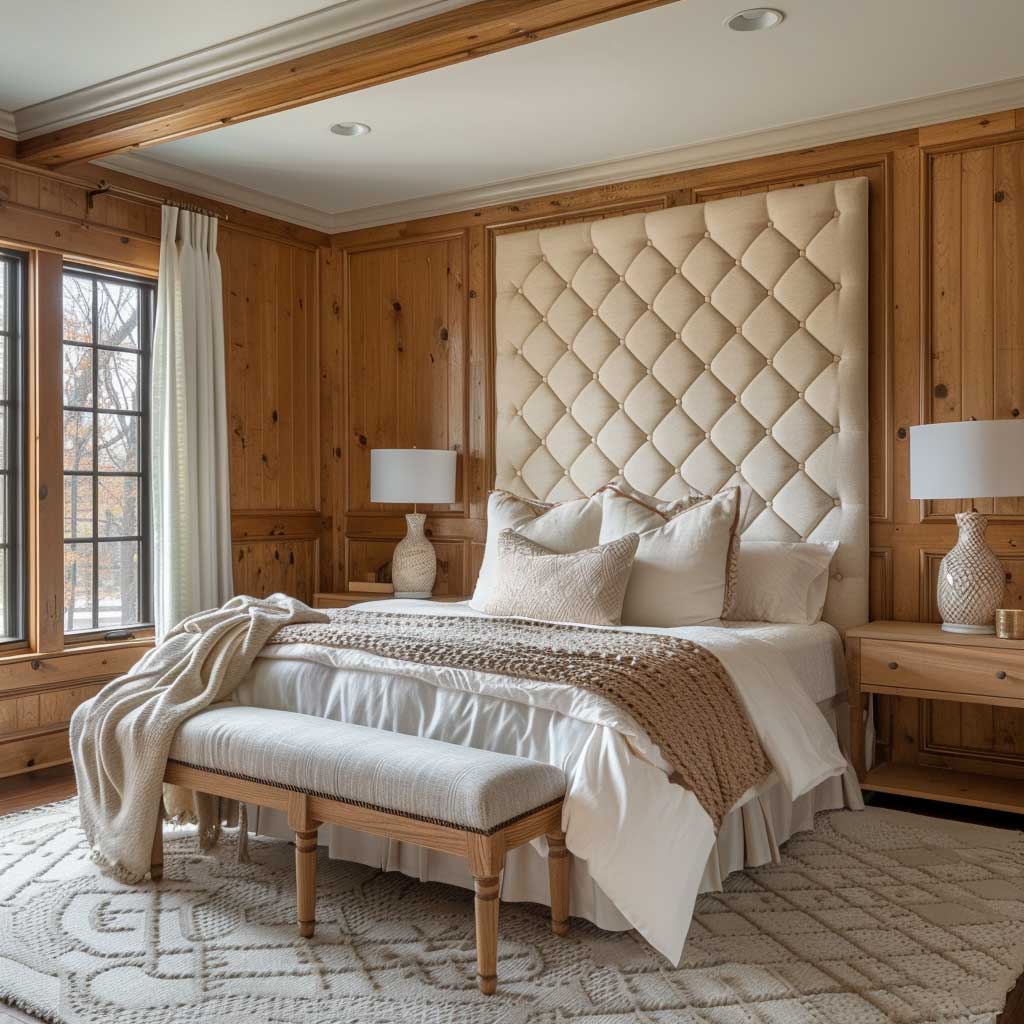
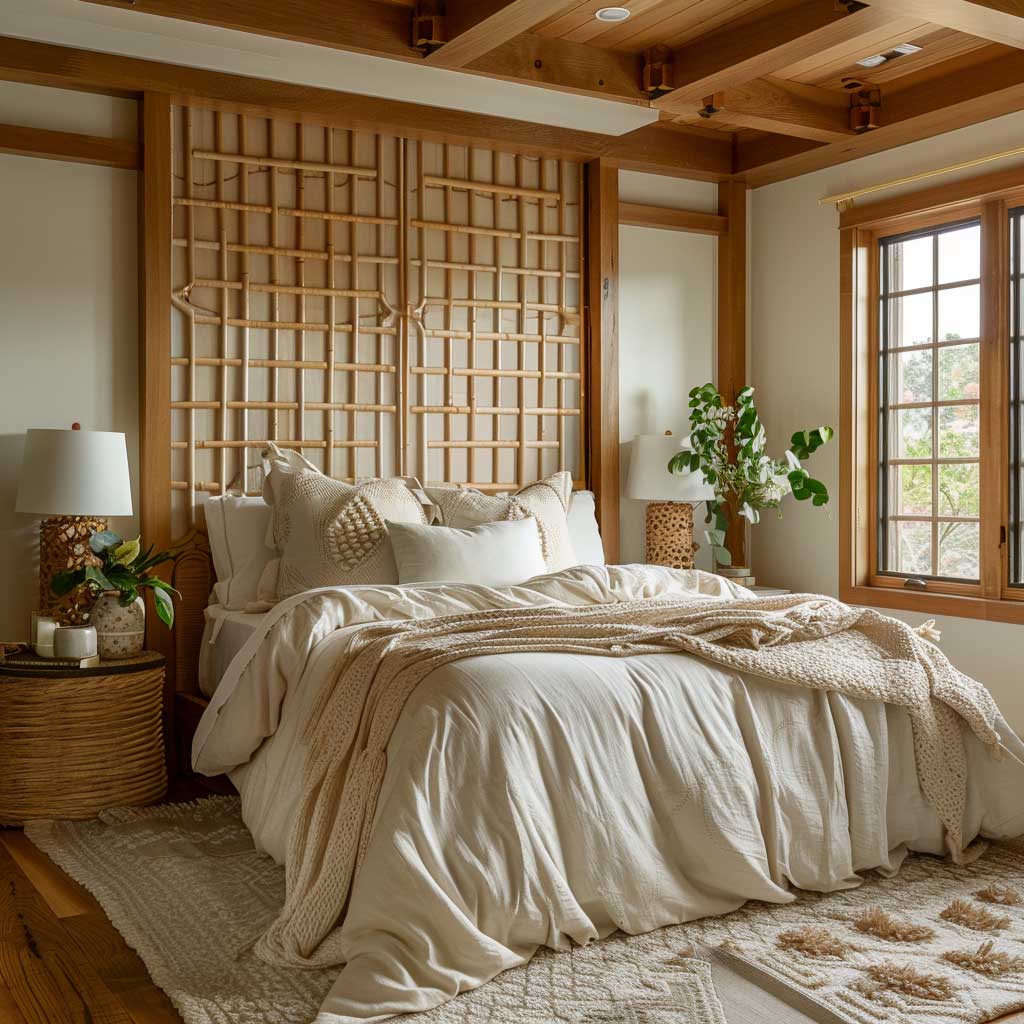

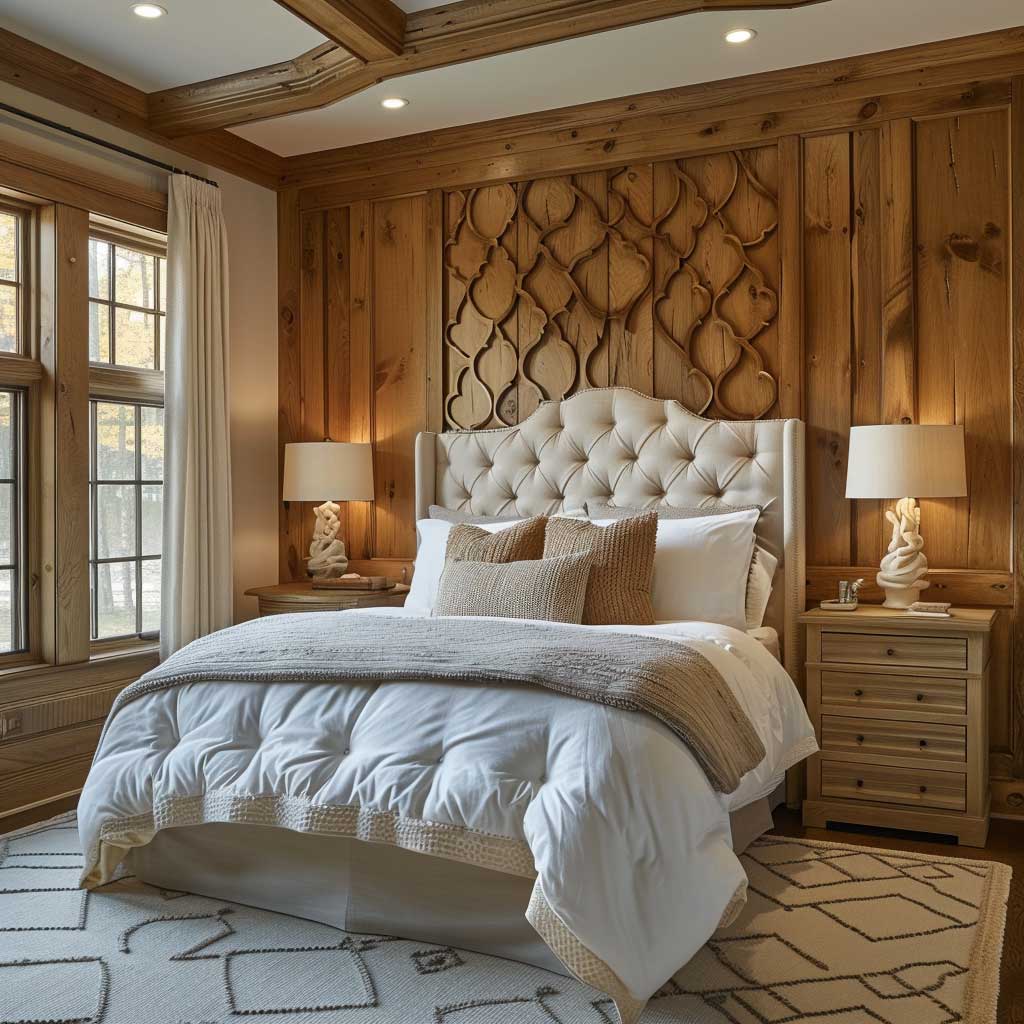
The inclusion of personal touches, such as family photos framed in matching wood, books arranged invitingly on shelves, or a vase of fresh flowers, adds to the room’s character and warmth. These elements reflect the occupants’ personalities and interests, making the space genuinely feel like a personal oasis.
Incorporating wood trim accent wall ideas into your home is more than just a design trend; it’s a way to create an environment that promotes comfort, warmth, and well-being. It’s about crafting spaces that not only look good but also feel deeply personal and inviting. Whether it’s through the rustic character of reclaimed wood, the clean geometry of modern strips, or the layered warmth of textured designs, wood trim accent walls offer real range. For a bolder contrast in the same room, black wall paneling solutions show what happens when you push the material in the opposite tonal direction.
In conclusion, the art of creating warm and inviting spaces lies in the thoughtful combination of materials, colors, and personal touches. Wood trim accent walls serve as a testament to the power of design to transform not just the look of a space but also its feel. They remind us that home is not just a place but a feeling, one that embraces us with warmth, comfort, and a sense of belonging. Through these design journeys, we see how spaces can be tailored to reflect our needs and aspirations, turning them into cherished havens that welcome us back, time and time again.
FAQ
What wood trim works best for an accent wall in a living room?
Pine is the most forgiving option — it takes paint cleanly, holds nails without splitting, and handles humidity better than MDF. For a living room with natural light, 1¾-inch pine strips spaced 8 to 10 inches apart hit the sweet spot between graphic and calm. Reclaimed barn wood works too, but sort by thickness first or you’ll get uneven shadow lines across the wall.
How do you make an accent wall with wood trim without it looking cheap?
Paint the wall behind the trim the same color as the trim before you install anything. That single step eliminates the raw-edge gap problem that makes most DIY wood trim walls look unfinished. Then use a level on every strip, not just the first one. Drift accumulates fast and a wall that’s off by 2 degrees at the top reads as wrong immediately.
What is the difference between modern and rustic wood trim accent wall designs?
Modern designs use consistent-width strips, a neutral base coat, and deliberate spacing — the pattern is the point. Rustic reclaimed wood designs rely on plank variation, mixed grain, and imperfection doing the visual work. You can’t really cross the two: reclaimed boards with tight geometric spacing look confused. Pick the direction and commit to the material logic that goes with it.
Can you do a wood trim accent wall in a bedroom?
Yes, and the wall behind the headboard is the strongest placement. It anchors the bed the way a rug anchors the seating area — everything reads as intentional once that wall has structure. Warm-toned wood (walnut stain or honey oak) on the headboard wall with off-white on the other three walls is a combination that works in almost any bedroom size.
Does MDF or pine work better for wood trim accent walls?
Pine for anywhere humidity varies — kitchens adjacent to dining rooms, older homes with inconsistent heat. MDF for strictly dry interior rooms where you want a painted finish that looks absolutely flat. MDF takes primer and paint better than pine but cups and separates in moisture. Never use MDF in a bathroom or laundry room accent wall, even a small one.
How much does a wood trim accent wall cost to DIY?
A single 10×9-foot wall using reclaimed lumber runs $60–$120 in material depending on your source. Pine trim on the same wall costs $90–$160. Add $20–$30 for primer, paint, nails, and wood filler. The total is usually under $200 for a full wall, which is why this project has stayed popular — the visual return is completely out of proportion to the cost.
WORTH SAVING
Wood Trim Accent Wall Ideas That Hold Up Past the First Weekend
Reclaimed wood, minimalist strips, living room placement — three completely different looks that all start with the same move: picking the right wall and not overloading it afterward. The material cost is low. The prep mistakes are the expensive part.
The comparison table covers real pricing. The install steps at the bottom work for first-timers and people who’ve tried this before and want to get it right this time. Both are in this post.
Save this post. The material table alone is worth having when you’re standing in the lumber aisle deciding between pine and MDF at 9am on a Saturday.