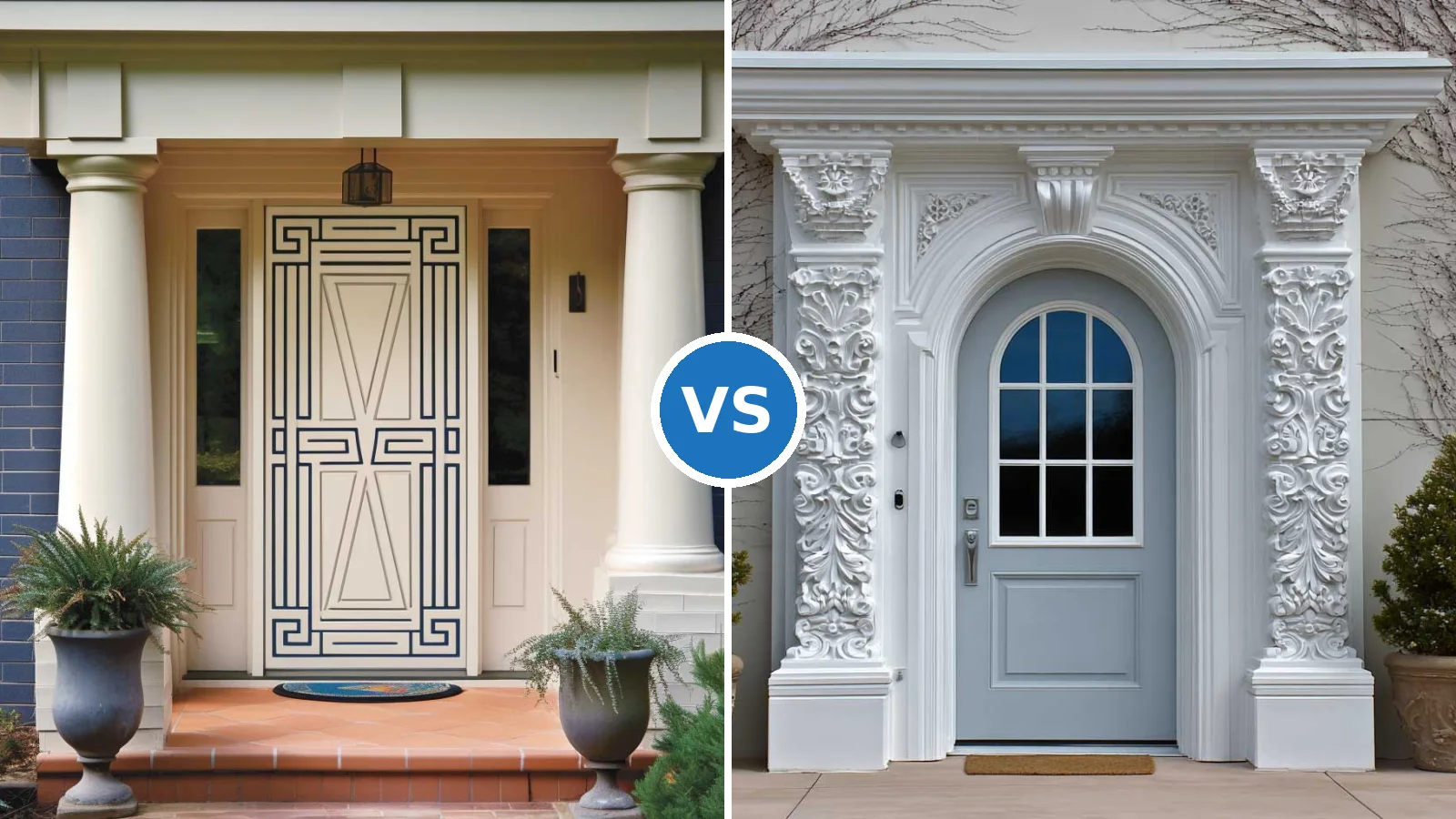
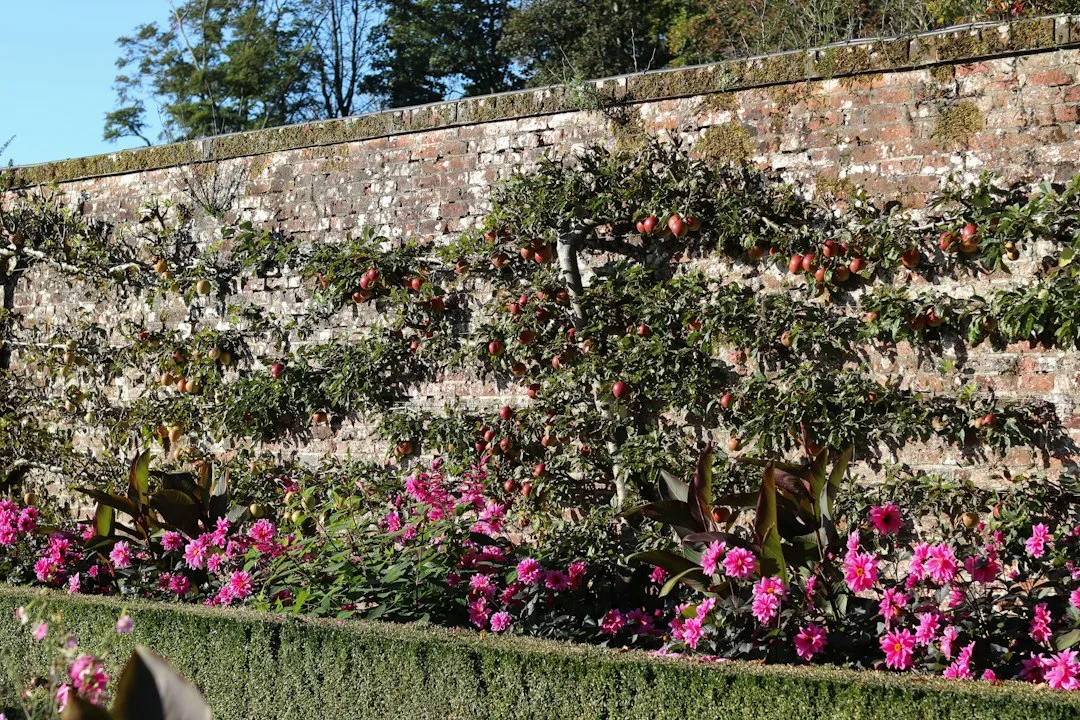
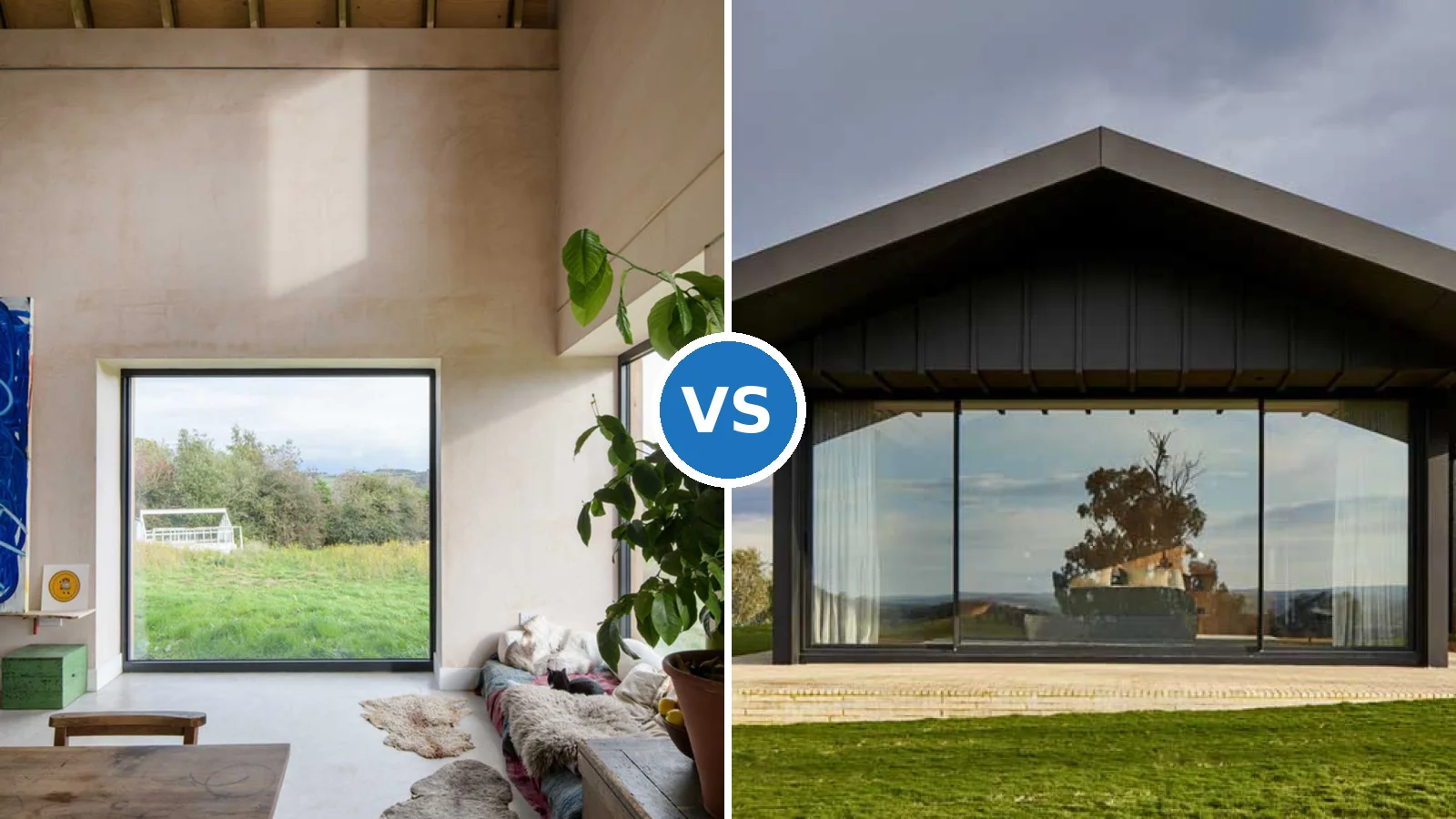
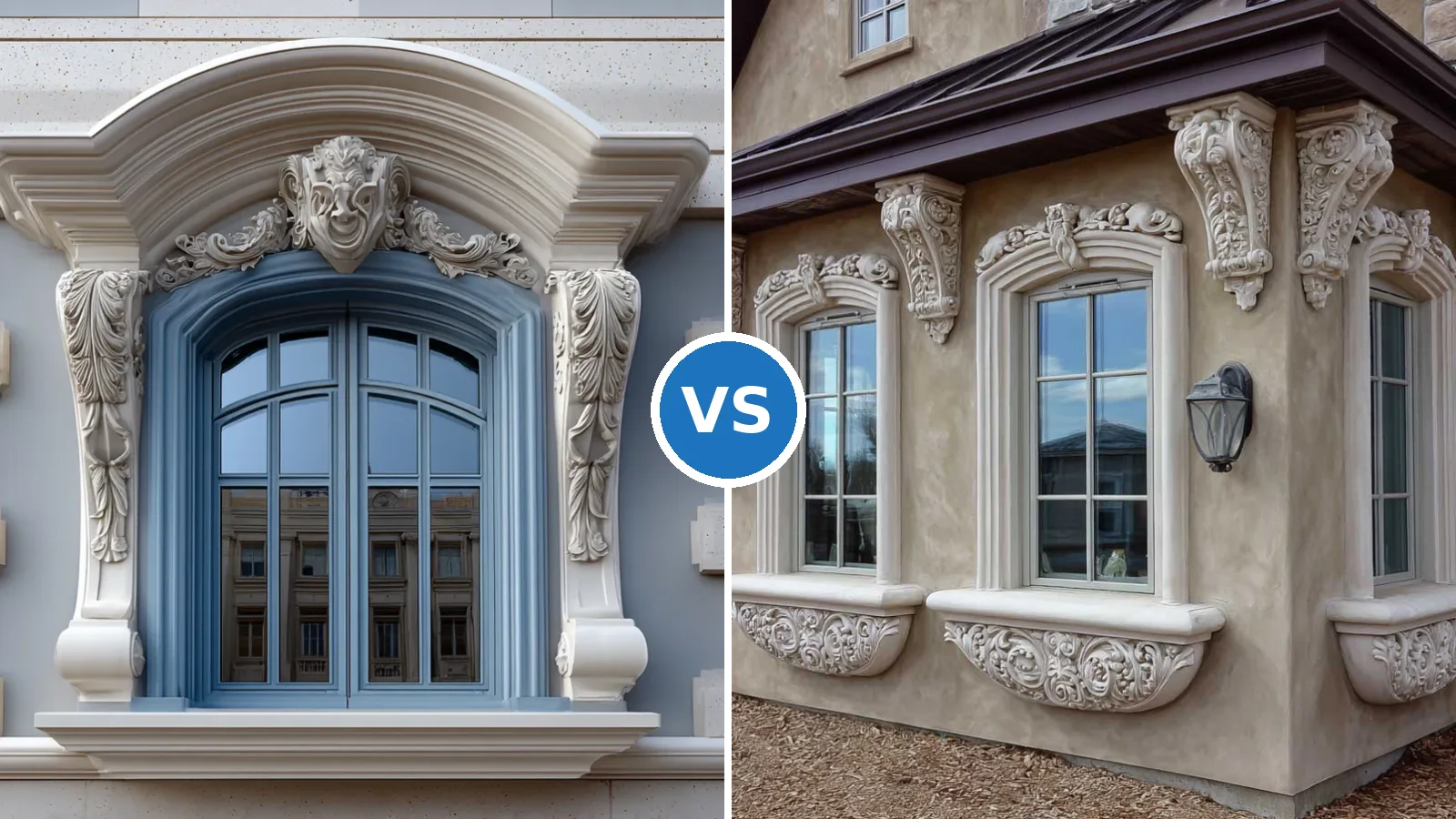
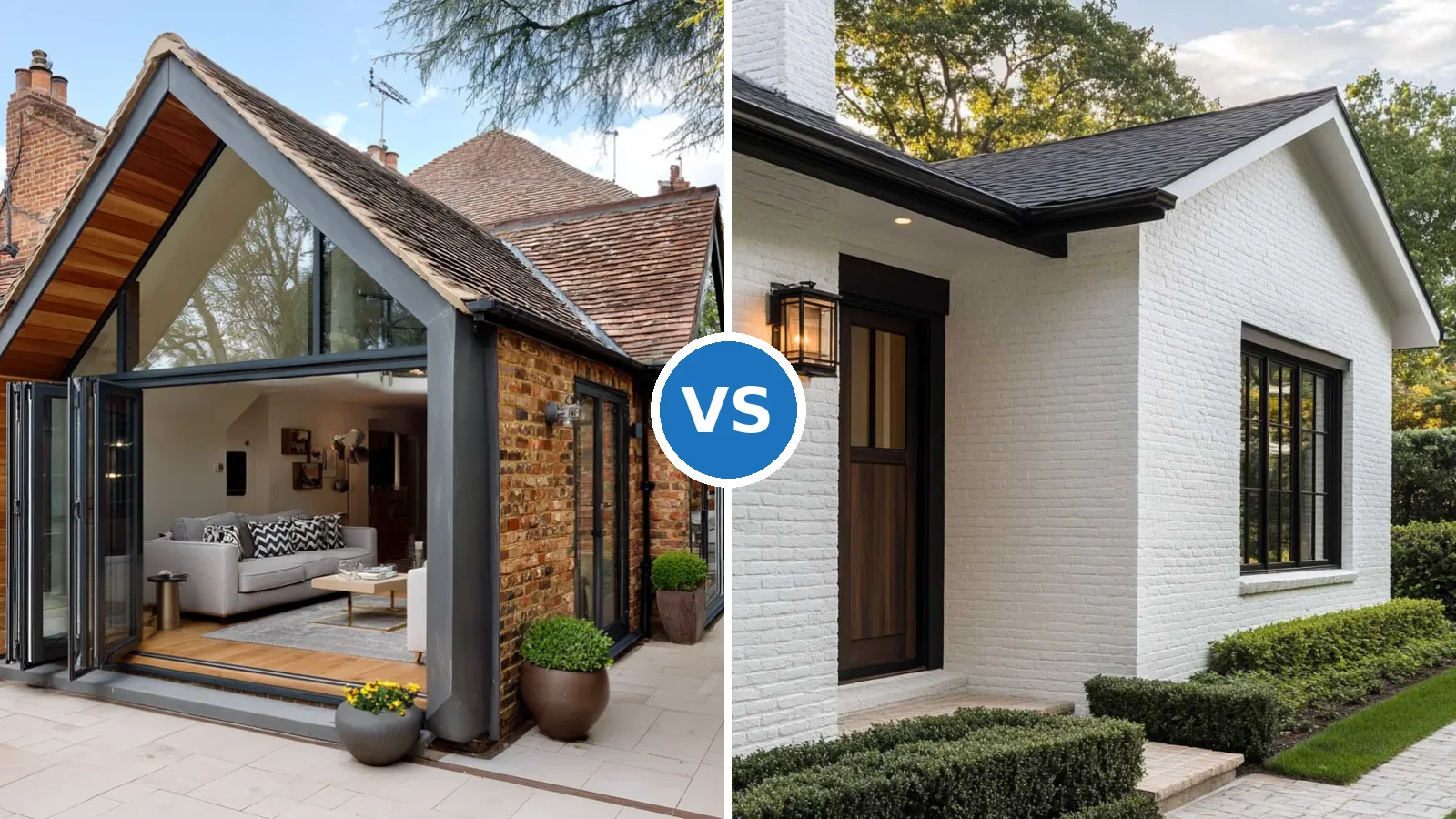
Modern exterior house colors have quietly rewritten the rules of curb appeal — and the divide between houses that photograph well and houses that just sit there comes down to three shades done right. I’ve walked more streets than I’d like to admit studying what makes a facade feel intentional versus accidental, and the answer is almost never the architecture. It’s the paint. Ivory that reads warm in afternoon light, charcoal that makes landscaping pop like a gallery wall, sage green that somehow belongs to the land — these aren’t random picks. They’re calculated choices that contemporary designers keep cycling back to because they work across climates, styles, and resale markets.
You don’t need a full exterior redesign to change how your house reads from the street. What you need is the right color reading the right way in natural light — and a clear understanding of why the obvious choices often backfire.
Quick Scan
- Ivory: Sherwin-Williams Alabaster (SW 7008) — reflects heat, hides minor surface flaws, pairs with every roof color.
- Charcoal: SW Peppercorn (SW 6696) or Benjamin Moore Wrought Iron — makes greenery look three times greener.
- Sage Green: SW Evergreen Fog or Farrow & Ball Mizzle — earthy without looking tired, ages exceptionally well.
- All three colors suit contemporary and transitional architectural styles.
- None of them require a trim color change to look finished — but each gets better with white or warm wood accents.
Ivory Works Because It Refuses to Compete With Anything
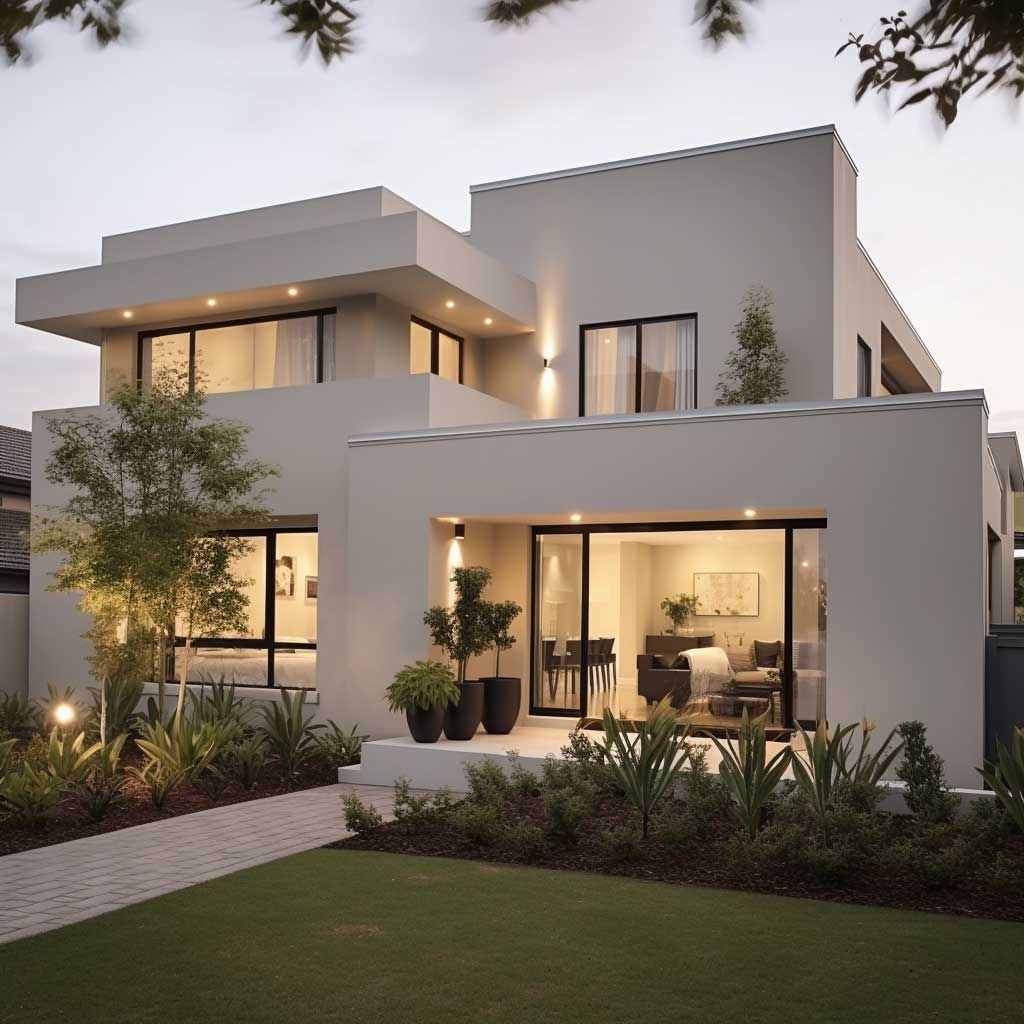
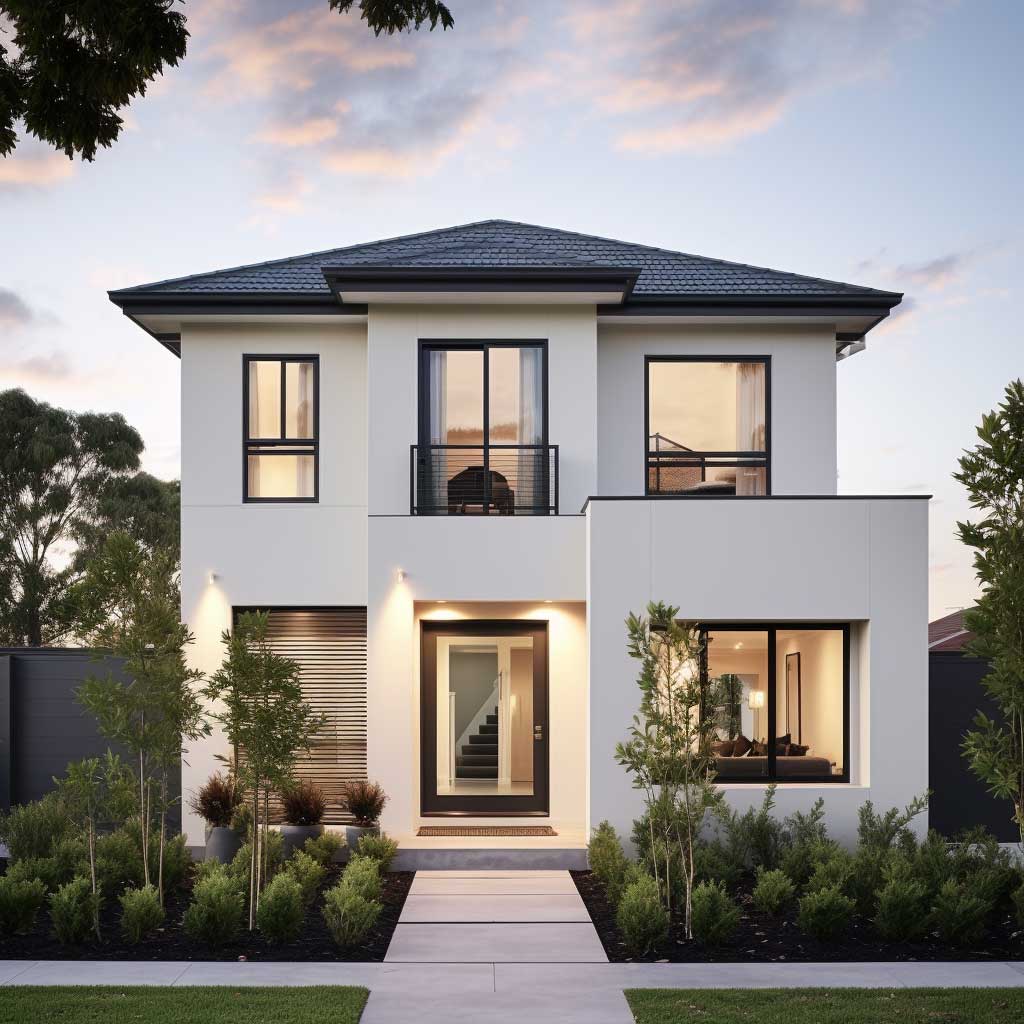


Ivory is the exterior color that decorators quietly recommend while clients chase bolder options, then end up choosing anyway. My go-to spec for this is Sherwin-Williams Alabaster (SW 7008) at around $72 per gallon — a creamy off-white that reads warm in morning light and almost neutral at noon. It’s not the same as pure white. Pure white on a facade looks institutional in flat light and blinding in direct sun. Ivory sidesteps both problems.
Here’s what most people miss about ivory facades: they make architectural details do more work. The moldings around your windows, the rake boards, the front door surround — all of it pops against an ivory field in a way it simply doesn’t against bright white or gray. I stole this trick from a Victorian renovation project: paint the field ivory, keep the trim one shade lighter or in the same family, and suddenly your house looks like it has three times the detailing it actually has. That’s not luck. It’s contrast management.
Practically speaking, ivory reflects between 60–75% of sunlight depending on the formula — enough to keep wall surface temperatures lower in summer. Shades like Accessible Beige (SW 7036) run slightly warmer and darker; Alabaster sits on the lighter side of the ivory spectrum. Avoid anything with too much yellow in the undertone. You’ll notice it looks green against a tan roof, which is exactly the kind of surprise nobody wants at the top of a ladder.
Ivory handles seasonal decoration better than any other exterior color. Christmas lights, terracotta pots in summer, dark-stained wood shutters in autumn — none of it clashes. You can landscape aggressively without worrying the plants will fight the house. That flexibility is worth more than most people price it when they’re picking paint chips.
Charcoal Facades Have One Rule Most Homeowners Break

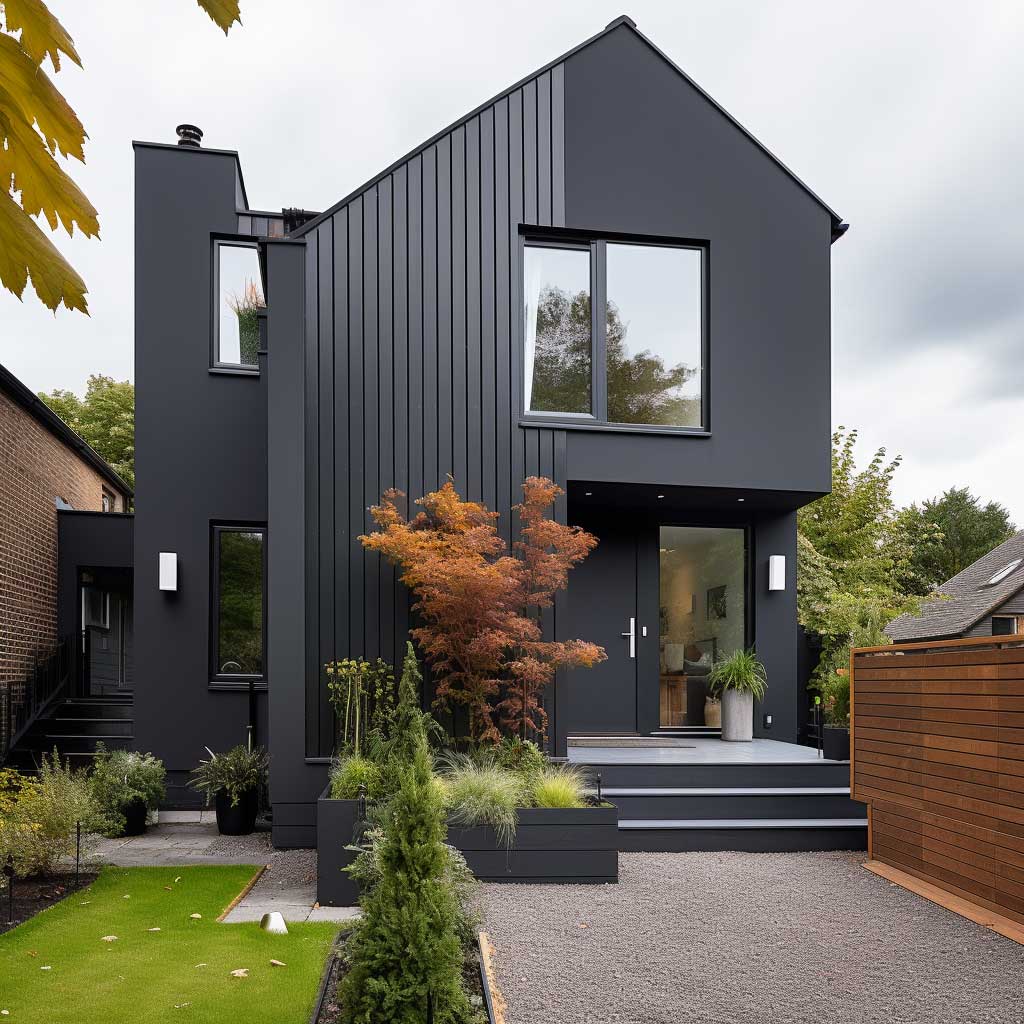
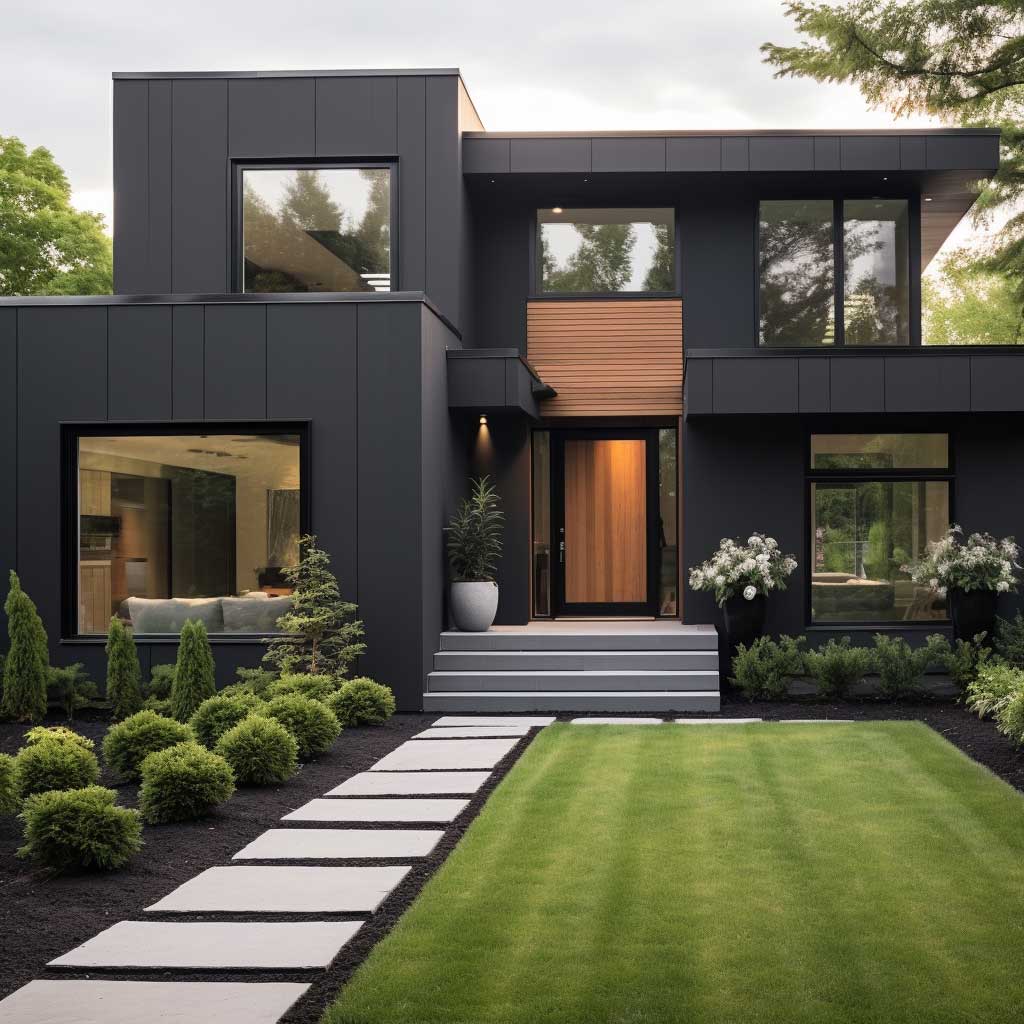
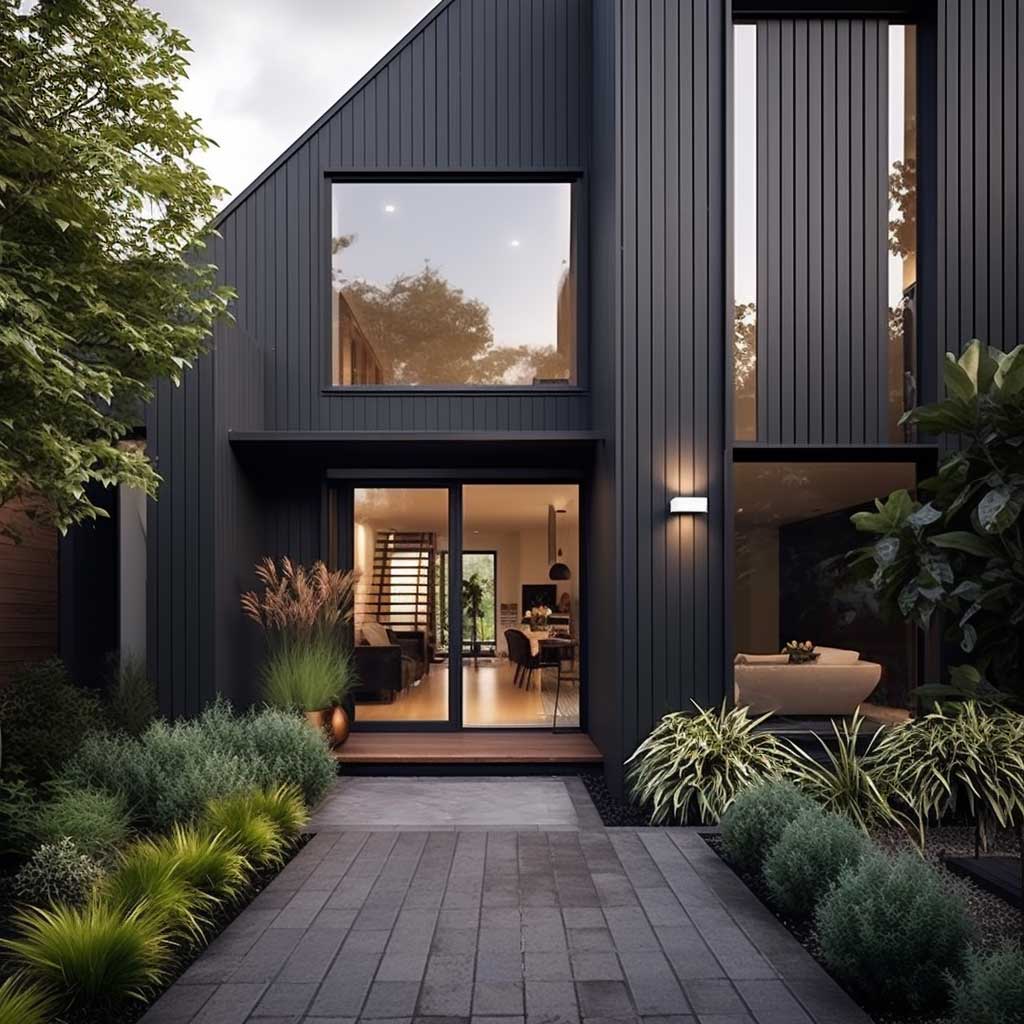
Charcoal is having a long moment in contemporary exterior design — and it deserves it, mostly. SW Peppercorn (SW 6696) and Benjamin Moore Wrought Iron are the two names you’ll hear from every serious exterior painter right now, priced around $70–80 per gallon. Both read as a rich deep gray with very slight warm undertones that keep them from looking like a parking structure. The rule everyone breaks: charcoal only works when the trim is noticeably lighter. Charcoal-on-charcoal trim looks unfinished, not minimal.
What charcoal does for your landscaping is the reason it’s worth the commitment. Plants look greener. Full stop. I’ve watched homeowners repaint from beige to charcoal and then spend months thinking they need new plants — the greenery didn’t change, the backdrop did. It’s the same principle as a dark gallery wall making art pop. Another advantage of charcoal is its ability to accentuate textures: whether it’s the roughness of stone cladding, the smoothness of rendered walls, or the natural grain of wood panels, charcoal makes these textures stand out in a way lighter colors cannot replicate.
Charcoal hides marks and weathering far better than any pale color. In regions with heavy rain or airborne dust, you’ll repaint an ivory house twice before a charcoal one needs touching up. Benjamin Moore’s Aura Exterior in Wrought Iron runs about $90 per gallon and holds its depth for 8–10 years without fading to a washed-out gray. Worth the price difference if you’re painting a large surface area.
Don’t Do This
Don’t pair charcoal siding with a dark brown roof unless you’ve seen the exact combination in person on a house facing the same direction as yours. On paper it looks grounded. In shade, it looks like a bunker. And don’t choose charcoal if your house sits under a heavy tree canopy — the facade will read nearly black by mid-afternoon and the effect shifts from dramatic to depressing faster than you’d expect. Keep charcoal for sun-exposed elevations.
For color scheme inspiration beyond a single shade, this breakdown of grey exterior color schemes shows exactly how to layer charcoal against lighter secondary tones without the result looking monotone or flat.
Sage Green Reads Differently at 9am and 4pm — Both Times Look Intentional

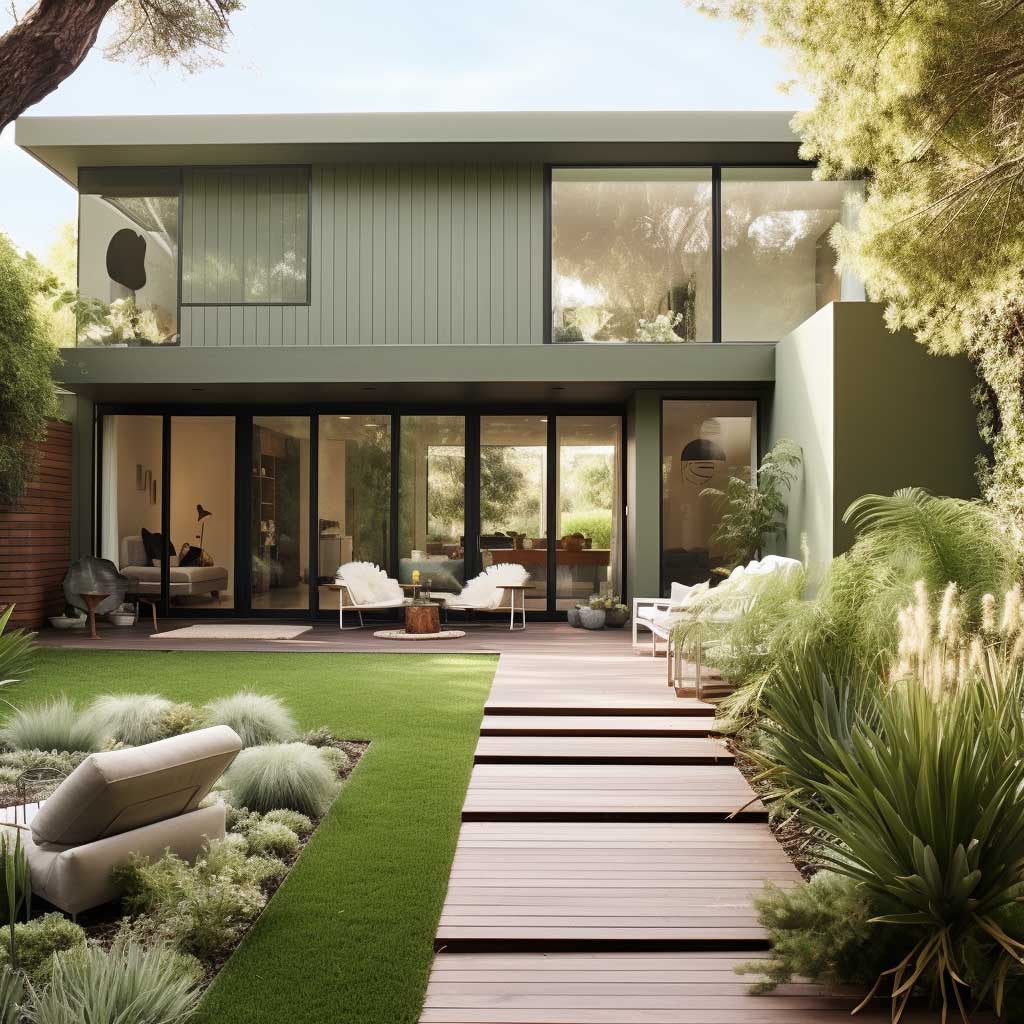
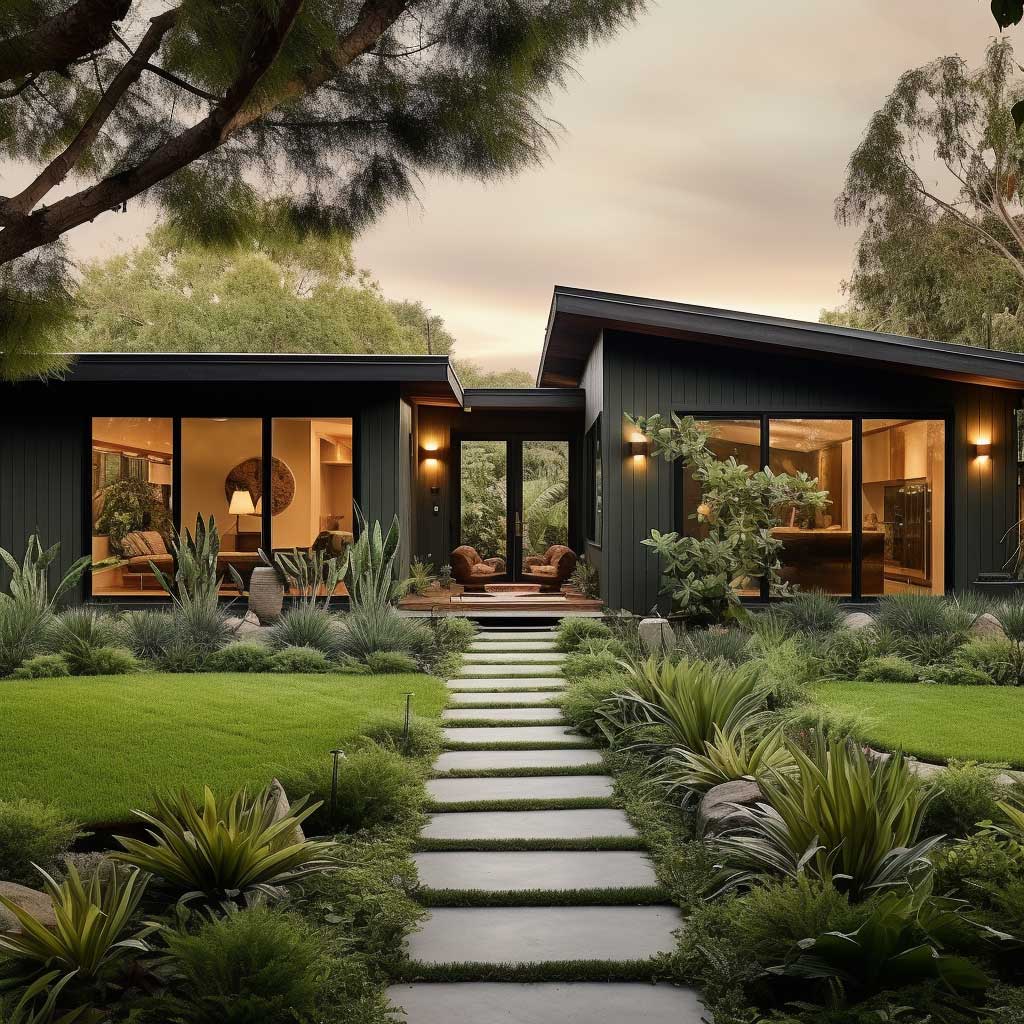
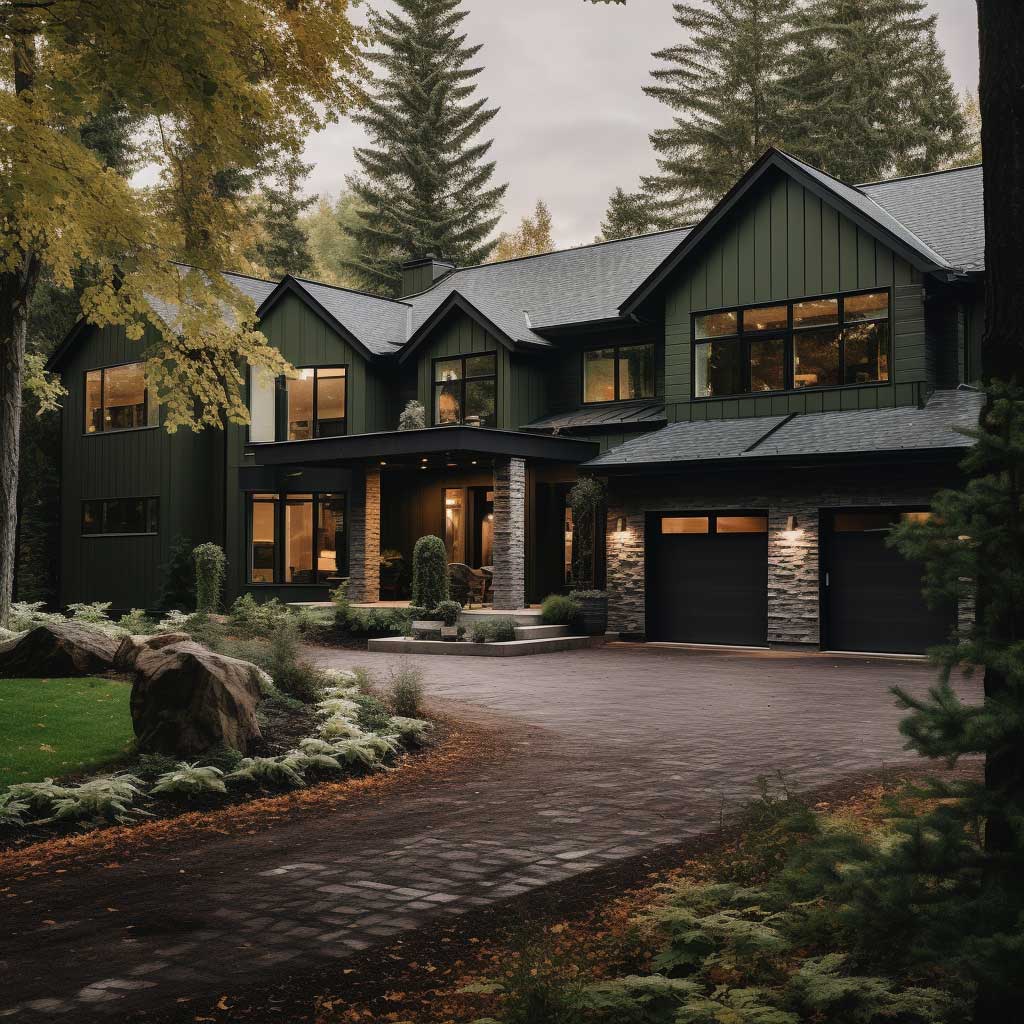
Sage green is the color that made me change my mind about green houses. I owned two of these paint samples — SW Evergreen Fog and Farrow & Ball Mizzle — and taped them both outside for a week before committing to anything. Evergreen Fog ($72/gallon) is more teal in direct sun and goes unmistakably sage in shade. Mizzle sits greener and earthier throughout the day. The difference matters because sage green is not one color — it shifts with the light in a way ivory and charcoal don’t, and you need to see your specific shade on your specific wall before buying a full batch.
What makes sage green so durable as a trend is that it draws from the natural color palette around it rather than fighting it. Think of it as the exterior equivalent of wearing a color pulled from the landscape — it doesn’t stand out because it belongs. In a wooded or garden-heavy setting, you’ll notice the house almost recedes into the backdrop, but in the best way: it looks planted rather than dropped there. In more urban environments, sage brings enough warmth to soften the surroundings without looking like a misplaced countryside cottage.
Sage green also handles trim pairings generously. Off-white or warm cream trim works. Raw timber works. Even a deep navy door works. The one combination I’d steer you away from: sage green walls with black window frames and a black door. It looks like someone couldn’t decide between natural and dramatic and landed on both at once — the result is busy, not intentional. Stick to one accent color and let the sage do the heavy lifting.
Maintenance-wise, muted greens in the sage family show less dirt than pure whites and far less weathering than saturated greens. You’ll get 7–10 years out of a quality exterior formula before the color starts reading more gray than green. For a full look at how green translates across different exterior paint weights and formulas, this collection of green exterior paint palettes for modern homes covers the full spectrum from mint to deep olive with real house examples.
Color Combinations That Lift All Three Shades Higher
Picking a wall color is step one. Picking what sits next to it is step two, and most people skip it entirely. Ivory reads warmer when paired with a dark charcoal front door — think SW Iron Ore ($72/gallon) — and cooler when paired with a white door and brass hardware. Same paint can, two completely different personalities. You’ll notice the trim color is doing as much work as the wall. Treat them as a system, not as separate decisions.
Charcoal exterior with white window frames and a deep walnut-stained front door is the combination I recommend most often for contemporary builds. The walnut brings warmth that charcoal alone can’t generate, and it prevents the facade from reading as cold or industrial in overcast light. Skip the silver or chrome door hardware — it competes. Matte black hardware or aged bronze are the finishes that actually close the look. For anyone still narrowing down their palette beyond these three hero colors, the range of modern house outside colour combinations here gives side-by-side comparisons that are worth bookmarking before you speak to a painter.
Quick Comparison — Three Modern Exterior Colors
| Color | Best Match (SW or BM) | Price/Gallon | Ideal Climate | Watch Out For |
|---|---|---|---|---|
| Ivory | Alabaster SW 7008 | ~$72 | Hot & temperate | Yellow undertones going green vs tan roofs |
| Charcoal | Peppercorn SW 6696 / Wrought Iron BM | $70–90 | Sun-exposed | Heavy tree canopy makes it look black |
| Sage Green | Evergreen Fog SW / Mizzle F&B | $72–95 | All climates | Test shade outdoors — shifts significantly in light |
For a broader look at how leading paint manufacturers approach exterior color selection across different architectural styles, Allura’s breakdown of Sherwin-Williams exterior colors covers nine standout formulas with real house photography — useful before you finalize any of the three shades above.
Final Word
Modern exterior house colors aren’t about following a trend. They’re about picking a shade that holds its logic across every light condition your house actually faces.
Ivory forgives almost every neighboring element. Charcoal demands a light trim to function. Sage green requires a daylong test patch — no exceptions.
None of these three are safe choices in the sense of being boring. They’re safe because they’ve been field-tested across thousands of facades in every climate and they consistently deliver.
Save this post before your next conversation with a painter — these color names, brand references, and price points are exactly what you’ll need.