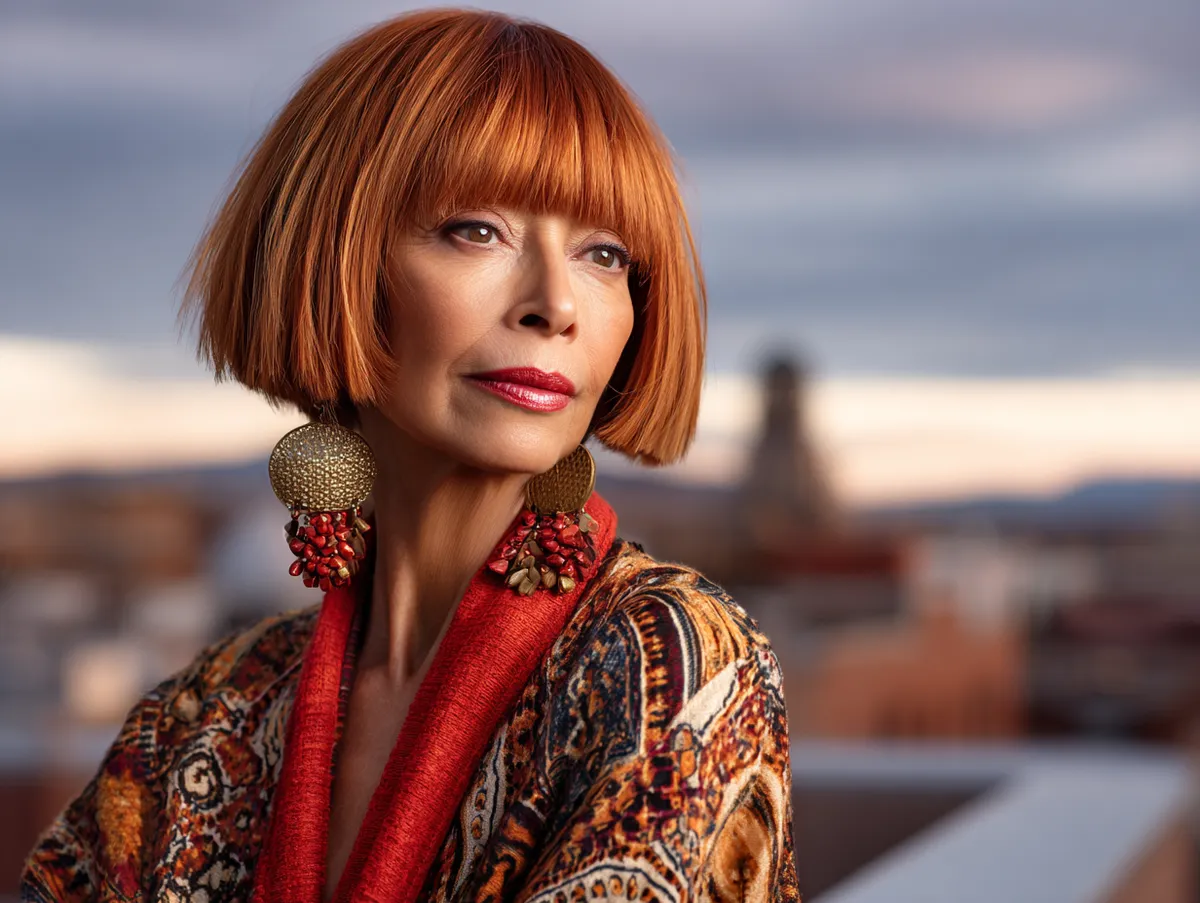
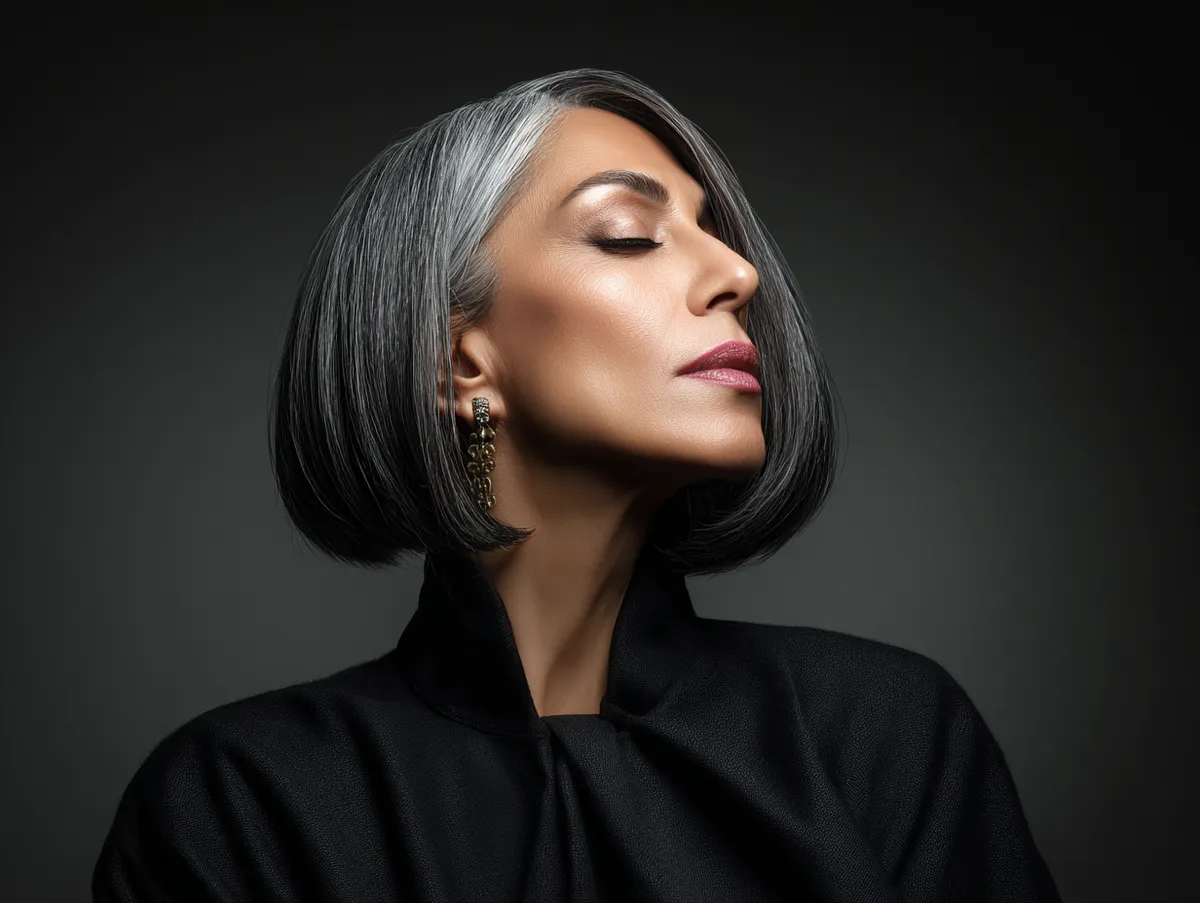
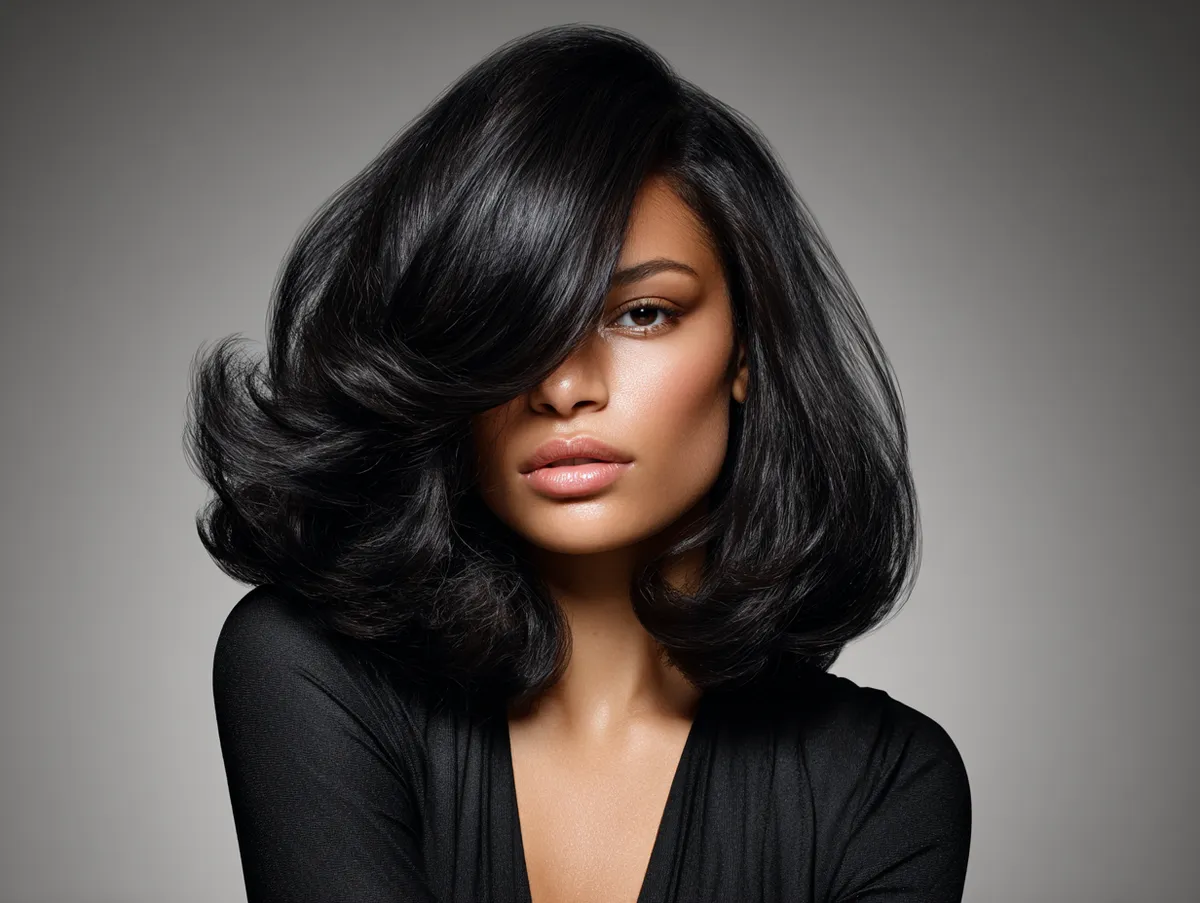
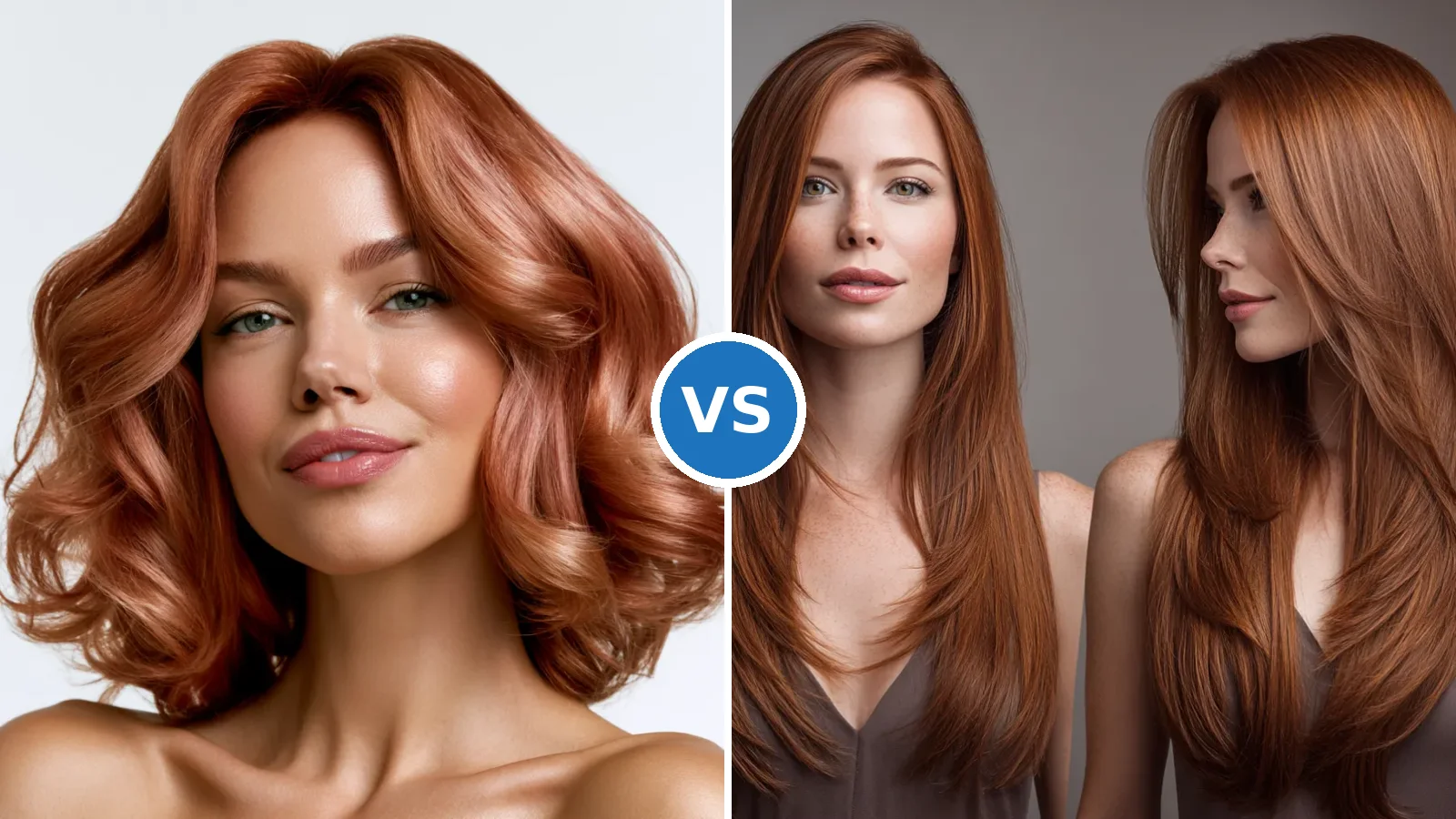
Shoulder length haircuts for women in their 30s hit different than anything else on the length spectrum — I’ve had mine at collarbone level for three years now and I keep coming back to it for a reason. This is the cut that looked polished in my 9am meeting, held up through a quick gym session at lunch, and still felt intentional for dinner. It doesn’t demand a hot tool every morning, and it doesn’t collapse without one either. The right shoulder-length style in your 30s reads as deliberate — someone who knows what she’s doing with both her hair and her time.
What makes shoulder length haircuts for women particularly powerful at this stage is how much they do for different face shapes without requiring drama. A blunt line anchors the jawline. A soft angle opens up the neck. Balayage gives the whole thing movement without weekly salon maintenance. You’re looking at three very different styles in this article — chestnut blunt ends, honey balayage waves, and a mocha angled bob — and each one solves a different styling problem. Pick the one that matches how much effort you’re actually willing to put in on a Tuesday morning.
My rule for 30s hair is simple: if you can’t recreate it in under 15 minutes with one tool, it’s not the right cut for your actual life. Every style here clears that bar.
– Chestnut blunt ends need a flat iron + a $12 smoothing serum — 10 minutes, done.
– Honey balayage waves grow out gracefully; touch-ups every 12–16 weeks vs. every 6–8 for foils.
– A mocha angled bob is shorter at the back — it needs a trim every 6–8 weeks or the angle collapses.
– All three styles work on straight, wavy, and medium-density hair without structural changes to the cut.
– None of these require you to own more than two styling products.
Chestnut Sleek Blunt Ends Shoulder Length Haircuts for Women
Shoulder length haircuts for women with sleek blunt ends in chestnut brown are the closest thing to a “press and forget” hairstyle I’ve ever found. The blunt line across the bottom pulls the whole look together in a way that layers just can’t replicate — it reads as intentional the second you walk into a room. Chestnut as a color lands in that sweet spot between warm and neutral, flattering medium and olive skin tones in a way that both jet black and golden blonde often miss. Paul Mitchell’s Color XG line runs around $18 per tube at most salons, and a chestnut formula in the 5N–6N range is exactly what to ask your colorist for.


Do you need a flat iron to make this work? Mostly yes — but not every day, and not for long. Two passes on each section with a ceramic plate set at 365°F takes about eight minutes on shoulder-length hair. BaBylissPRO Nano Titanium costs around $80 and lasts years; the drugstore alternatives warp within months and the uneven heat creates frizz instead of eliminating it. A small amount of Kenra Platinum Silkening Mist ($26) on damp hair before blow-drying gives the kind of gloss that makes chestnut look $300 instead of $80. Skip this step and the color reads flat even if it’s freshly done.
The mistake I see constantly with this cut is going too short with the blunt line. Anything that hits above the collarbone on a blunt cut starts to look like a bob — which is a different style with different rules. Keep it at or just below collarbone level and the shoulder-length silhouette does what it’s supposed to do: frames the face and elongates the neck without competing with your collarbones. Round face shapes especially benefit from the extra inch of length that pulls the eye downward instead of outward. Deep side parts or center parts both work, but a deep side part adds asymmetry that softens strong jawlines better than anything else I’ve tried.
Trim every six weeks without exception — blunt ends turn into blunt-but-uneven ends faster than any layered cut because there’s nothing to hide the damage. A glossing treatment at the salon every three to four months, or a Joico Color Butter gloss ($15) at home, keeps the chestnut from oxidizing into orange at the ends. Women in their 40s who’ve committed to this exact approach to low-maintenance color report going 10–12 months between full color appointments with only gloss treatments in between.
Don’t use a round brush and blow dryer to style a blunt cut without first sectioning the hair into at least three horizontal layers. Trying to smooth the whole thing at once creates a curved shape at the ends — that inward curl that looks accidental, not intentional. The blunt line only reads as sharp when dried in flat sections, each one clipped out of the way before you start on the next. Also skip dry shampoo on the ends — it mattifies exactly the surface you need to look glossy.
Honey Balayage Waves Shoulder Length Haircuts for Women
Shoulder length haircuts for women with honey balayage waves are the style I’d recommend to anyone who hates sitting in a salon chair for four hours every two months. Balayage is hand-painted, not foiled — which means the color grows out as a gradient instead of a harsh root line. At $200–$350 per session at most mid-range salons, it’s more expensive upfront than traditional highlights ($150–$250), but you can stretch touch-ups to every 12–16 weeks instead of 6–8. I’ve watched my stylist Marcia do this color on women with everything from cool pink undertones to warm olive skin and it works every time — honey sits somewhere between golden and amber, which means it doesn’t fight with the skin, it complements it.


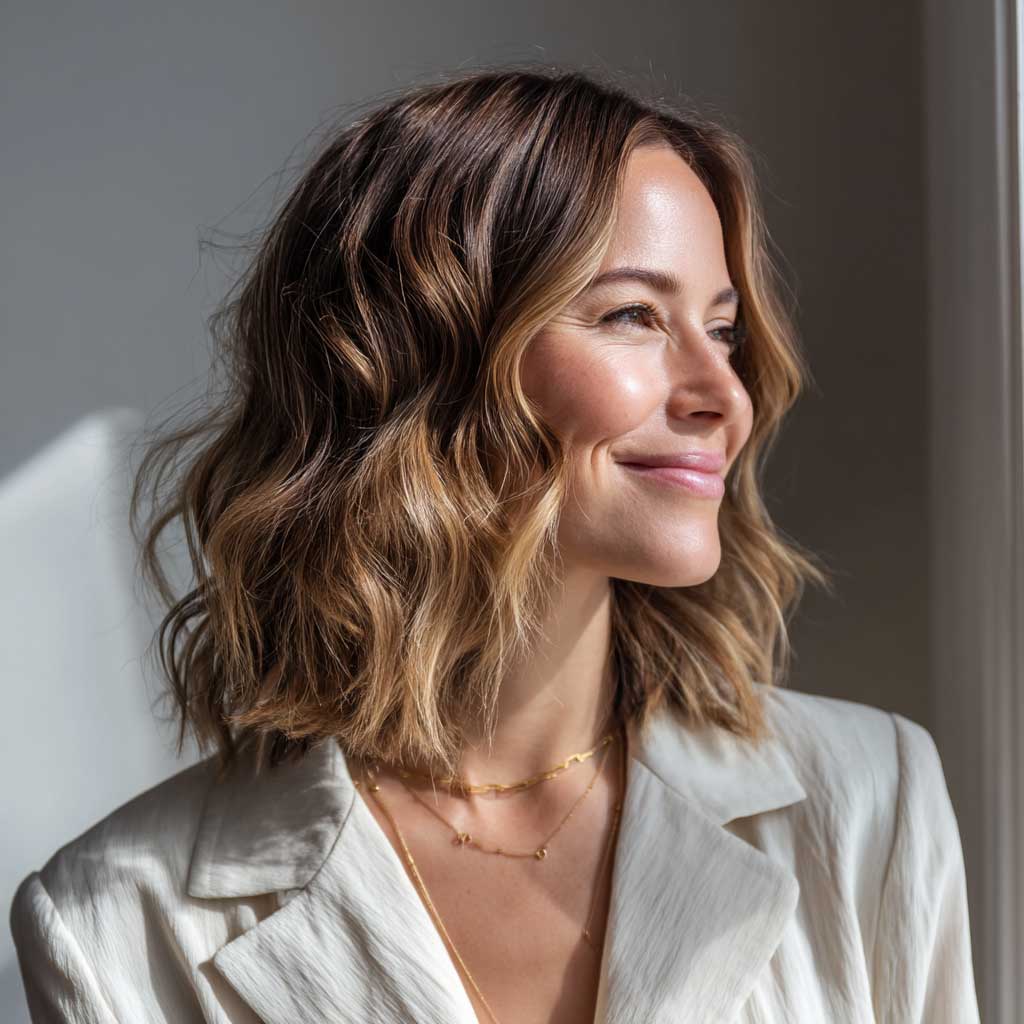

The wave styling here is more forgiving than it looks. A 1.25-inch barrel curling iron — not a wand, an iron with a clip — gives you controlled waves that hold their shape without the uniformity that looks overdone. Curl alternate sections in opposite directions: one toward your face, the next away from it. This is the difference between waves that look like a head of spirals and waves that look like actual hair movement. Run your fingers through after 10 minutes, not immediately. Hot waves collapse if you touch them before they cool. Ouai Wave Spray ($30) on dry hair before you start adds just enough texture for the curl to grip without stiffness.
What doesn’t work with this style is over-washing. Honey balayage loses its depth fastest when shampooed daily — the lightened sections are more porous than the natural base, which means they absorb and release water faster. Every other day at most, or every two to three days if your scalp allows it. Prose Custom Shampoo (starting around $32) formulated for color-treated hair keeps the honey from oxidizing to brassy yellow. Purple shampoo works too — Shimmer Lights by Clairol at $12 is what I use — but limit it to once a week or the warm honey reads cold and grey, which defeats the whole point of this color.
Soft layers are what make the waves move the way they do in the photos. Without them, a straight shoulder-length cut with balayage just looks like colored hair — it doesn’t flow. Ask your stylist for long layers starting at the cheekbone, nothing above that. Layers shorter than cheekbone level create face-framing pieces that flip outward in humidity and require a flat iron every single morning. Layered shoulder-length hair done well is the baseline for any wave style that actually holds past noon.
Mocha Angled Bob Shoulder Length Haircuts for Women
Shoulder length haircuts for women with a mocha angled bob are structured in a way the other two styles on this page simply aren’t — and that structure is exactly what makes them worth the extra maintenance. An angled bob is shorter at the nape (typically 1–2 inches shorter than the front) and gradually lengthens toward the face, creating a diagonal line that draws the eye forward and upward. Mocha as a color occupies the same warm-neutral territory as chestnut but sits slightly deeper — think espresso with a cream swirl rather than straight brown. It photographs exceptionally well under artificial light, which matters if you spend most of your professional life in offices or on video calls.


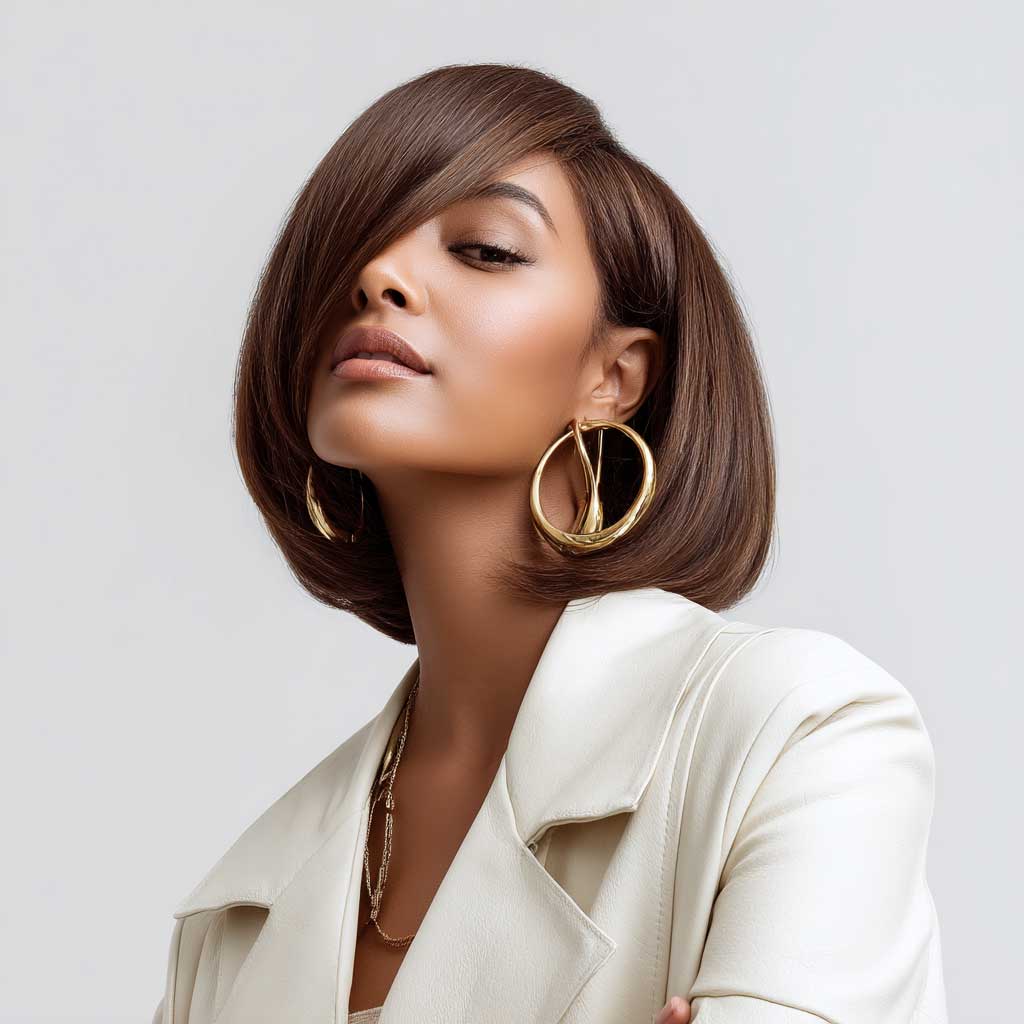
Heart-shaped and oval faces carry this cut better than square or round shapes — can you pull it off with a round face? Yes, but only if your stylist keeps the front lengths long enough to extend past your chin. The moment a rounded face pairs this with a too-short front, the horizontal emphasis widens the face instead of framing it. Oval faces get the best version of this cut with a center part; heart-shaped faces look sharp with a deep side part that sweeps the longer front sections across the forehead. A lightweight straightening brush like the Revlon One-Step ($50) creates the curved-under finish at the ends without an actual flat iron, which saves both time and heat damage.
Mocha color maintenance is easier than it looks. The depth of the shade means minor fading isn’t visible the way it is with lighter colors — you can comfortably stretch full color appointments to every 8–10 weeks instead of 6. Between appointments, Redken Color Extend Magnetics Shampoo ($20) keeps the tone from going muddy at the ends. A weekly hot oil treatment — Moroccanoil Treatment Light at $15 for the smaller bottle — keeps the mocha looking dimensional rather than flat. Shine spray on dry hair before a meeting (Living Proof Instant Perfector, $26) takes the whole thing from polished to deliberate in about 30 seconds.
This cut requires trimming every 6–8 weeks without exception — the shorter back section grows out faster relative to the front, and once that angle flattens, you’ve lost the entire structural point of the cut. Budget for it. A shape-up at a salon where they know this cut runs $45–$65 in most mid-sized cities. It’s not optional maintenance; it’s the price of admission for a cut this structured. Contrast this with the inky black textured lob popular in the 20s, which can go 10–12 weeks without losing its shape — the angled bob is a different kind of commitment.
Final Take
Shoulder length haircuts for women in their 30s are the easiest way to look like you have your life together
Chestnut blunt ends need a ceramic flat iron and six-week trims. Honey balayage waves need layers from the cheekbone down and purple shampoo once a week. A mocha angled bob needs trimming every six weeks and a straightening brush for that curved finish.
Pick one based on how much your mornings can actually support — not which looks best on someone else’s Instagram.
Save this post before your next salon appointment.
Related Topics