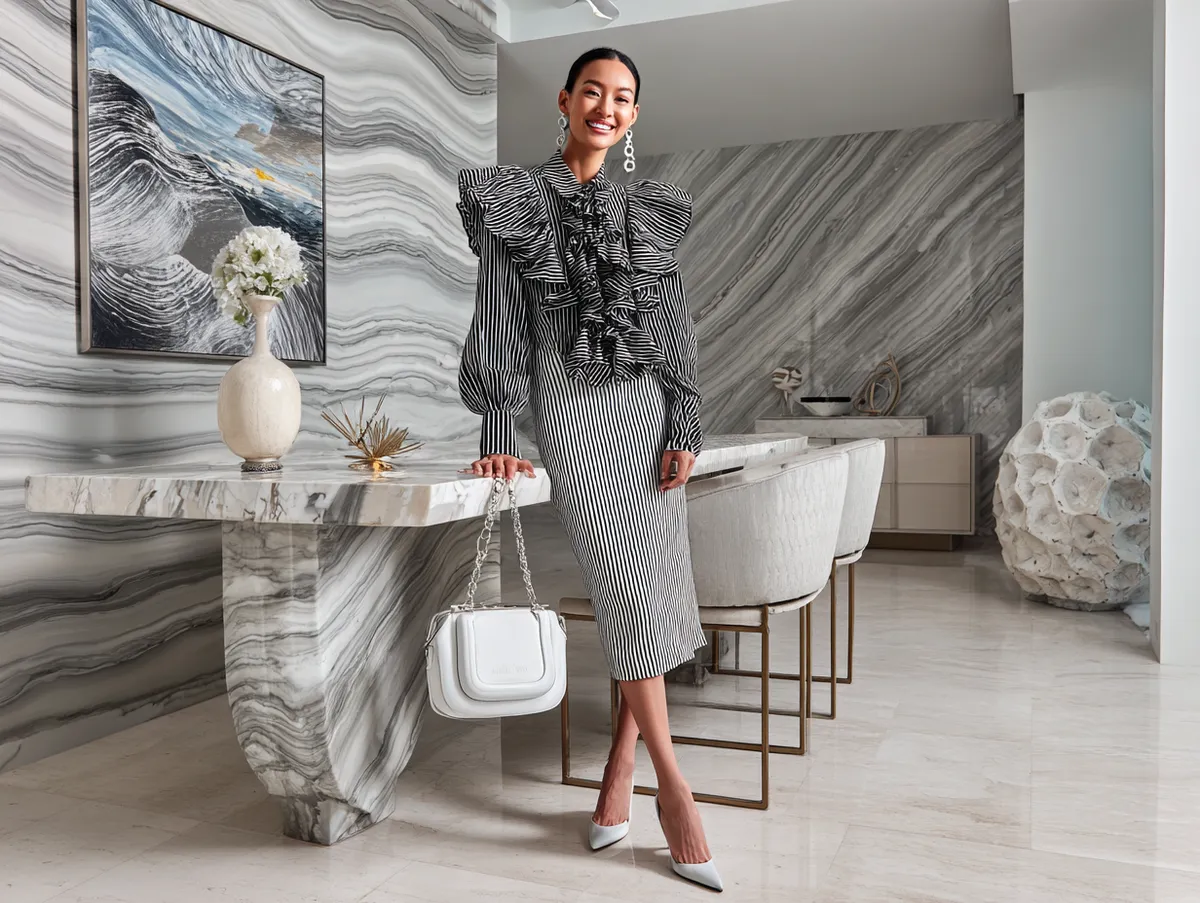
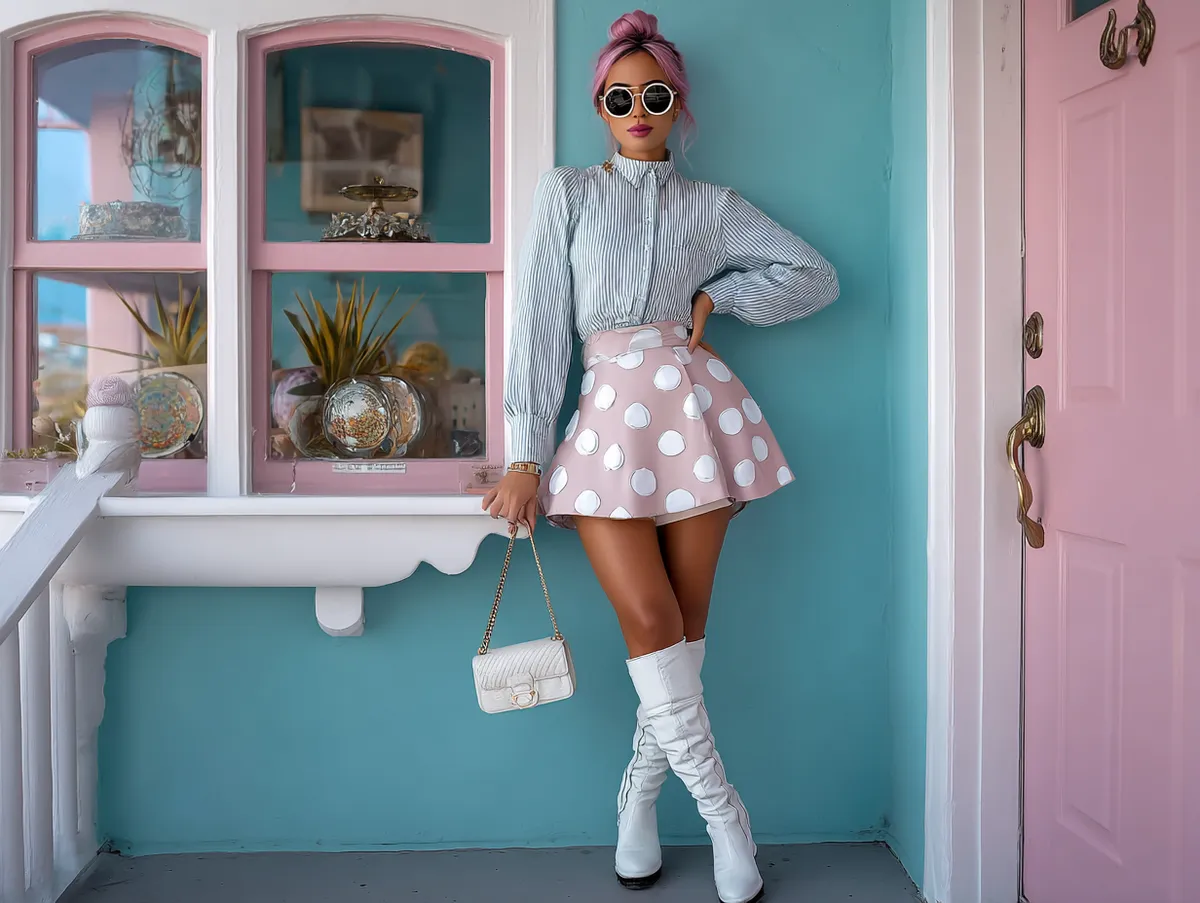
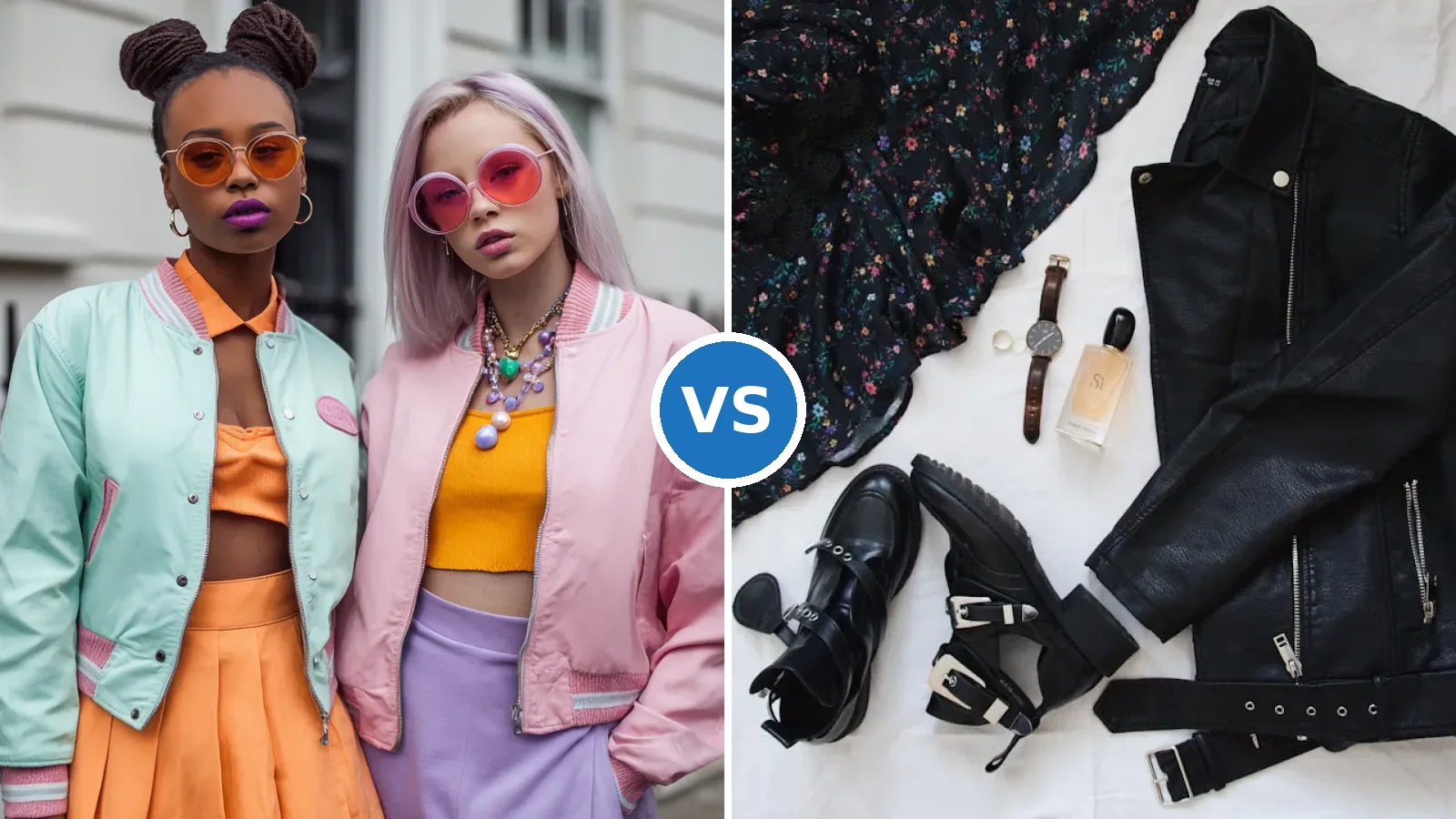
Stylish lehenga blouse design is the part of ethnic dressing most women underestimate — until they get it wrong. The blouse sets the silhouette, frames the neckline, and decides whether the whole look reads as deliberate or accidental. Choosing one without a clear sense of fabric, sleeve length, and embellishment level is like picking a shoe before the dress.
Three cuts show up most consistently across current styling: the embroidered blouse with sheer sleeves for daytime occasions, the off-shoulder ruffle version for festive events, and the high-neck sequin blouse for structured evening wear. Each serves a different body type and occasion logic, and the differences are not just aesthetic — they change how the full lehenga behaves in movement and light.
Organza and chiffon, the two fabrics stylists reach for first, have genuinely different mechanics. Chiffon drapes and flows, making it ideal for casual daytime wear, while organza holds its structure and reflects light — better suited to evening or photo-heavy occasions. Get the fabric wrong and even a well-cut blouse loses its effect.
– Chiffon and georgette are the most breathable fabrics for daytime and casual lehenga wear
– Organza holds structure and reflects light — best for evening occasions or photography
– Embroidered blouses with sheer sleeves work for all-day wear without overheating
– Off-shoulder ruffle blouses photograph best in deep, saturated tones (wine, emerald, black)
– High-neck sequin blouses carry their own jewelry — keep accessories minimal or skip them
– Dry clean all heavily embellished blouses; steam iron only — direct heat damages sequins and net
Embroidered Sheer-Sleeve Blouses Anchor the Classic Stylish Lehenga Blouse Design
Embroidered blouses with sheer sleeves are the format that comes closest to an all-occasion default. The sleeve fabric — most commonly organza or net — adds coverage without weight, which is why stylists recommend this cut for events running past four hours. A three-quarter sheer sleeve in net fabric weighs roughly 20–30 grams, compared to 80–100 grams for a full silk sleeve: the difference is felt immediately in warm interiors.


The embroidery pattern makes or breaks the proportions. Floral motifs spread across the front bodice read as maximalist against a plain lehenga — which is exactly right. Geometric embroidery in a single tone, usually gold thread on a neutral ground, works better when the lehenga itself carries pattern. The trick here is contrast: one piece carries the pattern, the other provides ground. Putting a heavily embroidered blouse against a heavily embroidered lehenga produces visual noise, not elegance.
Neckline choice matters more than most styling references admit. A scoop or round neckline is the safest option — it works with every face shape and every dupatta drape style. A boat neck is a strong second for wider shoulders, as it distributes visual weight horizontally rather than pointing to the collarbone. What tends to fail: a shallow V-neck on a heavily embroidered blouse, because the embroidery pulls the eye down and the neckline stops it too early. Does the embroidery flow naturally into the neckline, or does it feel cut off? That’s the test.
Pairing this cut with a georgette or chiffon lehenga — fabrics recommended by stylists specifically for daytime and casual events — keeps the full look proportional. Organza lehenga sets with embroidered blouses retail from around $295 at international retailers, making the embroidered sheer-sleeve blouse one of the more accessible starting points for building out casual ethnic wear. Accessories should stay restrained: small studs or a single delicate ring, nothing that competes with the sleeve detail.
Pairing a heavily embroidered sheer-sleeve blouse with chunky statement jewelry is the most common mistake in this category. The embroidery already covers the arm and shoulder region — adding chandelier earrings and a layered necklace creates a top-heavy silhouette with no visual rest point. Likewise, avoid synthetic net fabric for the sleeves on outdoor events: it traps heat and loses its shape within a few hours of wear. Organza or natural-fiber net both breathe and hold their drape significantly better.
Off-Shoulder Ruffle Blouses — Where Casual Lehenga Dressing Gets Interesting
Off-shoulder lehenga blouses restructure where the eye lands: instead of the face and neck, attention shifts to the collarbone and shoulders. Ruffle detailing along the neckline edge does two things simultaneously — it softens what could otherwise read as an abrupt horizontal cut, and it adds movement without requiring embroidery or embellishment. For events with dancing or extended wear, this matters practically: ruffles recover their shape, while fixed embellishments can snag and flatten.


Fabric choice determines how the ruffle sits. Chiffon ruffles drape and fall, which reads as romantic and soft — the right choice for festive daytime occasions. Organza ruffles hold their shape and project outward, adding structure and volume, which photographs dramatically but can feel stiff in extended wear. The decision comes down to how long you’ll be in the blouse and whether the event is movement-heavy. A sangeet or mehendi that involves dancing calls for chiffon; a reception dinner where photos matter more than floor space calls for organza.
Color strategy with off-shoulder blouses differs from standard styling rules. Deep, saturated tones — wine, emerald green, classic black — photograph far better in this cut than pastels do, because the shoulder exposure needs visual weight to anchor it. Pastels in an off-shoulder format can read as washed out against skin, particularly in daylight photography. An off-shoulder lehenga set with sequin blouse detail, like the Anisha Shetty version available at Fabilicious Fashion for $408, shows how much the color-and-fabric combination matters in keeping the look deliberate rather than accidental.
Styling plays a structural role here. A sleek ponytail or low updo exposes the collarbone fully — which is the point of the cut. Wearing the hair down with an off-shoulder blouse reduces the effect entirely; the shoulders become framed by hair rather than visible. Statement earrings work well because the ears become the natural focal point once the neck and shoulder area are open. Avoid a dupatta draped over the shoulder in a way that covers the neckline detail — it defeats the design logic entirely. See more stylish lehenga blouse designs for formal occasions that apply this same color-weight principle.
High-Neck Sequin Blouses Carry the Most Structure of Any Lehenga Blouse Style
High-neck blouses create a different silhouette logic than open necklines do. The neck is enclosed, which draws attention to the jawline and shoulders rather than the chest — a cut that stylists at StyleCraze specifically recommend for broader shoulder frames and hourglass body types, as the vertical line of the high neck reinforces proportions without widening. Add sequin work and the blouse becomes its own light source: subtle enough for daytime with sparse sequin placement, genuinely dramatic for evening when the sequins run dense across the bodice.


Fabric selection at this neckline height is critical for wearability. Silk-blend and satin hold the structure required to keep a high neck from collapsing inward during movement, which cheaper synthetic blends tend to do after a few hours. A satin-lined high neck holds its line from the first hour to the last — that’s not a small detail when an event runs six or eight hours. Neutral tones perform best here: ivory, champagne, and dove gray read as understated luxury and pair with almost any lehenga color without creating a clash at the shoulder.
What fails with high-neck sequin blouses is over-accessorizing. A necklace at a high neckline is literally invisible — the fabric covers the exact zone where the jewelry would sit. Stylists recommend redirecting the accessory budget to earrings: long drops or chandelier styles work because the ear is now the highest visible jewelry point. The same logic applies to the lehenga pairing — a structured lehenga with metallic thread or subtle sheen creates a cohesive reflective story, while a heavily embroidered lehenga against a sequin blouse produces competing focal points. One piece carries light; the other provides form. According to StyleCraze’s lehenga blouse styling research, a heavy blouse consistently requires lighter jewelry — this is the most violated rule in the category.
Sleeve length is the final variable. Sleeveless versions keep the focus entirely on the structured bodice and neckline — the right call when the lehenga is rich in color or pattern. Three-quarter sleeves in the same sequin fabric extend the shimmer down the arm, which StyleCraze notes works particularly well for plus-size frames as it creates a continuous vertical line. Cap sleeves in a matching fabric sit between both options: they add shoulder coverage without the weight of a longer sleeve, and they maintain the high-neck blouse’s clean geometric quality.
| Style | Best For | Key Fabric | Avoid |
|---|---|---|---|
| Embroidered + Sheer Sleeve | Daytime, all-day events | Organza / Net sleeve | Synthetic net outdoors |
| Off-Shoulder Ruffle | Festive, sangeet, dance events | Chiffon (movement) / Organza (photos) | Hair worn down, shoulder dupatta |
| High-Neck Sequin | Evening, reception, formal | Silk-blend / Satin | Necklaces, heavy lehenga embroidery |
The Takeaway
The blouse decides the occasion — not the other way around
Fabric is the first decision, not color. Chiffon and georgette belong in daytime; organza and silk-blend belong in the evening. Get the fabric right and the rest of the styling decisions become significantly easier.
Off-shoulder ruffle blouses need saturated color and a clean updo to function as intended. High-neck sequin blouses need one reflective partner — the lehenga — and zero necklaces.
The embroidered sheer-sleeve blouse remains the most forgiving cut across occasions, body types, and accessory budgets. Save this post.