Quick Scan
- Runway houses like Tory Burch and Ralph Lauren anchor spring 2026 collections in multi-pin brooch stacking, not single-statement styling
- Position brooches vertically or off-center to create sculptural dimension—centered single pins read flat and costume-like
- Mix price points intentionally: anchor with your most ornate piece, layer smaller complementary pins in contrasting metals or colors to avoid monotone repetition
- Placement matters more than quantity—scarf knots, lapels, and tie fabric offer built-in visual anchors for intentional clustering
Brooch moment doesn’t mean one pin gathering dust in a drawer. This summer, stacking vintage brooches into sculptural clusters redefines how maximalist dressing reads—layering Art Deco bars, enamel floral designs, and heirloom crystal clips across lapels, ties, scarves, and even hair creates dimension that flat accessories cannot. Pinterest searches for ‘brooch aesthetic’ jumped 110% in early 2026, with Tory Burch, Ralph Lauren, and Giorgio Armani all spotlighting multi-pin styling on their AW26 runways and recent red-carpet looks. This isn’t quiet luxury pinning. It’s architectural, intentional, and absolutely moving beyond the single-statement piece into a new era of accessory stacking that attracts everyone from Millennial women to Gen X men rediscovering heirloom pieces.
How Runway Houses Redefine Brooch Styling Into Layered Sculpture
Ralph Lauren’s spring collection featured a navy wool blazer layered with three vintage-inspired brooches clustered near the shoulder seam—a bar pin, a floral clip, and a geometric diamond shape stacked vertically for maximum visual weight. This vertical stacking creates movement and prevents that flat, static reading that a single centered brooch produces. Tory Burch’s recent show paired Art Deco-style brooches with printed silk scarves, anchoring two pins where the scarf knots at the collarbone, creating intentional focal points that guide the eye. Giorgio Armani’s approach favors restraint: single oversized brooches positioned off-center on tailored jackets, but worn alongside smaller crystal clip-ons on the tie or collar for subtle layering. What differentiates runway stacking from vintage rummaging? Intentional color blocking and spatial composition.
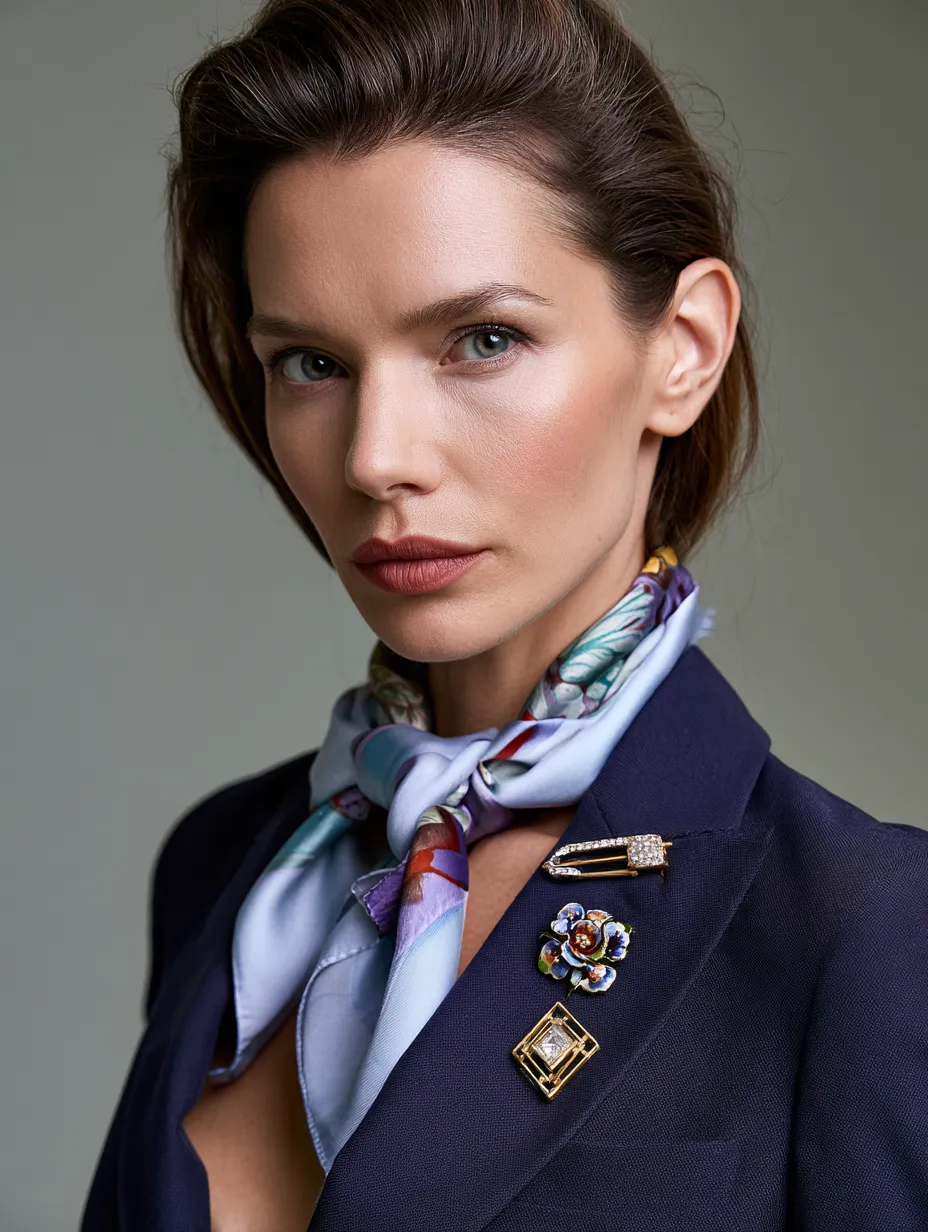
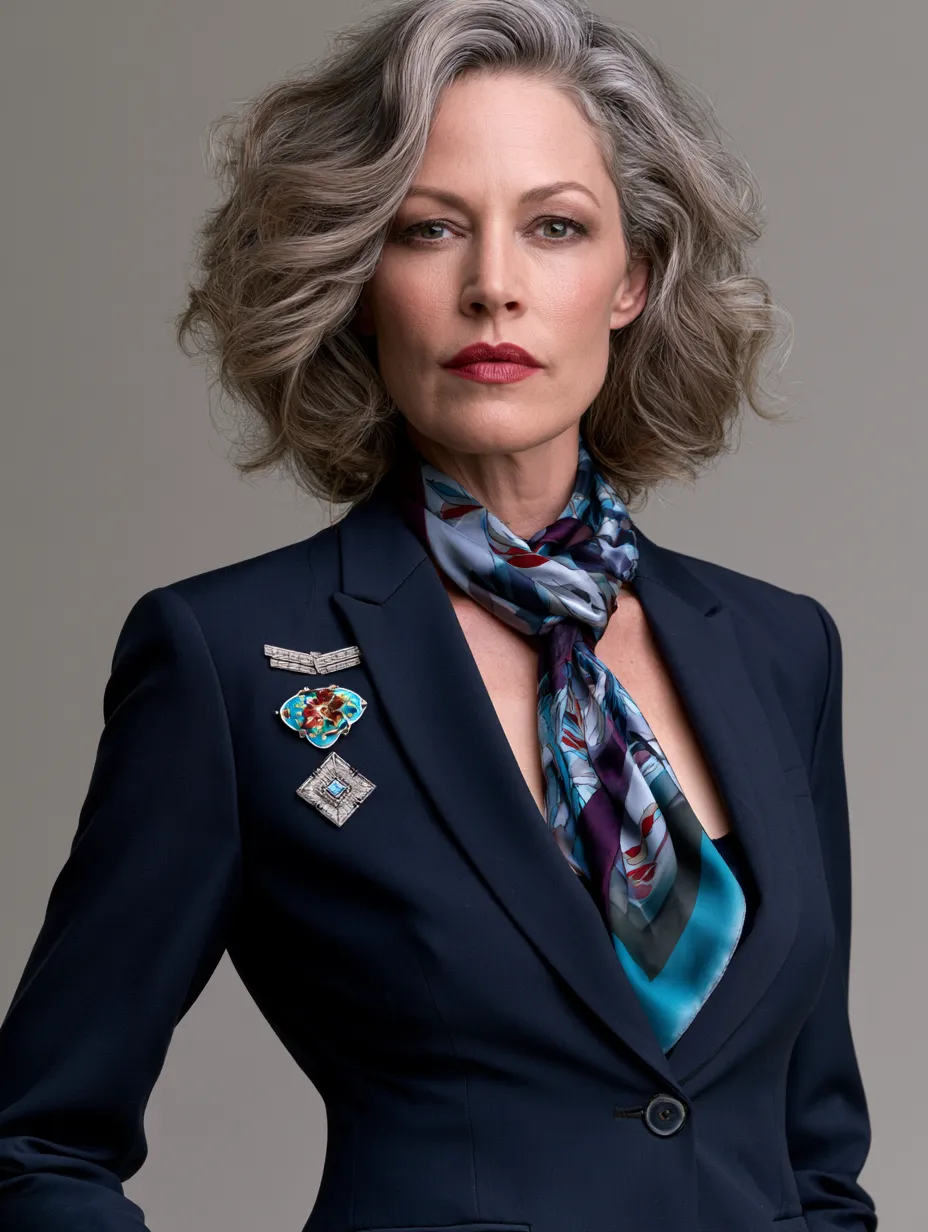
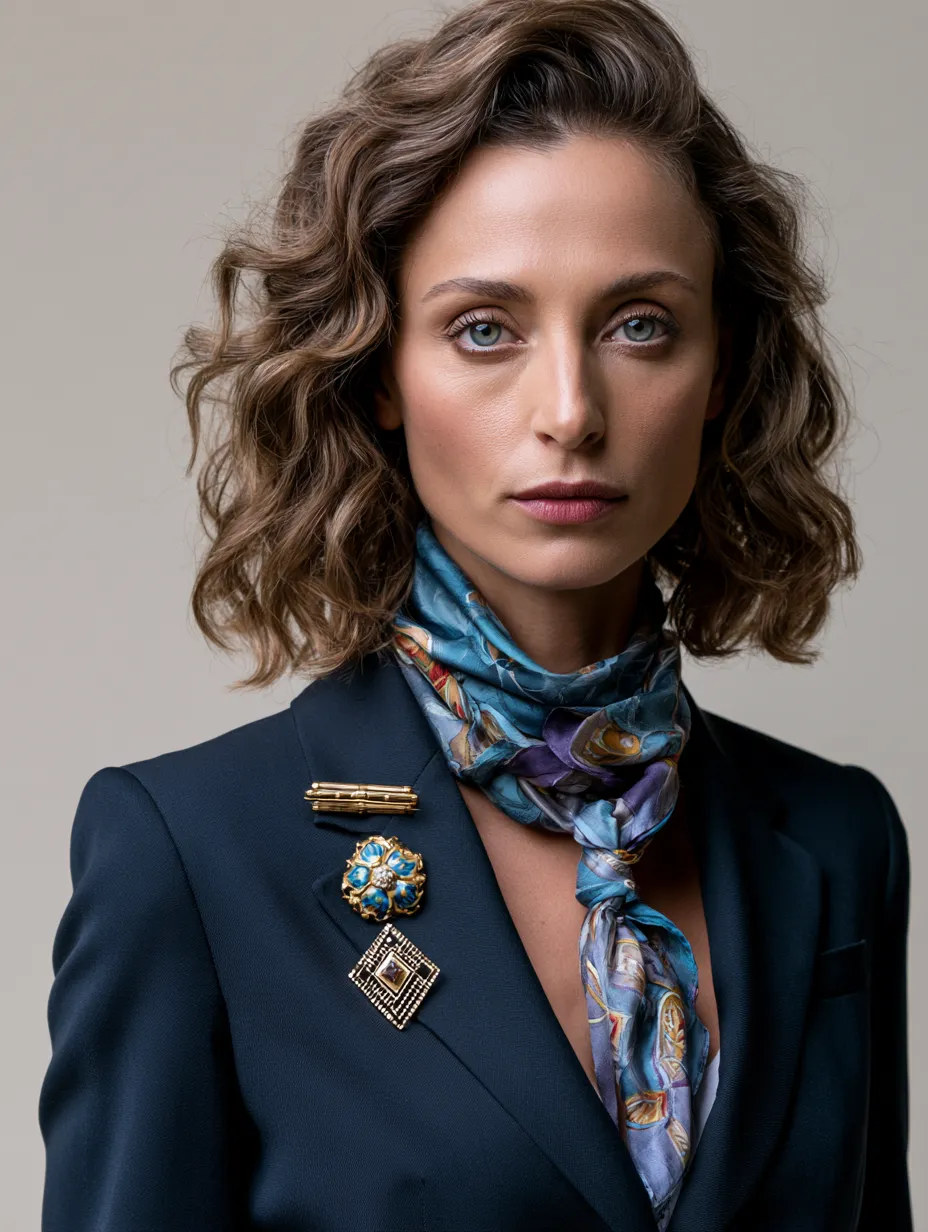
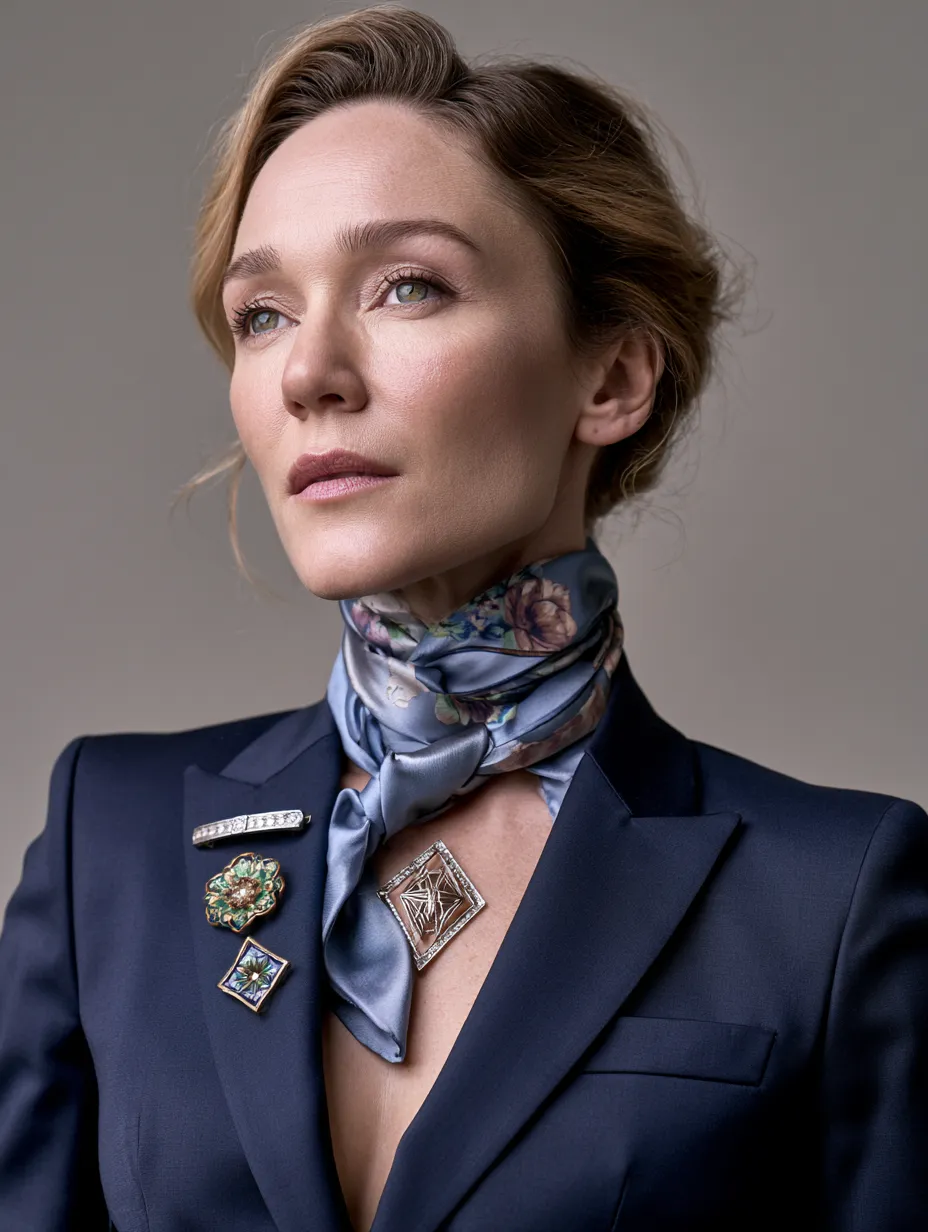
The mistake most people make is treating brooches like punctuation marks—one statement, done. Instead, think of them as a visual map. Position your largest or most ornate pin first (the anchor), then layer two smaller complementary pieces either vertically or horizontally around it. A K-pop inspired outfit with pink fashion statements often features multiple jewelry clusters, and brooch stacking follows the same principle: size progression and color echo. The Rahaminov Diamonds ‘Heart’ brooch ($36,000 platinum with 7-carat stone) makes a singular statement on silk, but pair it with a delicate vintage bar pin ($400–$800 estate range) for texture contrast. Anne Klein’s floral brooches under $35 work beautifully as secondary or tertiary pins in a stack, reducing financial risk while maintaining visual interest. Millennial and Gen X men are driving adoption: crystal clip-ons and heirloom pieces worn on ties, shirt collars, and even lapel pins create traditionally feminine presentation codes that men are actively recoding as neutral luxury.
Never stack brooches of identical visual weight or size—that creates visual flatness, not dimension. A 2-inch enamel pin plus a 2-inch geometric clip plus a 2-inch vintage brooch all competing for attention reads chaotic rather than curated.
Don’t Do This
- Don't treat brooches as single punctuation marks—stacking is the visual goal, which requires at least two pins positioned with intentional spacing and size variation
- Don't cluster all pins in one tight grouping on your chest or lapel—space them across the surface (vertical stacking, asymmetrical placement) for rhythm and movement
- Don't pair brooches with already-busy printed fabrics—save stacking for solid colors or subtle prints to prevent visual overload and let pins read as intentional rather than chaotic
- Don't assume matching metals and colors are required—intentional contrast (rose gold with silver, ornate with geometric, heirloom with contemporary) creates visual interest and prevents flat, monotone appearance
Placement Strategies That Transform Basic Outfits Into Statement Pieces
Where you position a brooch stack determines whether the look reads polished or costume. The classic lapel placement—clustering pins near the upper left jacket button area—works across blazers, cardigans, and structured shirts because it naturally draws the eye upward and creates a focal point at the neckline. Tie placement anchors two pins where silk knots, creating visual interruption that breaks up monotone fabrics. Scarf styling, the current runway favorite, pins brooches where fabric folds at the collarbone or where the tail hangs—this placement works across all seasons and body types because pins sit against fabric with inherent texture. Hair clips and vintage crystal brooches positioned along a side part or low ponytail add unexpected dimension when worn with evening wear. The Back Vault Art Deco bar brooch ($9,700 estate piece) paired with a smaller contemporary clip creates intentional contrast when both anchor a printed scarf knot rather than competing for singular attention on a jacket front.
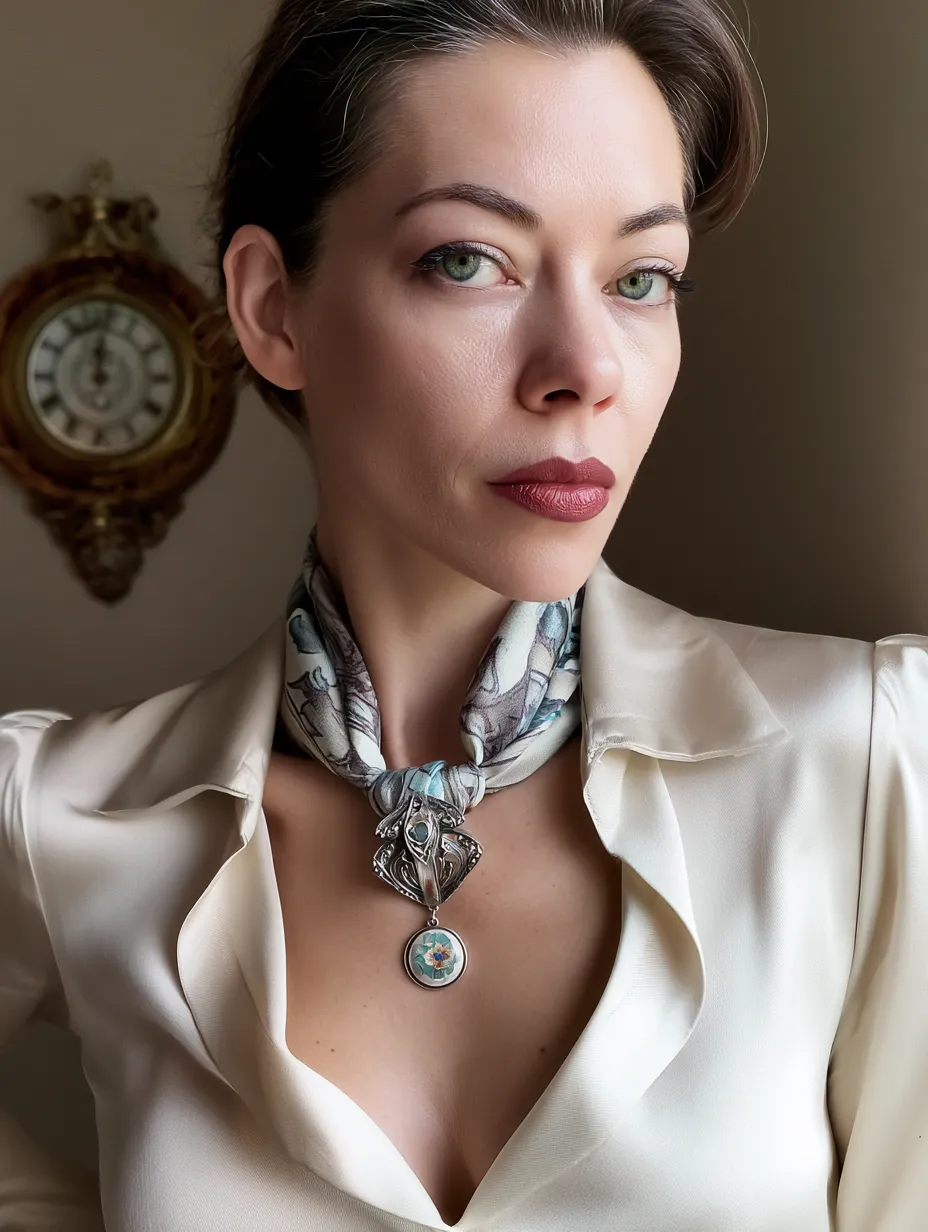
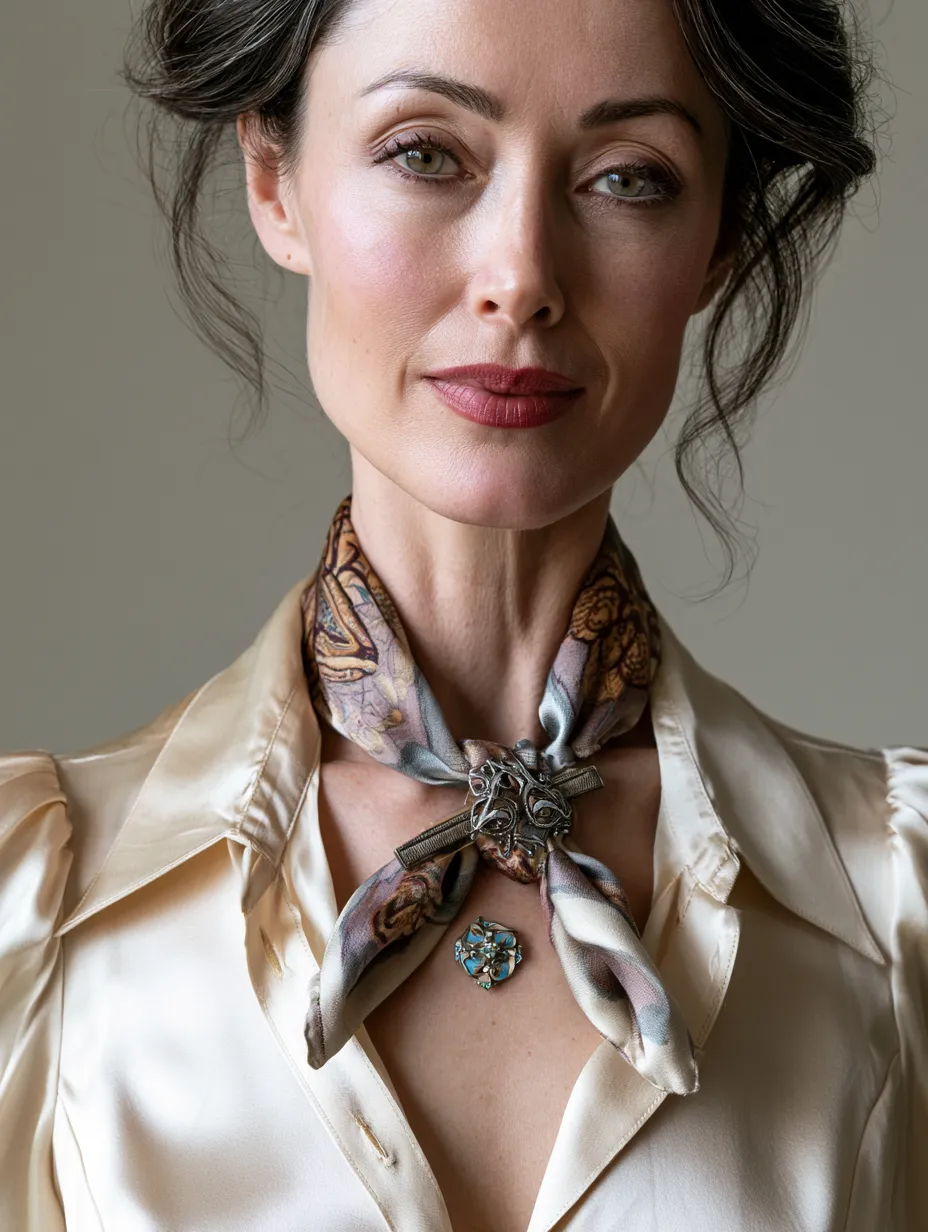
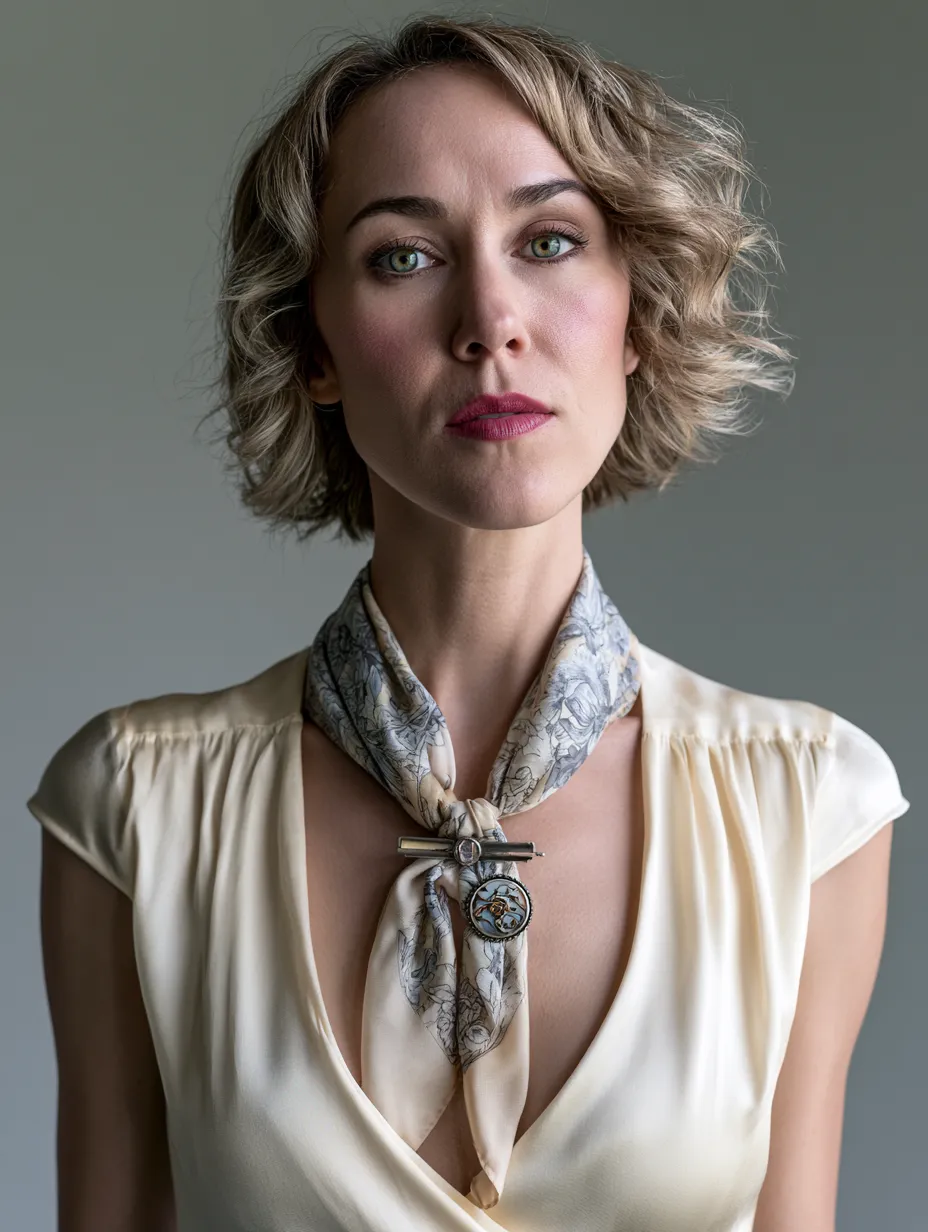
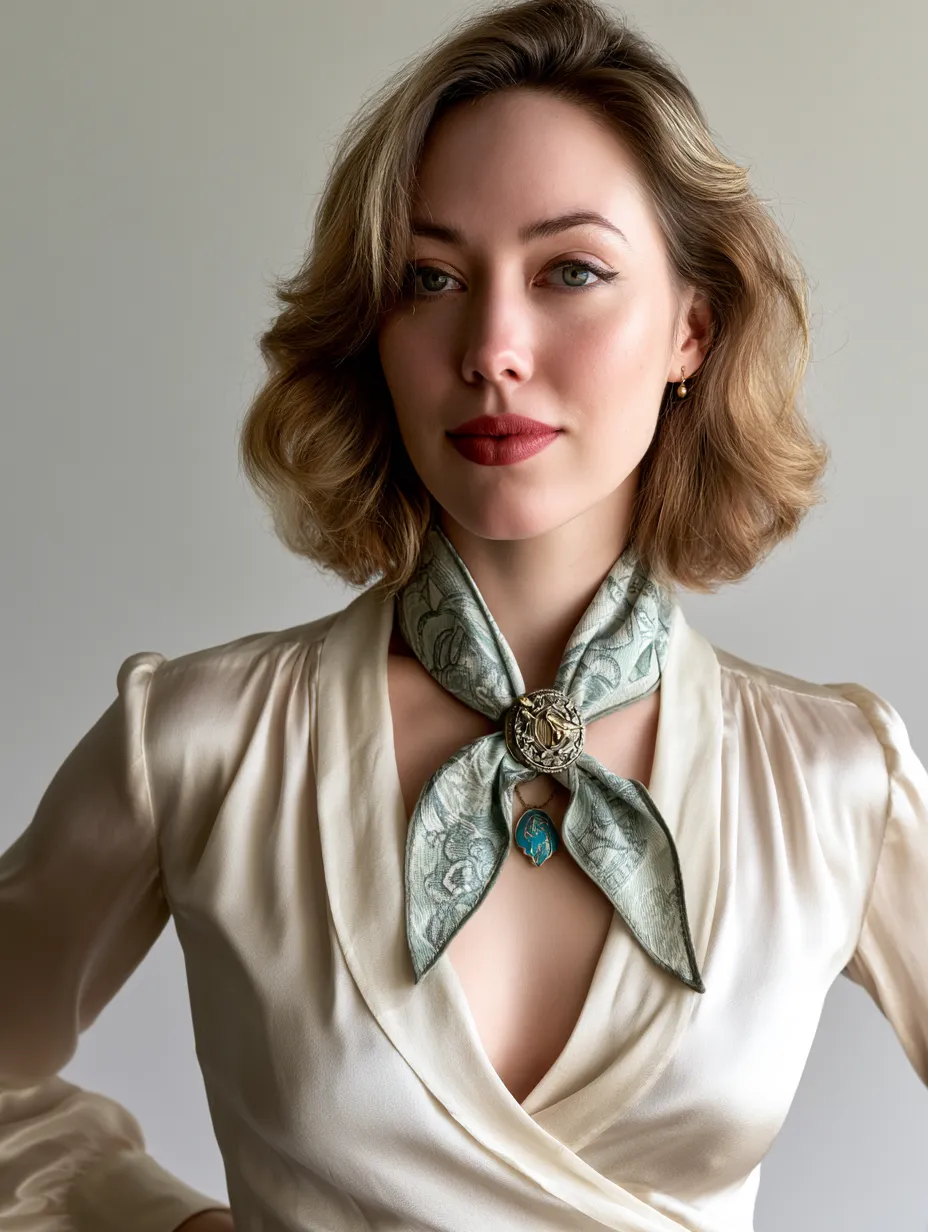
The mistake emerging stylists make is centering all brooches directly on the body’s vertical axis. Instead, pull placement slightly off-center—one pin at 10 o’clock on a blazer, the secondary pin at 2 o’clock creates optical movement and prevents that formal, decorative reading. Smart casual outfit ideas in mustard yellow benefit from brooch placement at the shoulder seam rather than the center chest, which tricks proportion and elongates the torso. Consider layering pins on unexpected surfaces too: a delicate brooch on a cardigan lapel plus a cluster on the collar of an undershirt creates visible stacking that reads intentional, not accidental. Men wearing ties often place a single pin at the center knot, but runway stylists now pin the secondary piece slightly higher on the tie fabric itself, creating a vertical reading rather than a flat horizontal plane. ‘Heirloom jewelry’ searches increased 45% in 2026, particularly among people styling inherited pieces with modern accessories—a grandmother’s Victorian brooch paired with a contemporary geometric clip worn together transforms sentiment into actual visual impact.
Never cluster all pins in a single tight grouping—space them across the lapel, tie, or scarf for rhythm rather than a clump.
| Brand/Piece | Price Range | Best Styling Use |
|---|---|---|
| Rahaminov Diamonds Heart Brooch | $36,000 | Anchor piece for high-investment stacks; worn as primary pin with delicate secondary clips |
| The Back Vault Art Deco Bar Brooch | $9,700 | Luxury vintage anchor; pairs with contemporary geometric clips for contrast |
| Anne Klein Floral Enamel Brooches | Under $35 | Secondary or tertiary layer; builds accessible stacks with minimal financial risk |
| Vintage Crystal Clip-Ons (Estate) | $80–$300 | Heirloom layering; pairs with contemporary pieces for sentimental-modern fusion |
| Contemporary Geometric Brooch Clips | $45–$150 | Tertiary pieces for visual contrast; prevents flat, matchy appearance in stacks |
Mixing Price Points and Styles Without Creating Chaotic Visual Noise
The brooch stacking trend thrives on intentional mixing: a $36,000 Rahaminov platinum heart pin sitting alongside a $32 Anne Klein enamel floral brooch shouldn’t work, but it does when you follow visual hierarchy rules. The most expensive or most ornate piece becomes your anchor—it carries the visual weight and commands attention. The secondary pieces are smaller, simpler, and often in complementary metals or coordinating colors. A heirloom Victorian brooch ($800–$2,500 estate range) works beautifully with a contemporary geometric clip ($45–$150 contemporary designer pieces) because the visual language shifts from ornate detail to clean line, creating contrast rather than redundancy. Millennial men and Gen X men adopting brooches often choose crystal clip-ons ($80–$300) paired with inherited pieces because the mixture feels contemporary while honoring family history—a coded way to wear sentimentality without appearing nostalgic.
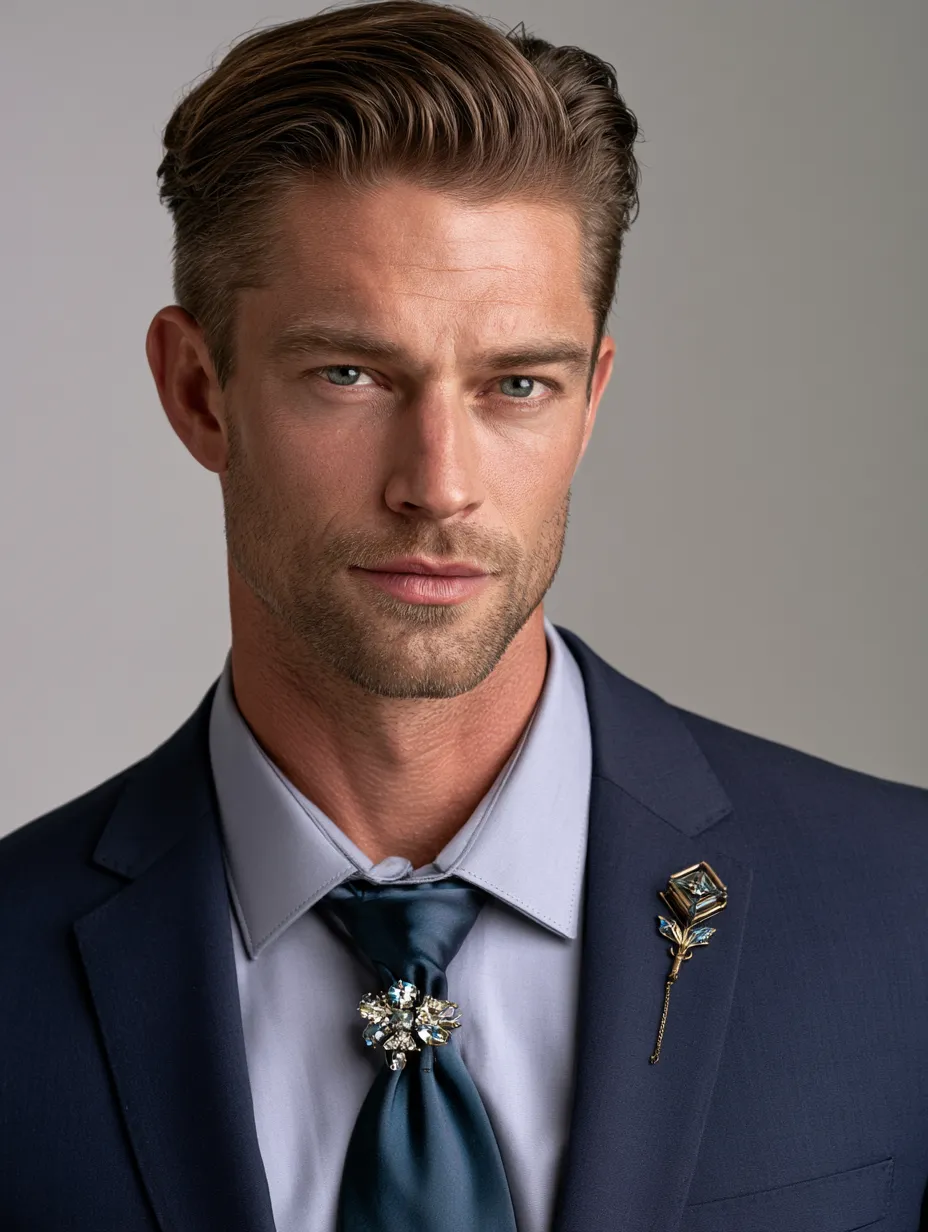
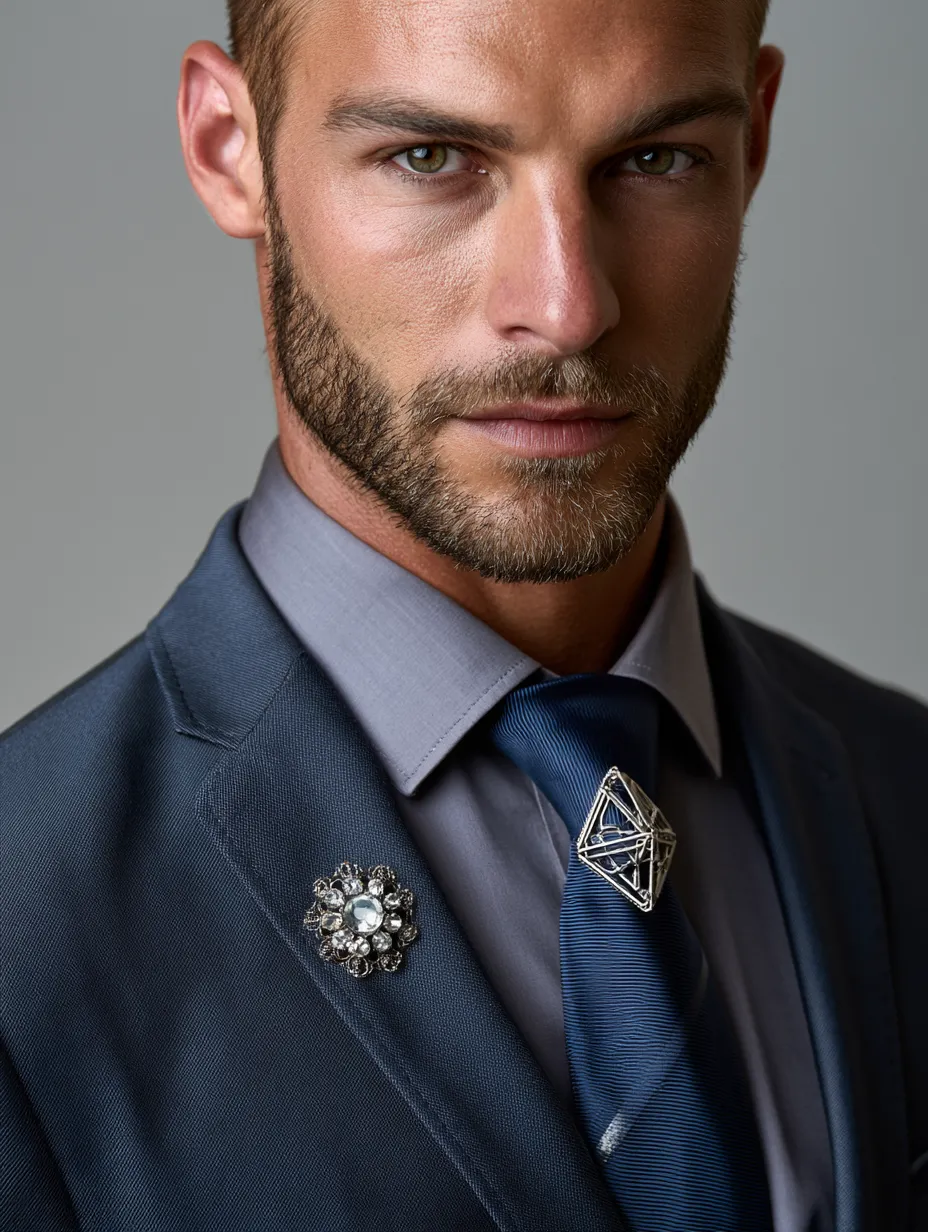
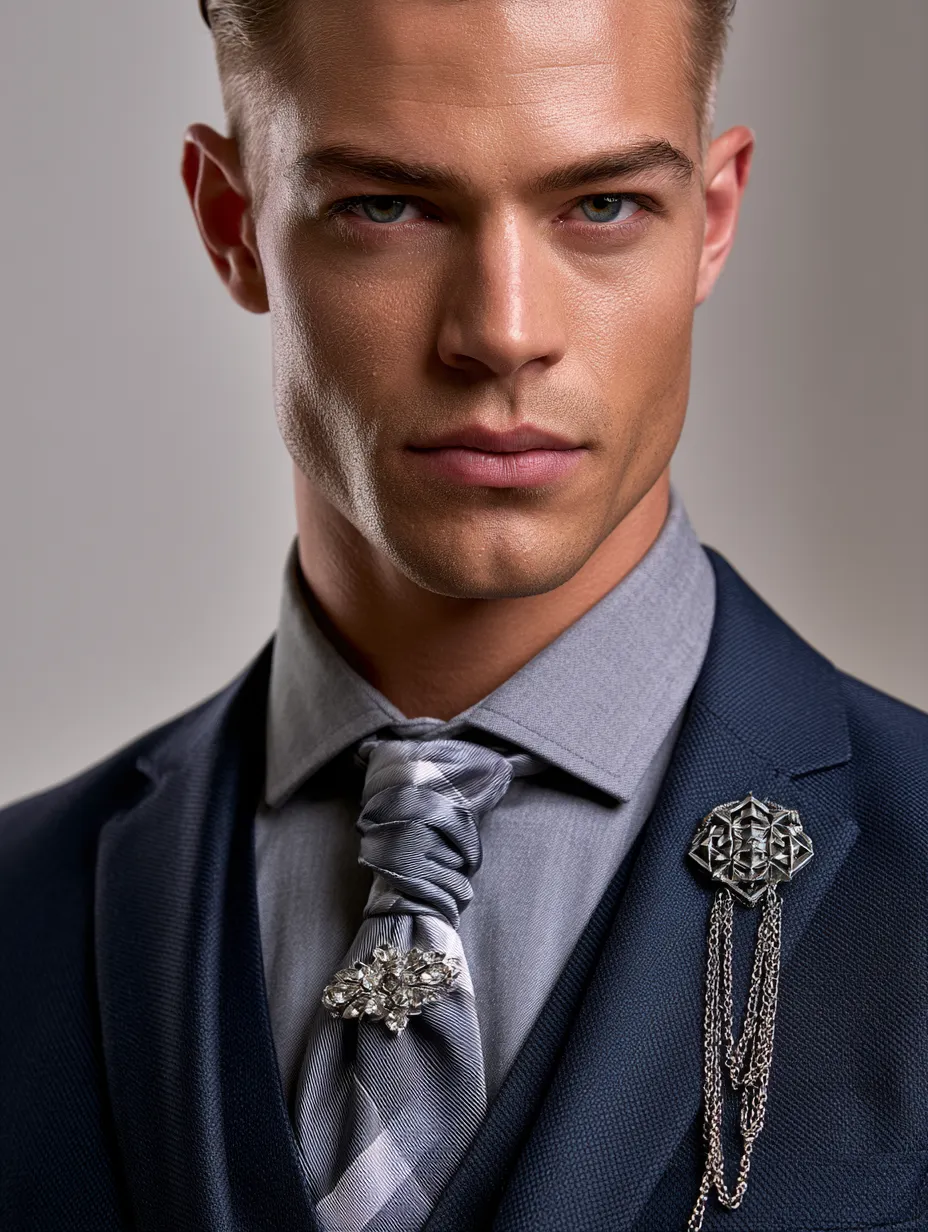
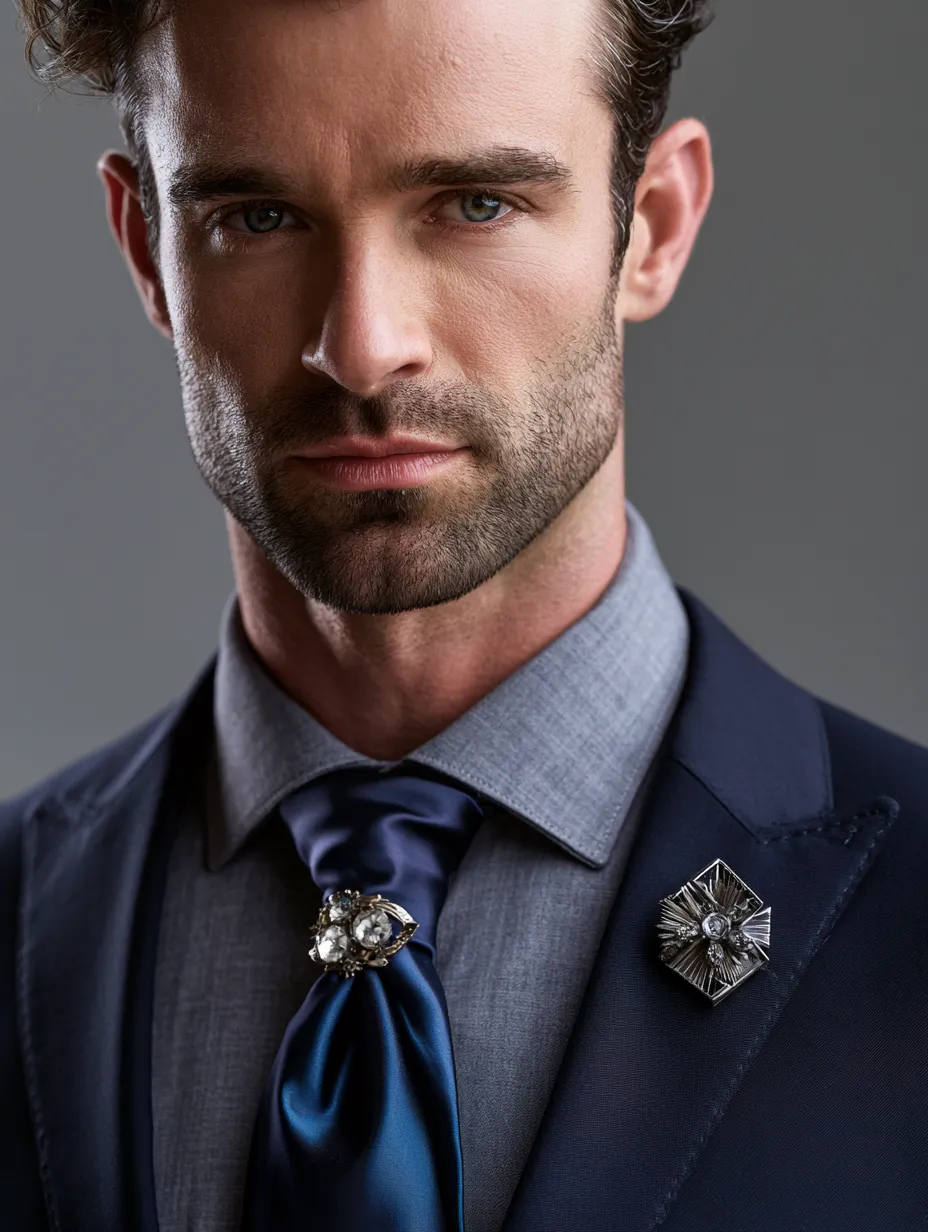
The visual mistake is assuming all three pins must coordinate in color or style. Instead, use metallurgic contrast: a rose gold vintage brooch paired with a silver geometric clip plus an enamel piece in a contrasting color (like cobalt or coral) creates interest through variety rather than monotone repetition. ‘Maximalist accessories’ searches jumped 105% on Pinterest in 2026, particularly among people exploring how to layer without excess. The key is simplification of fabric: save brooch stacking for solid-color or subtle-print pieces because adding pins to already-patterned clothing creates visual overload. A cream silk blouse works better than a multicolor printed shirt for anchoring a three-pin stack. A navy wool blazer provides better visual ground than a patterned business coat. Think of your outfit’s base as a canvas—complicated prints reduce real estate for brooch impact.
Don’t pair a delicate Art Deco bar brooch with three equally delicate clips of the same size and metal. Size and weight variation prevents visual flatness and creates the sculptural reading that makes stacking interesting rather than matchy.
FAQ
Can I stack brooches on casual outfits or is it only for formal wear?
Brooch stacking works across all formality levels—runway houses showcase pins on blazers, cardigans, and even printed scarves worn with jeans. The key is outfit simplicity: pair stacked brooches with solid-color or subtle-print bases to prevent visual chaos. Casual linen shirts, denim jackets, and everyday cardigans benefit from a two-pin cluster just as much as formal evening wear does.
How do I know if my brooch stack looks intentional versus costume-like?
Intentional stacking follows visual hierarchy: one anchor piece (your largest or most ornate pin) plus two smaller complementary pieces with varying sizes, metals, or colors. Space them across lapels or tie fabric rather than clustering them tightly. If all three pins compete equally for attention or match in size and style, the look reads costume-like rather than curated.
What's the most beginner-friendly way to start brooch stacking without investing in expensive pieces?
Anne Klein's floral brooches under $35 pair beautifully as secondary or tertiary pins in a stack. Start with one quality anchor piece (a vintage or contemporary pin in the $200–$500 range) and layer two smaller, budget-friendly clips or enamel brooches around it. This approach builds visual impact while keeping financial risk low and allowing you to experiment with placement before committing to higher investment pieces.
Are men really wearing brooches now, or is this still a primarily female trend?
Men aged 28–43 and 60+ are driving adoption of vintage pins and crystal clip-ons worn on ties, shirt collars, and jacket lapels—this is documented across recent runway shows and red-carpet styling. The trend recodes traditionally feminine accessory language as neutral luxury, attracting both Millennial and Baby Boomer men exploring heirloom pieces and contemporary geometric clips.
Can I wear brooch stacking in summer or is it better for fall/winter?
Brooch stacking works year-round—summer styling anchors pins on lightweight printed scarves, linen blazers, or cotton cardigans rather than heavy wool. The placement shifts (scarf knots work better than dense jacket lapels in warm weather), but the visual principle of intentional multi-pin stacking remains the same across all seasons.
What metals should I mix when stacking brooches—does rose gold, silver, and gold clash?
Intentional metal mixing creates visual interest and prevents monotone repetition. Pairing rose gold with silver, or adding an enamel piece in a contrasting color, prevents the flat matching aesthetic that reads costume-like. The key is ensuring that color or metallic variation exists across your stack—this signals intentionality rather than accident.
How to Stack Brooches Into a Cohesive Statement Look
Brooch stacking follows visual hierarchy and spatial composition rules rather than arbitrary pin placement. Follow these steps to create intentional, polished layering that reads curated rather than chaotic.
-
1
Select your anchor brooch first
Choose your largest, most ornate, or most valuable pin as the visual foundation—this is the piece people notice first. A 2-inch Rahaminov heart brooch, vintage Art Deco bar pin, or even a bold contemporary geometric piece works as an anchor. Place this pin first on your outfit.
-
2
Choose two secondary pins with contrasting qualities
Select pieces that differ in size, metal, or style from your anchor. If your anchor is rose gold and ornate, choose a silver geometric clip or enamel piece in a contrasting color. Size variation prevents monotone repetition—pair a 2-inch anchor with 1.25-inch and 0.75-inch secondary pieces for visual rhythm.
-
3
Position pins with intentional spacing and vertical or asymmetrical arrangement
Don’t cluster all three pins together—space them across your lapel, tie, or scarf. Vertical stacking (one pin above another) or asymmetrical placement (one at 10 o’clock, one at 2 o’clock) creates movement. Avoid centering all pins on the body’s vertical axis because this reads costume-like rather than intentional.
-
4
Secure each pin firmly and assess overall balance before leaving the house
Double-check that brooch backs are fastened securely into fabric so pins don’t shift during the day. Step back from the mirror and evaluate whether the eye moves across all three pieces or gets stuck on one dominant focal point. If the stack reads balanced and your outfit’s base is solid-colored or subtly patterned, you’re ready to wear it.
Save this
Brooch Stacking Transforms Vintage Pins Into Modern Statement Accessories
Brooch moment has evolved from single decorative piece into architectural accessory language where stacking, placement, and price-point mixing define how modern maximalism reads. The 110% surge in brooch aesthetic searches reflects a shift toward intentional layering—away from quiet luxury minimalism and toward sculptural, visible accessory composition. Whether you're wearing inherited family pieces, contemporary designer clips, or mixing price points across vintage and new brooches, the core principle remains: size variation, spatial composition, and color or metallic contrast prevent visual flatness and create the polished, intentional reading that transforms basic outfits into statement pieces.
Save this post.
📌 Save to PinterestComplete guide
Party Fashion Outfits That Turn Every Room Into a Runway
Disco, holiday, pool, white party, themed dress codes — all in one place
Complete guide
Retro Fashion Outfits From Every Decade Worth Stealing
1920s, 60s, 70s, 80s, 90s — vintage looks, party outfits, decade dressing — all in one place
Complete guide
Summer Outfit Ideas for Every Body, Occasion and Vibe
Beach, weddings, casual days, plus size, men — all in one place