The garden party has eclipsed the formal indoor reception. Not as a nostalgic throwback, but as a deliberate rejection of climate-controlled sterility. Hosts are investing $8,000–$25,000 in backyard infrastructure specifically designed for entertaining—pergolas, outdoor kitchens, thermal-controlled patios—because the outdoor event has become the primary social currency of 2026.
Whereas destination wedding events drive luxury travel growth in 2026 for milestone celebrations, garden parties capture the routine social calendar: summer dinners, anniversary gatherings, milestone birthdays, even casual work networking. The shift is structural, not seasonal.
Outdoor Kitchen Infrastructure Reshapes Entertainment Investment
Yoder Smokers’ YS640s ceramic offset smoker sells for $3,995 and represents the entry point for garden party hosts serious about outdoor cooking. Mid-range outdoor kitchens with built-in grills, refrigeration, and prep surfaces now run $15,000–$40,000 installed, a cost that replaces traditional caterer fees over five years. Hosts are choosing permanent installation over rental because outdoor cooking has shifted from novelty to expectation.
Traeger’s Timberline 1300 ($4,499) brings wood-fired precision to backyards previously reliant on propane. The investment signals commitment: your garden hosts serious meals, not improvised grilling. Outdoor kitchen permits and foundation work add another $3,000–$8,000, but that infrastructure increases property value while enabling year-round entertaining.
Napoleon’s built-in stainless steel gas grills ($2,500–$5,000) offer lower entry cost but require fixed installation beneath pergolas or pavilions. The aesthetic difference matters: guests perceive built-in equipment as intentional design, not backup cooking.
- Outdoor kitchens justify themselves through five annual events minimum
- Permit timelines run 8–12 weeks; start infrastructure planning in winter
- Backup weather contingencies (tent, heaters) add 15–20% to budget
- Lighting extends entertaining windows from 4-hour to 8-hour events
- Water access and waste disposal prevent infrastructure failures mid-event
Botanical Decor and Sustainable Table Design Define Aesthetic Direction
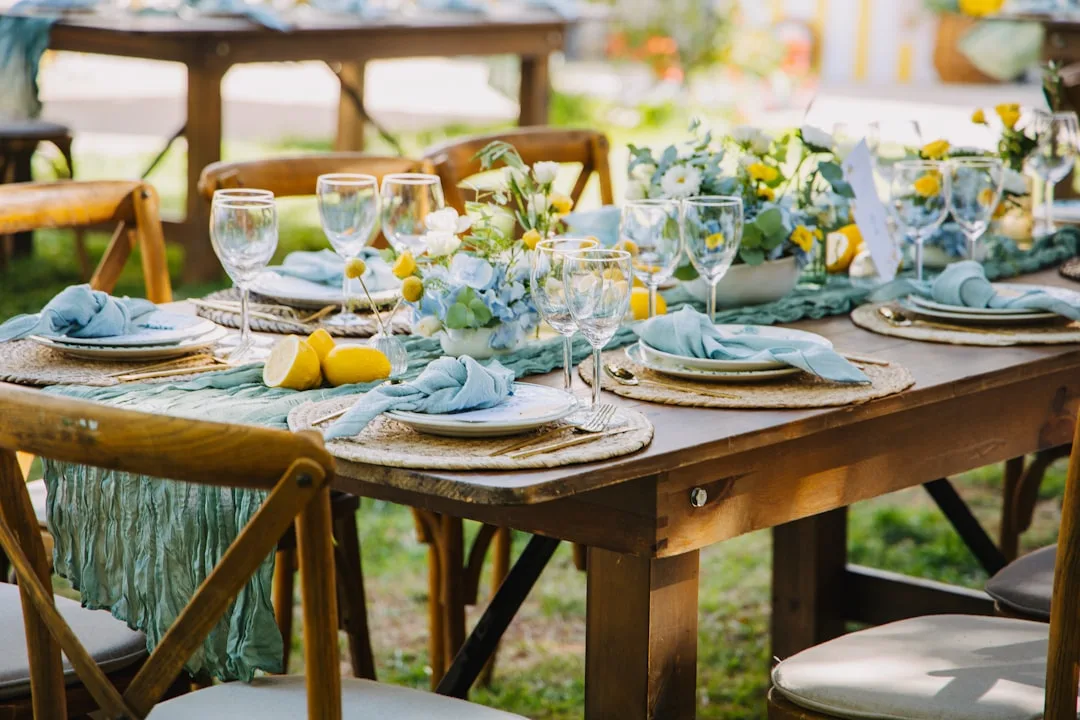
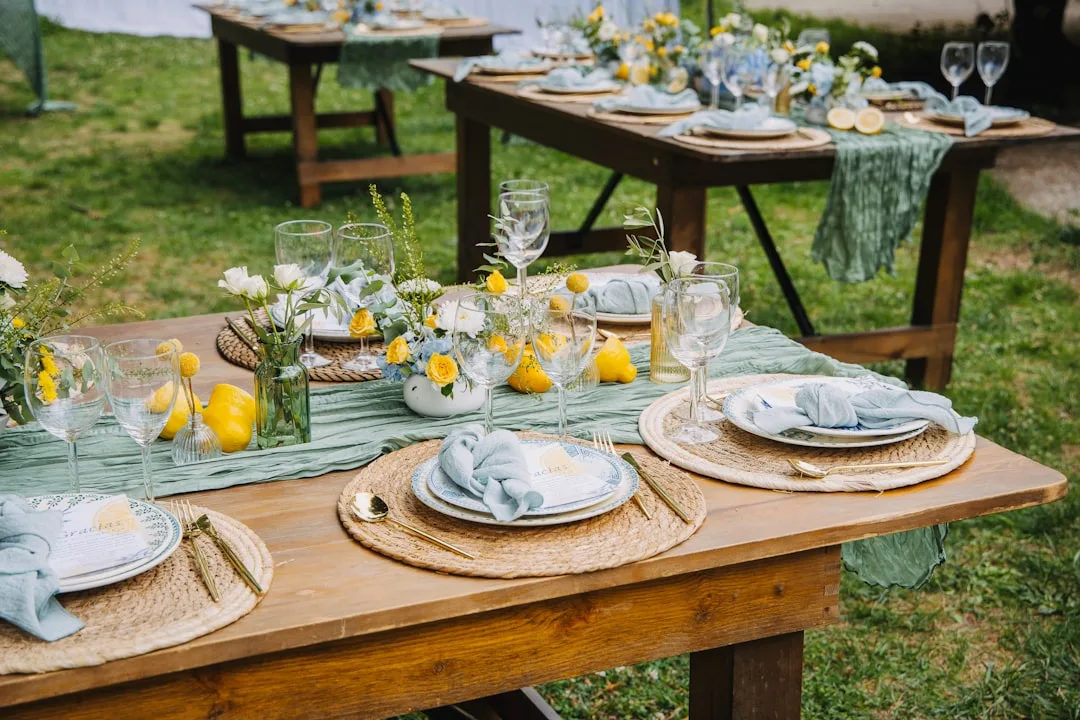
Fifty Flowers, a wholesale botanical supplier, charges $150–$400 for garden-party-specific centerpiece arrangements (replacing imported flowers at $80–$250 per unit from traditional florists). Hosts are sourcing locally and seasonally because garden entertaining demands visual coherence between landscape and table. A June garden party in the Pacific Northwest features peonies, roses, and clematis already blooming on-site; the decor becomes an extension of the landscape, not a florist’s installation.
Table linens have shifted from white damask to natural linen in cream, sage, and charcoal. Libeco Belgian linen tablecloths run $180–$350 per cloth but survive 50+ washings compared to cotton rentals at $15–$25 per event (replacement cost after eight uses). Hosts purchasing linens for repeated entertaining see payback in 18 months.
Placemats and runners now feature botanical prints or natural weave patterns. Schoolhouse Electric’s linen napkins ($6–$9 each) pair with Hawkins New York stoneware ($40–$80 per place setting) to create a cohesive aesthetic that signals intentional design, not rental-hall standardization.
Thermal Comfort Technology Eliminates Weather as Limiting Factor
Heaters, fans, and shade systems now determine outdoor event viability year-round. AECinfo’s motorized retractable patio awnings ($3,500–$8,000 installed) control sunlight and temperature. A 12-foot retractable system pays for itself by enabling five additional months of usable entertaining space versus eight months with permanent structures.
Infrared heaters like Bromic’s Tungsten Smart Heat ($1,200–$2,500 per unit) extend autumn and spring entertaining by maintaining comfort in 45–55°F conditions. Commercial outdoor dining venues require heaters for spring and fall service; residential hosts are adopting the same infrastructure. You’re no longer choosing between seasonal entertaining and climate comfort.
Misting systems ($800–$2,500 installed) cool gardens by 10–15°F during summer events. Guests stay longer, demand for air-conditioned alternatives drops, and event duration expands profitably. This is not luxury—it’s the baseline infrastructure that separates 2026 garden parties from 2019 backyard barbecues.
Where Garden Parties Fail: Inadequate Planning for Scale and Duration
The most common failure: hosts underestimate guest duration and overestimate their own hosting capacity. An invitation to a 3-hour garden party routinely extends to 5–6 hours because the outdoor setting feels less formally bounded than an indoor venue. Guests linger. The kitchen runs out of ice by hour four. Bathroom facilities prove insufficient. The host collapses from overwork by 9 PM instead of enjoying their own party.
Example of what not to do: a host in Portland planned a 40-person garden dinner with a single outdoor bathroom, one beverage station, and no backup lighting. The event started at 6 PM on a June evening with sunset at 9:15 PM. By 8:45 PM, darkness arrived, bathroom lines formed, and the host was mixing drinks while managing food. Guests departed by 10 PM feeling rushed. The infrastructure was beautiful but undersized for the stated event scope.
Correct approach: assume 150% of planned duration. If you’re hosting 50 guests for 4 hours, plan for 6 hours minimum. Add a second beverage station. Install dusk-to-dark lighting (solar or hardwired). Hire service staff even for casual events. Your garden party competes with restaurants, bars, and organized entertainment—underestimate the experience and guests don’t return.
Similar logic applies to corporate team building events 2026 where hybrid experiences drive employee retention: the outdoor garden setting now carries professional expectations, not just casual comfort. Failure to scale support infrastructure signals indifference to guest experience.
Seasonal Entertaining Drives Annual Infrastructure Investment Cycles
June and September represent peak garden party season across temperate climates, not because of tradition but because climate control becomes minimal. Spring (April–May) and autumn (October–November) events require heating investment ($1,200–$4,000 per season). Summer entertaining needs misting and shade ($800–$2,500). Winter entertaining remains rare in most regions, except in Southern California and parts of the Southwest where garden parties extend through December.
Hosts are now budgeting for seasonal infrastructure updates and maintenance. A motorized awning requires annual lubrication and inspection ($200–$400). Outdoor kitchens need professional cleaning and inspection ($300–$600 annually). Permeable patio surfaces require specialized sealing ($15–$30 per square foot, every 3–5 years). The garden party has become a year-round commitment, not a summer improvisation.
This shift drives residential design decisions in landscape architecture, hardscape installation, and structural engineering. The garden party is no longer an afterthought to backyard design—it’s the primary design driver shaping how people build homes in 2026.