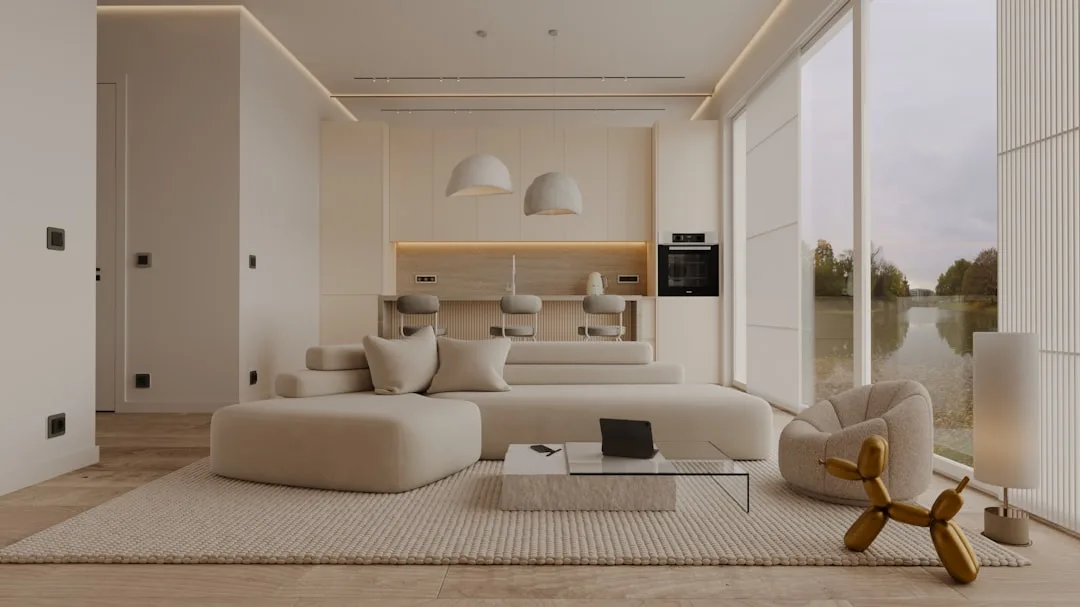
The Pendulum Swings from Maximalism to Restraint
After three years of dopamine decor’s bright yellows, hot pinks, and clashing patterns flooding Instagram feeds and Pinterest boards, the design world is experiencing what Kelly Wearstler called “chromatic fatigue” at Milan Design Week in April 2026. Google search interest for “dopamine decor” has dropped 64% since its January 2024 peak, while searches for “quiet luxury interiors” increased 312% between January and April 2026 according to trend data from Pinterest’s 2026 Home Report released April 15.
This isn’t simply a pendulum swing toward minimalism. Quiet luxury represents something more nuanced—a rejection of trend-chasing itself in favor of considered, enduring design choices. Where dopamine decor prioritized immediate visual stimulation and affordable maximalism from retailers like Target and H&M Home, quiet luxury interiors emphasize material quality, craftsmanship, and a deliberately understated aesthetic that whispers rather than shouts.
What Defines Quiet Luxury Interiors
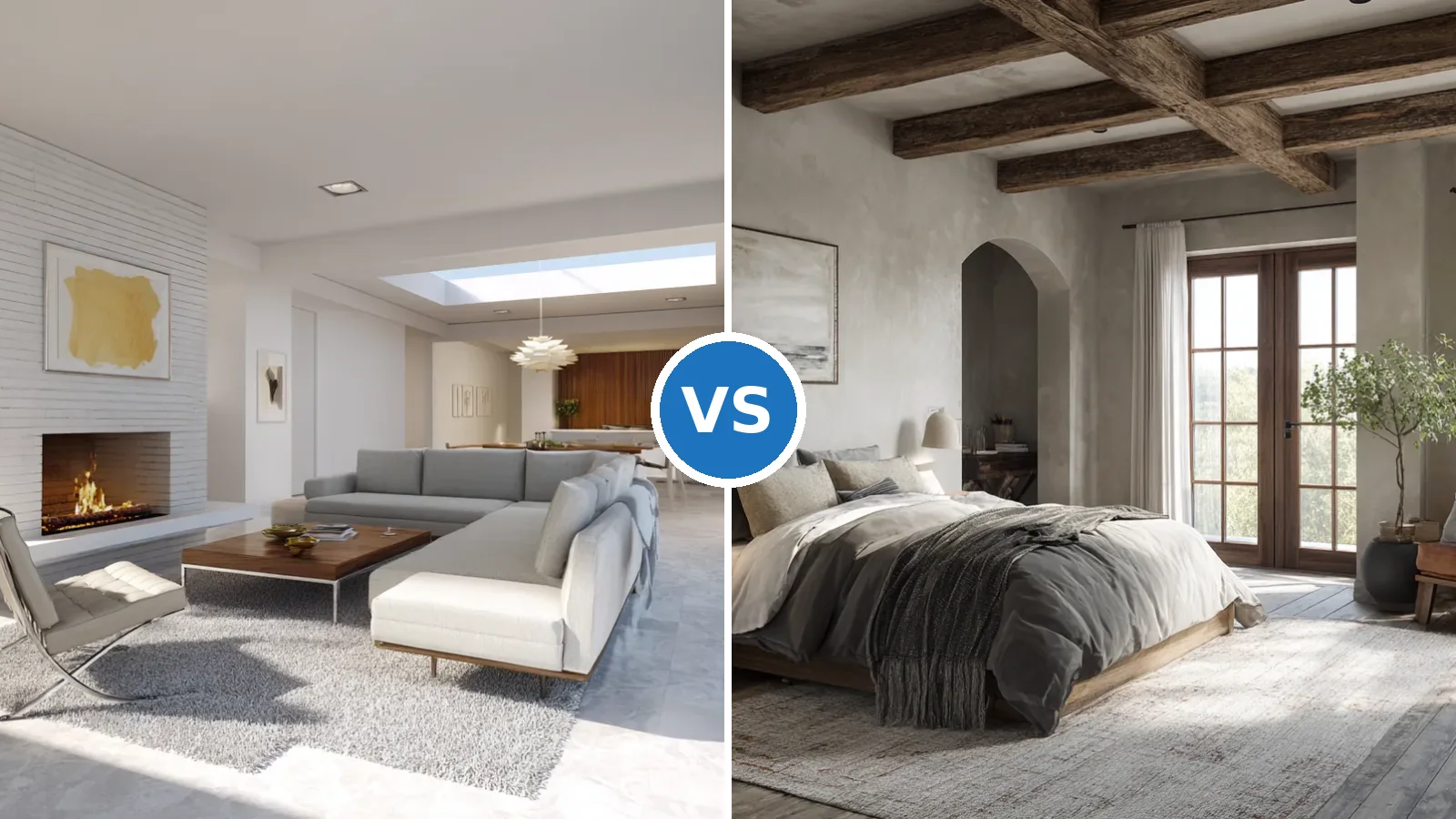
The movement centers on three foundational principles that distinguish it from both dopamine decor and traditional minimalism. First, the color palette contracts dramatically. Designers like Athena Calderone and Studio McGee have shifted their 2026 projects toward what Benjamin Moore identified as the year’s defining tones: warm taupes, soft greys, cream, ecru, and chocolate brown. These aren’t the stark whites of 2010s minimalism—they’re layered neutrals with depth and warmth.
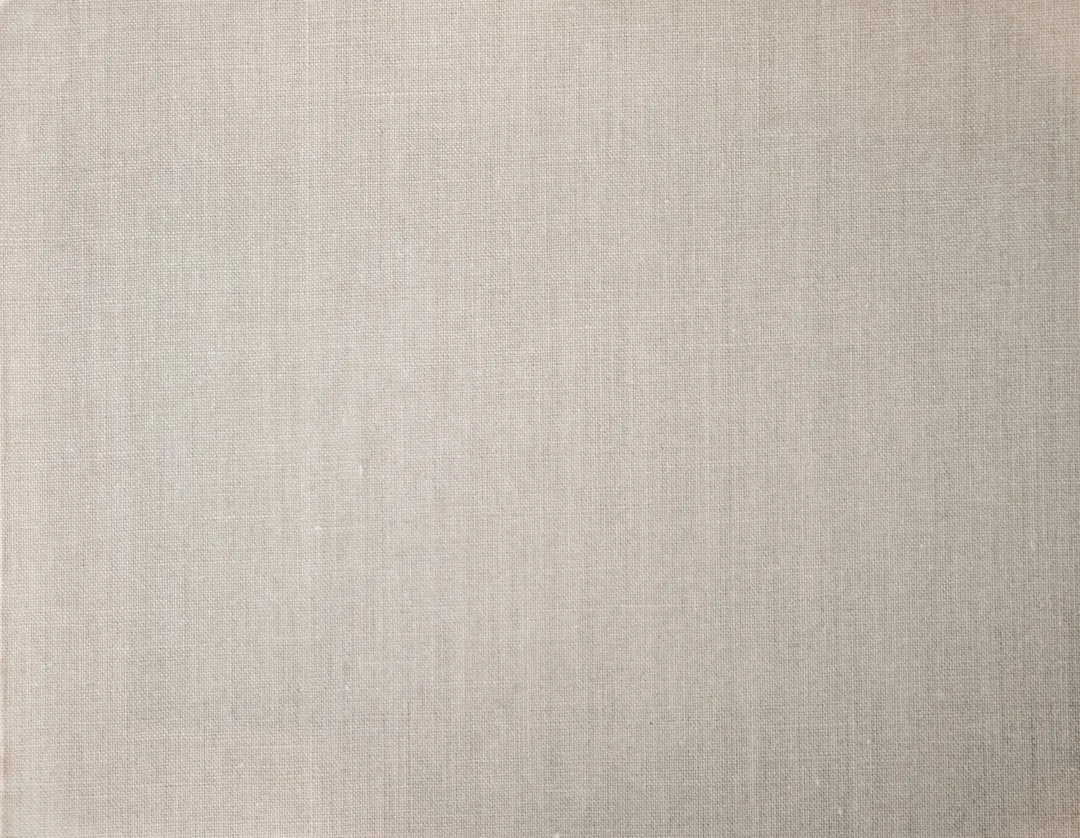
Second, material authenticity becomes paramount. Quiet luxury rejects fast furniture and synthetic finishes. Interior designer Nate Berkus told Architectural Digest in March 2026 that his clients are now requesting “heirloom potential”—solid wood over particleboard, natural stone over quartz composites, linen over polyester blends. Brands like Restoration Hardware, Arhaus, and RH have reported 40% increases in sales of their premium natural fiber collections between Q4 2025 and Q1 2026.
Third, the aesthetic embraces what Italian design house Loro Piana calls “stealth wealth”—furnishings and finishes that signal quality to those who know, without obvious logos or trendy silhouettes. This translates to classic furniture profiles, concealed storage, integrated technology, and an absence of decorative objects that serve no functional purpose. Exploring the Charm of New Vintage French Interior Trends touches on similar principles of timeless elegance over momentary fashion.
Why Now: Economic and Cultural Catalysts
Several converging factors explain quiet luxury’s April 2026 dominance. The economic context matters significantly. With mortgage rates stabilizing around 6.8% and housing inventory remaining tight, homeowners are viewing their spaces as long-term investments rather than temporary canvases for Instagram content. The “rental aesthetic” that encouraged frequent, inexpensive redecoration has lost appeal among homeowners planning to stay put for 7-10 years.
Culturally, there’s a documented fatigue with performative consumption. Gen Z and younger millennials—the same demographics that embraced dopamine decor—are now gravitating toward what trend forecaster WGSN calls “conscious permanence.” A February 2026 survey by Houzz found that 68% of homeowners under 40 now prioritize “timeless design” over “on-trend” when making purchasing decisions, a complete reversal from 2023 data.
The sustainability angle also drives adoption. Quiet luxury’s emphasis on durable, natural materials aligns with growing awareness of fast furniture’s environmental cost. IKEA reported in March 2026 that their higher-priced solid wood collections outsold particle board equivalents for the first time in company history, signaling a fundamental shift in consumer priorities.
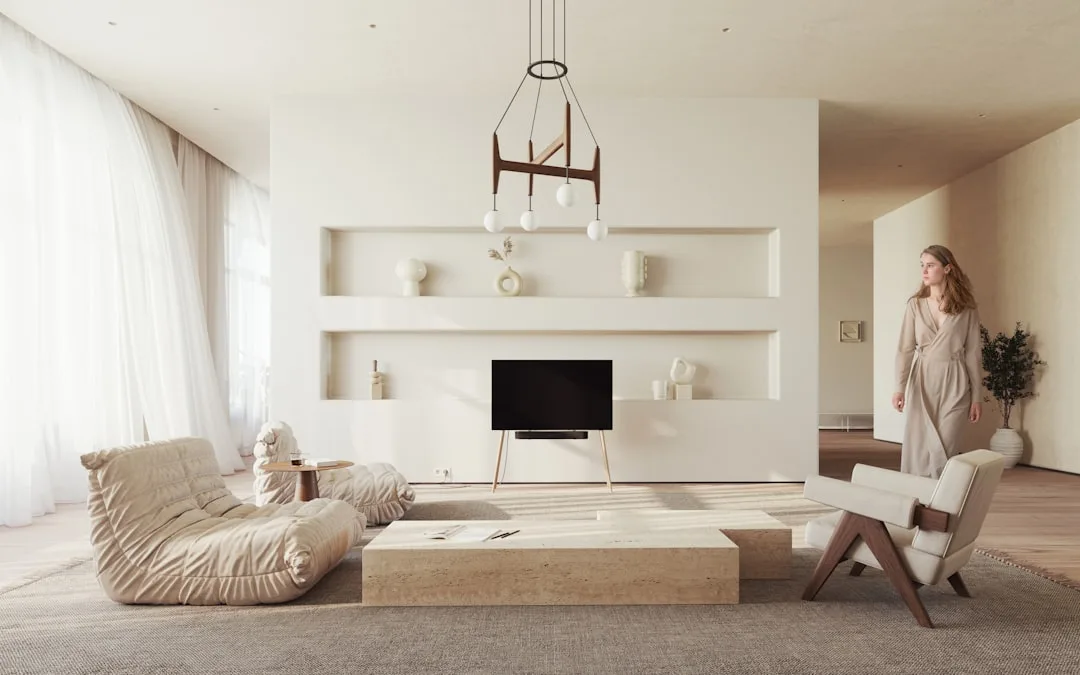
How Designers Are Implementing the Aesthetic
At the practical level, quiet luxury interiors require a complete inversion of dopamine decor’s approach. Designer Jeremiah Brent’s recent Los Angeles project, featured in Elle Decor’s April 2026 issue, demonstrates the methodology: he removed 40% of the furnishings from the previous maximalist scheme, repainted five different wall colors to a single warm taupe (Farrow & Ball’s “Jitney”), and replaced twelve decorative lighting fixtures with four statement pieces in natural brass and linen.
The color strategy focuses on tonal layering within a narrow range. Rather than the monochromatic white-on-white of earlier minimalism, designers like Shea McGee are using four to six shades within the same color family—multiple creams, varying greys, or graduated earth tones—to create visual interest through subtlety rather than contrast. This approach shares DNA with 3+ Urban Mediterranean Interior Trends for Stylish City Dwellings, where restrained palettes create sophisticated warmth.
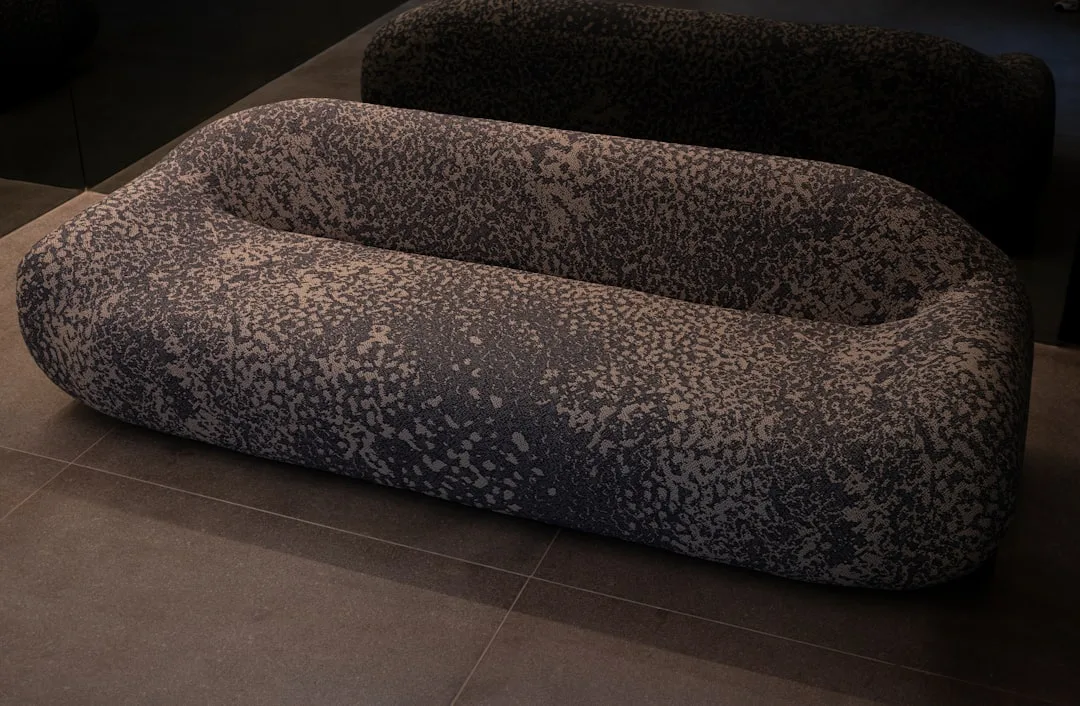
Texture becomes the primary tool for preventing visual monotony. Bouclé sofas, chunky knit throws, raw limestone, unlacquered brass, and rough-hewn wood introduce tactile variety without chromatic chaos. West Elm’s March 2026 collection launch centered entirely on textural contrast within neutral palettes, featuring seventeen fabric options in shades the company categorized as “barely there.”
The Investment Hierarchy
Quiet luxury operates on a clear value hierarchy that differs fundamentally from dopamine decor’s democratic approach. Designer Nicole Hollis, speaking at the Architectural Digest Design Show in March 2026, outlined the priority sequence her clients now follow: invest heavily in foundational elements (flooring, built-ins, primary seating), moderately in secondary furniture, and minimally in accessories.
This translates to specific purchasing patterns. Companies like Article and Burrow—previously thriving on affordable, trend-forward pieces—have launched premium collections with 40-60% higher price points to capture the quiet luxury market. Meanwhile, vintage and antique dealers report unprecedented demand for mid-century pieces in walnut and teak, with prices for authentic Nakashima and Wegner pieces up 35% year-over-year according to 1stDibs’ April 2026 market report.
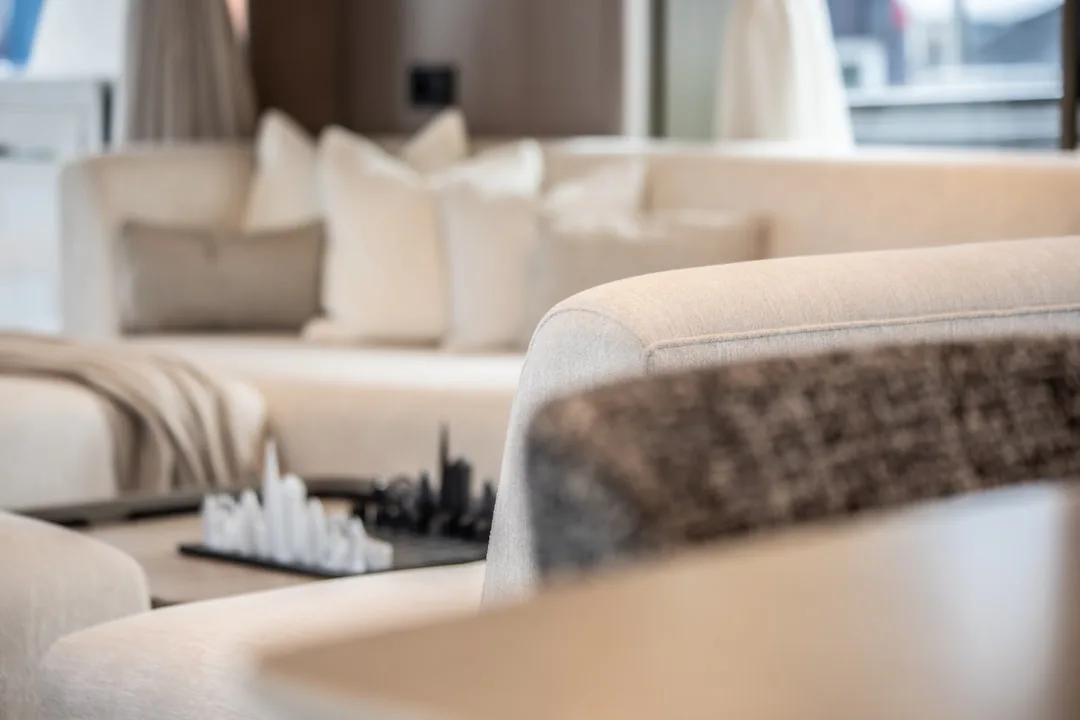
Applying Quiet Luxury Without Starting from Scratch
For most homeowners, transitioning from dopamine decor doesn’t require gutting entire rooms. Interior designer Orlando Soria recommends a 60-30-10 phase-out approach: remove 60% of purely decorative objects immediately, replace 30% of furnishings over the next year with investment pieces, and upgrade 10% of finishes (hardware, lighting) as budget allows.
The quickest visual shift comes from editing. Remove items that serve only aesthetic purposes—decorative bowls, redundant throw pillows, wall art collections. What remains should either function practically or hold genuine personal significance. Paint represents the highest-impact, lowest-cost intervention: consolidating multiple accent walls into a cohesive neutral palette transforms spaces for under $300 in most rooms.
For those unable to replace furniture immediately, reupholstering existing pieces in natural linens or wools bridges the gap. Companies like Comfort Works and The Stated Home have reported 200% increases in neutral slipcover sales between January and March 2026, suggesting many homeowners are taking this transitional approach.
The quiet luxury movement signals more than another aesthetic trend—it represents a fundamental recalibration of how we value our living spaces. As economic uncertainty persists and environmental consciousness deepens, the appeal of timeless, durable, understated interiors will likely extend well beyond 2026’s design calendar.