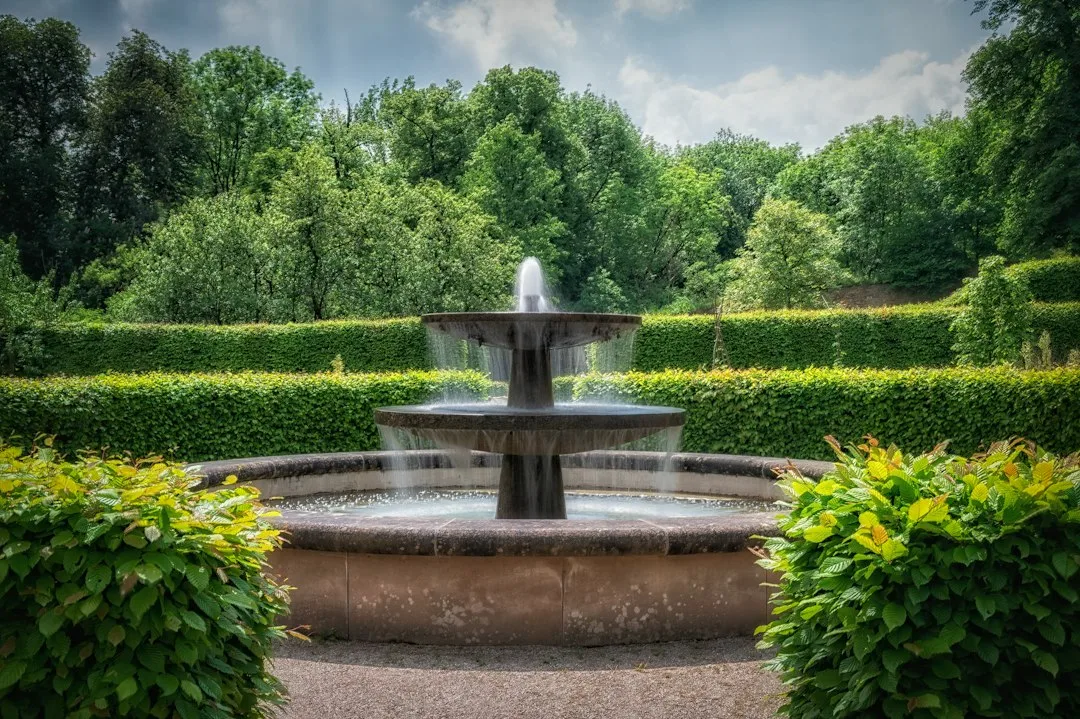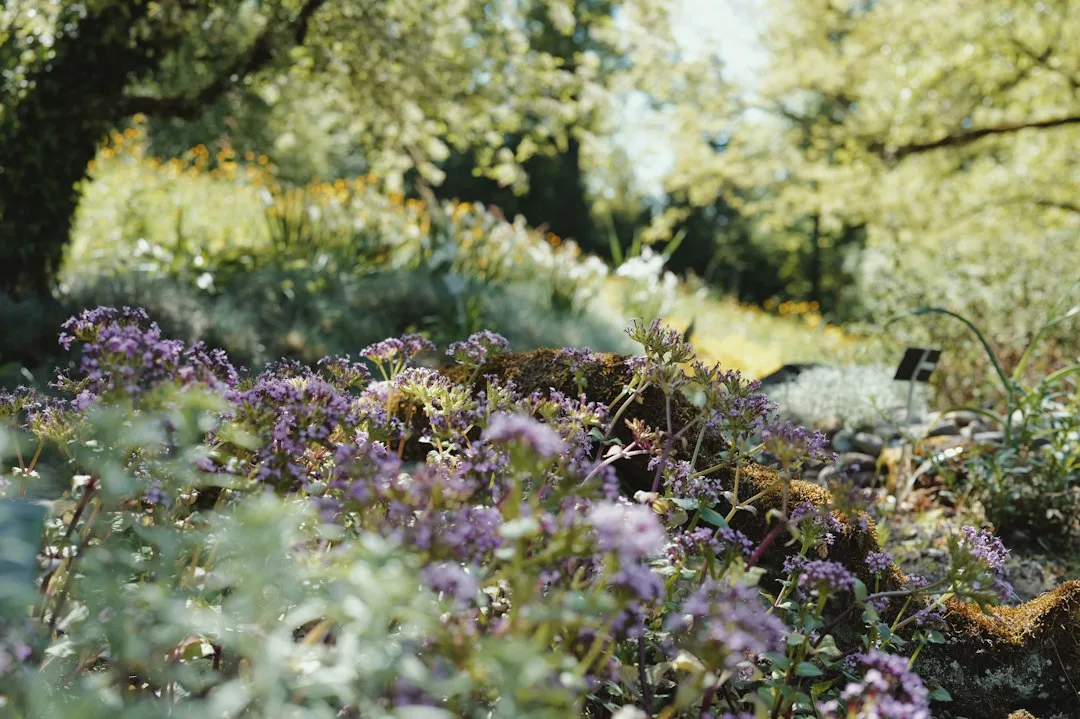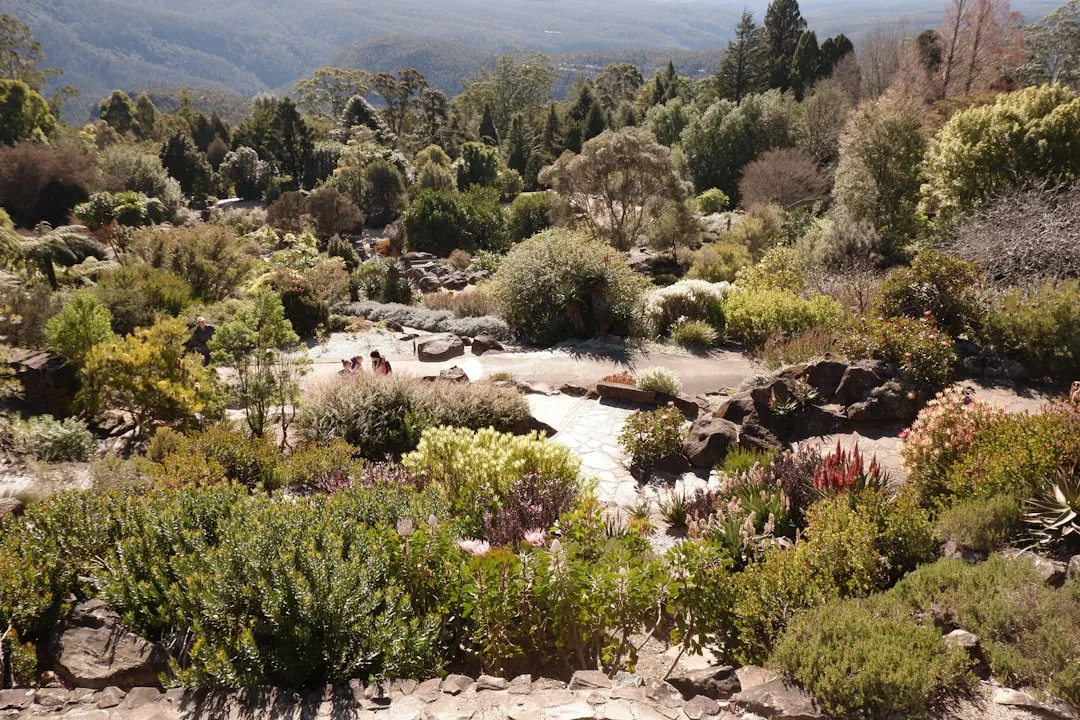
Wildfire seasons are no longer a West Coast problem — and garden designers have finally stopped pretending otherwise. Across the country, the fastest-moving shift in outdoor & garden trends right now is not a new plant palette or a patio material. It is a complete rethinking of landscape architecture through the lens of fire resilience.
When Wildfire Seasons Grow Longer, Defensible Zones Become Design Briefs
The numbers are impossible to ignore. As wildfire seasons extend into months that used to be considered safe, homeowners are approaching their landscapes with a different set of priorities. According to landscape designer Rebecca Sweet, writing for Garden Design in December 2025, homeowners are “rethinking their gardens through the lens of preparedness rather than solely aesthetics” — selecting less-flammable plants, building defensible zones, and managing mulch and debris with the same attention they once gave to flower color.
This is not about stripping gardens down to gravel and concrete. The designers gaining the most traction in 2026 are those who have figured out how to make protection look extraordinary.
The Plant List Has Changed — and the Replacements Are More Interesting
Nurseries and plant breeders are responding with purpose. Proven Winners’ ‘Red Zeppelin’ sweetshrub (Calycanthus floridus) and Kodiak® Jet Black diervilla are among the 2026 introductions delivering saturated color — deep burgundies, velvety plums — while staying structurally lower-risk. Yellow rabbitbrush (Chrysothamnus viscidiflorus) has emerged as a keystone perennial prized specifically for its extensive root system and its resilience in the harshest, driest Western environments.
Meanwhile, gravel gardening — long a xeriscaping technique — is surging as a foundational element of fire-aware design. Horticulturist Jeff Epping, known in the field as “Gravel Guru,” releases his comprehensive book on the practice in spring 2026, and public gardens including Chanticleer, Cantigny, and Olbrich Botanic Gardens have already adopted it across major installations.
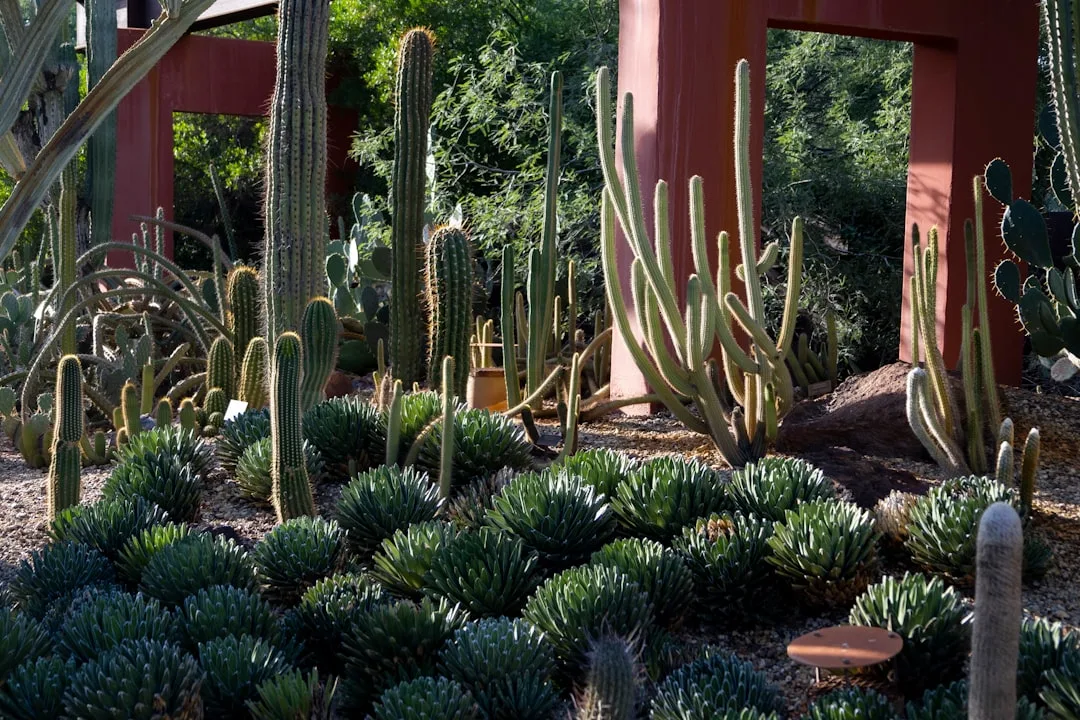
Hardscaping Materials Are Doing Double Duty in This outdoor & garden trend
The material story is equally decisive. Travertines, limestones, and richly veined marbles — already ascendant for their warmth and tactility — are being selected now for an additional reason: non-combustibility. Decorative stone perimeters around structures fulfill the defensible zone requirement while reading as intentional design gestures, not safety compromises.
Permeable hardscaping is folding into the conversation too. Rain gardens and bioswales manage stormwater and reduce the dry, desiccated conditions that feed fire risk. The result is a garden that performs climatically on multiple fronts simultaneously — absorbing rain, resisting drought, and limiting fire spread — all in one cohesive layout.
The Aesthetic Is Not Sparse — It Is Edited
One of the most important distinctions driving this trend’s mainstream crossover is that fire-safe does not mean austere. The Society of Garden Designers noted in early 2026 that designers are using “restrained greens, soft neutrals, and natural materials” as an aesthetic response to hotter, drier conditions — creating landscapes that feel visually and physically cooler without appearing stripped or punitive.
This pairs directly with the broader movement toward Nature-Drenching: The Outdoor Design Movement Rewriting What Gardens Are For — the understanding that a garden should feel immersive and alive, not decorative and static. Fire-safe landscaping absorbs that principle and adds structural logic to it: every plant is there because it earns its place ecologically and spatially.
Why This Trend Has Momentum That Aesthetic Cycles Do Not
Most outdoor & garden trends rise and fall with seasonal editorial cycles. This one is anchored to something that does not reverse. Climate risk is a permanent variable in landscape planning, and homeowners who have experienced or watched nearby wildfire events are not reverting to ornamental-only thinking.
Landscape architects at firms like McHale Landscape Design have built their 2026 residential project pipelines around exactly this brief — clients asking for landscapes that “reduce water use, support wildlife, and adapt to climate change” as baseline requirements, not optional upgrades.
It is worth noting that fire-safe landscaping does not operate in isolation. It overlaps significantly with The Pollinator Lawn Takeover: Why Americans Are Finally Ditching Grass — because the same native groundcovers and low-water perennials that support pollinators also happen to present lower combustion risk than conventional turf and dense ornamental planting.
How to Apply It Without Starting From Scratch
Entry points into this trend do not require a full redesign. Start with the perimeter: replace wood chip mulch with gravel or decorative stone within five feet of any structure. Audit existing plantings for spacing — dense, continuous planting beds create fire ladders, while broken, layered arrangements interrupt spread. Swap one section of conventional lawn for a native groundcover mix anchored by drought-adapted perennials like rosemary, salvia, or echinacea.
The garden that results is not a garden of restrictions. It is a garden built for exactly where and how we live now — one that looks considered because it is. That is precisely why, across every category of outdoor & garden trends in 2026, fire-safe landscaping is the one gaining the most durable, design-led momentum.
Complete guide
Exterior Decor Ideas Every Homeowner Should Know
Facade trim, moldings, patio design, garden, hardscape, outdoor living — all in one place
Complete guide
Coastal Home Style Ideas That Actually Feel Like the Shore
Kitchens, bedrooms, bathrooms, exteriors, palettes, outdoor — all in one place
Complete guide
Garden Design Ideas That Actually Transform Your Outdoor Space
Landscaping, planting, patios, walls, structures, ecological design — all in one place