What ‘Nature-Drenching’ Actually Means
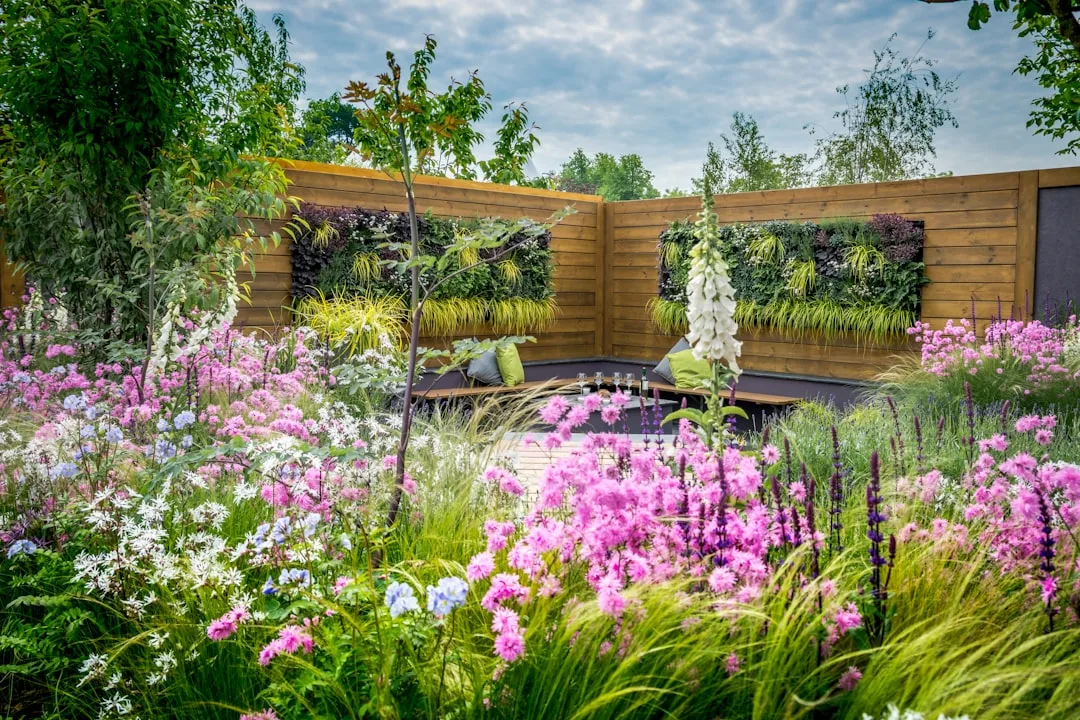
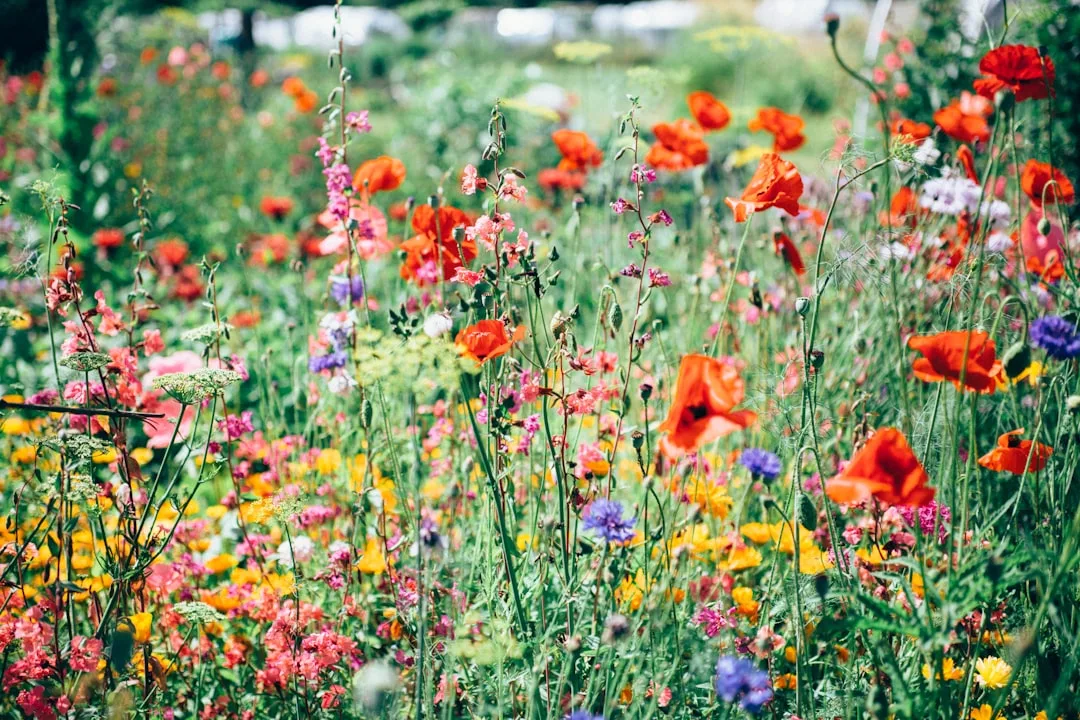
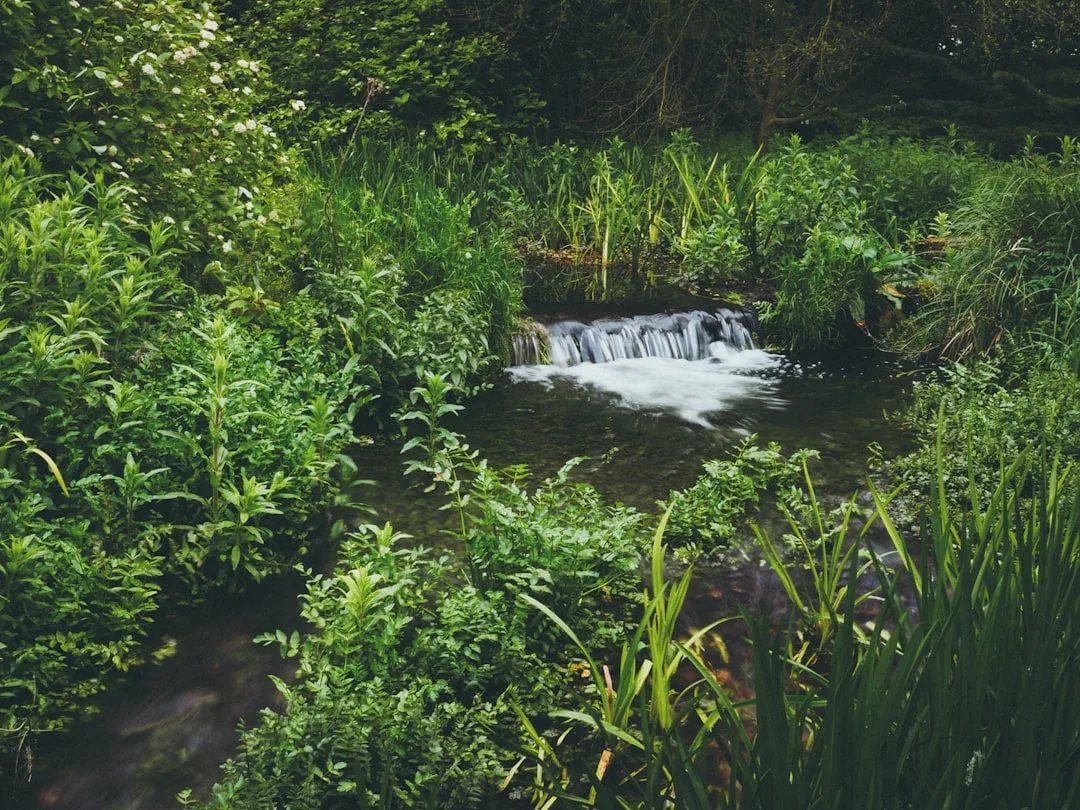
The phrase sounds poetic, but nature-drenching is a precise design methodology. Coined in mainstream circulation by Living Etc. and amplified through Garden Media Group’s 2026 Garden Trends Report, it describes outdoor spaces that are deliberately, structurally overtaken by planting — where hardscaping is not a stage for occasional greenery but a substrate consumed by it. Think plants spilling across steps and terraces, softening the edges of paths, scaling walls, and collapsing the distinction between garden zones. The goal is immersion, not decoration.
This is not the wild-garden or rewilding movement repackaged. Rewilding is largely about withdrawal — the designer steps back and lets nature fill the vacuum. Nature-drenching is intentional. Society of Garden Designers summed up the ethos clearly: “the boundary between patio and garden is disappearing,” with designers “letting plants spill across steps, terraces, and walls so that entering the garden feels like stepping into greenery rather than onto hard paving.” The control is still there. The artificiality is not.
Why It’s Gaining Momentum Right Now
Several converging pressures explain why nature-drenching has reached critical mass in spring 2026 specifically. First, climate anxiety is reshaping design priorities at every level. Designers at the Society of Garden Designers are specifying “restrained greens, soft neutrals, and natural materials to make gardens feel visually and physically cooler” — an explicit aesthetic response to hotter summers and accelerating climate disruption. When your outdoor space needs to function as a psychological refuge from environmental stress, maximally planted, layered, and tactile spaces do what bare concrete cannot.
Second, the wellness pivot in interiors has now fully migrated outside. Living Etc. identified this in their February 2026 coverage: what began as wellness rooms inside the home is now applied to gardens. Immersive planting has measurable benefits for mental restoration — the research base supporting this has grown substantially, and designers are citing it directly in briefs. A garden that surrounds you rather than displays itself to you functions differently as a restorative space.
Third, the materials landscape is shifting in ways that make nature-drenching viable at a higher aesthetic level than before. As Living Etc. noted, there is “growing demand for warm, earthy materials — travertines, limestones, and richly veined marbles” that bring depth to outdoor settings. These surfaces age beautifully when softened by encroaching planting. A limestone terrace with creeping thyme between the joints is not neglected — it is designed that way.
The Designers Pushing It Furthest
Landscape designer Freeland Tanner and his partner Sabrina, working from their base in Napa, California, have been executing layered, plant-saturated borders where jewel-toned perennials — Papaver ‘Plum Pudding’, Iris ‘Rosalie Figge’, Penstemon ‘Dakota Burgundy’ — crowd every available inch of ground. Their approach treats hardscape as a minor note and planting as the dominant architectural element. On the British side, the RHS Chelsea Flower Show preview presentations for 2026 have confirmed that naturalistic, immersive planting will be the through-line across show gardens this May. The show has historically been a reliable leading indicator: what appears at Chelsea in May is mainstream by autumn.
Plant breeders are responding to the demand. Proven Winners’ 2026 introductions include varieties specifically selected for their ability to self-layer and naturalize without becoming invasive — the ‘Red Zeppelin’ sweetshrub (Calycanthus floridus) and Kodiak® Jet Black diervilla are two examples that deliver the dense, sprawling presence the trend requires without becoming management problems. Sunset Plant Collection’s Kip McConnell has observed the same appetite: patios and decks are being transformed into what he calls “full-fledged garden escapes” rather than outdoor rooms.
How to Execute It Without Losing the Plot
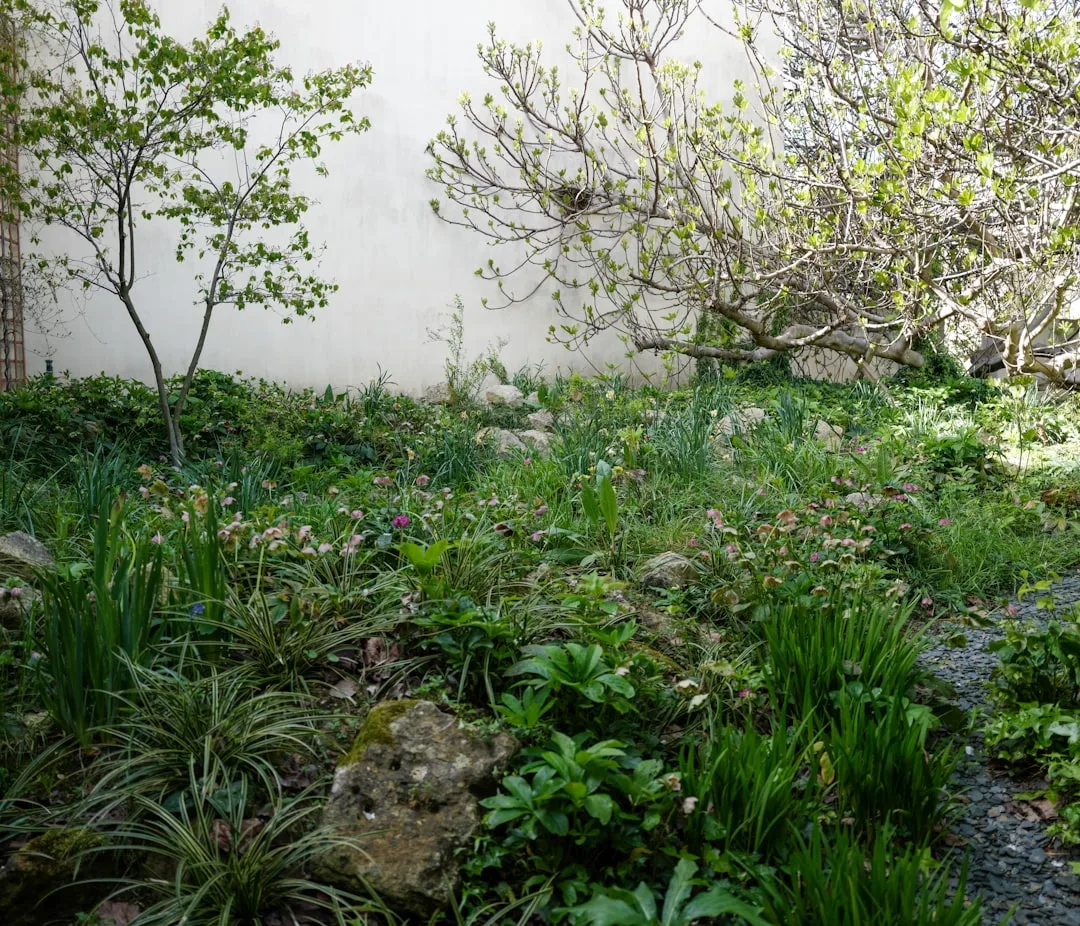
Nature-drenching fails when it defaults to chaos. The editorial version of this trend requires structural clarity underneath the apparent abundance. Start with the hardscape geometry — travertine, pale limestone, or worn timber — and treat it as a grid over which planting is allowed to escape. The key word is allowed: this is designed overflow, not unmaintained mess. Consult resources like Modern Style Bedroom Trends You Need to See for Your Next Renovation for how the same immersive layering principle is reshaping interiors, and understand that the language is consistent across spaces in 2026.
Species selection is critical. For the spillage effect across stone and hard surfaces, creeping mazus, brass buttons (Leptinella), and low sedums are workhorses. For vertical encroachment — climbing across walls and fences — Hydrangea petiolaris and climbing roses trained loosely rather than formally deliver the right register. For borders that feel consumed rather than planted, go deep with layering: tall keystone perennials at the back, mid-layer shrubs that billow rather than mound, and ground-level plants that genuinely cover soil rather than spot-planting in mulch.
Color also matters here. The 2026 palette for immersive gardens runs toward jewel tones — fiery reds, velvety plums, emerald greens — rather than the pastel schemes that dominated naturalistic design through 2023–2024. This aligns with how leading paint companies are moving indoors: Behr’s Hidden Gem and Glidden’s Warm Mahogany signal the same richness at the wall level. For exterior color context, the full picture of how these deep tones translate to the building envelope is covered in 101+ Exterior House Colors Combinations & Best Paint Color Ideas — because a nature-drenched garden reads very differently against a pale rendered wall versus a dark cladded facade.
The Deeper Shift This Signals
What nature-drenching ultimately represents is a recalibration of what outdoor spaces are for. The manicured lawn-and-border formula encoded a set of values — control, display, legibility — that feel increasingly out of step with both ecological reality and the psychological demands people bring to their gardens in 2026. As Garden Media Group’s annual report framed it, this year’s overarching garden theme is about “turning life’s challenges into opportunities to grow deeper, more meaningful connections with the outdoors.” Nature-drenching is the design expression of that impulse: not a garden you look at from the patio, but one you disappear into.
That is a meaningful shift. And for anyone planning an outdoor project this season, it is the frame through which every decision — planting, material, lighting, structure — should now be made.