Gravel vs Mulch Beds for a Yard That Needs Less Work
Gravel vs mulch depends on whether you want less watering or healthier soil. Here is how a gravel garden and a leaf mulch bed compare on cost, care, and where each one fits.
333k+ Lifestyle & Design Ideas

Gravel vs mulch depends on whether you want less watering or healthier soil. Here is how a gravel garden and a leaf mulch bed compare on cost, care, and where each one fits.
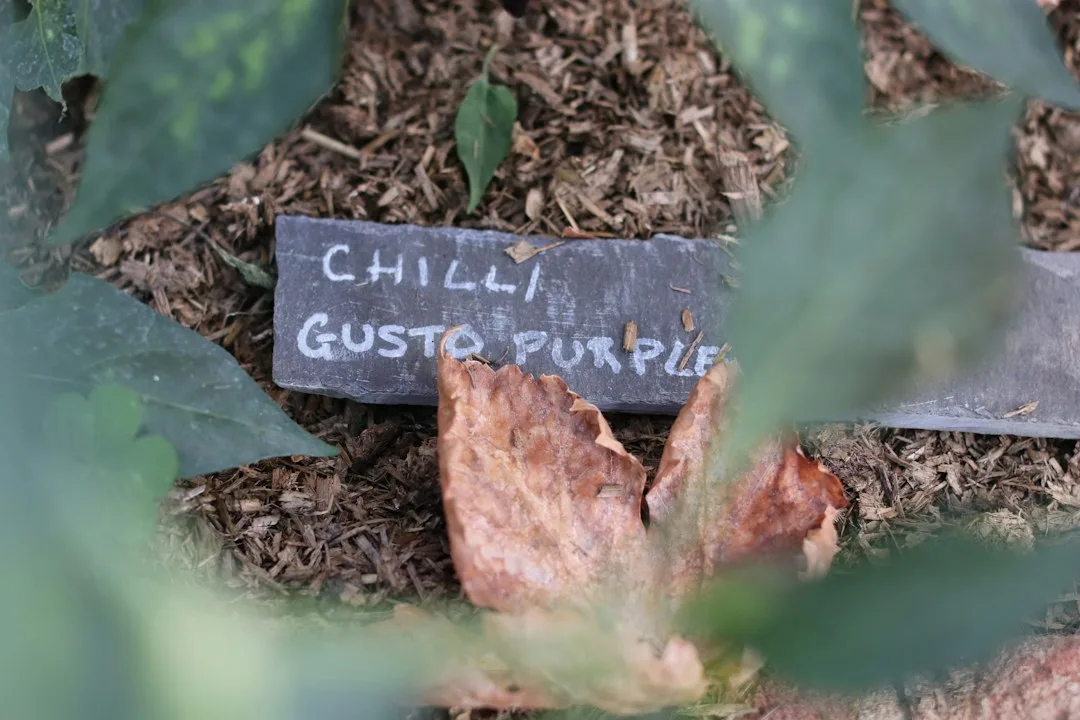
Leaf mulch garden beds keep soil moist, feed earthworms, and cut out curbside bag waste. Here is how to layer them so perennials stay healthy through winter.
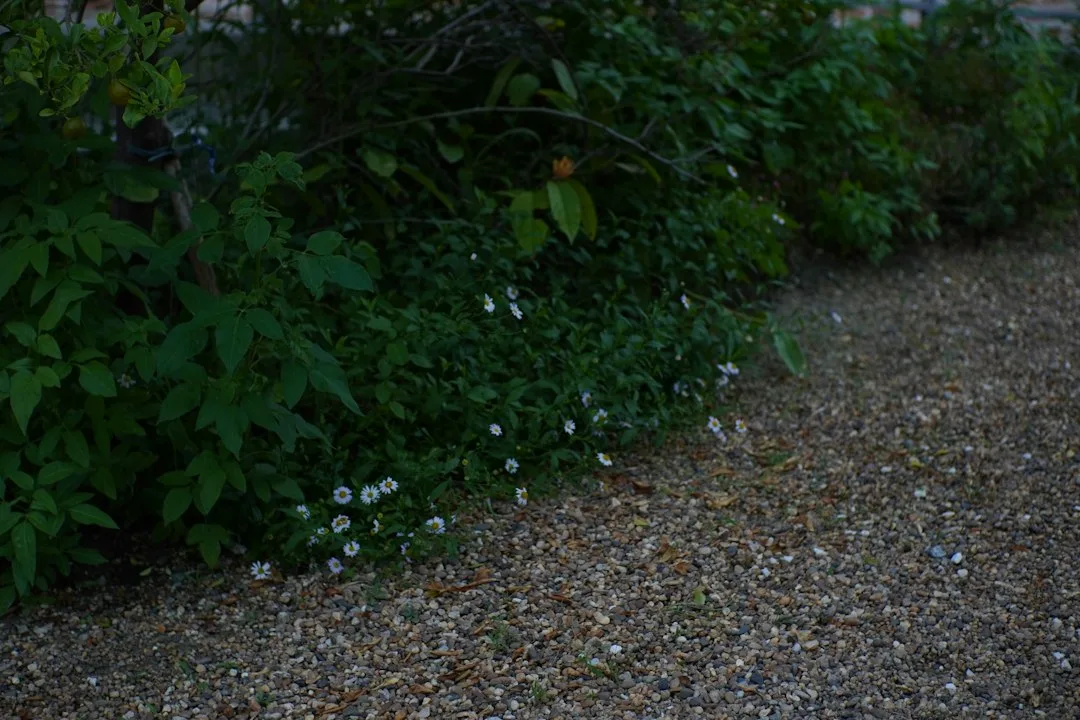
Gravel gardens are replacing thirsty lawns in dry suburban yards, using crushed stone and drought-tolerant perennials to cut watering. Here is why the trend is spreading and how to build one without drainage trouble.
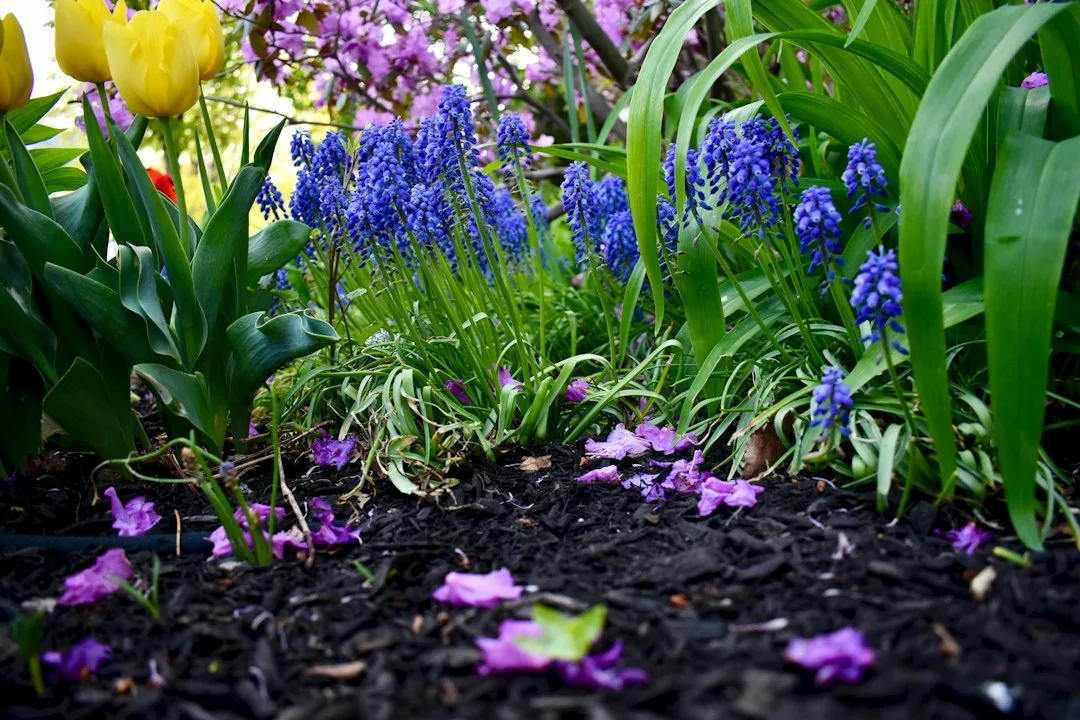
October is peak season for fall bulb planting—the window when soil temperatures drop to trigger dormancy and spring emergence. Strategic timing, proper depth, and soil amendment now determine whether your tulips, daffodils, and crocuses bloom brilliantly or fail entirely come April.
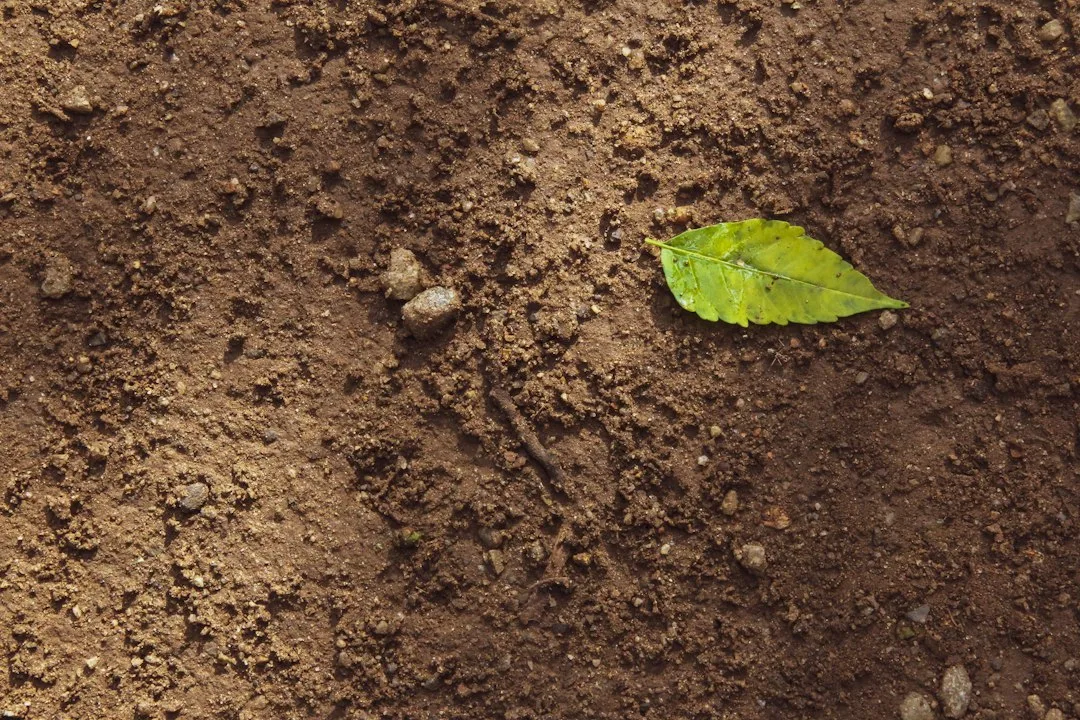
September is the critical window for fall garden soil prep—before soil temperatures drop and winter dormancy locks in. Early amendment now means robust spring germination and healthier perennials.
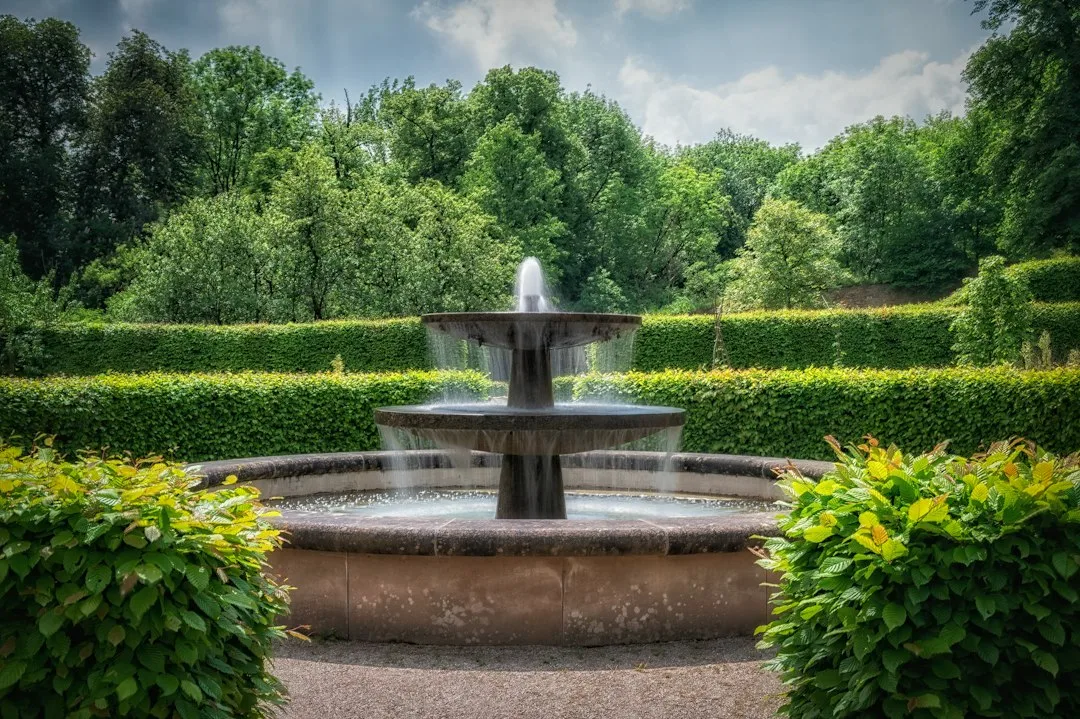
Garden water features have evolved beyond traditional ponds. Fountains, recirculating streams, and decorative wetlands are now reshaping how homeowners design outdoor spaces with sound, movement, and natural cooling.
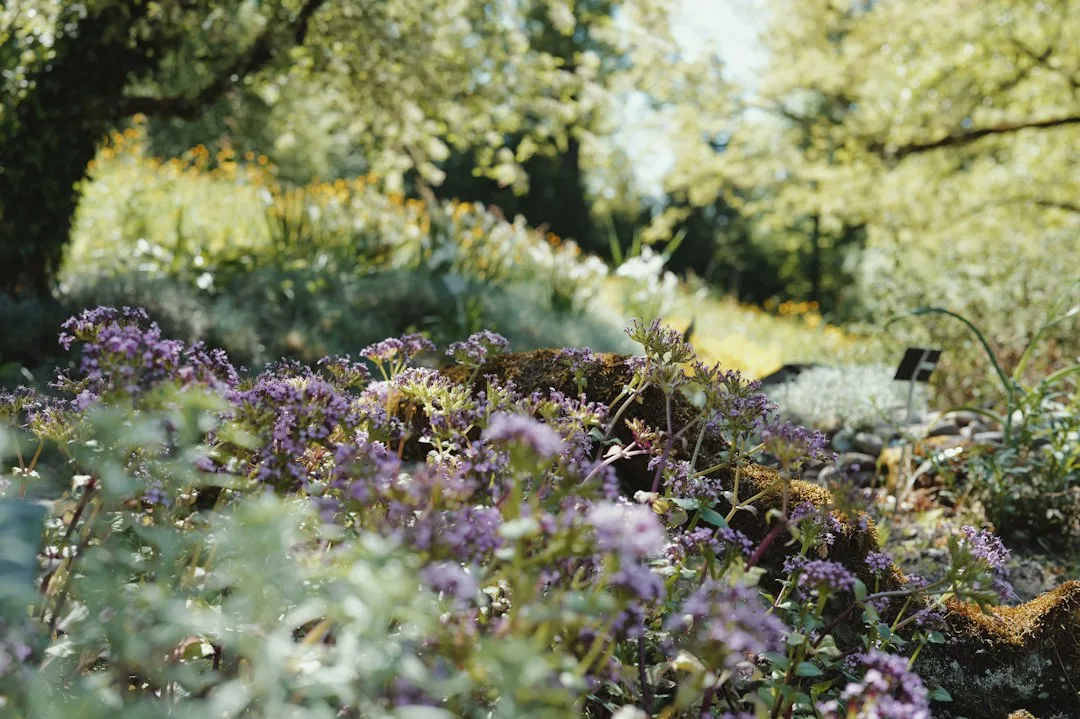
Micro perennials—compact perennials reaching just 3 to 8 inches tall—have become the fastest-growing solution for urban, courtyard, and container gardeners who refuse to sacrifice bloom or texture. By September 2026, landscape architects across the Northeast and West Coast are ditching traditional dwarf varieties in favor of true micro cultivars that deliver year-round interest without the sprawl.

Shade tolerant groundcover is finally replacing bare earth and failing turf under trees, eaves, and north-facing fences. Three concrete plant families—creeping thyme, bugleweed, and helxine—now dominate 2026 residential design for their durability and visual density.
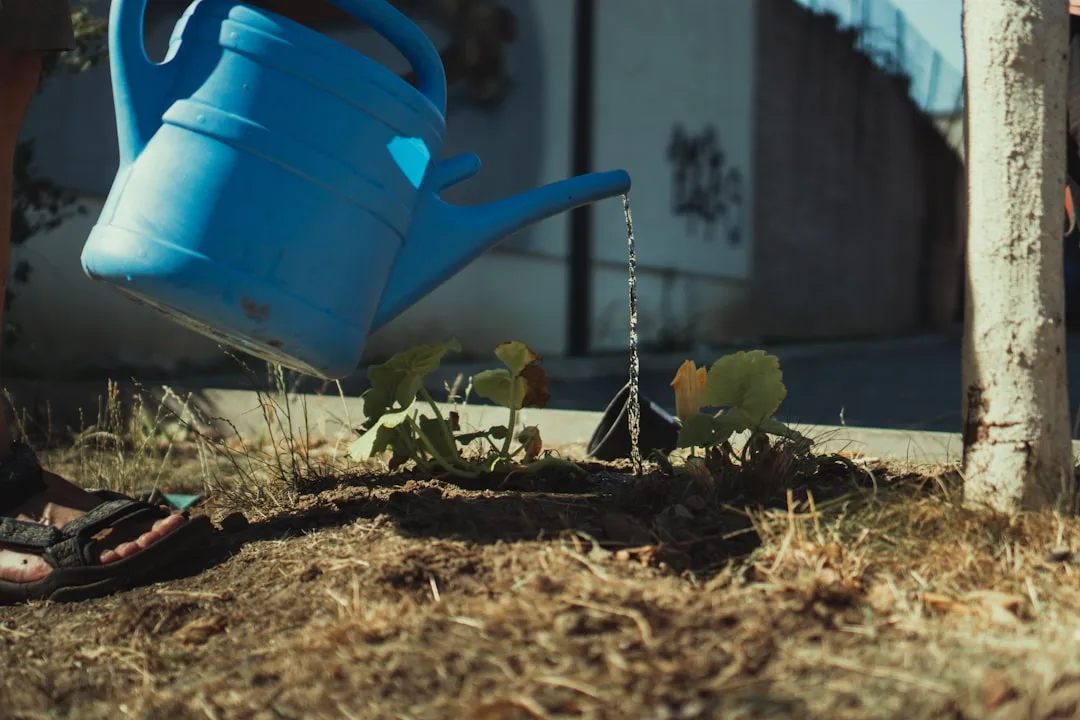
Your garden thrives during summer, then the water bill arrives—and suddenly conservation feels less like preference and more like necessity. Rainwater harvesting garden systems have crossed from niche eco-practice into mainstream residential design during 2026, driven by drought cycles across North America, Australia, and Southern Europe, plus a 34% surge in municipal water restrictions. Homeowners … Read more
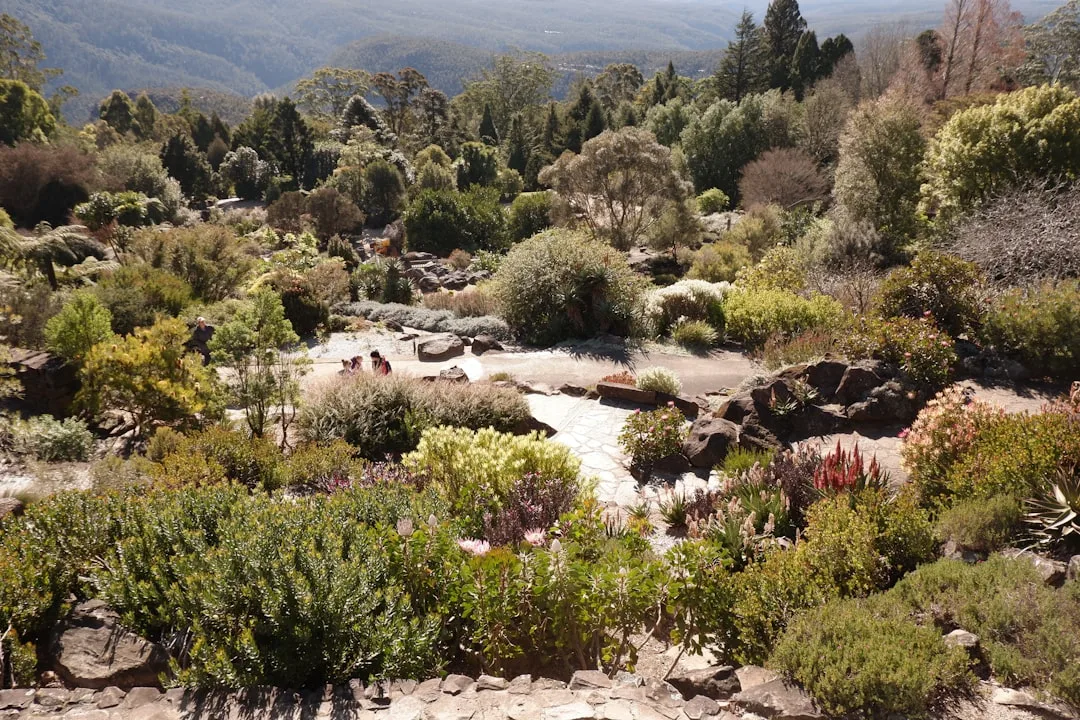
Wildfire preparedness has crossed into garden design — and it’s producing some of the most intentional, striking landscapes in years. Fire-safe landscaping is no longer a regional concern; it’s a mainstream outdoor and garden trend rewriting how homeowners choose plants, materials, and spatial layout. This is what that shift actually looks like.