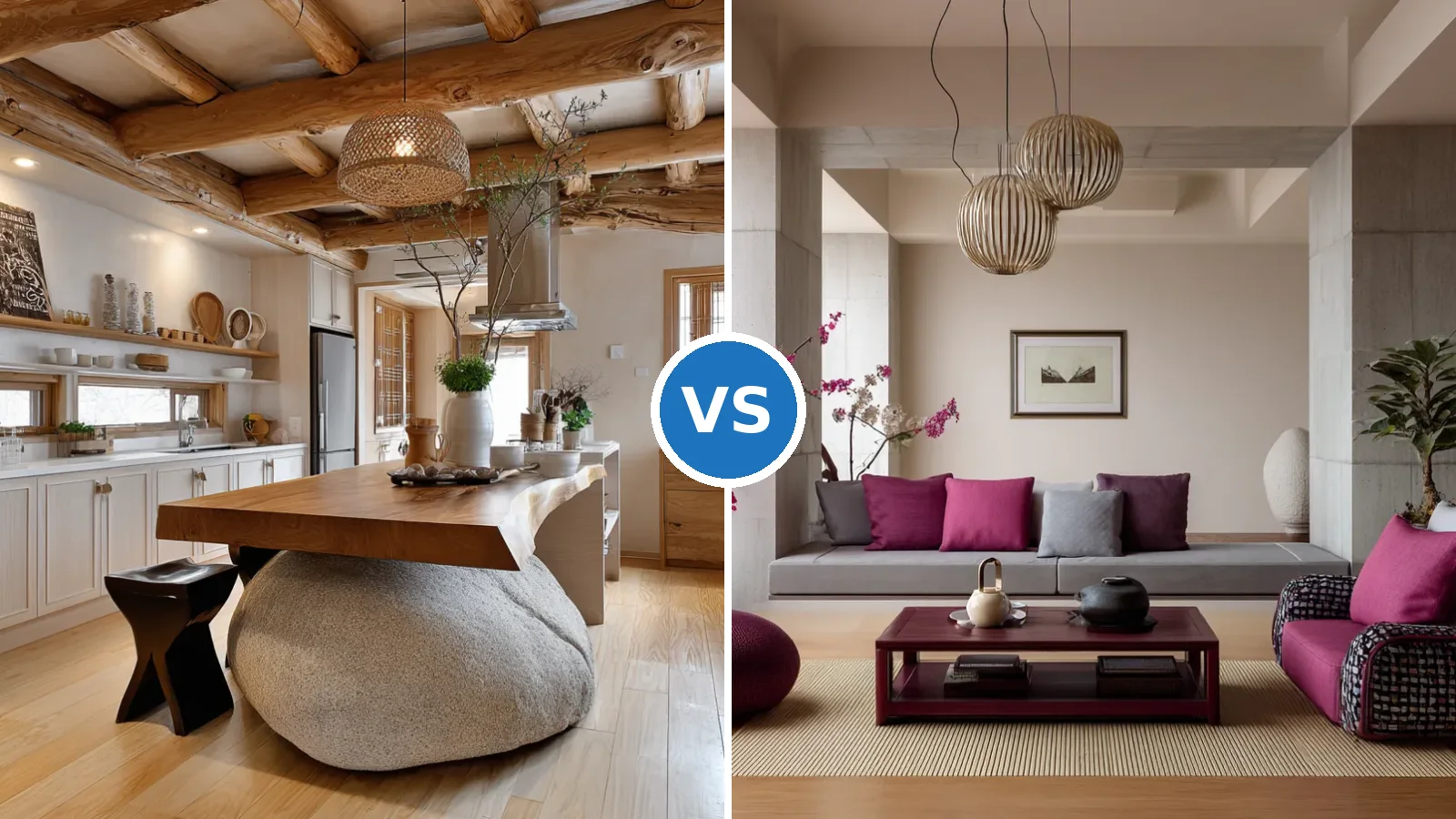
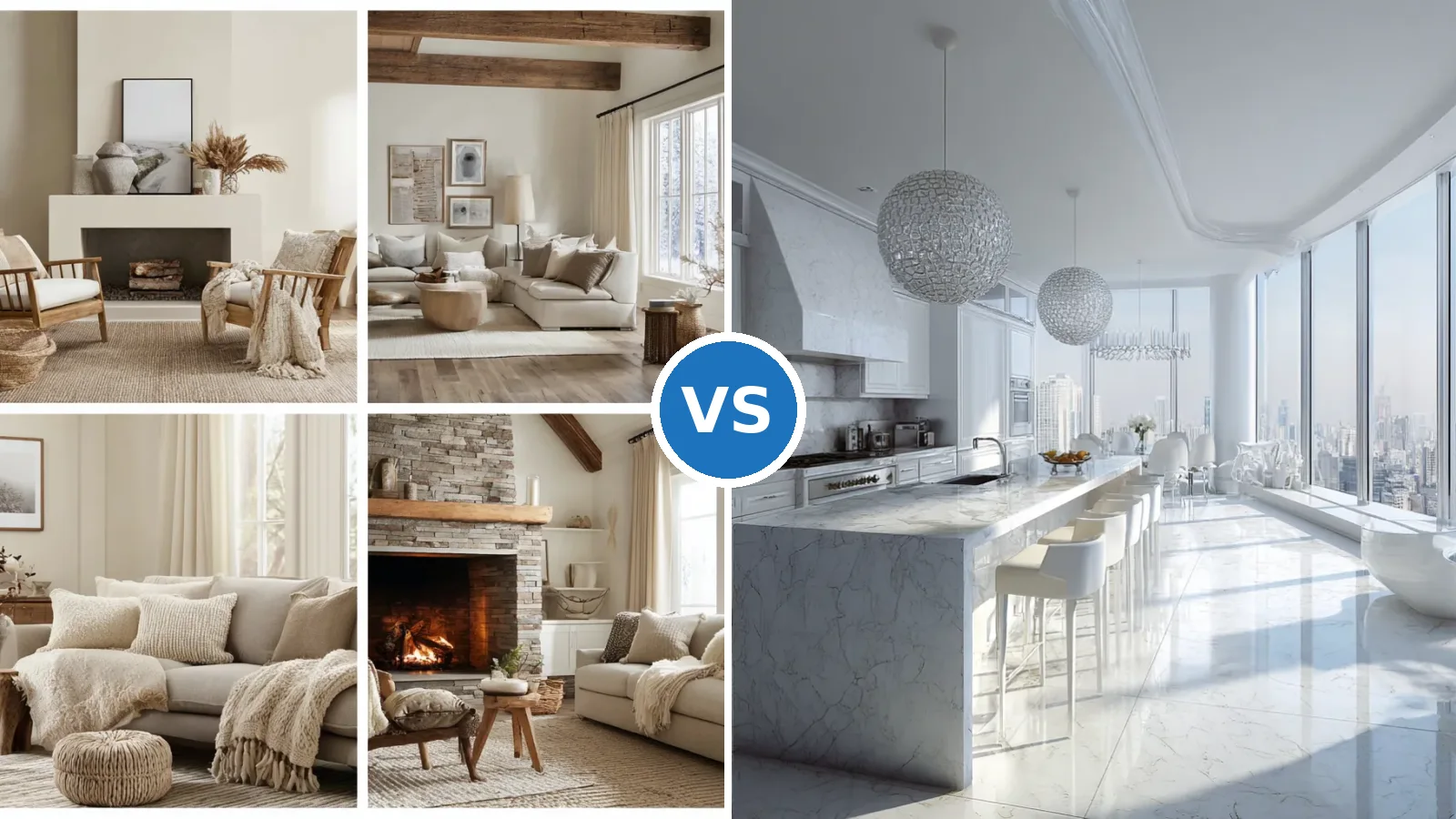
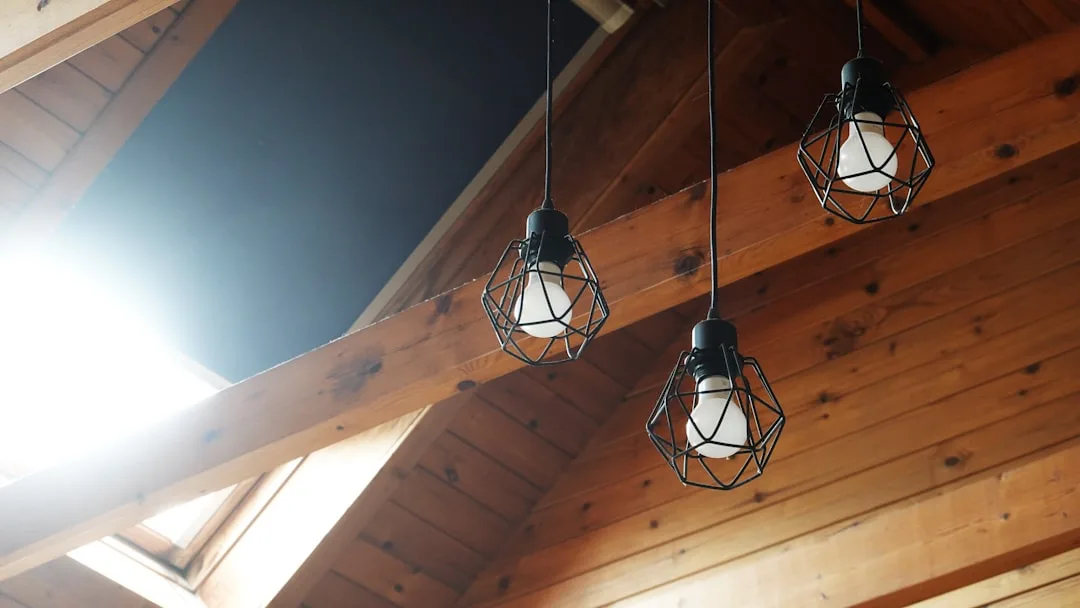
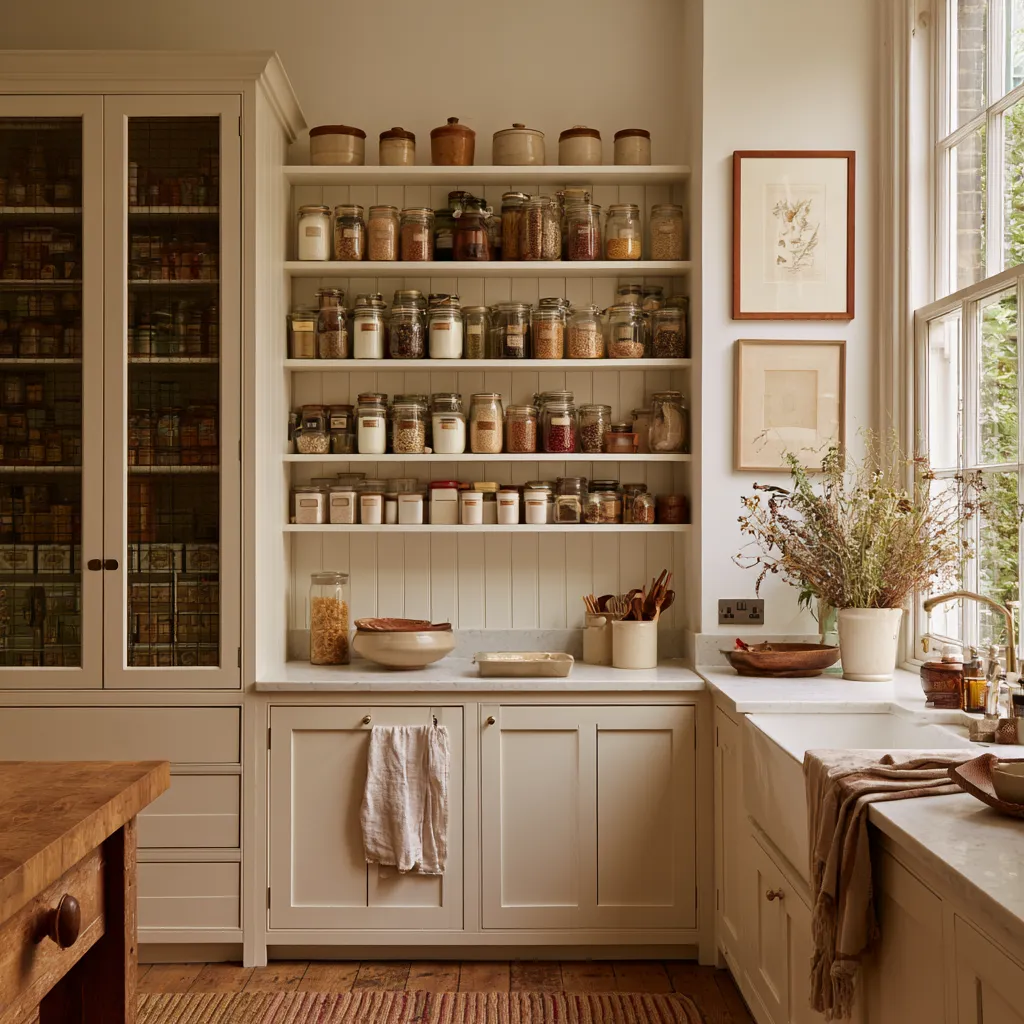
Quick Summary: Modern Classy Kitchen Ceiling Designs
Coffered ceilings cost $10–$40/sq ft installed and work best in kitchens with 9+ foot ceilings. Tray ceilings are the budget pick at $3–$7/sq ft. Vaulted ceilings run $40–$70/sq ft and require structural changes. All three improve lighting, acoustics, and resale value — but the wrong pick for your layout wastes money fast. This article covers real costs, mistakes to avoid, and which style fits coffered, tray, or vaulted for your specific kitchen.
I spent three months staring at a flat white ceiling in my kitchen before I finally did something about it. The coffered grid I installed cost me $4,200 for a 150-square-foot area, and it made every single person who walked in say the kitchen looked twice as expensive. Your cabinets, countertops, backsplash — none of that matters if the ceiling is a boring drywall slab. That’s the part nobody looks at during a remodel, and it’s exactly why most kitchens feel unfinished.
Modern classy kitchen ceiling design is the fastest way to add depth, fix bad acoustics, and create a room that photographs well on Pinterest. Coffered ceilings run $10–$40 per square foot installed. Tray ceilings start at $3 per square foot. Vaulted ceilings? Those jump to $40–$70 per square foot because you’re ripping out structure. I’ve tested two of the three, regretted one decision, and I’ll tell you which.


Quick Scan
Best for low budgets: Tray ceiling — $3–$7 per sq ft
Best for acoustics: Coffered ceiling — absorbs kitchen noise
Best for small kitchens: Vaulted ceiling — adds visual height
Biggest mistake: Coffered ceiling below 9-foot ceilings — feels claustrophobic
Average timeline: Tray: 1–2 days · Coffered: 3–5 days · Vaulted: 4–6 weeks
Coffered Kitchen Ceiling Design: Cost, Acoustics, and What Can Go Wrong
Coffered ceilings are a timeless addition to any room, but when implemented in a kitchen, they add a whole new dimension. The image presents a stunning example of a coffered ceiling, an element of the latest modern classy kitchen ceiling design that adds a touch of sophistication and luxury.
The crisscrossing pattern of beams creates a grid of squares or rectangles, adding depth to the kitchen space. While traditionally associated with older homes, coffered ceilings have found their place in modern kitchen design due to their flexibility in style and materials. Professional contractors like jcconstruction.us specialize in creating these intricate ceiling designs, ensuring proper installation and structural integrity for both traditional and contemporary kitchen spaces.
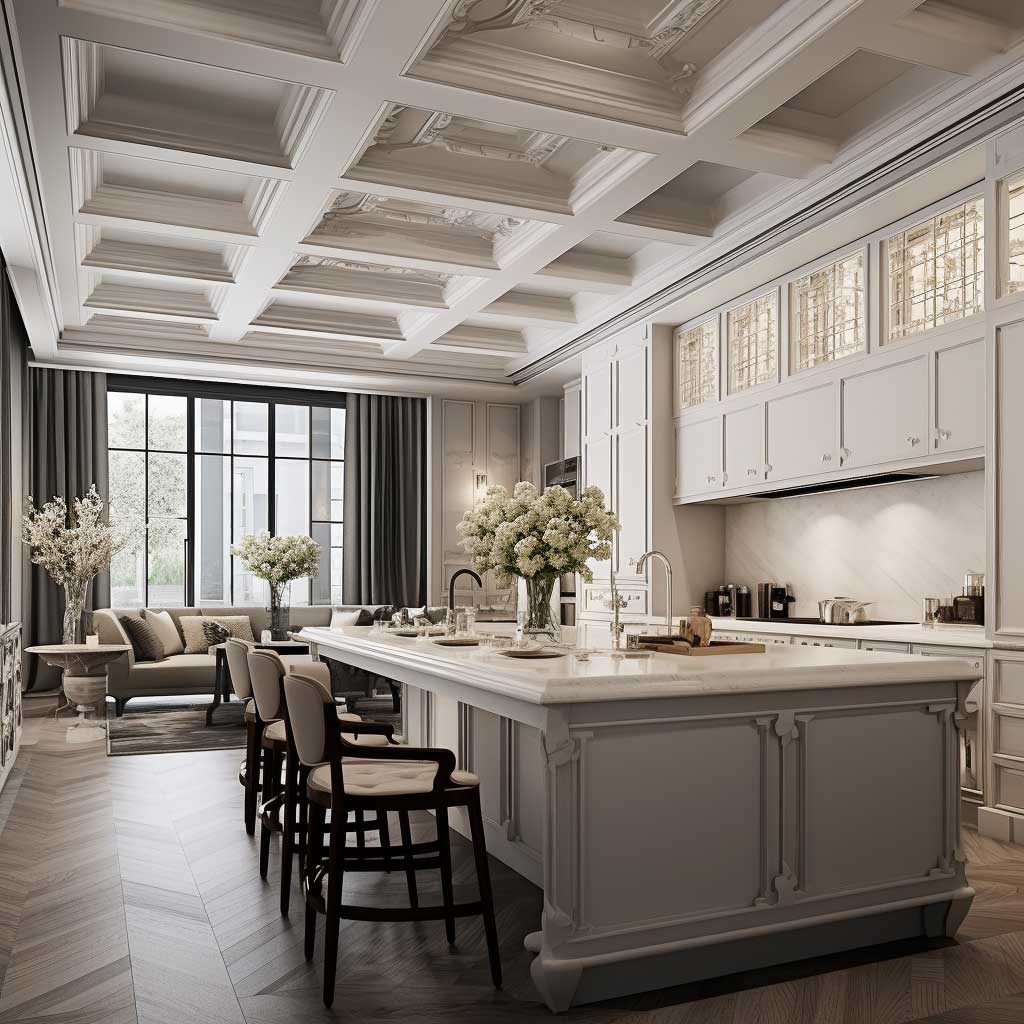


One of the key advantages of coffered ceilings is their ability to improve acoustics. The design can absorb and dampen sound, enhancing the overall atmosphere in your kitchen. They are also perfect for hiding structural elements and integrating lighting fixtures seamlessly. If you want a less complex starting point, simple modern kitchen ceiling designs offer clean lines without the beam grid.
Choosing the right colors for your coffered ceiling can further enhance its visual impact. White is a classic choice for creating a bright, airy feel. Alternatively, darker tones can add drama and a sense of intimacy to the kitchen. For detailed pricing breakdowns on all ceiling types including coffered, tray, and vaulted, HomeAdvisor’s ceiling cost guide provides updated 2026 contractor rates by region.
Consider the height of your kitchen before opting for a coffered ceiling. While they can add depth to a room, they also lower the ceiling slightly, which might not be suitable for kitchens with low ceilings.
My contractor pushed MDF hollow beams instead of solid poplar, and I’m glad I listened. Solid hardwood coffers in mahogany or walnut look incredible but weigh enough to need extra ceiling joists. MDF coffers from companies like Tilton Coffered Ceilings run about $15 per square foot for materials alone. Add $8–$25 per square foot for labor. For a 150-square-foot kitchen ceiling, you’re looking at $1,500 to $6,000 total installed.
Don’t paint them the same color as your walls. I made that mistake in a guest bathroom — the whole grid disappeared visually, and I’d wasted $2,000. White coffers against a slightly warm cream ceiling give you shadow lines that make the pattern pop. Dark coffers — charcoal, navy, even black — work if your kitchen has 10-foot ceilings or higher. Below 9 feet? Skip coffered entirely. You’ll feel like the ceiling is pressing down on you, and guests will duck instinctively walking through the doorway.
One thing nobody mentions: coffered ceilings collect grease. In a kitchen with heavy frying, that grid becomes a dust-and-oil trap within six months. My go-to fix is a satin-finish paint from Benjamin Moore’s Advance line, about $55 per gallon. It wipes clean with a damp cloth. Flat paint on a kitchen coffered ceiling is a recipe for a re-paint every year.
Kitchen Ceiling Cost Calculator
Pick your ceiling type, enter your kitchen size, and see the cost breakdown.
Ceiling type:
Kitchen size (sq ft):
Material level:
Tray Ceiling for Modern Kitchen: Why It Works in Open Layouts
Tray ceilings, named for their resemblance to an inverted tray, are a popular feature in the latest modern classy kitchen ceiling design. This style involves creating a rectangular cut-out in the ceiling, which is then often illuminated for an elevated look.
The photo captures the unique elegance of a tray ceiling in a modern kitchen. The outer perimeter of the ceiling is at the original height, while the central portion is raised. This design creates a focal point that draws the eye upward, enhancing the feeling of space.

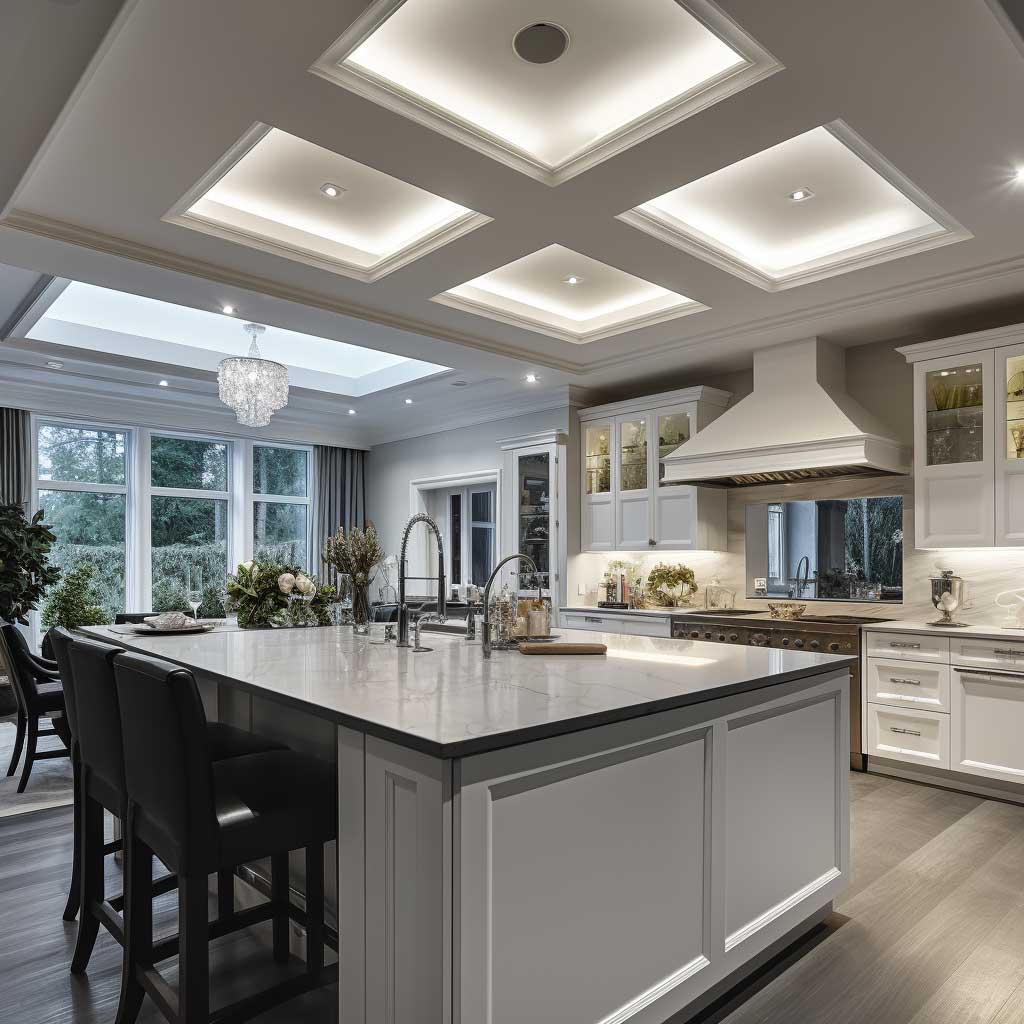


The additional height of a tray ceiling provides a perfect opportunity to add decorative elements. Recessed or ambient lighting, as seen in the photo, highlights the architectural detail of the ceiling and adds warmth to the kitchen.
Tray ceilings can be customized to suit any kitchen style, from modern and minimalist to traditional. The choice of color and finishing materials can significantly impact the overall look. For a full breakdown of how ceiling choices connect to the rest of your kitchen layout, see our guide on contemporary kitchen design essentials.
Remember to consider the proportions of your kitchen when opting for a tray ceiling. This style is best suited for wider or open-plan kitchens, where the design can truly stand out.
Tray ceilings are the cheapest architectural ceiling upgrade you can do. At $3–$7 per square foot installed, a 200-square-foot kitchen tray ceiling runs $600–$1,400. Compare that to $4,000+ for coffers or $16,000+ for vaulting. The drop is usually 4–8 inches, and that’s enough to create visible depth without losing headroom.
LED cove lighting around the tray edge changed everything in my kitchen. I used Philips Hue light strips, about $80 for a 6-foot run, and the warm white glow at 2700K makes the ceiling look like it floats. Cool white LEDs above 4000K made the kitchen feel like a dentist’s office. I returned those in two days.
Where tray ceilings fail: galley kitchens. If your kitchen is narrower than 10 feet, the tray reads as a coffin lid. Not the vibe. Tray ceilings need width to breathe. Open-concept kitchens with 12+ feet of continuous ceiling are the sweet spot. And don’t center the tray over the island if your island isn’t centered in the room — the asymmetry will bother you every morning over coffee.
How to Choose the Right Classy Kitchen Ceiling Design for Your Space
Follow these five steps to pick the ceiling style that fits your kitchen layout, height, and budget — without wasting money on the wrong option.
Tools needed:
- Laser distance measure
- Notepad or phone for measurements
- Budget spreadsheet
Materials needed:
- Ceiling material samples (MDF, drywall, or wood)
- Paint swatches for ceiling color testing
- LED strip samples for lighting test
Measure your ceiling height
Use a laser measure from the finished floor to the ceiling at three points in your kitchen. If the height is below 9 feet, rule out coffered ceilings. Below 8 feet, a painted ceiling with recessed lights is your best option. Record exact measurements — even 2 inches matters.
Calculate your kitchen ceiling square footage
Multiply kitchen length by width. A 12×15-foot kitchen is 180 square feet. Multiply that number by the cost-per-square-foot range for each ceiling type: tray ($3–$7), coffered ($10–$40), vaulted ($40–$70). This gives you a realistic budget range before calling any contractor.
Check what’s above your ceiling
Go into your attic and look for HVAC ductwork, electrical runs, and plumbing above the kitchen. If you see ductwork, vaulting will require expensive rerouting. If the space is clear, vaulting is simpler and cheaper. Take photos for your contractor.
Match ceiling style to kitchen layout
L-shaped and U-shaped kitchens pair well with coffered ceilings because the beam grid echoes the cabinet lines. Open-concept kitchens with islands suit tray ceilings with cove lighting centered over the island. Galley kitchens narrower than 10 feet should skip architectural ceilings entirely.
Get three contractor quotes and compare
Request itemized quotes from three local ceiling contractors or carpenters. Compare labor rates ($8–$25/sq ft for coffered, $2–$5/sq ft for tray) and material choices separately. Ask specifically about MDF vs. solid wood for coffers — the look is nearly identical but the price difference is 40–60%.
Vaulted Kitchen Ceiling Ideas: When High Ceilings Are Worth the /Sq Ft
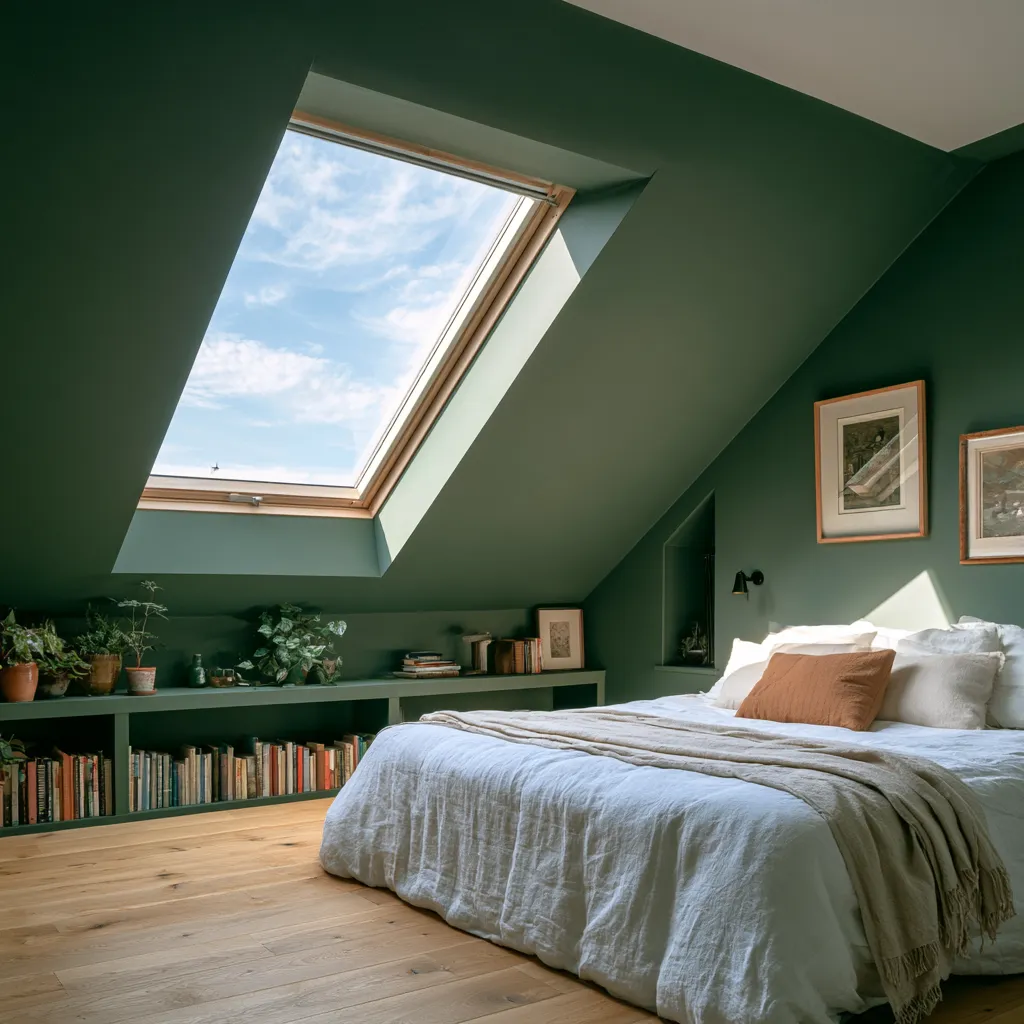
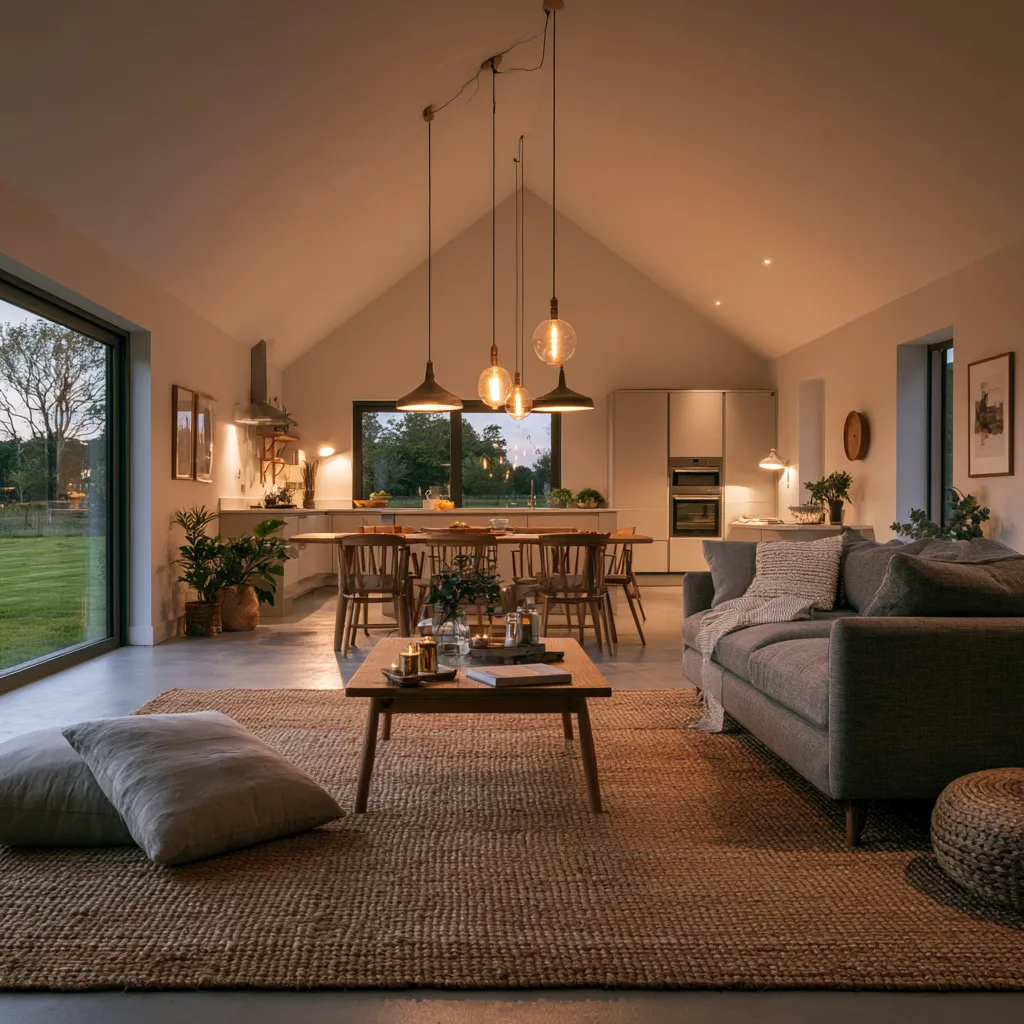
Vaulted ceilings, characterized by their arched or dome-like shape, are a stunning feature in the latest modern classy kitchen ceiling designs. These ceilings provide a sense of grandeur, making even the smallest kitchen feel spacious and open.
In the photo, the vaulted ceiling dramatically lifts the visual height of the kitchen. The design lends an air of sophistication, transforming the kitchen into a statement space.


Vaulted ceilings are also practical. The extra height allows for the addition of tall windows or skylights, bringing in abundant natural light. This feature, coupled with the right lighting fixtures, can create a bright and airy kitchen environment.
The choice of materials and colors can significantly impact the look of a vaulted ceiling. For a modern look, opt for clean, crisp lines and a neutral color palette. To add warmth and texture, consider using natural materials like wood.
Implementing a vaulted ceiling design requires a fair amount of planning and professional advice, as it involves structural changes. However, the end result can be incredibly rewarding, offering a kitchen space that’s truly unique and inviting.
Vaulting a kitchen ceiling is not a weekend project. You’re removing the horizontal framing between your living space and attic, restructuring roof support, re-insulating, and often relocating HVAC ductwork. For a 200-square-foot kitchen, expect $16,000–$28,000 and 4–6 weeks of construction. I know two homeowners who started this and both went $5,000 over budget because of hidden electrical runs in the ceiling joists.
The payoff is real, though. A vaulted ceiling with two skylights from Velux (model VS M08, about $450 each installed) floods the kitchen with so much natural light you won’t turn on overhead fixtures until 4 PM in summer. Pair that with exposed Douglas fir beams — real ones run $12–$30 per linear foot, faux polyurethane beams from Barron Designs cost $8–$15 per linear foot — and the kitchen looks like a $200,000 renovation even if you spent a quarter of that.
Skip the cathedral peak if your kitchen faces north. You’ll get gray, flat light all day and the height will just feel cold. South-facing or west-facing kitchens with vaulted ceilings and skylights become the brightest room in the house. That’s where the investment pays back in photos, in mood, and eventually in resale.
Modern Kitchen Ceiling Ideas: Coffered vs Tray vs Vaulted Comparison
| Feature | Coffered | Tray | Vaulted |
|---|---|---|---|
| Cost per sq ft (installed) | $10–$40 | $3–$7 | $40–$70 |
| 150 sq ft kitchen total | $1,500–$6,000 | $450–$1,050 | $6,000–$10,500 |
| Minimum ceiling height | 9 ft | 8 ft | Attic space needed |
| Install time | 3–5 days | 1–2 days | 4–6 weeks |
| Best kitchen layout | L-shaped, U-shaped | Open-concept, wide | Any with attic above |
| Acoustic improvement | High | Minimal | Worse (echo) |
| DIY-friendly? | Moderate | Yes | No — structural |
| Biggest risk | Grease buildup in grid | Looks flat in narrow rooms | Budget overruns |
How to Choose the Right Classy Kitchen Ceiling Design for Your Space
Start with ceiling height. If your kitchen has standard 8-foot ceilings, tray is your only realistic option — coffers need at least 9 feet, and vaulting needs attic space above. Measure from the finished floor to the ceiling with a laser measure, not a tape. Tape measures sag and I’ve seen people order materials for 8-foot ceilings that turned out to be 7’10”. That 2-inch difference killed the coffered plan.
Budget comes next. A tray ceiling is a $600–$1,400 project. Coffers jump to $1,500–$6,000. Vaulted starts at $16,000 and climbs fast. If you’re selling the house within two years, tray gives you the best ROI — it photographs well, costs little, and buyers notice it. Coffers add maybe $3,000–$5,000 to perceived value. Vaulted ceilings add the most but cost the most, so the math only works if you’re staying 5+ years.
Kitchen layout matters too. L-shaped and U-shaped kitchens handle coffered ceilings well because the beams align with the cabinet runs. Open-concept kitchens with islands shine under tray ceilings with cove lighting. Galley kitchens? Paint the ceiling a shade lighter than the walls and add recessed can lights. No architectural ceiling will fix a 9-foot-by-4-foot corridor, and pretending otherwise is how you waste $3,000.
Don’t Do This
Coffered ceiling in a galley kitchen. The beam grid makes a narrow space feel like a tunnel. I’ve seen this in three different homes and every owner regretted it within a year.
Flat paint on kitchen ceiling coffers. Grease and steam will stain the recesses within months. Use satin or semi-gloss — Benjamin Moore Advance or Sherwin-Williams ProClassic.
Cool white LED strips in tray ceilings. Anything above 3500K makes food look gray and skin look washed out. Stick to 2700K warm white.
Vaulting a ceiling without checking attic wiring first. Hidden electrical runs in ceiling joists add $2,000–$5,000 to relocation costs. Get an electrician’s inspection before you commit.
FAQ
What are the acoustic and structural advantages of a coffered ceiling in a modern kitchen
How does a tray ceiling create a focal point and enhance the feeling of space
What functional benefits do vaulted ceilings offer for kitchen design
How much does a classy kitchen ceiling design cost?
What is the best kitchen ceiling design for low ceilings?
Can I install a coffered ceiling in a kitchen myself?
Do kitchen ceiling designs affect home resale value?
What are the latest modern kitchen ceiling ideas for 2025–2026?
Are vaulted ceilings good for small kitchens?
Your Kitchen Ceiling Is the Most Ignored $3,000 Upgrade
Coffered, tray, or vaulted — pick the one that fits your ceiling height and your budget. A tray ceiling at $600 changes how the room photographs. A coffered grid at $4,000 changes how it sounds. A vaulted ceiling at $20,000 changes how it feels to stand in the room every morning. None of these are wasted money if you match the style to the space. All of them are wasted money if you don’t measure your ceiling height first.
I picked coffers for my kitchen and tray for the dining room. The dining room gets more compliments. Go figure.
Save to PinterestComplete guide
Every Modern Kitchen Design Idea Worth Stealing Right Now
Layout, cabinets, islands, materials, color, lighting — all in one place