The realm of fashion is often divided into those who treat neutrals as a religion and those who view the world as a vibrant canvas for bold experimentation. Standing firmly in the latter camp is the enduring, audacious trend of wearing untamed patterns. While a single leopard spot or zebra stripe has always been a staple of a chic wardrobe, the current zeitgeist demands something far more adventurous. It is no longer enough to simply wear a statement piece; the true mark of style savvy is the ability to fuse multiple, distinct wildlife-inspired motifs into a single, cohesive look. This approach requires a fearless attitude and a keen eye for balance, scale, and tonality. By stepping away from the safety of solid colors and embracing the chaos of the jungle, you unlock a dynamic form of self-expression that is both powerful and unapologetically glamorous.
Mastering The Art Of Combining Leopard And Snake Patterns
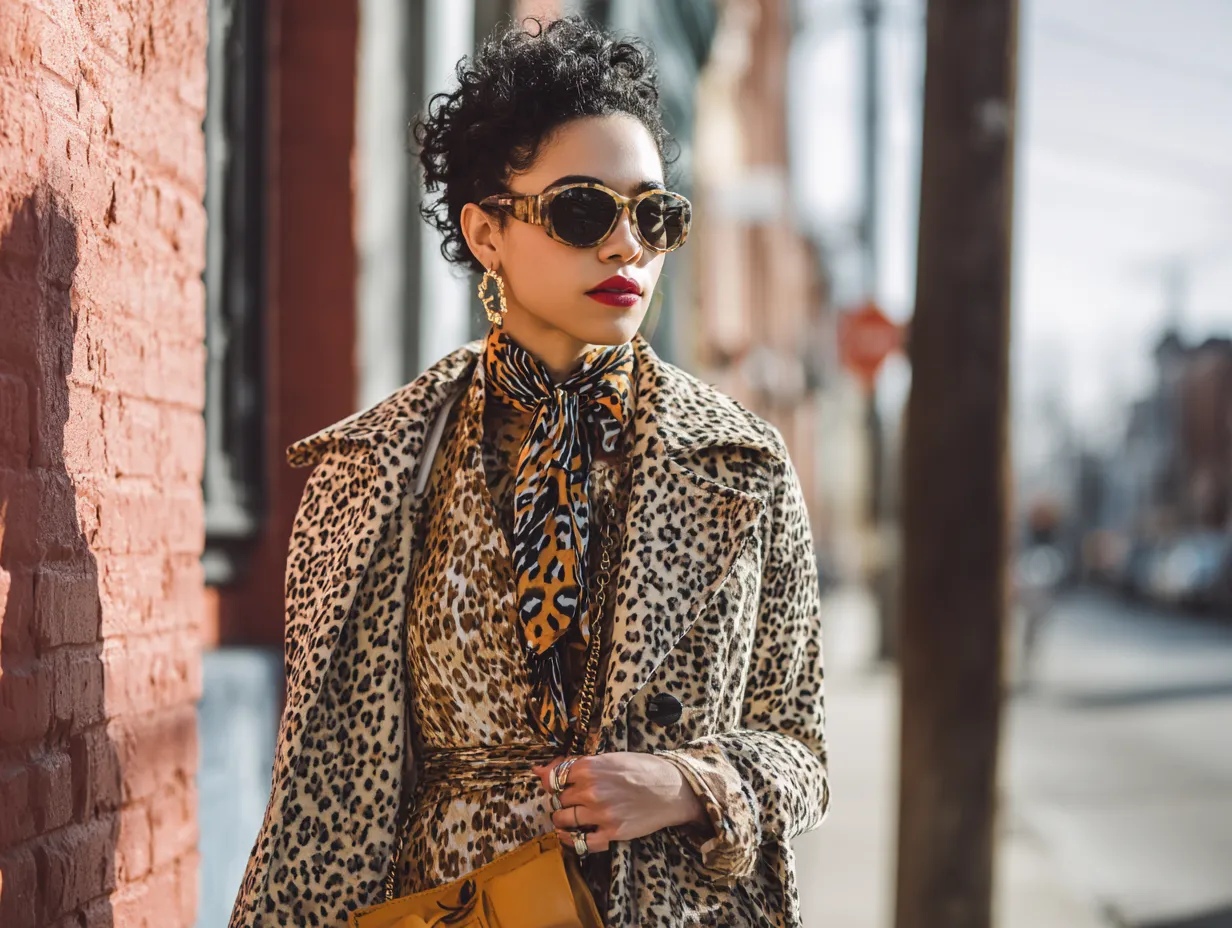
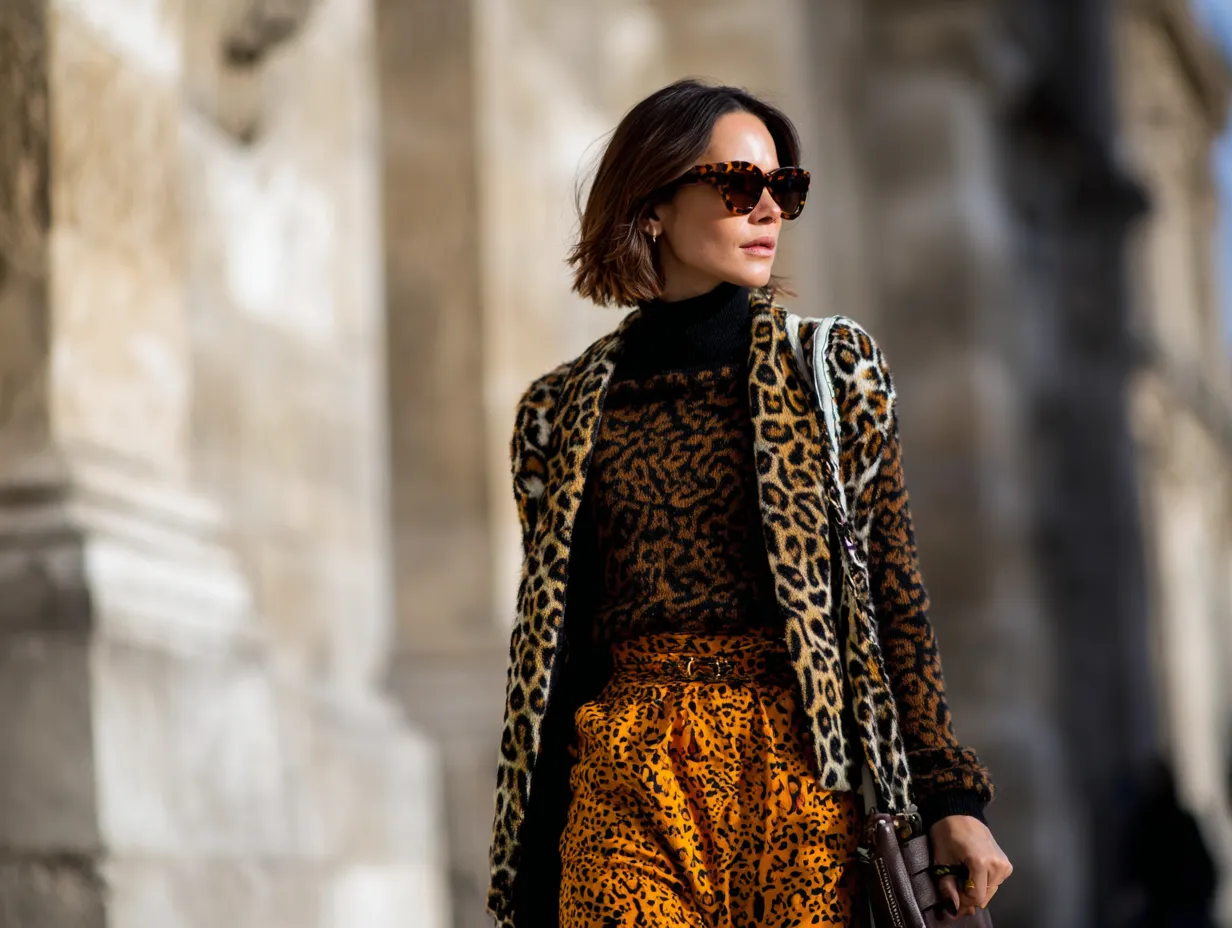
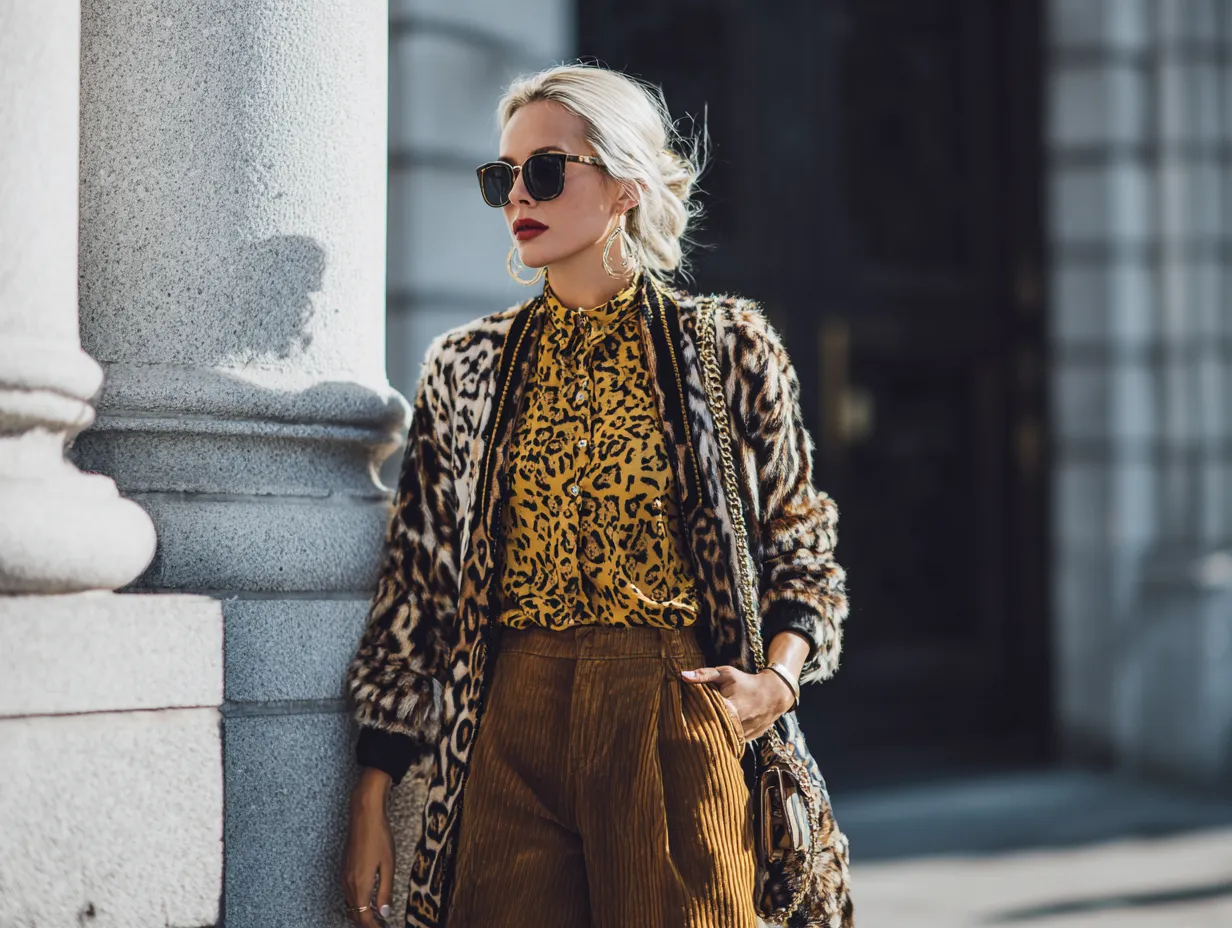
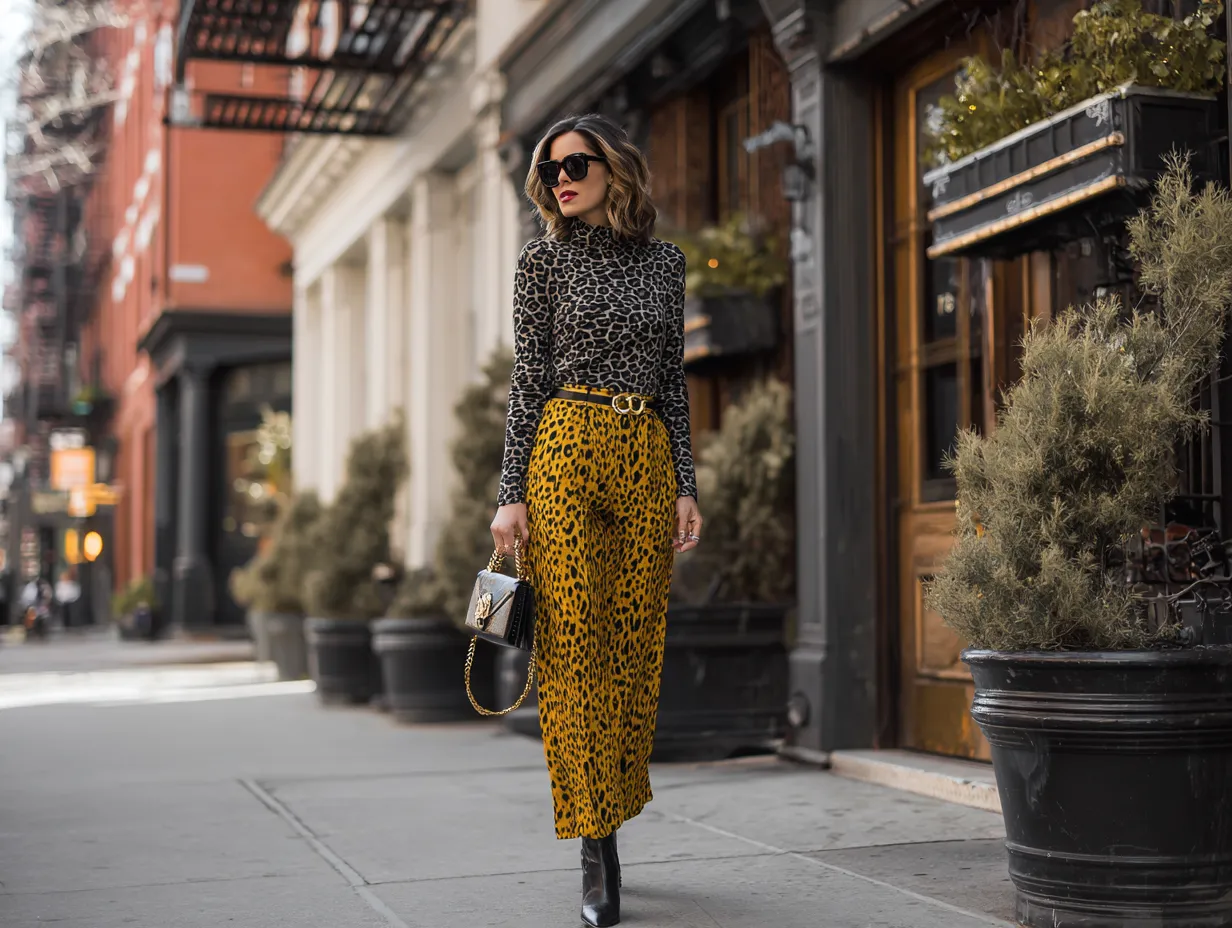
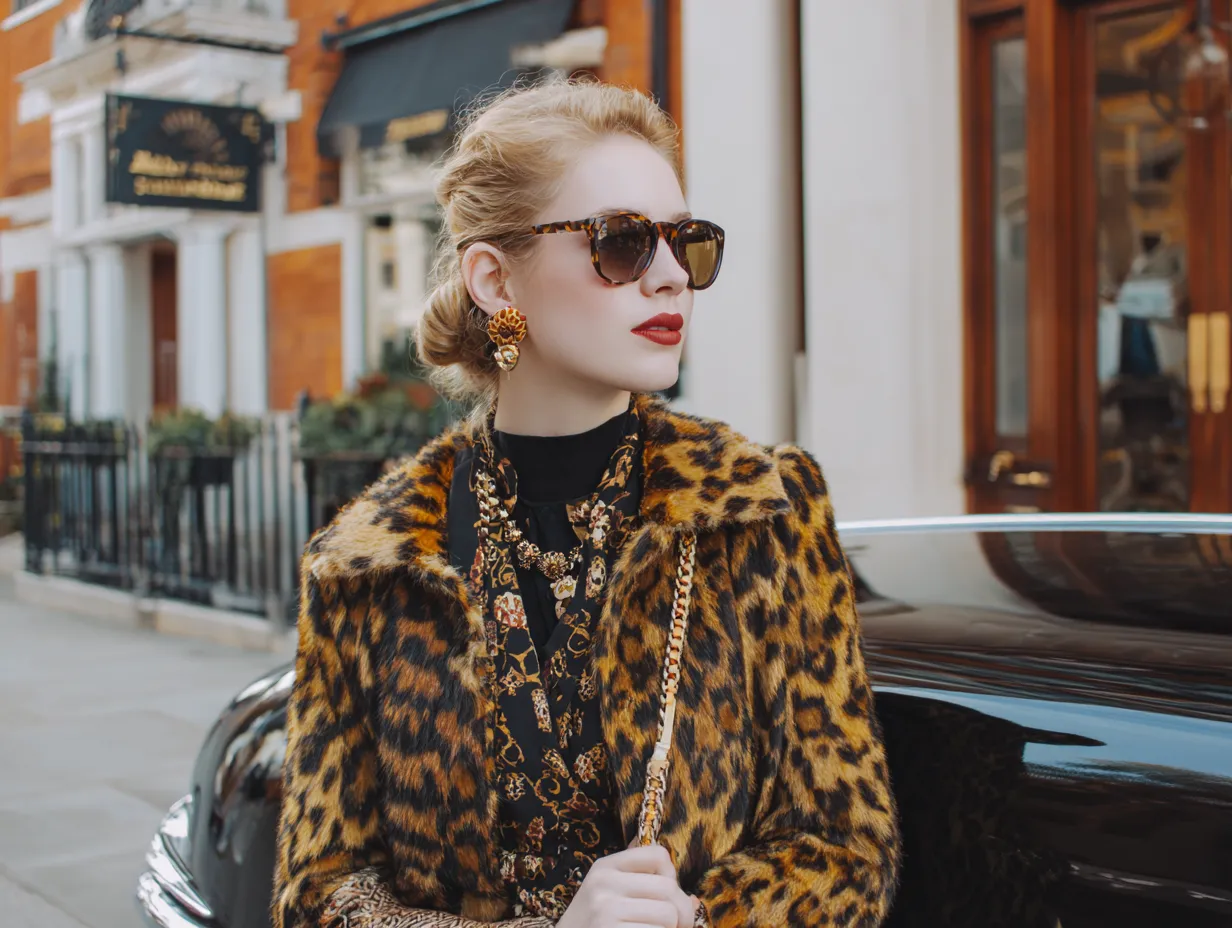
Venturing into the world of pattern clashing can feel daunting, but the rewards are visually spectacular when executed with precision. One of the most sophisticated and surprisingly harmonious pairings involves the fusion of feline spots and reptilian scales. Learning the nuances of mixing animal prints begins with understanding the inherent character of each design. Leopard spots are generally round, organic, and warm, typically anchored in hues of gold, black, and beige. In contrast, snakeskin offers a more geometric, repetitive, and often cooler visual texture, frequently appearing in greys, whites, or even dyed variations. When these two distinct worlds collide, they create a friction that is incredibly chic. The key to making this combination work is treating one pattern as the dominant force and the other as a supporting texture. You are not trying to make them compete for attention; you are orchestrating a conversation between two strong personalities.
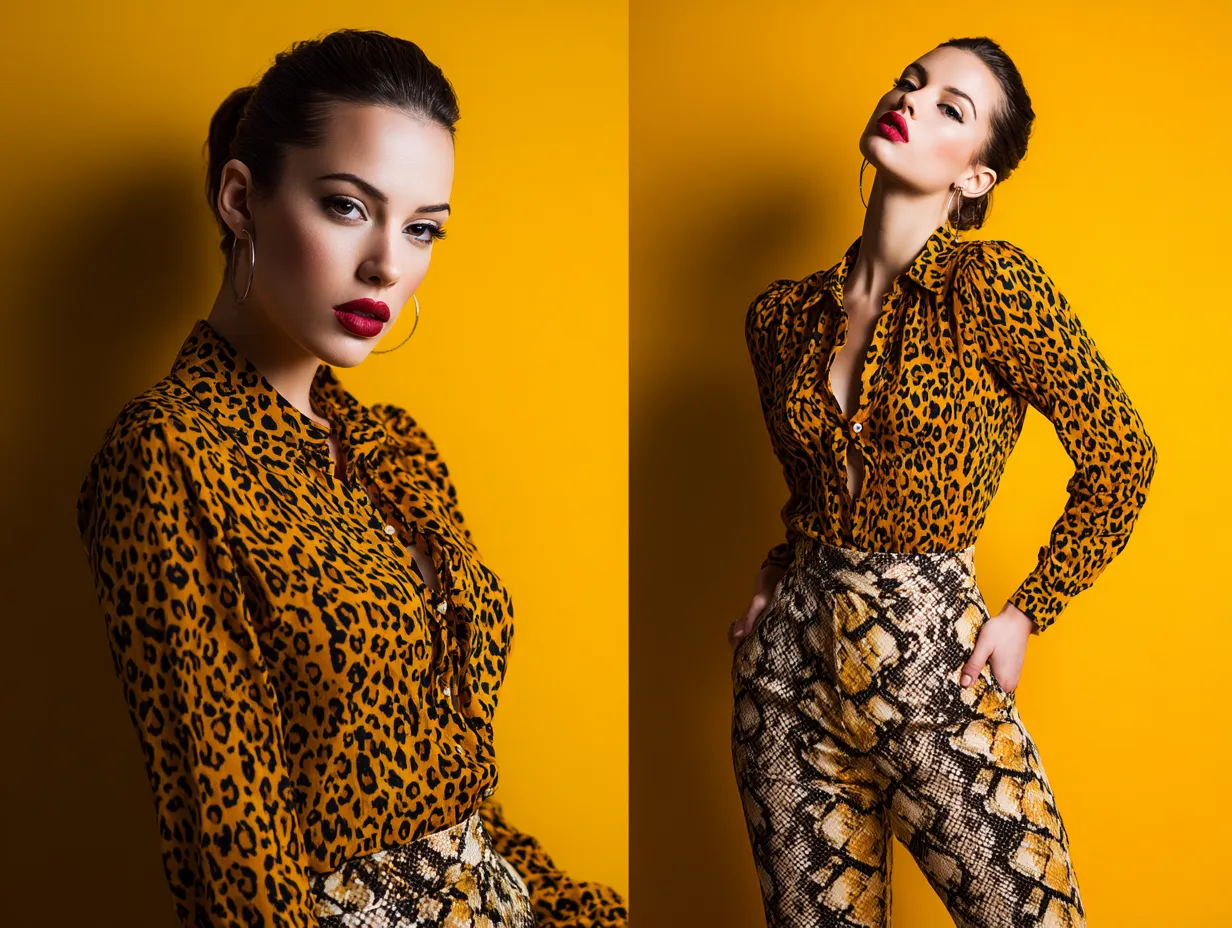
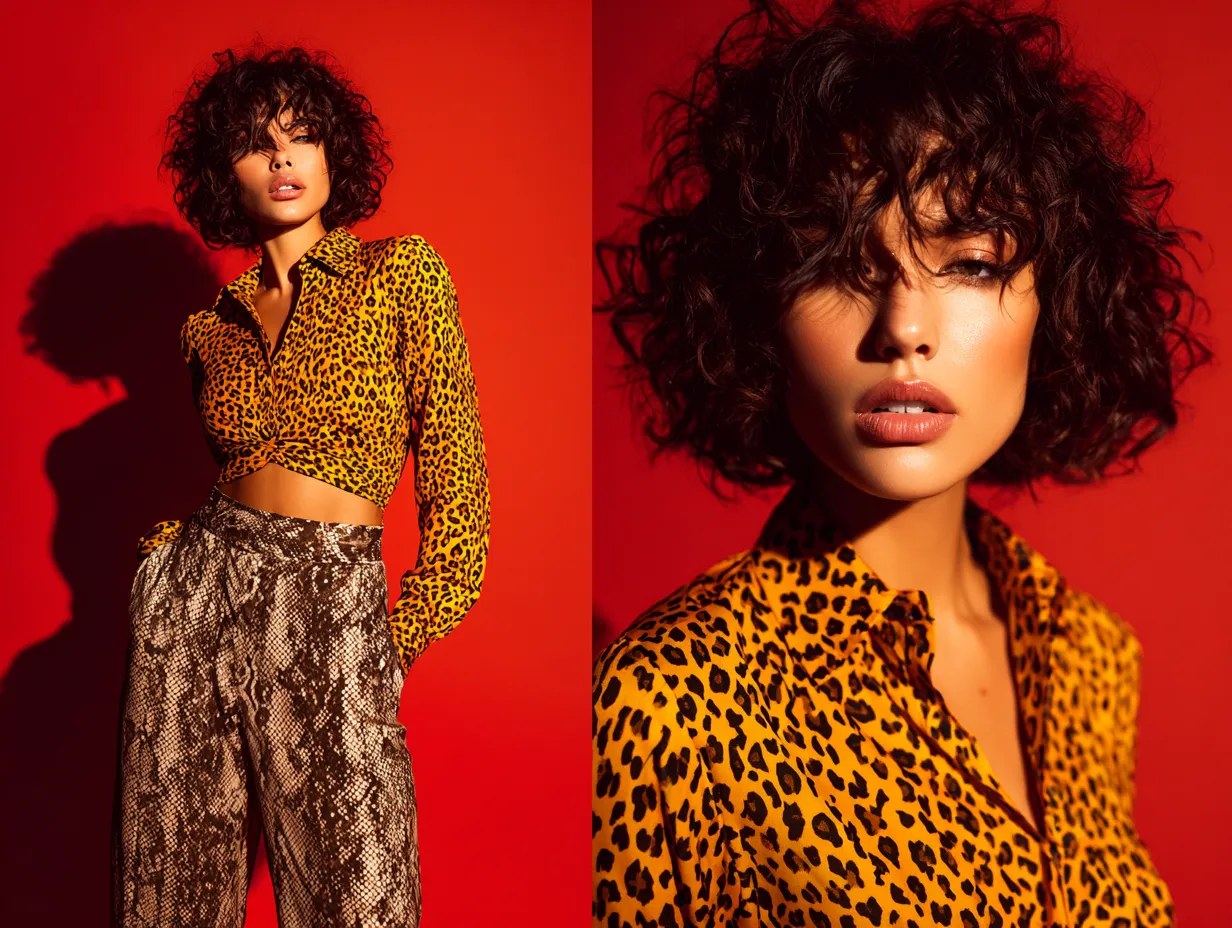
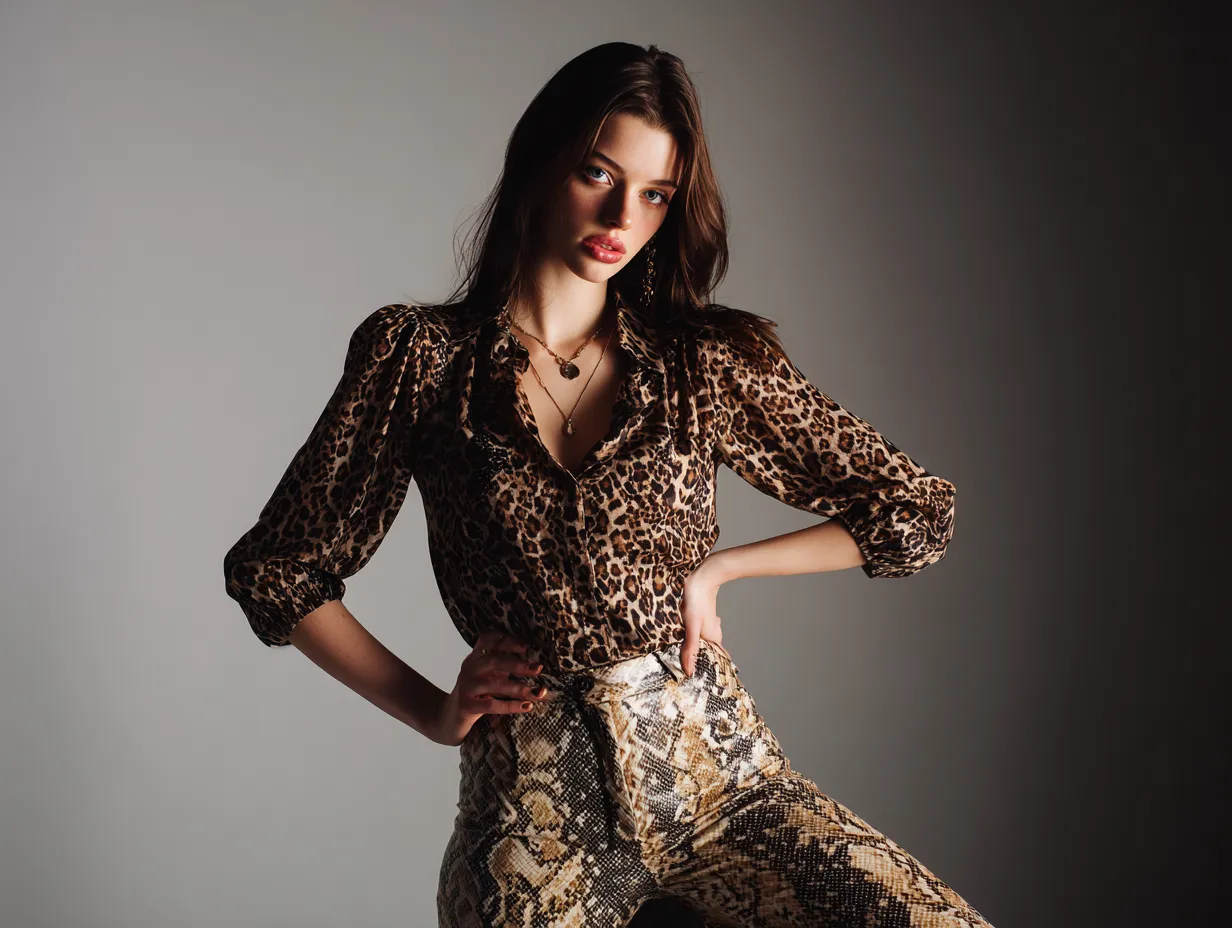
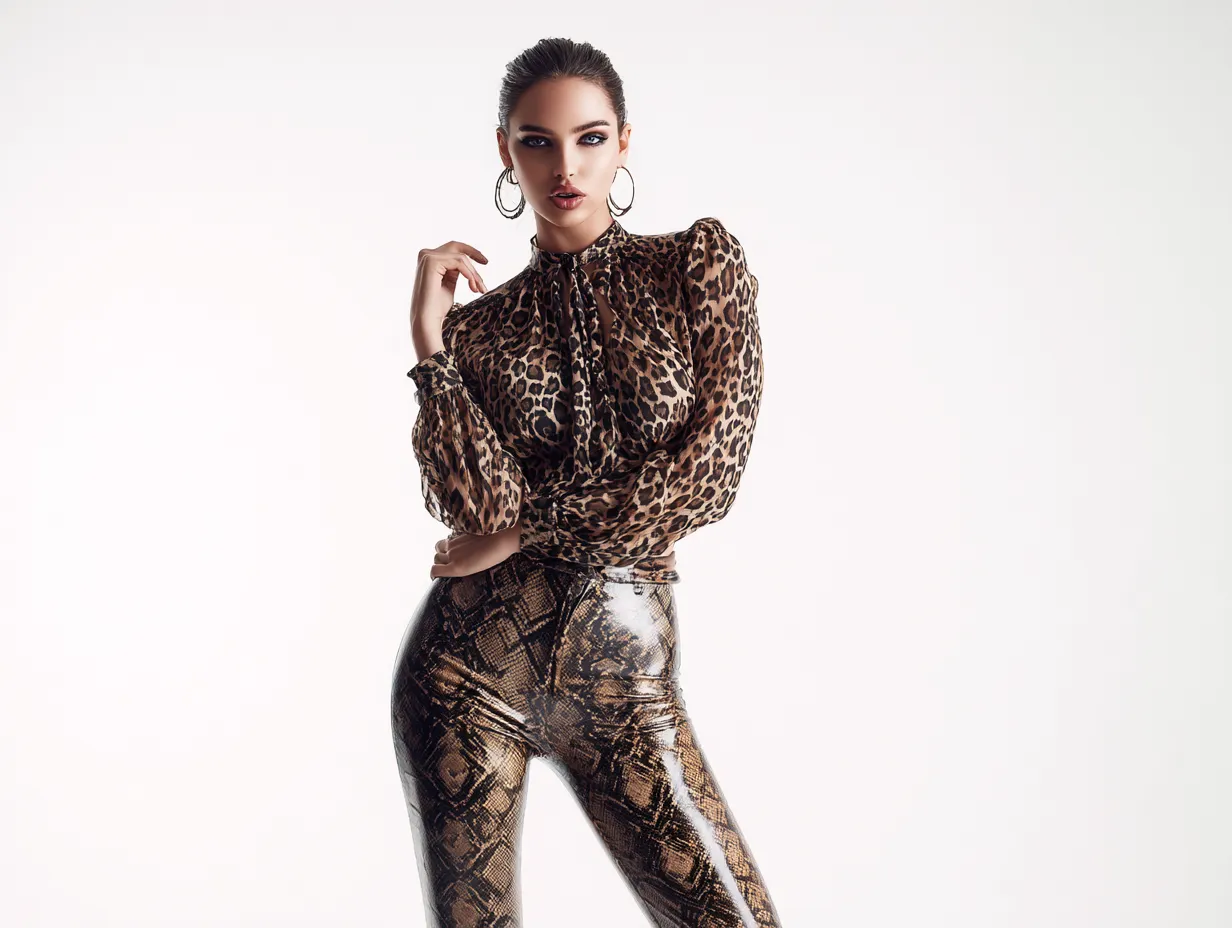
A highly effective strategy for successfully merging these motifs is to pay close attention to the color palette. If you are mixing animal prints that share a common tonal thread, the clash becomes much more manageable. For instance, a leopard print that leans heavily into cool, desaturated browns will pair effortlessly with a grey or taupe snakeskin. The shared undertones act as a bridge, connecting the two disparate patterns and tricking the eye into seeing them as a unified ensemble rather than a chaotic jumble. This tonal harmony allows the difference in scale—the small, tight scales of the snake versus the larger, open rosettes of the leopard—to become the focal point. It is a lesson in texture rather than just a collision of color. By anchoring the look in a cohesive color story, you elevate the outfit from a random selection of clothes to a curated, high-fashion statement that demonstrates a deep understanding of visual balance.
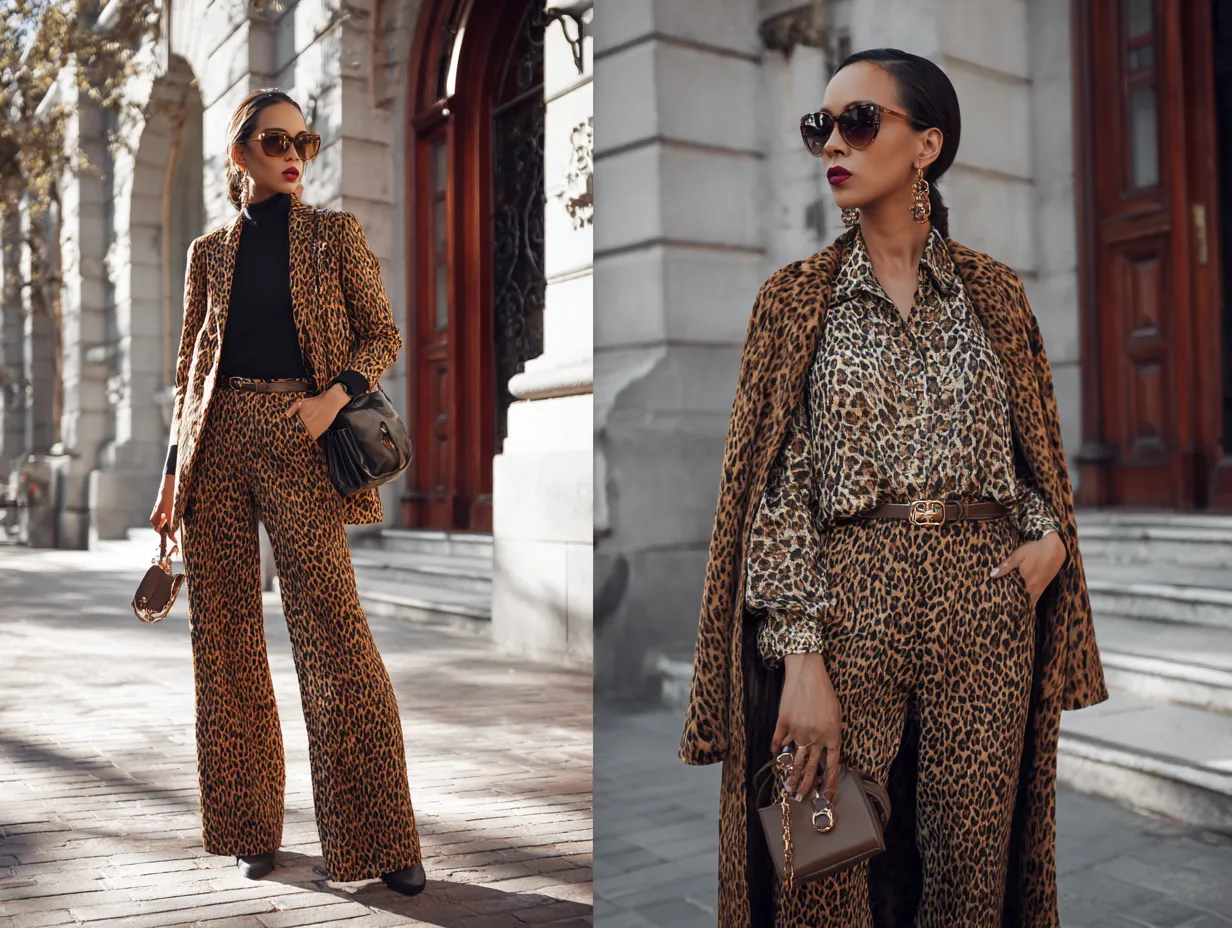
Silhouette plays a massive role in this stylistic equation. When you are combining such loud patterns, the cut of the clothes should be sharp and intentional. A billowy, oversized leopard blouse tucked into sleek, tailored snakeskin trousers creates a silhouette that is both relaxed and rigorous. The volume on top softens the aggression of the print, while the structure of the trousers provides a clean, modern line. This interplay of loose and fitted elements helps to break up the visual density of the patterns. If both pieces were skin-tight, the result might lean too far into costume territory. However, by balancing the fit, you allow the patterns to breathe. The fabric choice is equally important; a silk leopard shirt reflects light differently than a matte leather snake print pant, adding another layer of depth to the outfit. This textual contrast is vital when you are learning the secrets of mixing animal prints for a sophisticated result.
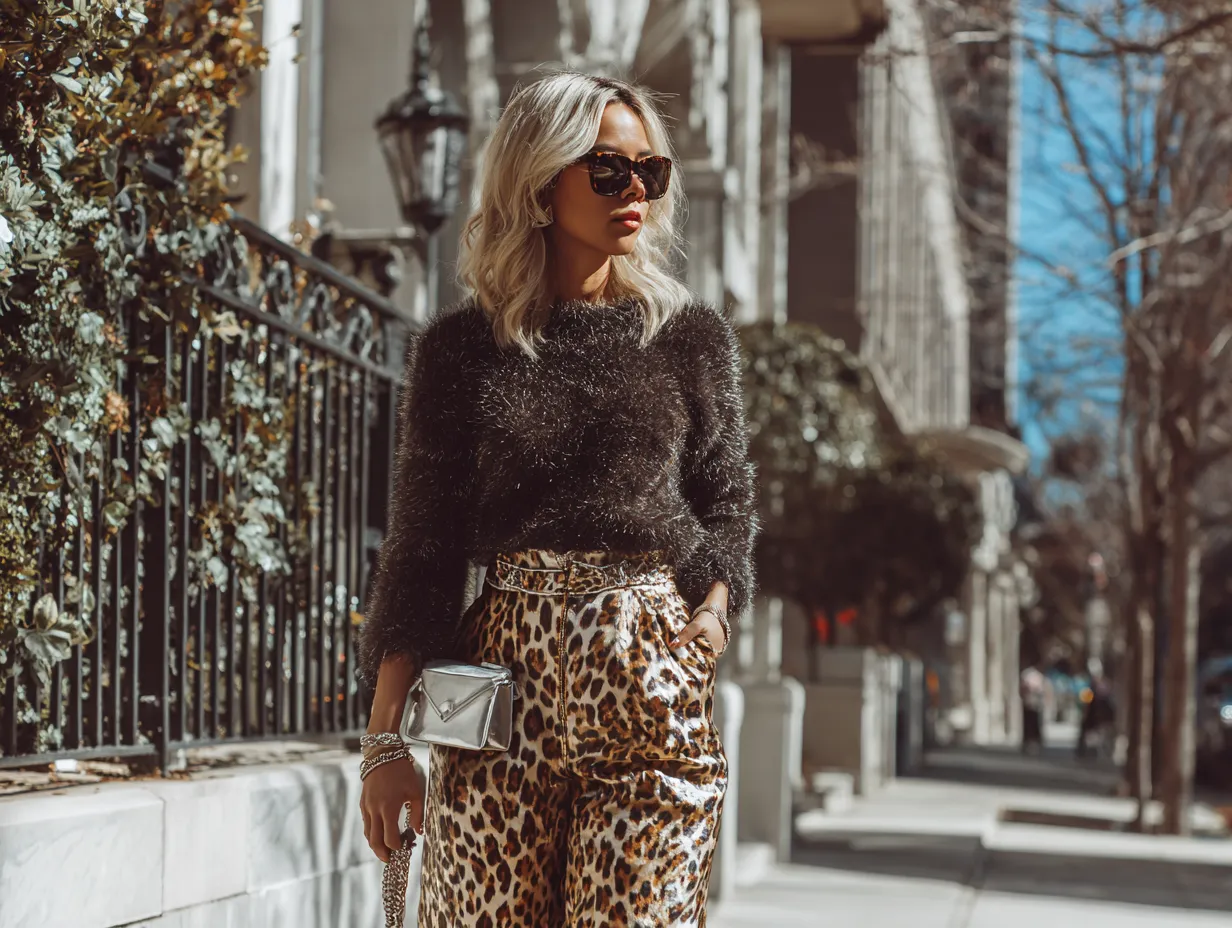
Accessories can make or break this daring combination. When you have so much visual information happening on your body, your choice of shoes, bags, and jewelry must be deliberate. A common mistake is to introduce a third, unrelated bright color, which can overwhelm the look. Instead, opt for solid neutrals that pick up on the darkest tone in your prints, usually black or dark brown. A sharp black stiletto or a structured leather handbag acts as a palate cleanser, giving the eye a place to rest. However, for the truly bold, metallic accessories in gold or bronze can complement the warm tones of the leopard, adding a touch of glamour without introducing a conflicting color. The goal is to frame the mixed patterns, not to compete with them. Every accessory should serve to highlight the boldness of your clothing choices, reinforcing the confidence required to pull off such a complex look.
Confidence is, without a doubt, the most critical component of this style. Wearing leopard and snake print together is a declaration of intent. It signals that you are not afraid to be seen and that you enjoy the playful side of fashion. It pushes against the traditional rules of minimalism and embraces a maximalist spirit that is full of life and energy. As you walk down the street in this combination, you are embodying a sense of fearless creativity. You are showing the world that you understand the rules of fashion well enough to break them in the most stylish way possible. This specific pairing has stood the test of time because it balances the raw, primal energy of the wild with the refined, calculated aesthetics of modern design. It is a look that demands attention and respect, proving that you know exactly how to navigate the complex landscape of trend-driven styling.
Ultimately, the journey of mixing animal prints is about experimentation and finding what resonates with your personal style. You might find that you prefer a subtle approach, using a snakeskin belt on a leopard dress, or you might go all out with separate garments. There is no single right way to do it, only the way that makes you feel most empowered. By starting with this classic duo of cat and reptile, you build a foundation of pattern-mixing skills that will serve you well as you continue to explore more avant-garde combinations. It is a step towards a more liberated, exciting wardrobe where the only limit is your imagination and your willingness to take a sartorial risk.
Creating Visual Harmony With Zebra Stripes And Tiger Motifs
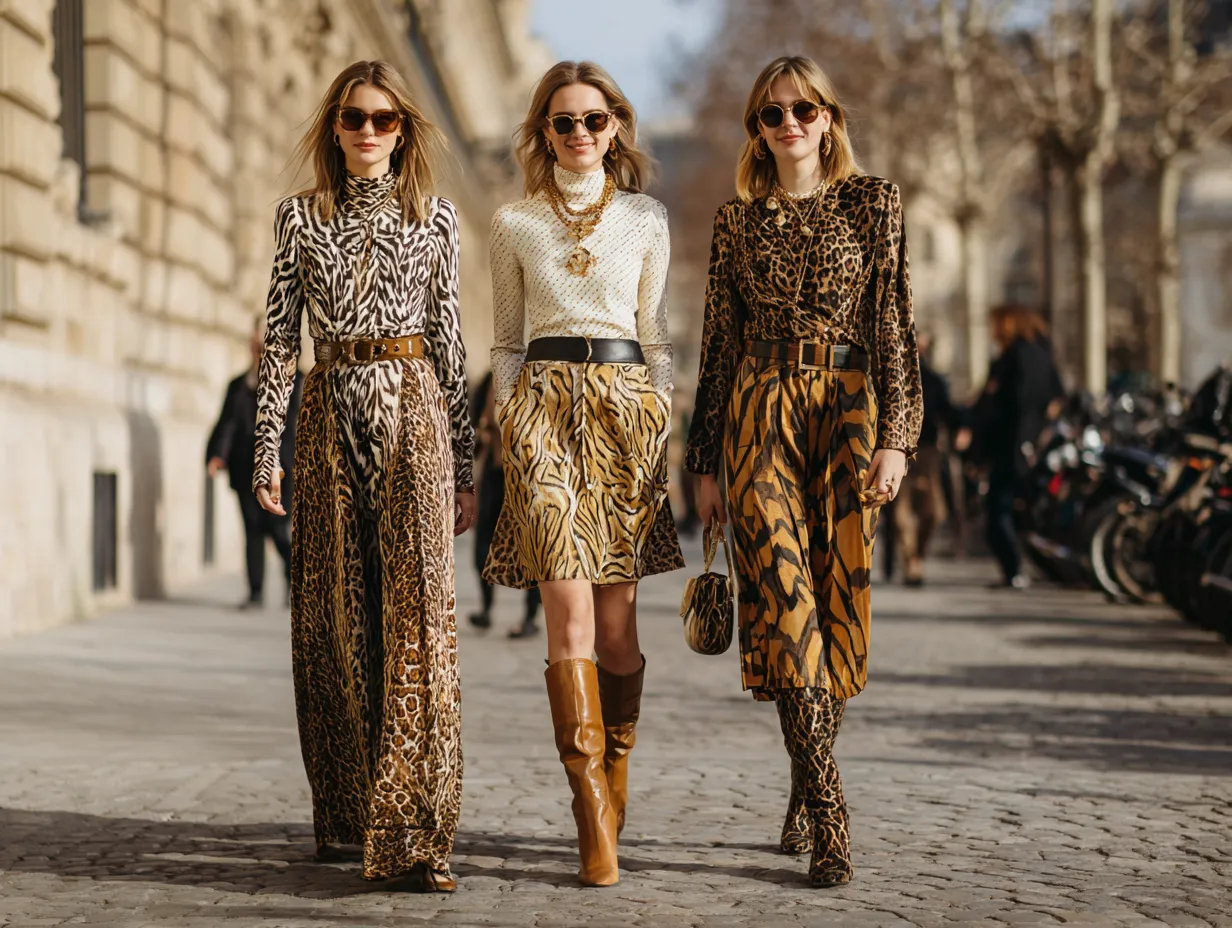
Moving beyond the spotted varieties of the animal kingdom, we encounter the dynamic world of stripes. Specifically, the interplay between the stark, graphic nature of zebra lines and the organic, fiery allure of tiger stripes offers a fascinating challenge for any fashion enthusiast. Mixing animal prints that share a linear quality might seem intuitive, but the success of this combination lies in the disruption of expectations. Zebra print is fundamentally high-contrast, usually black and white, offering a crisp, monochromatic punch. Tiger print, on the other hand, introduces warmth and complexity with its orange, black, and white palette. When you bring these two together, you are essentially mixing a neutral graphic with a bold color statement. The result is an outfit that vibrates with energy and demonstrates a mastery of mixing animal prints that few dare to attempt.

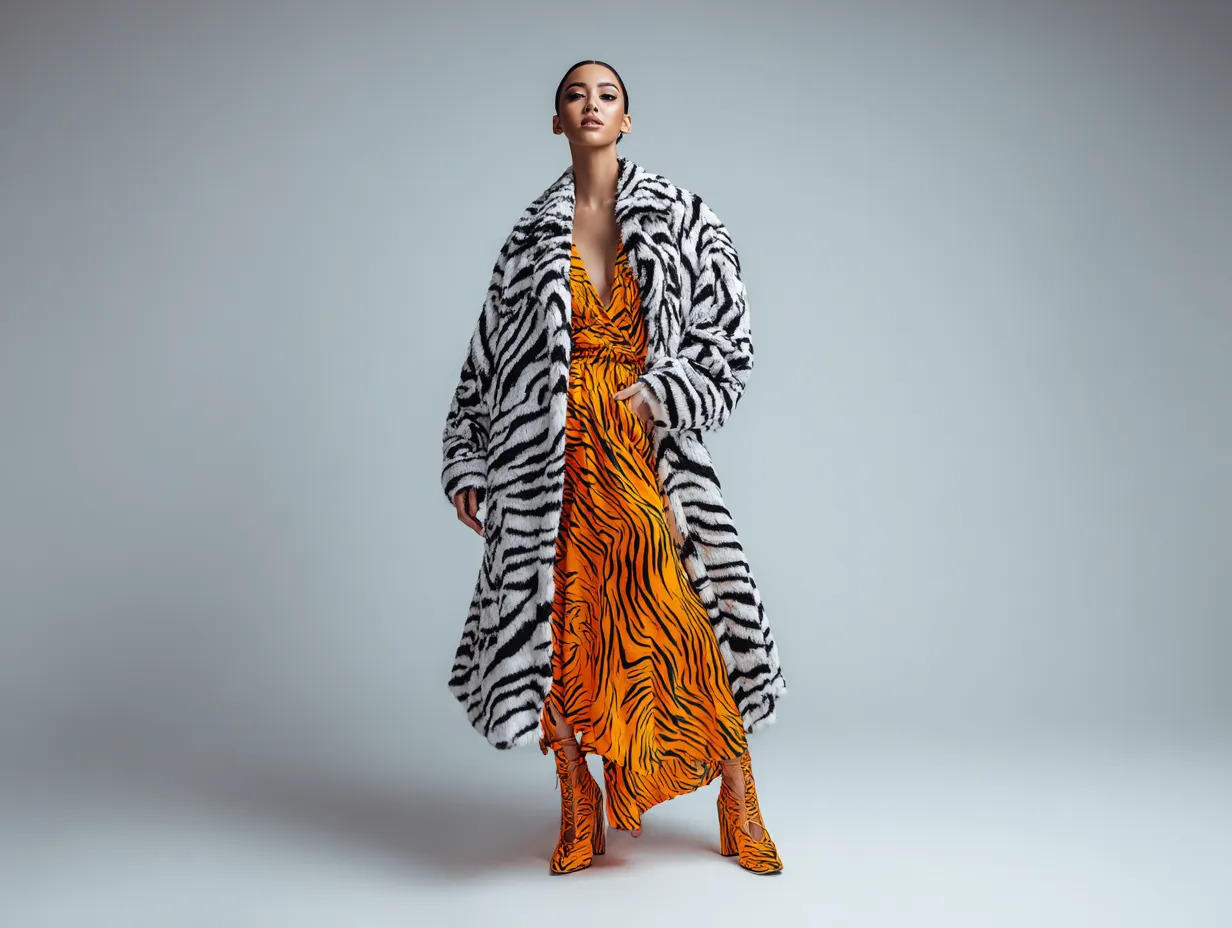
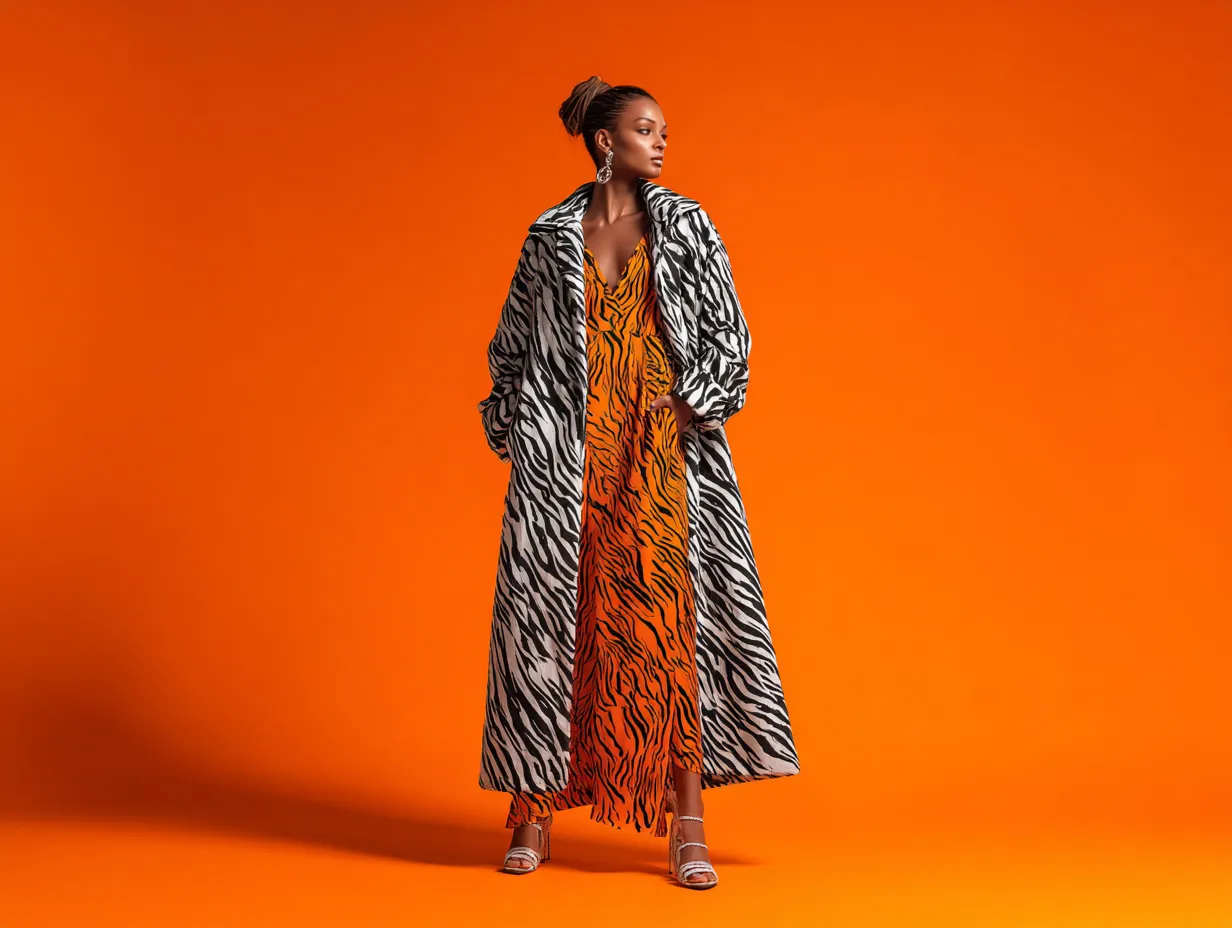
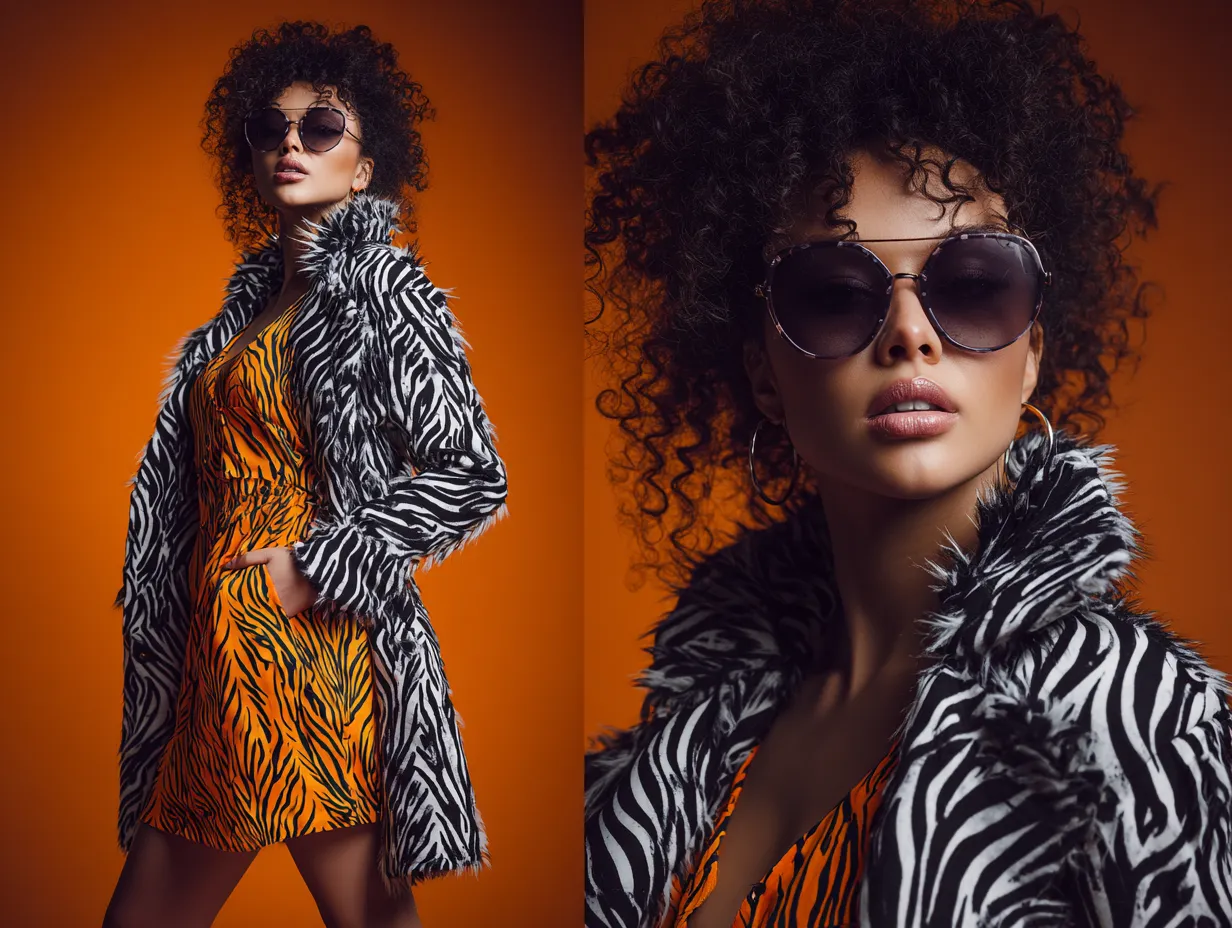
The concept of scale is paramount when working with two striped patterns. If the width of the zebra stripes matches perfectly with the width of the tiger stripes, the eye can struggle to differentiate between the two, causing a dizzying, vibrating effect. To avoid this optical illusion, you must vary the scale significantly. Pair a coat featuring wide, bold zebra panels with a dress or top that showcases finer, more intricate tiger markings. This disparity in size allows each pattern to retain its individual identity while still contributing to the overall theme. It creates a visual hierarchy where one piece acts as the anchor and the other as the accent. This technique is a cornerstone of professional styling and is essential for anyone looking to understand the mechanics of mixing animal prints effectively.
Color temperature is another crucial factor to consider. Zebra print acts as a cool, crisp neutral in this equation, providing a sharp backdrop for the warm, burning tones of the tiger pattern. This temperature clash is what makes the combination so exciting. The cool white of the zebra brightens the look, preventing the heavy orange and black of the tiger from feeling too dark or autumnal. It adds a fresh, modern edge that lifts the entire ensemble. To further harmonize these elements, look for tiger prints that have a significant amount of white or cream in the background. This shared color acts as a connecting thread, weaving the two garments together. It is these subtle details—the width of a stripe, the shade of a background color—that elevate a look from a simple clash to a curated masterpiece of mixing animal prints.
Layering is an excellent vehicle for this specific combination. A heavy zebra print coat thrown over a delicate silk tiger slip dress creates a compelling mix of weights and textures. The coat provides structure and coverage, while the dress adds fluidity and movement. This juxtaposition is visually arresting. You can also reverse the roles, wearing a tiger print blazer over a zebra print blouse. The key is to ensure that one piece is solid and structured while the other is softer. This prevents the outfit from looking like a costume and grounds it in the realm of high fashion. The “third piece” rule is also helpful here; adding a solid black leather belt or a black turtleneck underneath can break up the patterns and provide a visual reset button, making the mixing animal prints strategy feel more intentional and less overwhelming.
Accessories for this look should be kept relatively simple to let the stripes do the talking. Black is the safest and most chic option, as it is present in both patterns. A pair of black knee-high boots or a simple black clutch will tie everything together seamlessly. However, if you are feeling particularly adventurous, a pop of red lipstick or a red bag can look incredible against the black, white, and orange palette. It adds a classic, rock-and-roll vibe that complements the rebellious nature of the animal motifs. Just be wary of introducing other patterns; keep the accessories solid to maintain the focus on the stripes. The goal is to create a look that is cohesive in its chaos, a symphony of lines that directs the eye and celebrates the wild beauty of nature’s designs.
Ultimately, mixing animal prints like zebra and tiger is about embracing the power of the stripe. It is a look that conveys strength, direction, and a certain wild elegance. It is perfect for those who want to make a statement without resorting to neon colors or overly complicated silhouettes. The graphic nature of the prints does all the work for you. By understanding the principles of scale, color temperature, and layering, you can harness the energy of these two powerful beasts and create an outfit that is truly unforgettable. It is a testament to the versatility of animal patterns and their ability to be constantly reinvented and reimagined by the stylish individual.
Utilizing Accessories To Anchor Bold Cheetah Combinations
For those who may feel that wearing head-to-toe pattern is a step too far, there is a highly effective alternative: the strategic use of accessories. Utilizing footwear, handbags, and scarves is a brilliant gateway into the world of mixing animal prints without committing to a full garment. This approach allows you to treat the print as a highlight, a punctuation mark that finishes a sentence rather than the sentence itself. Cheetah print, with its small, solid black spots on a tan background, is particularly well-suited for accessories. It reads almost like a neutral from a distance but provides incredible texture and interest up close. By focusing on accessories, you can experiment with mixing animal prints in a way that feels controlled, sophisticated, and entirely wearable for everyday life.
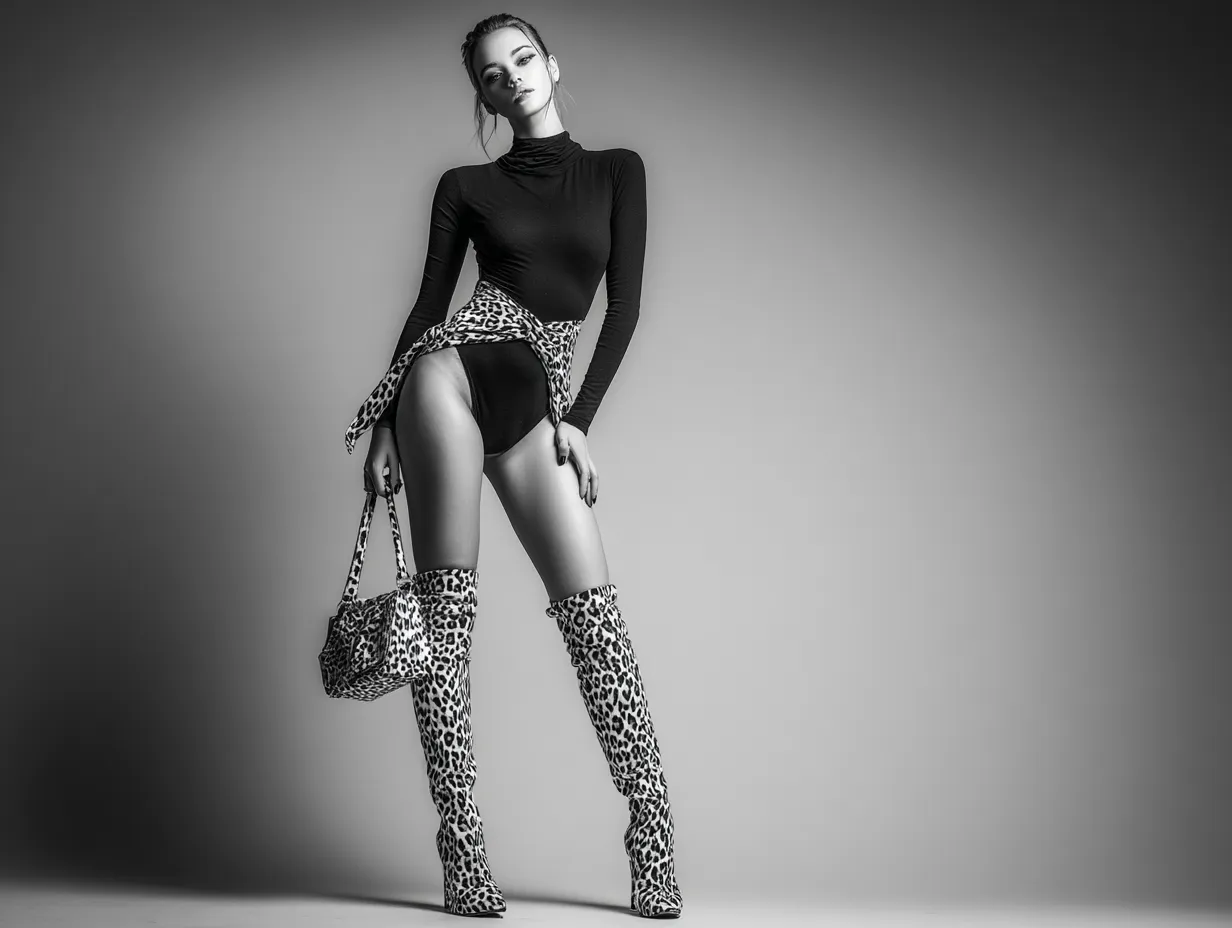
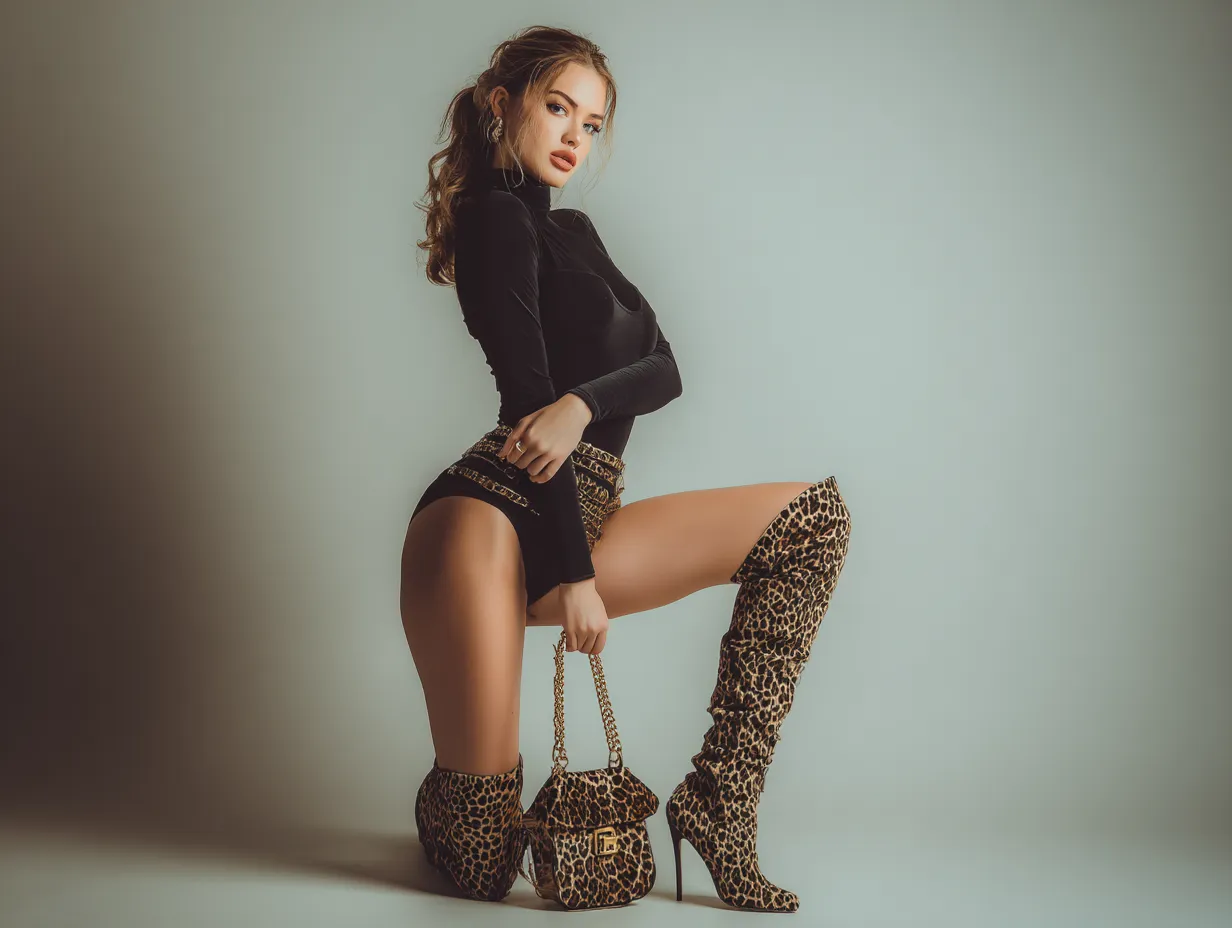
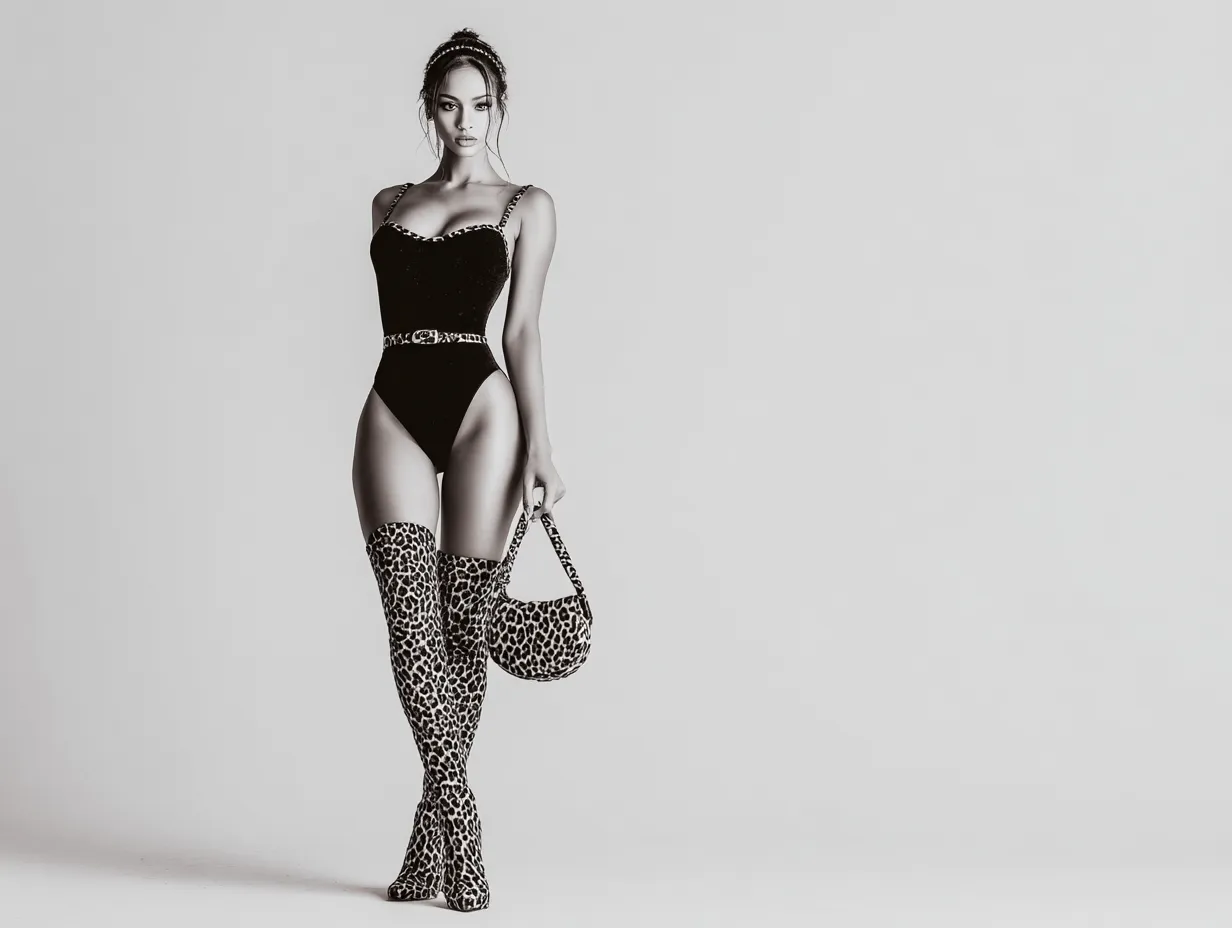
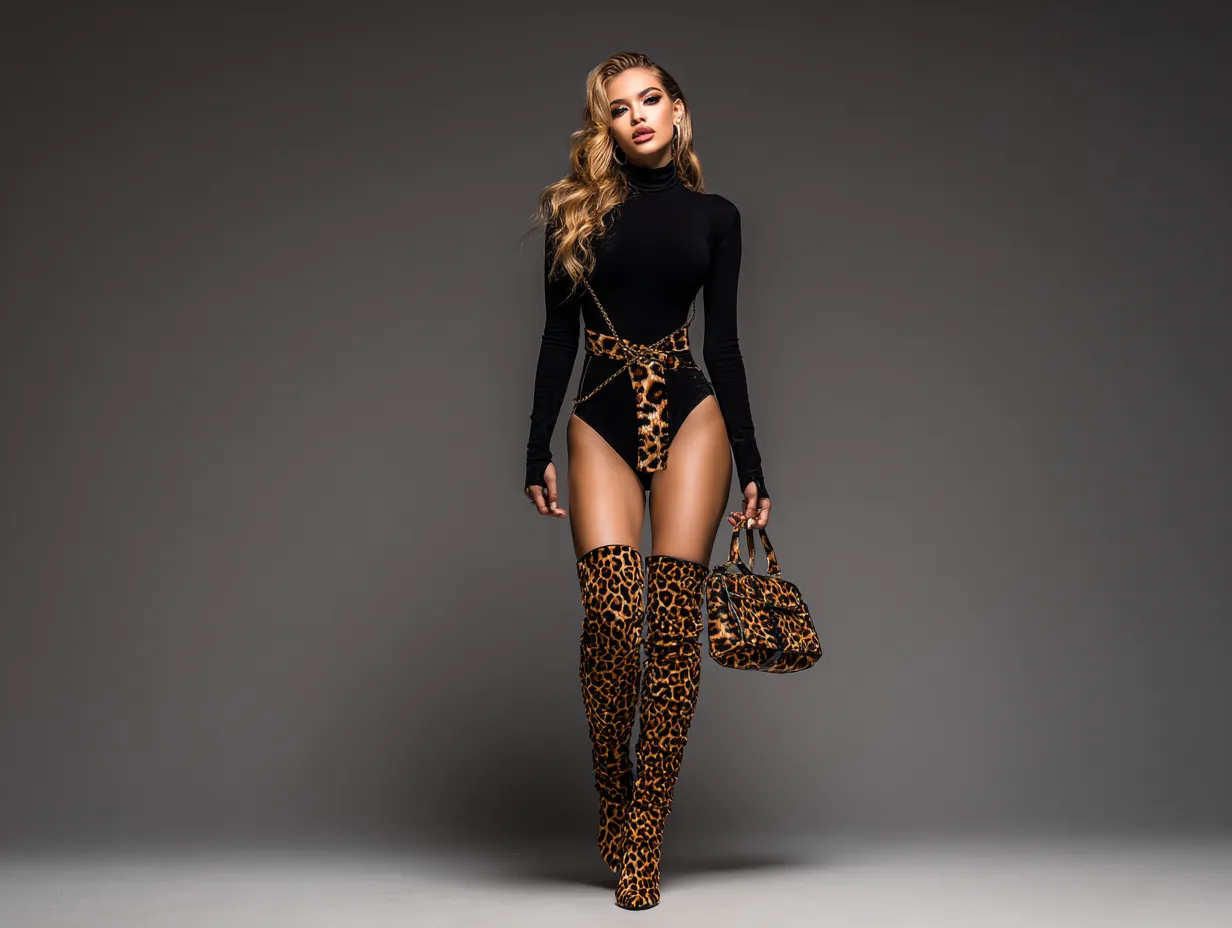
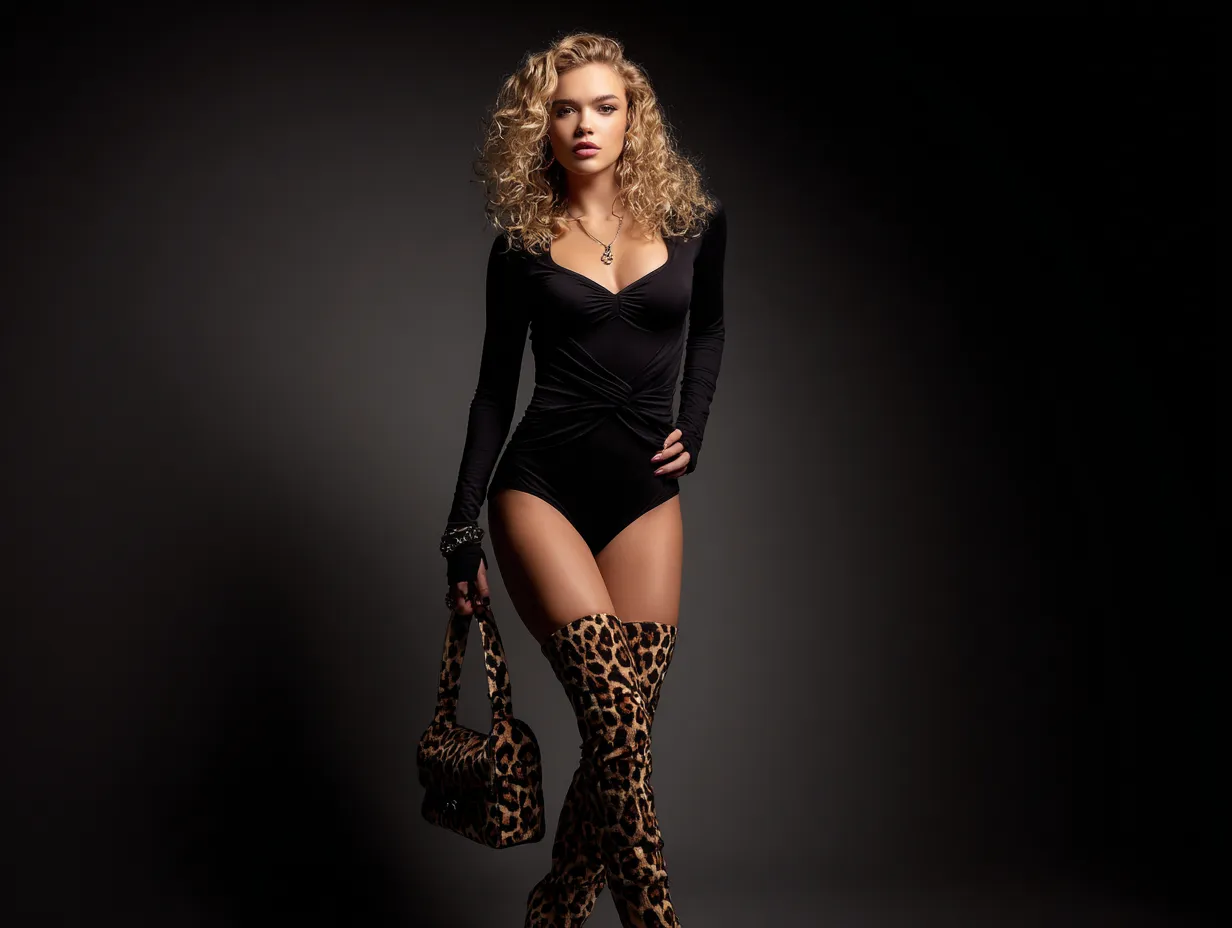
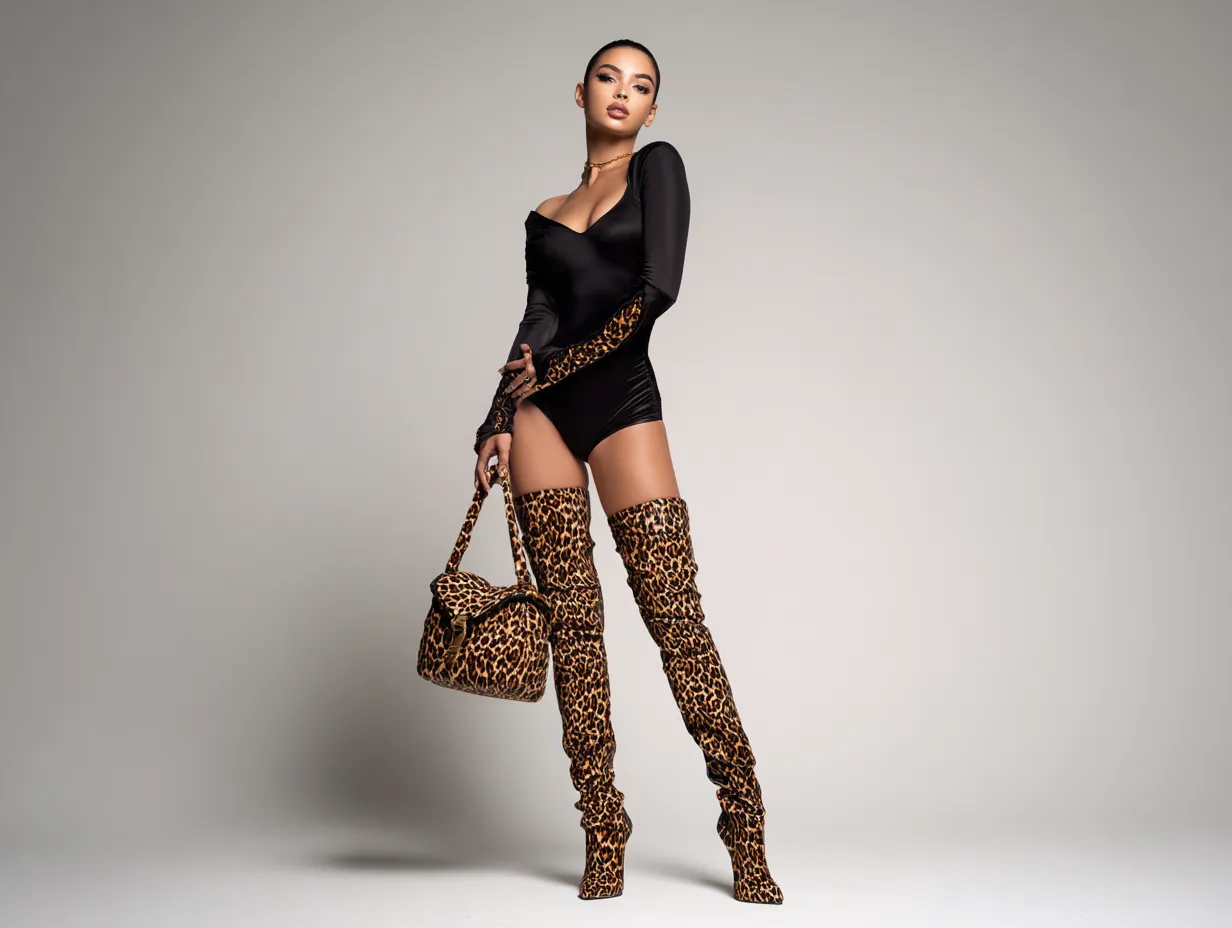
The beauty of using accessories to explore mixing animal prints lies in the ability to pair them with solid, monochromatic outfits. Imagine a sleek, all-black ensemble—a fitted turtleneck and tailored trousers—punctuated by a pair of cheetah print boots and a zebra print bag. The solid black background acts as a blank canvas, allowing the two different animal patterns to shine without fighting for dominance. In this context, the accessories become the jewelry of the outfit. They add personality and flair to an otherwise simple look. This method is incredibly versatile; you can swap out the accessories to change the vibe of the outfit instantly. It is a low-risk, high-reward strategy that demonstrates a subtle yet powerful grasp of fashion trends.
When you are mixing animal prints through accessories, pay attention to the distance between the items. Wearing a leopard print scarf right next to a snakeskin necklace might look cluttered because they occupy the same visual space. However, wearing leopard print shoes with a snakeskin bag creates a pleasant visual rhythm. The eye travels from the feet to the hand, appreciating the different textures individually. This separation allows each pattern to breathe. You can also mix patterns within the same accessory family, such as stacking bracelets in different animal motifs. A tiger stripe bangle next to a cheetah spot cuff creates a fun, eclectic wrist stack that hints at your fashion-forward thinking without overwhelming your entire silhouette. It is these small, thoughtful details that define the art of mixing animal prints for the modern stylist.
Texture plays a significant role in accessory styling. Animal prints on accessories often come in textured materials like calf hair, faux fur, or embossed leather. These tactile elements add richness to your look. A calf hair cheetah bag has a different light reflection than a printed canvas tote. Mixing these textures adds depth. If you are mixing animal prints, try to mix textures as well. A glossy, patent leather crocodile print shoe paired with a soft, fuzzy leopard print bag creates a dynamic contrast that is pleasing to both the eye and the touch. This attention to material quality elevates the look, making it feel expensive and curated rather than cheap or thrown together. It shows that you have considered every aspect of the outfit, from the pattern to the fabric finish.
Don’t be afraid to use accessories to bridge the gap between other prints in your wardrobe. If you are wearing a floral dress, a cheetah print belt can add an unexpected edge. While this isn’t strictly mixing animal prints with other animal prints, it creates a “mixed print” look that follows similar principles. However, if you want to stick to the wildlife theme, a subtle animal print scarf tied around the handle of a bag is a chic, understated way to participate in the trend. It is a nod to the style without the volume. As you become more comfortable, you can start incorporating larger items. The progression from a belt to a bag to a pair of thigh-high boots is a natural evolution in your style journey.
In conclusion, accessories offer a playground for those looking to master mixing animal prints. They provide a safe space to test combinations, play with scale, and explore different textures. Whether you are accenting a little black dress or adding flair to a denim look, animal print accessories are timeless staples that inject fun and ferocity into your wardrobe. They prove that you don’t need to wear a jungle-themed suit to appreciate the aesthetic; sometimes, a touch of the wild is all you need to make a lasting impression. By starting small and thinking strategically about placement and background colors, you can integrate these bold patterns into your daily rotation with the ease and elegance of a professional stylist.