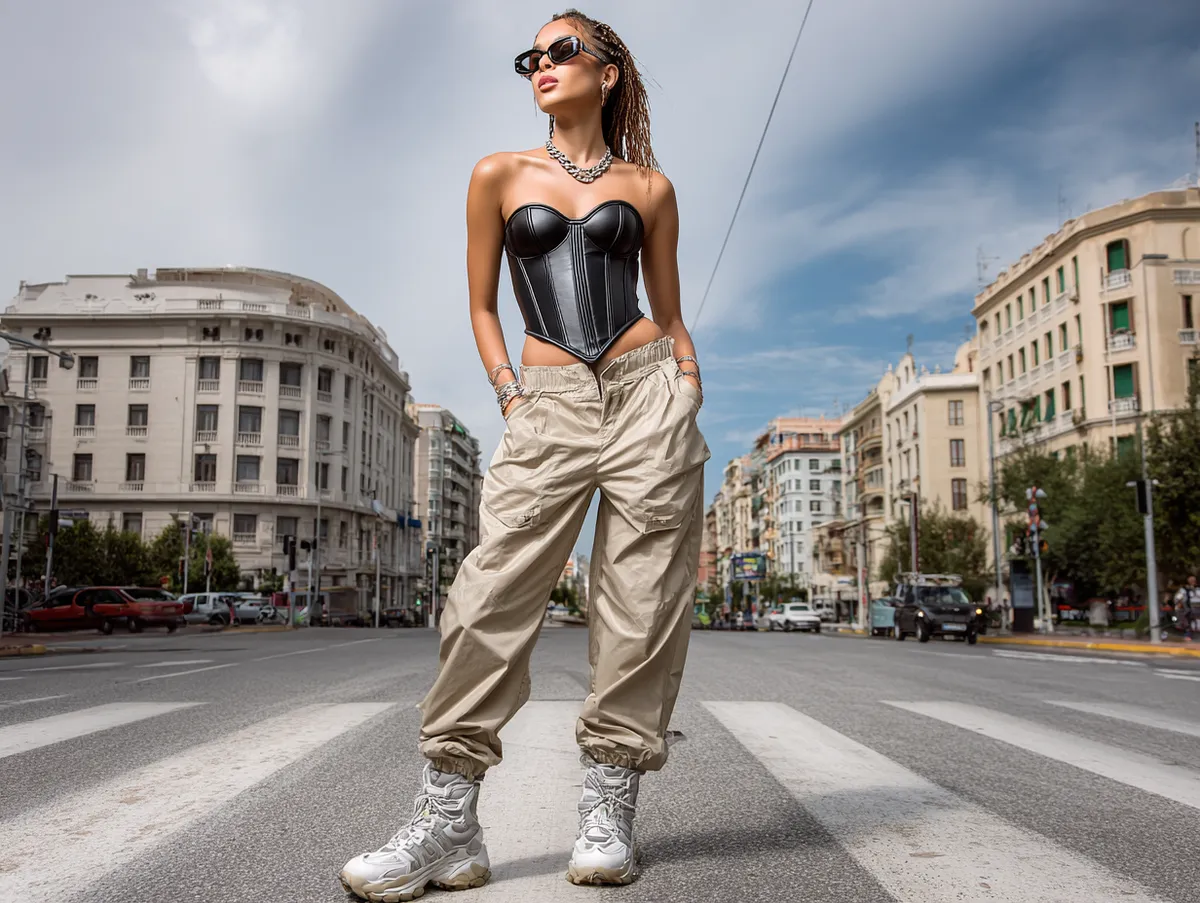
Stepping out the door in an outfit that seamlessly blends unexpected designs is the ultimate fashion flex. The visual impact of beautifully combined textiles immediately signals confidence, creativity, and a deep understanding of sartorial harmony. For many, the idea of wearing competing designs feels daunting, often resulting in wardrobes filled exclusively with safe, solid colors. However, embracing loud, vivid textiles does not have to be an intimidating endeavor. The secret to achieving that coveted, effortlessly cool aesthetic lies in understanding a few foundational principles of proportion, color theory, and visual weight. Once you grasp these concepts, the entire landscape of your closet transforms, opening up endless possibilities for personal expression. This comprehensive styling approach will demystify the process, providing you with the exact tools needed to break away from sartorial monotony. You will learn to navigate the delicate balance between chaotic and chic, ensuring your ensembles always look intentional, meticulously curated, and exceptionally stylish.
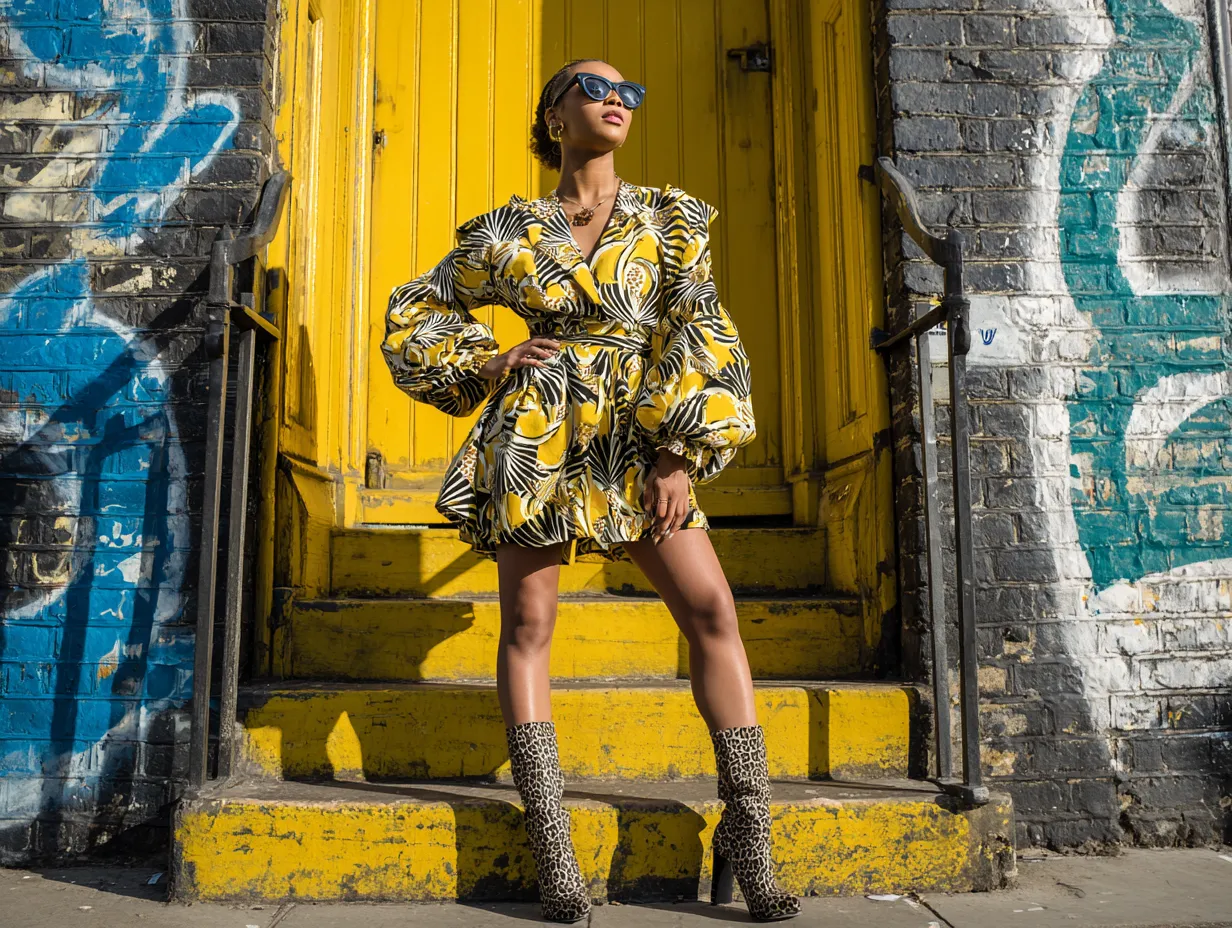
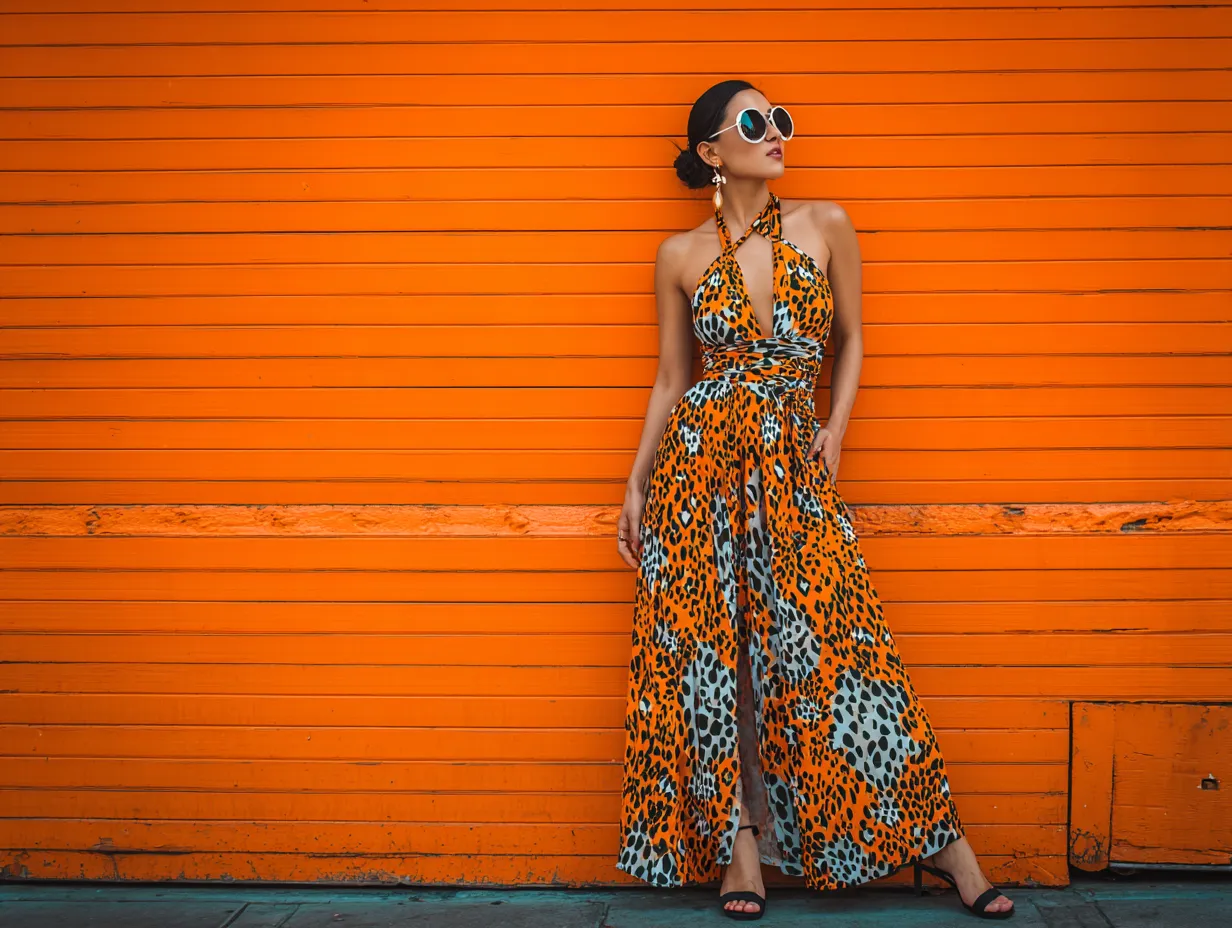
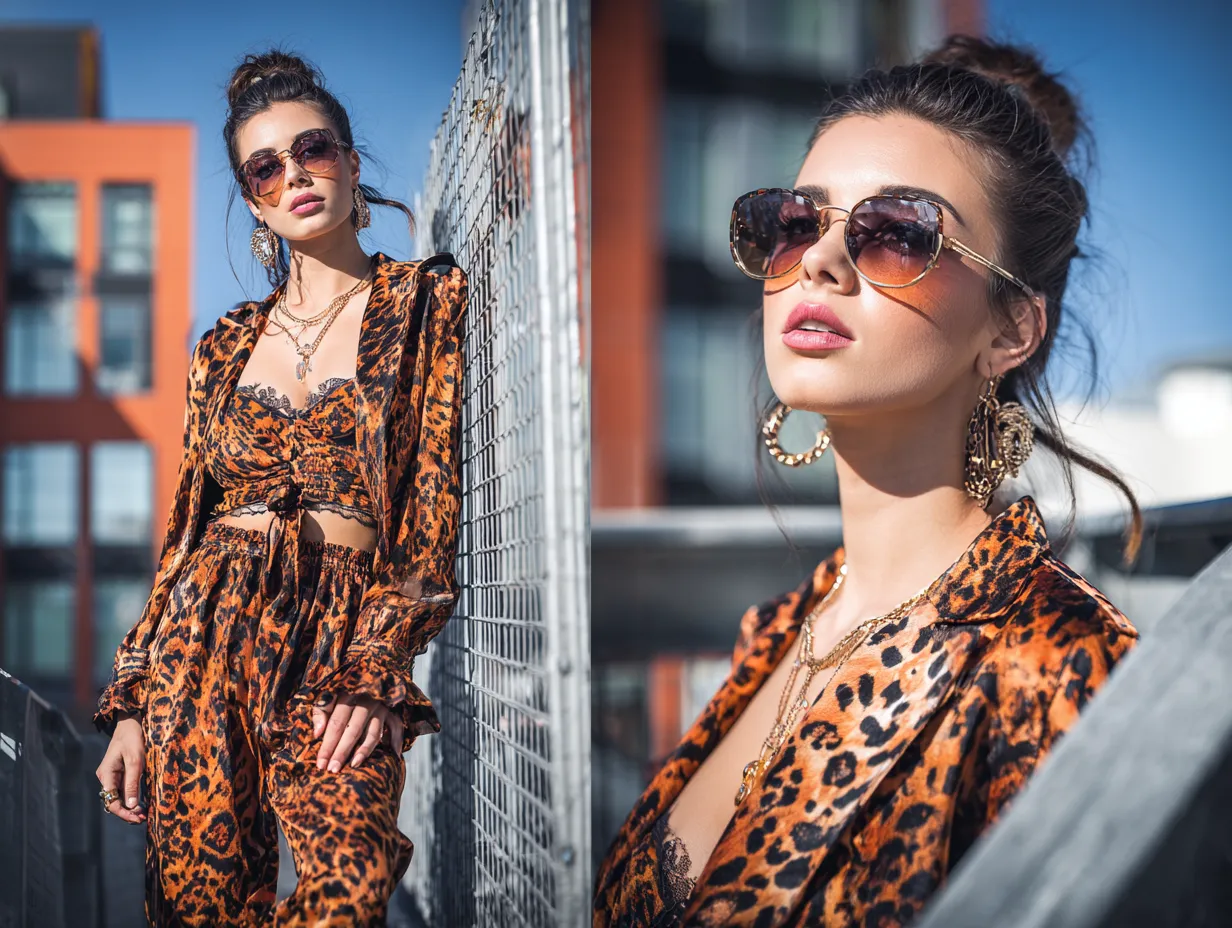
Mastering The Art Of Pattern Clashing For Everyday Wear
The fear of looking uncoordinated is the primary reason most people avoid wearing multiple loud designs simultaneously. We are conditioned from a young age to match our clothing, creating a rigid set of rules that dictates only one statement piece is allowed per outfit. Breaking this ingrained habit requires a deliberate mental shift and a willingness to experiment. Pattern clashing is not about randomly throwing different garments together in the dark; it is a highly intentional styling technique that relies on specific visual anchors to create cohesion out of apparent chaos. When you successfully mix bold prints, you communicate a high level of fashion fluency, proving that you control your clothes rather than letting them control you.
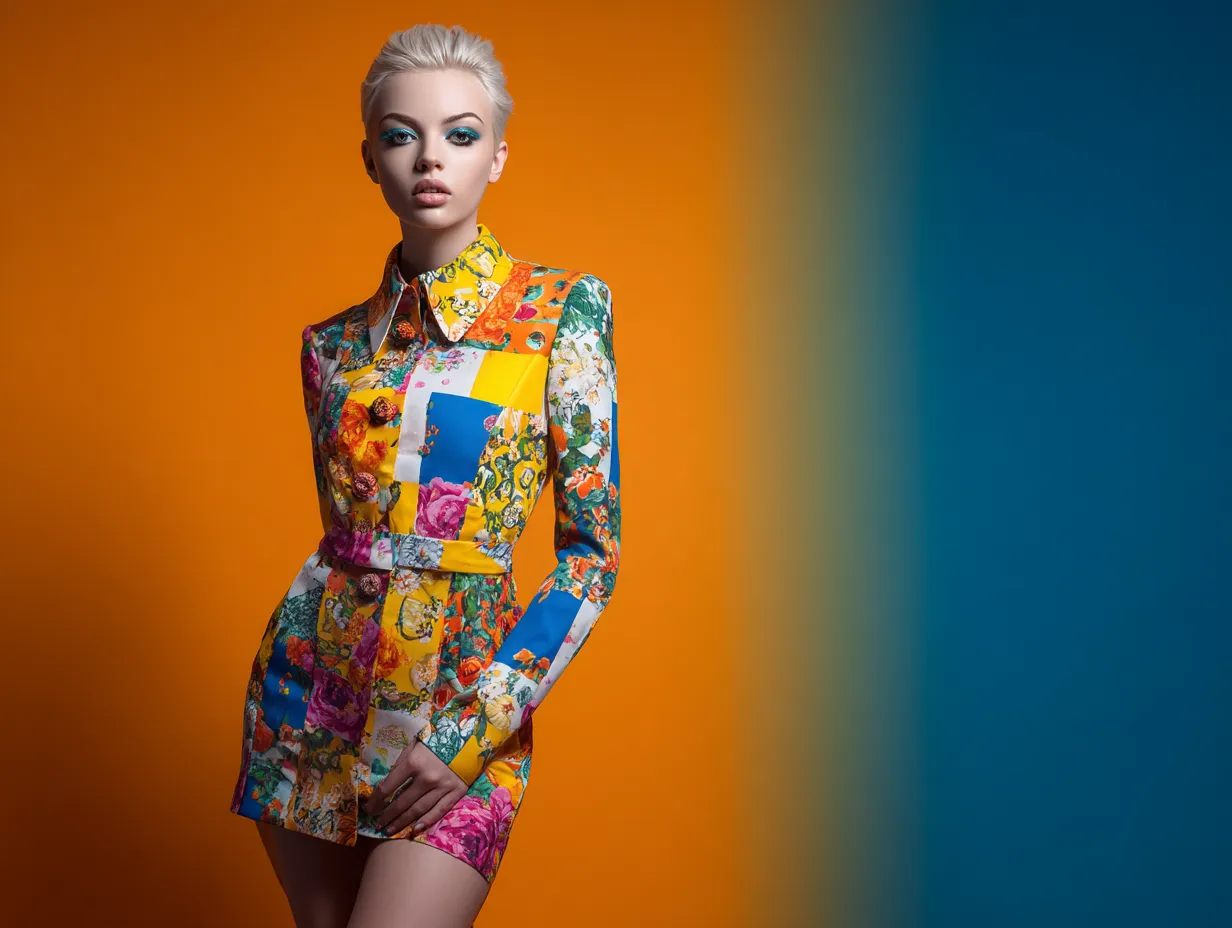
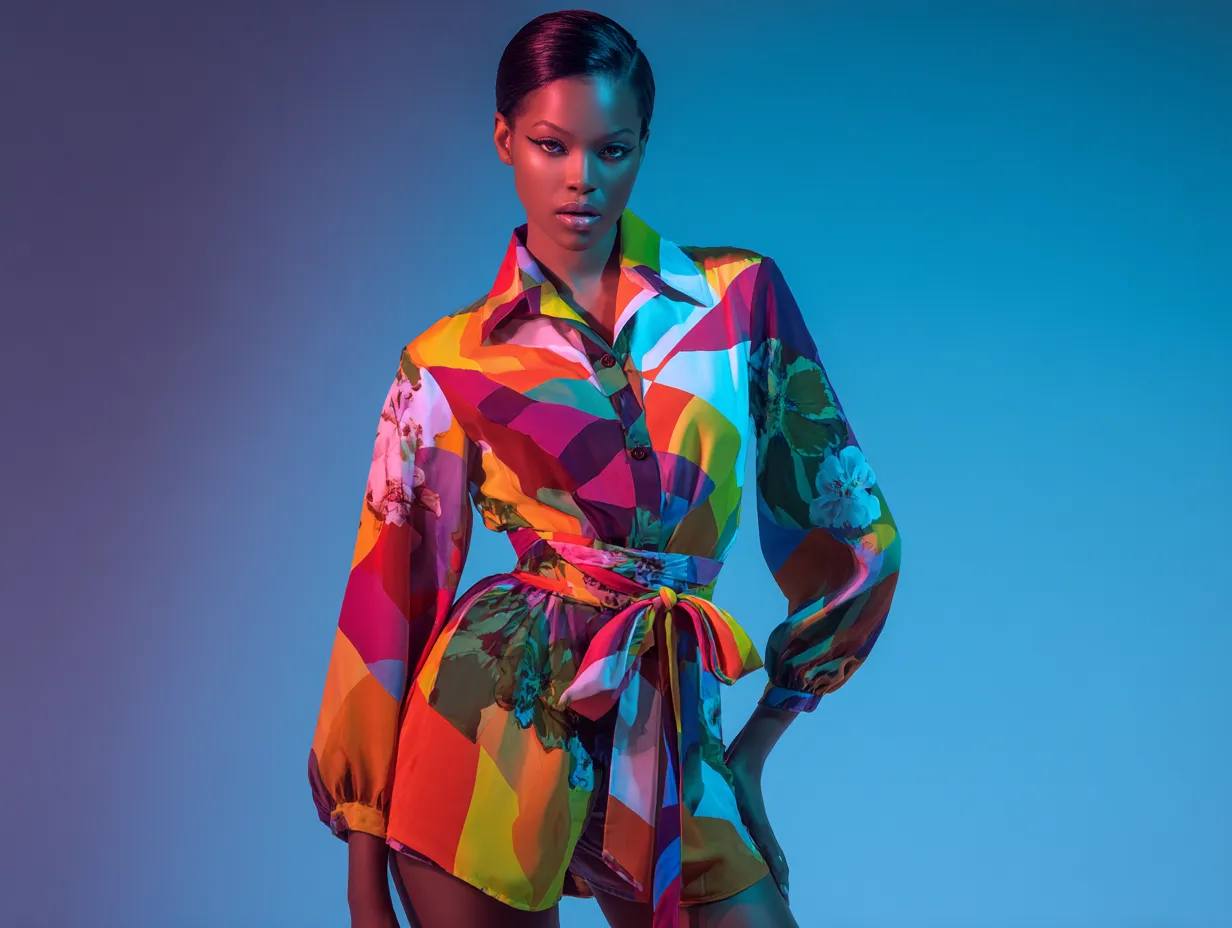
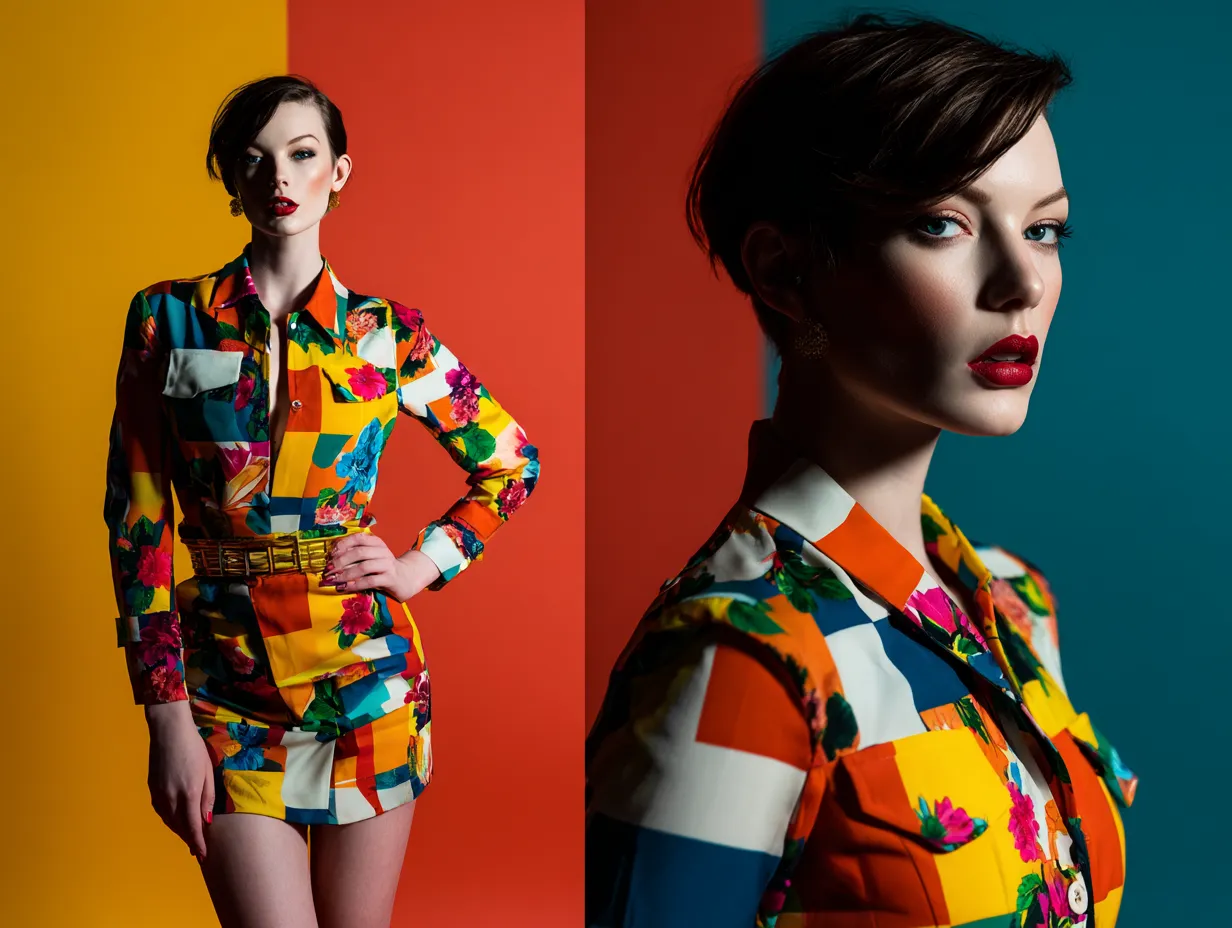
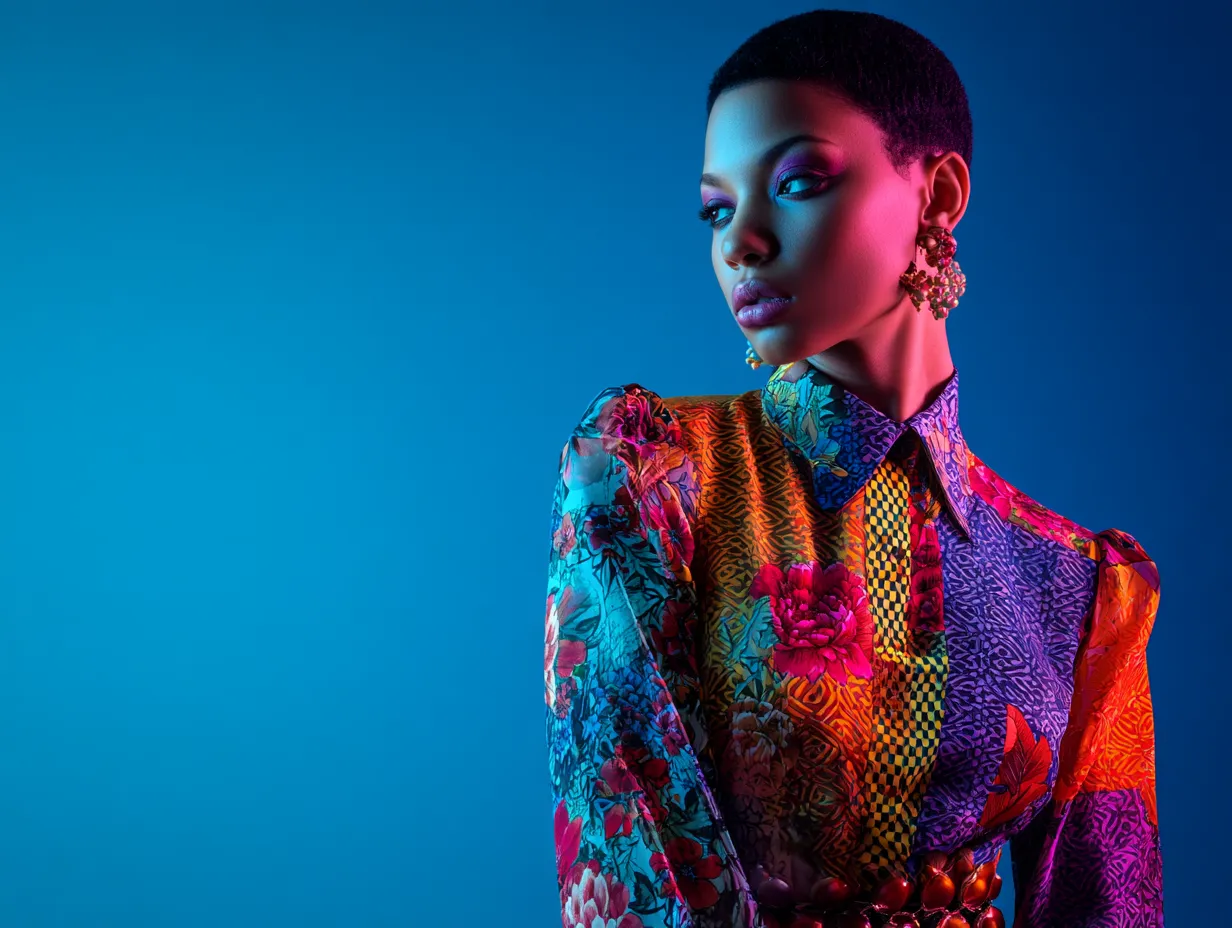
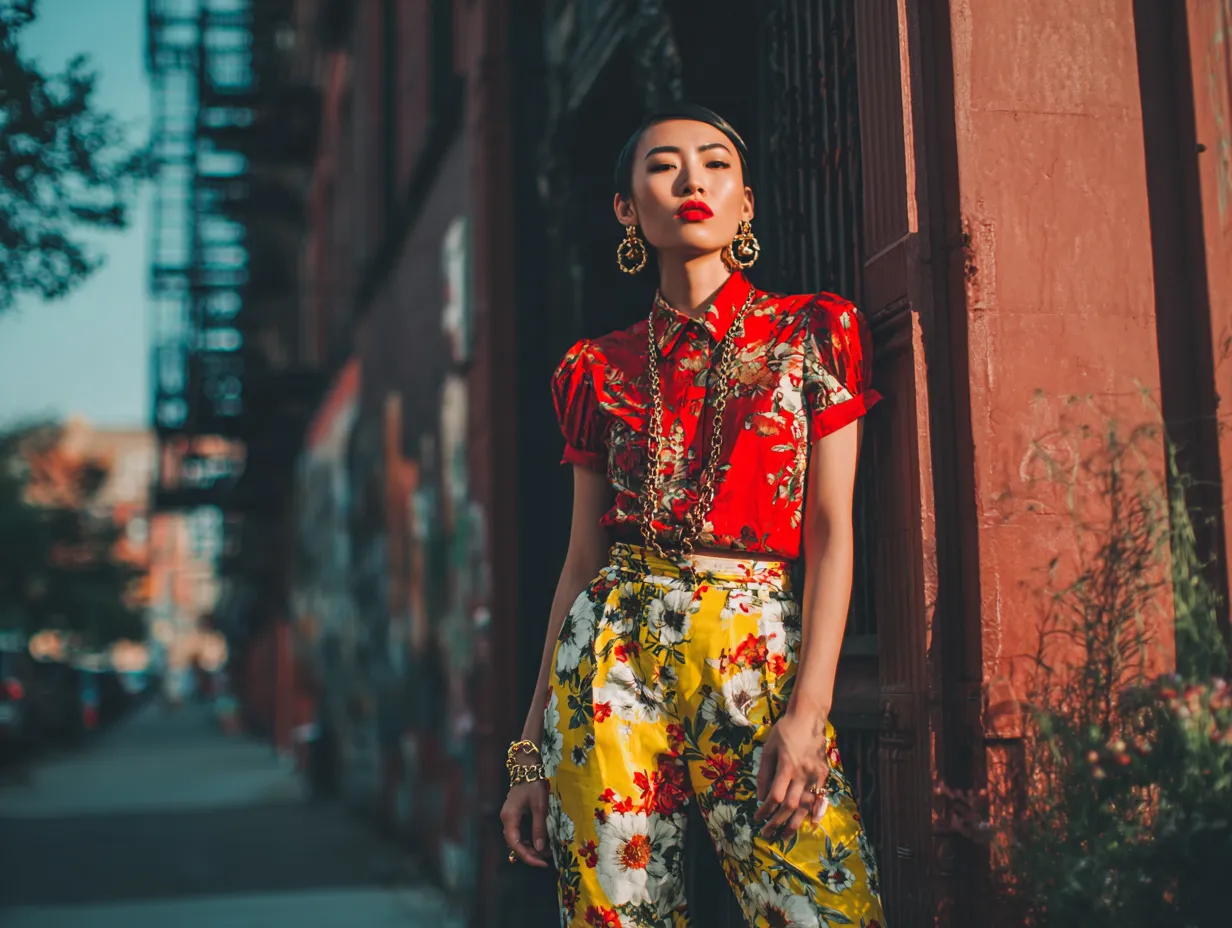
The most effective anchor for pattern clashing is color coordination. If you are pairing a loud leopard skirt with a vibrant plaid blouse, these two wildly different designs need a unifying element. This is where color theory becomes your most valuable styling tool. Look for a dominant hue in one garment and ensure it appears as an accent in the other. For example, if your floral trousers have small hints of emerald green, choosing a striped top where emerald green is the primary color creates an instant, undeniable link between the two pieces. This shared color acts as a bridge, allowing the eye to process the outfit as a unified ensemble rather than two competing elements fighting for attention.
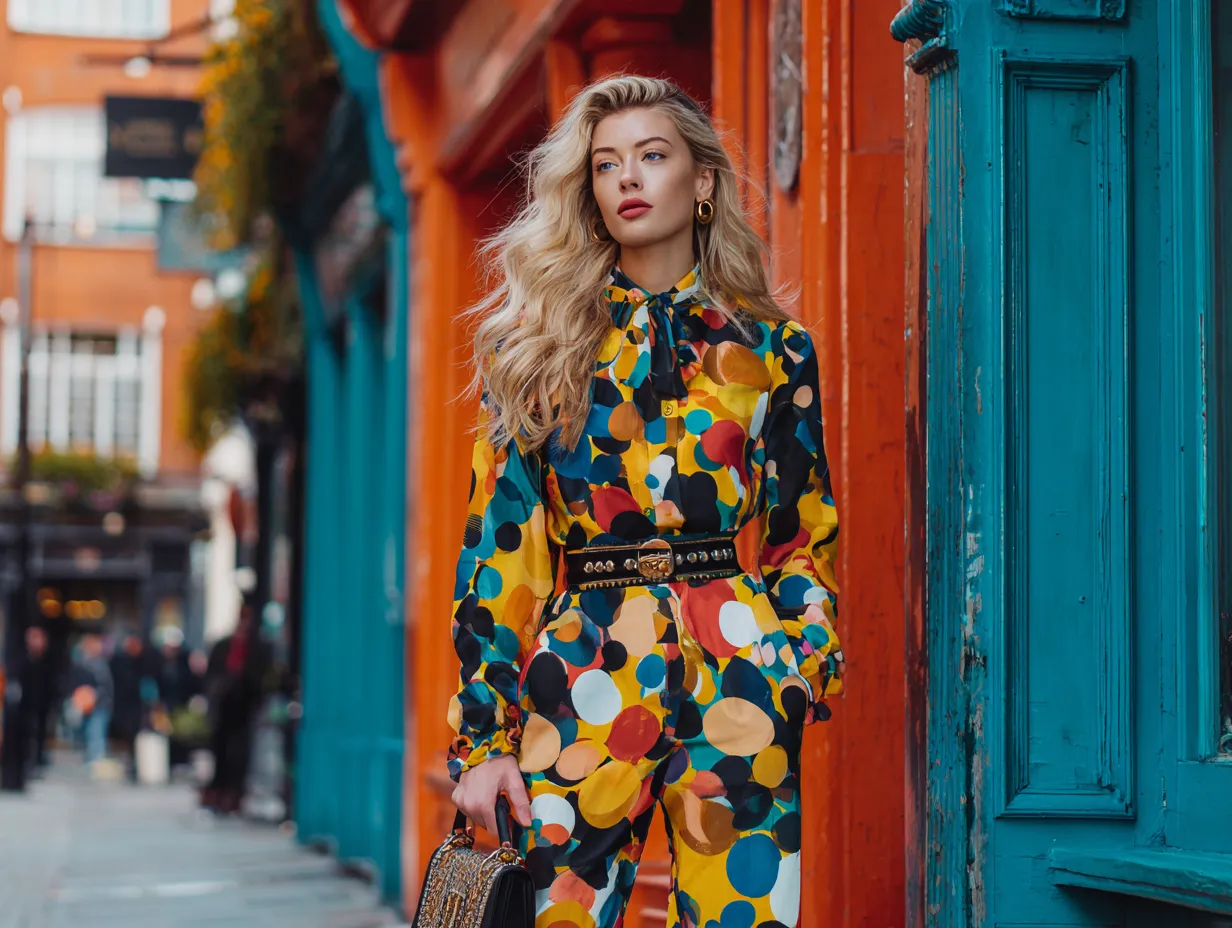
Another crucial aspect of everyday wear is the introduction of a grounding neutral. When you combine vibrant patterns, the visual stimulation is incredibly high. To prevent the outfit from becoming overwhelming, especially in a daytime or casual setting, you must provide a place for the eye to rest. This can be achieved by incorporating solid, neutral accessories. A thick black leather belt, a structured camel handbag, or classic white sneakers can significantly temper the intensity of the look. These solid elements frame the loud textiles, providing a necessary boundary that keeps the overall aesthetic sharp and sophisticated.
Scale is another fundamental principle when you set out to mix bold prints successfully. Wearing two designs of the exact same size often results in visual confusion, as neither piece establishes dominance. Instead, always aim for a contrast in proportion. Pair a large, oversized botanical design with a micro polka dot or a fine pinstripe. The smaller design essentially acts as a textured neutral, allowing the larger, more dramatic motif to take center stage. This hierarchy of scale ensures that the outfit remains balanced and pleasing to the eye, rather than chaotic and confusing.
Texture also plays a vital role in elevating the overall look. When you combine vibrant patterns, incorporating different fabrications adds depth and richness to the ensemble. Imagine pairing a slick, printed silk blouse with heavy, printed jacquard trousers. The contrast between the smooth, reflective surface of the silk and the matte, raised texture of the jacquard creates a luxurious tactile experience. This dimensional approach makes the outfit look expensive and meticulously curated, completely dispelling any notion that the pieces were thrown together haphazardly.
Confidence is the final, unseen accessory required for pulling off this aesthetic. The moment you step outside in an outfit that breaks traditional fashion rules, you will attract attention. Wearing loud textiles requires you to own your look completely. Posture, attitude, and the way you carry yourself will determine whether the outfit looks like a fashion triumph or a sartorial mistake. When you mix bold prints with genuine self assurance, the clothes become an extension of your personality, radiating a vibrant energy that is impossible to ignore.
Let us delve deeper into the psychological aspect of dressing loudly. Clothing is inherently communicative. When we choose to step outside the bounds of traditional minimalism, we are actively rejecting the idea of blending into the background. For decades, corporate environments and societal norms championed uniformity, leading to a pervasive fear of standing out. However, the modern style landscape has radically shifted, celebrating individuality and the breaking of outdated fashion mandates. Embracing pattern clashing is essentially a visual declaration of independence. It signals a wearer who is comfortable in their own skin and unapologetic about their aesthetic choices.
This level of self expression can dramatically alter your daily interactions, as people are naturally drawn to the confidence required to wear such dynamic ensembles. Furthermore, mastering this skill fundamentally changes how you view your existing wardrobe. Items that previously felt isolated or difficult to wear suddenly become versatile components of entirely new looks. A heavily patterned vintage jacket that has been languishing in your closet can find new life when paired with a surprisingly contrasting striped trouser. This creative approach breathes longevity into your garments, encouraging a more sustainable and inventive relationship with fashion. By constantly challenging yourself to combine vibrant patterns in novel ways, you cultivate a highly personal aesthetic that cannot be replicated by simply buying a mannequin outfit off the store floor. It turns dressing into a daily creative exercise, where the canvas is your own body and the medium is the rich tapestry of textiles at your disposal. This ongoing experimentation is the true hallmark of a style icon.
Strategic Ways To Combine Vibrant Patterns For Maximum Impact
Transitioning from simple everyday outfits to high impact, head turning ensembles requires a strategic escalation of your styling techniques. When the goal is maximum visual drama, the rules shift from subtle coordination to deliberate, striking contrasts. To truly combine vibrant patterns effectively for a major fashion moment, you must be willing to push the boundaries of conventional taste and explore combinations that initially seem counterintuitive. The objective is to create an outfit that demands attention and holds it through fascinating visual complexity. This level of styling is where personal style transcends simple clothing and enters the realm of wearable art.
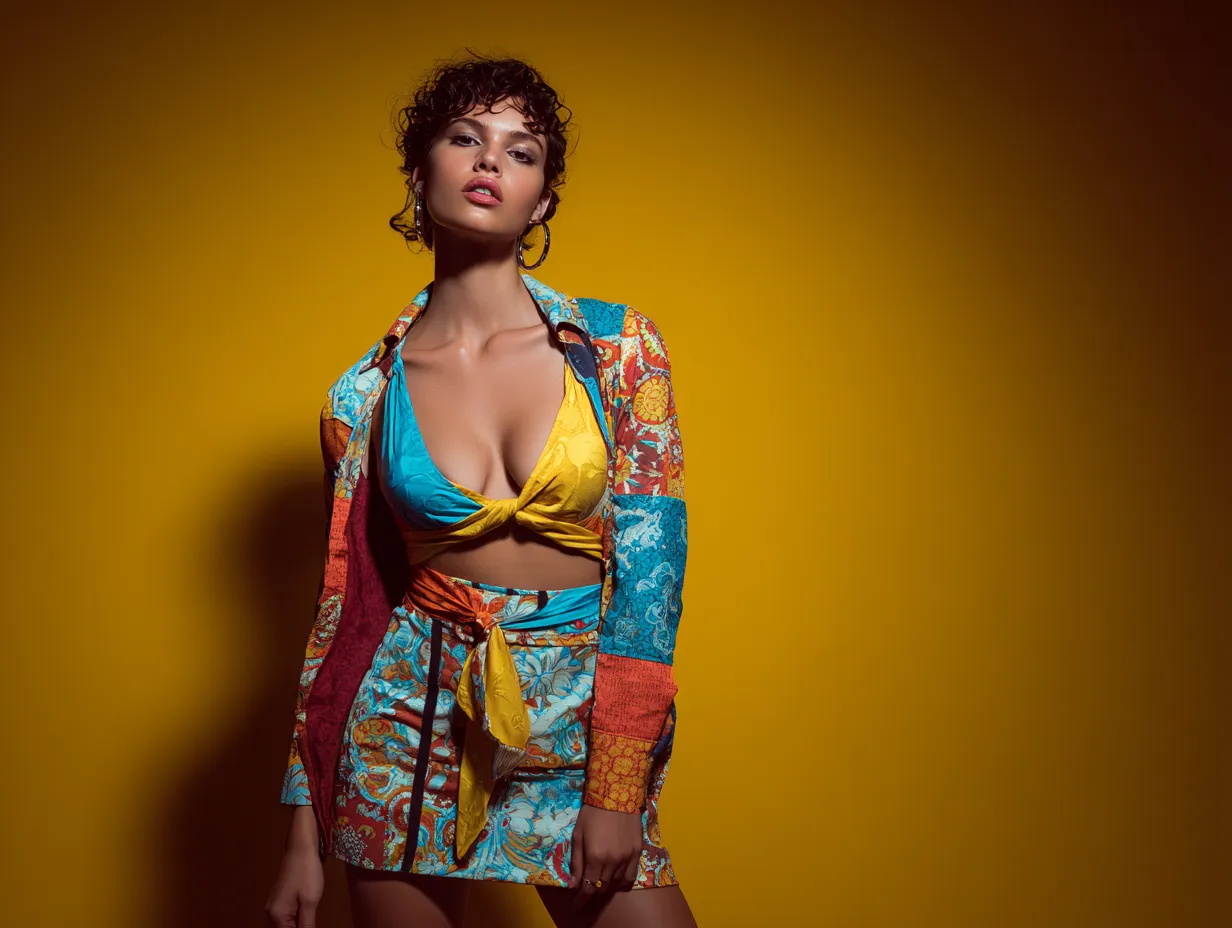
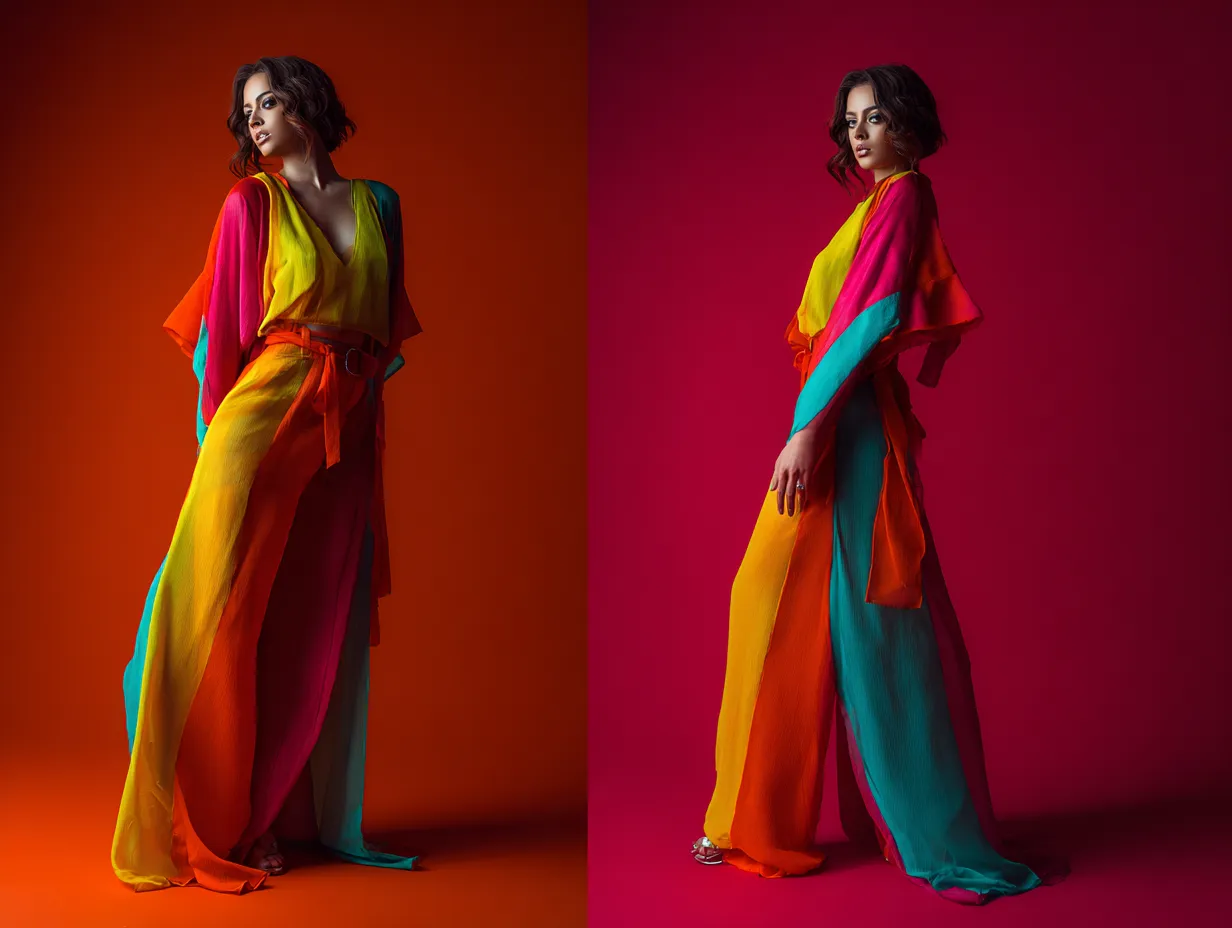
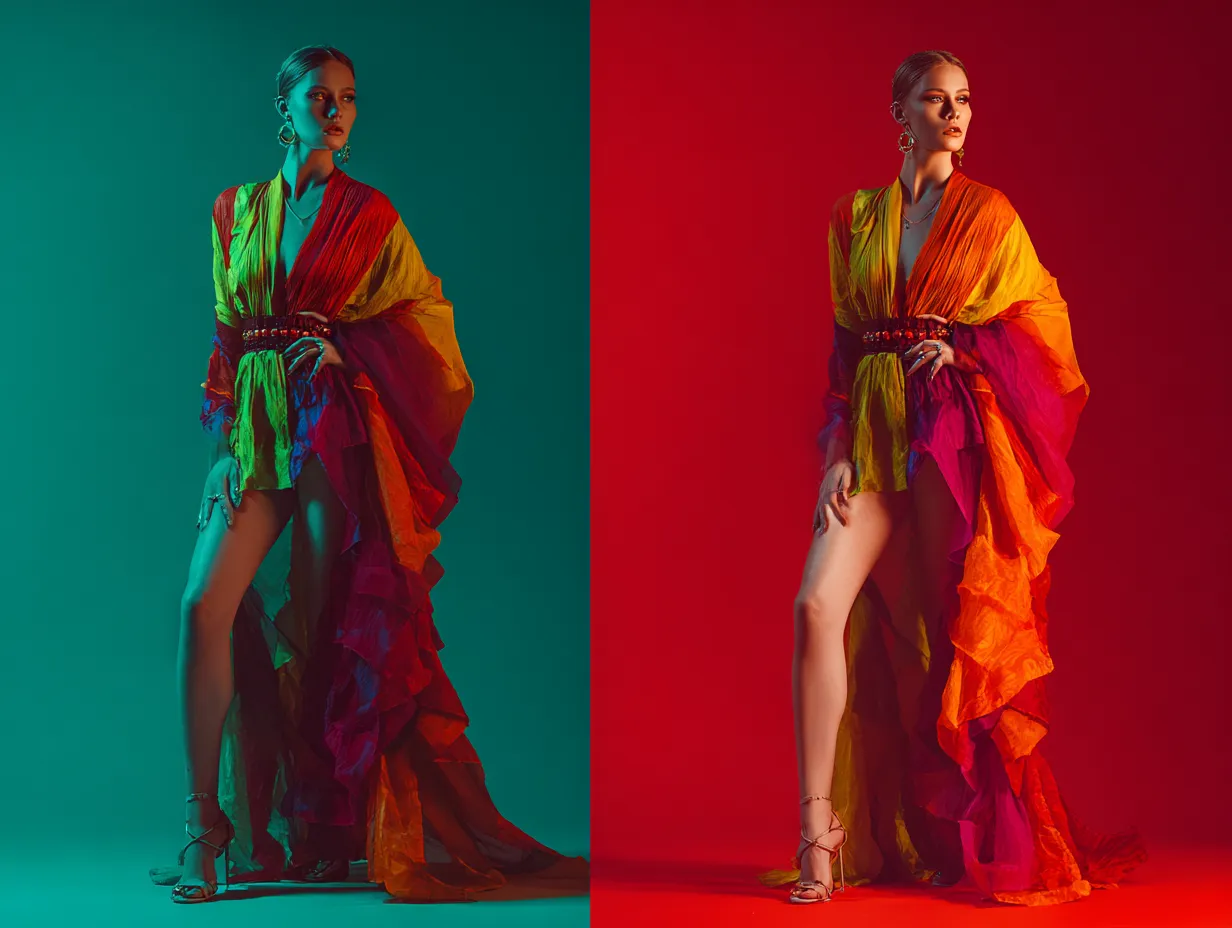
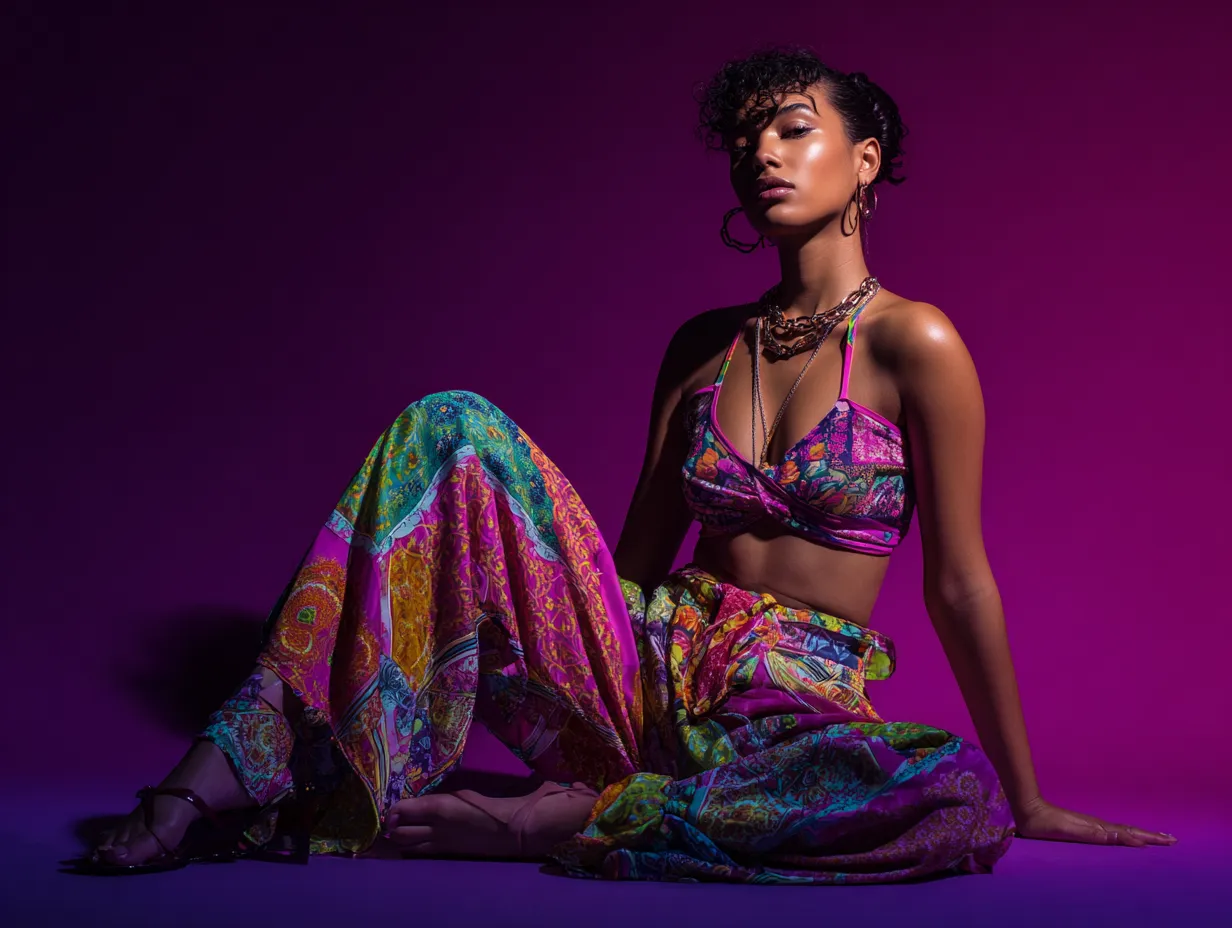
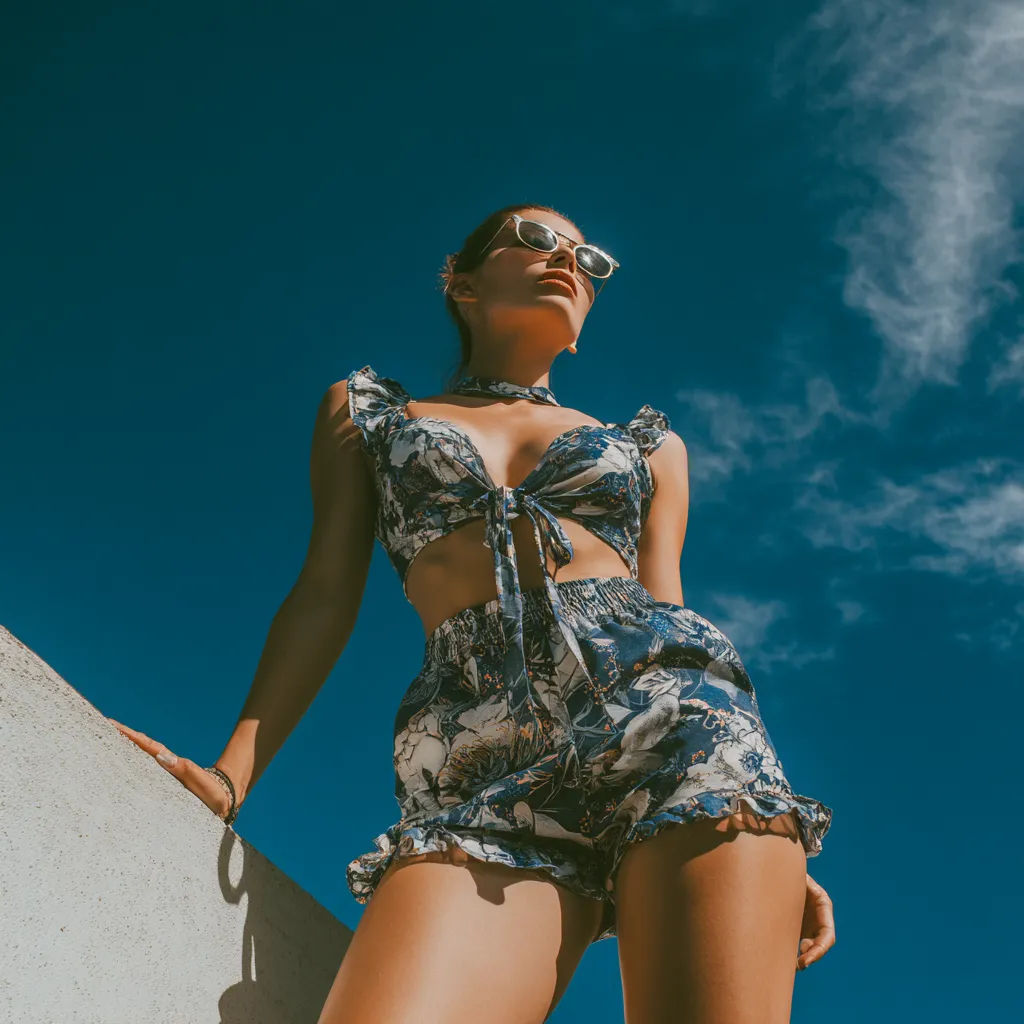
One of the most reliable strategies for creating maximum impact is the pairing of strict geometric lines with organic, flowing shapes. The classic combination of stripes and florals perfectly exemplifies this approach. A sharp, graphic black and white striped shirt provides a rigid, architectural foundation. When you mix bold prints by layering a lush, oversized tropical floral blazer over that striped base, the resulting tension is electrifying. The strictness of the stripes prevents the florals from looking overly romantic or dated, while the organic nature of the flowers softens the harshness of the geometric lines. This dynamic interplay between structure and fluidity is a hallmark of advanced styling and guarantees a striking visual presence.
Another highly effective strategy is the collision of traditionally incompatible themes. Animal prints and plaids, for instance, are rarely thought of as companion pieces. Plaid carries connotations of heritage, tailoring, and tradition, while animal print is inherently wild, rebellious, and glamorous. Combining these two contrasting narratives creates a fascinating sartorial paradox. Imagine a sharply tailored tartan plaid trouser paired with a fitted cheetah print turtleneck. The key to making this specific pattern clashing work is keeping the color palette relatively restrained, perhaps focusing on warm autumnal tones or stark black and grey variations. By uniting the disparate themes through a cohesive color story, you create a look that is both deeply sophisticated and entirely unexpected.
For those looking to combine vibrant patterns with an avant garde twist, monochromatic clashing offers a brilliant solution. This technique involves taking a single, vibrant color and wearing multiple different designs within that exact same hue. For example, you might wear a pair of electric blue trousers featuring a subtle tonal damask design, paired with an electric blue blouse covered in large, abstract polka dots. Because the entire outfit is drenched in a single, vivid color, the eye is forced to focus entirely on the conflicting textures and shapes of the motifs. This creates a deeply textured, three dimensional effect that is incredibly modern and visually arresting. It is a highly sophisticated way to mix bold prints without the risk of color clashing.
Accessories should never be an afterthought when you are aiming for maximum impact; they must actively participate in the overall narrative of the outfit. Rather than using solid neutrals to tone down the look, a true style expert will introduce a third, entirely different motif through their footwear or handbag. A snakeskin boot or a houndstooth clutch added to a floral and stripe combination elevates the ensemble to an entirely new level of fashion fluency. The trick to adding a third design is scale and placement. The accessory must feature a motif that is significantly smaller in scale than the clothing, acting as a final, punctuation mark rather than a competing paragraph.
It is also crucial to consider the silhouette of the garments when engaging in high impact pattern clashing. Because the textiles themselves are doing so much heavy lifting visually, the cut of the clothing should generally remain sharp and tailored. Voluminous, ruffled, or overly complicated silhouettes can push an outfit from boldly chic into messy and overwhelming territory. Clean lines, structured shoulders, and well defined waists provide the necessary architectural framework to support the wildness of the textiles. By keeping the shapes relatively simple, you allow the complex interaction of the designs to remain the absolute focal point of your look.
Furthermore, understanding the impact of negative space within a design is essential for advanced styling. Negative space refers to the blank background area around the actual shapes or drawings on the fabric. Designs with a large amount of negative space feel lighter and less dense, whereas densely packed motifs feel heavy and rich. When you combine vibrant patterns, matching the density can be just as important as matching the colors. Pairing a heavily saturated, densely packed paisley with an equally dense, intricately woven brocade creates a look of opulent maximalism.
Conversely, pairing two lightly spaced, minimalist designs creates a highly modern, airy aesthetic. Mixing a dense design with a sparse one can also be a deliberate choice to direct the viewer’s eye. The denser textile will naturally carry more visual weight, grounding the outfit, while the lighter textile will draw the eye upward or outward. This strategic manipulation of visual density allows you to sculpt your silhouette and dictate exactly how your outfit is perceived, further proving that mastering loud textiles is a highly technical and rewarding styling endeavor.
Elevating Your Wardrobe By Mixing Striking Motifs Confidently
Embarking on the journey to transform your personal style requires a systematic approach, especially when the goal is to incorporate highly visible, dynamic elements into your daily rotation. Elevating your wardrobe is not about discarding everything you own and starting from scratch; rather, it is about learning to see your existing garments through a new, highly creative lens. When you focus on mixing striking motifs confidently, you unlock a hidden potential within your closet, multiplying your outfit options exponentially. This progression from a safe, neutral heavy wardrobe to a dynamic, expressive collection happens in distinct stages, each building upon the foundational skills of proportion, color, and scale.
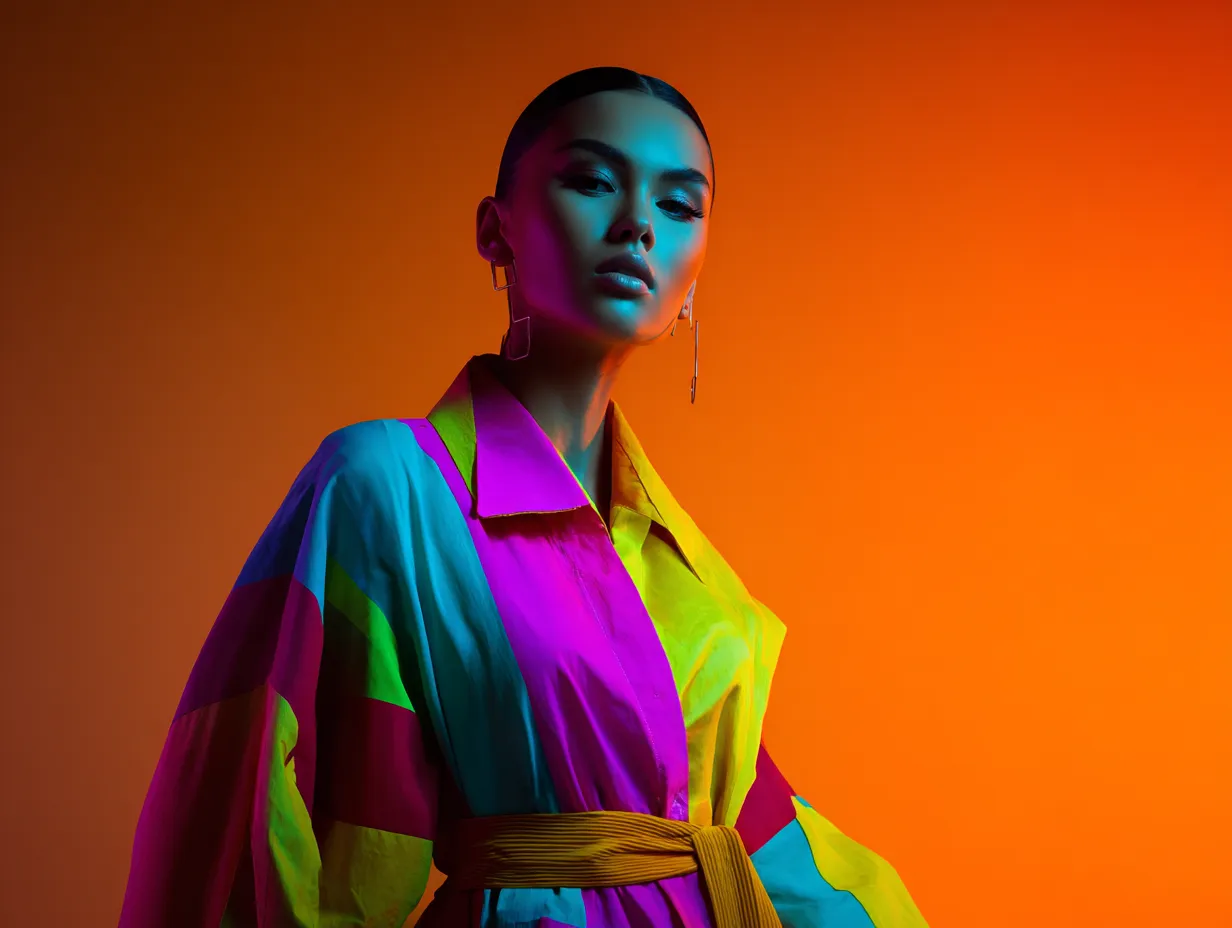
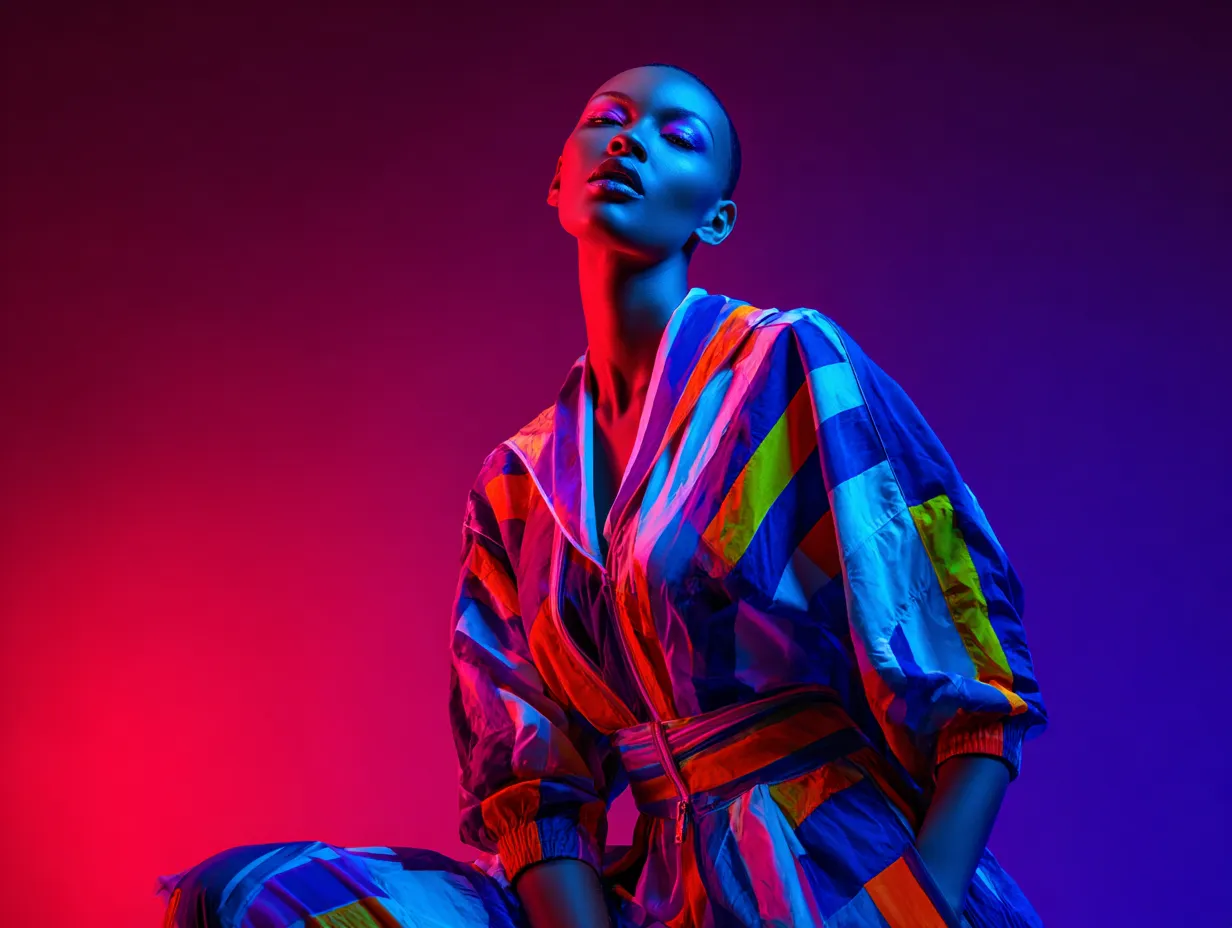
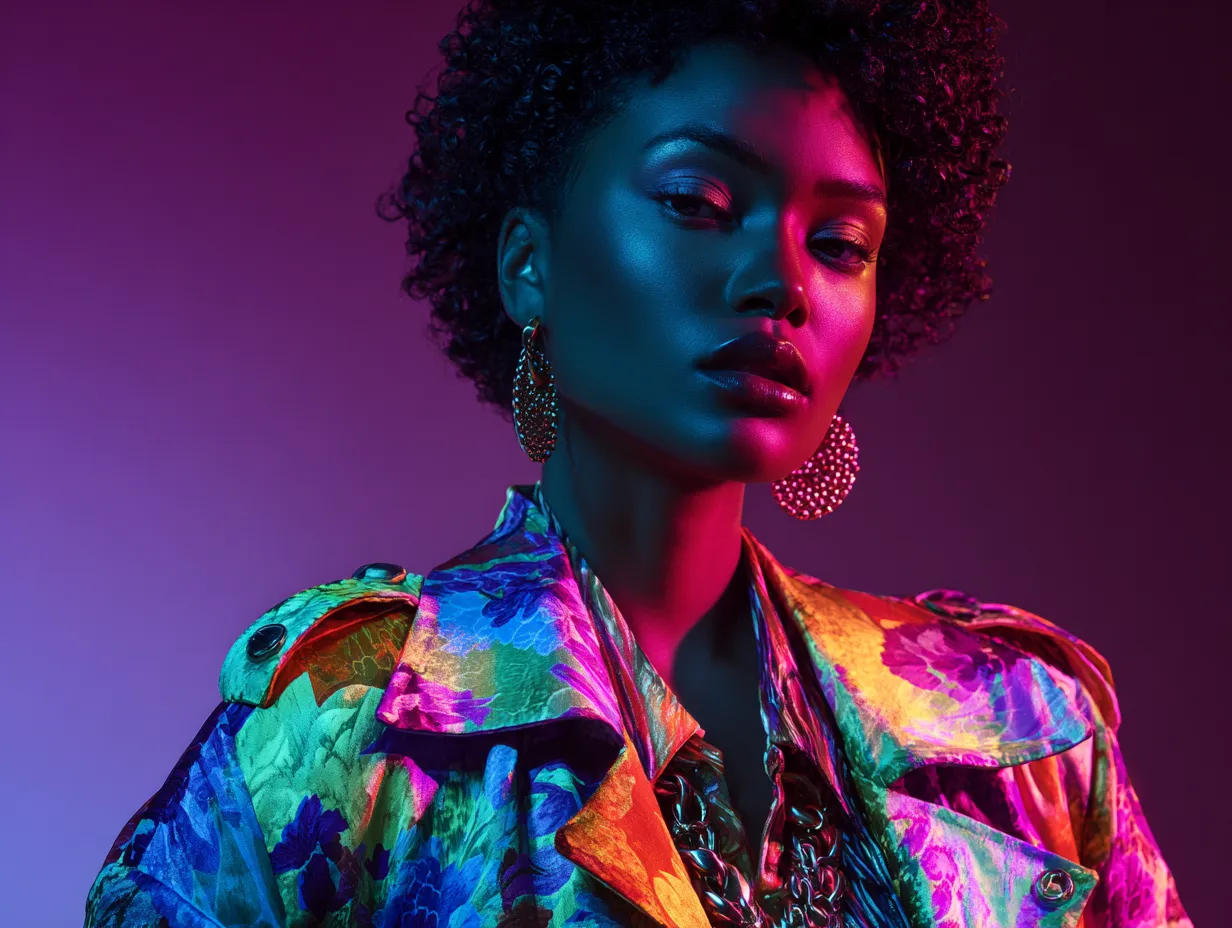
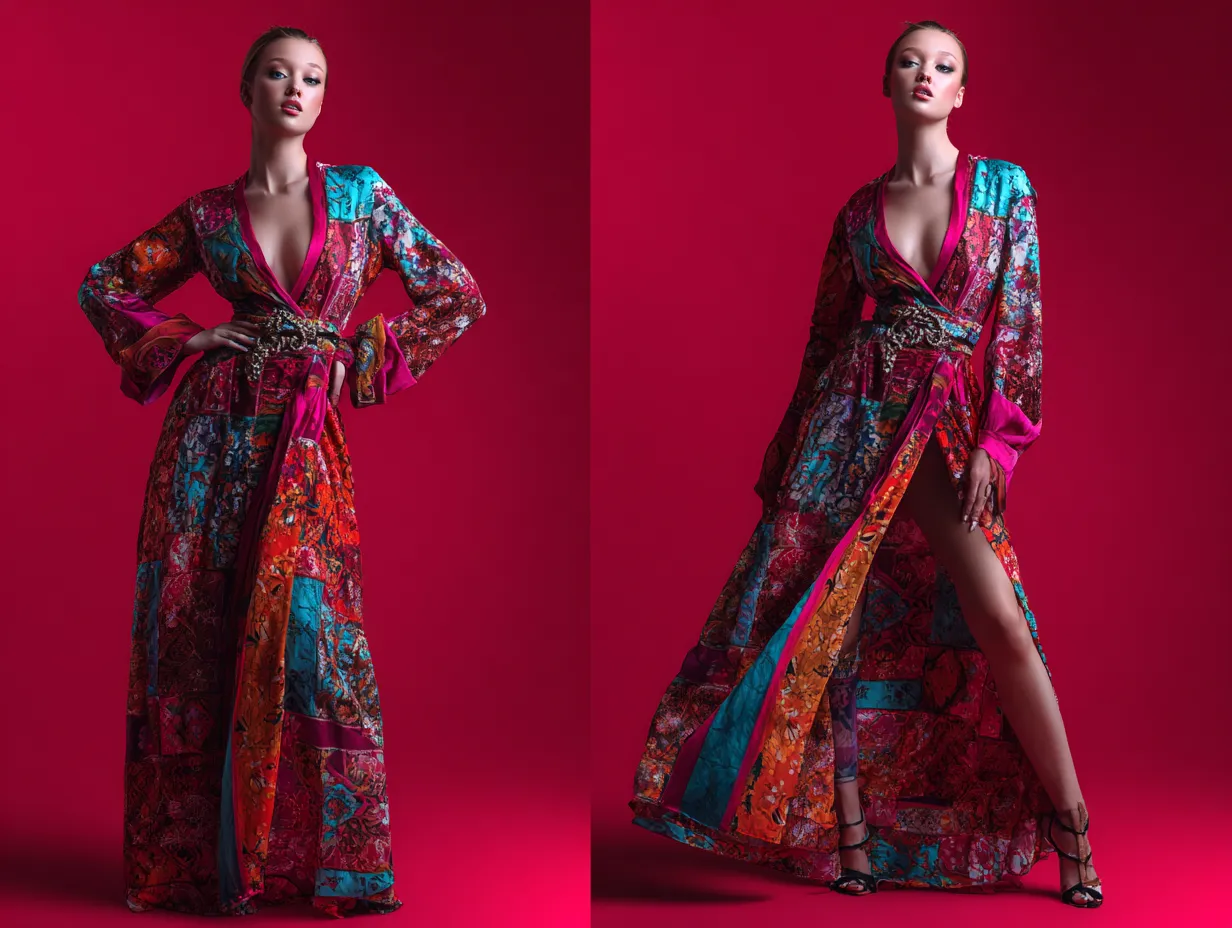
The beginner phase of this transformation should always start with baby steps. The easiest way to introduce loud textiles into your look is through accessories. This low risk strategy allows you to experiment with mixing striking motifs without feeling as though you are wearing a costume. Start by pairing a vividly printed silk scarf with a subtly striped button down shirt. This small, localized area of contrast provides a gentle introduction to the aesthetic. Alternatively, you might wear a classic polka dot dress and introduce a pair of aggressively styled leopard print heels. Because the shoes are physically distanced from the dress, the visual clash is softened, making the outfit feel incredibly chic yet entirely approachable.
Once you feel comfortable with accessorizing, the next phase involves the one and a half styling method. This technique involves pairing a deeply bold, statement garment with a piece that features a much subtler, almost invisible design. For example, you might choose a heavily embroidered, multicolored floral skirt as your anchor piece. Instead of pairing it with a solid color, you would mix bold prints by choosing a top with a micro houndstooth or a very faint, tonal pinstripe. From a distance, the top reads as a solid texture, but up close, the subtle design provides a sophisticated layer of complexity. This method bridges the gap between traditional matching and full blown maximalism.
The intermediate stage is where you truly begin to combine vibrant patterns with equal visual weight. This is the realm of the classic pairings discussed earlier, such as stripes with florals or polka dots with plaids. At this level, confidence is crucial. You must deliberately choose pieces that share a unifying color thread and ensure the scales of the designs contrast appropriately. It is highly recommended to spend time standing in front of a full length mirror, swapping out different pieces until the balance feels correct. A successful intermediate look often relies on layering. Adding a solid colored blazer over a clashing blouse and trouser combination can instantly frame the chaos, making the entire ensemble feel grounded and intentional.
Reaching the advanced level of styling means you are no longer relying on traditional pairings or shared color palettes. At this stage, mixing striking motifs becomes an intuitive art form. You might combine three entirely different textiles—perhaps a tartan trouser, a geometric sweater, and a paisley coat—relying entirely on the manipulation of scale, texture, and silhouette to create cohesion. This level of fashion fluency requires a deep, personal understanding of your own aesthetic and an absolute refusal to conform to conventional rules. It is about creating a visual symphony where every loud element plays a specific role in the overall composition.
To sustain this elevated wardrobe, you must also change the way you shop. When browsing for new pieces, do not just look for items that match your solid basics. Actively seek out garments that will clash beautifully with the loud pieces you already own. If you find a spectacular zebra print jacket, immediately mentally inventory your closet to see if you own a striking floral dress or a brightly striped pant that could pair with it. By adopting this forward thinking purchasing strategy, you ensure that your wardrobe remains a dynamic, interlocking system of creative possibilities.
Furthermore, proper garment care becomes even more critical when your wardrobe heavily relies on mixing striking motifs. The impact of a loud textile is entirely dependent on the crispness of its colors and the integrity of its lines. A faded floral or a bleeding geometric shape will instantly make an outfit look sloppy rather than sophisticated. Investing time in understanding fabric care labels, utilizing cold water washes to preserve dye saturation, and properly steaming garments to maintain sharp silhouettes are non negotiable habits for maintaining an elevated look. When your clothes look pristine, the deliberate clashing of their designs appears sharper and more luxurious.
Ultimately, the confidence to wear these combinations stems from a deep familiarity with your own clothing. Take the time to conduct regular closet audits, dedicating an afternoon to physically trying on unexpected combinations. Photograph the successes so you have a quick reference guide on busy mornings. This active engagement with your wardrobe transforms the act of getting dressed from a mundane chore into an exciting opportunity for daily artistic expression. By committing to this process, you will undoubtedly turn heads and inspire others with your fearless approach to fashion.
Mastering the integration of dynamic textiles fundamentally changes your relationship with fashion, transforming daily dressing into a thrilling creative exercise. By understanding the critical roles of color bridging, scale variation, and textural contrast, anyone can successfully navigate the complexities of combining vivid garments. The journey from wearing safe solids to confidently clashing loud designs requires a willingness to experiment and, most importantly, the self assurance to wear your choices proudly. As you continuously refine your eye and push your sartorial boundaries, your wardrobe will evolve into a deeply personal, highly expressive collection that guarantees you will stand out in any crowd with absolute elegance.