Vintage interior design earns its place in a modern home through restraint, not accumulation — one antique piece per room does more than a house full of them ever could. The rooms that actually pull off a mix of eras all share the same habit: pick a single object with real age to it, then build everything modern around that one piece. Bedrooms lean on a walnut nightstand, kitchens lean on a reclaimed-wood surface, living rooms lean on a rug or a coffee table — the anchor changes, the principle doesn’t.
Most people get the ratio backwards, filling a room with vintage pieces and then wondering why it reads as a thrift store instead of a home. Interior designers who work with vintage furniture daily tend to keep vintage pieces to about a fifth of what’s in a room, using modern furniture, paint, and lighting to keep everything else calm. That ratio, paired with real prices for the pieces worth buying, is what the rest of this covers room by room.
Quick scan:
- Anchor each room with exactly one standout antique piece — let modern furniture do the rest of the work.
- Mid-century walnut nightstands run $136 to $305 a pair at Home Depot; skip buying a full matching set.
- Kitchen islands average about $4,800 installed, and reclaimed wood surfaces run $40–$100 per square foot on their own.
- Designers commonly work from an 80% modern to 20% vintage ratio to keep a room from tipping into a period showroom.
- Vintage wool rugs run roughly $250–$1,800 and should go to a professional cleaner every 18–24 months.
One Walnut Nightstand Sets the Tone for Vintage Interior Design in a Bedroom


Mixing modern and antique furniture in a bedroom starts with the nightstands, not the bed. A pair of walnut mid-century nightstands runs $136 to $305 at Home Depot, which is enough to set a retro tone without committing to a full matching bedroom set. Pair them with a low platform bed in black metal or matte wood and the two eras already start talking to each other. Skip the temptation to buy the whole collection at once — one antique-feeling piece does more work than five.
A sleek platform bed reads as modern because of its low profile, not its finish, so a walnut or oak frame still counts as contemporary if the lines stay clean. Layer in one vintage textile, like a hand-stitched quilt or a set of retro-print throw pillows, and the bed becomes the bridge between old and new instead of just another modern object. What actually makes a bedroom feel vintage? Usually it’s texture, not furniture — a quilt with visible wear does more than a brand-new piece staged to look old.
Vintage wallpaper carries more of the load in a small bedroom than most people expect, because it covers four walls’ worth of visual space in one move. A geometric mid-century print or a faded floral pairs well with a streamlined dresser, since the wallpaper supplies the history and the furniture supplies the restraint. Keep the dresser hardware simple — brass pulls, no carving — so the wallpaper stays the loudest thing in the room.
Lighting decides whether the mix reads as intentional or thrown together. A pair of vintage-style pendant lights over the nightstands, wired for modern LED bulbs, gives you the shape of an old fixture with the light quality of a new one. Warm bulbs around 2700K flatter both the walnut wood and the older textiles in the room, which is why most stylists avoid daylight-toned bulbs in a bedroom mixing eras.
For more ideas on pairing dark, modern furniture finishes with mid-century pieces, this mid-century modern black bedroom furniture roundup breaks down brass hardware and walnut accent combinations room by room. The same nightstand-first logic applies whether the frame is black lacquer or natural wood — the anchor piece leads, everything else supports it. Try swapping just the lamp on one nightstand for a brass-and-glass vintage model before touching anything else in the room.
Don’t do this: Don’t buy a matching mid-century bedroom set as one box. A dresser, bed, and nightstands from the same collection reads like a hotel catalog page, not a room built over time. Buy the nightstands first, live with them for a month, then decide whether the dresser actually needs to be old or new.


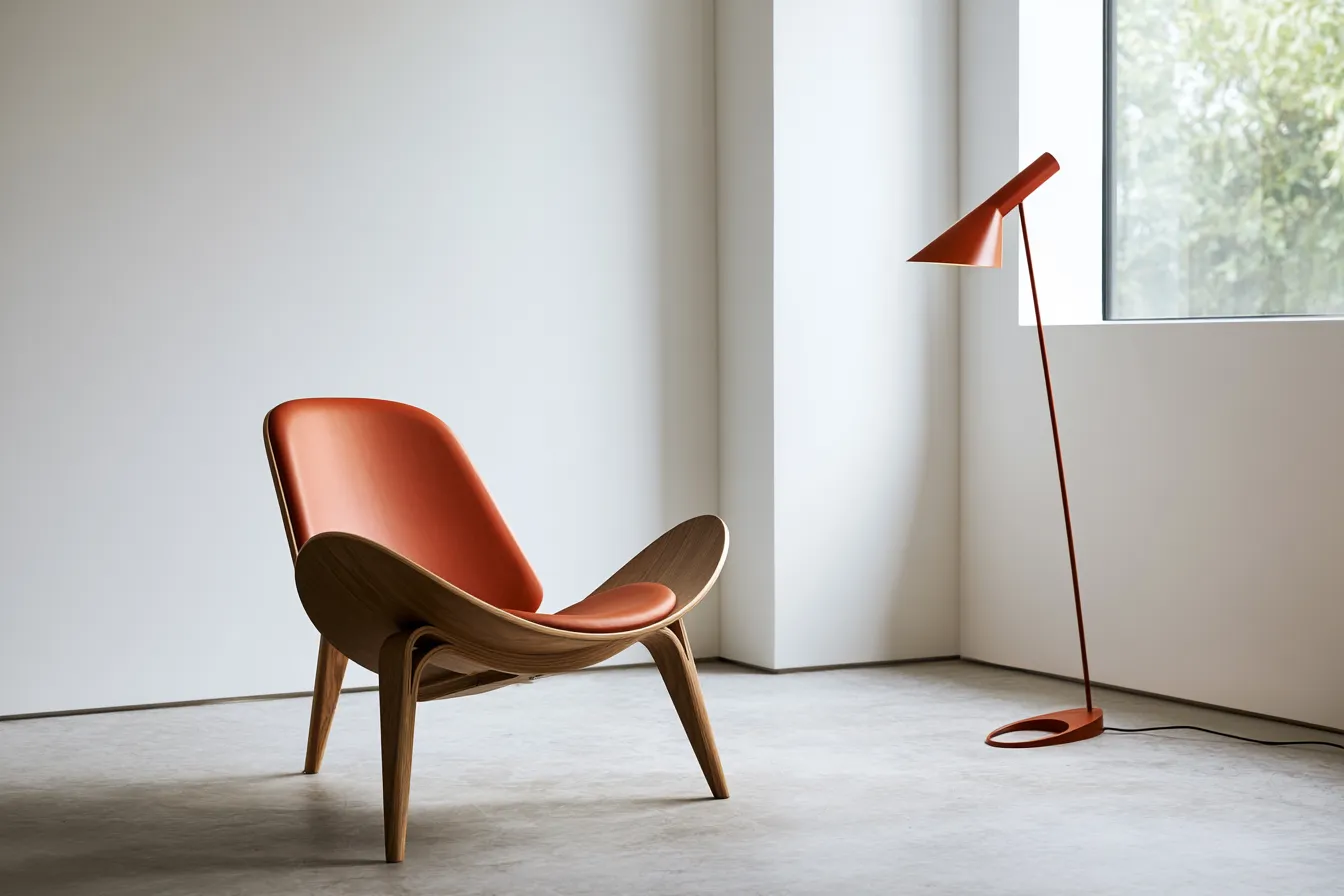
Mid-century nightstands work because their clean lines and organic tapered legs read as almost modern already, so they never fight with a contemporary bed frame. Pair one with a minimalist lamp and the room gets a focal point without a stylistic argument. Choose nightstands with visible wood grain over painted finishes — grain is what signals age, paint erases it.
Rugs and throws carry most of the tactile contrast in a mixed-era bedroom. A flat-weave modern rug in a solid neutral grounds the space, while a vintage wool throw or worn leather bench softens the edges. Mixing leather with linen in the same room adds the kind of textural variety that a single-material bedroom never gets — think of it the way a good outfit pairs a structured jacket with a soft scarf.
The last decision is always the smallest one: what sits on the nightstand. A vintage alarm clock, a small stack of hardback books, or a brass tray does more to finish a vintage interior design bedroom than another framed print ever will. Pick one small object with real age to it and stop there — the room is already balanced.
Reclaimed Wood Draws the Line Between Farmhouse and True Vintage Interior Design


How to mix modern and vintage decor in a kitchen usually comes down to a single surface, not a full appliance swap. A reclaimed-wood island top costs $40 to $100 per square foot on top of the base, and a full custom island averages about $4,800 installed. That one worn wood surface next to stainless steel appliances does more to signal history than a dozen vintage-look accessories scattered around the room. Skip the fake distressed finishes sold as “reclaimed style” — real reclaimed wood has irregular grain that machine distressing can’t fake.
The kitchen carries more daily wear than any other room in the mix, so the vintage element has to survive dishwater and heat, not just look good in photos. Stainless steel appliances handle that job while a single reclaimed-wood or butcher-block surface takes on the character work. Why does this pairing work better than a fully retro kitchen? Because modern appliances actually function better, and nobody wants to troubleshoot a decades-old stove on a Tuesday night.
A high-performance modern range sitting beneath an ornate vintage hood vent creates the kind of contrast that photographs well and functions even better. The same logic works with open shelving: keep the shelf brackets simple and modern, then let the dishware on them carry the vintage note through mismatched ceramics or a set of retro glassware. Reclaimed wood shelving over a stainless backsplash gives you texture without touching the parts that actually get greasy.
A rustic wood table pulling double duty as an island or prep station earns its place because it does real work, not because it looks old. Pair it with modern counter stools and a contemporary pendant light so the table doesn’t end up looking orphaned in a sea of stainless steel. For a closer look at balancing wood tones against clean modern cabinetry in a smaller footprint, the small mid-century modern kitchen breakdown covers cabinetry proportions worth checking before buying a full-size island.


Kitchen walls hold the second layer of the mix, once the big-ticket appliances and surfaces are settled. Contemporary framed art next to a set of antique culinary tools or an old enamel sign gives the wall some depth without turning it into a museum display. Group three or four smaller vintage pieces together instead of spacing single items evenly — clusters read as curated, evenly spaced single pieces read as decorating by rule.
Open shelving works with this style because it forces restraint — there’s nowhere to hide clutter, so only the dishware worth displaying makes the cut. Mixing contemporary white dishware with a few vintage ceramic pieces on the same shelf keeps the display from tipping into either fully modern or fully retro. Sleek cabinetry with hidden hardware below the open shelves keeps the lower half of the kitchen quiet, the same way a plain picture frame makes a busy painting easier to look at.
Hardware is the detail people notice last and miss first when it’s wrong. A modern faucet over a farmhouse sink, paired with brass or black cabinet pulls that reference an earlier decade, ties the whole kitchen together without a single big purchase. Swap only the knobs and pulls before considering a full cabinet repaint — hardware changes cost under $200 for most kitchens and reveal whether the bigger renovation is even necessary.
The finishing layer in a kitchen mixing modern and vintage interior design elements is almost always smaller than people plan for — a bowl, a vase, a set of vintage glasses on open shelving. Save the bigger vintage purchases, like a reclaimed table or an antique hood vent, for after the appliances and cabinetry are settled, since those bigger pieces are what the rest of the kitchen has to work around. Buy the small stuff first and live with it for a few weeks before deciding what the room still needs.
Neutral Walls Let a Single Antique Piece Do All the Talking


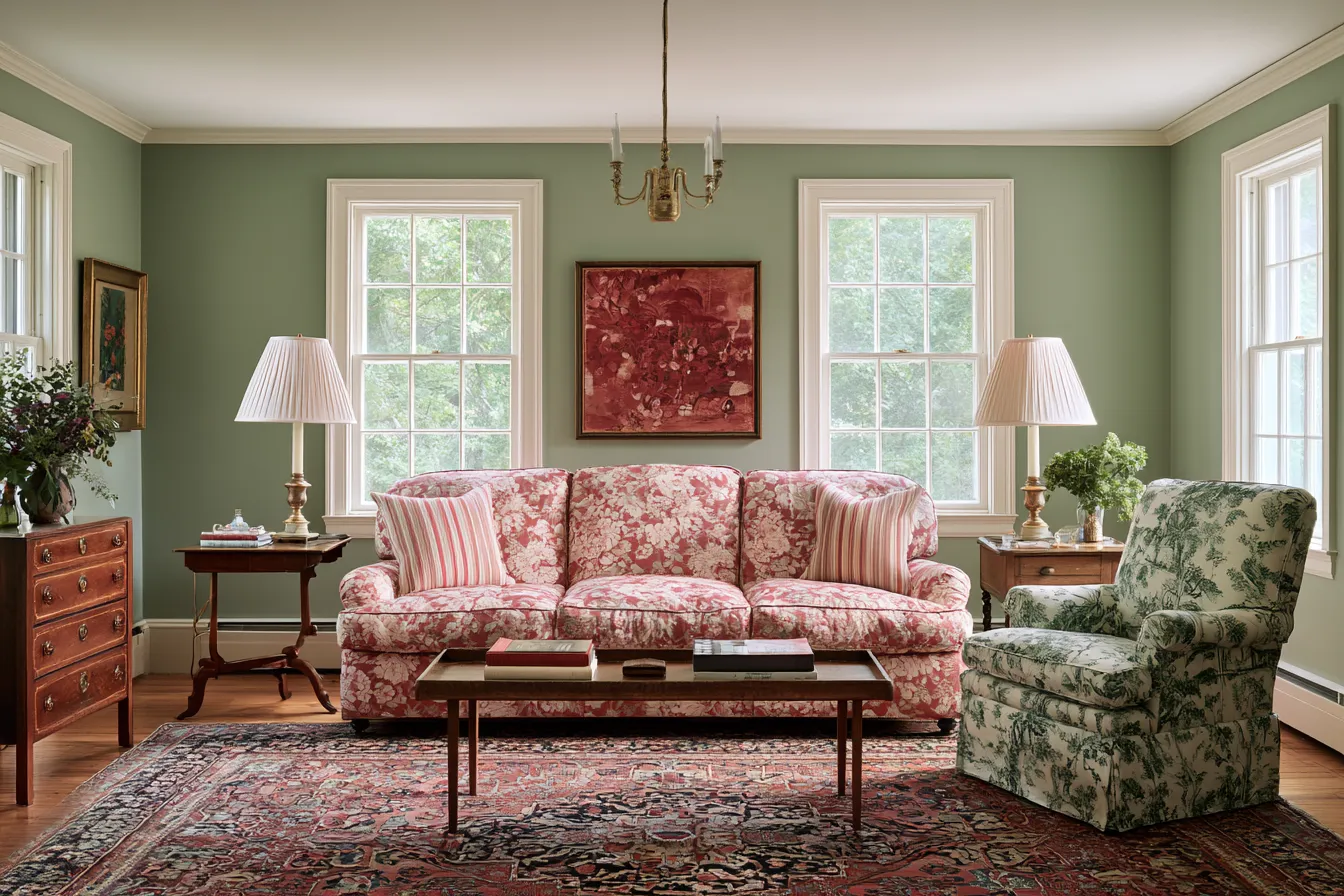
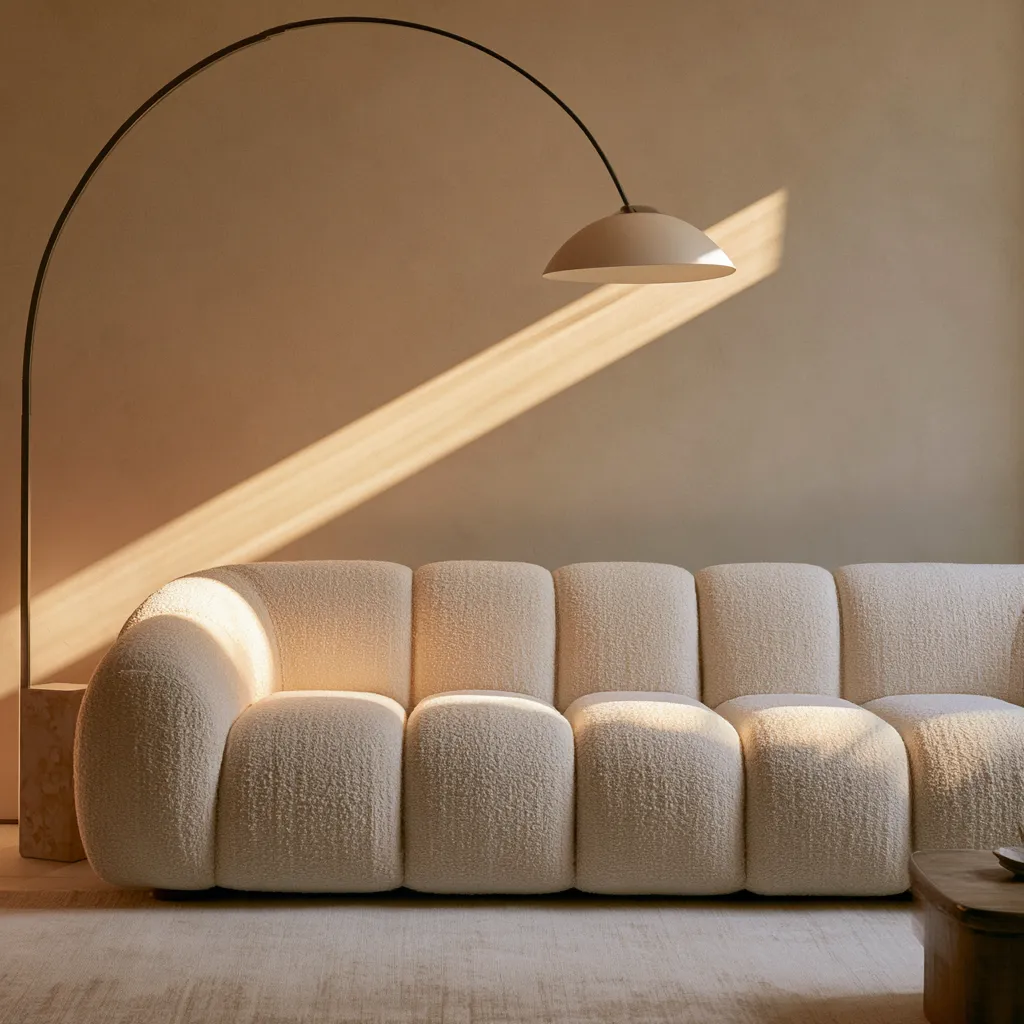
Modern and vintage interior design in a living room works best when one side of the room stays quiet enough for the other to be heard. Interior designers commonly work from an 80 percent modern to 20 percent vintage ratio, which keeps a handful of antique pieces from tipping the room into a period showroom. A contemporary sofa in a solid neutral color gives that 80 percent its foundation, leaving the antique coffee table or vintage rug to carry the entire historical reference. Skip layering more than two vintage pieces into a single seating area — three or more starts to read as a prop room instead of a living room.
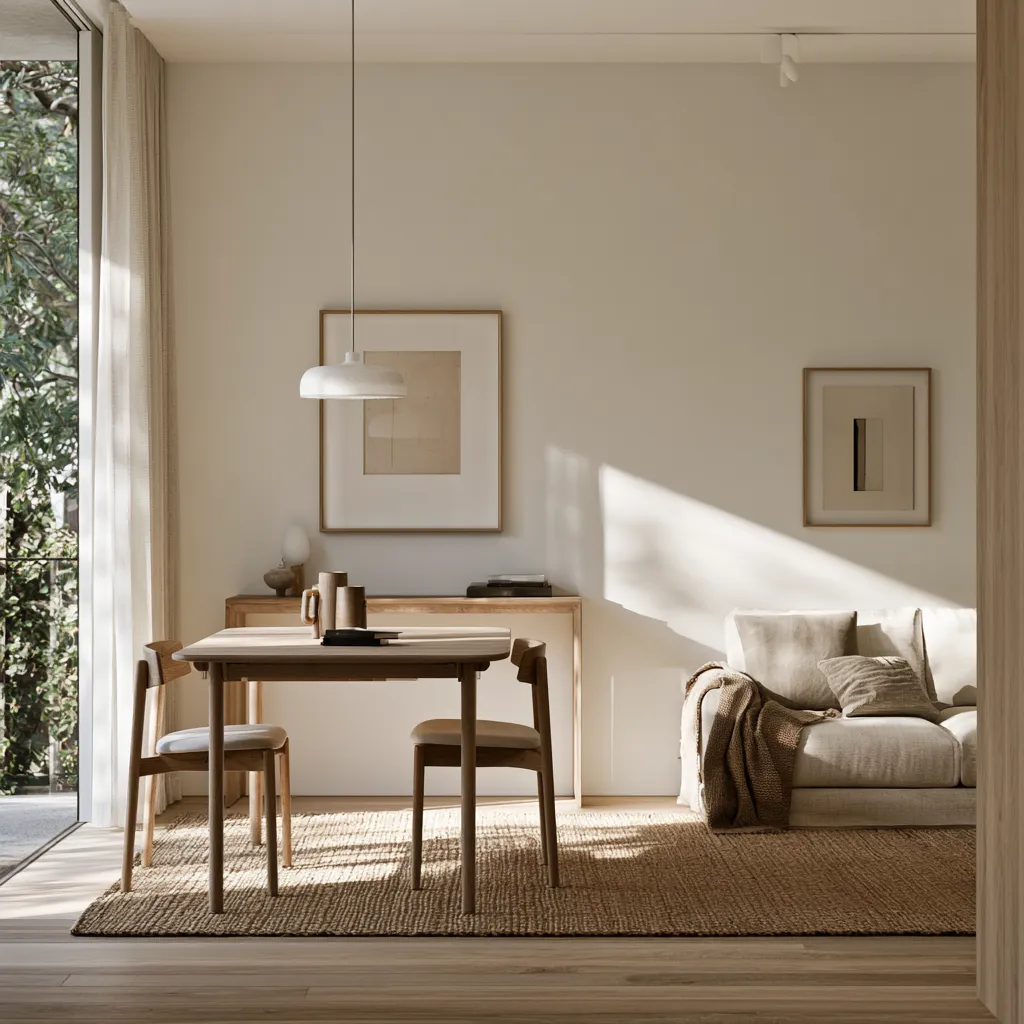
Soft, muted wall colors like off-white or warm gray do more work than people expect, because they let both the modern sofa and the antique side table sit at the same visual volume. Add the personality back in through art, pillows, and one bold accent chair instead of the walls themselves. What color should the walls be in a room mixing furniture eras? Almost always the quietest color in the palette, since the furniture is already doing the contrast work.
A clean-lined modern sofa paired with an antique coffee table creates the single strongest contrast point in most living rooms, mainly because the two pieces sit at the same eye level and get compared constantly, the way two people in a conversation naturally end up sizing each other up. Vintage wool rugs run roughly $250 to $1,800 depending on size and origin, and a professional cleaning every 18 to 24 months keeps a hand-knotted rug from becoming the room’s weak point. Choose the rug before the coffee table if you’re only budgeting for one big vintage purchase — a rug covers more visual territory per dollar.
Large windows dressed in simple, unlined modern curtains do double duty in a mixed-era living room: they flood the space with light and keep the window treatment itself from competing with everything else in the room. Evening light needs backup from warm-toned floor lamps or pendant fixtures, since a room that looks balanced at noon can go flat after sunset. Position at least one floor lamp near the antique piece specifically — under-lit vintage furniture reads as forgotten, not curated.

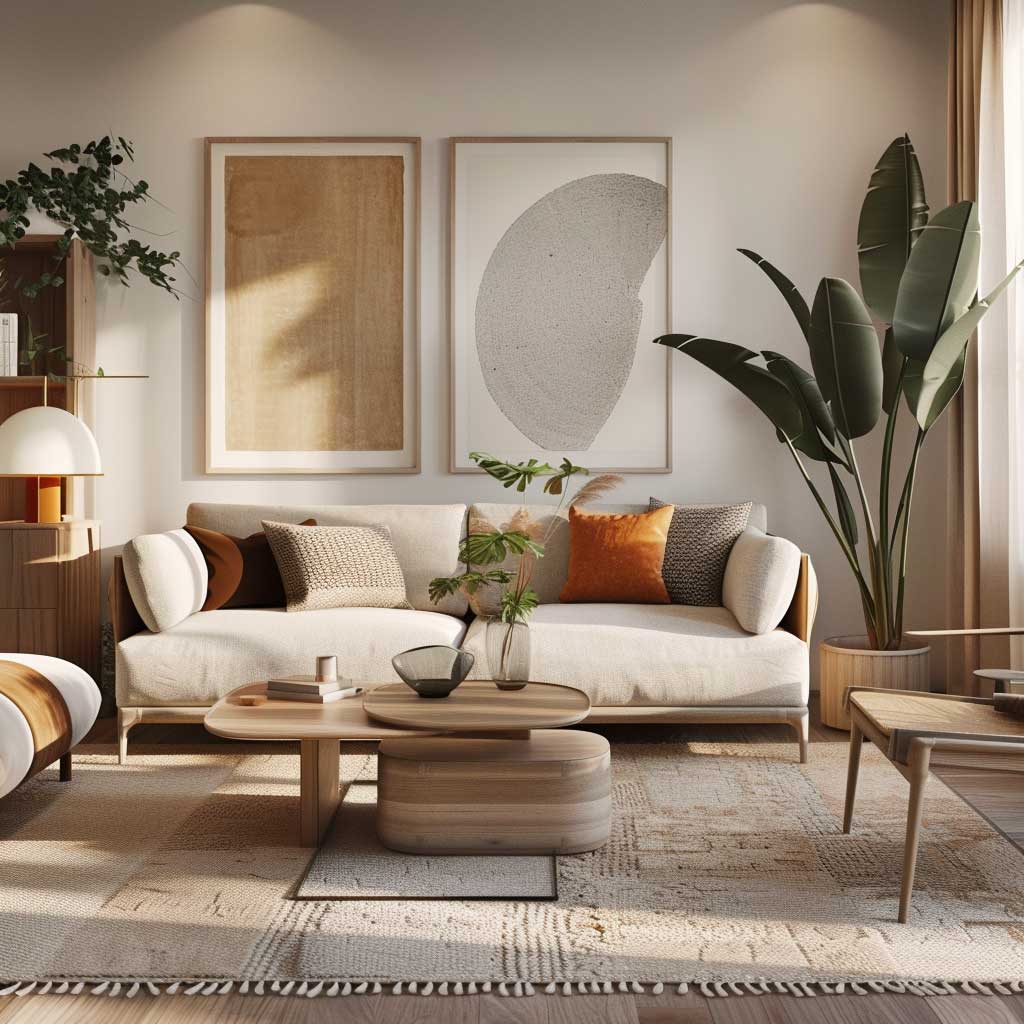


Wall art is where most of the actual eclecticism happens, since it’s cheaper to rotate than furniture and forgives more mismatches. A contemporary print hung a few inches from a vintage frame works because the frames themselves — not the art inside them — are doing the era-mixing. Group the art in one cluster near eye level rather than spacing pieces evenly around the room, the same clustering trick that works on kitchen walls.
The most convincing mixed-era living rooms usually have one item nobody can quite place the age of — a lamp, a mirror, a small side table picked up somewhere and never dated. That ambiguity is doing real work: it stops the eye from sorting everything into “old” and “new” piles and just lets the room feel collected. A family photo in a modern frame sitting next to a genuinely old book does more for that effect than any single piece of furniture.
Getting modern and vintage interior design right in a living room is less about matching styles and more about picking which single piece gets to be the oldest thing in the room. Once that piece is chosen, everything else — sofa, rug, lighting, art — exists to support it rather than compete with it. Start with the piece already in the house that has the most history, even a hand-me-down, and build the rest of the room’s budget around making that piece look intentional.
| Room | Anchor Piece | Vintage Ratio | Starting Budget |
|---|---|---|---|
| Bedroom | Walnut nightstand pair | 20% vintage | $136–$305 |
| Kitchen | Reclaimed-wood island top | 20% vintage | $2,800–$4,800 |
| Living Room | Antique coffee table or rug | 20–30% vintage | $250–$1,800 |
THE SHORT VERSION
One vintage piece per room beats a house full of matching sets.
Bedrooms need exactly one antique anchor, not a matching set.
Kitchens borrow their vintage note from a single reclaimed-wood surface.
Save this post before the reclaimed-wood table or the walnut nightstands sell out.